Premium grade field joint coatings, moisture-curing shields, and heat shrinkable repair patches designed for high-stress industrial applications.
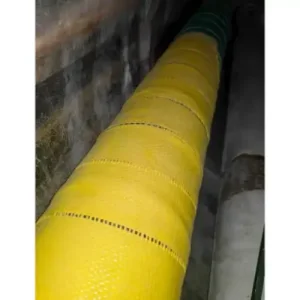
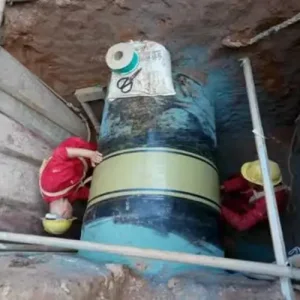
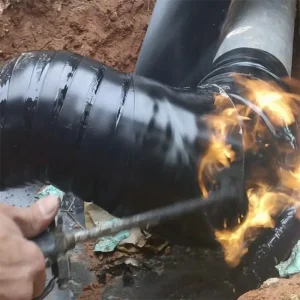
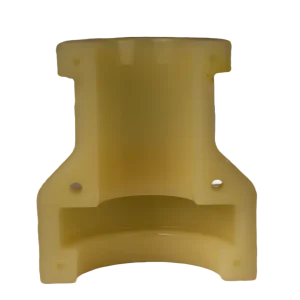
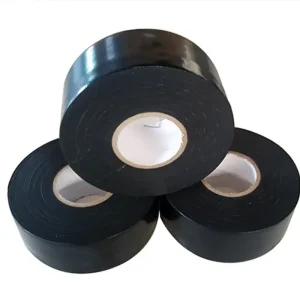
Achieving superior mechanical strength and long-term barrier performance against moisture, soil shear stress, and cathodic disbondment.
In modern pipeline construction, joint rehabilitation, and offshore installations, field joint coating integrity (FJC) determines the operational lifespan of the entire infrastructure. Heat shrinkable wrap tubes—specifically designed as high-expansion sleeves and wraparound systems—represent the pinnacle of thermodynamic material performance. Utilizing high-energy electron beam radiation to cross-link linear polyethylene matrices, modern manufacturers create materials that exhibit the famous "elastic memory effect." This memory enables the backing to shrink tightly over pre-engineered adhesives upon heating, creating a continuous, impervious seal that prevents gas, water, and corrosive ions from accessing the underlying steel substrate.
This technical whitepaper details the structural dynamics, testing protocols, manufacturing advantages, and macro-industrial solutions provided by CYCT New Materials. From the high-temperature requirements of 3LPE/3LPP configurations to specialized offshore installations, understanding polymer properties and installation chemistry is paramount for modern EPC contractors and procurement officers globally.
Extruded from high-molecular-weight polyethylene, our backing layers are subjected to controlled electron-beam radiation. This transforms the thermoplastic into a cross-linked structure that does not melt or flow at elevated shrink temperatures, retaining excellent tensile strength, elongation, and puncture resistance under extreme pipeline burial operations.
Our shear-resistant hot melt adhesives are dynamically engineered to bond flawlessly to both steel substrates (epoxy primed or bare steel) and factory-applied coatings. Formulated to resist flow at high operating temperatures, these systems exhibit remarkable cathodic disbondment resistance up to 80°C.
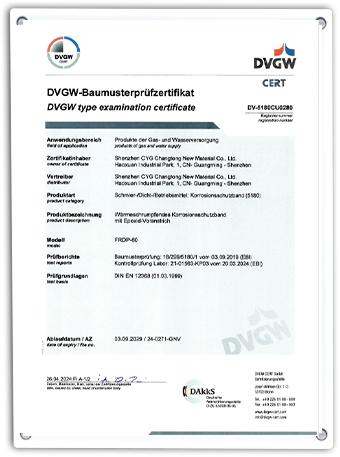
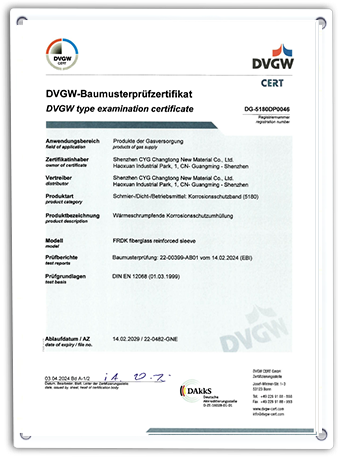
Fitted with specialized moisture-curing components and UV-resistant compounds, our heat shrinkable sleeves effectively isolate the metallic surface from anaerobic bacteria, chloride ions, and ground moisture, exceeding standard EN 12068 and ISO 21809-3 specifications.
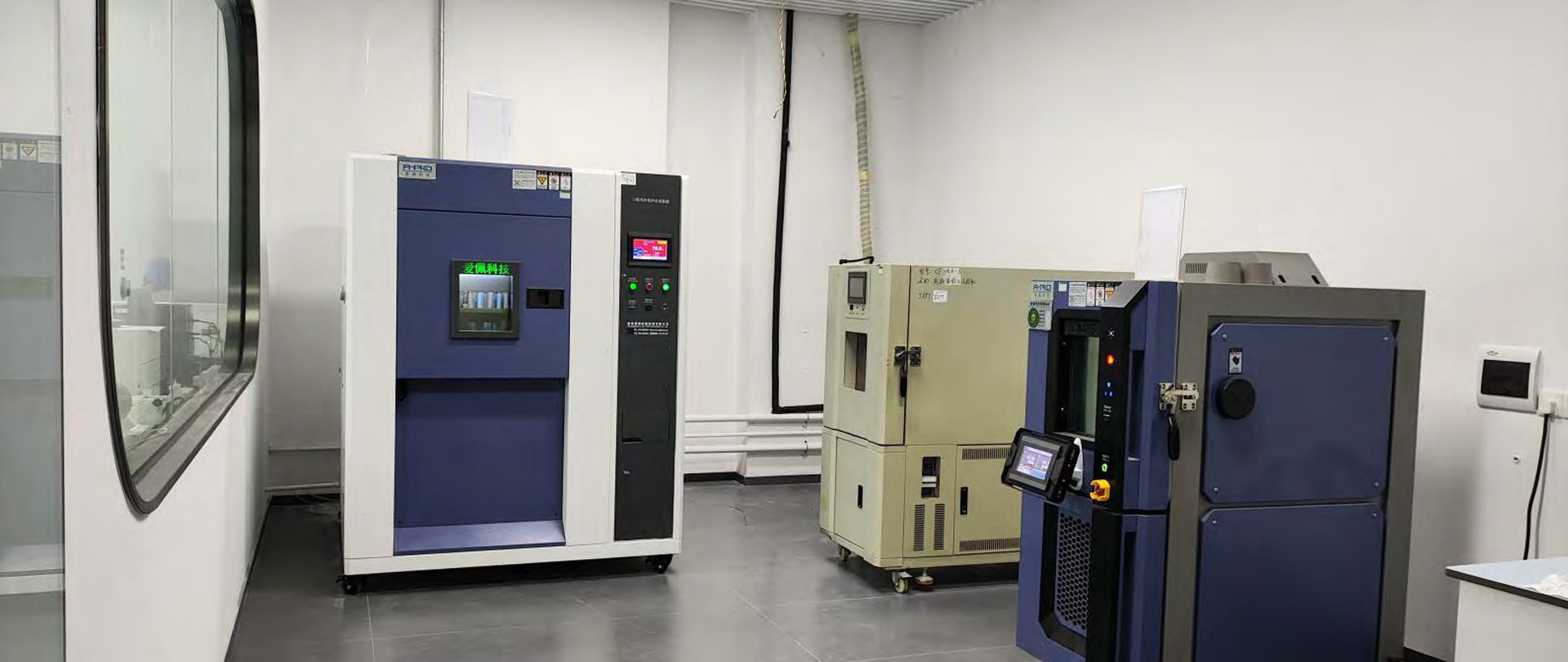
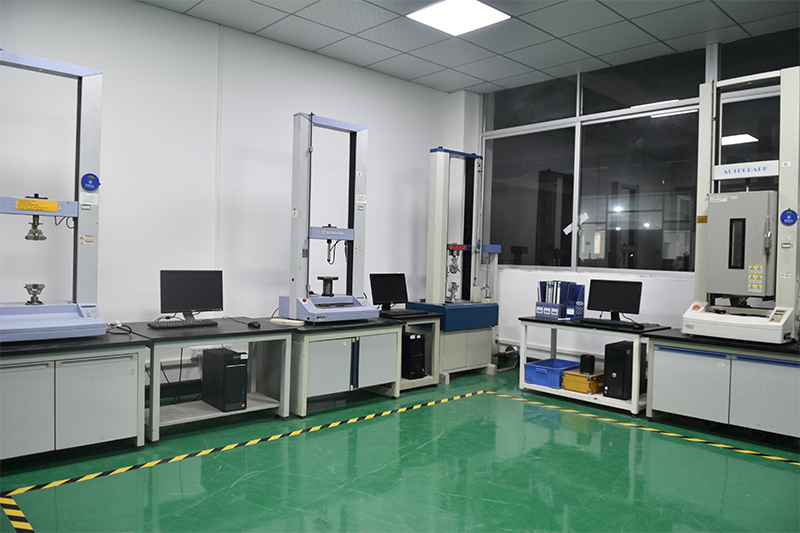
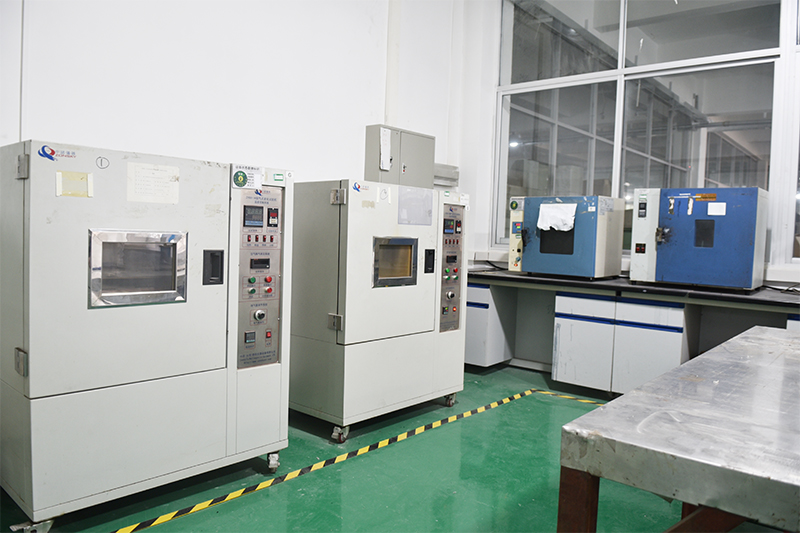
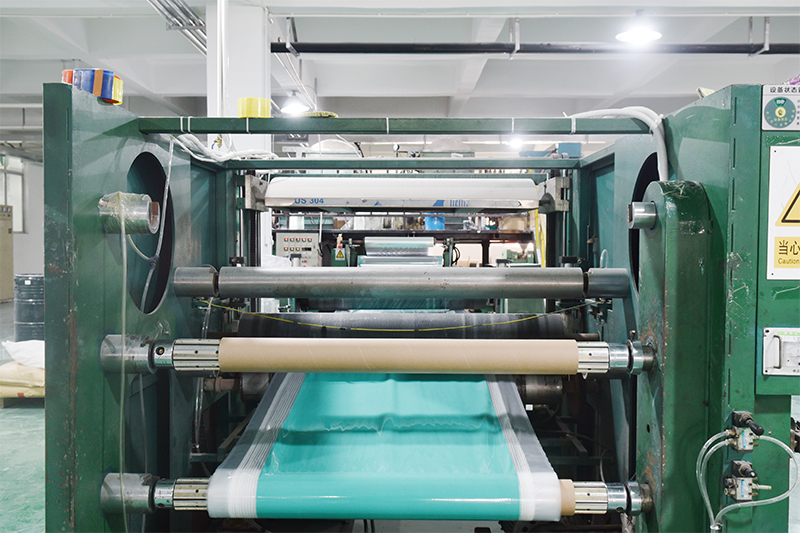
Our advanced test facilities, modern production lines, and high-performance engineering output have positioned CYCT as a primary supplier for key state-level infrastructure projects.
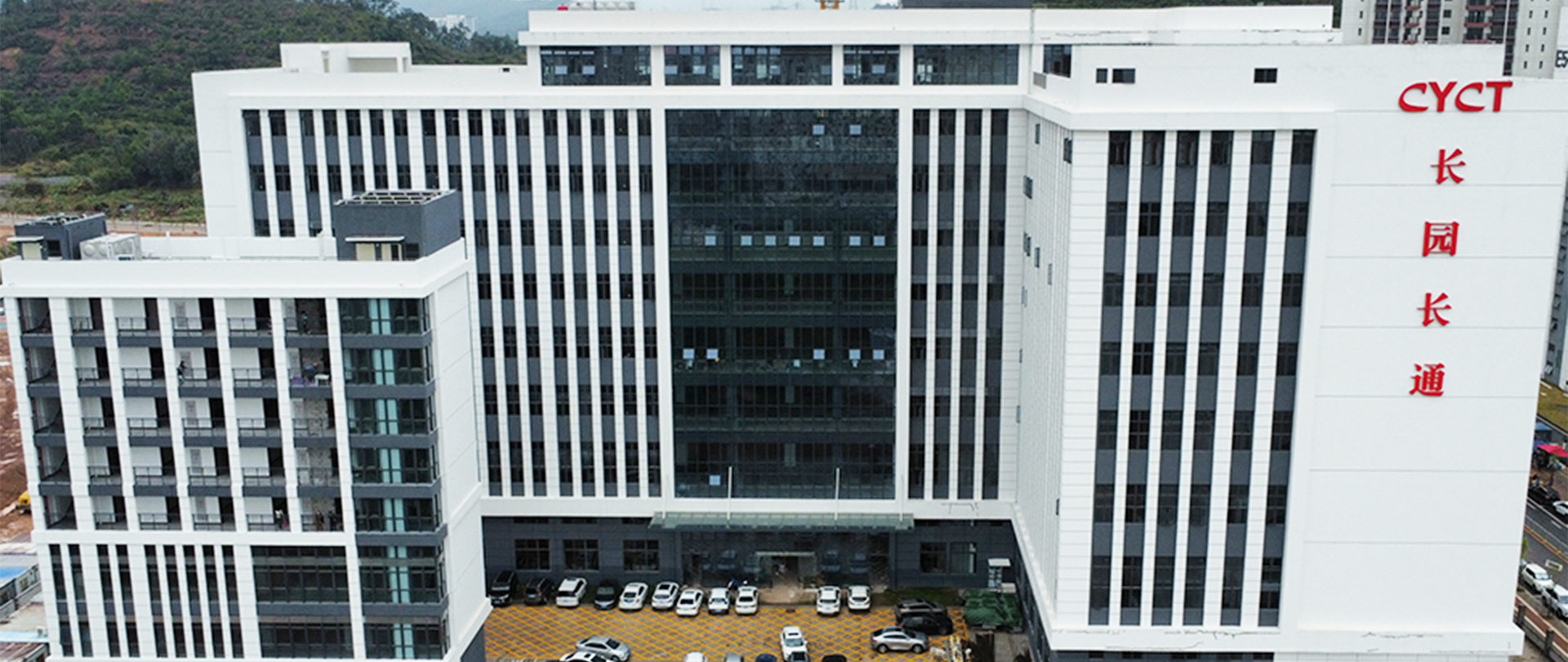
Founded in 2000, CYCT New Materials has grown from a specialized research-driven enterprise into a powerhouse integrated supplier of pipeline anti-corrosion materials, buried pipeline detection services, and pipeline coating field application solutions. Our infrastructure features high-performance extruders, state-of-the-art expansion lines, and proprietary radiation cross-linking chambers that allow us to guarantee the exact shrinking ratio, backing thickness, and adhesive thickness demanded by international EPC standards.
By establishing long-term collaborations with the CNPC Pipeline Science Research Institute and maintaining active corporate membership in the China Association of Petroleum Engineering Construction (CAPEC), CYCT ensures its material science portfolio aligns with standard shifts from traditional heat shrink systems to next-generation visco-elastic coatings, polyurea, and glass-fiber reinforced polymer (GFRP) technologies.
Addressing the complex engineering challenges of overland transmission, offshore installations, and trenchless technologies.
Deep-water and tidal environments expose subsea pipelines to continuous moisture, mechanical impacts, and high salt concentrations. Traditional field joint coatings fail under hydrostatic pressure and mechanical motion. The CYG Changtong GRF Moisture Curing Shield provides an outer armor layer that cures in the presence of water, creating an impervious offshore protection system over heat shrinkable wraparound sleeves.
Trenchless construction requires pipelines to be pulled through rocky soil boreholes, generating tremendous shear forces. Standard PE tapes tear and delaminate under these stresses. CYCT's specialized photo-curing sleeves and glass-fiber reinforced polymer (GFRP) reinforcement systems act as an ultra-tough outer shield, resisting indentation and gouging during long-distance HDD pullback operations.
Industrial lines carrying heavy crude oil or processed chemicals operate at temperatures reaching 60°C to 80°C. Standard asphalt or low-density mastic-based wraps liquify and lose adhesion under thermal load. The OEM 60℃ FRDS Heat Shrinkable Tape utilizes high-performance co-polymer hot-melt adhesives to provide high shear resistance, preventing soil movement from peeling the protective backing.
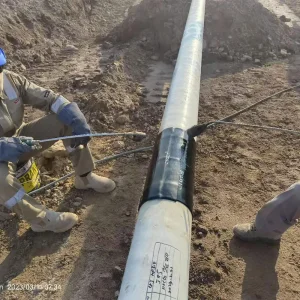
Corrosion on operational buried pipelines requires excavation, inspection, and local field repair. Our FRDX Hot Melt Fillers, PE coating repair patches, and PVC anti-corrosion tapes allow fast site installation without specialized heavy equipment, minimizing system downtime while restoring long-term cathodic protection profiles.
A closer look at CYCT's development, state-of-the-art testing capabilities, and long-standing partnership honors.
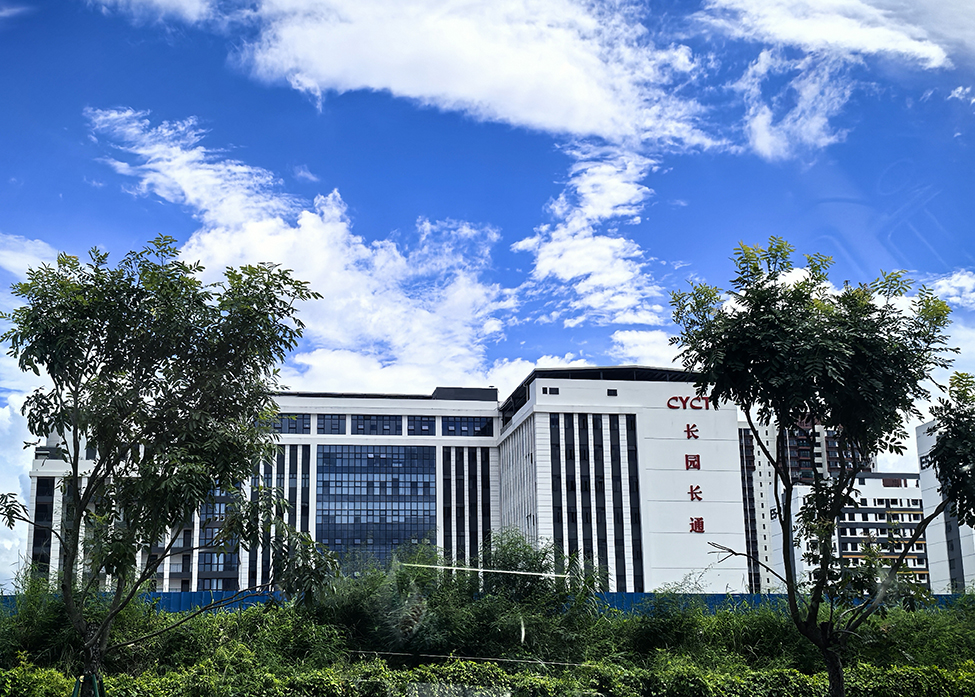
CYCT New Materials Company Limited (for short, CYCT) is a state-level high-tech enterprise integrating R&D, production and sales of pipeline corrosion protection materials as well as buried pipeline detection service and pipeline coating field application service into one. CYCT devotes itself to R&D, production and sales of pipeline corrosion protection materials for decades.
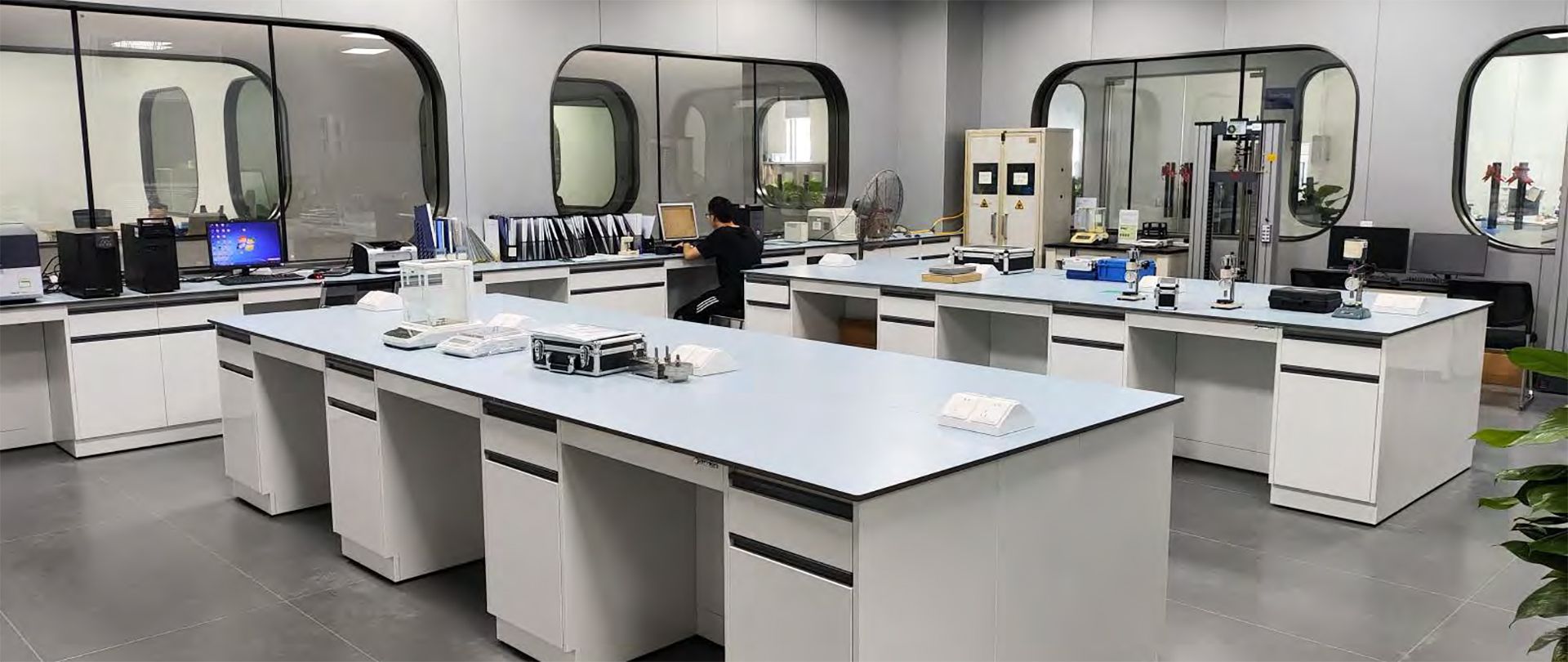
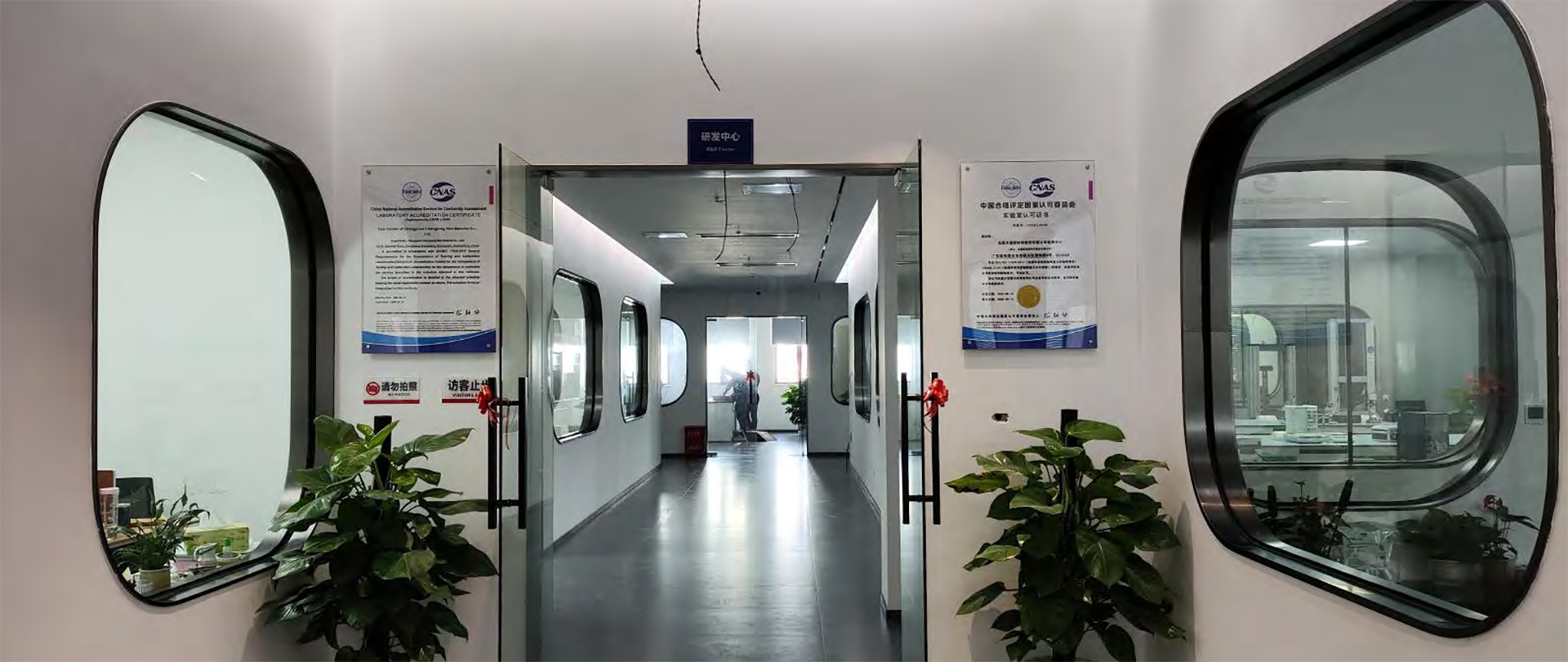
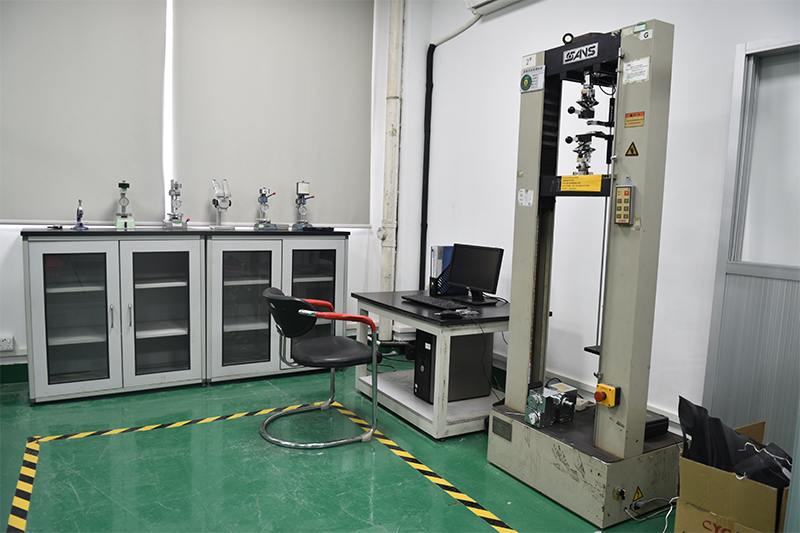
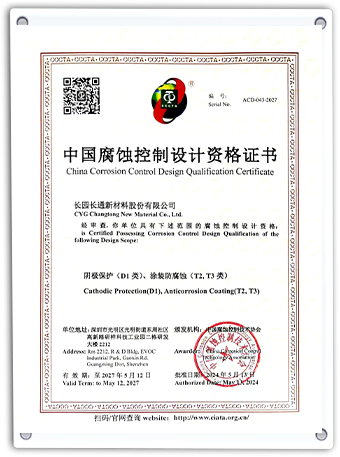
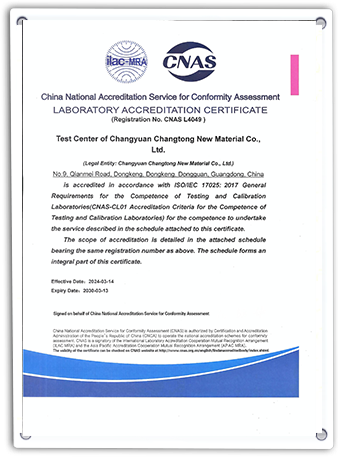
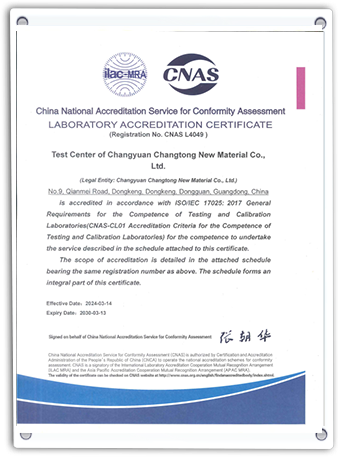
CYCT owns leading testing and R&D capabilities, a professional R&D team, and a national CNAS-accredited laboratory. By maintaining close cooperation with leading R&D institutes such as the CNPC Pipeline Science Research Institute, CYCT is capable of providing in-service pipelines with varied technical services, including buried pipeline detection, design schemes, cathodic protection, rehabilitation projects, and integrated safety protection solutions.
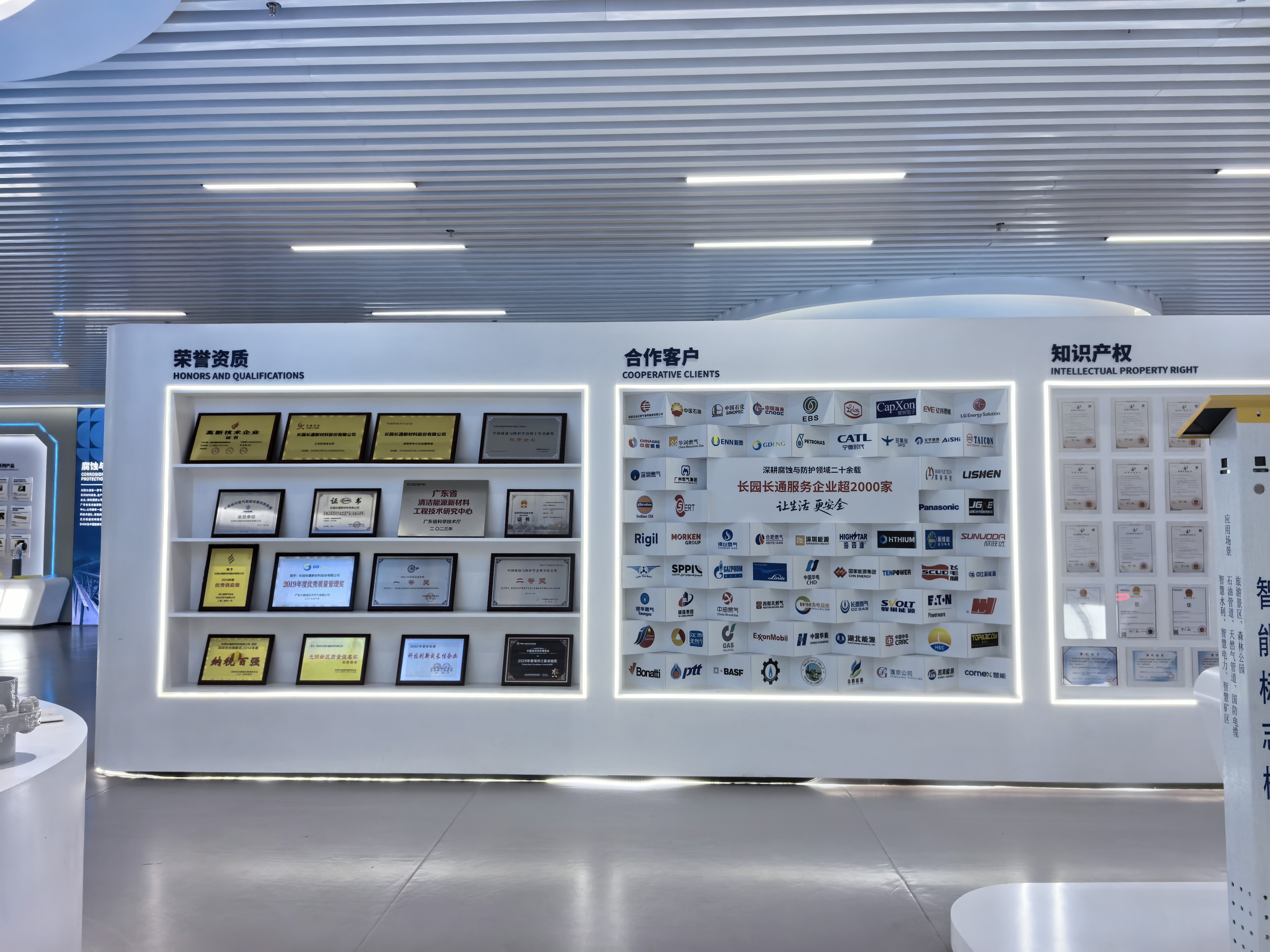
CYCT has become a stable supplier of field joint coatings for years to PetroChina, Sinopec, PipeChina, and local pipeline operators, commanding a very high market share. Furthermore, CYCT has successfully developed and introduced a number of specialty corrosion protection materials, such as visco-elastic anticorrosion materials, special photo-curing sleeves for HDD protection, and polyurea coatings.
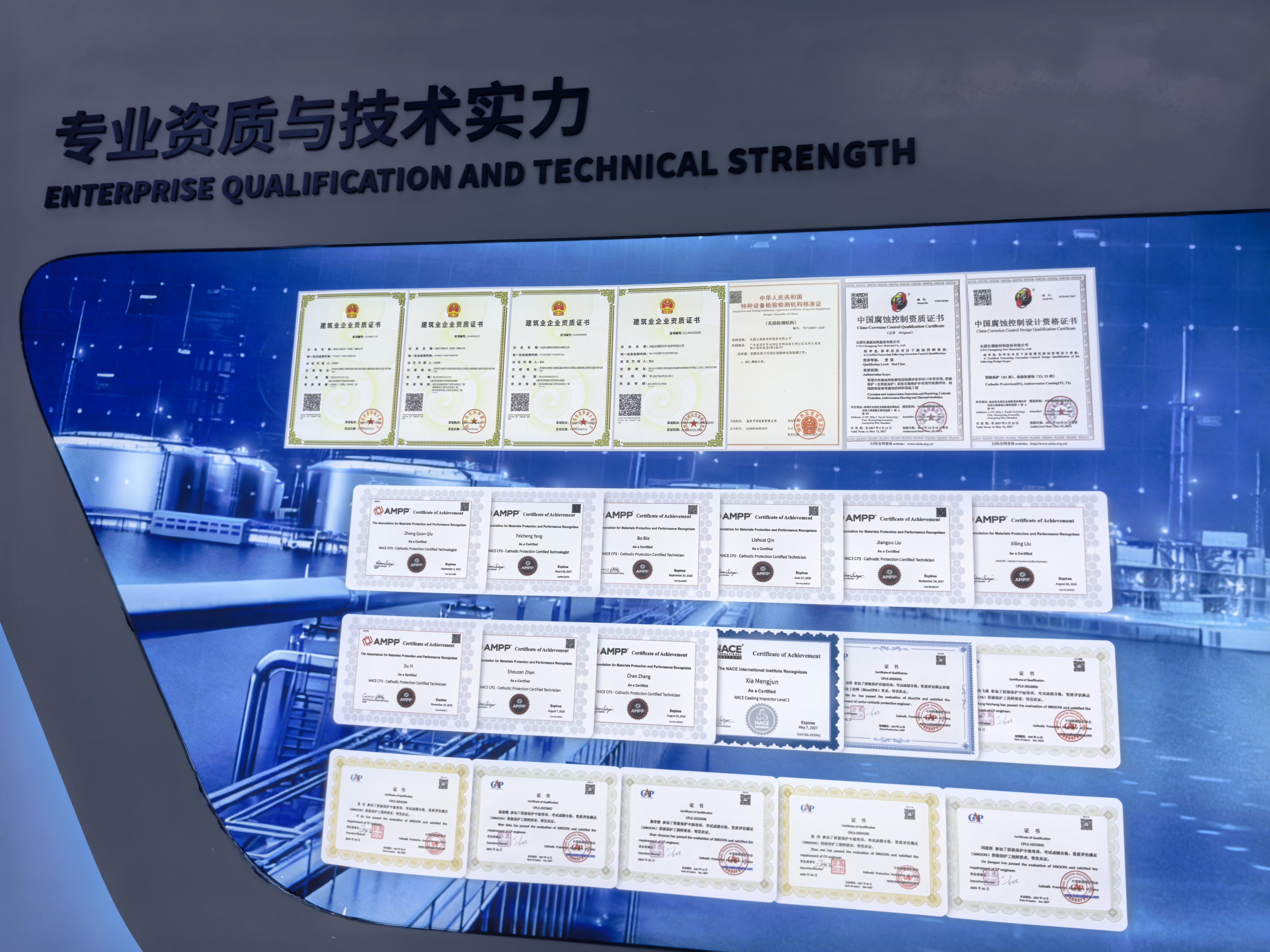
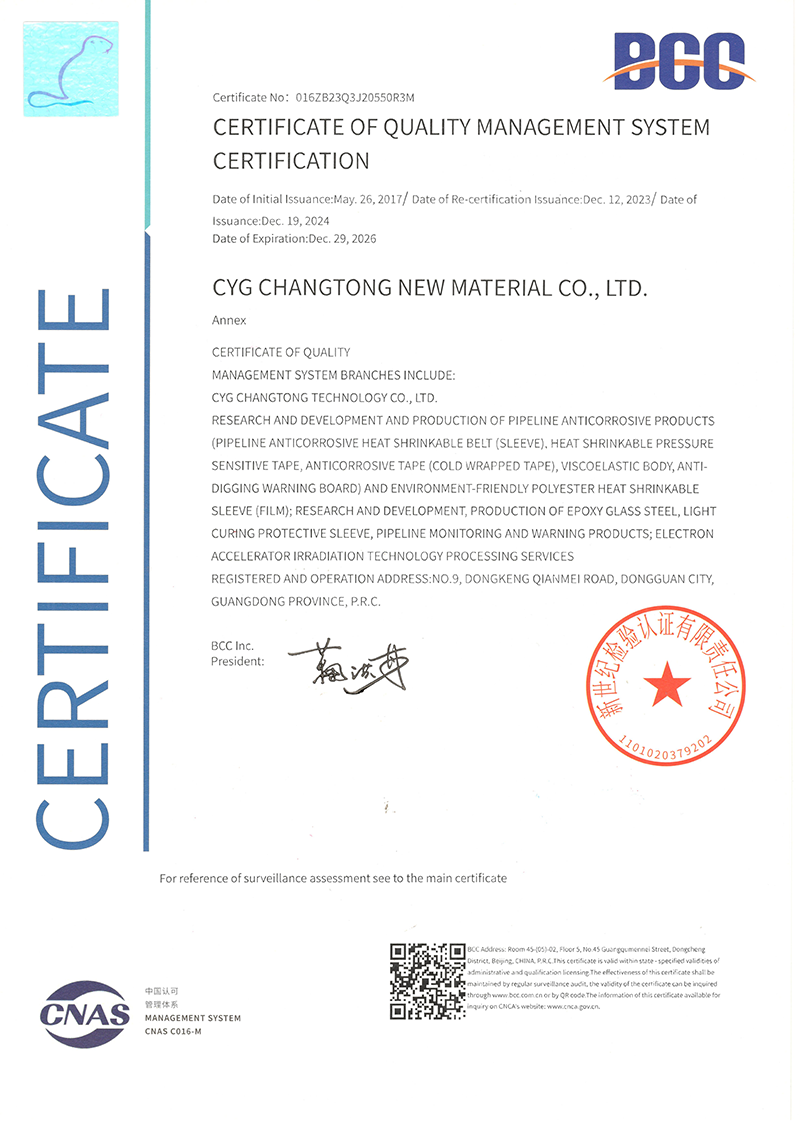
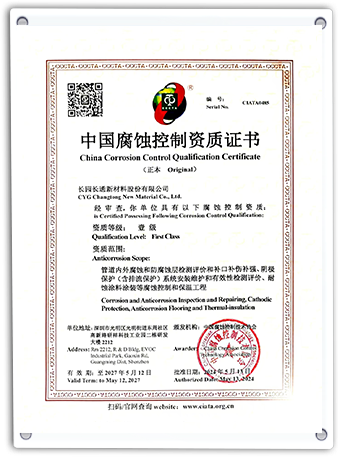
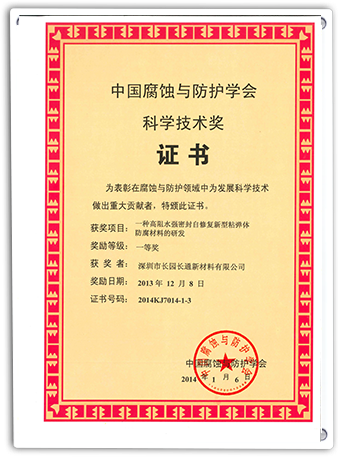
Acknowledged by major corrosion control organizations and global energy authorities.
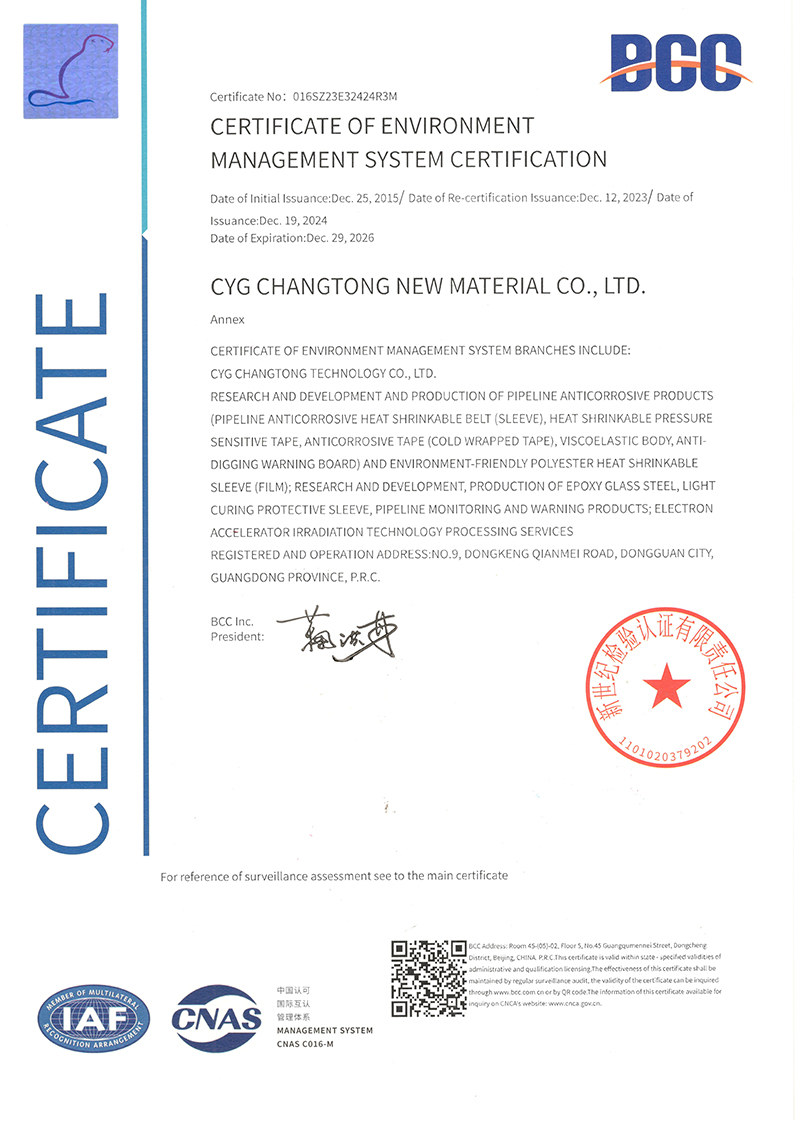
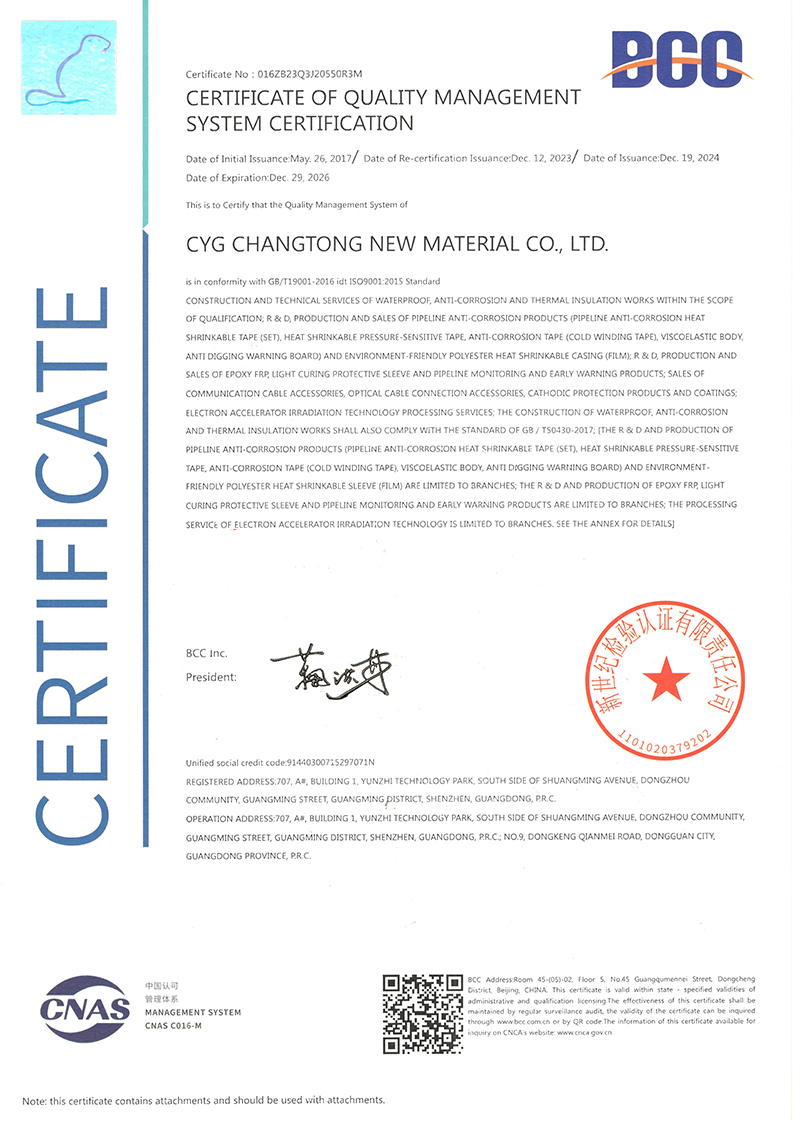
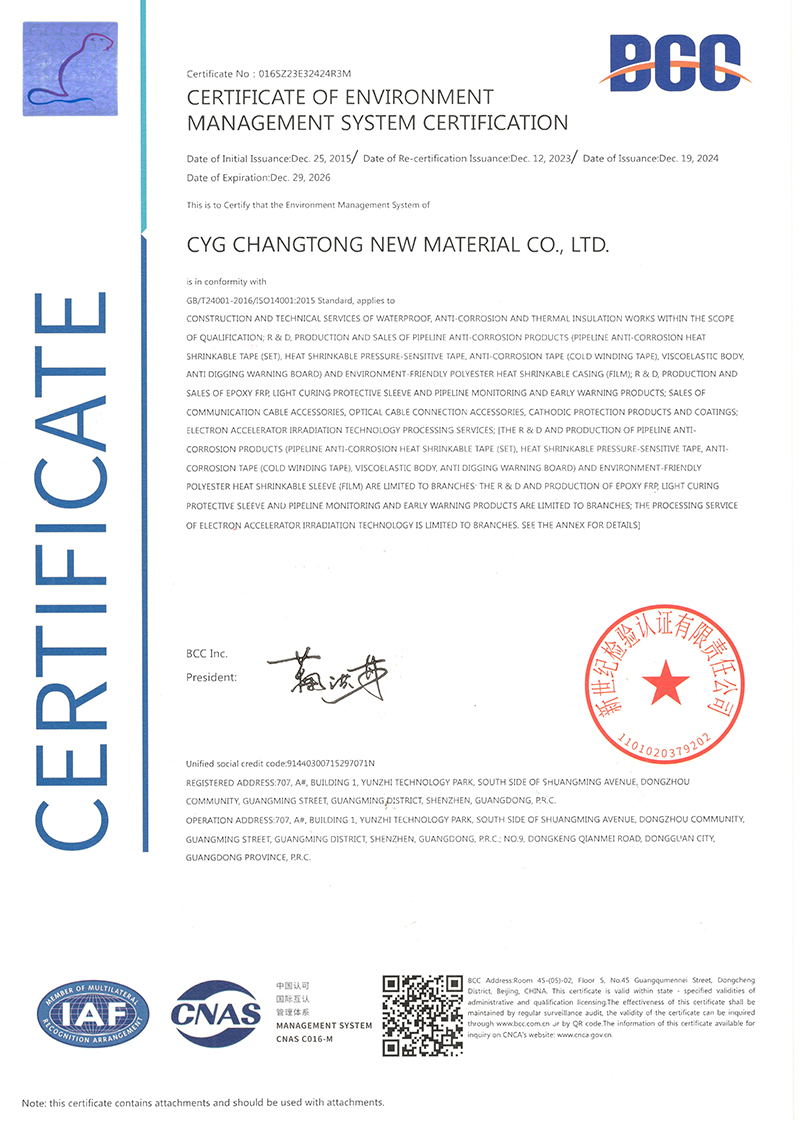
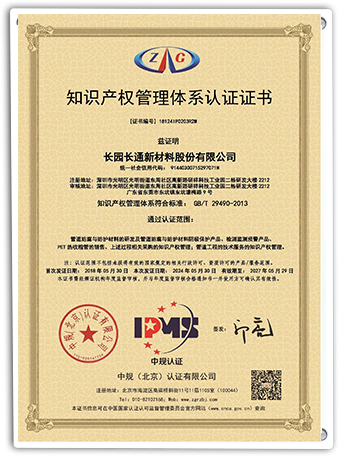
A strategic overview of supply chain efficiencies, research capacities, and standard alignments for procurement leads.
Global procurement teams from EPC enterprises evaluate pipeline protection manufacturers on three main criteria: chemical formula consistency, supply scale reliability, and compliance with international standards (such as ISO 21809-3, EN 12068, and ASTM specifications). Chinese factories, particularly leading state-level high-tech enterprises like CYCT, provide a robust solution due to our highly integrated supply chain network.
By producing masterbatches, compounding adhesives, and controlling the extrusion process in-house, CYCT avoids formula fluctuations. This vertical setup ensures consistent peel strength and indentation resistance across production batches.
Our national CNAS-accredited laboratory executes rigorous validation tests on every batch. Testing includes peel strength to steel/pipe coating, hot water immersion tests, cathodic disbondment resistance at elevated temperatures, and thermal aging testing.
We provide custom configurations for diverse soil and geographical challenges, adapting backing thicknesses (from 1.0mm to 2.5mm) and adhesive properties (mastic or hot-melt co-polymer) to match specific pipeline parameters.
Addressing the technical, material, and chemical questions most frequently raised by pipeline engineers and procurement officers.
Hot-melt co-polymer adhesives are designed for higher operating temperatures (typically up to 80°C or more) and exhibit high shear resistance, making them ideal for high-stress soils and large-diameter pipelines. Mastic adhesives are rubber-based, staying soft and tacky at ambient temperatures. They provide excellent sealing and minor defect self-healing on lower-temperature distribution lines, but do not offer the high shear and pull-out resistance of hot-melt formulations.
Un-crosslinked polyethylene melts and runs when heated. Subjecting the polyolefin material to high-energy radiation creates cross-linking bonds between polymer chains. This cross-linking prevents the polymer from flowing when heated above its crystalline melting point, causing it to shrink to its original shape. This action creates a tight, uniform compression around the joint or substrate.
Offshore field joints are subject to high mechanical loads and salt water exposure. A moisture-curing shield, such as the CYG Changtong GRF Moisture Curing Shield, reacts with water or humidity in the environment to cure into a hard outer wrap. This provides excellent mechanical protection, puncture resistance, and chemical shielding over the inner primary anti-corrosion sleeve.
Proper surface preparation is critical for long-term adhesion. The steel joint must be abrasive blasted to a near-white metal finish (typically ISO 8501-1 Sa 2½) with an anchor profile of 50–75 microns. The surface must also be free of oil, grease, salt, and dust. The adjacent factory coating must be beveled and pre-heated to the manufacturer-specified installation temperature to prevent cold joints.
A qualified factory should hold a valid ISO 9001, ISO 14001, and ISO 45001 registration. Additionally, their internal laboratory should be CNAS accredited. Their products should be certified to international performance standards, such as EN 12068 Class C, ISO 21809-3, or CAN/CSA Z245.30. CYCT maintains these standards, backed by partnerships with CNPC research bodies and council roles in the CSCP.
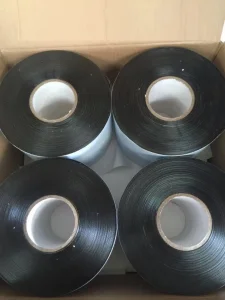
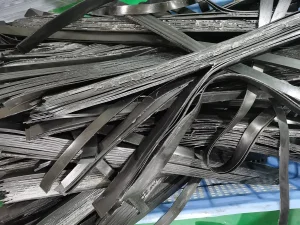
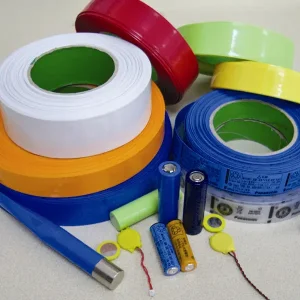
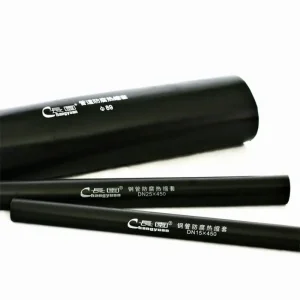
PE cold applied tapes, PET heat shrink tubes, PP field joint systems, and hot melt fillers for complete pipeline remediation.
 CYCT
CYCT