Explore our top-tier field joint coatings, photo-curing protective sleeves, and heat shrinkable repair patches designed under strict ISO and AMPP (NACE) specifications.
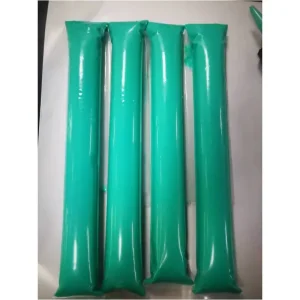
High-viscosity vinyl ester filler designed for rapid pipeline defect repair and structural protection.
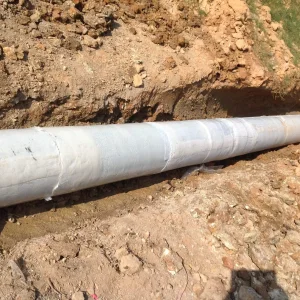
UV-cured glass reinforced polymer (GRP) sheet engineered for extreme mechanical shear protection during HDD crossings.
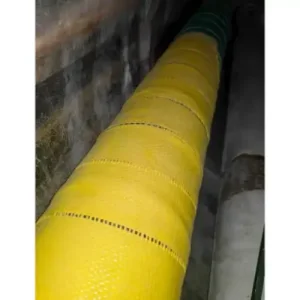
Water-activated fiberglass wrap engineered specifically for offshore splash zones and wet environment pipelines.
Heavy-duty polypropylene repair patches designed to restore the integrity of damaged mill-applied 3LPP pipeline coatings.
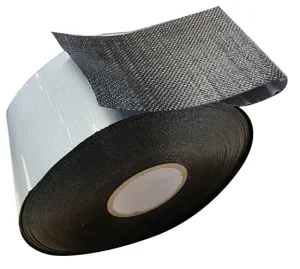
High-temperature polypropylene outer tape providing mechanical shield against soil stress and impact.
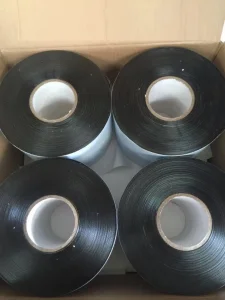
UV-stabilized polyethylene outer wrap safeguarding internal primary corrosion layers from weathering and soil movement.
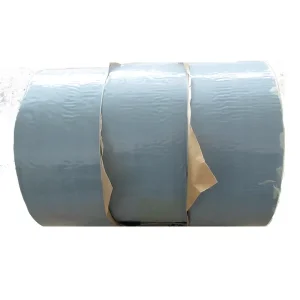
Woven polypropylene backed bituminous tape providing elastomeric seal and high puncture resistance.
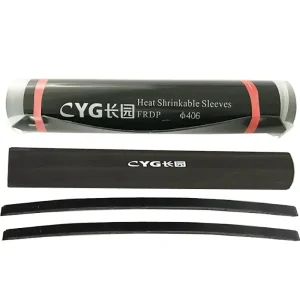
Radiation cross-linked heat shrink sleeve designed for operating temperatures up to 60°C.
Modern heat adhesive tapes consist of a dual-layer or triple-layer system. The backing layer is typically composed of high-density polyethylene (HDPE) or polypropylene (PP), which has been stabilized against thermal degradation and ultraviolet radiation. The backing is subjected to radiation cross-linking, giving it "shape memory." When heated during installation, the backing shrinks, applying uniform radial pressure to the adhesive beneath.
The active adhesive layer is formulated from modified polyolefin hot melts or viscoelastic mastic compounds. These adhesives are designed to melt and flow at installation temperatures, filling surface profile anomalies on the steel pipe (such as those left by ISO 8501-1 Sa 2½ grit blasting) and achieving a molecular bond with both the steel substrate and adjacent factory-applied coatings (e.g., 3LPE, 3LPP, or FBE).
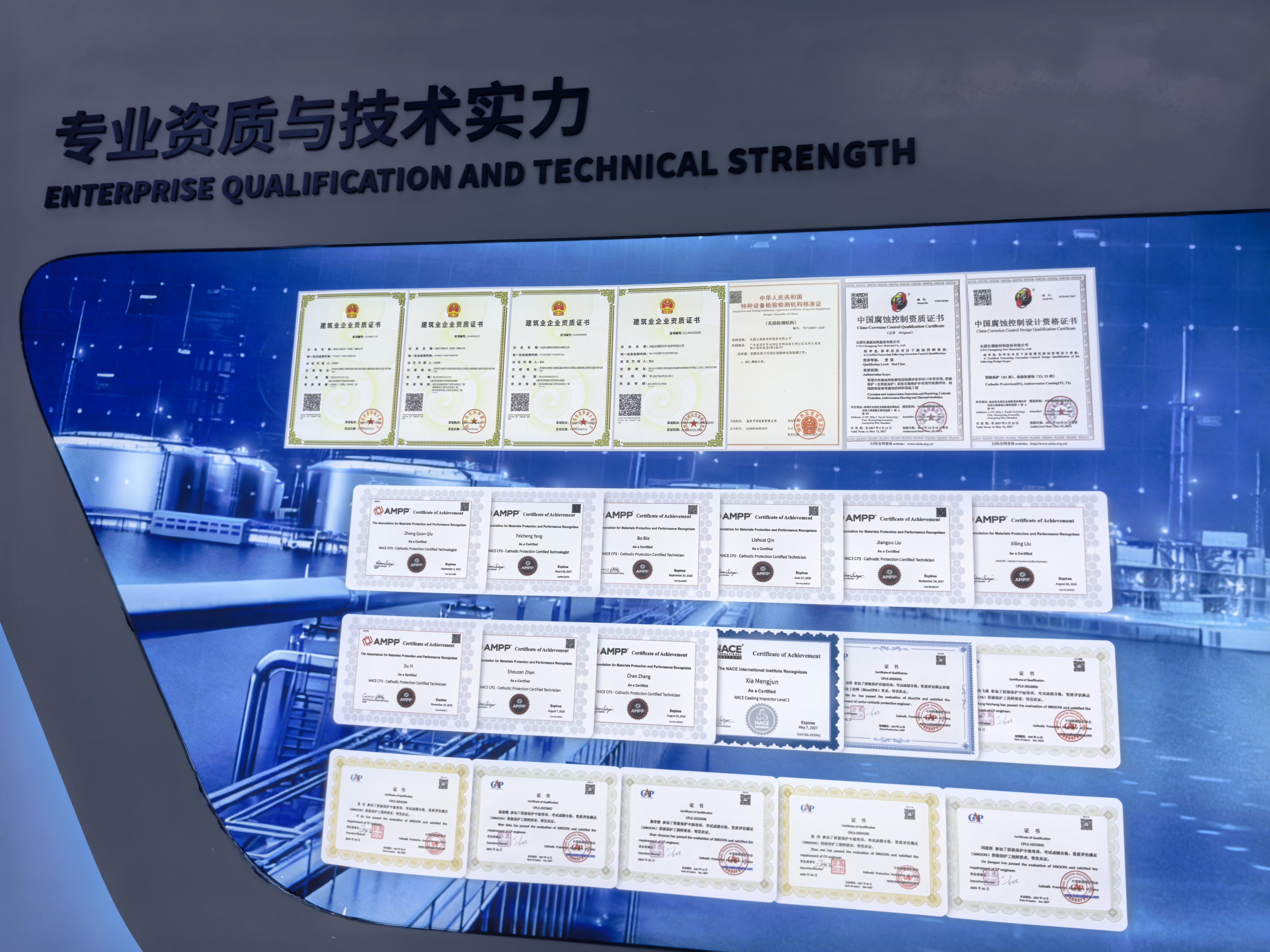
When engineers evaluate high-performance pipeline tapes, they look at several standardized tests defined by EN 12068, ISO 21809-3, and ASTM D1000. Below are the critical performance vectors that premium China heat adhesive tape manufacturers must meet:
| Technical Property | Standard Reference | Required Values (Class C50 / C80) | CYCT Optimized Performance |
|---|---|---|---|
| Peel Strength to Steel | ISO 21809-3 / EN 12068 | ≥ 1.0 N/mm (at 23°C) | ≥ 2.5 N/mm (High adhesion margin) |
| Peel Strength to PE/PP Backing | ASTM D1000 | ≥ 0.8 N/mm | ≥ 1.8 N/mm (Excellent overlap bonding) |
| Cathodic Disbondment Resistance | ASTM G8 / ISO 21809-3 | ≤ 10 mm radius (at 60°C, 28 days) | ≤ 5 mm radius (Advanced formulation) |
| Indentation Resistance | EN 12068 (Class C) | Remaining thickness ≥ 0.6 mm | ≥ 0.85 mm (High mechanical protection) |
| Continuous Temperature Rating | N/A | Up to 60°C (PE) / 80°C (PP) | Up to 85°C (CYCT High-Temp Special) |
CYCT integrates material synthesis, automated production, pipeline health diagnostics, and on-site application engineering services. Over the past 24 years, CYCT has developed a diverse product portfolio, including visco-elastic anti-corrosion materials, photo-curing protective sleeves for Horizontal Directional Drilling (HDD), and solvent-free polyurea coatings.
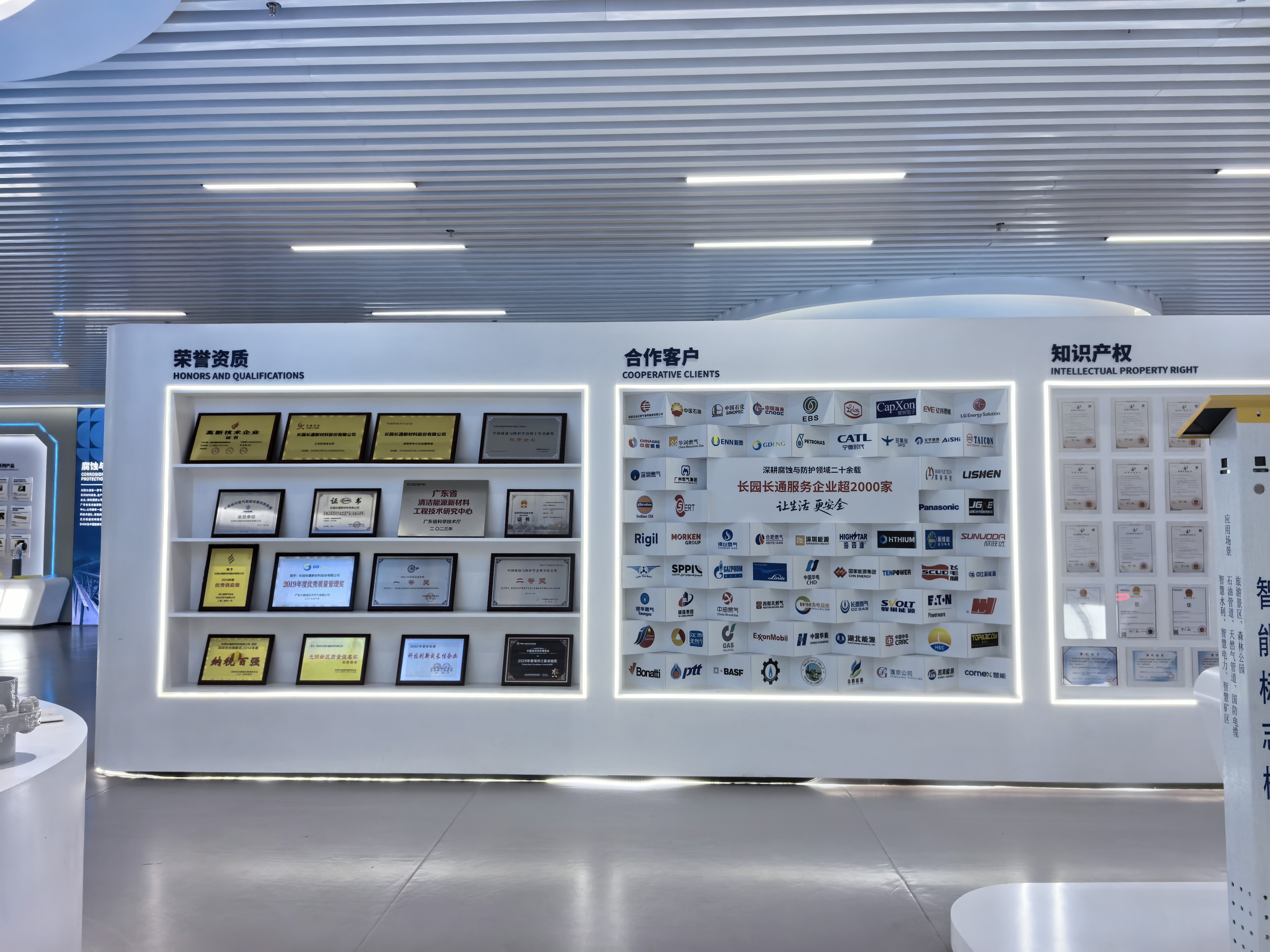
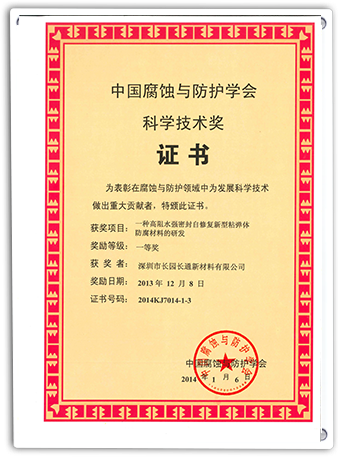
As a key council member of the Chinese Society for Corrosion and Protection (CSCP) and a verified supplier for global energy companies, CYCT maintains a robust market share. Our materials are widely approved and utilized by major operators including PetroChina, Sinopec, PipeChina, and Indian Oil.
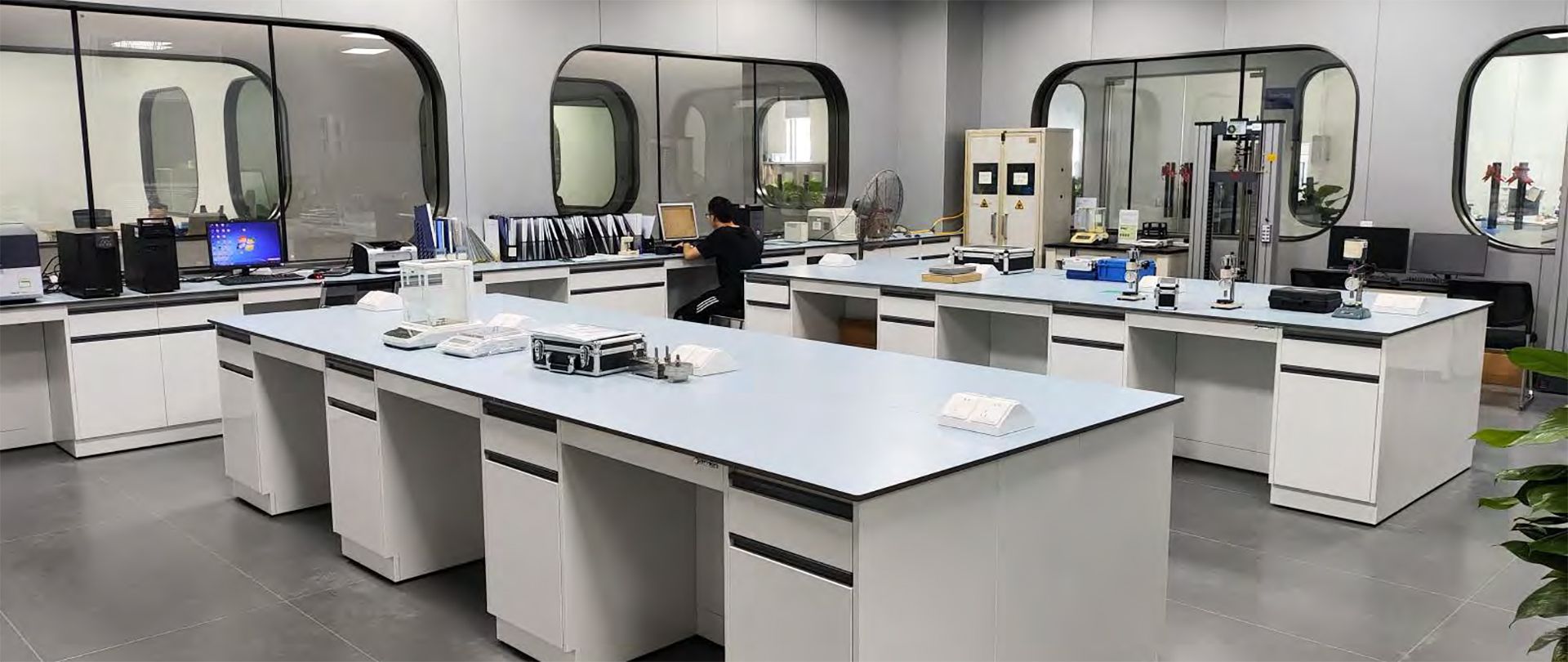
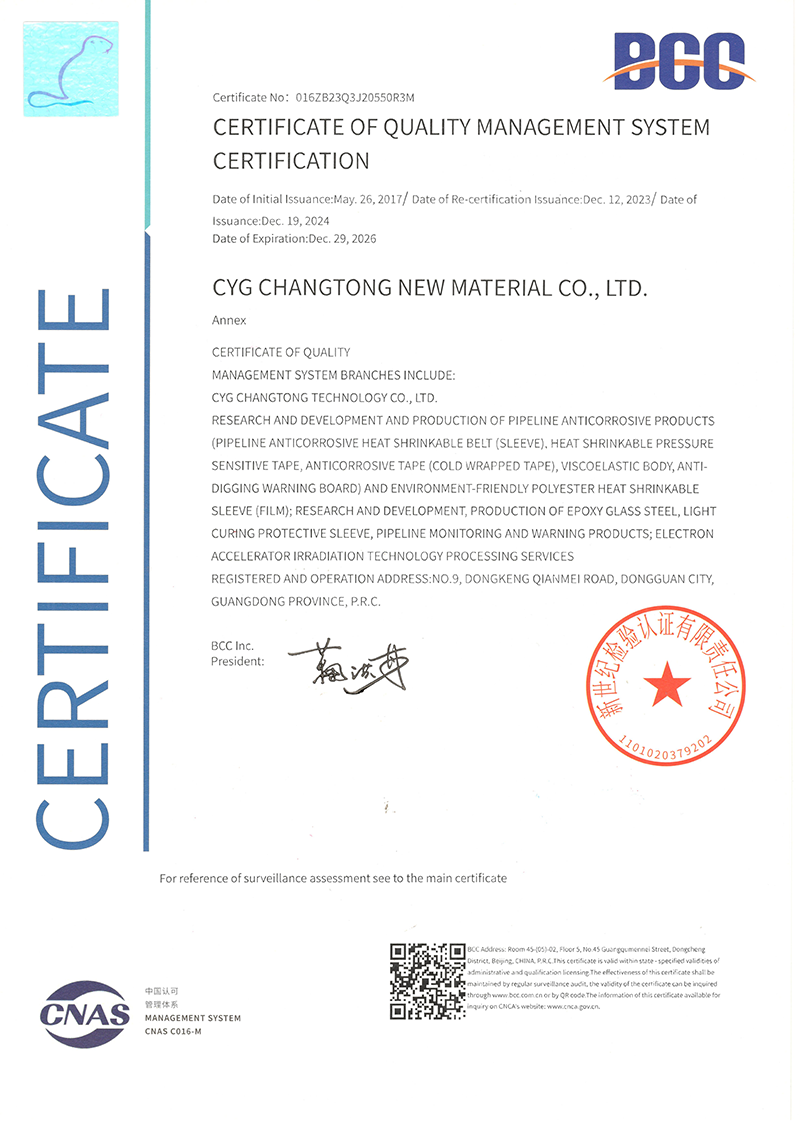
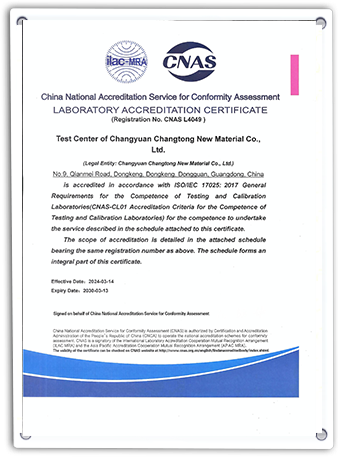
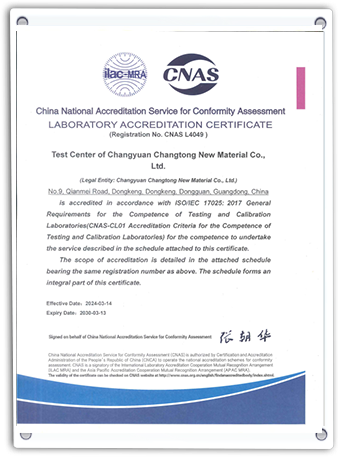
Our R&D facility features a national CNAS-accredited laboratory, ensuring that every batch of adhesive tape, shrink sleeve, and hot melt repair stick undergoes rigorous mechanical, thermal, and chemical testing before shipping.
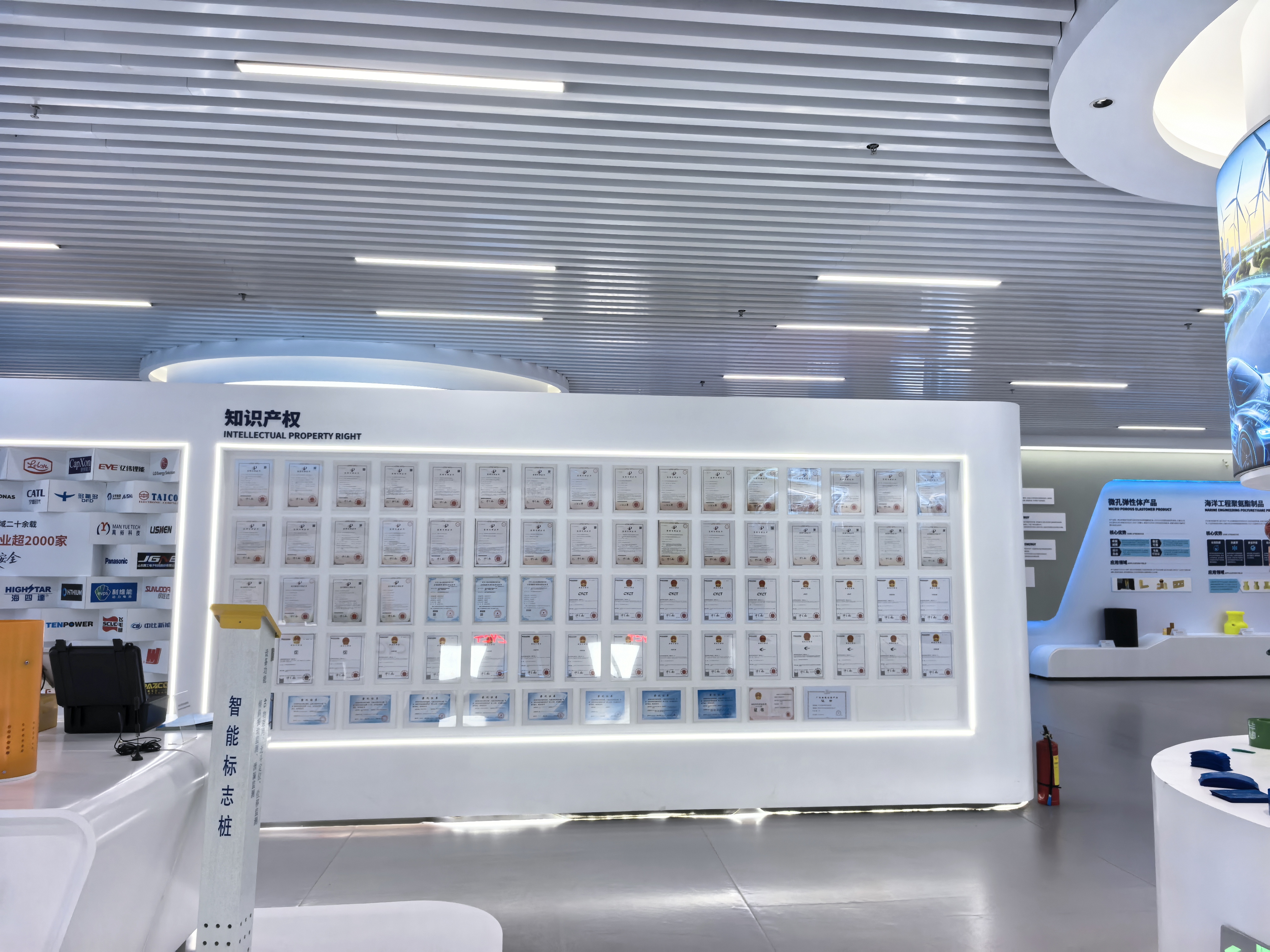
CYCT works closely with prestigious research organizations, including the CNPC Pipeline Science Research Institute. This partnership allows us to offer comprehensive pipeline engineering services, including:
During HDD operations, pipelines face severe mechanical stress and abrasion. Standard PE or PP coatings can wear away. CYCT's Photo-Curing GRP Protective Sleeves provide a high-hardness outer shield. Applied over the primary corrosion coating, they cure under UV light to resist abrasion and impact during pipeline pulling.
Offshore structural piles and wet pipelines require corrosion barriers that can cure in water. The CYG Changtong GRF Moisture Curing Shield utilizes water-reactive polyurethane prepolymers within a fiberglass matrix, enabling rapid underwater curing to form a highly durable barrier against marine corrosion.
CYCT's High Temperature PE & PP Cold Tapes are designed for extreme thermal ranges. They maintain flexibility down to -20°C in Siberian soils and prevent sliding or flowing in desert regions where pipeline operating temperatures can reach 85°C.
Our manufacturing facility features automated compounding and co-extrusion lines. We blend high-purity polyolefin resins with heat stabilizers, carbon black, and antioxidants to produce backings with consistent thickness and structural integrity.
Following extrusion, the backing is cross-linked using an industrial electron beam accelerator. This process modifies the polymer's molecular structure from a linear chain to a three-dimensional network, giving the material its thermal memory. Finally, the adhesive layer is laminated onto the backing under controlled temperature and pressure, ensuring strong, void-free bonding.
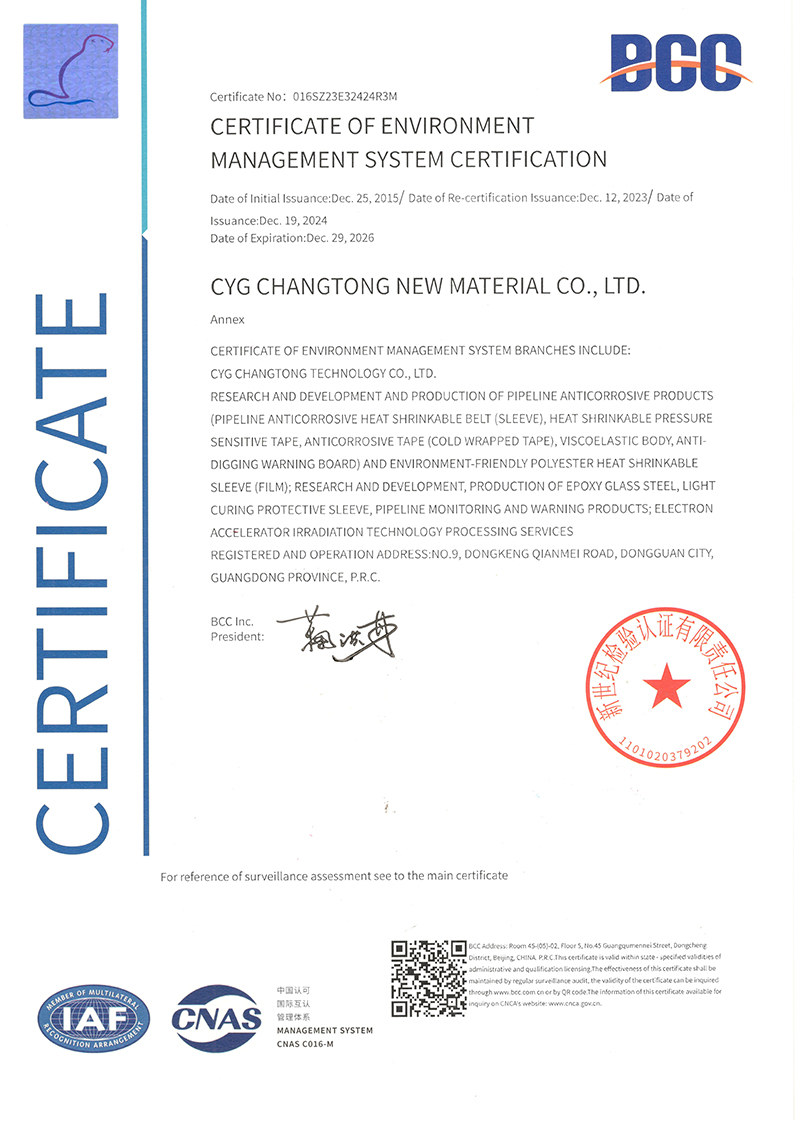
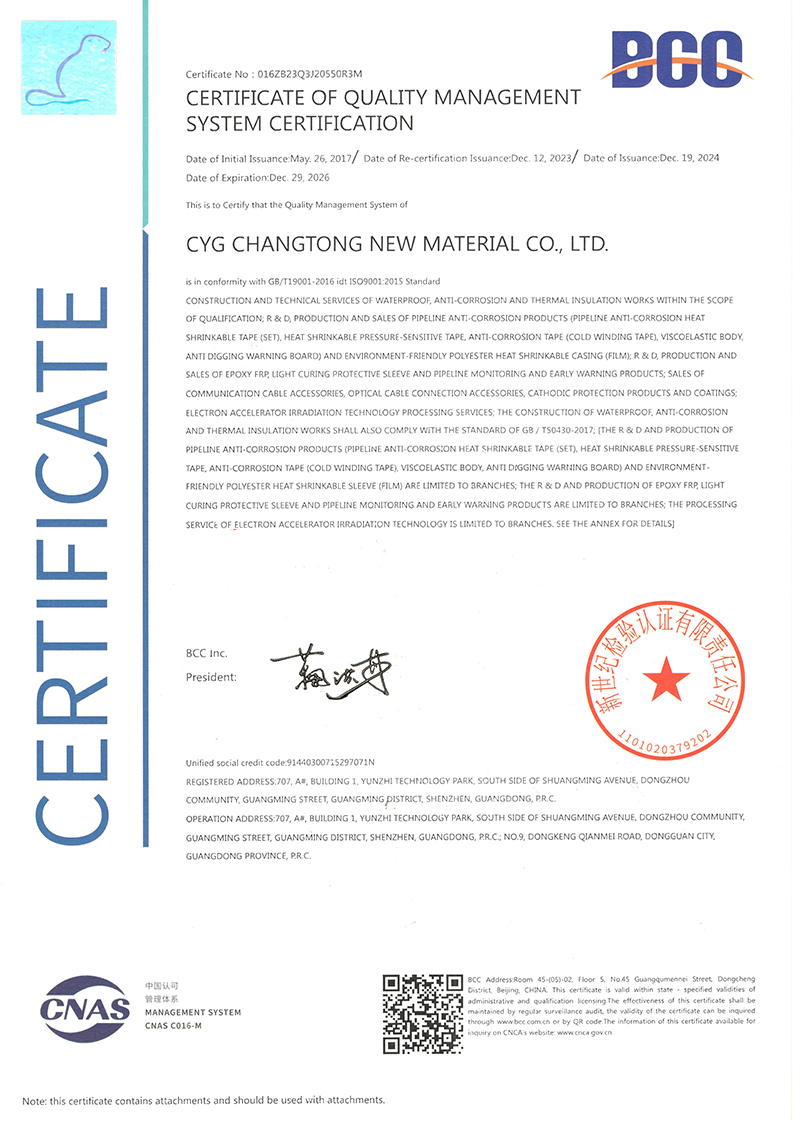
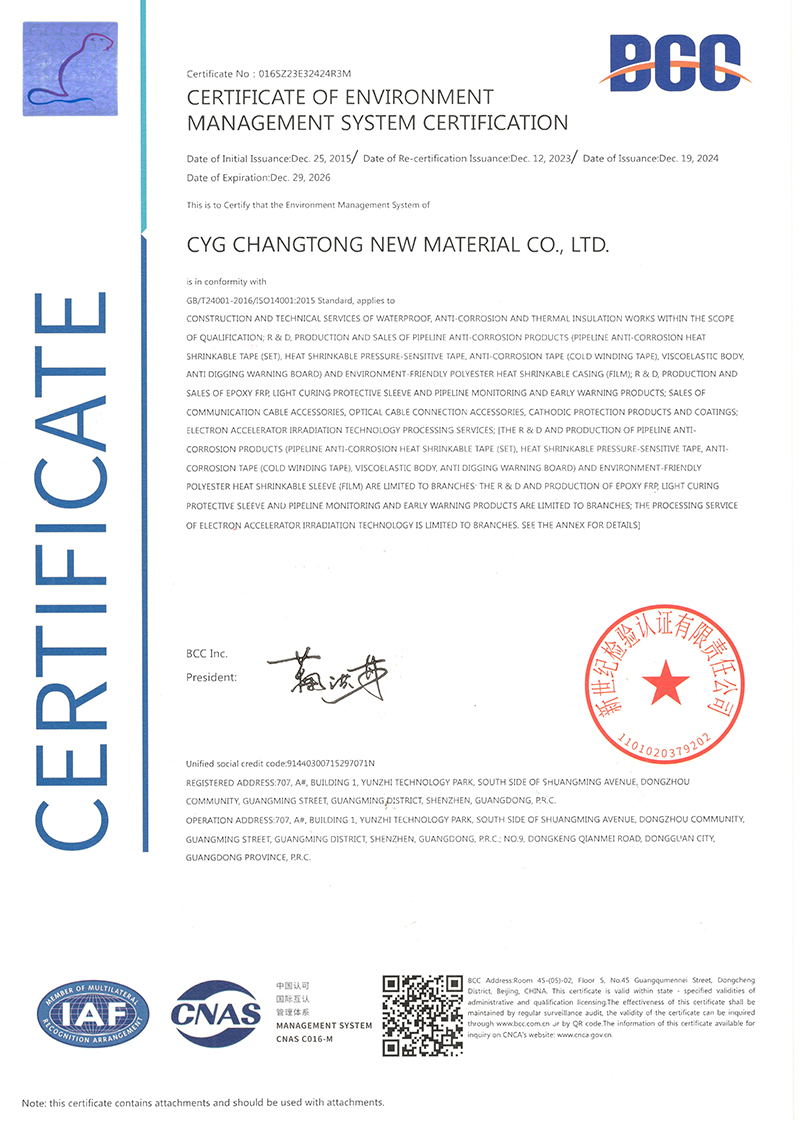
Every step of our process is monitored to meet ISO 9001, ISO 14001, and ISO 45001 standards. Each production run is assigned a unique batch number, linking it to the raw material certificate, extrusion log, cross-linking dose rate, and laboratory QA results. This complete traceability guarantees reliable performance in critical installations.
CYCT is committed to developing sustainable, high-performance anti-corrosion systems that meet the changing requirements of global infrastructure networks.
Our research team is developing next-generation viscoelastic adhesives containing micro-encapsulated self-healing agents. If the coating suffers minor mechanical damage, these micro-capsules rupture, releasing low-viscosity polymers that seal the breach and prevent corrosion from spreading.
To support global sustainability initiatives, we are modifying our production lines to incorporate bio-based resins and recycled polymer matrix backings. These changes reduce the carbon footprint of our manufacturing process while maintaining the long-term performance of the protective coatings.
Our upcoming product lines include advanced high-temperature PP-based sleeves designed to operate at continuous temperatures up to 110°C, providing reliable protection for deep geothermal wells and specialized high-temperature hydrocarbon transport lines.
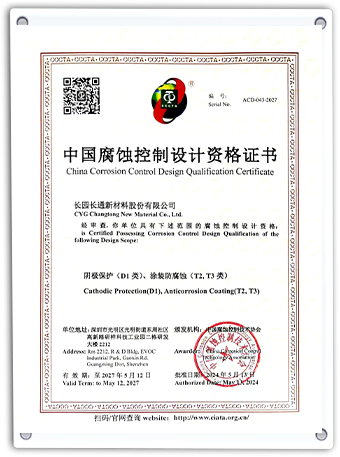
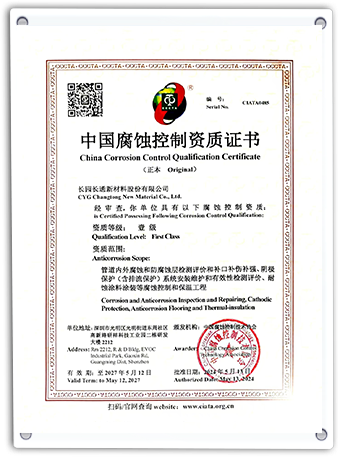
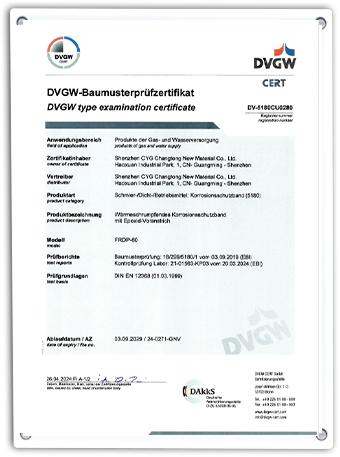
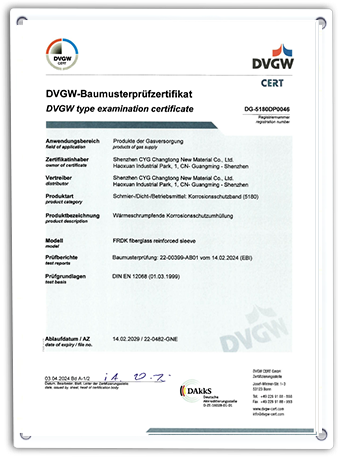
As a Member of Council in the Chinese Society for Corrosion and Protection (CSCP), CYCT holds verified qualifications for corrosion protection construction and buried pipeline detection. We are recognized as an Innovative and High-Tech Enterprise, supported by more than ten proprietary patents. Our products are approved for use by major global operators, including PetroChina, Sinopec, China Gas Group, and Indian Oil.
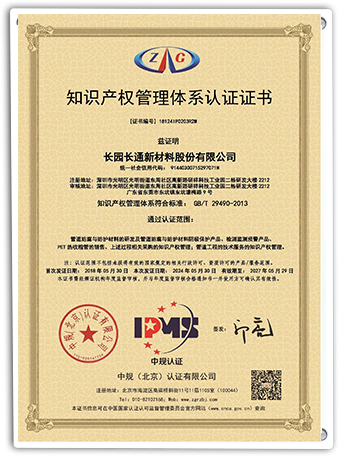
Solid-film backing tapes, such as polyethylene (PE) outer wraps, can act as electrical barriers. If water penetrates the tape and the steel pipeline loses its bond, the PE backing can shield the steel from cathodic protection currents. This shielding prevents the CP system from protecting the exposed steel, potentially leading to localized pitting or stress corrosion cracking (SCC).
To address this risk, CYCT designs modified viscoelastic mastic tapes and high-bond hot-melt adhesives. These systems minimize the risk of water ingress and cathodic disbondment. Additionally, we work with project engineers to evaluate soil stresses and operating temperatures, ensuring the selected coating system matches the site conditions.
The primary differences lie in the operating temperature limits and mechanical performance of the materials:
Surface preparation is critical to the performance of any pipeline coating. Under ISO 8501-1 and NACE standards, steel surfaces must be grit-blasted to a minimum of Sa 2½ (near-white metal cleanliness) with a surface anchor profile of 50 to 90 microns.
Any remaining rust, mill scale, or moisture will prevent the adhesive from bonding with the steel, leading to premature delamination. For applications using a liquid epoxy primer (such as a 3-layer heat shrinkable sleeve system), the primer must be applied to the preheated steel within the specified temperature window to ensure chemical cross-linking with the sleeve's hot-melt adhesive.
When stored correctly in their original packaging, CYCT's heat-shrinkable materials and PE cold-applied tapes have a shelf life of up to 3 years from the date of manufacture. To maintain performance, store the materials in a dry, ventilated warehouse at temperatures between -5°C and +40°C, away from direct sunlight, heat sources, and chemical vapors.
Photo-curing glass-reinforced polymer (GRP) sleeves are preferred in trenchless pipeline installations, such as Horizontal Directional Drilling (HDD) crossings. Traditional heat shrink sleeves can slide or tear when subjected to high shear forces and friction during pulling operations.
The GRP sleeve is applied over the primary anti-corrosion coating (such as a shrink sleeve or FBE). It is then cured using UV light or sunlight to form a hard, impact-resistant outer shell. This shell protects the primary coating from rocky soils and mechanical wear during installation.
Our CNAS-accredited laboratory performs a complete suite of tests on raw materials and finished products, including:
Review our complete selection of pipeline rehabilitation tapes, hot melt filler sticks, and heavy-duty structural reinforcement solutions.
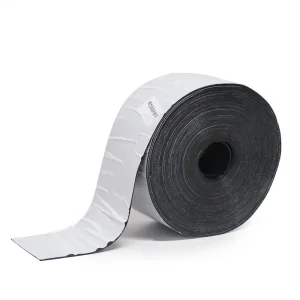
High-performance cold-applied PE tape engineered for elevated-temperature service in petrochemical pipeline networks.
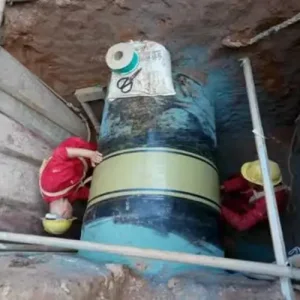
Glass-fiber reinforced polymer wrap designed for structural reinforcement and repair of pipeline defects.
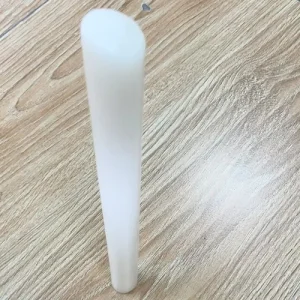
Polypropylene adhesive stick designed for repairing pinholes and minor damage in 3LPP coatings.
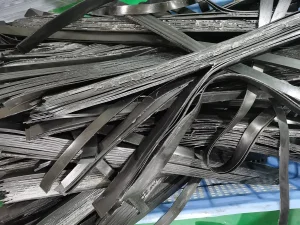
Hot-melt filler compound designed for filling deeper gouges and defects in PE pipeline coatings before patch application.
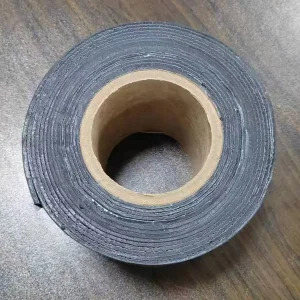
Viscoelastic mastic tape formulated for corrosion protection and sealing of 2LPE pipeline field joints.
High-bond hot-melt adhesive stick for repair applications on mill-applied PE coatings.
High-temperature hot melt adhesive stick rated for service up to 85°C.
Polyolefin-backed mastic tape designed to provide a seal on 2LPE steel pipeline joint configurations.
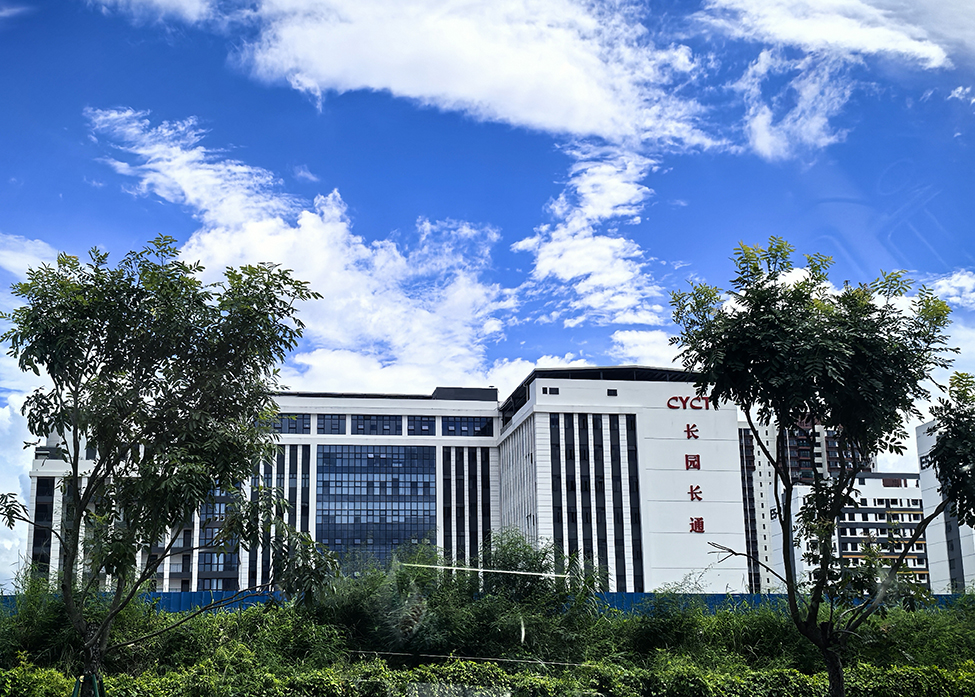
 CYCT
CYCT