Premium corrosion prevention systemsengineered to survive extreme environments and guarantee pipeline longevity.
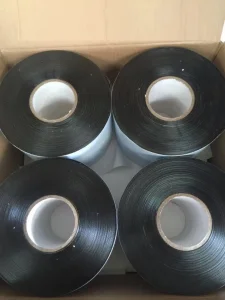
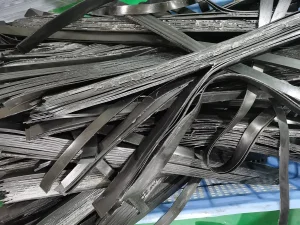
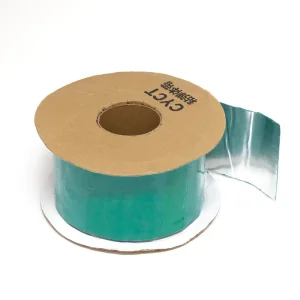
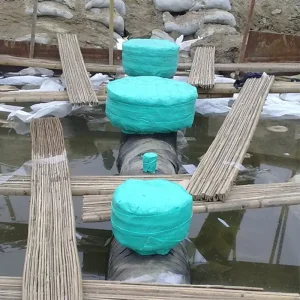
Pipeline networks form the biological arteries of the global industrial economy, conveying vital energy resources, hazardous hydrocarbons, and clean municipal water over transcontinental distances. The operational environment of these systems is inherently hostile. Buried in soils of fluctuating acidity, high moisture concentrations, and varying stray electrical currents, metal conduits suffer perpetual chemical degradation. According to surveys conducted by AMPP (formerly NACE International), the annual global cost of pipeline corrosion is measured in billions of dollars, driving demands for superior prevention technologies.
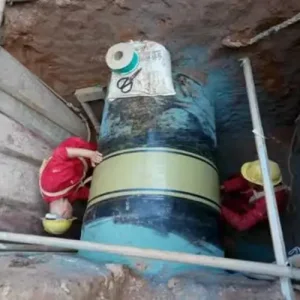
As main pipelines age, structural integrity decays rapidly at structural discontinuities: field joint welds, bends, tees, and mechanical valves. Mainline mill-applied coatings like 3-layer Polyethylene (3LPE) provide exceptional barrier performance, but field weld regions (FJC) remain susceptible to environmental stress. The selection of field-applied anti-corrosion tape becomes the primary determinant of long-term operational integrity. Manufacturers in China, utilizing state-of-the-art polymer formulations and manufacturing methodologies, supply critical solutions to protect these vulnerable transition zones globally.
Modern pipeline anti-corrosion relies on advanced materials science. CYCT designs and manufactures coatings that provide maximum isolation between steel surfaces and ambient soil environments.
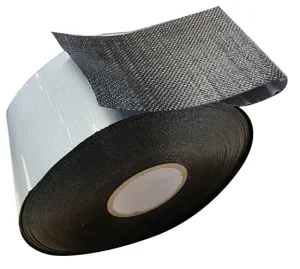
Based on amorphous, non-crystalline low-molecular-weight polyisobutylene (PIB), viscoelastic materials exhibit unique fluid-like cold-flow behavior. They permanently wet the steel surface, flowing into microscopic surface profiles to achieve optimal mechanical interlocking. Viscoelastic tapes are self-healing, impermeable to oxygen/moisture, and require minimal surface preparation (St 2/St 3), making them highly reliable options for field environments.
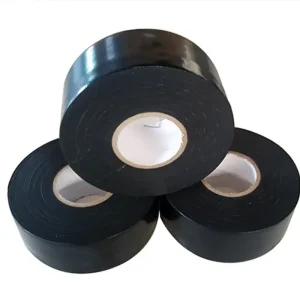
Cold-applied tape systems utilize a high-density polyethylene (HDPE) or polypropylene (PP) backing laminated with a heavy butyl rubber adhesive layer. Applied as a dual-layer system (inner corrosion prevention tape + outer mechanical protection wrap), they offer high resistance to soil stress, shear forces, and chemical degradation. High-temperature polypropylene backing tapes can handle operating temperatures up to 85°C.
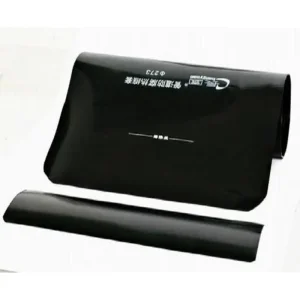
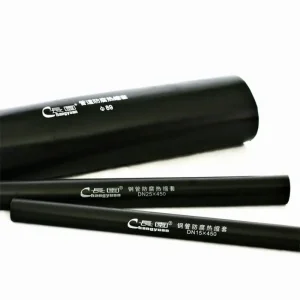
Composed of radiation-crosslinked polyolefin backings and dynamic shear-resistant copolymer hot melt adhesives. When heated, the backing shrinks to its original dimensions, forcing the molten adhesive to flow into steel profile microscopic irregularities. The crosslinked structure provides high mechanical protection, impact resistance, and soil-shear stability, replicating mill-applied properties.
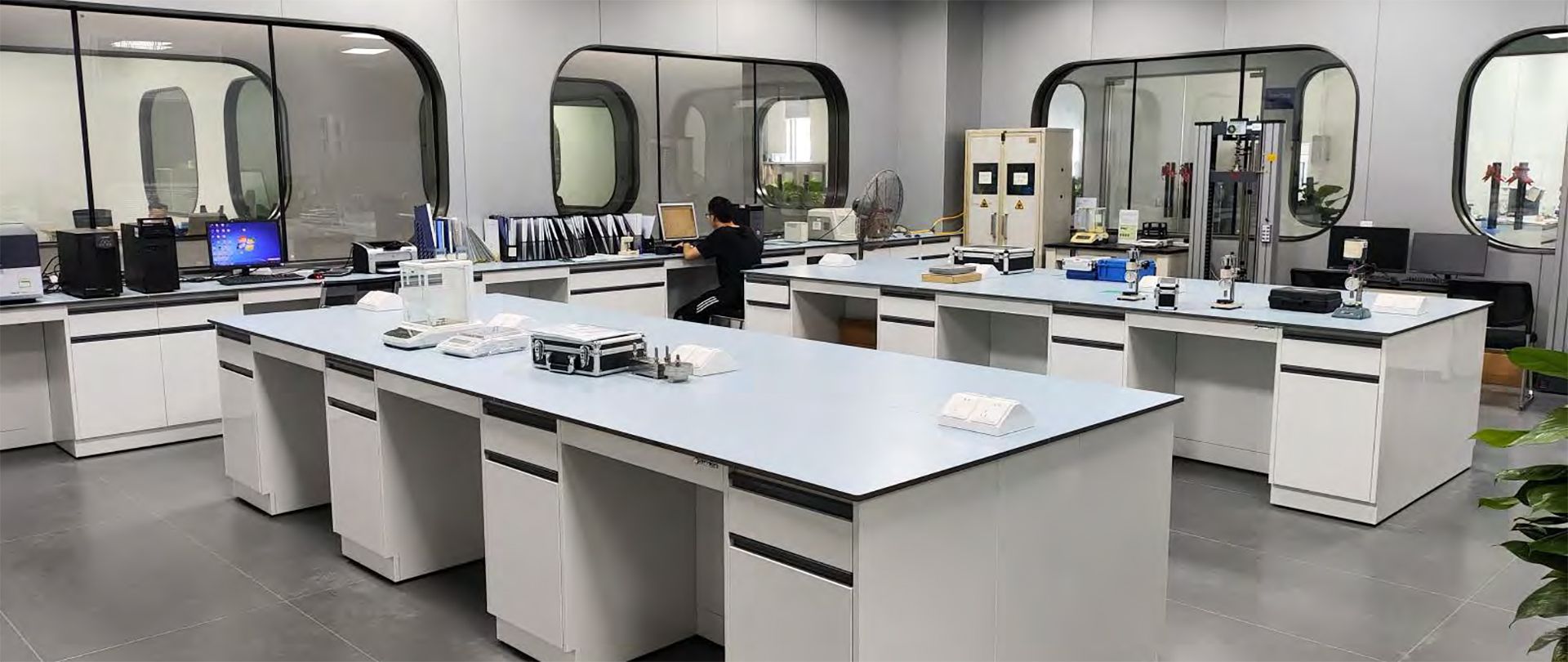
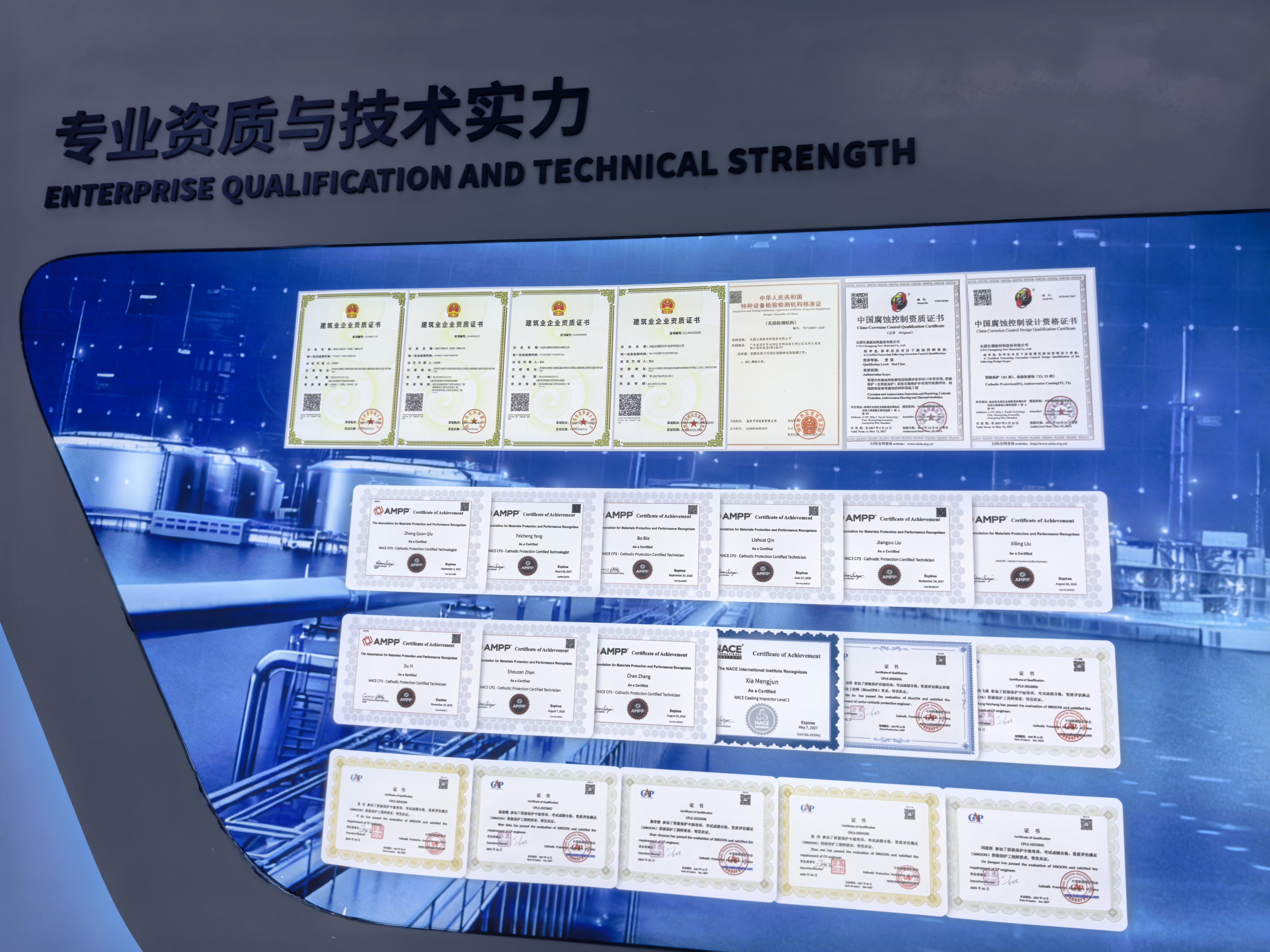
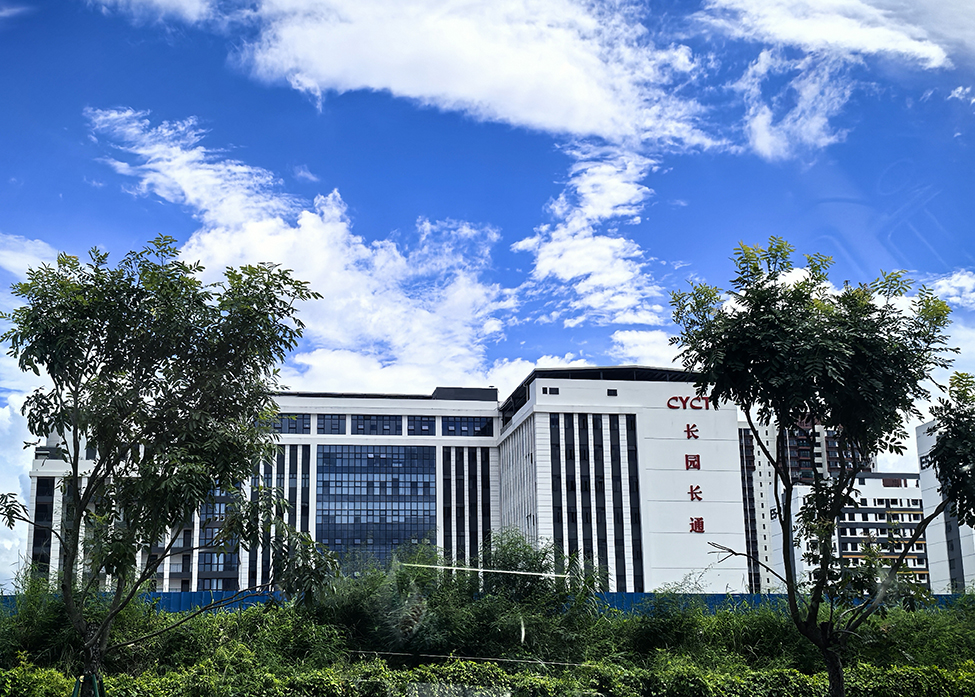
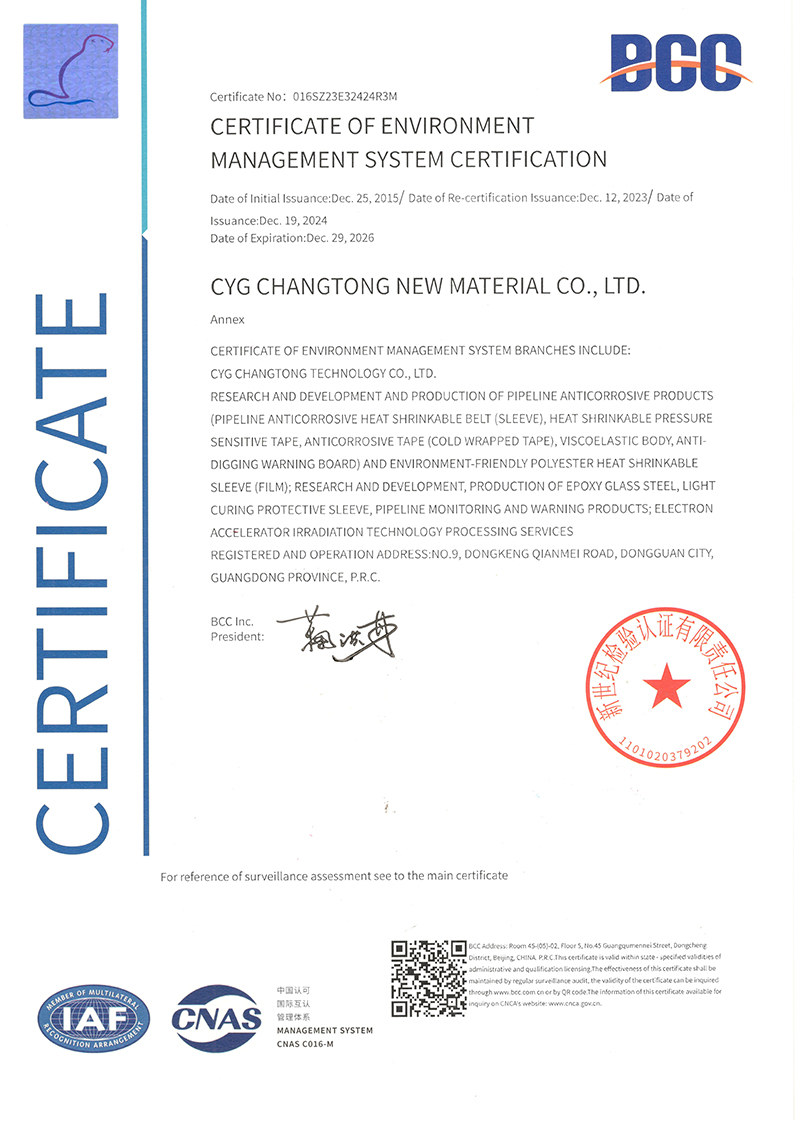
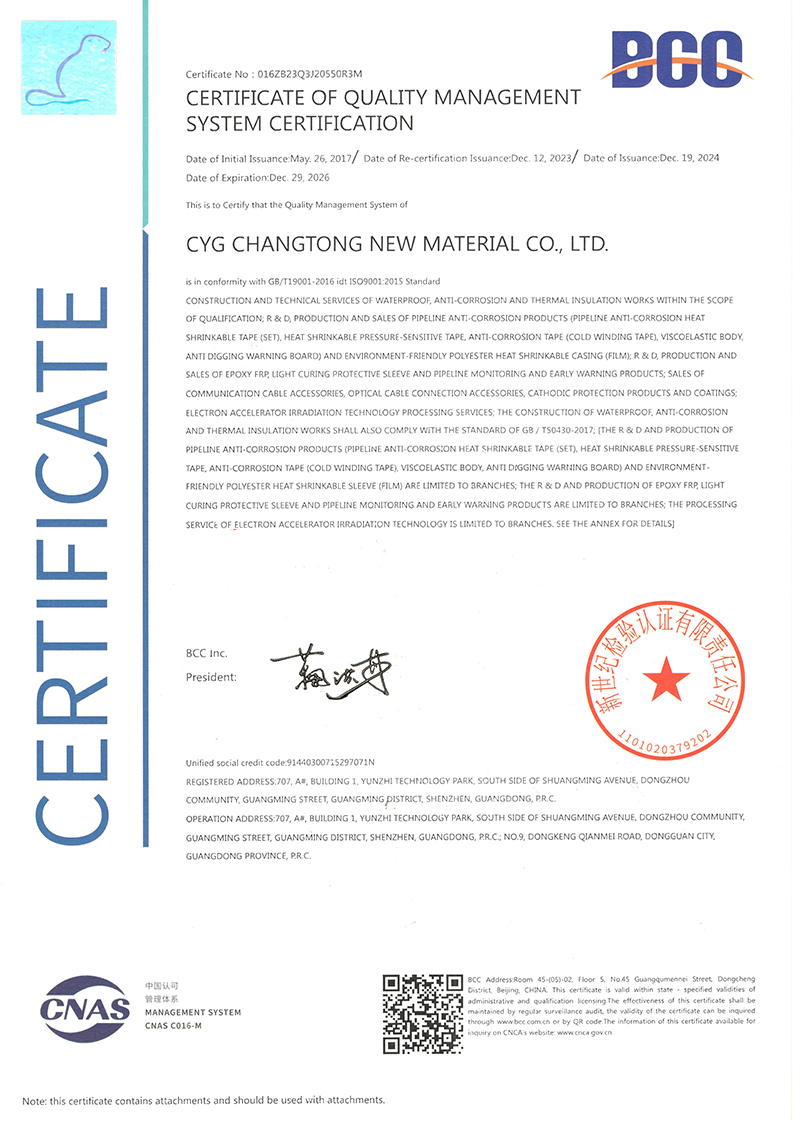
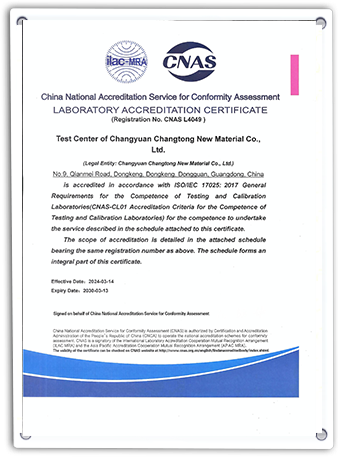
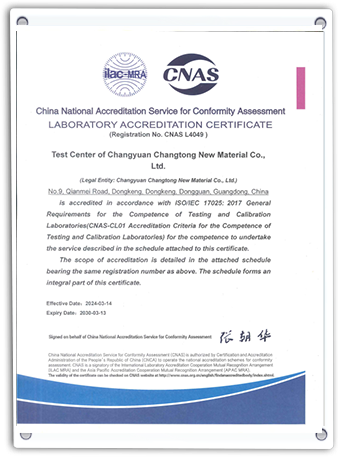
Founded in 2000, CYCT New Materials Company Limited (CYCT) is a state-level high-tech enterprise integrating R&D, production, and sales of pipeline corrosion protection materials, alongside buried pipeline detection and coating field application services. With over two decades of experience, CYCT operates CNAS-accredited testing facilities, ensuring all formulations meet stringent international quality control protocols.
CYCT works in cooperation with leading R&D institutes, such as the CNPC Pipeline Science Research Institute, to provide technical services for in-service pipelines. These services cover buried pipeline detection, design schemes, cathodic protection, rehabilitation projects, and integrated safety solutions. As a trusted supplier of field joint coatings to PetroChina, Sinopec, PipeChina, China Gas Group, and Indian Oil, CYCT maintains high quality standards across its product range, from PE cold-applied tapes to viscoelastic materials and specialty photo-curing sleeves.
CYCT's products are engineered to address specialized challenges across varied geological, environmental, and thermal conditions.
Trenched installations subject pipeline coatings to severe shear, abrasion, and tensile stress. Traditional tapes often delaminate during pull-back operations. CYCT’s Glass Fiber Reinforced Polymer (GFRP) reinforcement sleeves and photo-curing sleeves provide high mechanical protection, shielding primary layers from rock gouging and soil abrasion.
Reclaiming long-service assets requires surface preparation that is difficult to achieve in the field. CYCT's viscoelastic tape and VE putty systems require minimal preparation (St 2/St 3) and can conform to oxidized surfaces. Their cold-flow properties ensure reliable adhesion to aged PE/FBE coatings, stopping corrosion without requiring shutdown.
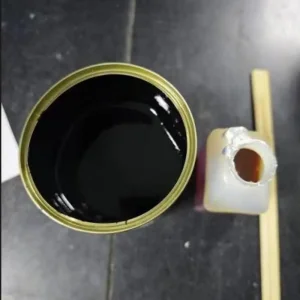
Industrial pipelines operating near compressor stations run at high temperatures that degrade butyl rubber. CYCT’s PP cold-applied outer tapes and solvent-free epoxy primers are engineered to withstand continuous operating temperatures up to 85°C. They maintain shear resistance and chemical stability under thermal loading.
The pipeline anti-corrosion sector is transitioning towards smart, self-monitoring systems that reduce lifecycle costs. CYCT is actively researching viscoelastic and polyolefin coatings containing micro-encapsulated self-healing agents. If mechanical damage occurs, these capsules rupture to release low-viscosity polymers that seal the breach, preventing oxygen infiltration and sub-surface corrosion.
Additionally, environmental regulations demand a reduction in volatile organic compounds (VOCs) and carbon footprints. CYCT is focusing on solvent-free primers and halogen-free, recyclable polyolefins. These efforts aim to lower environmental impact while maintaining standard physical properties like cathodic disbondment resistance and peel strength.
Answers to common engineering questions regarding the application, selection, and performance of pipeline coatings.
Explore our full line of industrial solutions, from heat-shrinkable sleeves to repair patches and reinforcement wraps.
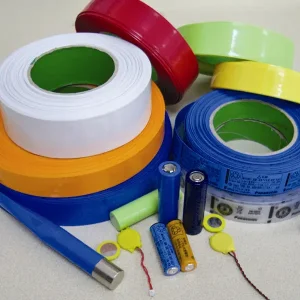
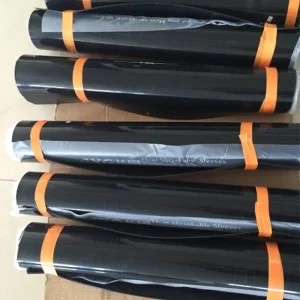
CYCT's production processes are monitored using advanced laboratory equipment and quality assurance methodologies.
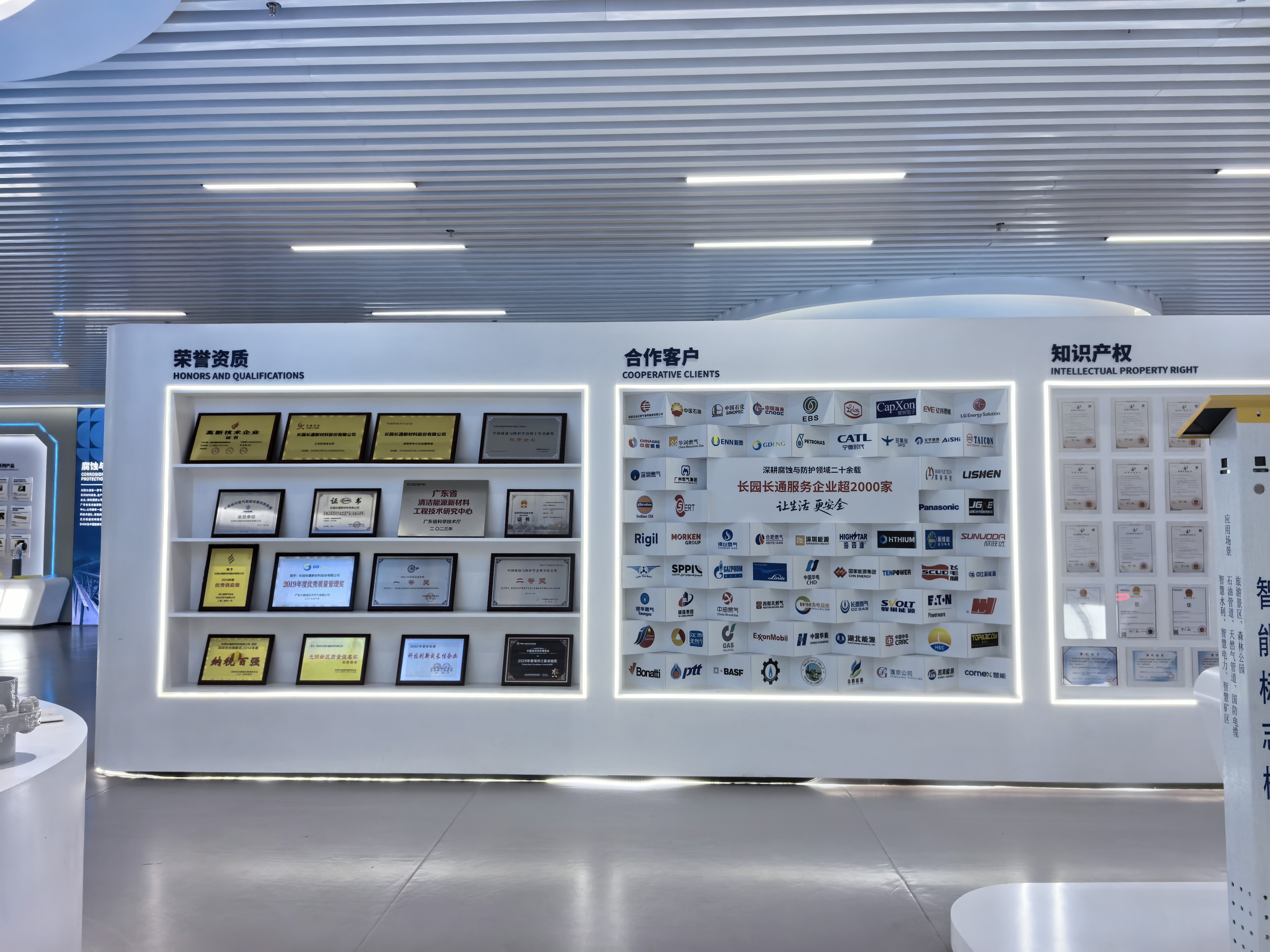
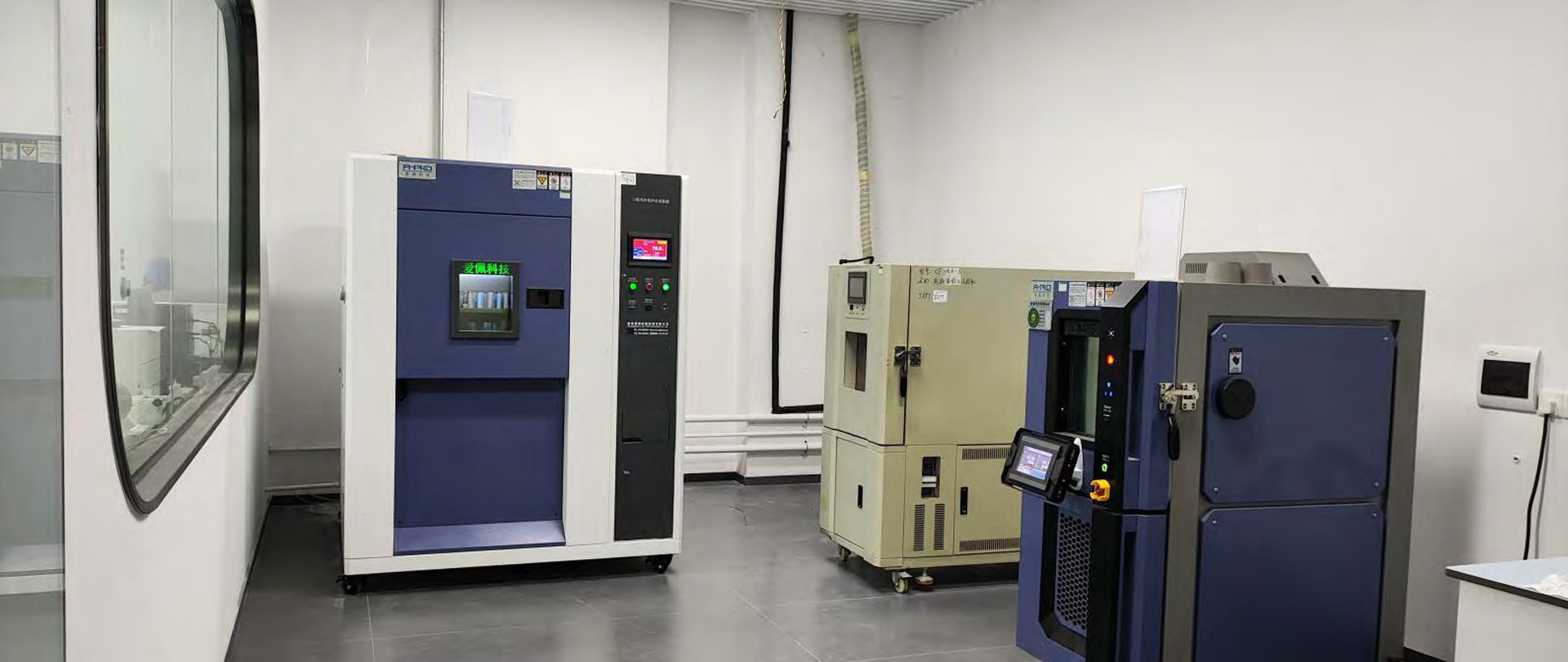
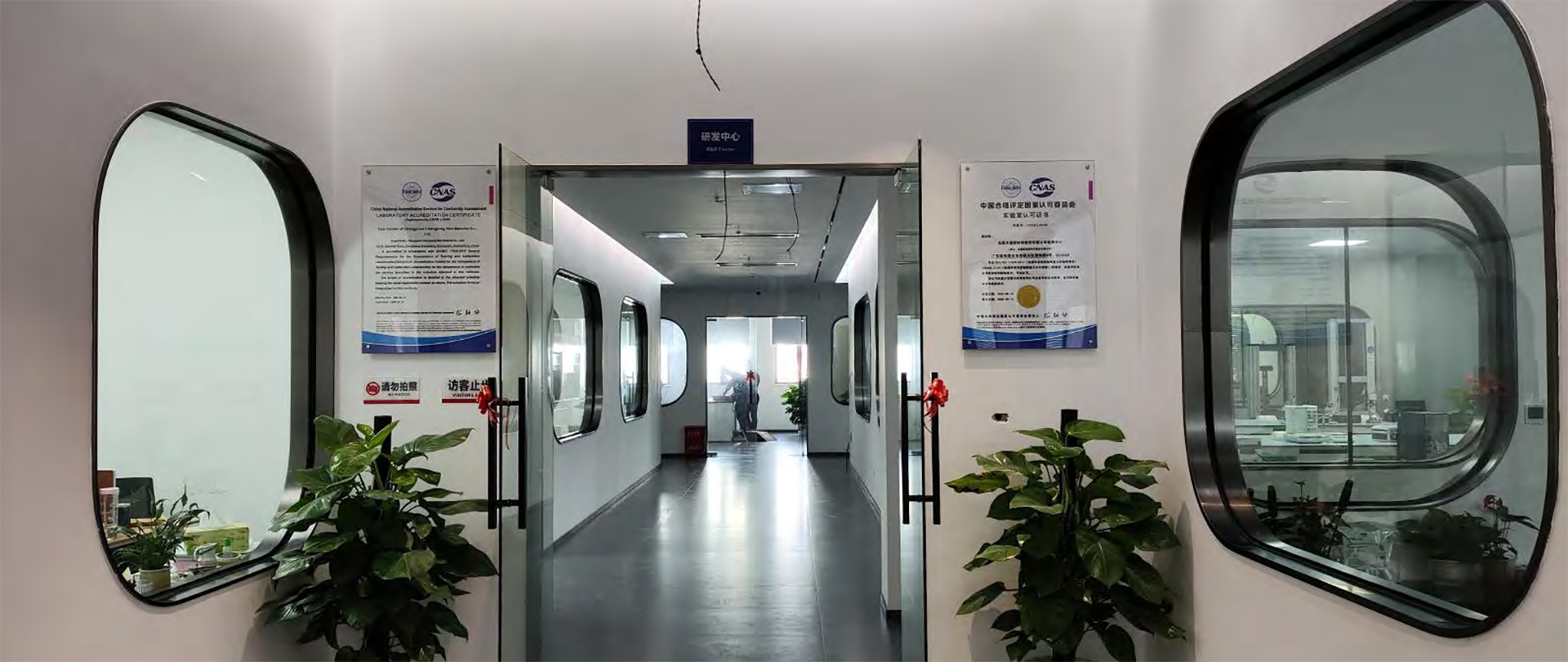
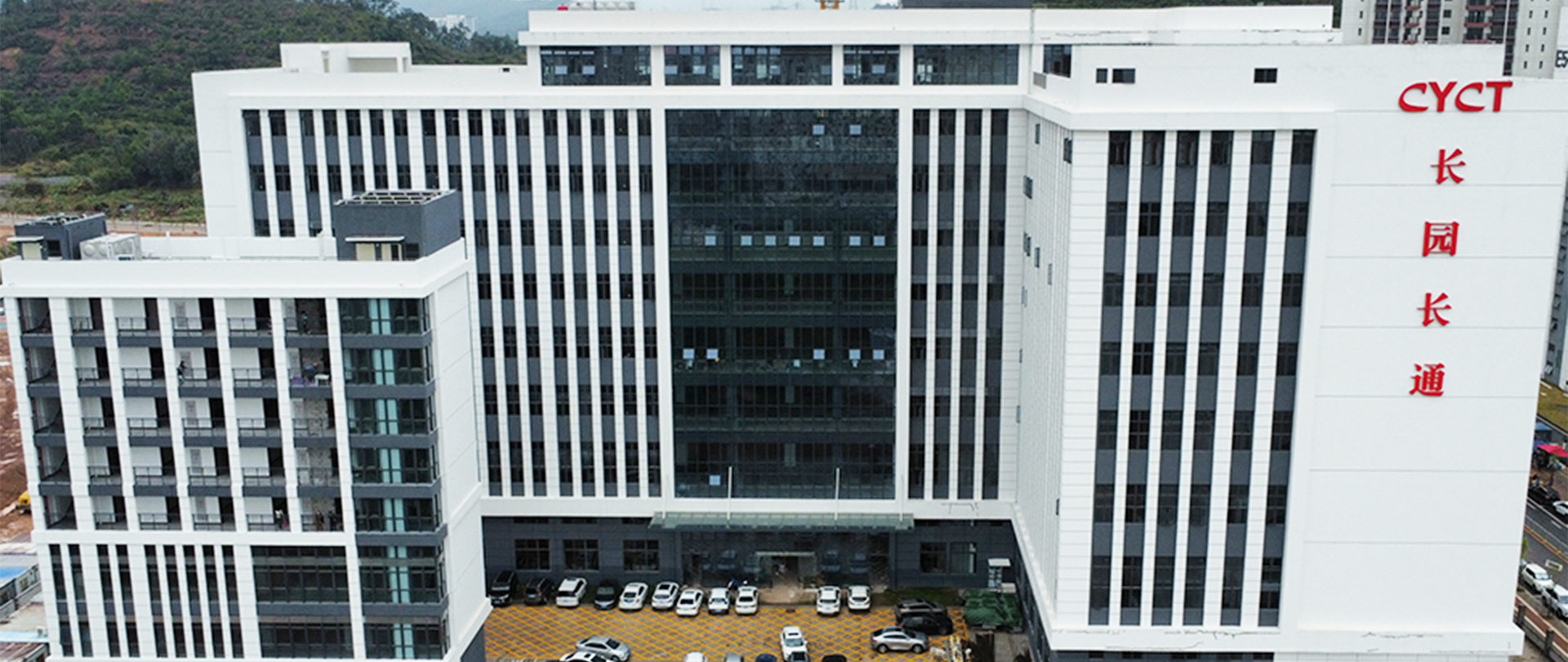
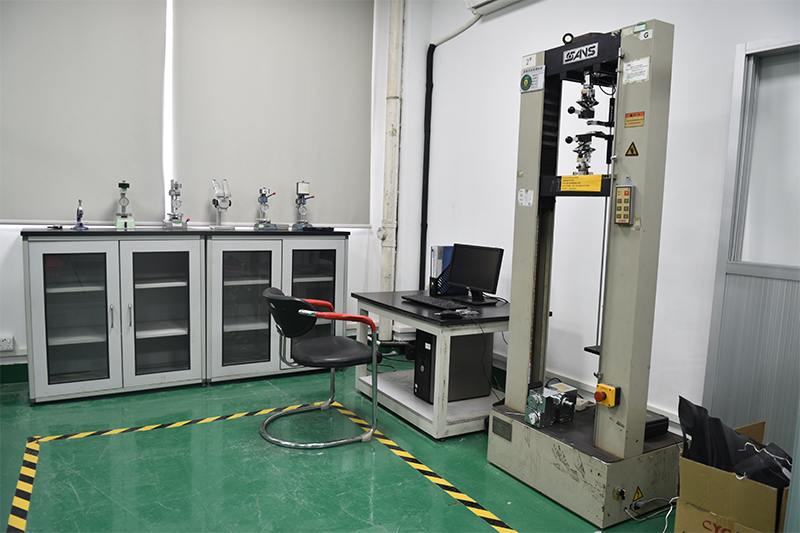
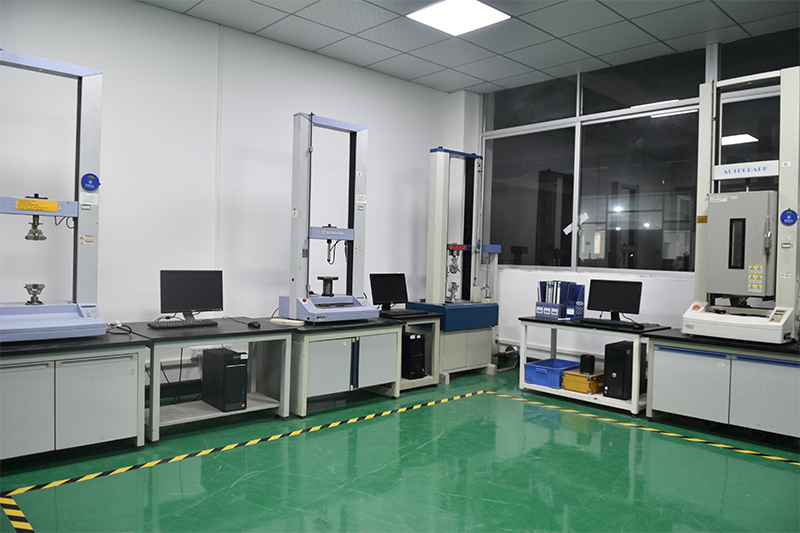
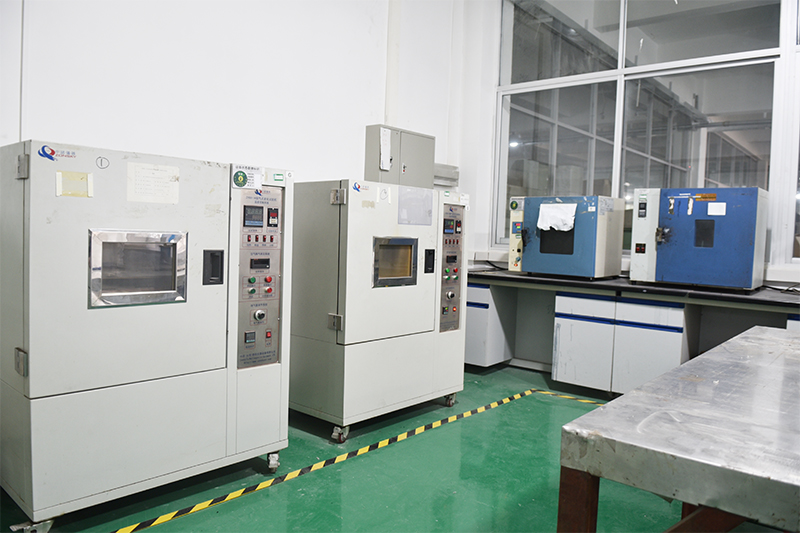
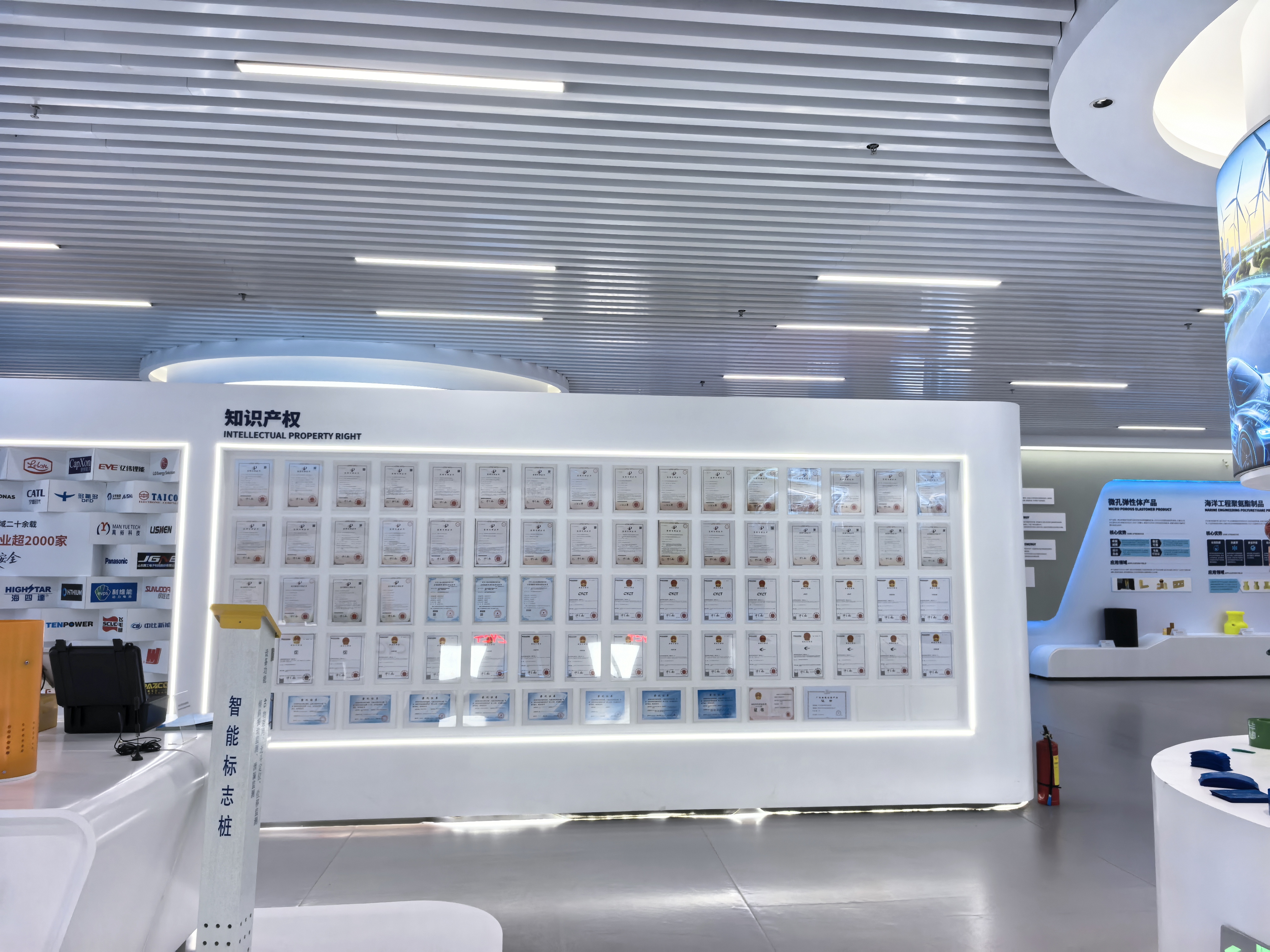
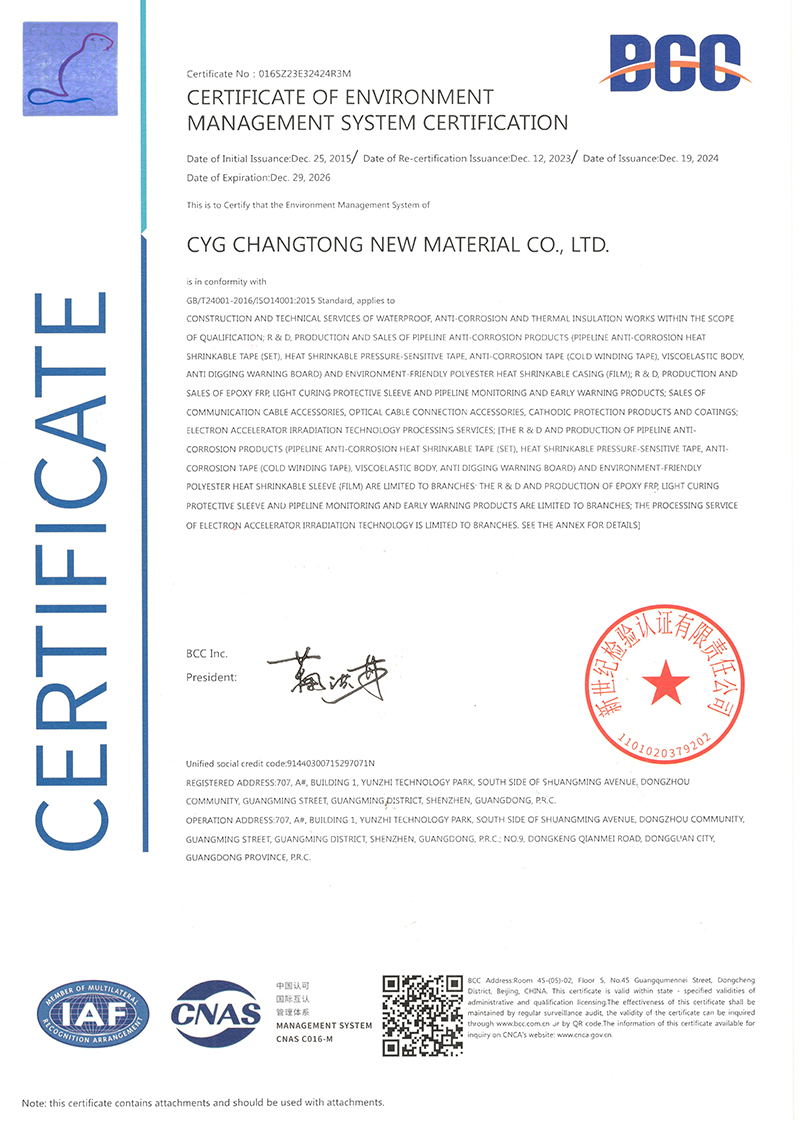
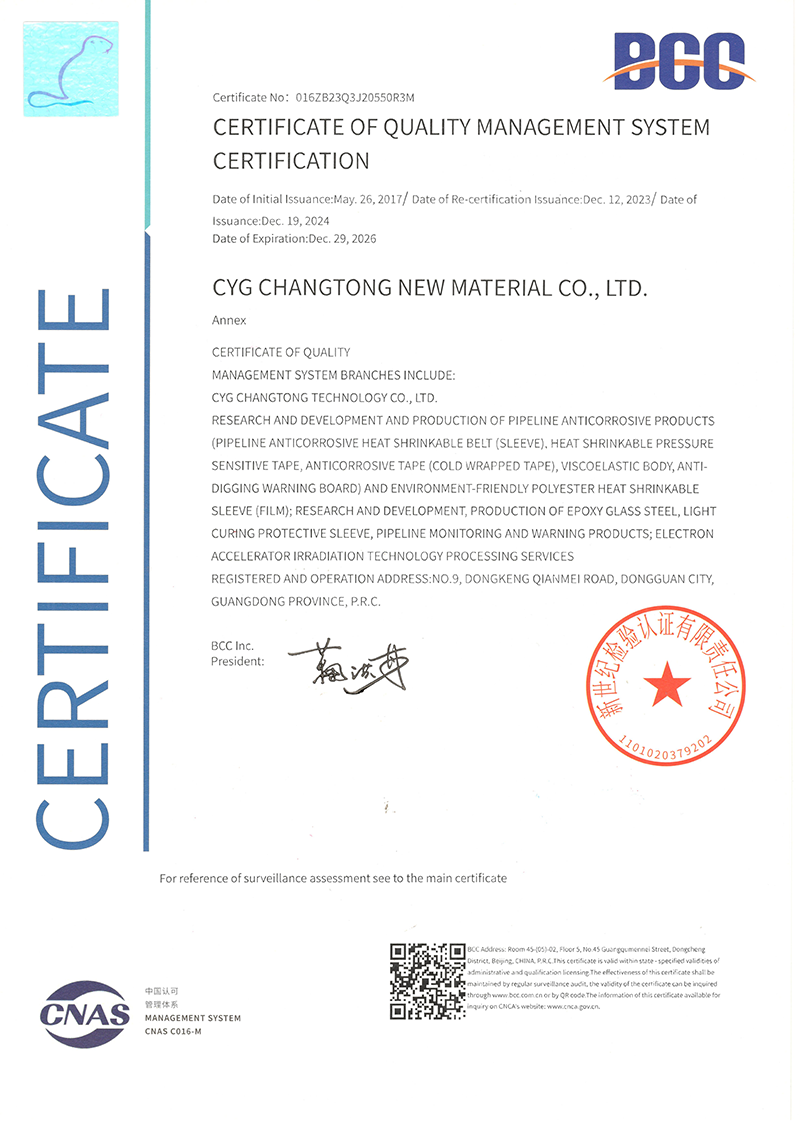
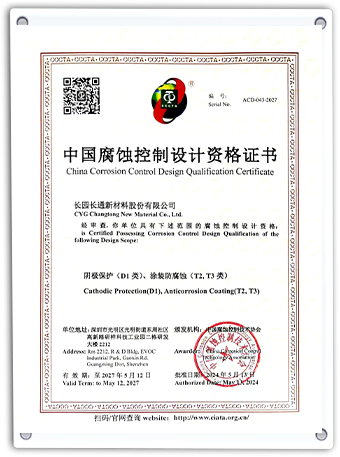
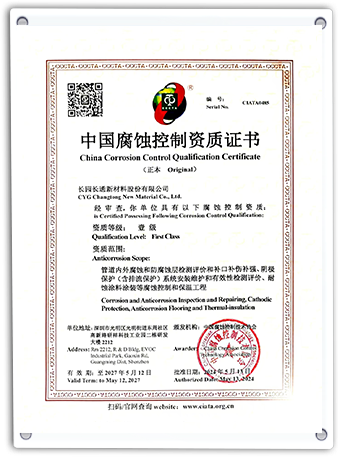
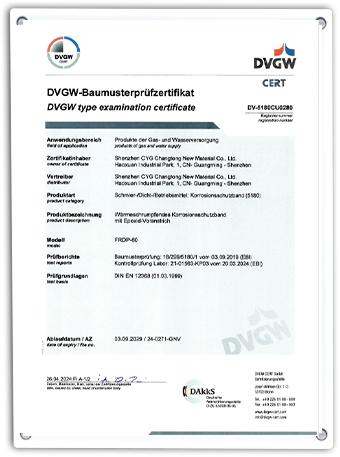
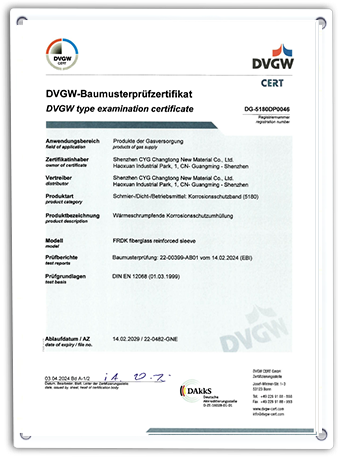
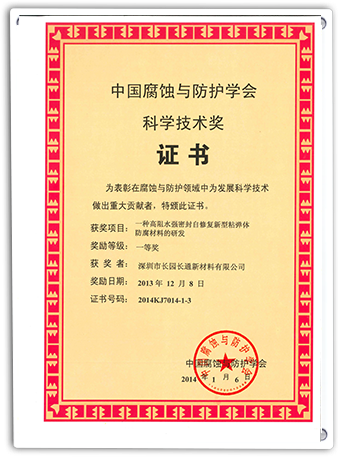
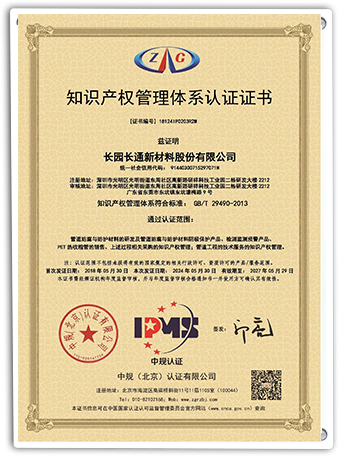
CYCT's production and testing processes comply with major international and domestic pipeline coating standards.
 CYCT
CYCT