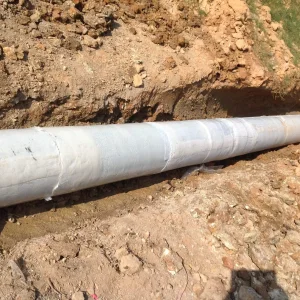
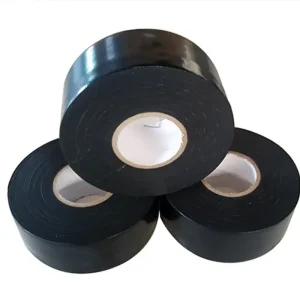
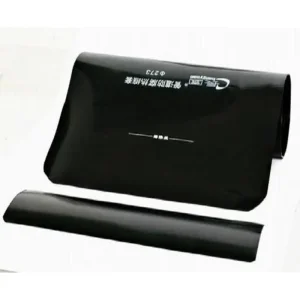
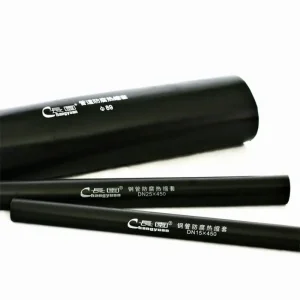
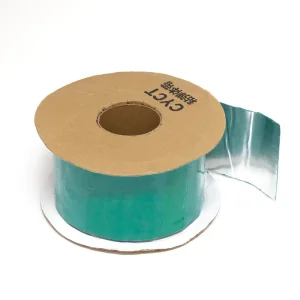
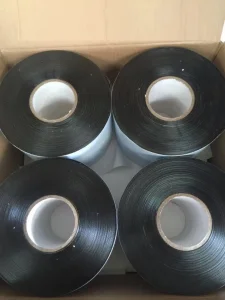
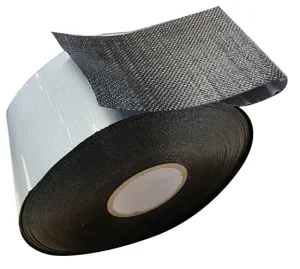
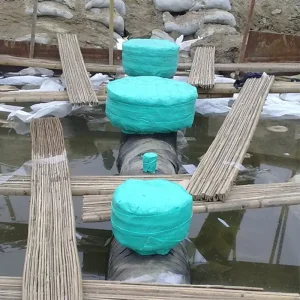
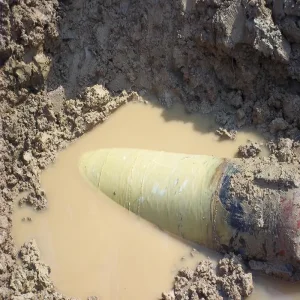
Explore our industrial-grade anti-corrosion tapes, heat shrinkable sleeves, and specialized coatings engineered to exceed NACE and ISO standards.
In modern pipeline engineering, sub-surface and above-ground transmission networks serve as the literal arteries of the global energy transition, conveying oil, refined petrochemical fluids, natural gas, hydrogen blends, and municipal water. Protecting these capital-intensive metallic assets from structural oxidation, chemical deterioration, and mechanical stresses is of paramount technical concern. Among the vast array of field joint coatings (FJCs) and pipe rehab options, the Adhesive Heat Shrink Tape represents a peak technological compromise between installation velocity, shear strength, environmental robustness, and long-term economic longevity. This whitepaper systematically evaluates the engineering profiles, chemical dynamics, local and global applications, and the structural advantages of sourcing these systems from China's premier advanced material manufacturing facilities.
Information Gain Highlight: Understanding the molecular mechanics of cross-linked polyolefin (PE) memory effect coupled with visco-elastic shear-resistant hot-melt adhesives provides the foundation for predicting joint lifetimes exceeding 30 years under constant operating loads.
Globally, pipeline asset management is undergoing a significant transformation. Standard specifications such as ISO 21809-3, NACE SP0169, and EN 12068 dictate that field-installed coatings must exhibit performances equivalent to or surpassing those of parent mill-applied coatings (such as 3LPE, 3LPP, and FBE). Adhesive heat shrink tapes have secured a significant market share within the global rehabilitation sector. This growth is driven by the rapid expansion of city gas distribution networks and oil trunklines across developing nations, along with critical pipeline rehabilitation programs in mature European and North American markets.
Unlike standard cold-applied tapes, heat shrinkable tapes establish a robust, cohesive bond with the substrate steel through an active thermal recovery process. As heat is applied, the memory-oriented polymer backing attempts to return to its original extrusion state, exerting steady, continuous radial pressure over the pipeline surface. Simultaneously, the specialized hot-melt inner adhesive melts, flows into the micro-cavities of the steel anchor pattern (usually generated by SSPC-SP 10 abrasive blasting), and cross-links with the structural primers to create a monolithic corrosion barrier. This makes the system resistant to soil stress, thermal cycling, and cathodic disbondment.
To fully appreciate the longevity of adhesive heat shrink tapes, one must analyze the raw materials. The backing material is typically synthesized from high-density or medium-density polyethylene (HDPE/MDPE) that undergoes high-energy electron beam radiation. This radiation initiates intermolecular cross-linking, transforming the polymer from a thermoplastic material into a thermoset elastomer with high tensile memory. This radiation cross-linking process changes the polymer chain structure, allowing the backing to survive temperatures well above the normal melting point of polyethylene without dripping or disintegrating during installation.
The interior layer relies on a hybrid formulation of modified co-polymer hot-melt adhesives. These are specifically tailored to balance viscosity and cohesive strength. The adhesive must exhibit high shear resistance to oppose the continuous soil movement caused by seasonal moisture variations, which can cause inferior coatings to slip and peel. Crucially, our engineers formulate the adhesive to suppress the formation of air bubbles during shrink recovery. This prevents the creation of micro-voids where water might gather and cause localized corrosion under the tape.
Radiation-induced molecular cross-linking raises the melting point and establishes a high recovery ratio, ensuring continuous radial tension on the pipe joint.
Engineered hot-melt formulation yields exceptional peel strength and high shear resistance, preventing slippage under high soil loading conditions.
Excellent compatibility with cathodic protection (CP) currents, mitigating shielding risks and ensuring optimal protection even if the coating is damaged.
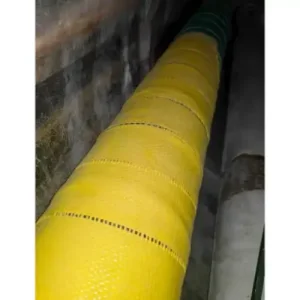
The versatility of adhesive heat shrink tape allows it to adapt to diverse geological and environmental conditions:
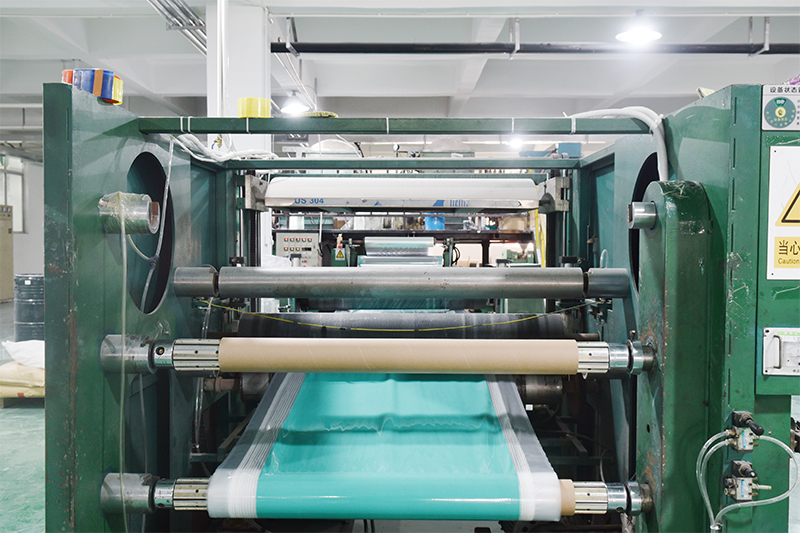
Founded in 2000, CYCT New Materials Company Limited has spent more than two decades developing pipeline corrosion protection materials. As a state-level high-tech enterprise, CYCT integrates research and development, manufacturing, sales, buried pipeline inspection, and on-site field application services. With a focus on product quality and manufacturing scale, CYCT has earned its place as a trusted supplier for major energy enterprises including PetroChina, Sinopec, and PipeChina.
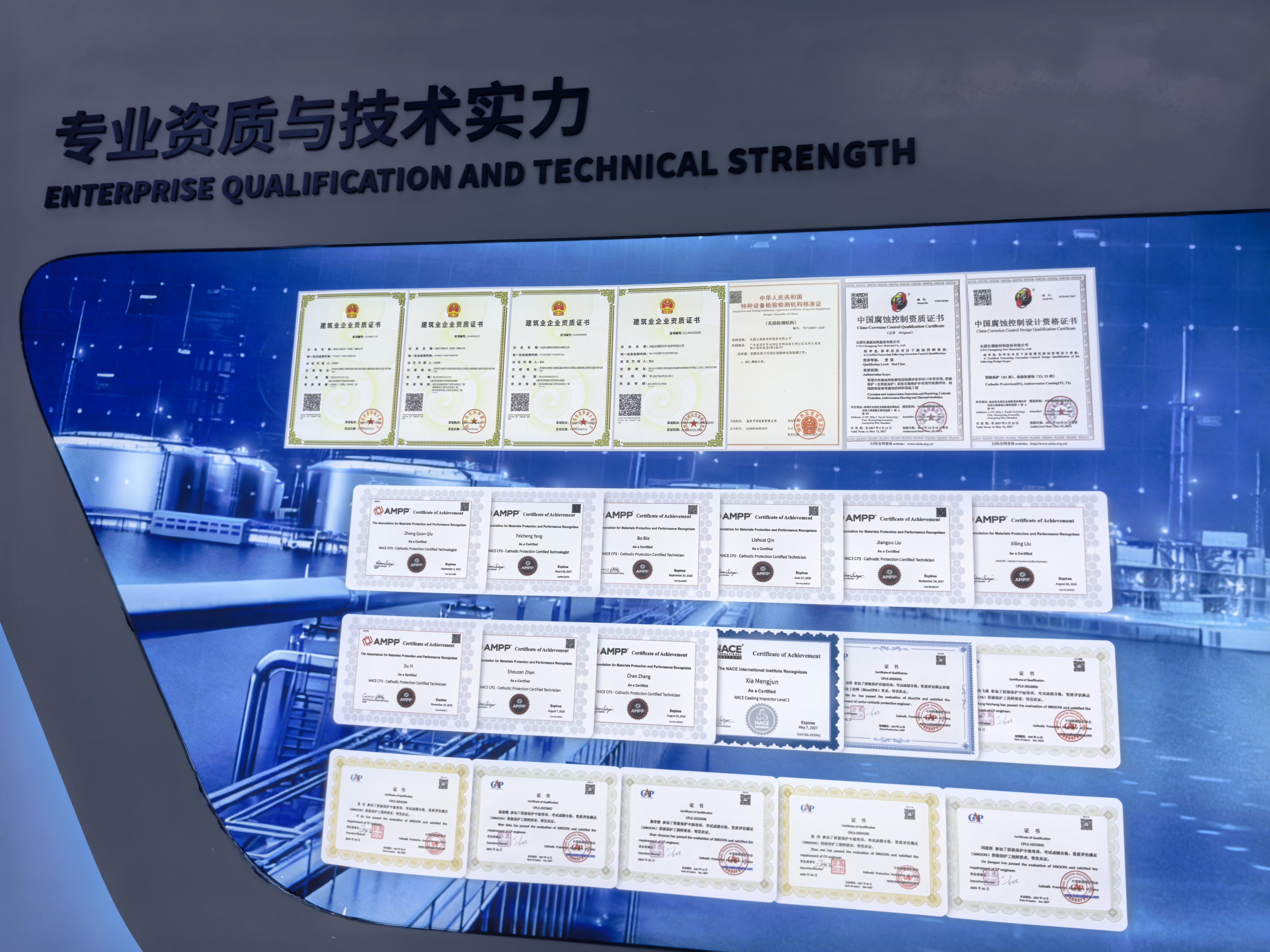
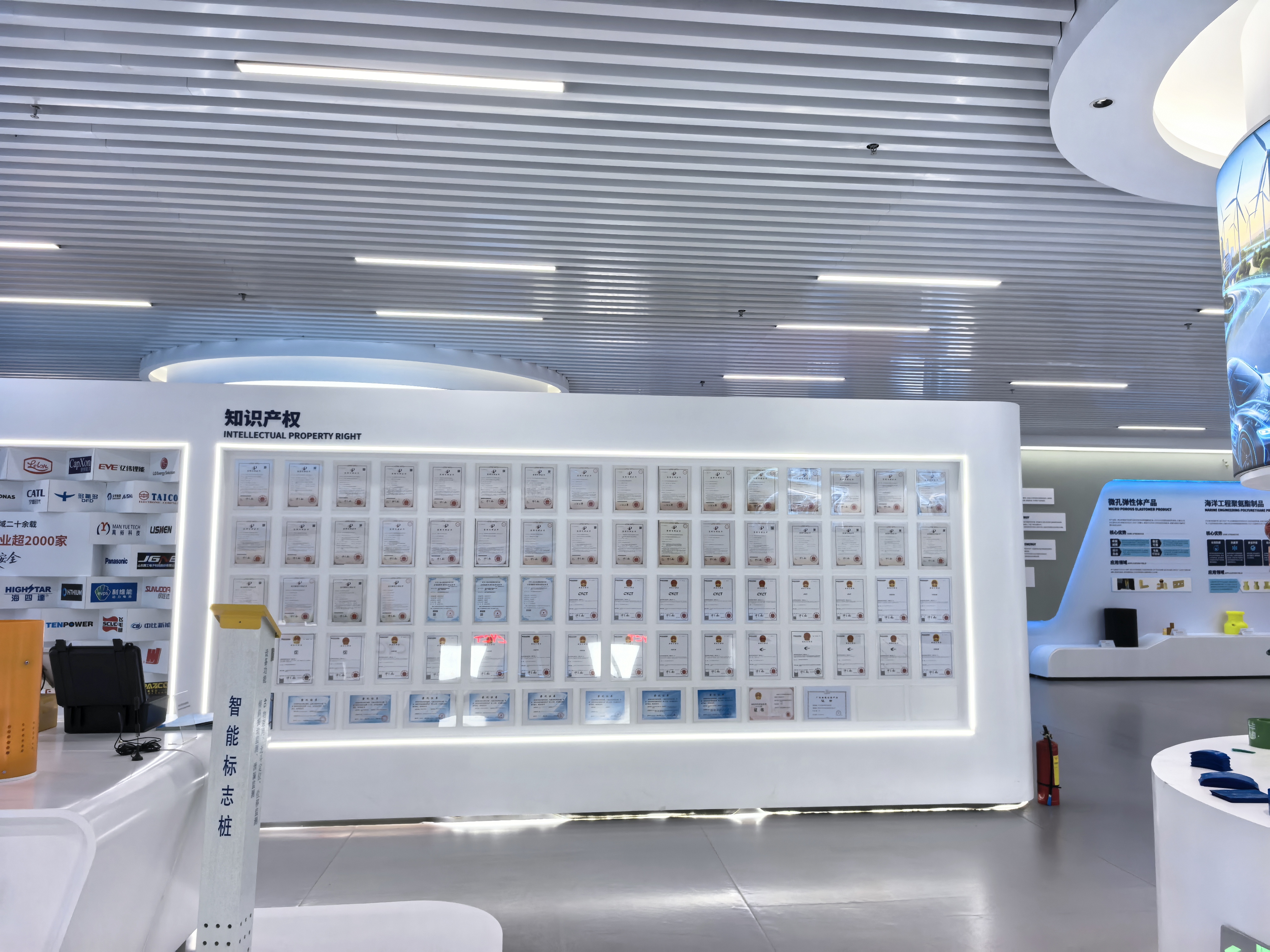
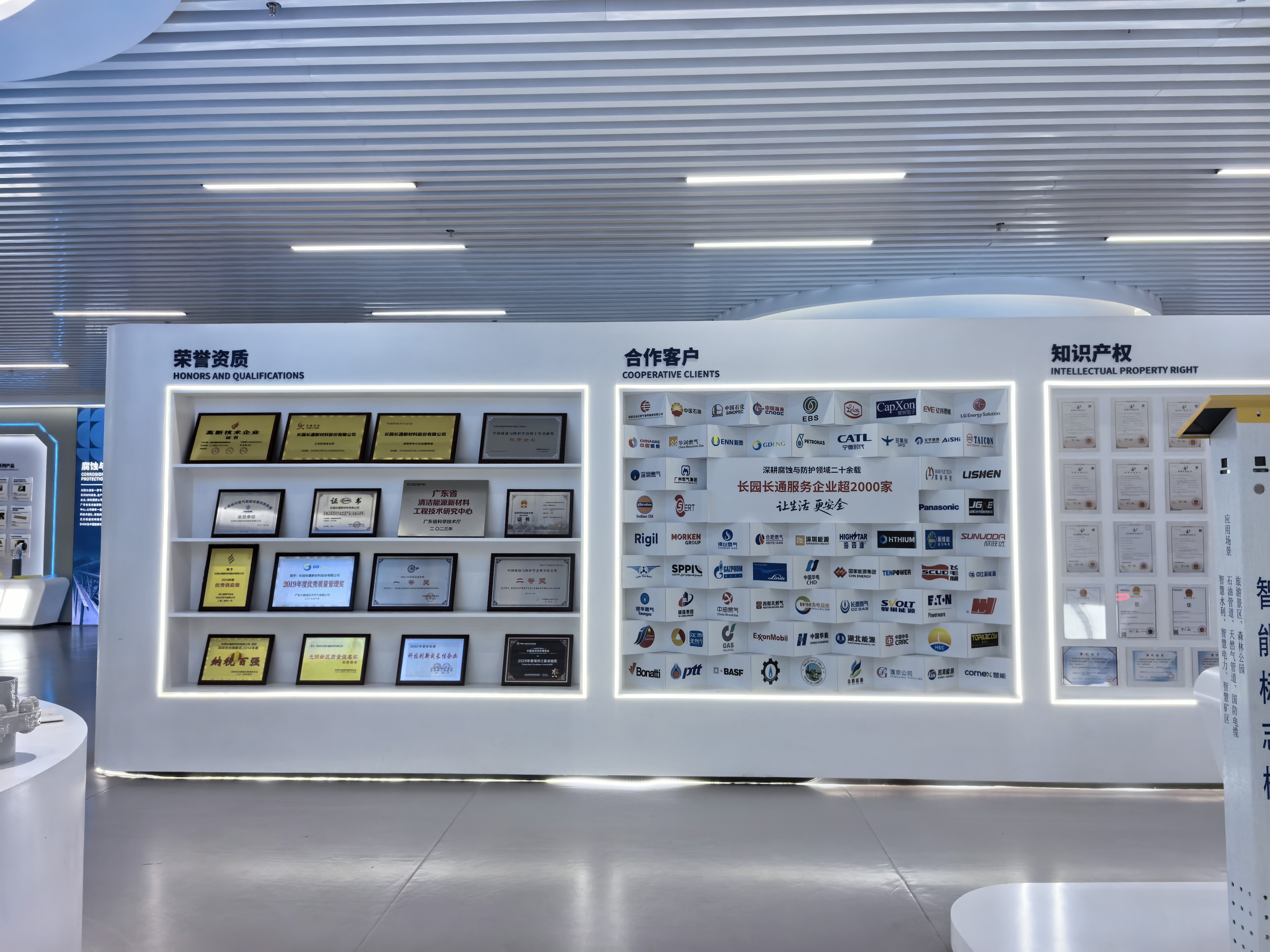
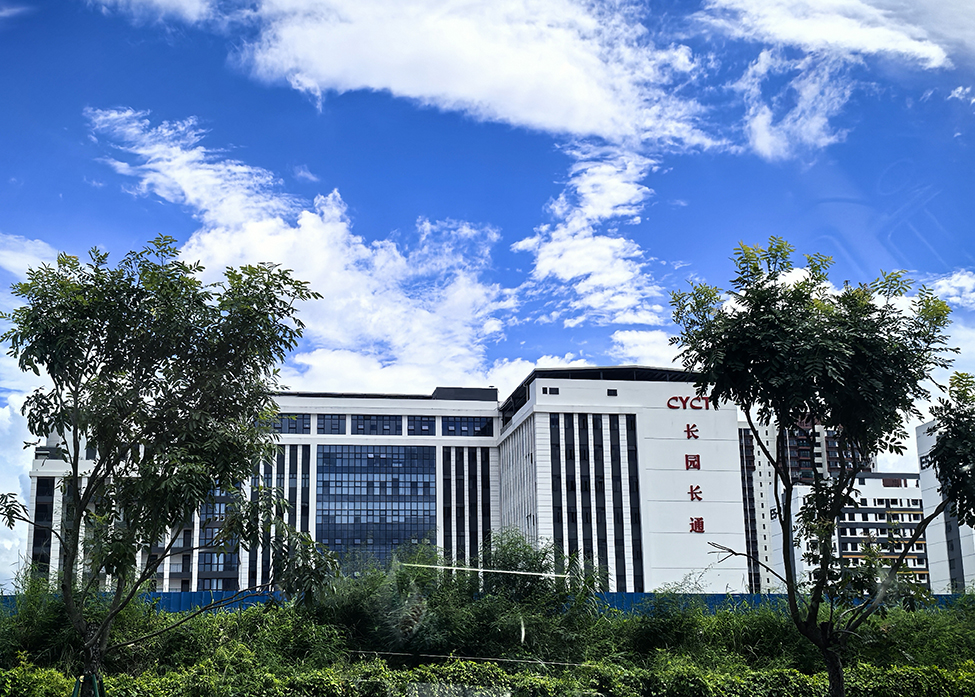
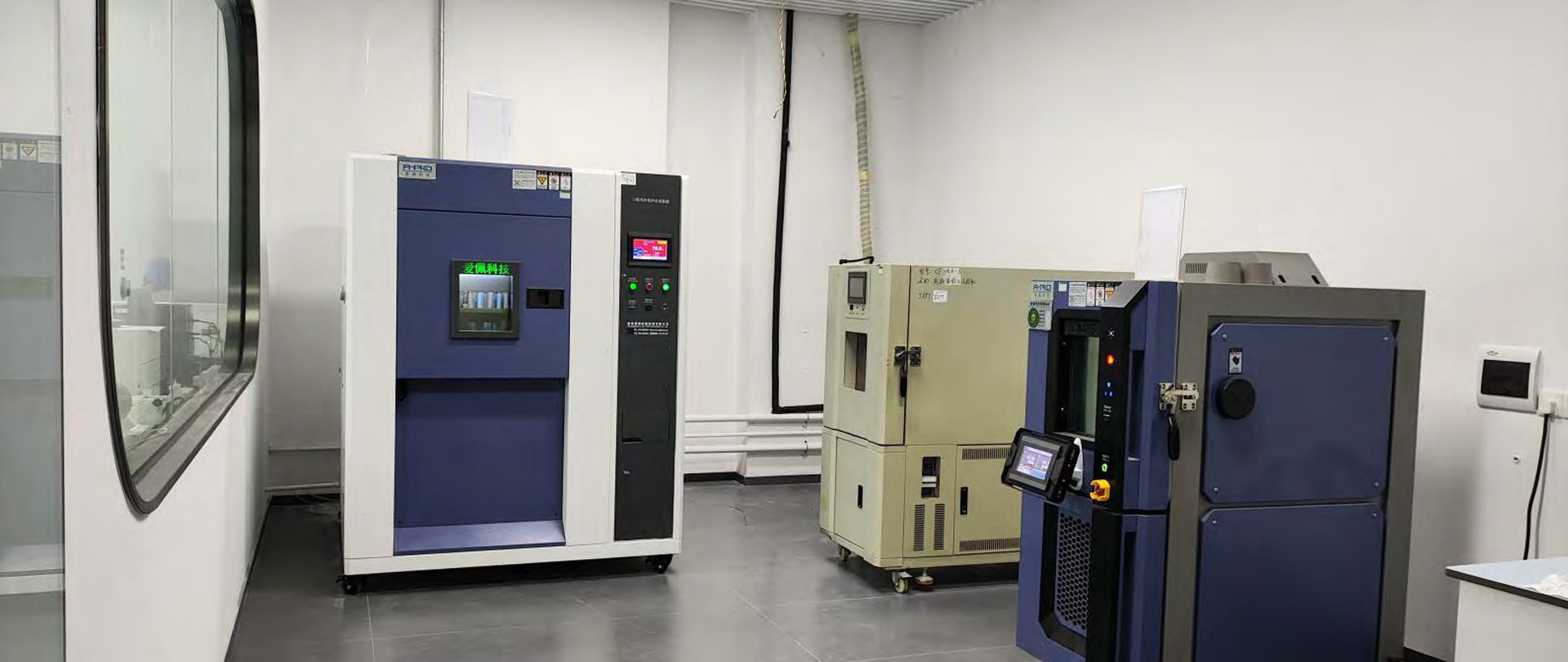
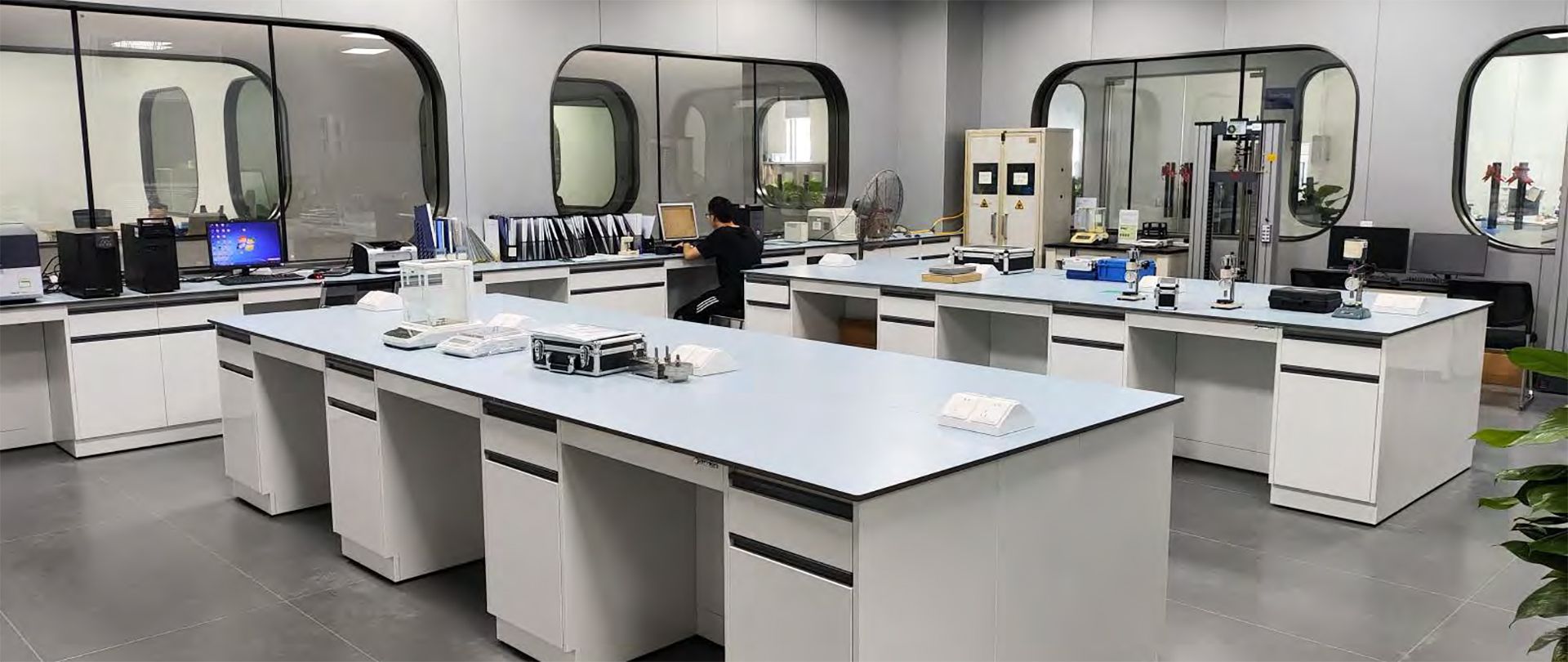
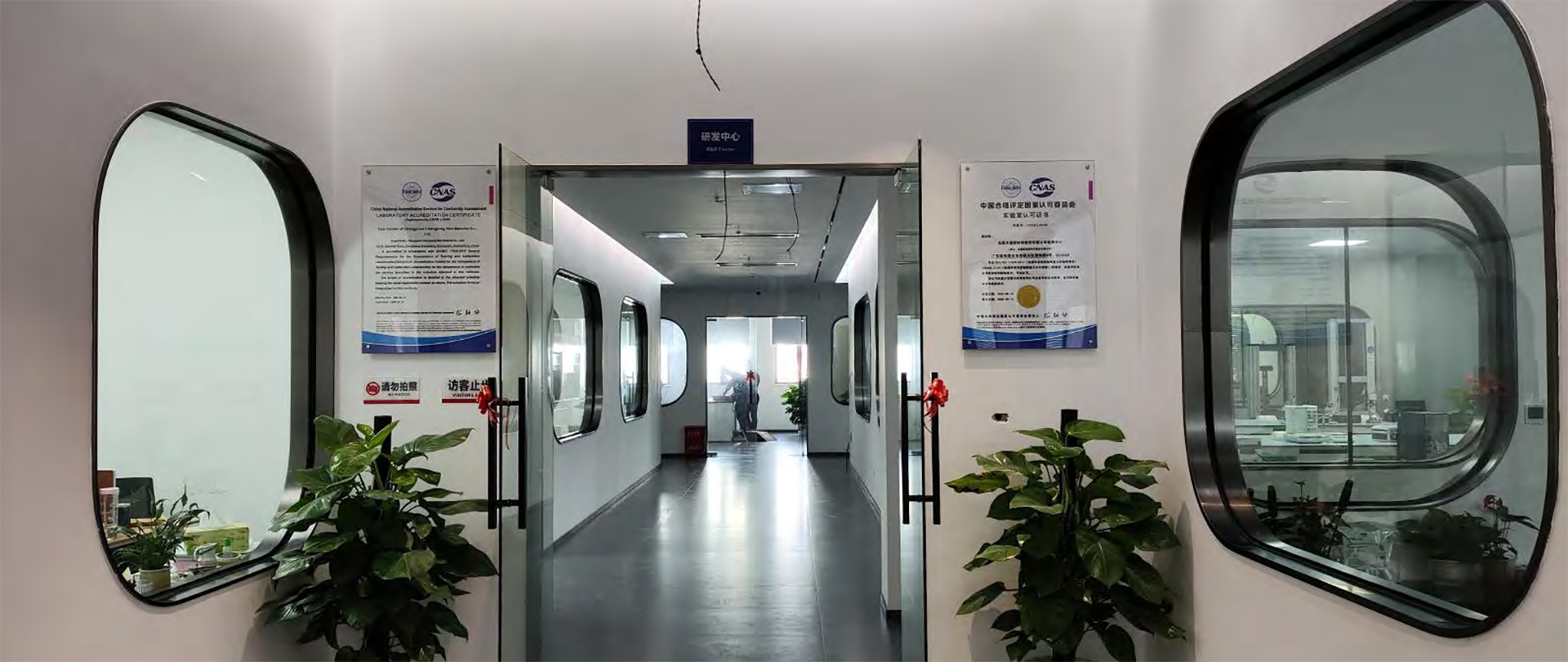

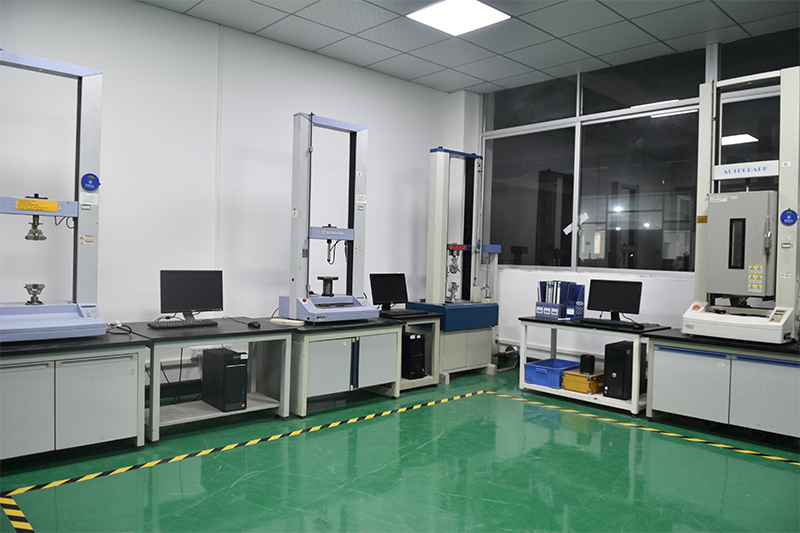
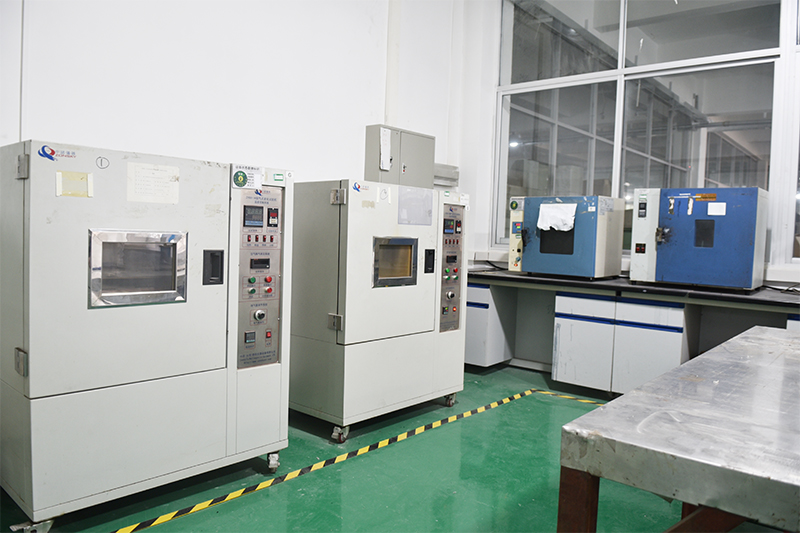
Collaborating with institutes like the CNPC Pipeline Science Research Institute, CYCT delivers comprehensive engineering support, including pipeline inspections, cathodic protection designs, rehabilitation schemes, and custom field coatings. This capabilities-driven model ensures that every roll of adhesive heat shrink tape or protective sleeve leaving our facility meets project requirements.
Sourcing pipeline materials from a verified China manufacturer like CYCT provides several key advantages:
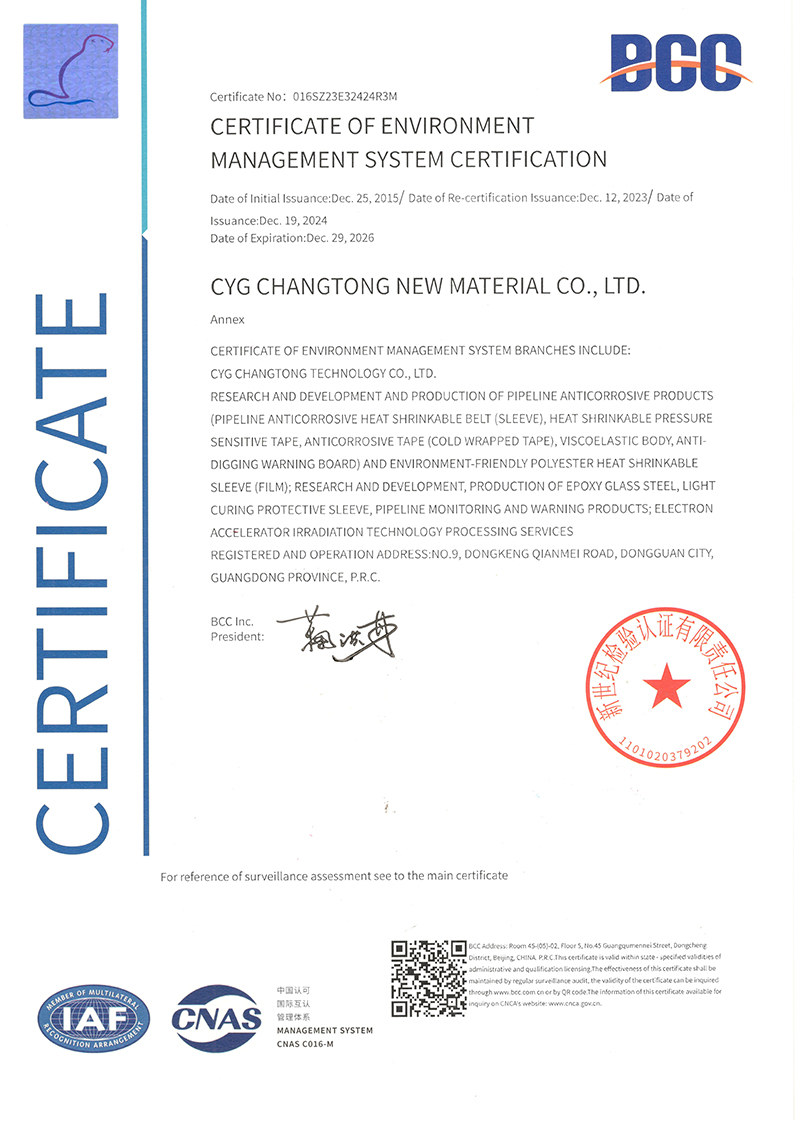
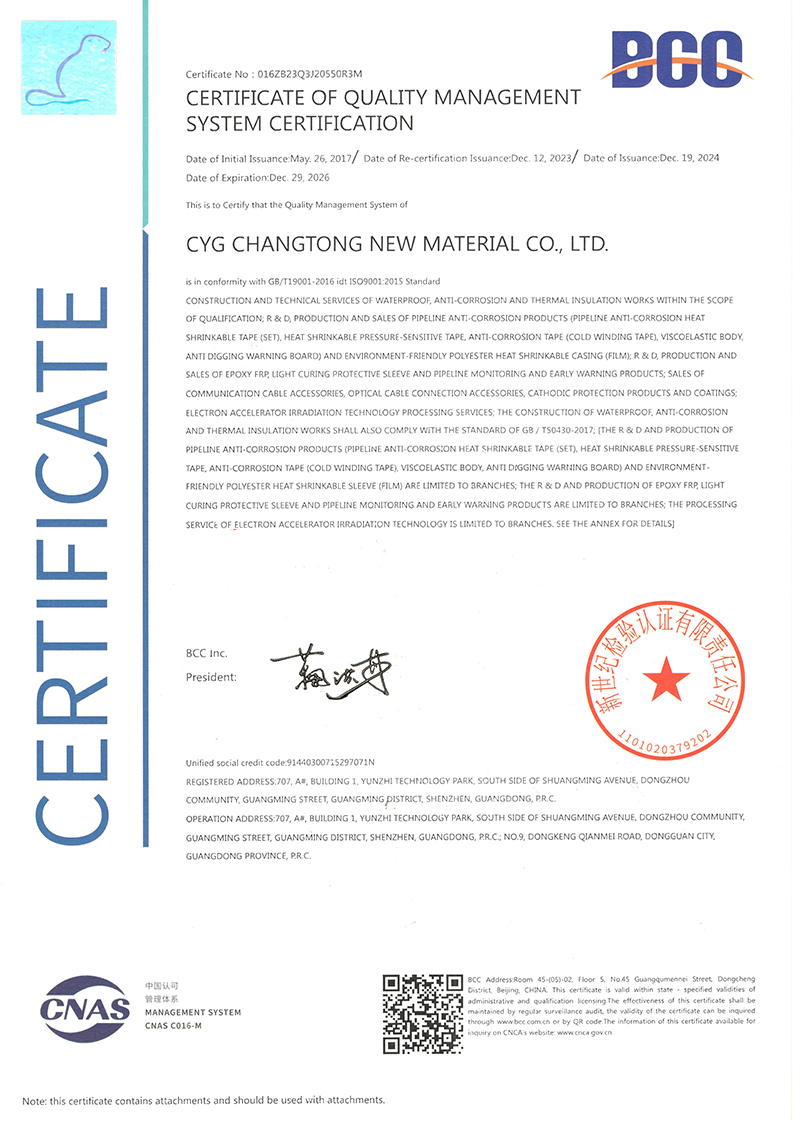
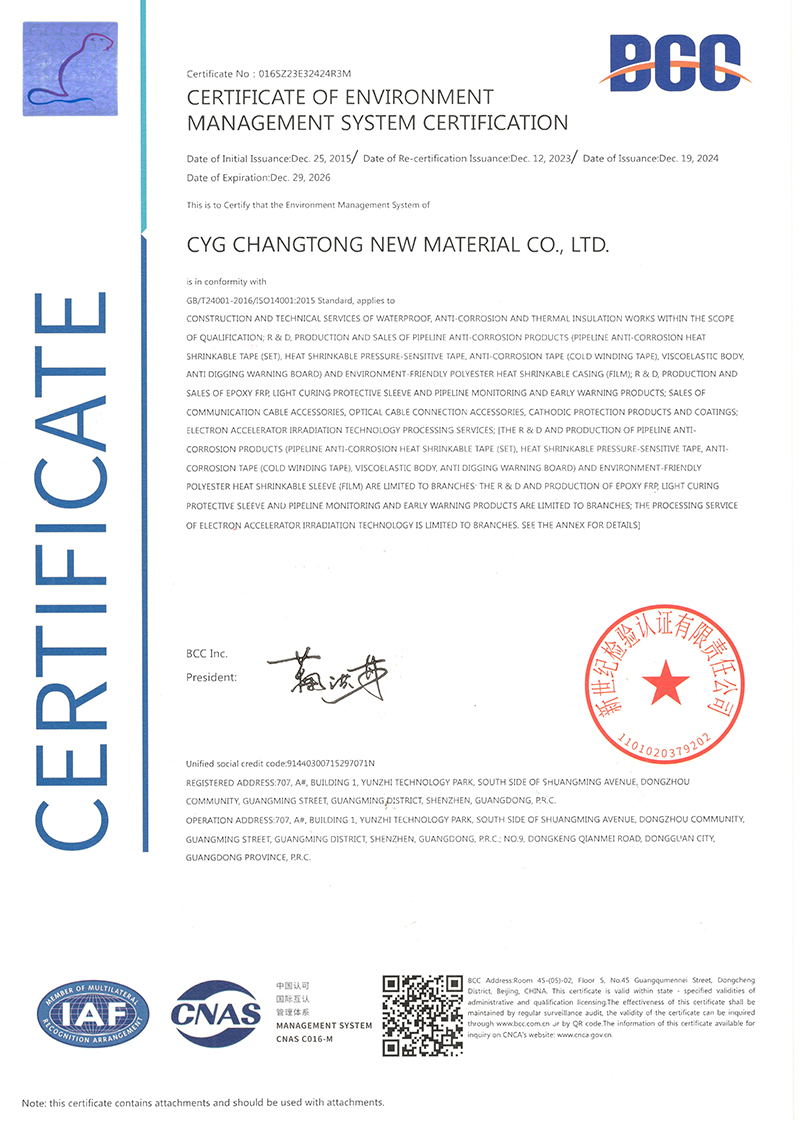
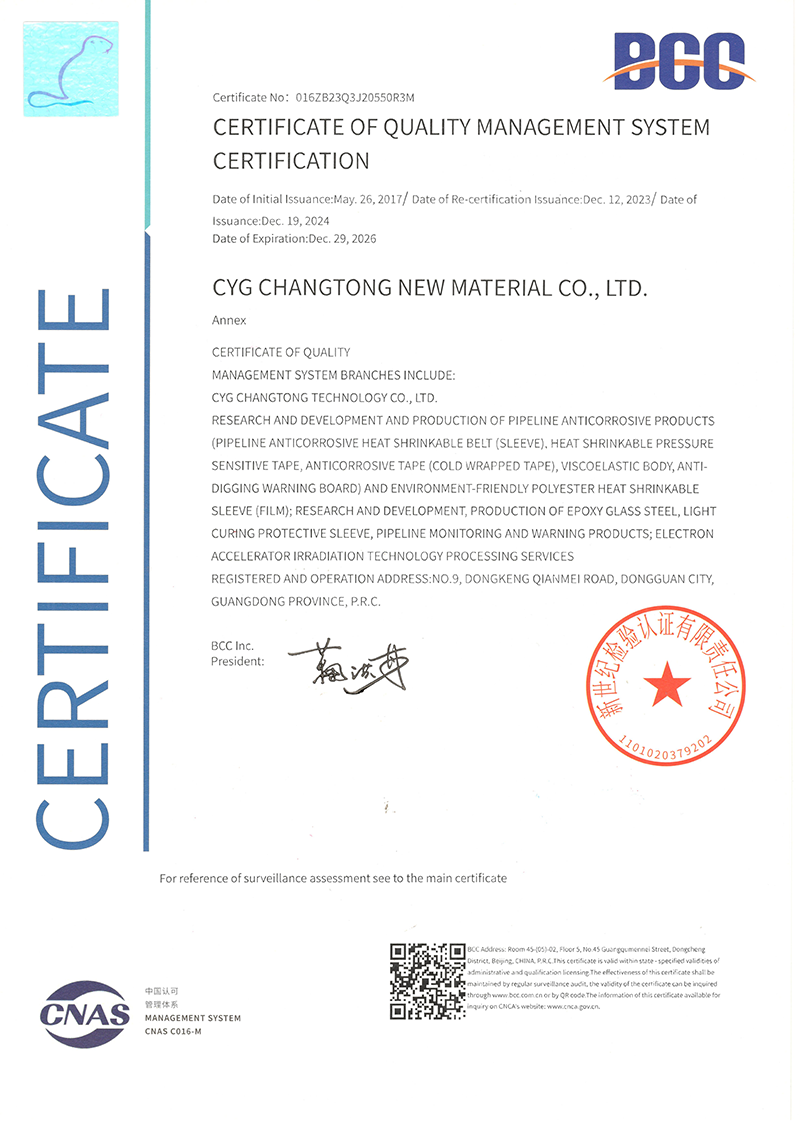
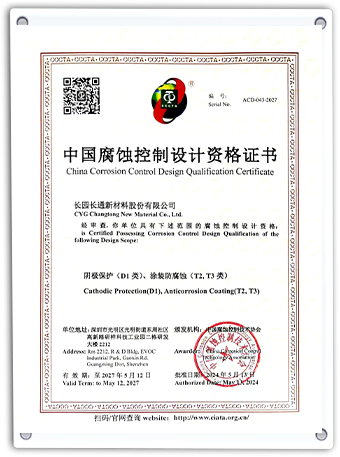
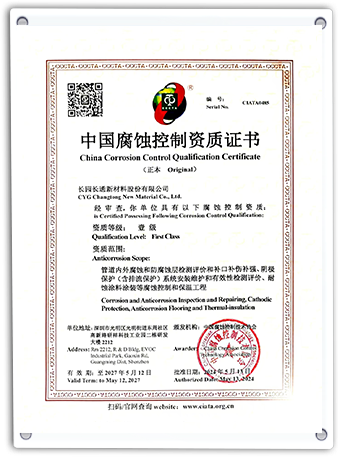
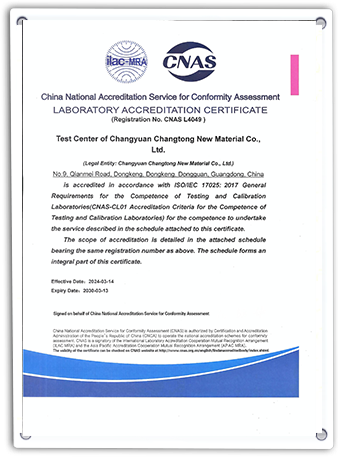
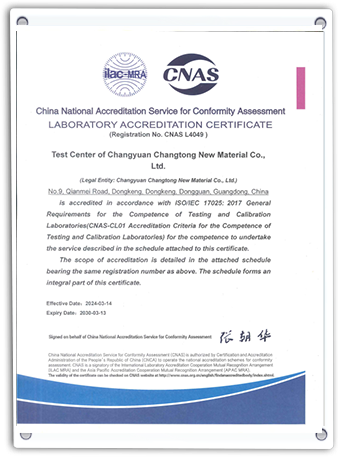
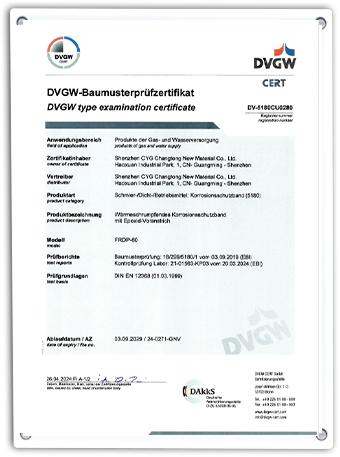
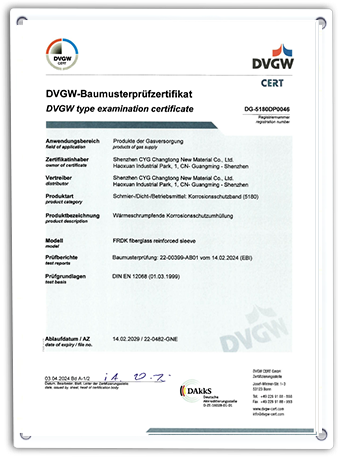
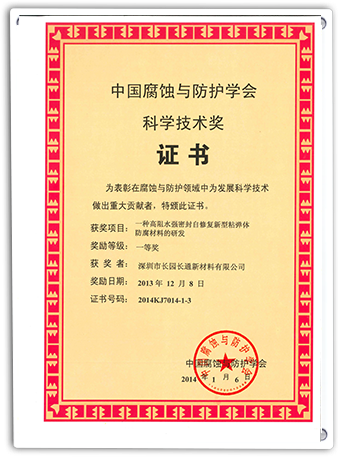
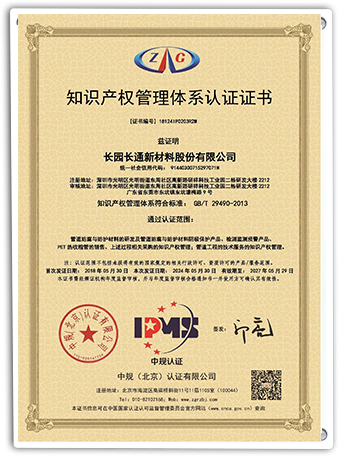
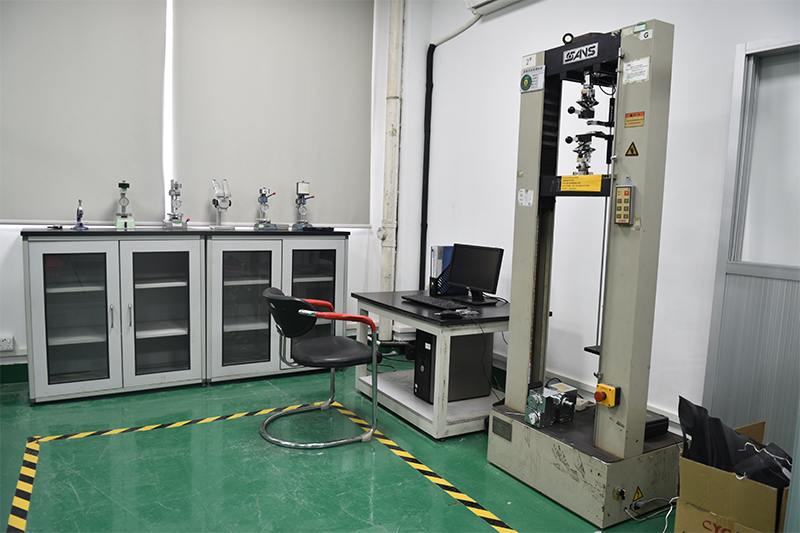
CYCT operates in accordance with international quality standards. We are an active council member of the Chinese Society for Corrosion and Protection (CSCP) and hold certifications for pipeline detection and corrosion control construction. Our products are approved by major operators, including Indian Oil, PetroChina, and Sinopec, confirming their performance in challenging environments.
As pipeline operators seek to improve asset visibility and minimize environmental impact, the field joint coating industry is moving along a defined technical roadmap:
Explore our specialized range of viscoelastic, high-temperature, moisture-curing, and GRP composite protective materials.
 CYCT
CYCT