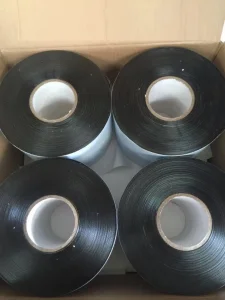
Engineered specifically to counter high water tables and clay salinity in Bangkok's metropolitan expansion projects.
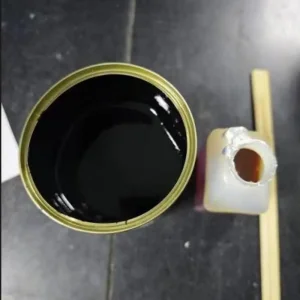
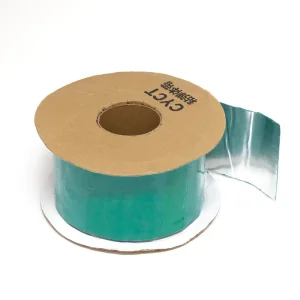
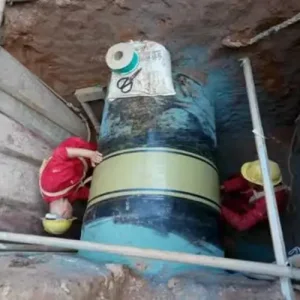
Bangkok's metropolitan area is situated within the Chao Phraya River basin, characterized by a thick layer of marine clay known as "Bangkok Soft Clay". This unique geological profile presents severe, persistent challenges to buried steel infrastructure. The water table is constantly close to the surface, and the soil possesses high electrical conductivity, high moisture saturation, and localized microbiologically influenced corrosion (MIC) pathways.
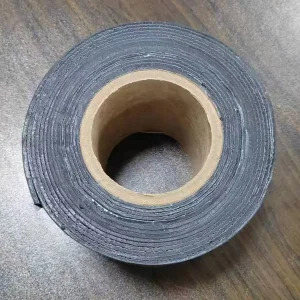
Conventional anti-corrosion methods such as simple cold-applied PE tapes or liquid epoxy systems face premature degradation in these conditions. High ambient soil temperatures (averaging 30°C to 35°C year-round) speed up chemical degradation, while high soil stress from structural shifts causes conventional coatings to shear and disbond. This is where Visco-Elastic Anti-Corrosion Tape provides vital protection.
Geotechnical Reality: Under high moisture and continuous shifting, viscoelastic materials behave like a viscous liquid, flowing into micro-irregularities of the steel substrate. Simultaneously, they behave like an elastic solid, maintaining constant thickness and continuous self-healing action.
For Bangkok infrastructure operators, utilizing materials that do not require Sa 2.5 blast cleaning is a major cost and logistics benefit. Viscoelastic tapes can be applied to surfaces prepared to St 2 or St 3 levels, making field repairs under humid conditions highly efficient and reliable.
Founded in 2000, CYCT New Materials Company Limited (CYCT) is a state-level high-tech enterprise. We integrate R&D, advanced manufacturing, buried pipeline detection services, and pipeline coating field applications into one comprehensive entity.
For decades, CYCT has focused on pipeline corrosion protection materials. We have established ourselves as a trusted supplier for major international and domestic energy giants, including PetroChina, Sinopec, PipeChina, and Indian Oil.
With our national CNAS-accredited laboratory and a dedicated professional R&D team, we customize our high-performance viscoelastic systems to thrive under local soil conditions, such as those found in Bangkok's Samut Prakan and surrounding industrial corridors.
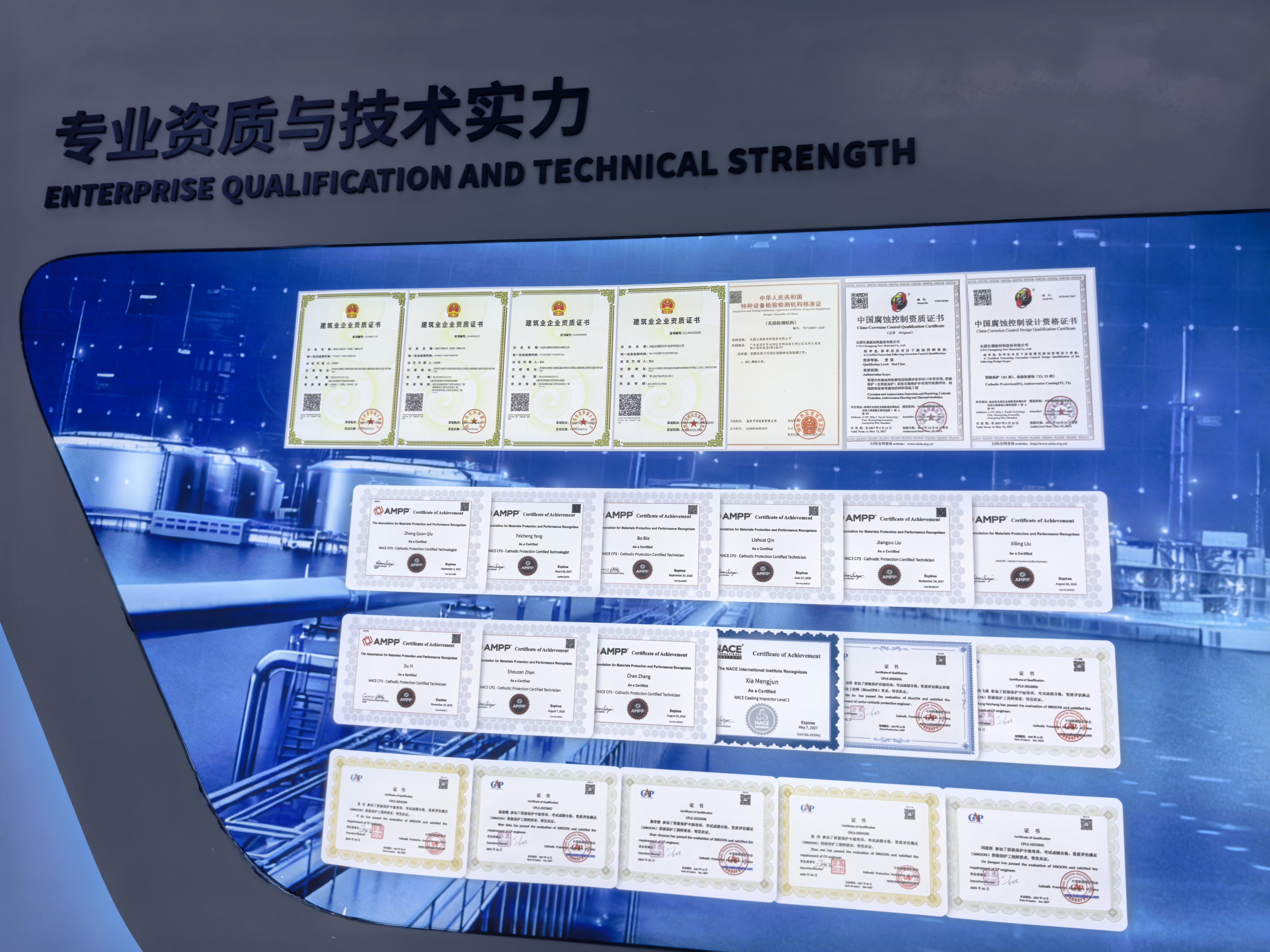
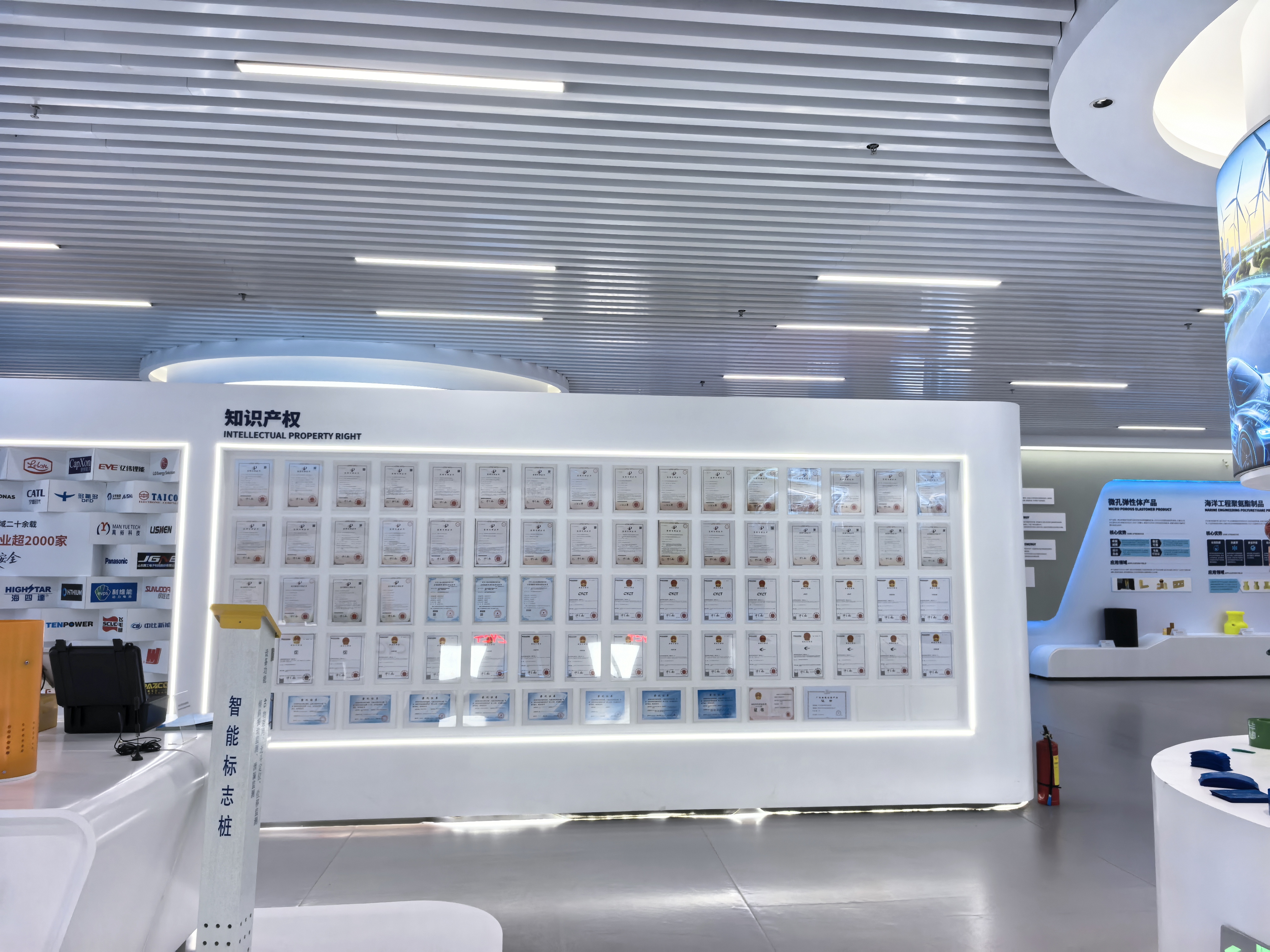
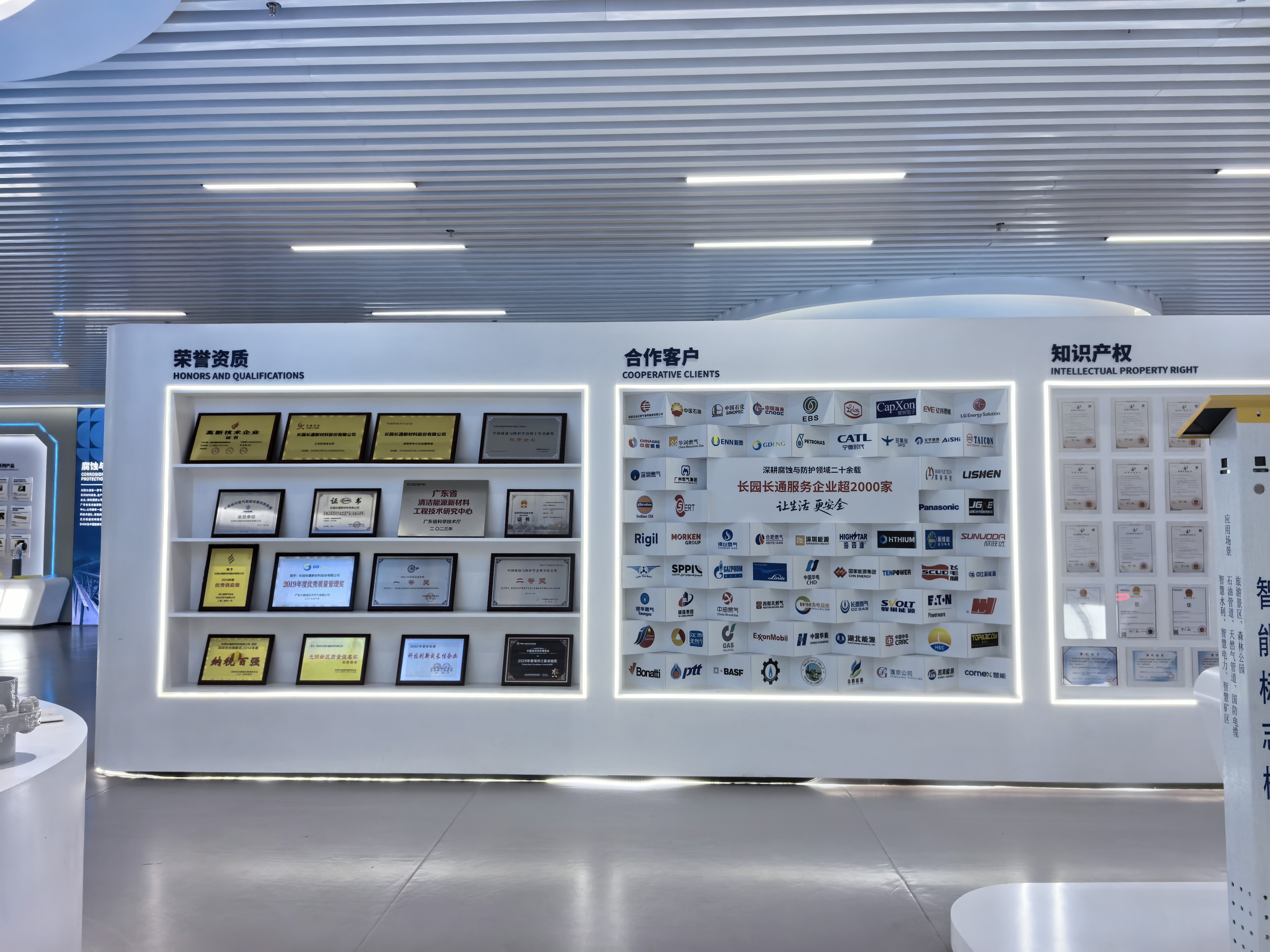
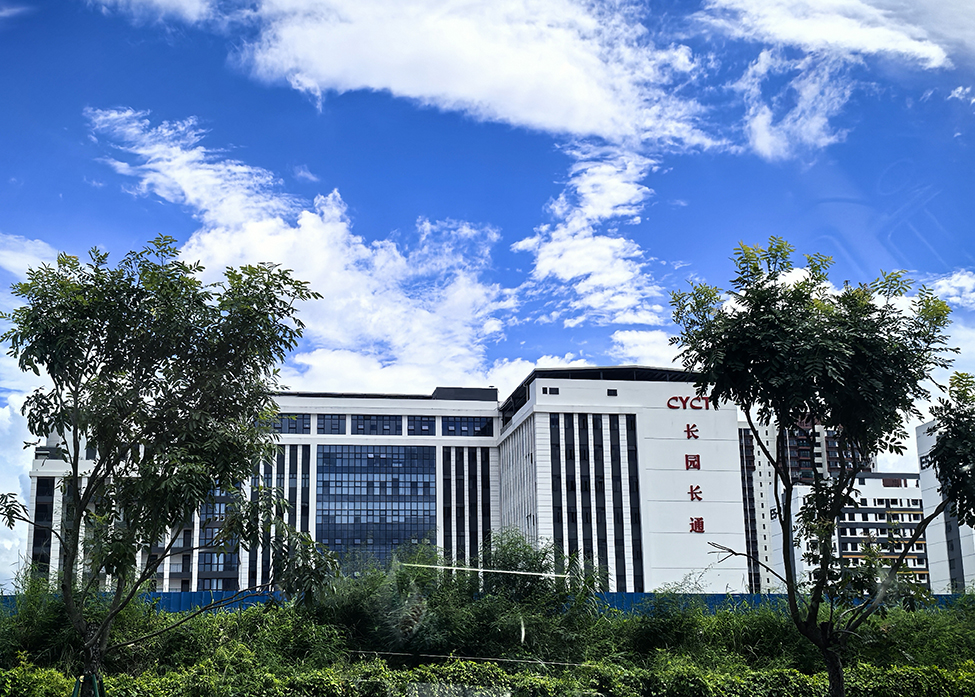
Technical Alliance: Partnering with top research institutions like the CNPC Pipeline Science Research Institute, we deliver integrated pipeline safety and rehabilitation strategies globally.
Maximize your procurement efficiency with reliable, high-specification products designed for fast shipping to Thailand.
Our facility operates a nationally certified CNAS laboratory, testing every batch to meet ISO 21809-3 and EN 12068 standards before shipment.
We adjust viscosity, elasticity, and flow thresholds to handle Bangkok’s average 35°C soil conditions without sagging or dripping.
Shipments from Shenzhen or Guangzhou ports to Bangkok (Klong Toey / Laem Chabang Port) arrive within 5–7 days, minimizing stockouts.
Direct access to primary Chinese raw materials enables competitive pricing while maintaining the performance levels required for major public tenders.
High-performance applications tailored to Bangkok's unique infrastructure networks.
Bangkok's extensive canal (khlong) system requires utilities to run underneath or alongside waterways, exposing them to continuous water contact. Traditional shrink sleeves can trap moisture if not applied perfectly, leading to Under-Film Corrosion. Viscoelastic tape bonds strongly to both steel and PE, preventing moisture ingress and ensuring long-term protection at crossings.
Due to Bangkok's low-lying terrain, underground valve vaults often flood. Re-coating vaults using traditional methods is challenging due to the constant dampness. Viscoelastic wraps require only St 2 surface preparation and can be applied directly to damp surfaces when used with specified primers. This keeps maintenance fast and reliable.
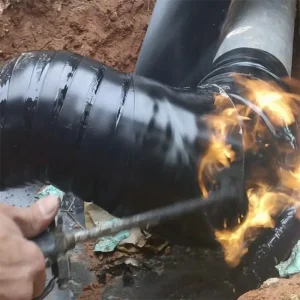
Urban utility upgrades in Bangkok rely heavily on trenchless technology (HDD) to avoid disruptive surface digging. Dragging pipes through clay and soil risks damaging traditional coatings. Combining our viscoelastic tape with a high-strength outer wrap (such as our GFRP reinforcement system) ensures the underlying anti-corrosion barrier remains intact during pullback.
In the nearby coastal and port areas of Samut Prakan and Laem Chabang, structures are exposed to salt spray and tidal cycles. Visco-elastic paste and tape combinations provide a durable, flexible barrier for irregular shapes like flanges, valves, and splash-zone structural piles.
Explore our full line of field joint protection, repair materials, and composite reinforcement shields.
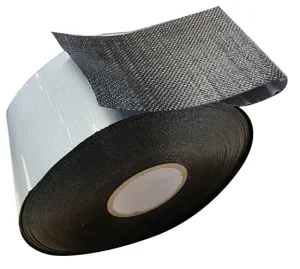
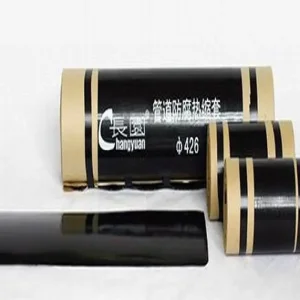
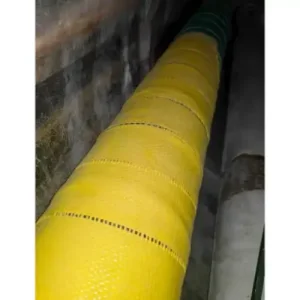
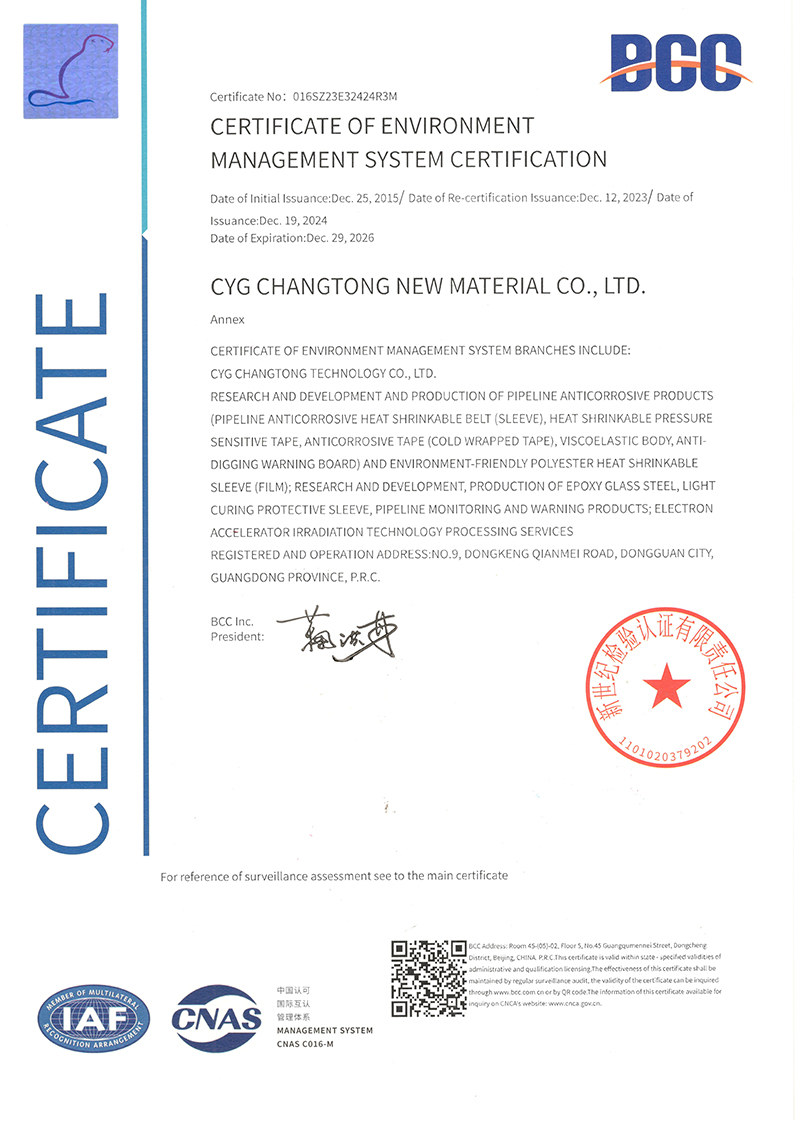
CYCT holds key certifications verifying our performance across domestic and international projects.
Member of Council in Chinese Society for Corrosion and Protection (CSCP), Qualification Certificate of Corrosion Protection Construction, Qualification Certificate of Pipeline Detection, Well-known Brand of Pipeline Corrosion Protection in China, Corporate Member of China Association of Petroleum Engineering Construction (CAPEC), State-Level High-Tech Enterprise with more than ten proprietary intellectual property rights. Trusted supplier for major energy projects.
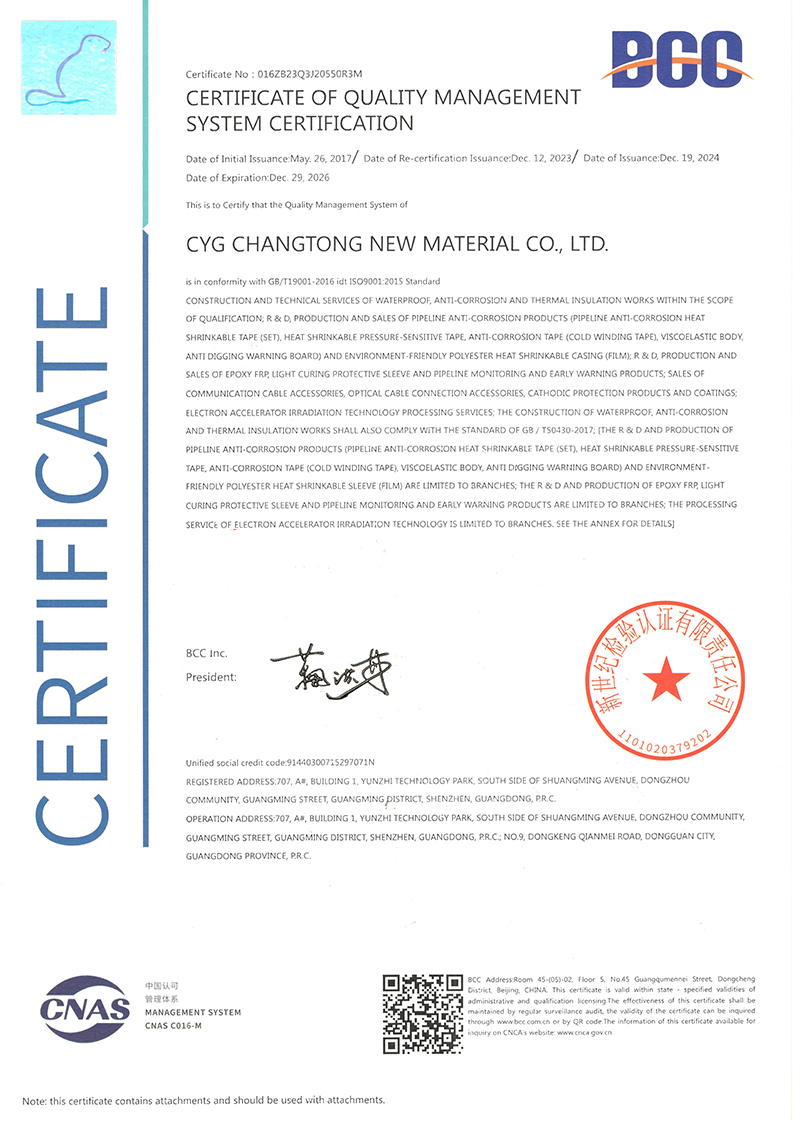
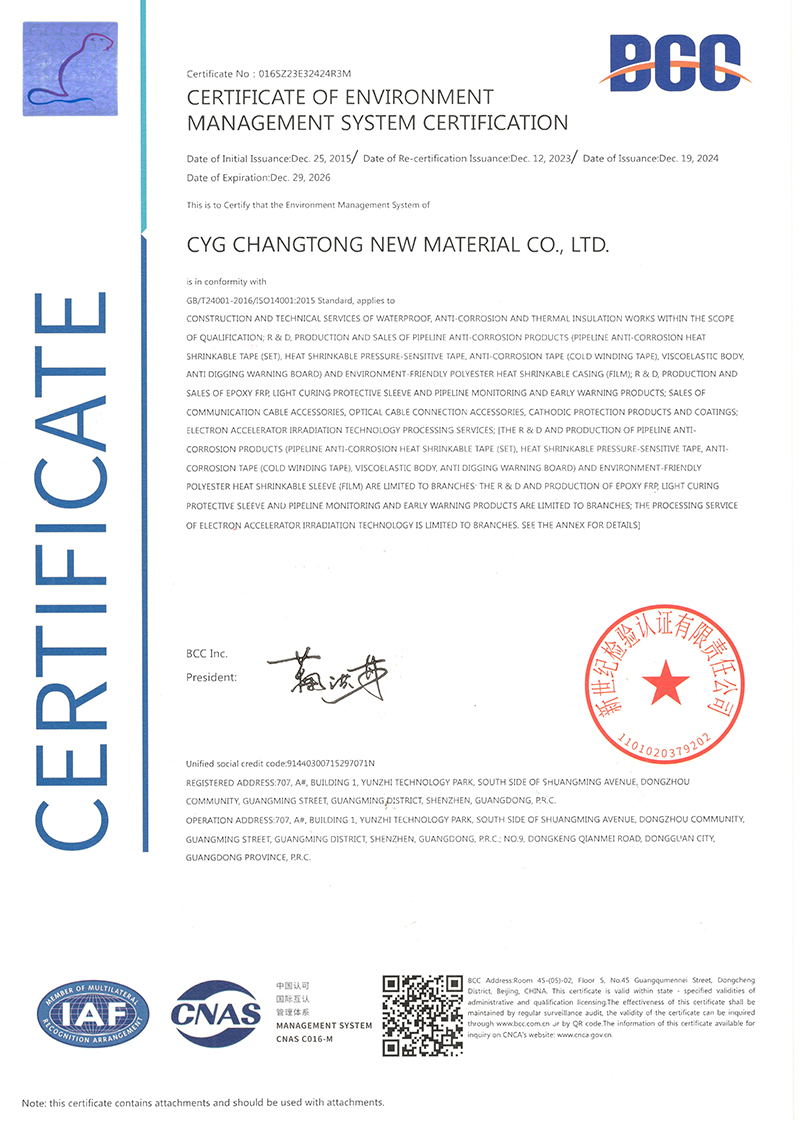
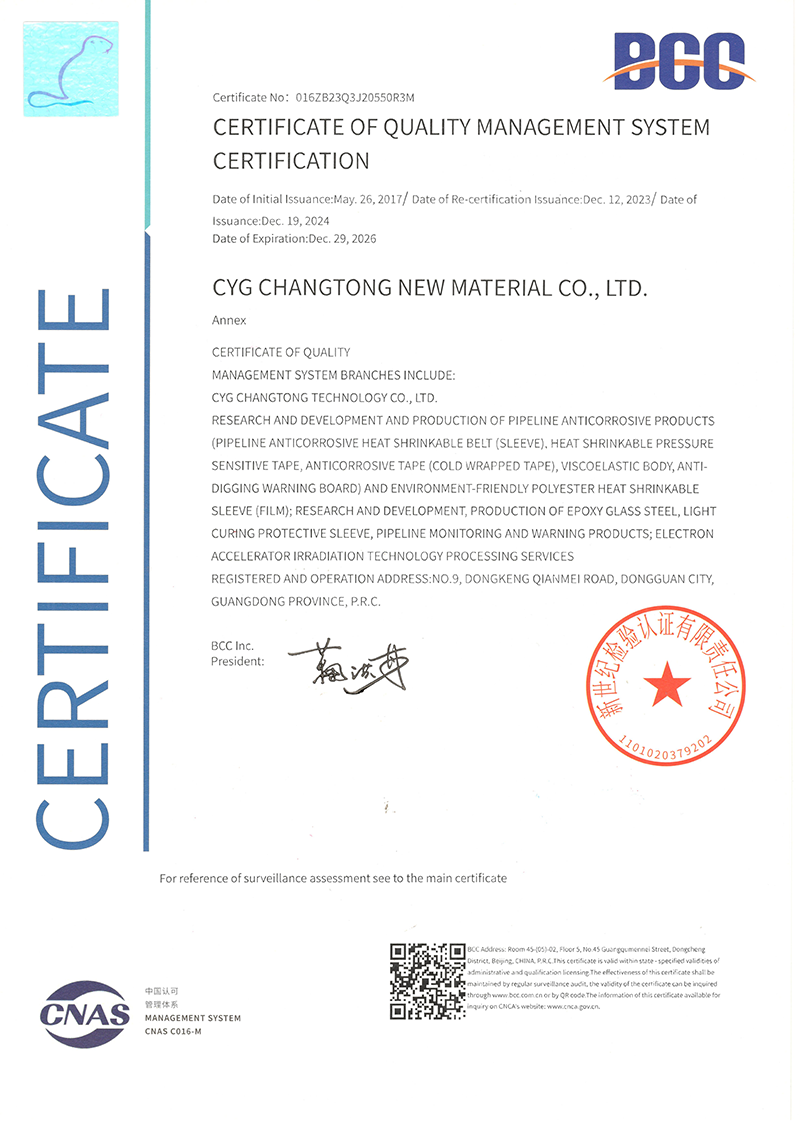
Technical answers from CYCT’s corrosion engineers addressing regional soil stresses, temperature profiles, and application guidelines.
Bangkok's soils are water-saturated throughout most of the year. Our viscoelastic material features exceptional hydrophobic properties, preventing water from reaching the steel substrate even in high-humidity soils.
Unlike traditional tapes that rely on adhesives prone to hydrolyzing, viscoelastic compounds maintain a solid physical barrier. They exhibit very low water vapor permeability (less than 0.05 g/m²/24h) and resist cathodic disbondment.
Heat shrinkable sleeves require precise pre-heating of the steel pipe to avoid moisture entrapment. Under high humidity, keeping the pipe dry during application is difficult. If the steel temperature drops during installation, it can lead to poor adhesion.
Visco-elastic tape is applied cold. It flows continuously into surface profiles at ambient temperatures, forming a strong bond to both steel and PE surfaces without preheating or special primers.
In busy metropolitan environments, open-air sandblasting (Sa 2.5) is often restricted due to environmental and safety concerns.
Our viscoelastic system requires only manual wire brushing or power tool cleaning to St 2 or St 3 standards. The material wets the surface and fills micro-grooves, making it ideal for repairs where sandblasting is impractical.
Bangkok's clay settles and moves over time, applying shear stress to underground coatings.
Viscoelastic tape accommodates these shifts due to its "viscous flow" properties. It yields under external stress without splitting or tearing, maintaining a continuous protective layer over the steel substrate.
Yes. While viscoelastic tape provides excellent corrosion protection, its soft, self-healing nature makes it vulnerable to mechanical damage during HDD pullbacks.
To protect the viscoelastic layer during trenchless installations, we recommend wrapping it with a high-durability outer layer, such as our GFRP (Glass Fiber Reinforced Plastic) wrap or a moisture-curing polyurethane shield.
Our viscoelastic materials are formulated with synthetic polymers that resist chemical oxidation and biological breakdown.
Tested to ISO 21809-3 standards, these coatings are designed to last over 30 years in continuous service up to 70°C, providing long-term protection in warm, humid tropical environments.
Get direct support from CYCT's engineers. We offer customized design configurations, technical drawings, and free samples for high-profile infrastructure tenders.
Send Inquiry Now CYCT
CYCT