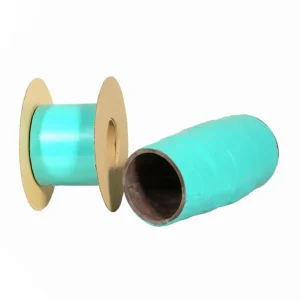
Explore our leading corrosion prevention technologies optimized for Turkey's strategic pipeline crossings, regional oil corridors, and extreme urban infrastructure soil profiles.
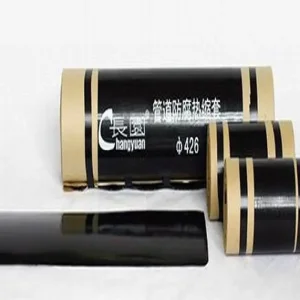
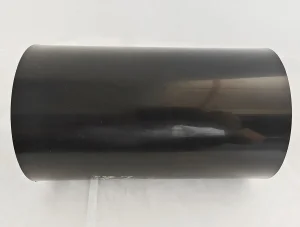
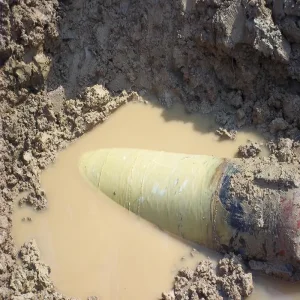
Turkey serves as a critical geostrategic energy bridge connecting the natural gas and oil reserves of the Caspian Basin, Middle East, and Russia to European consumer markets. Major infrastructure routes, including the Trans-Anatolian Natural Gas Pipeline (TANAP), the Baku-Tbilisi-Ceyhan (BTC) Crude Oil Pipeline, and the TurkStream transit pipeline network, demand uninterrupted pipeline integrity.
The diverse topography of Anatolia—spanning highly corrosive saline wetlands, mountainous rocky terrain with severe soil stress, and seismic fault zones—subjects steel pipelines to extreme stresses. For decades, traditional corrosion protection methods like hot-applied bitumen and shrinkable PE wraps faced high failure rates due to cathodic shielding, mechanical tearing, and demanding surface preparation (often requiring dry blast cleaning to Sa 2.5).
Today, leading engineering consultants and public utilities like BOTAŞ are increasingly prioritizing visco-elastic polymer coating systems. This class of non-crystalline polyolefin-based material represents an absolute barrier to water vapor and oxygen, maintaining liquid-like flow dynamics to permanently wet and protect steel substrates.
Viscoelastic tapes differ from classic solid plastics or thermosetting epoxies due to their dual physical properties: viscosity (the ability to flow into micro-irregularities under low shear) and elasticity (the capability to recover structural integrity). Standardized under ISO 21809-3 Type 13 and EN 12068 Class C, this material comprises a non-crosslinked polymer matrix (predominantly polyisobutene, PIB) that maintains a glass transition temperature ($T_g$) below $-40^\circ\text{C}$.
To understand how viscoelastic tapes behave compared to other industry-standard solutions, review the comparison matrix below:
| Performance Metric | Visco-Elastic Tape (VT95 / FVT95) | Heat Shrinkable Sleeve (HSS) | Bituminous Cold Wrap Tape | 3-Layer Polyethylene (3LPE) Joint Coating | |
|---|---|---|---|---|---|
| Required Surface Prep | ISO 8501-1 St 2 / St 3 (No Blast Needed) | ISO 8501-1 Sa 2.5 (White Metal Blast) | ISO 8501-1 Sa 2 / St 3 + Primer | ISO 8501-1 Sa 2.5 + Induction Heating | |
| Cathodic Disbondment | Excellent (< 5 mm at $23^\circ\text{C}$ & $50^\circ\text{C}$) | Moderate to Poor (Subject to shielding) | Poor (High disbondment rates) | Excellent (Requires complex application) | |
| Self-Healing (Micro-cracks) | Yes (Active, continuous fluid flow) | No | No | No | |
| Electrical Shielding | Non-Shielding (CP Current Compatible) | Shields CP Current (High Risk) | Shields CP Current | Does Not Shield (If intact) | |
| Curing & Waiting Time | Immediate Backfilling & Startup | Requires cooling down phase | Immediate | Requires complete chemical cure |
In recent years, the Turkish pipeline sector has undergone a massive modernization wave led by major engineering contracting groups (such as Tekfen, Limak, and Fernas). With the expansion of natural gas distribution grids by EPDK (Energy Market Regulatory Authority) to all 81 provinces, the demand for fast, reliable repair materials has skyrocketed.
Why Turkey Imports and Locally Fabricates Visco-Elastic Systems: Turkey's local geological challenges include the high clay content of Central Anatolian soils, which exerts massive soil stress on buried steel pipes during dry-wet seasons. Traditional PE wrapping tapes tend to wrinkle and shear off under soil movement. Visco-elastic tapes, combined with a tough polypropylene or PVC outer mechanical wrap, absorb shear stress without transferring it to the underlying steel. Furthermore, the high municipal density in urban zones like Istanbul, Izmir, and Ankara limits the safety of using open torches for heat-shrink coatings. Viscoelastic systems are applied completely cold, satisfying high municipal fire safety codes.
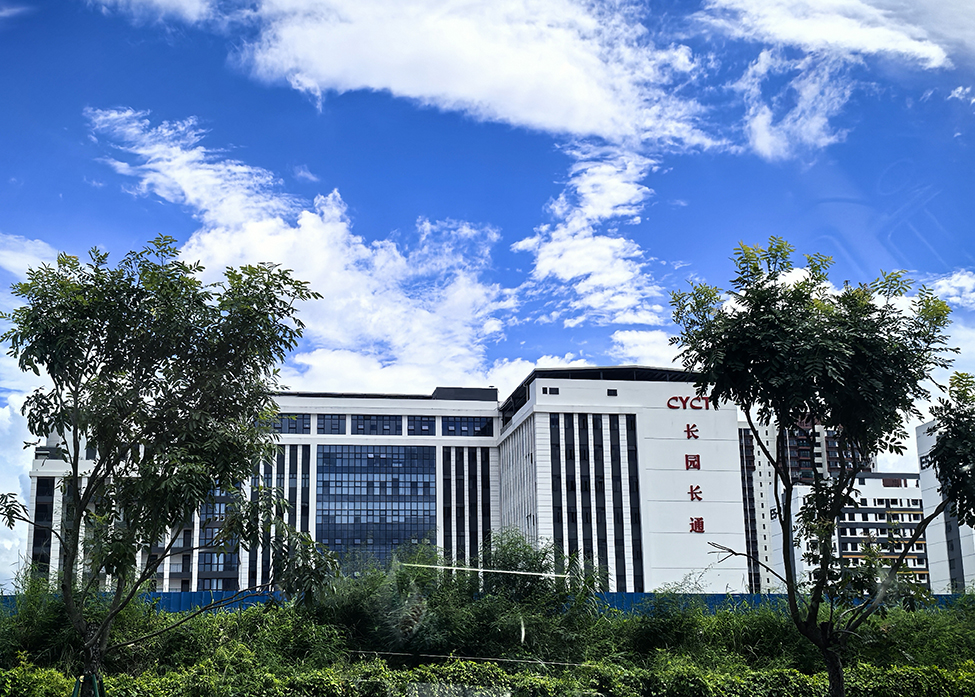
CYCT New Materials Company Limited (CYCT) is a state-level high-tech enterprise integrating R&D, production and sales of pipeline corrosion protection materials as well as buried pipeline detection services and pipeline coating field application service into one cohesive unit.
Over nearly a quarter of a century, CYCT has developed a reputation as a leading international partner for global pipeline operators. In our home market and key export hubs, we are registered as a stable supplier of field joint coatings for PetroChina, Sinopec, PipeChina, and multiple municipal gas operators. Through close collaborations with institutes like the CNPC Pipeline Science Research Institute, we deliver advanced pipeline rehabilitation engineering and cathodic protection system compatibility diagnostics.
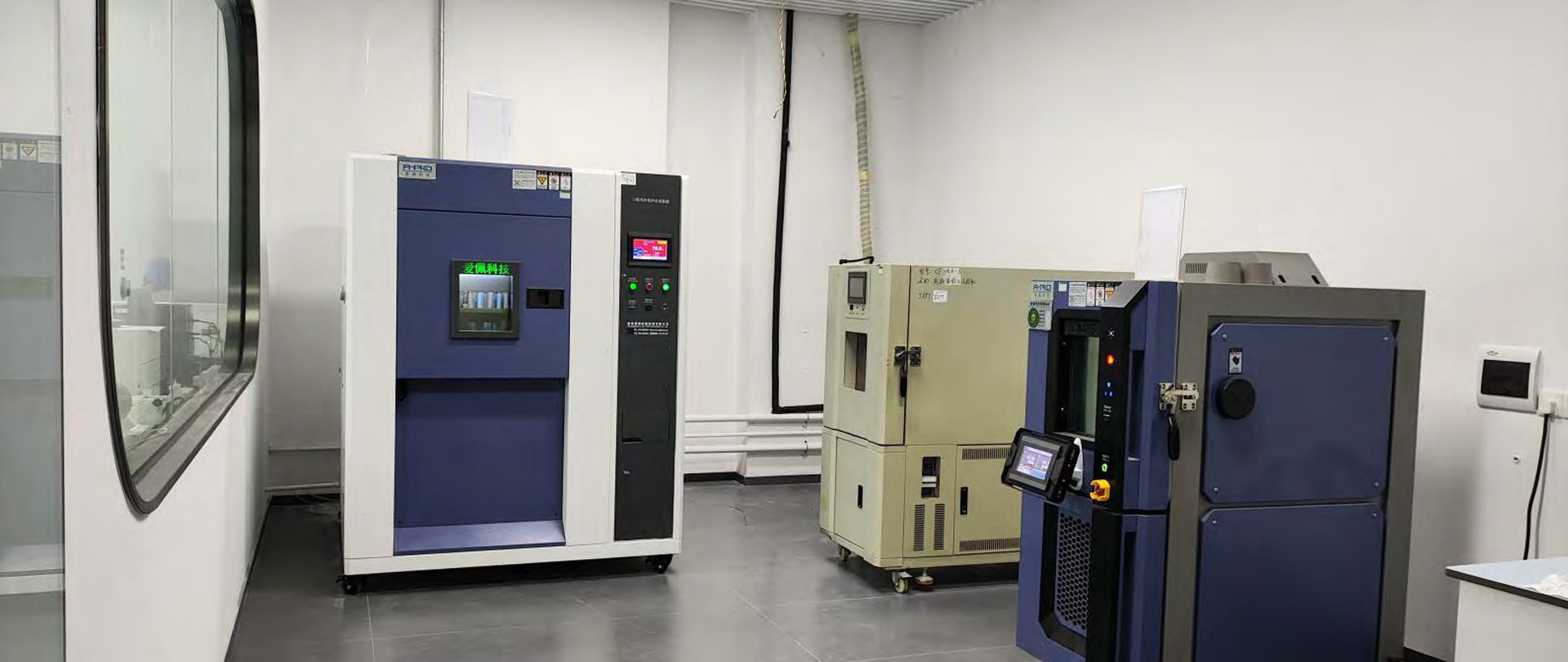
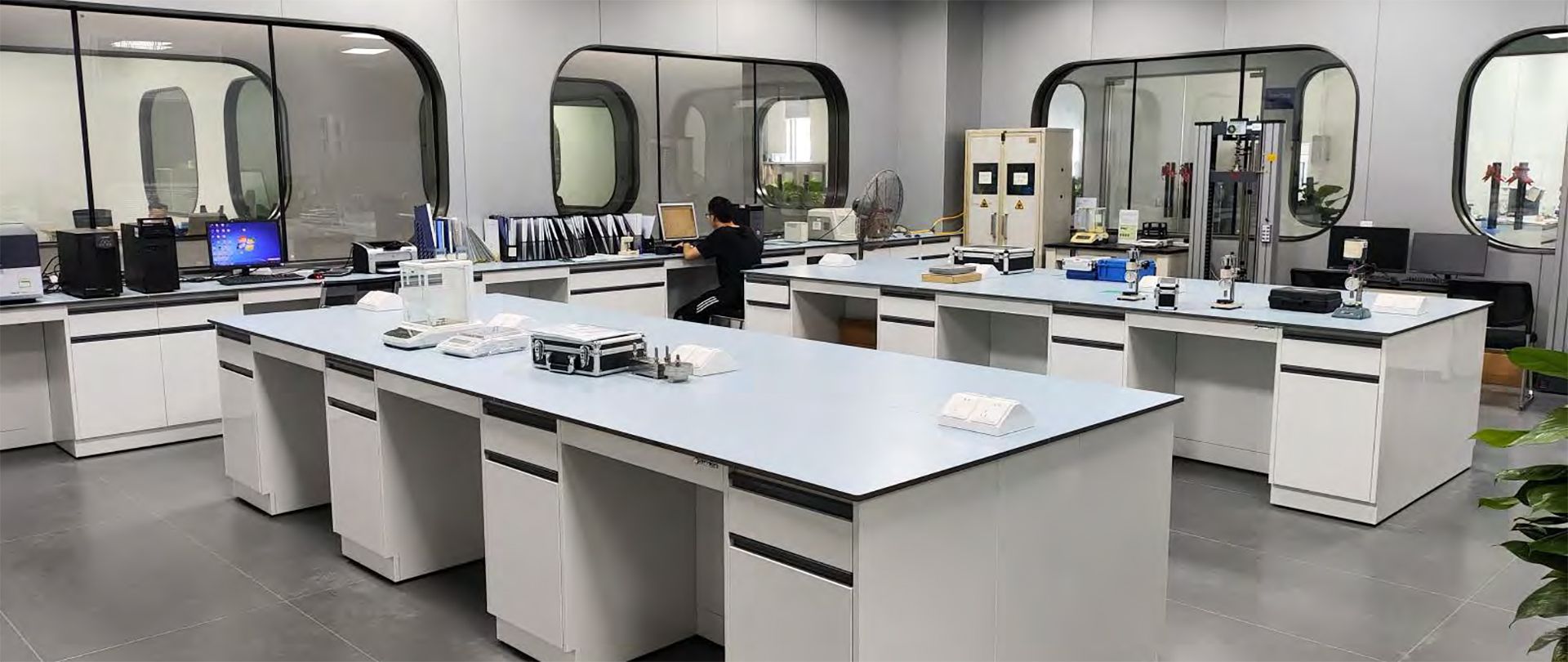
Our state-of-the-art manufacturing plants utilize high-precision continuous mixing and extrusion equipment to guarantee uniform viscoelastic mastic thickness. With an in-house CNAS-accredited laboratory, every batch of VT95 Viscoelastic Tape, FVT95 Fabric Viscoelastic Tape, and mechanical outer wrap undergoes stringent testing. This includes tests for peel strength, lap shear strength under high thermal loads, water vapor transmission rate (WVTR), and cathodic disbondment resistance.
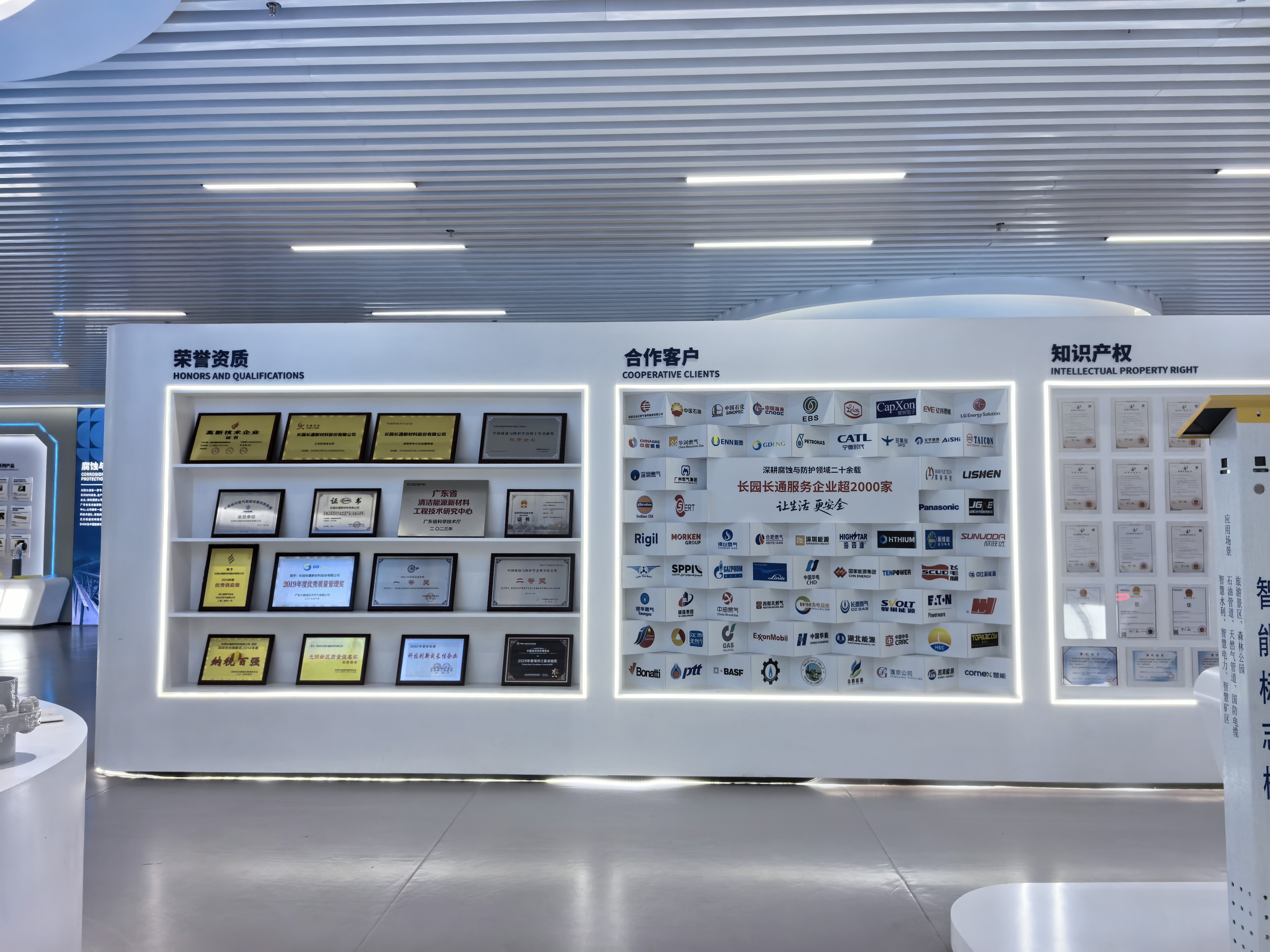
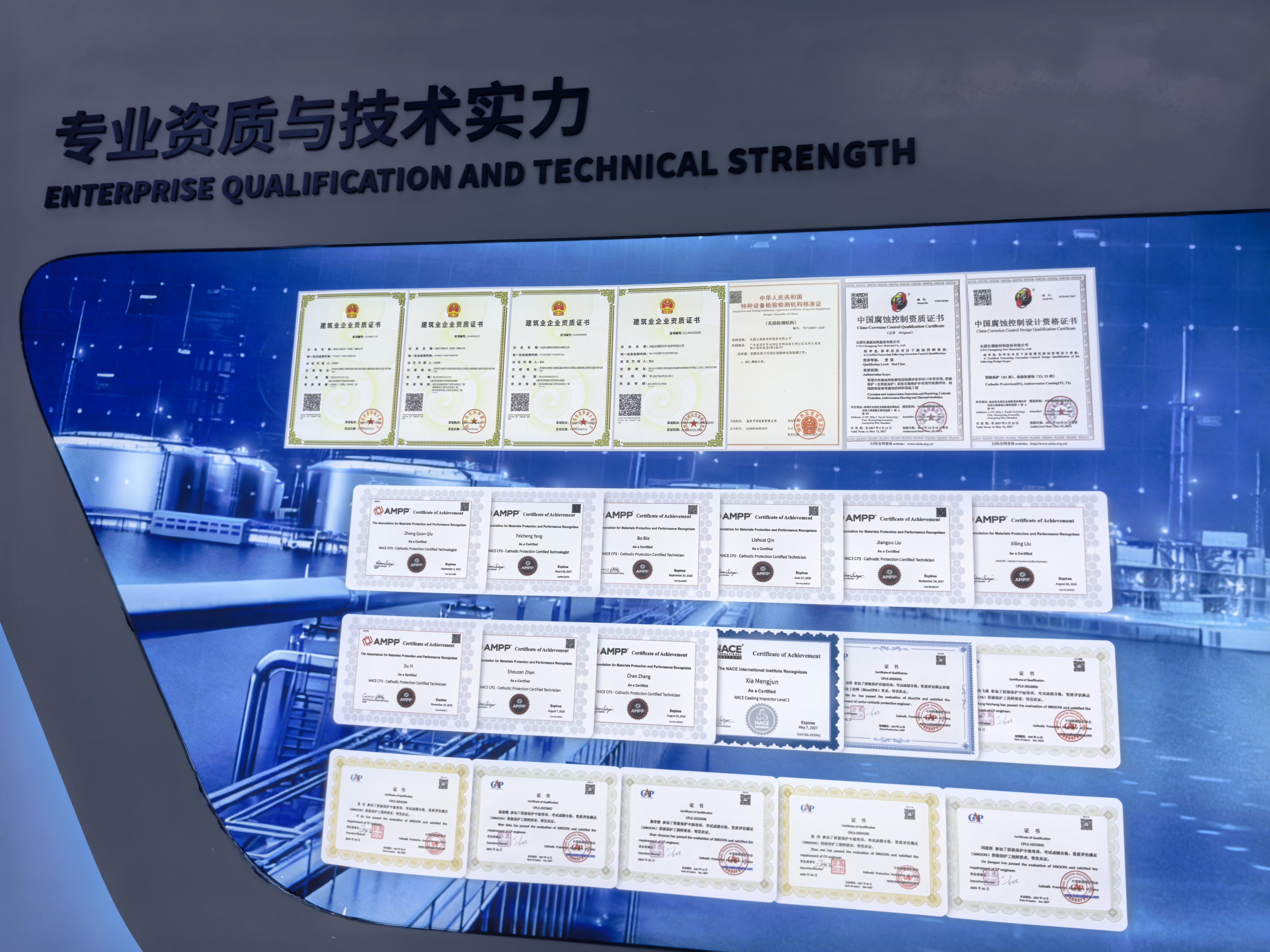
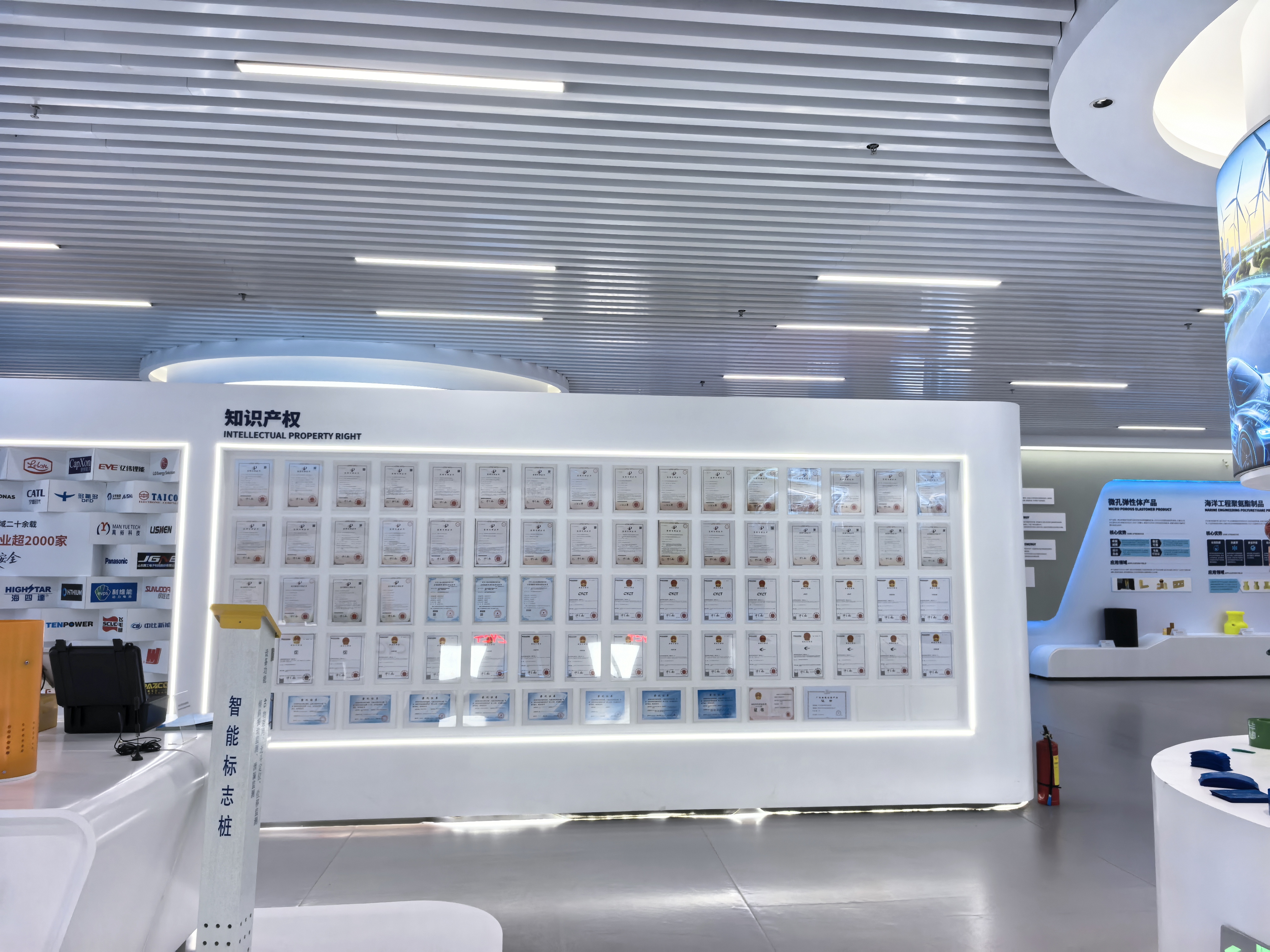
CYCT's technical leadership is recognized across major industry bodies. We are active Council Members in the Chinese Society for Corrosion and Protection (CSCP), and maintain certified compliance with ISO 9001, ISO 14001, and ISO 45001 standards. Our materials routinely meet standards formulated by AMPP (Association for Materials Protection and Performance, formerly NACE/SSPC).
One of the principal commercial advantages of viscoelastic tape systems is their ease of application. In the rugged terrains of the Anatolian plateau or the crowded utility trenches of Istanbul, minimizing the required step-by-step application window translates directly to lower labor cost and minimized shut-in risk.
Clean the pipeline steel substrate to remove loose rust, dirt, grease, and moisture. Steel surface cleanliness needs to match ISO 8501-1 St 2 or St 3 standard (wire brushing or hand tool cleaning). No expensive abrasive blasting or induction pre-heating is required.
Peel away the protective release liner film and wrap the viscoelastic tape (VT95 or FVT95) spirally around the pipe. Maintain a minimum overlap of 10-15 mm. For irregular shapes like valves, T-joints, or flanges, fill voids using CYCT viscoelastic paste to ensure a smooth transition profile before wrapping.
To protect the soft, self-healing viscoelastic corrosion protection layer from soil stress and rock impact, apply a heavy-duty mechanical outer wrap (such as CYCT PE Outer Tape or Polypropylene Woven Fiber Tape). The outer wrap should be tensioned to secure the system firmly in place.
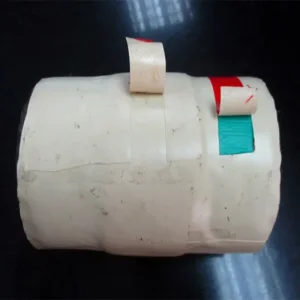
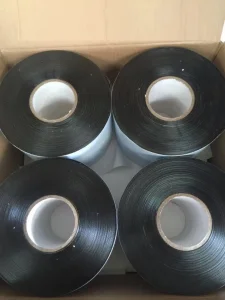
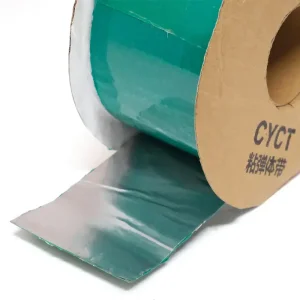
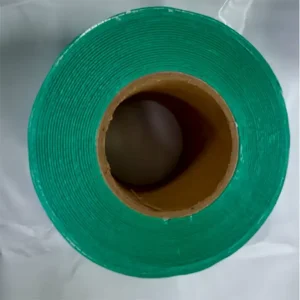
Choose from our diverse line of pipeline protection systems, globally distributed and engineered to withstand intense chemical, thermal, and mechanical stresses.
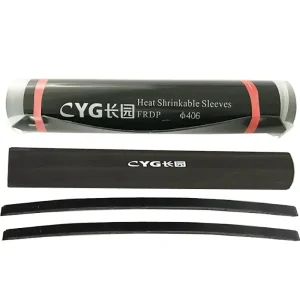
Below, our technical engineering team answers the most frequent questions raised by pipeline owners, engineering consultants, and installation managers operating across Turkey and the Middle East.
Anatolian clay soils dry and crack in summer, creating significant movement known as soil shear stress. While standard adhesive tapes under soil stress slip or shear off the pipe wall, viscoelastic systems are fluidic and non-curing. The compound absorb the shear stress through liquid-like displacement while maintaining a 100% airtight molecular contact with the steel.
No. Unlike polyurethane or cold bitumen systems, CYCT viscoelastic systems require zero chemical primers. The low surface energy of the compound enables the polymer matrix to wet the micro-roughness of the steel directly. This simplifies the field application sequence and avoids the risk of poor primer coverage or environmental curing delays.
This is a vital safety benefit of our viscoelastic formulation. Traditional PE backing materials act as solid dielectric shields. If water slips underneath, the cathodic protection current cannot reach the steel surface to stop corrosion. Because our viscoelastic compounds have low electrical resistance, CP currents penetrate the damaged area directly, preventing structural corrosion and localized pitting.
Our systems are engineered for diverse environments. The standard VT95 viscoelastic tape operates continuously from $-45^\circ\text{C}$ up to $+95^\circ\text{C}$, accommodating pipelines carrying hot hydrocarbons or situated in cold sub-zero mountain pass zones.
Yes. Viscoelastic systems are widely utilized for in-service pipeline rehabilitation because of their minimal surface preparation demands (ISO 8501-1 St 2). A technician only needs to hand-scrape or wire-brush old coating remnants and surface rust before applying the viscoelastic wrap, avoiding the need for dust-intensive sandblasting.
Whether you are an EPC contractor bidding on upcoming BOTAS pipeline tenders, a local regional distributor, or an asset manager seeking to extend the operational lifetime of existing pipelines, CYCT offers custom OEM formulations, technical specifications, and reliable delivery to major Turkish industrial ports.
 CYCT
CYCT