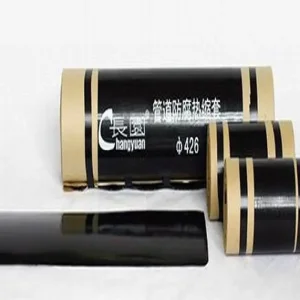
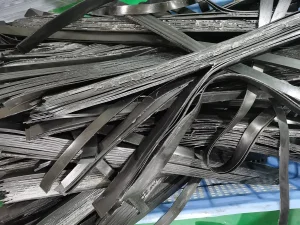
Pipeline networks form the foundational arteries of modern municipal, petrochemical, and energy transmission infrastructure. In the Moscow Oblast, these networks operate under an exceptional convergence of geographical, meteorological, and metallurgical stresses. Meeting the demands of trans-continental transmission grids requires an elite standard of engineering design. The soil chemistry of Moscow is characterized by heavy clay deposits, high moisture saturation, and severe seasonal freeze-thaw cycles that drop temperatures down to -30°C. Under these conditions, conventional corrosion protection layers are vulnerable to degradation. Materials must withstand shear forces from frozen soil settlement, cathodic disbondment, and galvanic current pathways.
This technical guide details the mechanical and chemical parameters of high-performance polymer tape systems, heat-shrinkable sleeves, and viscoelastic coatings. By outlining actual performance testing metrics under extreme cold conditions, we aim to provide developers and pipeline engineers with the precise data needed to specify materials that satisfy both GOST regulations and international standards like ISO 21809.
The Moscow metropolitan area and its surrounding regions serve as a major hub for high-pressure gas distribution, heating conduits (Mosenergo), and refining logistics. These networks run through heavy soils with low electrical resistivity, which accelerates galvanic corrosion. In winter, the top layers of soil freeze. This causes frost heave and shifting forces that subject the buried pipes to high lateral shear stresses. Traditional single-layer polyethylene wraps can experience cold flow or wrinkle, leading to moisture entry and subsequent localized pitting corrosion. Therefore, field joint coatings and pipeline reinforcements must have high shear resistance, flexibility, and excellent adhesion at low temperatures.
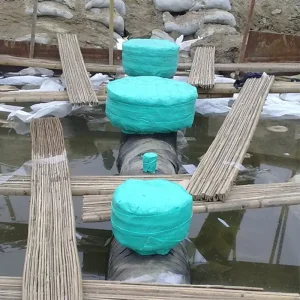
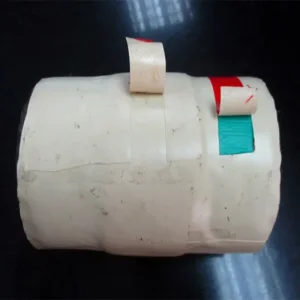
Globally, the industry has transitioned towards multi-layer protective barriers. The standard for field joint coatings is the 3-Layer Polyethylene (3LPE) or 3-Layer Polypropylene (3LPP) system. However, the performance of these systems depends on the field joints and repair zones. When local conditions prevent pre-heating, viscoelastic self-healing coatings provide a reliable solution. They flow into micro-fissures and dynamically repair physical damage under constant pressure. For trenchless installations, such as Horizontal Directional Drilling (HDD) under waterways or transport links in Moscow, fiber-reinforced heat-shrinkable sleeves and photo-curing GRP (Glass Reinforced Plastic) sleeves protect the primary coating from severe abrasion and rock punctures.
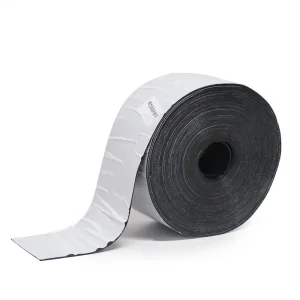
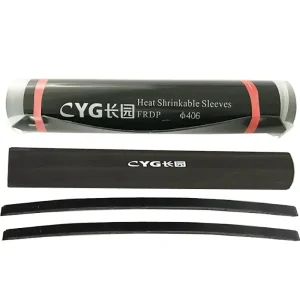
Developing effective pipeline protection requires precise control over the polymer backing and the adhesive system. Heat-shrinkable sleeves must combine radiation cross-linked high-density polyethylene backing with high-shear hot-melt adhesives. When heated, the backing shrinks, forcing the adhesive to flow into surface irregularities on the steel pipe. For viscoelastic tapes, the formulation uses non-crystalline, low-molecular-weight polyolefins. This allows the material to behave like a highly viscous liquid that maintains its self-healing properties over decades without curing, drying, or cracking.
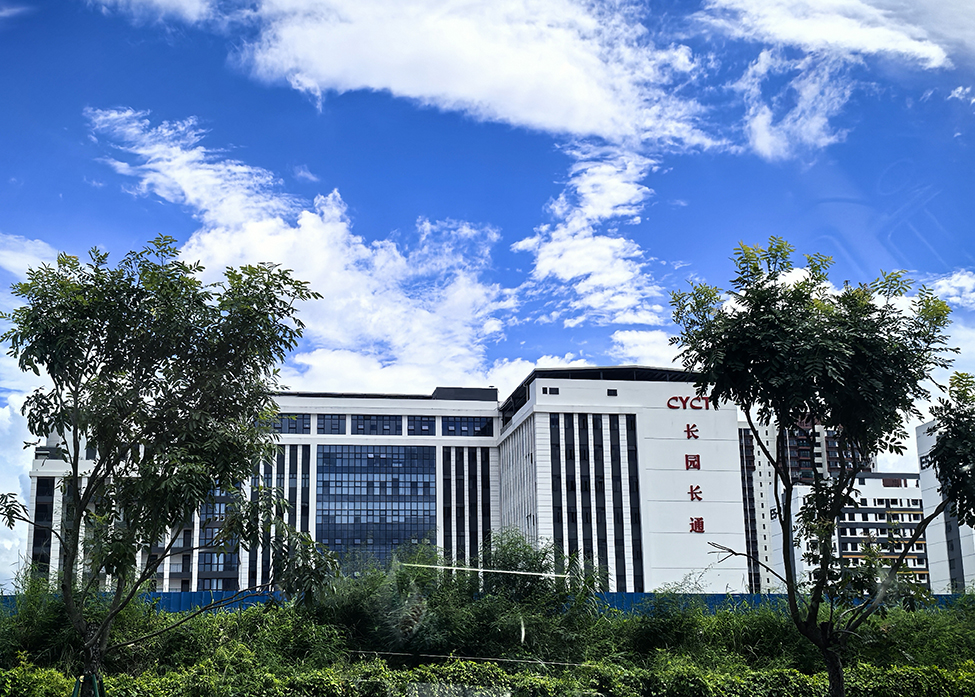
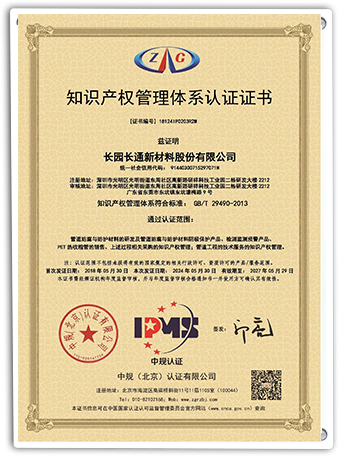
Founded in 2000, CYCT New Materials Company Limited is a national high-tech enterprise. We specialize in the research and development, production, and sales of pipeline corrosion protection materials, as well as buried pipeline inspection and field application services.
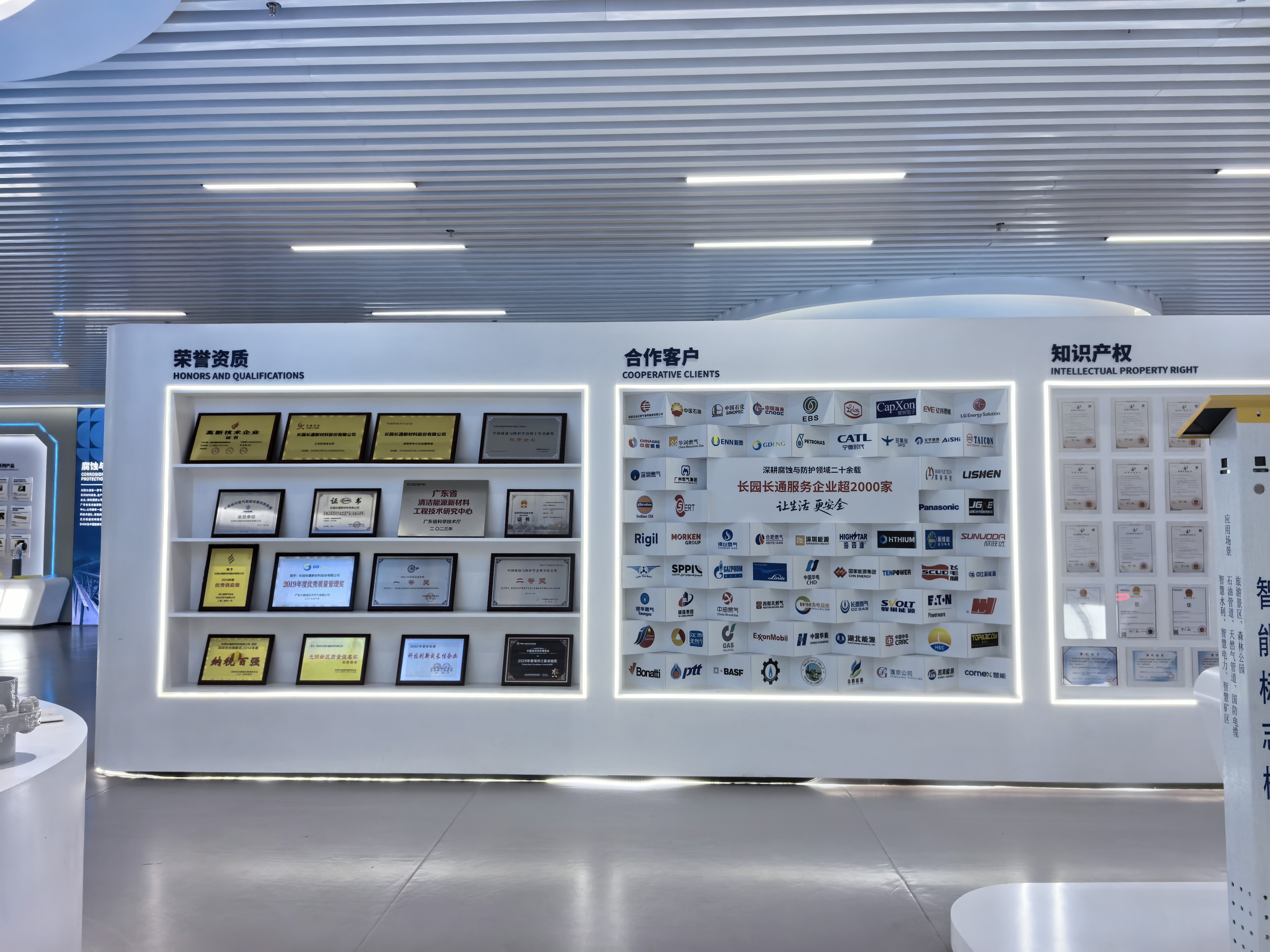
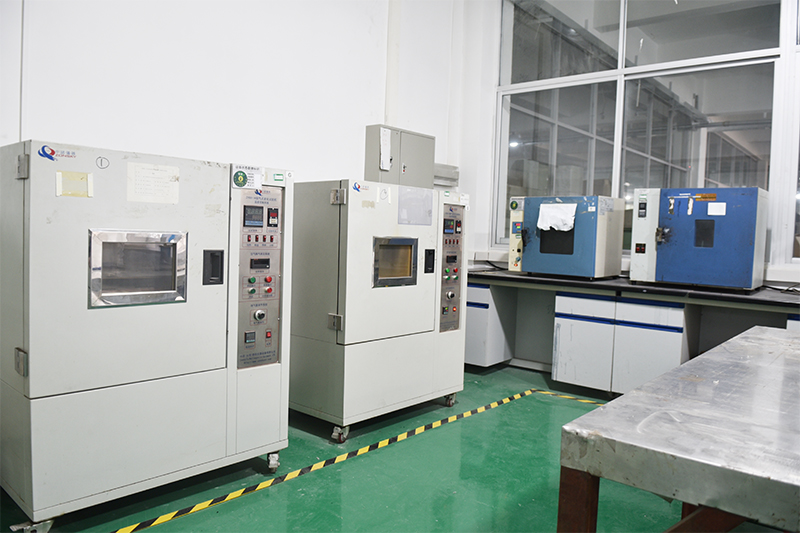
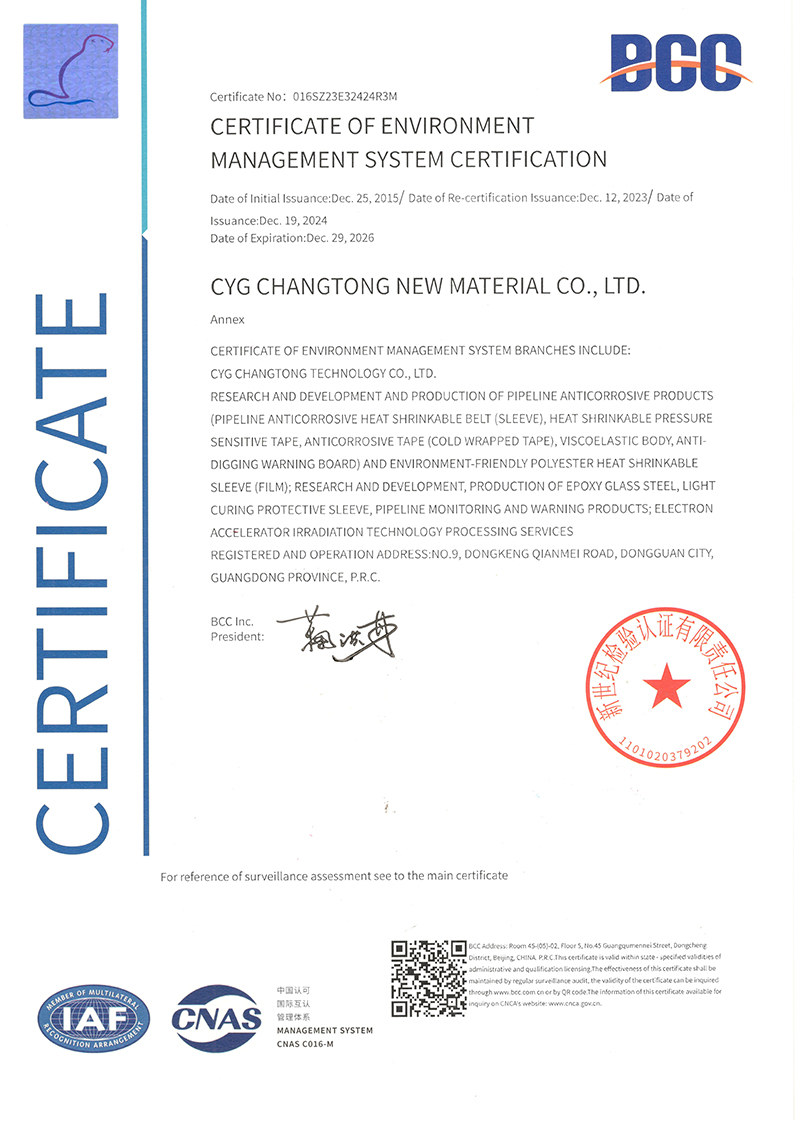
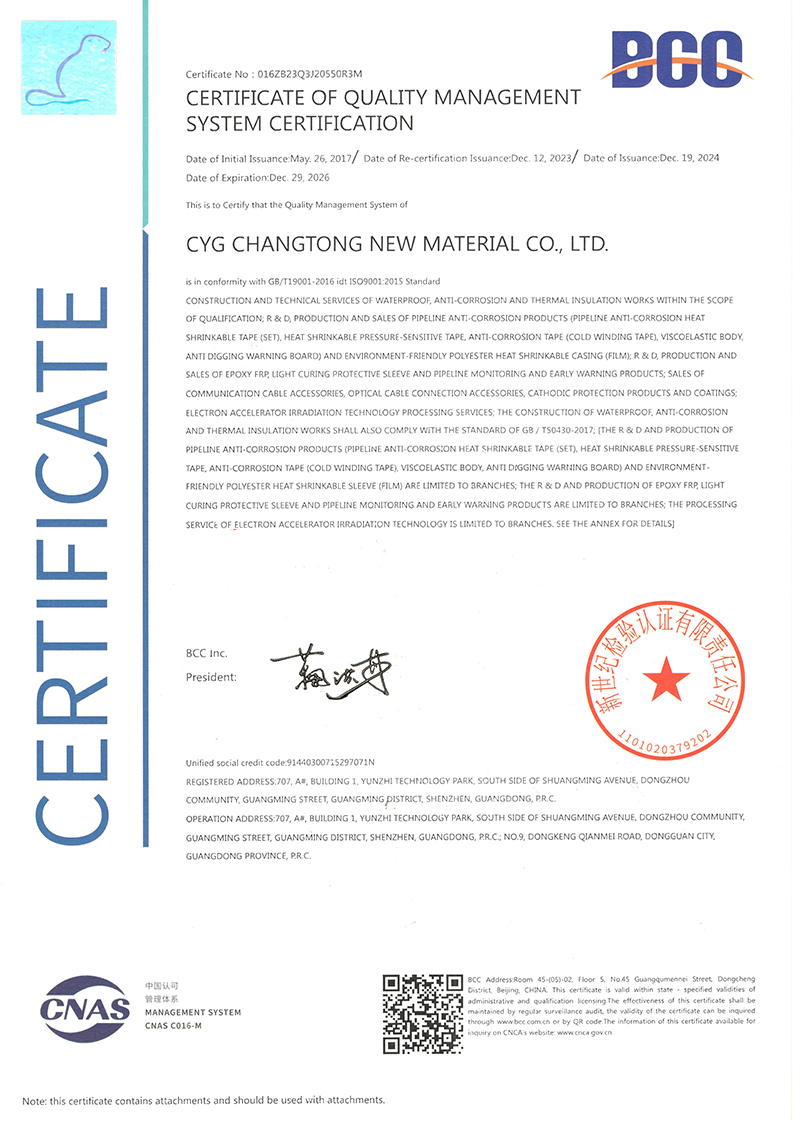
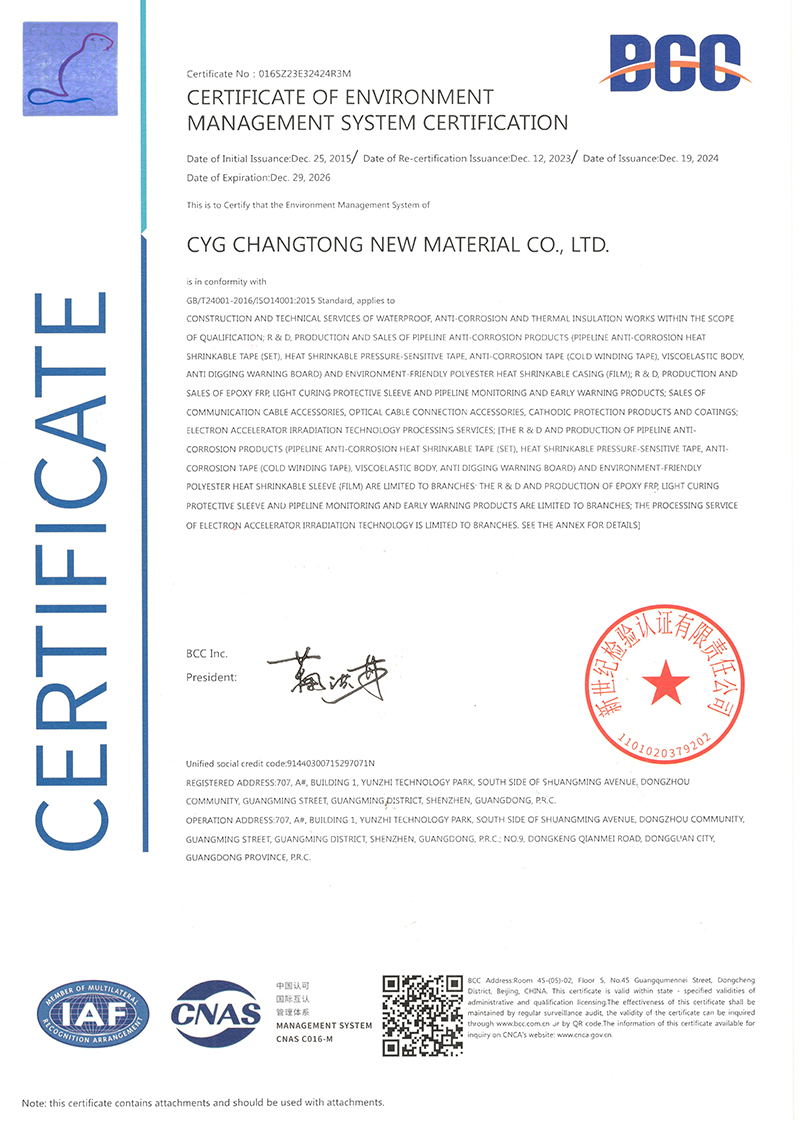
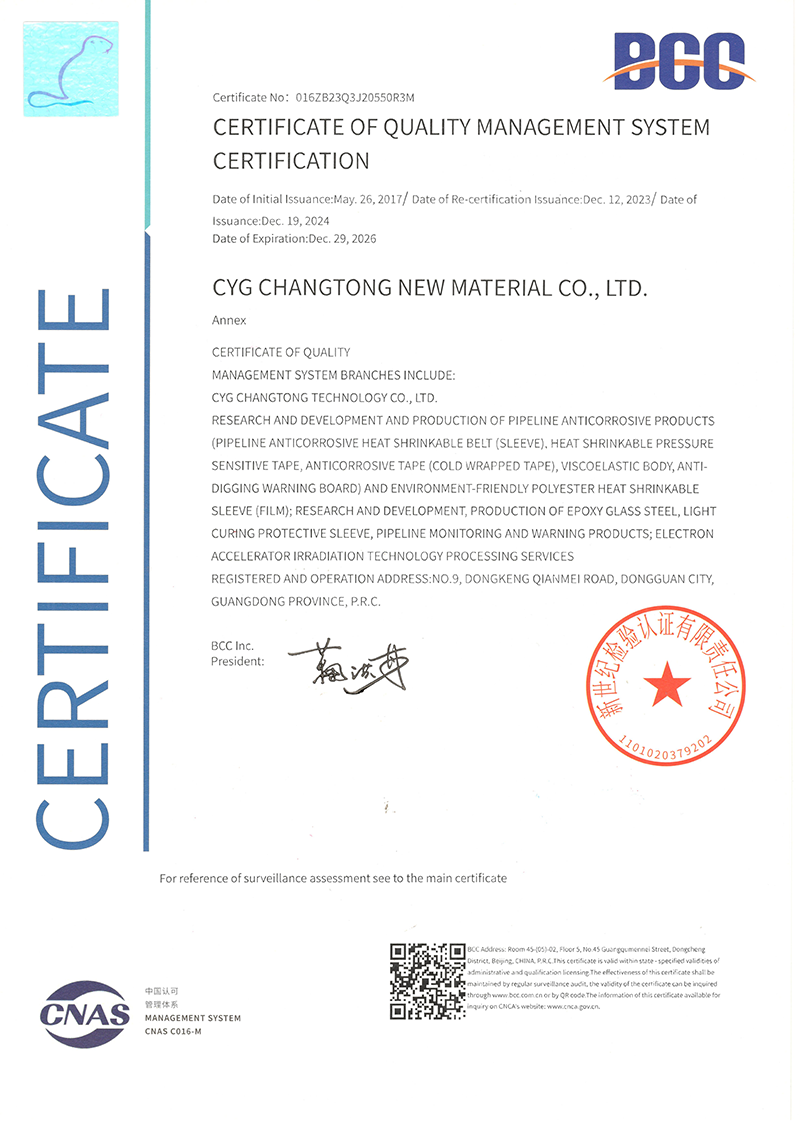
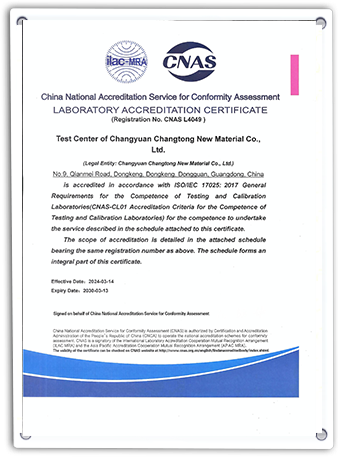
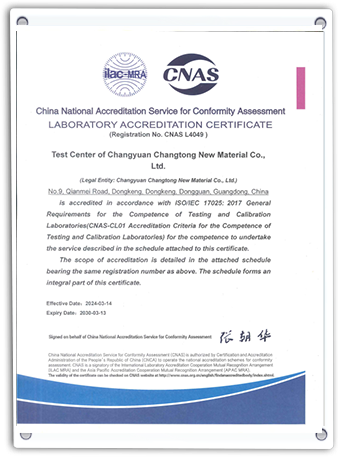
Over several decades, CYCT has developed advanced testing capabilities, a professional R&D team, and a national CNAS-accredited laboratory. We are a long-term, stable supplier of field joint coatings for PetroChina, Sinopec, PipeChina, and various municipal pipeline systems, holding a significant share of the market.
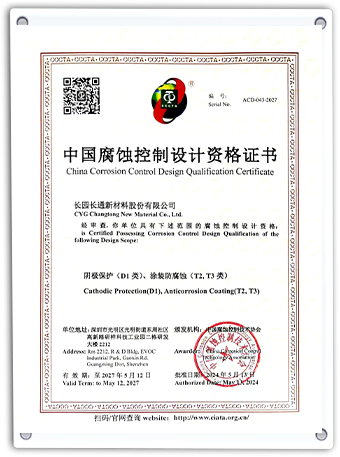
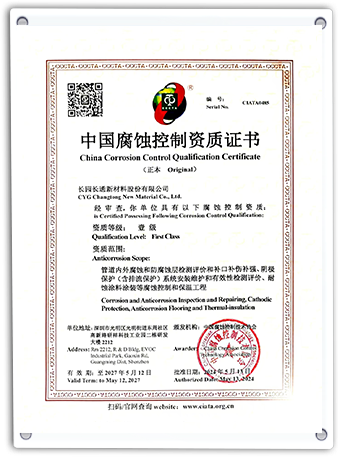
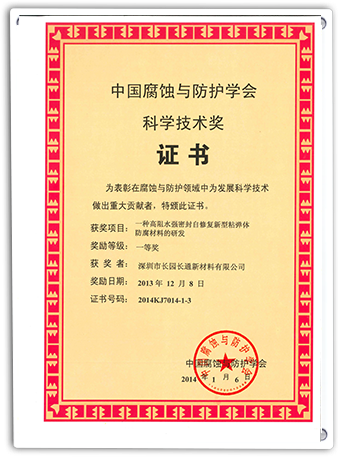
Corporate Honors: Council Member of the Chinese Society for Corrosion and Protection (CSCP), certified pipeline detection and corrosion protection contractor, member of the China Association of Petroleum Engineering Construction (CAPEC).
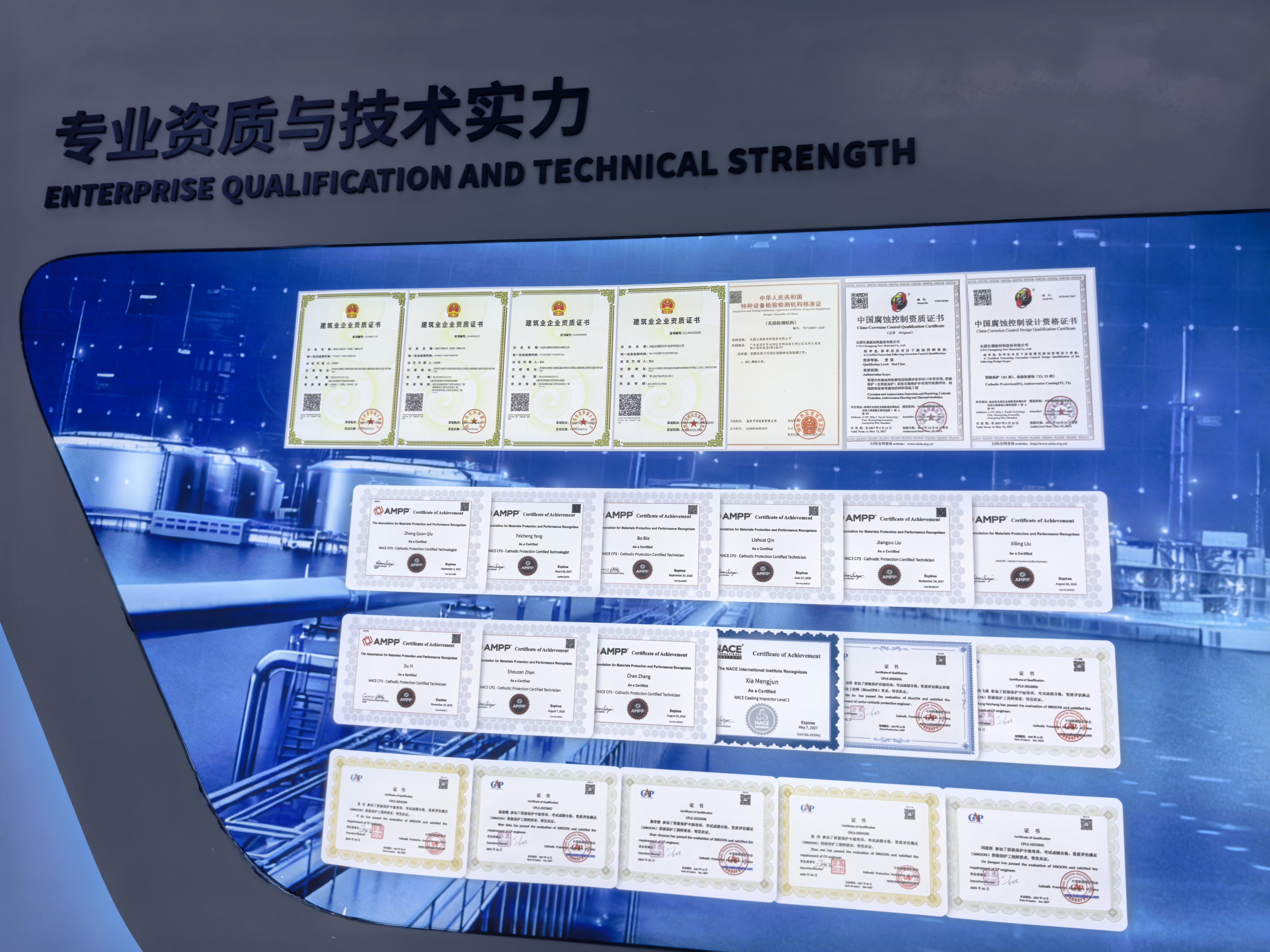
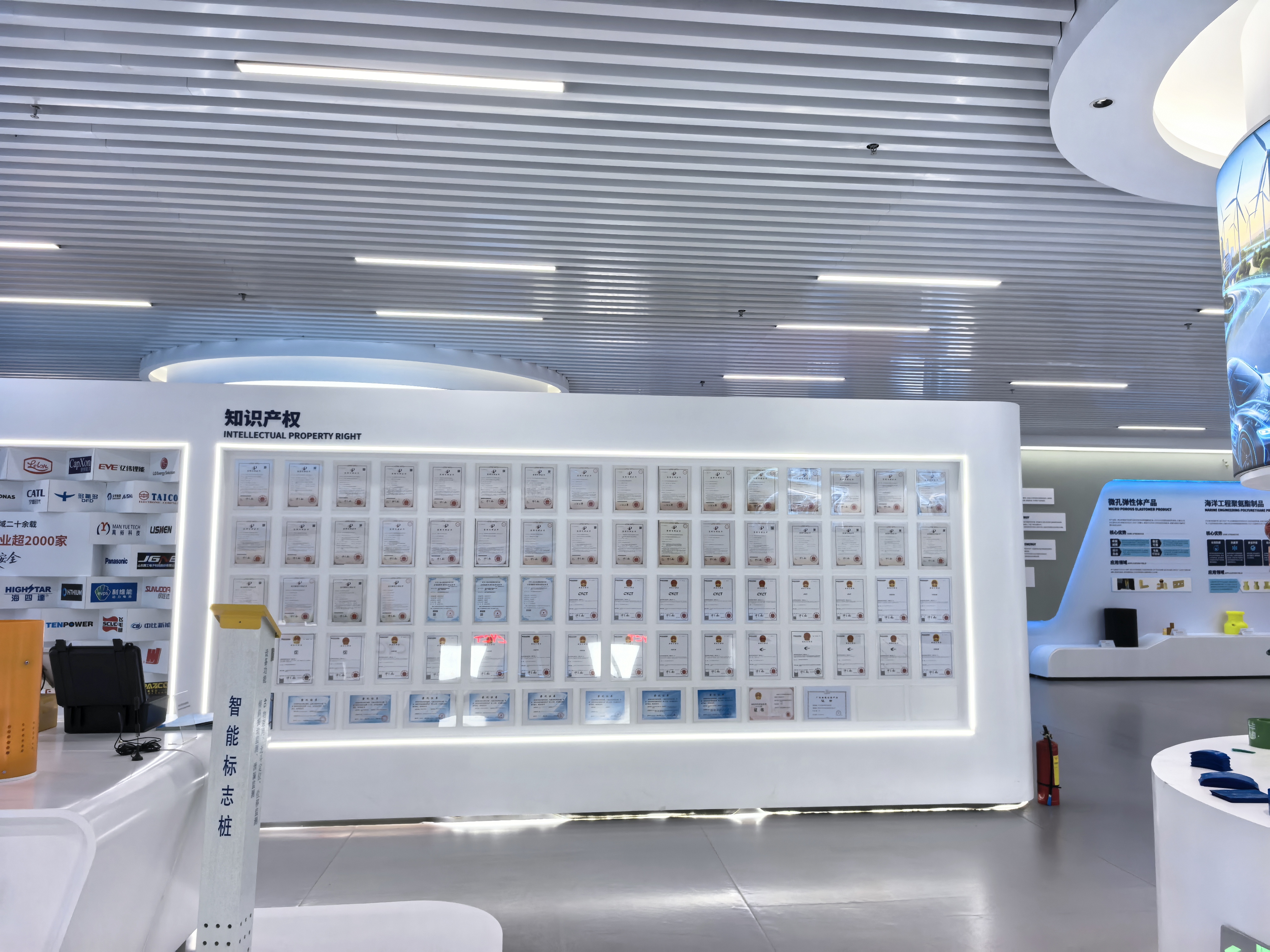
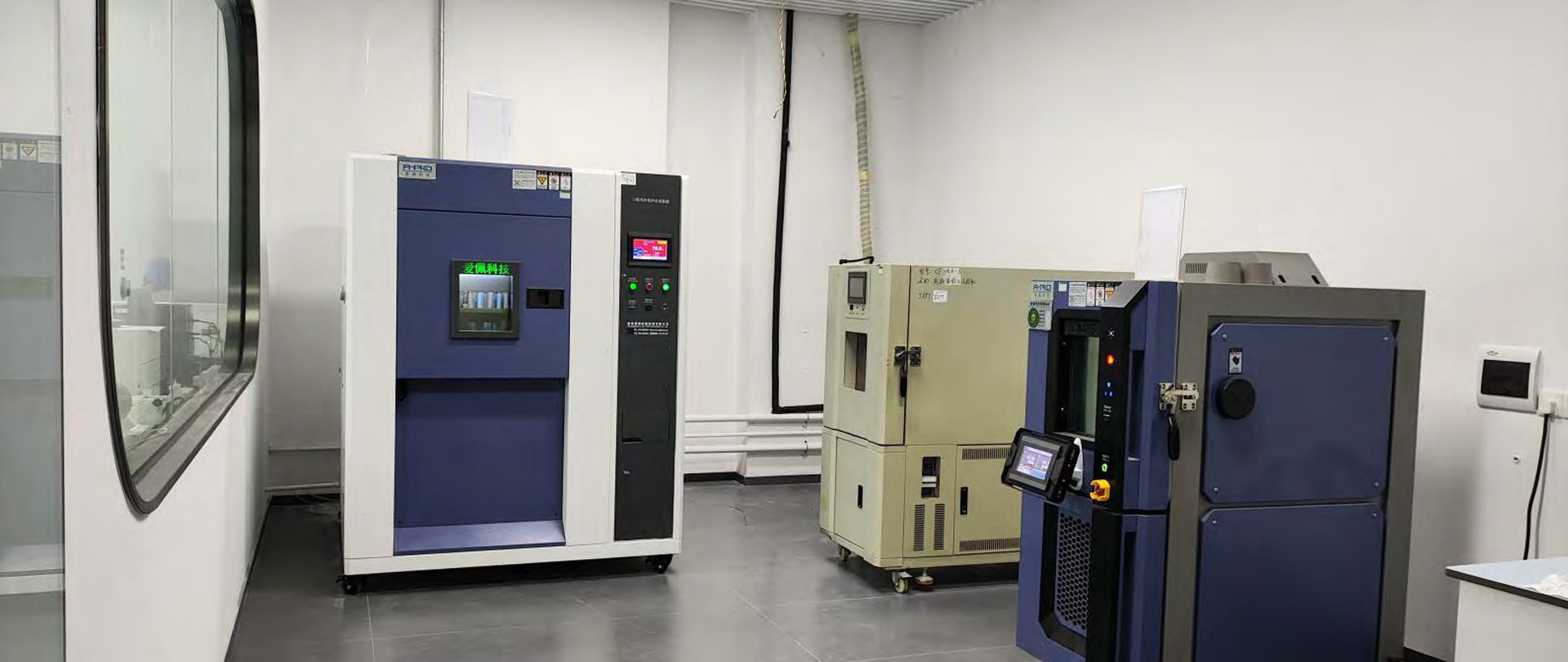
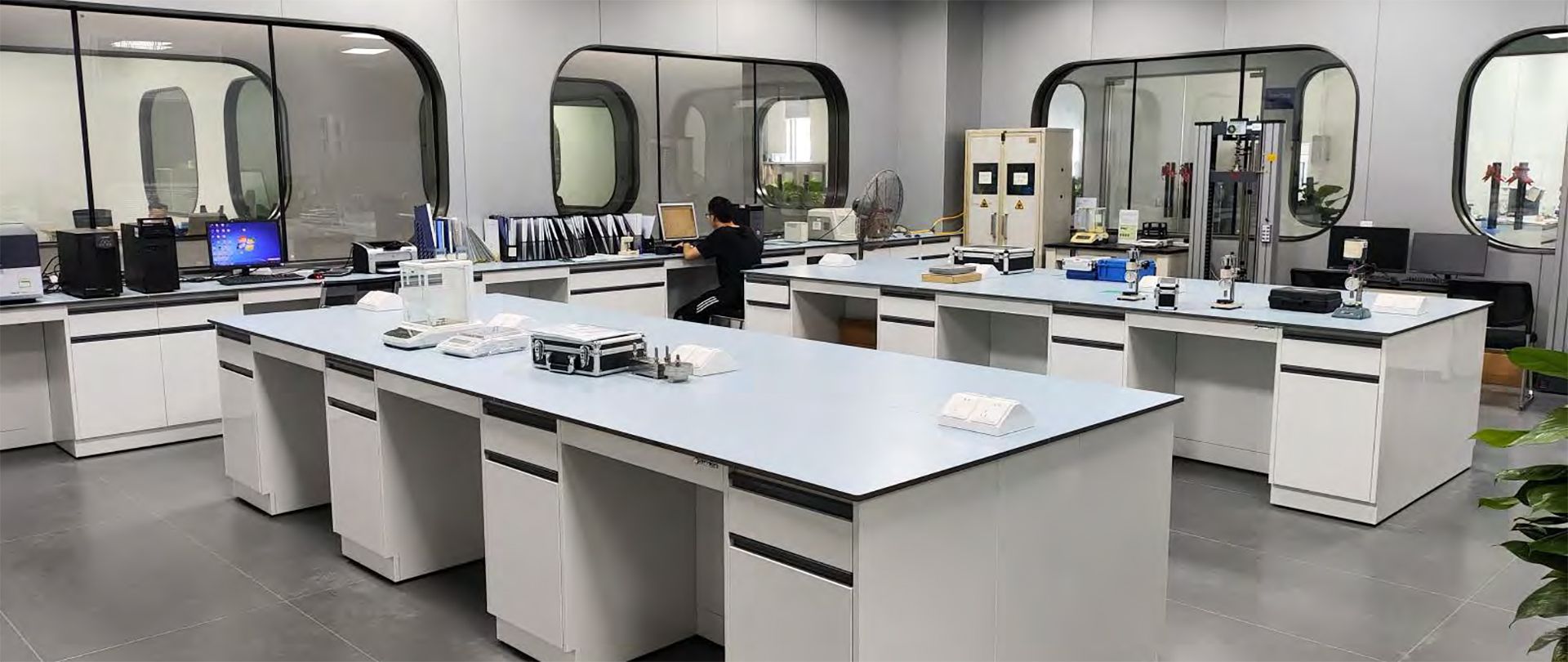
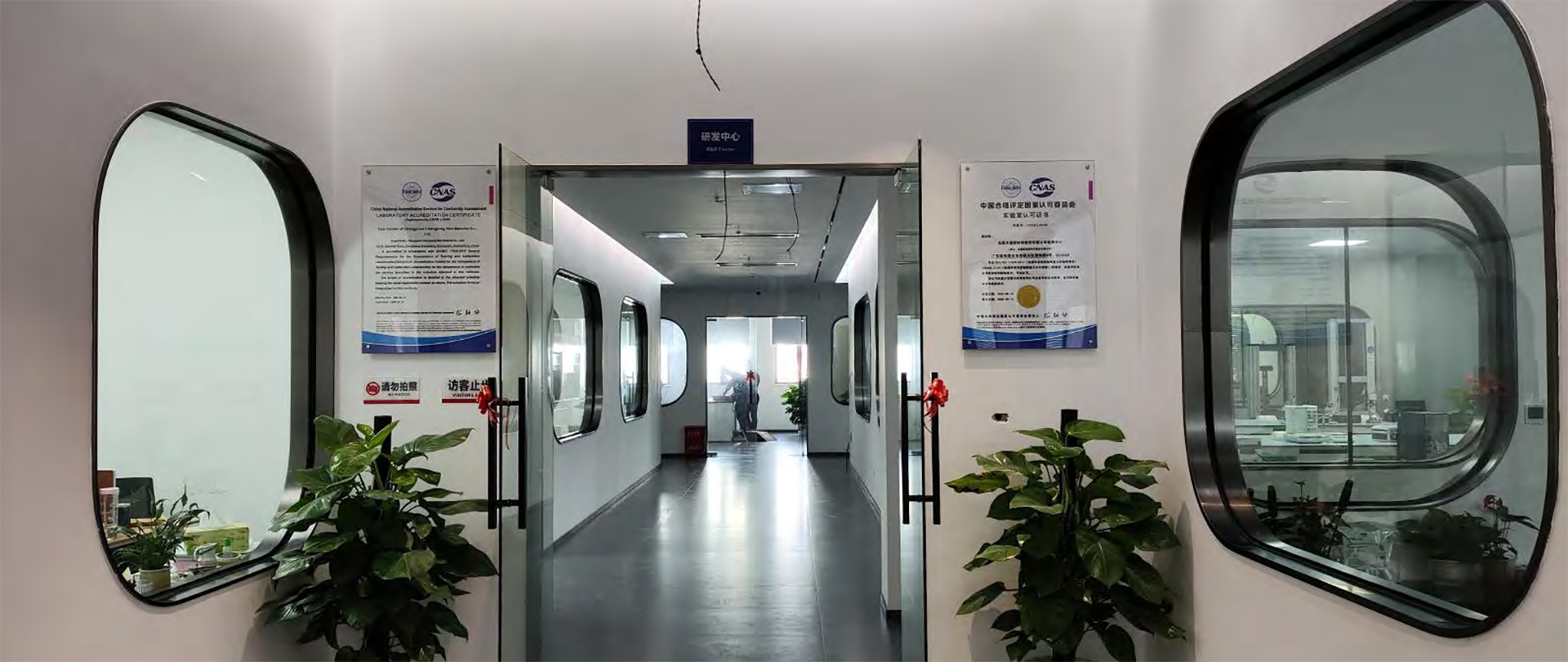
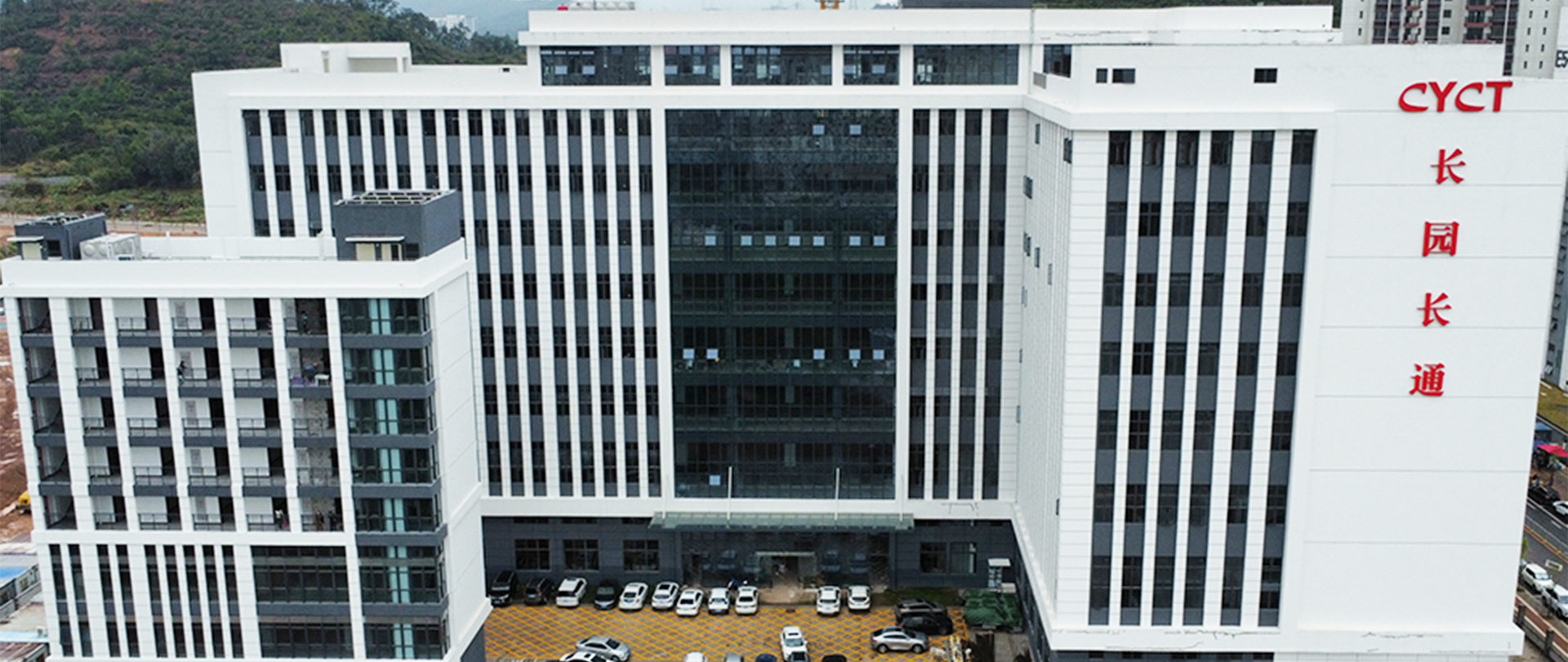
Through cooperation with research institutes, including the CNPC Pipeline Science Research Institute, CYCT provides technical services for pipelines in service. These services include buried pipeline detection, custom coating design, cathodic protection configuration, and field application support.
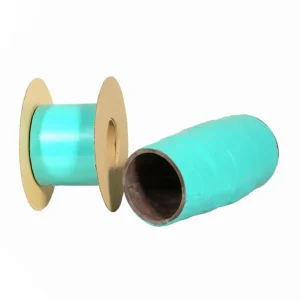
We supply specialized corrosion protection materials, such as viscoelastic compounds, photo-curing sleeves for HDD protection, and polyurea coatings, to meet the requirements of modern municipal and industrial infrastructure projects.
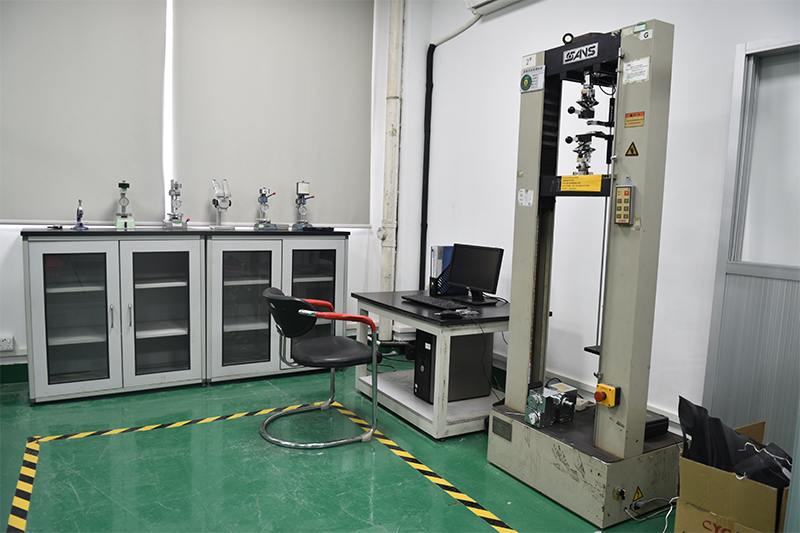
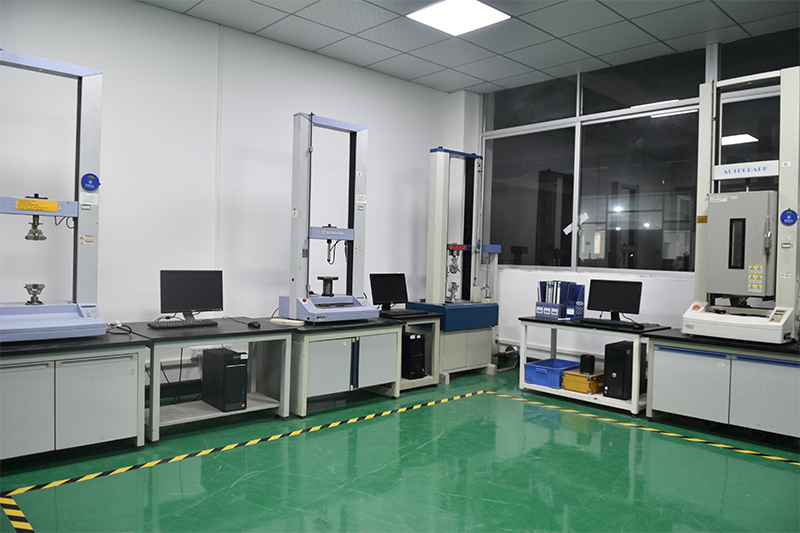
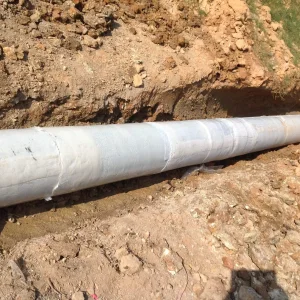
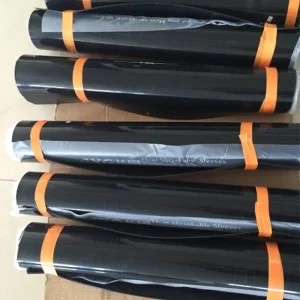
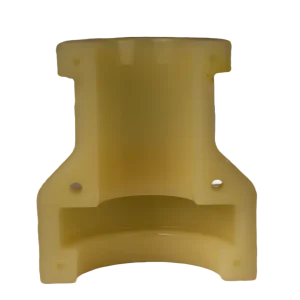
As cities like Moscow adopt smart monitoring systems, pipeline coatings are evolving to offer more than just physical barriers. Future designs include embedding optical fiber sensors and conductive carbon nanotube networks directly into the protective backing. This allows operators to monitor localized thermal gradients, soil shear strain, and coating damage in real time. It enables preventive maintenance and helps protect against failures in inaccessible areas, such as HDD crossings under transport networks.
CYCT continues to develop high-performance polyurea coatings and photo-curing GRP sleeves. These materials are formulated to cross-link rapidly at sub-zero temperatures, providing high mechanical strength even in harsh winter installations. We partner with academic and industrial research groups to test the performance of viscoelastic polymers under severe conditions, ensuring they maintain adhesion and flow properties down to -45°C.
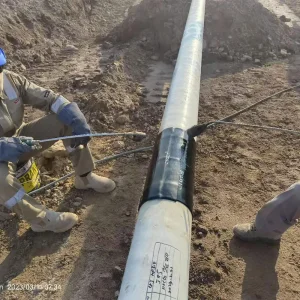
At temperatures below 0°C (down to -30°C), the steel pipe substrate requires preheating to prevent rapid thermal cooling of the adhesive during application. A propane torch or induction heating coil should be used to raise the joint area's temperature to 60°C - 80°C. This ensures the hot-melt adhesive melts completely, creating a strong bond. Our low-temperature, radiation cross-linked backings are formulated to prevent cracking during winter handling.
Trenchless Horizontal Directional Drilling (HDD) subjects the pipeline to high drag friction and abrasive forces from stones, gravel, and compacted soil layers. Under these conditions, standard 3LPE coatings can suffer mechanical scratches or gouges. Fiberglass-reinforced heat-shrinkable sleeves and UV-cured GRP shields provide a tough outer layer. This reinforcement resists punctures, protecting the main corrosion barrier from damage during installation.
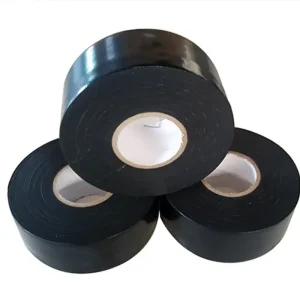
Viscoelastic materials are formulated with a liquid-like viscosity and solid-like elasticity, allowing them to flow continuously over their service life. Unlike traditional PE tapes, which can experience adhesive degradation, viscoelastic tapes self-heal when subjected to minor mechanical impacts or soil shifts. They are highly effective for irregular geometries, such as flanges, tees, and valves, where preheating and wrapping can be challenging.
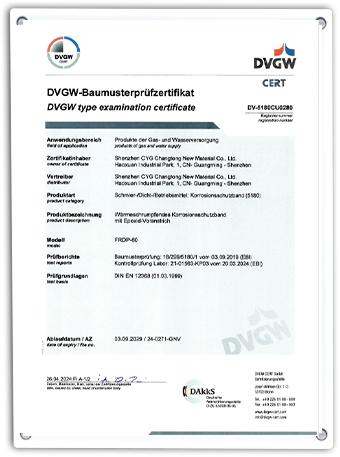
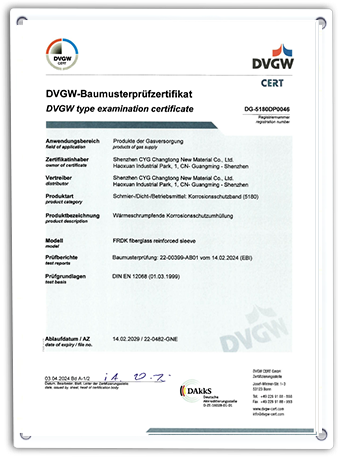
Yes, CYCT's pipeline reinforcement products are designed and manufactured to meet major international standards, including ISO 21809, EN 12068, and AWWA C214. Additionally, our formulations are optimized to satisfy GOST 51164 and GOST 9.602 requirements for gas, petroleum, and municipal water distribution networks operating in cold climates.
 CYCT
CYCT