As Seoul accelerates its transition to smart green systems—driven by the Seoul Metropolitan Government's aggressive carbon-neutral targets and investments in battery-electric vehicles (BEVs), public hydrogen networks, and district heating systems—the demand for next-generation polymer insulation has reached unprecedented levels.
Modern electrical distribution architectures, especially heavy-duty EV charging hubs and multi-phase busbars in Gangnam and Yeouido, require uncompromising thermal and dielectric reliability. New energy heat-shrinkable tubes provide the critical link, shielding raw copper or aluminum conductors from environmental moisture, temperature spikes, and chemical degradation.
CYCT responds to this shift by supplying advanced field-tested insulation materials and high-integrity pipeline sleeves. From metropolitan gas pipelines to vehicle battery arrays, our products secure electrical systems against dielectric breakdown and structural corrosion.
We facilitate fast-tracked logistics and certified specifications directly targeting South Korea's industrial sectors:
Specially adapted for industrial projects serving the Seoul Capital Area
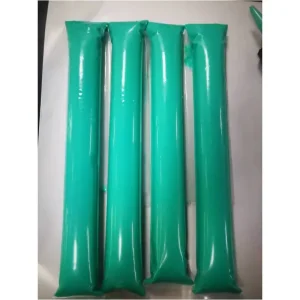
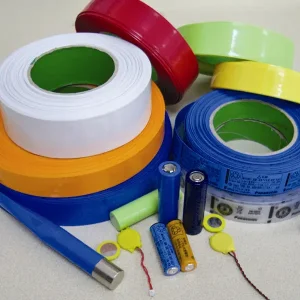
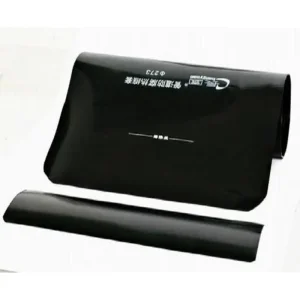
In modern high-voltage architectures—especially electric vehicle battery packs utilizing 800V charging protocols—traditional insulation materials face rapid degradation. Factors such as localized electrical stress, continuous thermal cycling, and chemical exposure from battery cells require customized protective interfaces. This is where cross-linked polyolefin and PET heat-shrinkable tubes play a decisive role.
At the center of heat-shrinkable technology is radiation cross-linking. High-energy electron beams modify the polymer molecular structure, transforming it from a linear thermoplastic into a three-dimensional network. This structural alteration imparts the polymer's "elastic memory", enabling it to shrink back to a predetermined form factor when heated above its crystalline melting point.
For Seoul's automotive and energy grid suppliers, this process translates to:
While polyolefin excels in thick-walled, mechanical protection and flame retardancy for bulk wiring, PET (polyethylene terephthalate) delivers ultra-thin wall capabilities (down to 0.05 mm), ensuring maximum space savings inside tight battery cells and busbar transitions without sacrificing dielectric safety.
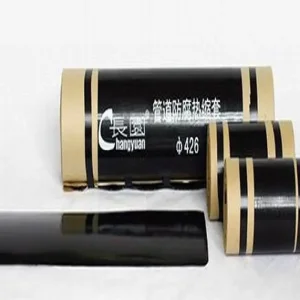
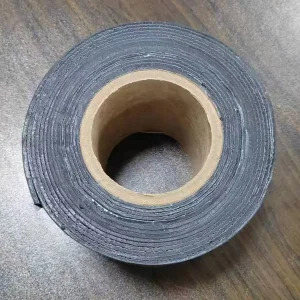
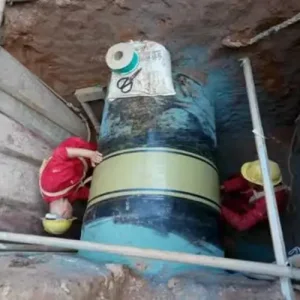
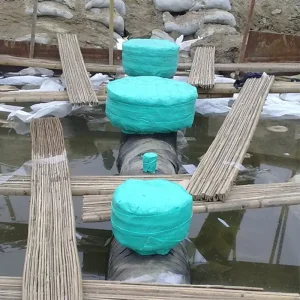
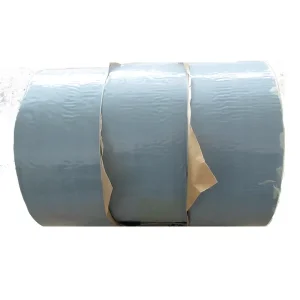
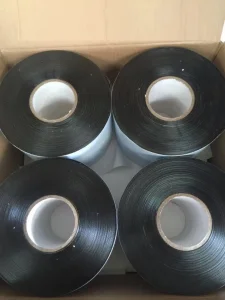
In municipal underground networks, thermal distribution lines carry superheated steam or water to heat high-density residential developments. Securing these pipelines from external soil moisture, anaerobic bacteria, and chemical runoffs demands high-performance field joint coating systems. Heat-shrinkable sleeves and mastic tapes applied at the welded joints act as the primary defense against localized steel corrosion.
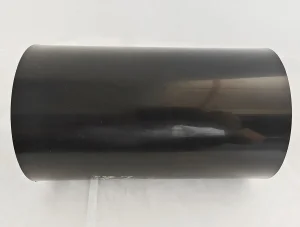
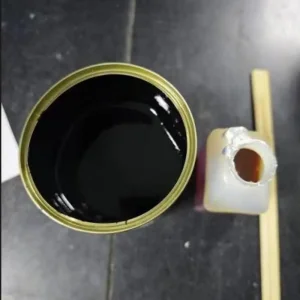
Our solutions integrate a multi-layer barrier strategy: a solvent-free liquid epoxy primer that forms a chemical bond with the steel surface, followed by a heavy-duty copolymer mastic adhesive and a radiation cross-linked high-density polyethylene backing. This configuration offers superior resistance to cathodic disbondment and mechanical shear stresses during installation.
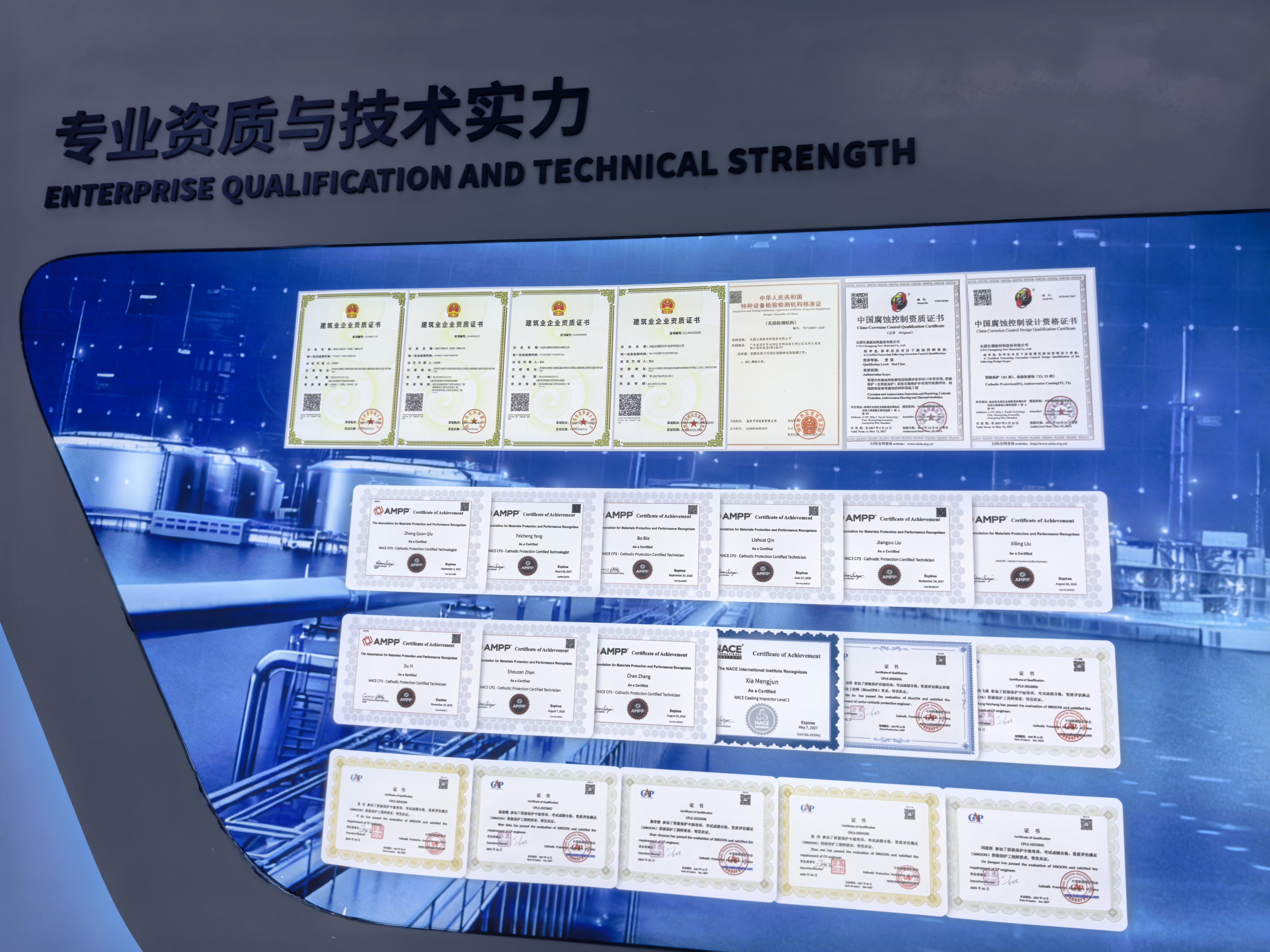
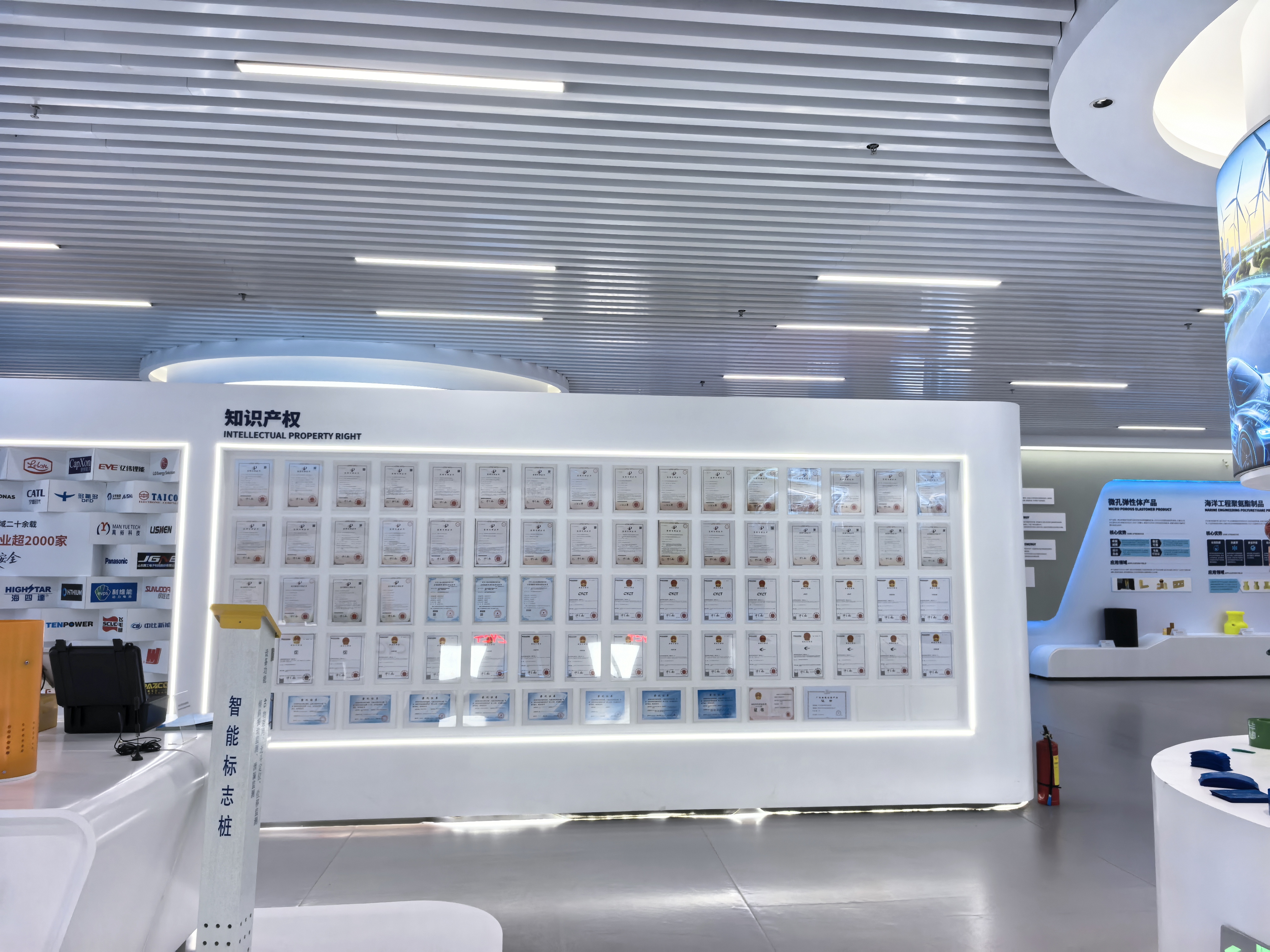
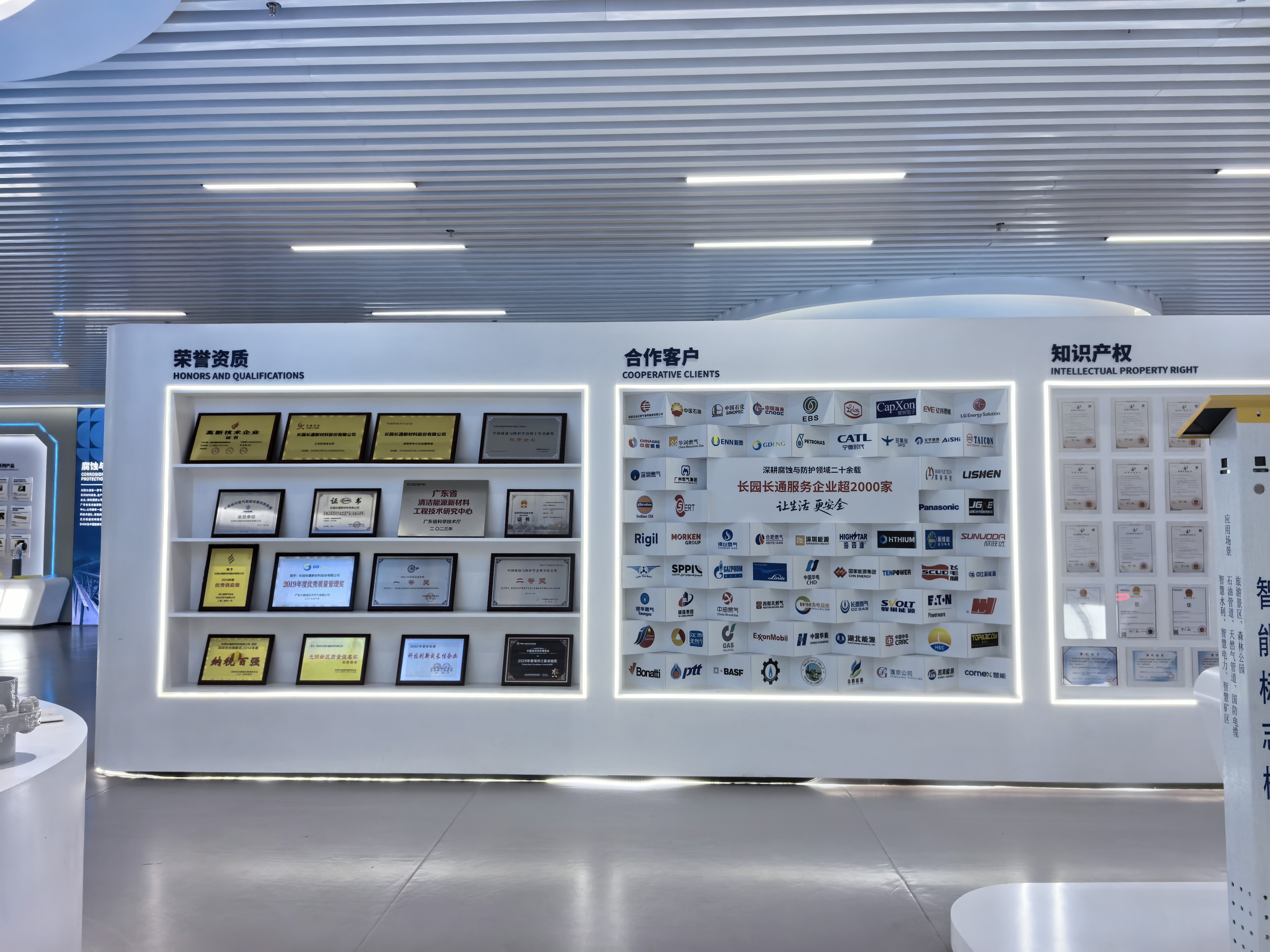
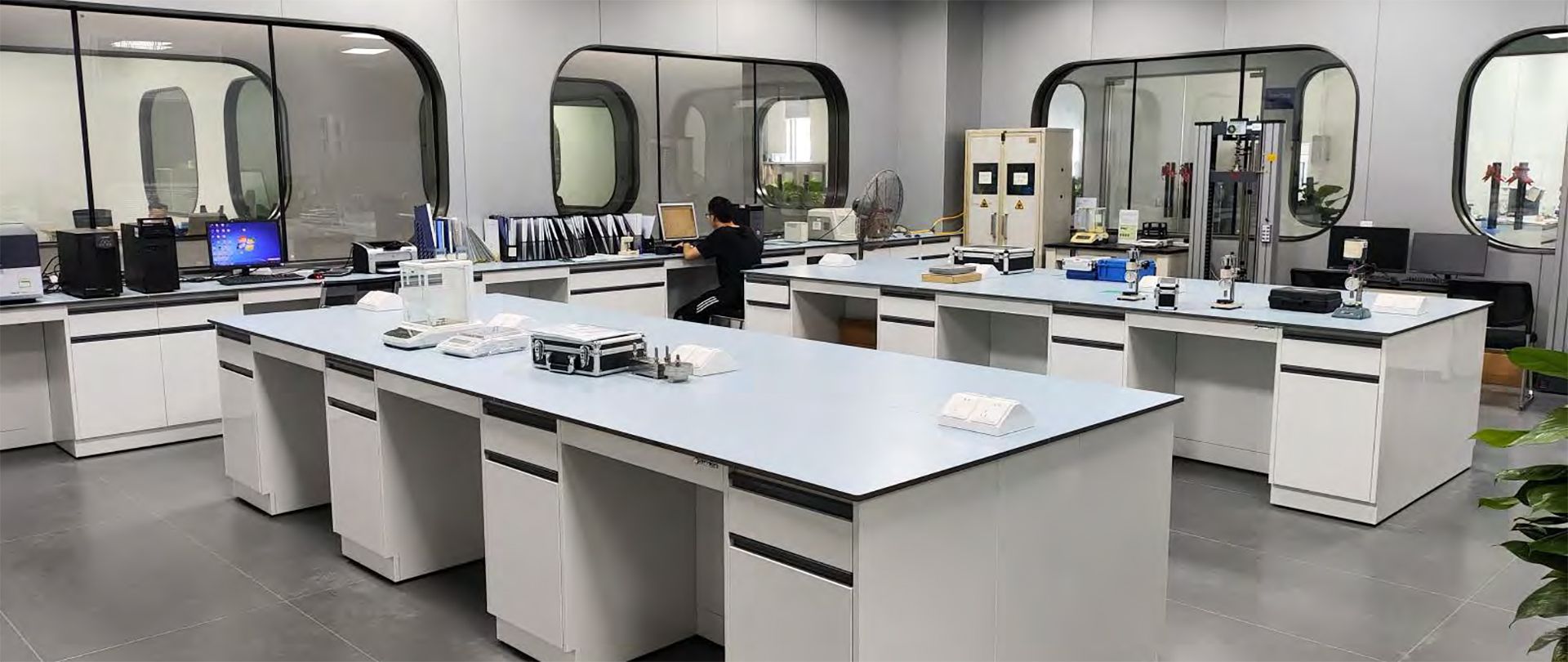
CYCT New Materials Company Limited (for short, CYCT) is a state-level high-tech enterprise integrating R&D, production and sales of pipeline corrosion protection materials as well as buried pipeline detection service and pipeline coating field application service into one. CYCT devotes itself to the R&D, production, and sales of pipeline corrosion protection materials for decades.
CYCT owns leading testing and R&D capabilities, a professional R&D team, and a national CNAS-accredited laboratory. We have successfully developed and introduced a number of specialty corrosion protection materials such as visco-elastic anticorrosion materials, special photo-curing sleeves for HDD (Horizontal Directional Drilling) protection, and polyurea coatings.
CYCT has been a stable supplier of field joint coatings for years to major global and national entities including PetroChina, Sinopec, PipeChina, and various municipal network operators, holding a strong market share. By cooperating with leading research institutes like the CNPC Pipeline Science Research Institute, CYCT is capable of providing in-service pipelines with varied technical services including buried pipeline detection, design schemes, cathodic protection, rehabilitation projects, and integrated security solutions.
To access South Korea's high-tech consumer electronics and automotive value chains, compliance with modern green chemistry regulations is mandatory. Our new energy products are formulated to exceed environmental expectations:
Operating across international manufacturing networks requires highly responsive technical coordination. CYCT bridges the gap for Seoul-based purchasing managers and engineering teams:
Fast support channel: [email protected]
As the energy transition moves towards higher voltage classes, traditional insulating polymer blends are nearing their physical limitations. CYCT's development roadmap focuses on addressing these performance challenges:
Developing ultra-thin wall shrink products that prevent corona discharges in ultra-high-voltage powertrains, supporting 1000V+ electrical networks.
Incorporating micro-sensing technologies into joint sleeves to track real-time moisture level anomalies and thermal stress variations along pipelines.
Using bio-based raw materials and lower energy irradiation processes to match ESG goals without compromising product life cycle reliability.
Providing quick technical answers for engineers and purchasing managers in Seoul
Industrial-grade pipeline and wiring system protection
Contact our engineering support team to discuss your project requirements, request sample materials, or get a quotation for project supply.
 CYCT
CYCT