Sri Lanka’s strategic location along major Indian Ocean sea lanes positions it as a vital maritime and logistic hub. However, its tropical microclimate, characterized by high relative humidity (frequently exceeding 80%), persistent marine salinity, and seasonal monsoons, places severe electrochemical stress on buried and offshore pipeline networks. Key infrastructures, such as the port operations in Colombo Port City and Hambantota, alongside metropolitan water supply lines run by the National Water Supply and Drainage Board (NWSDB), demand robust pipeline protection mechanisms.
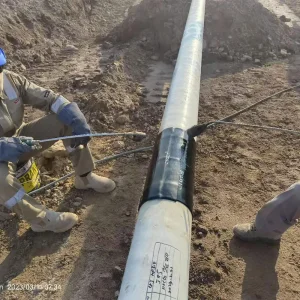
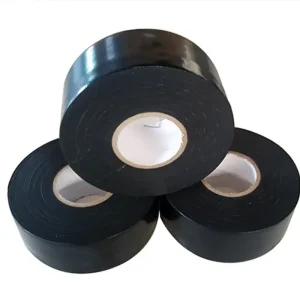
The field joint (the welded joint region between pre-insulated pipe segments) represents the weakest link in any pipeline system. Standard factory coatings terminate at the joints to allow welding, exposing raw steel to high moisture, acidic soil, and aggressive chloride ions. Heat shrinkable sleeves (HSS) provide a continuous, impermeable barrier. They exhibit high chemical resistance, cathodic disbondment protection, and mechanical strength to resist soil stresses caused by expansion and contraction.
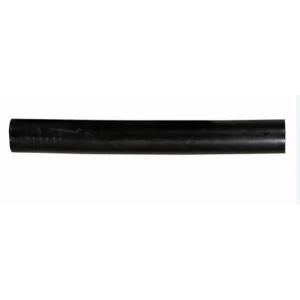
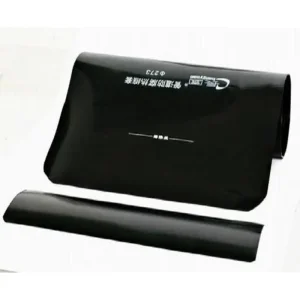
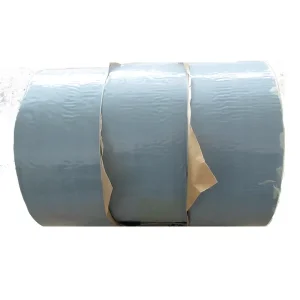
A cross-linked high-density polyolefin backing combined with a high-shear hot melt adhesive. This dual-action design provides mechanical resilience against soil movement and continuous chemical shielding.
Specially engineered to limit the migration of moisture under the coating, protecting the steel substrate in the event of minor outer shell breaches.
Our wraps shrink rapidly with simple propane torch applications, establishing a watertight, void-free seal over irregular step-downs and transitions.
| Sleeve System Type | Maximum Operating Temp | Backing Tensile Strength | Peel Strength (to Steel) | Primary Application Areas |
|---|---|---|---|---|
| PP Heat Shrink Sleeve (3-Layer) | 110°C - 120°C | ≥ 30 MPa | ≥ 80 N/cm | High Temp Oil & Gas |
| FRDP PE Sleeve (2-Layer / 3-Layer) | 80°C | ≥ 22 MPa | ≥ 35 N/cm | Water & Crude Pipelines |
| HDD Epoxy FRP Protected Wrap | 80°C - 100°C | Fibre Reinforced (High Impact) | ≥ 50 N/cm | Horizontal Directional Drilling |
| PE Repair Patch (FRDX) | 85°C | ≥ 20 MPa | ≥ 30 N/cm | Localized Coating Repair |
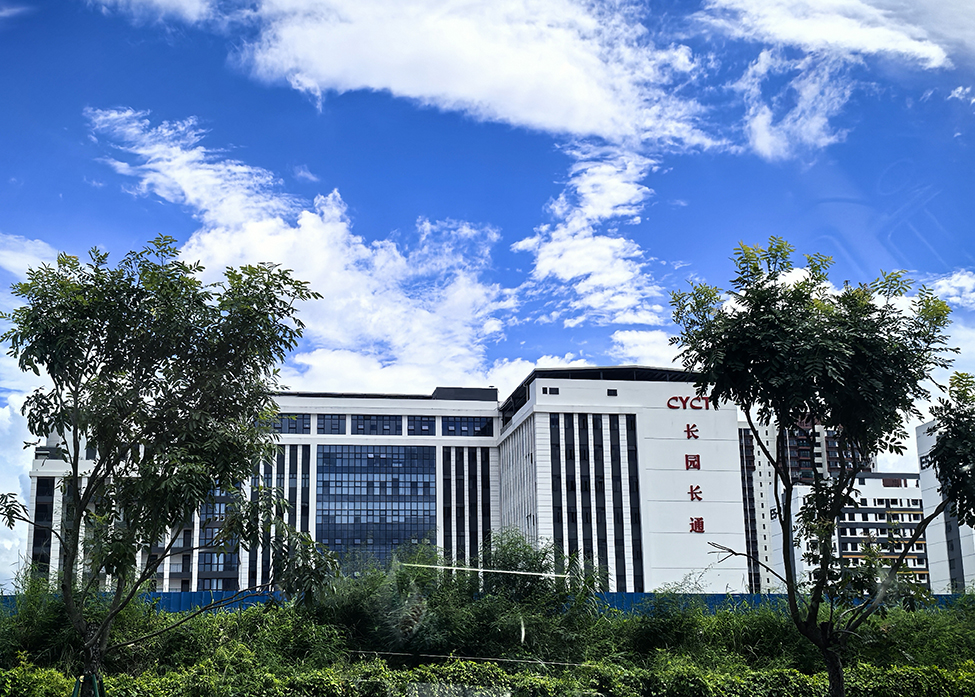
CYCT New Materials Company Limited is a state-level high-tech enterprise integrating R&D, production, and sales of pipeline corrosion protection materials. We specialize in buried pipeline detection and pipeline coating field application services. For decades, CYCT has dedicated itself to the design and development of corrosion mitigation materials that withstand extreme environmental conditions.
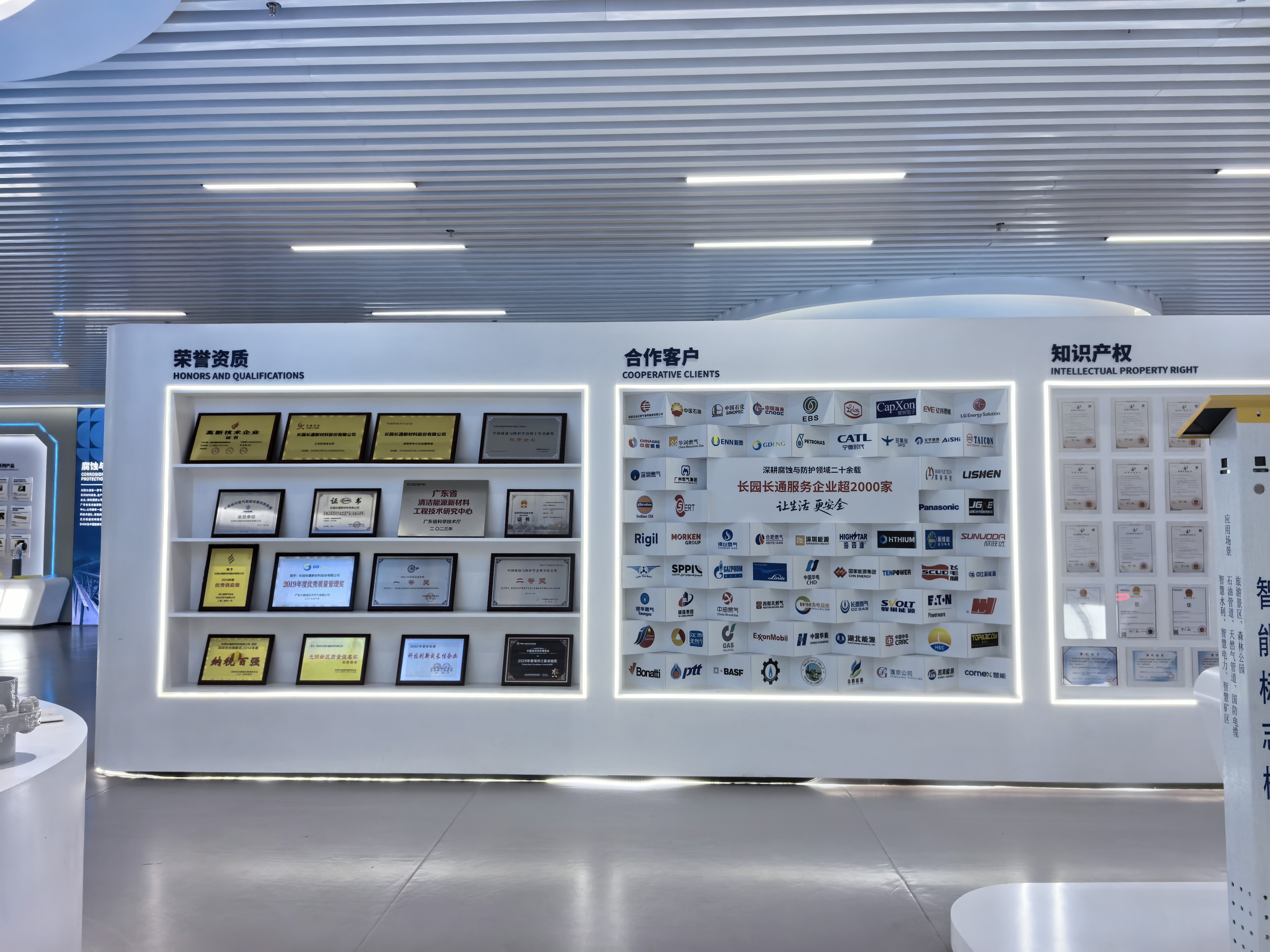
Through robust collaborations with leading institutes, such as the CNPC Pipeline Science Research Institute, CYCT delivers integrated safety and protection solutions for major global transmission pipelines. We serve as a stable supplier to PetroChina, Sinopec, PipeChina, and Indian Oil.
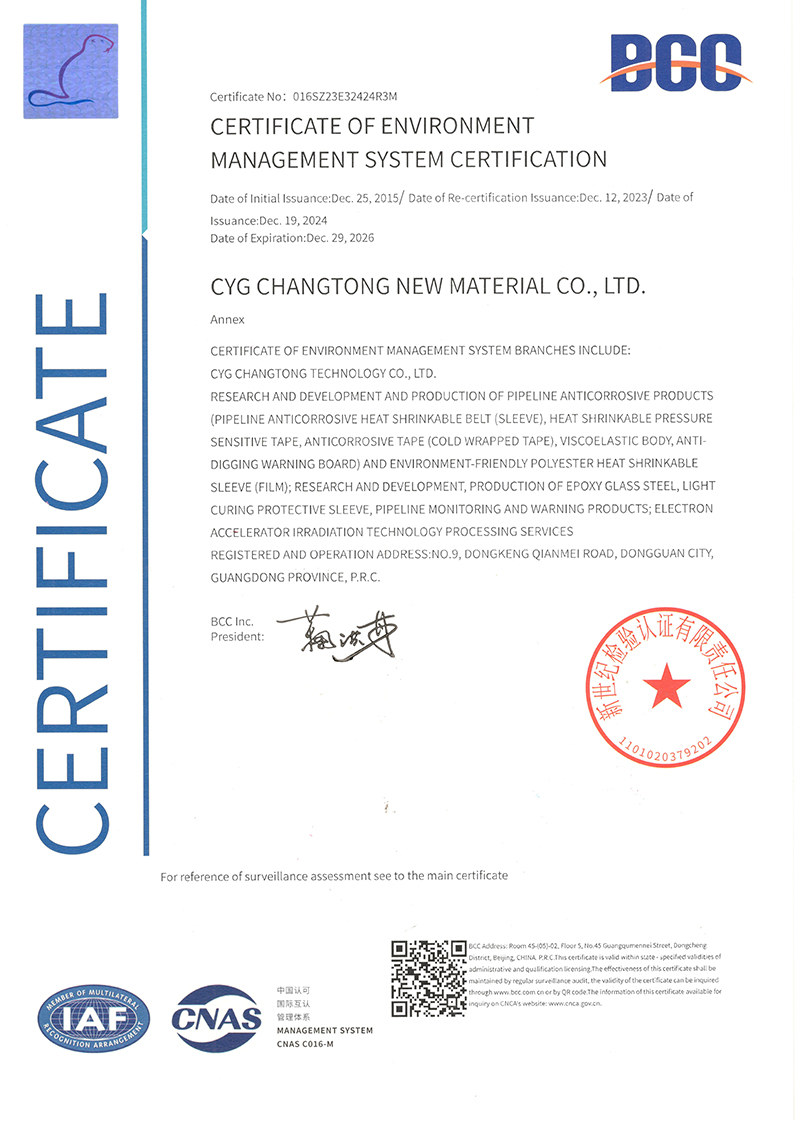
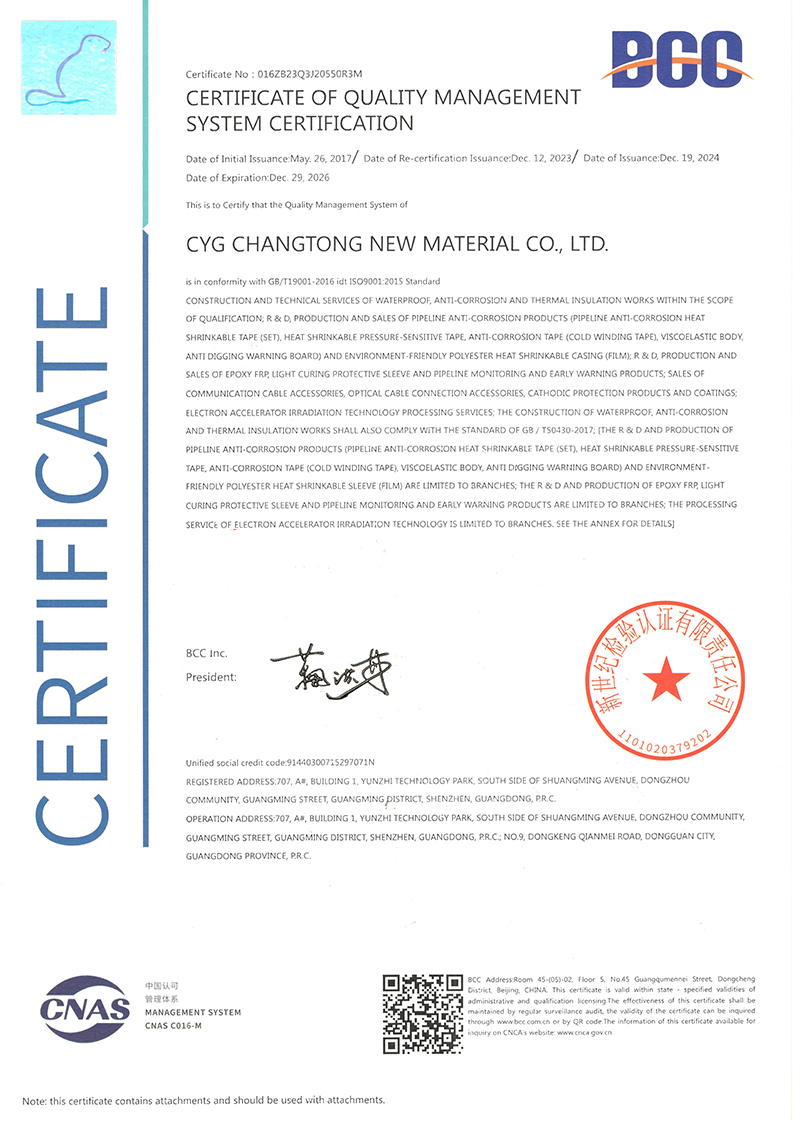
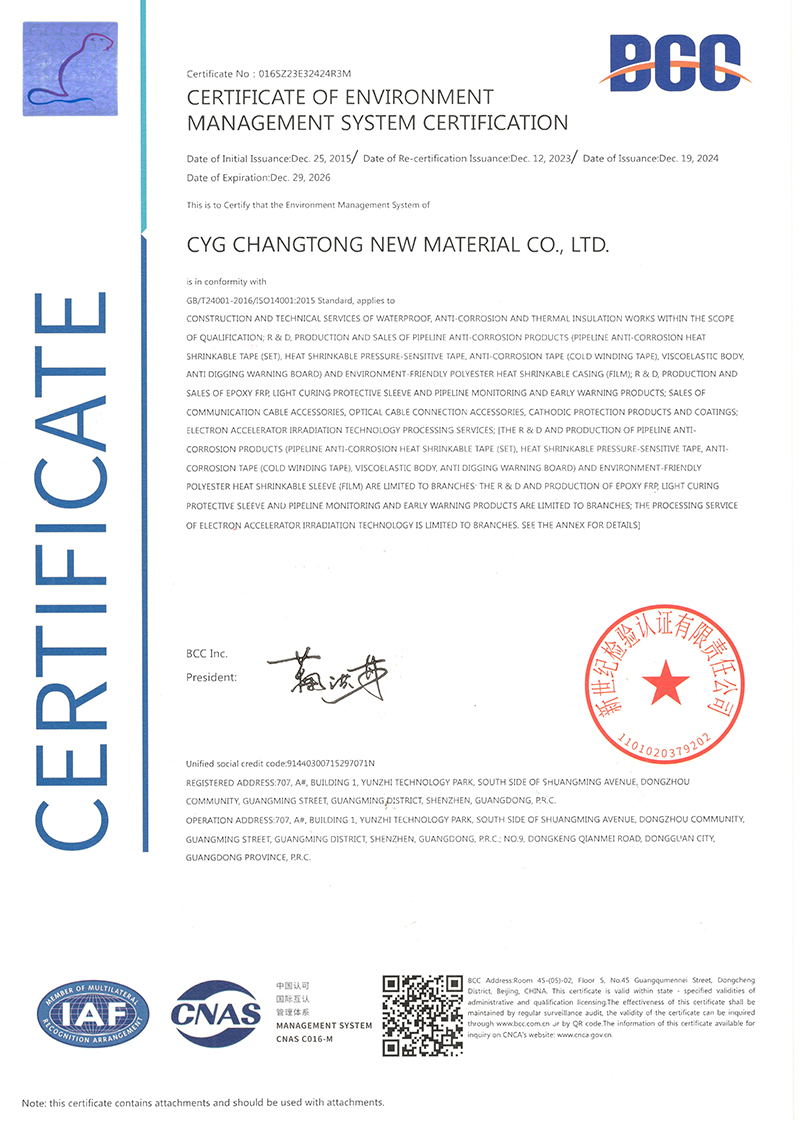
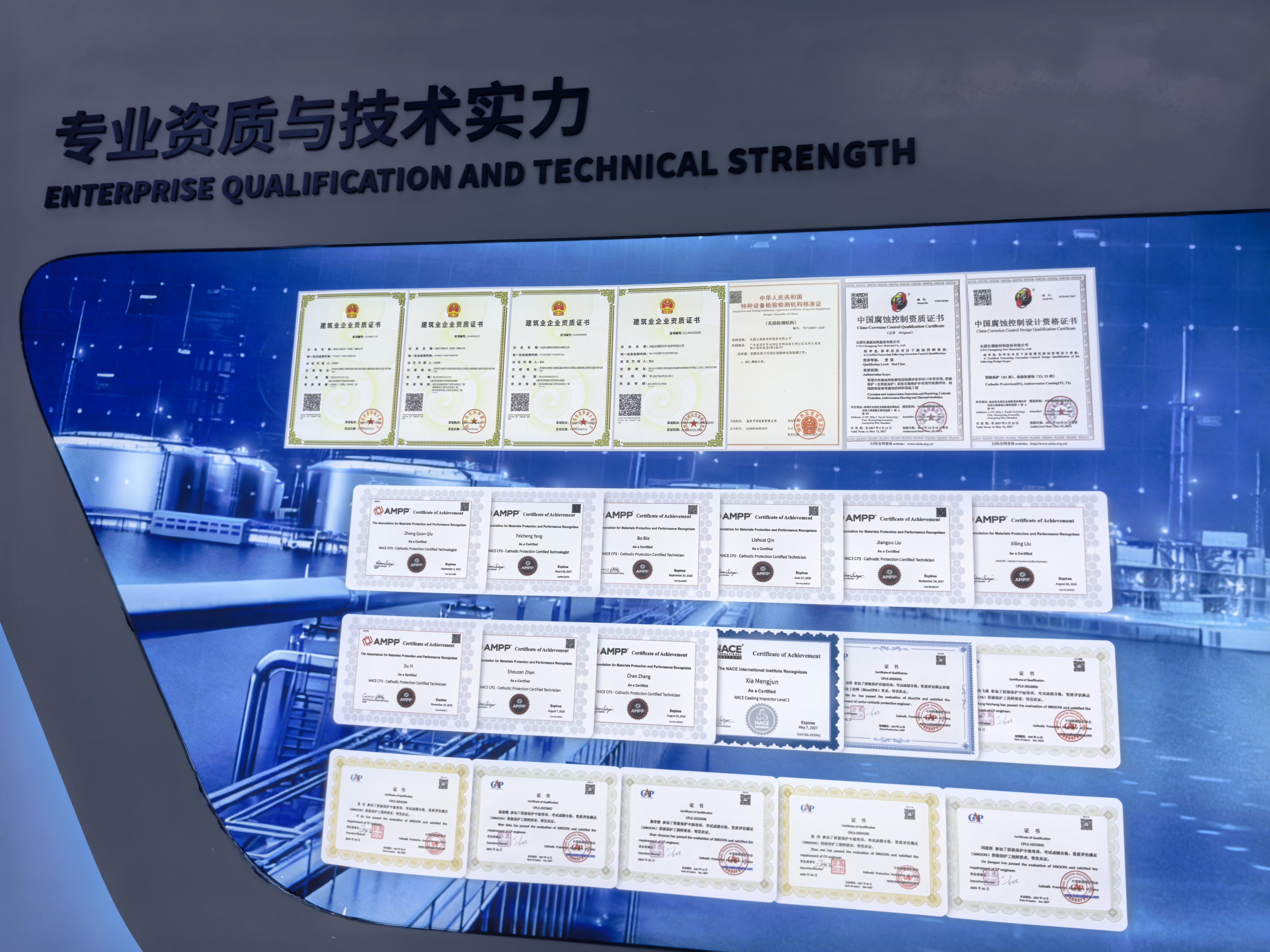
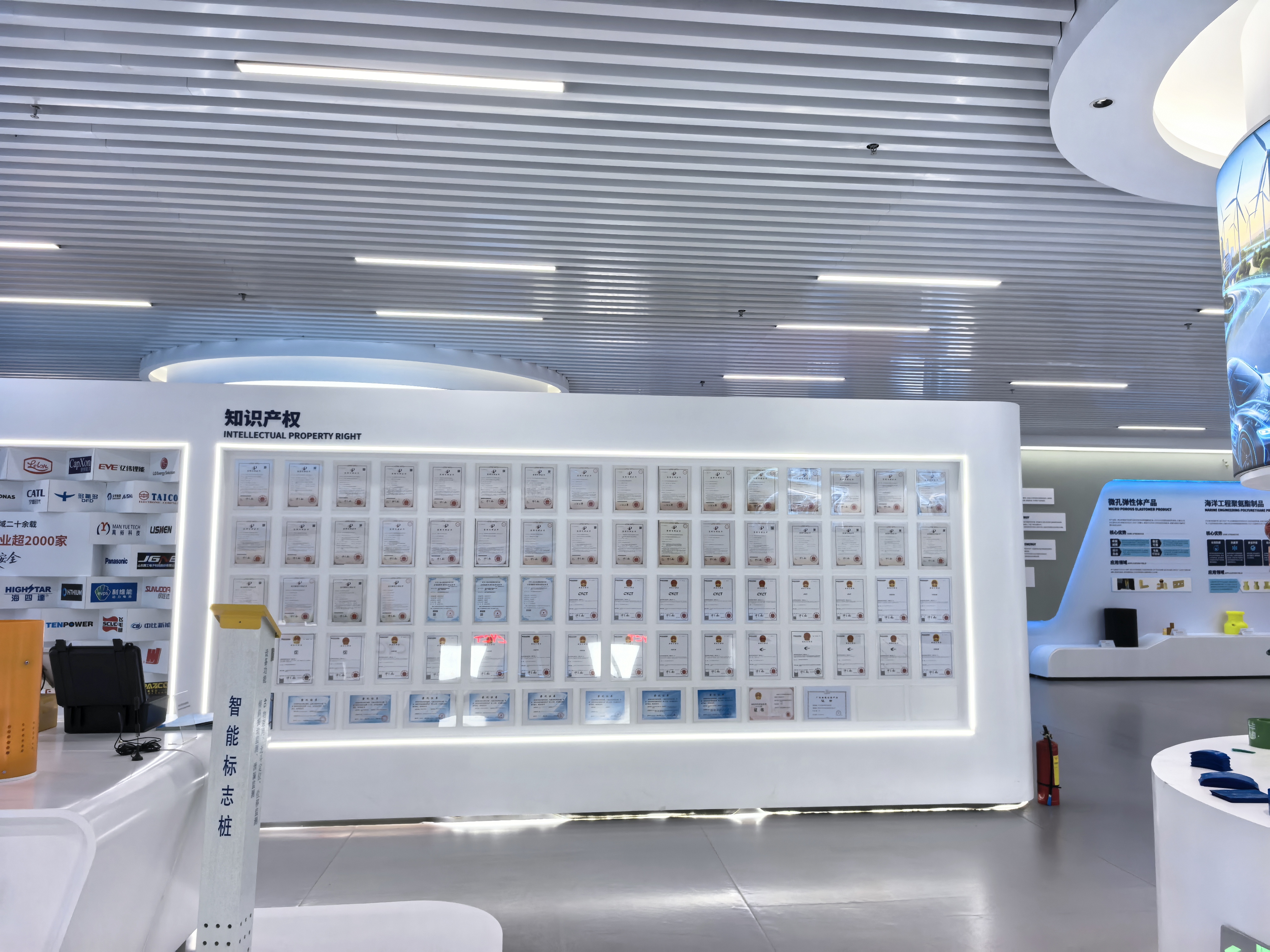
Member of Council in Chinese Society for Corrosion and Protection (CSCP), Qualification Certificate of Corrosion Protection Construction, Qualification Certificate of Pipeline Detection, Stable supplier of PetroChina, Sinopec, China Gas Group, and Supplier of Indian Oil.
Whether you require customized lengths, specific heat-shrink values, or technical field training for your pipeline crew in Colombo or Hambantota, our engineering team is here to assist.
Send Inquiry NowIndustrial developments in the South Asian region, especially in port cities and offshore terminals, face harsh environment-induced electrochemical deterioration. Sri Lanka, situated near critical equatorial shipping lanes, experiences high relative humidity (frequently exceeding 80%), persistent marine salinity, and seasonal monsoons. This creates a highly corrosive setting for steel structures.
For critical infrastructure projects, such as the port operations in Colombo Port City and the offshore bunkering terminals at Hambantota Port, corrosion mitigation is vital. Standard factory coatings on steel pipelines, like 3LPE (Three-Layer Polyethylene), must terminate at the joint to allow welding. These exposed areas represent the most vulnerable interface of the entire pipeline network. Without adequate corrosion protection, moisture, oxygen, and soil stress will penetrate the interface, resulting in localized pitting or cathodic disbondment.
"The field joint is the critical zone of pipeline safety. Selecting a joint system that matches or exceeds the performance of the parent coating is essential to prevent localized failures."
As global energy grids expand, sourcing high-performance, cost-effective corrosion prevention materials is key. Modern China-based factories, such as CYCT, leverage automated extrusion, precise polymer compounding, and electron-beam crosslinking accelerators. These technologies ensure that every production run of heat shrinkable sleeves achieves uniform crosslinking density, thickness, and heat-recovery characteristics.
With supply chains facing geo-economic fluctuations, CYCT maintains raw material reserves and integrated production capabilities. This setup ensures consistent supply, prompt delivery times, and stable pricing for international contractors executing critical infrastructure projects in Sri Lanka and across South Asia.
In field joint coating (FJC) engineering, two primary systems are widely specified:
Our manufacturing facility produces both systems, complying with ISO 21809-3 and EN 12068 Class C standards, to match specific soil and service temperature requirements.
CYCT's quality control operates under a national CNAS-accredited laboratory framework. Every batch of heat-shrinkable materials undergoes strict testing:
 CYCT
CYCT