Uruguay is positioning itself as a key logistics and energy hub in South America. With heavy investments in municipal water grids managed by Obras Sanitarias del Estado (OSE), cross-border gas pipelines (such as the Gasoducto Cruz del Sur), and the expansion of chemical and pulp mills (e.g., UPM and Montes del Plata), the demand for high-integrity pipeline assets has surged.
The geographical and environmental realities of Uruguay present unique challenges to pipeline integrity. The expansive clay soils of the interior plains generate substantial soil stress on buried lines during wet and dry seasonal cycles. Simultaneously, the saline environments of the Rio de la Plata estuary and coastal areas like Montevideo, Maldonado, and Rocha accelerate galvanic and localized pitting corrosion.
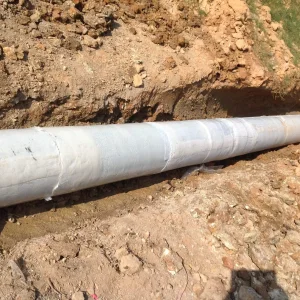
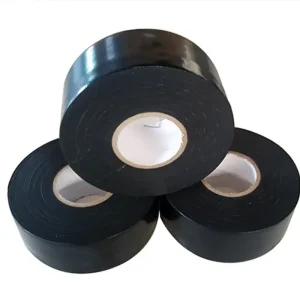
Traditional tape wraps often fail under soil shear forces, causing wrinkling and moisture ingress. Heat Shrink Pressure Sensitive Sleeves (HSPSS) have emerged as the standard solution for joint protection. Combining the mechanical rigidity of cross-linked high-density polyethylene (HDPE) with the self-healing visco-elastic properties of pressure-sensitive adhesives, these sleeves provide a continuous barrier that resists cathodic disbondment and chemical attack.
"For critical infrastructure, utilizing standard field-joint coatings is no longer sufficient. High-performance, pressure-sensitive backing technologies are required to safeguard investments against severe soil stress and high coastal salinity."
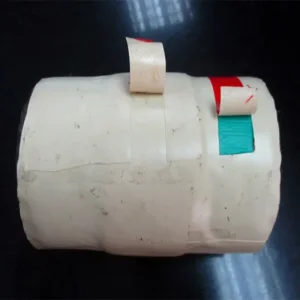
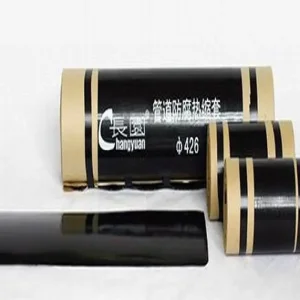
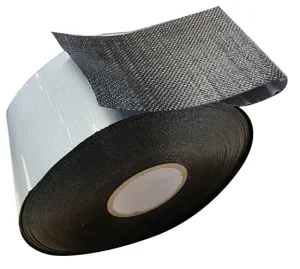
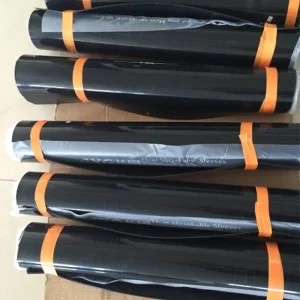
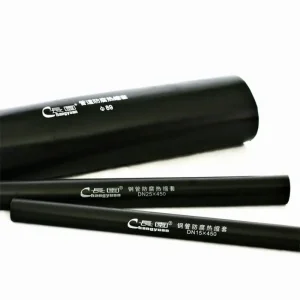
CYCT's Heat Shrink Pressure Sensitive Sleeves are structured around a multi-layer design optimized for long-term field performance. The backing material consists of a radiation-cross-linked high-density polyolefin with elastic memory. When heat is applied, this backing shrinks to wrap the pipe tightly, applying constant radial pressure to the adhesive.
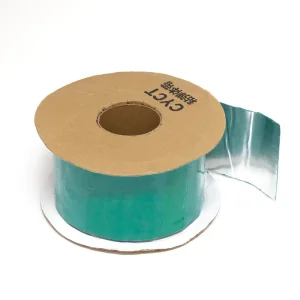
The key differentiator of the *Pressure Sensitive* variety lies in the adhesive chemistry. Unlike traditional hot-melt adhesives, which require high pre-heat temperatures to flow, pressure-sensitive mastic formulations offer high shear resistance while remaining flexible. The adhesive flows under radial shrinkage pressure, filling steel surface micro-irregularities and sealing the joint.
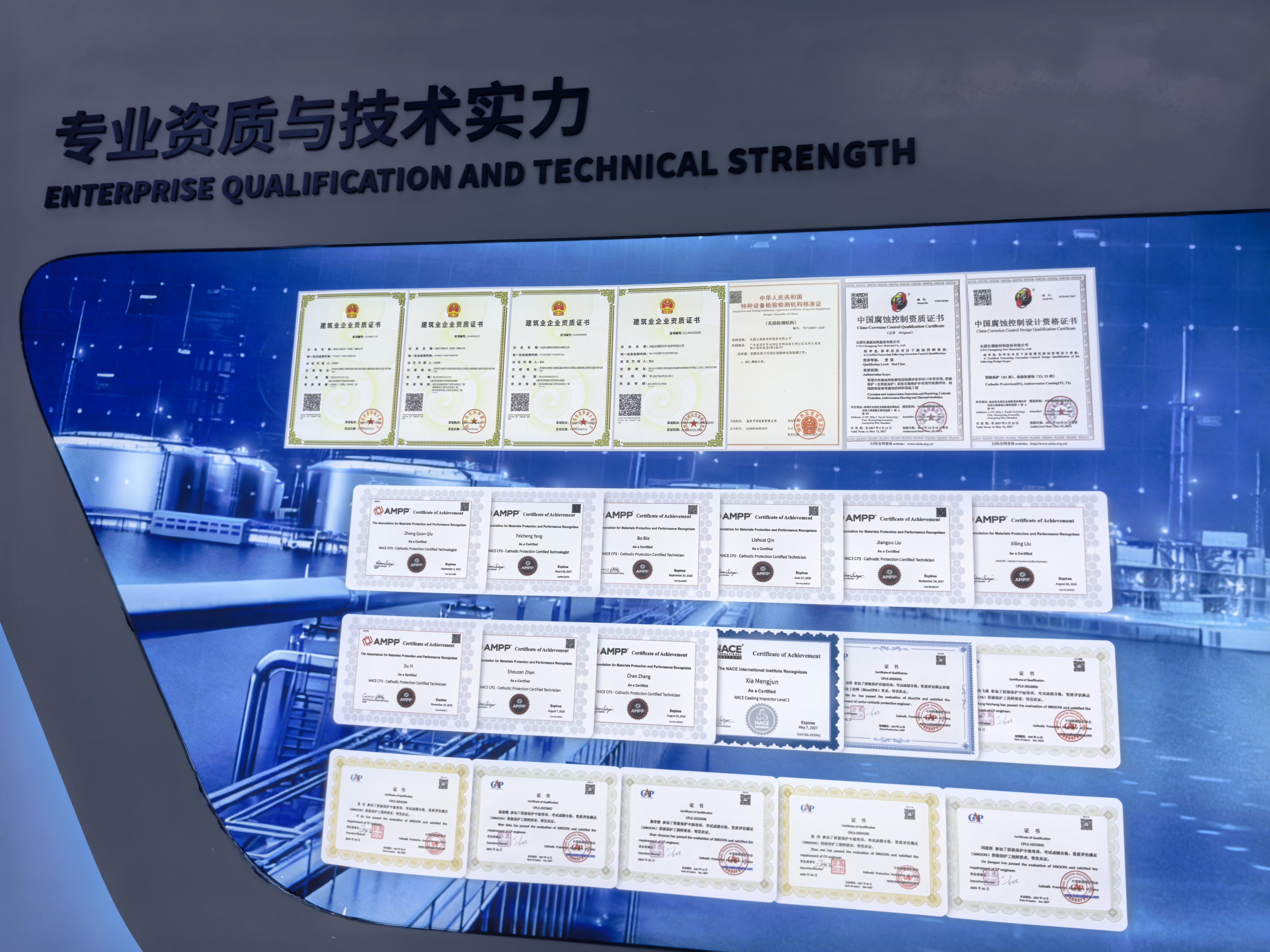
The global pipeline anti-corrosion sector is transitioning towards smart, high-reliability materials. Research at our CNAS accredited facilities focus on three main areas:
Developing micro-encapsulated active corrosion inhibitors within the mastic matrix. When physical damage occurs, the microcapsules rupture, releasing compounds that passivate the exposed steel substrate.
Formulating zero-VOC primers and utilizing bio-based resins to lower the environmental impact of raw materials, aligning with Uruguay's national sustainability targets.
Developing specialized sleeves for Horizontal Directional Drilling (HDD) that withstand soil friction, shear forces, and rocky sub-surfaces without tearing.
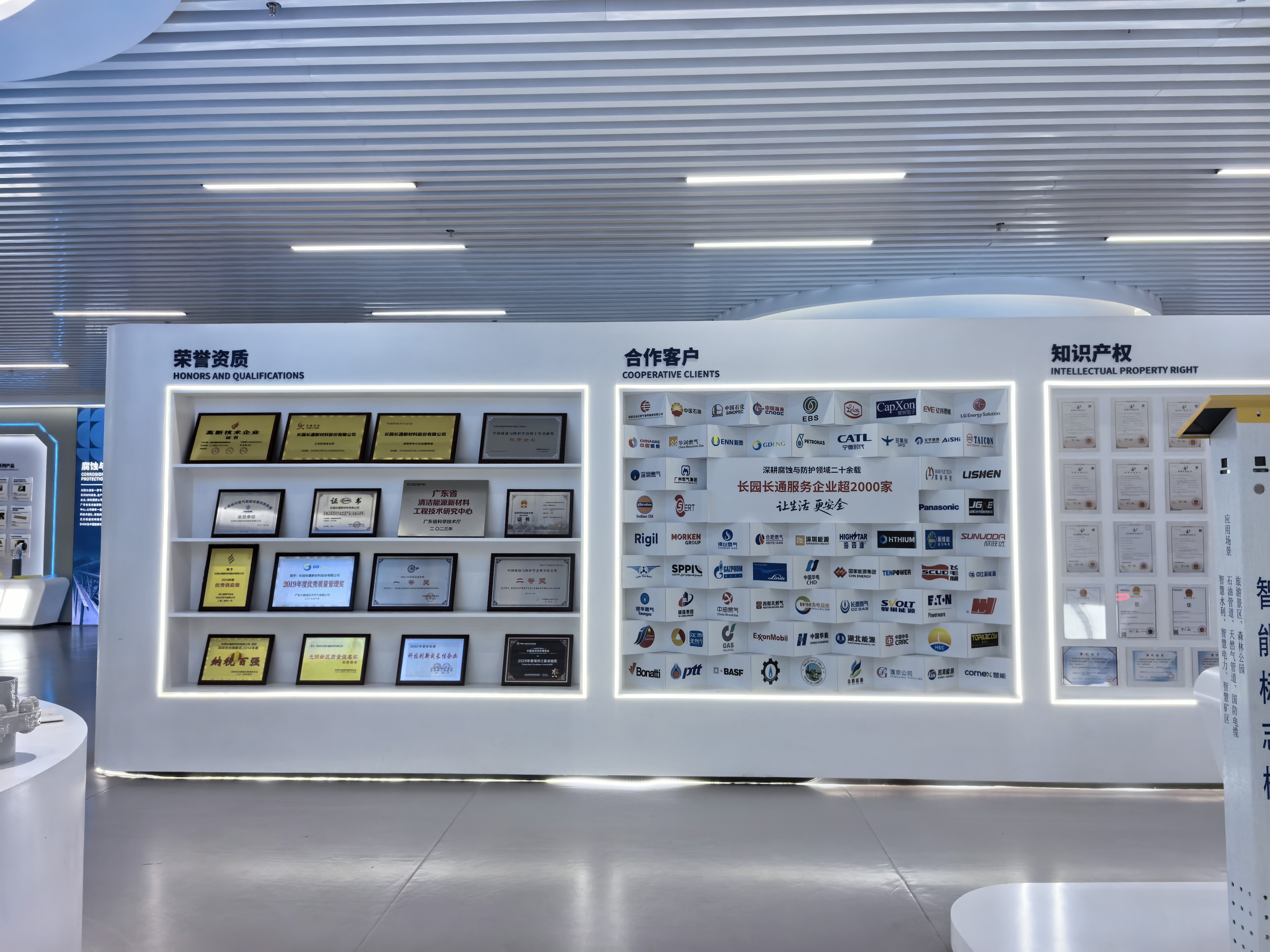
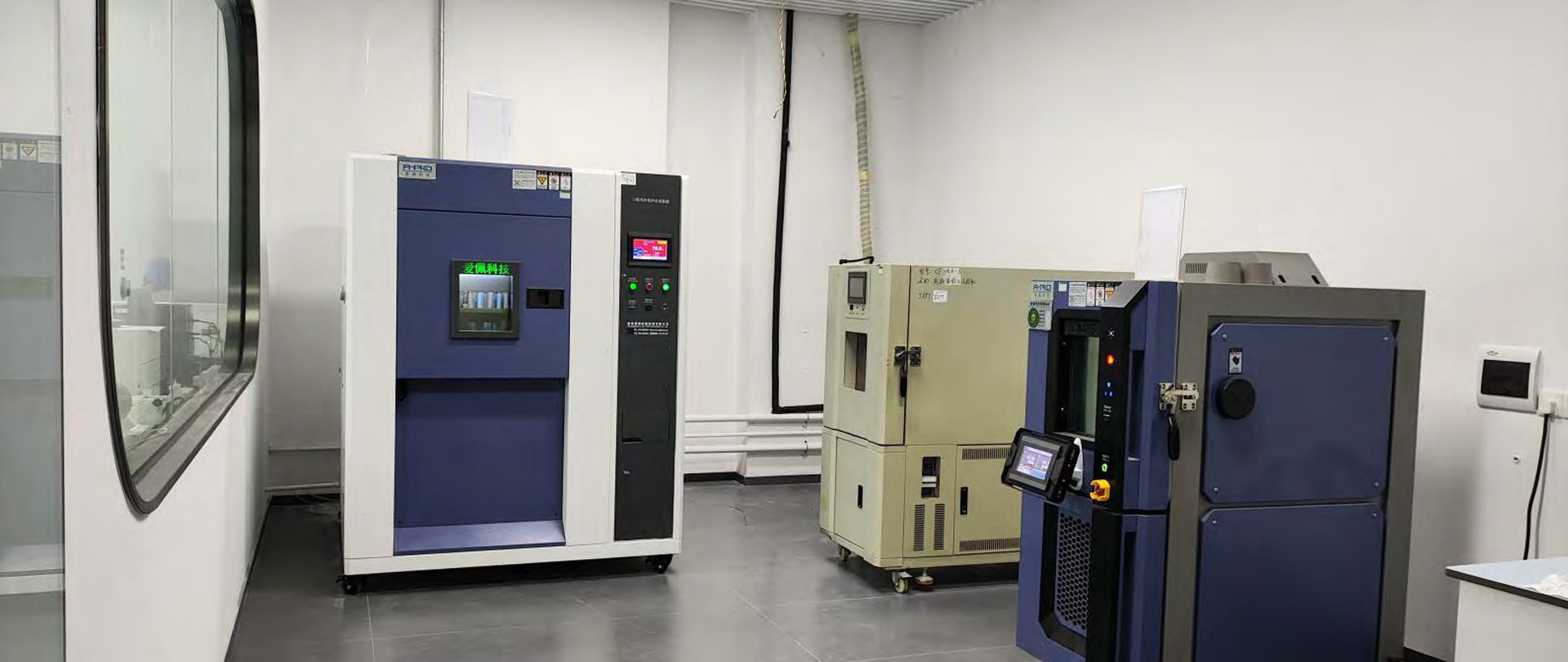
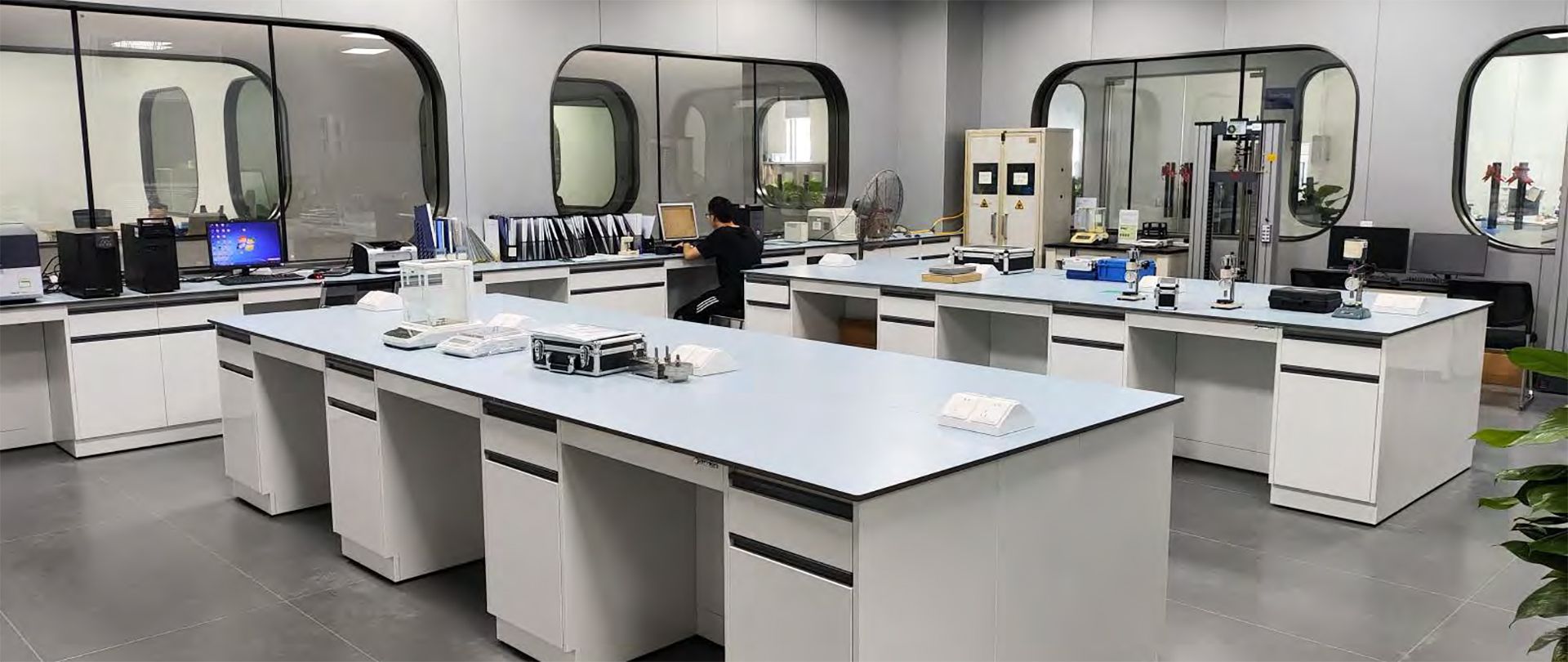
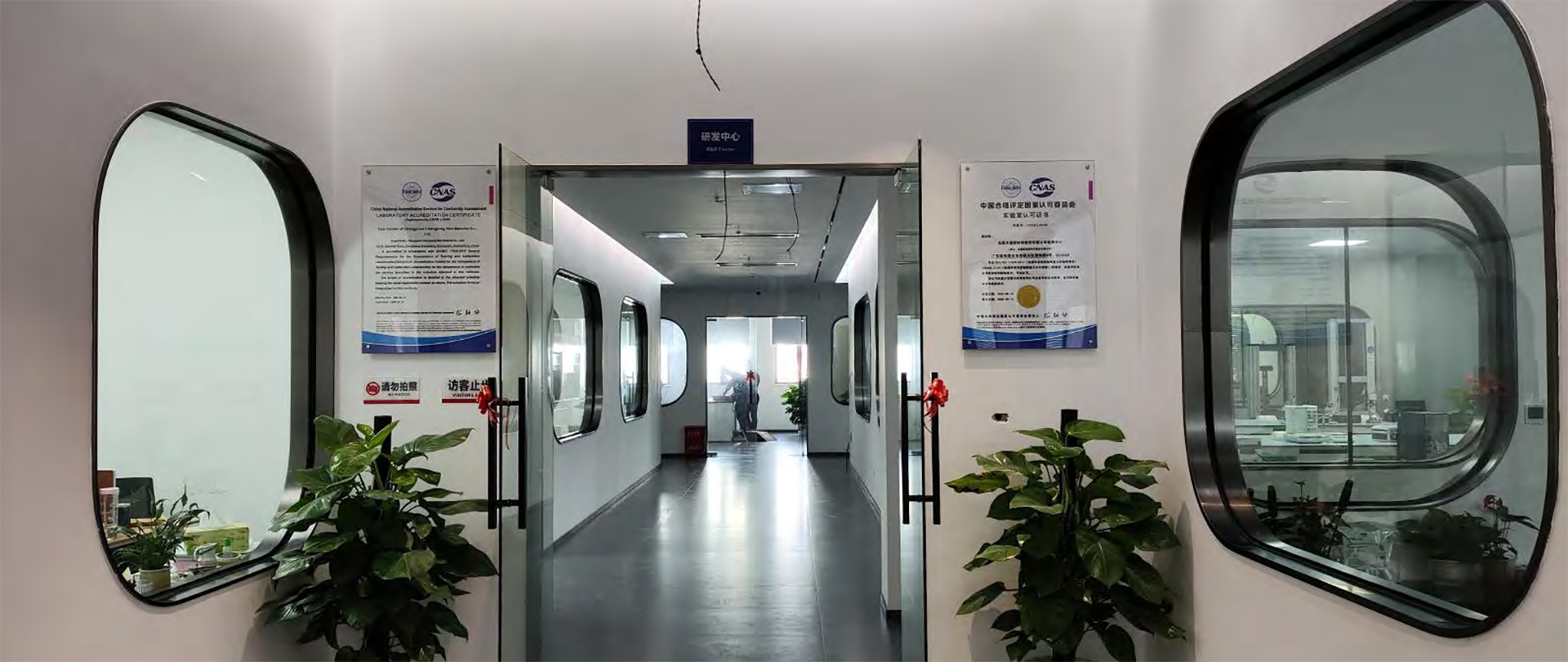
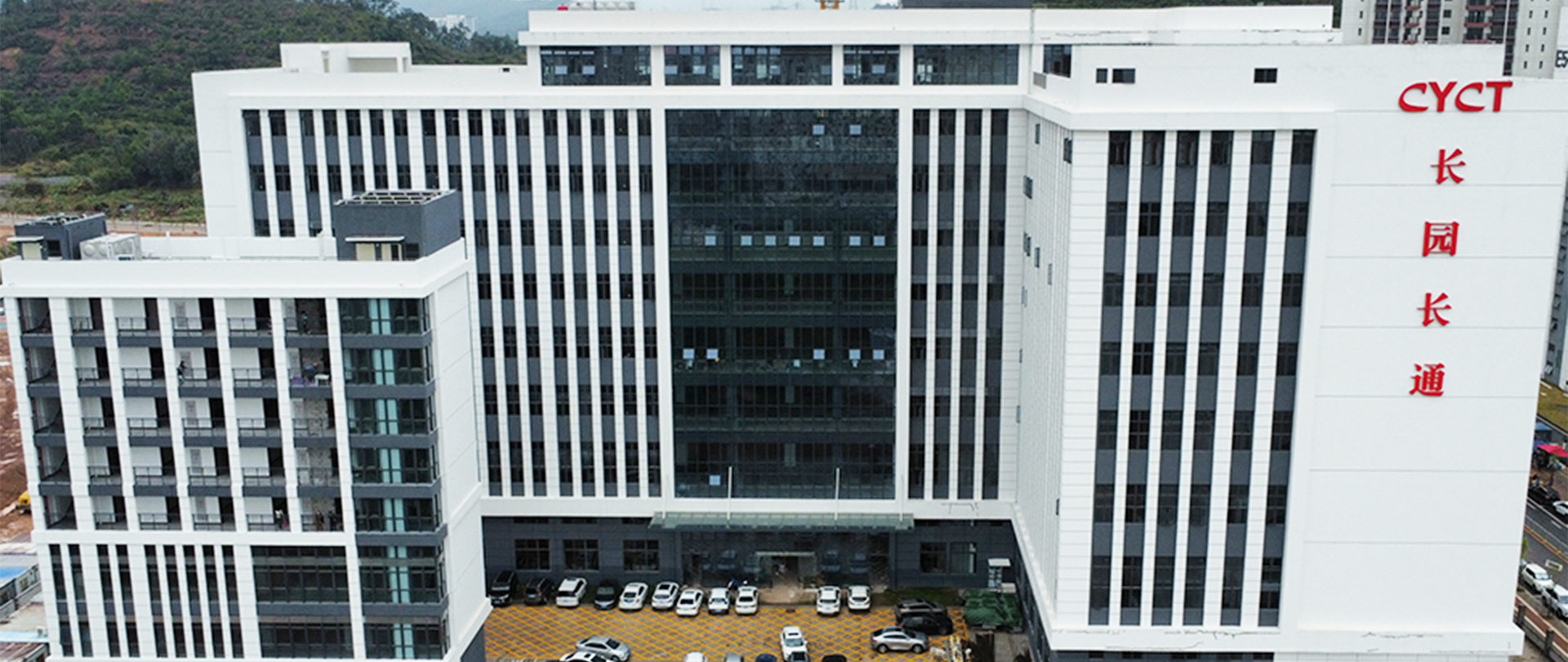
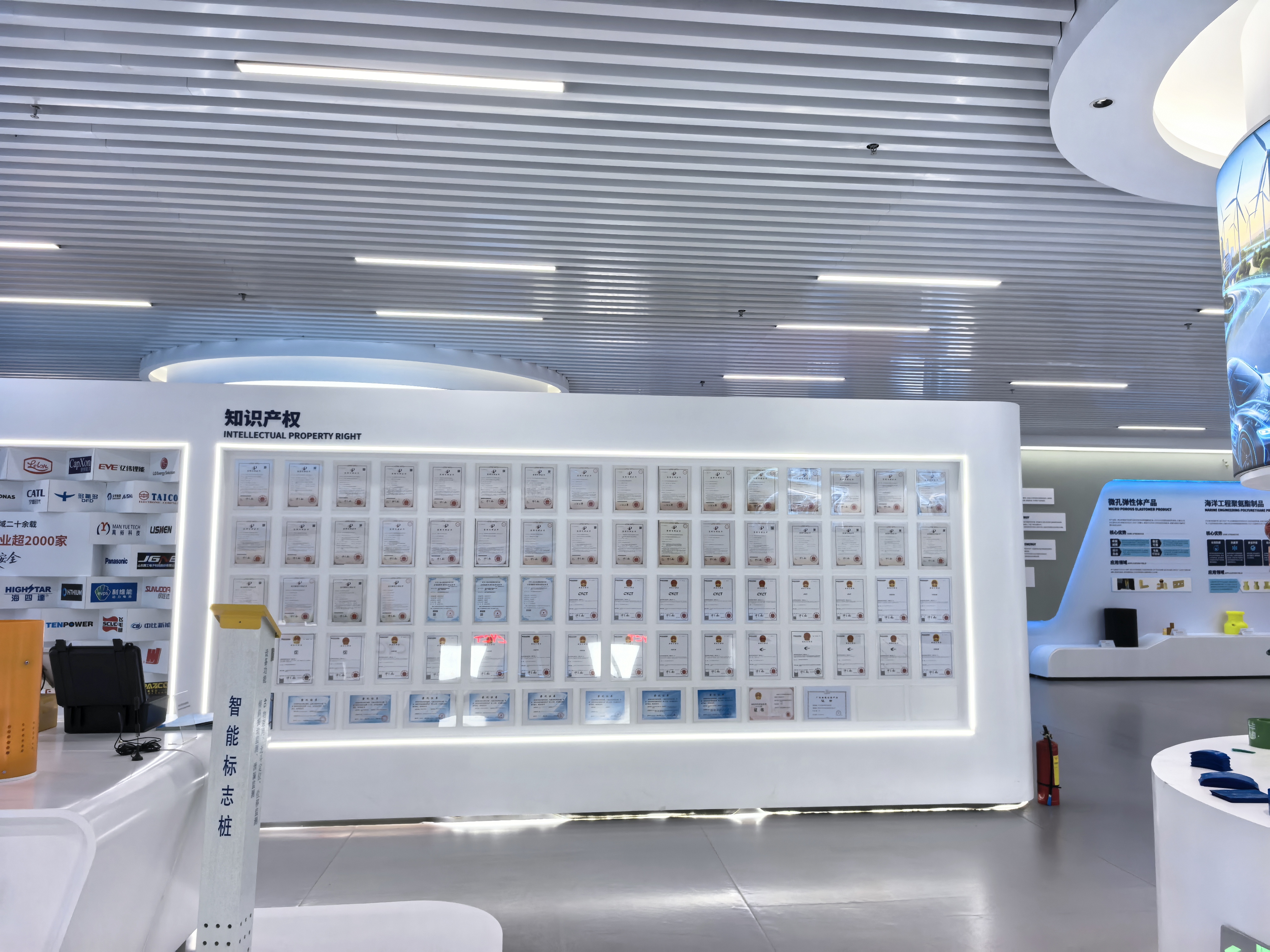
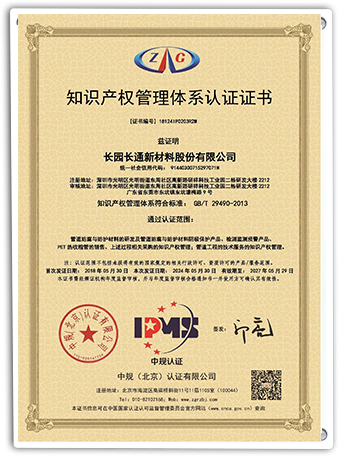
CYCT New Materials Company Limited (CYCT) is a state-level high-tech enterprise integrating R&D, production, and sales of pipeline corrosion protection materials, as well as buried pipeline detection and coating application services. For decades, CYCT has focused on engineering high-performance protection solutions.
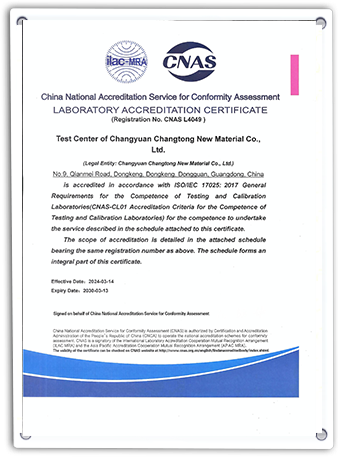
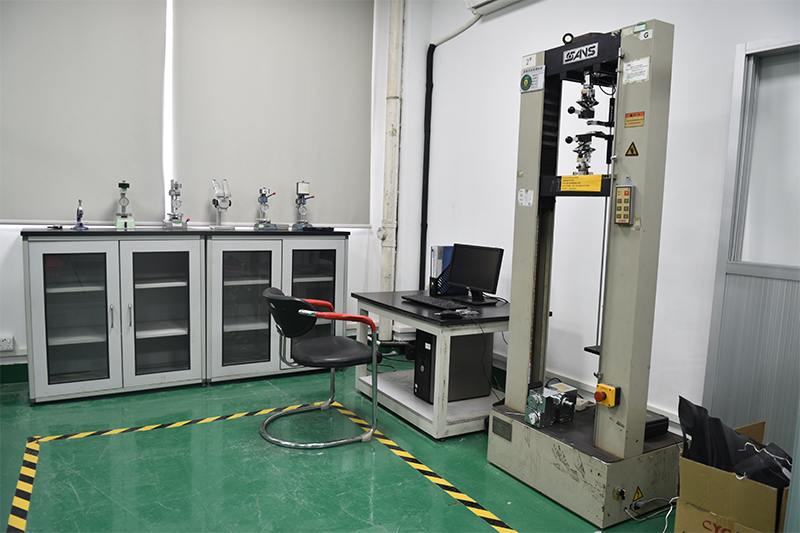
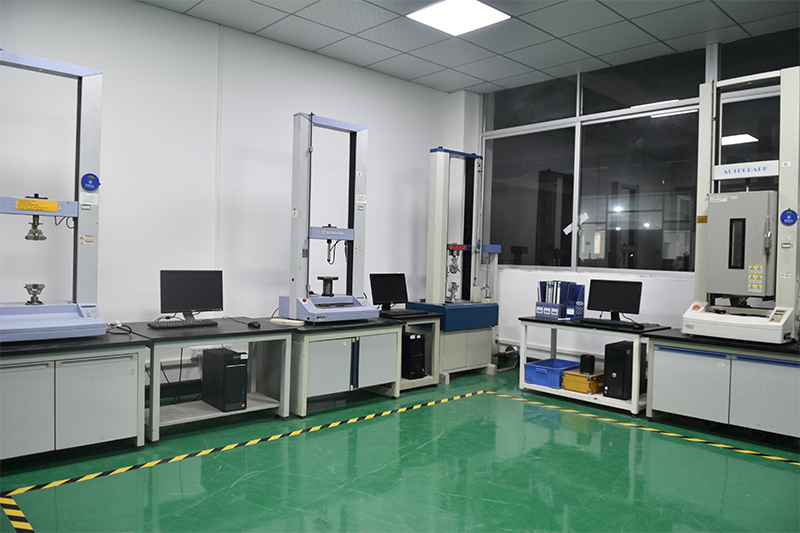
Equipped with advanced testing capabilities, a professional R&D team, and a national CNAS-accredited laboratory, CYCT is a qualified supplier for major energy operators including PetroChina, Sinopec, and PipeChina. Our product portfolio includes viscoelastic coatings, photo-curing sleeves for HDD protection, and polyurea systems.
In partnership with institutes like the CNPC Pipeline Science Research Institute, CYCT provides integrated solutions, including cathodic protection design, pipeline rehabilitation, and coating assessments. We support engineering teams in Latin America, particularly in Uruguay, from the project planning stage through to supply chain delivery.
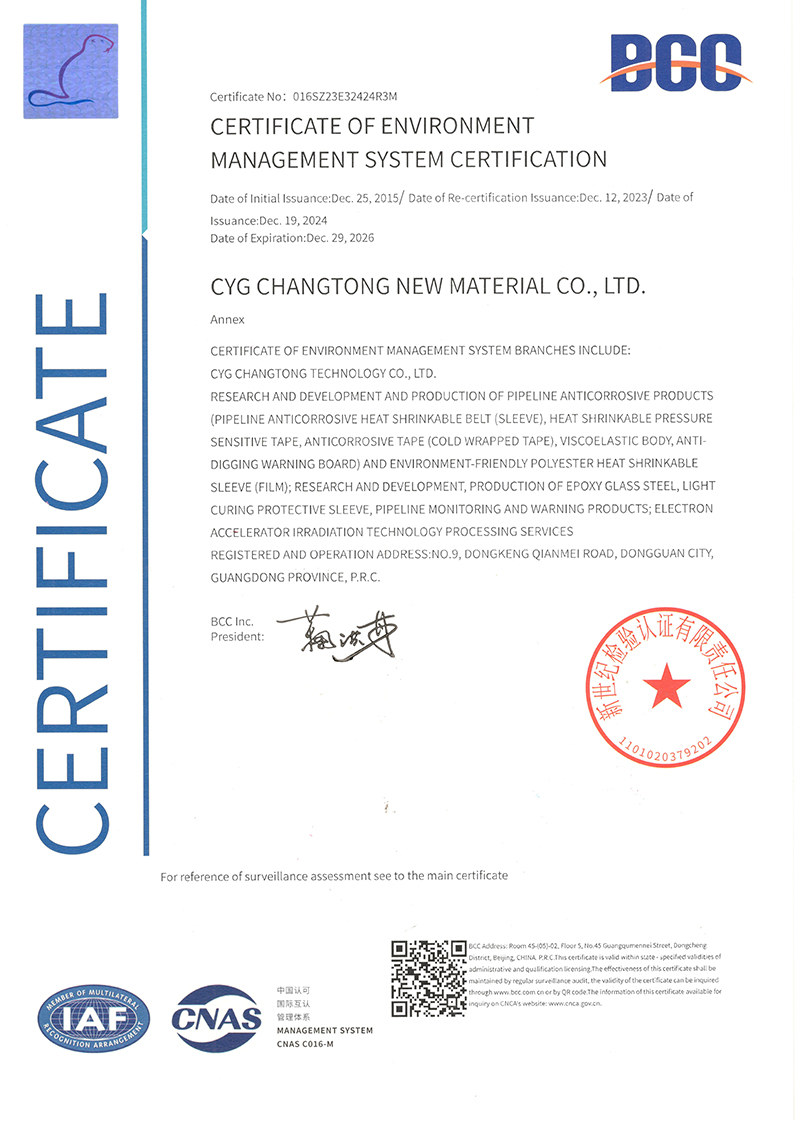
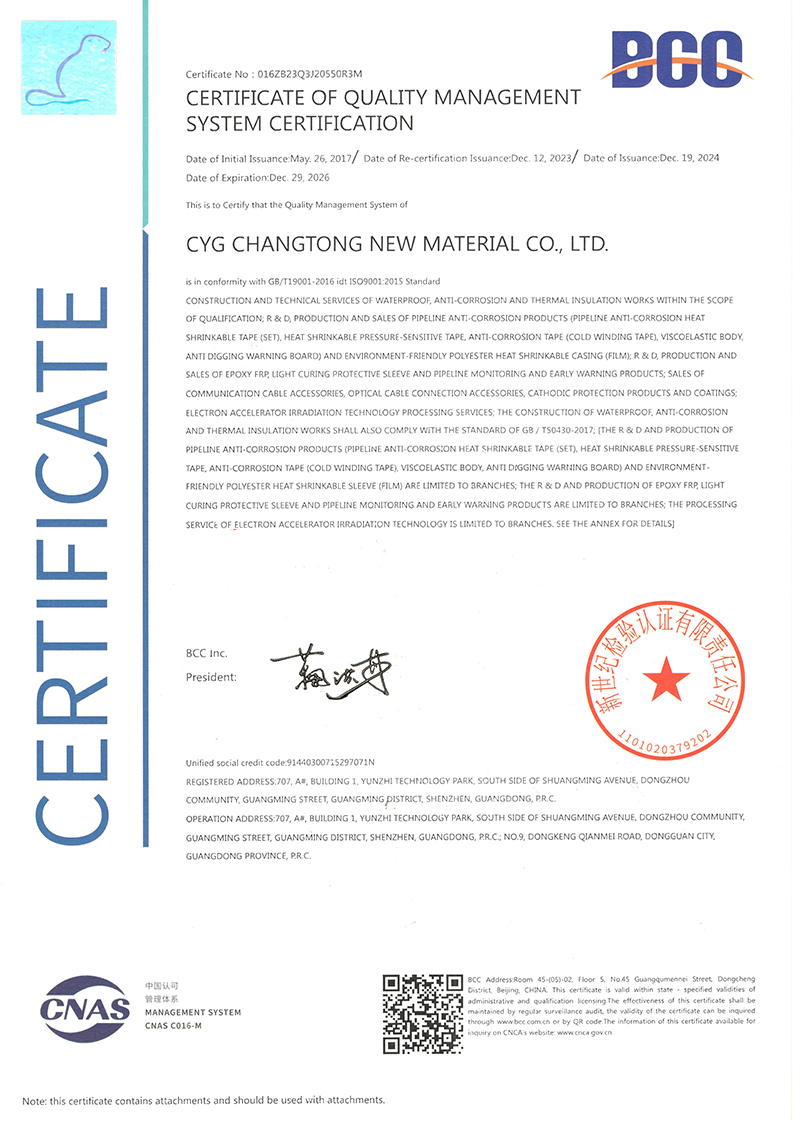
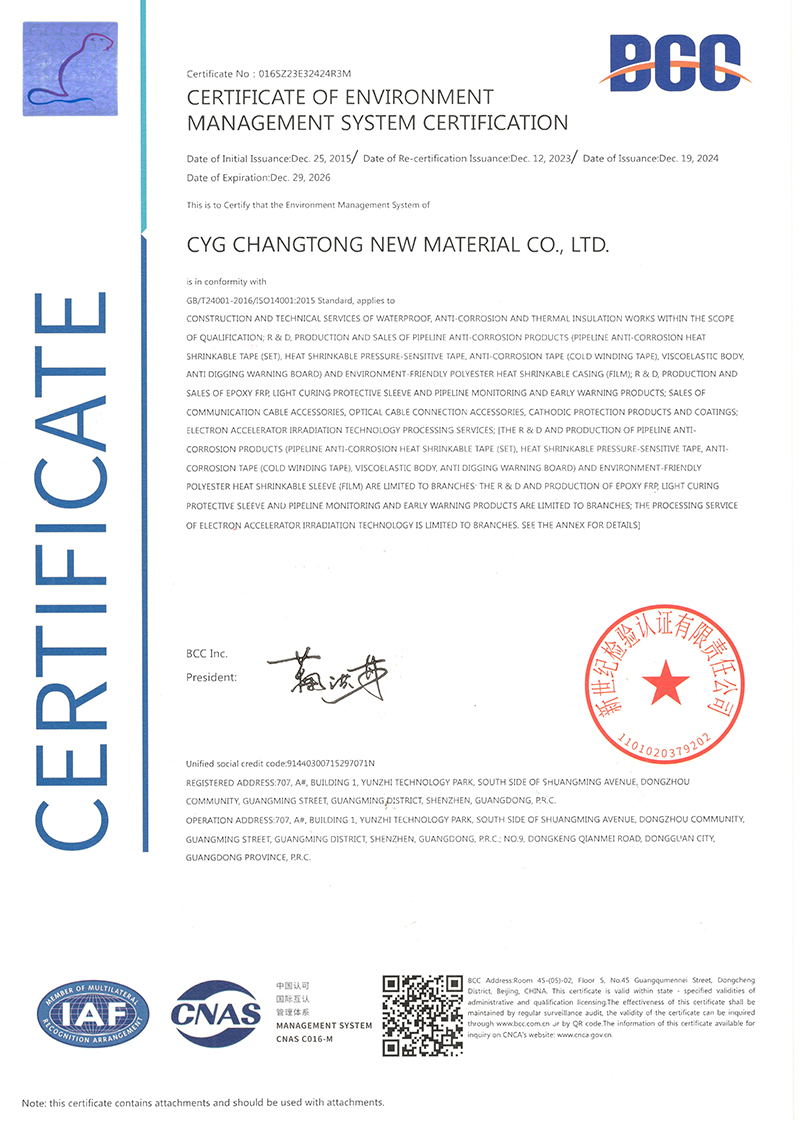
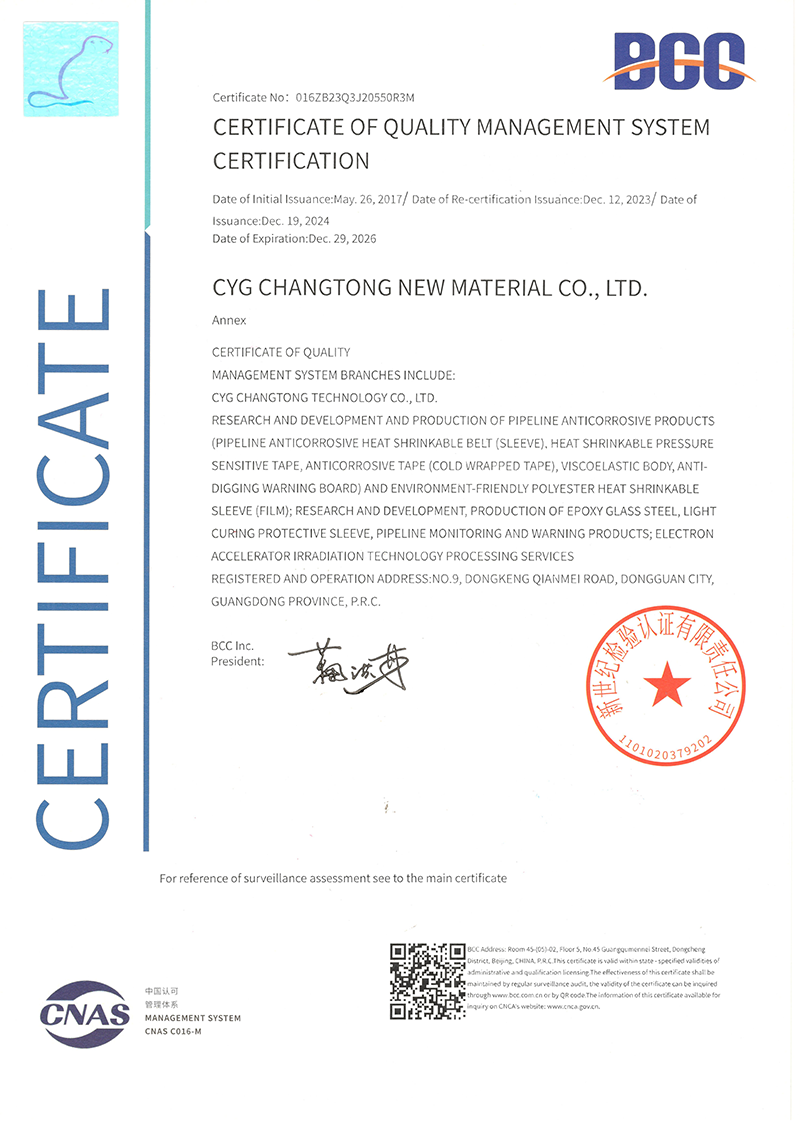
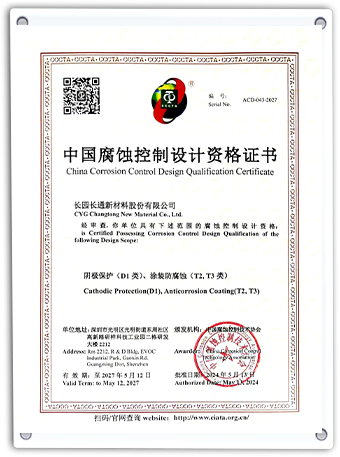
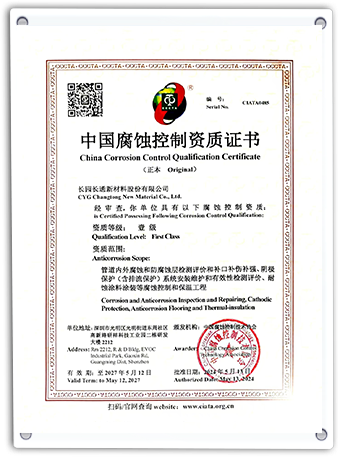
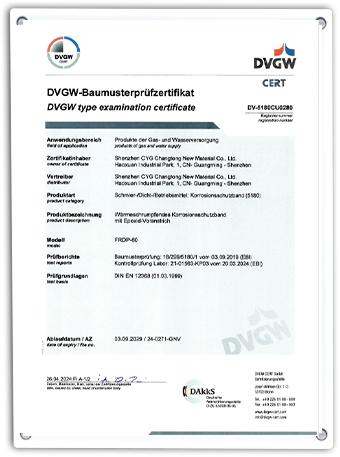
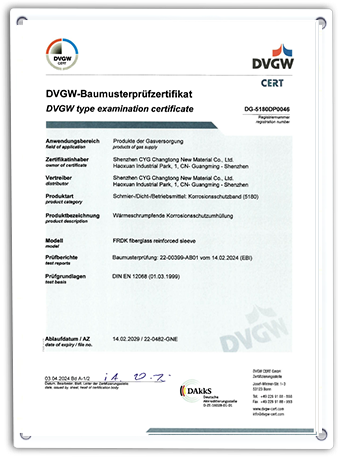
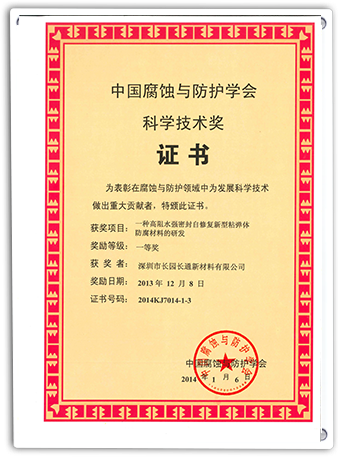
CYCT is a Council Member of the Chinese Society for Corrosion and Protection (CSCP) and holds qualifications in pipeline detection and construction. Our systems are verified by international standards including ISO 21809-3, EN 12068, and NACE/AMPP guidelines.
 CYCT
CYCT