High-performance joint coatings designed for extreme environmental and marine exposure
An Industry Whitepaper on Heat Shrink Pressure Sensitive Sleeves (HSPSS) in Northern European Climates
The United Kingdom's energy, water, and industrial transmission infrastructure is undergoing one of the most critical transformations in its history. As the nation updates its legacy networks to accommodate hydrogen blending, carbon capture and storage (CCS), and expanded offshore wind capabilities, securing pipeline integrity has become a primary national concern. In damp and highly saline environments like the North Sea and water-saturated onshore soils, external corrosion threatens trillions of pounds of infrastructure assets.
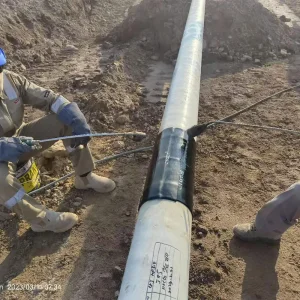
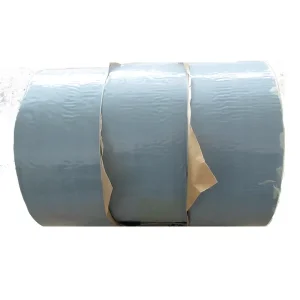
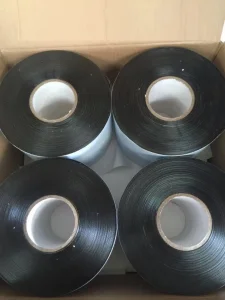
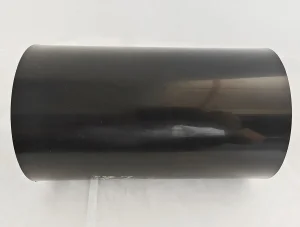
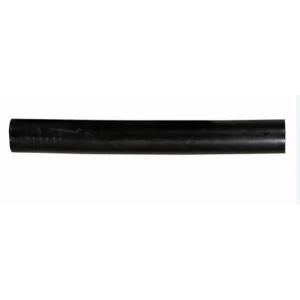
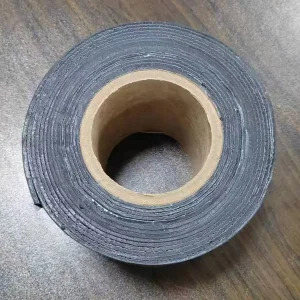
For decades, standard field joint coatings relied on conventional mastic or basic hot-melt adhesives. However, UK utility grids face dynamic load variations, high cathodic protection levels, and severe soil stress conditions (particularly in heavy clay soils). This has driven the industry toward the adoption of Heat Shrink Pressure Sensitive Sleeves (HSPSS). These sleeves combine a high-performance radiation cross-linked high-density polyethylene (HDPE) backing with a specialized pressure-sensitive mastic or visco-elastic layer.
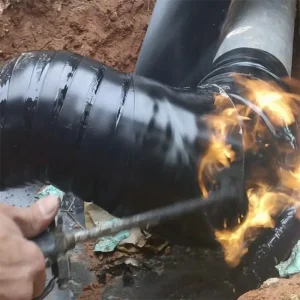
The cross-linked backing possesses a shape-memory effect. Upon the application of heat via a gas torch, it shrinks to create a powerful radial compression force on the pipe joint. The pressure-sensitive adhesive flows into surface microscopic voids, forming a continuous barrier that resists moisture ingress. Crucially, the viscoelastic and pressure-sensitive characteristics guarantee self-healing properties: if the coating suffers minor damage from installation backfill, the adhesive cold-flows to seal the breach, avoiding catastrophic cathodic disbondment.
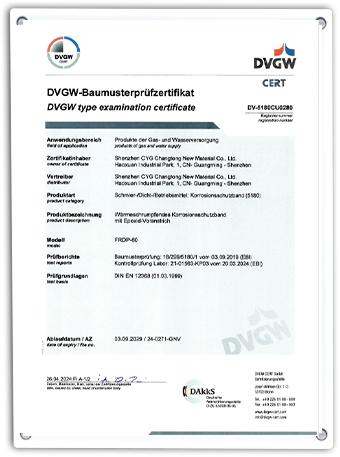
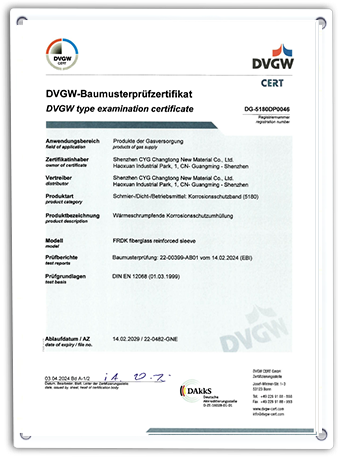
UK pipeline engineers prioritize adherence to international and local regulatory protocols. Field joint applications must conform to BS EN 12068 (specifically Class C50 and C80 designations) and ISO 21809-3. Furthermore, pipeline networks operated by gas distribution companies (such as Cadent, SGN, NGN, and Wales & West Utilities) demand compliance with GIS/PL2-4 specifications for steel corrosion protection. CYCT's Heat Shrink Pressure Sensitive Sleeves are formulated and comprehensively lab-tested to meet these strict specifications, ensuring seamless integration into public utilities and offshore offshore pipeline campaigns.
| Parameter / Feature | Conventional Hot-Melt Sleeves | CYCT Pressure Sensitive (PSA) Sleeves | Viscoelastic Anticorrosion Systems |
|---|---|---|---|
| Installation Pre-heating | Requires 60°C - 90°C surface temp | Minimal (room temperature tack) | No preheating required |
| Shear Resistance | Medium to High | Excellent (designed for high soil stress) | Lower shear strength (needs outer wrap) |
| Self-Healing Capability | Poor | Excellent (adhesive flows under stress) | Superior (100% visco-elastic flow) |
| Cathodic Disbondment (CD) | <15mm at elevated temperatures | <5mm at 23°C/60°C (Complies with ISO) | <2mm at standard parameters |
| Standard Compliance | EN 12068 Class B | EN 12068 Class C80 / ISO 21809-3 Type 2B | ISO 21809-3 Type 5A / ISO 21809-3 Type 5B |
Complete field-joint accessory catalog for high-temperature and heavy shear applications
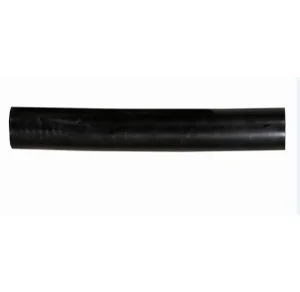
Vertical integration, raw material dominance, and fast ocean transport coordination
Unlike regional suppliers who buy semi-finished backing material, CYCT handles polymer compounding, adhesive formulating, extrusion, and electron beam cross-linking in-house. This shields our UK clients from upstream pricing volatility.
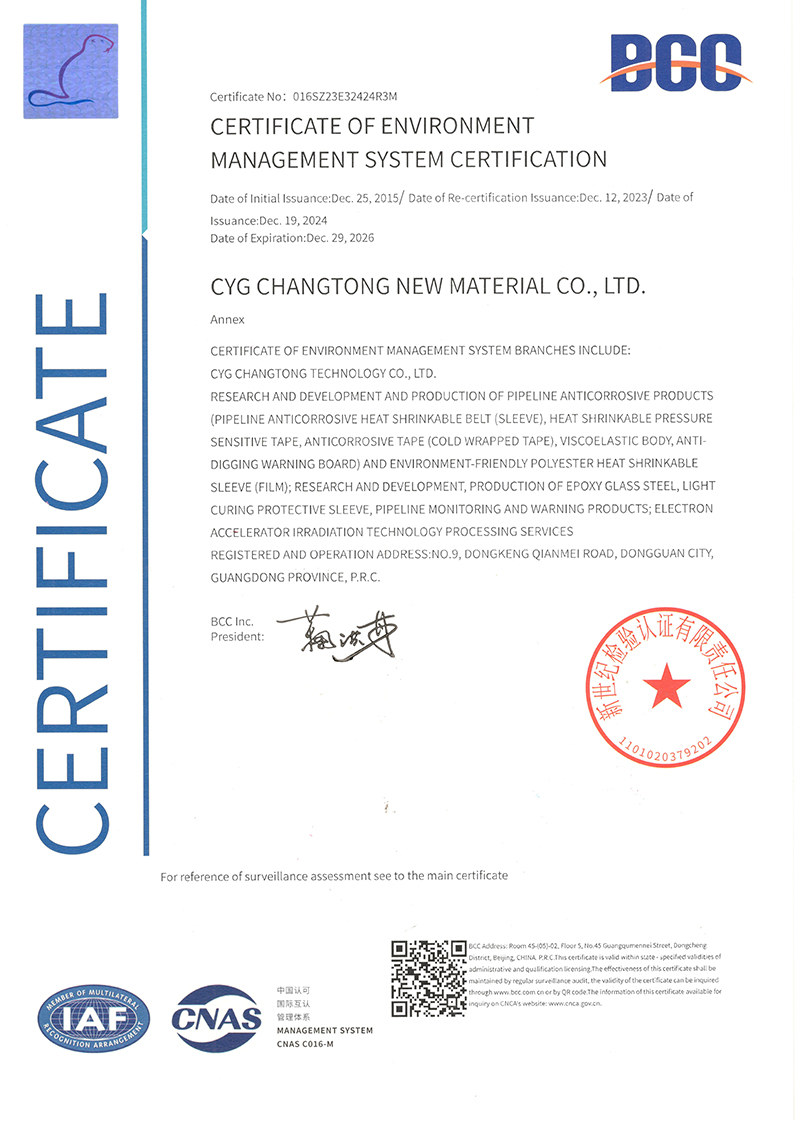
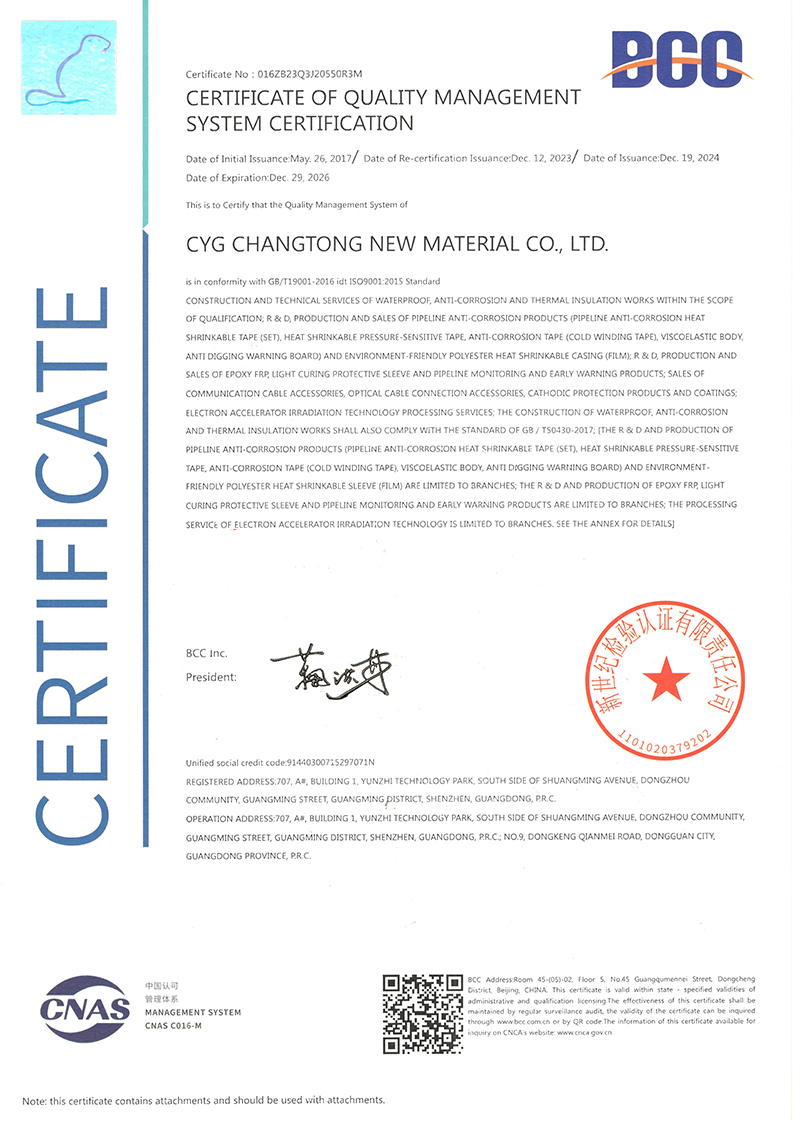
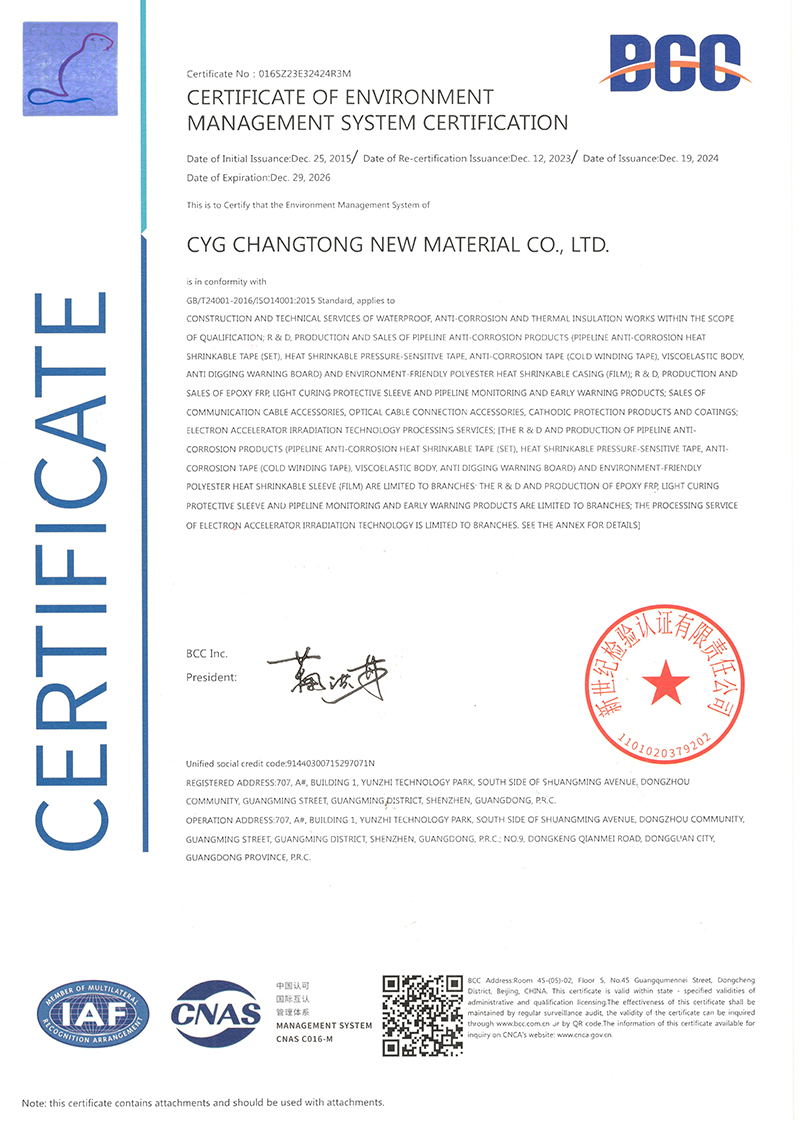
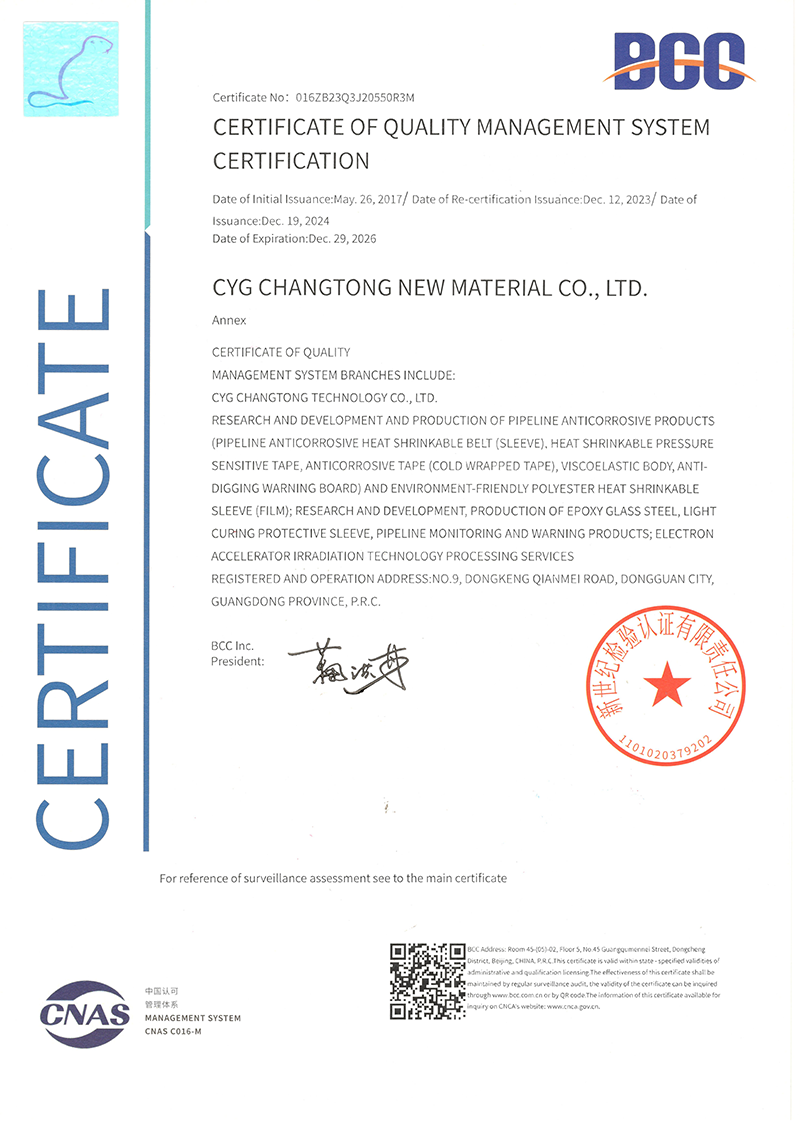
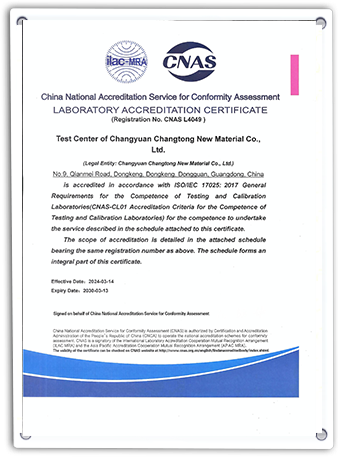
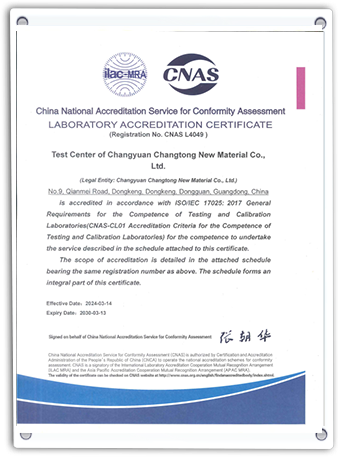
Our dedicated National CNAS accredited test laboratory executes extensive batch testing. Every export batch destined for major ports like Felixstowe or Southampton comes with complete traceability reports, including lap shear and peel tests.
Operating from highly accessible coastal production clusters, we coordinate with top-tier ocean carriers (Maersk, COSCO, MSC) to execute standard container or air-freight deliveries directly to your projects in England, Scotland, or Wales.
As the UK pushes forward with its Net Zero by 2050 target, the domestic gas network is rapidly transitioning to transport hydrogen blends. Hydrogen gas molecules, being significantly smaller than methane, present unique diffusion profiles. Field joint coatings must exhibit zero structural vulnerability and prevent hydrogen-induced cracking (HIC) at steel interfaces.
CYCT is proactively formulating next-generation viscoelastic and polymer blends designed to withstand the physical-chemical variations of high-pressure hydrogen pipelines. By choosing CYCT as your manufacturing partner, you secure a pipeline asset that is ready for future clean energy transitions without expensive rehabilitation.
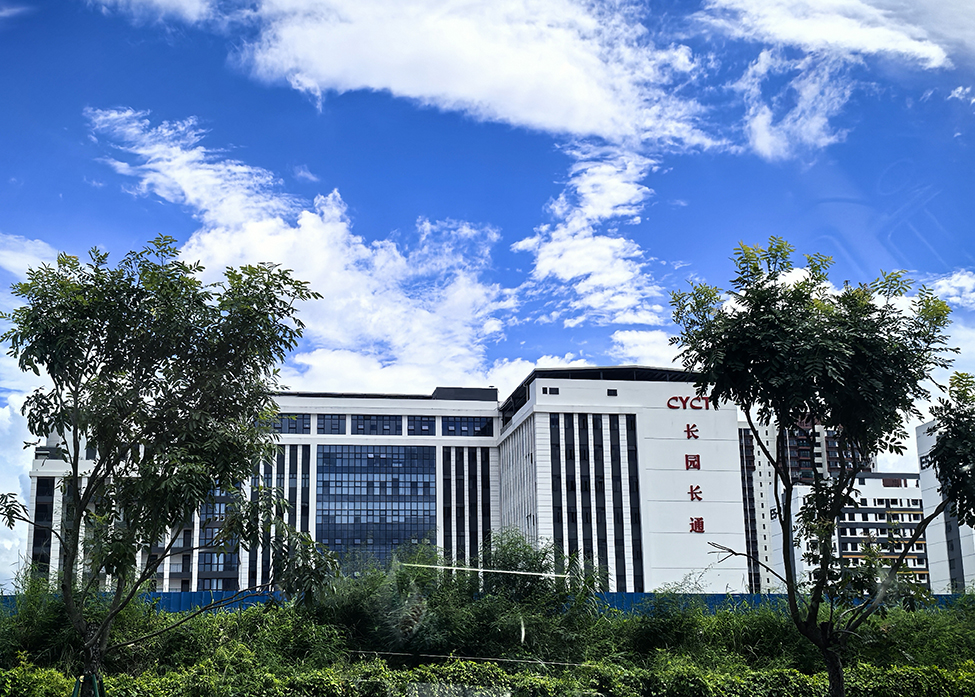
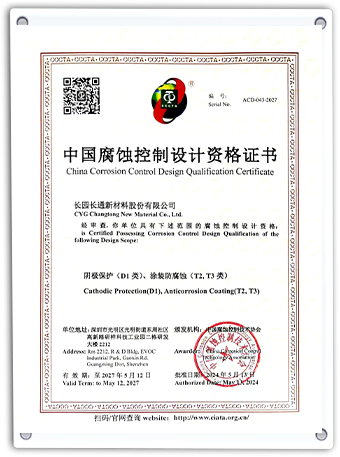
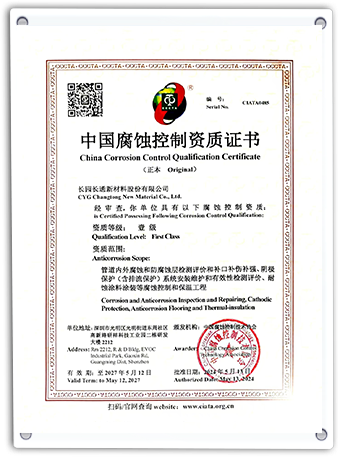
CYCT New Materials Company Limited (for short, CYCT) is a state-level high-tech enterprise integrating R&D, production and sales of pipeline corrosion protection materials as well as buried pipeline detection service and pipeline coating field application service into one.
CYCT devotes itself to R&D, production and sales of pipeline corrosion protection materials for decades. The company owns leading testing and R&D capabilities, a professional R&D team, and a national CNAS-accredited laboratory.
CYCT has become a stable supplier of field joint coatings for years in PetroChina, Sinopec, PipeChina, and local pipelines, commandimg a dominant market share. Furthermore, CYCT has successfully developed and introduced a number of specialty corrosion protection materials such as visco-elastic anticorrosion materials, special photo-curing sleeves for HDD protection, and polyurea coatings.
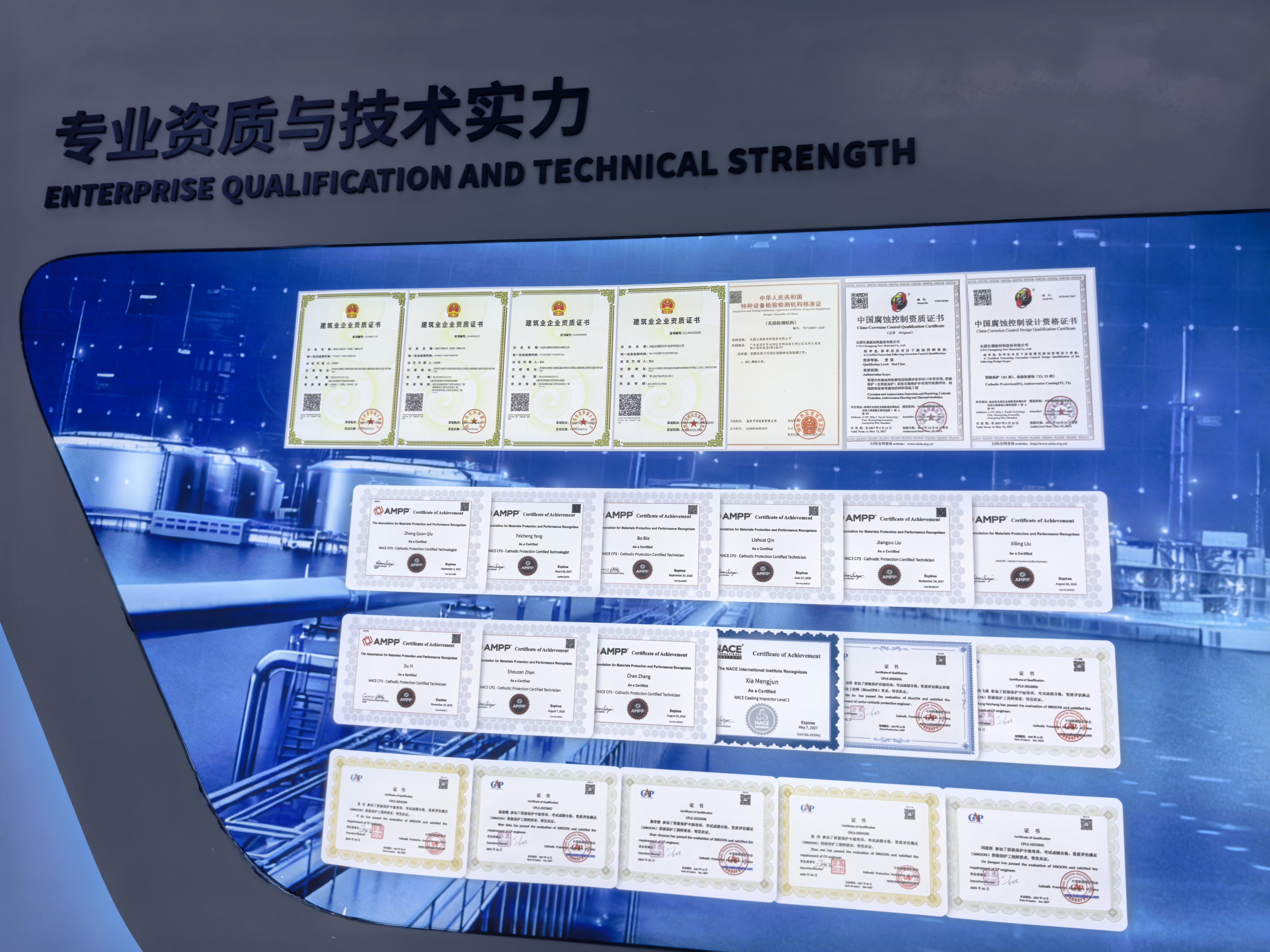

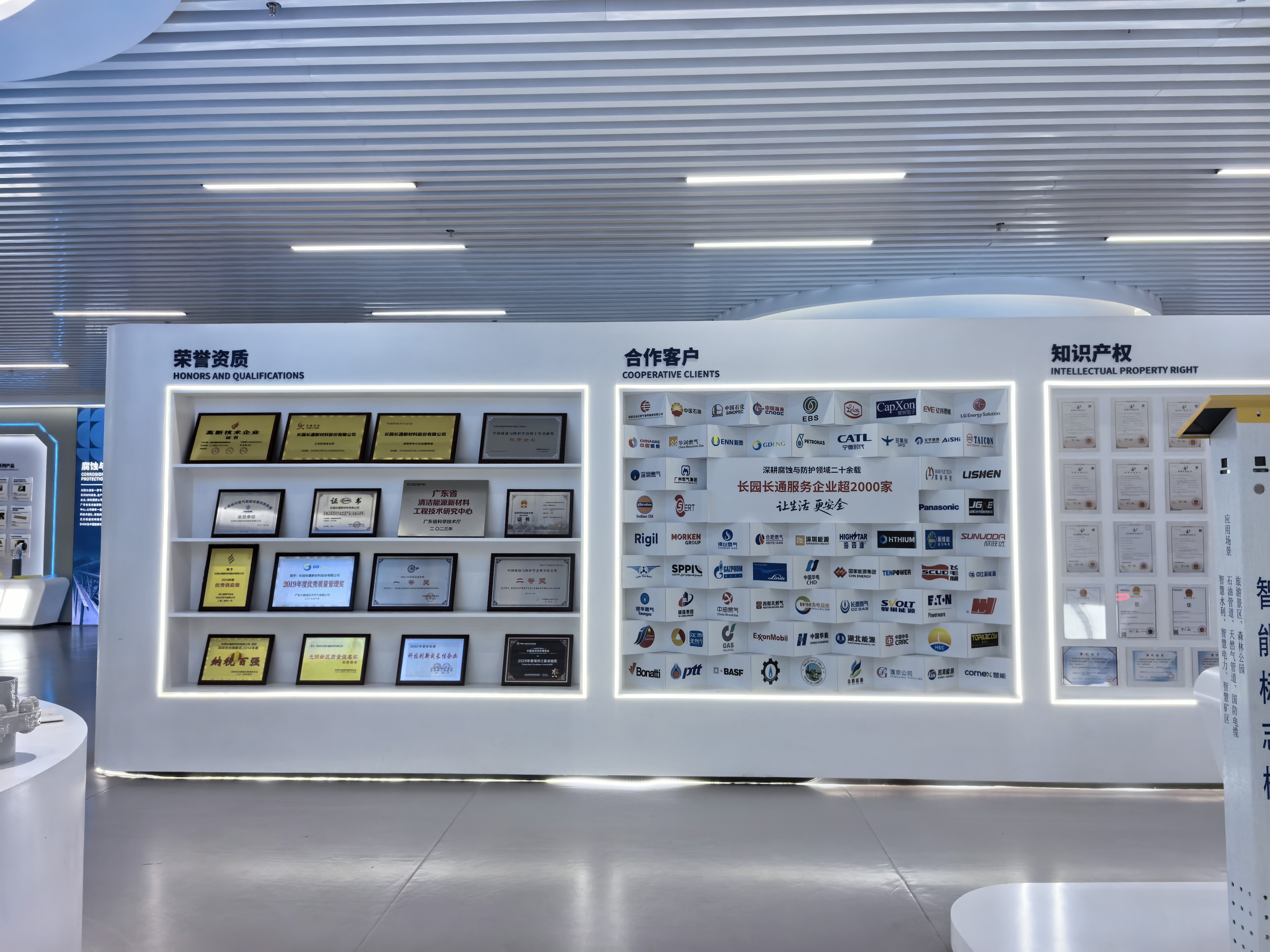
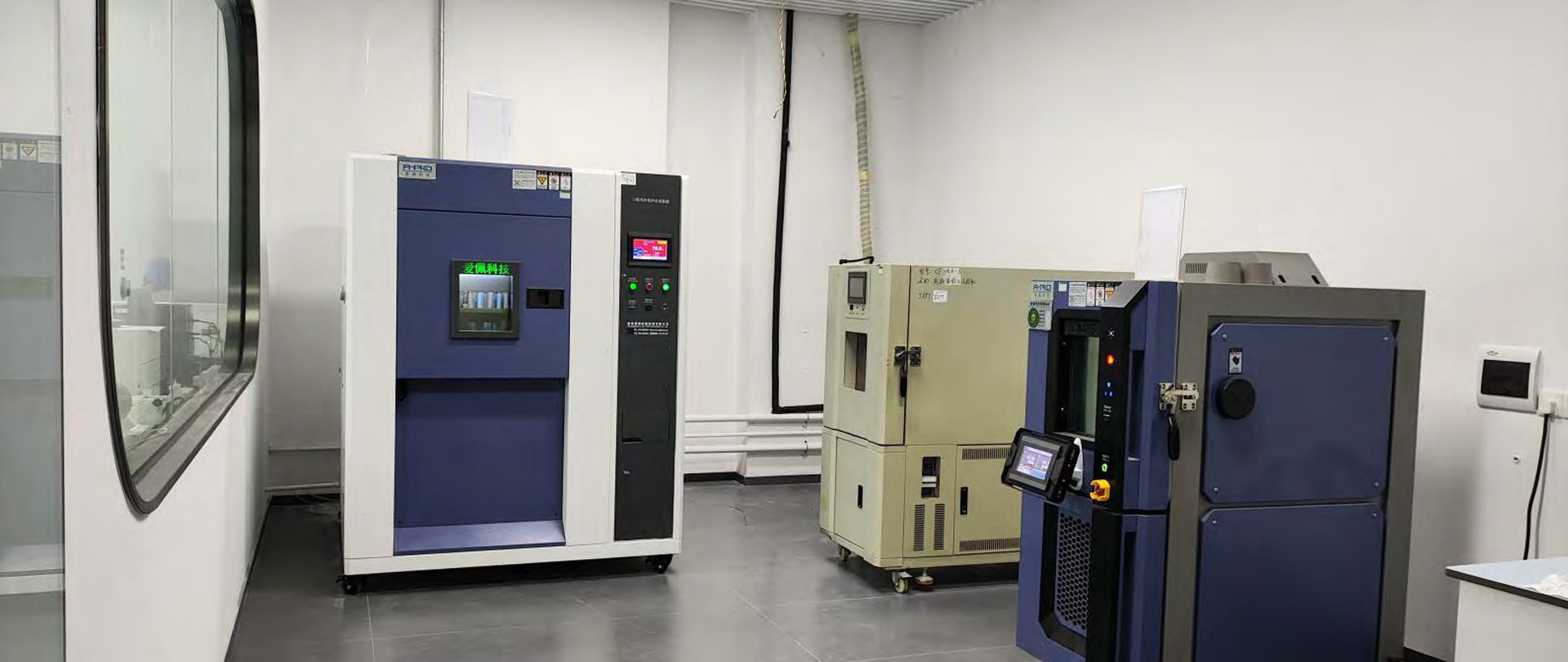
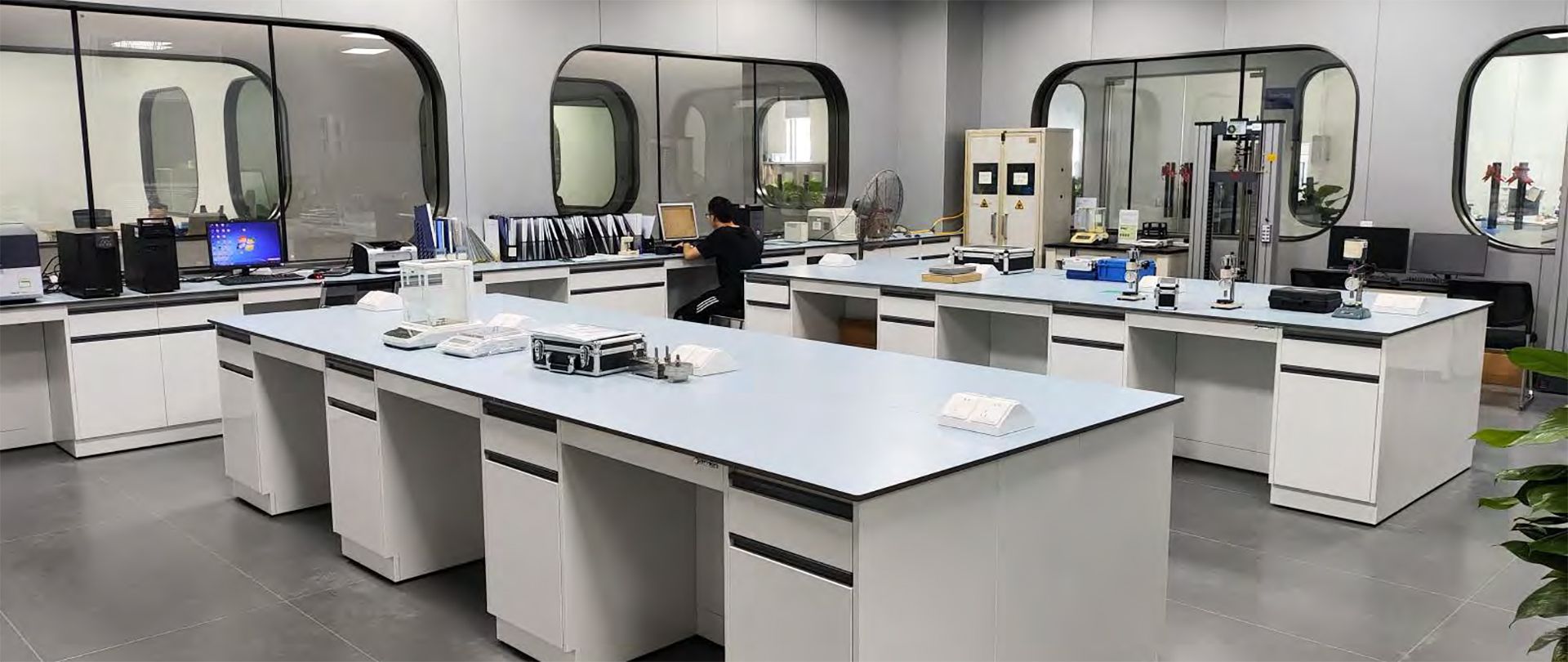
By maintaining deep strategic cooperation with premier R&D institutes such as the CNPC Pipeline Science Research Institute, CYCT is uniquely positioned to provide in-service pipelines with varied technical services, including buried pipeline detection, design schemes, cathodic protection, rehabilitation projects, and integrated security solutions.
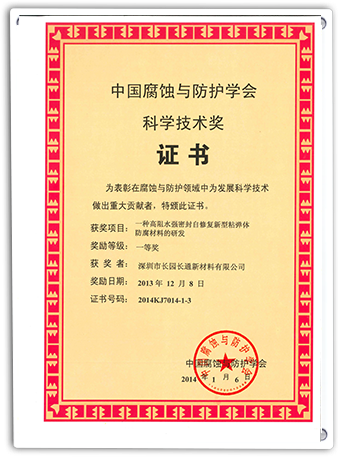
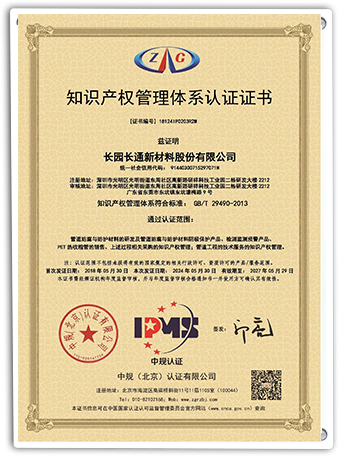
Professional Memberships: Member of Council in Chinese Society for Corrosion and Protection (CSCP), Corporate Member of China Association of Petroleum Engineering Construction (CAPEC), certified State-Level High-Tech Enterprise with dozens of proprietary patents and intellectual property rights. Supplier to PetroChina, Sinopec, China Gas Group, and Indian Oil.
Need customized sizes or special specifications for UK gas or marine projects?
Send Inquiry NowExplore our full range of field joint systems, repair patches, and high-performance sticks
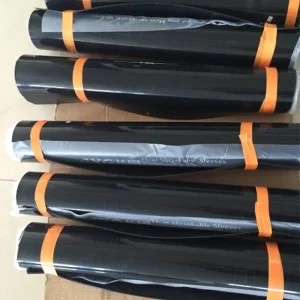
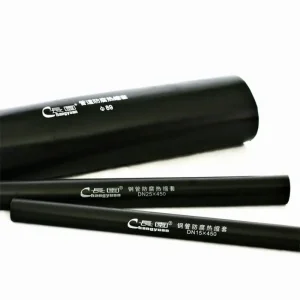
Expert clarifications on specifications, application, and compliance for UK pipeline projects
Our sleeves are designed to satisfy Class C50 and Class C80 requirements according to EN 12068. The mechanical strength, impact resistance, and indentation resistance tests are regularly executed in our CNAS laboratory. This confirms the sleeve's long-term capability under severe soil load stresses commonly encountered in wet clay environments across the UK.
CYCT supplies both two-layer (no primer) and three-layer (epoxy primer required) heat shrinkable sleeve configurations. For our pressure-sensitive/viscoelastic mastic sleeves, they can be directly applied to SA 2.5 blasted steel surfaces with minimal pre-heating, as the adhesive exhibits a powerful physical bond immediately upon contact.
Yes. Our heat shrinkable sleeves and repair patches are designed specifically for excellent adhesion to both the bare steel joint area and the adjacent factory-applied parent coatings, including 3LPE (Three-Layer Polyethylene), 3LPP, and FBE (Fusion Bonded Epoxy).
When stored in their original packaging in dry, ventilated conditions at temperatures below 35°C, CYCT sleeves have a shelf life of up to 3 years. This guarantees that stock held in UK distribution centers or construction laydown yards maintains its optimal mechanical and adhesive properties.
Yes. For trenchless installations (HDD) which subject the field joints to extreme abrasion and shear forces, we recommend pairing our heat shrink sleeves with our specialized photo-curing protective outer wrap sleeves. This composite system prevents mechanical damage to the primary anti-corrosion barrier.
Contact our engineering desk today to obtain technical specifications, compliant test records, or direct factory quotes.
Send Inquiry Now CYCT
CYCT