High-performance solutions designed to meet the rigorous offshore and onshore pipeline safety requirements of the North Sea region.
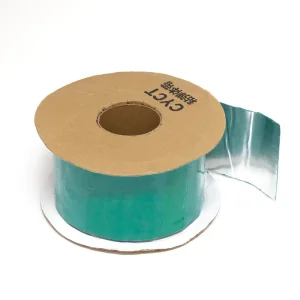
An In-Depth Engineering Analysis of Field Joint Coating Systems (FJC) in High-Stakes Marine Environments
Norway is a global leader in offshore oil and gas production, holding vast subsea networks across the Norwegian Sea, the North Sea, and the Barents Sea. The region’s subsea pipelines are subjected to some of the most challenging conditions on earth: extreme depth pressure, corrosive saline waters, dynamic tectonic movements on the seabed, and low temperatures (frequently hovering around 0°C to 4°C). The integrity of these pipelines is paramount to preventing environmental incidents and securing European energy supplies.
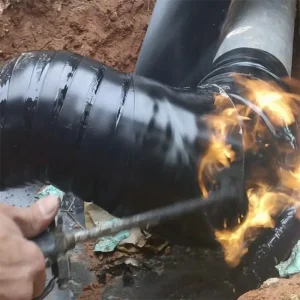
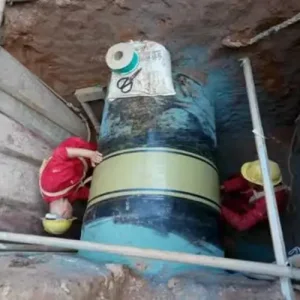
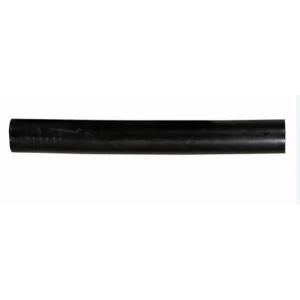
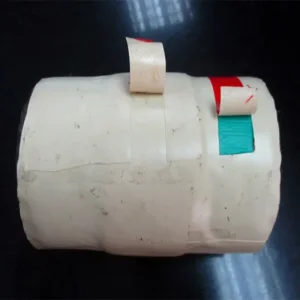
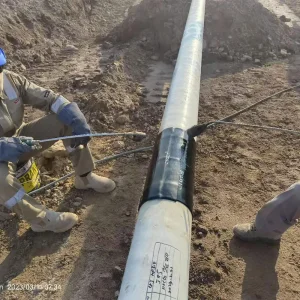
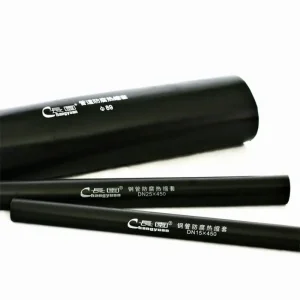
Field Joint Coatings (FJC)—specifically Fiber-Reinforced Dual-Layer Polypropylene (FRDP-PP) Heat Shrink Sleeves—have become the preferred industry solution. In Norway’s subsea sector, pipelines carrying hydrocarbons operate at high temperatures to maintain fluidity. The high-temperature stability of polypropylene (up to 110°C or even 120°C in continuous operation) makes it superior to polyethylene-based coatings, which degrade under high thermal stress. Furthermore, fjord-crossing projects and deepwater offshore installations require materials that comply with the strictest local regulations, such as Equinor's internal standards, NORSOK, and ISO 21809-3.
Unlike standard PE sleeves, FRDP-PP features a cross-linked polypropylene backing combined with a heavy-duty, high-shear hot melt adhesive. This dual-layer configuration provides optimal resistance against mechanical damage during laybarge installations (S-lay and J-lay deployment), where rollers exert enormous radial and axial forces on the field joints.
The global demand for high-performance pipeline corrosion protection has escalated due to the extension of pipeline lifespans and the expansion of oil, gas, hydrogen, and carbon capture networks. Major infrastructure developments in the North Sea, the Gulf of Mexico, the Middle East, and the Asia-Pacific region are pushing the limits of materials science. The transition from older 2-layer polyethylene (2LPE) coatings to advanced 3-layer polypropylene (3LPP) factory coatings has driven a corresponding transition in field joint coatings.
Globally, field joints represent the most vulnerable part of any pipeline. Statistically, over 70% of external corrosion failures in buried or offshore pipelines originate at the field joints. As a result, pipeline operators are moving away from manual, low-specification wraps toward highly engineered, radiation-crosslinked polypropylene systems that create a monolithic bond with the parent 3LPP coating.
For Norwegian and global procurement teams, sourcing from a tier-1 Chinese manufacturer like CYCT New Materials Company Limited (CYCT) presents a significant competitive advantage. Combining cost-efficiency with high-tier technical standards, CYCT offers an optimized supply chain that matches the capabilities of traditional European or North American manufacturers.
The unique geographic features of Norway require targeted anti-corrosion engineering designs:
As Norway transitions to a green industrial economy, the reuse of existing natural gas pipelines for hydrogen transport and the construction of new CO2 pipelines for Carbon Capture and Storage (CCS) (such as the Northern Lights project) present new corrosion challenges. Carbon dioxide transport involves phase-change dynamics that can cause severe localized cooling (Joule-Thomson effect). Specialized field joint coatings must be able to withstand rapid temperature drops while retaining flexibility. CYCT is actively researching next-generation viscoelastic and modified PP formulations to address these low-temperature thermal shock scenarios, ensuring that pipelines remain secure for decades to come.
CYCT New Materials Company Limited — Founded in 2000, Leading Pipeline Protection Technology
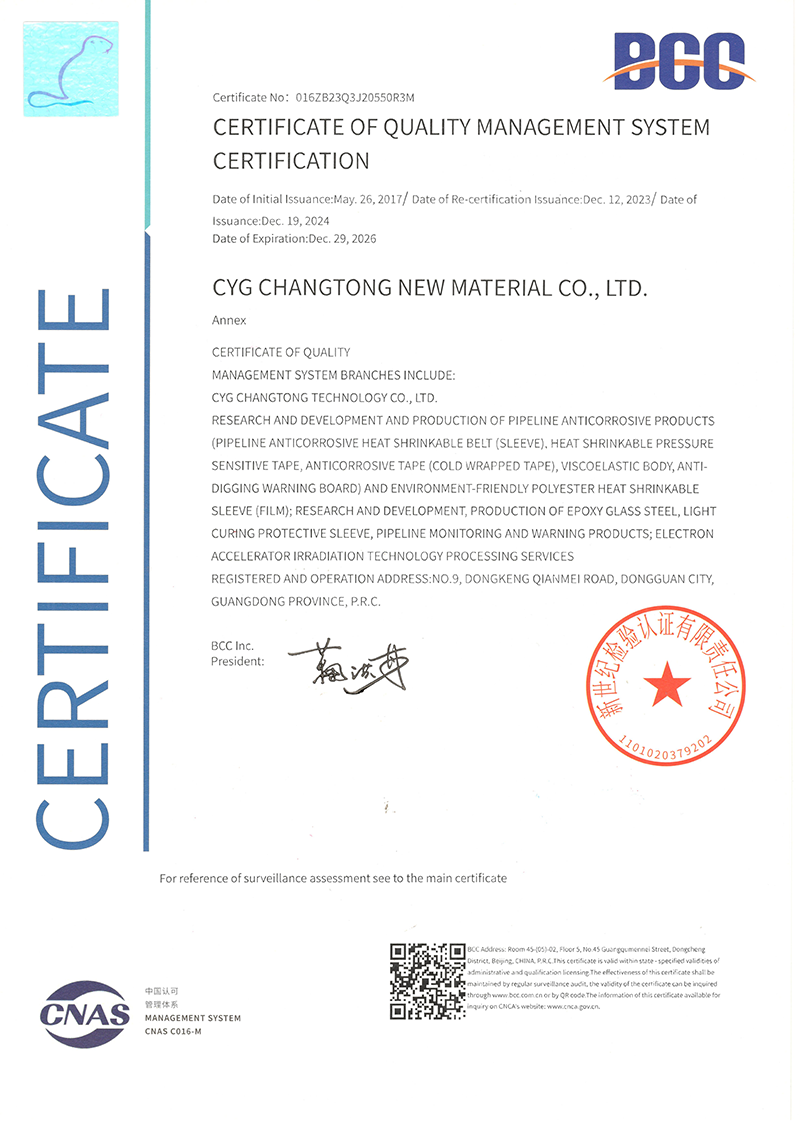
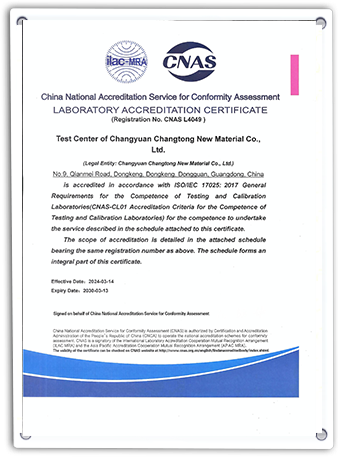
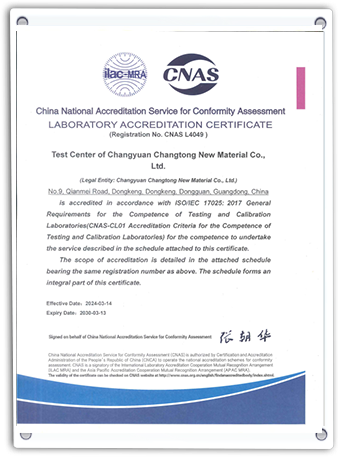
CYCT New Materials Company Limited (for short, CYCT) is a state-level high-tech enterprise integrating R&D, production and sales of pipeline corrosion protection materials as well as buried pipeline detection service and pipeline coating field application service into one. CYCT devotes itself to R&D, production and sales of pipeline corrosion protection materials for decades. The company owns leading testing and R&D capabilities, a professional R&D team, and a national CNAS-accredited laboratory.
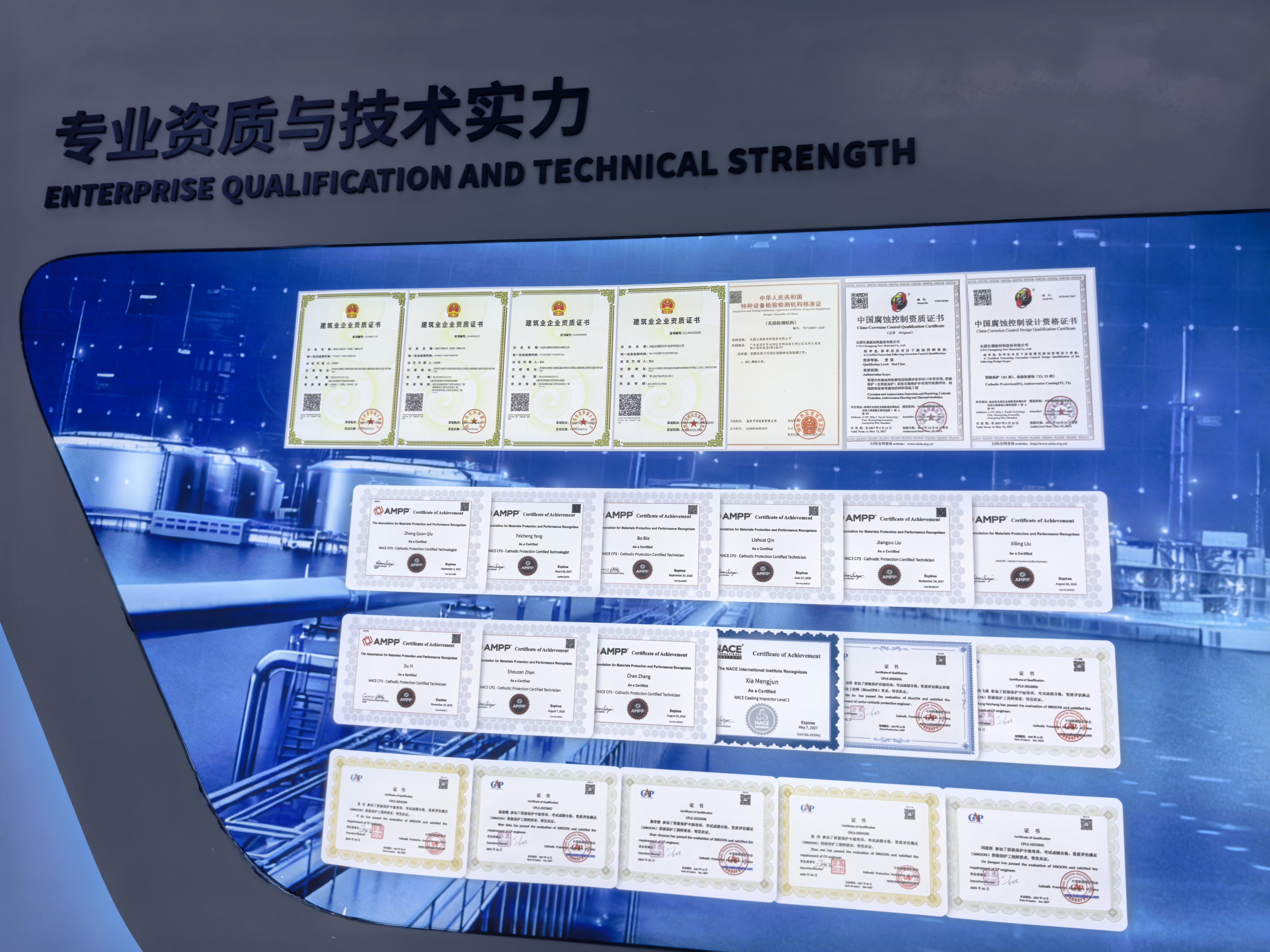
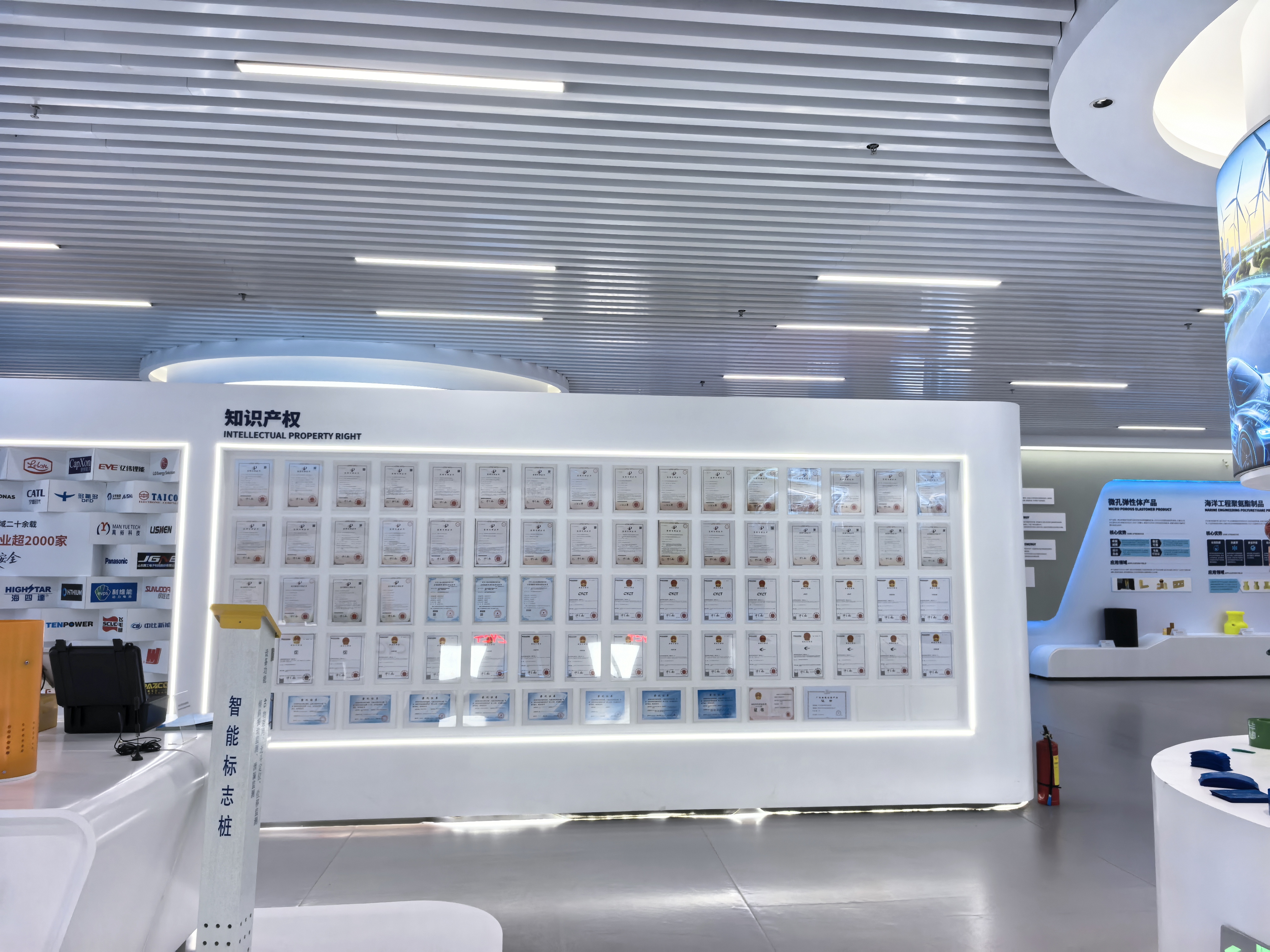
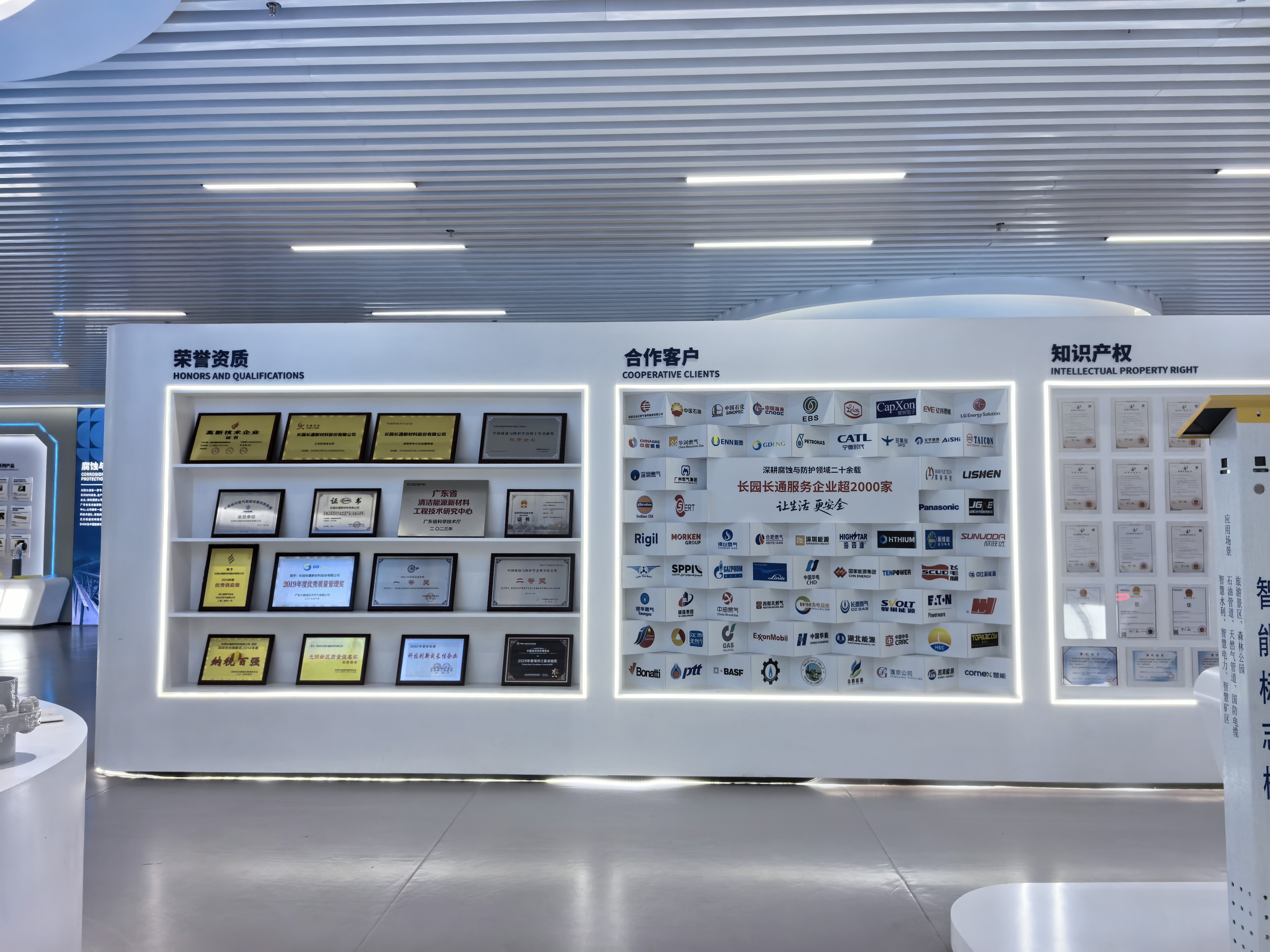
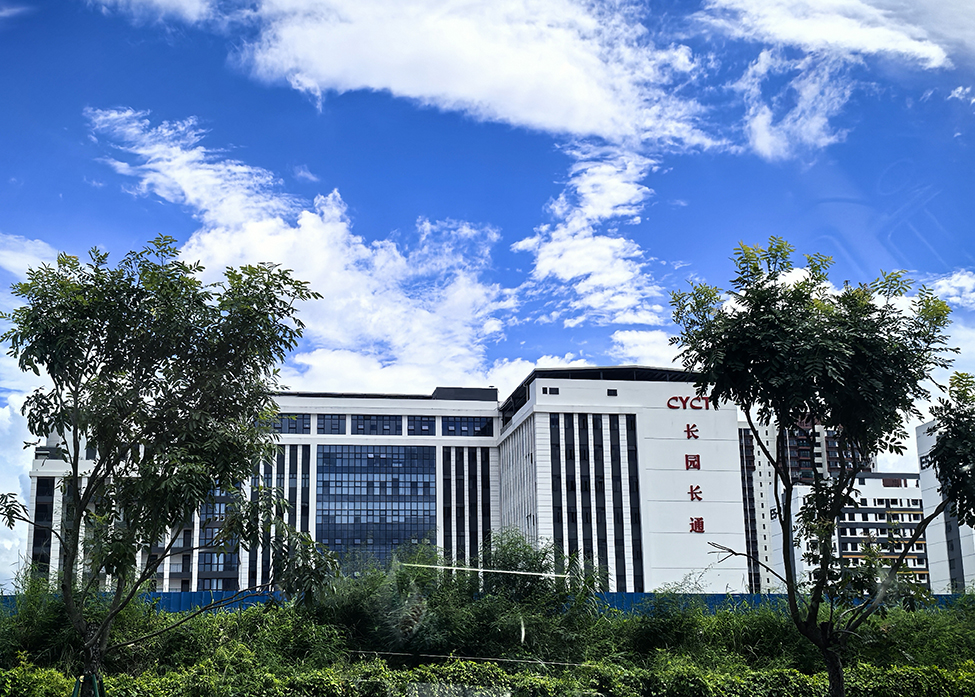
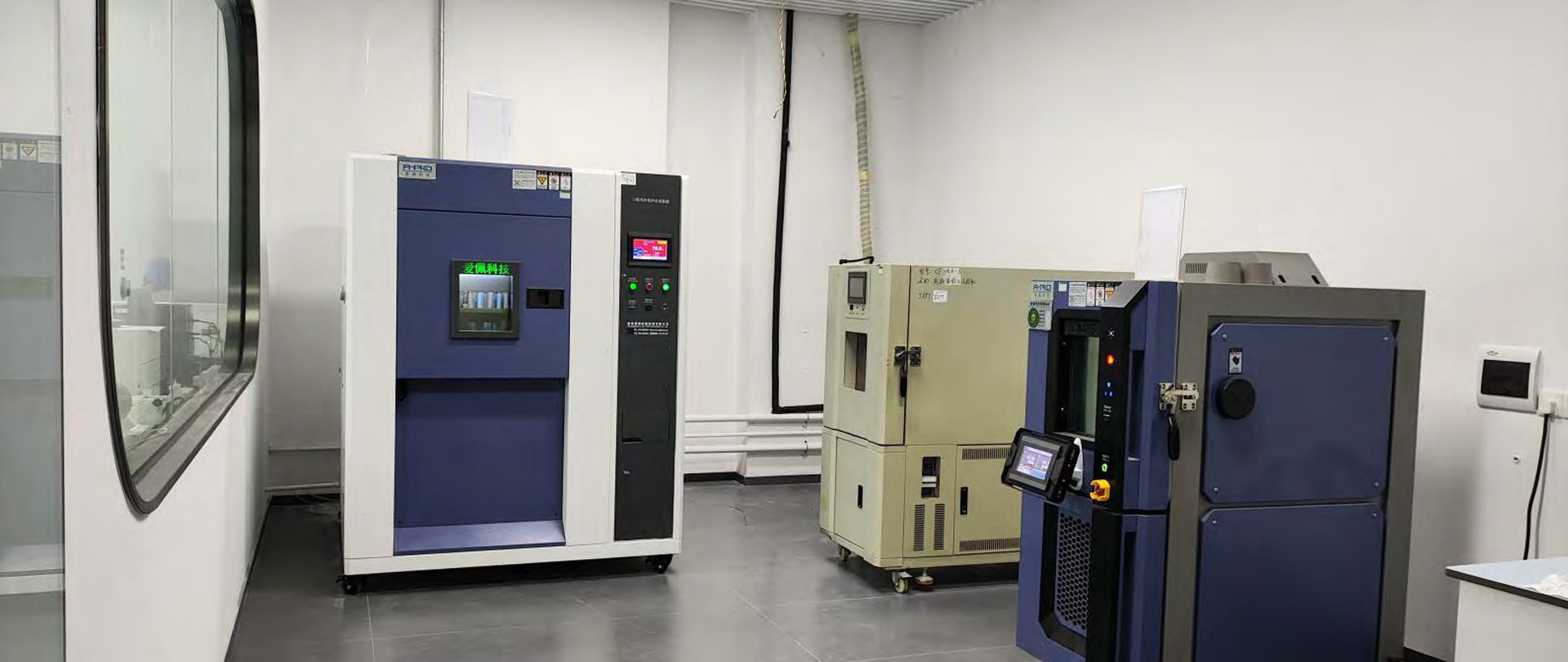
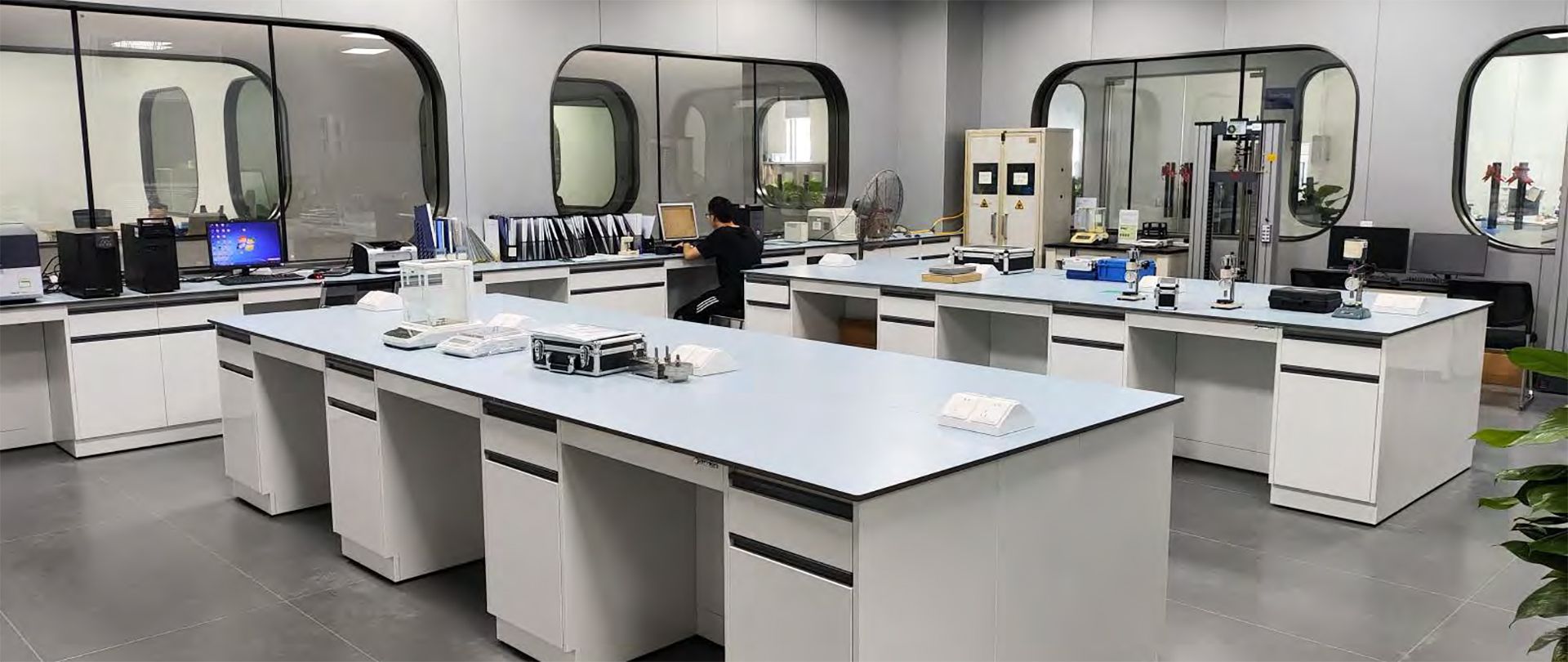
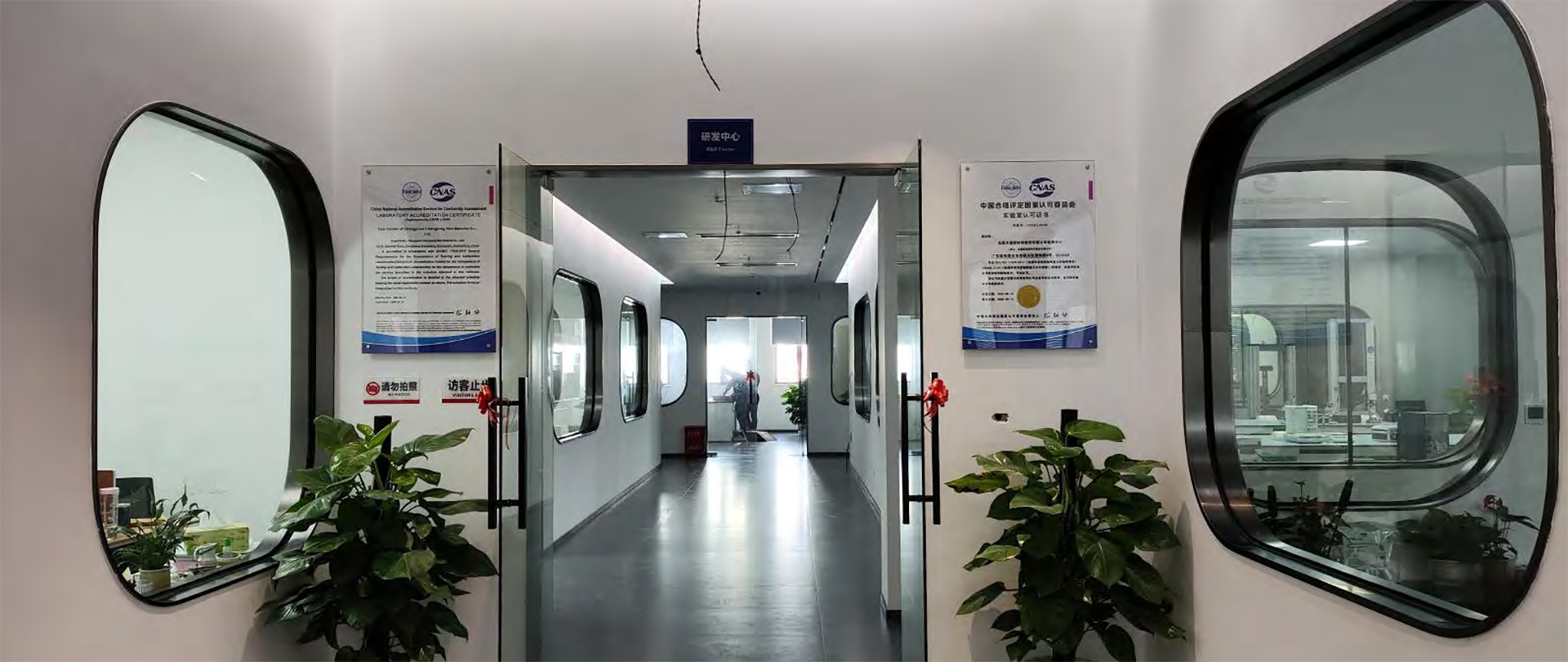
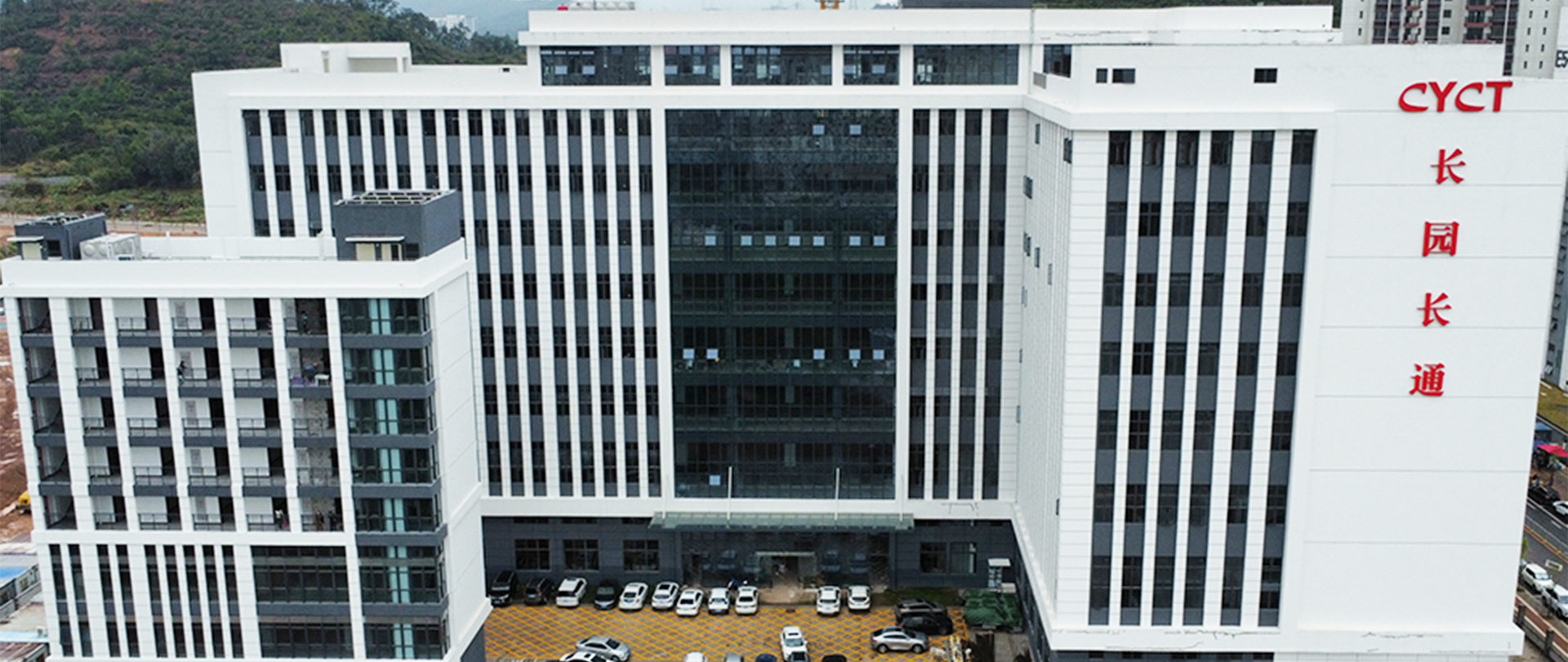
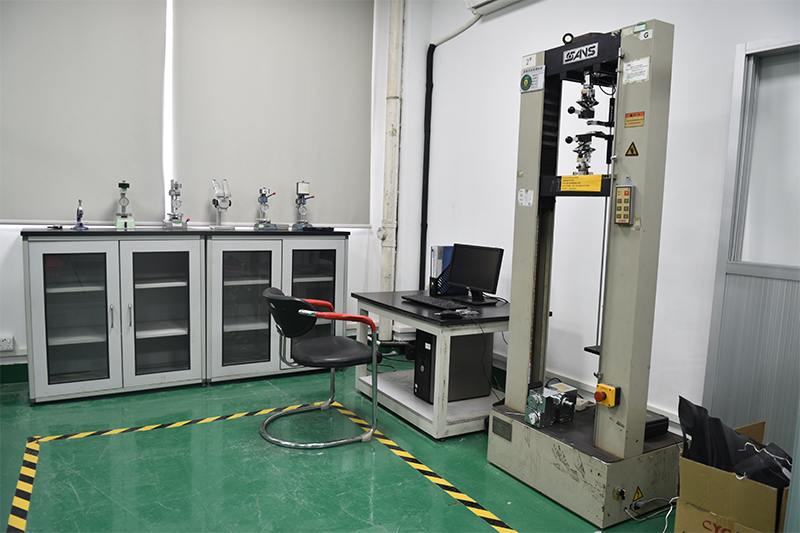
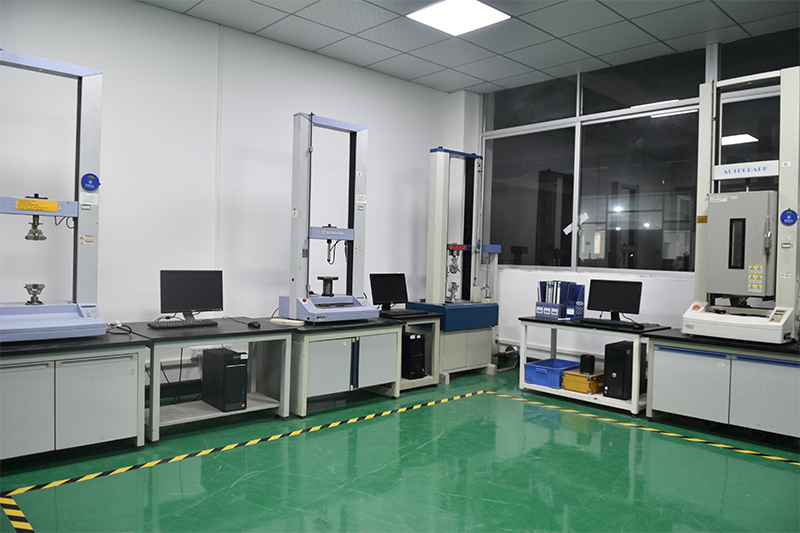
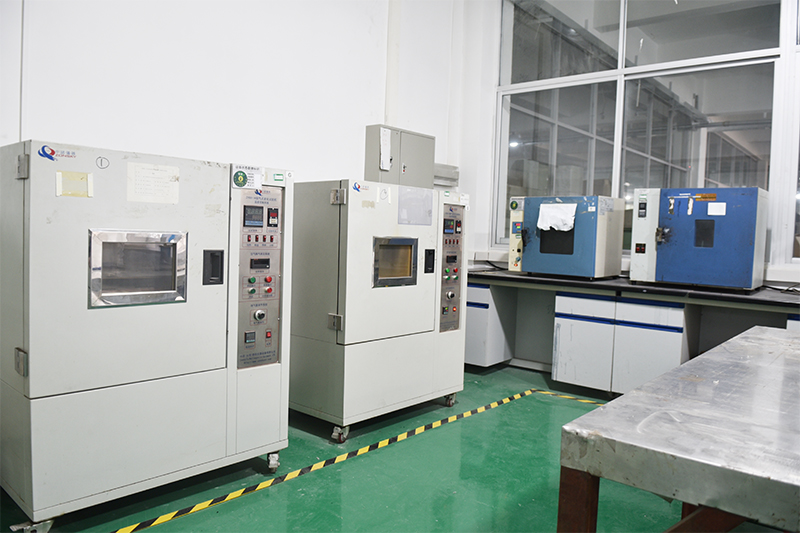
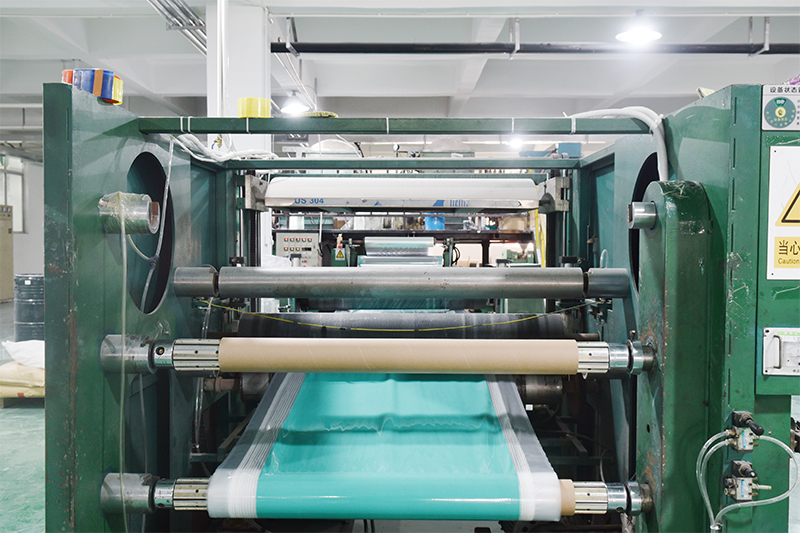
CYCT has become a stable supplier of field joint coating for years to PetroChina, Sinopec, PipeChina and local pipelines, maintaining an exceptionally high market share. Furthermore, CYCT has successfully developed and introduced a number of specialty corrosion protection materials such as viscoelastic anticorrosion materials, special photo-curing sleeves for HDD (Horizontal Directional Drilling) protection, and polyurea coatings.
By establishing strategic cooperations with leading R&D institutes such as the CNPC Pipeline Science Research Institute, CYCT is capable of providing in-service pipelines with varied technical services such as buried pipeline detection, project design schemes, cathodic protection, rehabilitation projects, and integrated solutions for the safety protection of pipelines.
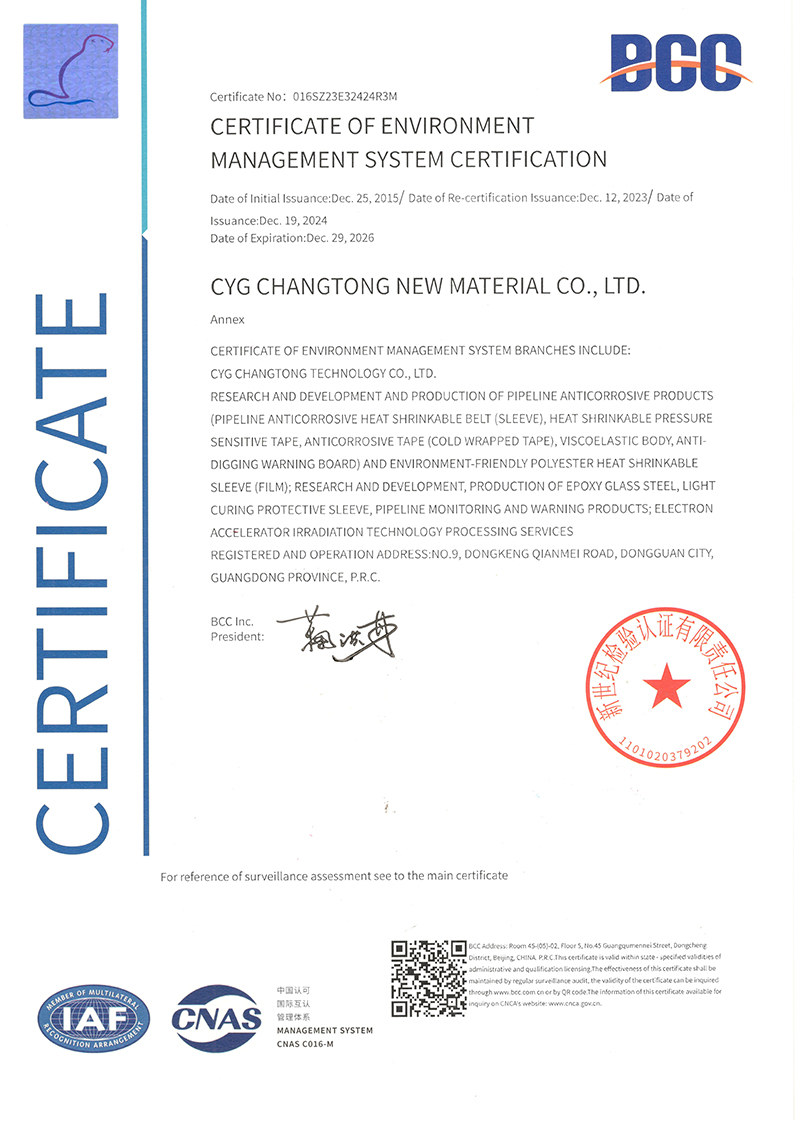
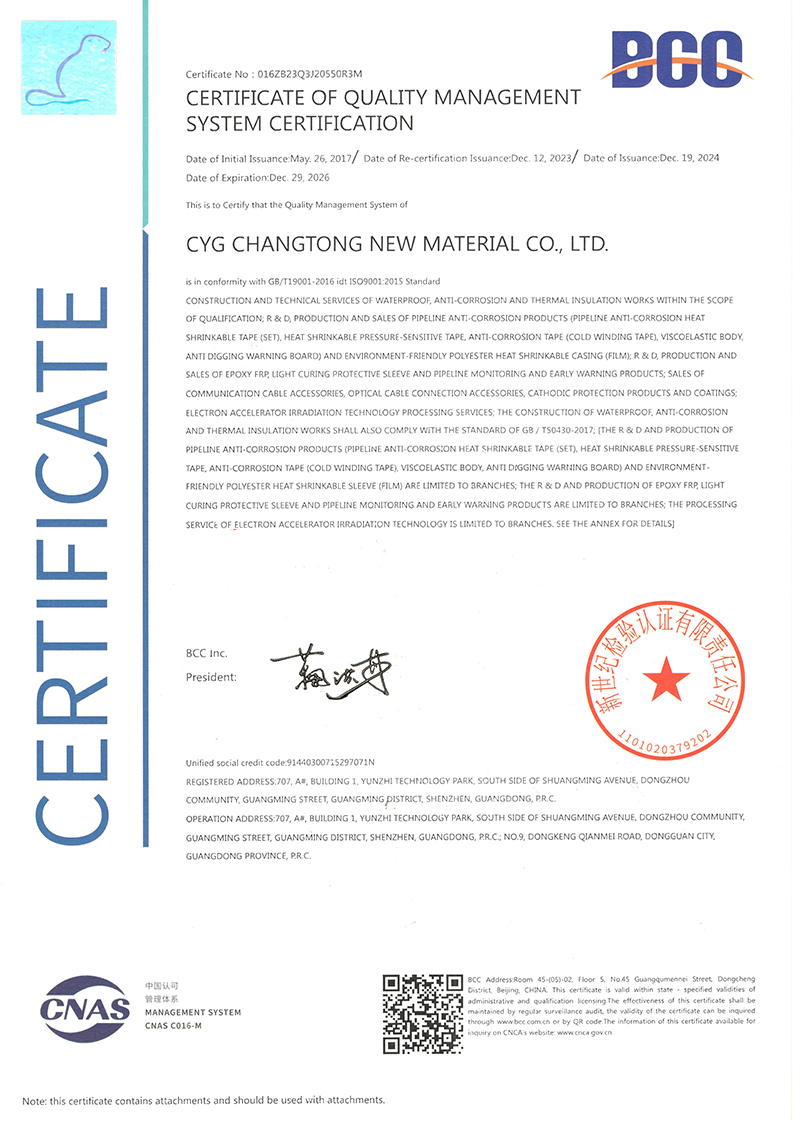
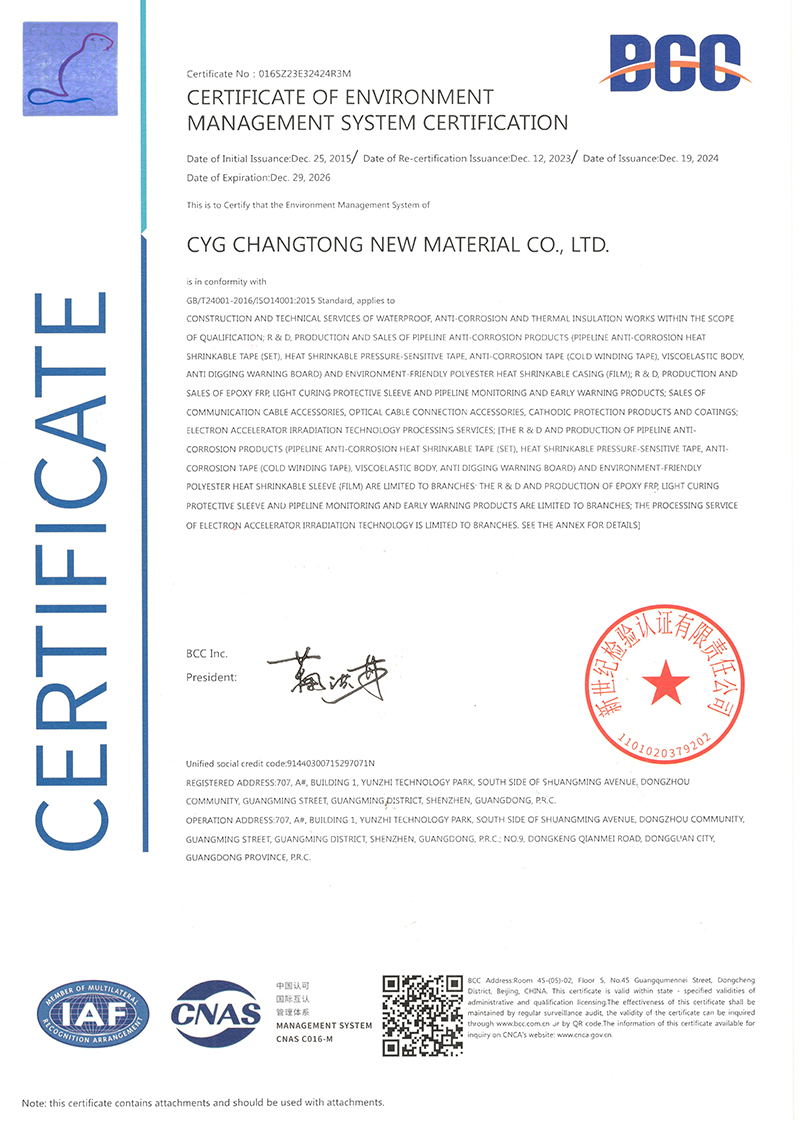
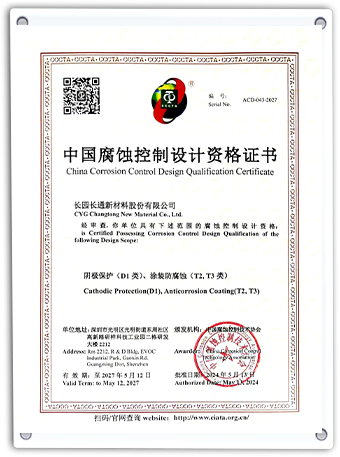
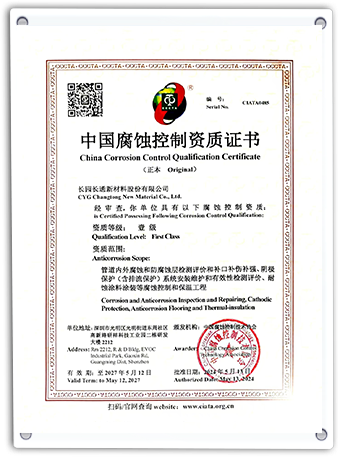
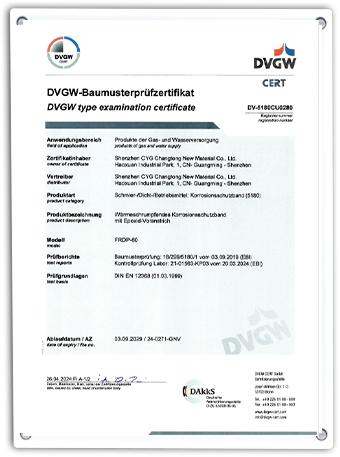
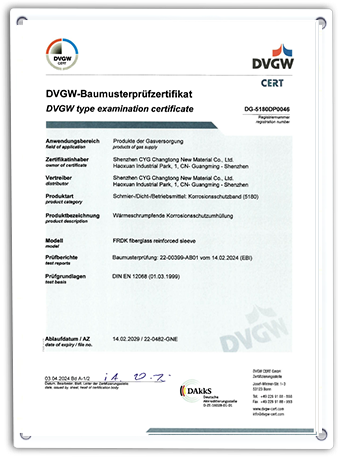
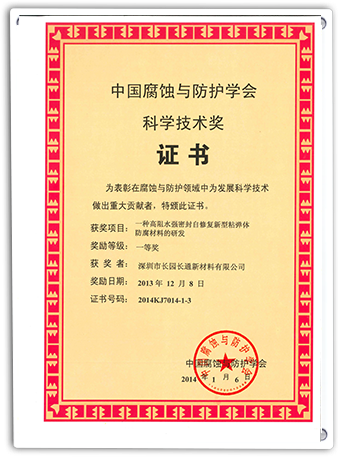
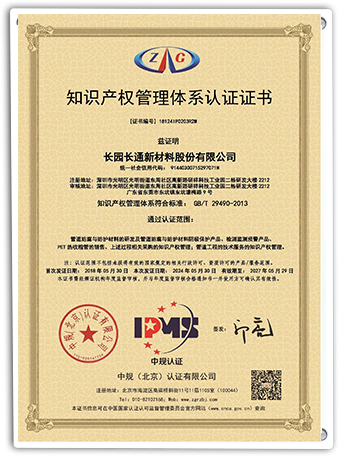
Council Member of the Chinese Society for Corrosion and Protection (CSCP), holder of the Qualification Certificate of Corrosion Protection Construction, the Qualification Certificate of Pipeline Detection, and recognized as a Well-known Brand of Pipeline Corrosion Protection in China. Corporate Member of the China Association of Petroleum Engineering Construction (CAPEC). State-Level High-Tech Enterprise with more than ten proprietary intellectual property rights. Proud stable supplier of PetroChina, Sinopec, China Gas Group, and Indian Oil.
Technical Insights & Engineering Answers for Pipeline Projects in Norway
Explore our full line of specialized anti-corrosion materials engineered for international energy grids.
 CYCT
CYCT