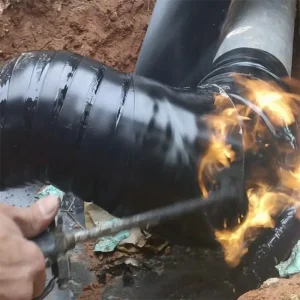
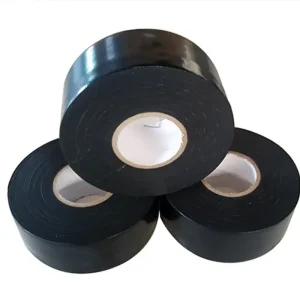
Specially optimized solutions for regional infrastructure demands, marine exposures, and utility networks across the Sydney Basin.
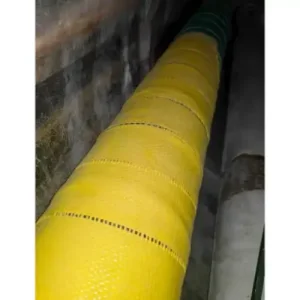
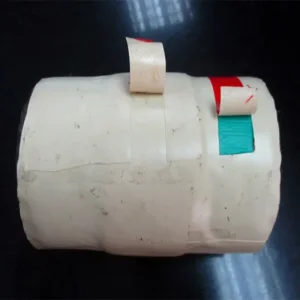
Sydney is home to some of Australia's most complex and rapidly expanding utility, water, gas, and transport infrastructure networks. From the massive developments of the Western Sydney Aerotropolis and the continuous maintenance of the Sydney Water grid, to offshore marine terminals at Port Botany, pipeline integrity is paramount. In these environments, corrosion protection systems face significant challenges. Ground soils vary widely, containing highly corrosive saline coastal clay and acidic shale, alongside fluctuating water tables that subject buried pipelines to continuous moisture and chemical attack.
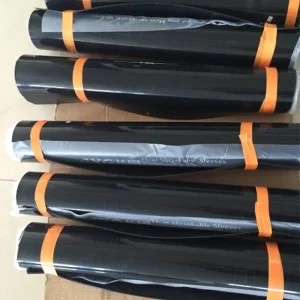
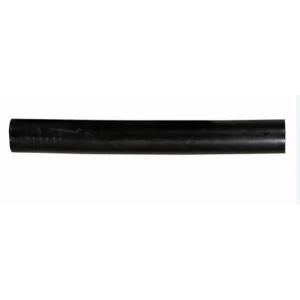
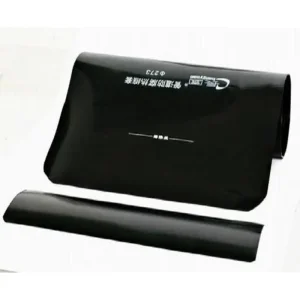
FRPD-PP (Fiber-Reinforced Polypropylene) Heat Shrink Sleeves represent a milestone in field joint coating technology. Standard Polyethylene (PE) sleeves are often insufficient for modern high-operating-temperature gas transmission pipelines, subsea lines, or deeply buried pipelines that run through urban heat-islands. PP sleeves provide elevated mechanical protection, exceptional shear resistance, and structural stability up to 110°C. By implementing a state-of-the-art fiber-reinforced backing, the radial and axial shrink forces are evenly distributed. This eliminates the common issue of sleeve splitting during installation or soil shifting post-burial.
For Sydney asset owners and engineers, selecting the right joint coating system is a critical risk mitigation step. The cost of excavating and repairing a failed field joint in a dense urban corridor like Parramatta or along the M4 motorway exceeds the initial coating product cost by magnitudes. Thus, specifying a material system with high Information Gain and documented empirical testing data under Australian Standard AS 4880 or ISO 21809-3 is not just an optimization tactic—it is a reliability mandate.
Understanding the core mechanical difference between FRPD-PP sleeves, viscoelastic systems, and standard PE tapes allows project planners to map material properties to the specific physical demands of the Sydney Basin's soil mechanics. Below is an engineering overview of performance characteristics:
| Property / Metric | FRPD-PP Heat Shrink Sleeve | Viscoelastic Coating System | Standard PE Outer Tape |
|---|---|---|---|
| Operating Temp Range | -20°C to +110°C (Optimized for hot pipelines) | -35°C to +85°C (Excellent cold flow) | -10°C to +60°C (Standard utilities) |
| Shear Resistance | Extreme (Highly resistant to soil stress) | Moderate (Requires heavy mechanical wrap) | Low-Medium (Can slip under clay movement) |
| Cathodic Disbondment | < 5mm radius at 95°C | Self-healing, near 0mm at moderate temp | < 12mm at 60°C |
| Application Ease | Pre-heat + Induction or Flame Torch required | Minimal prep, wrap-and-go (No primer) | Spiral wrap, simple tension control |
| Key Sydney Application | Major gas mains, HDD under rivers/roads | Valves, flanges, repair joints, marine piles | Water infrastructure and low-temp distribution |
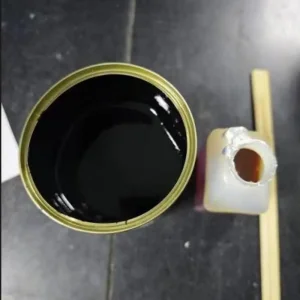
Our FRPD-PP system uses a multi-layer approach: a high-performance, solvent-free liquid epoxy primer that bonds directly to the blasted steel pipe, followed by the co-extruded polypropylene backing coated with a specialized high-shear hot-melt adhesive. This creates a monolithic, seamless protective barrier that prevents moisture ingress, oxygen penetration, and cathodic shielding.
Sydney's ongoing infrastructure pipeline (including the Sydney Metro expansions, Botany Bay energy developments, and regional hydrogen-blend gas upgrades) presents distinct scenarios where FRPD-PP is the technically preferred coating choice:
Horizontal Directional Drilling (HDD) is vital for crossing Sydney's environmental landmarks, such as the Georges River or Hawkesbury River. FRPD-PP sleeves withstand the extreme shear forces and abrasive contact with sandstone and clay during pipe pulling.
Pipelines running near Botany, Mascot, or Kurnell are exposed to high saline groundwater. The triple-layer FRPD-PP system prevents osmotic blistering and blocks the migration of chloride ions, ensuring structural longevity exceeding 50 years.
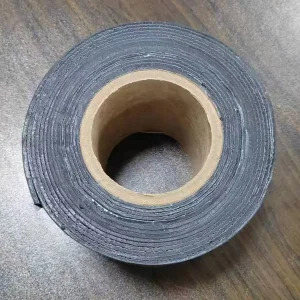
Many of Sydney's early-to-mid 20th-century steel water mains are undergoing major rehabilitation. Combined with PP repair patches and viscoelastic tape systems, they can be refurbished in-situ, avoiding complete pipeline replacement costs.
Our manufacturing engineering process strictly adheres to global specifications and Australian standard expectations. When working in high-density urban areas like the Western Sydney infrastructure growth zone, applying a highly stable material that requires minimal repeat maintenance ensures safety and keeps operating expenditure under control.
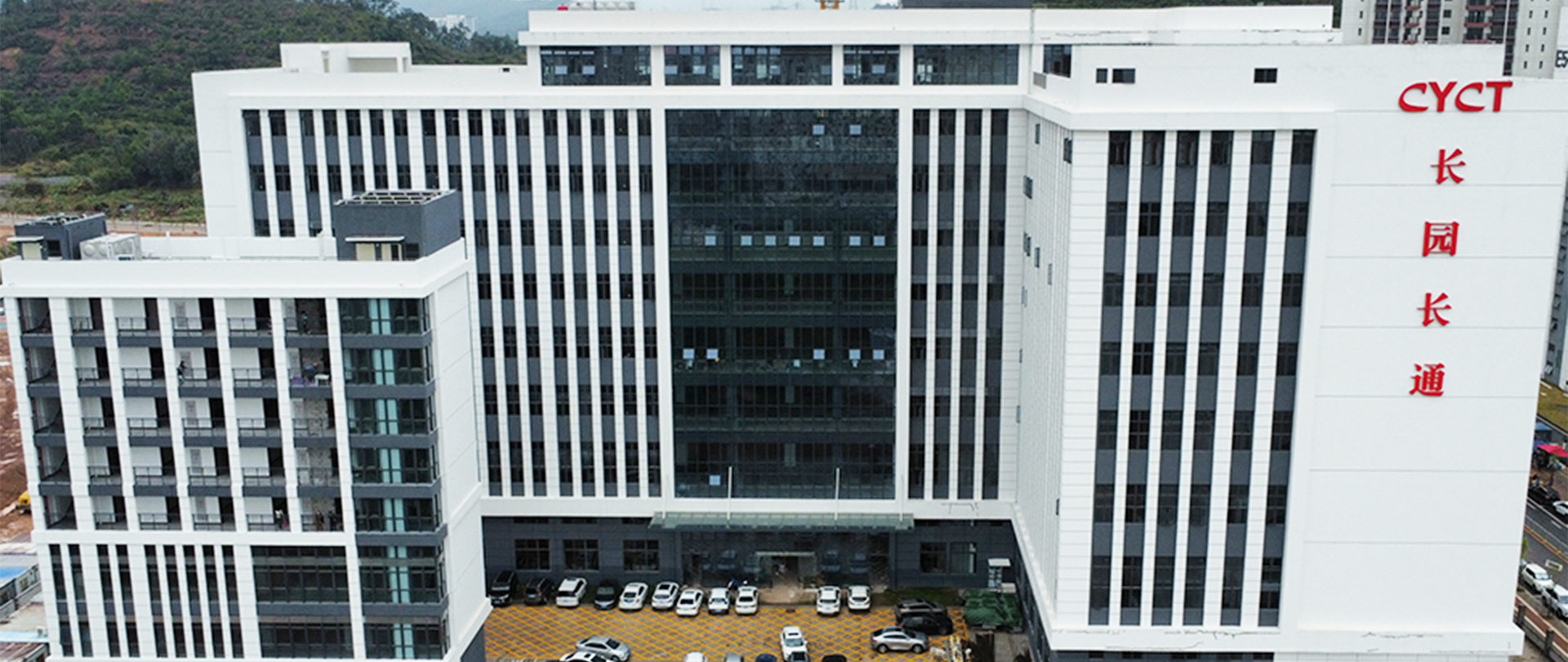
CYCT New Materials Company Limited (CYCT) is a state-level high-tech enterprise integrating R&D, production, and sales of pipeline corrosion protection materials, as well as buried pipeline detection services and pipeline coating field application services into one seamless entity. Founded in 2000, CYCT has dedicated itself to the continuous innovation, research, and development of corrosion mitigation materials for decades.
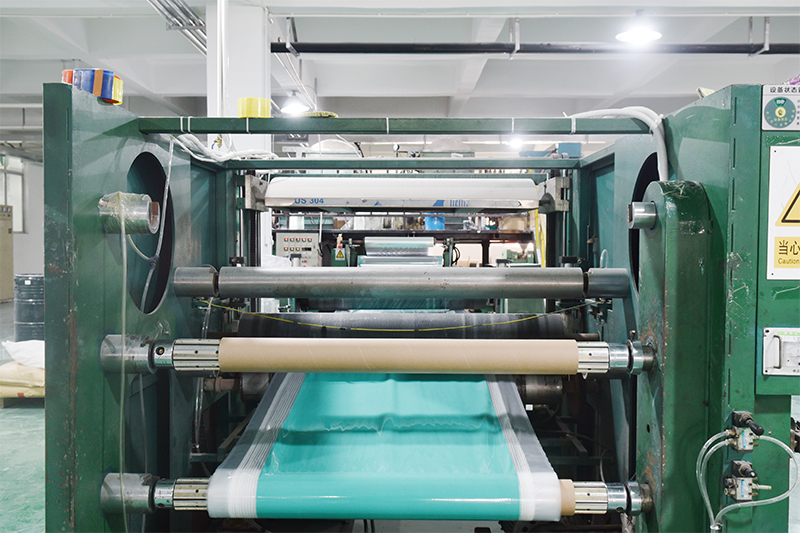
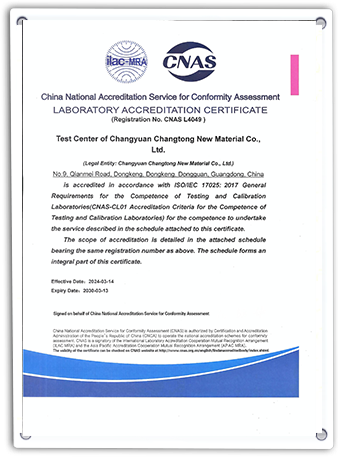
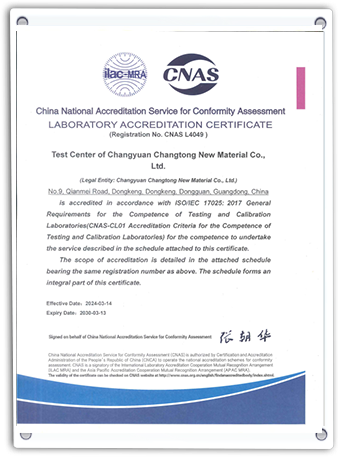
Operating from a state-of-the-art manufacturing campus in China, CYCT leverages advanced polymeric extrusion lines, radiation cross-linking accelerators, and automated coating plants to deliver high-quality, cost-efficient joint protection solutions directly to the Australian market. By maintaining deep vertical integration, we control the entire lifecycle of our FRPD-PP heat shrinkable sleeves, from raw monomer selection to final testing in our national CNAS-accredited laboratory.
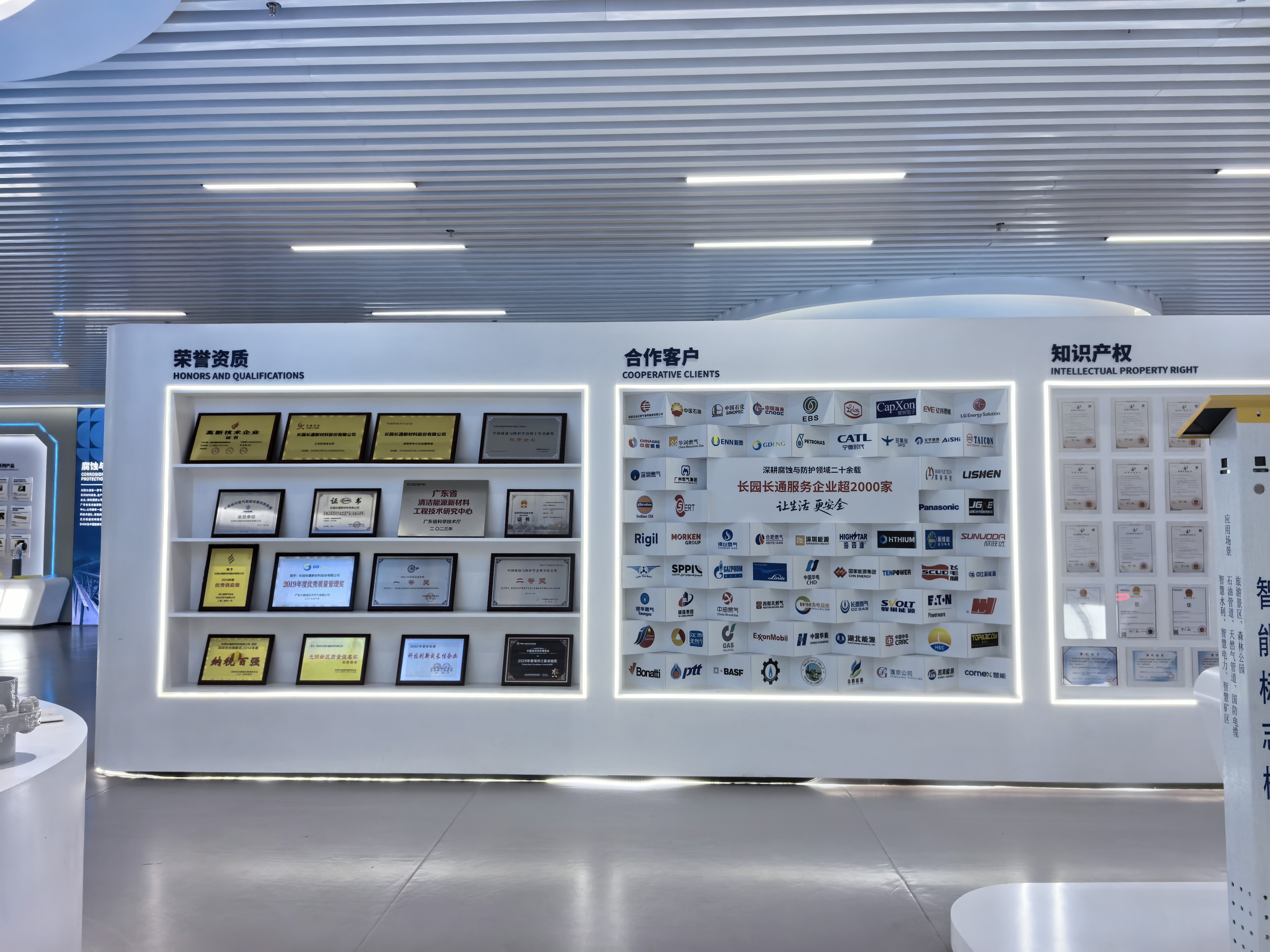
CYCT is a stable, multi-year supplier of field joint coatings for leading global energy enterprises and major national pipeline firms, including PetroChina, Sinopec, and PipeChina. Our high market share is built upon premium chemical engineering, regulatory compliance, and a dedicated team of AMPP (NACE) certified specialists.
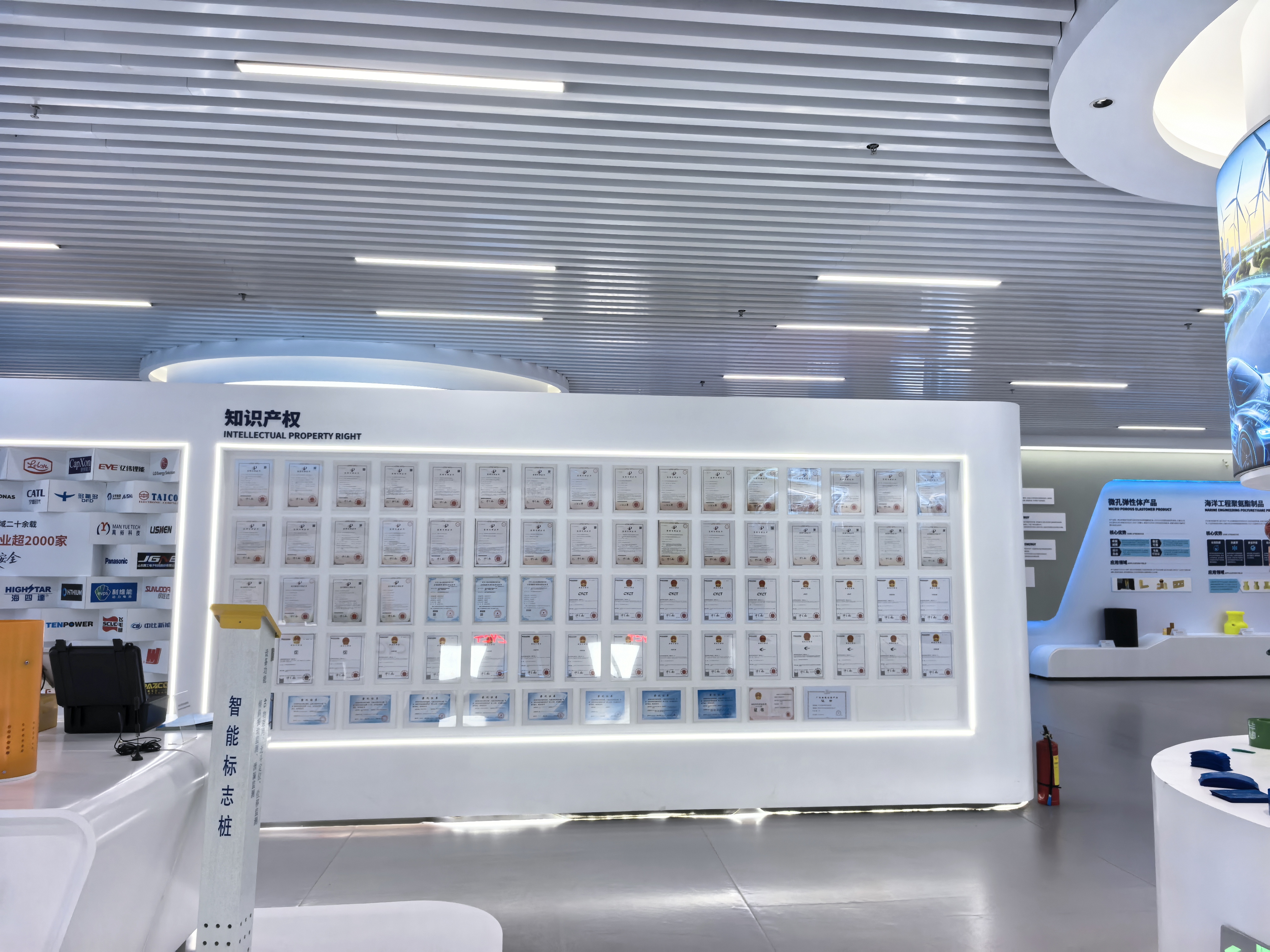
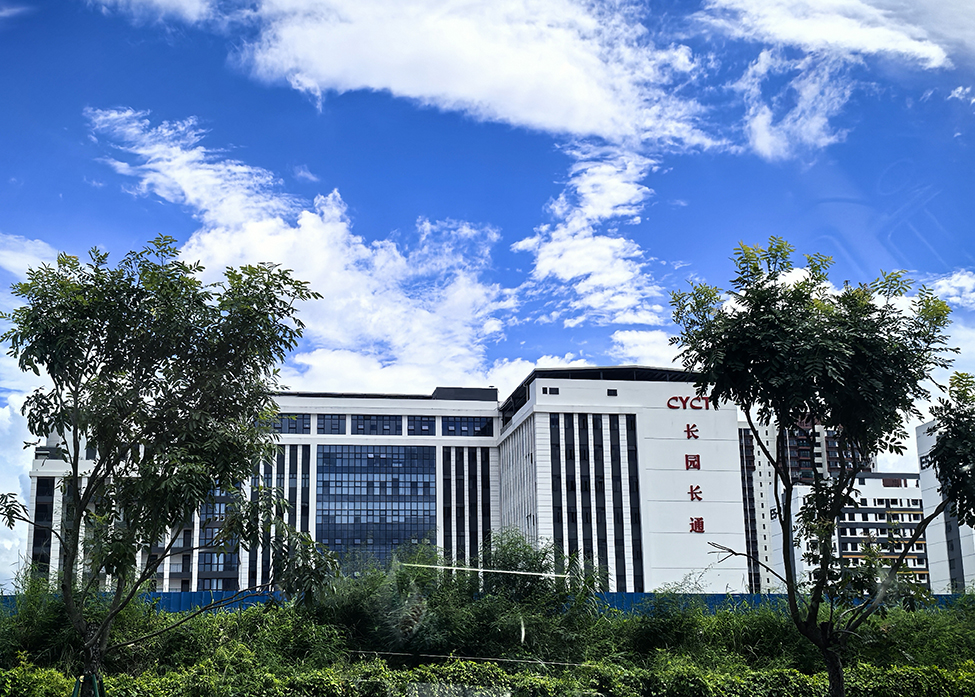
Through close cooperation with leading research institutes like the CNPC Pipeline Science Research Institute, CYCT is capable of providing in-service pipelines with varied technical services. This includes buried pipeline detection, custom design schemes, cathodic protection engineering, rehabilitation project design, and an integrated solution for the safety protection of critical energy and utility networks.
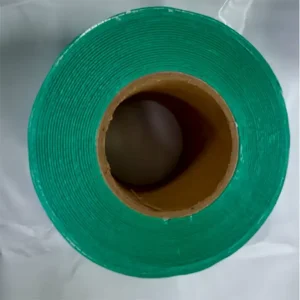
In addition to our core FRPD-PP range, we have successfully introduced specialty anti-corrosion products, including viscoelastic materials, photo-curing sleeves for HDD protection, and polyurea coatings, ensuring that Sydney engineers have access to the absolute best material fit for their specific construction parameters.
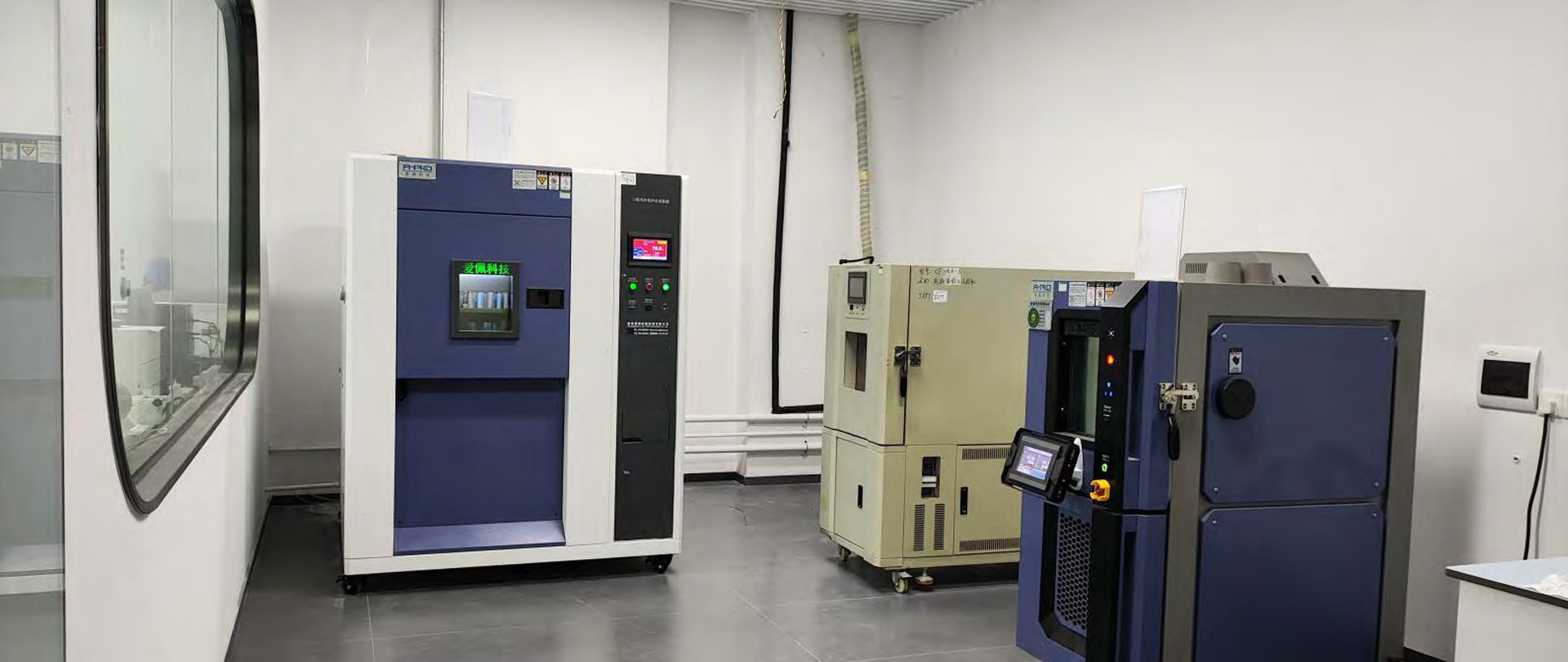
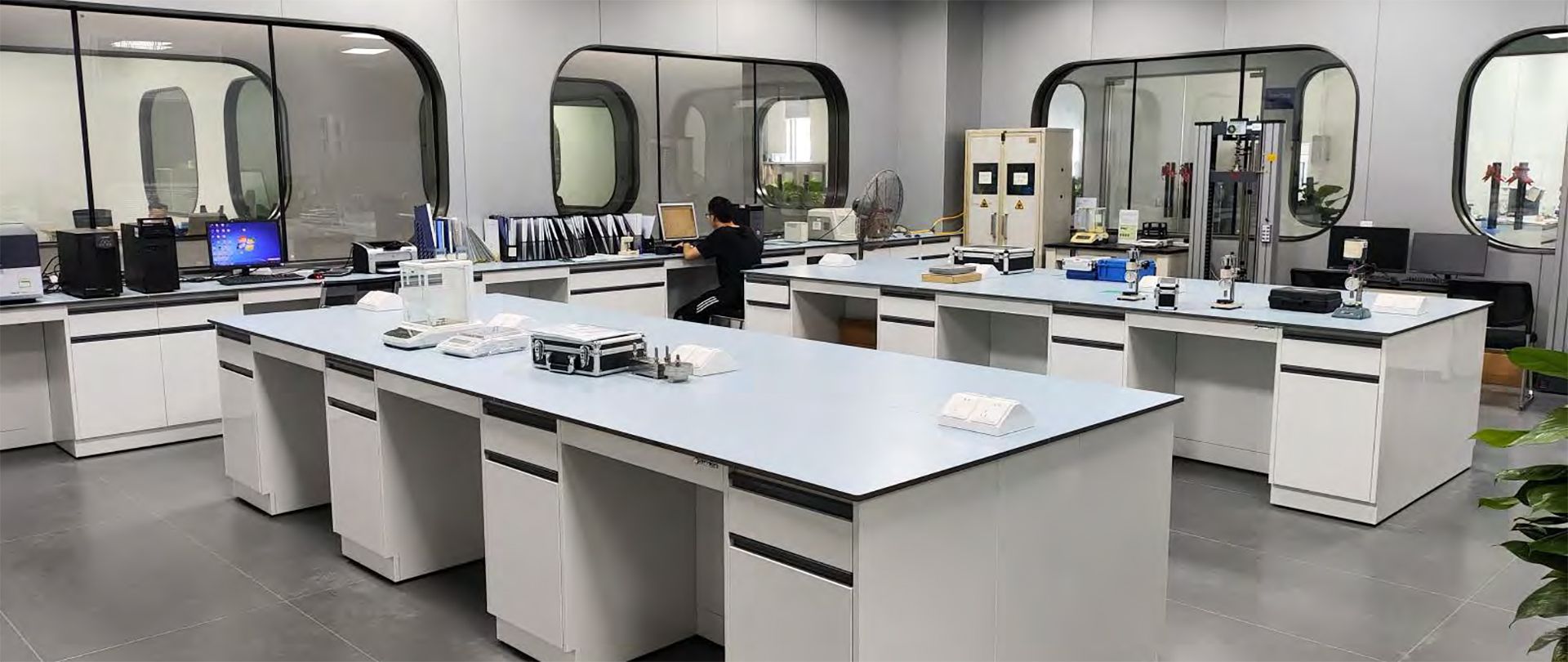
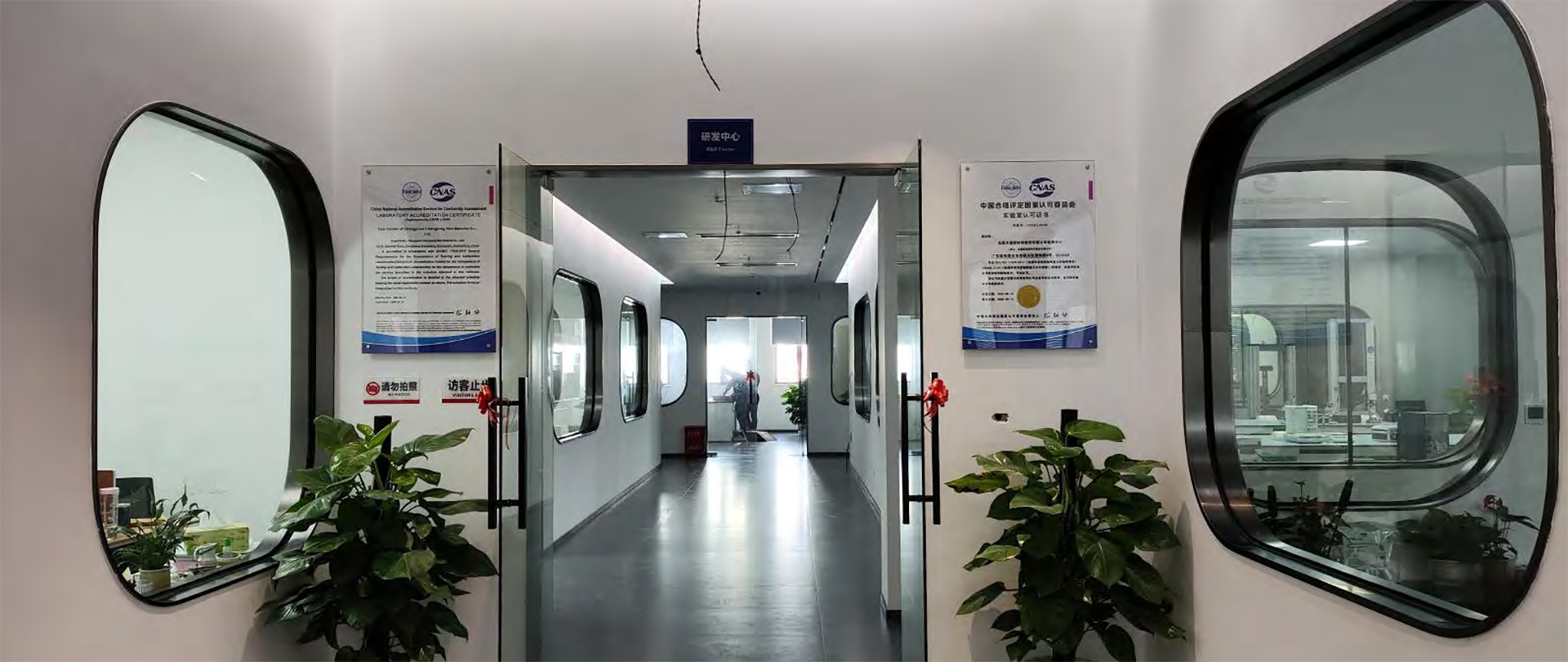
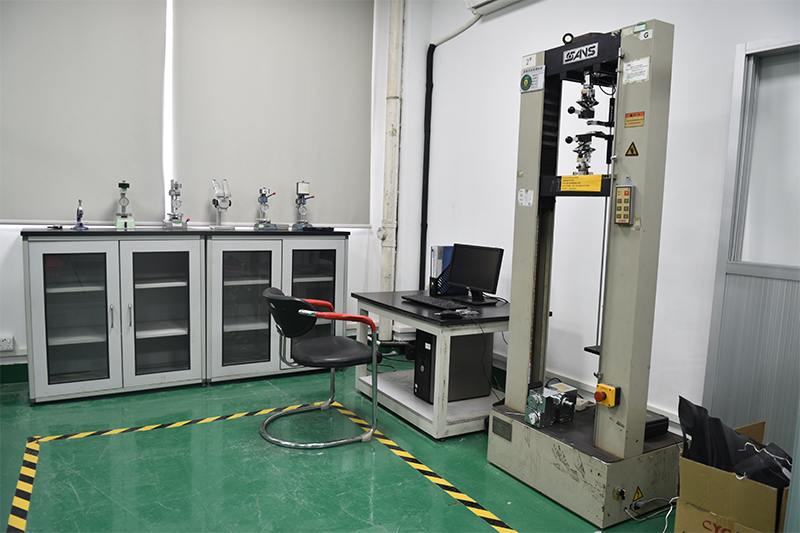
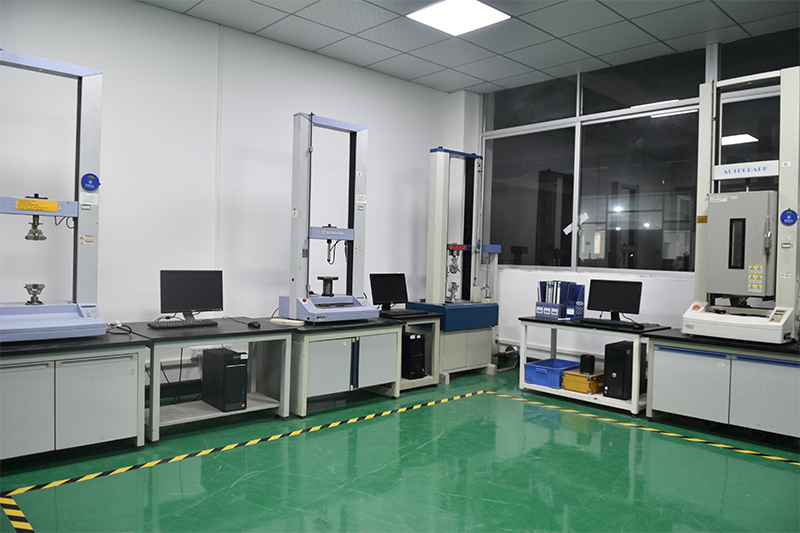
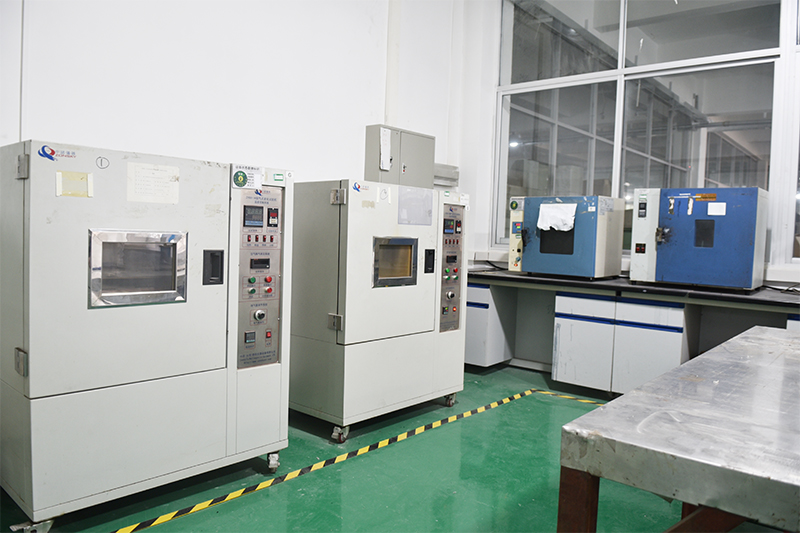
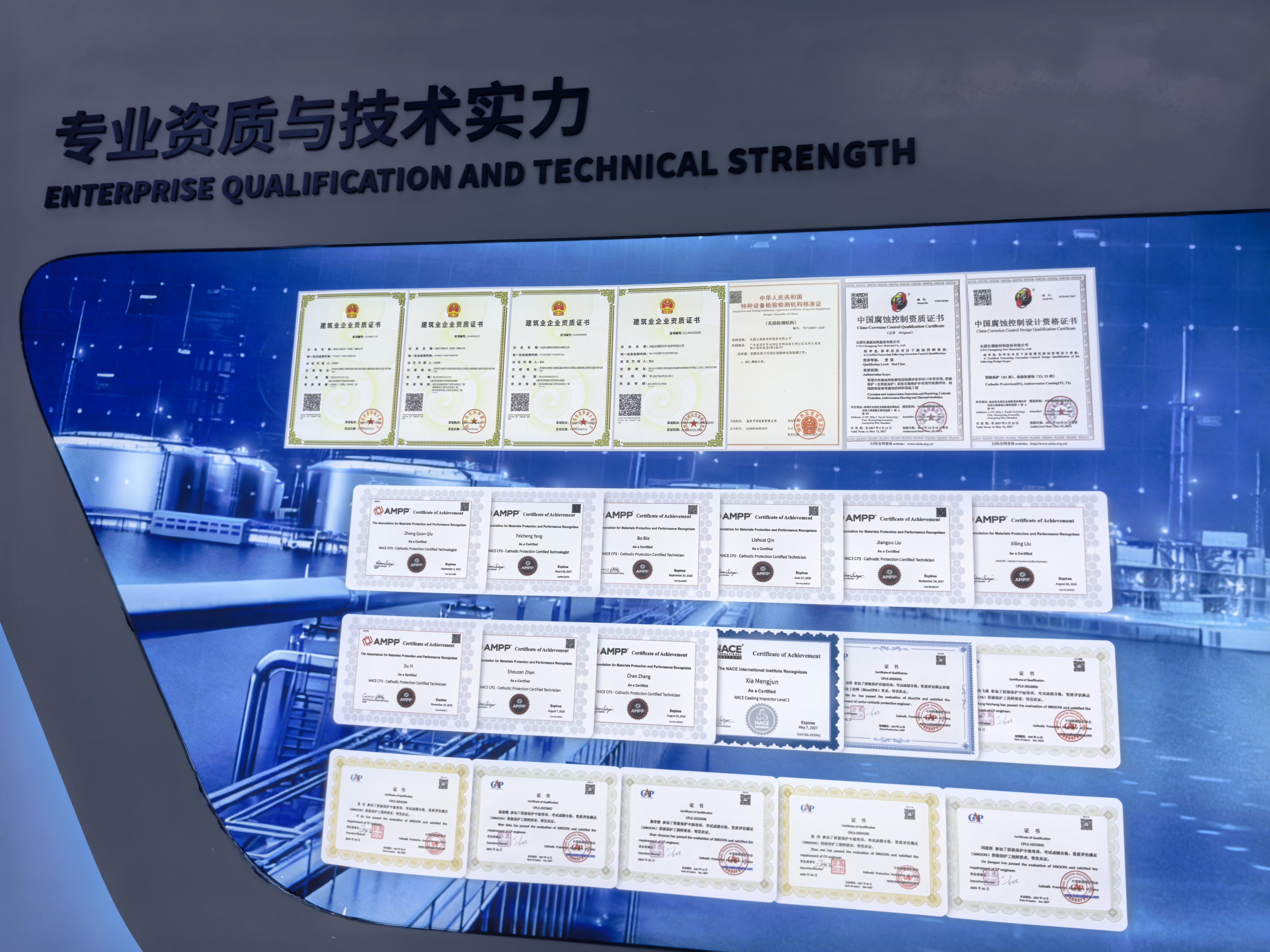
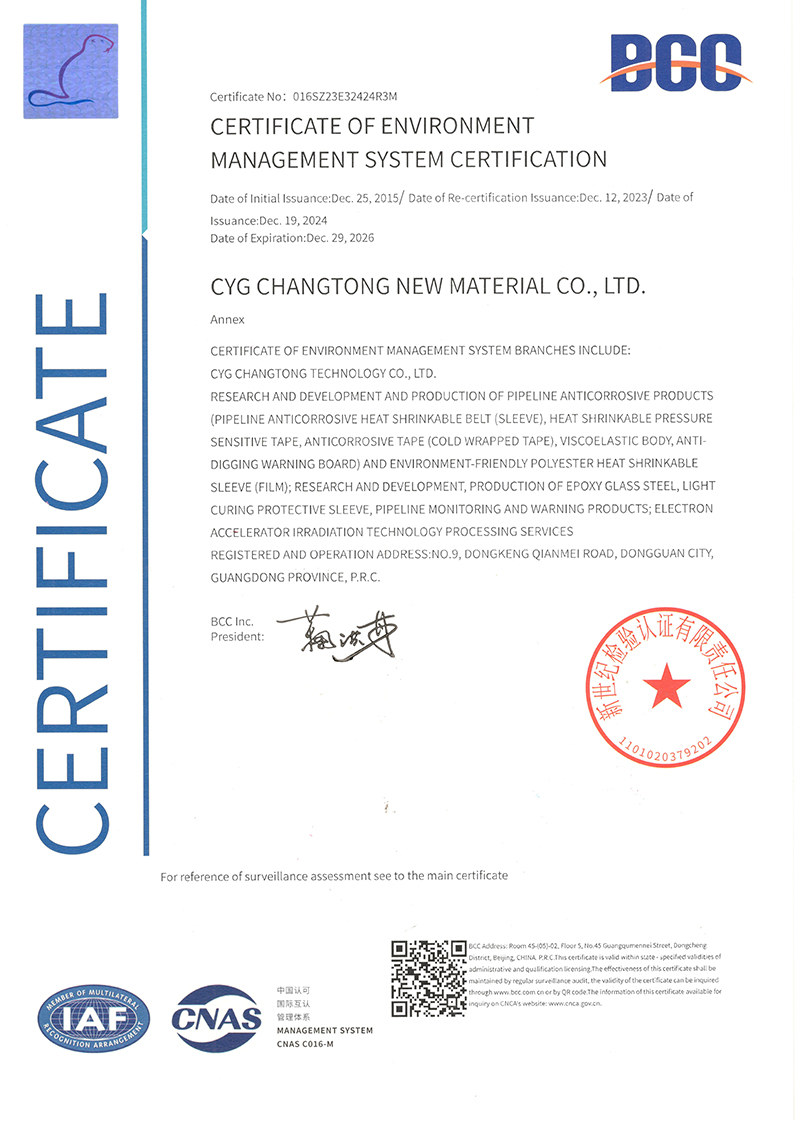
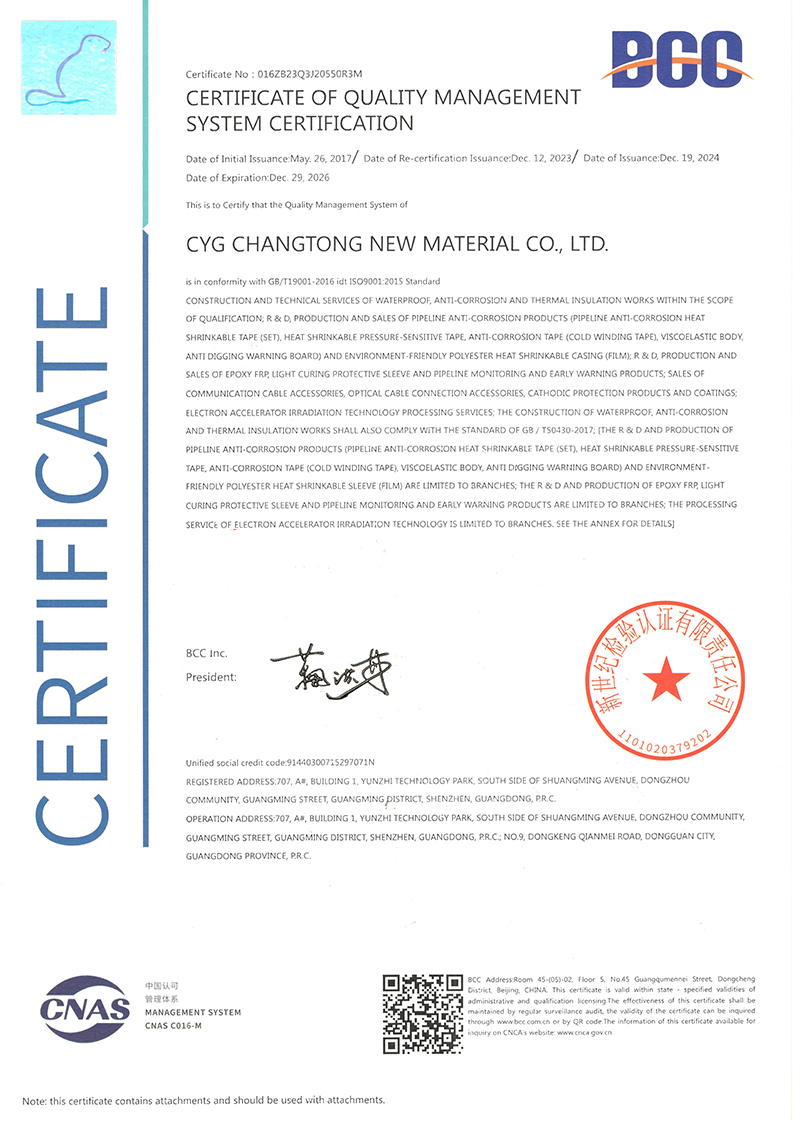
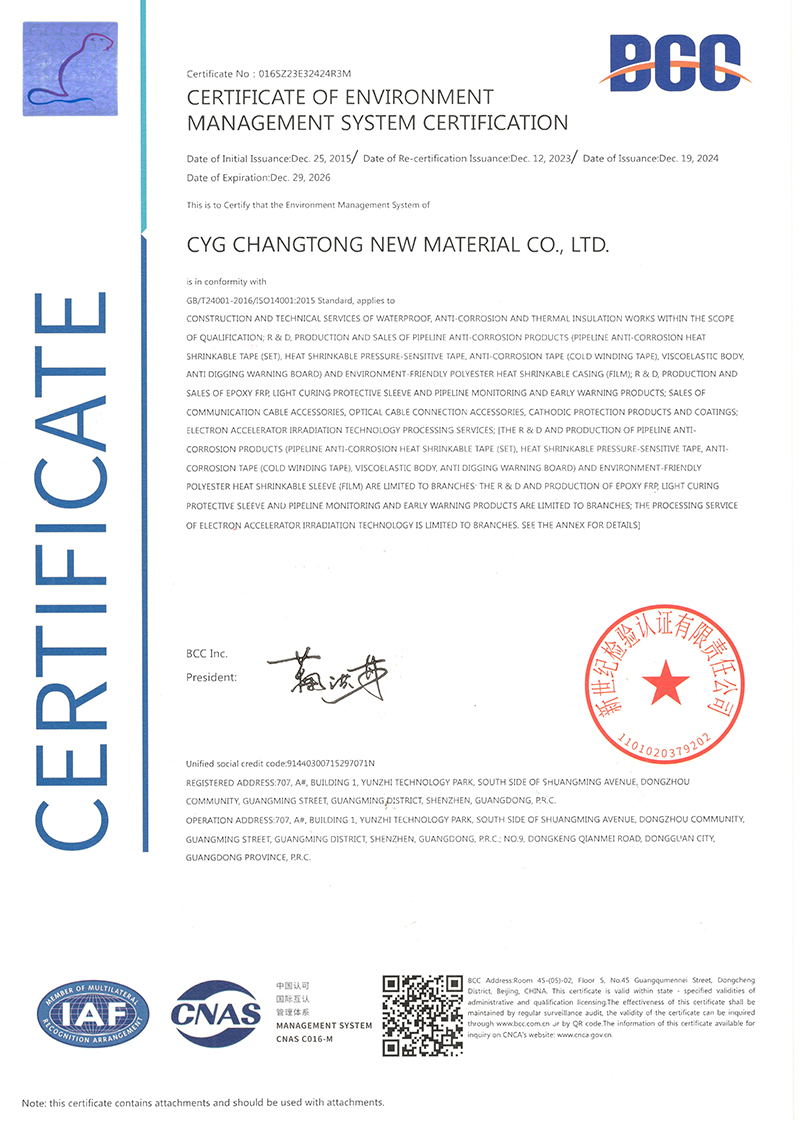
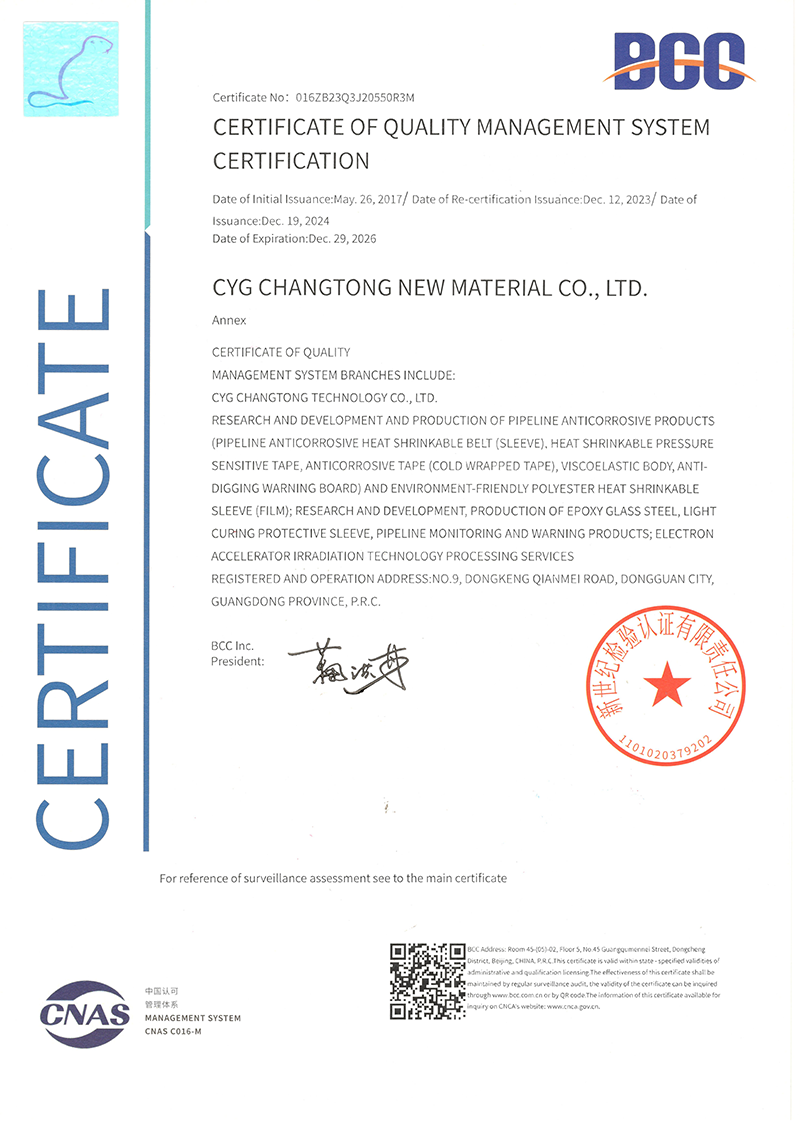
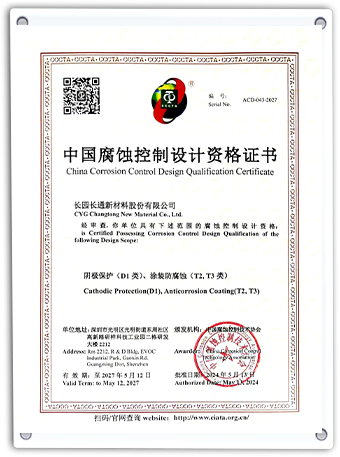
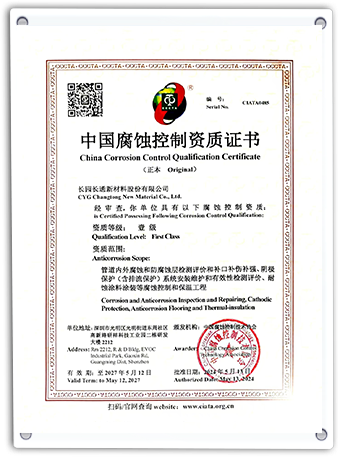
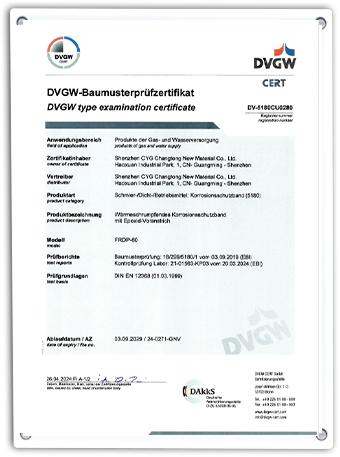
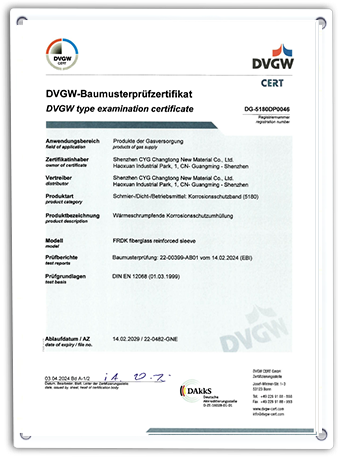
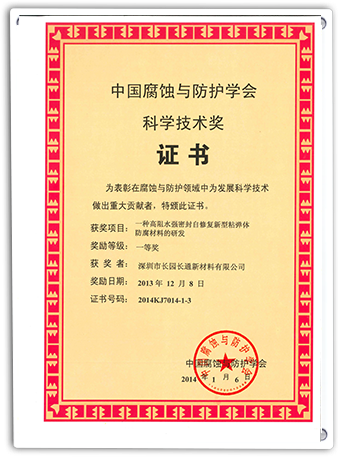
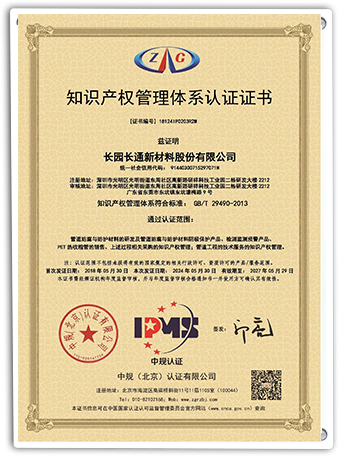
Compliance is the bedrock of pipeline safety. CYCT is a Council Member of the Chinese Society for Corrosion and Protection (CSCP), holds Qualification Certificates for Corrosion Protection Construction, and is a corporate member of the China Association of Petroleum Engineering Construction (CAPEC). We are an AMPP member company, and hold all requisite certifications to satisfy strict Australian regulatory compliance checks for public works.
Achieving 100% void-free adhesion with FRPD-PP heat shrinkable sleeves requires strict adherence to standardized application parameters. The following guide is tailored for NACE/AMPP field inspectors overseeing pipeline construction projects in New South Wales:
The steel field joint area must be abrasive blast-cleaned to Sa 2½ (ISO 8501-1) or Class 2.5 (AS 1627.4), producing a clean, rough anchor profile of 50–90 microns. The adjacent factory polypropylene (PP) coating must be bevelled and abraded for at least 100mm on each side using 80-grit sand paper or a specialized abrasive wheel. This creates the mechanical interlock required for high peel strength.
Pre-heating is critical due to Sydney's coastal sea breezes, which can rapidly cool exposed steel. Use induction heating coils to uniformly raise the joint temperature to the target temperature specified in the datasheet (typically 180°C to 210°C for PP sleeves). Verify temperature uniformity across the circumference using calibrated infrared pyrometers or digital contact thermometers.
Apply the solvent-free two-component liquid epoxy primer immediately to the pre-heated steel joint. The thickness must be uniform (typically 150–200 microns). The primer must remain in its wet, tacky phase during sleeve wrap application to allow chemical co-curing with the hot-melt copolymer adhesive layer of the FRPD-PP sleeve.
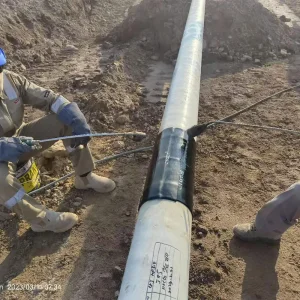
Wrap the FRPD-PP sleeve around the joint, keeping the overlap aligned (usually 50mm min). Secure the closure patch using a flat silicone roller. Heat the sleeve starting from the center of the joint and move circumferentially toward the edges. Use a soft, yellow-flame gas torch or specialized infrared shrink ring. As the backing shrinks, air must be pushed out by rolling with a silicone roller, ensuring that molten adhesive flows outward at both edges, forming a continuous seal.
Answers to the most common questions raised by asset managers, pipeline contractors, and procurement departments in Australia.
Get in touch with our engineering support team for detailed technical drawings, project material estimations, custom quotes, or to request test samples of our FRPD-PP sleeves.
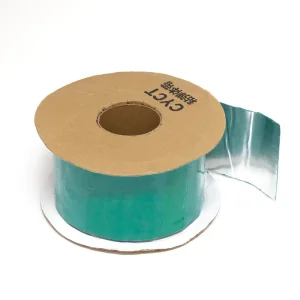
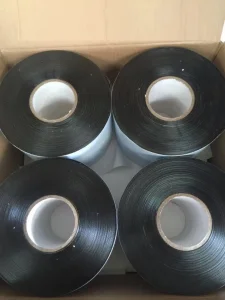
Select from our comprehensive list of high-grade joint wrapping systems, viscoelastic self-healing coatings, and pipeline repair materials.
 CYCT
CYCT