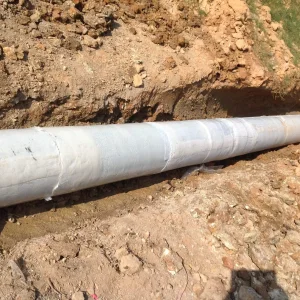
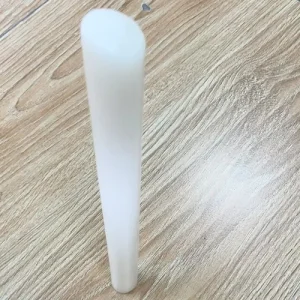
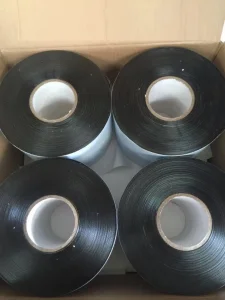
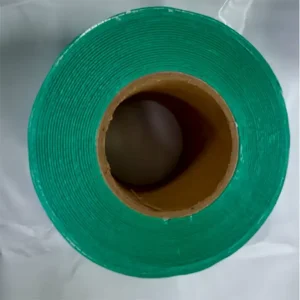
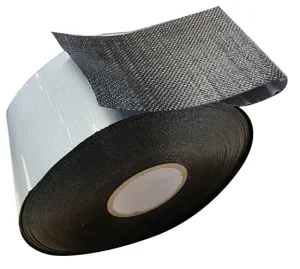
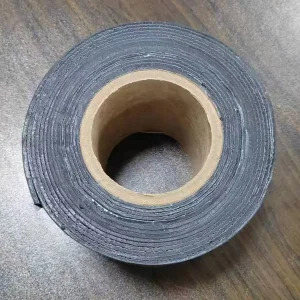
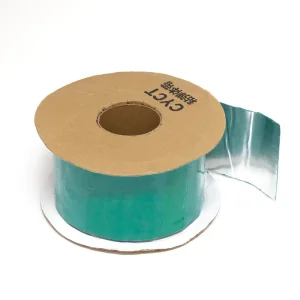
Explore our top-performing specialized pipeline coating and joint protection products optimized for the central Asian climate and challenging soils.
Mitigating critical corrosion risks in high-stress Central Asian transit corridors and regional distribution networks.
Uzbekistan is rapidly expanding its position as a central energy and industrial corridor in Central Asia. Major mega-scale infrastructure projects, such as the Central Asia–China Gas Pipeline loops, local urban gas grid updates under Uzbekneftegaz, and massive water distribution systems, demand state-of-the-art materials to preserve long-term asset integrity.
However, Uzbekistan’s geography presents severe trials for buried pipelines. The territory experiences extreme seasonal thermal fluctuations—from blistering 45°C+ summer heat in the Kyzylkum Desert to sub-zero -30°C winter freezes. Furthermore, high salinity in irrigated agricultural soils and desert sands accelerates electrochemical corrosion, demanding field joint coatings that offer superior adhesion, shear resistance, and water impermeability.
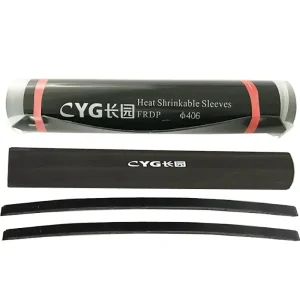
Traditional heat shrink sleeves often fall short under these extreme conditions. They suffer from shear failure due to soil movement during temperature transitions, or experience disbondment under high cathodic protection (CP) currents. This is where Fiber-Reinforced Directional Polyolefin (FRDP) heat shrinkable sleeves step in as the engineering gold standard, providing heavy-duty mechanical shielding alongside high-durability hot-melt adhesives.
Why fiber-reinforced directional polyolefin systems outperform standard single-layer heat shrink products.
Unlike basic PE sleeves, the FRDP system incorporates a high-strength woven fiber mesh inside the cross-linked polyolefin backing. This prevents thermal shrinkage relaxation, cold flow, and physical tearing under heavy soil load, safeguarding the field joint indefinitely.
Equipped with a thick, active copolymer adhesive layer that melts and flows into steel profiles and adjacent factory line coatings during installation. Formulated to provide massive shear resistance even under elevated service temperatures up to 80°C.
Formulated for absolute compatibility with impressed current cathodic protection (ICCP) systems. Tested strictly to withstand intense chemical exposure and electrical potentials without losing its bond, preventing under-film corrosion paths.
| Performance Characteristic | FRDP Heat Shrink Sleeves (60°C Rating) | FRDP Heat Shrink Sleeves (80°C Rating) | Testing Method Reference |
|---|---|---|---|
| Tensile Strength | ≥ 18 MPa | ≥ 22 MPa | ASTM D638 / ISO 527 |
| Elongation at Break | ≥ 400% | ≥ 450% | ASTM D638 / ISO 527 |
| Peel Strength to Steel / PE | ≥ 80 N/cm | ≥ 100 N/cm | EN 12068 / ISO 21809-3 |
| Cathodic Disbondment (30 Days) | ≤ 8 mm (at 60°C) | ≤ 5 mm (at 80°C) | ASTM G42 / ISO 21809-3 |
| Impact Resistance | ≥ 15 J | ≥ 20 J | EN 12068 |
A national state-level high-tech enterprise dedicated to advanced pipeline safety and high-integrity coating materials.
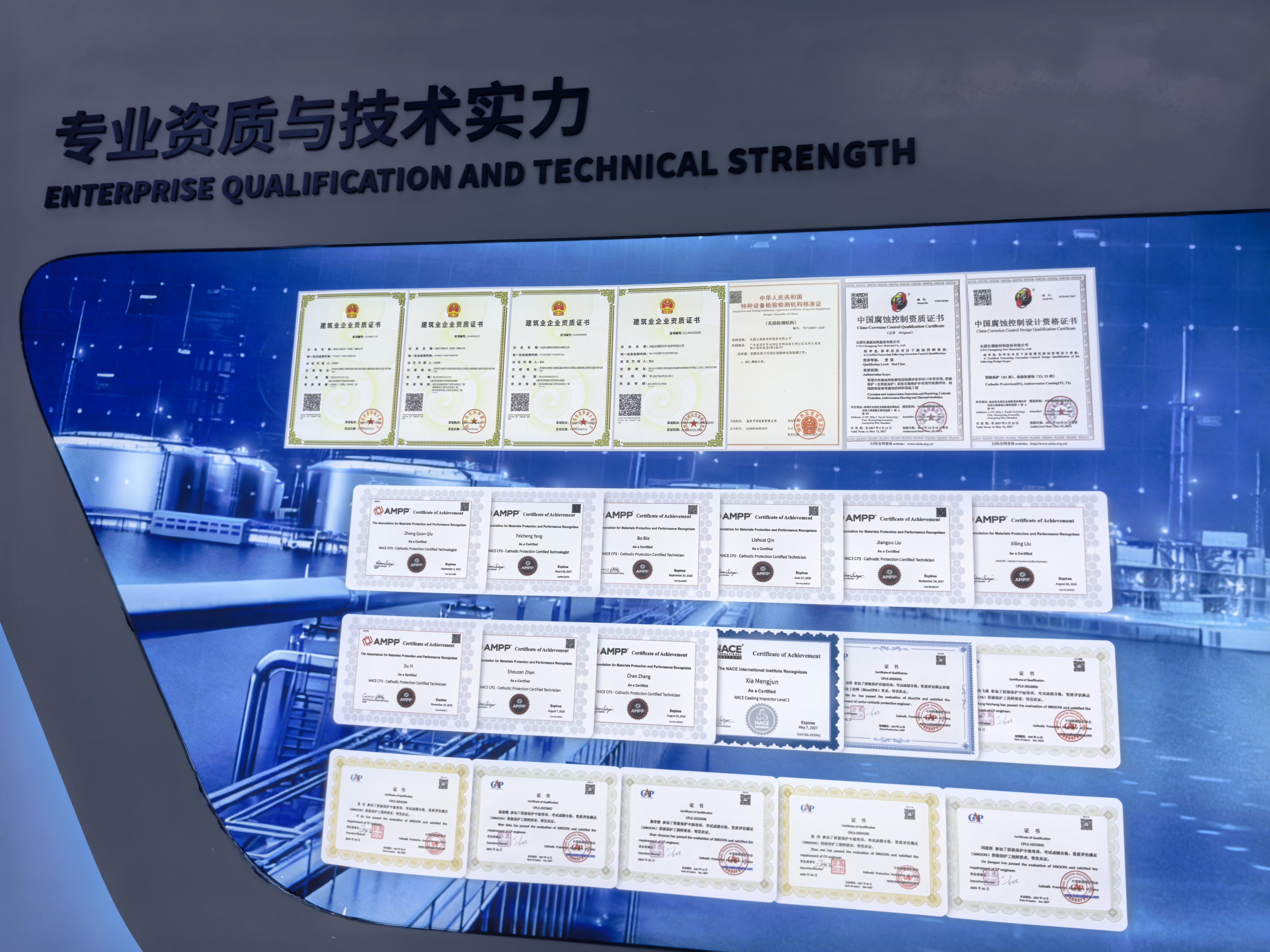
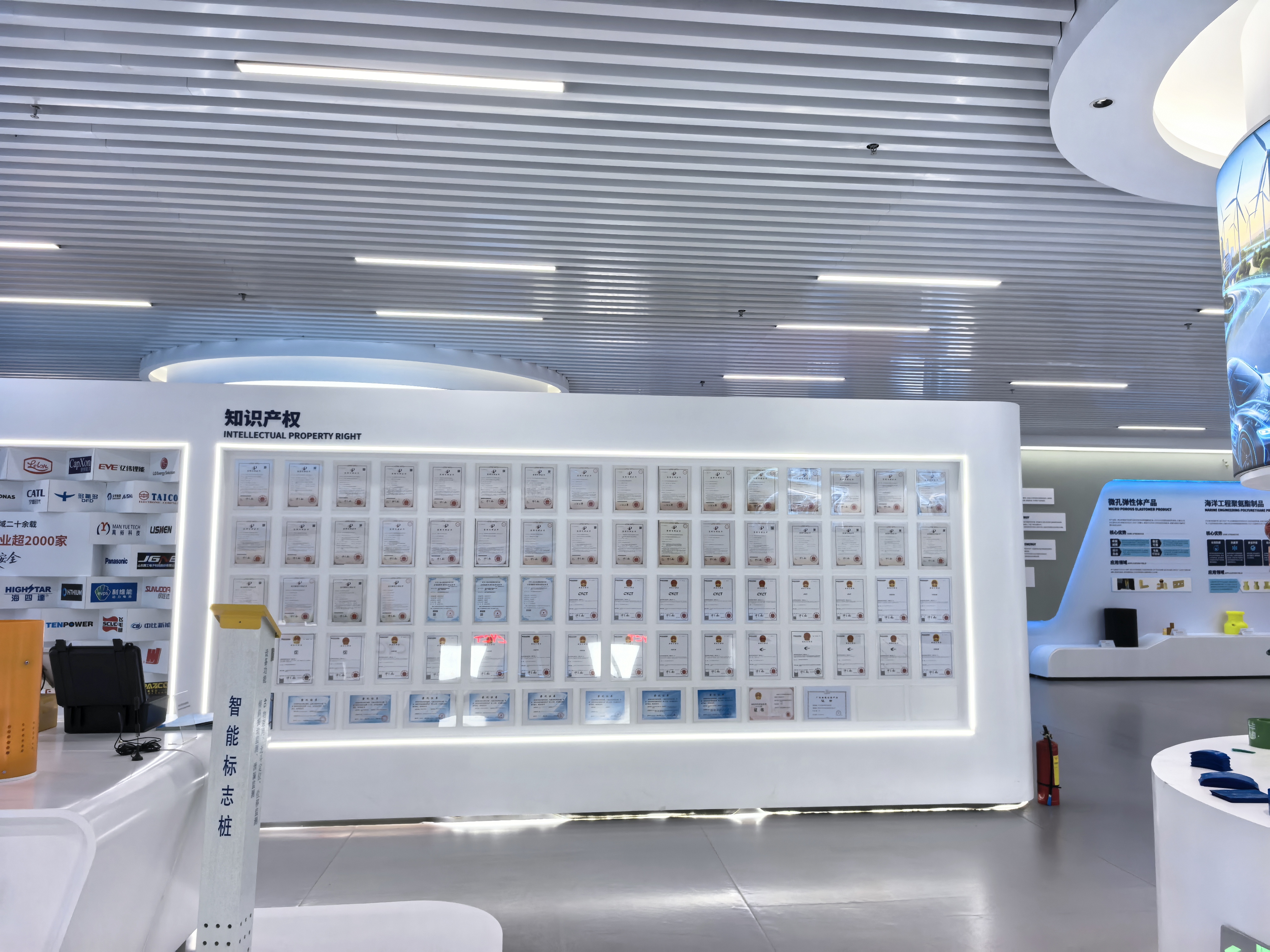
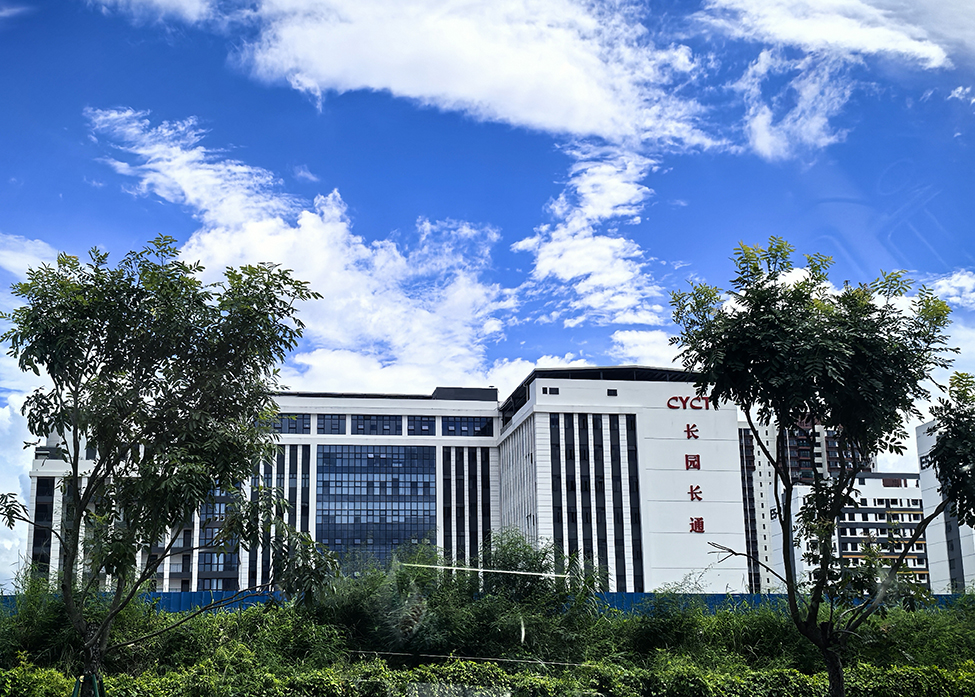
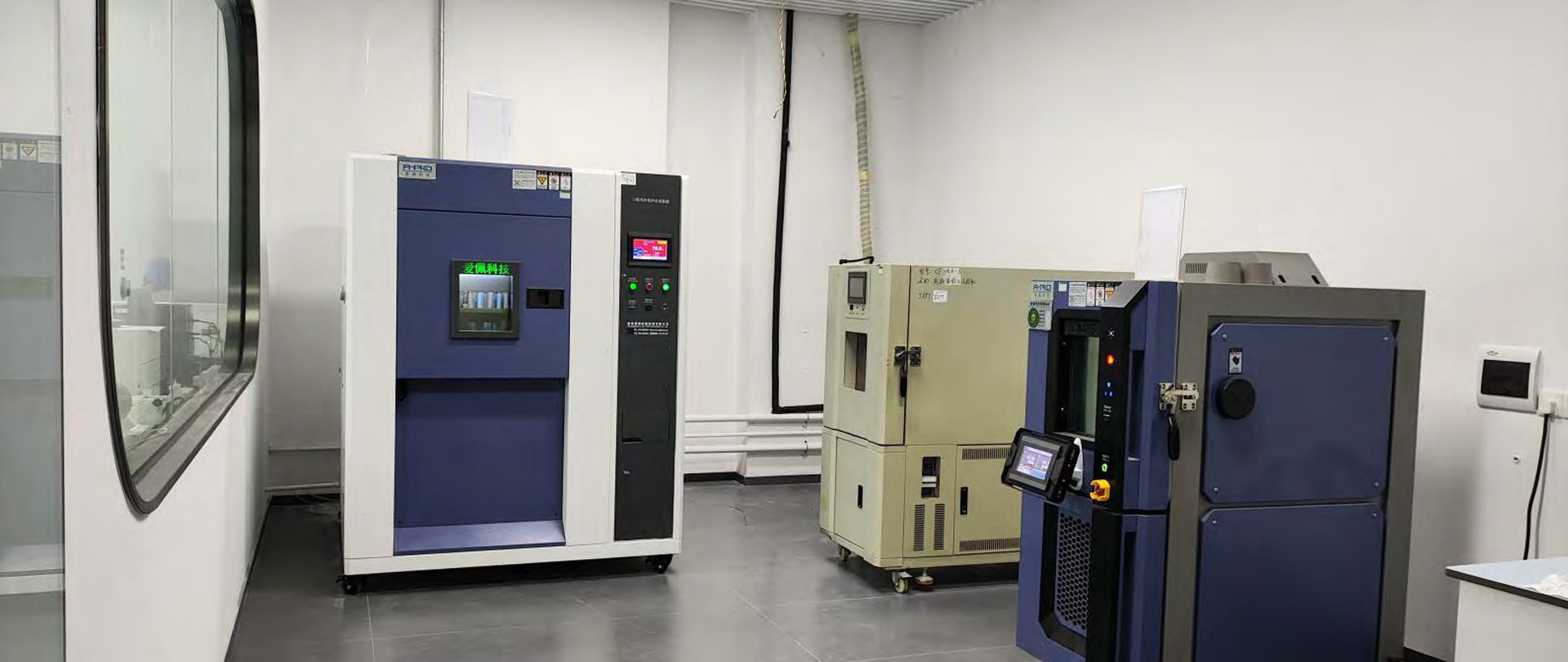
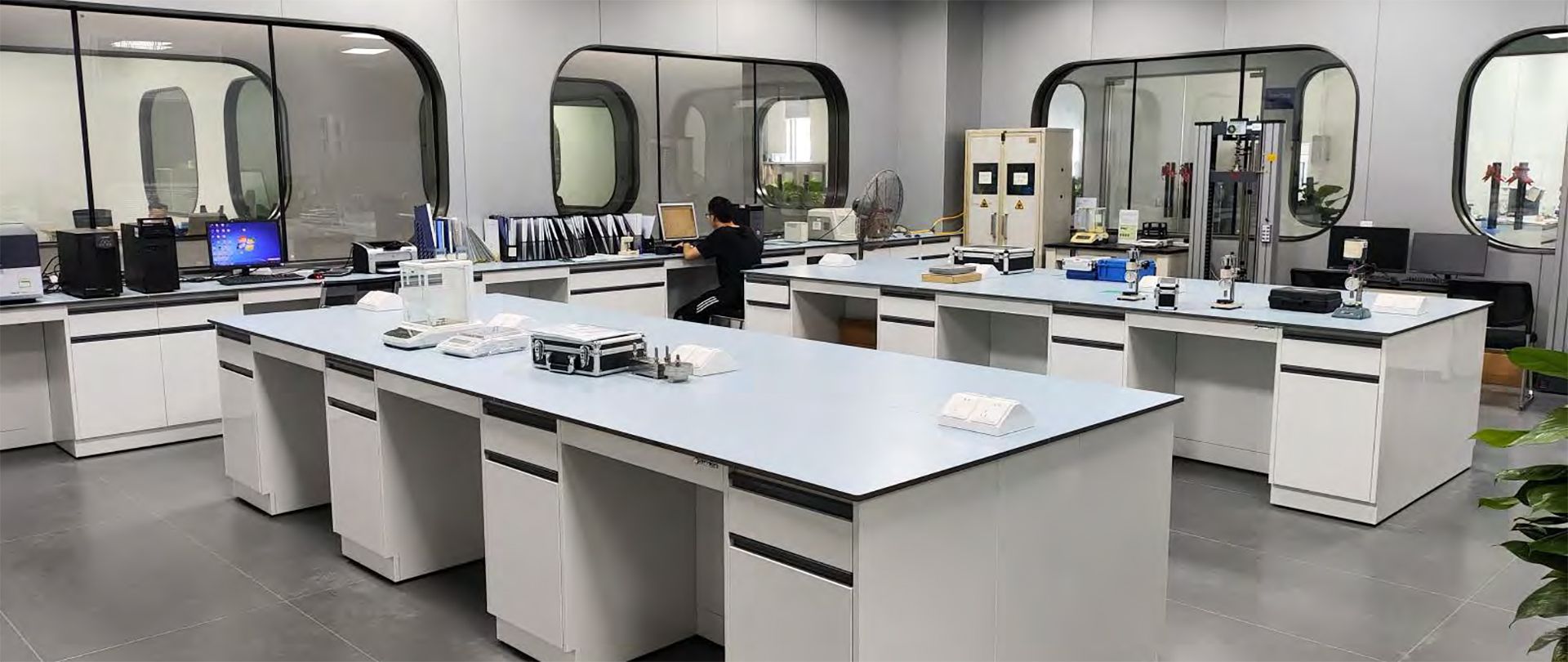
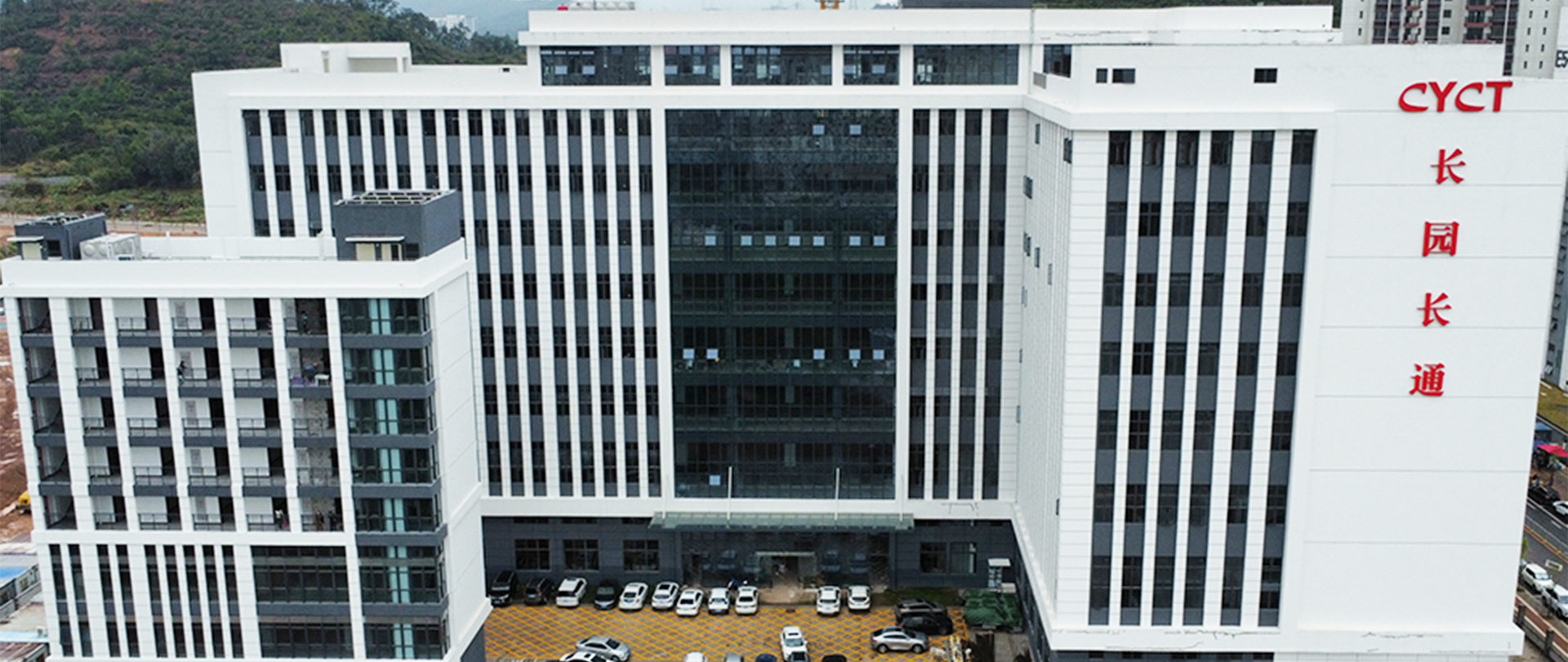
CYCT New Materials Company Limited (for short, CYCT) is a state-level high-tech enterprise integrating R&D, production, and sales of pipeline corrosion protection materials. Over decades of operation, we have expanded our expertise to include buried pipeline detection services and field coating application engineering.
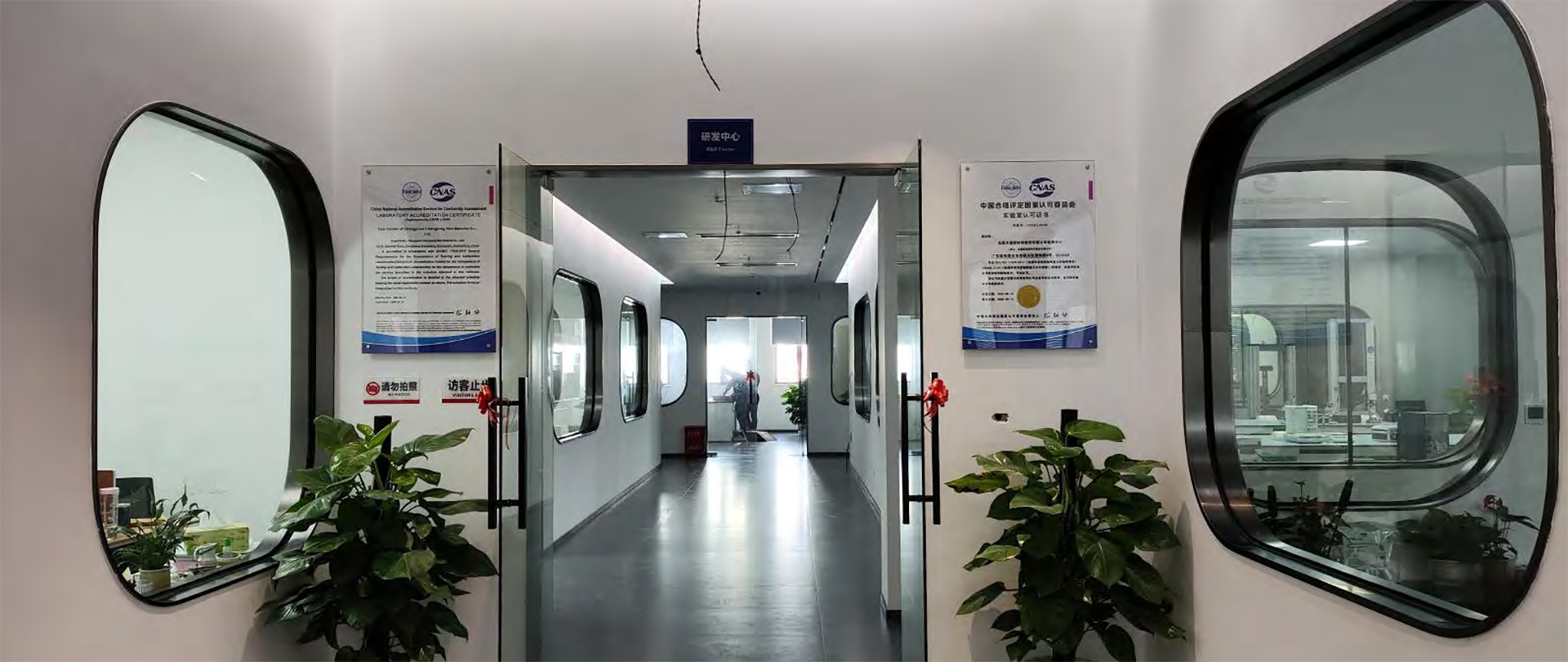
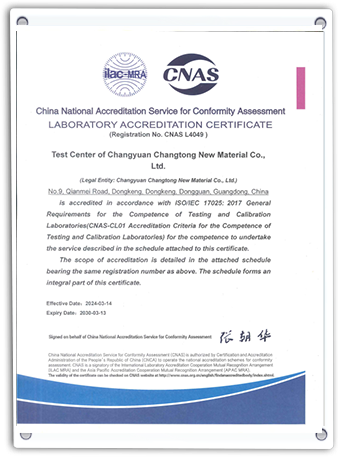
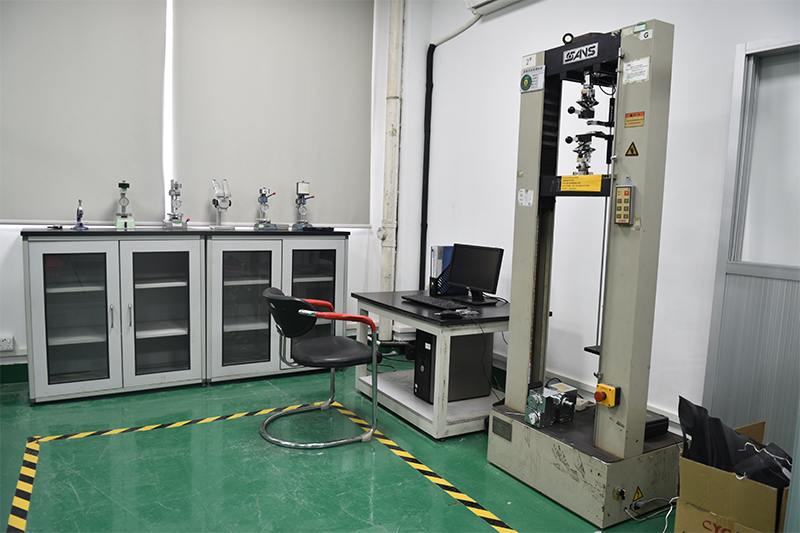
CYCT owns leading testing and R&D capabilities, a professional research team, and a national CNAS-accredited laboratory. By partnering closely with top R&D institutes such as the CNPC Pipeline Science Research Institute, we offer comprehensive lifecycle support, cathodic protection designs, rehabilitation programs, and structural safety solutions.
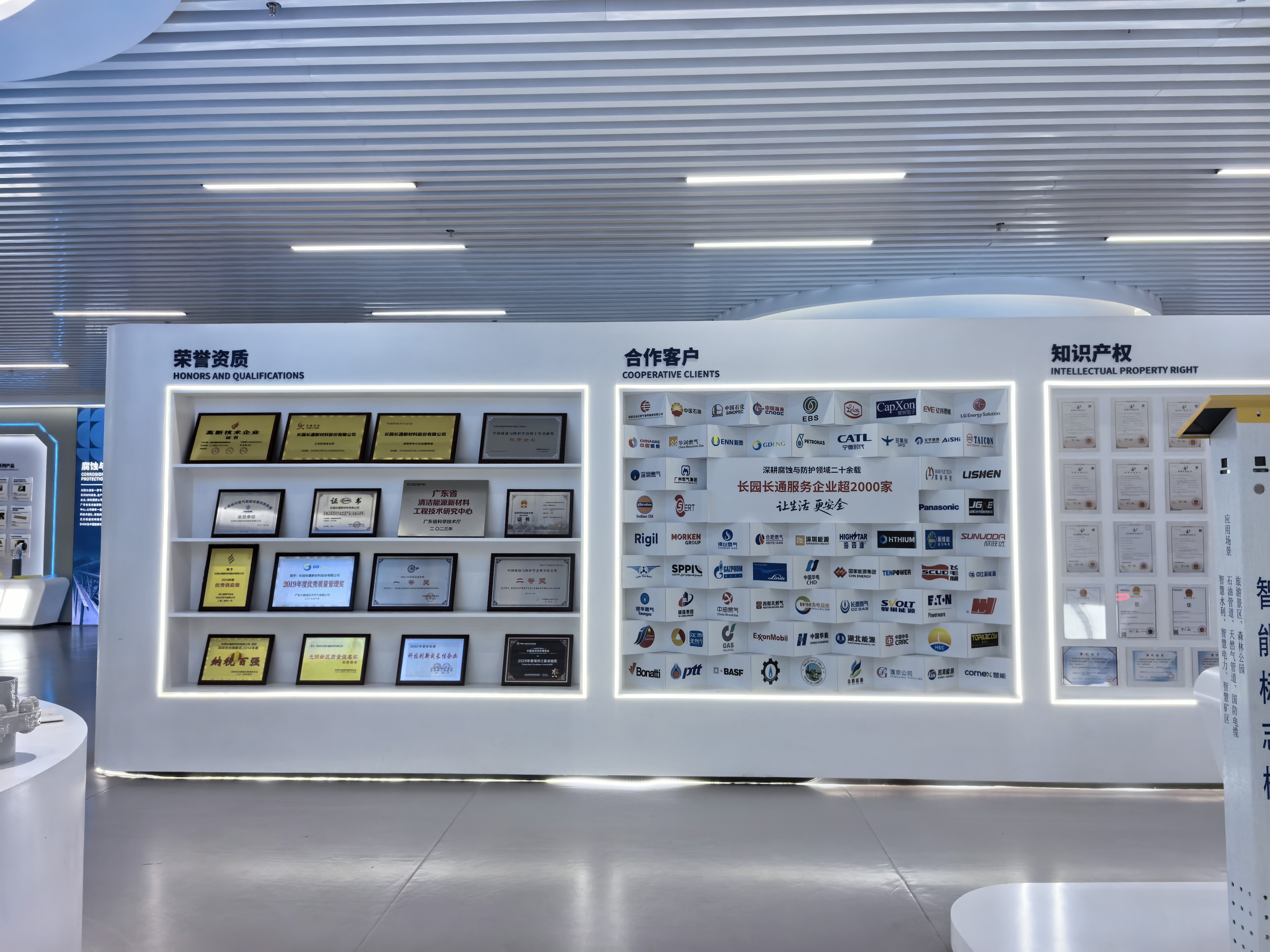
Today, CYCT is a qualified, stable long-term supplier of field joint coatings for global and domestic giants, including PetroChina, Sinopec, PipeChina, China Gas Group, and Indian Oil.
Heavy-duty protective wraps and components tailored for complex geographic profiles and directional crossings in Uzbekistan.
How pipeline contractors can ensure zero-defect coating application under extreme hot and cold ambient settings.
A perfect field joint depends heavily on steel preparation. Clean the bare joint region using abrasive blast cleaning to achieve a Sa 2.5 ISO 8501-1 finish. The steel surface must show a clean anchoring profile of 50–90 microns. Wipe away all abrasive residue, moisture, and dust before proceeding.
Due to the rapid cooling effect in regions like Tashkent or Bukhara during autumn/winter, pre-heat the pipe surface using a propane torch or induction heater. The target preheat temperature is typically between 60°C and 80°C. Regularly verify the temperature using a calibrated digital infrared thermometer.
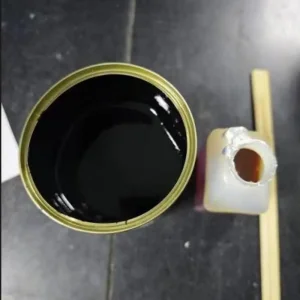
Mix the two-component solvent-free liquid epoxy primer (CYCT formulation) thoroughly. Apply the coating evenly onto the pre-heated steel joint area, overlapping onto the adjacent mill-applied PE coating by 50mm. Target a wet film thickness (WFT) of 120–150 microns.
Wrap the FRDP sleeve loosely around the joint, keeping the overlap located at the "2 o'clock" or "10 o'clock" position. Remove the release liner and press the sleeve onto the wet epoxy primer. Apply the closure patch over the sleeve seam, applying uniform heat to secure the patch in place.
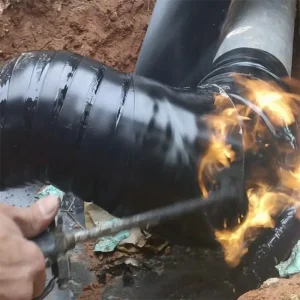
Use a soft yellow-flame propane torch to heat the center of the sleeve, moving circumferentially. Once the center has shrunk fully, work outward toward each end. Ensure the backing shrinks uniformly without trapping air bubbles. The hot-melt adhesive must escape from the sleeve edges on all sides, indicating a complete seal.
After cooling, verify the sleeve is free of wrinkles, bubbles, or charring. Conduct holiday detection at 15kV to 25kV (subject to specification) to confirm absolute dielectric continuity. Measure peel strength dynamically on representative joints.
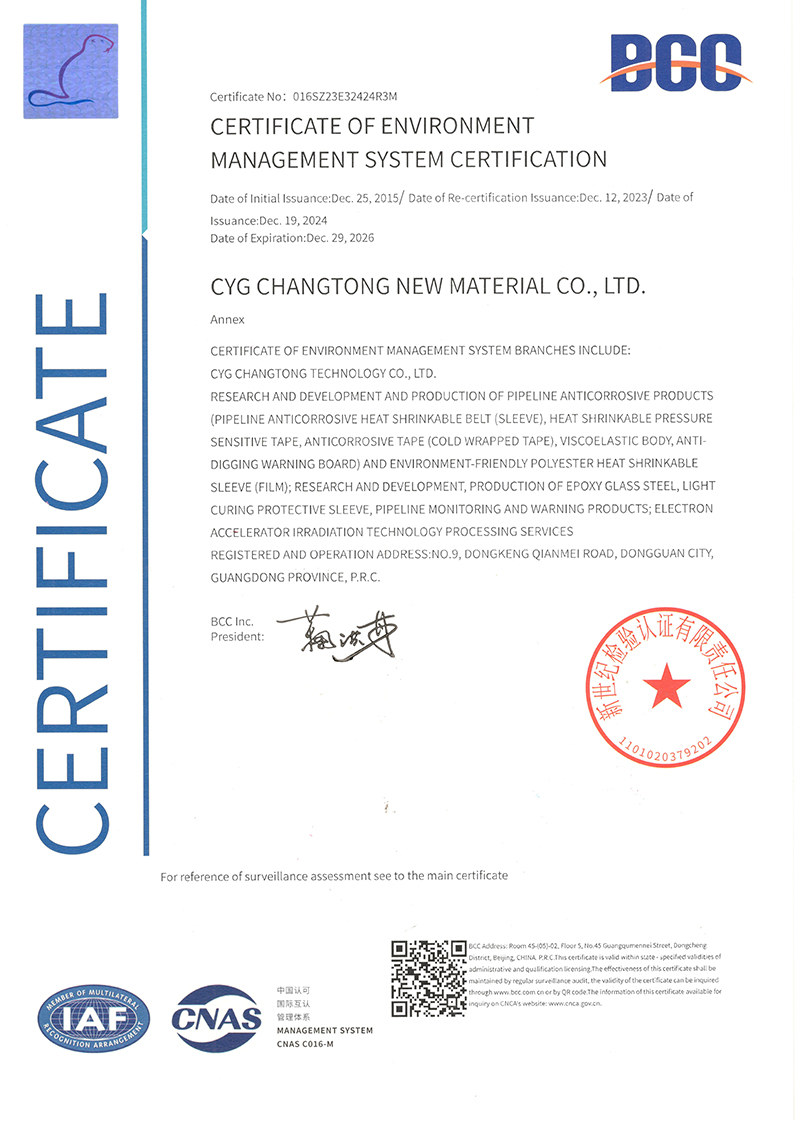
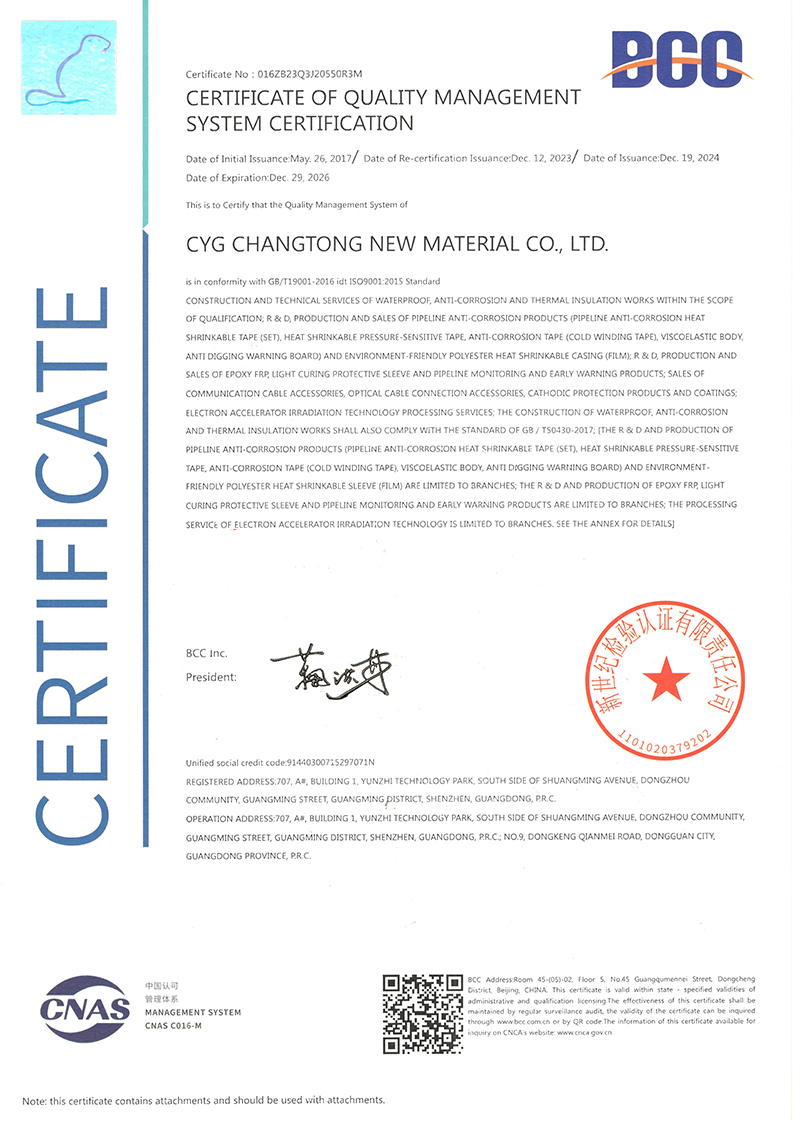
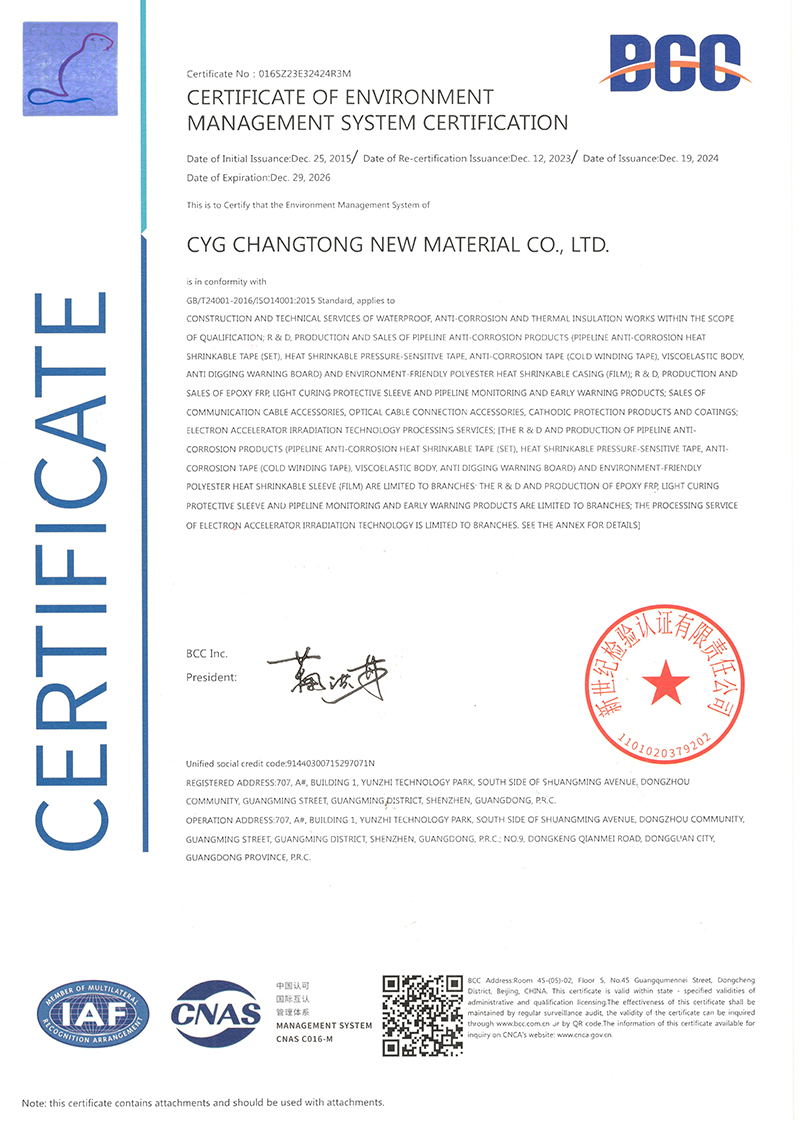
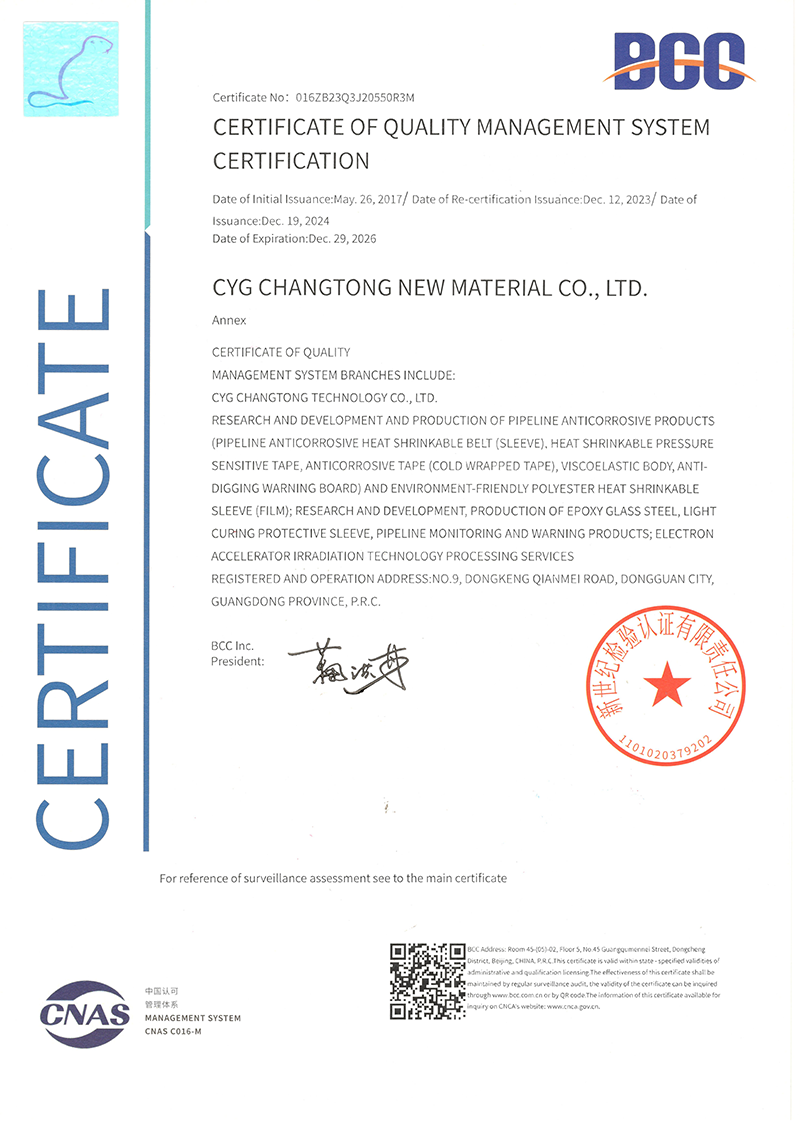
Our systems comply with major global codes and local Central Asian safety guidelines.
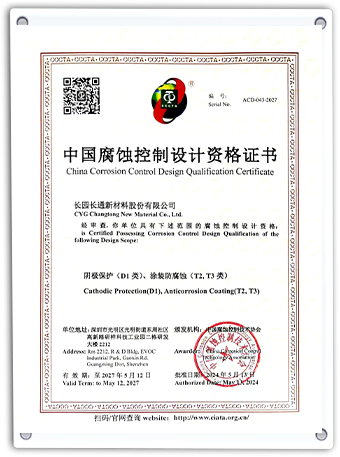
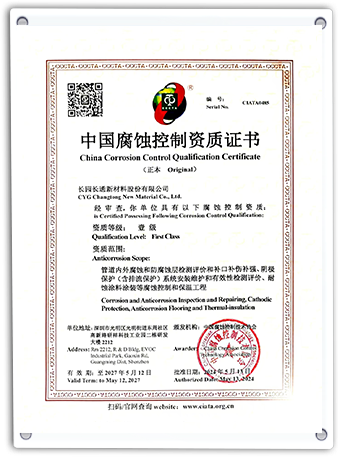
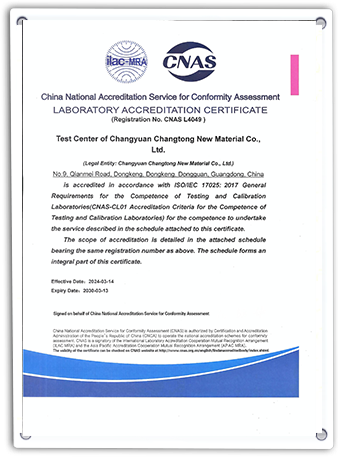
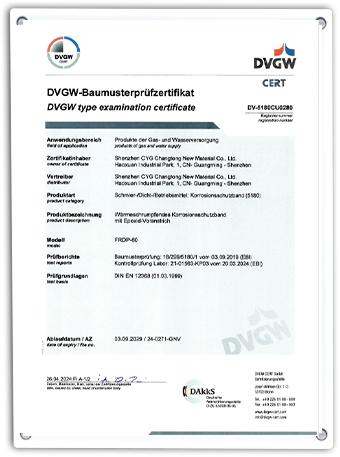
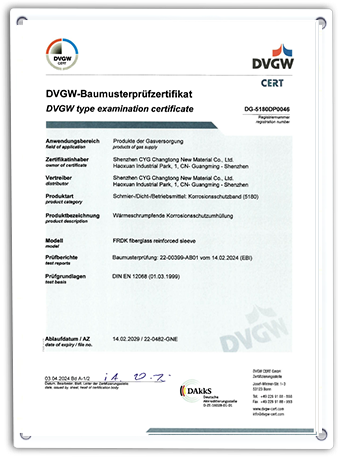
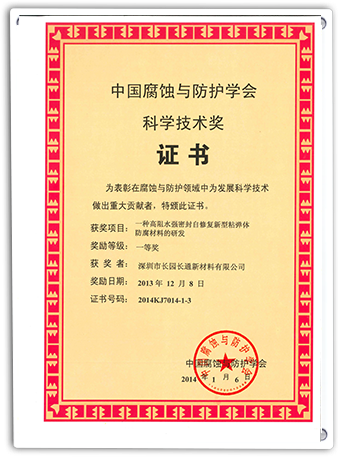
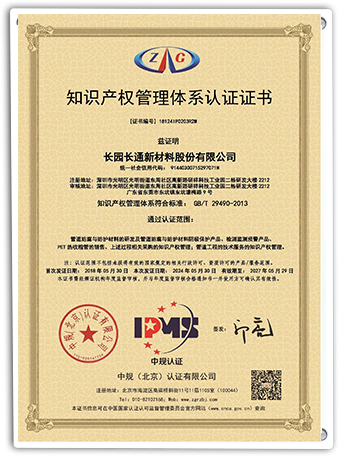
Adapting pipeline protection chemistry to support high-pressure hydrogen and clean energy infrastructure in Central Asia.
The landscape of pipeline engineering is changing. With Uzbekistan driving regional green energy policies, future pipelines will carry hydrogen blends, ammonia, and high-purity natural gas under higher operating pressures. This shifts thermal profile demands and increases stress dynamics on pipeline joints.
CYCT's Clean Energy Research Center is developing next-generation polyolefin matrices that minimize gas permeation and resist micro-cracking caused by hydrogen embrittlement in joint areas.
By combining physical barrier efficiency with smart coatings that react to structural deformations, CYCT is ready to support the next era of energy transport across Uzbekistan and the wider CIS region.
Get professional answers to your queries regarding FRDP sleeves and pipeline corrosion protection in Uzbekistan.
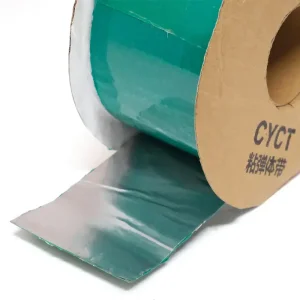
Complete product catalog containing factory-direct viscoelastic tapes, mastic tapes, high-temp wraps, and chemical primers.
 CYCT
CYCT