Engineered for high mechanical resistance, thermal stability, and long-term cathodic disbondment protection across major South African energy and water transmission channels.
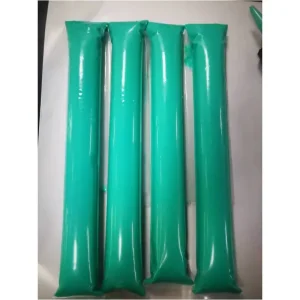
High-viscosity Vinyl Ester putty designed to fill irregular surfaces, step-downs, and weld beads before sleeve application.
Technical Data Sheet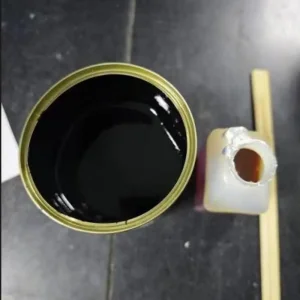
Durable factory-grade and field-applied epoxy primer formulated for maximum steel adhesion under heat shrink systems.
Technical Data Sheet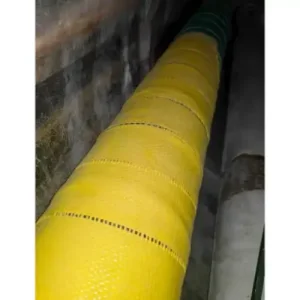
Premium glass fiber reinforced outer shield curing via atmospheric humidity, offering unmatched impact resistance.
Technical Data Sheet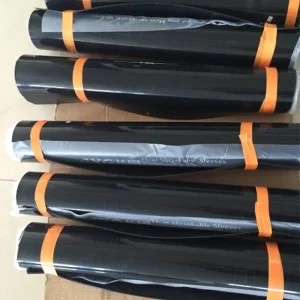
Specially formulated heat shrinkable joint protection systems for polypropylene coated pipelines operating in high-temperature lines.
Technical Data SheetSouth Africa’s industrial growth, particularly across Gauteng, Mpumalanga, KwaZulu-Natal, and the Western Cape, is heavily reliant on robust pipeline networks. From municipal water bulk supply lines managed by utilities like Rand Water to high-pressure hydrocarbon networks managed by Transnet Pipelines, maintaining pipeline integrity is paramount. In this geographical context, field joints are the most vulnerable segments of any pipeline system. Standard corrosion protection measures often fail due to the intense mechanical and chemical stresses characteristic of the region.
The South African landscape presents distinct environmental challenges that dictate the selection of pipeline field joint coatings (FJC):
Globally, pipeline asset management is undergoing a paradigm shift. Asset owners are no longer looking at initial capital expenditure (CAPEX) alone; the focus has shifted dramatically toward Operational Expenditure (OPEX) minimization over a 30 to 50-year life cycle. Traditional heat shrinkable sleeves, while offering excellent corrosion resistance when installed correctly, are prone to mechanical damage during pipe pulling (Horizontal Directional Drilling - HDD), rocky backfilling, and thermal expansions.
This is where FRDP technology shines. By integrating a high-strength fiberglass mesh within the cross-linked polyethylene backing, the sleeve gains structural integrity similar to composite materials. It resists tears, punctures, and creep under soil pressure. Globally, this technology is recognized by standards such as ISO 21809-3 and EN 12068 as the premier solution for high-stress applications.
The high-performance profile of FRDP (Fiberglass Reinforced Dual-Purpose) Heat Shrink Sleeves is the result of precision polymer engineering. The sleeve is composed of a multi-layer structure, with each layer engineered to play a specific role in corrosion prevention and mechanical protection:
| Performance Characteristic | Test Method (Standard) | Typical Target Values (FRDP System) |
|---|---|---|
| Tensile Strength | ASTM D638 / ISO 527 | ≥ 25 MPa |
| Elongation at Break | ASTM D638 / ISO 527 | ≥ 400% |
| Peel Strength to Steel (with primer) | EN 12068 / ISO 21809-3 | ≥ 100 N/cm at 23°C / ≥ 25 N/cm at 80°C |
| Cathodic Disbondment Resistance | ASTM G8 / ISO 21809-3 | ≤ 5 mm radius disbondment @ 65°C, 28 days |
| Impact Resistance | EN 12068 | ≥ 15 J (Class C rating) |
| Indentation Resistance | DIN 30670 / EN 12068 | ≥ 0.6 mm residual thickness @ 80°C |
The implementation of FRDP Heat Shrink Sleeves across South African infrastructure varies according to the specific application environment. Here are key localized scenarios where FRDP is critical:
In highly built-up municipal areas such as Johannesburg or Cape Town, open-trench pipeline laying is often impossible. Contractors utilize HDD to cross beneath arterial highways, rail links, and environmental conservation areas (like the Vaal River). The friction and shear forces encountered when pulling a welded steel pipe through a bore path are immense. Standard heat shrinkable sleeves will roll, peel, or tear. FRDP sleeves, with their fiberglass reinforcement and high shear-resistant adhesives, withstand these forces, guaranteeing the joint remains corrosion-protected post-pull.
In the Goldfields region and Rustenburg Platinum Belt, heavy industrial pipelines carry highly abrasive process water and acidic slurries. The soils surrounding these mines are often filled with mining waste backfill, which is highly corrosive and physically abrasive. The combination of VE Putty to fill structural transitions and FRDP sleeves to wrap field joints protects the steel from direct contact with highly corrosive groundwater.
For import facilities and offshore single buoy moorings (SBM) near Durban and Richards Bay, pipeline coatings must deal with constant moisture, wave action, and high salinity. Specialized systems like the GRF Moisture Curing Shield are applied over FRDP sleeves to create an armor-like shell that shrugs off wave action, UV damage, and mechanical impacts from marine debris.
Get in touch with CYCT's NACE/AMPP-certified coating specialists to design the optimal corrosion prevention system for your specific soil and operational profile.
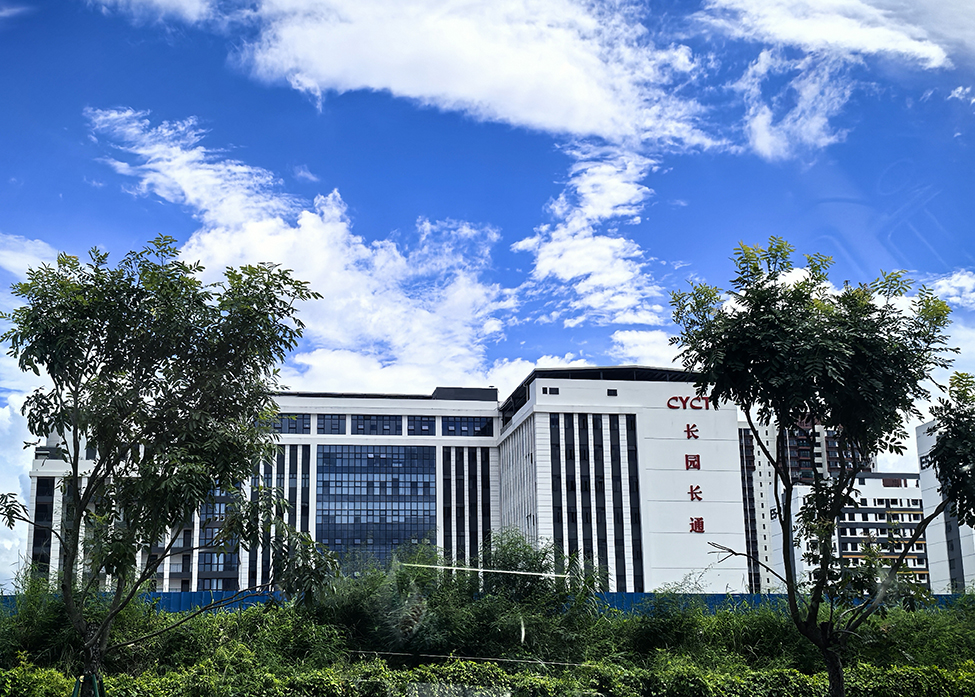
Send Inquiry NowCYCT New Materials Company Limited is a state-level high-tech enterprise integrating R&D, production, sales of pipeline corrosion protection materials, and specialized technical services into one cohesive platform.
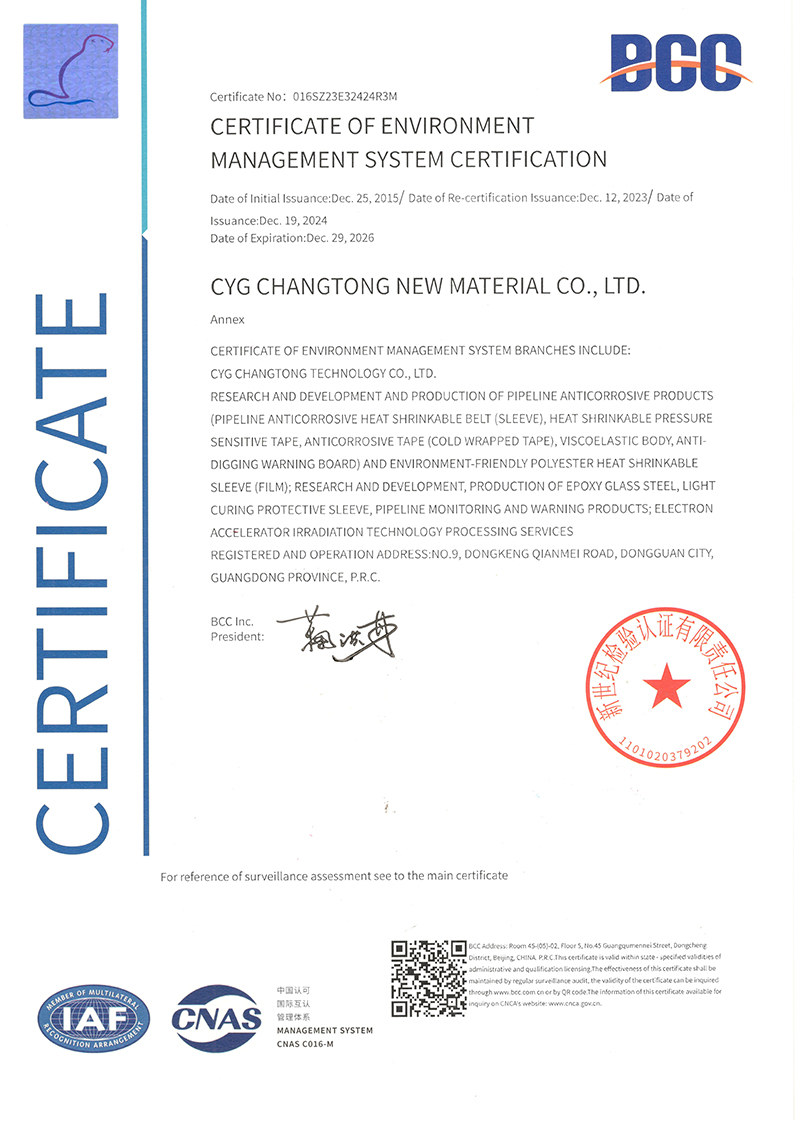
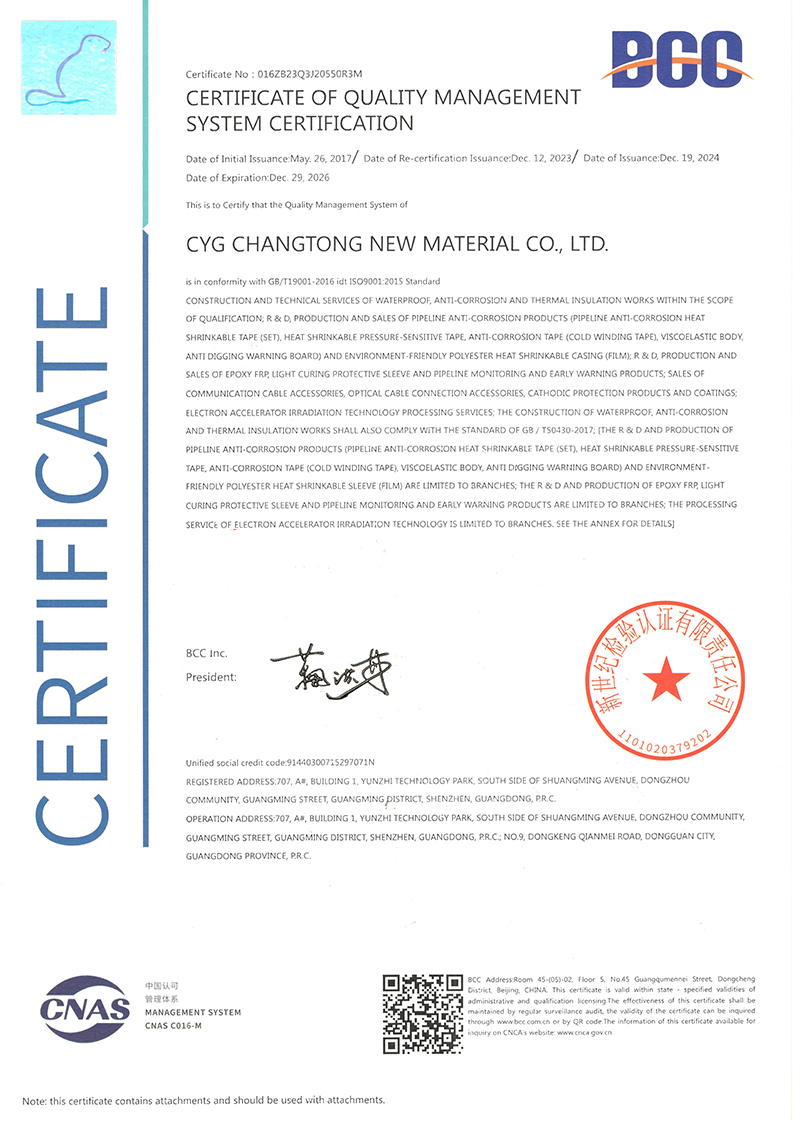
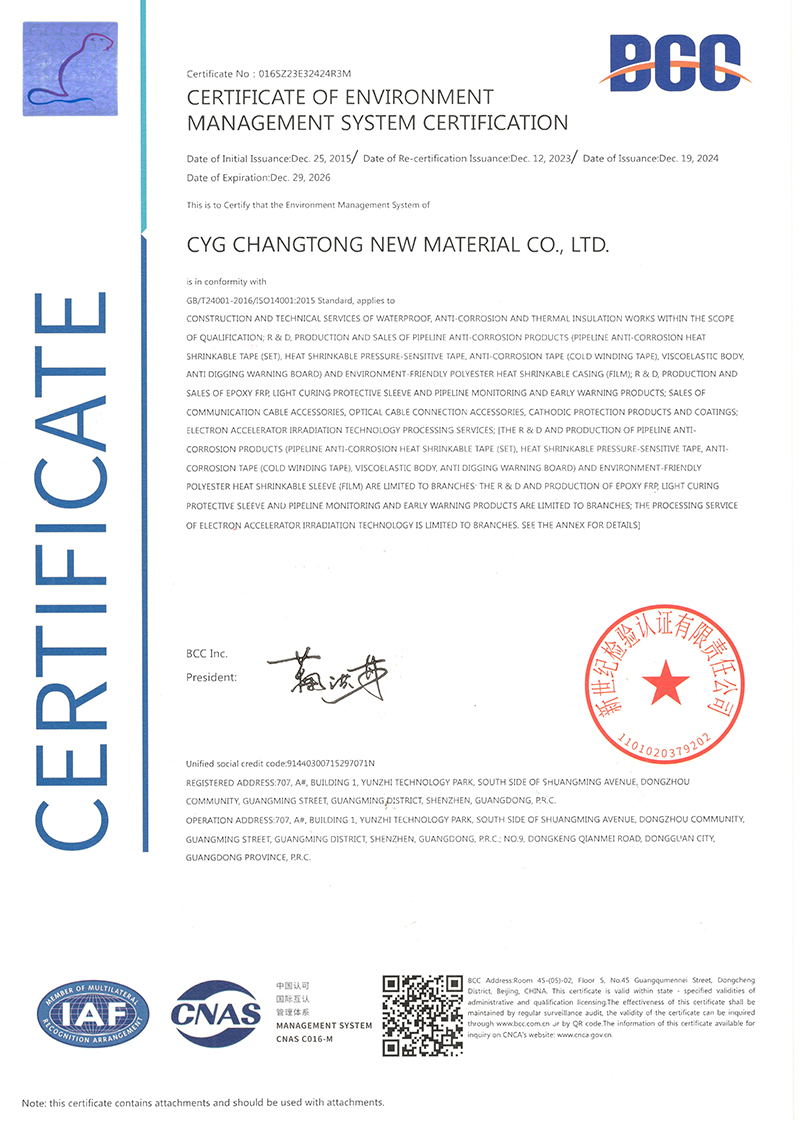
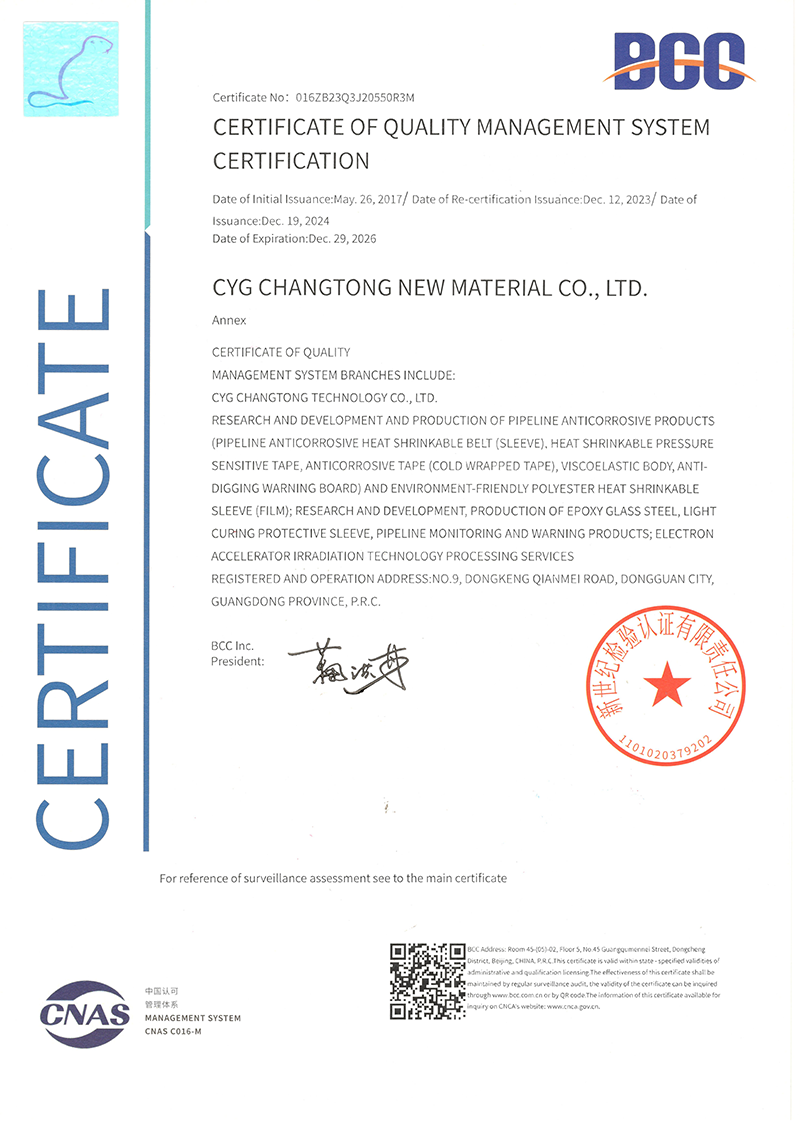
CYCT has dedicated itself to the R&D, production, and sales of pipeline corrosion protection materials for decades. The company owns leading testing and R&D capabilities, a professional R&D team, and a national CNAS-accredited laboratory. This ensures that every batch of FRDP sleeves meets international quality criteria before shipment to our global partners.
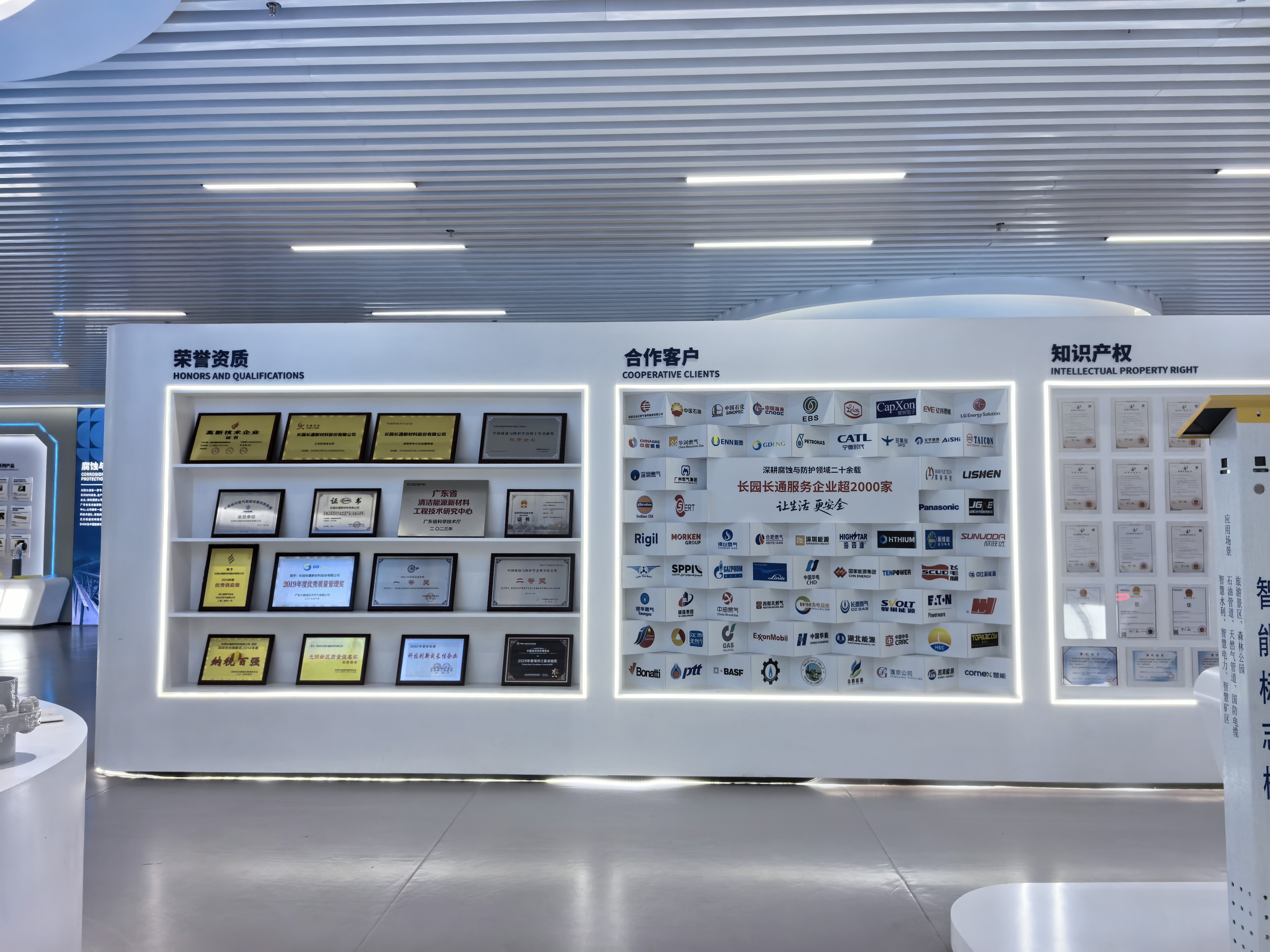
CYCT has become a stable supplier of field joint coatings for years in major global and domestic networks including PetroChina, Sinopec, PipeChina, Indian Oil, and local bulk distribution lines in South Africa. Our high market share is a testament to our quality, reliability, and project-specific customizations.
By collaborating closely with leading R&D institutes such as the CNPC Pipeline Science Research Institute, CYCT is capable of providing in-service pipelines with varied technical services, including buried pipeline detection, design schemes, cathodic protection, rehabilitation projects, and integrated security solutions.
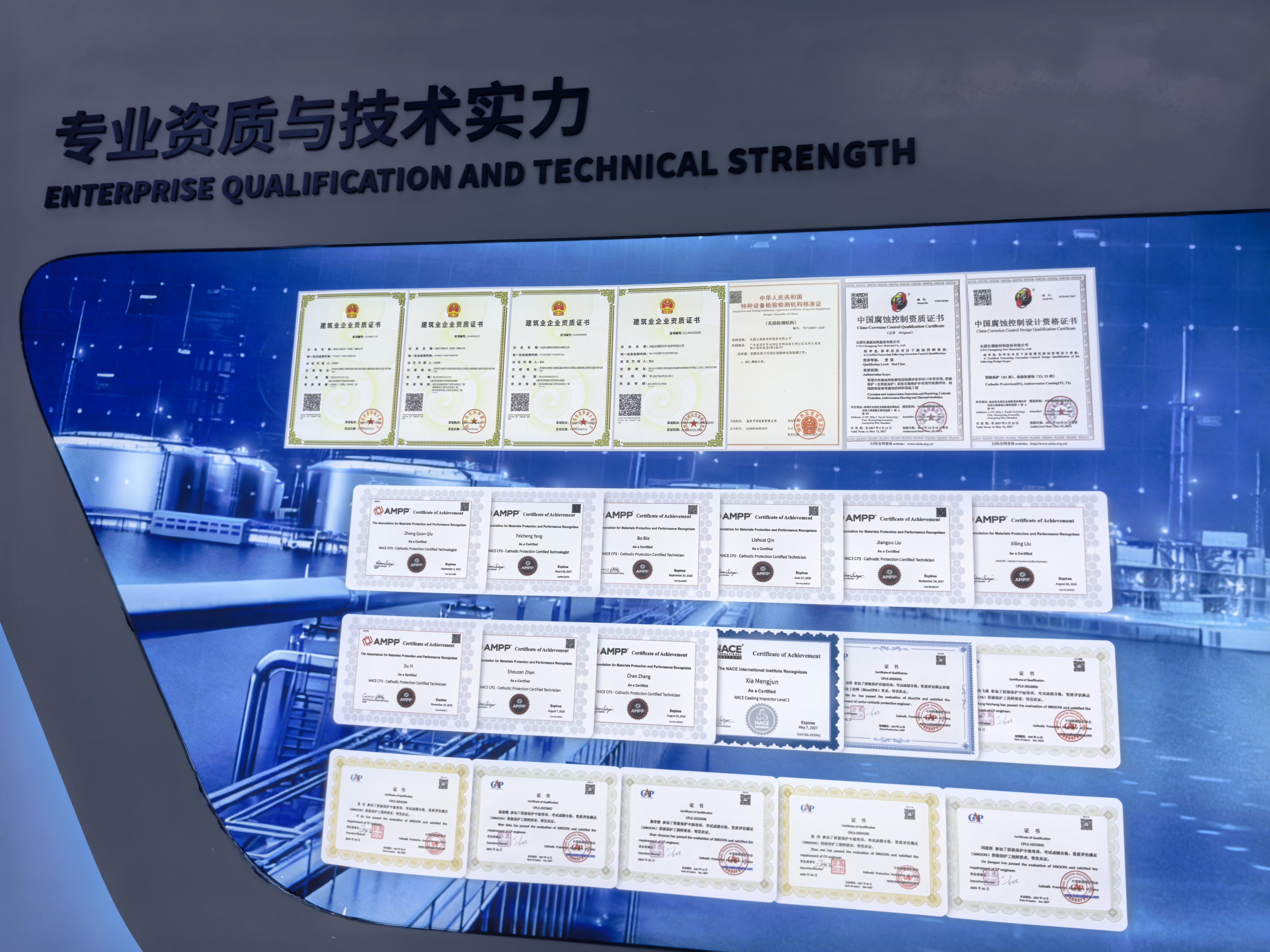
CYCT is an active council member of the Chinese Society for Corrosion and Protection (CSCP) and holds qualifications in pipeline detection and corrosion protection construction. Our materials are fully compliant with AMPP (formerly NACE) international codes.

Providing technical answers to critical engineering inquiries encountered during pipeline design and field installations in South Africa.
Discover our complete line of field joint coatings, hot-melt repair sticks, and viscoelastic tapes engineered for municipal, chemical, and petrochemical pipeline systems in South Africa.
Designed for filling pinholes and small damaged areas in mill-applied polyethylene coatings before laying.
View Details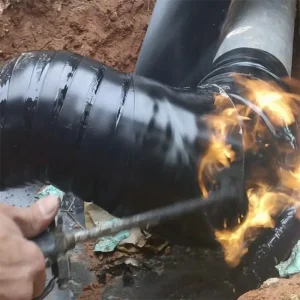
Open-configuration wrap-around tape designed for joint sealing and maintenance wrapping on service lines.
View Details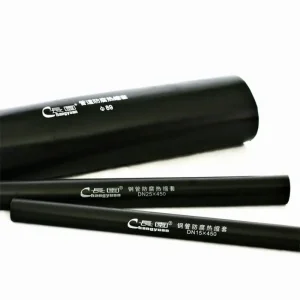
Tubular configuration sleeves offering rapid installation for continuous distribution pipe runs.
View Details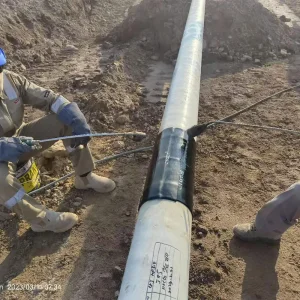
Specifically designed to match polypropylene mill coatings operating under elevated system temperatures.
View Details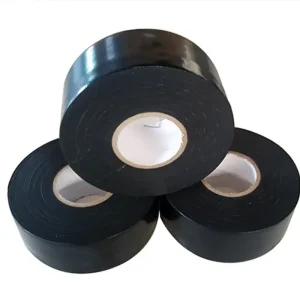
Engineered for utility pipeline wrapping, offering highly flexible application parameters under local sun exposure.
View Details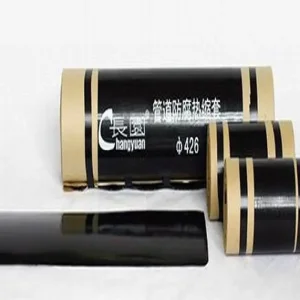
Our flagship structural joint sleeve designed for trenchless pullback installation and high-abrasion zones.
View Details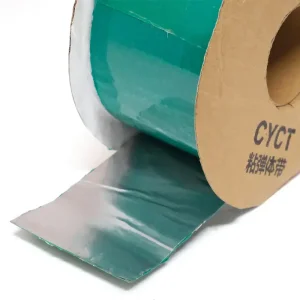
Self-healing cold-applied viscoelastic compound backed by durable UV-reflective aluminum foil.
View Details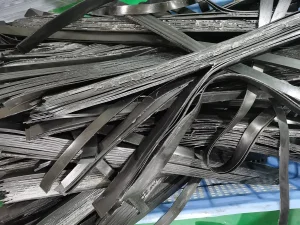
Thermoplastic compound formulated to fill deep gashes, repairs, and voids in factory polyolefin coatings.
View Details CYCT
CYCT