Engineered anti-corrosion products designed to withstand high mechanical stresses and thermal fluctuations across Finnish infrastructure networks.
An Industrial Analysis of Sub-Zero Soil Stress and Corrosion Prevention Mechanics
Finland’s geographic location demands some of the most stringent engineering specifications in the world for buried and offshore steel pipelines. With soils characterized by high peat content, dense glacial till, and extended periods of seasonal permafrost, pipelines undergo massive geomechanical stresses. Seasonal freeze-thaw cycles cause significant ground movement and heave, subjecting the field joints of district heating systems, gas interconnectors, and municipal water mains to continuous shear and bending forces.
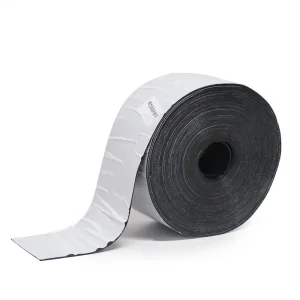
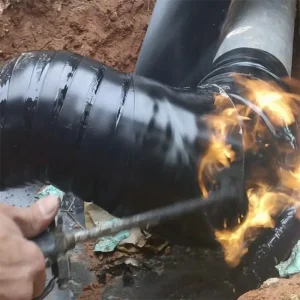
Additionally, the high groundwater table across major industrial zones in southern and western Finland exposes pipes to saturated, highly corrosive anaerobic environments. Under such conditions, standard field joint coatings often suffer from brittle failure or delamination. This is where high-performance FRDM Mastic Heat Shrink Sleeves have emerged as a critical technology. By utilizing an extremely thick, viscous, self-healing mastic adhesive layer backed by a heavy-duty, radiation-crosslinked high-density polyethylene (HDPE) layer, FRDM sleeves provide both immediate hydrostatic sealing and long-term mechanical protection.
Information Gain: Unlike hot-melt copolymer adhesives that can fail under high localized shear stress at low installation temperatures, mastic-based adhesives retain their visco-elastic flow and self-healing properties at temperatures as low as -10°C, maintaining a continuous corrosion barrier despite seasonal soil settlement.
The chemistry of FRDM Mastic sleeves is fundamentally engineered around two key phases of protection:
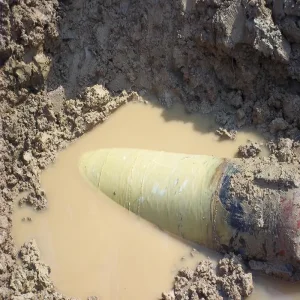
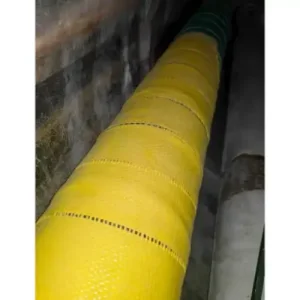
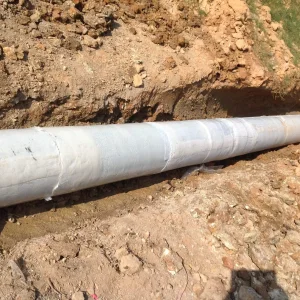
Field-proven coatings developed for challenging trenchless installations and rapid repair of PE pipeline coatings.
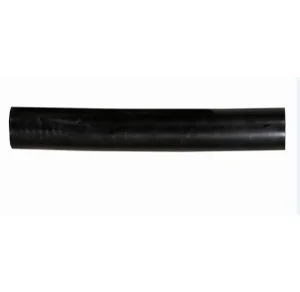
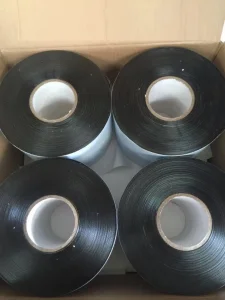
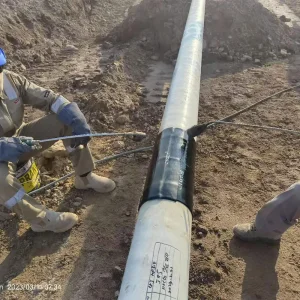
For European procurement managers coordinating imports to Finland, ensuring strict adherence to EN 12068 and ISO 21809-3 standards is non-negotiable. Mastic sleeve performance is evaluated on critical baseline metrics to prevent premature pipeline failures. CYCT guarantees all manufactured products undergo rigorous QA/QC profiling to match these standards.
| Test Property | Standard Value Requirement | CYCT FRDM Achieved Value | Test Method Reference |
|---|---|---|---|
| Tensile Strength | ≥ 12 MPa | 16.5 MPa | ASTM D638 / ISO 527 |
| Peel Strength (to Steel) | ≥ 1.0 N/mm | 1.8 N/mm | EN 12068 / ISO 21809-3 |
| Impact Resistance | ≥ 15 J | 20 J | EN 12068 Class C |
| Cathodic Disbondment | ≤ 10 mm (at 23°C, 28 days) | 4.5 mm | ASTM G8 / ISO 21809-3 |
| Low Temp Flexibility | No cracking at -20°C | No cracking at -35°C | ASTM D2671 |
Specialized mastic polymers designed to maintain high shear strength under Nordic soil heave and thermal cycles.
Optimized backing design prevents cathodic protection shielding, allowing CP current to flow effectively to protected areas.
Lower preheat requirements for mastic backing decreases gas usage and field joint processing time in winter conditions.
A State-Level High-Tech Enterprise and Globally Trusted Pipeline Materials Supplier
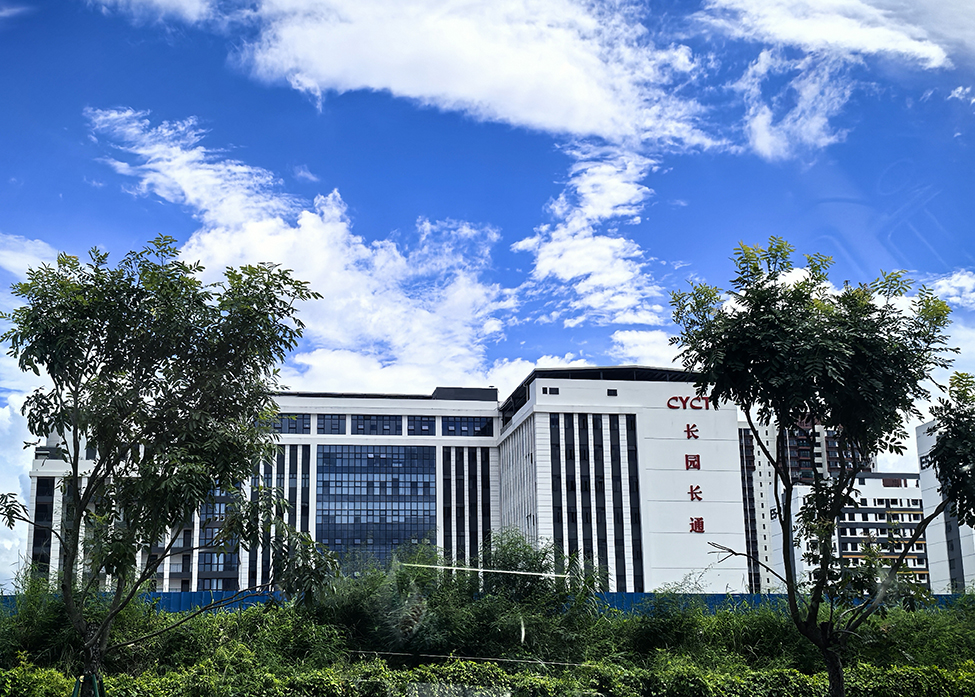
CYCT New Materials Company Limited (for short, CYCT) is a state-level high-tech enterprise integrating R&D, production and sales of pipeline corrosion protection materials as well as buried pipeline detection service and pipeline coating field application service into one. We devote ourselves to R&D, production and sales of pipeline corrosion protection materials for decades, ensuring absolute structural integrity for crucial oil, gas, water, and heating networks.
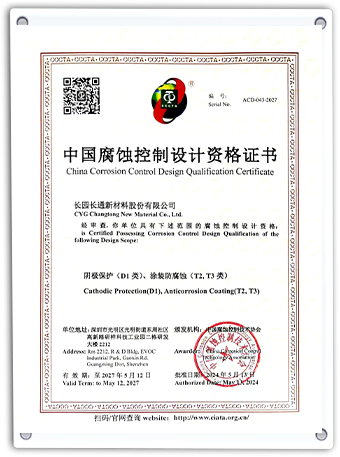
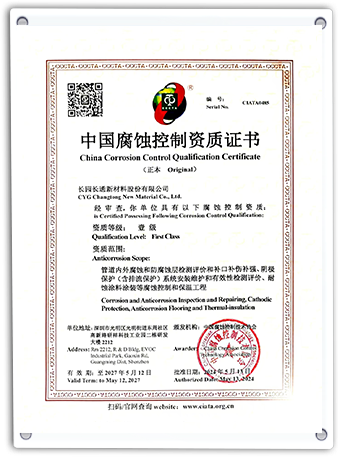
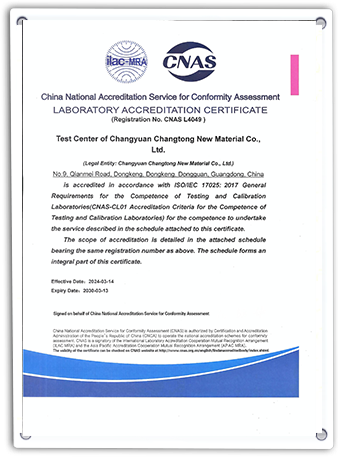
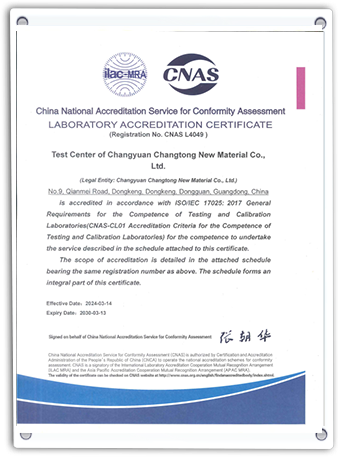
CYCT owns leading testing and R&D capabilities, a professional R&D team, and a national CNAS-accredited laboratory. Our close cooperation with leading R&D institutes such as CNPC Pipeline Science Research Institute enables us to provide in-service pipelines with varied technical services, including buried pipeline detection, design schemes, cathodic protection system designs, rehabilitation projects, and integrated solutions for pipeline safety.
CYCT has become a stable supplier of field joint coatings for years in PetroChina, Sinopec, PipeChina, Indian Oil, and local European networks. Furthermore, CYCT has successfully developed and introduced specialized corrosion protection materials such as viscoelastic anti-corrosion systems, special photo-curing sleeves for HDD protection, and advanced polyurea coatings.
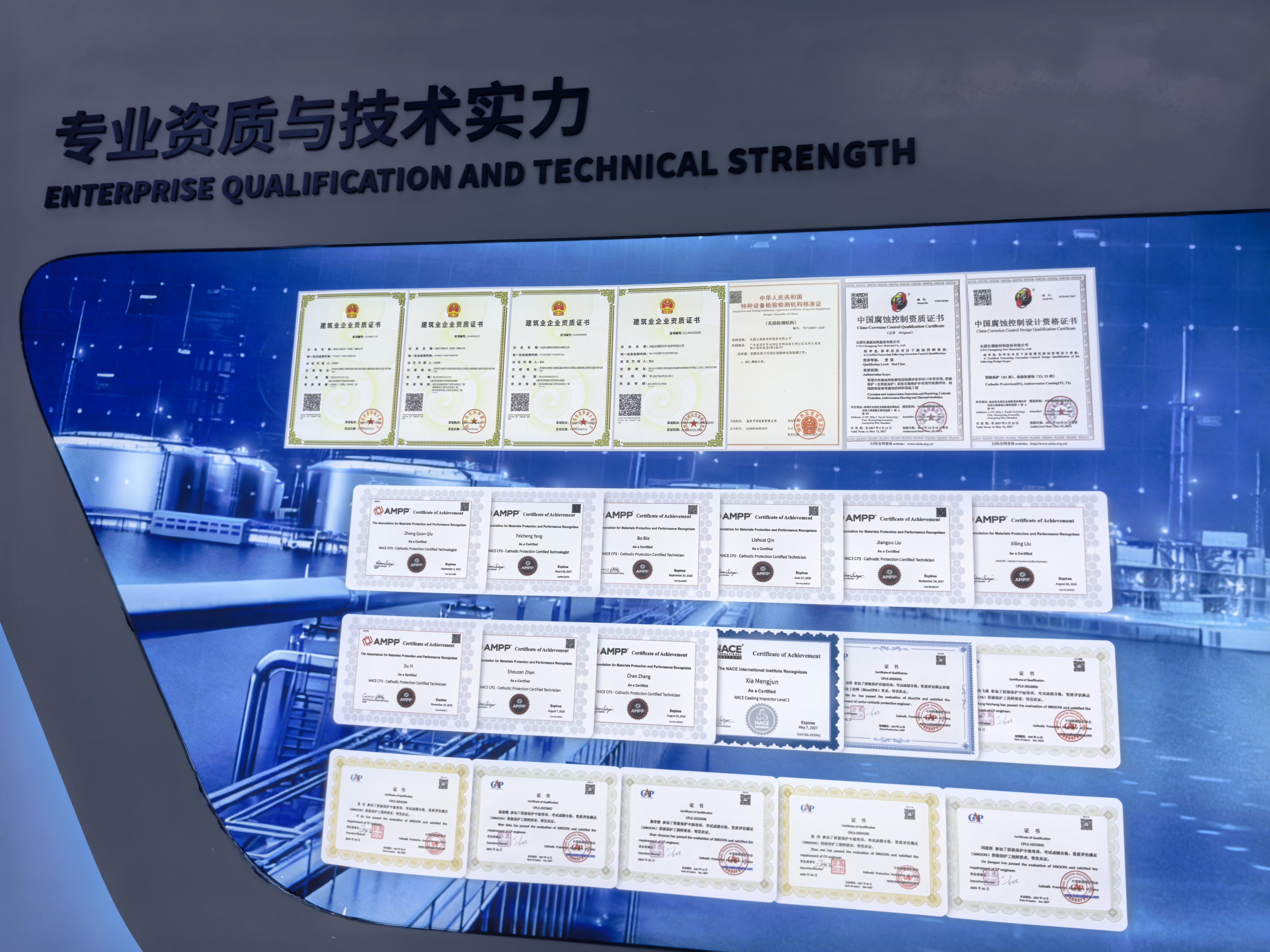

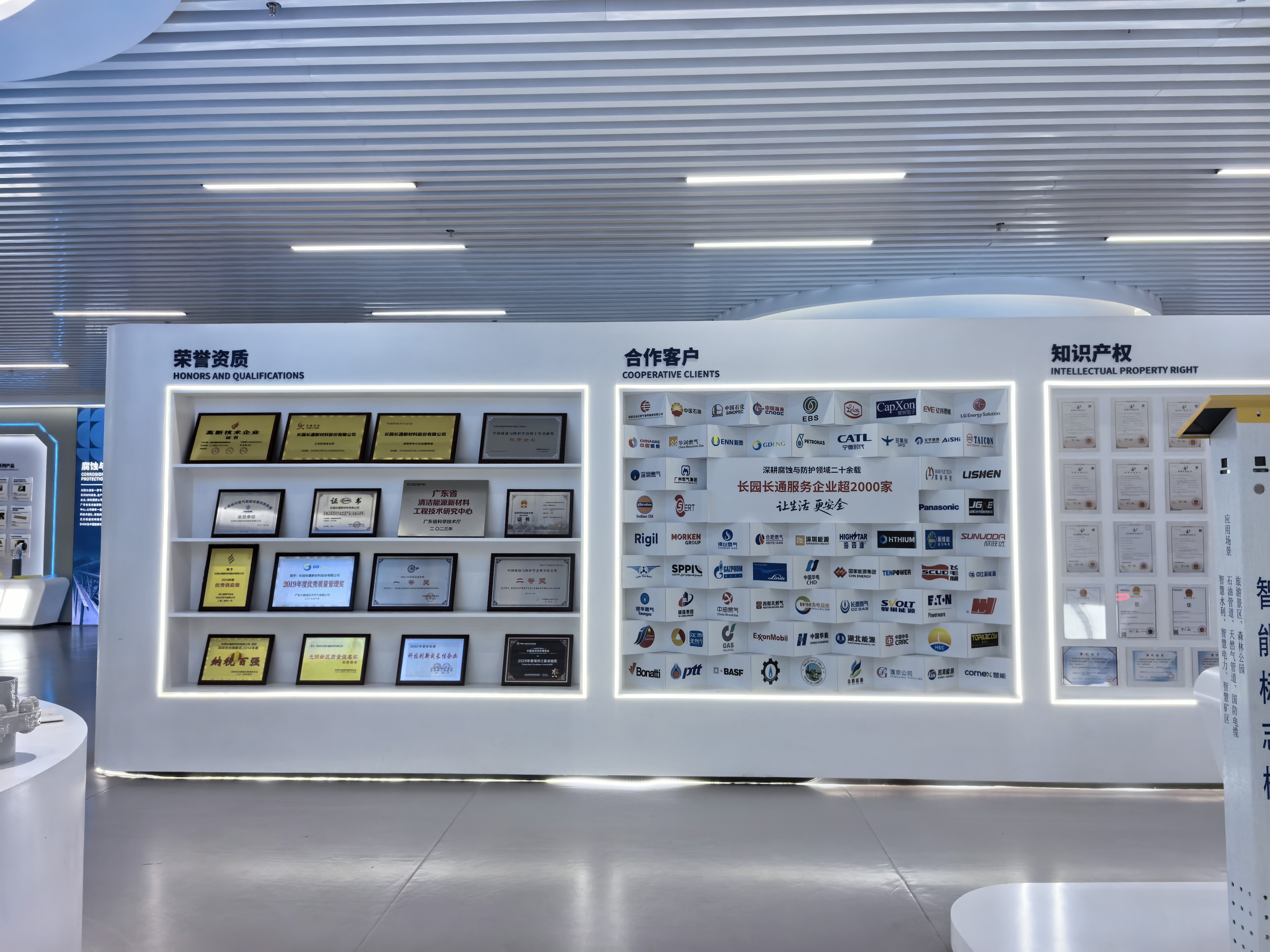
Accredited Affiliations: Member of Council in Chinese Society for Corrosion and Protection (CSCP), Qualification Certificate of Corrosion Protection Construction, Qualification Certificate of Pipeline Detection, Well-known Brand of Pipeline Corrosion Protection, and Corporate Member of China Association of Petroleum Engineering Construction (CAPEC).
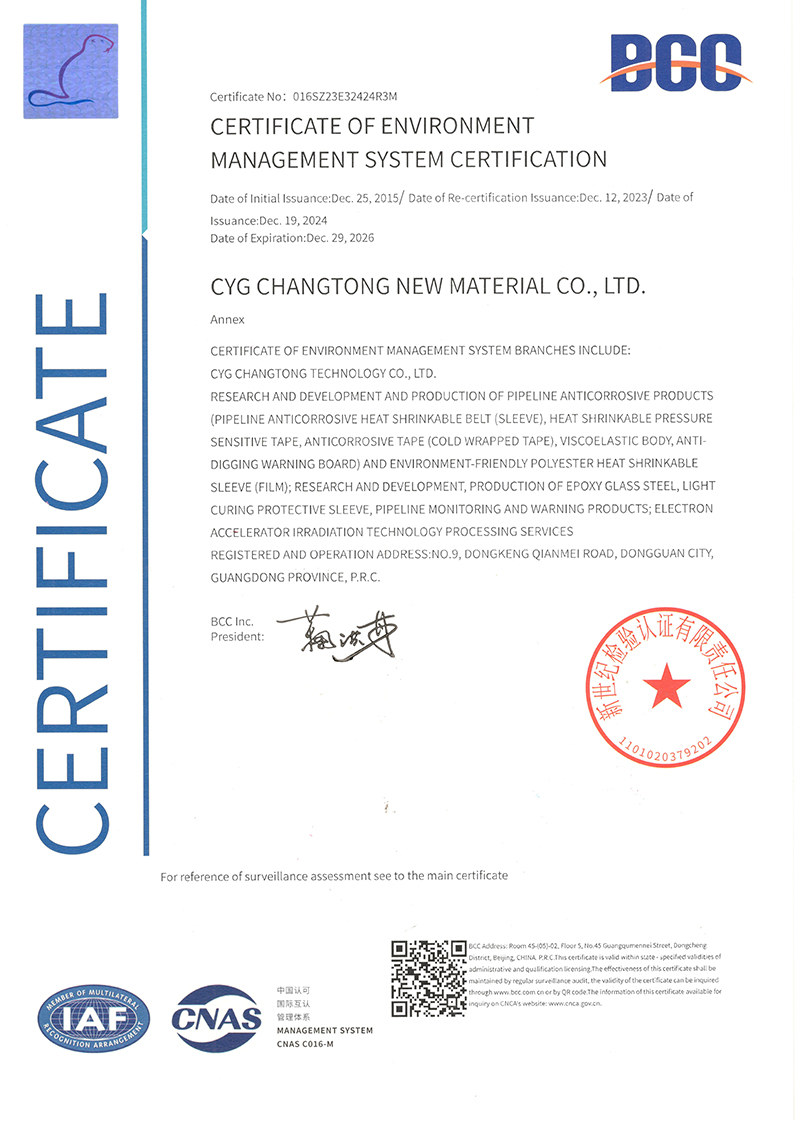
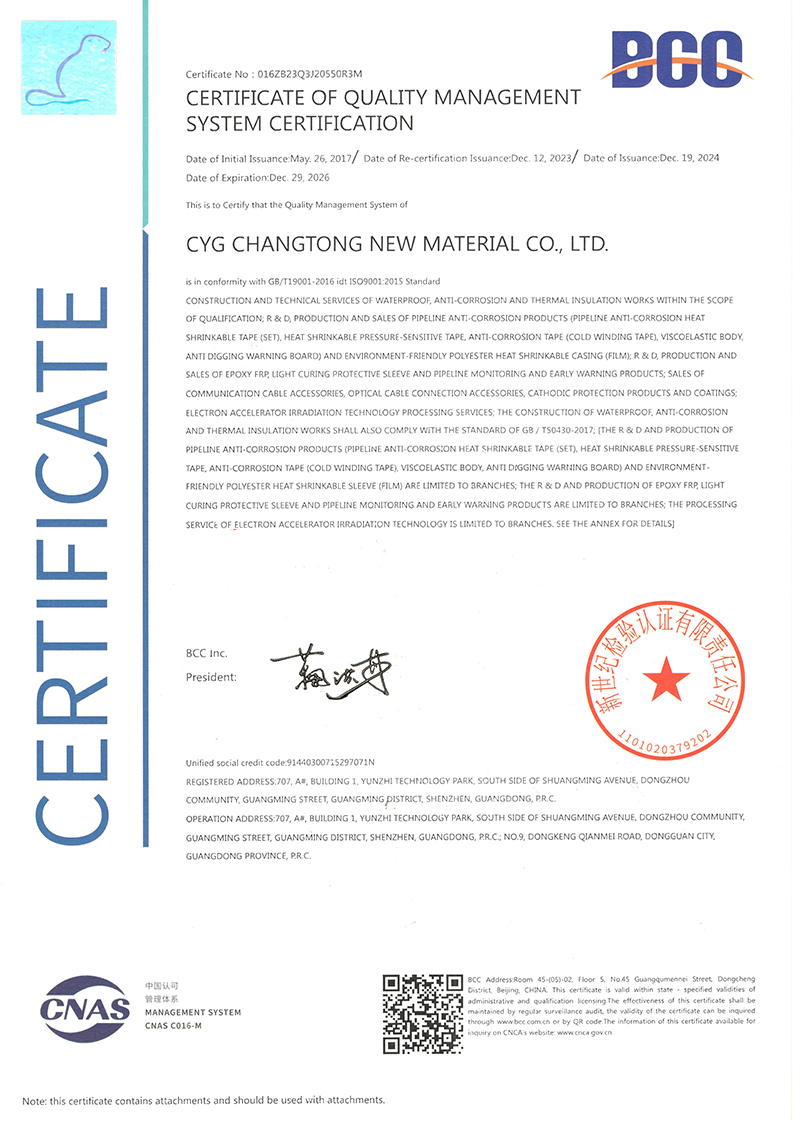
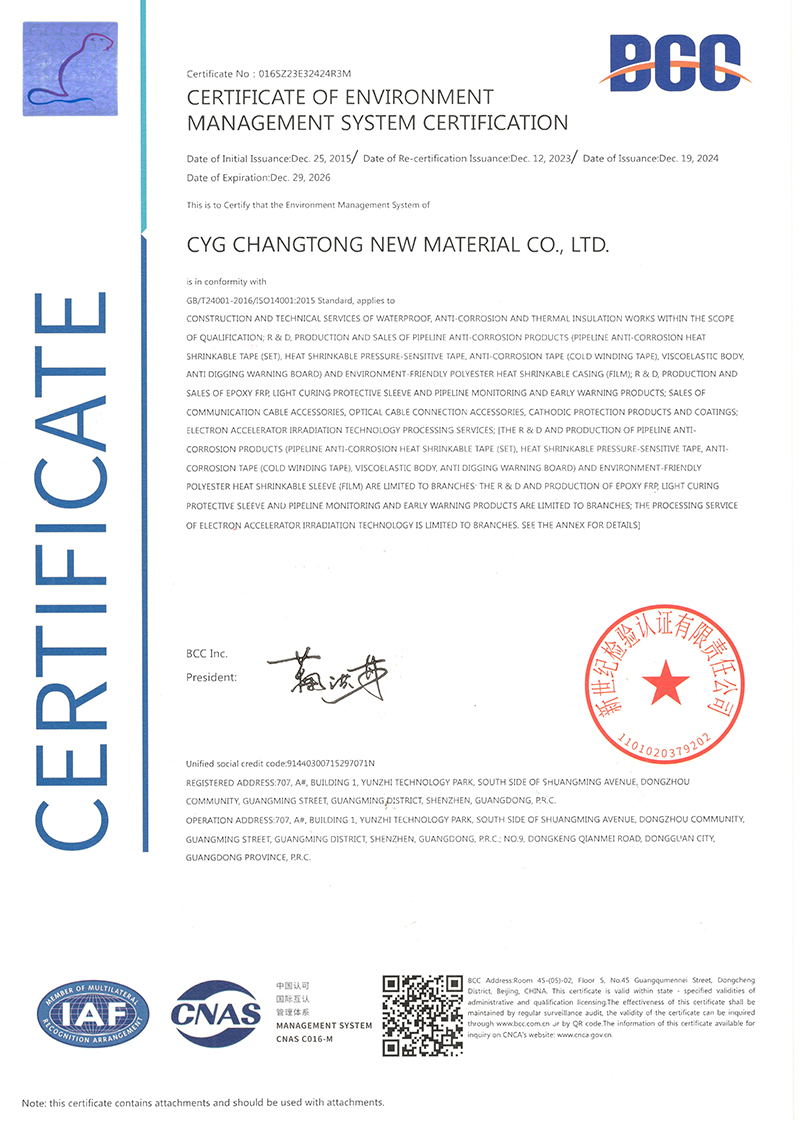
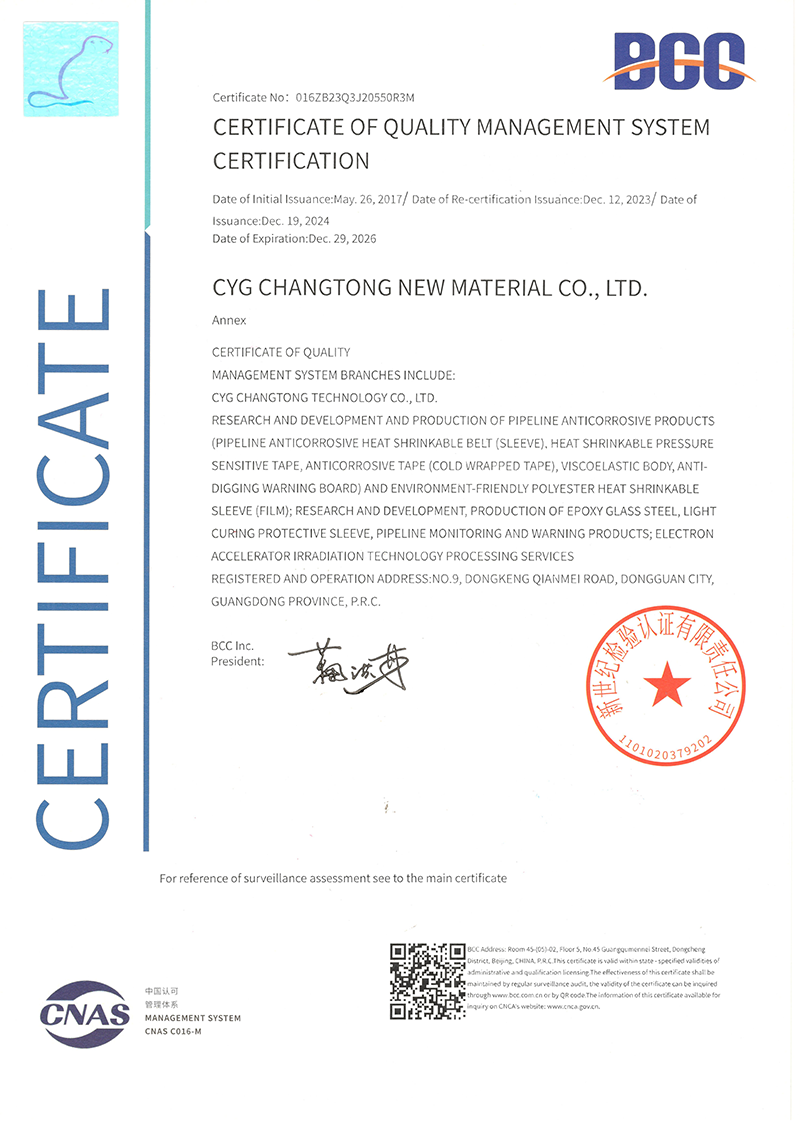
Connect With Our Technical EngineersVerified international quality systems guaranteeing product performance reliability.
In-depth responses resolving engineering questions on mastic sleeves, soil dynamics, and thermal limits.
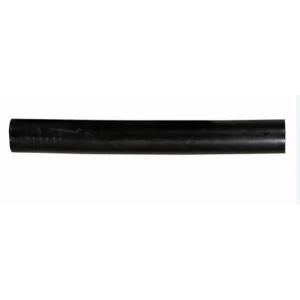
Comprehensive selection of heat-shrinkable tapes, repair patches, and viscoelastic systems to address all corrosion mitigation requirements.
 CYCT
CYCT