Optimized sealing, mechanical protection, and structural integrity products engineered to meet Japan's strict engineering and environmental requirements.
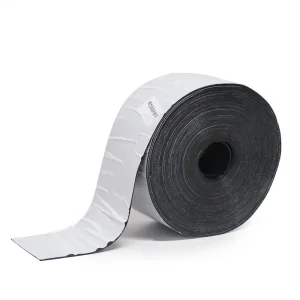
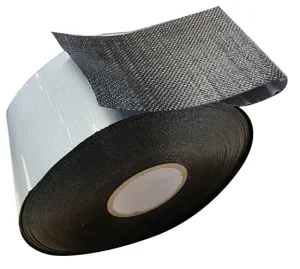
As global pipeline infrastructure faces stricter safety demands, standard heat shrinkable sleeves are reaching their limits. The FRDK Fiberglass Reinforced Heat Shrink Sleeve represents the pinnacle of composite anti-corrosion technology, specifically designed to address extreme mechanical loads, thermal expansion, and intense soil shear stresses.
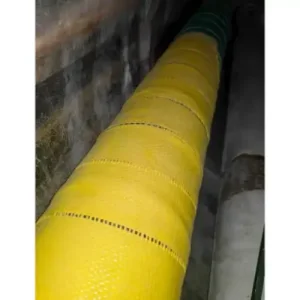
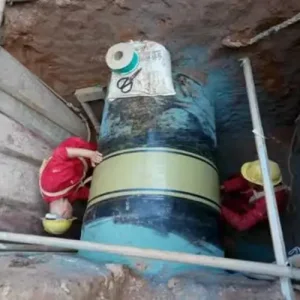
By reinforcing a high-density radiation cross-linked polyethylene (HDPE) backing with high-modulus structural fiberglass mesh, the FRDK sleeve establishes an impenetrable mechanical barrier over field joint coatings (FJC). This structural enhancement ensures that the sleeve maintains its physical integrity during pipeline operations, seismic displacement, and Horizontal Directional Drilling (HDD) applications where abrasion resistance is critical.
In standard PE-backed sleeves, soil settlement or axial pipeline movement causes the backing to stretch, yield, and eventually shear off the steel surface. The introduction of structural fiberglass mesh halts this deformation mode by raising the tensile strength and modulus of the backing. Upon heat activation, the sleeve shrinks tightly while the integrated fiberglass grid acts as a non-yielding reinforcing skeleton, transforming the outer layer into a high-tensile protective shell.
Japan’s unique geographic position atop multiple active tectonic plates demands engineered solutions that accommodate soil liquefaction, ground displacement, and recurring micro-seismic events. For high-pressure gas mains, municipal water pipelines, and chemical conveyance lines, joints are the most vulnerable points. Traditional joint protection systems are susceptible to shear failure during ground shifts.
The FRDK sleeve provides the Japanese market with a robust mechanical protection layer that meets JIS (Japanese Industrial Standards) criteria for high tensile resilience and low cathodic disbondment. Furthermore, Japan's high environmental standards require chemical components that release zero VOCs during installation—a requirement that CYCT's proprietary hot-melt copolymer adhesives satisfy.
The high-strength fiberglass backing mitigates tensile strains induced by ground shear, protecting the internal viscoelastic and epoxy coatings from delamination.
Engineered without harmful heavy metals, ensuring compliance with environmental requirements for installation adjacent to water sources and agricultural land in Japan.
Designed to withstand the harsh shear dynamics during Horizontal Directional Drilling (HDD) crossings through tough Japanese volcanic soils and gravel deposits.
Excellent resistance under electrical currents prevents active under-film corrosion, ensuring pipeline systems achieve a 50-year maintenance-free lifecycle.
To demonstrate the information gain regarding mechanical properties, the table below highlights the physical differences between standard 3-layer PE sleeves and CYCT's Fiberglass Reinforced FRDK sleeves.
| Performance Metric | Standard Heat Shrink Sleeve (PE Backing) | FRDK Fiberglass Reinforced Sleeve | Test Method Reference |
|---|---|---|---|
| Tensile Strength (Backing) | ≥ 18 MPa | ≥ 45 MPa | ASTM D638 / ISO 527 |
| Elongation at Break | ≥ 400% | ≤ 15% (Controlled Shrinkage) | ASTM D638 / ISO 527 |
| Impact Resistance | ≥ 15 J | ≥ 50 J | ASTM G14 / EN 12068 |
| Indentation Resistance (Temp 80°C) | Remaining thickness ≥ 0.6 mm | Remaining thickness ≥ 1.8 mm | EN 12068 Class C |
| Shear Resistance to Soil Stress | Moderate (Prone to wrinkling) | Exceptional (No deformation) | ISO 21809-3 |
As the global energy landscape transitions toward cleaner resources, pipeline networks are carrying higher-temperature media and hydrogen blends. Hydrogen transmission pipelines demand reliable field joint protection because steel embrittlement risks are magnified by corrosion-induced hydrogen absorption. By ensuring zero cathodic disbondment and a perfect moisture seal, FRDK sleeves prevent localized corrosion that could lead to crack propagation.
Additionally, Japan's push for liquefied natural gas (LNG) terminals and geothermal pipeline loops requires joint coatings capable of surviving thermal cycling. The copolymer adhesives used in our FRDK sleeves are chemically synthesized to resist continuous service temperatures up to 85°C, ensuring adhesion during cycles of thermal expansion and contraction.
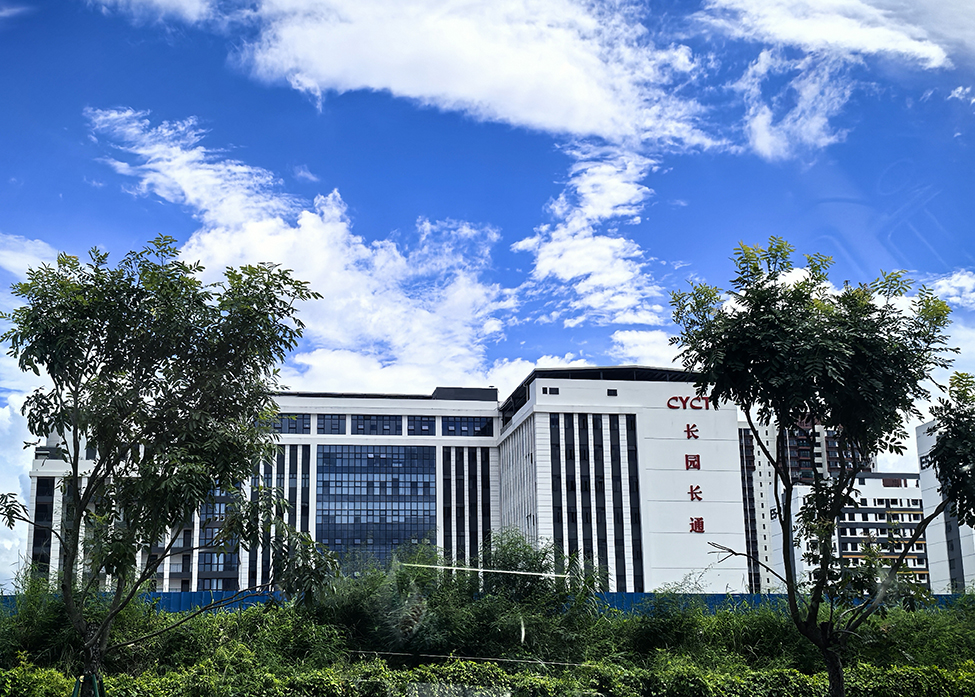
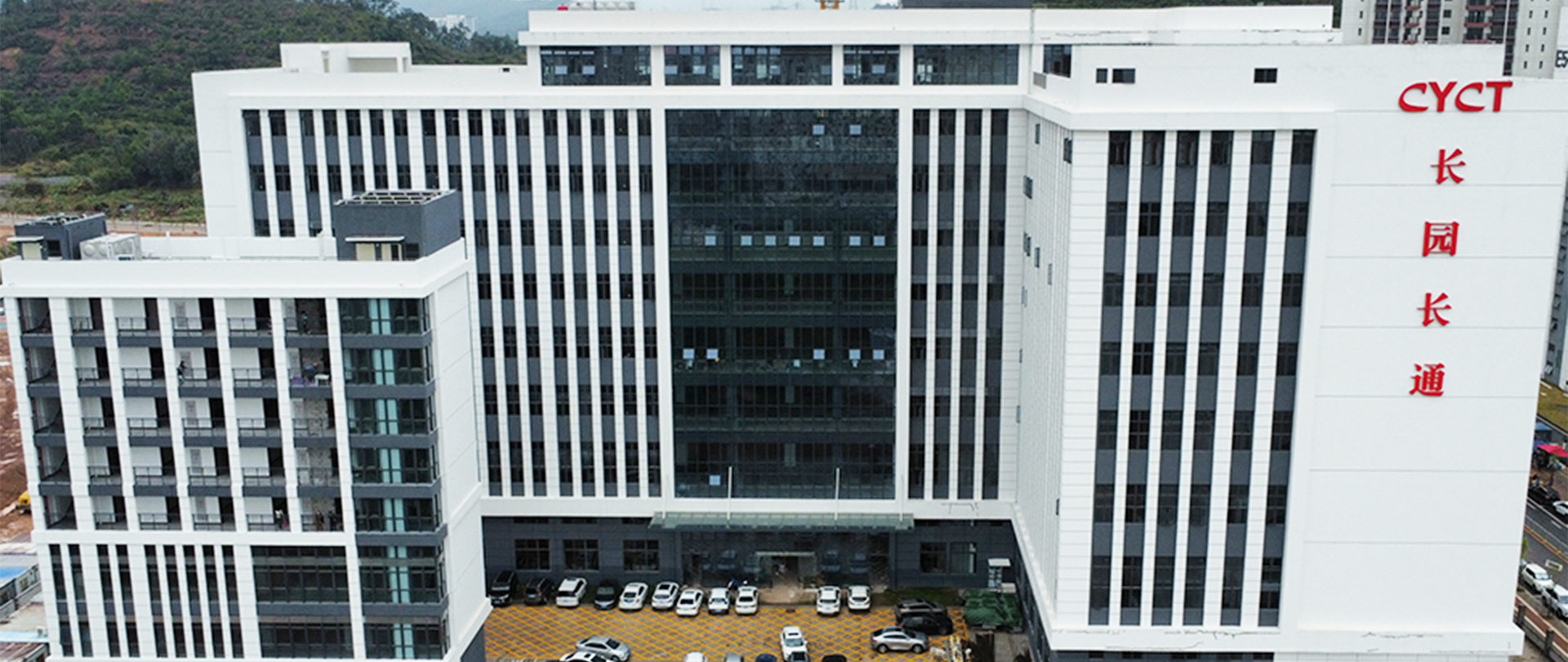
CYCT New Materials Company Limited (short for CYCT), founded in 2000, is a state-level high-tech enterprise integrating R&D, production, and sales of pipeline corrosion protection materials. We also offer buried pipeline detection services and field coating application support. For over twenty years, CYCT has focused on pipeline integrity solutions, becoming an established supplier for multi-billion dollar projects globally.
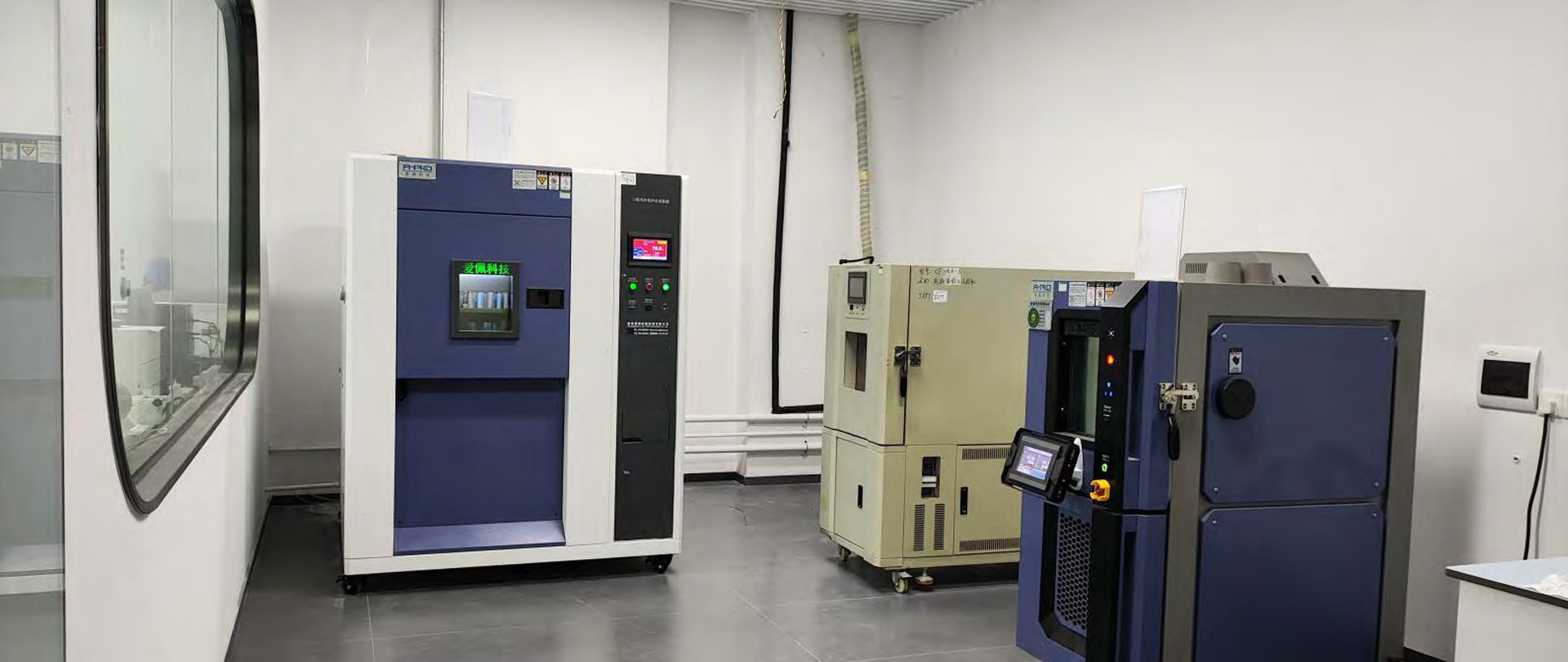
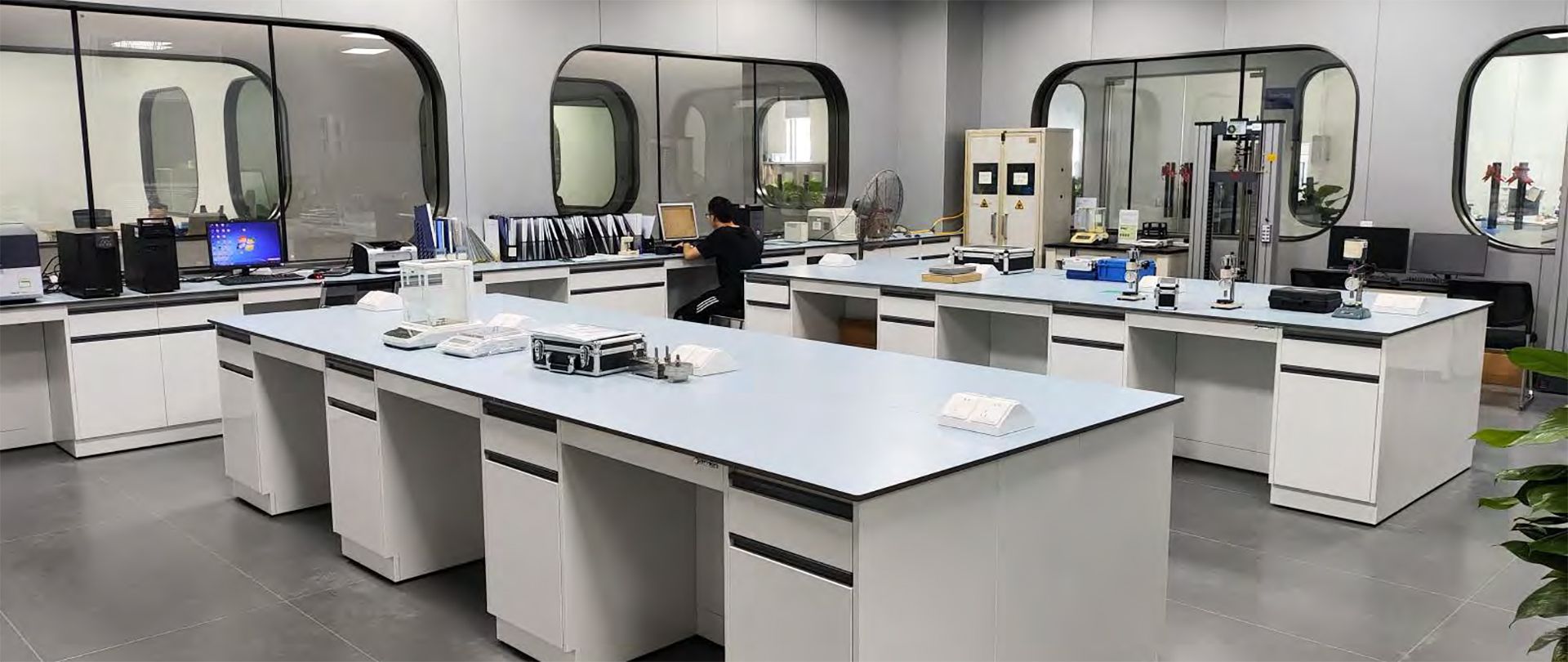
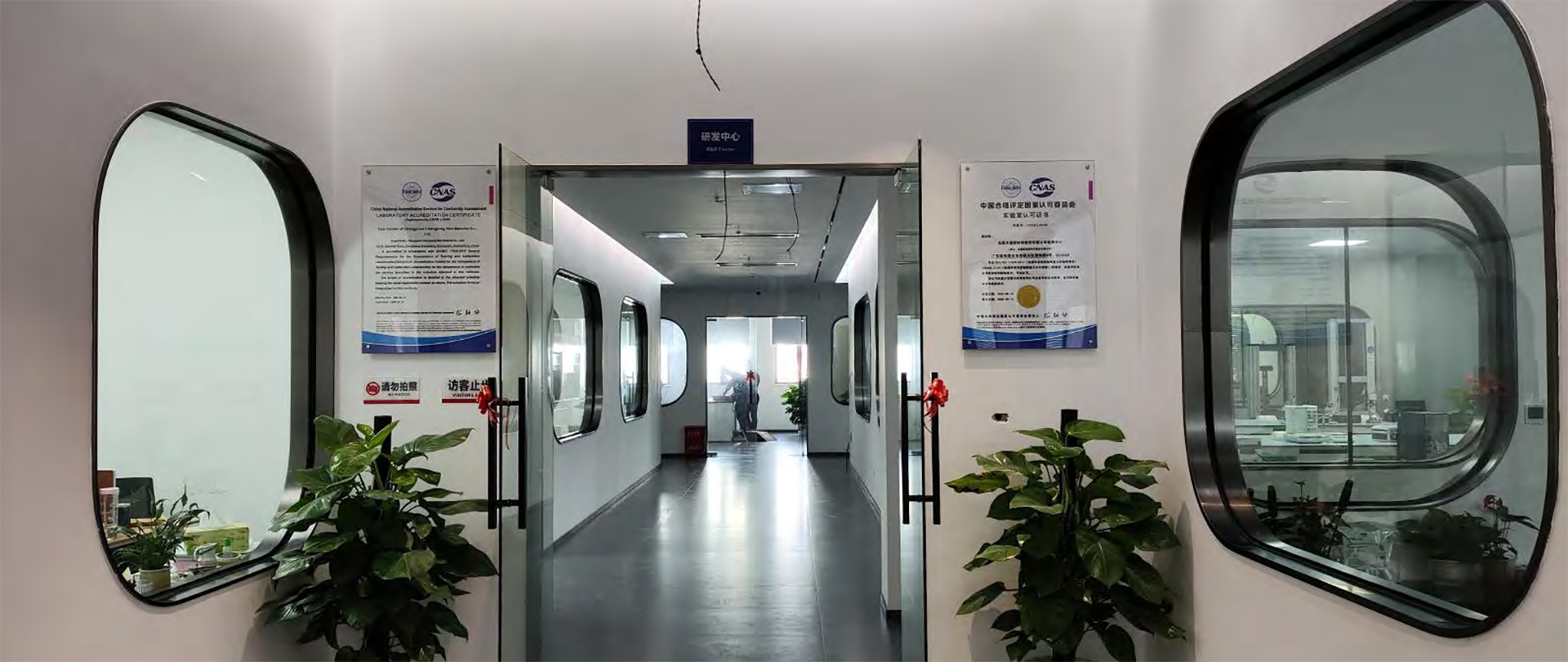
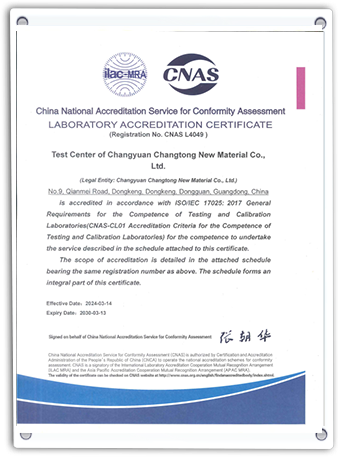
Equipped with a professional R&D team and a national CNAS-accredited laboratory, CYCT is capable of simulating the harshest environmental dynamics—ranging from subsea pressures to extreme soil chemistries. Our close collaboration with leading institutes like the CNPC Pipeline Science Research Institute keeps us at the forefront of corrosion science.
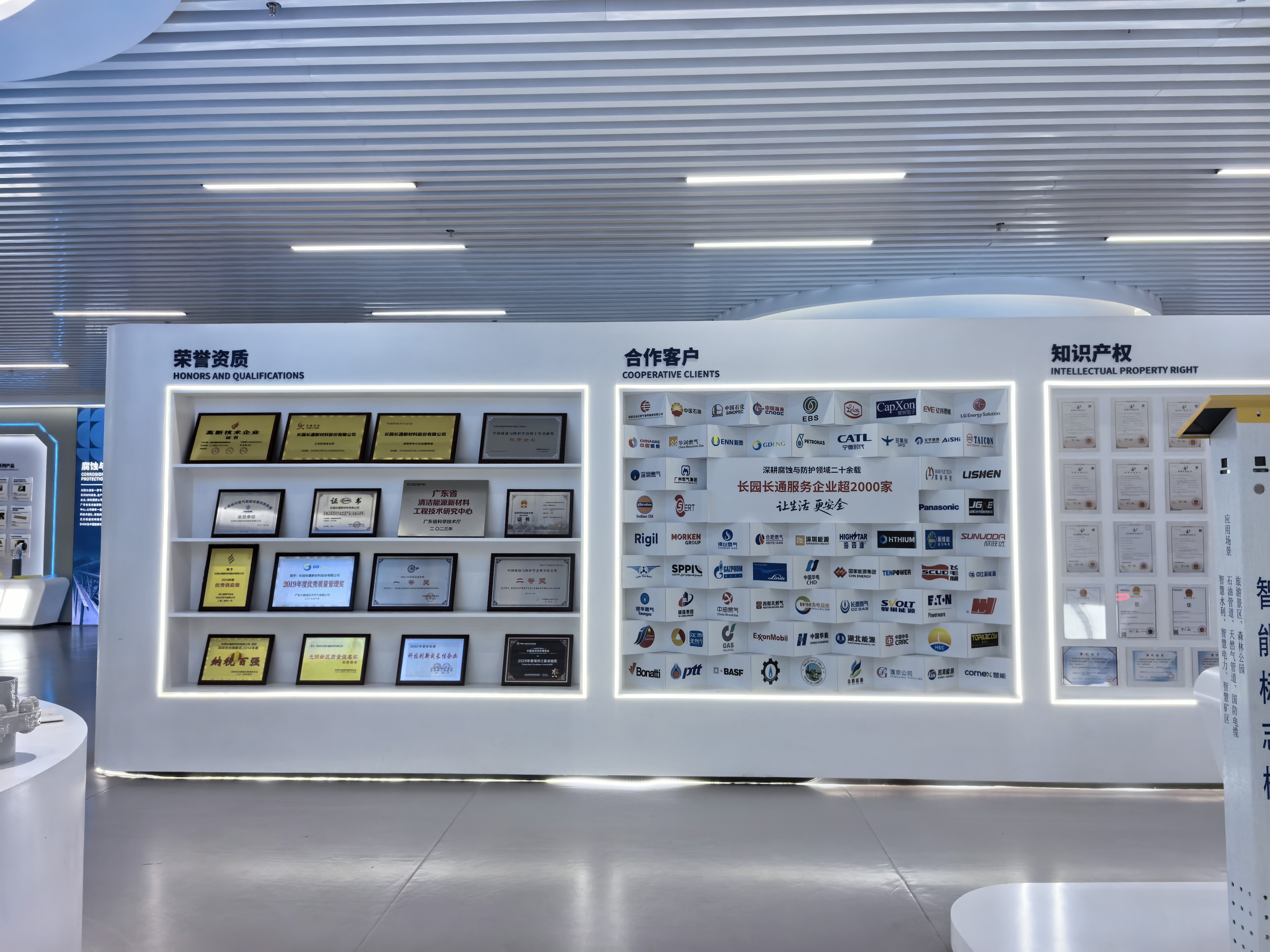
CYCT has become a stable supplier of field joint coatings for PetroChina, Sinopec, PipeChina, and various municipal pipeline systems. Our global footprint extends across the Asia-Pacific region, Central Asia, and the Middle East, including stable supply arrangements with Indian Oil and major utility contractors in Southeast Asia.
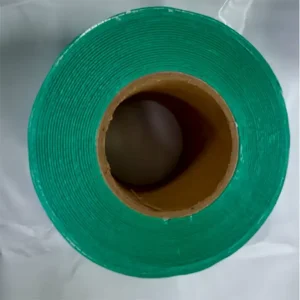
Operating out of highly automated facilities, CYCT ensures that every roll of FRDK Fiberglass Reinforced Heat Shrink Sleeve meets exact thickness, cross-linking density, and adhesive coat weight requirements.
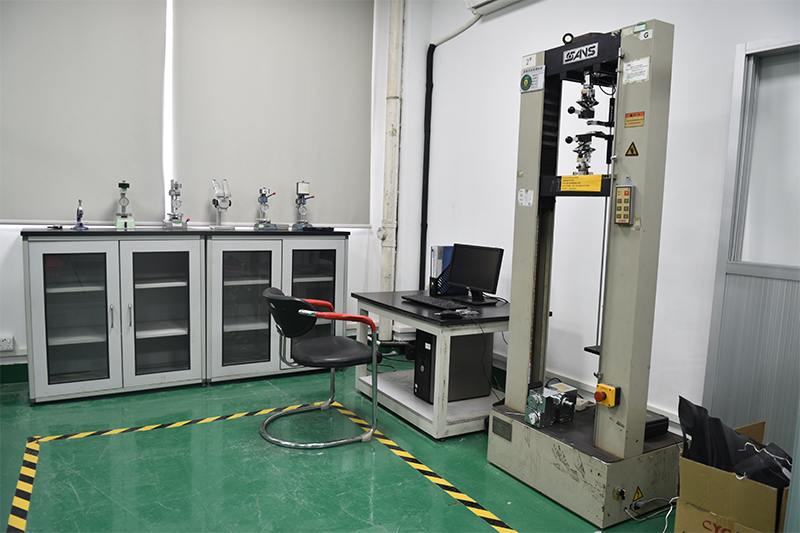
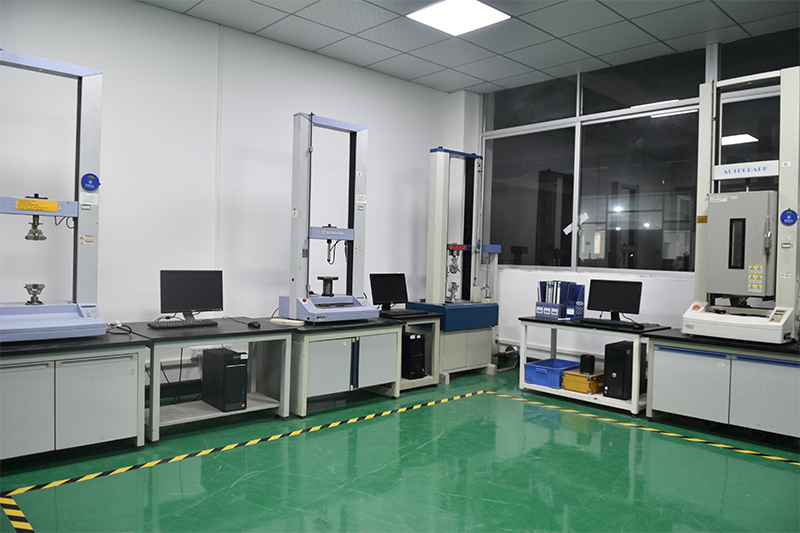
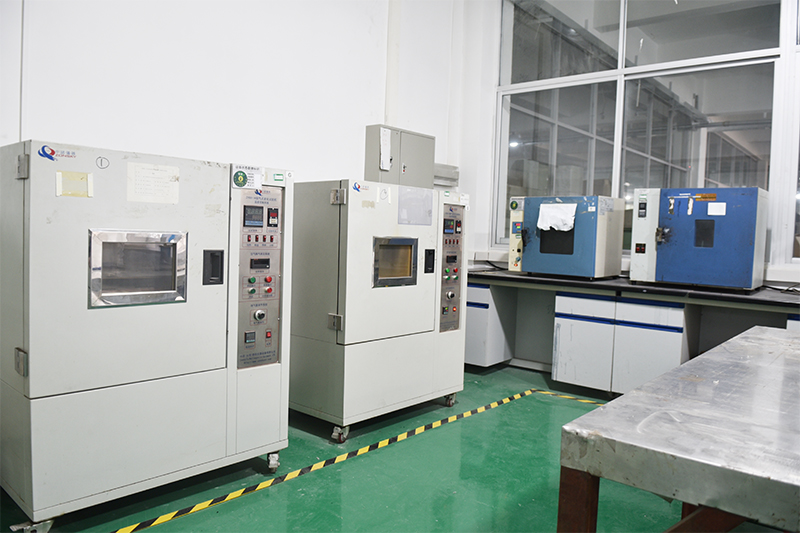
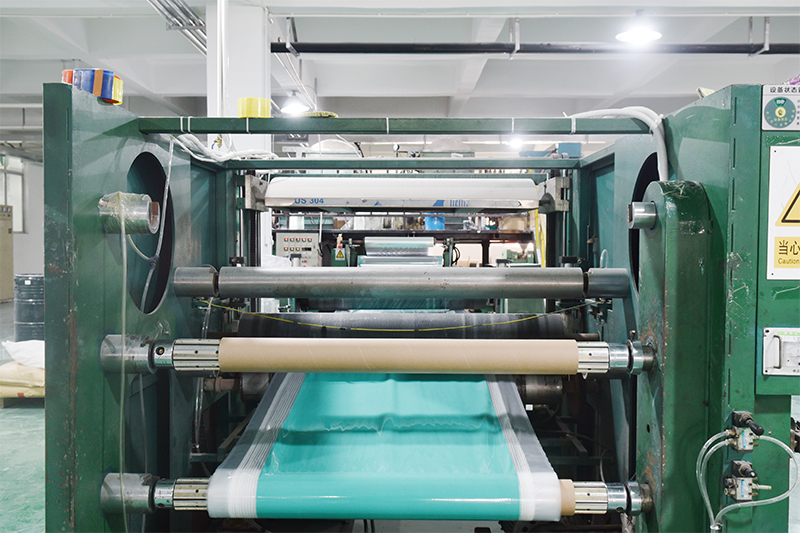
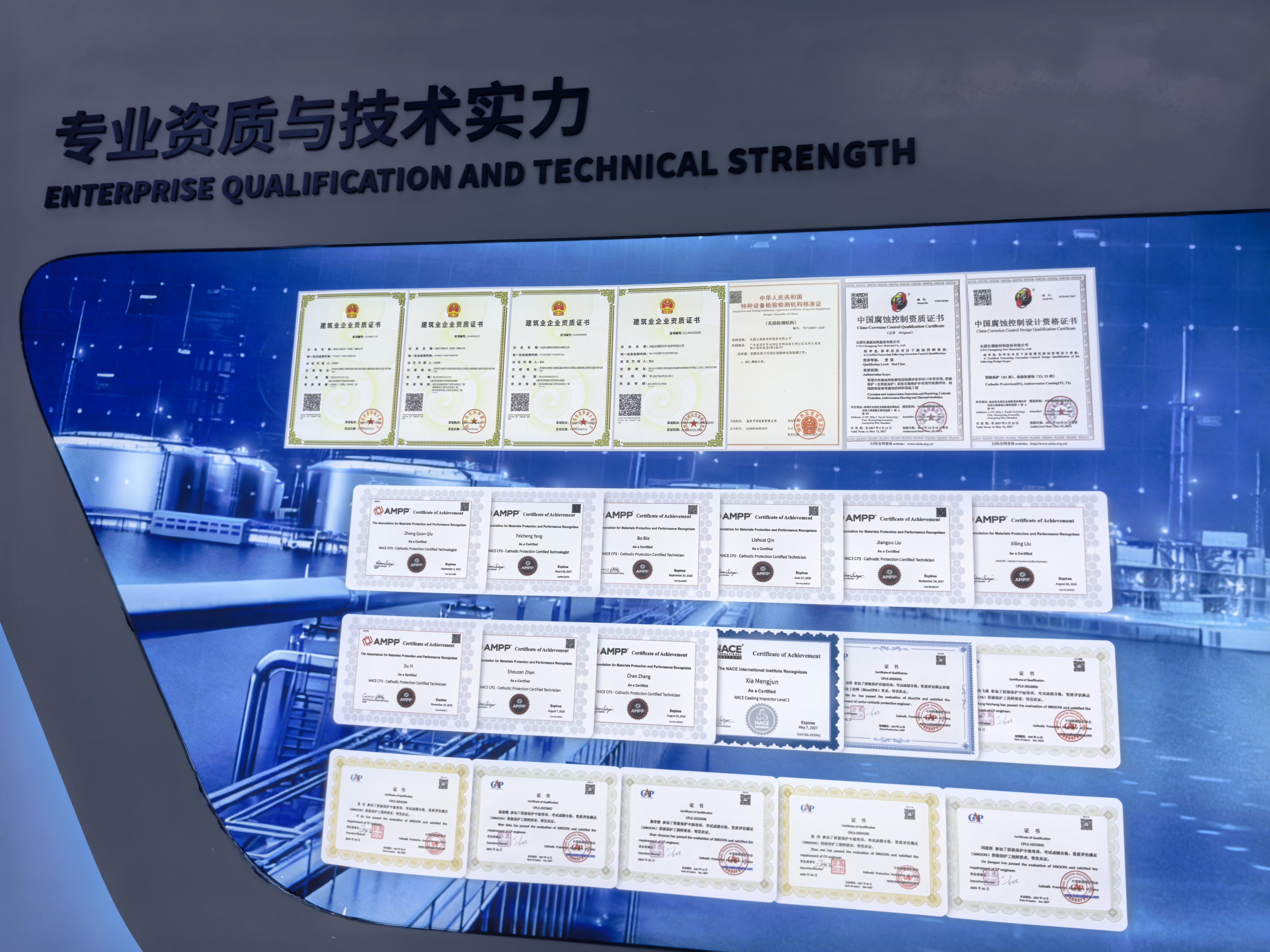
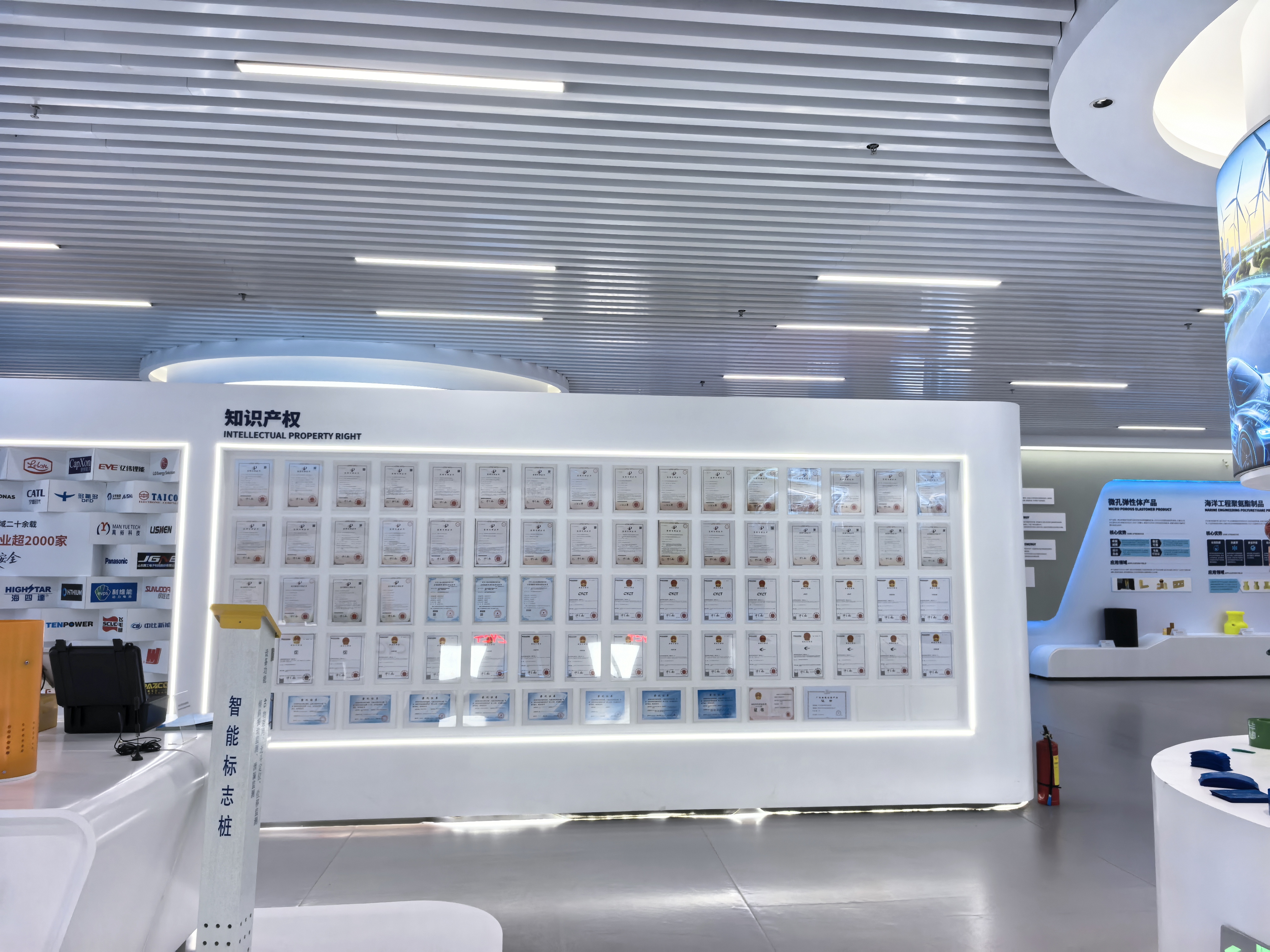
CYCT's products undergo multi-stage qualification procedures to guarantee reliability on critical industrial installations.
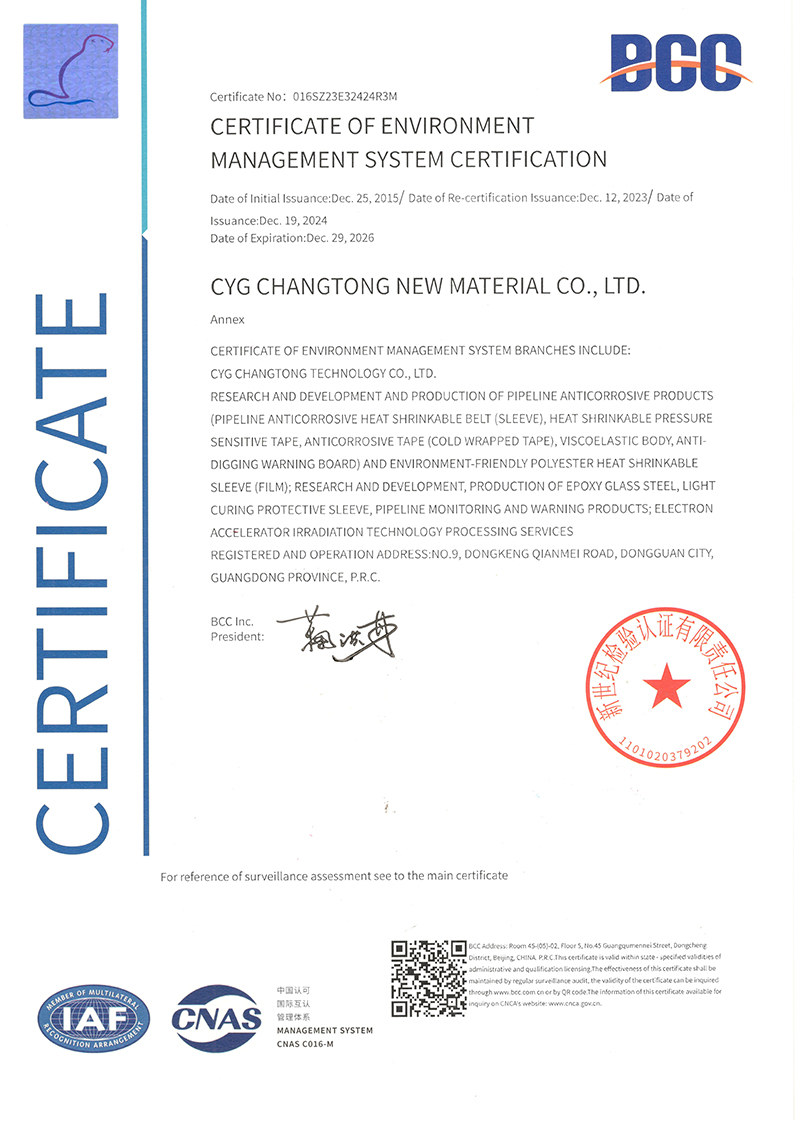
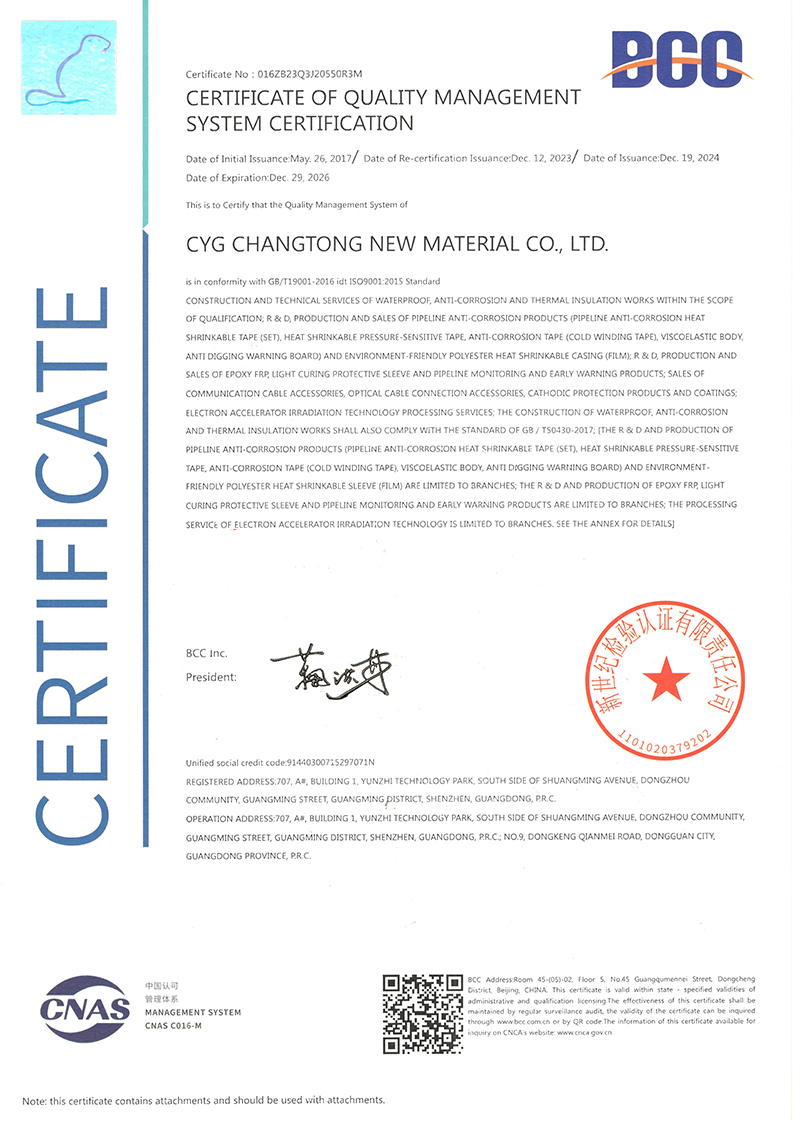
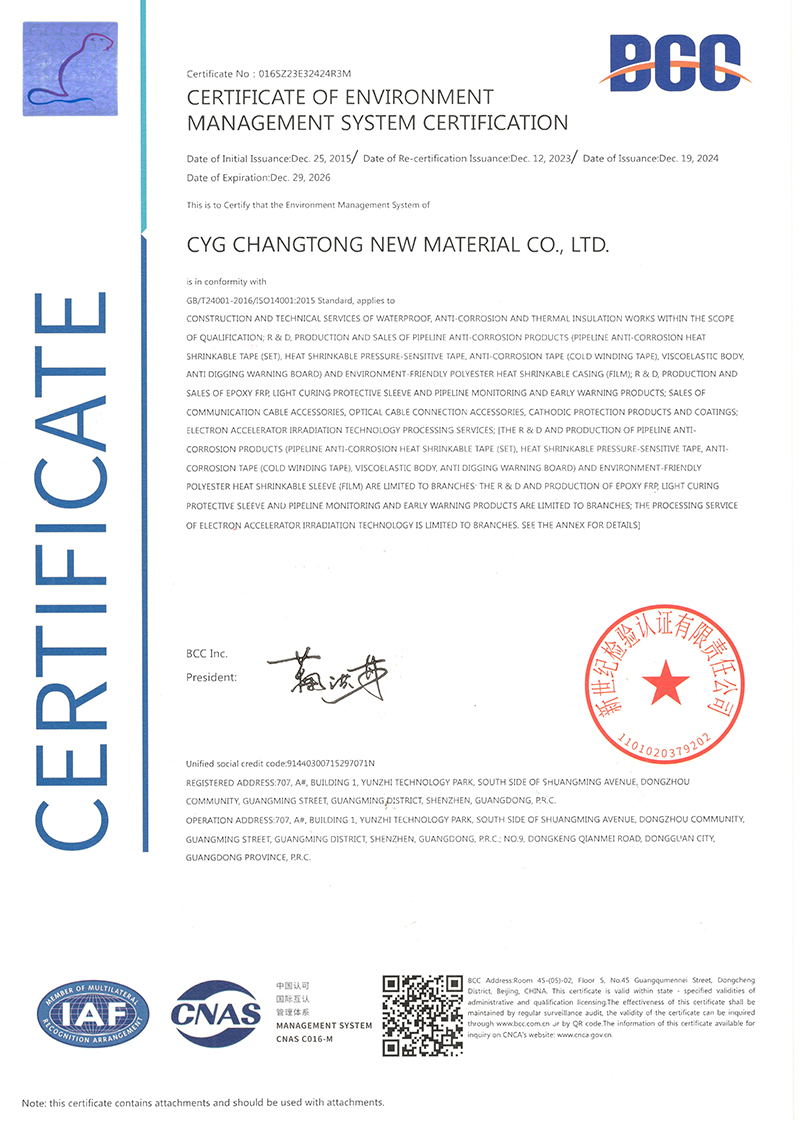
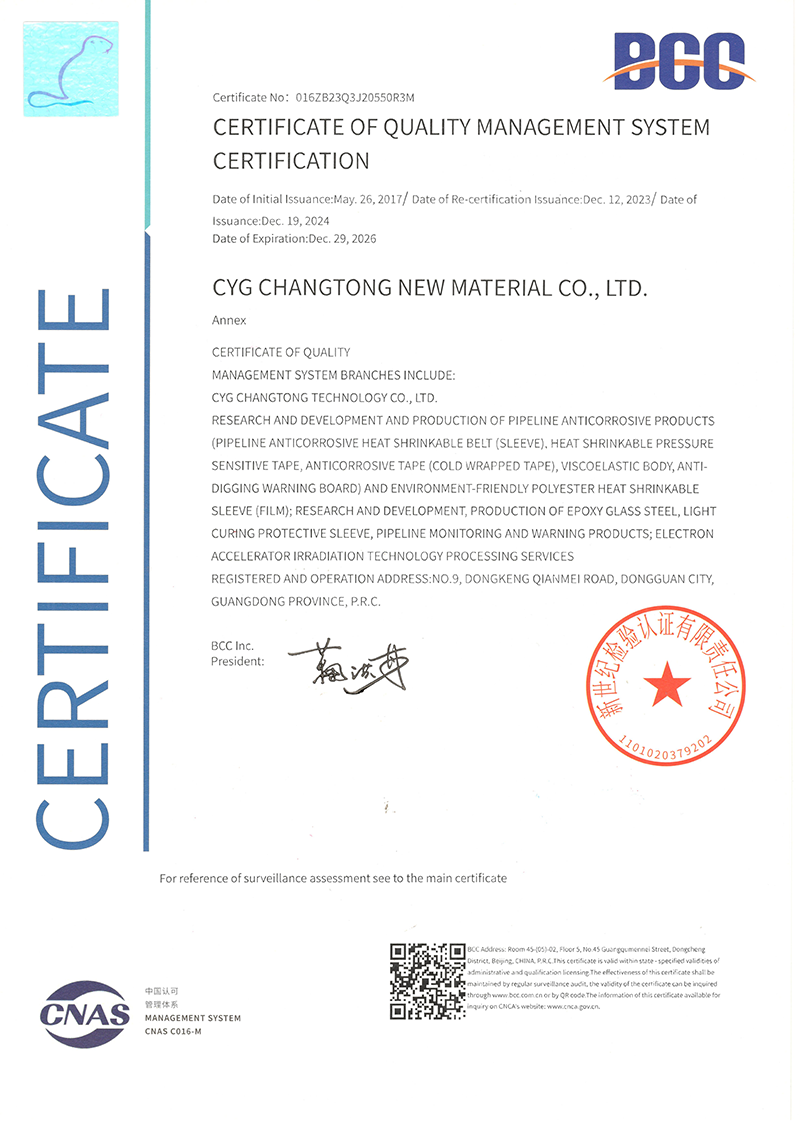
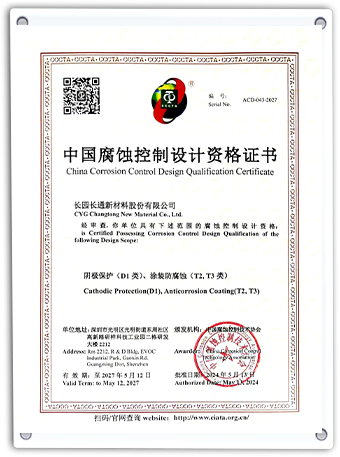
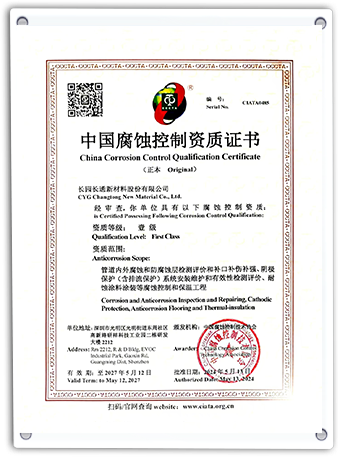
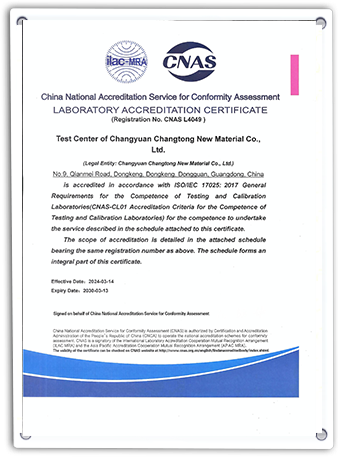
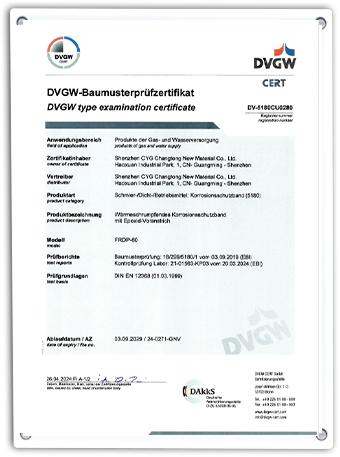
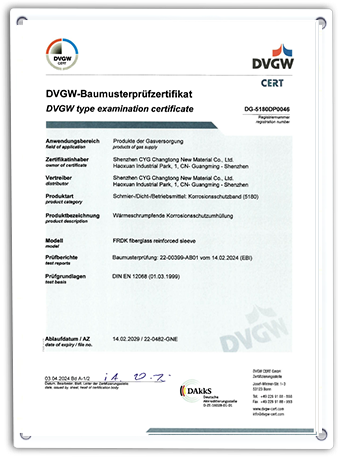
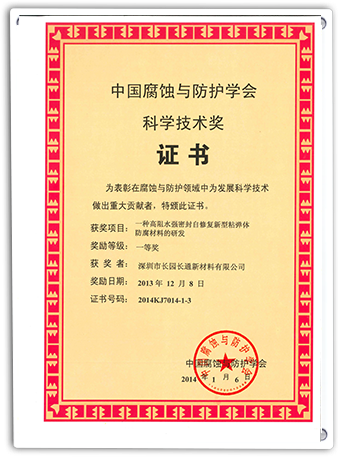
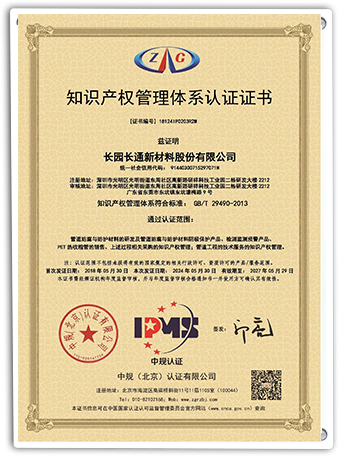
To support high-profile infrastructure projects across Japan, CYCT adapts its field-joint technologies to specific local construction modalities:
CYCT works directly with Japanese engineering partners to ensure compliance with JIS Z 0300 standards for corrosion prevention. We provide custom sizing, bilingual installation protocols, and localized shipping support to major Japanese ports (Yokohama, Tokyo, Kobe, Osaka, and Nagoya).
CYCT's R&D division is developing smart heat-shrinkable materials designed for real-time lifecycle tracking. Future iterations of the FRDK line will feature:
Engineered options designed to secure, seal, and extend the operating life of pipeline joints and components across the Japanese market.
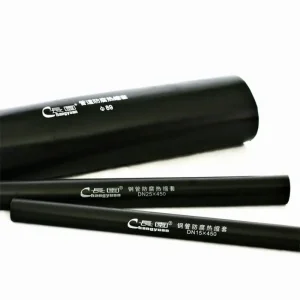
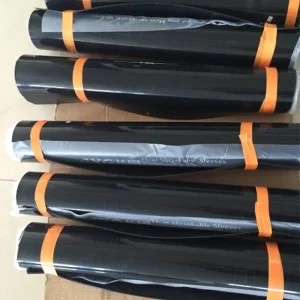
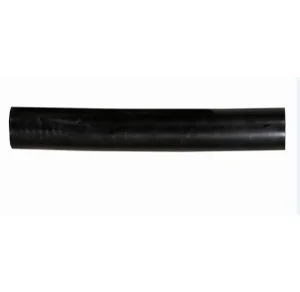
Expert technical insights regarding specification, selection, and application of FRDK sleeves in high-demand environments.
A: Standard PE backings are ductile and prone to "cold flow" and soil shear stresses, especially during land shifts or high-load conditions. The integrated structural fiberglass mesh in FRDK sleeves provides structural stability, restricting elongation to under 15% and increasing tensile strength to over 45 MPa, keeping the coating firmly in place.
A: The combination of high-strength fiberglass backing and viscoelastic-modified copolymer adhesives provides a balance of mechanical strength and flexibility. The adhesive layer accommodates localized joint movements while the high-tensile backing distributes shear forces, preventing adhesive shear failure.
A: Depending on the design specification (2-layer or 3-layer system), the FRDK sleeve can be installed with or without a liquid epoxy primer. For maximum protection against cathodic disbondment at temperatures up to 80°C, CYCT recommends applying a solvent-free liquid epoxy primer to the bare steel before shrinking the sleeve.
A: Yes, CYCT products are tested and verified in our CNAS-accredited national laboratory in accordance with ISO 21809-3, EN 12068 Class C, and ASTM standards. They also comply with Japanese engineering criteria for long-term municipal gas and water transport lines.
 CYCT
CYCT