Pakistan's energy pipeline system forms the nation's lifeline, handling vast volumes of natural gas, crude oil, and refined petroleum products from ports like Gwadar and Karachi to inland processing plants. Operating under tough environmental conditions—ranging from high-temperature desert plains in Sindh and Punjab to the mountainous, seismic areas of Balochistan and Khyber Pakhtunkhwa—these pipelines require strong mechanical protection and corrosion resistance.
Field joint coatings are the most vulnerable parts of any pipeline network. Without proper protection, factors like soil stress, thermal cycling, and high soil salinity in the Indus River Basin can accelerate cathodic disbondment and localized corrosion. Modern engineering standards in Pakistan now specify high-performance Fiberglass Reinforced Heat Shrink Sleeves (FRDK) to ensure long-term pipeline safety and reduce maintenance costs.
As a leading developer of high-tech pipeline materials, CYCT supplies advanced FRDK sleeves designed to meet the technical standards of local utilities like SNGPL (Sui Northern Gas Pipelines Limited) and SSGC (Sui Southern Gas Company), as well as multi-billion dollar CPEC (China-Pakistan Economic Corridor) infrastructure projects.
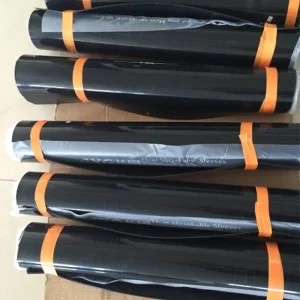
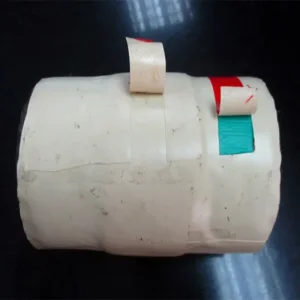
Unlike standard polyolefin heat shrinkable sleeves, FRDK sleeves feature a reinforced fiberglass mesh structural grid. This design allows them to withstand high mechanical stresses, making them ideal for challenging trenchless pipeline installations like Horizontal Directional Drilling (HDD).
The core layer features an embedded fiberglass grid. This design prevents shrinkage relaxation, resists soil movement forces, and eliminates cold flow issues under high pipeline operating temperatures.
Coated with a thick layer of co-polymer hot-melt adhesive, the sleeve forms a strong bond with factory-applied coatings (3LPE, 3LPP, FBE), sealing out moisture and preventing corrosive chemicals from reaching the pipe.
Engineered for pull-back stresses during HDD river and road crossings, the fiberglass backing prevents tearing or peeling when pulled through harsh subsoil conditions.
| Property Parameter | Test Standard (ASTM / ISO) | Standard Polyethylene Sleeves | FRDK Fiberglass Reinforced Sleeves |
|---|---|---|---|
| Tensile Strength | ASTM D638 | ≥ 20 MPa | ≥ 35 MPa (High mechanical safety) |
| Impact Resistance | ASTM G14 | ≥ 8 Joules | ≥ 20 Joules (Superior defense) |
| Shear Strength (at 60°C) | ISO 21809-3 | ≥ 0.2 N/mm² | ≥ 1.5 N/mm² (High soil stress defense) |
| Cathodic Disbondment (at 60°C, 28 Days) | ASTM G42 | ≤ 12 mm | ≤ 5 mm (Corrosion isolation) |
| Elongation at Break | ASTM D638 | ≥ 400% | < 35% (Dimensional stability under shear) |
Pipelines in Pakistan face specific environmental challenges that require high-performance field joint coatings. The Indus Plain contains high concentrations of water-soluble salts, creating a corrosive environment. In regions like Jacobabad, Sibi, and Multan, summer temperatures often exceed 50°C, accelerating chemical corrosion and mechanical stresses on pipelines.
CYCT's FRDK Fiberglass Reinforced Heat Shrink Sleeves are engineered to address these challenges:
CYCT operates a modern manufacturing facility dedicated to pipeline anti-corrosion materials. By managing the entire production process from polymer blending to extrusion, expansion, and adhesive coating, we ensure consistent quality control and competitive pricing for large-scale projects.
Logistics & Support for Pakistan:
CYCT New Materials Company Limited (for short, CYCT) is a state-level high-tech enterprise integrating R&D, production, and sales of pipeline corrosion protection materials, as well as buried pipeline detection services and pipeline coating field application services into one. CYCT has dedicated itself to the R&D, production, and sales of pipeline corrosion protection materials for decades.
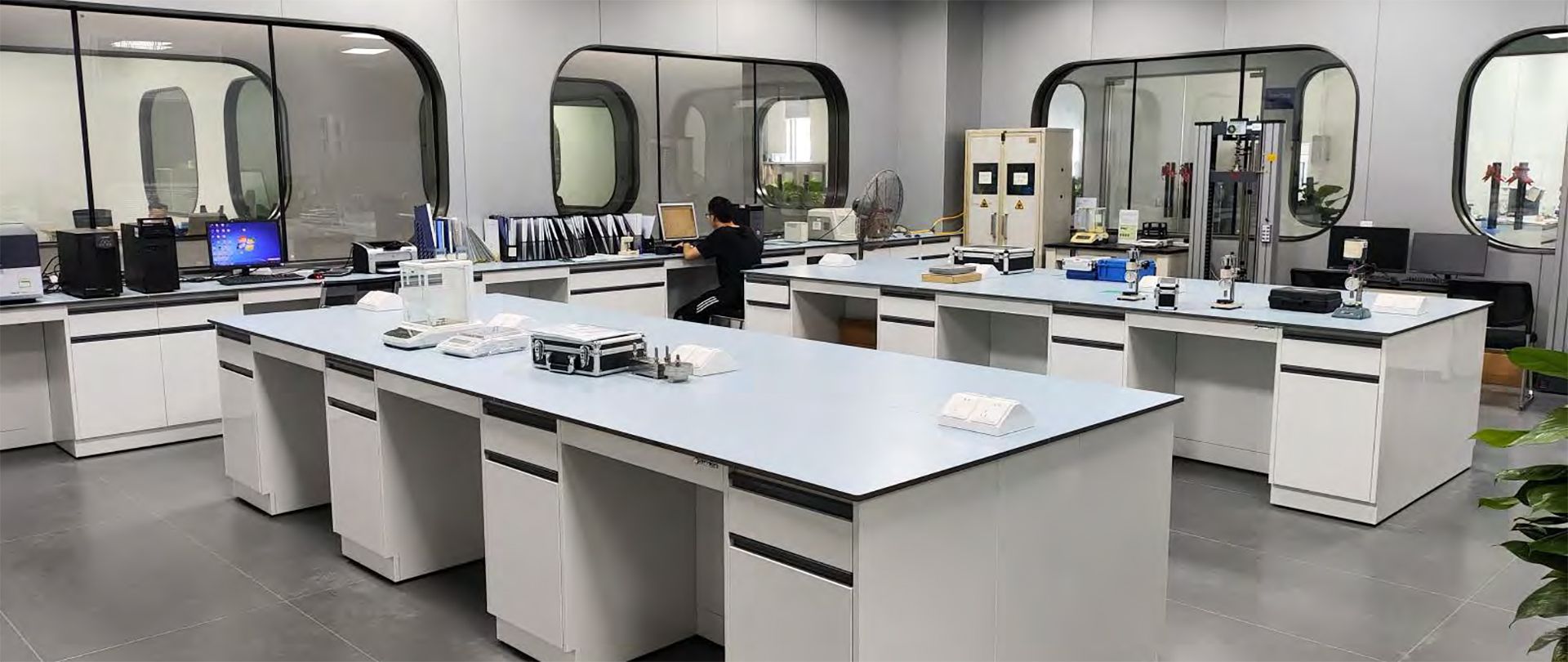
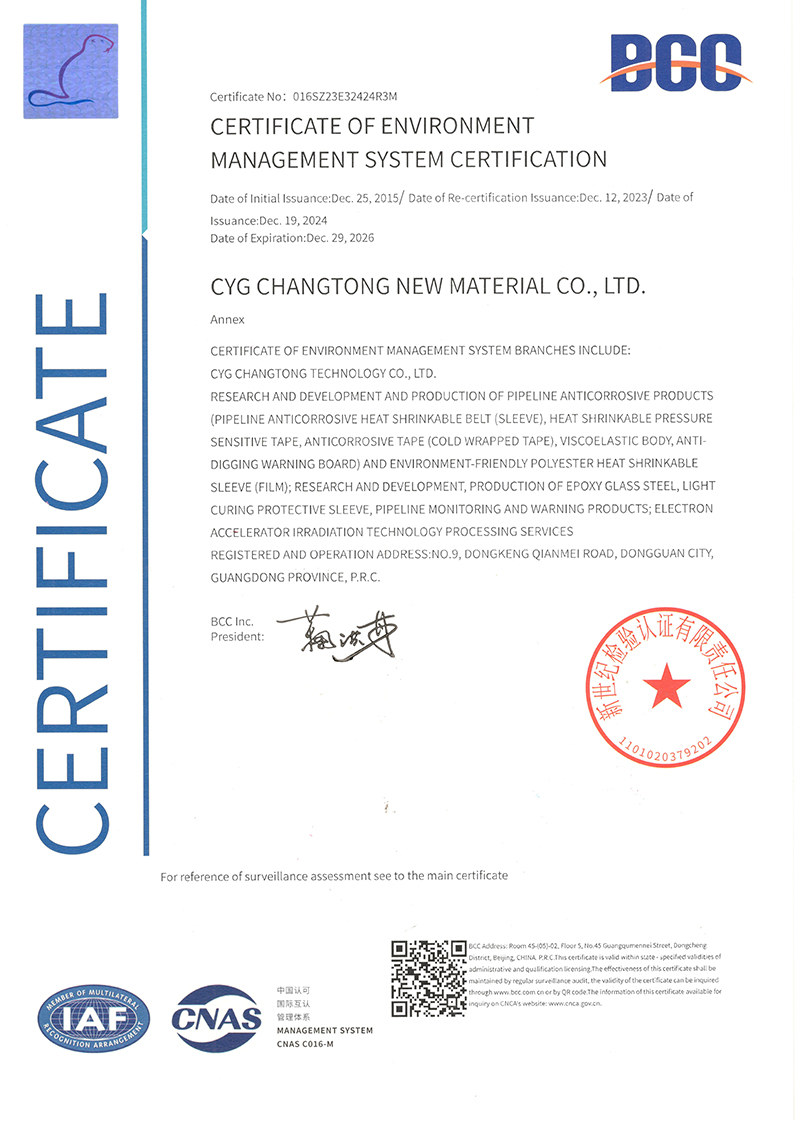
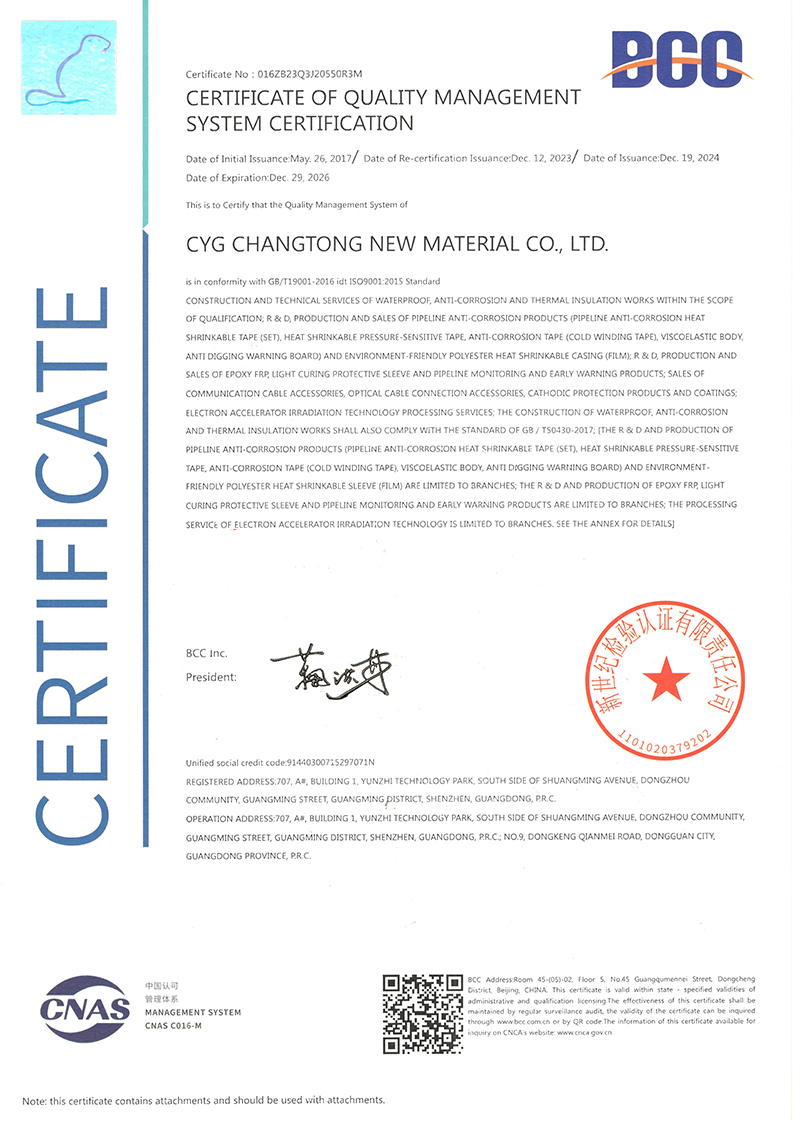
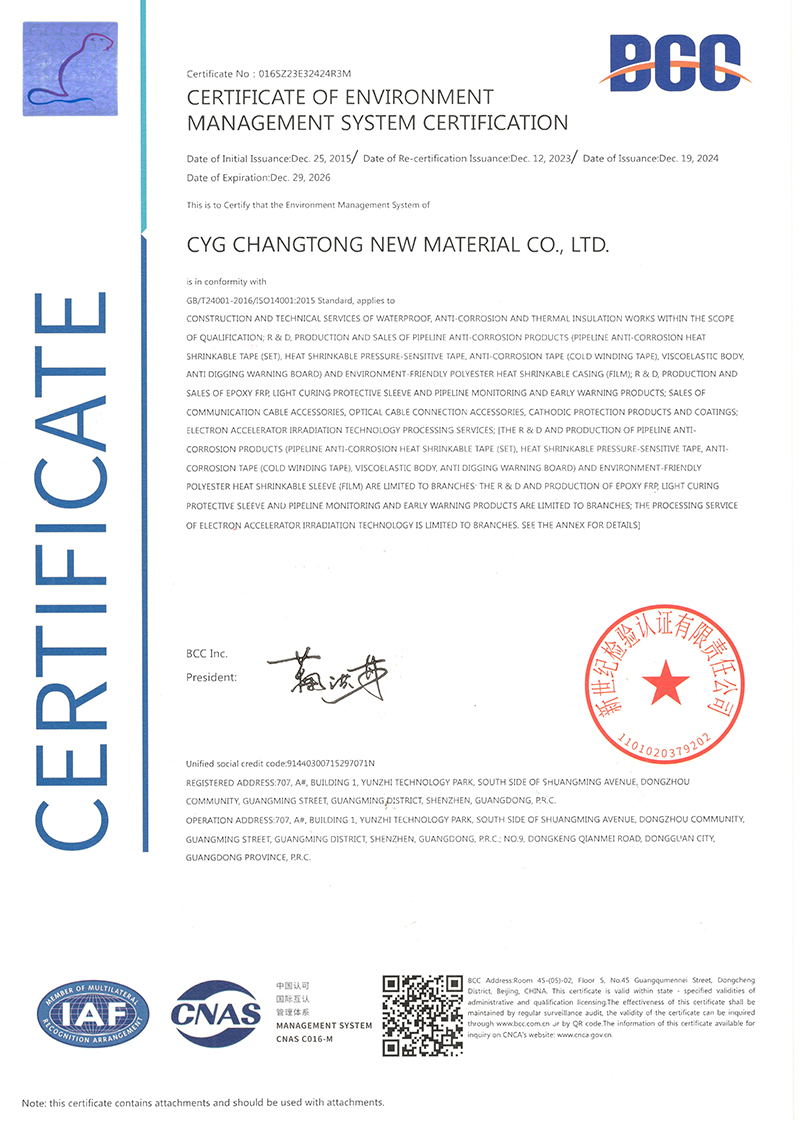
CYCT maintains leading testing and R&D capabilities, supported by a professional R&D team and a national CNAS-accredited laboratory. This facility ensures that all materials undergo testing for shear strength, peel strength, heat aging, and cathodic disbondment resistance before shipment.
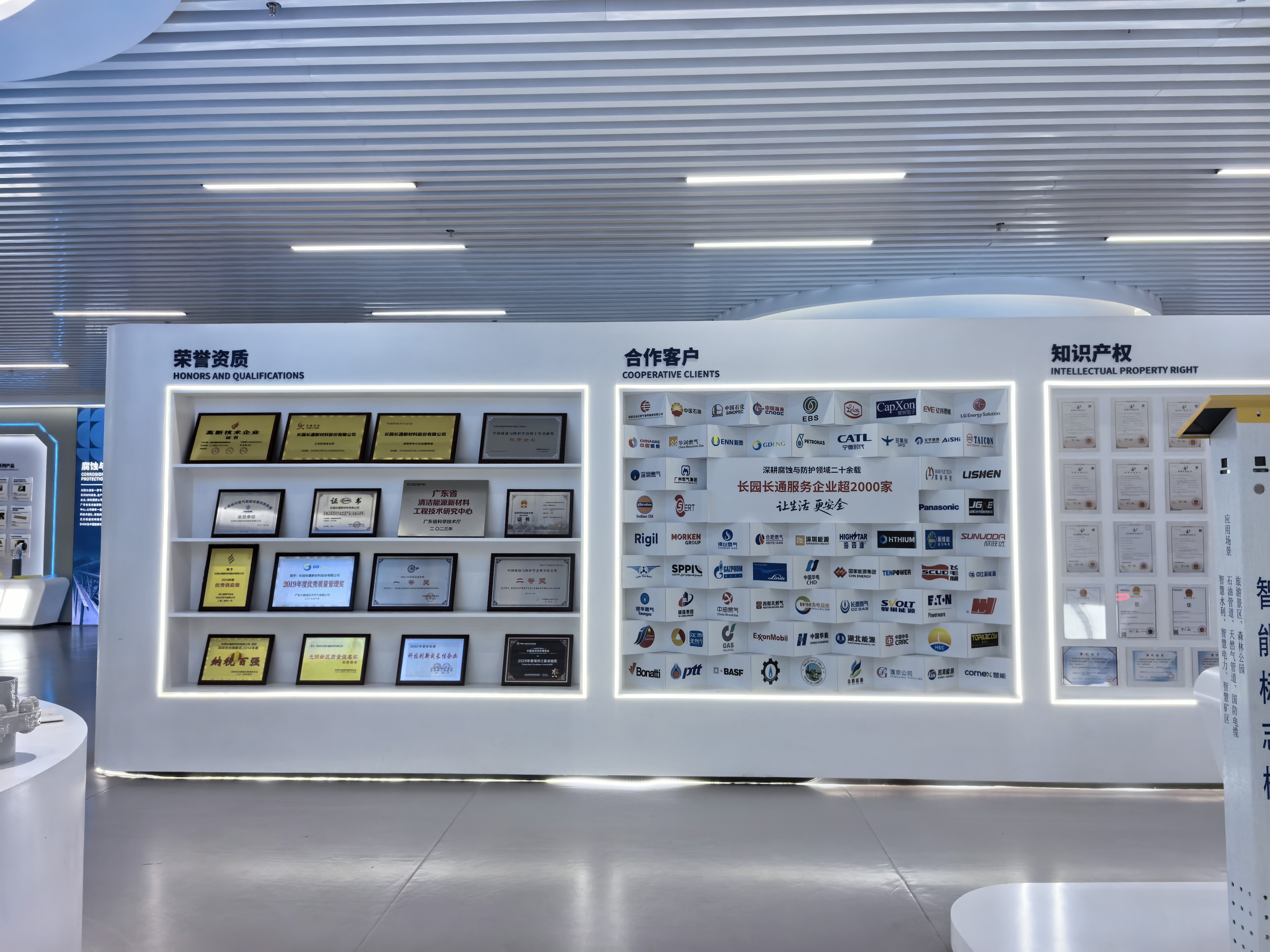
CYCT has been a stable field joint coating supplier for PetroChina, Sinopec, PipeChina, and regional networks for many years, securing a strong market position. We have developed and introduced several specialty corrosion protection products, including viscoelastic materials, photo-curing sleeves for HDD protection, and polyurea coatings.
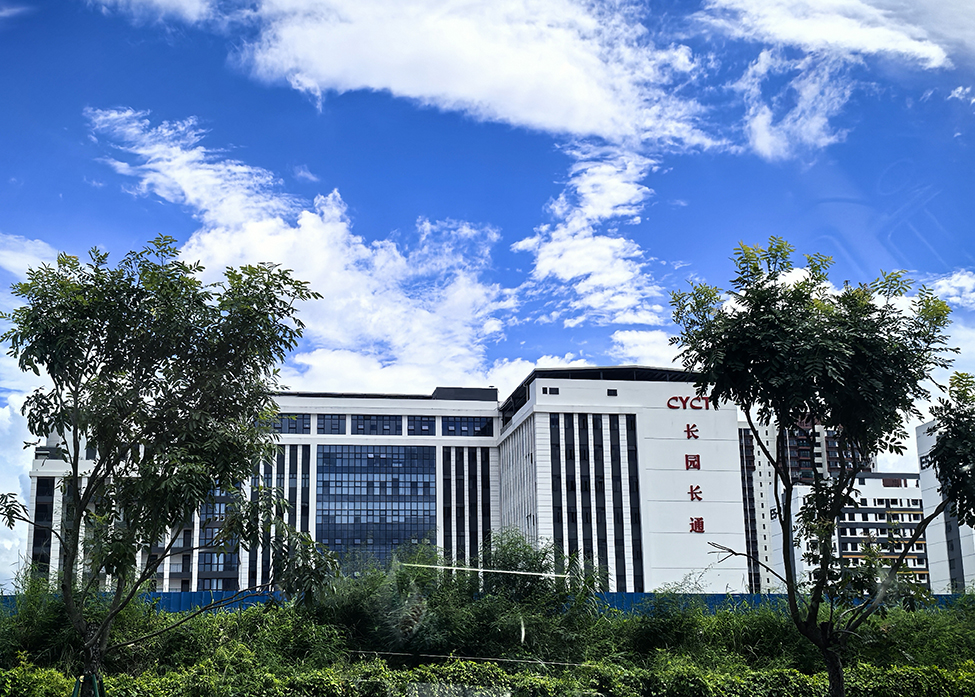
Through cooperation with leading research institutes like the CNPC Pipeline Science Research Institute, CYCT provides in-service pipeline technical services, including cathodic protection design, rehabilitation planning, and integrated solutions for pipeline safety.
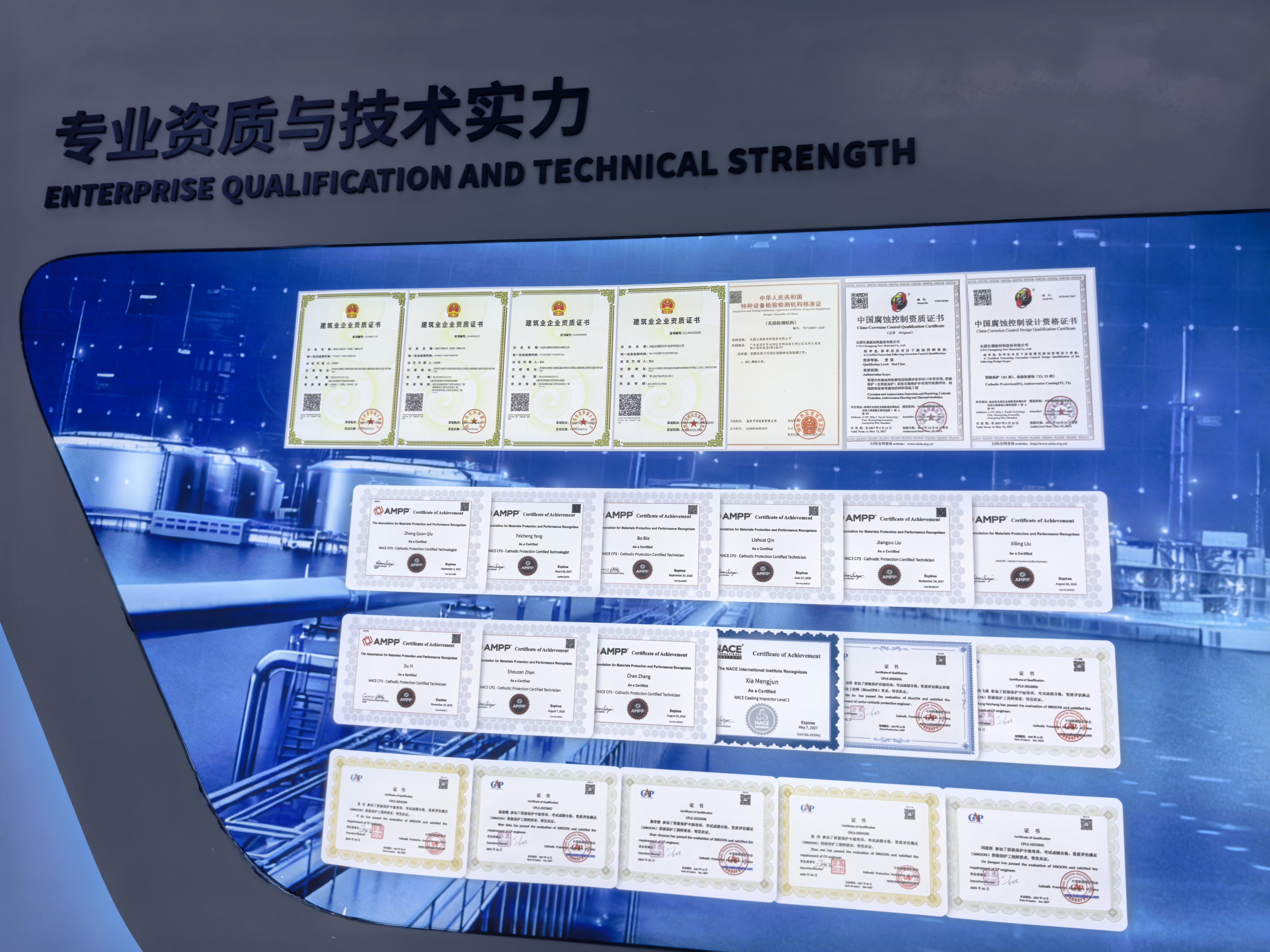
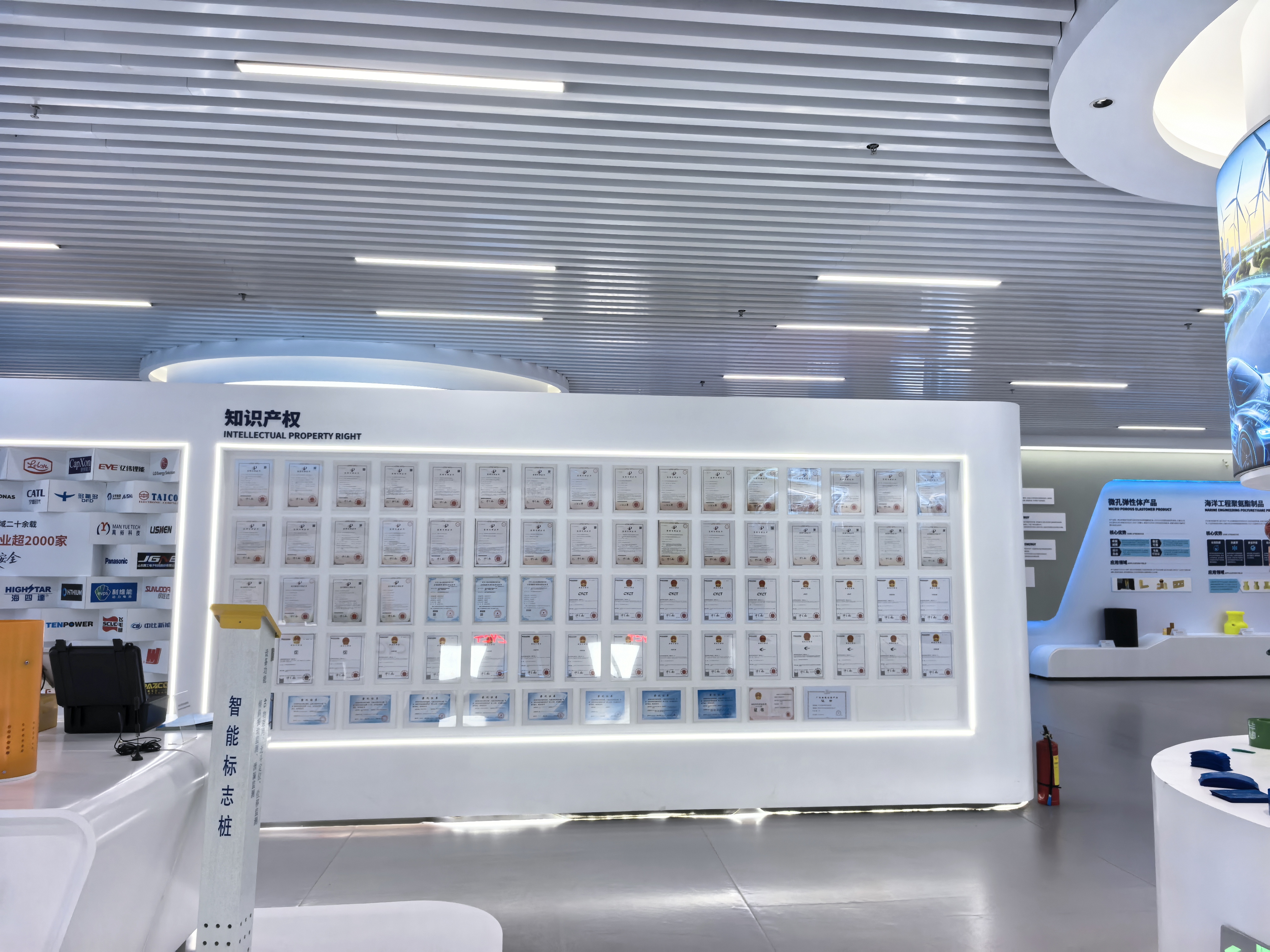
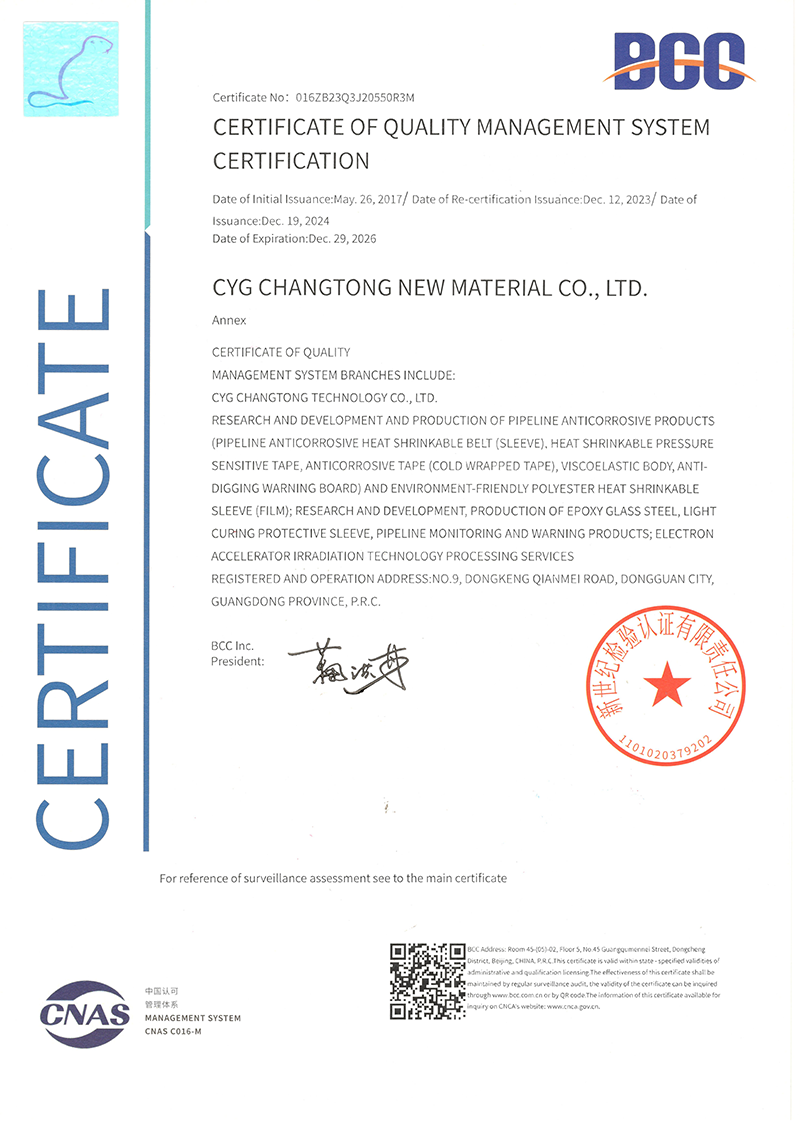
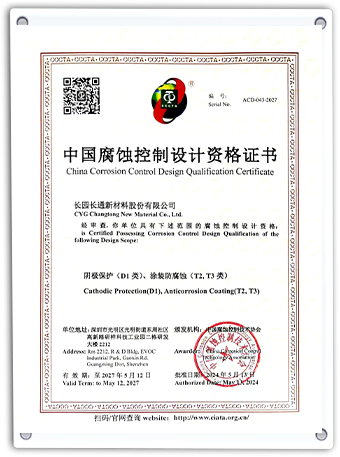
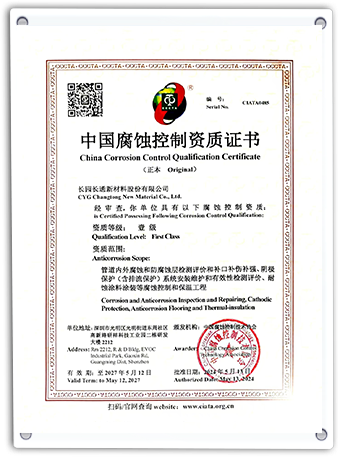
Our credentials include council membership in the Chinese Society for Corrosion and Protection (CSCP), qualifications in pipeline corrosion protection construction and detection, and corporate membership in the China Association of Petroleum Engineering Construction (CAPEC). CYCT is an established supplier to PetroChina, Sinopec, China Gas Group, and Indian Oil.
Standard PE sleeves can experience elongation and cold flow under high temperatures and soil shear stresses. FRDK sleeves feature an embedded fiberglass grid backing that limits elongation (typically <35%), absorbs mechanical loads, and maintains high shear resistance, protecting the pipe in demanding environments like HDD crossings.
Our materials are manufactured to comply with international standards like ISO 21809-3, EN 12068, and ASTM. We provide complete mill test certifications and laboratory test documentation to support product approval processes for local gas distribution networks.
Yes. The hot-melt copolymer adhesive forms a tight seal over the steel surface and factory-applied coatings. This barrier isolates the metal from moisture, chlorides, and alkaline soil conditions, preventing cathodic disbondment.
For optimal bonding, steel pipe joints should be abrasive blast-cleaned to a minimum standard of Sa 2.5 (ISO 8501-1) with a surface profile of 50-85 μm. The surface must be clean, dry, and preheated to the recommended application temperature before wrapping.
Standard manufacturing times range from 10 to 20 days depending on order size. Shipping from major Chinese ports to Karachi typically takes 15 to 25 days, allowing for reliable project scheduling.
 CYCT
CYCT