High-performance protective coatings engineered to withstand trenchless installation forces and extreme soil conditions.
The German industrial market stands as a primary economic powerhouse of Europe, supported by an intricate, high-pressure network of natural gas transport pipelines, municipal district heating grids, and clean water distribution conduits. As Germany pivots aggressively toward the energy transition (Energiewende) and scales up its hydrogen infrastructure (Wasserstoff-Kernnetz), pipeline safety, longevity, and structural integrity are subject to unprecedented engineering scrutiny. This landscape demands advanced ARO (Abrasion Resistant Overcoat) solutions capable of satisfying rigorous safety limits.
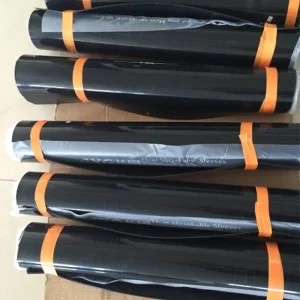
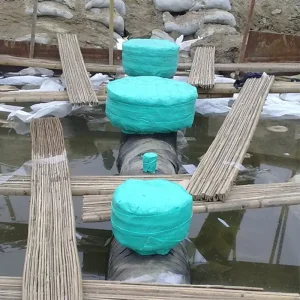
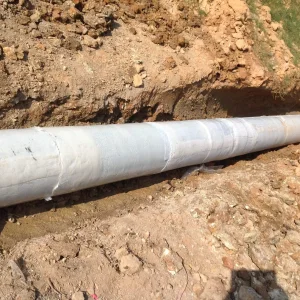
Particularly in trenchless construction schemes like Horizontal Directional Drilling (HDD)—which are heavily deployed across Germany to preserve protected environmental zones, cross under key water bodies like the Rhine, Danube, and Elbe, or cross extensive rail infrastructure—the shear, gouge, and impact forces acting upon primary anti-corrosion coatings (such as Fusion Bonded Epoxy or 3LPE) are extreme. ARO protective sleeves and overcoats act as sacrificial shields, ensuring zero-defect installation and eliminating the threat of premature cathodic protection failures.
German pipeline developers require coating materials to comply strictly with local and international norms, notably DIN 30670 (polyethylene coatings for steel pipes), DIN 30672 (coatings of corrosion protection tapes), and DIN EN 12068 (standards for field joint coatings). Specifiers demand that ARO systems provide superior shear strength, elevated resistance to cathodic disbondment, high electrical insulation values, and outstanding mechanical hardness to withstand rough backfills without relying on expensive, imported bedding sand.
Mapping the transition from legacy outer-wraps to next-generation composite and viscoelastic armoring solutions.
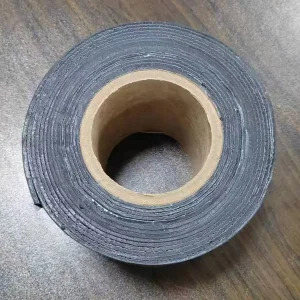
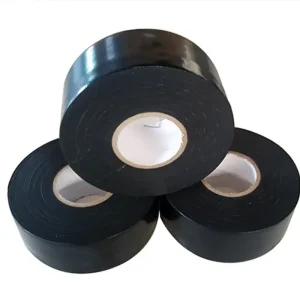
On a global scale, pipeline operators face deteriorating soil conditions, higher operating temperatures, and cost pressures. Standard 3LPE, 3LPP, and FBE coatings are often insufficient to withstand severe gouging during pullback operations through rocky strata. As a result, the industry has evolved from simple cold-applied PE tapes to composite structures, viscoelastic coatings, and photocurable glass reinforced plastics (GRP).
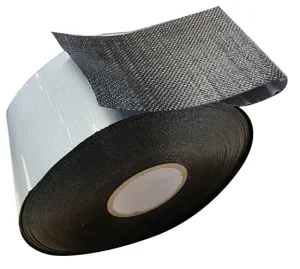
Viscoelastic Coating Systems: Developed to address the limits of conventional adhesives, viscoelastic systems exhibit liquid-like cold flow characteristics that continuously wet the steel surface, self-healing minor damage while remaining solid enough to resist displacement under high pressure. They are highly valued in Germany for municipal water networks and complex valve fittings where uniform substrate contact is difficult to achieve manually.
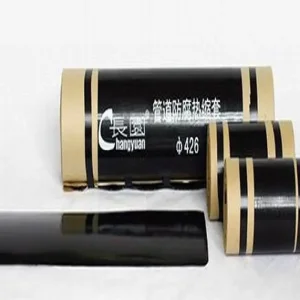
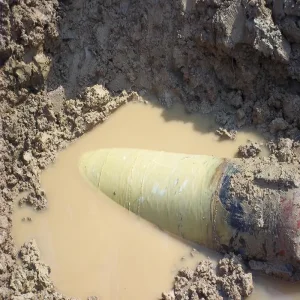
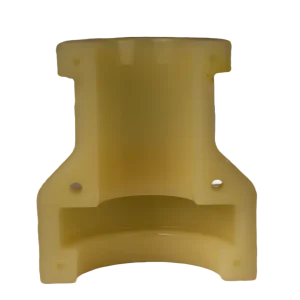
Fiberglass Reinforced Epoxy/PP Sleeves (FRP/GRP): For extreme mechanical loads (such as HDD pullback operations), GRP sleeves provide high impact and gouge resistance. Using a combination of glass-reinforced backings and specialized epoxy or photo-curing resins, these systems form a rugged structural shell around the primary anti-corrosion barrier, successfully transferring axial shear stresses during drilling operations.
The anti-corrosion sector is moving toward smart, clean, and fast-curing technologies. Over the next decade, field-applied coatings must keep pace with rapid construction schedules while minimizing onsite environmental impact. The transition to hydrogen infrastructure requires outer coatings that can handle the increased temperature fluctuations associated with compressed gas transport.
CYCT's technology roadmap focuses on:
• Advanced Photo-Curing GRP: Utilizing specific UV-curing spectra to reduce setting times in winter conditions, which is essential for projects in Northern and Central Europe.
• Non-Shielding Viscoelastic Chemistry: Formulations that allow cathodic protection currents to pass through to the steel if moisture is present, preventing hidden corrosion under disbonded coatings.
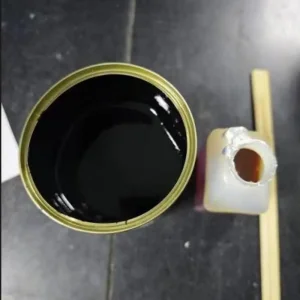
• Eco-Friendly Solvent-Free Epoxies: Primers with zero VOC emissions to align with strict German environmental protection regulations (Umweltbundesamt guidelines).
Founded in 2000, integrating advanced material R&D with professional testing capabilities.
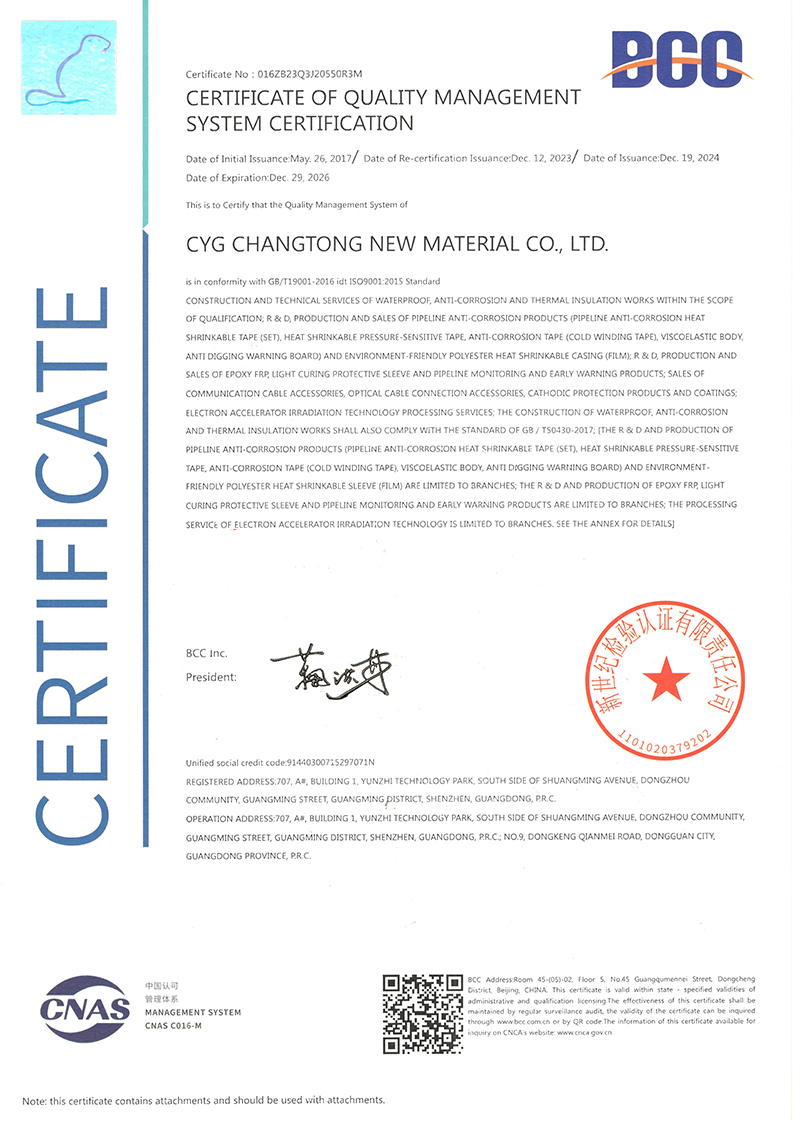
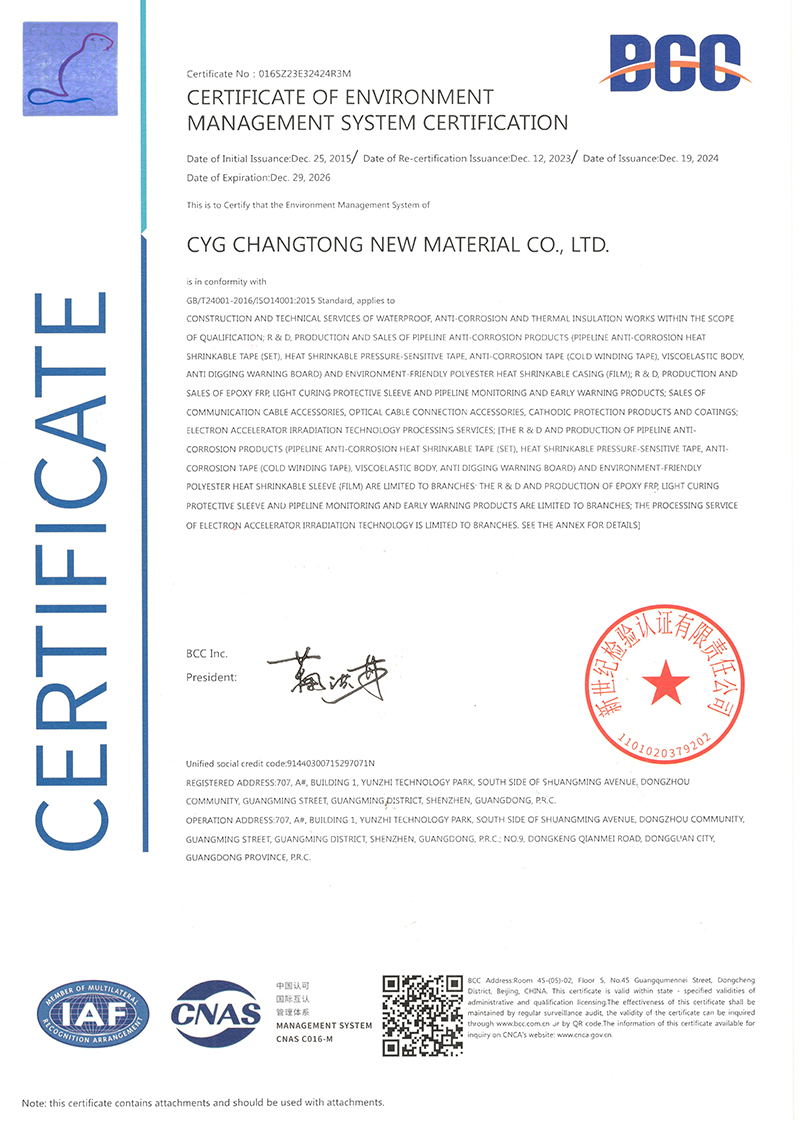
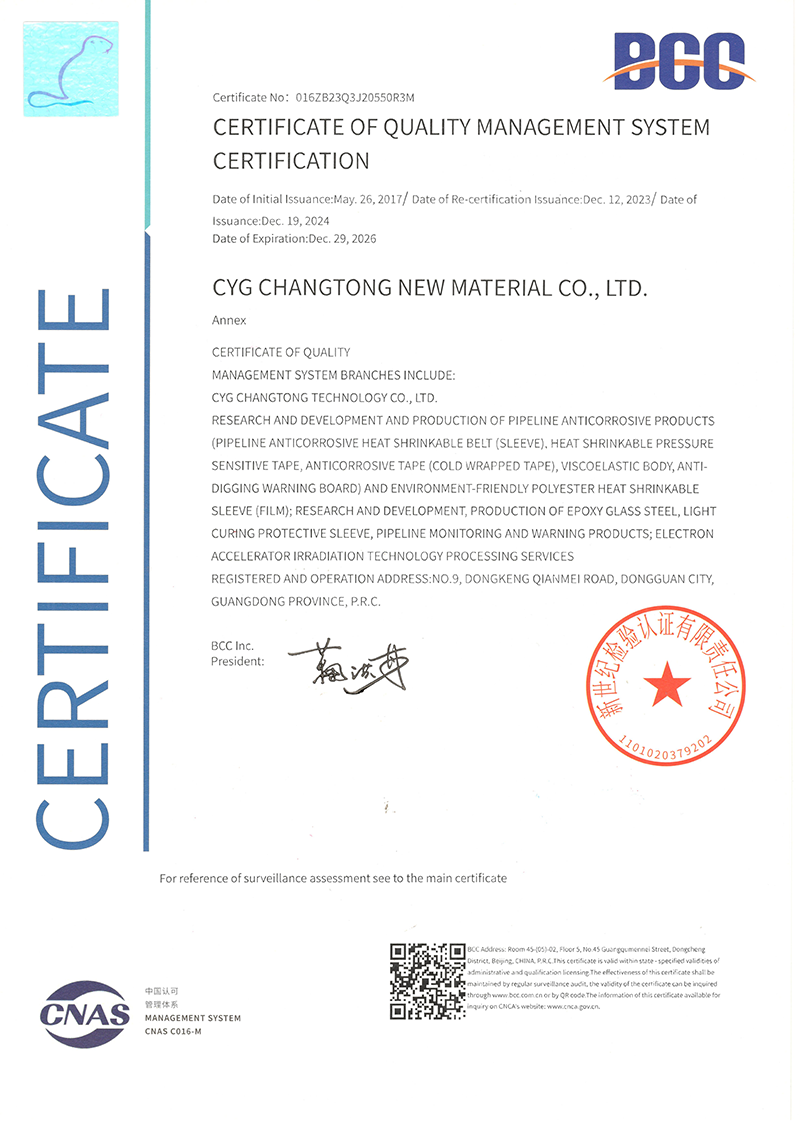
CYCT New Materials Company Limited is a state-level high-tech enterprise integrating R&D, production, and sales of pipeline corrosion protection materials. We also offer buried pipeline inspection and field application services. With decades of dedication to pipeline protection, CYCT operates a state-of-the-art CNAS-accredited laboratory, ensuring that every product meets global performance standards.
CYCT is a trusted supplier of field joint coatings to energy enterprises including PetroChina, Sinopec, and PipeChina. Our materials are also used in municipal networks across Central Asia, the Middle East, India, and European corridors. Collaborating with organizations like the CNPC Pipeline Science Research Institute, we provide integrated technical and safety services for oil, gas, water, and petrochemical infrastructure.
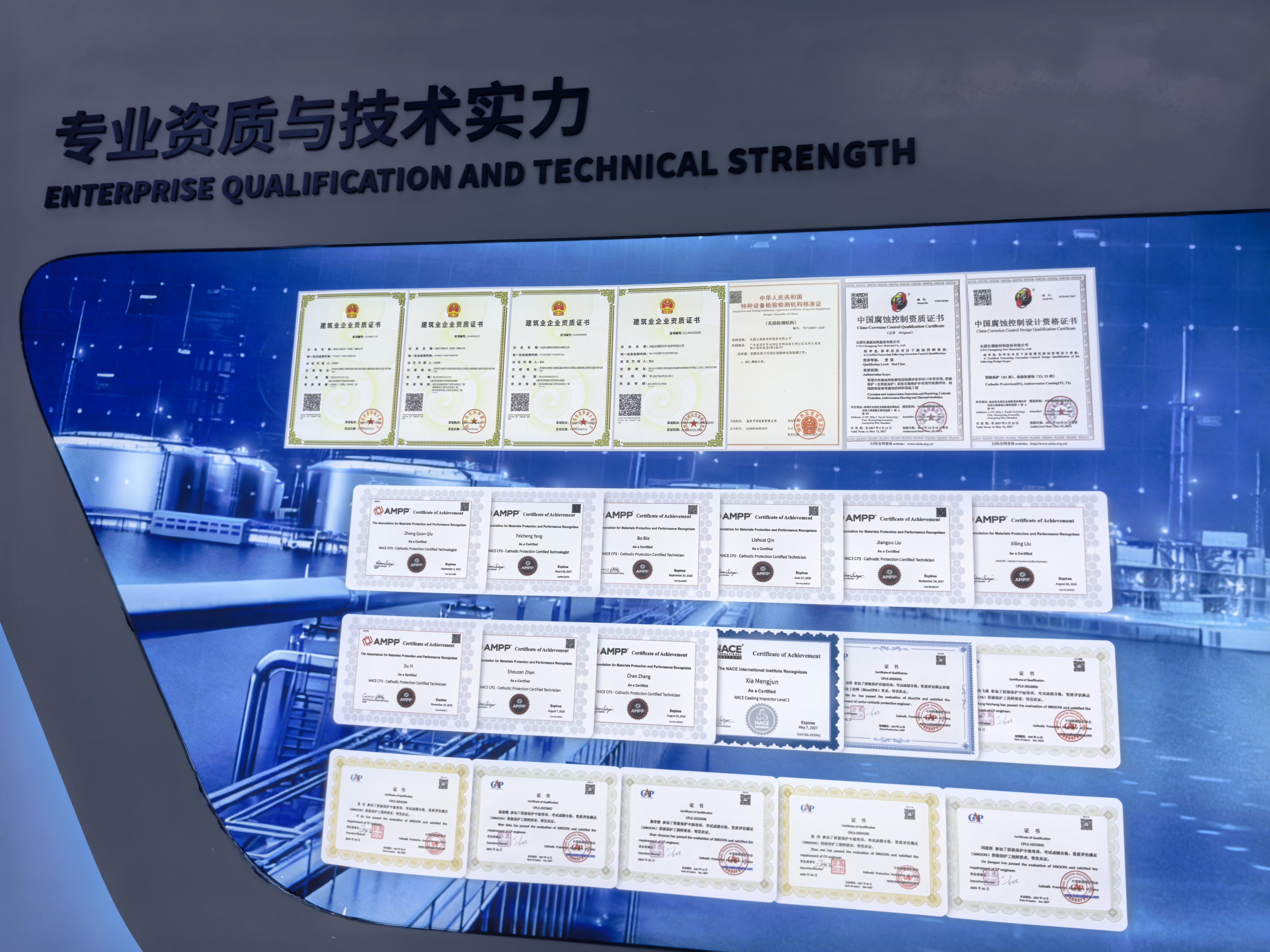
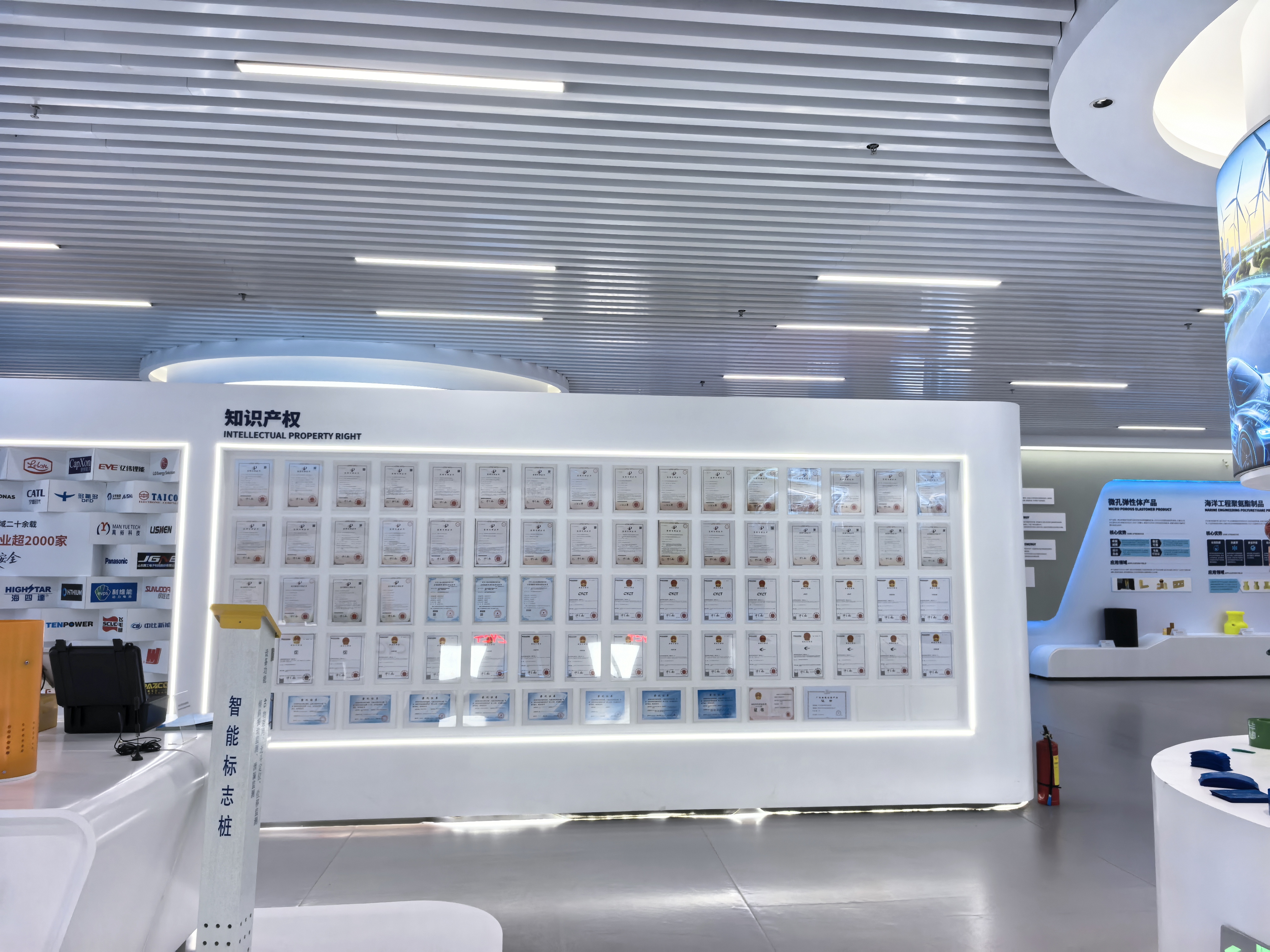
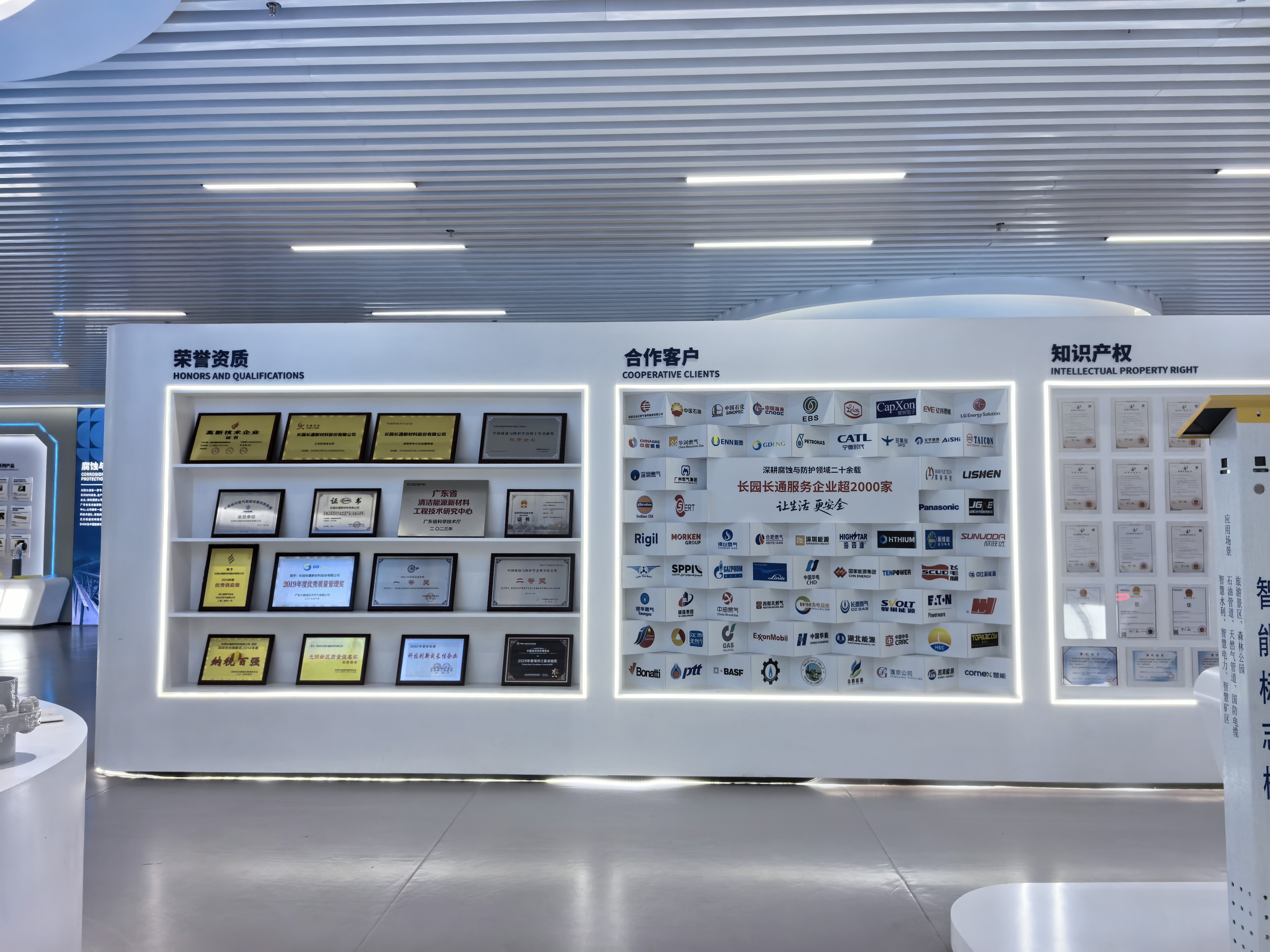
Council Member of the Chinese Society for Corrosion and Protection (CSCP), certified pipeline detection organization, corporate member of the China Association of Petroleum Engineering Construction (CAPEC), and registered supplier for major energy corporations.
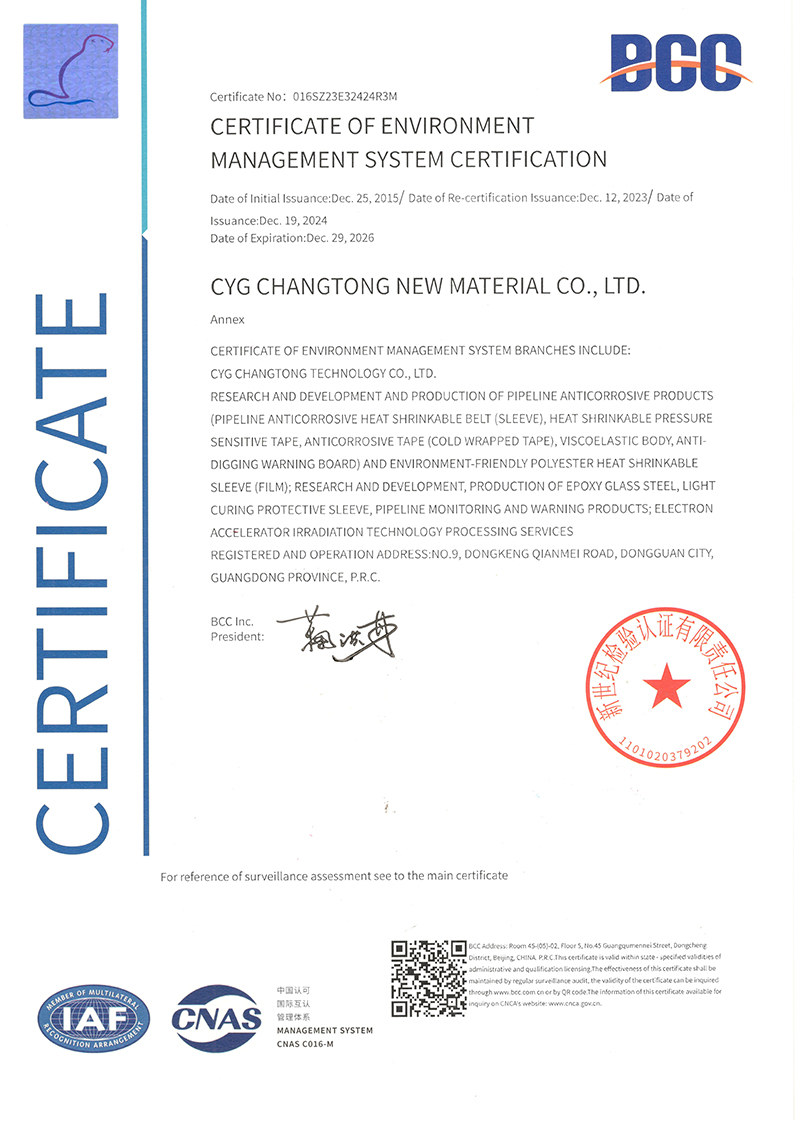
Targeted products for pipeline field joints, municipal utilities, valves, and localized coating repairs.
Technical answers addressing pipeline ARO coatings, standards compliance, and application processes.
Connect with our technical support and sales engineers to discuss custom ARO configurations, DIN/DVGW compliance documentation, or to request product samples for qualification testing.
Send Inquiry Now CYCT
CYCT