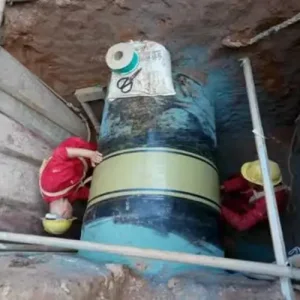
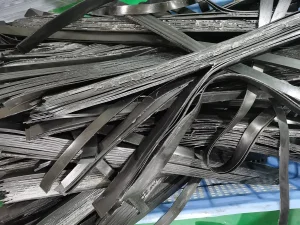
Premium OEM pipeline security materials engineered for extreme environments and industrial reliability
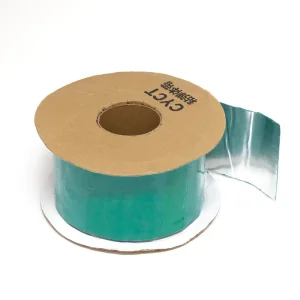
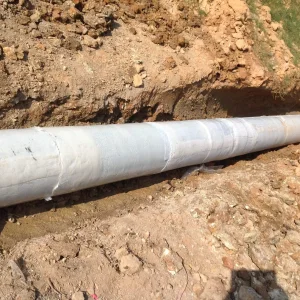
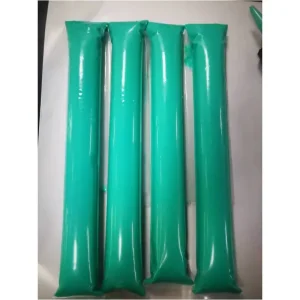
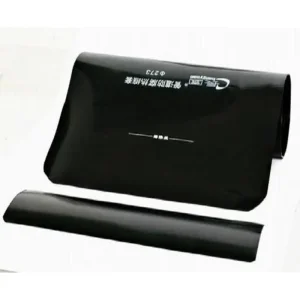
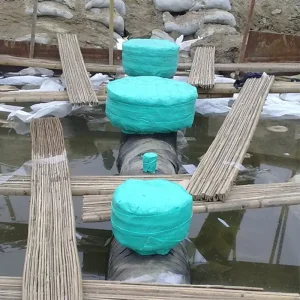
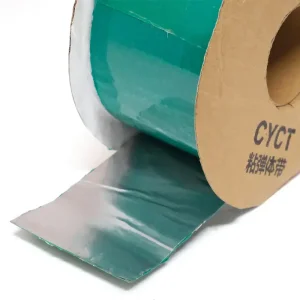
Viscoelastic anti-corrosion tape represents a pinnacle of modern materials science for pipeline protection. Structurally different from standard asphalt or polyethylene adhesive wraps, viscoelastic systems are based on a unique compound formulation featuring amorphous, non-crystalline, low-viscosity polyolefins (commonly Polyisobutylene - PIB). This formulation behaves as both a viscous liquid and an elastic solid under various conditions, establishing what engineers refer to as a "cold-flow" property.
When wrapped onto steel substrates, the viscoelastic material flows directly into the microscopic pores and rough anchoring profiles of the metal surface. The tape effectively eliminates pockets of moisture, oxygen, and potential contaminants, rendering the substrate completely passive to corrosion. It maintains a constant thickness and offers complete self-healing capabilities against minor installation scratches or ambient structural movements.
Additionally, the material does not cure or harden, meaning it remains stable and ductile over its design life—often exceeding 30 years without dry-cracking or losing adhesion. This properties combination is essential for safeguarding high-value petrochemical pipelines, gas distribution channels, water pipelines, and structural steelworks.
Key priorities and verification standards for pipeline engineering procurement departments worldwide.
Procurement teams need viscoelastic coatings that interface smoothly with 3LPE, PP, FBE, and bare steel without peeling or degradation. CYCT solutions are engineered to bond across these joint transitions.
Standard solid-backing polyolefin wraps can shield cathodic protection (CP) currents, hiding localized corrosion. Viscoelastic tape avoids CP shielding, allowing protection currents to reach the steel if the outer wrap breaches.
For remote field repair operations, achieving an SSPC-SP 10 (white metal blast) can be difficult. Viscoelastic materials perform reliably on St 2 or St 3 wire-brushed surfaces, reducing field labor costs.
A State-Level High-Tech Enterprise & Council Member of the Chinese Society for Corrosion and Protection (CSCP)
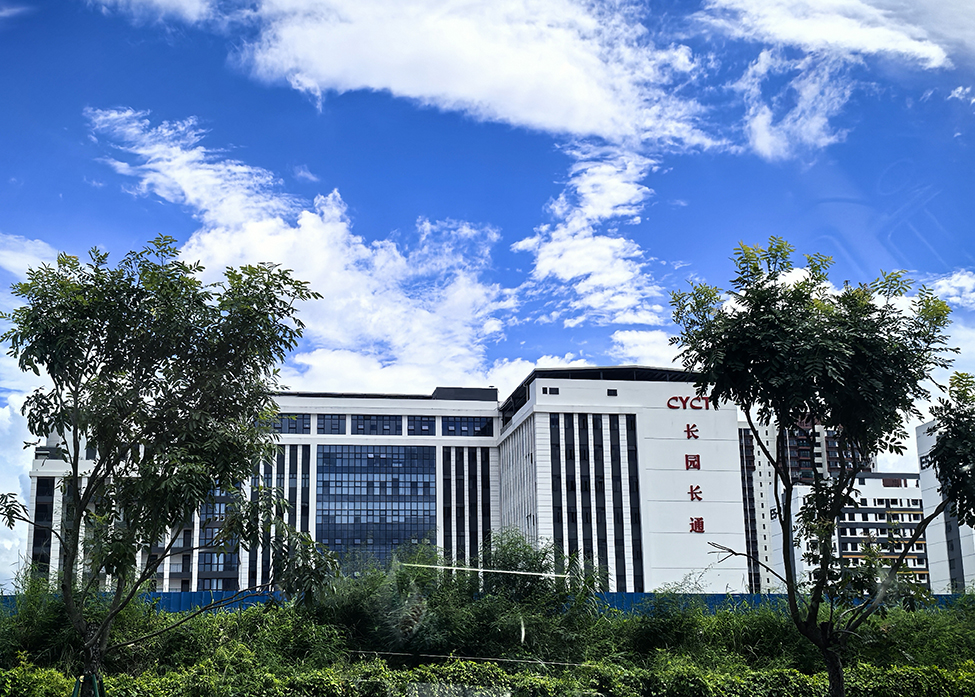
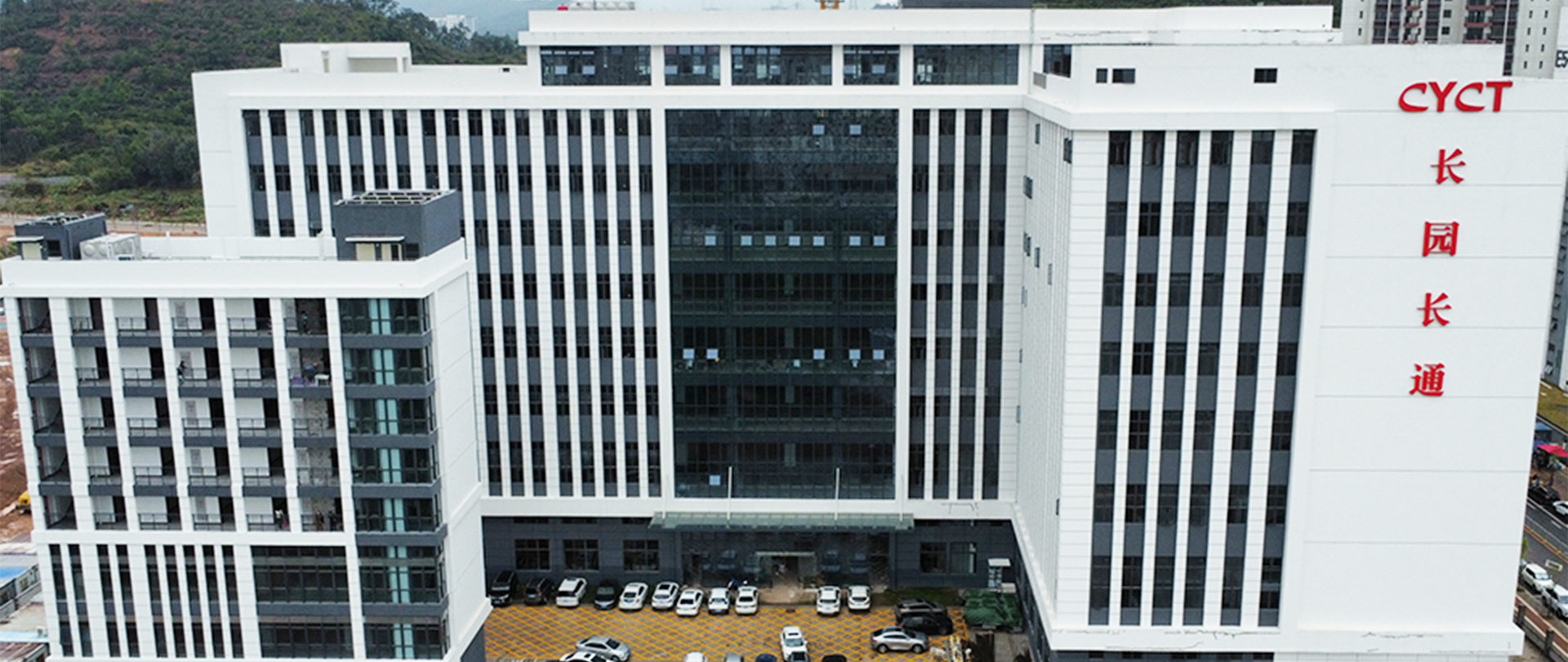
CYCT New Materials Company Limited (for short, CYCT) was founded in 2000 and has evolved into a key supplier of pipeline corrosion protection materials. As a state-level high-tech enterprise, CYCT integrates research and development, manufacturing, sales, buried pipeline inspection services, and pipeline coating field applications into a single operation.
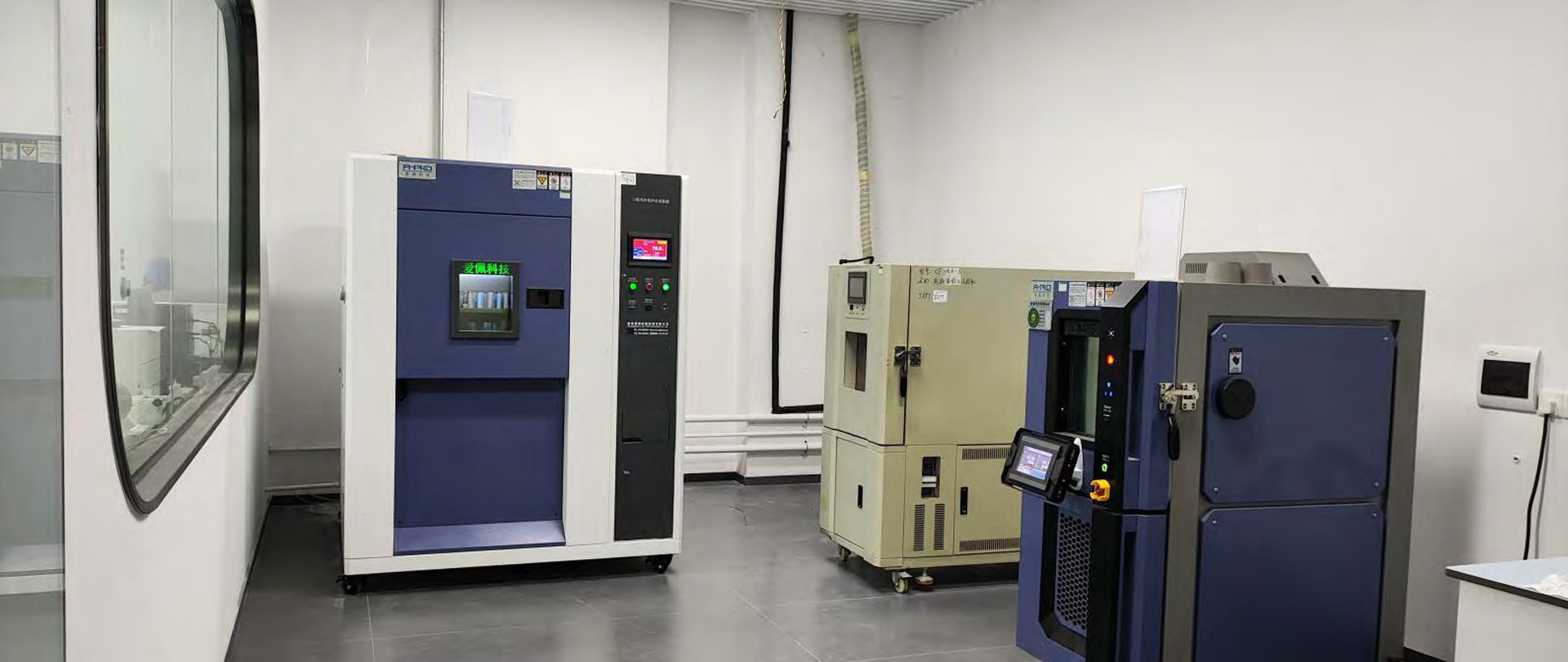
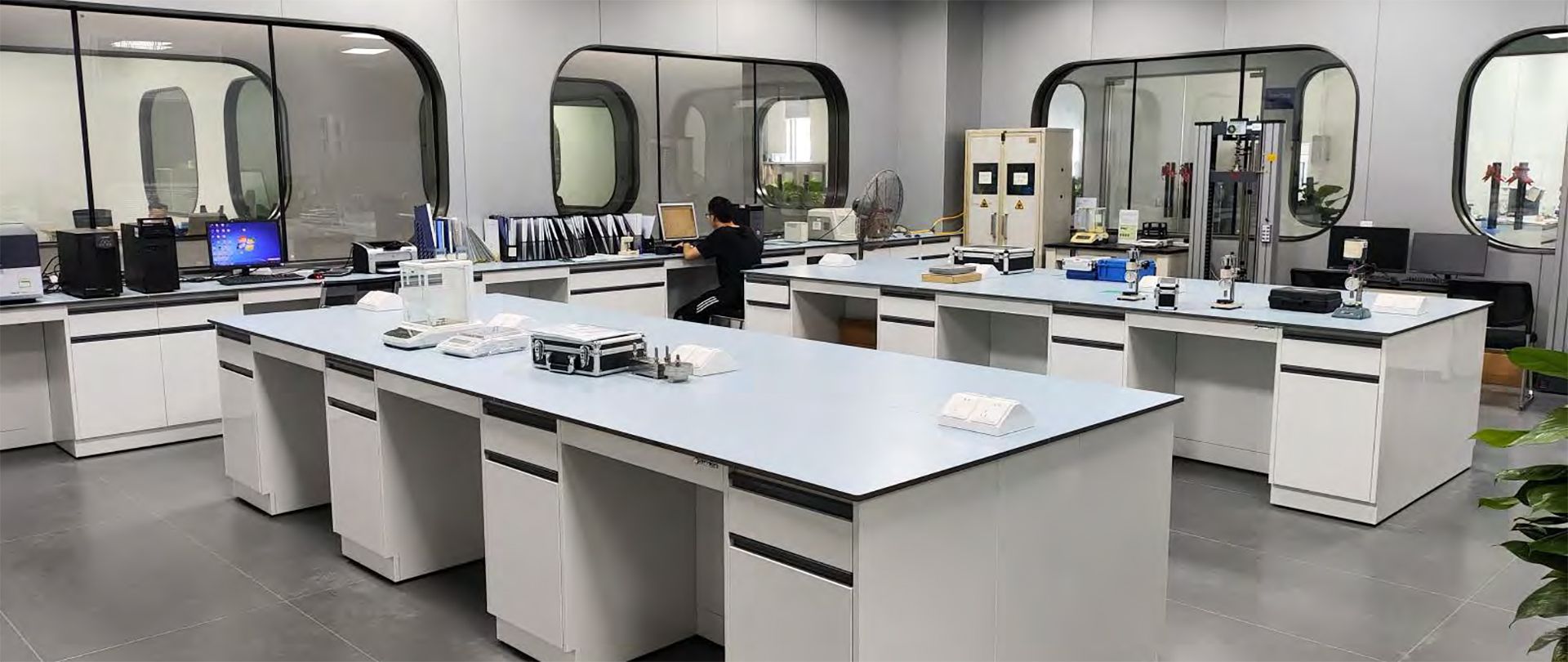
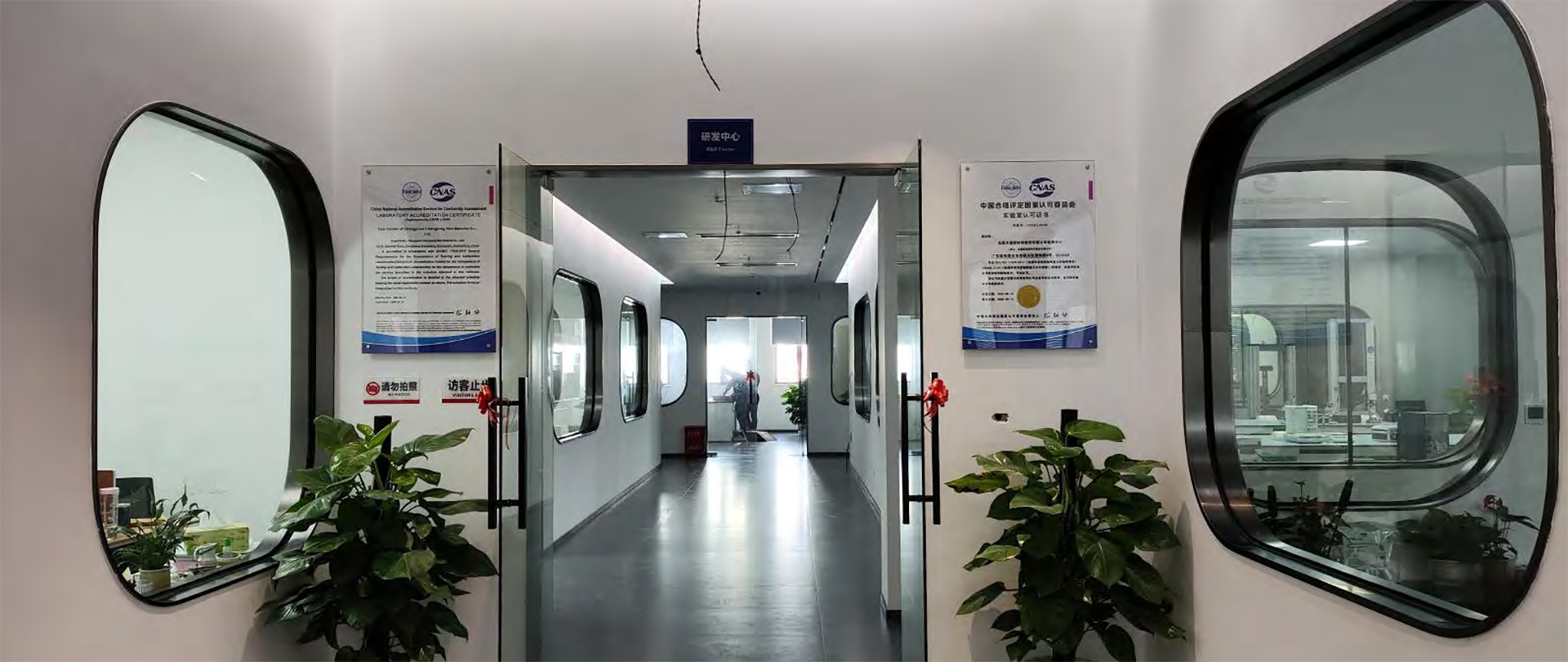
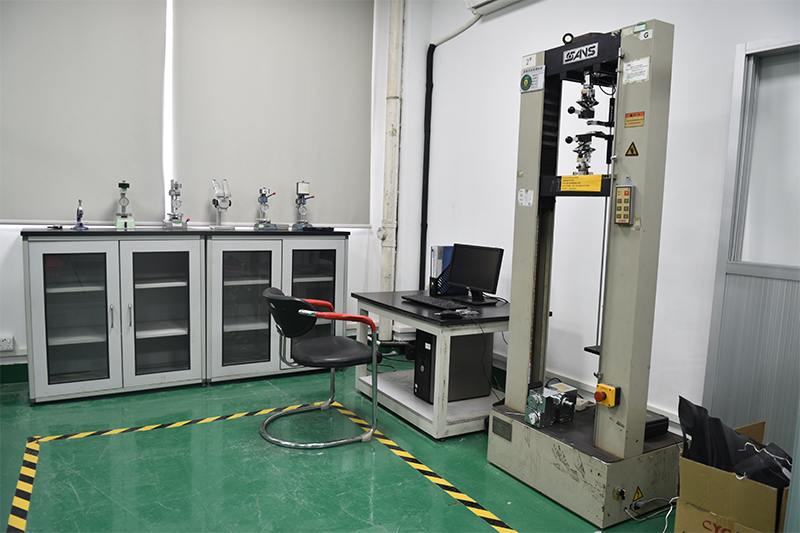
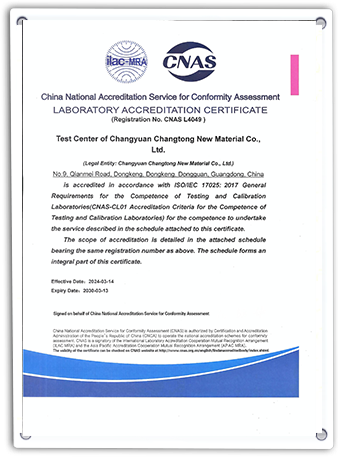
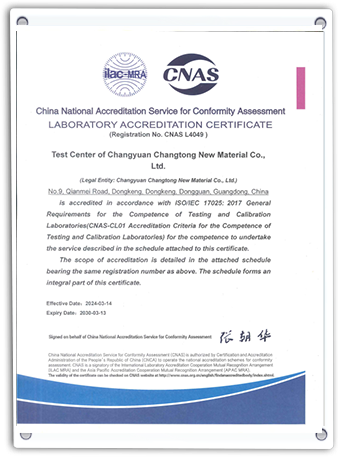
For over two decades, CYCT has focused on pipeline integrity. The company maintains in-house testing and R&D facilities, including a professional development team and a national CNAS-accredited laboratory, ensuring consistent quality for global projects.
Through cooperation with research groups like the CNPC Pipeline Science Research Institute, CYCT supports operating pipelines with pipeline detection, system design, cathodic protection, rehabilitation services, and integrated safety solutions.
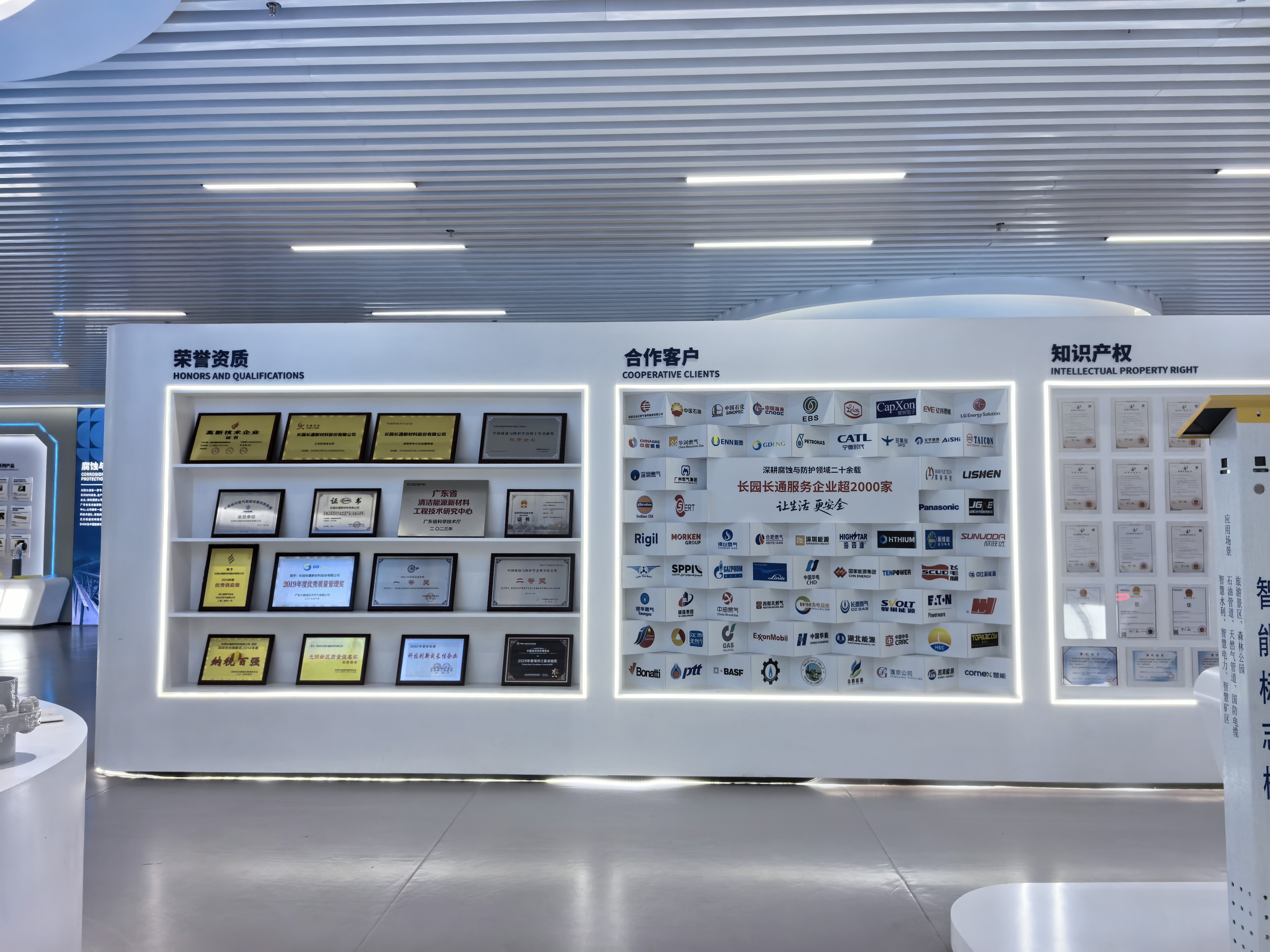
CYCT is a regular supplier of field joint coatings for PetroChina, Sinopec, PipeChina, and various municipal pipeline operators. The company has introduced several specialized corrosion control systems, including viscoelastic anti-corrosion materials, photo-curing sleeves for HDD (Horizontal Directional Drilling) protection, and polyurea coatings.
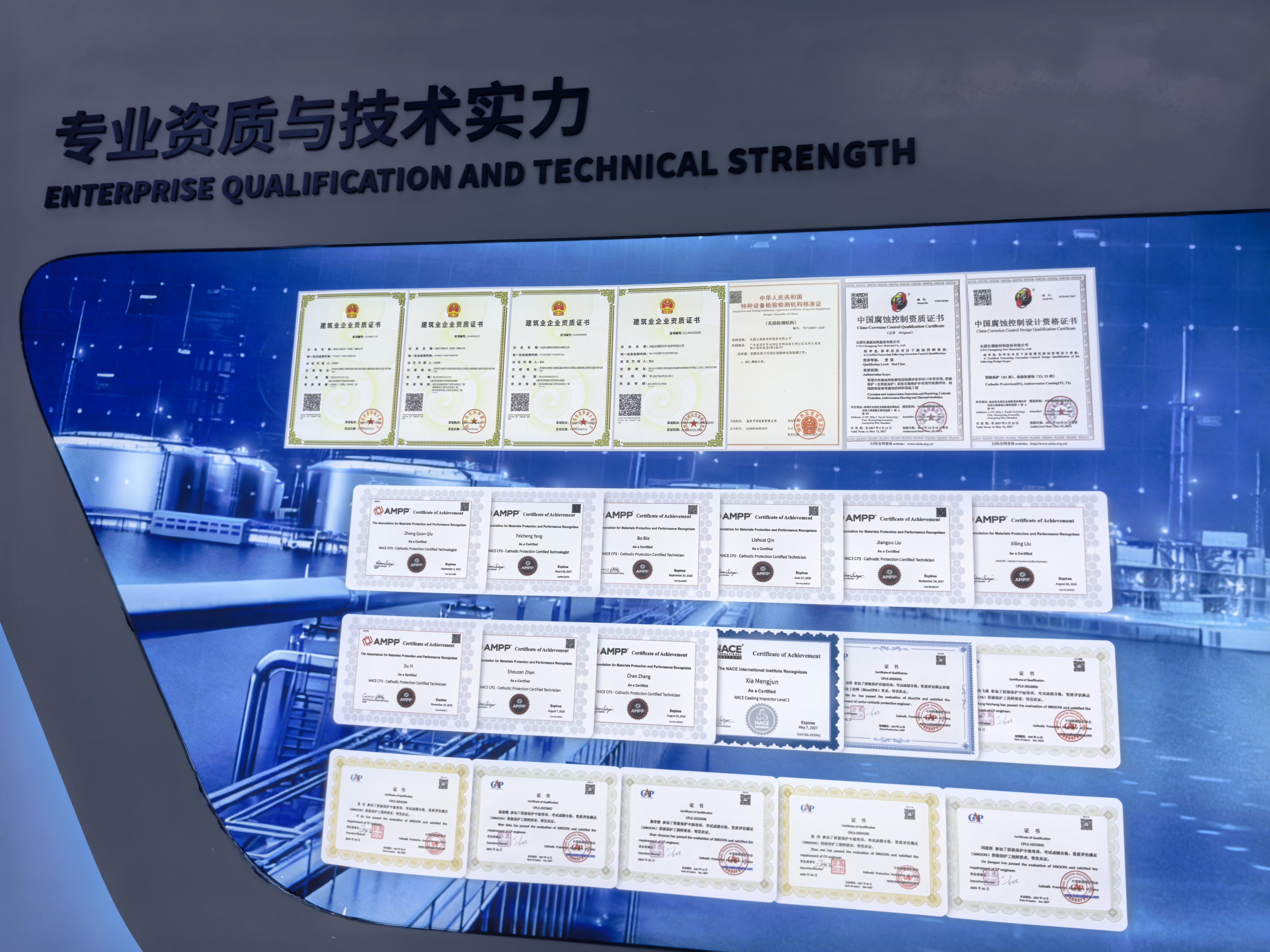
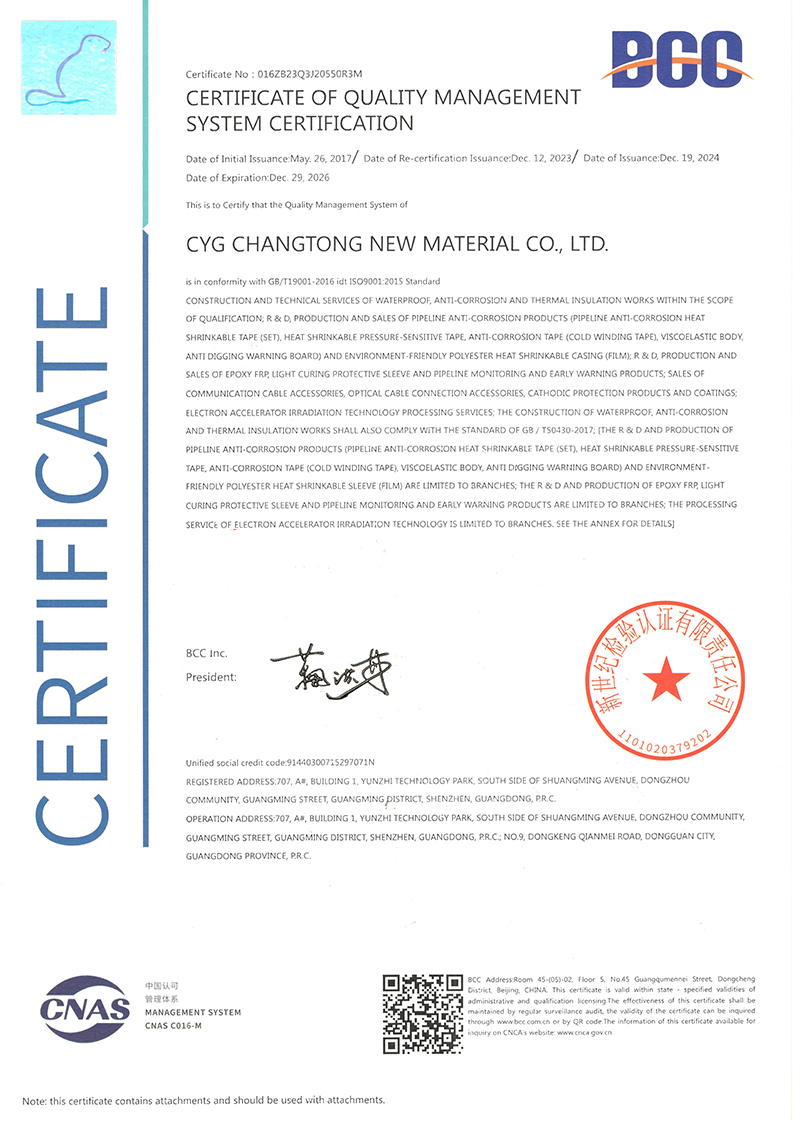
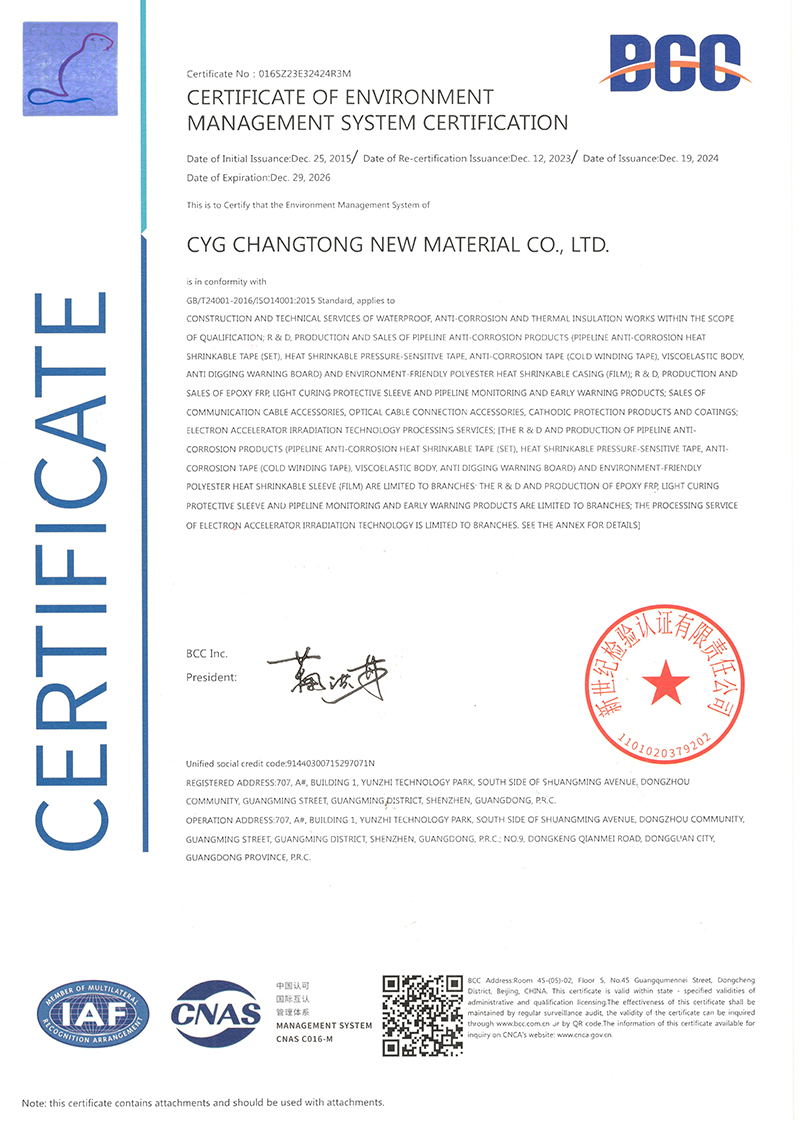
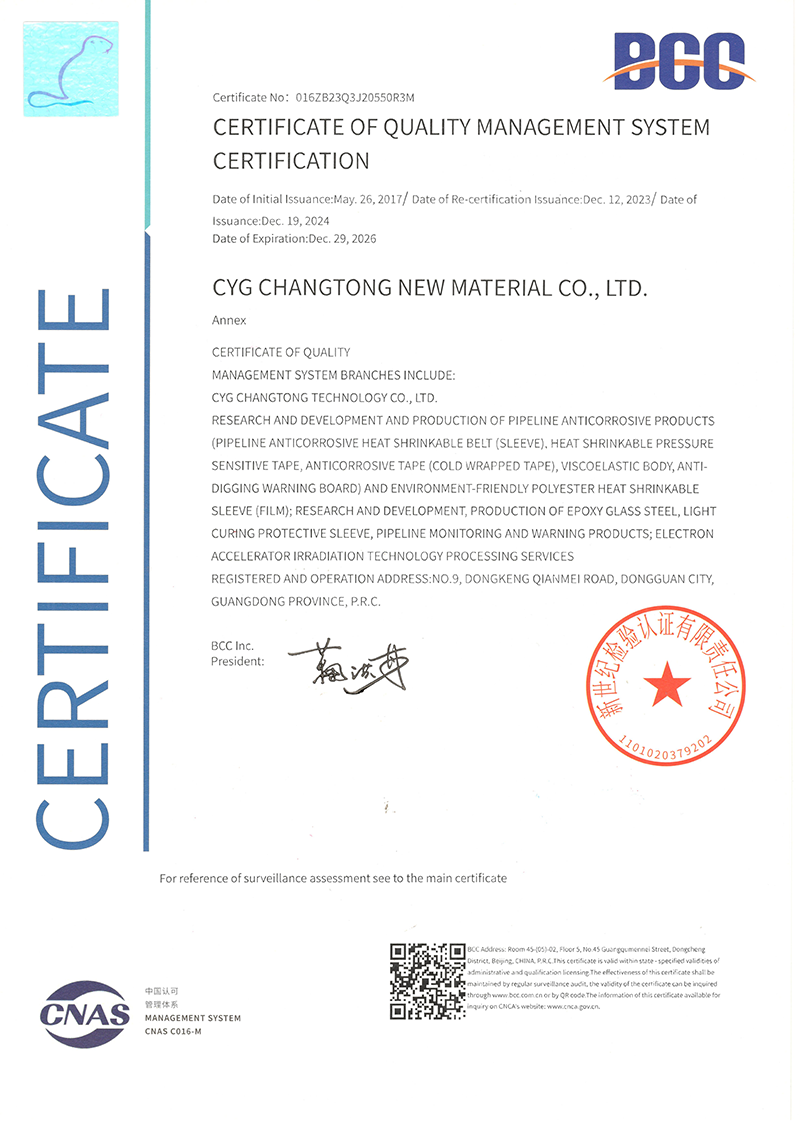
Our quality systems hold certifications from CAPEC (China Association of Petroleum Engineering Construction) and align with international standards such as AMPP (Association for Materials Protection and Performance).

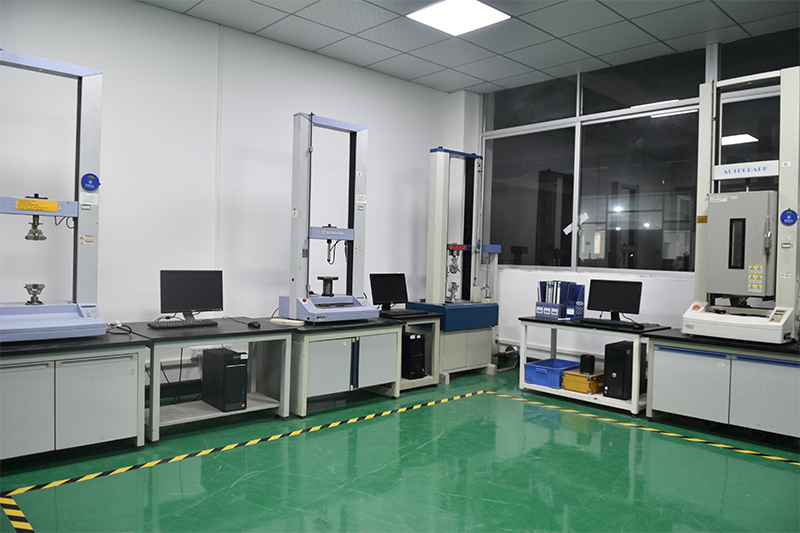
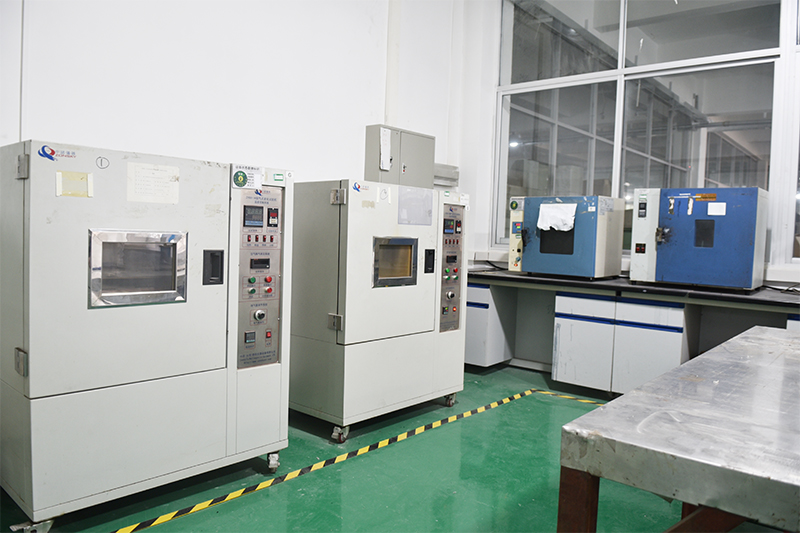
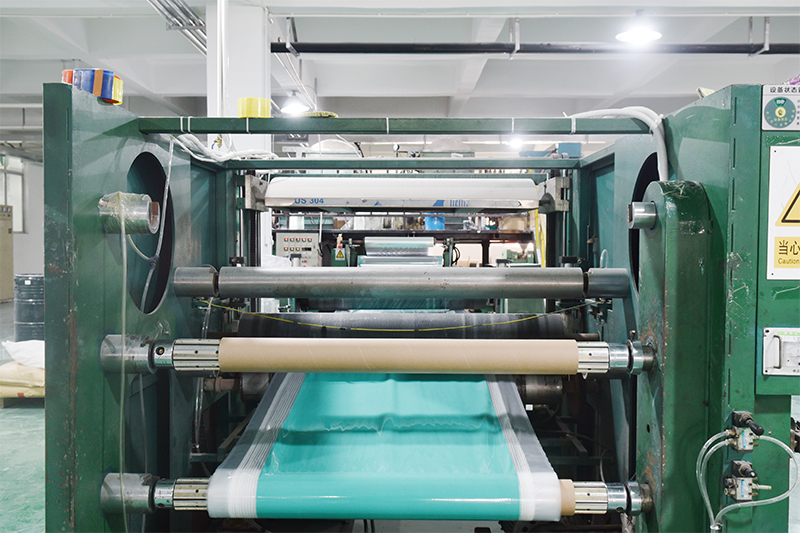
Comparison of engineering requirements for viscoelastic anti-corrosion coating systems.
| Performance Characteristic | Typical Industry Requirement | CYCT Viscoelastic System Performance | Standard Test Reference |
|---|---|---|---|
| Operating Temperature | -45°C to 70°C | -50°C to 85°C (Extended Limits) | ASTM D2240 / ISO 21809-3 |
| Drip Resistance | No dripping at 70°C | No dripping or sliding at 85°C | ISO 21809-3 Annex G |
| Cathodic Disbondment | < 10 mm radius at 23°C | 0 mm (Complete Self-Healing) | ASTM G8 / ISO 21809-3 |
| Water Absorption | < 0.1% | < 0.03% (Low Permeability) | ASTM D570 |
| Peel Strength (Steel) | Cohesive failure at all temperatures | 100% Cohesive Separation (Leaves Residue) | ISO 21809-3 Annex H |
| Holiday Detection (Voltage) | 5 kV min without breakdown | Passes 15 kV to 25 kV testing | NACE SP0188 / ASTM G62 |
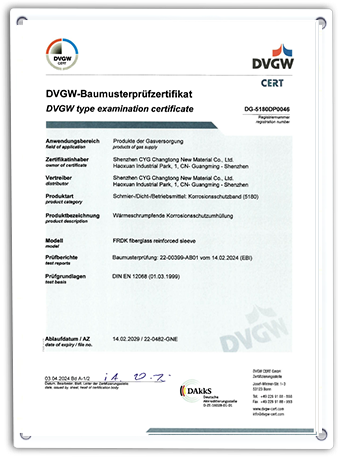
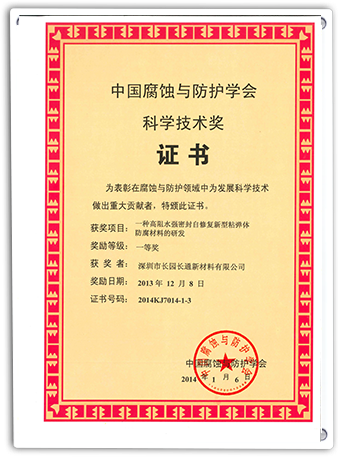
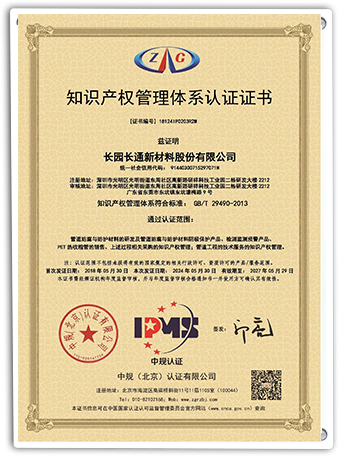
Internationally audited certifications and regulatory approvals securing supply chains for large-scale energy infrastructure projects.
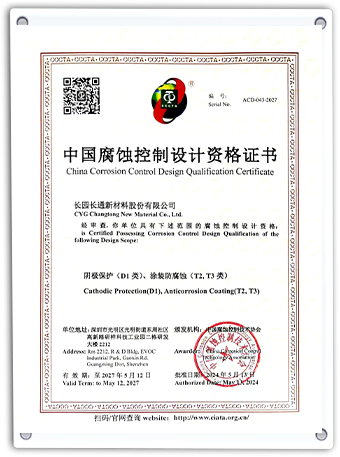
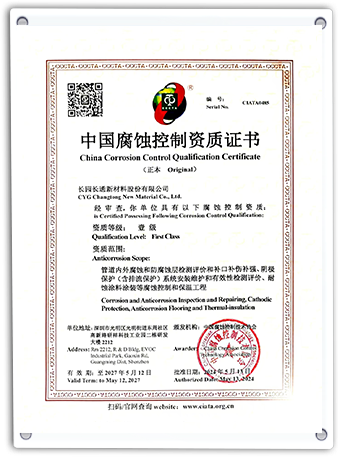
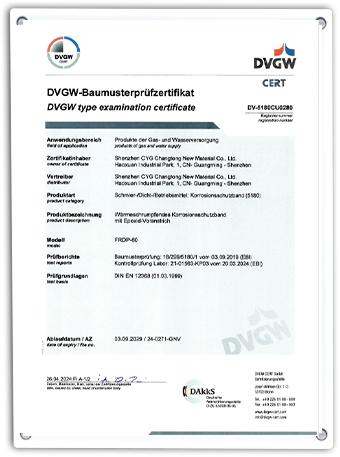
CYCT Official Recognition: Council Member of Chinese Society for Corrosion and Protection (CSCP), certified provider of Corrosion Protection Construction Services, officially qualified in Pipeline Detection, recognized as a Well-known Brand of Pipeline Corrosion Protection in China, Corporate Member of China Association of Petroleum Engineering Construction (CAPEC), State-Level High-Tech Enterprise, supplier of PetroChina, Sinopec, China Gas Group, and Indian Oil Corporation.
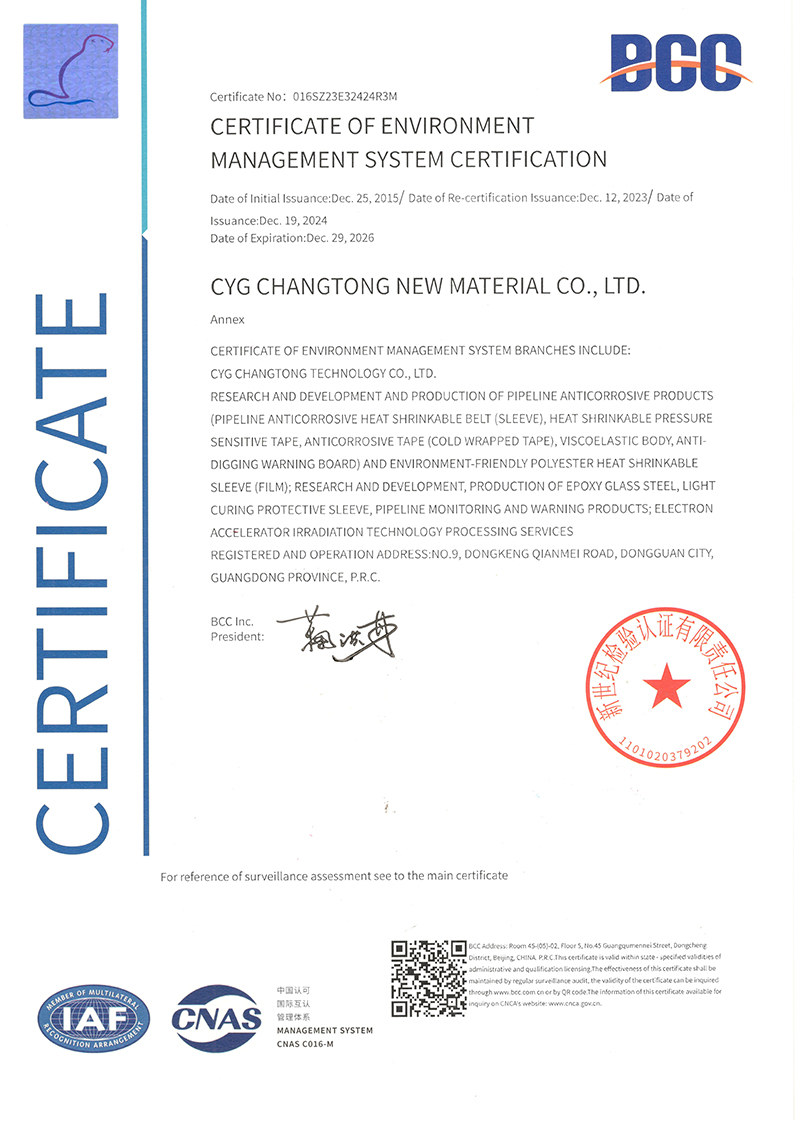
How CYCT viscoelastic systems protect midstream energy assets, processing facilities, and infrastructure.
Rehabilitating urban buried gas pipes requires materials that can tolerate imperfectly prepared metal substrates. CYCT viscoelastic systems require only St2 hand-brush preparation, eliminating the noise and environmental dust of abrasive blasting in populated zones. Once wrapped, the viscoelastic compound flows over surface irregularities and seals joints, valves, and elbows against oxygen and water.
Pulling pipelines through horizontal directional drilling boreholes subjects joints to high shear stresses. By combining CYCT aluminum-foil viscoelastic inner tape with a hard glass-fiber-reinforced (GRP) photo-curing outer sleeve, the resulting layer provides both corrosion resistance and mechanical strength, shielding the pipe from rock-scrape damage during installation.
Offshore environments present severe salt spray conditions. The moisture-repelling CYCT VE putty, paired with a viscoelastic wrap layer, fills irregular voids around nuts, bolts, and flange faces. This configuration isolates the metal assembly from salt air and prevents crevice and galvanic corrosion on sea terminals.
Our ongoing material science research focuses on extending the limits of corrosion prevention.
CYCT's technical roadmap centers on two objectives: extending the service temperature range of viscoelastic systems and improving the environmental profile of the backing materials. Our lab is testing new cross-linked viscoelastic hybrid systems designed for service temperatures up to 120°C, addressing the needs of high-temperature crude pipelines.
Additionally, we are integrating smart color-indication features into our protective sleeves. These materials shift color under local pH changes, signaling outer sleeve damage before corrosion can start. Through our collaboration with the CNPC Pipeline Science Research Institute, we continue to research and develop long-lasting pipeline protection materials.
Professional engineering answers about viscoelastic anti-corrosion systems, installation, and compliance.
Unlike heat-shrinkable sleeves or liquid epoxies with fixed shelf lives, CYCT viscoelastic anti-corrosion tapes do not cure or harden during storage. Under cool, dry warehouse conditions (out of direct sunlight and below 40°C), the tape has an indefinite shelf life, retaining its full adhesive and self-healing properties for years.
Standard plastic-backed adhesive tapes form a rigid barrier that shields cathodic protection (CP) currents if the tape disbonds from the steel, allowing water to initiate corrosion underneath. Viscoelastic compounds feature low electrical resistivity and high cold-flow adhesion, maintaining contact with the steel to eliminate voids. If physical damage occurs, the material's properties allow it to self-seal, or let CP currents pass through to protect the exposed area.
No, sandblasting is not strictly required. CYCT viscoelastic systems perform reliably with wire brushing to an St 2 or St 3 standard, unlike liquid epoxies which require an Sa 2.5 white-metal finish. This reduced surface preparation requirement lowers installation labor and equipment costs in the field.
Viscoelastic tape remains in a viscous state and requires an outer wrap for mechanical protection. The outer wrap shields the viscoelastic layer from soil stress, shear forces, backfilling impact, and environmental wear, keeping the primary corrosion barrier intact.
High-integrity repair fillers, polymeric sleeves, and hot-melt systems for critical line construction
Connect with our technical team to discuss custom sizes, backing options, technical specifications, and project logistics. CYCT provides sample testing and certification services for global projects.
Contact Engineering Support CYCT
CYCT