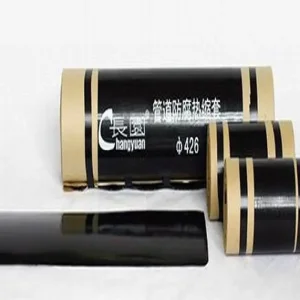
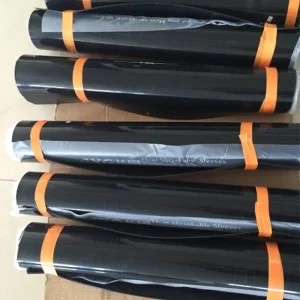
High-reliability thermal shrinkable tapes, viscoelastic sealants, and heavy-wall structural protection sleeves designed for extreme environments.
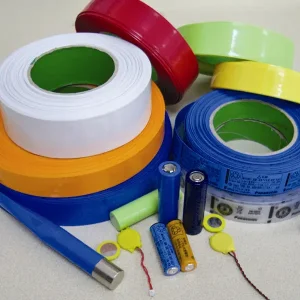
In contemporary heavy industrial engineering, the integrity of structural assets and distribution networks is subject to severe chemical, mechanical, and environmental strains. At the core of asset protection technologies, the OEM rubber heat shrink tube and its corresponding elastomer-based systems act as primary shields against corrosion, thermal fluctuations, and physical abrasion. Globally, the demand for cross-linked rubber heat shrinkable materials has escalated beyond simple electrical insulation. Today, these solutions are integral components of multi-layered pipe coating systems, offshore oil rigs, subsea installations, municipal gas lines, and high-voltage transmission networks.
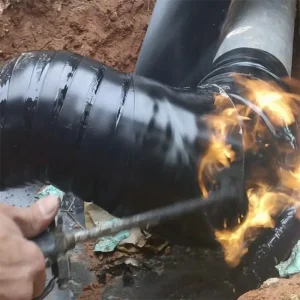
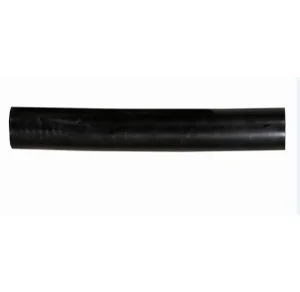
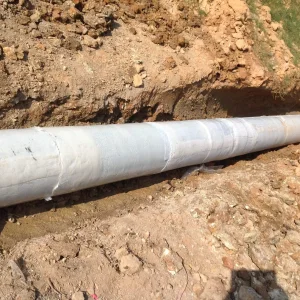
Industrial polymer science relies heavily on cross-linking technologies. When elastomers or specialized polyolefins are subjected to electron-beam radiation or chemical cross-linking agents, their molecular structure transitions from a linear chain format to a three-dimensional network. This cross-linking process grants the materials "elastic memory." When heated beyond their crystalline melting point, these materials shrink, creating a tight mechanical seal over joints, bends, and terminations. For heavy-duty pipeline corrosion mitigation, this shrinkage seals the interface against moisture, oxygen, and corrosive soil compounds.
Modern project specifications require coatings that can endure extreme thermal cycling, cathodic disbondment stresses, and high shear forces. The global industrial marketplace is transitioning from standardized off-the-shelf items toward OEM-driven, custom-engineered rubber heat shrink tubes, viscoelastic tape profiles, and photo-curing composite sleeves. This transition ensures that the physical dimensions, shrinking ratios, adhesive linings (such as hot-melt adhesives or cold-flow viscoelastic compounds), and thermal indexes are tailored to the project's exact geographic and environmental needs.
Understanding the differences between primary protective coatings is essential for designing resilient piping and joint protection configurations. Below, we compare the mechanical attributes of various standard industrial protection systems, highlighting their respective applications:
| Material System Type | Primary Polymer Matrix | Operating Temperature Range | Key Performance Strengths | Common Applications |
|---|---|---|---|---|
| Cross-linked Polyolefin / Rubber Sleeves | Radiation Cross-linked PE + Hot Melt | -40°C to +80°C (higher for specialty) | Exceptional mechanical strength, high soil stress resistance | Field joint coatings, girth weld protection, tie-ins |
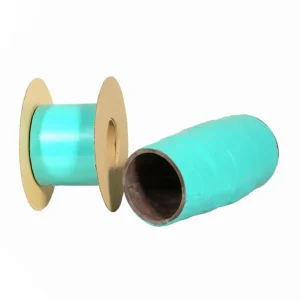
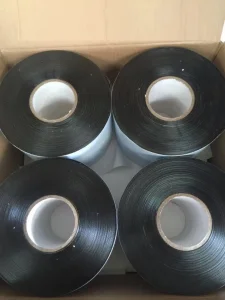
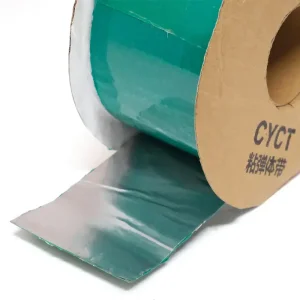
| Viscoelastic Anti-Corrosion Tape | Saturated synthetic amorphous polyisobutylene | -45°C to +95°C (VT95) | Self-healing, zero curing time, 100% water/gas impermeability | Valves, flanges, irregular fittings, underground repair |
| Fiberglass Reinforced Sleeves (GRP) | Glass fibers embedded in photo-curing resin | -60°C to +120°C | Ultra-high mechanical impact resistance, UV curing | HDD (Horizontal Directional Drilling) road crossings |
| PET / Special Polyester Shrink Tubes | Modified Polyethylene Terephthalate | -55°C to +125°C | Thin-wall profile, high dielectric insulation, low shrinkage temp | Electrical component insulation, industrial terminal protection |
China has become a leading hub for the production of advanced pipeline protection and cross-linked polymeric materials. This position is supported by integrated industrial supply chains, advanced manufacturing infrastructure, and specialized engineering talent. OEM factories in China, particularly state-level high-tech enterprises like CYCT New Materials, have moved beyond basic assembly. Today, they lead the industry in complex polymer compounding, radiation cross-linking, and quality assurance testing.
By leveraging in-house research facilities and partnerships with institutions such as the CNPC Pipeline Science Research Institute, Chinese manufacturers can rapidly iterate polymer formulations. This allows them to balance critical attributes like expansion ratio, tensile strength, environmental stress cracking resistance (ESCR), and chemical stability.
The efficiency of Chinese OEM manufacturing is further enhanced by advanced production equipment. Large-scale electron-beam accelerators allow for continuous, high-volume cross-linking of wide-width polyolefin sheets and thick-walled rubber tubes. This technology ensures uniform cross-linking density throughout the material, which prevents cracking or uneven shrinkage during field installation. Additionally, China's robust raw material supply chain ensures consistent access to high-purity base resins, elastomers, curing agents, and specialized tackifiers, keeping production costs stable even during volatile global market conditions.
Industrial piping networks must operate reliably across diverse and challenging geographical landscapes. OEM rubber heat shrink tubes and anti-corrosion tapes are designed to address these varying environmental conditions:
In arctic and sub-arctic regions, pipelines face low temperatures that can make standard plastics brittle. Specialized elastomeric heat shrink formulations remain flexible down to -45°C, resisting cracking during ground movement and freeze-thaw cycles.
When pipes are pulled through rock and compacted soil, standard coatings can shear off. Glass-fiber reinforced heat-shrinkable sleeves (GRP) provide the structural hardness and abrasion resistance needed to survive trenchless installation.
Internal heating of heavy crude pipelines requires exterior field joint coatings to operate at elevated temperatures. Viscoelastic systems (like VT95) maintain high shear resistance and do not degrade at continuous temperatures up to 95°C.
The field of industrial coating technology is evolving toward smart, highly integrated material systems. Key developmental trends include:
For procurement managers and pipeline engineering leads, sourcing heat shrinkable materials requires strict quality verification. To maintain compliance and protect your infrastructure, consider the following standards:
Company Profile
CYCT New Materials Company Limited (for short, CYCT) is a state-level high-tech enterprise integrating R&D, production and sales of pipeline corrosion protection materials as well as buried pipeline detection service and pipeline coating field application service into one. CYCT has dedicated itself to the R&D, production, and sales of pipeline corrosion protection materials for decades.
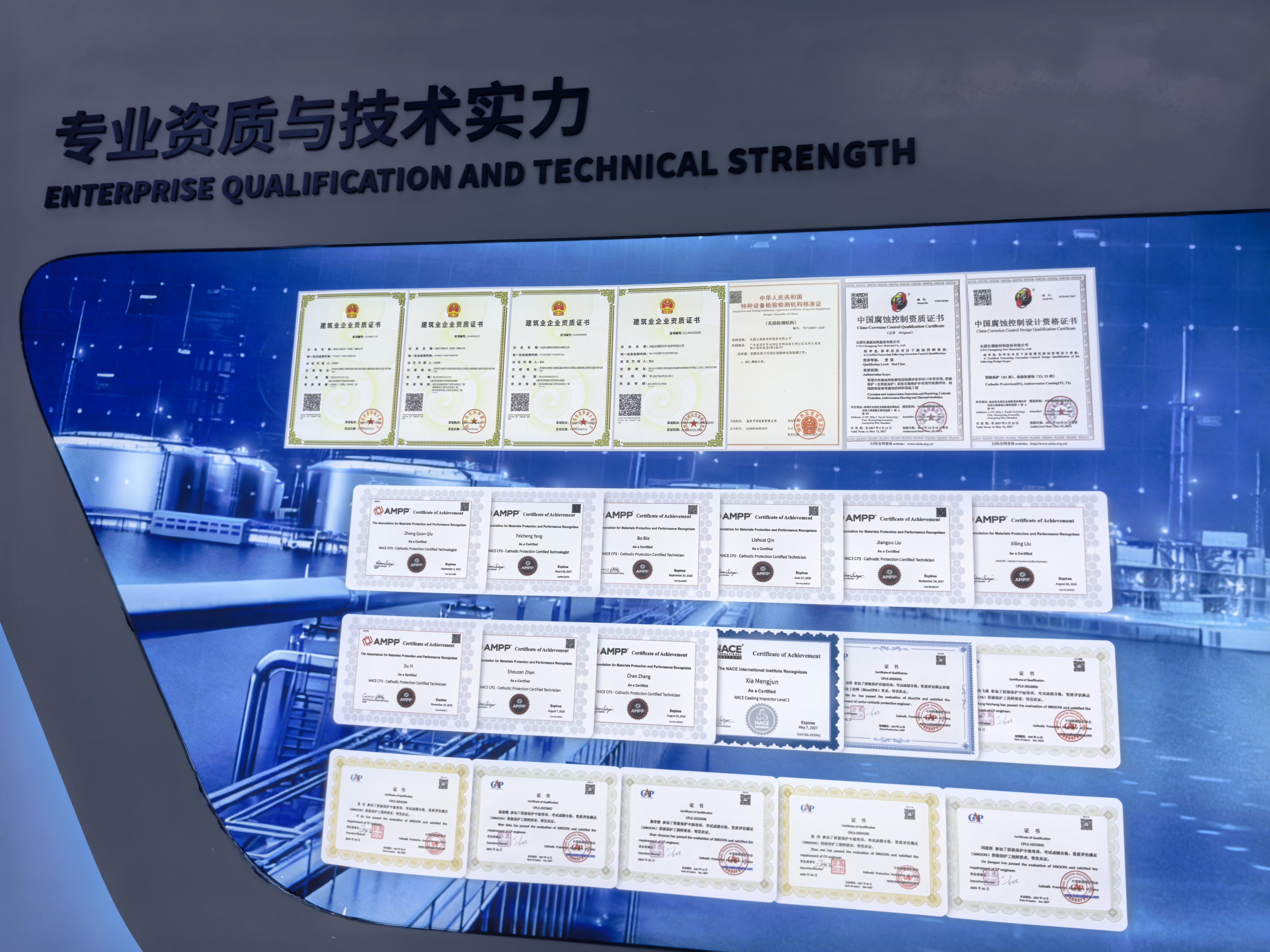
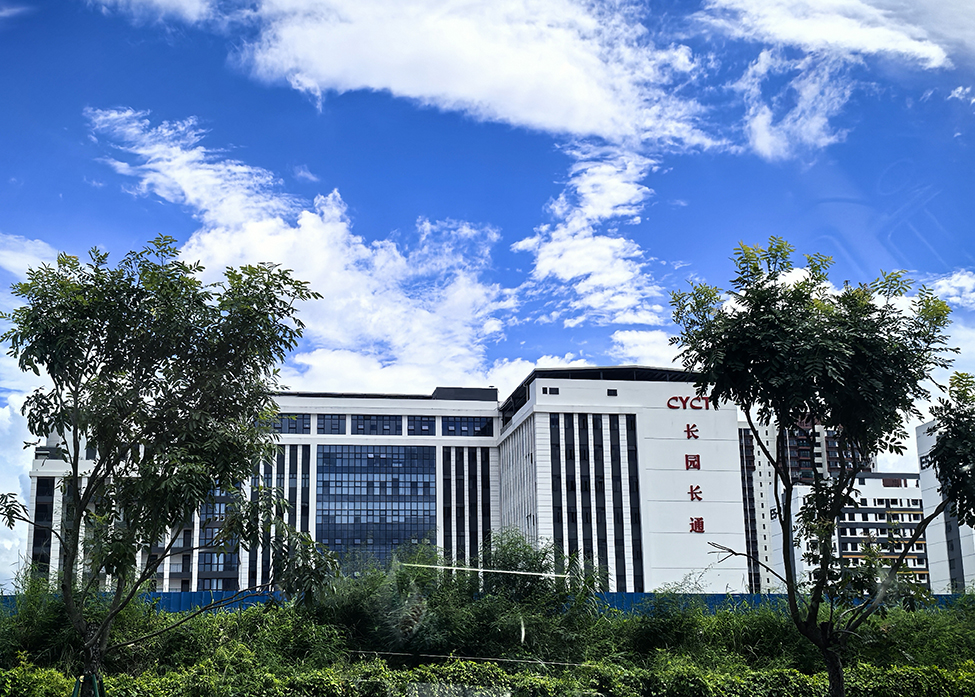
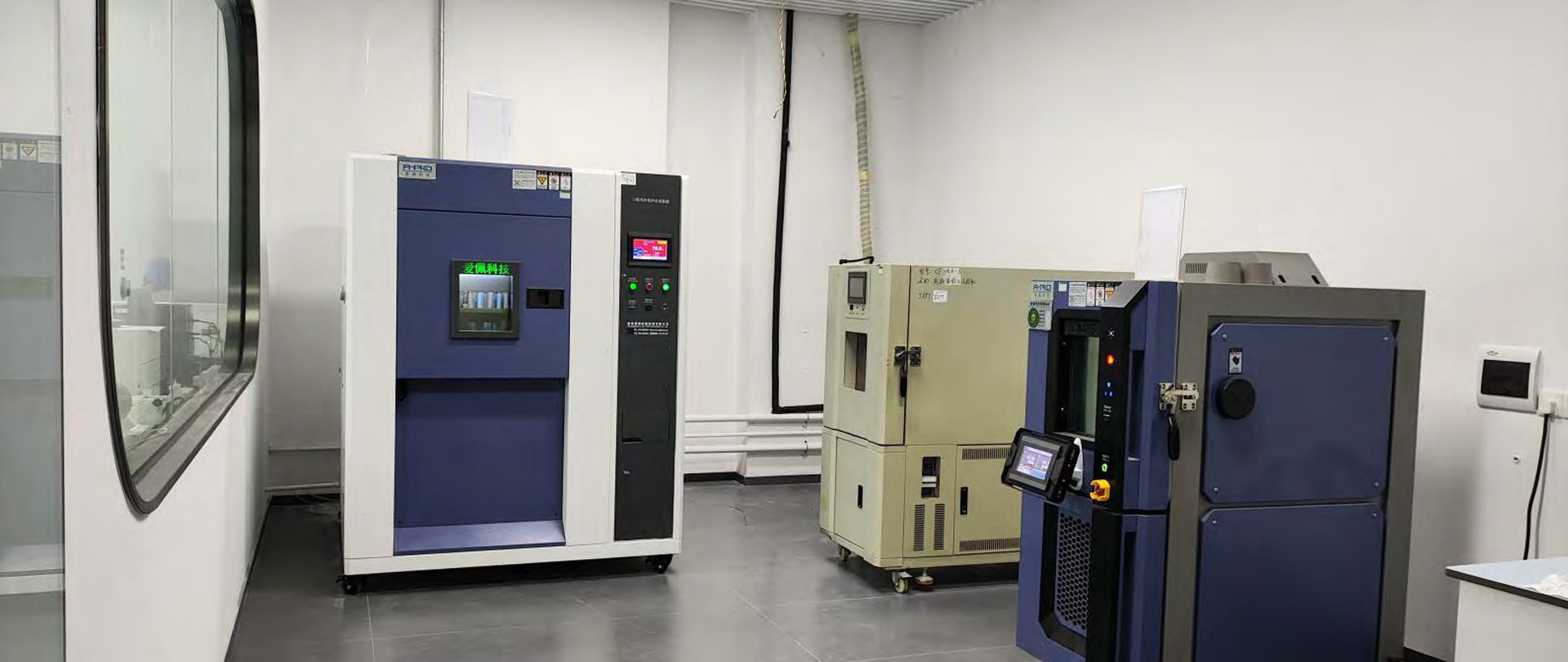
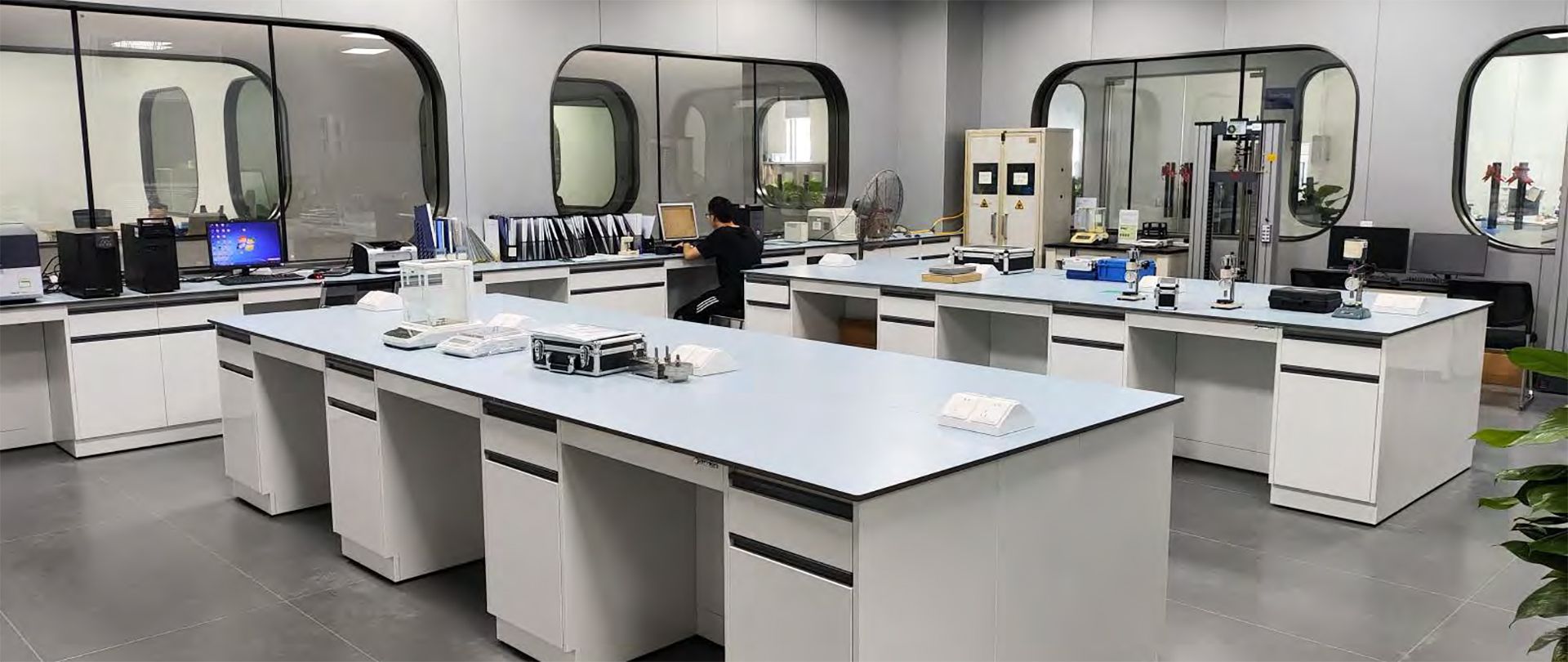
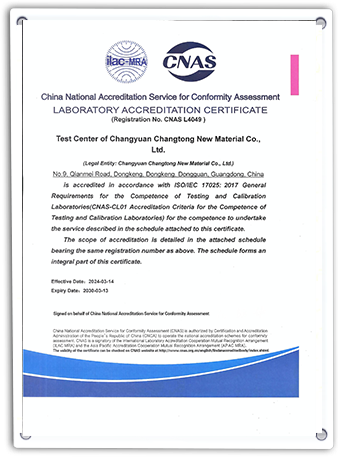
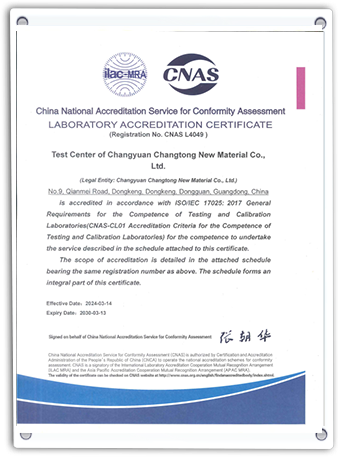
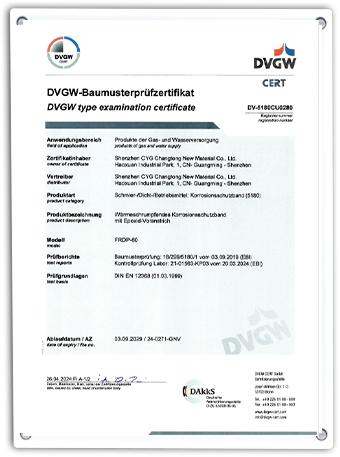
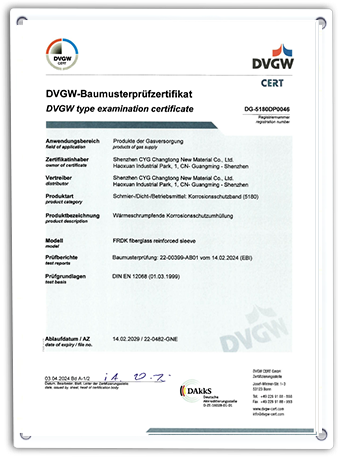
CYCT owns leading testing and R&D capabilities, a professional R&D team, and a national CNAS-accredited laboratory.
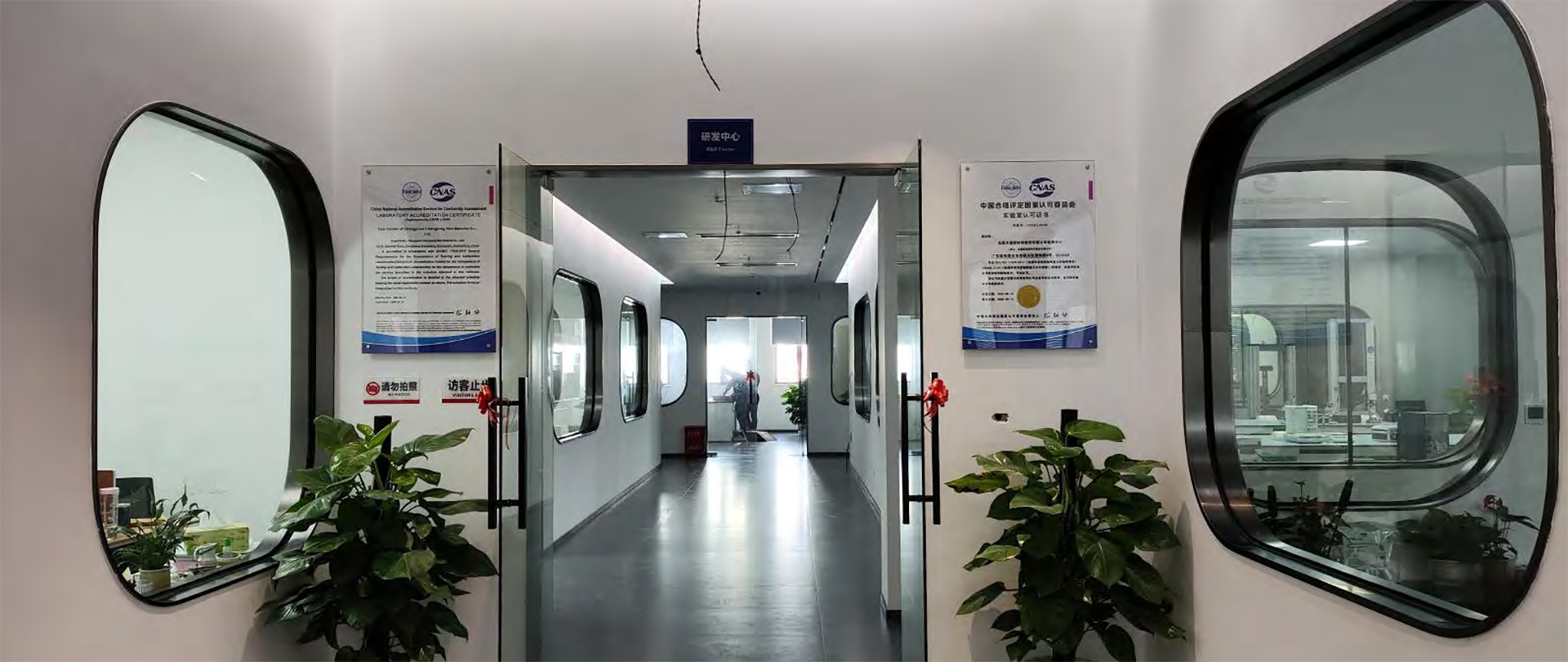
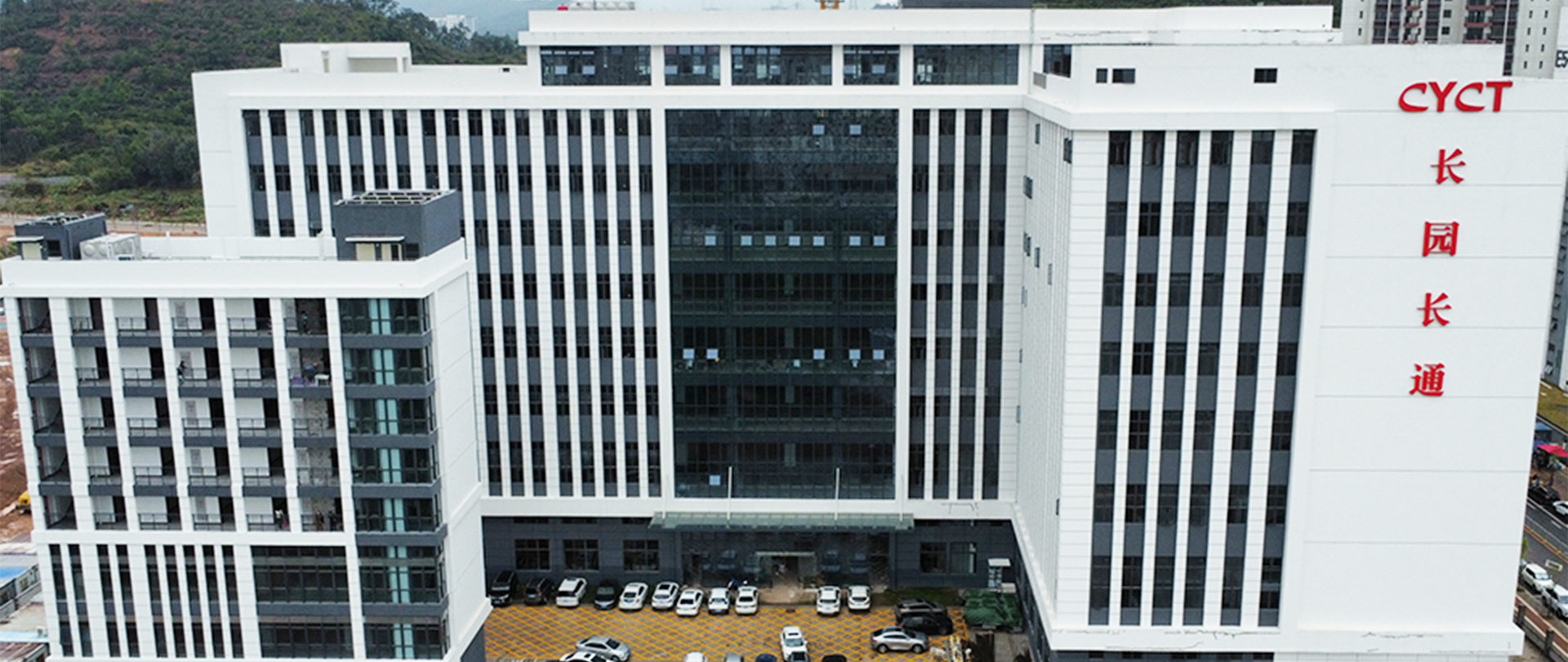
CYCT has been a stable supplier of field joint coatings for years to PetroChina, Sinopec, PipeChina, and local pipeline projects, maintaining a high market share. Furthermore, CYCT has successfully developed and introduced a variety of specialty corrosion protection materials, including viscoelastic anticorrosion materials, special photo-curing sleeves for HDD protection, and polyurea coatings.
Through collaboration with research institutes like the CNPC Pipeline Science Research Institute, CYCT provides technical services for in-service pipelines. These services include buried pipeline detection, design schemes, cathodic protection, rehabilitation projects, and integrated solutions for pipeline safety protection.
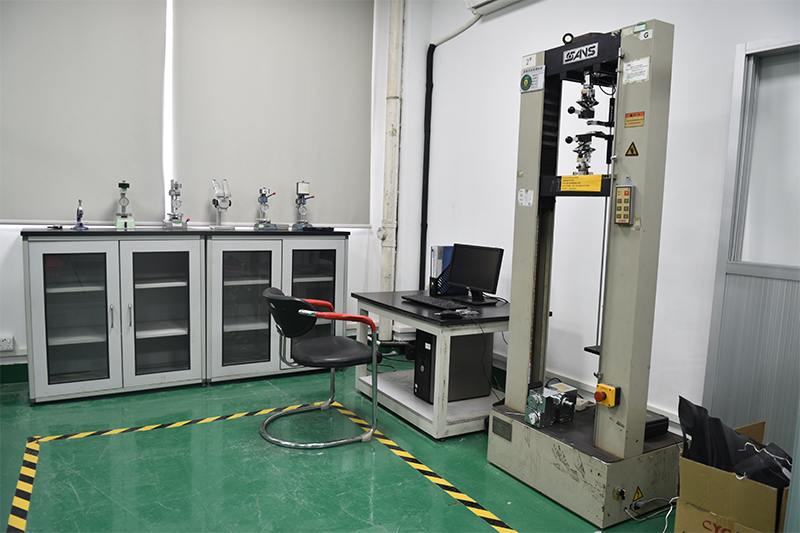
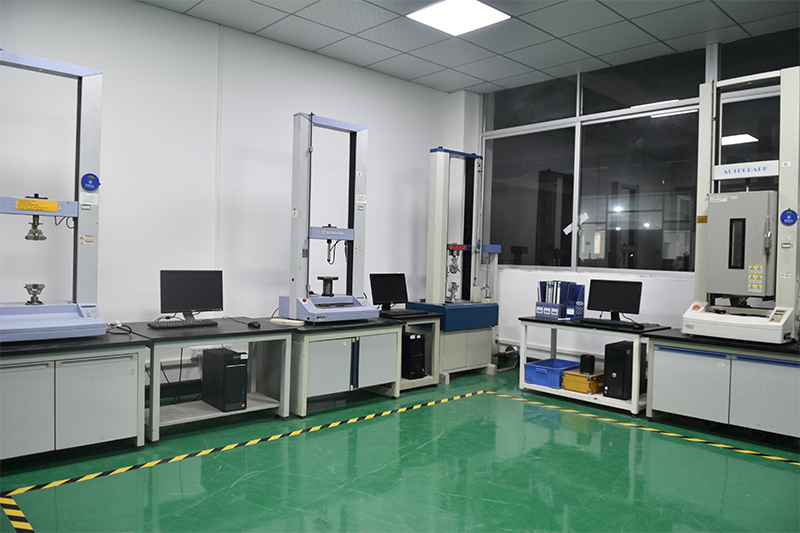
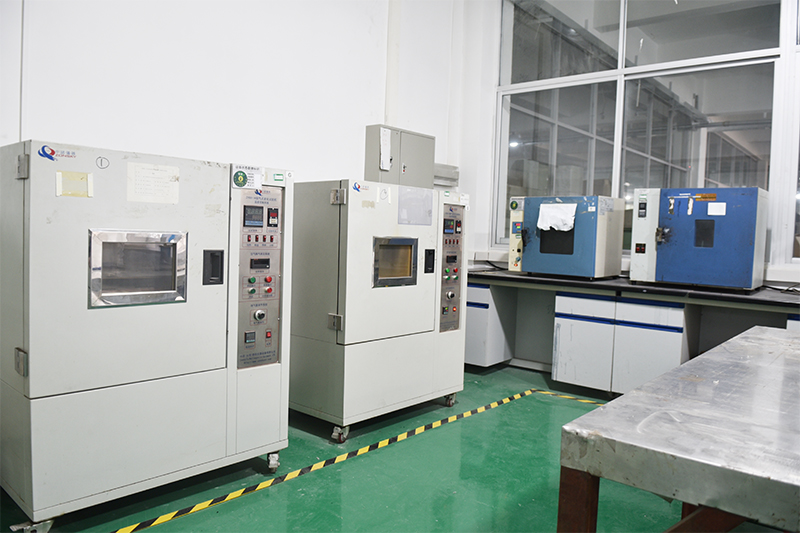
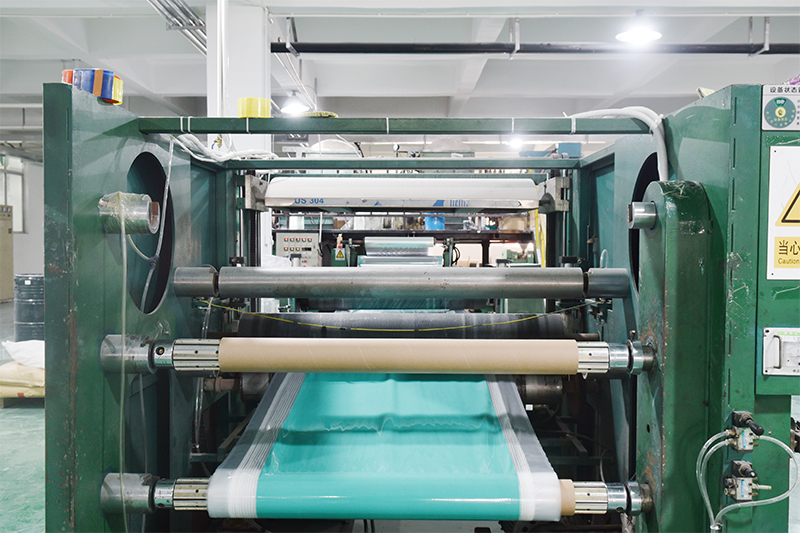
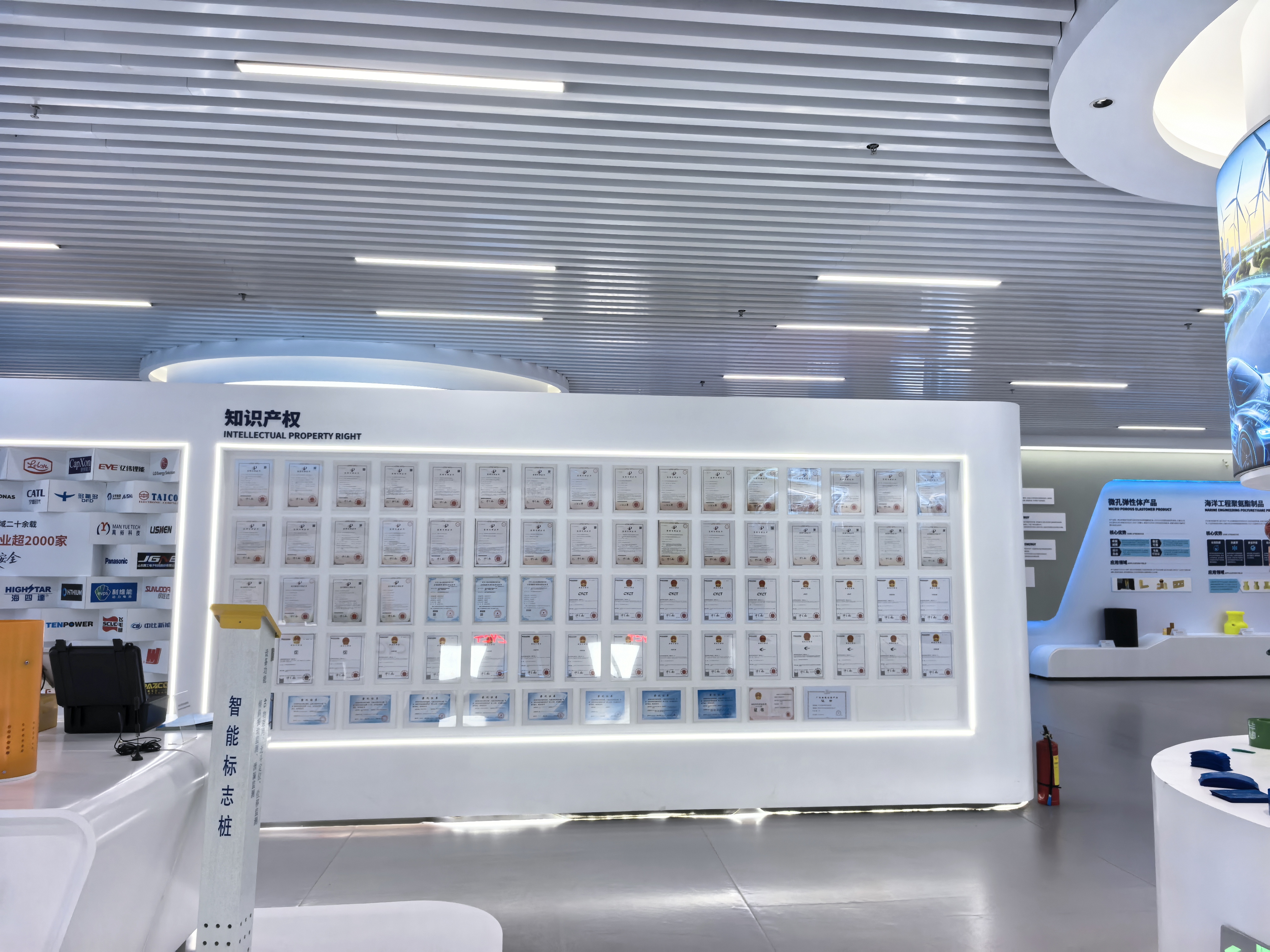
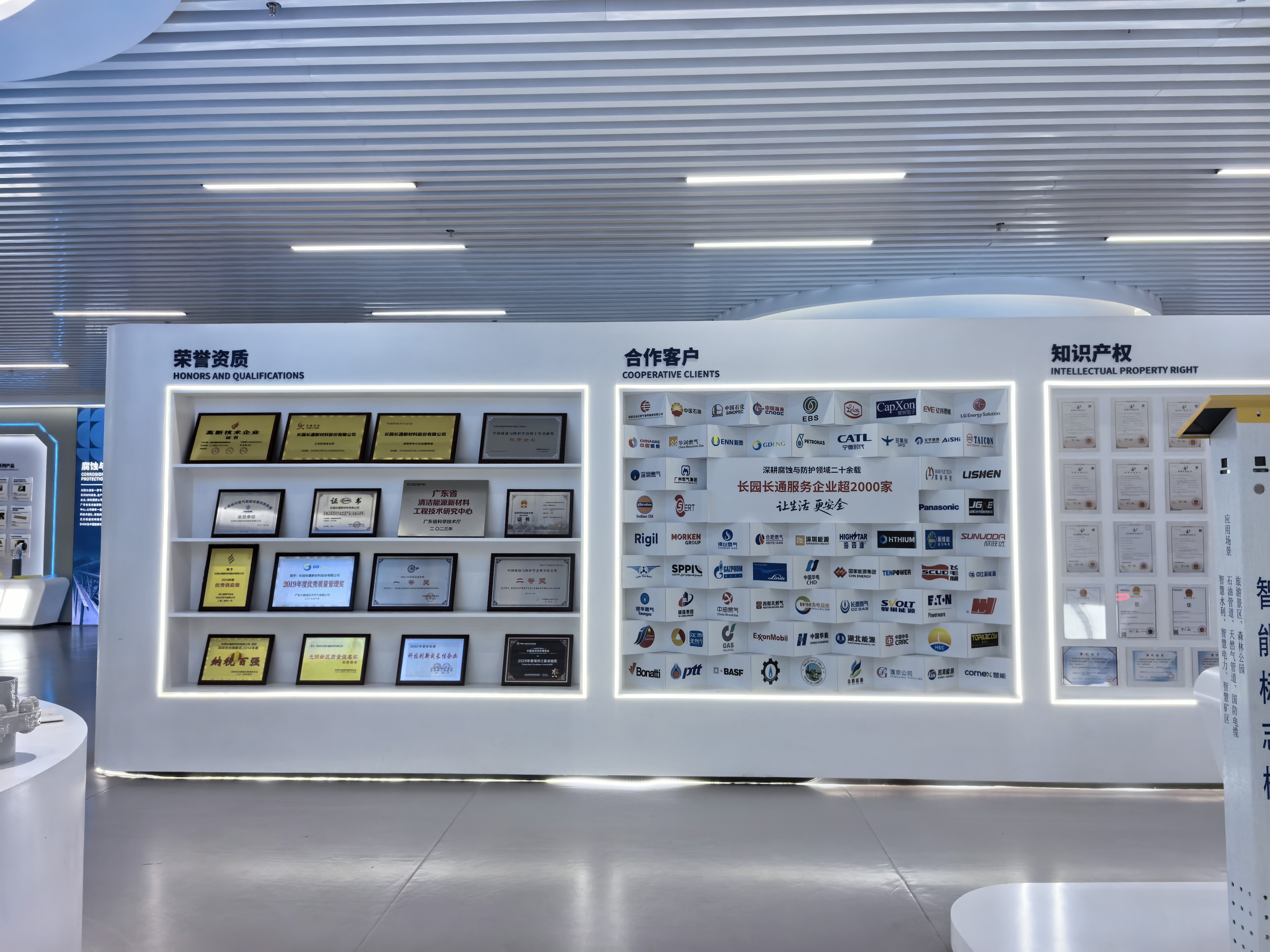
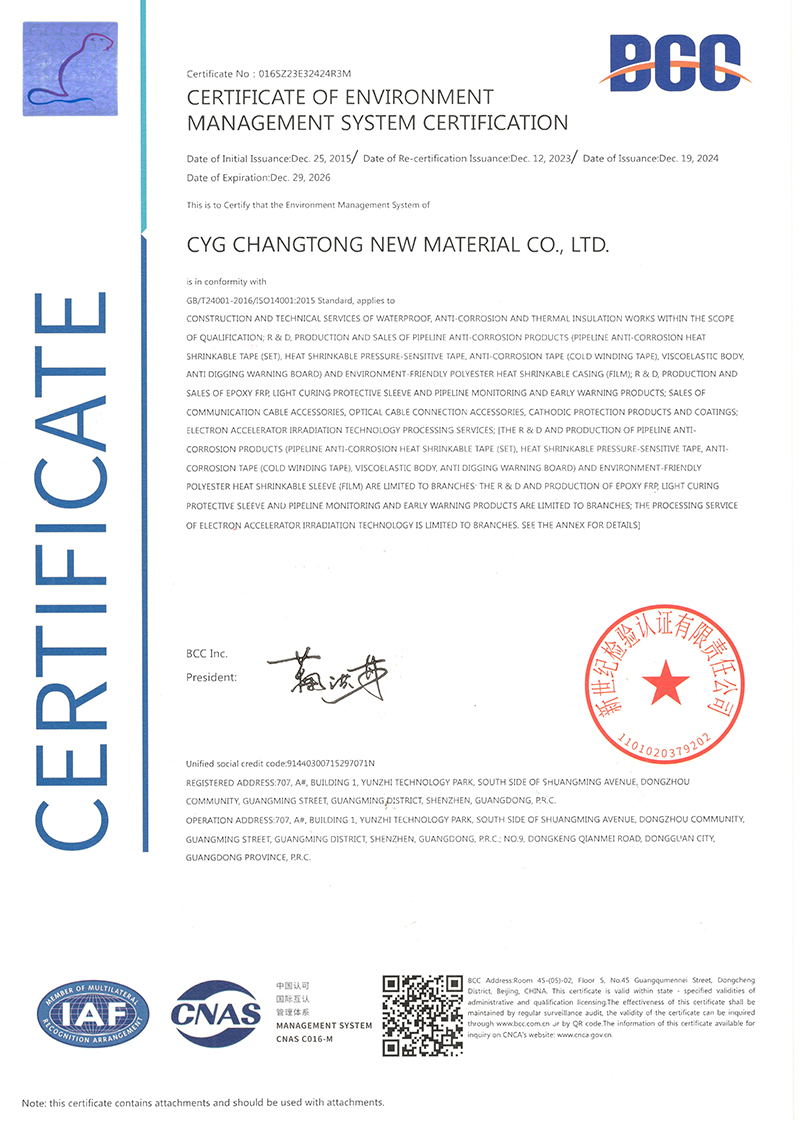
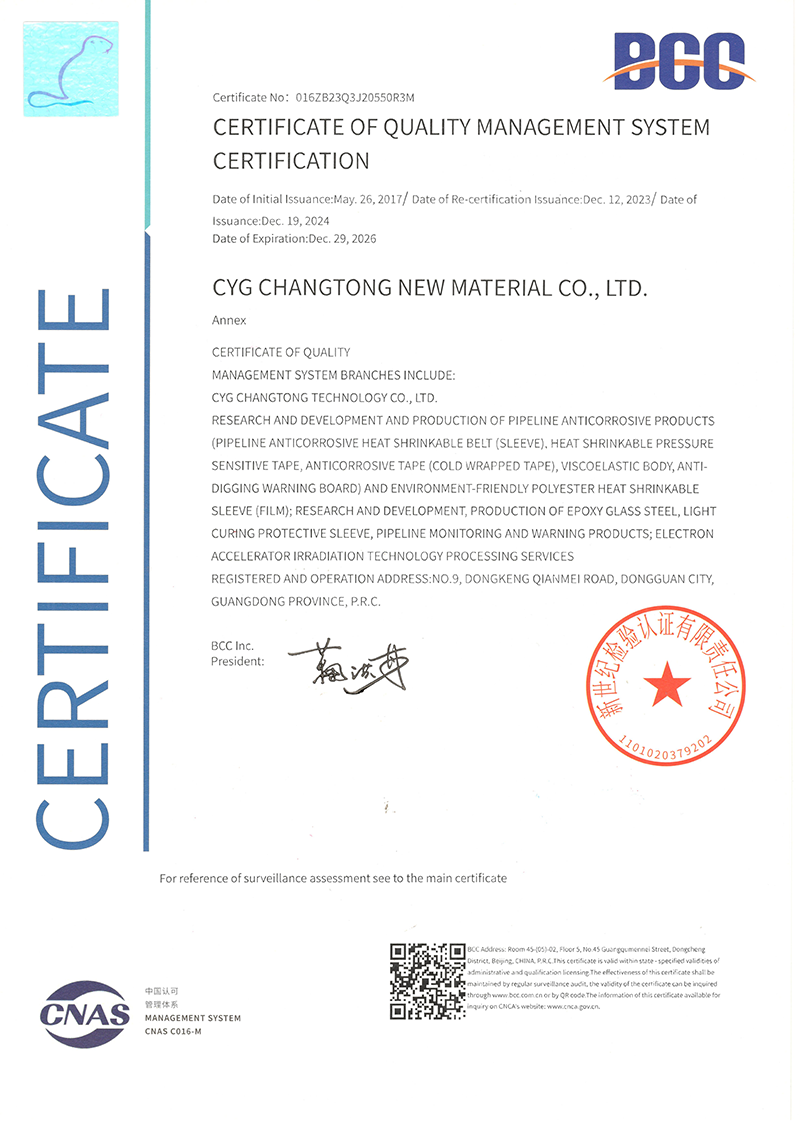
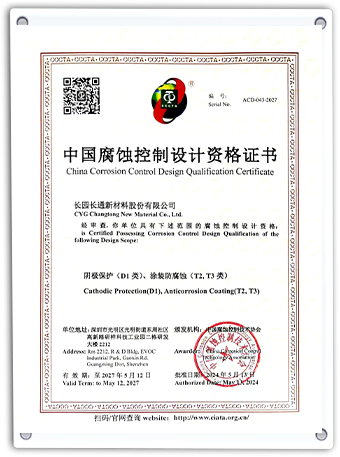
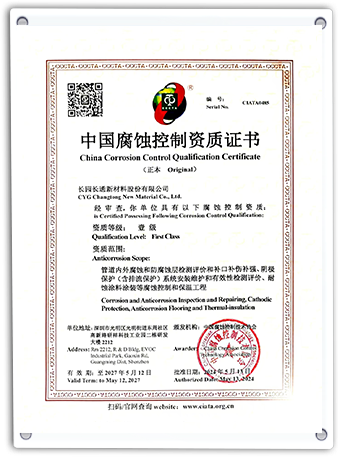
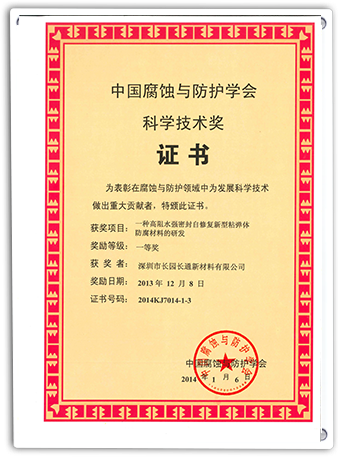
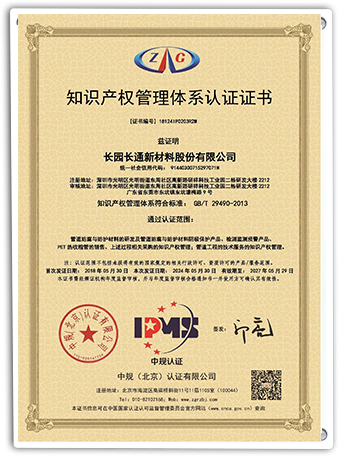
Member of Council in Chinese Society for Corrosion and Protection (CSCP), Qualification Certificate of Corrosion Protection Construction, Qualification Certificate of Pipeline Detection, Well-known Brand of Pipeline Corrosion Protection in China, Corporate Member of China Association of Petroleum Engineering Construction (CAPEC), State-Level High-Tech Enterprise with more than ten proprietary intellectual property rights, Stable supplier of PetroChina, Sinopec, China Gas Group, and Supplier of Indian Oil.
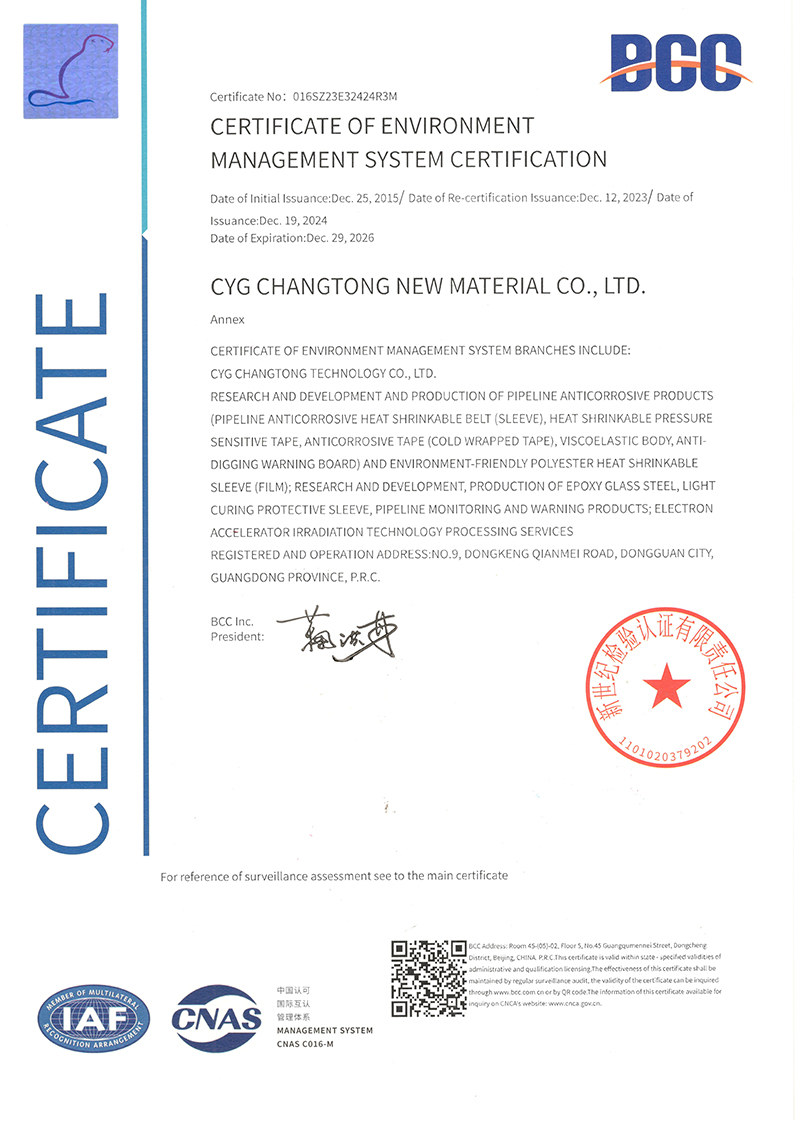
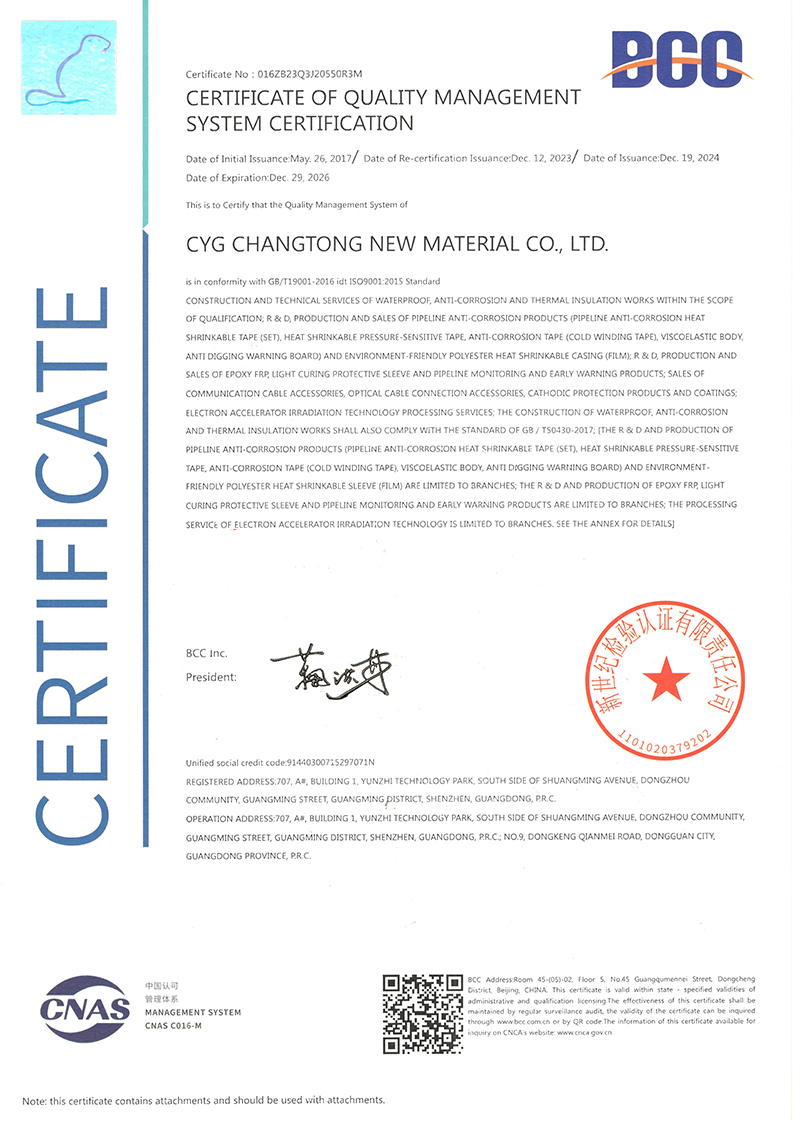
Detailed engineering and procurement insights from CYCT's corrosion protection team.
High-performance sealants, viscoelastic systems, and heavy-duty protective wraps designed for complex industrial projects.
 CYCT
CYCT