In the modern era of pipeline integrity and asset protection, the critical vulnerability of standard barrier systems lies in the interface between the metal substrate and the polymeric barrier. Conventional field joint coatings require liquid primers, which often fail due to insufficient surface wetting, incorrect mixing ratios, or high humidity during field application.
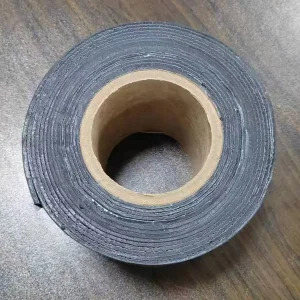
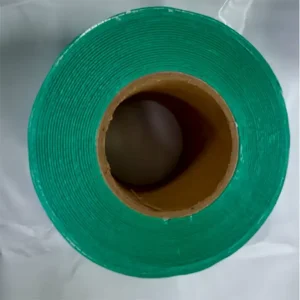
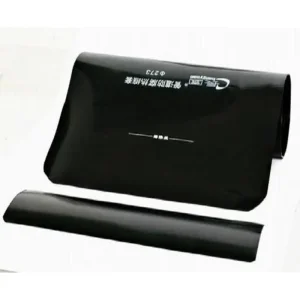
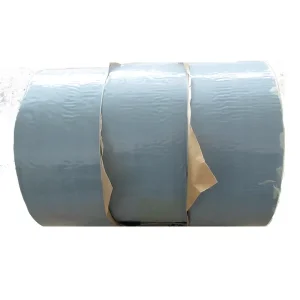
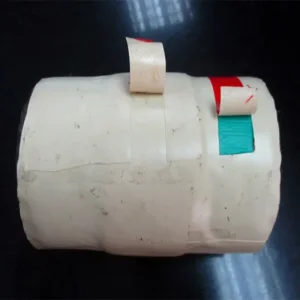
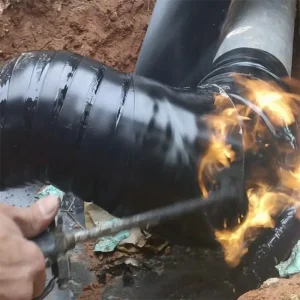
Primer-Free Viscoelastic Tapes eliminate this human-error variable entirely. Utilizing a unique formulation of high-molecular-weight, non-crystalline, low-density polyolefin polymers, these coatings display both viscous flow and elastic recovery characteristics. By behaving as a permanent high-viscosity liquid, the polymer cold-flows into the microscopic anchor profiles of steel substrates (even at manual cleaning standards like St 2 / St 3), forming an absolute, impermeable seal that prevents water molecules, oxygen, and electrolytes from initiating corrosion.
Across the global energy network—stretching from the hyper-saline subsea installations in the North Sea to the arid, high-temperature transport lines traversing the Middle East—corrosion remains the primary driver of catastrophic pipeline failures. The structural costs related to corrosion mitigation exceed $2.5 trillion annually.
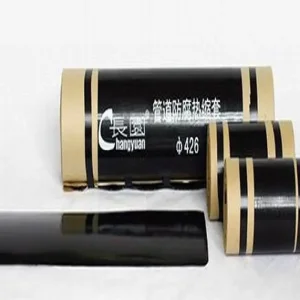
To combat this, the modern pipeline industry is shifting from traditional multi-layer thermosetting liquid epoxies and heat-shrinkable sleeves to viscoelastic coating systems. High-performance viscoelastic tapes provide a zero-void barrier that effectively halts localized corrosion under insulation (CUI) and mitigates cathodic disbondment. Major pipeline operators like PetroChina, Sinopec, and PipeChina have systematically integrated viscoelastic solutions into their standard pipeline rehabilitation manuals and new pipeline construction specifications.
By eliminating primer applications, mixing times, and surface preheating steps, pipeline construction crews reduce joint-wrapping cycle times by over 50%, generating massive savings in onsite labor costs.
Unlike traditional solvent-based primer adhesives, viscoelastic tapes are entirely solvent-free and non-toxic, conforming to strict EU REACH regulations and US EPA guidelines.
Viscoelastic polymers exhibit universal bonding. They adhere perfectly to PE, PP, FBE, Coal Tar Enamel, and polyurethane, making them the ultimate material for transition zones.
| Performance Parameter | Primer-Free Viscoelastic Tape | Heat Shrinkable Sleeve (HSS) | Liquid Epoxy Coatings | |
|---|---|---|---|---|
| Surface Prep Requirement | St 2 / St 3 (Manual Wire Brush) | Sa 2.5 (White Metal Blast) | Sa 2.5 (White Metal Blast) | Excellent for low-resource environments. |
| Primer & Preheating | None | Mandatory (Dry Primer / High Heat) | Mandatory (Curing Agent) | Viscoelastic eliminates heating risk. |
| Cathodic Disbondment | < 5 mm at 23°C (Self-Healing) | 10 - 15 mm | 8 - 12 mm | Minimizes structural current leakages. |
| Long-term Aging Resistance | Excellent (> 30 Years) | Moderate (Susceptible to soil stress) | High (But brittle over time) | Viscoelastic stays flexible permanently. |
| VOC Emissions | Zero VOC / Non-toxic | Vapor emission during heat shrink | High VOC (Liquid epoxy solvents) | Environmentally sustainable. |
CYCT New Materials Company Limited (for short, CYCT) is a state-level high-tech enterprise integrating R&D, production, and sales of pipeline corrosion protection materials as well as buried pipeline detection service and pipeline coating field application service into one.
CYCT devotes itself to R&D, production, and sales of pipeline corrosion protection materials for decades. The enterprise has become the stable supplier of field joint coating for years in PetroChina, Sinopec, PipeChina, and local pipelines and has established a very high market share.
Furthermore, CYCT has successfully developed and introduced a number of specialty corrosion protection materials such as visco-elastic anticorrosion materials, special photo-curing sleeves for HDD protection, and polyurea coating.
By good cooperation with leading R&D institutes such as CNPC Pipeline Science Research Institute, CYCT is capable to provide in-service pipelines with varied technical services such as buried pipeline detection, design schemes, cathodic protection, rehabilitation projects, and an integrated solution for the safety protection of pipelines.
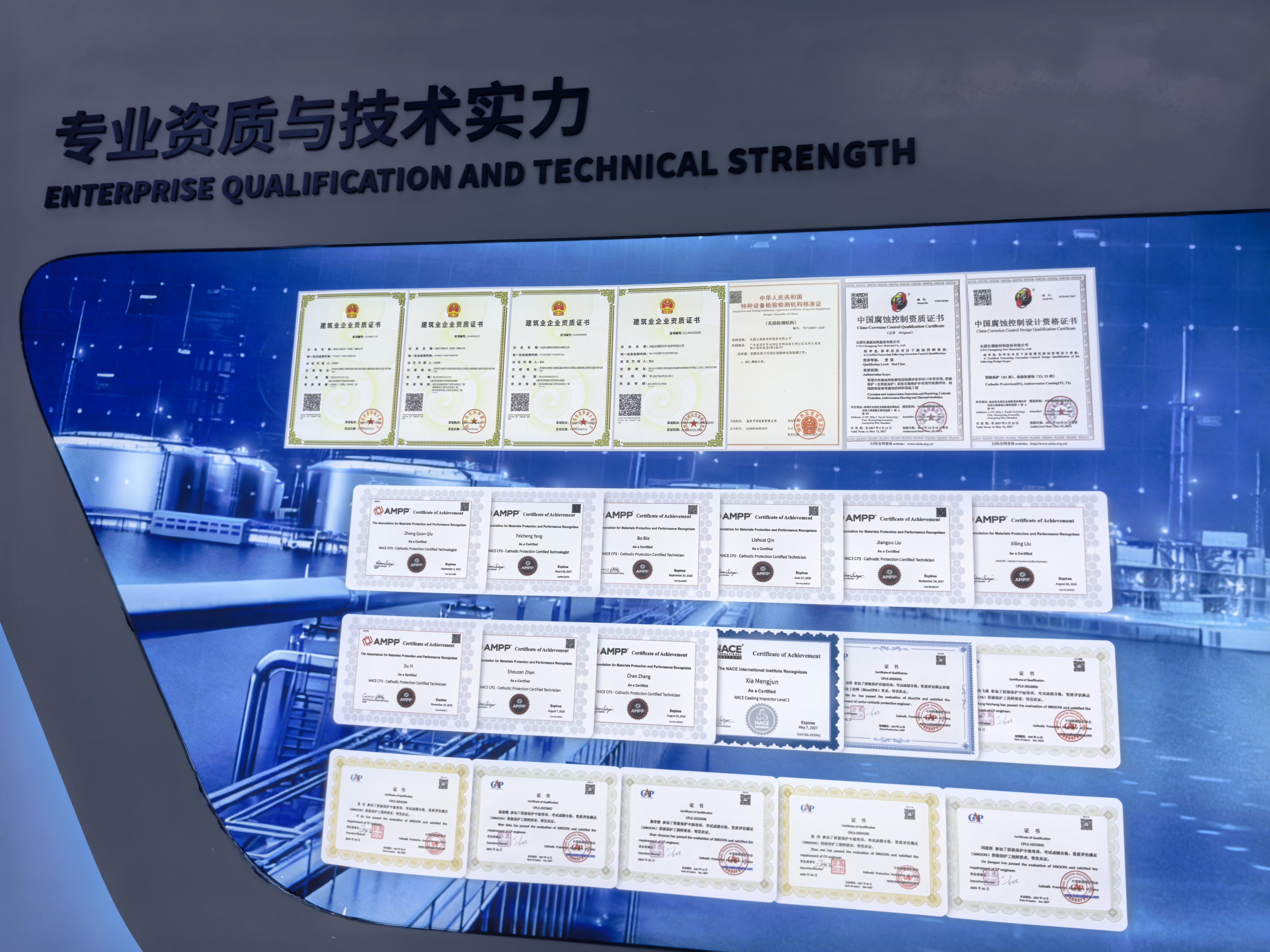

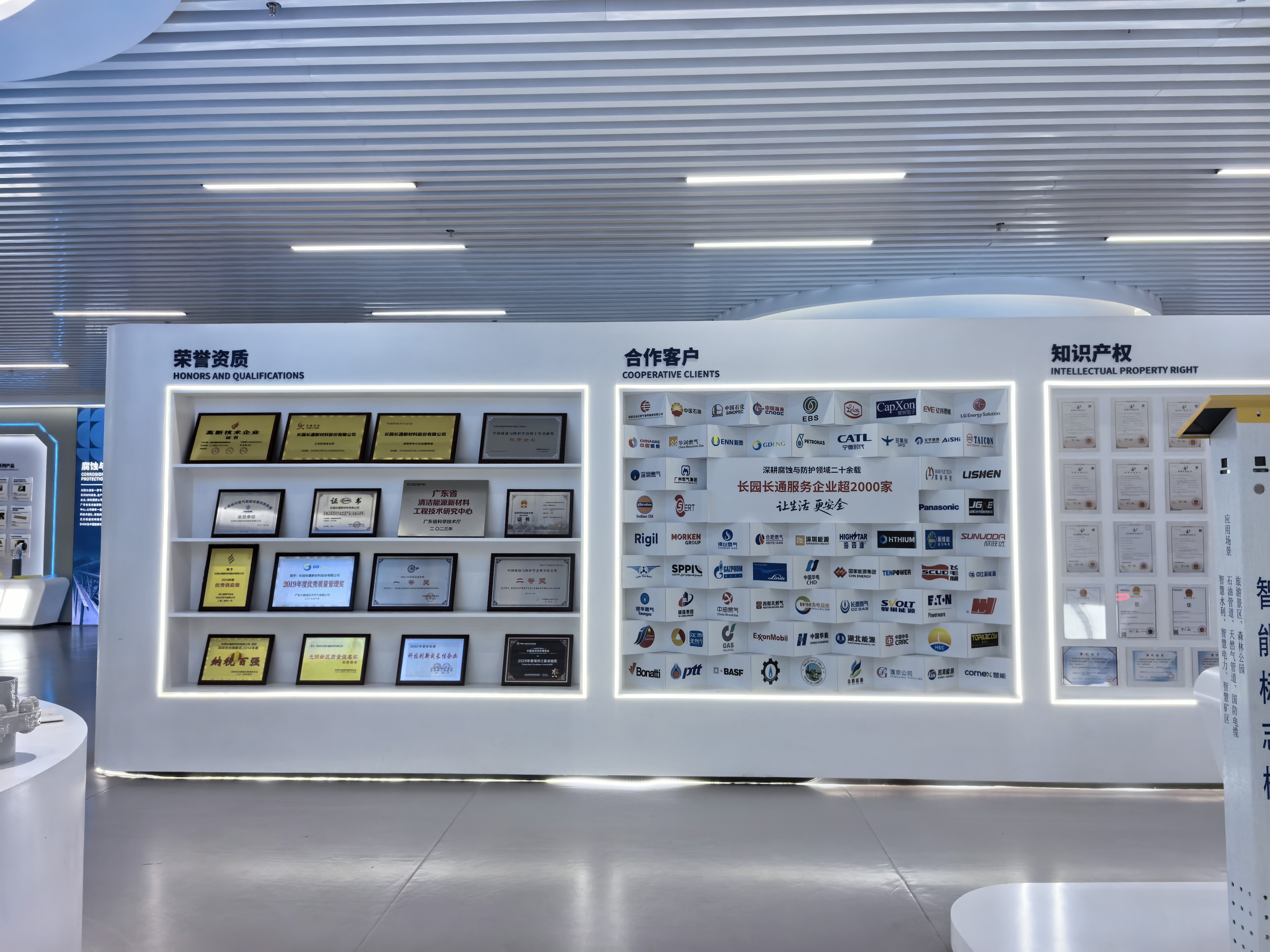
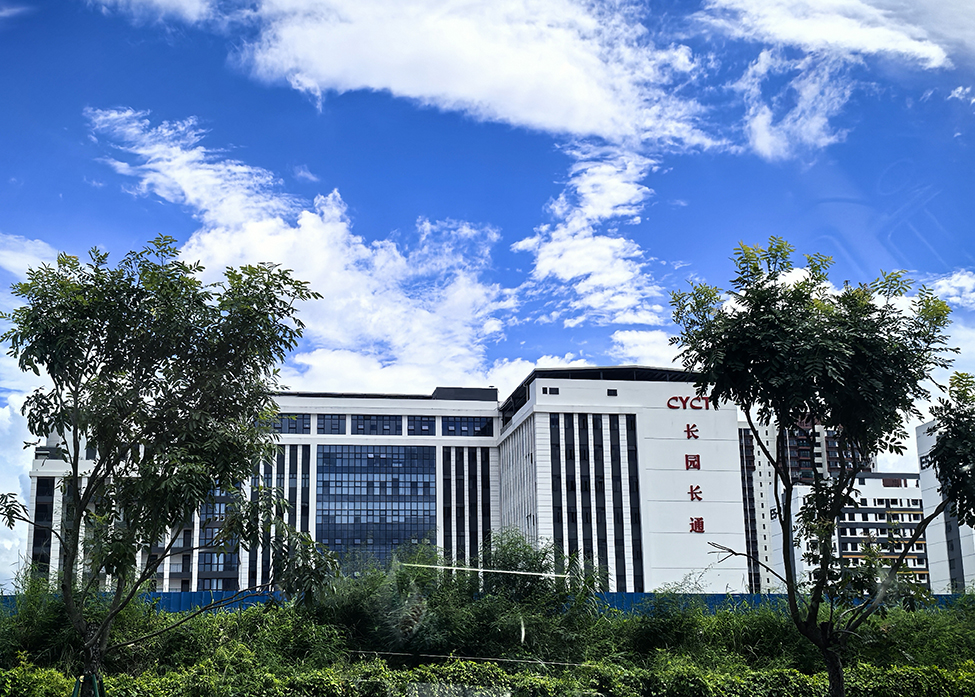
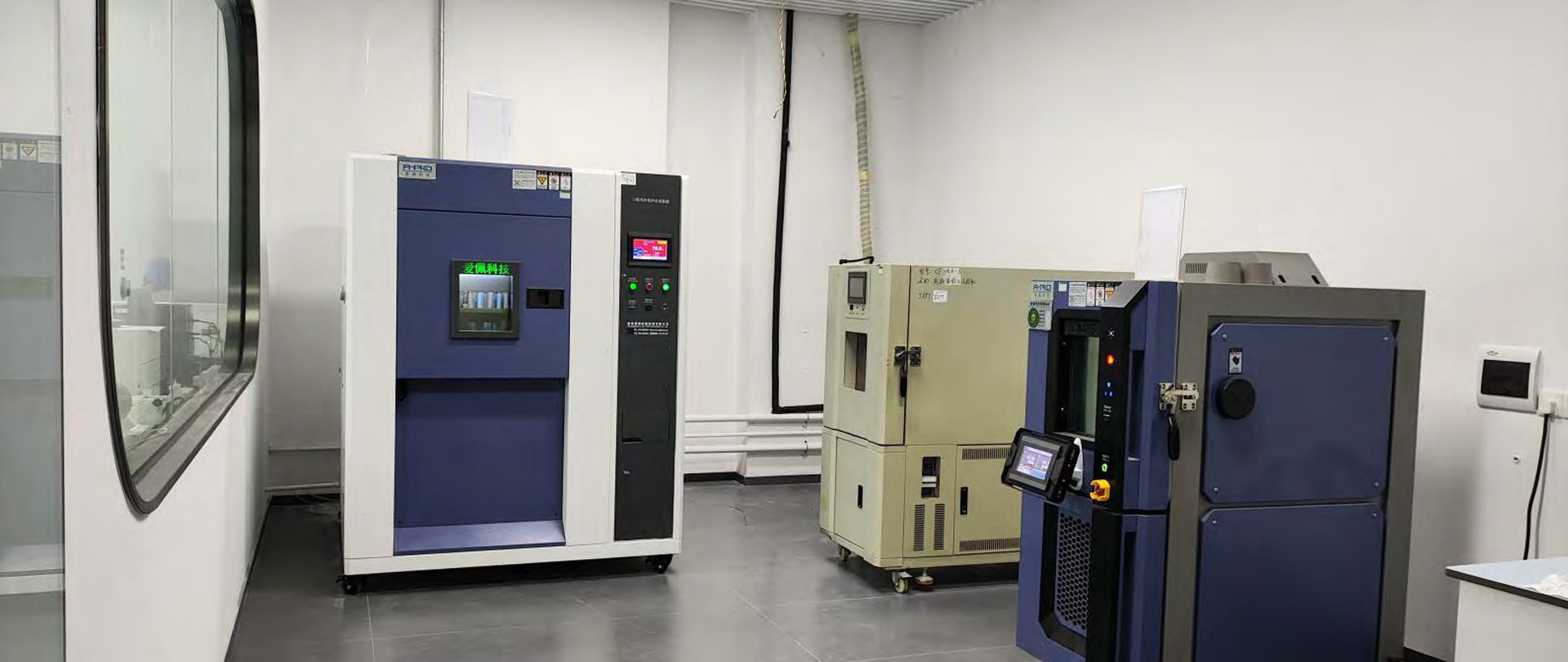
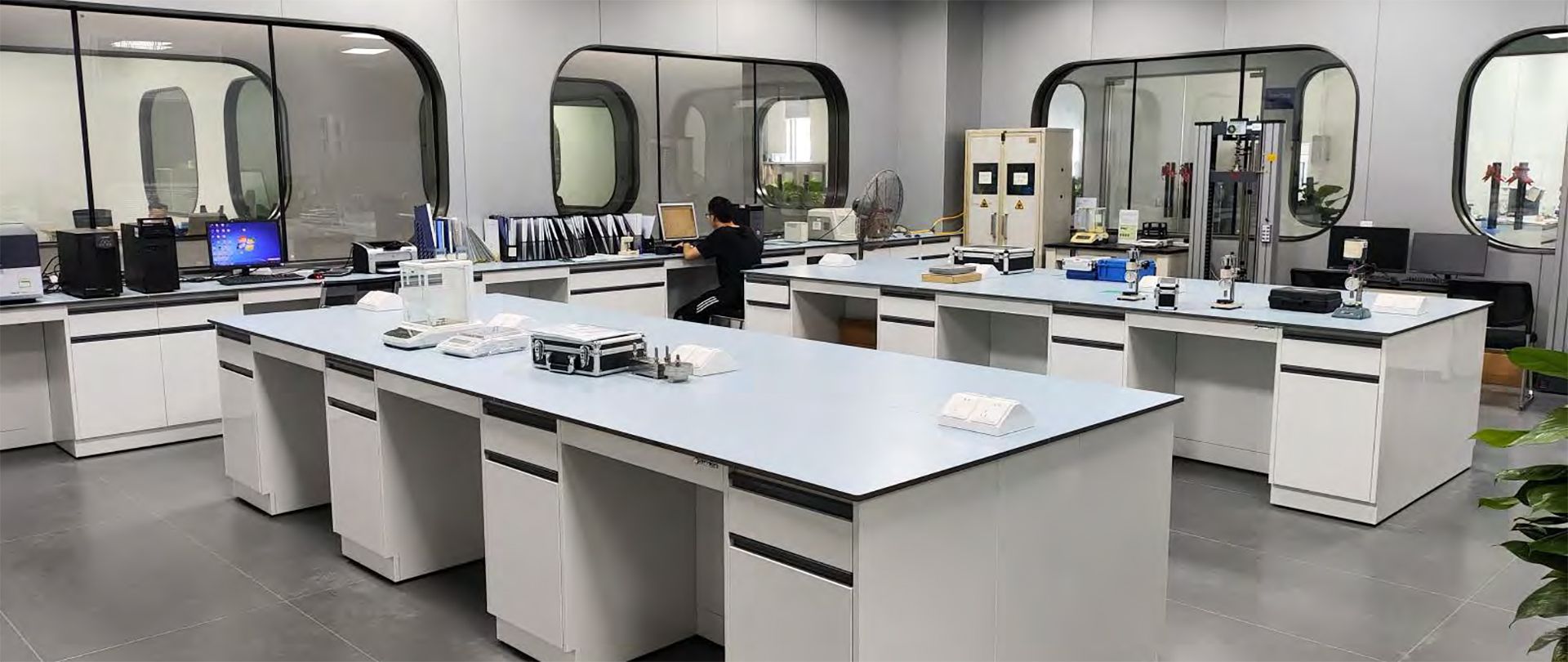
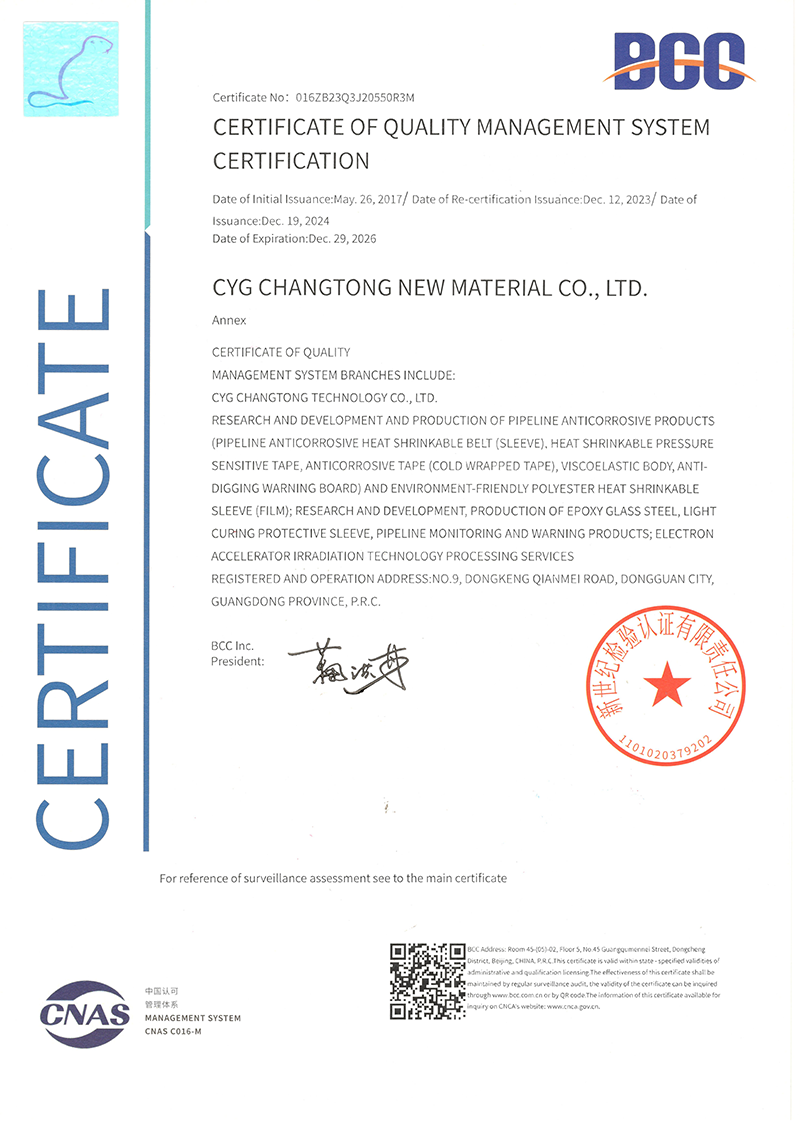
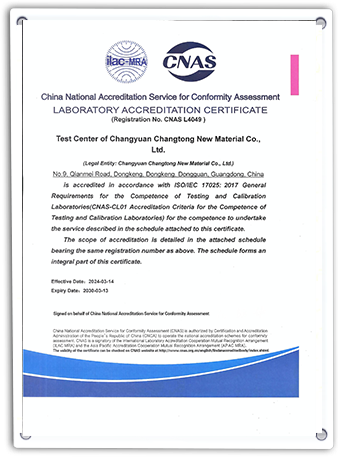
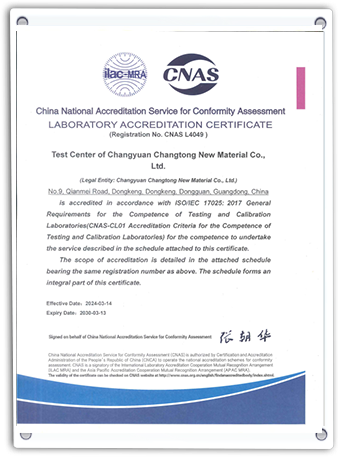
CYCT owns leading testing and R&D capabilities, a professional R&D team, and a national CNAS-accredited laboratory.
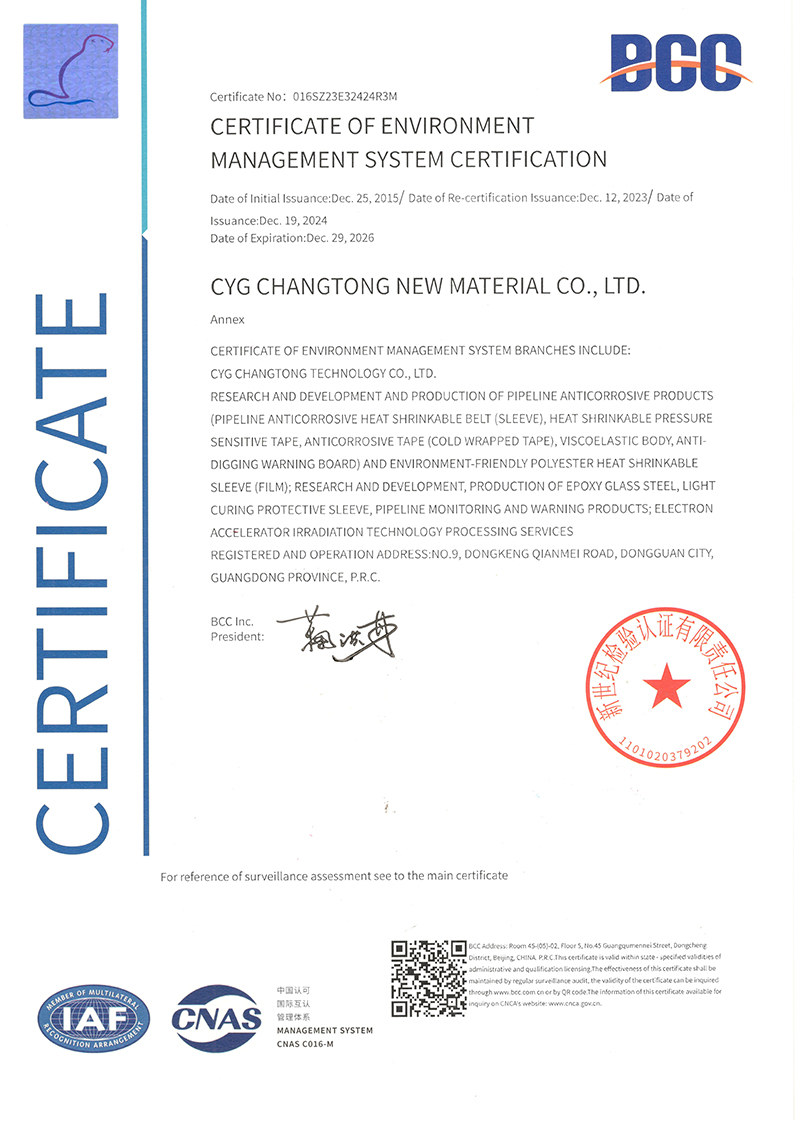
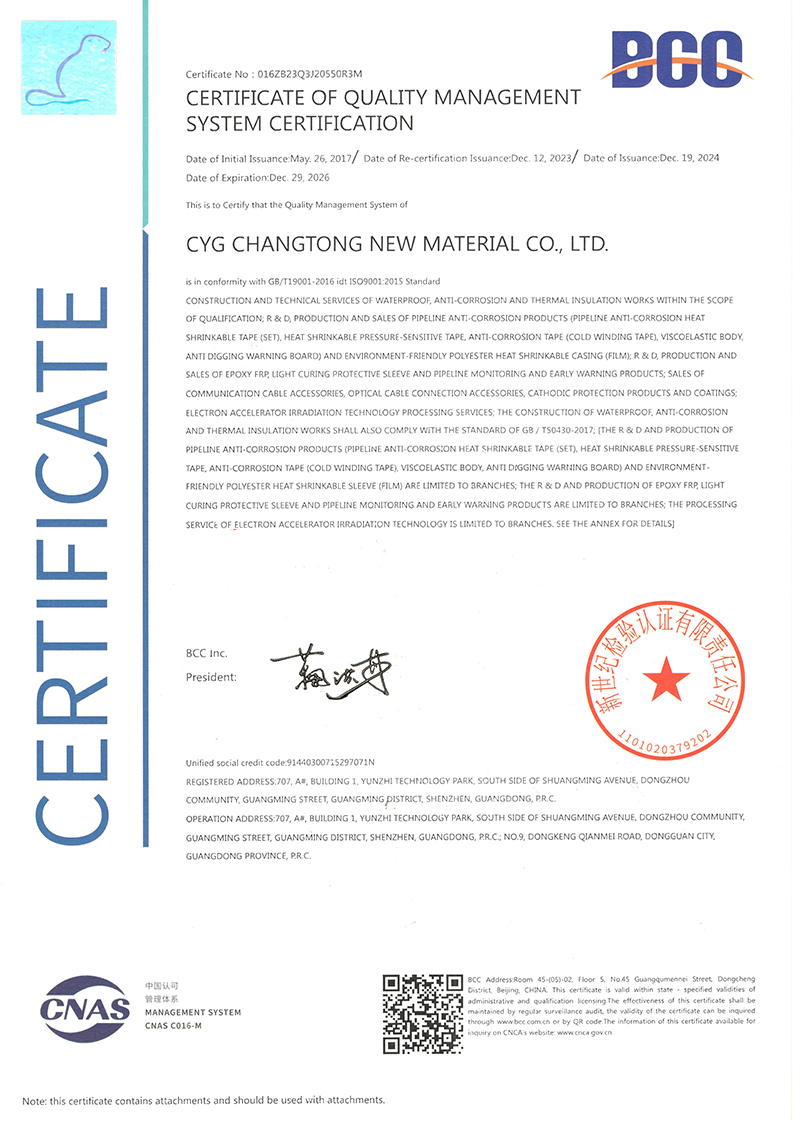
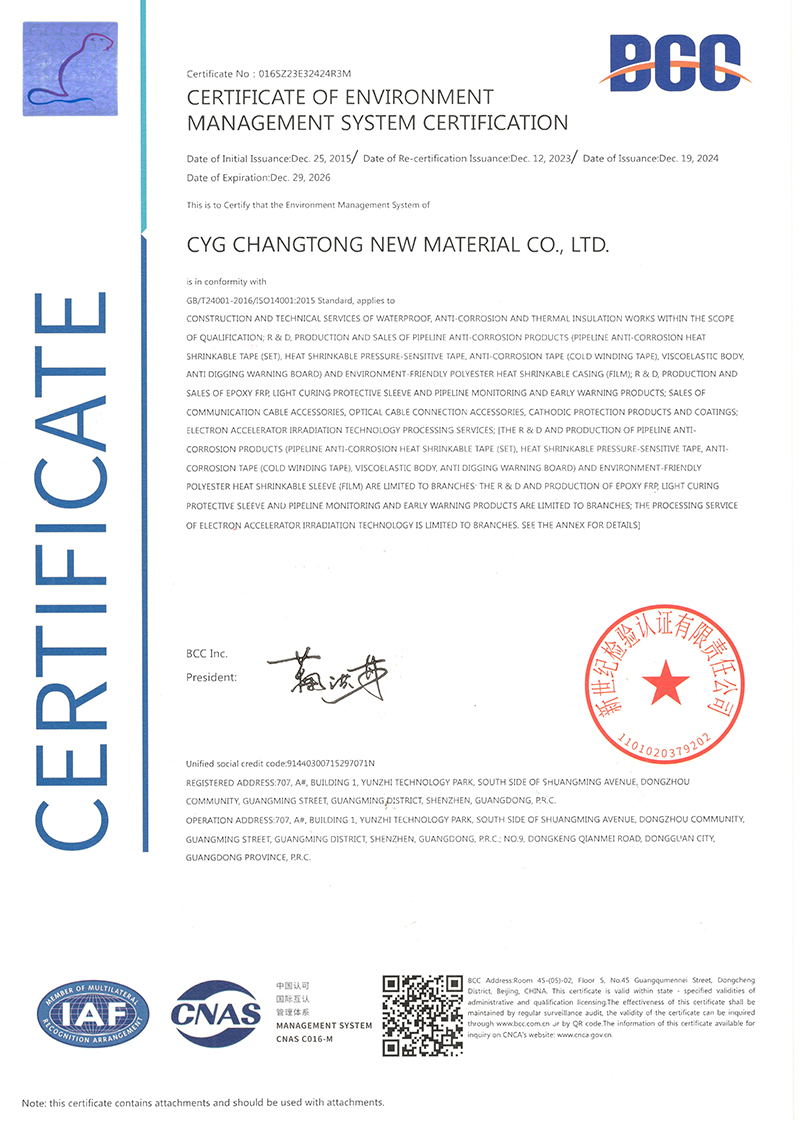
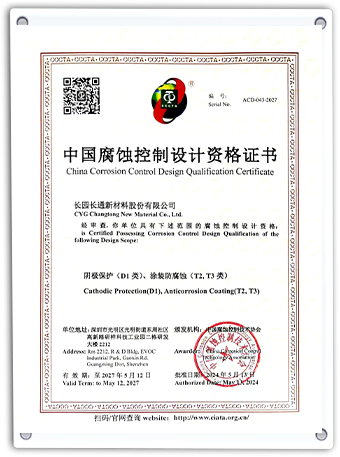
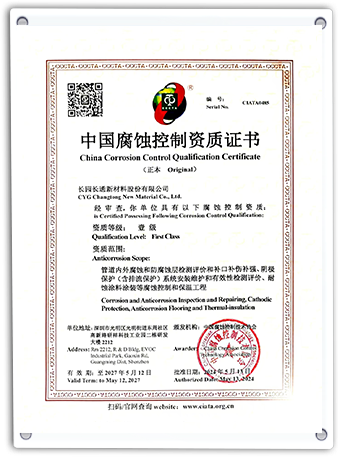
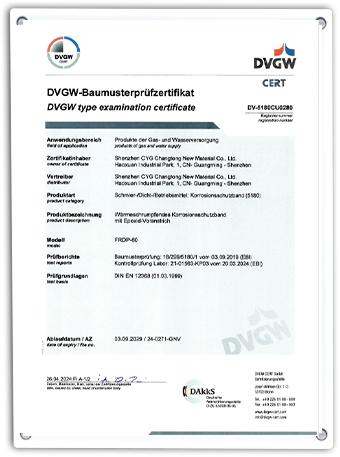
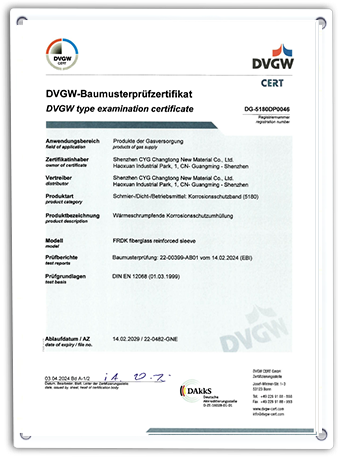
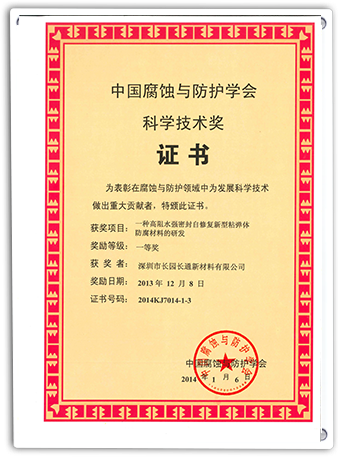
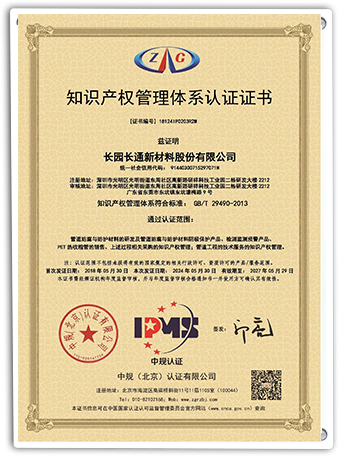
As an established authority in corrosion engineering, CYCT holds key memberships and certifications: Member of Council in Chinese Society for Corrosion and Protection (CSCP), Qualification Certificate of Corrosion Protection Construction, Qualification Certificate of Pipeline Detection, Well-known Brand of Pipeline Corrosion Protection in China, Corporate Member of China Association of Petroleum Engineering Construction (CAPEC), and is a trusted supplier of Indian Oil.
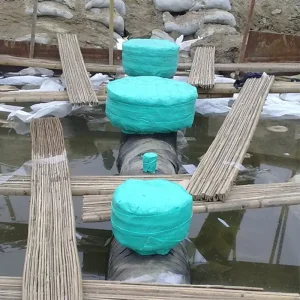
The field deployment of primer-free viscoelastic tapes is highly versatile, extending across a broad spectrum of challenging civil and chemical environments:
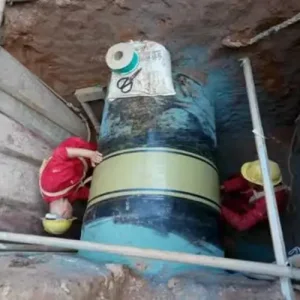
Pipelines installed via HDD undergo severe mechanical shear stress and friction against rock and soil layers. Standard coatings scrape off, leaving raw steel exposed. By combining a viscoelastic inner corrosion layer with a high-strength fiberglass-reinforced outer casing (such as CYCT's special photo-curing sleeve), we create a composite system that absorbs structural shear while maintaining complete waterproofing.
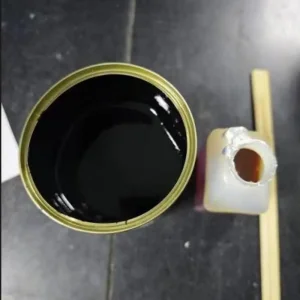
Valves, tees, flanges, and piping bends present complex geometric shapes that are notoriously difficult to wrap with conventional heat-shrink sleeves or rigid cold tapes. Our viscoelastic system includes VE Putty, which easily conforms to complex profiles to eliminate air voids before applying the protective outerwrap tape, ensuring zero moisture ingress.
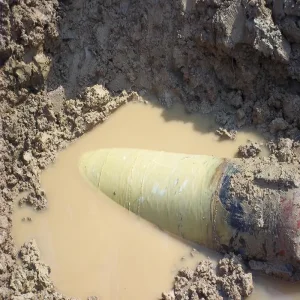
For existing pipelines that have suffered structural degradation of their factory FBE or 3LPE systems, viscoelastic repair patches are applied directly over manually prepared surfaces (St 2). This eliminates the need to transport heavy sandblasting equipment to remote pipeline rights-of-way, reducing rehabilitation time and minimize downtime.
As pipeline engineering shifts towards digital monitoring and autonomous maintenance, CYCT New Materials is developing intelligent coating systems. The future technical roadmap focuses on the integration of active corrosion sensors embedded directly into the viscoelastic matrix. These sensors communicate impedance changes caused by structural movement, soil shifting, or moisture penetration, sending telemetry data to pipeline operators via localized wireless networks.
Furthermore, our continuous green initiative aims to refine polymer chain structures, shifting from petroleum-based polyolefins to sustainable bio-based elastomers. These bio-polymers maintain identical cold-flow capabilities and long-term viscoelastic performance metrics while drastically reducing our manufacturing carbon footprint. This alignment with global ESG initiatives ensures that CYCT clients receive high-performance pipeline corrosion protection that meets future environmental standards.
CYCT's viscoelastic tape formulation is designed for high thermal stability. The standard service temperature range extends from -45°C up to +95°C. For specialized systems, our fabric viscoelastic tape variant (FVT95) maintains reliable performance without melting or losing structural adhesion, preventing flow issues under cyclical thermal expansion.
Traditional coatings rely on chemical reaction processes (curing) and mechanical anchors to stick to steel. Primer-free viscoelastic materials rely on permanent wetting forces and molecular-level van der Waals forces. Because the adhesive remains a high-viscosity liquid, it continually wets the steel substrate, displacing all air and moisture to establish a void-free interface.
The self-healing mechanism is driven by the low glass transition temperature and high cold-flow properties of the polymer compound. When the coating suffers minor mechanical damage (such as micro-punctures from soil shifting or stone contact), the surrounding polymer compound naturally flows back into the void, sealing the damage and restoring the barrier protection.
Yes. The high electrical resistivity of CYCT's viscoelastic coating system ensures excellent shielding from active current leakages. Under conditions where cathodic protection is active, the viscoelastic compound shows zero cathodic disbondment (conforming to ISO 21809-3 standards), which helps optimize power consumption for CP systems.
Accelerated laboratory aging tests, including chemical degradation and thermal stress tests, project a service life of over 30 years under constant soil immersion. The chemical makeup of the polyolefin polymer is highly resistant to soil bacteria, acids, alkalis, and mechanical stresses.
 CYCT
CYCT