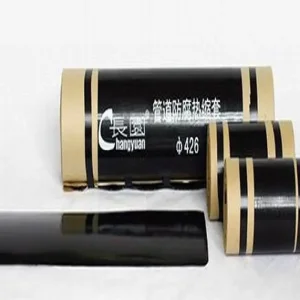
OEM Pipeline Corrosion Protection Manufacturer & Supplier

Premium Field Joint Coatings, Heat Shrinkable Sleeves, Anti-Corrosion Tapes, and Advanced Rehabilitation Systems Engineered for Critical Infrastructure.

Strategic Executive Summary

Pipeline systems form the primary vascular network of global industrial economies, carrying water, petroleum, natural gas, and petrochemical products across unforgiving terrains. However, steel buried under soil or submersed in marine environments is susceptible to electrochemical oxidation. Unmitigated corrosion leads to catastrophic failures, environmental remediation liabilities, and astronomical downtime expenses. Ensuring long-term pipeline integrity requires state-of-the-art coatings that act as reliable, continuous barriers against moisture, oxygen, corrosive ions, and mechanical shear.

The Evolution of Modern Pipeline Corrosion Mitigation

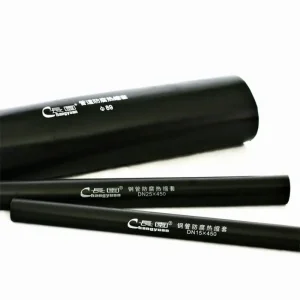
The field joint remains the single most vulnerable link of a pipeline. While the steel body of a pipeline is coated in factory conditions with high-performance systems like 3-Layer Polyethylene (3LPE), 3-Layer Polypropylene (3LPP), or Fusion Bonded Epoxy (FBE), the girth weld zone must be coated on-site. Field joint coatings (FJC) must emulate or exceed the protective qualities of the main parent line coating to ensure seamless protection.

Modern pipeline corrosion protection has evolved from simple coal tar paints to complex, multi-layered polymer technologies. Modern standards demand materials characterized by:

  • Thermal Resistance: Accommodating flow temperatures from freezing permafrost levels up to peak operating temperatures exceeding 80°C to 110°C in high-pressure oil reserves.
  • Cathodic Disbondment Resistance: Preventing localized film lifting when cathodic protection currents induce hydrogen generation around micro-holidays in the barrier.
  • Mechanical Resistance: Surviving the high axial thrust and shear stresses associated with Horizontal Directional Drilling (HDD) and rocky soil settlements.
24+
Years Industry Expertise
10+
Proprietary R&D Patents
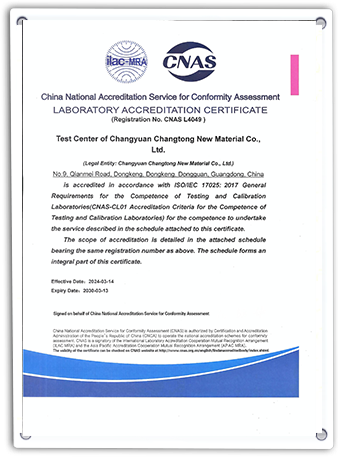
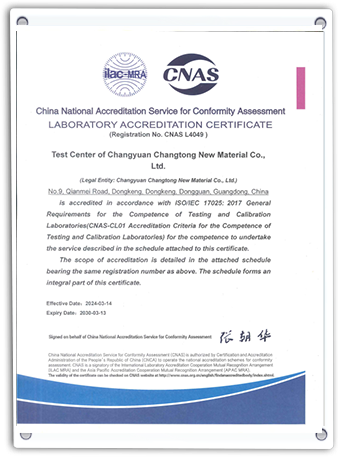
CNAS
Accredited National Lab
AMPP
Global Standards Alignment

OEM & ODM Global Procurement Outlook

Industrial procurement managers in the energy, gas, water distribution, and heavy manufacturing sectors face complex logistics, compliance, and material science challenges. Procurement is no longer just about searching for the lowest price per unit; it requires reliable strategic supply chain partnerships.

Key global procurement demands include:

  1. Rigorous Standard Certification: Every batch of pipeline coating must have trace certification in compliance with international bodies such as ISO 21809-3, EN 12068, ASTM, and NACE/AMPP guidelines.
  2. Product Customization (OEM/ODM): Every pipeline environment is unique. A pipeline constructed in the Middle East requires high-temperature UV protection and high thermal resistance, while pipelines in Arctic conditions require low-temperature elasticity and fast-curing thermal properties.
  3. Logistics and Supply Chain Resilience: Energy projects operate on strict critical paths. Delivery delays can incur liquidated damages of millions of dollars per day. A partner with high production capacity and reliable domestic and international supply networks is critical.

Company Profile: CYCT New Materials

CYCT New Materials Company Limited (for short, CYCT) is a state-level high-tech enterprise founded in 2000. For over two decades, we have integrated the research and development, manufacturing, and distribution of pipeline corrosion protection materials with specialized buried pipeline detection services and field application coatings.

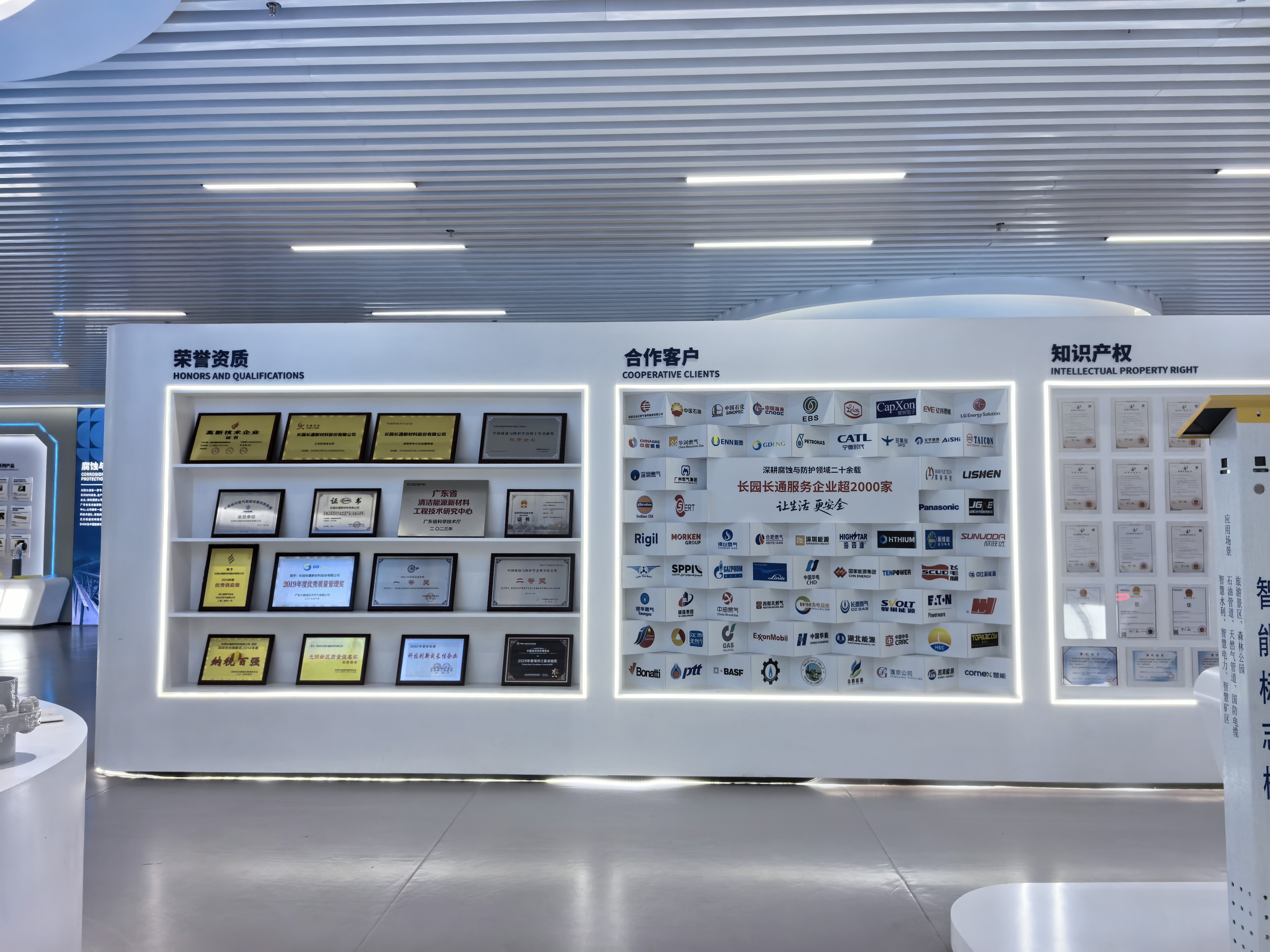
CYCT has dedicated decades of engineering experience to the pipeline sector, earning an industry-leading position as a stable supplier of field joint coatings for PetroChina, Sinopec, PipeChina, and various municipal gas networks. We hold a major market share in critical energy infrastructure pipelines within Asia and have expanded supply to global utilities, including Indian Oil.

R&D Capabilities and CNAS Laboratory Accreditation

Our commitment to material science is supported by our state-of-the-art, national CNAS-accredited laboratory. Working alongside leading research institutions such as the CNPC Pipeline Science Research Institute, we conduct continuous tests on peel strength, cathodic disbondment, mechanical impact, and accelerated weathering to ensure our materials withstand the test of time.
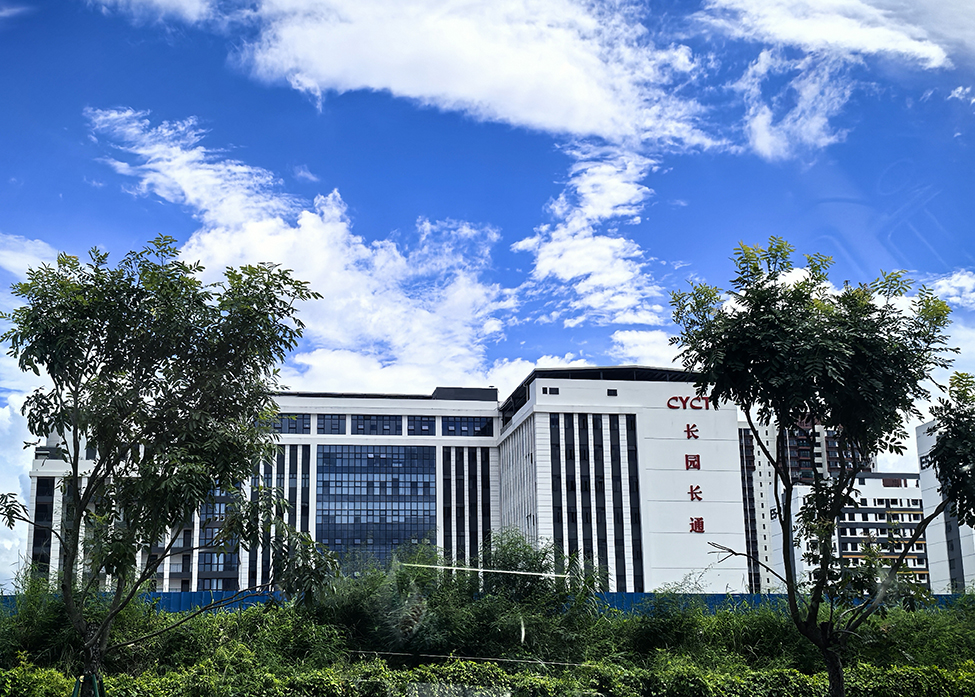
CYCT New Materials Factory and R&D Office

CYCT Manufacturing Facility & Technical Office Complex

Advanced Product Research & Special Applications

Beyond our standard heat-shrinkable sleeves and PVC tapes, CYCT has developed high-performance protective systems, including:
  • Visco-Elastic Anticorrosion Materials: Non-crystalline, cold-applied polymers that flow into micro-crevices, providing self-healing, water-impermeable protection.
  • Photo-Curing Sleeves for HDD Protection: UV and sunlight-curable outer wraps that form high-hardness shields to prevent mechanical damage during directional drilling.
  • High-Build Polyurea Coatings: Elastomeric spray coatings offering high abrasion resistance, chemical protection, and water resistance for external pipe surfaces.
CYCT Laboratory and R&D Facility

Our CNAS-Certified Quality Testing Laboratory

China Factory 4.0: Supply Chain Resilience & Manufacturing Excellence

CYCT's advanced production facility implements China Factory 4.0 standards, which integrate automation, smart sensors, cloud-connected quality control, and data analytics. This digital environment ensures consistent product quality and responsive manufacturing scheduling.
CYCT Production Assembly and Extrusion line

Smart Extrusion & Radiation Cross-linking Manufacturing Lines

Why OEM/ODM Buyers Choose Our Factory 4.0 Operations:

  • Automated Precision Extrusion: Consistent thickness control for polyethylene and polypropylene backing sheets, minimizing structural deviations down to the micrometer level.
  • Radiation Cross-linking: Using high-energy electron accelerators to restructure polymer chains, giving our heat-shrinkable sleeves excellent shape memory and heat stability.
  • Continuous Quality Control loops: Integrated sensors continuously verify adhesive thickness and backing layer consistency during production, ensuring zero defect escapes.
  • Sustainable Supply Chain Management: Direct integration with material suppliers allows us to source raw polymers reliably, mitigating global logistics fluctuations and ensuring stable lead times.

Advanced Testing Capacity for High-Demand Markets

CYCT's facility carries out rigorous batch inspection procedures. Every delivery contains mill test certificates mapping performance properties to international standards:
  • Peel Strength Testing: Assessing adhesion to steel surfaces and factory PE coatings at temperatures ranging from 23°C to 80°C.
  • Cathodic Disbondment Resistance: Simulating real-world operating conditions to ensure coatings remain bonded even in the presence of cathodic protection currents.
  • Indentation & Impact Resistance: Verifying outer wrap resilience against sharp gravel backfill and soil pressures.
Testing equipment at CYCT lab

Dynamic Testing for High-Temperature Shear & Adhesion

Localized Application Scenarios & Technical Challenges

Corrosion engineers must select field joint coatings tailored to specific geographical, geological, and thermal environments. Standard solutions do not fit all conditions. Below, we examine the typical engineering scenarios where CYCT products are deployed.

1. Horizontal Directional Drilling (HDD)

When pipelines cross highways, rivers, or railways, open-cut excavation is often impractical. HDD is used to pull long pipeline sections through pre-drilled boreholes. During this pullback, the field joint coatings are subjected to high shear stress and abrasion from rocks, clay, and gravel.

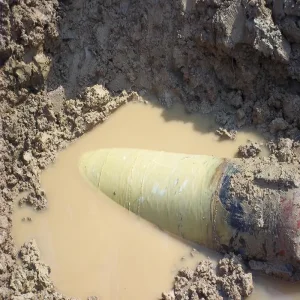
Solution: OEM Epoxy FRP (Fiberglass Reinforced Polymer) solutions and specialty photo-curing sleeves provide high mechanical strength to protect the primary anti-corrosion coating from abrasive damage.

2. High-Temperature Hydrocarbon Lines

Crude oil or rich gas extracted from deep deposits is often transported at elevated temperatures to reduce viscosity and prevent paraffin deposition. Standard polyethylene heat-shrink sleeves can soften at temperatures above 60°C, risking soil stress deformation and peel failures.

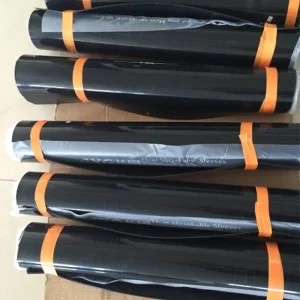
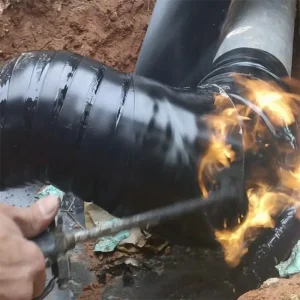
Solution: Polypropylene heat-shrinkable sleeves (FRPD-PP) and high-temperature repair patches (FRDX HT PE) are formulated to maintain high shear resistance and adhesion up to 80°C–110°C.

3. In-Service Coating Rehabilitation

Operating pipeline infrastructure requires periodic excavation and rehabilitation to repair localized coating degradation. In-service pipelines cannot be shut down for repair, meaning field-joint wrapping must be applied quickly, safely, and with minimal equipment.

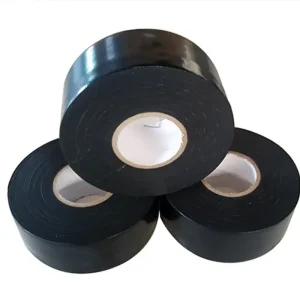
Solution: Cold-applied PVC anti-corrosion tapes, PE repair patches, and hot melt sticks allow field crews to repair local defects without requiring heavy preheating machinery, minimizing downtime.

Industry Honors & Certified Quality Management

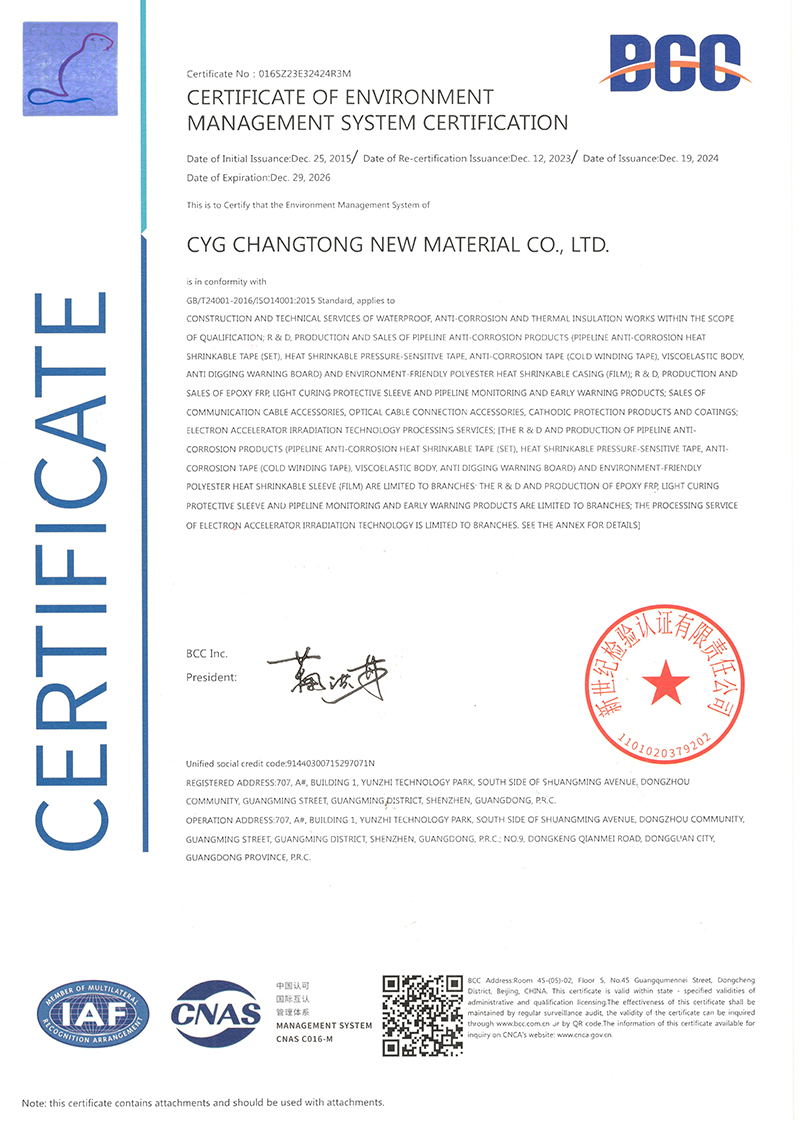
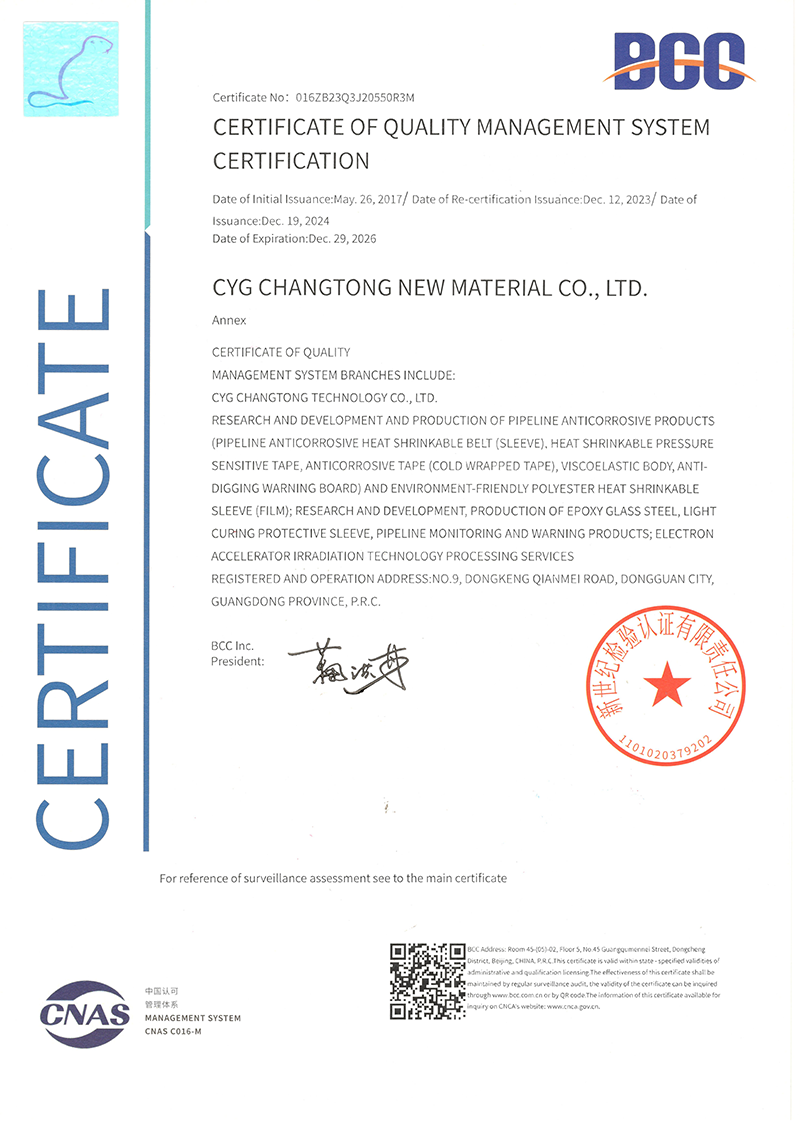
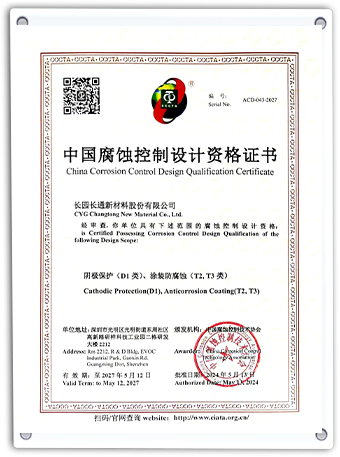
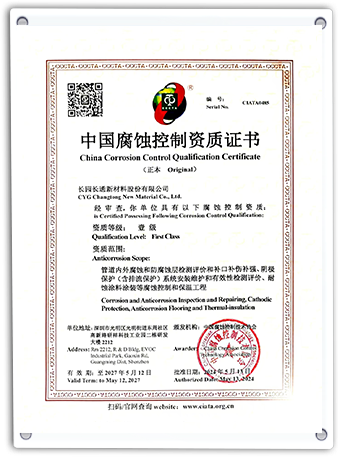
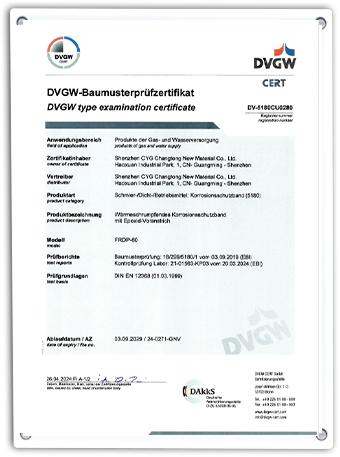
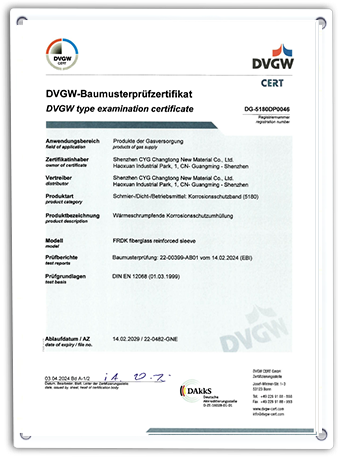
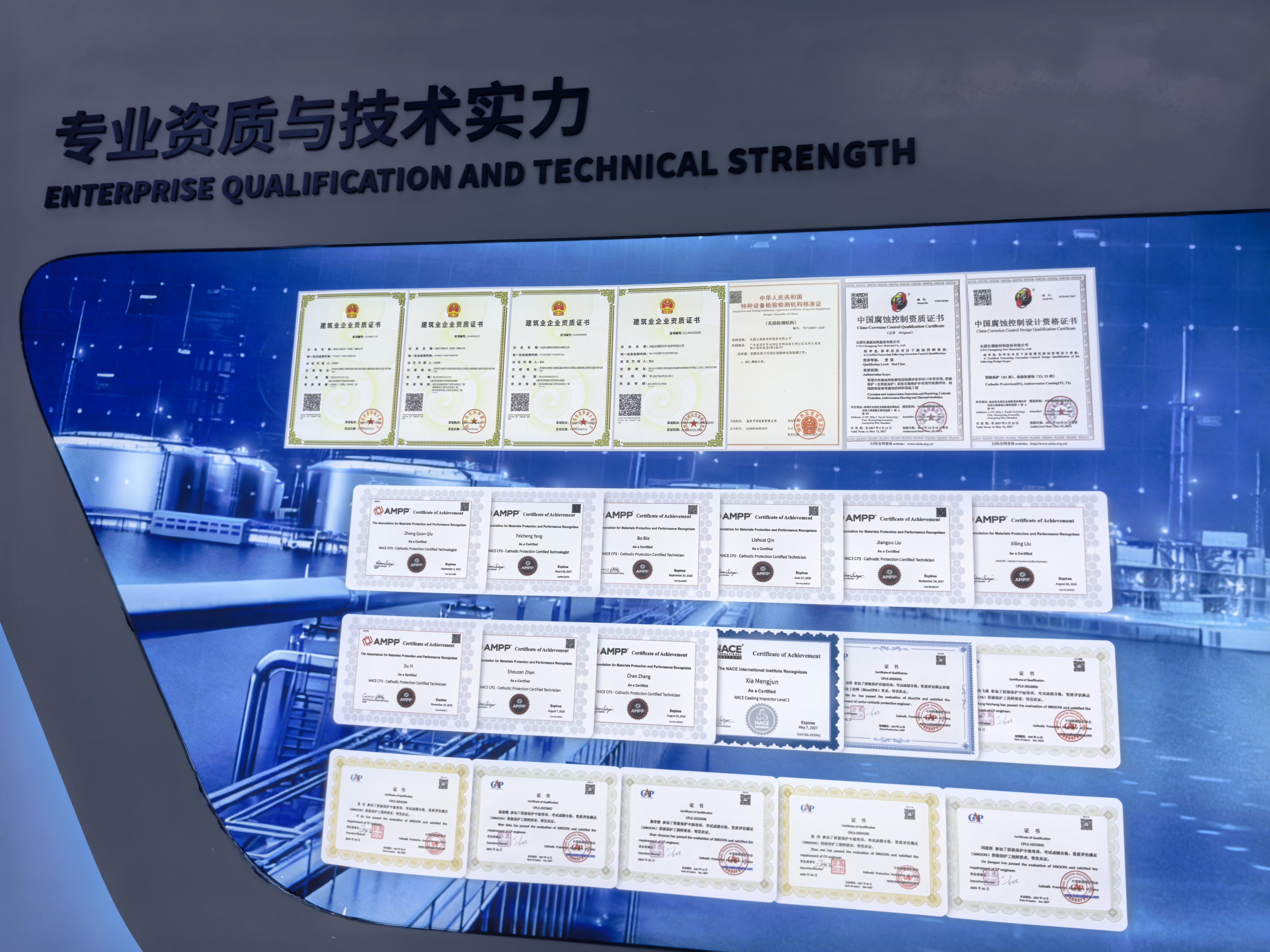
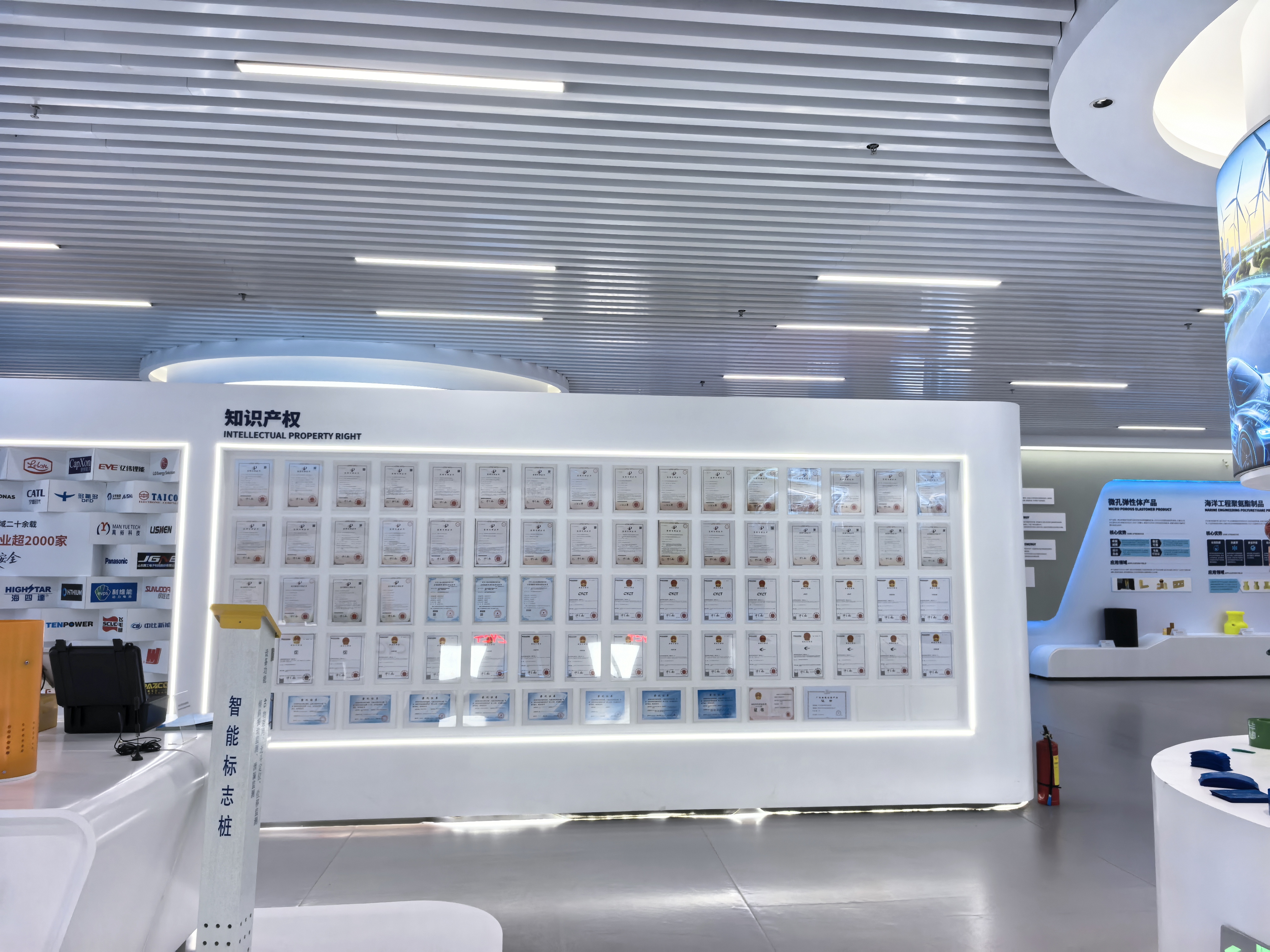
CYCT has earned numerous structural honors and certifications, confirming our status as a trusted, high-tech enterprise.

Affiliations & Industry Credentials: Member of Council in Chinese Society for Corrosion and Protection (CSCP) | Qualification Certificate of Corrosion Protection Construction | Qualification Certificate of Pipeline Detection | Well-known Brand of Pipeline Corrosion Protection in China | Corporate Member of China Association of Petroleum Engineering Construction (CAPEC) | Stable Supplier of PetroChina, Sinopec, China Gas Group, and Indian Oil.
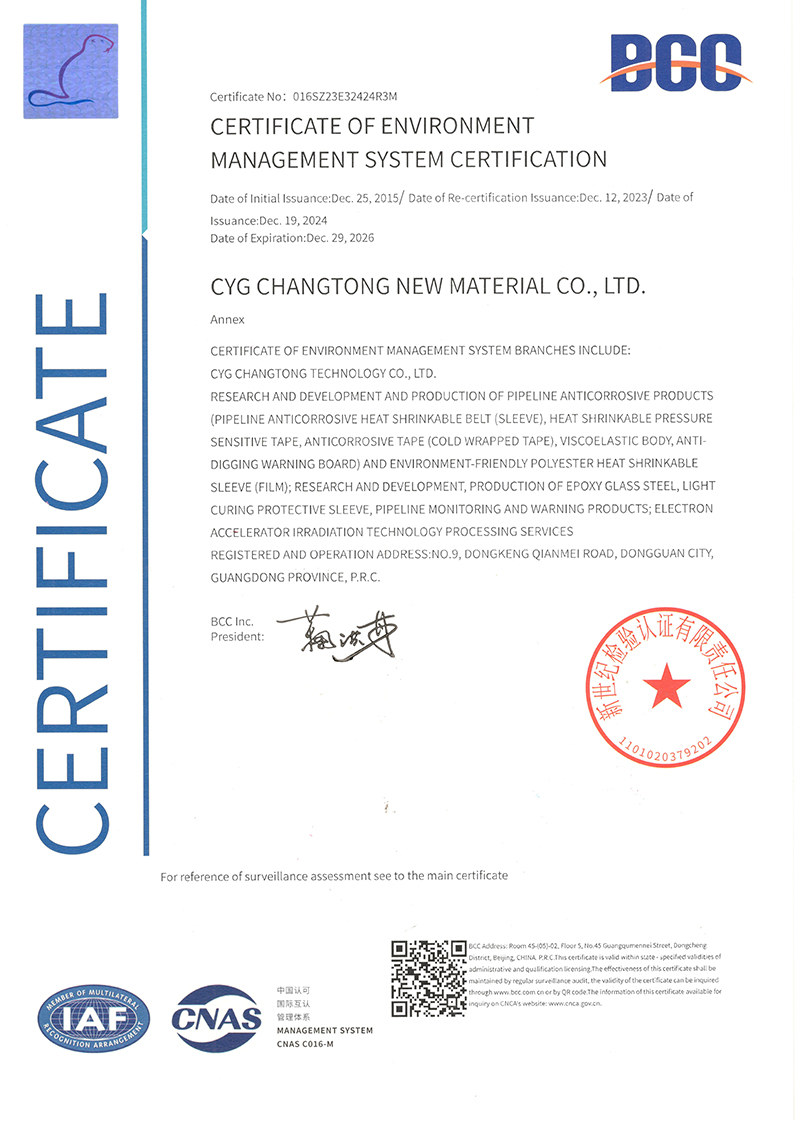
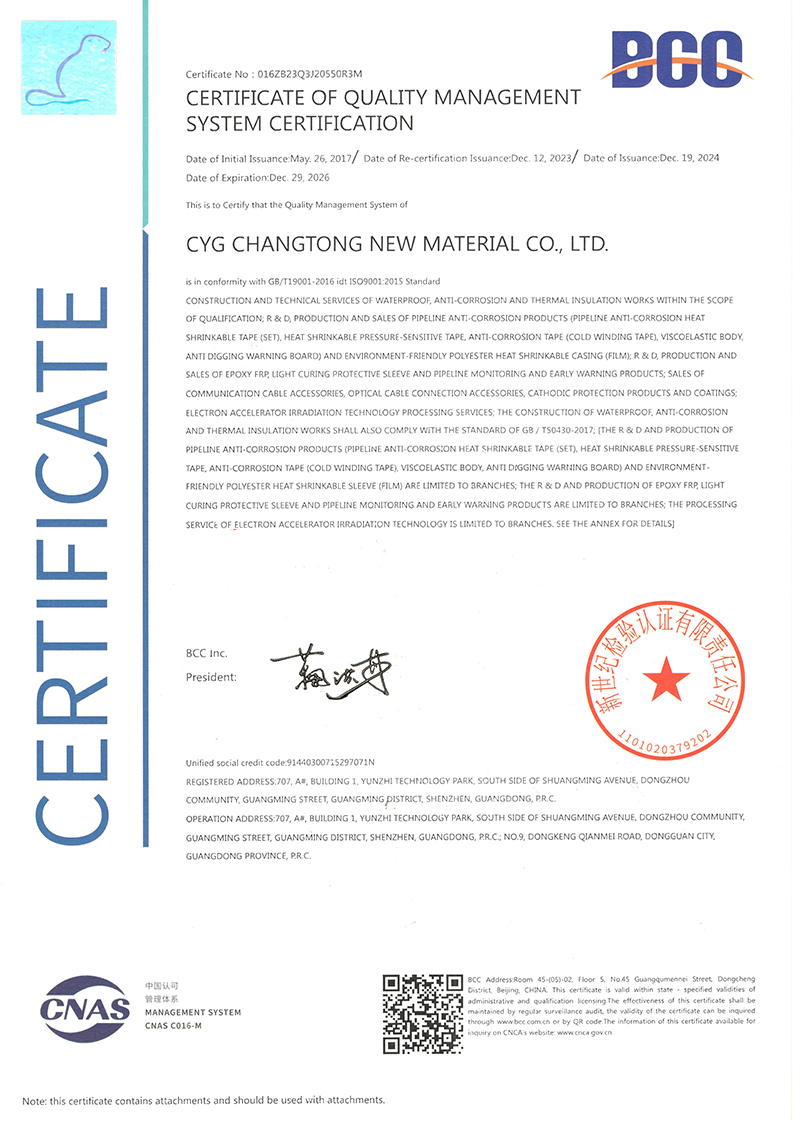
CYCT ISO 9001 Certificate

Company Certificate

CYCT Quality Certificate

Company Certificate

CYCT Environmental Certificate

Company Certificate

CYCT Safe Construction Certificate

Company Certificate

CYCT Quality Standard License

Company Certificate

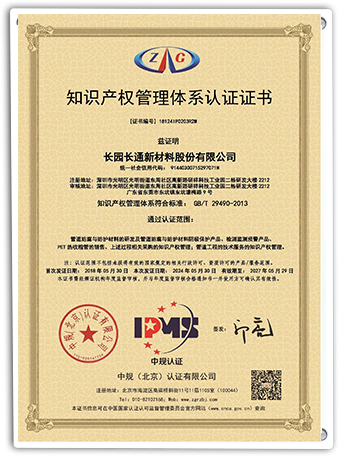
CYCT Patent Certificate

Company Certificate

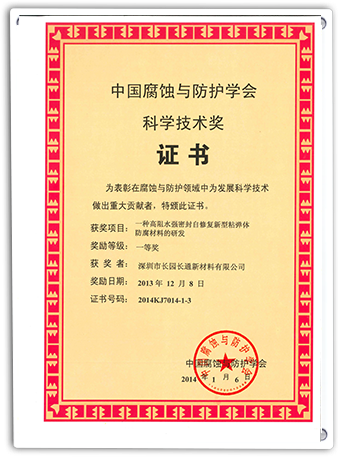
CYCT Engineering Award

Company Certificate

CYCT Health and Safety Certificate

Company Certificate

CYCT Laboratory Certification

Company Certificate

CYCT High-tech Enterprise

Company Certificate

CYCT Innovation Enterprise

Company Certificate

CYCT National Standard Award

Technical Standard Excellence Certificate

Industrial Q&A: Technical Specifications & OEM Customization

Detailed technical information to assist engineers and procurement teams in selecting optimal pipeline protection systems.

What are the main differences between Polyethylene (PE) and Polypropylene (PP) Heat Shrinkable Sleeves?
PE heat shrinkable sleeves are designed for pipelines operating at temperatures up to 60°C or 80°C. They offer excellent flexibility and impact resistance at low temperatures, making them suitable for standard oil, water, and gas pipelines. Polypropylene (PP) sleeves, such as the FRPD-PP system, are formulated for high-temperature lines (up to 110°C or higher). PP provides higher mechanical strength and shear resistance under high soil pressure but requires higher preheating temperatures during installation.
How does CYCT prevent cathodic disbondment in high-shear soil environments?
Our materials feature high-performance copolymer hot-melt adhesives. These formulations are designed to bond securely to the steel surface (typically prepared with a wet epoxy primer) and the parent plant coating. This bond prevents moisture and oxygen from migrating under the film, maintaining cathodic disbondment resistance even under soil settlements and high operating temperatures.
What solutions do you offer for Horizontal Directional Drilling (HDD) field joints?
For HDD installations, standard heat shrinkable sleeves can peel or tear due to friction with the borehole. We recommend our Epoxy FRP (Fiberglass Reinforced Polymer) coating system or specialty photo-curing sleeves. These materials are wrapped over the primary corrosion protection layer and cured to form a high-hardness, impact-resistant outer wrap that protects the primary anti-corrosion barrier.
What are the quality testing standards applied in your CNAS-accredited laboratory?
Our quality control protocols comply with ISO 21809-3, EN 12068, and NACE/AMPP guidelines. We perform batch testing on peel strength (to steel and PE/PP backing), cathodic disbondment area, tensile strength, elongation at break, heat aging performance, and impact resistance.
Can CYCT supply custom OEM/ODM sizes and formulations for specific international projects?
Yes. We provide complete OEM/ODM customization services. We can adjust the thickness of the backing sheet and adhesive layer, customize backing materials (PE, PP, or fiberglass), and configure specific widths and lengths to meet unique pipeline design specifications and environmental conditions.