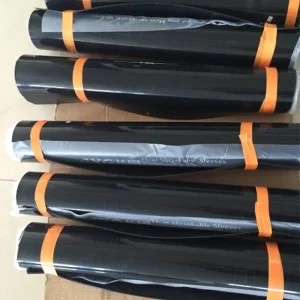
Premium thermal shrinkage and anti-corrosion solutions manufactured under strict OEM compliance standards.
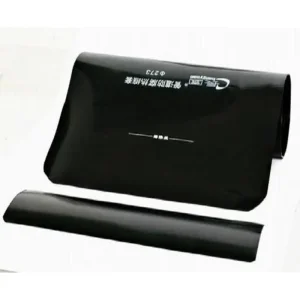
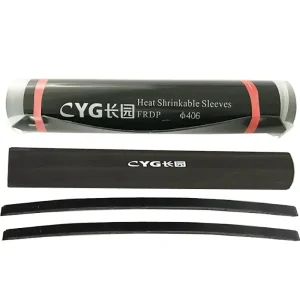
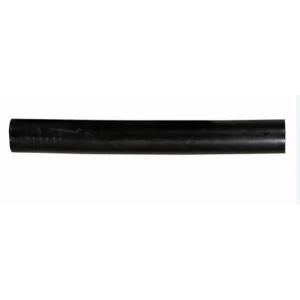
Underground and undersea pipelines constitute the energy supply lines of modern civilization. Ensuring the long-term reliability and chemical stability of these networks is critical. Global estimates indicate that corrosion-related damage and mitigation cost the oil, gas, water transmission, and petrochemical industries over $2.5 trillion annually.
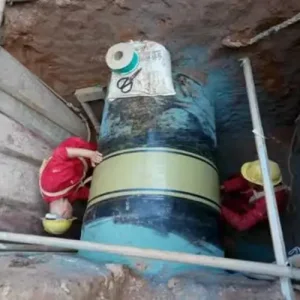
Within this context, field joint coatings (FJC) remain the primary point of vulnerability. While main pipe sections are coated with high-performance 3-layer polyethylene (3LPE) or 3-layer polypropylene (3LPP) under controlled factory conditions, field welds are executed on-site under variable weather, humidity, and environmental stresses. To maintain pipeline integrity, pipe shrink sleeves (heat shrinkable sleeves) are universally designated as the industry-standard remediation method.
As global pipeline infrastructures expand into extremely challenging terrains—ranging from Arctic permafrost with extreme temperature variations to desert environments exceeding 80°C soil temperatures—specialized OEM shrink sleeve factories must evolve. The requirements are no longer limited to simple mechanical protection; they demand high shear resistance, cathodic disbondment mitigation, and custom polymer compounding capable of surviving several decades.
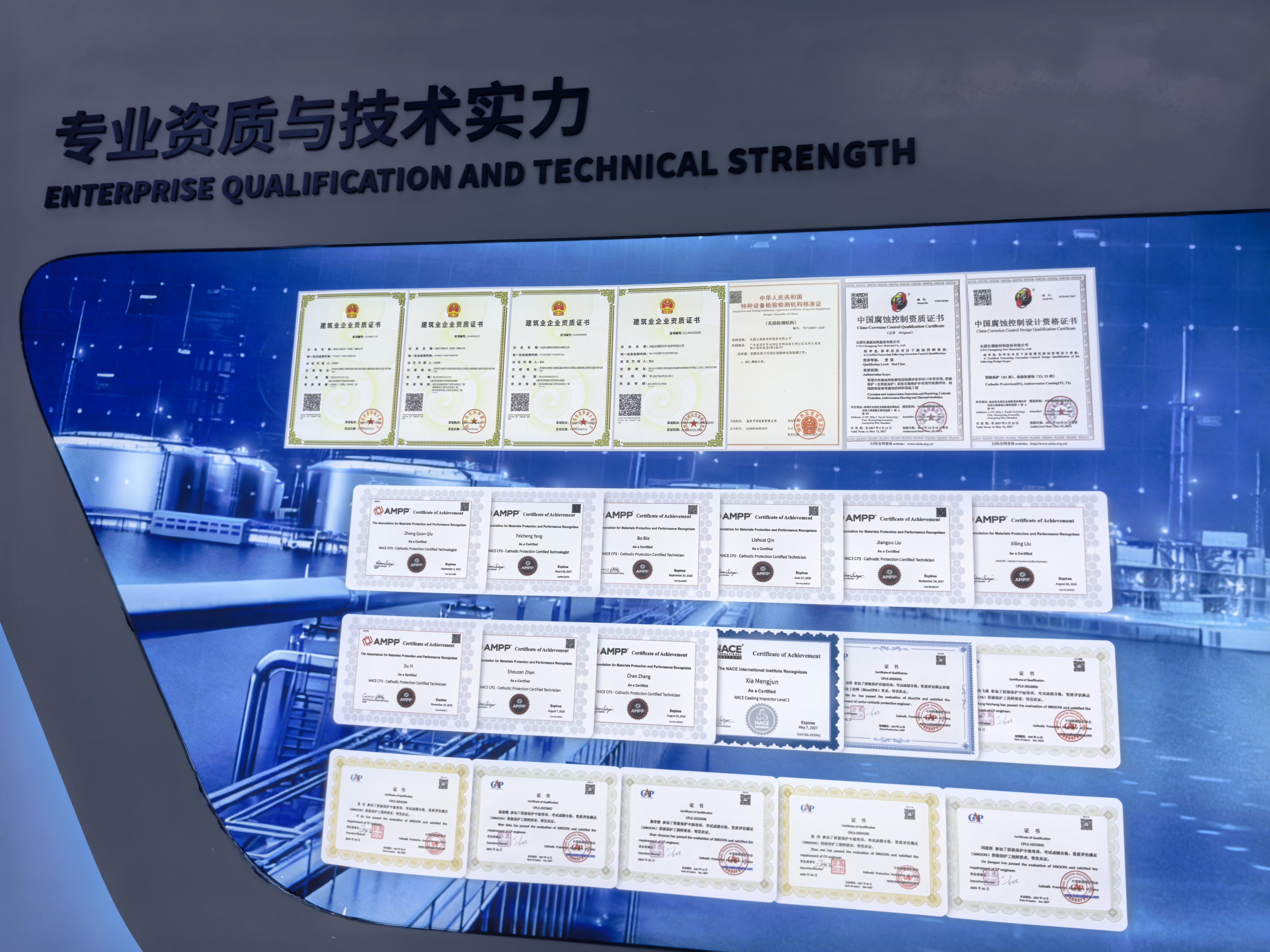
State-Level High-Tech Enterprise Championing Pipeline Engineering & Research
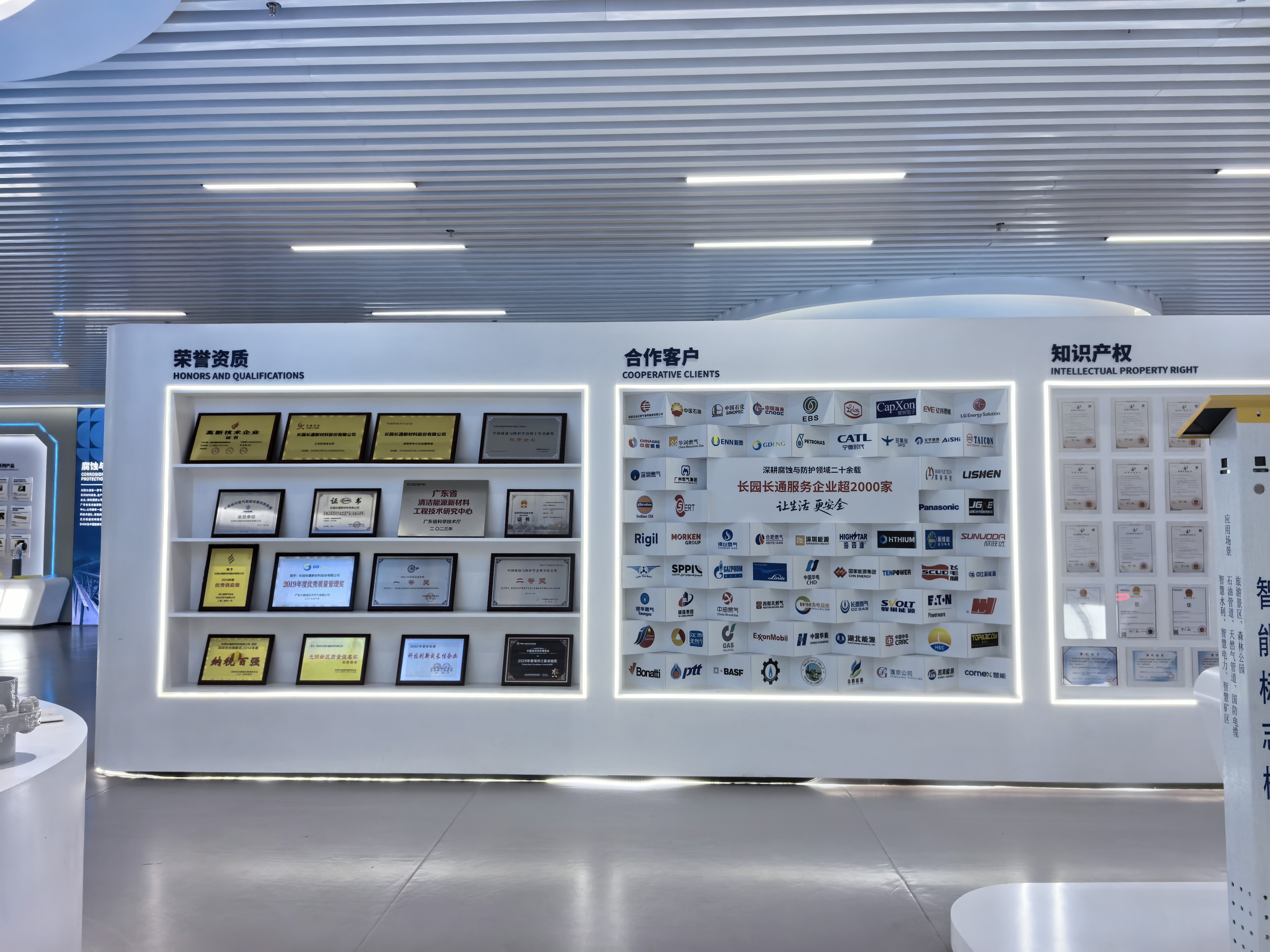
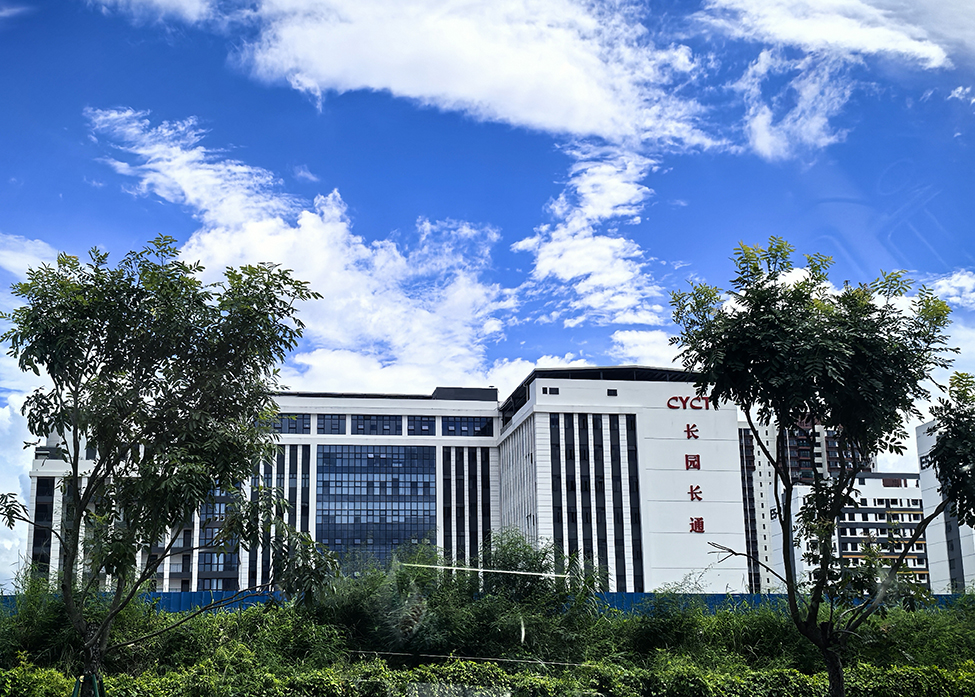
CYCT New Materials Company Limited (CYCT) is a state-level high-tech enterprise integrating research and development, high-volume production, and comprehensive technical pipeline services into a singular integrated entity. Founded in 2000, CYCT has dedicated over two decades to developing specialized pipeline corrosion protection materials.
Our operational capacity extends beyond simple manufacturing. CYCT provides advanced services including buried pipeline detection, custom coating design schemes, cathodic protection engineering, pipeline rehabilitation, and field application training. By collaborating with elite scientific bodies like the CNPC (China National Petroleum Corporation) Pipeline Science Research Institute, we offer highly specialized end-to-end protective engineering solutions.

Years of Engineering Heritage
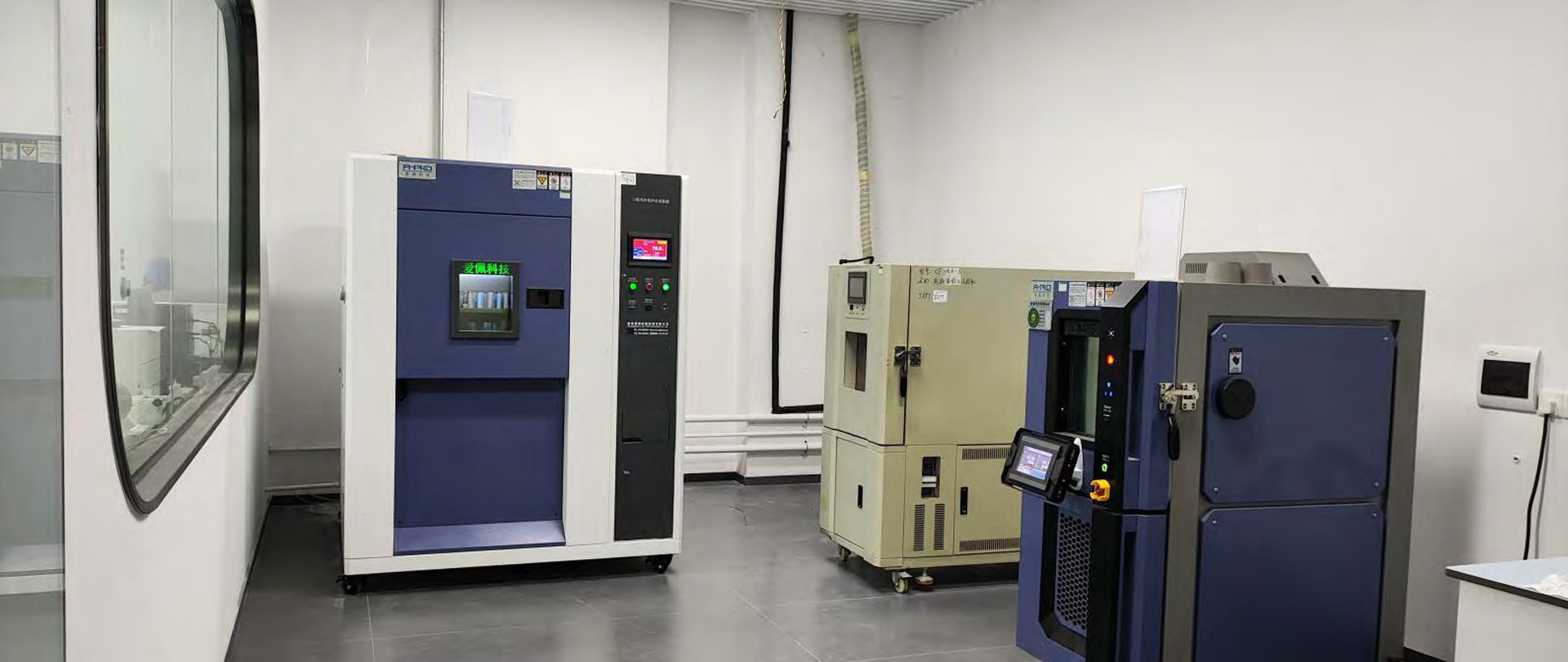
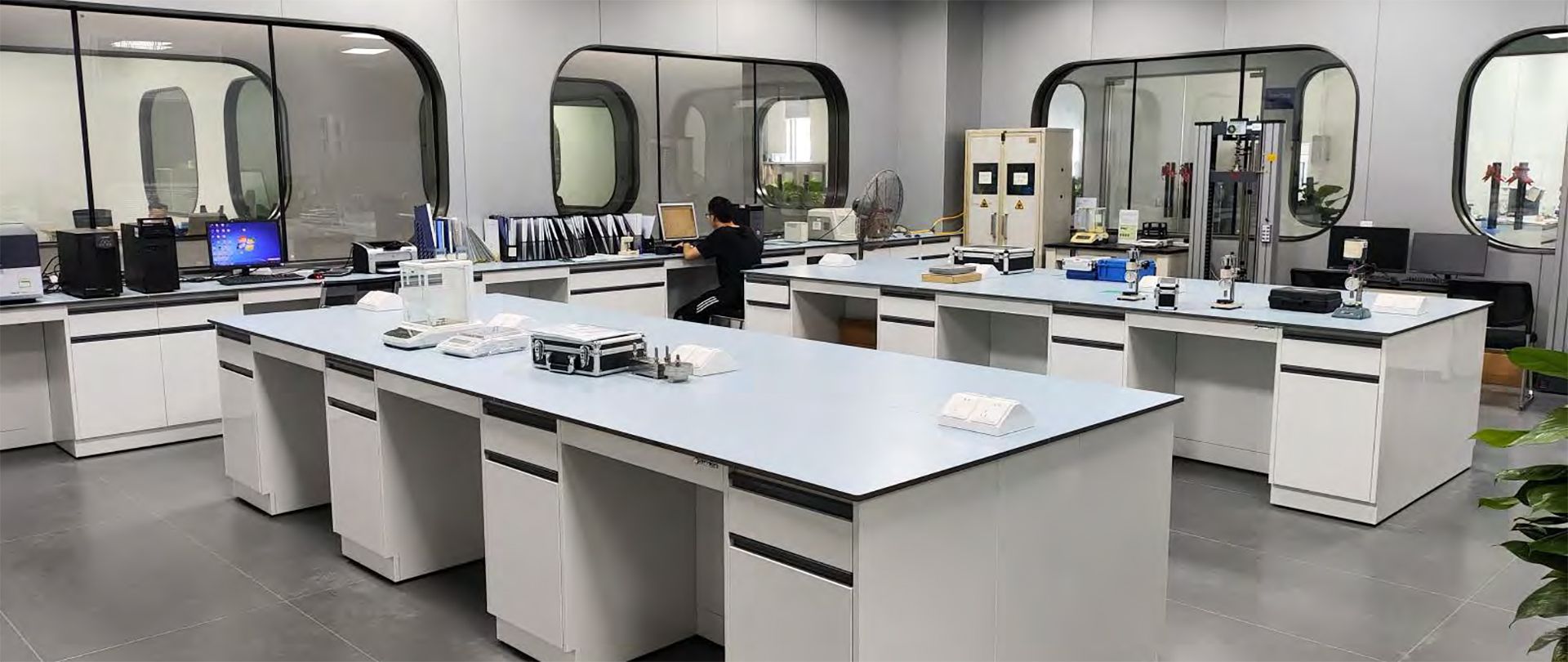
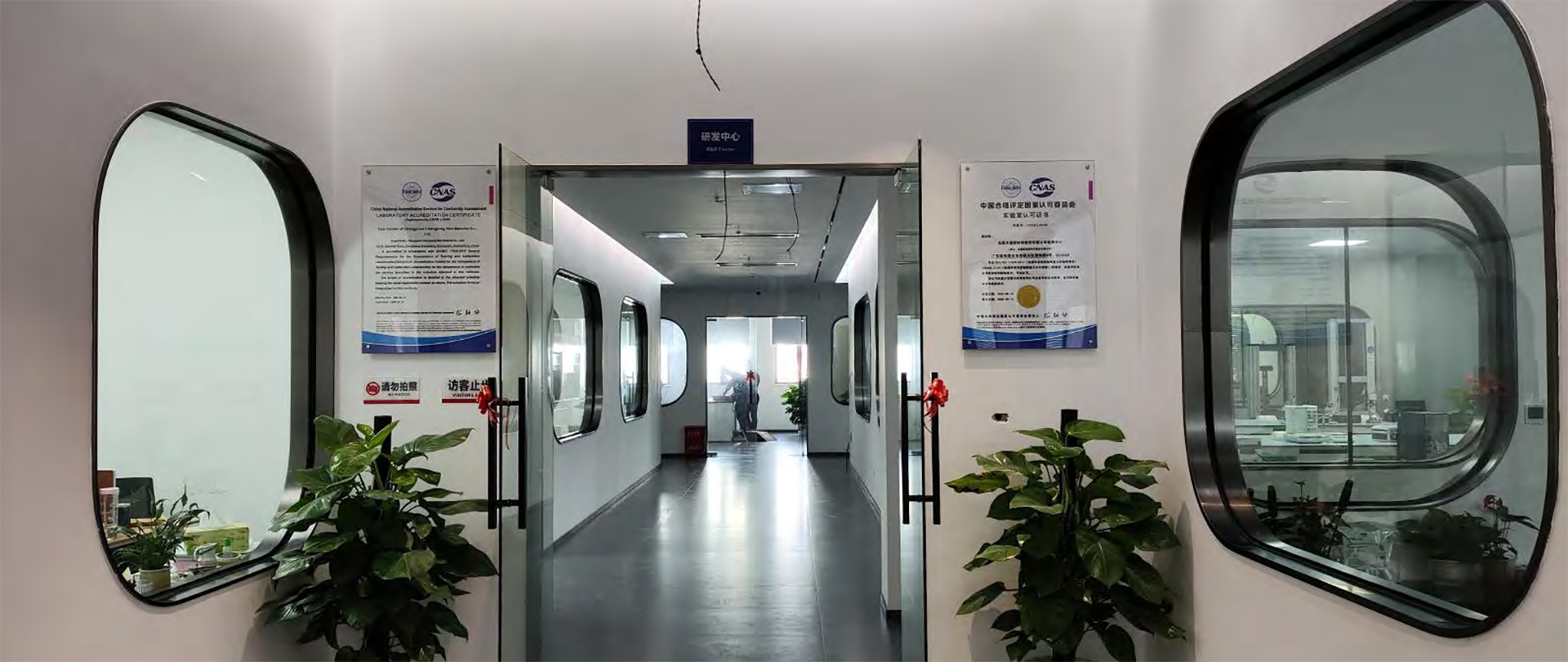
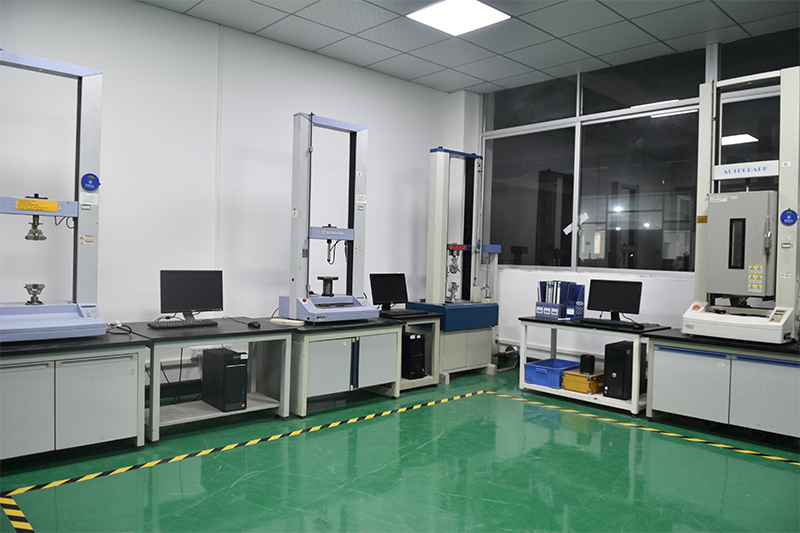
Accredited National Laboratory
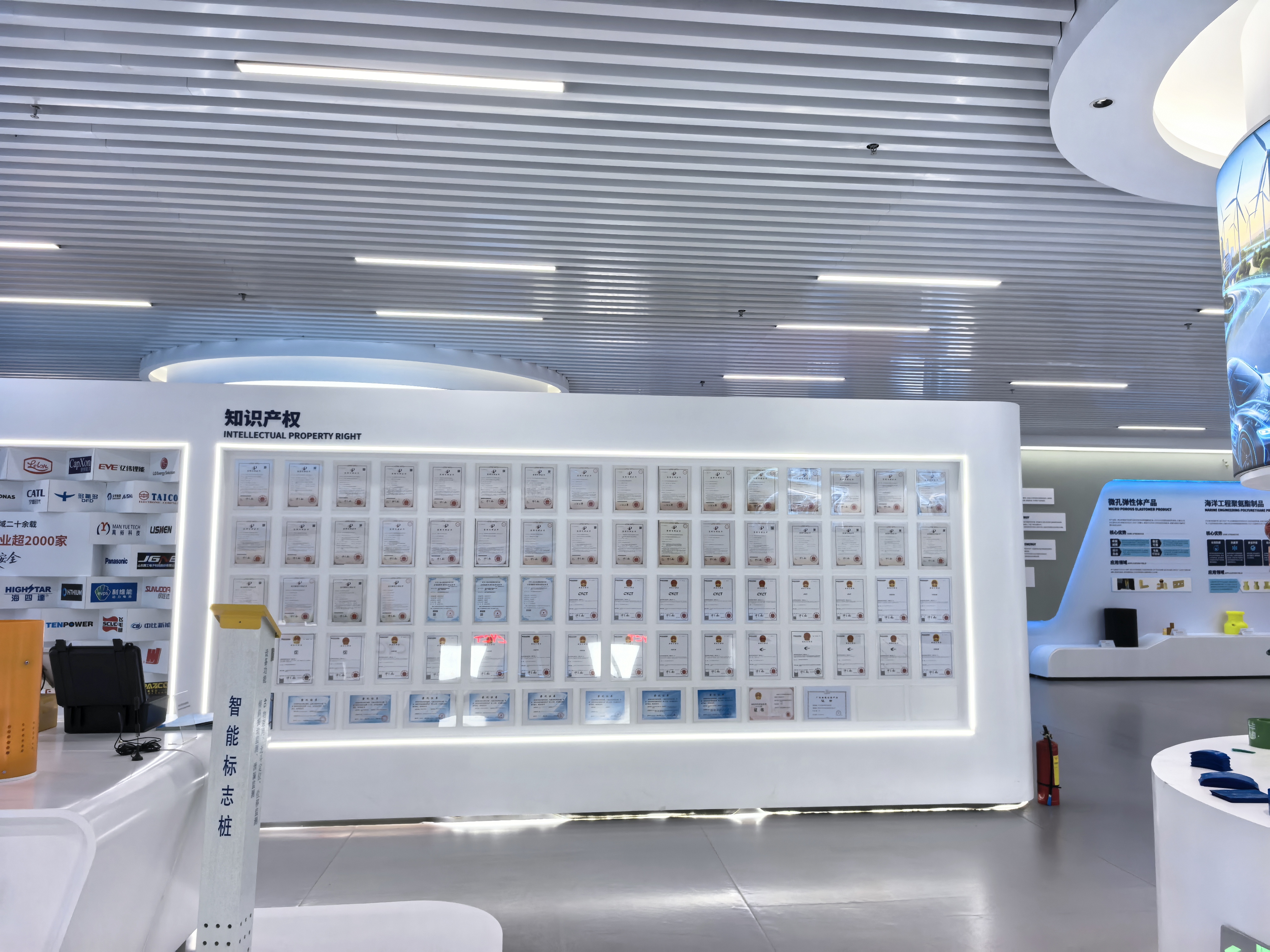
Proprietary Material Patents
Max Operating Temperature Class
Understanding radiation cross-linking, backing mechanics, and high-shear hot-melt adhesives.
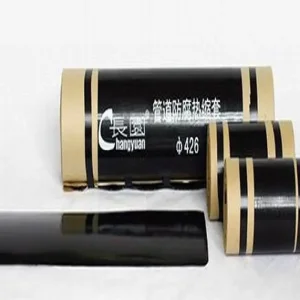
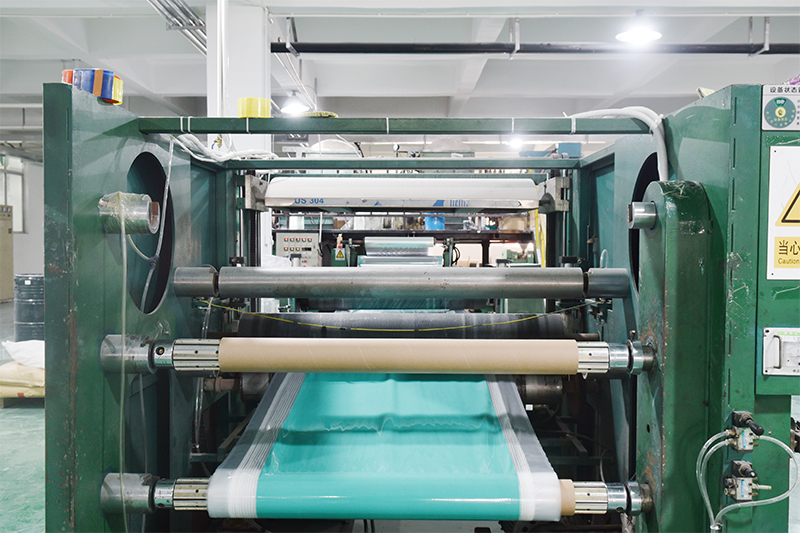
The outer backing of high-performance sleeves consists of a high-density polyethylene (HDPE) or modified polypropylene. By subjecting the polymer to high-energy electron beam radiation, we build cross-links between the polymer chains. This cross-linking process changes the backing from a thermoplastic state to an elastomeric state, instilling a permanent "elastic memory".
During installation, the backing is heated, causing it to shrink while simultaneously melting the internal adhesive layer. The copolymer/mastic adhesive flows and wets the steel surface, filling all profile imperfections. Under pressure, it provides long-term resistance to cathodic disbondment and water ingress.
Both the adhesive and the polyolefin backing are enriched with specialized primary and secondary antioxidants, thermal stabilizers, and carbon black UV block pigments. These chemical additions shield the joint coating from environmental oxidation, UV radiation, and continuous heat exposure.
Innovative protection systems designed for aggressive civil and geotechnical configurations.
Standard heat-shrinkable sleeves often fail to withstand the severe shear and abrasive forces encountered during horizontal directional drilling (HDD) pulls. The friction from rock, gravel, and compacted clay can tear the backing of conventional coatings, exposing the underlying steel to immediate localized corrosion.
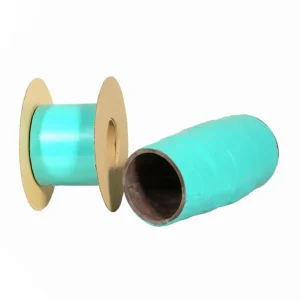
CYCT's engineering team resolved this challenge by introducing Fiberglass Reinforced Heat Shrink Sleeves (FRDP-HDD) and specialized photo-curing fiberglass wraps. These advanced multi-layer systems combine the corrosion resistance of cross-linked polyolefin with the structural strength of woven fiberglass. The resulting outer shell possesses exceptional impact strength and abrasion resistance, keeping the primary field joint coating intact throughout the HDD pullback process.
For environments that experience continuous high temperatures, such as petrochemical discharge lines and sub-desert pipeline channels, our 3-layer structural hot-melt stick repair solutions and PP-compatible joint coatings deliver reliable protection up to 85°C.
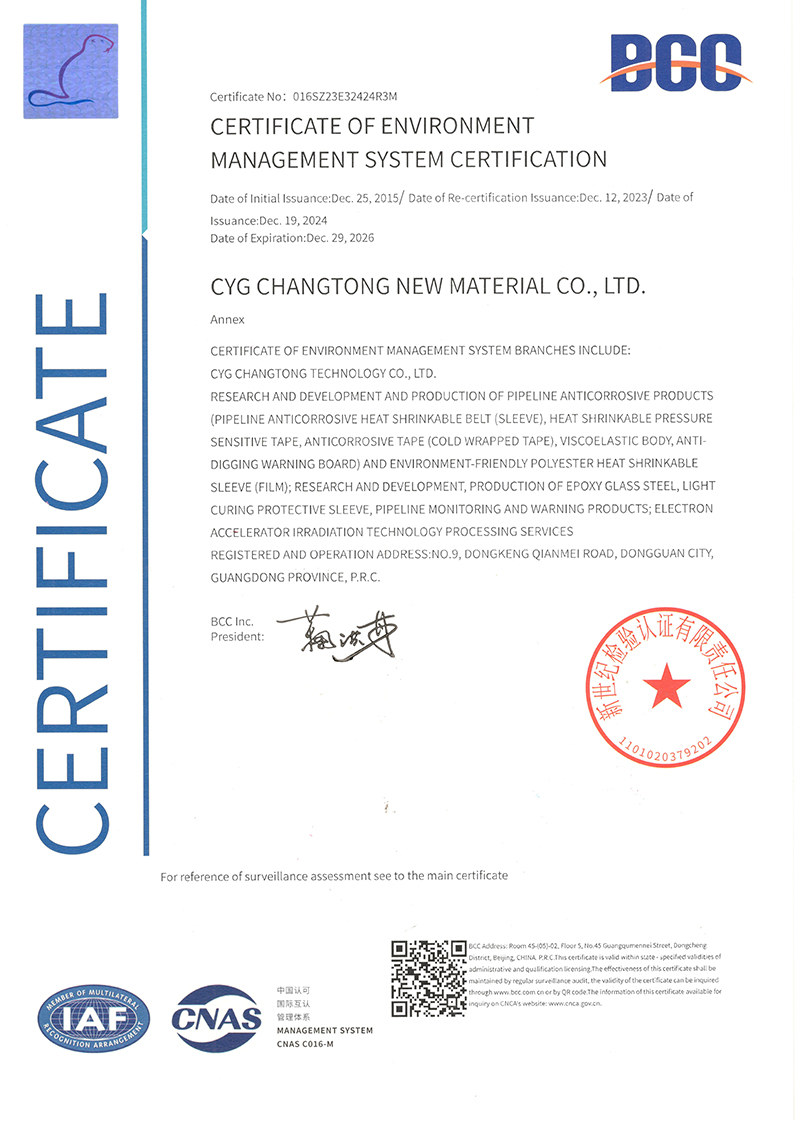
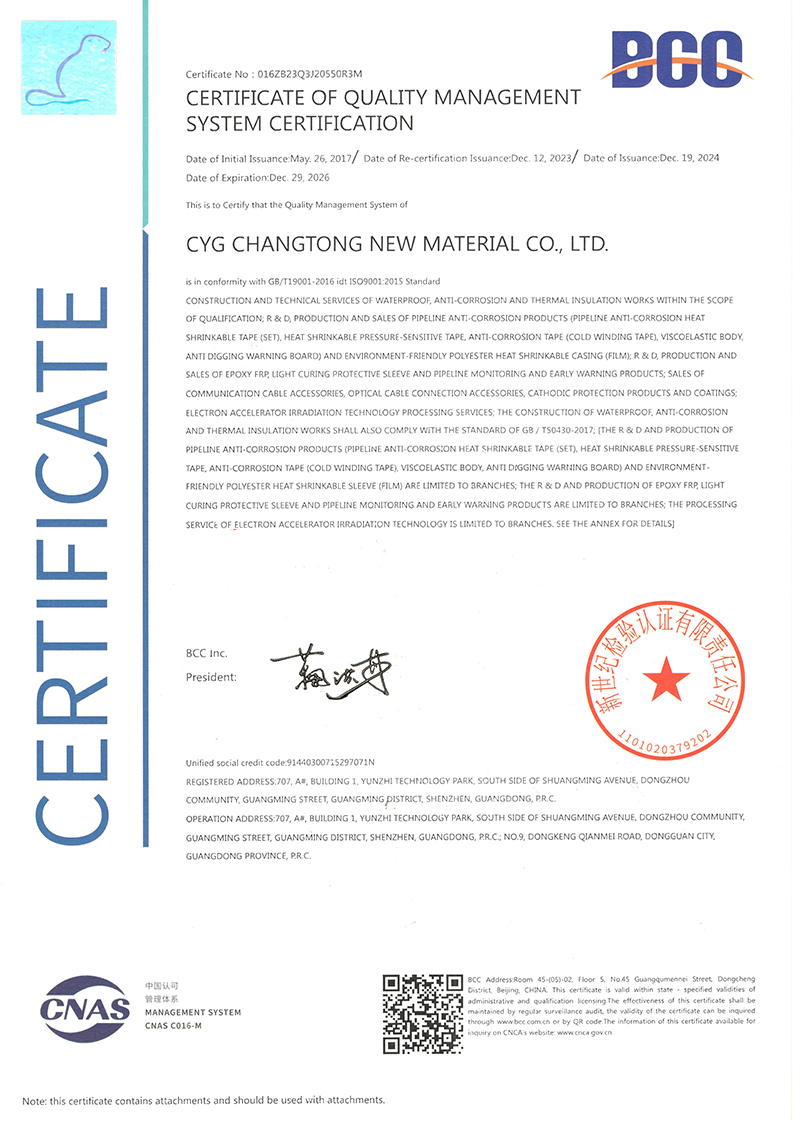
Verified regulatory achievements and international standard validations.
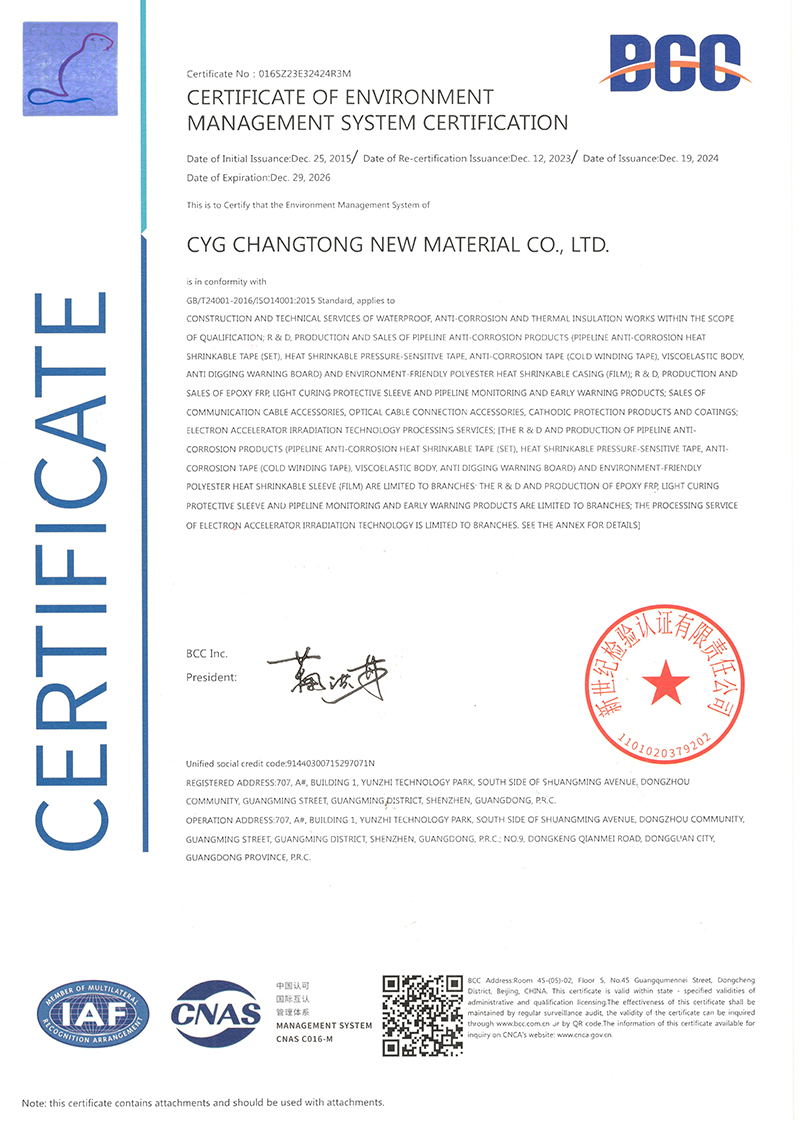
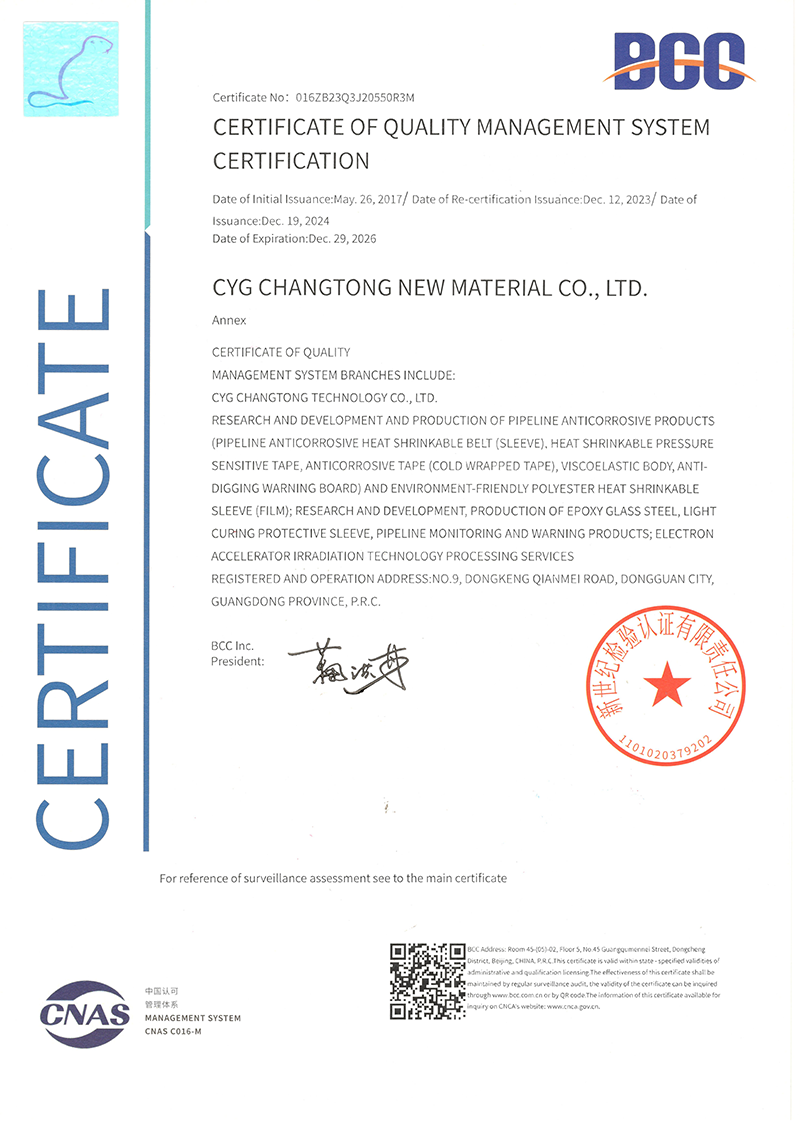
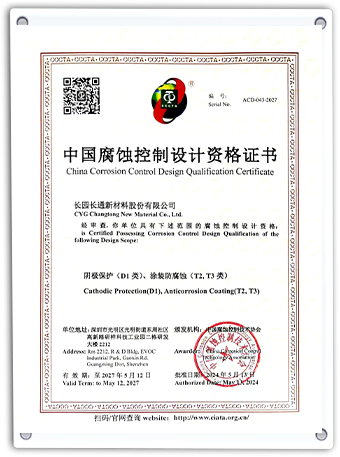
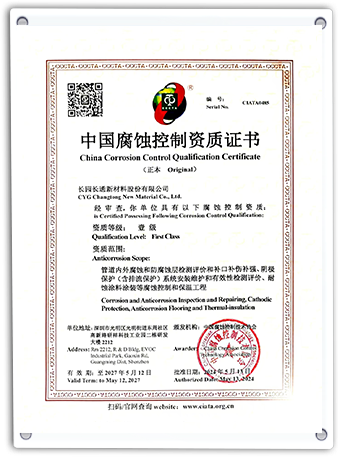
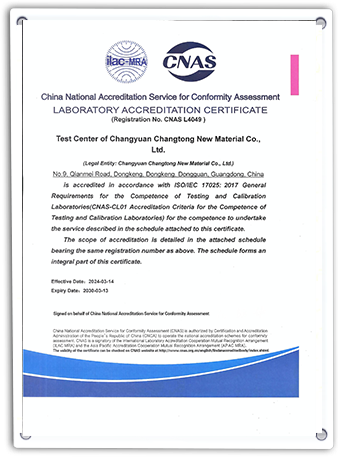
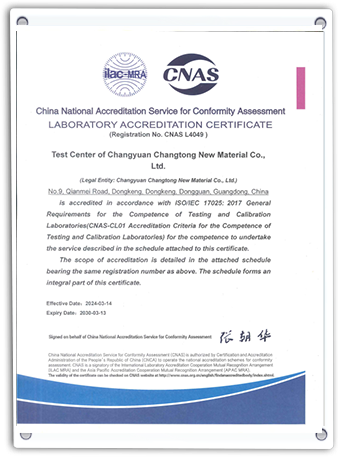
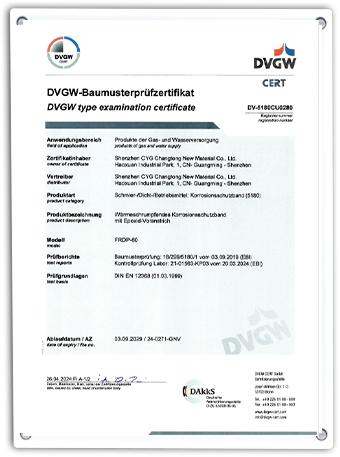
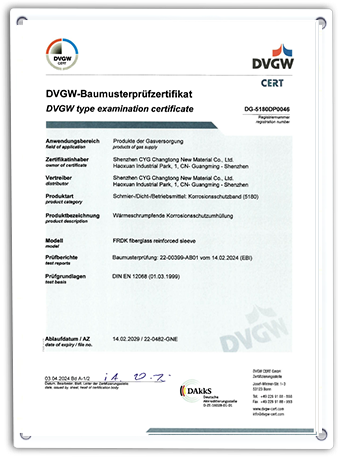
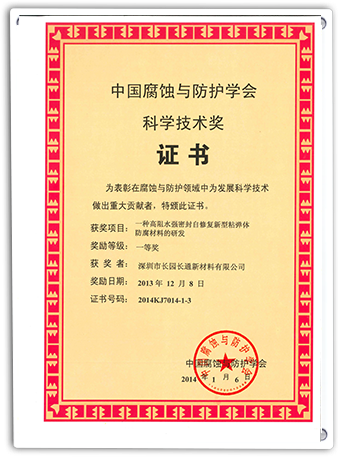
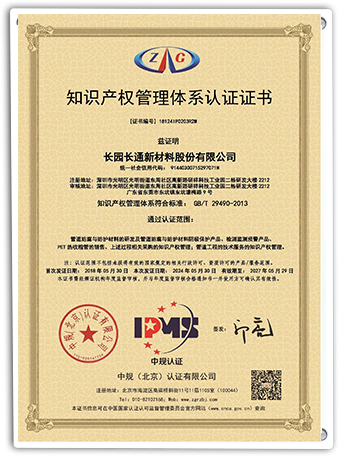
CYCT is a recognized Member of the Council in the Chinese Society for Corrosion and Protection (CSCP), and maintains active corporate memberships in the China Association of Petroleum Engineering Construction (CAPEC). Our production facility and engineering methods comply with global quality standards, ensuring our status as a reliable supplier to PetroChina, Sinopec, China Gas Group, and Indian Oil.
The progression toward smart materials and low-carbon emission coating processes.
The global pipeline sector is undergoing a major transition to reduce field carbon emissions and improve installation speeds. Traditional field joint coatings require high heating temperatures using propane torches, which carries risks of over-heating or under-heating the underlying steel. The technological roadmap for pipeline corrosion prevention focuses on three major advancements:
Exhaustive engineering insights answering technical questions from field engineers.
Standard FRDP (Fiberglass Reinforced Dual-Purpose) shrink sleeves utilize a cross-linked polyethylene backing that provides excellent flexible protection for standard pipeline configurations. Fiberglass-reinforced variations incorporate an additional structural matrix of high-strength woven fiberglass filaments. This reinforcement increases the material's structural integrity, tensile strength, and abrasion resistance, making it ideal for the severe physical stresses encountered during Horizontal Directional Drilling (HDD) operations.
The operating temperature class dictates the cohesive strength of the hot-melt adhesive under continuous thermal stress. A 60°C rated sleeve is suitable for ambient municipal water pipelines or low-heat gas pipelines. When handling high-rate petroleum flowlines or regional transmission networks exposed to hot desert environments, an 85°C rated sleeve is required. Using an improperly rated sleeve can cause the adhesive to soften, leading to slippage, soil stress failures, and localized cathodic disbondment.
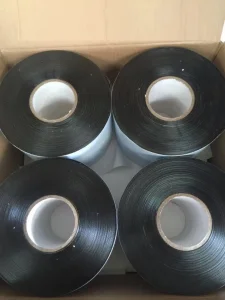
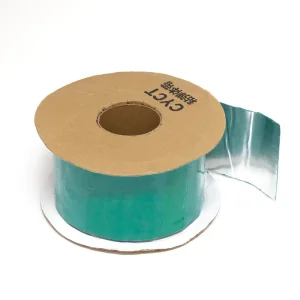
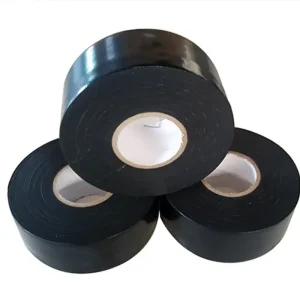
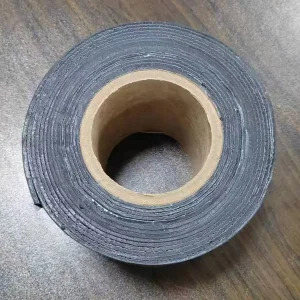
Viscoelastic tape consists of non-crystalline, low-molecular-weight polyolefins that maintain continuous cold-flow characteristics. Unlike heat shrink sleeves, they do not require open-flame preheating for application. This makes them highly effective for live repair projects or areas where hot work permits are restricted. Viscoelastic systems offer immediate wetting of the steel surface and exhibit self-healing properties when minor mechanical damages occur.
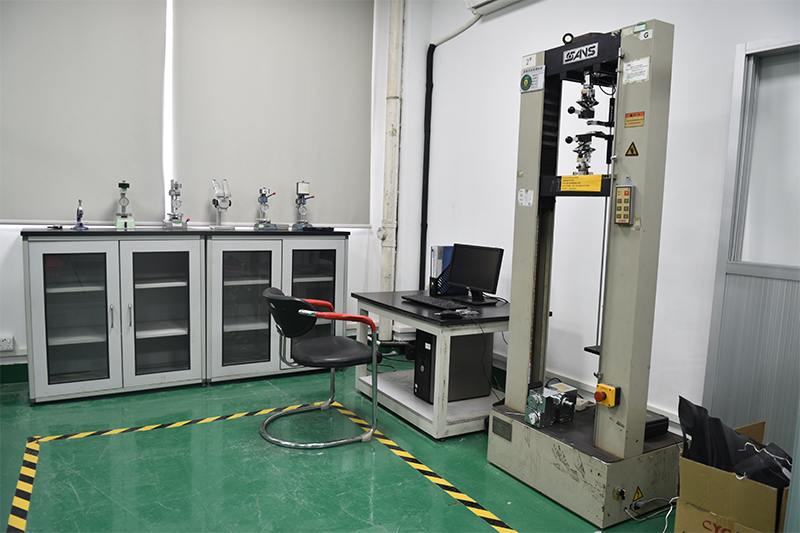
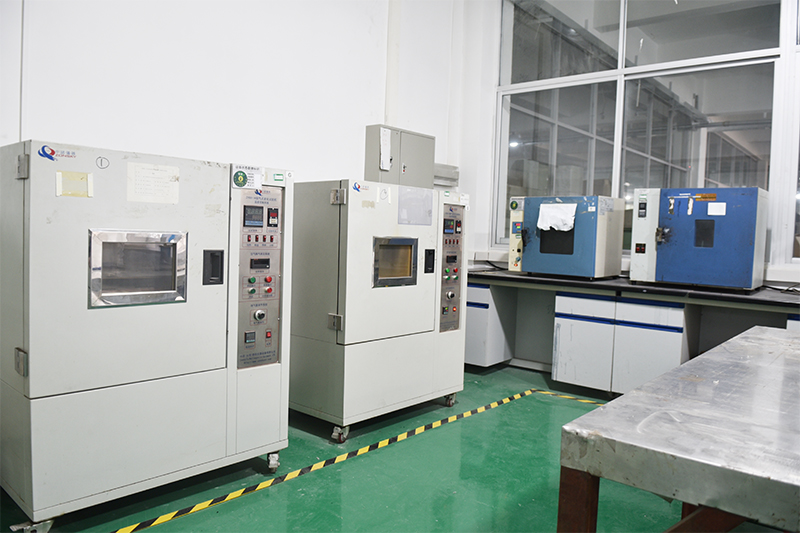
A CNAS (China National Accreditation Service) laboratory operates under strict ISO/IEC 17025 testing standards. This accreditation ensures that all raw material parameters, radiation dosages, and final product performances (such as lap shear strength, peel strength, and cathodic disbondment resistance) are measured using calibrated instruments and verified methodologies. This provides project owners with reliable, independent validation of material performance.
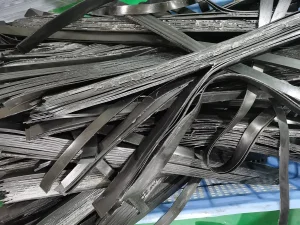
When the main mill-applied 3LPE or 3LPP coating is damaged during transport or trenching, it leaves exposed areas. Melt sticks and hot melt fillers are polymer formulations designed to melt at controlled temperatures. Technicians use a localized flame or heating gun to melt the filler material directly into the cleaned defect area, restoring the mechanical and moisture barrier of the primary coating system.
Advanced visco-elastic, aluminum, and cold-applied tapes for pipeline integrity maintenance.
 CYCT
CYCT