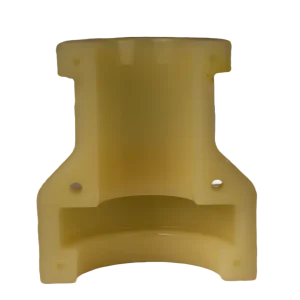
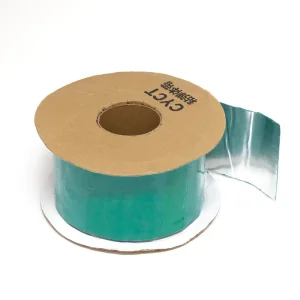
Explore our first tier of engineered anti-corrosion materials, viscoelastic systems, and heavy-duty repair fillers designed for modern infrastructure.
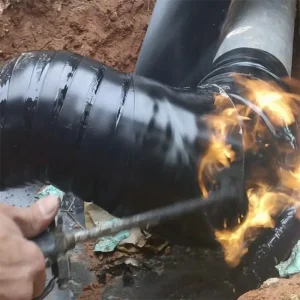
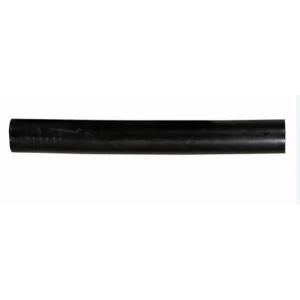
In modern pipeline engineering, field joint coatings (FJC) are critical failure points if not insulated with highly resilient materials. Cross-linked Polyethylene (PE) heat-shrinkable sleeves represent the pinnacle of field-applied joint protection. By combining radiation chemistry with advanced polymer formulation, PE shrink sleeves provide an impenetrable barrier against moisture ingress, electrochemical reactions, mechanical stress, and aggressive soil conditions.
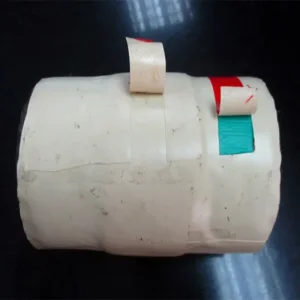
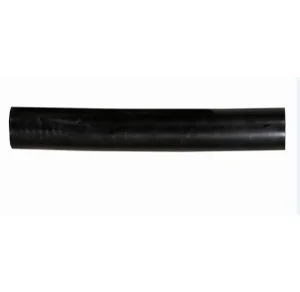
The manufacturing process of high-performance PE shrink sleeves involves exposing a heavy-duty extruded polyethylene backing to high-energy electron beam radiation. This exposure alters the molecular structure of the polymer, forming stable covalent bonds between adjacent carbon chains. The result is a material with a robust "molecular memory" that contracts uniformly upon the application of heat, returning to its pre-stretched dimensions while resisting deformation.
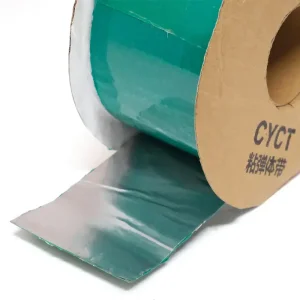
Beneath the rugged cross-linked backing lies a highly engineered adhesive layer. Depending on application constraints and operating temperature requirements, this layer is composed of either a high-shear hot-melt co-polymer adhesive or a high-tack viscoelastic mastic. When heated, the adhesive liquefies, filling micro-crevices on the steel surface and curing to form a monolithic seal that blocks all paths to corrosive media.
As global energy infrastructure expands, the demand for reliable pipeline networks grows. According to recent industrial data, thousands of miles of high-pressure steel pipelines are laid annually across harsh environments, including the deep oceans of the North Sea, the high-temperature deserts of the Middle East, and the frozen tundras of North America and Siberia.
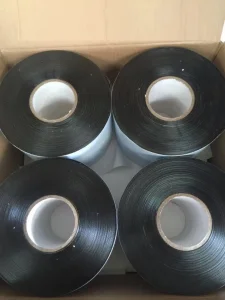
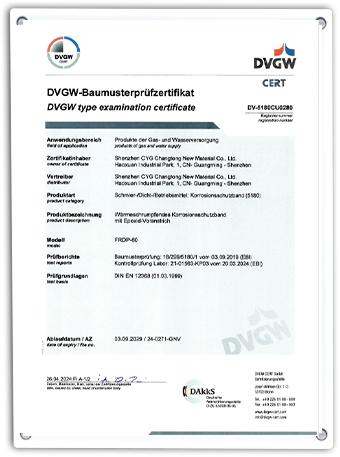
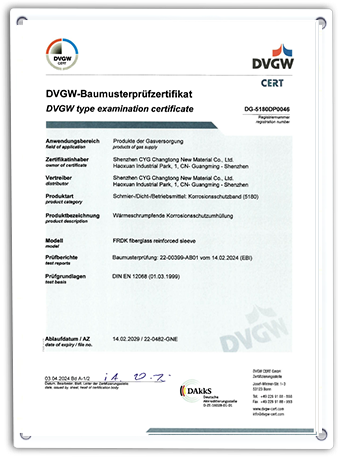
Energy transmission and distribution grids must conform to stringent international criteria. Products such as our PE Outer Tape and FRDS Heat Shrinkable Tape are engineered to comply with international standards including ISO 21809-3, EN 12068, and NACE SP0169. Pipeline operators require documented performance evaluations, focusing on cathodic disbondment resistance, peel strength, shear resistance, and thermal aging characteristics.
Corrosion mitigation is not merely a safety precaution; it is an economic necessity. The global annual cost of corrosion in the oil and gas sector alone is estimated at billions of dollars. Protecting field joints with OEM PE shrink sleeves minimizes the risk of localized pitting and structural failure, significantly extending the lifespan of infrastructure investments to 30 or 50 years.
Year Established
Proprietary Patents
Accredited Lab
OEM Customization
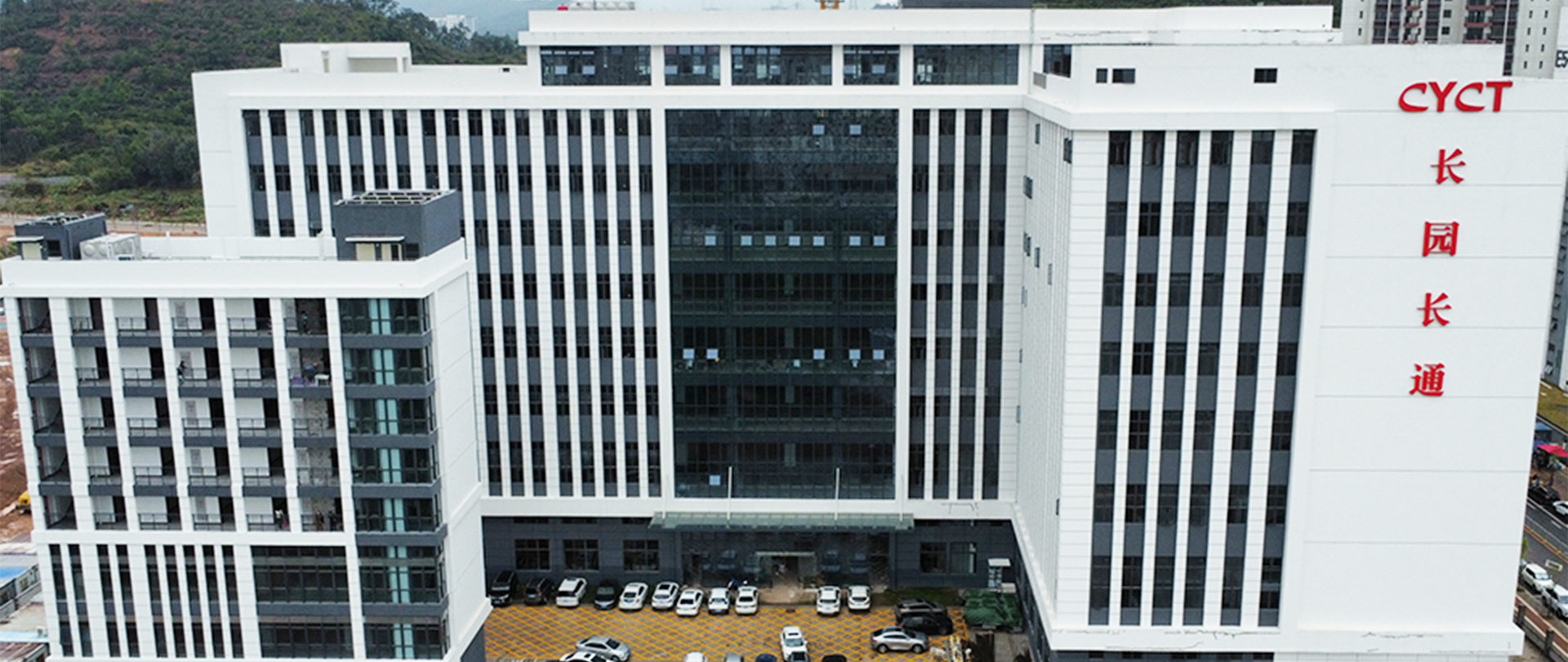
China has established itself as a leading supplier of advanced industrial polymers and composite materials. Chinese manufacturing plants, like CYCT's state-of-the-art facilities, provide a combination of manufacturing efficiency, robust supply chain management, and strict quality control.
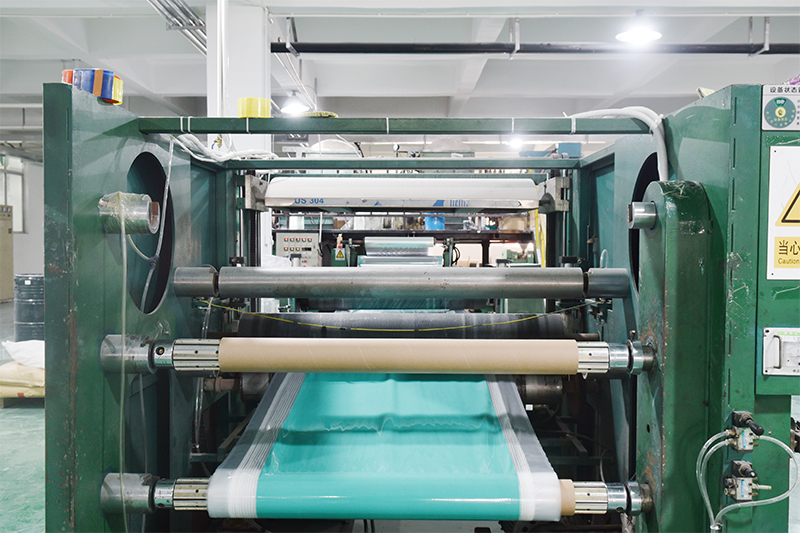
CYCT's production footprint leverages direct access to premium-grade polyethylene polymers and customized synthetic rubbers. By managing the extrusion, electron-beam cross-linking, adhesive compounding, and coating processes in-house, we eliminate external logistical delays and maintain competitive pricing without compromising quality.
Our manufacturing plant uses automated extrusion lines with integrated thickness-monitoring systems. This ensures that every roll of PE shrink sleeve or cold tape maintains a uniform thickness profile. This consistency is critical for preventing thin spots that could compromise mechanical protection under soil stresses.
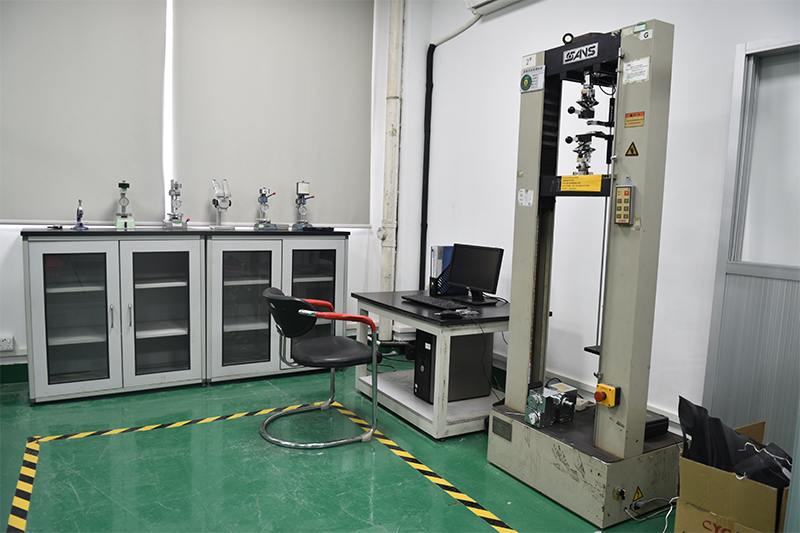
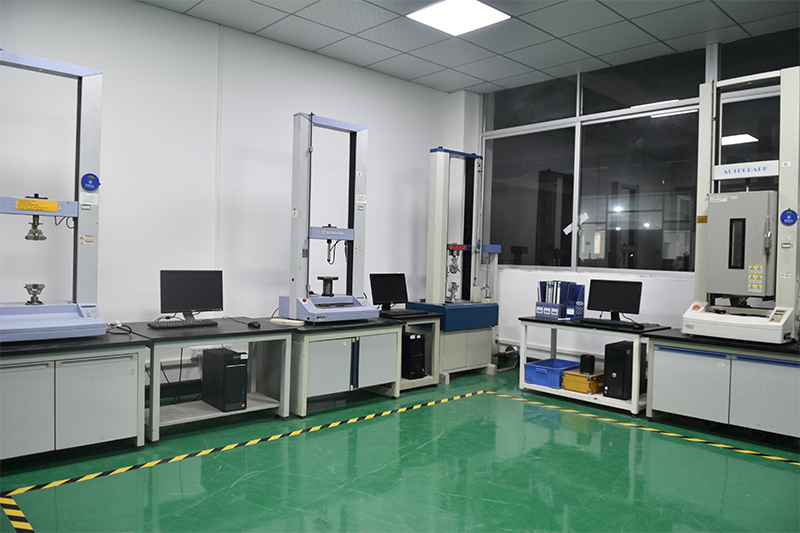
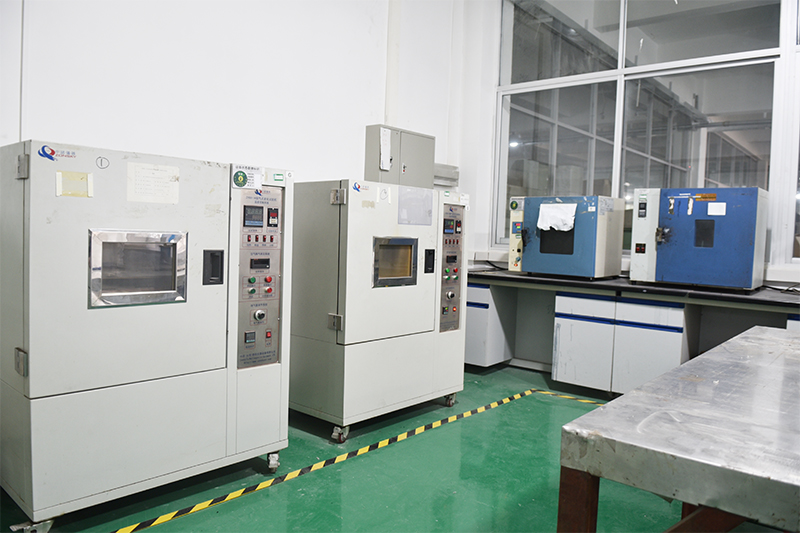
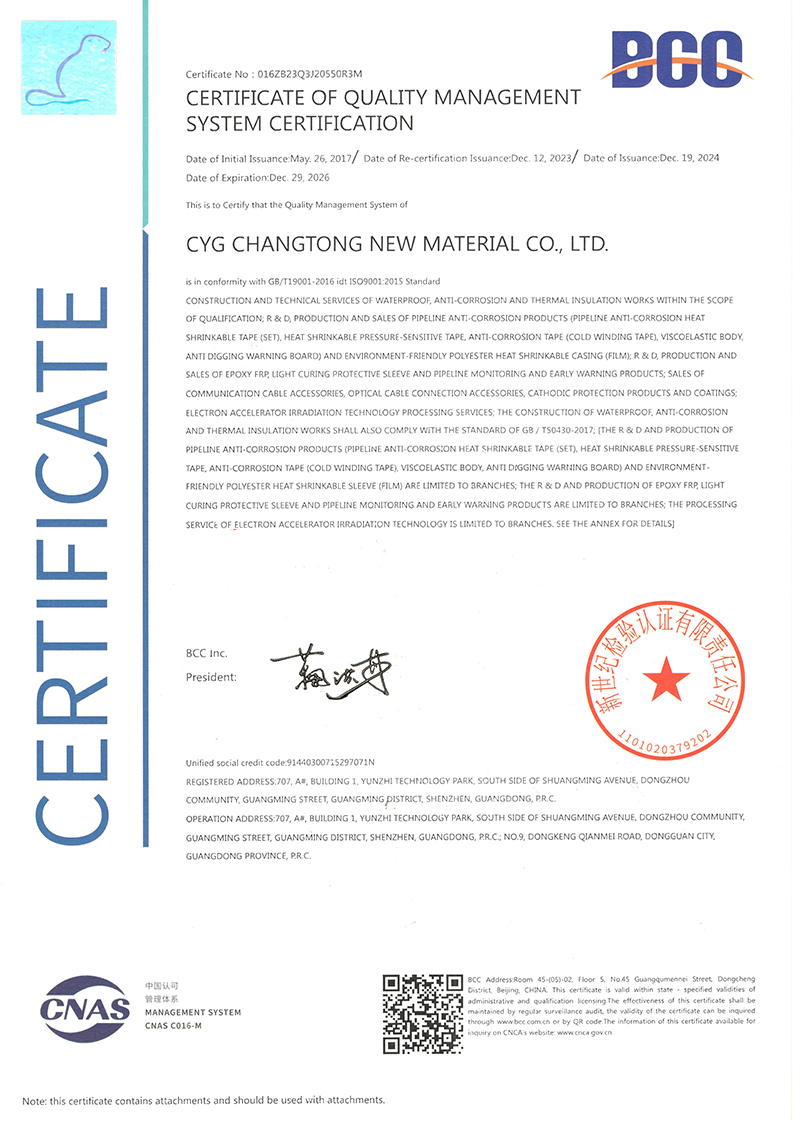
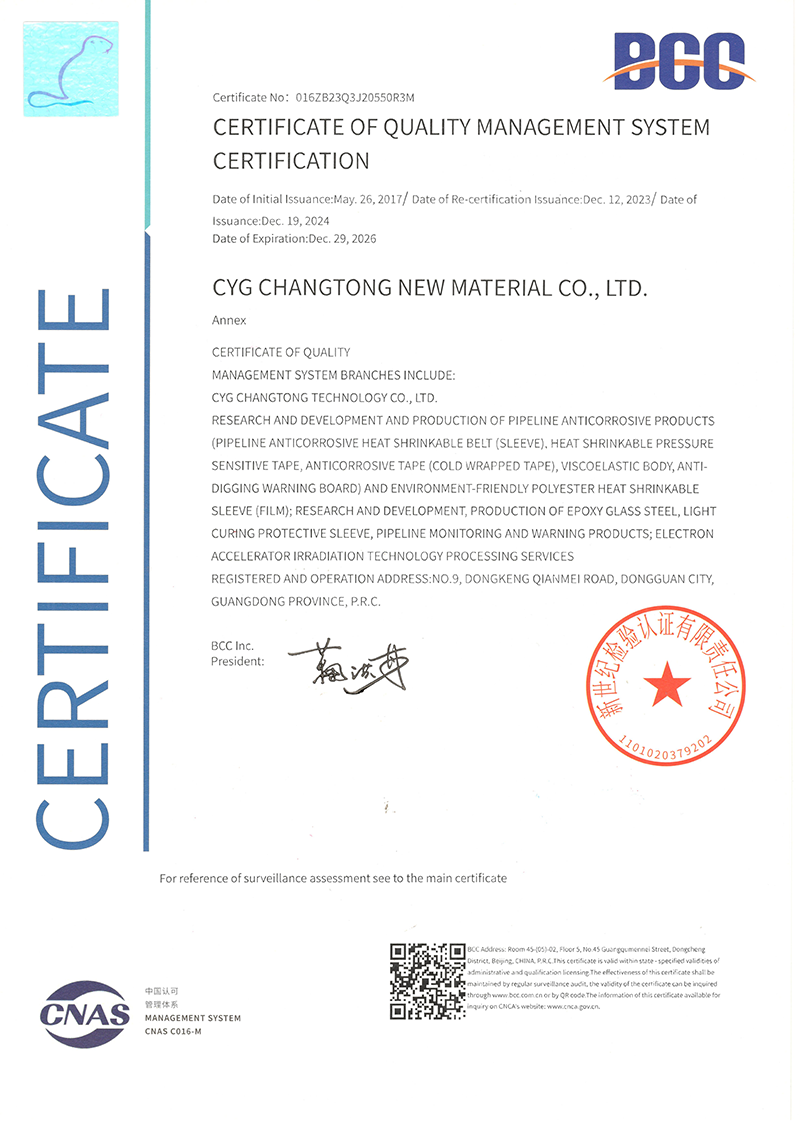
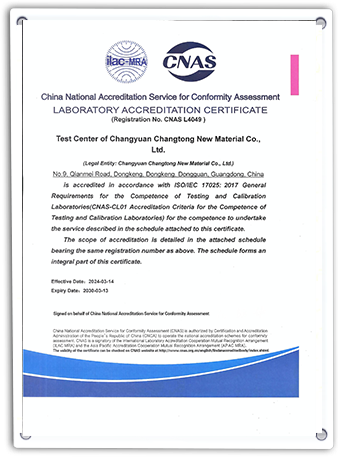
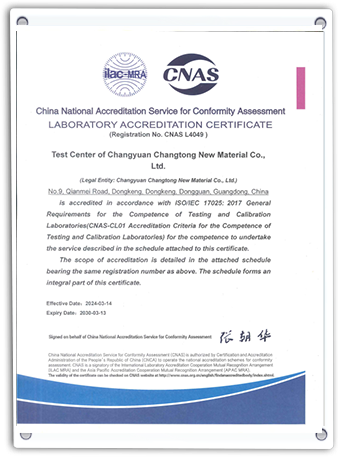
CYCT operates an in-house national CNAS-accredited laboratory. Every production batch is subjected to rigorous testing, including peel testing on steel/factory PE coatings, cathodic disbondment resistance evaluations, and high-temperature aging assays, ensuring that all products meet international pipeline standards.
CYCT New Materials Company Limited (for short, CYCT) is a state-level high-tech enterprise integrating R&D, production and sales of pipeline corrosion protection materials as well as buried pipeline detection service and pipeline coating field application service into one. CYCT devotes itself to R&D, production and sales of pipeline corrosion protection materials for decades.
CYCT owns leading testing and R&D capabilities, a professional R&D team, and a national CNAS-accredited laboratory. Through close collaboration with leading research institutes such as the CNPC Pipeline Science Research Institute, CYCT provides in-service pipelines with varied technical services including buried pipeline detection, design schemes, cathodic protection, rehabilitation projects, and integrated solutions for the safety protection of pipelines.
CYCT has been a stable supplier of field joint coatings for years to major energy enterprises including PetroChina, Sinopec, PipeChina, China Gas Group, Indian Oil, and various local pipeline operators, maintaining a high market share. We have successfully developed and introduced specialty corrosion protection materials such as viscoelastic anticorrosion materials, special photo-curing sleeves for Horizontal Directional Drilling (HDD) protection, and polyurea coatings.
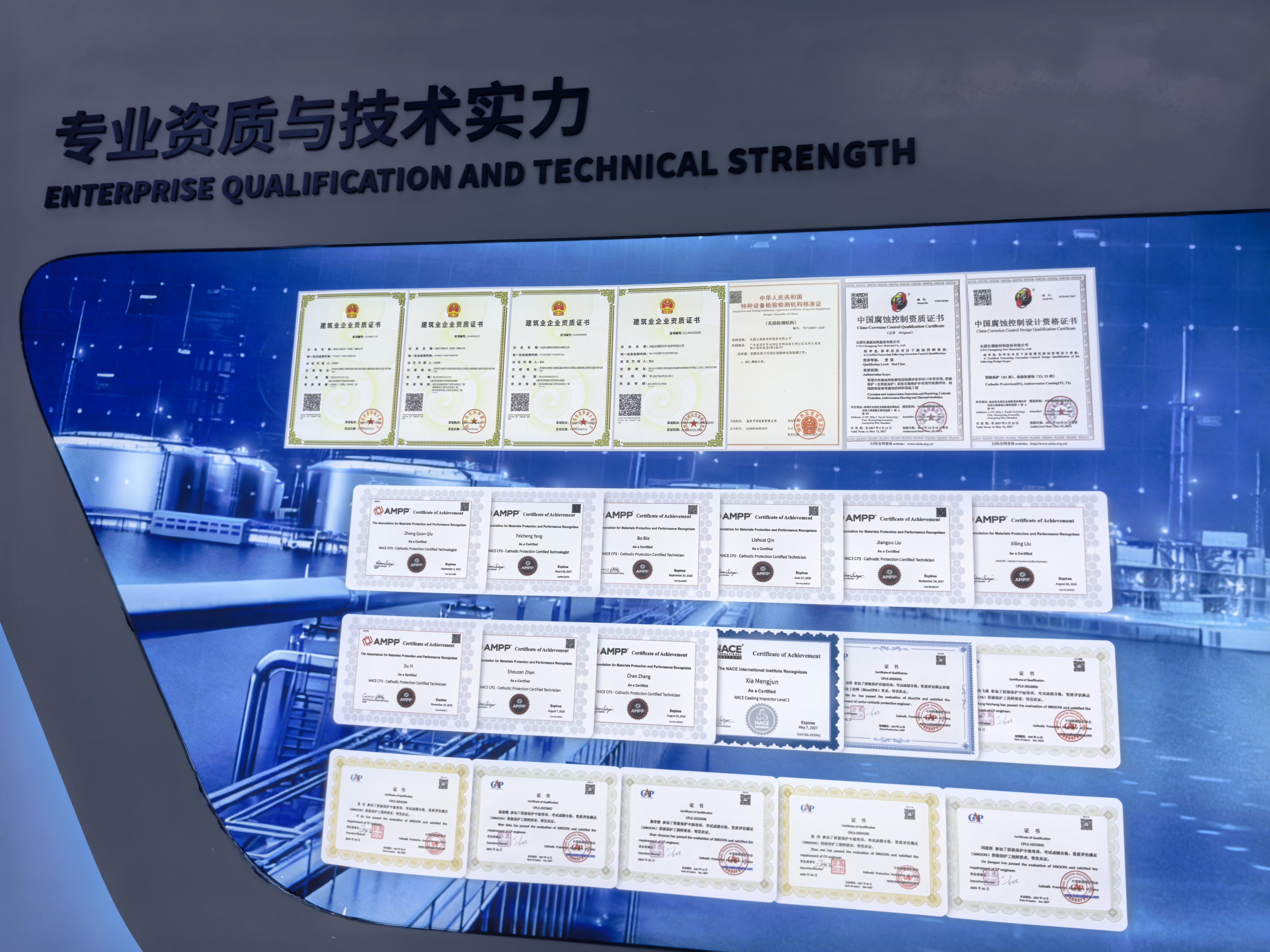
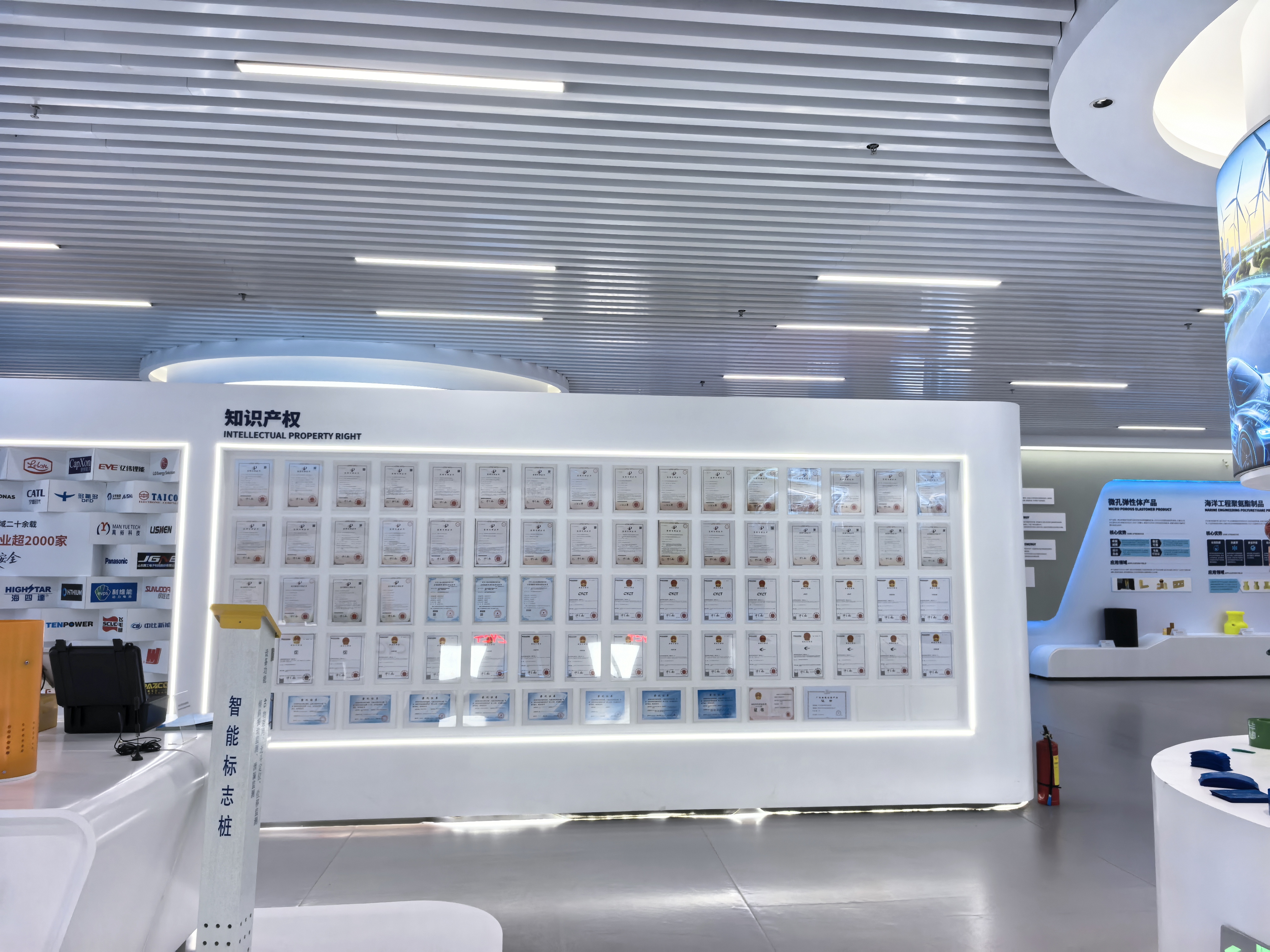
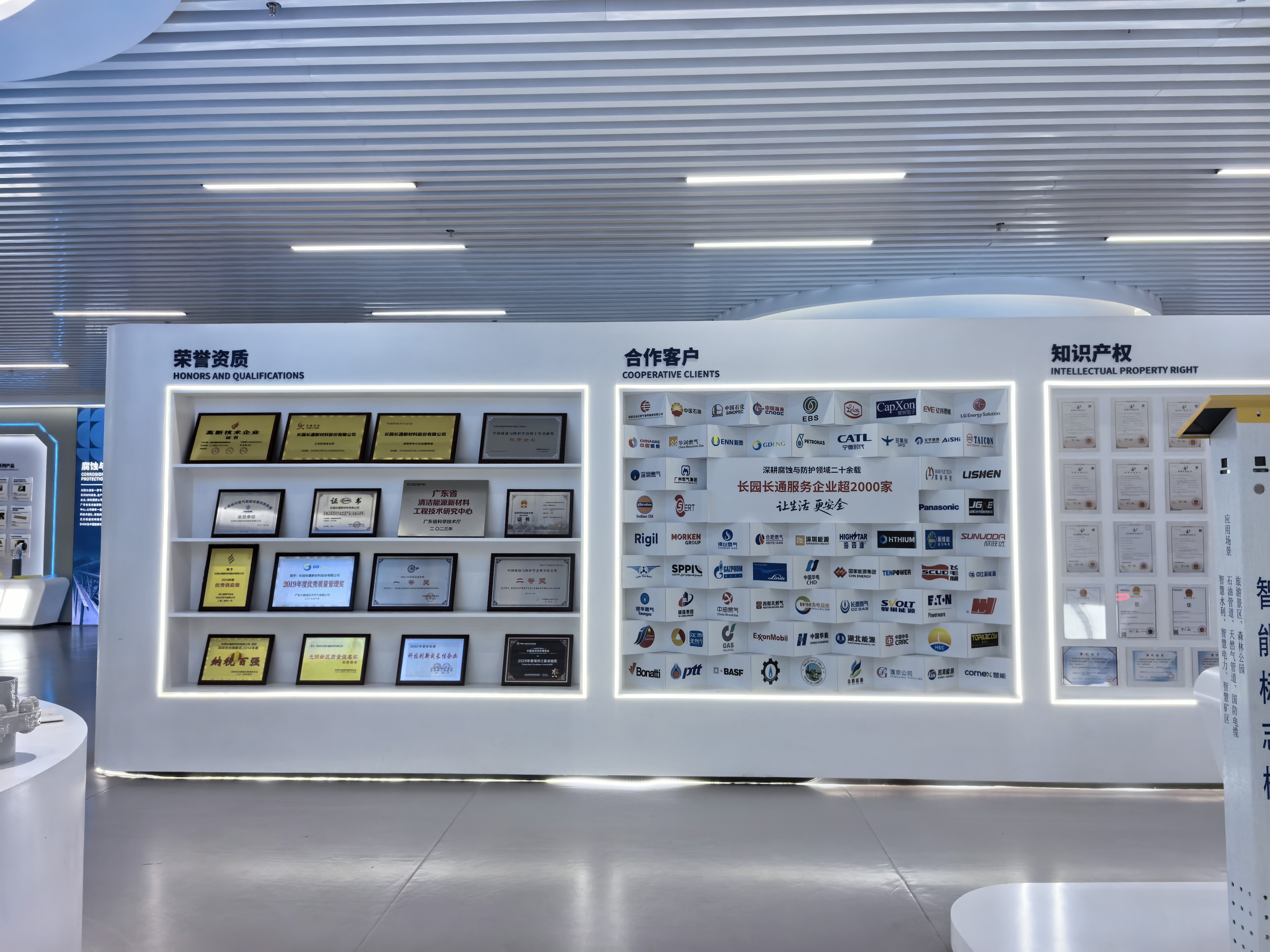
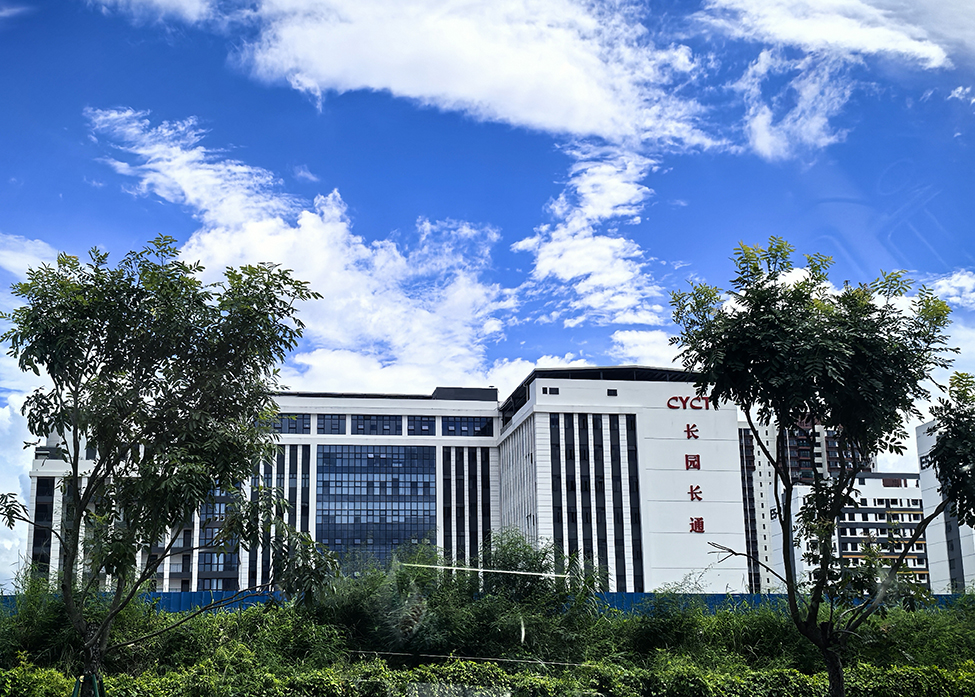
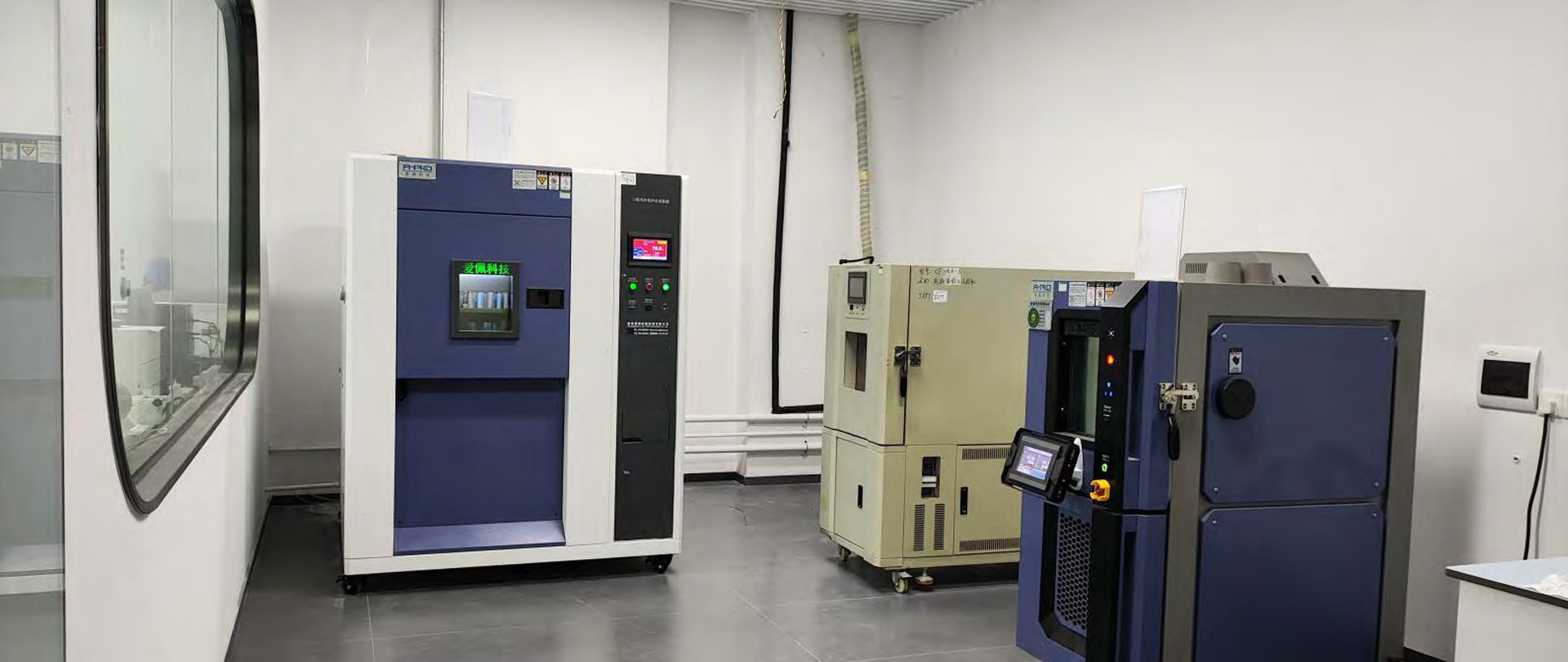
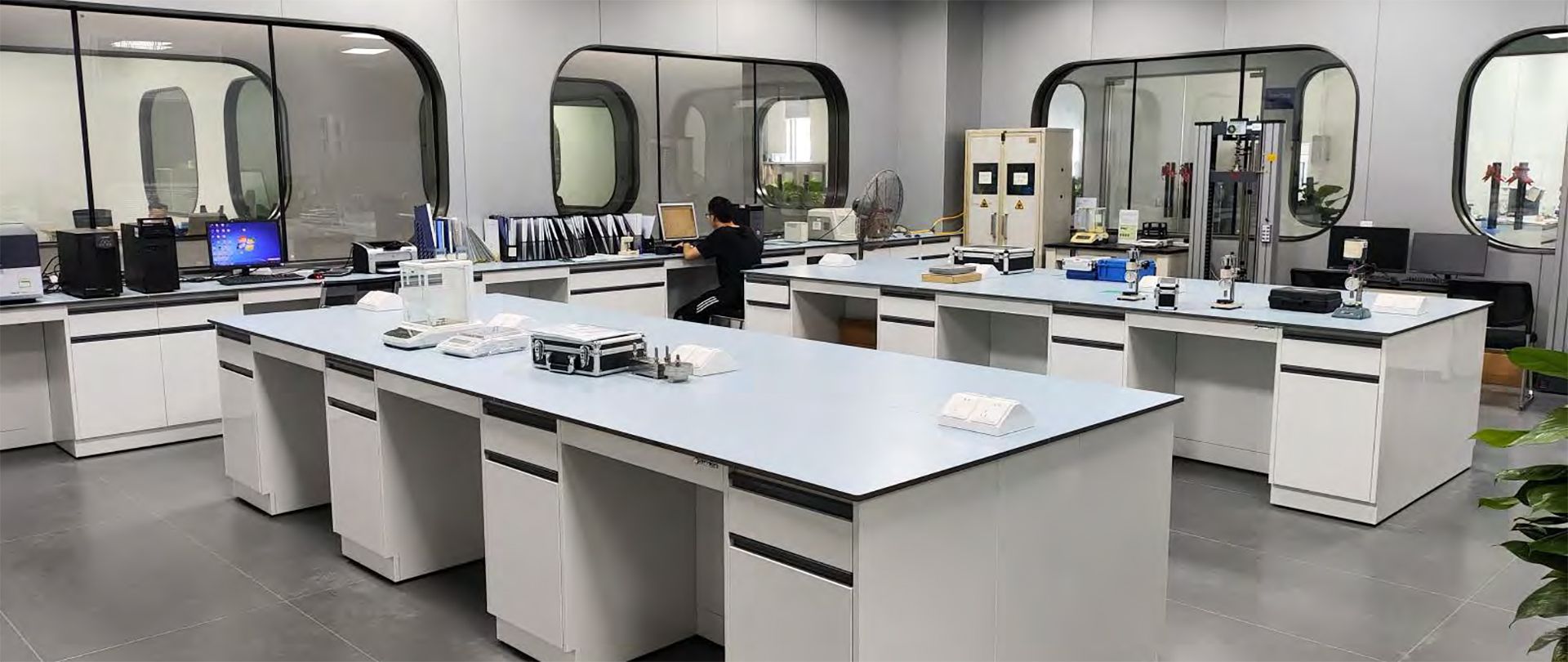
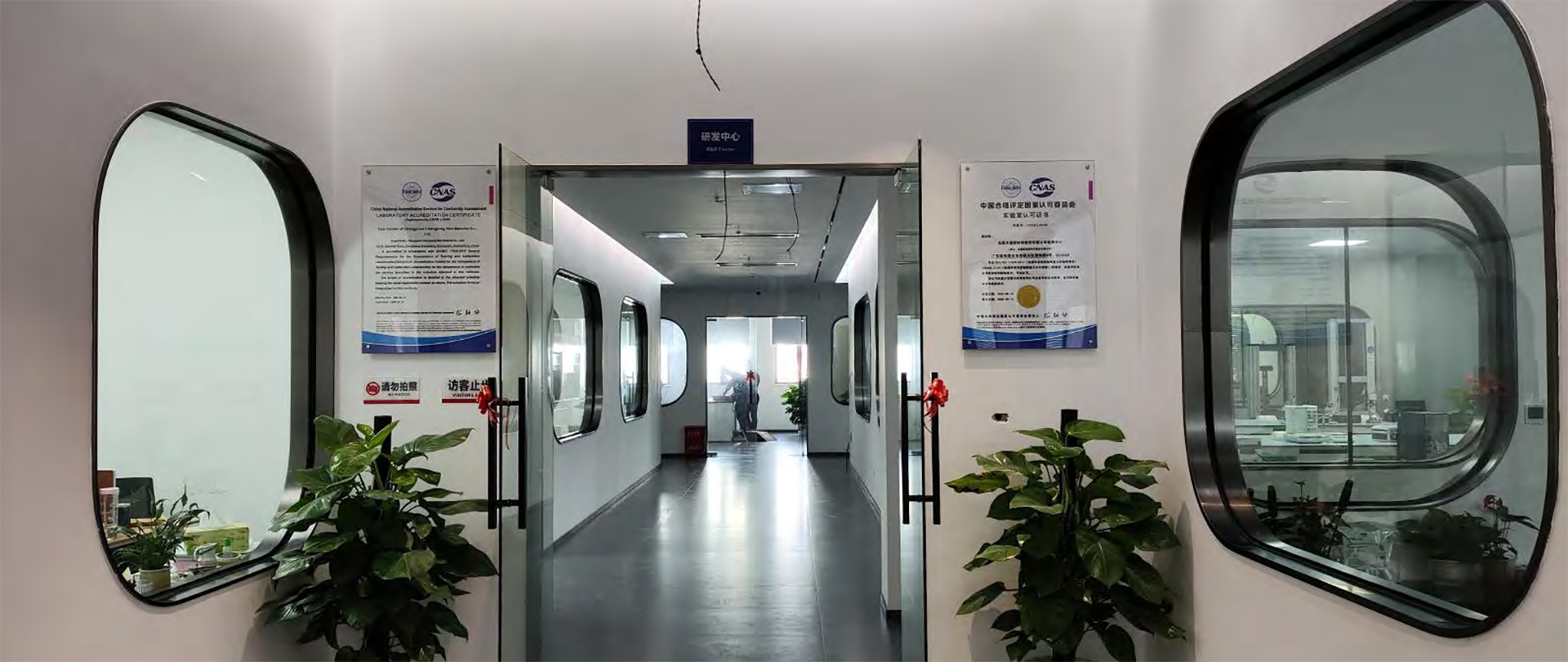
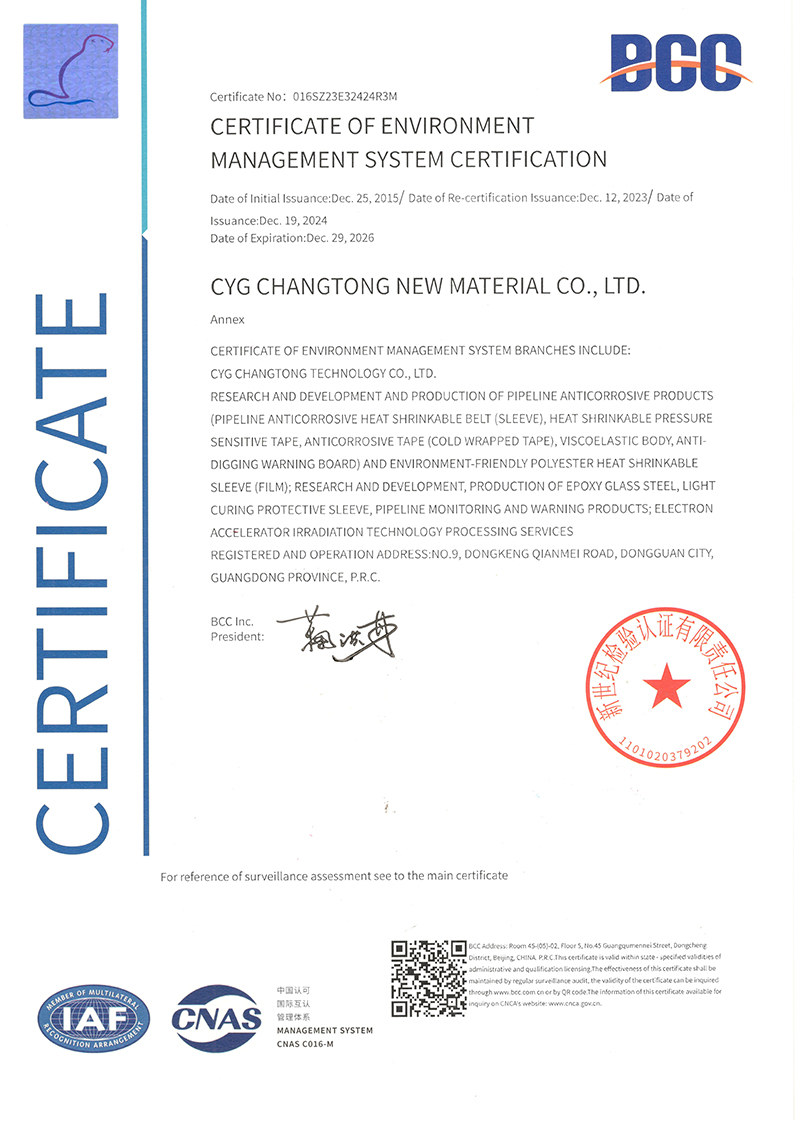
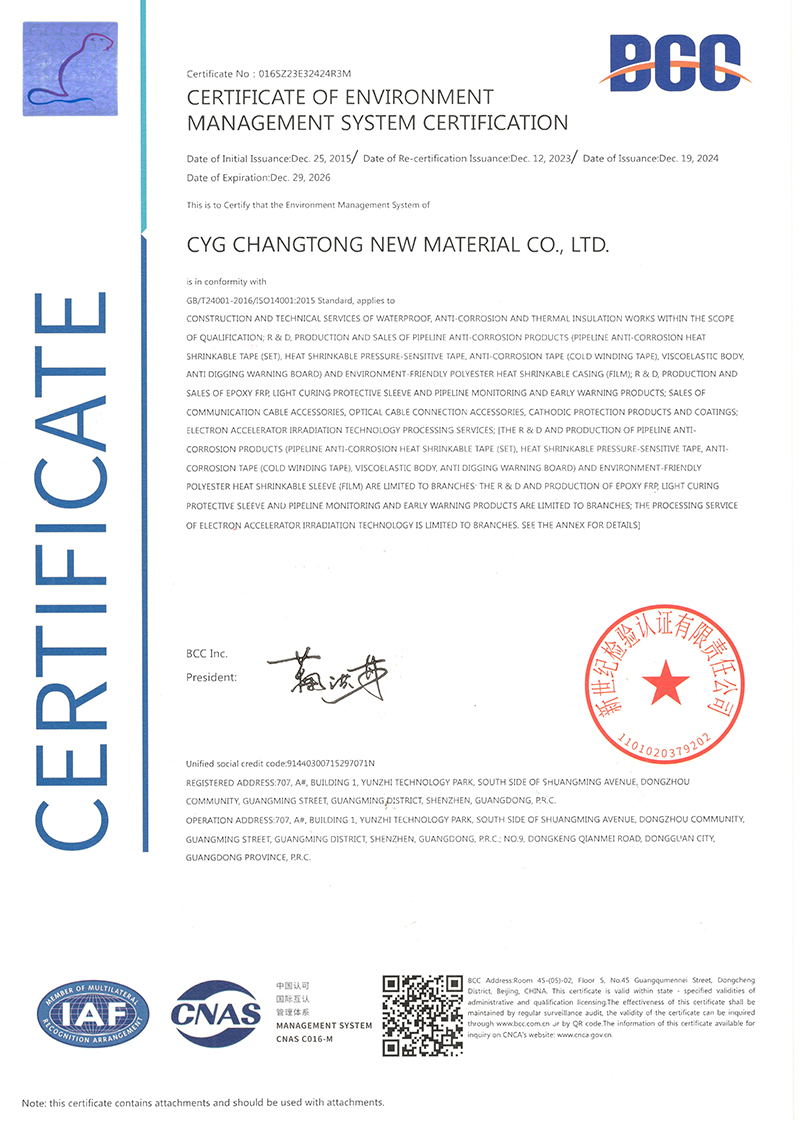
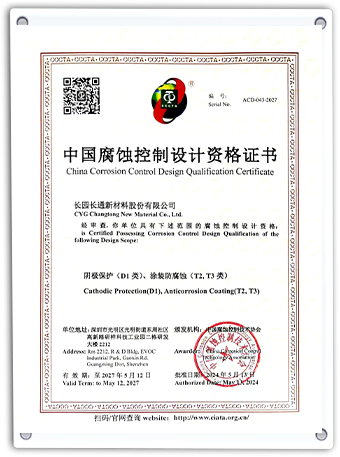
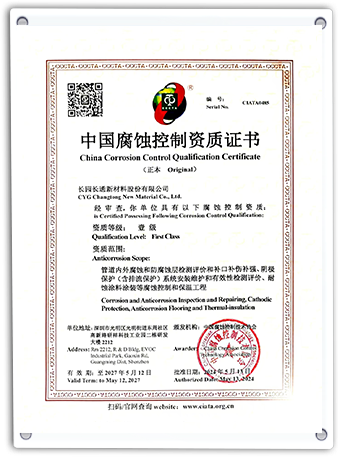
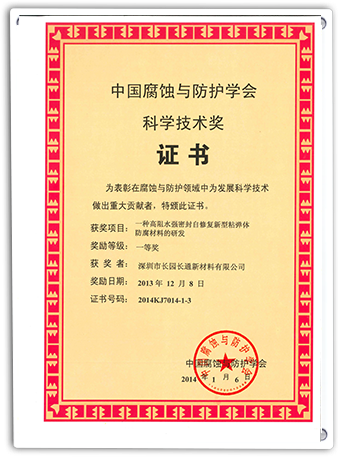
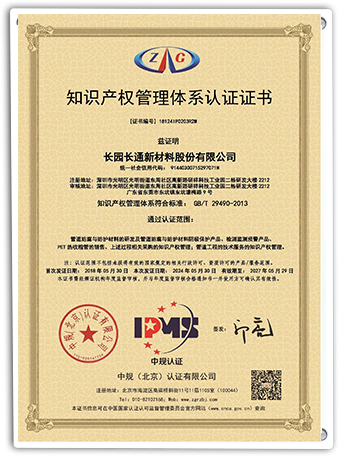
Council Member of the Chinese Society for Corrosion and Protection (CSCP) • Qualification Certificate of Corrosion Protection Construction • Qualification Certificate of Pipeline Detection • Well-known Brand of Pipeline Corrosion Protection in China • Corporate Member of China Association of Petroleum Engineering Construction (CAPEC) • State-Level High-Tech Enterprise with more than ten proprietary intellectual property rights.
Anti-corrosion materials must be matched to specific geographic and operational conditions to ensure performance.
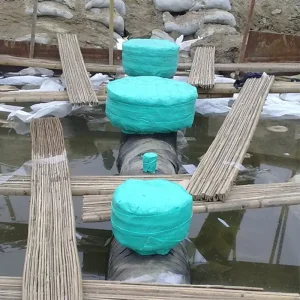
Cross-country pipelines transport products over long distances. High-shear heat-shrinkable sleeves, such as our FRDS Heat Shrinkable Tape, protect girth weld field joints from moisture and shear stresses.
Pulling pipes through directional boreholes subjects the coating to high friction and rock abrasion. CYCT's specialty photo-curing sleeves provide mechanical shielding, preventing damage during pull-back operations.
Urban utility lines require chemical-resistant coatings to prevent damage from contaminated soil run-off. Non-toxic, water-resistant sealants like our VE Putty provide long-term protection for irregularly shaped valves, tees, and flanges.
The protective coatings sector is changing due to environmental regulations and the need for simplified field application. Key developments include:
Deep-well extraction products are transported at elevated temperatures to maintain flow properties. Legacy coatings can soften at these temperatures, leading to failure. CYCT's high-temperature polymer formulations, such as our Hot Melt Stick PE Coating Repair materials, are designed to withstand service temperatures up to 85°C.
Viscoelastic adhesives provide continuous cold-flow performance, enabling them to self-heal minor mechanical punctures. By maintaining contact with the substrate, viscoelastic systems prevent water migration beneath the coating.
Regulatory frameworks such as REACH and RoHS limit the use of toxic solvents and heavy metals. Modern viscoelastic sealants and hot-melt adhesives are formulated to be VOC-free and safe for drinking water pipelines.
A technical roadmap for pipeline procurement officers and corrosion control engineers.
Select coatings that match the pipeline's primary coating (typically 3LPE, 3LPP, or FBE). The field joint system must bond securely to both the steel substrate and the mill-applied parent coating.
High clay content soils expand and contract with moisture changes, applying shear stress to pipeline coatings. Specifying thick-backed, high-density cross-linked backing protects the joint from soil movement.
Pipelines undergo temperature fluctuations during startup and shutdown. Materials must be tested to ensure adhesive bonds remain stable under thermal cycling.
Technical answers from CYCT’s Senior Pipeline Integrity Engineering Division.
Explore our technical range of high-performance viscoelastic systems, PE outer tapes, and heavy-duty shrinkable tubes.
 CYCT
CYCT