Engineered for high performance, thermal stability, and corrosion prevention across global pipeline networks.
In the modern energy infrastructure landscape, thermal limits are continuously pushed. Modern oil and gas extraction processes operate at significantly elevated temperatures to optimize flow dynamics and reduce viscosity. This evolution demands specialized High-Temperature Heat Shrink Tubing and joint protection sleeves capable of maintaining structural and chemical integrity under continuous heat exposure.
Industrial trends indicate a rapid migration from conventional 60°C systems toward advanced cross-linked polypropylene (PP) and high-density polyethylene (HDPE) formulations capable of sustaining operational temperatures up to 85°C, 110°C, and even 120°C+. The global market demands materials that resist hydrothermal aging, soil stress, shear forces, and cathodic disbondment over a design life exceeding 30 years.
As environmental regulations tighten, there is also a clear shift towards non-toxic, solvent-free materials. Innovations such as viscoelastic putties and reactive hot-melt stick repair solutions ensure that joint coatings behave as a holistic anti-corrosion barrier compatible with standard parent coatings (e.g., 3LPE, 3LPP, FBE).
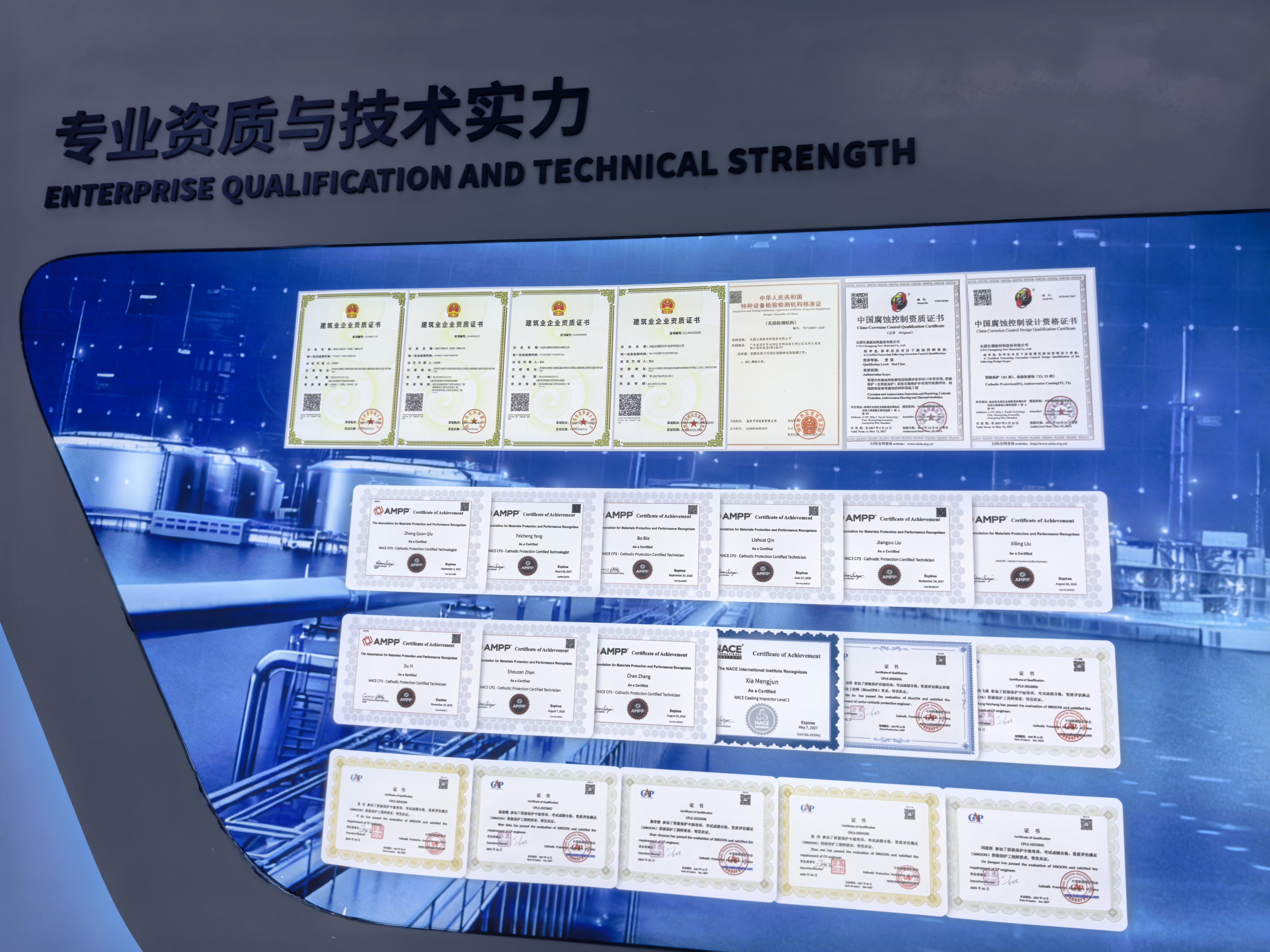
Understanding the critical specifications and testing standards required by multi-national energy grids, EPC contractors, and international oil companies.
Procuring agencies mandate zero-failure track records in cathodic protection shielding. Custom adhesive formulations must prevent moisture permeation even when subjected to cyclic thermal stresses and variable soil movement.
Products must carry type approvals matching international criteria: ISO 21809-3, EN 12068 class C, and ASTM specifications. Complete traceability from base resin polymerization to cross-linking irradiation is standard requirement.
No two pipeline systems are identical. Suppliers are assessed by their ability to provide custom diameter ratios, varying backing thicknesses, specific adhesive compositions (viscoelastic or hot melt), and tailored field joint designs.
CYCT's modern manufacturing facilities incorporate Factory 4.0 principles to deliver unprecedented material reliability. The production process integrates automated multi-layer co-extrusion with real-time thickness profiling. Utilizing advanced industrial electron accelerators, CYCT controls the cross-linking density of the polyolefin backing with microscopic precision. This guarantees uniform shrinkage, optimum elasticity, and superior resistance to environmental stress cracking.
By vertical integration of raw polymer blending, radiation processing, and adhesive formulation under one roof, we eliminate intermediate supply chain variations. Our high-capacity production systems protect global buyers from sudden supply shocks, ensuring timely shipments to pipeline corridors globally. For mega-projects requiring custom-sized sleeves, our rapid prototyping and continuous run capabilities significantly compress procurement lead times.
Where standard materials degrade, CYCT's high-temperature engineering solutions excel. Explore specific industrial deployment scenarios.
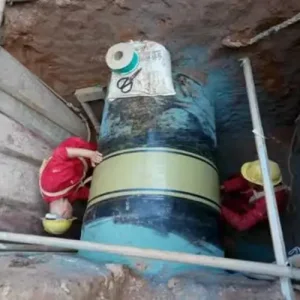
Trenchless pipeline installations subject coatings to extreme frictional forces and rock abrasions. Our specialized Epoxy FRP systems and photo-curing sleeves offer extreme mechanical protection, preventing gouging of primary anti-corrosion barriers.
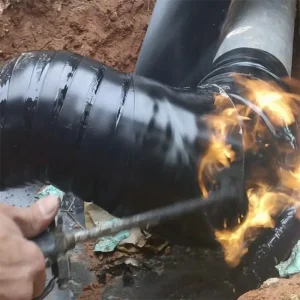
Industrial processing pipelines transporting heavy crude require continuous heating. Our specialized PP heat shrink field joint sleeves operate continuously at high temperatures without adhesive flow, keeping the steel dry and completely free of corrosion.
Offshore oil risers and shallow-water submerged pipelines endure continuous electrolyte immersion. CYCT's systems leverage high-performance mastic and hot-melt backings to form an impermeable seal against salt diffusion and localized pitting.
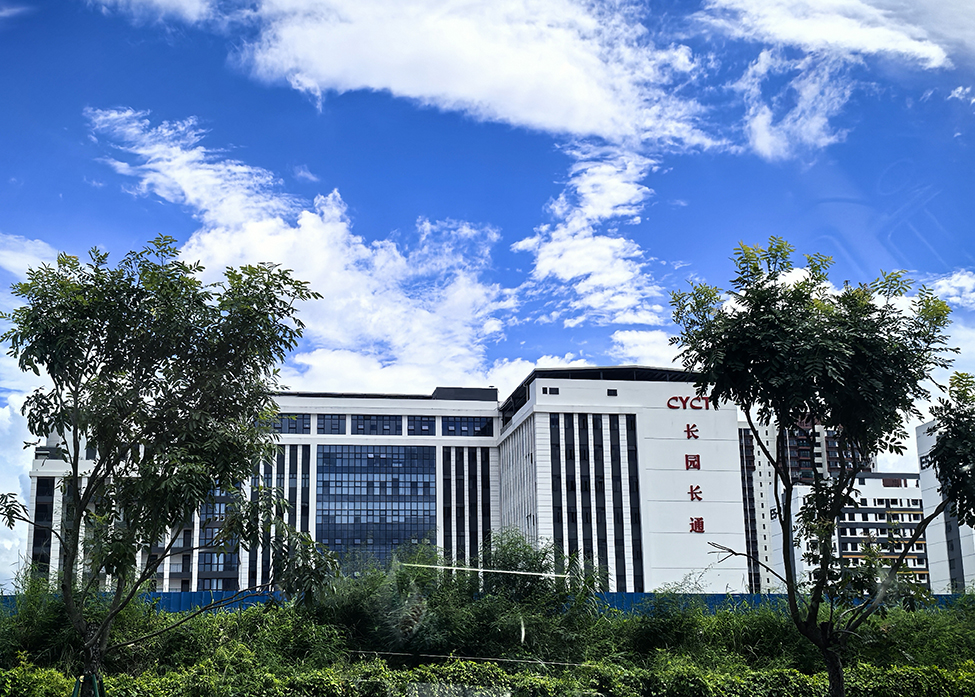
Founded in 2000, CYCT New Materials Company Limited is a premier state-level high-tech enterprise dedicated to the R&D, advanced manufacturing, and sales of pipeline corrosion protection materials. Over several decades, CYCT has developed complete integrated capabilities, encompassing buried pipeline detection services and professional coating field application engineering.
We operate a leading-edge R&D center and national CNAS-accredited testing laboratory. Through strategic cooperation with prestigious engineering bodies like the CNPC Pipeline Science Research Institute, we possess the scientific capability to deliver end-to-end solutions. This extends from initial corrosion analysis to designing specific protective systems and performing pipeline rehabilitation projects.
CYCT is recognized as a strategic, stable supplier for major energy corporations, holding major market shares within PetroChina, Sinopec, PipeChina, and various municipal gas networks. Internationally, our materials protect crucial pipeline corridors, including networks operated by Indian Oil and other regional operators.
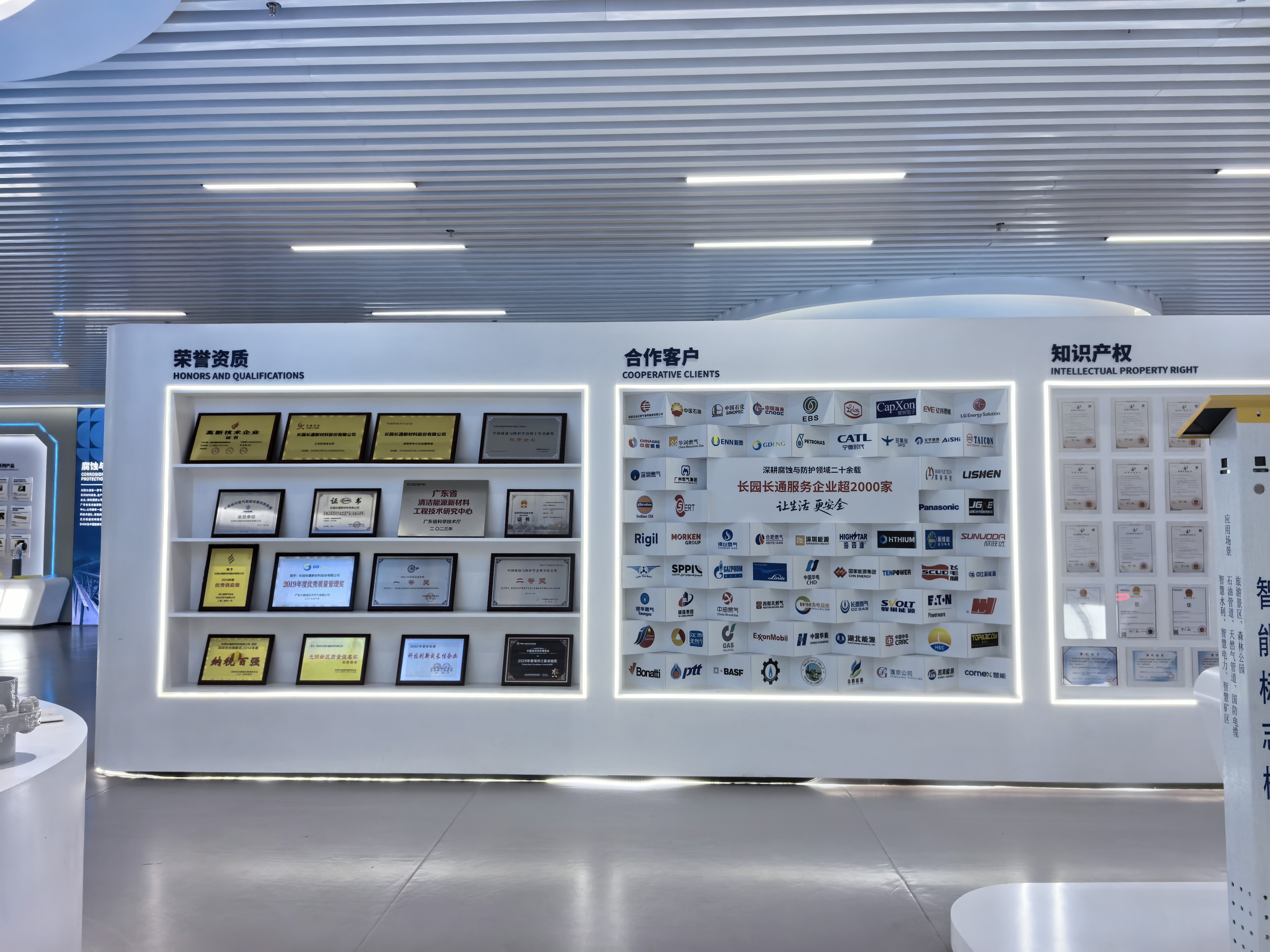
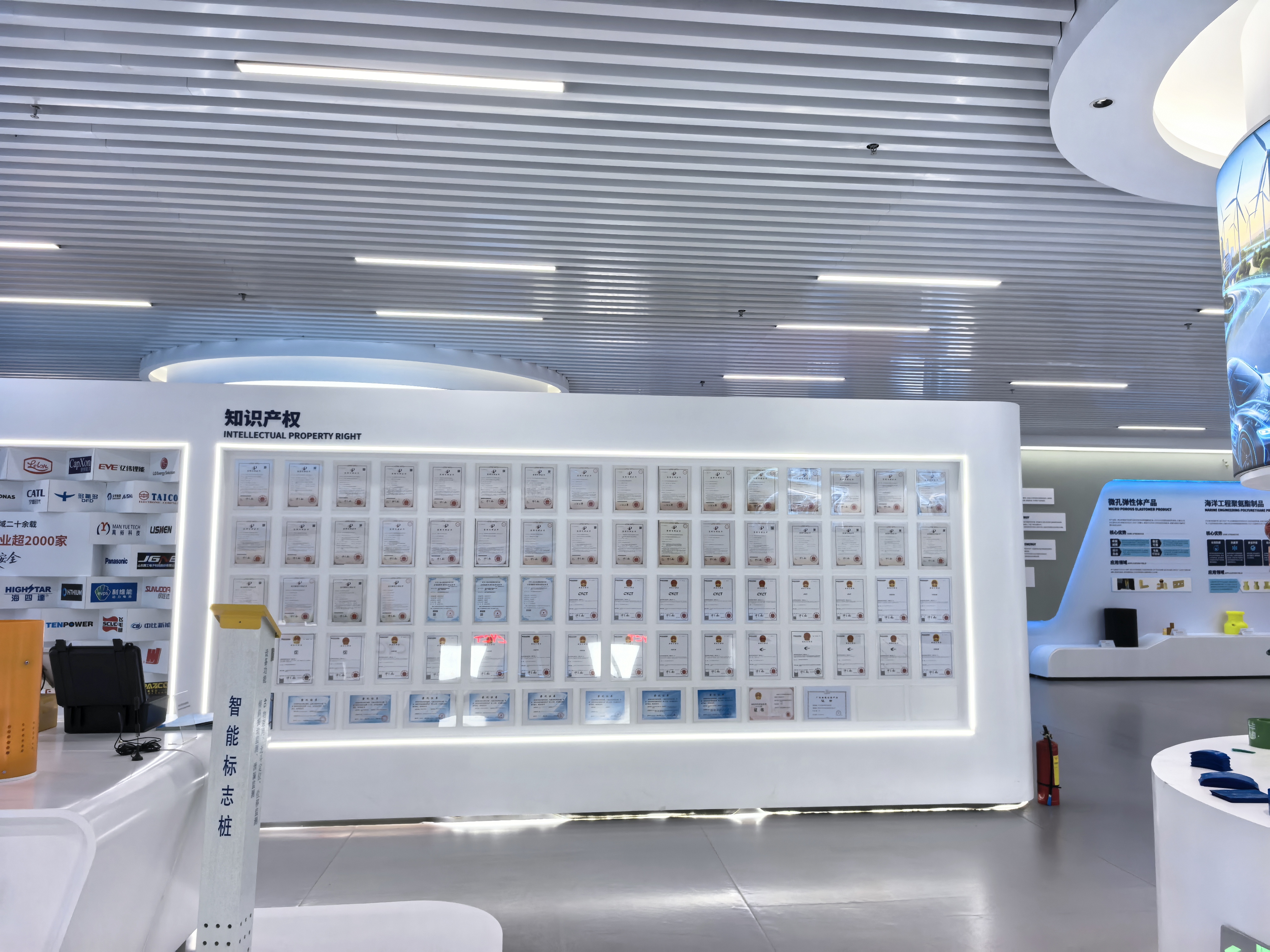
A showcase of our modern industrial manufacturing base and state-of-the-art CNAS laboratory facilities.
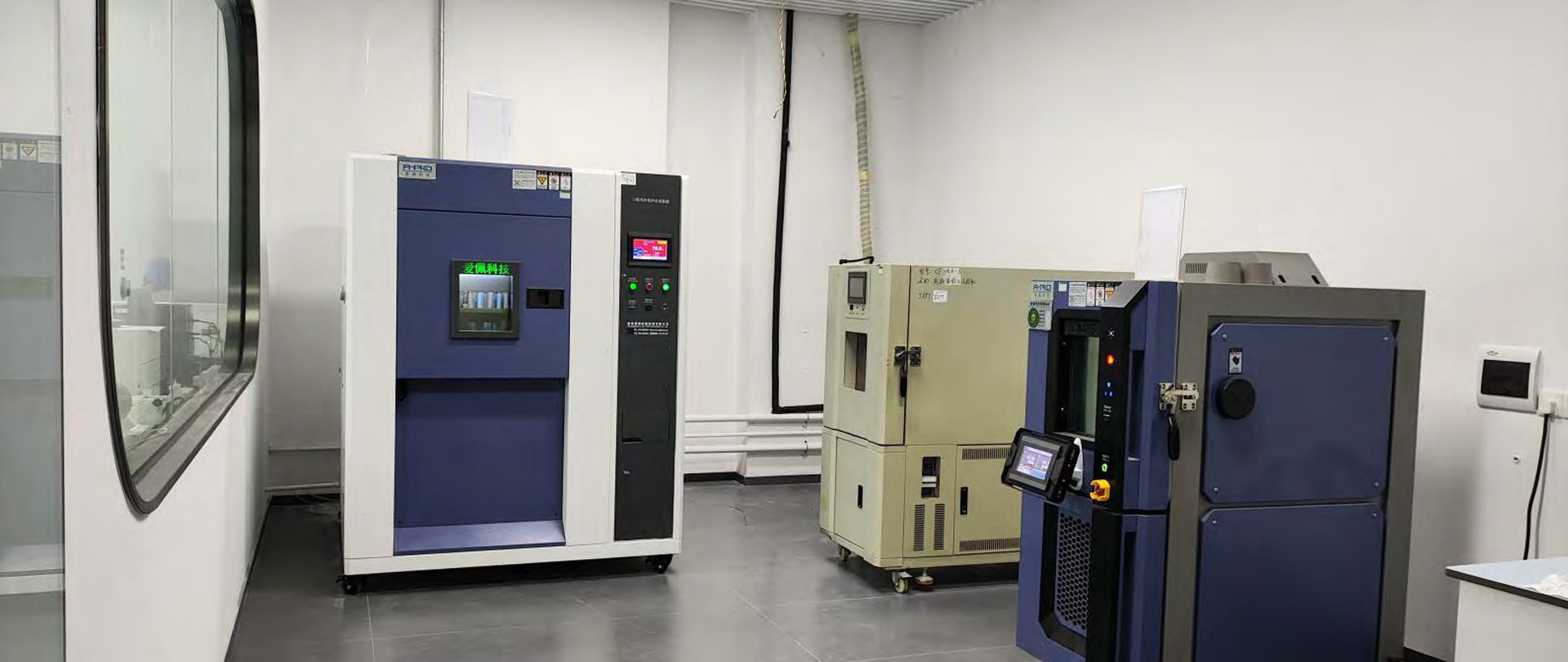
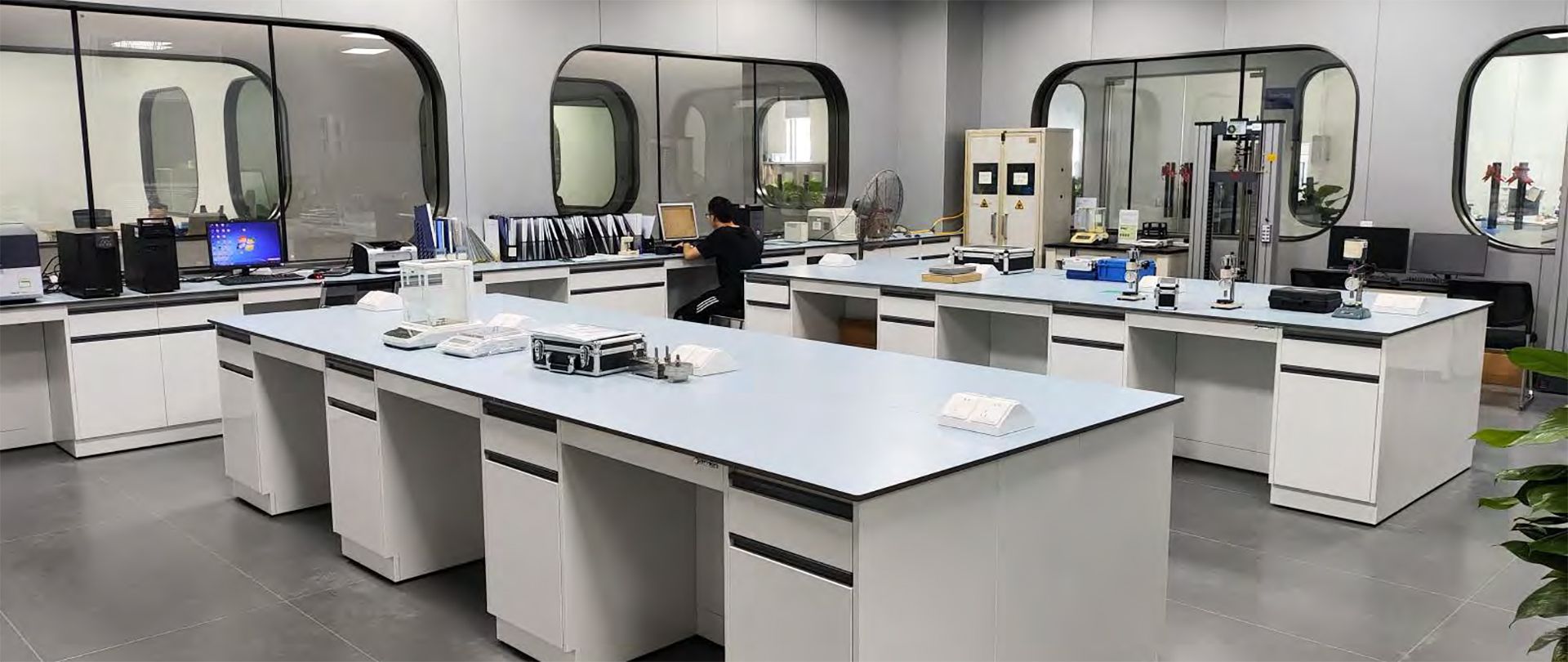
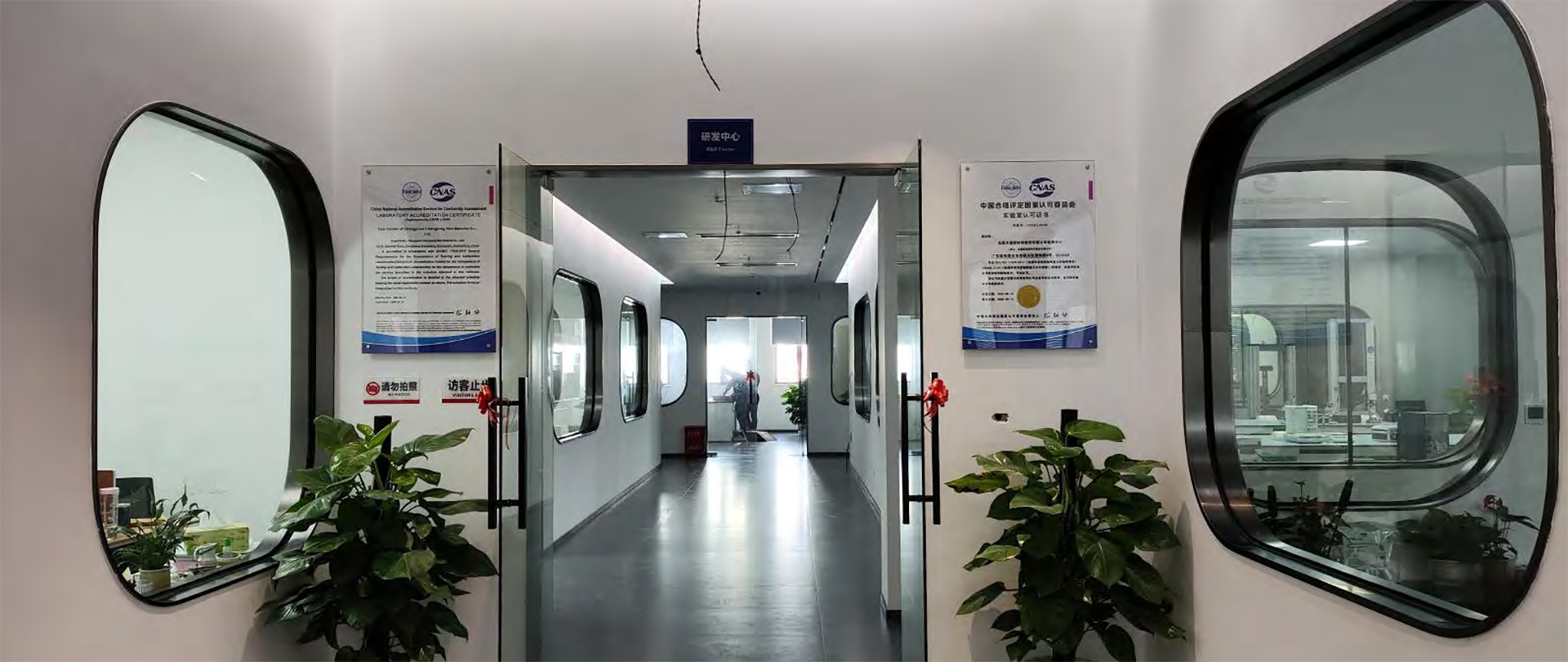
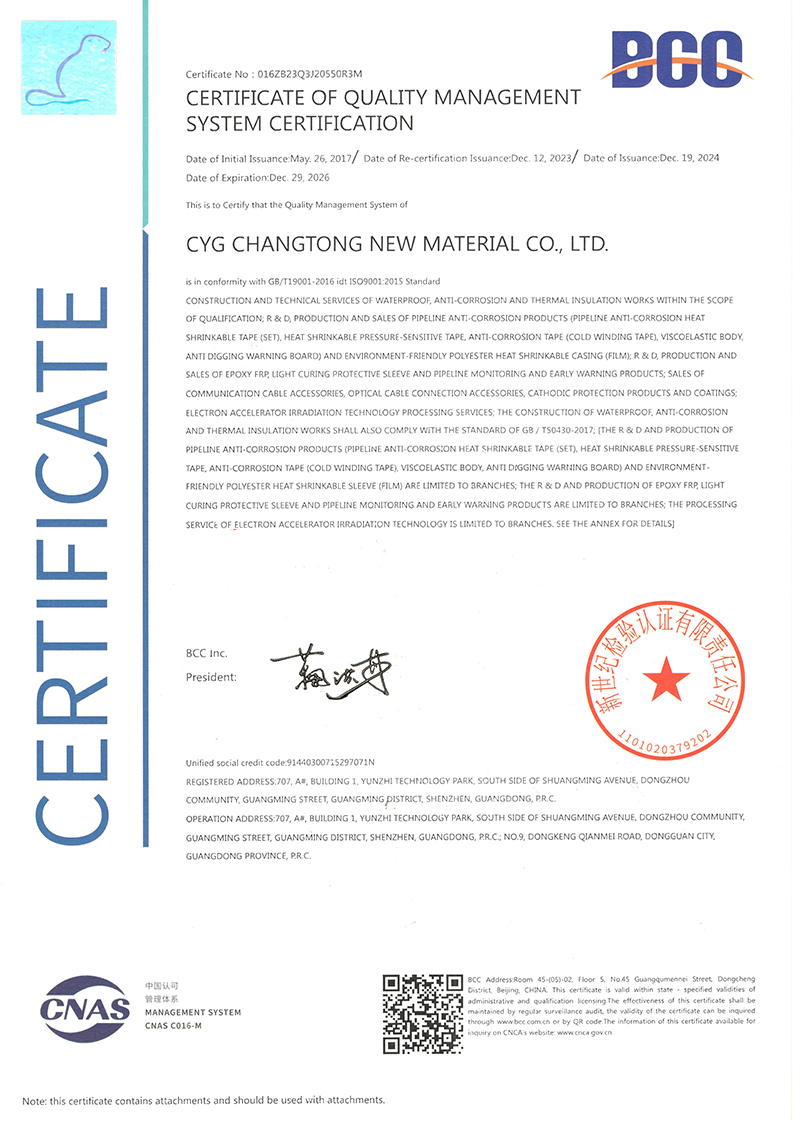
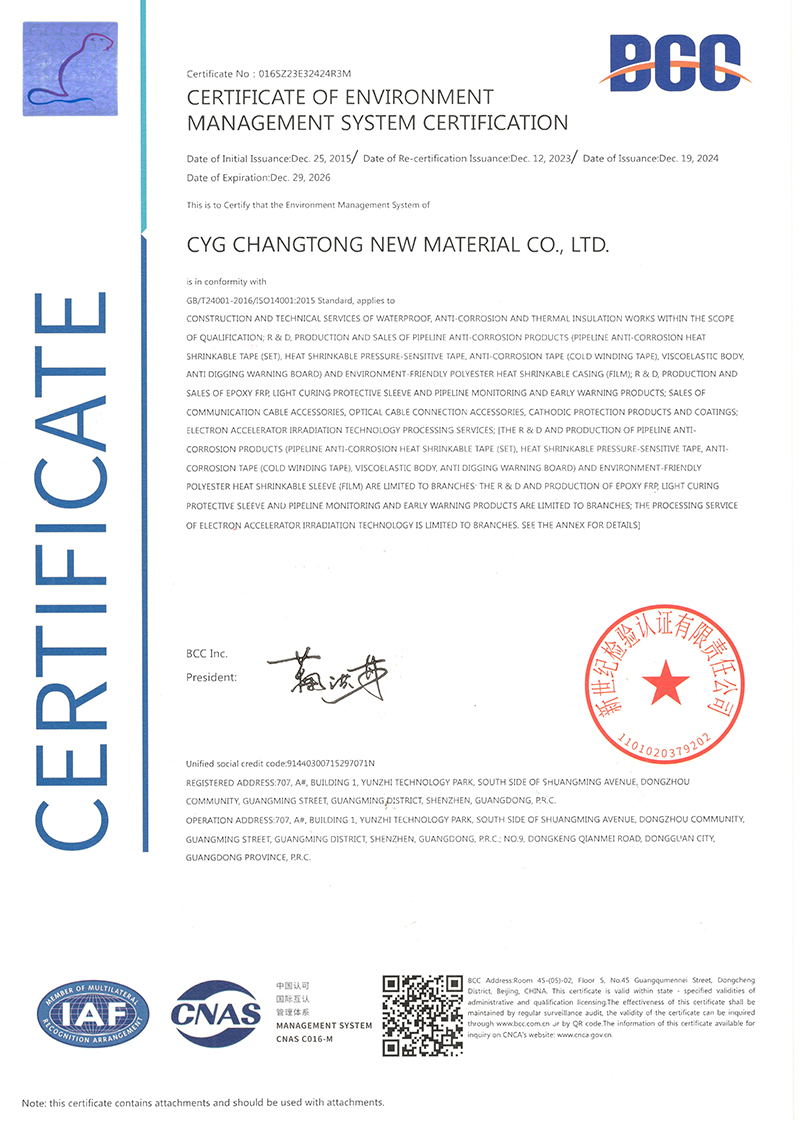
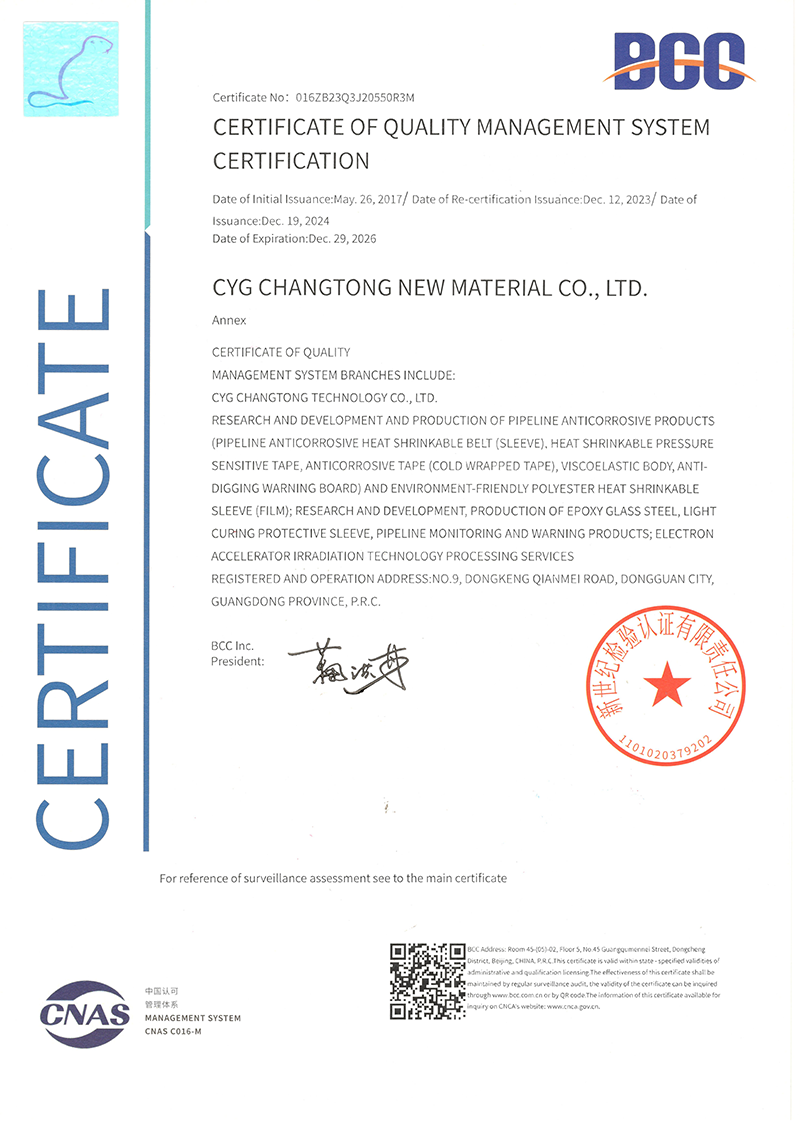
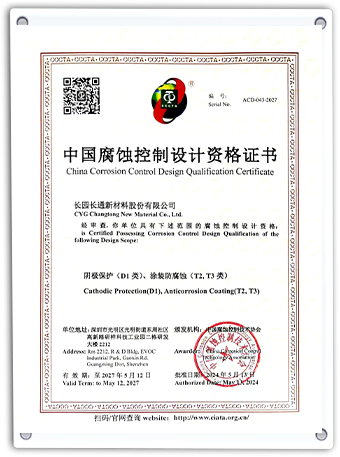
Certified quality. Our products undergo third-party validation and meet rigorous structural parameters globally.
CYCT is a proud Council Member of the Chinese Society for Corrosion and Protection (CSCP), holds Qualification Certificates of Corrosion Protection Construction, Pipeline Detection, and is a corporate member of the China Association of Petroleum Engineering Construction (CAPEC).
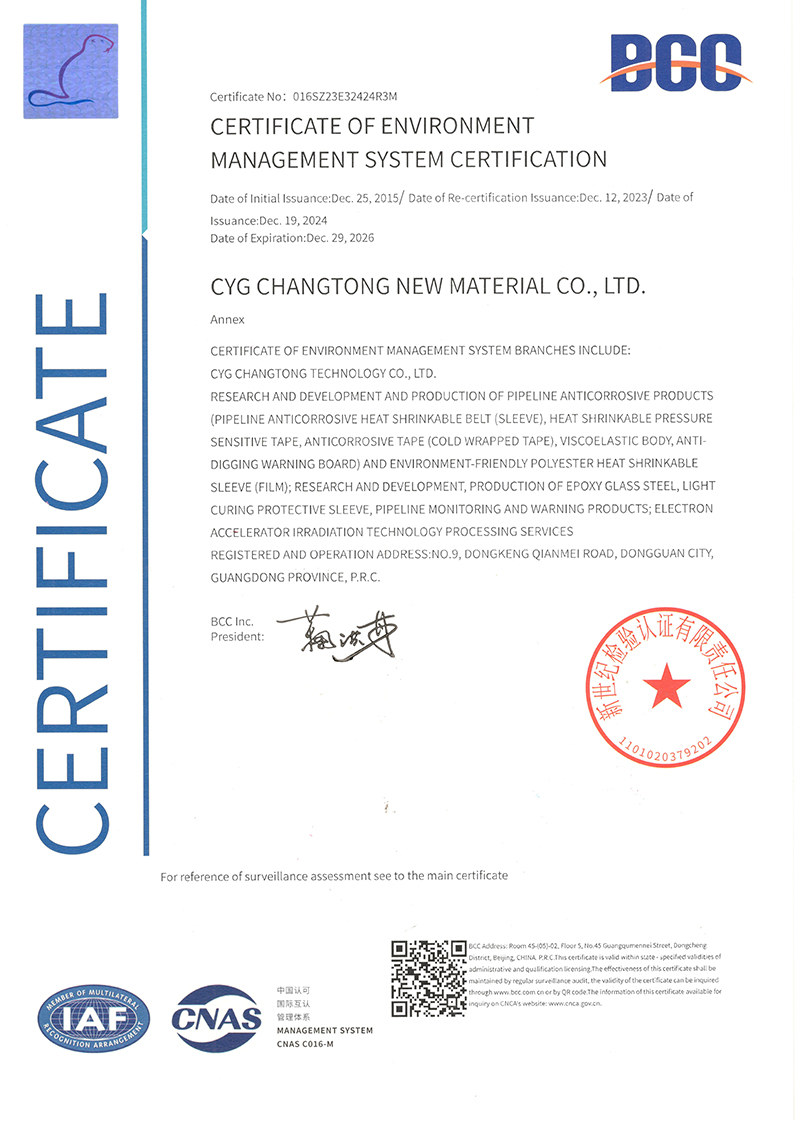
Expert engineering insights regarding installation, testing, and selection of pipeline heat shrink materials.
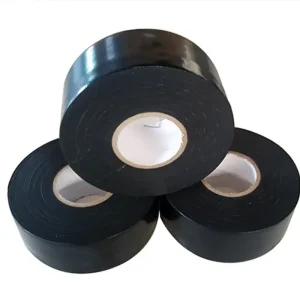
Explore our complete catalog of field-applied pipeline joint protectors, repair patches, and high-temp mastic tapes.
 CYCT
CYCT