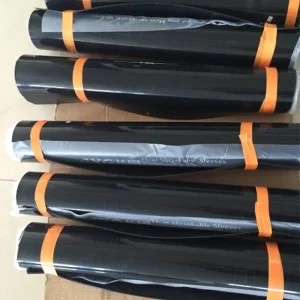
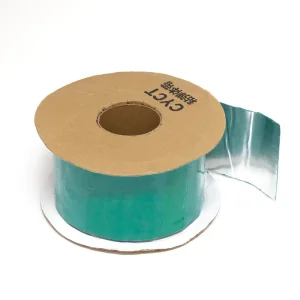
Engineered for high-temp environments, specialized substrate interfaces, and aggressive environmental conditions.
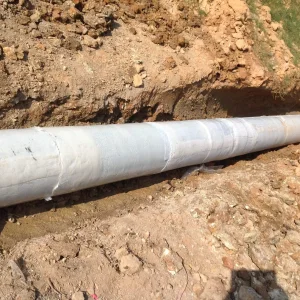
Buried transport pipelines and oceanic conduits operate under relentless environmental strain. Underneath soil layers and submerged in high-salinity zones, electrochemical degradation threatens structural stability. As leading OEM Heat Shrinkable Wraparound Tape Manufacturers & Suppliers, CYCT specializes in configuring high-durability joint coatings that act as robust moisture barriers and prevent cathodic disbondment.
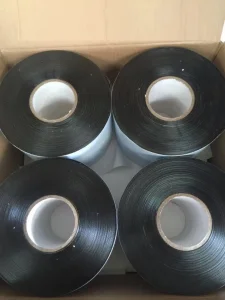
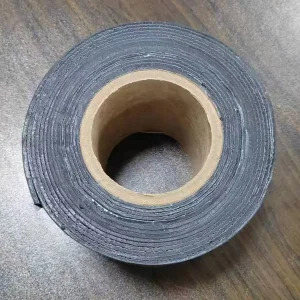
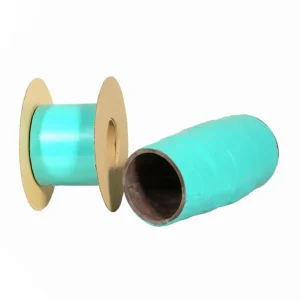
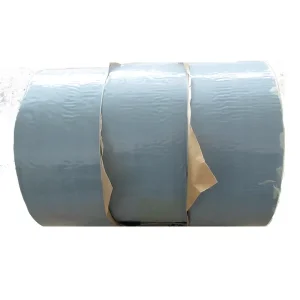
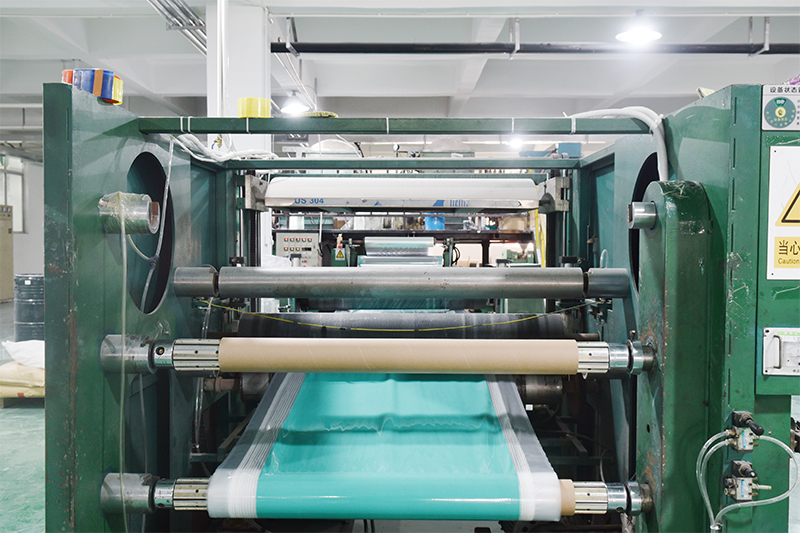
Modern heat shrinkable wraparound tapes are composite protective systems featuring a radiation crosslinked high-density polyethylene (HDPE) backing coated with a specialized viscoelastic mastic or hot-melt co-polymer adhesive. The manufacturing process involves high-energy electron beam irradiation of the backing layer, which locks in a permanent "elastic memory". Under uniform heating during application, the tape shrinks rapidly to form a tight compression seal over the pipe surface.
Engineering Breakthrough: The chemical formulation of the internal adhesive layer determines the long-term shear resistance of the joint. By incorporating advanced elastomeric modifiers, CYCT's adhesive layer remains pliable down to arctic temperatures while resisting creep and sag at pipeline operational limits of up to 85°C.
The primary advantage of a wraparound layout compared to tubular heat-shrink sleeves is its installation versatility. Tapes can be applied seamlessly around pre-existing pipeline structures, complex fittings, bends, and T-joints, without requiring the dismantling of existing installations. This eliminates shutdown costs and maximizes utility throughput during infrastructure upgrades.
Balancing cost-efficiencies with rigorous safety benchmarks in high-risk engineering sectors.
Ensuring the field joint coating chemically integrates with the factory-applied 3LPE, 3LPP, or FBE parent coatings. High peel strength and zero chemical degradation at interfaces are essential criteria.
Pipelines with active cathodic protection require wraparound tapes that resist disbondment under long-term electrochemical potential, as validated by ASTM G42 testing.
High-rate transmission pipelines operate at elevated temperatures. Utilizing stabilizers within the polymer matrix prevents oxidative degradation and extends operational life beyond 30 years.
Year Established
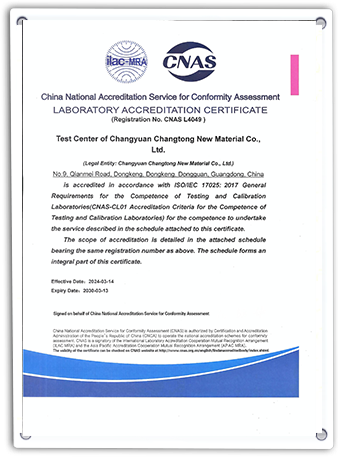
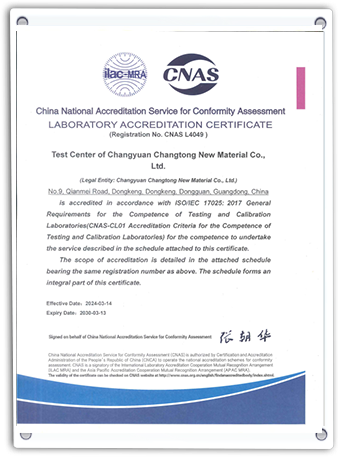
Accredited Laboratory
Corporate Membership
Proprietary Patents
Founded in 2000: An Authority in Pipeline Protection & Advanced Composite Materials
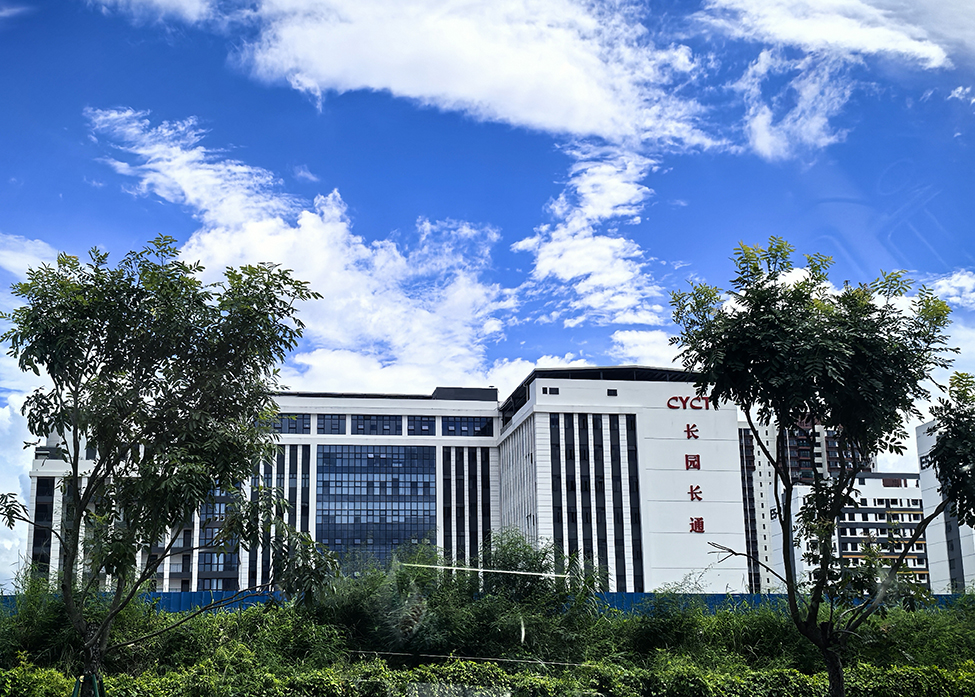
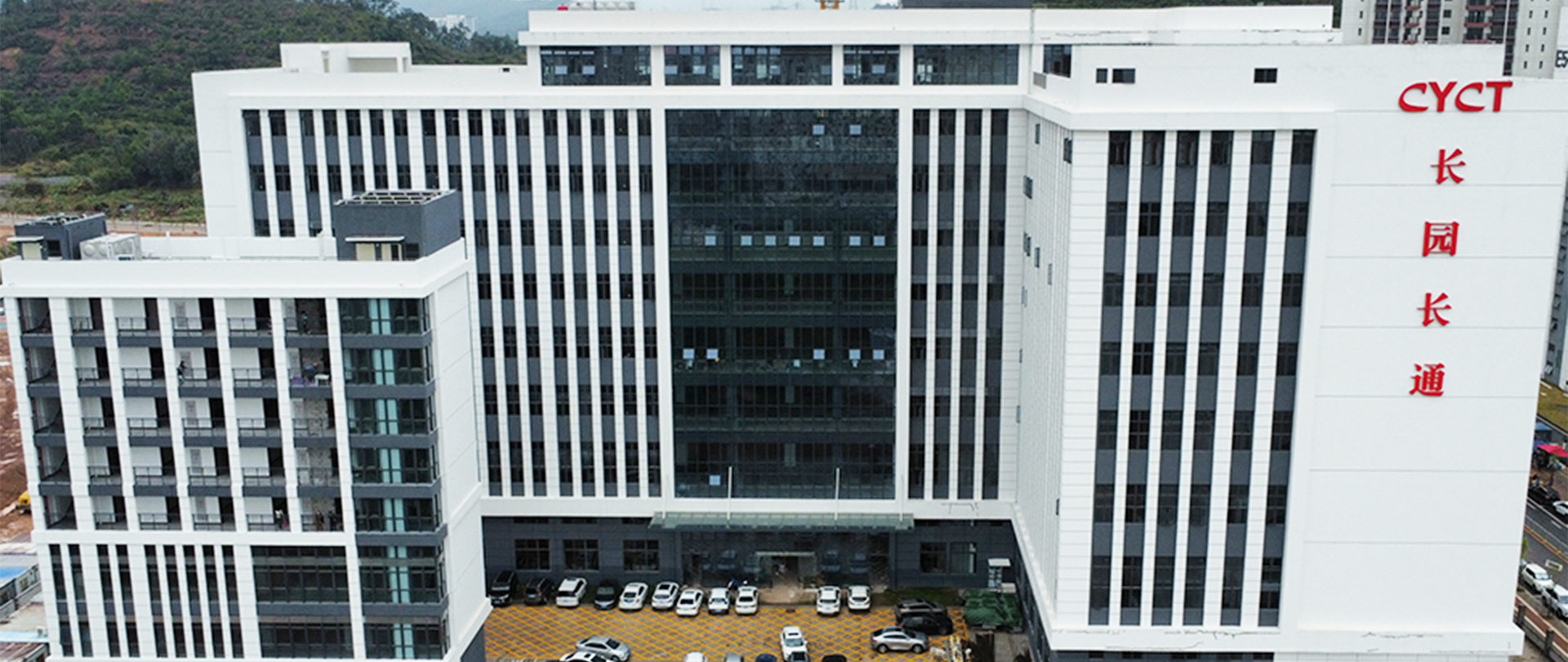
CYCT New Materials Company Limited (for short, CYCT) is a state-level high-tech enterprise integrating R&D, production, and sales of pipeline corrosion protection materials as well as buried pipeline detection services and pipeline coating field application services. With a commitment to engineering integrity spanning over two decades, CYCT dedicates itself to pioneering technologies in pipeline corrosion mitigation.
CYCT owns leading testing and R&D capabilities, supported by a professional R&D team and a national CNAS-accredited laboratory. Our long-term collaborative relationship with leading scientific institutes, including the CNPC Pipeline Science Research Institute, enables us to offer integrated, end-to-end solutions for in-service pipeline management. This includes buried pipeline detection, design schemes, cathodic protection, rehabilitation projects, and advanced safety envelopes.
As a trusted partner, CYCT has served as a stable supplier of field joint coatings for years to PetroChina, Sinopec, PipeChina, China Gas Group, and Indian Oil. In addition to our core tape solutions, we have successfully developed specialty corrosion protection systems, including viscoelastic anti-corrosion materials, photo-curing sleeves for HDD protection, and specialized polyurea coatings.
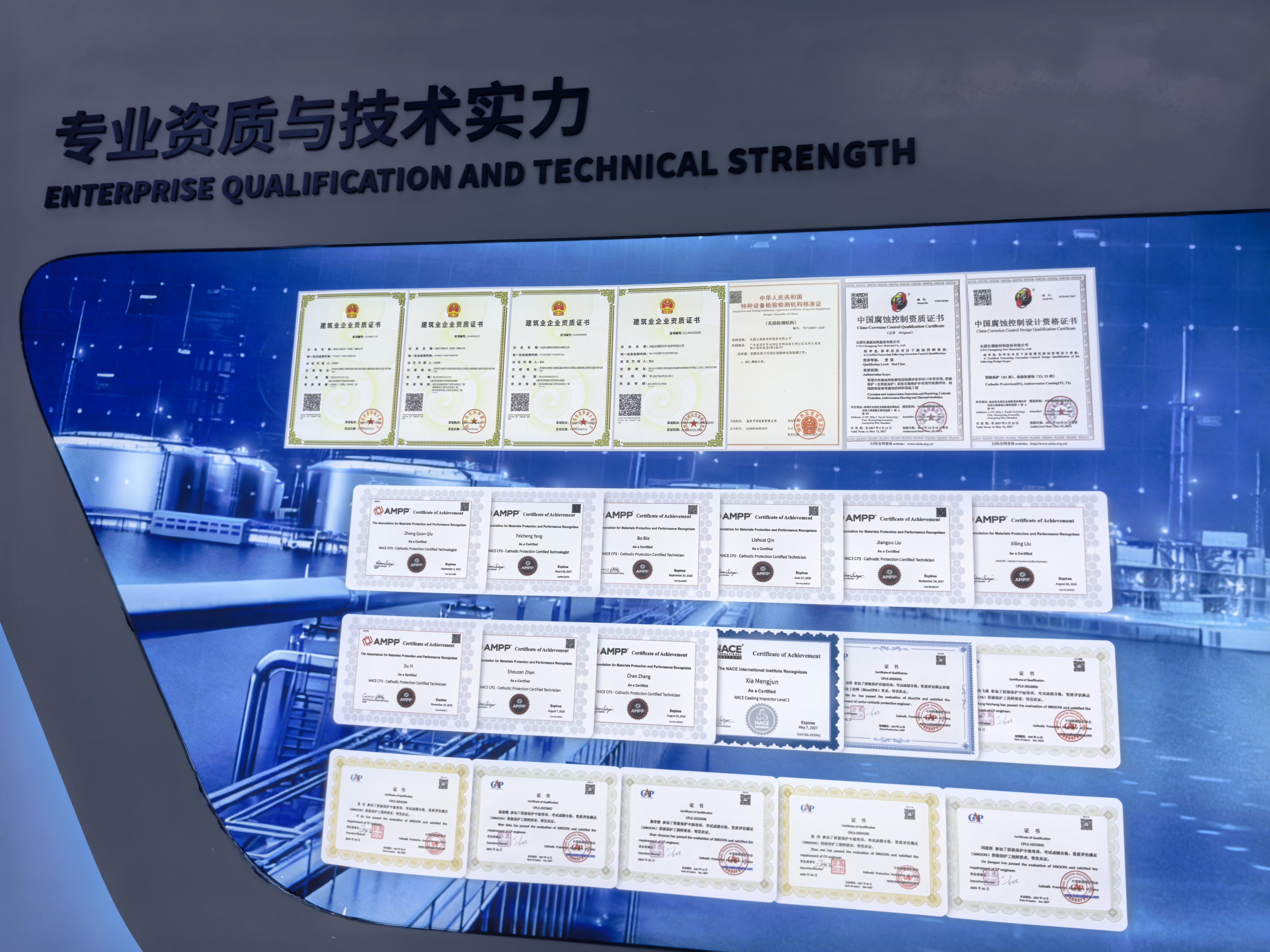
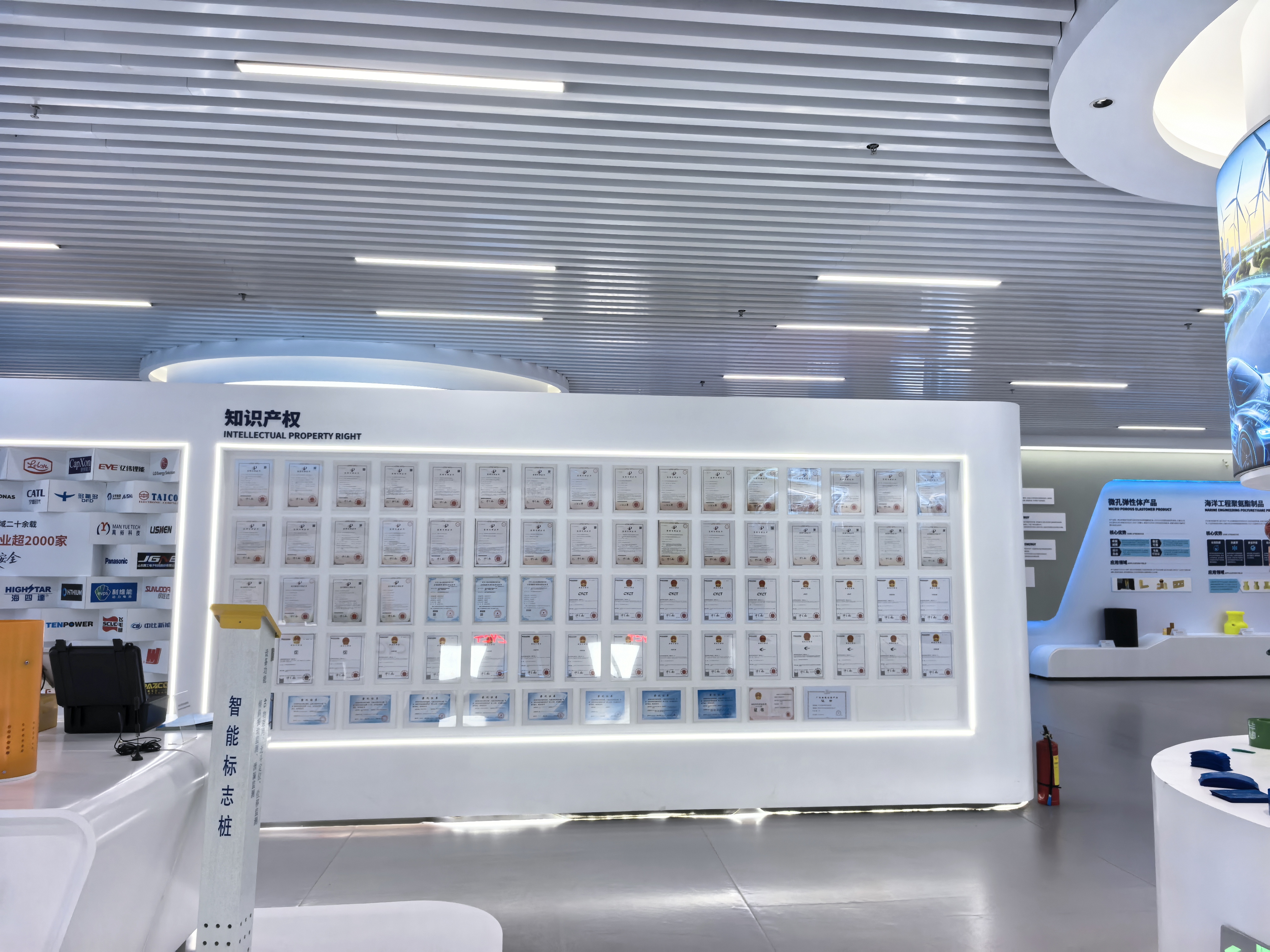
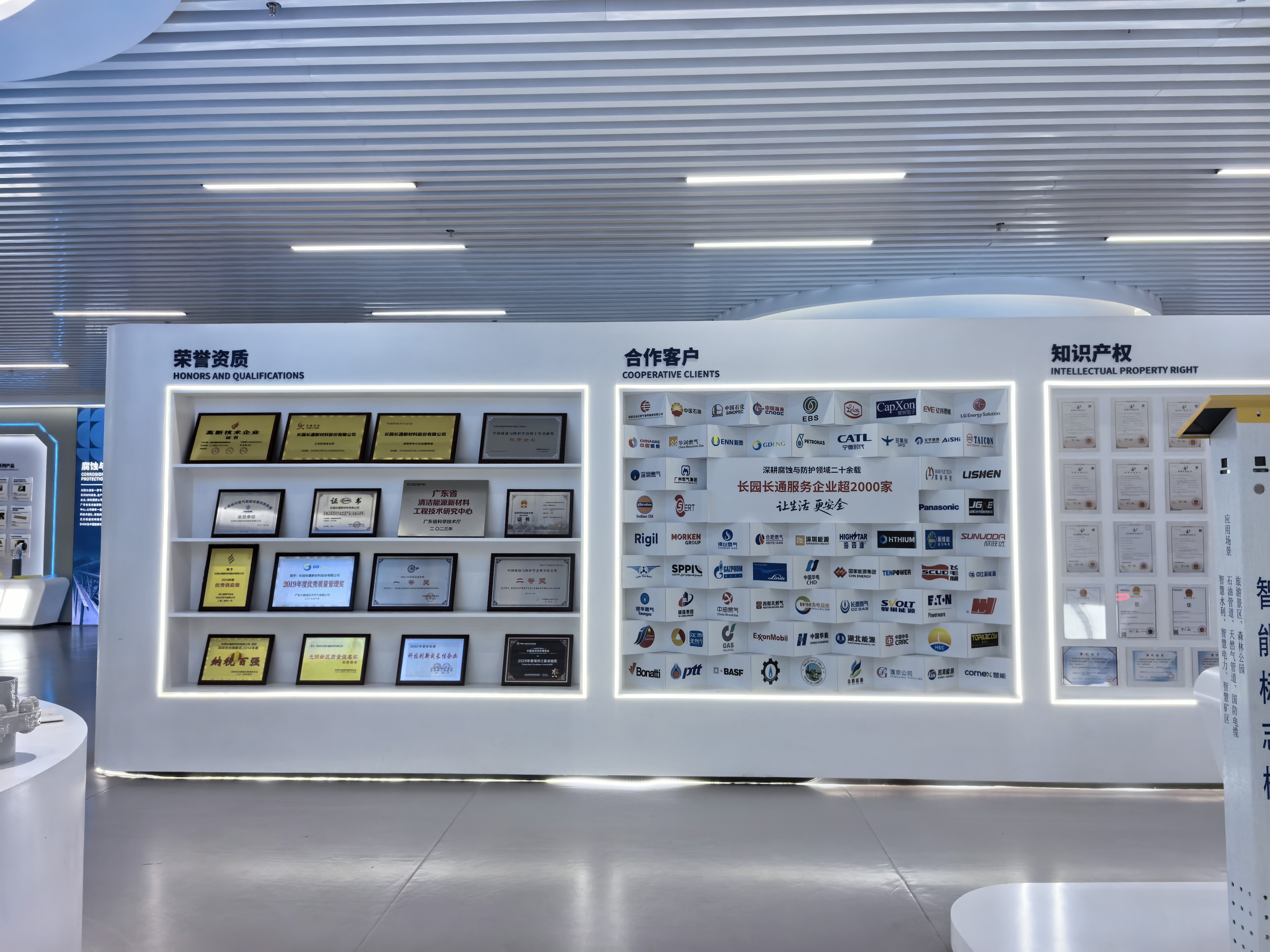
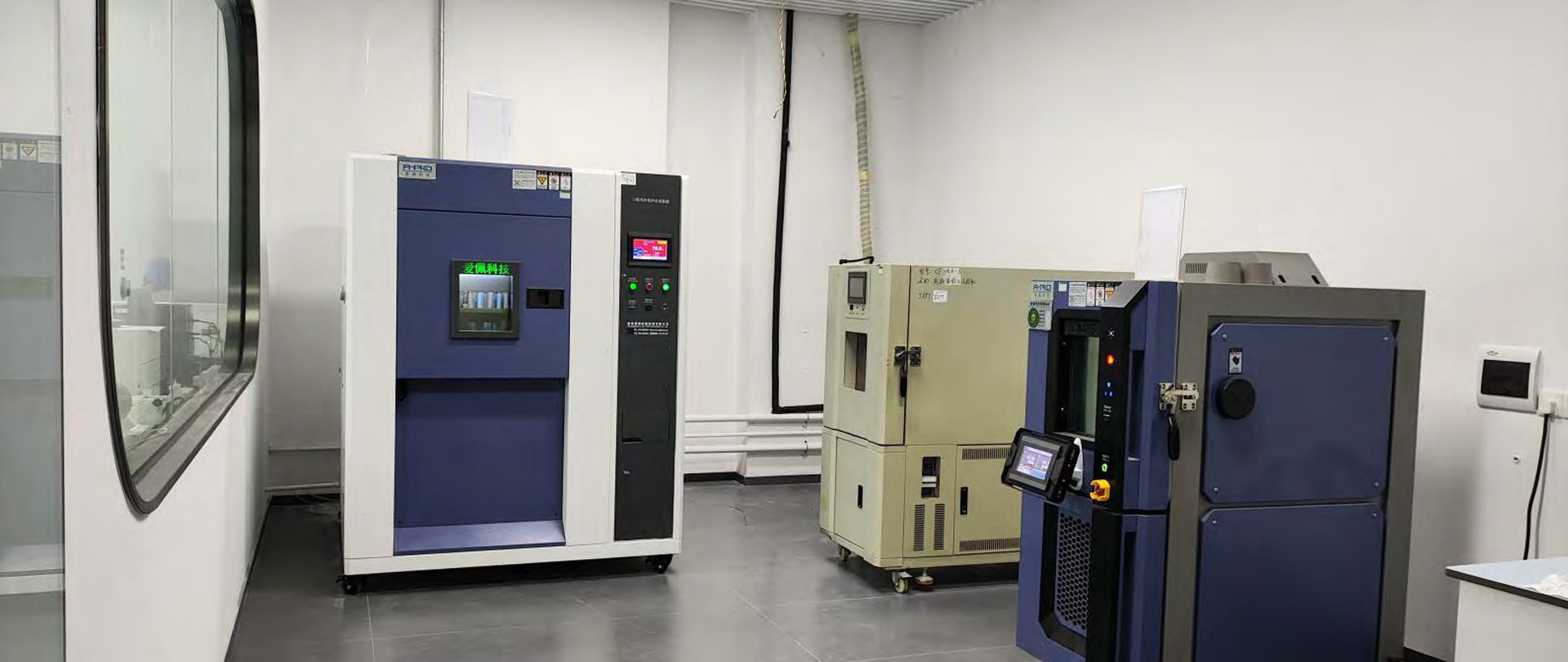
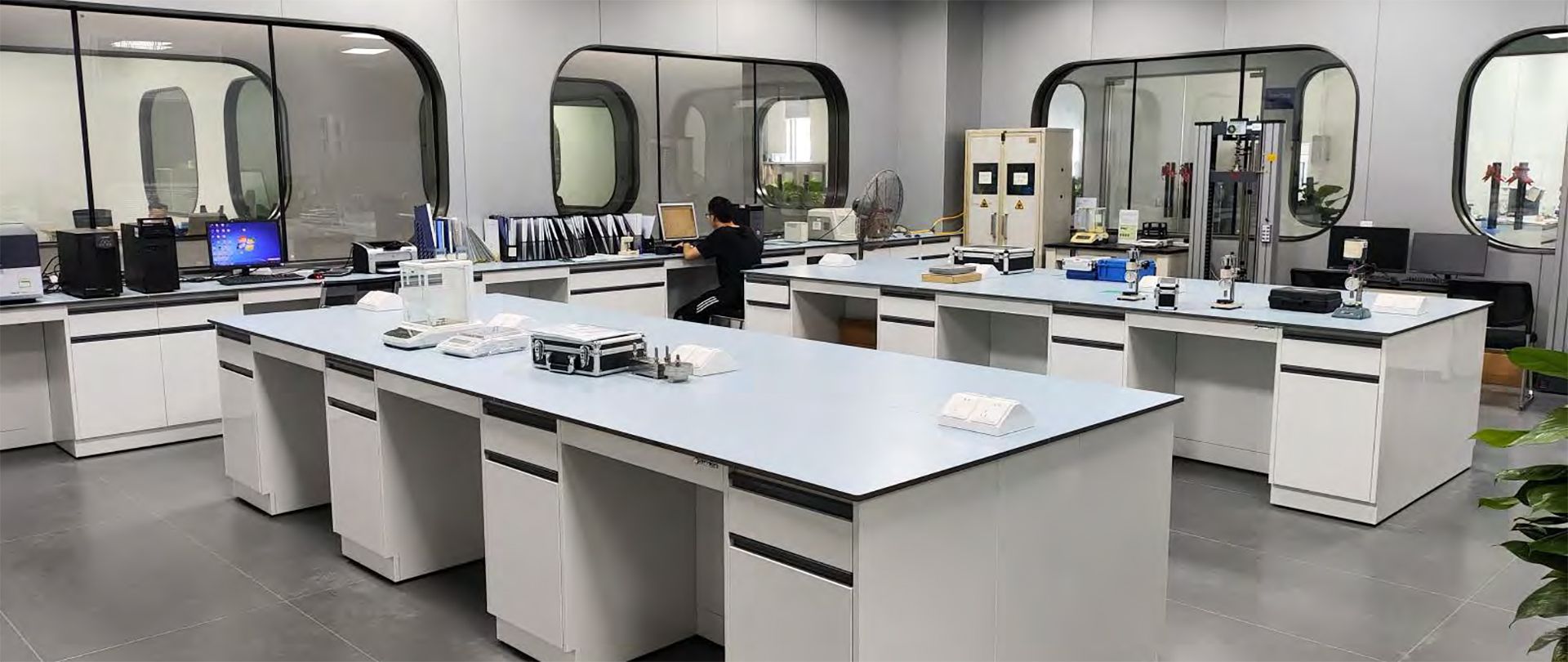
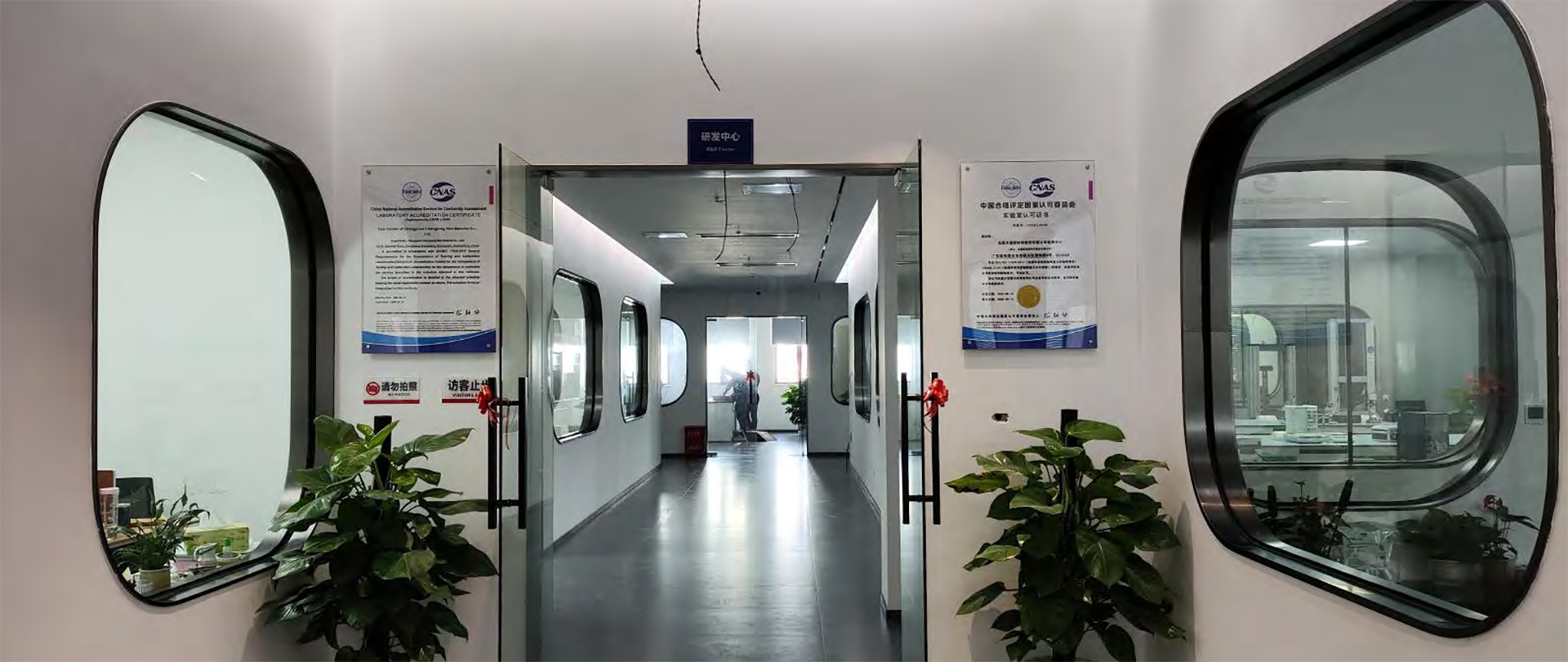
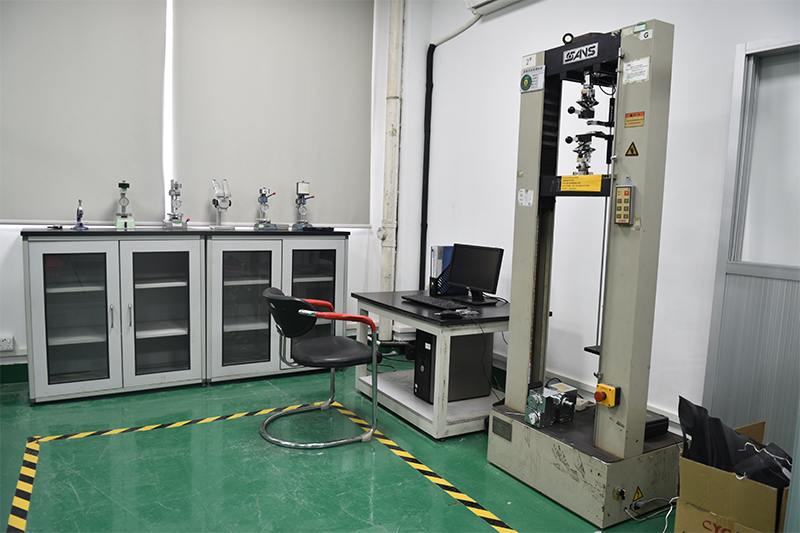
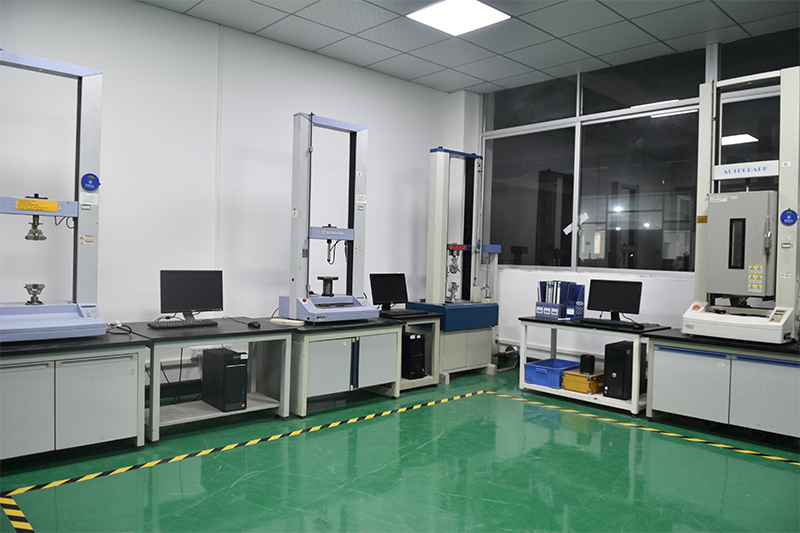
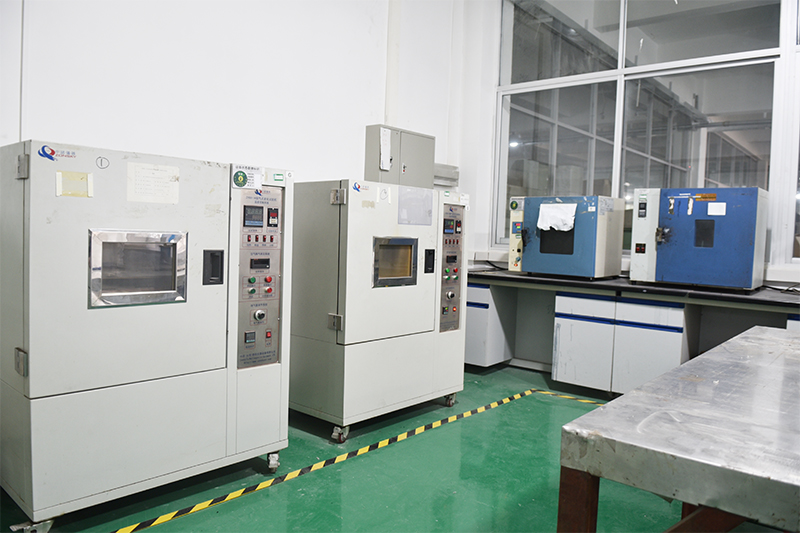
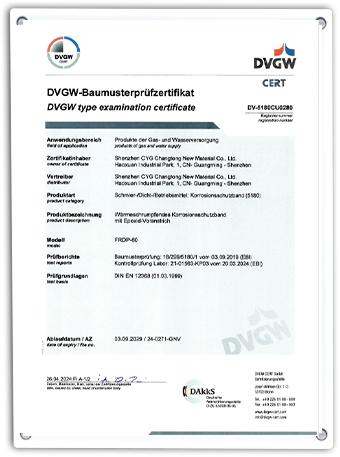
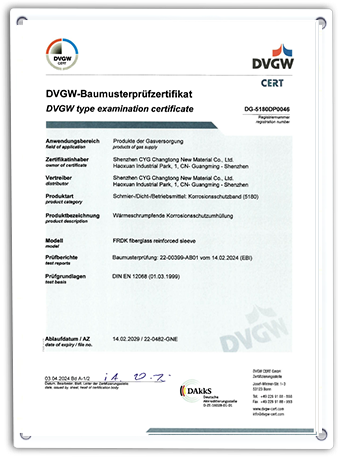
Rigorous verification paths conforming to ISO, EN, and ASTM standards for deep-water and overland installations.
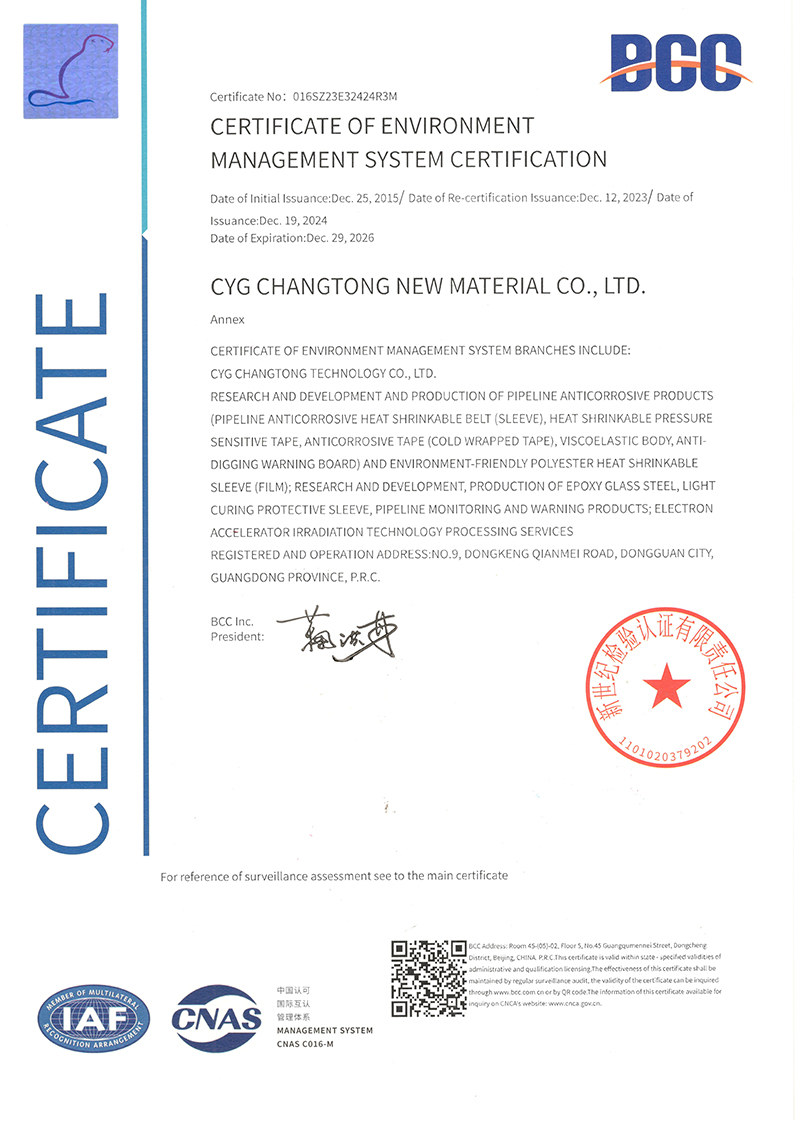
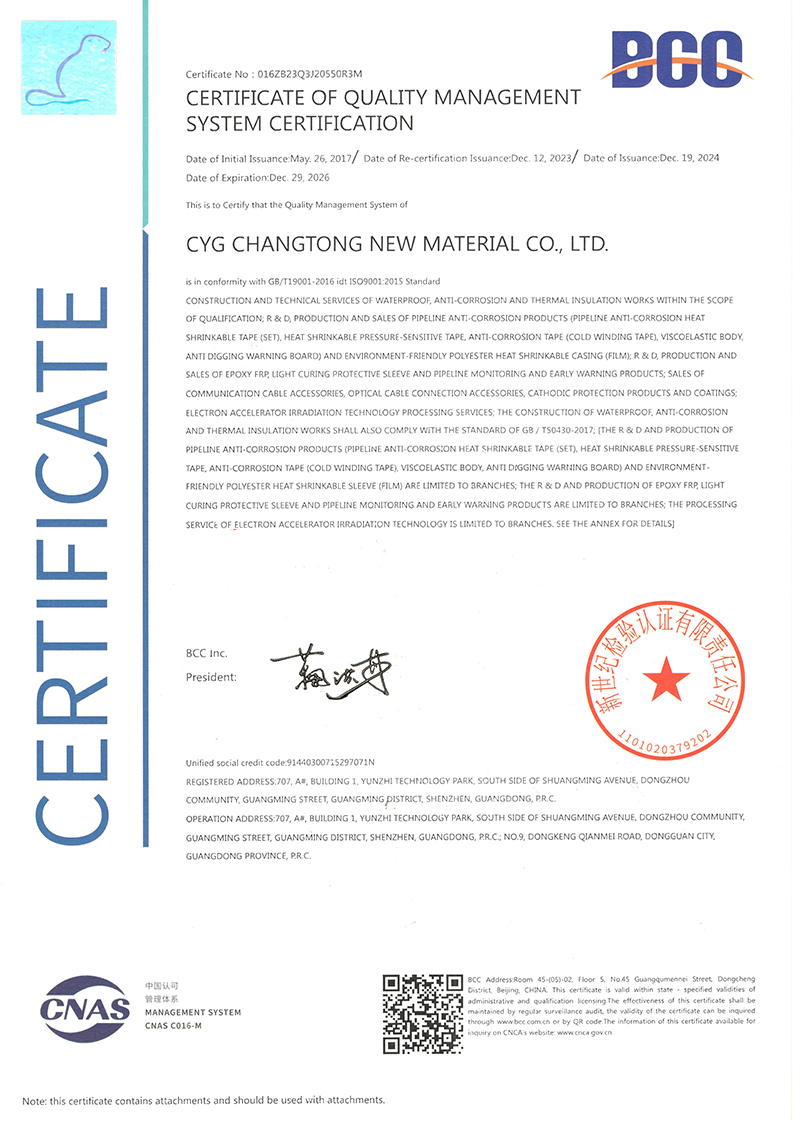
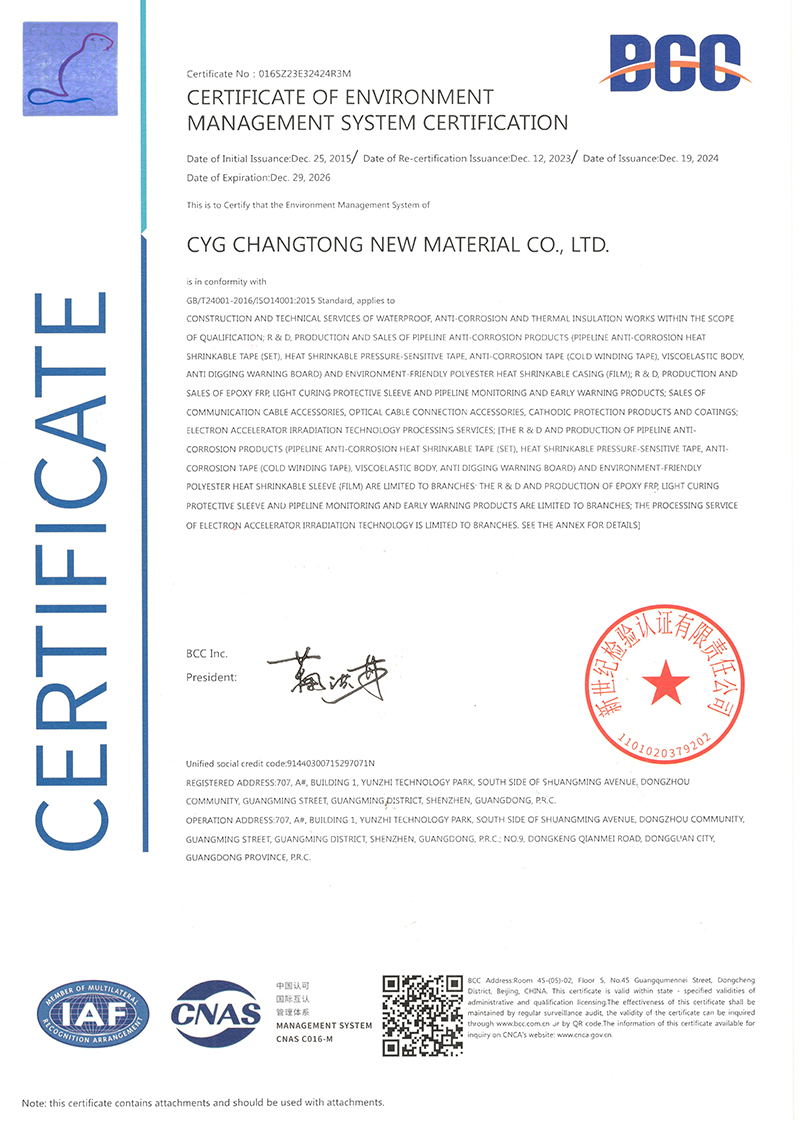
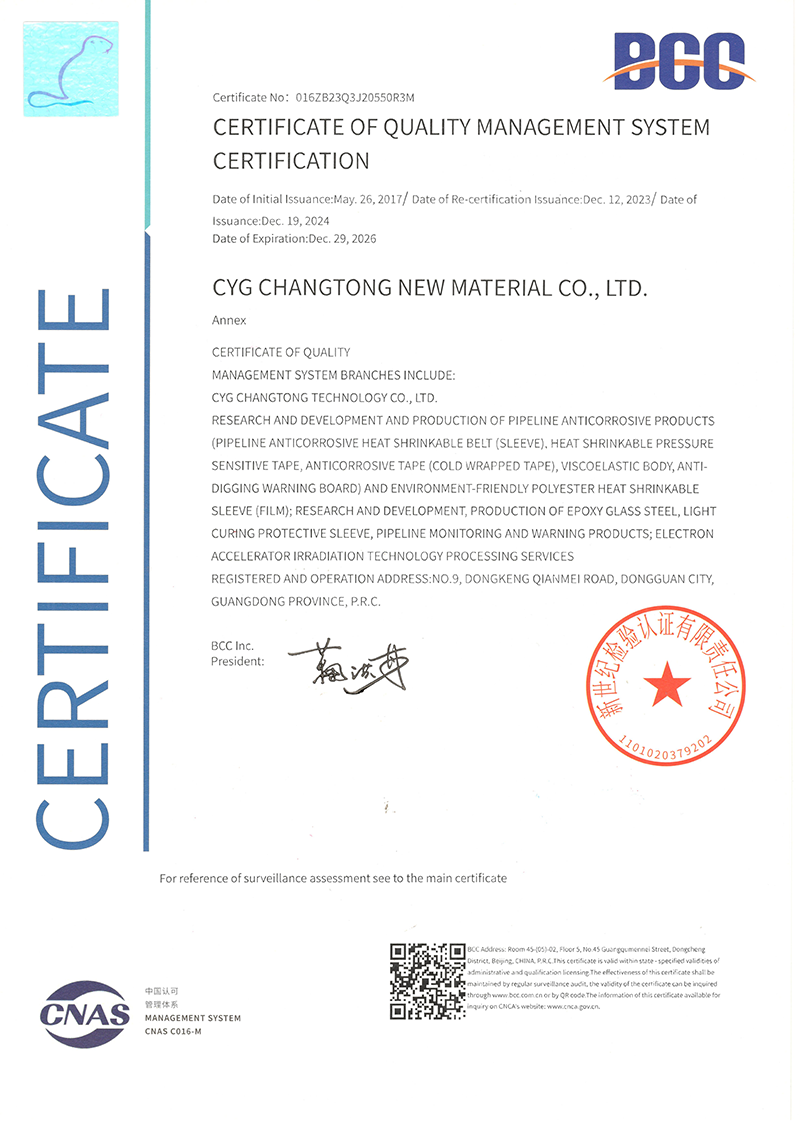
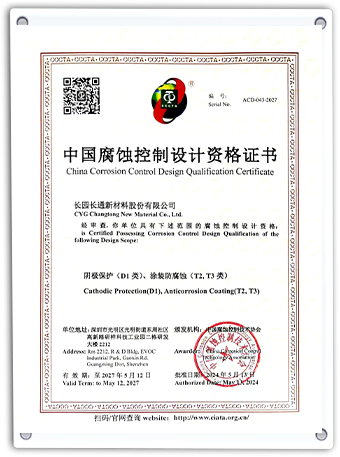
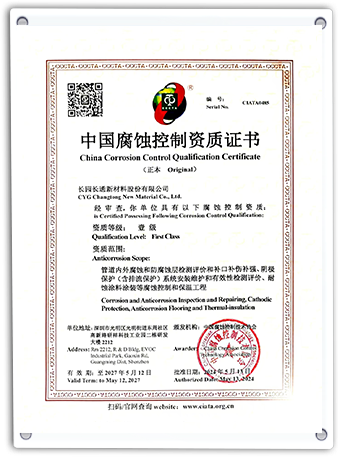
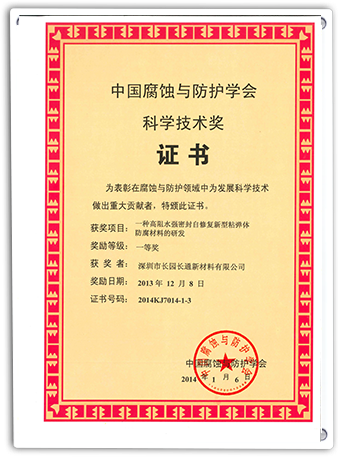
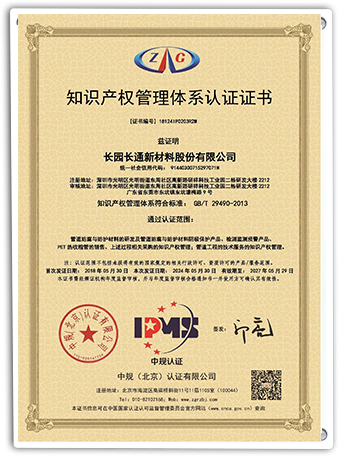
CYCT holds Council Membership in the Chinese Society for Corrosion and Protection (CSCP), alongside verified Qualification Certificates of Corrosion Protection Construction and Pipeline Detection. We are honored as a Well-Known Brand of Pipeline Corrosion Protection in China, and maintain active Corporate Membership in the China Association of Petroleum Engineering Construction (CAPEC). As a State-Level High-Tech Enterprise with over ten proprietary intellectual property rights, CYCT is a recognized global supply chain partner.
Sourcing pipeline materials requires managing supply chain volatility, raw material price shifts, and shipping delays. The modern B2B pipeline buyer must look beyond initial cost to evaluate overall cost of ownership, long-term technical reliability, and shipping timelines.
China's specialized industrial clusters in the Yangtze River Delta and surrounding high-tech hubs offer a distinct supply chain advantage. Key raw materials—such as high-molecular-weight polyethylene resins, specialized elastomers, and hot-melt functional monomers—are sourced from local, state-of-the-art chemical refineries. This localized supply chain insulates global buyers from raw material bottlenecks and allows manufacturers to offer stable pricing even during global market shifts.
Vertical Integration Advantage: At CYCT, our production facility houses advanced co-extrusion machinery, high-energy crosslinking units, and precise adhesive lamination setups. This vertical integration allows for complete control over the production timeline and quality benchmarks, from raw polymer processing to final packaging.
Customization is a key driver for international engineering firms sourcing from China. Unlike standard product catalogs, CYCT offers extensive OEM support. This includes customizing backing thicknesses, tailoring adhesive formulations for extreme hot or cold climates, adjusting widths for large-diameter pipelines, and providing custom branding and installation kits. This flexibility ensures seamless integration with project-specific engineering criteria.
As the energy industry transitions toward sustainability, pipeline operations are adopting greener practices. Regulatory bodies are restricting VOC emissions during installation, which is driving the phase-out of traditional liquid primers that use volatile solvents.
Modern heat shrinkable wraparound tapes are adjusting to these changes with solvent-free, non-toxic mastic layers. These systems emit no hazardous fumes during high-temperature torch applications, creating a safer working environment in deep trenches and confined pipe bays. Additionally, the industry is seeing growing demand for viscoelastic tapes. These materials have self-healing properties that allow the adhesive to flow back and fill minor surface scrapes, reducing the need for costly field repairs.
In-depth responses to common B2B procurement queries, testing standards, and site application issues.
Complete product range for field joints, elbows, valve protection, and specialized pipeline rehabilitation.
 CYCT
CYCT