Premium OEM Heat Shrink Sleeves, Polyethylene Tapes, and Curing Shields Engineered for Extreme Soil Stress and Corrosive Environments
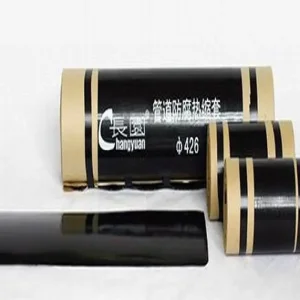
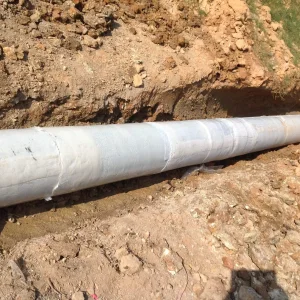
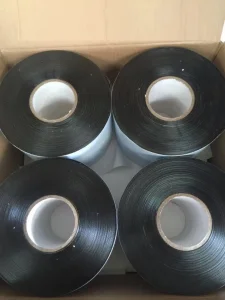
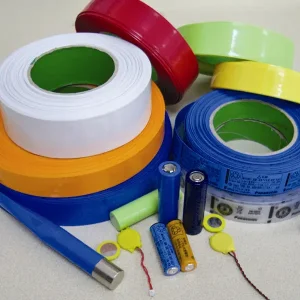
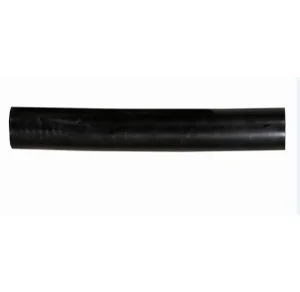
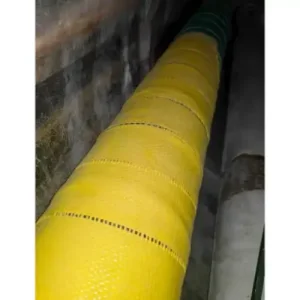
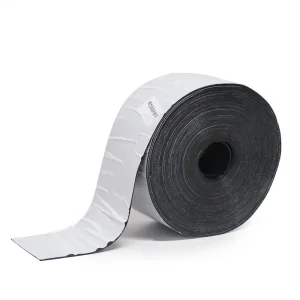
Heat shrinkable technology leverages the thermodynamic phenomena of cross-linked polymers. Known in chemical engineering as "elastic memory," these materials undergo modification through high-energy radiation (typically electron-beam processing) to form stable three-dimensional covalent networks. This molecular architecture prevents the polymer chains from flowing or melting upon heating. Instead, when warmed past the crystalline melting point, the crystalline phases dissolve, enabling the material to expand without tearing, retaining this expanded shape upon immediate cooling.
For pipeline field joint coating (FJC) applications, heat shrinkable materials are engineered as multilayered systems. Typically, a high-performance adhesive backing—composed of specialized hot-melt copolymers or co-polyamides—is paired with a cross-linked polyolefin backing. This configurations acts as a primary defensive shield against ionic penetration, moisture permeation, and mechanical stress. The thermodynamic shear strength requirements dictated by modern oil and gas pipelines demand that the viscoelastic adhesive behaves under high strain without yielding, safeguarding the steel substrate from corrosion even when subjected to cathodic disbandment pressure.
Within directional drilling operations (HDD), shear forces present severe risks of coating tearing or peeling. Through-hole pull-backs involve frictional contact with gravel, rock formations, and dense clays. Standard polyolefin sleeves are insufficient under these conditions. Consequently, high-tensile composites like the Fiberglass Reinforced Heat Shrinkable Sleeve were developed, embedding multi-directional structural glass fibers within the outer cross-linked sheath. This structural matrix dramatically improves gouge, impact, and abrasion resistance, ensuring the corrosion barrier remains intact throughout pipeline installation.
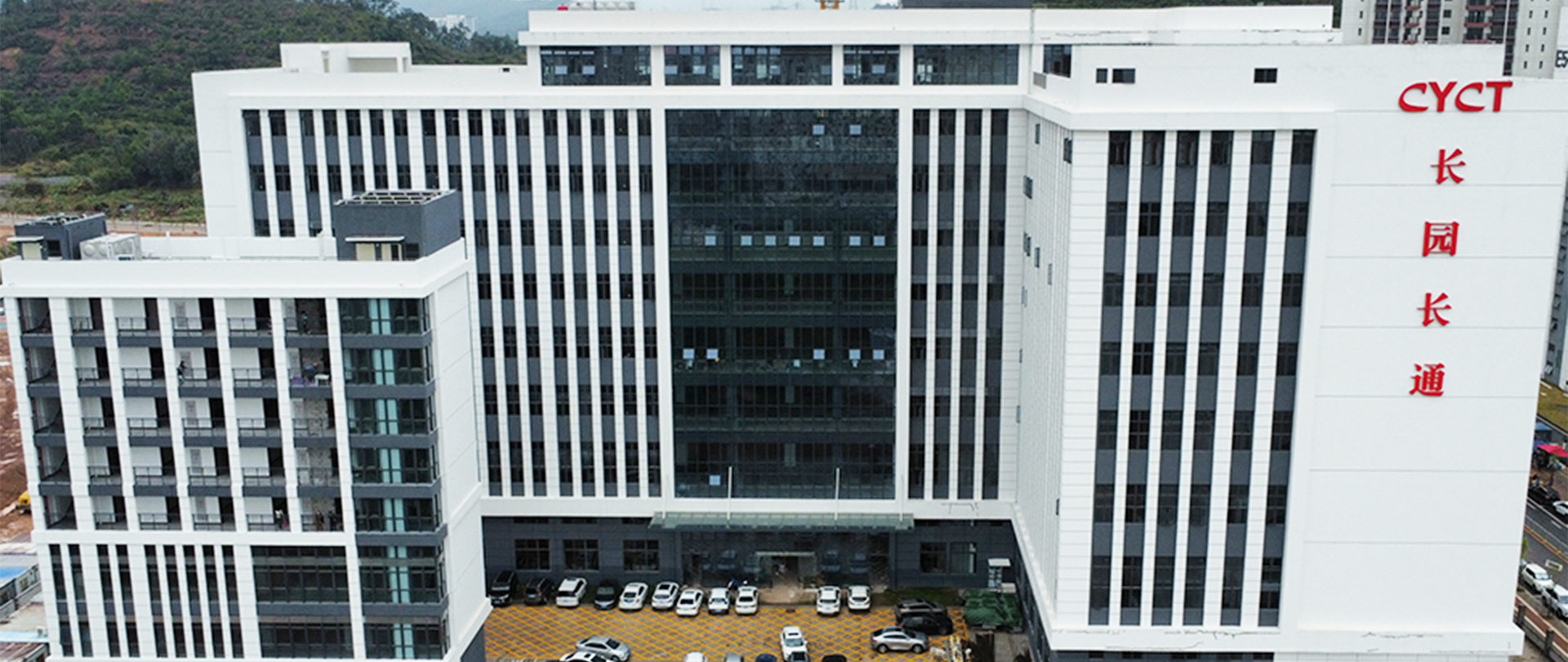
CYCT New Materials Company Limited (for short, CYCT) is a state-level high-tech enterprise integrating R&D, production and sales of pipeline corrosion protection materials as well as buried pipeline detection service and pipeline coating field application service into one.
CYCT has dedicated its resources to the research, development, and manufacture of advanced pipeline corrosion protection systems for over two decades. The enterprise serves as a core supplier for major energy projects worldwide, offering custom solutions for pipeline joints, repairs, and structural reinforcements.
By maintaining strong R&D collaborations with premier institutions like the CNPC Pipeline Science Research Institute, CYCT is capable of providing in-service pipelines with varied technical services including buried pipeline detection, structural design schemes, cathodic protection, rehabilitation projects, and integrated solutions for the safety protection of pipelines.
Over the years, CYCT has established itself as a stable, long-term supplier of field joint coatings for PetroChina, Sinopec, PipeChina, and municipal pipeline systems, capturing a significant domestic market share. The company's expansion into global markets includes partnerships with the Indian Oil Corporation and municipal utilities across Europe, the Middle East, and Latin America.
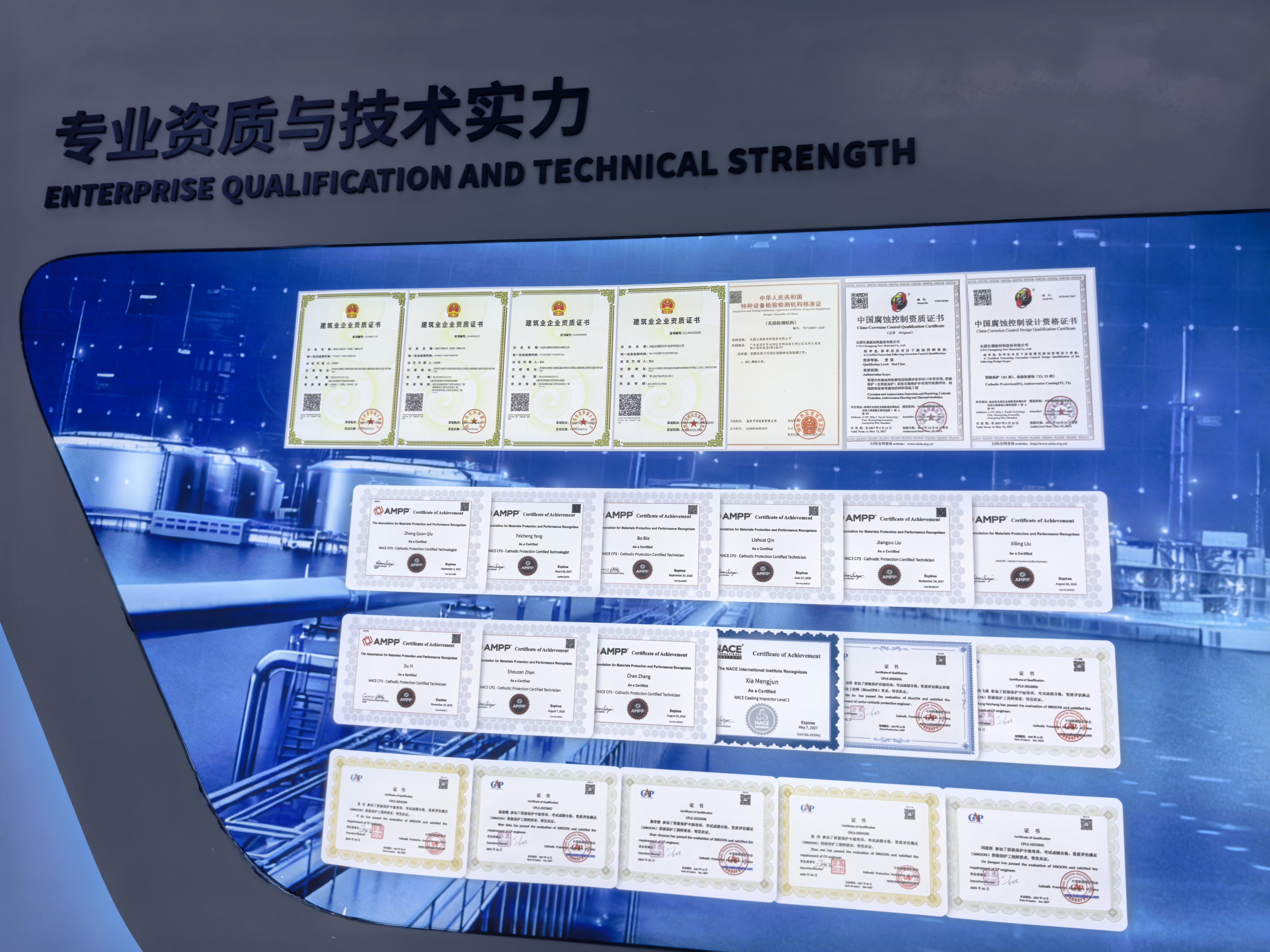
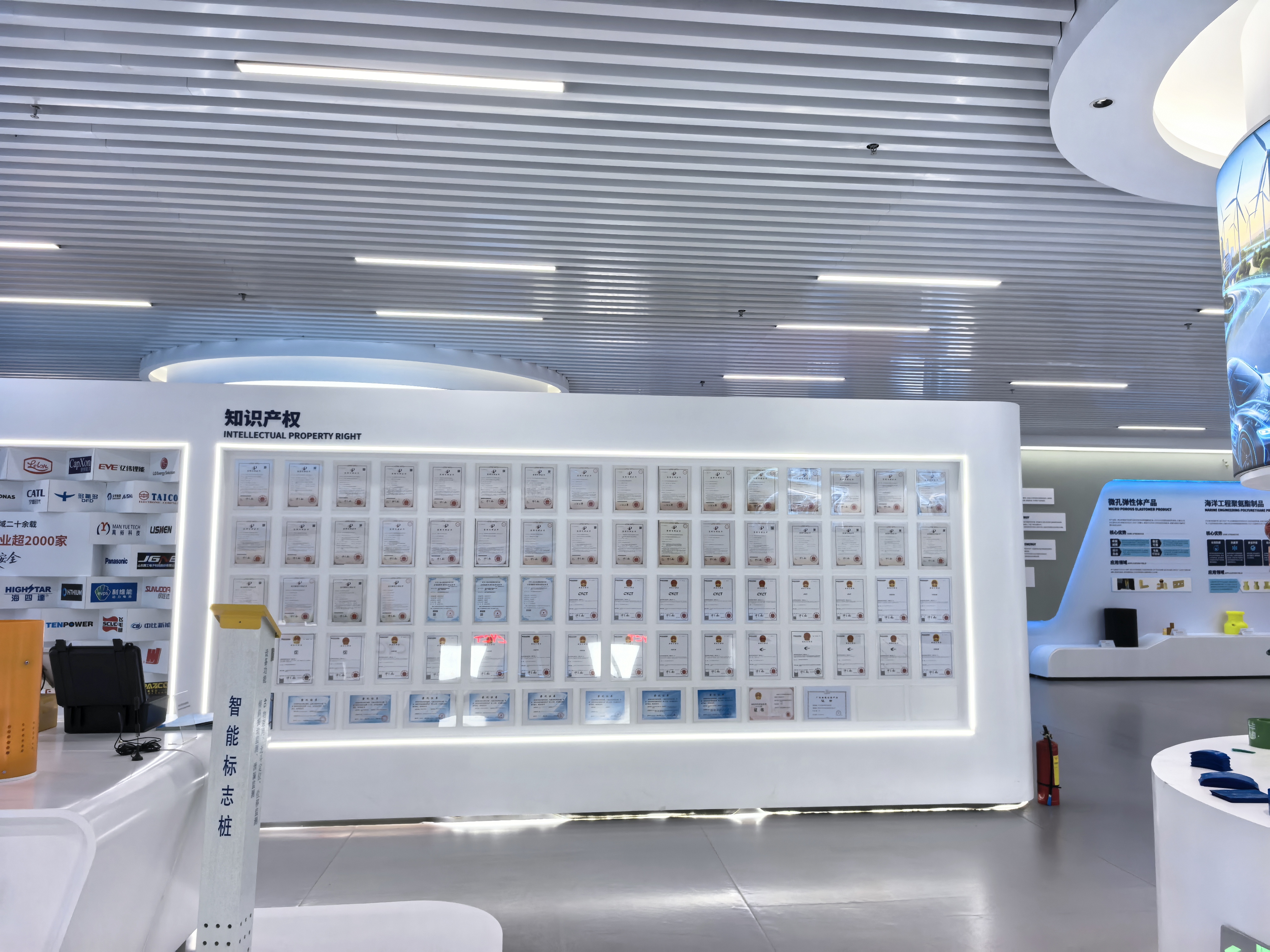
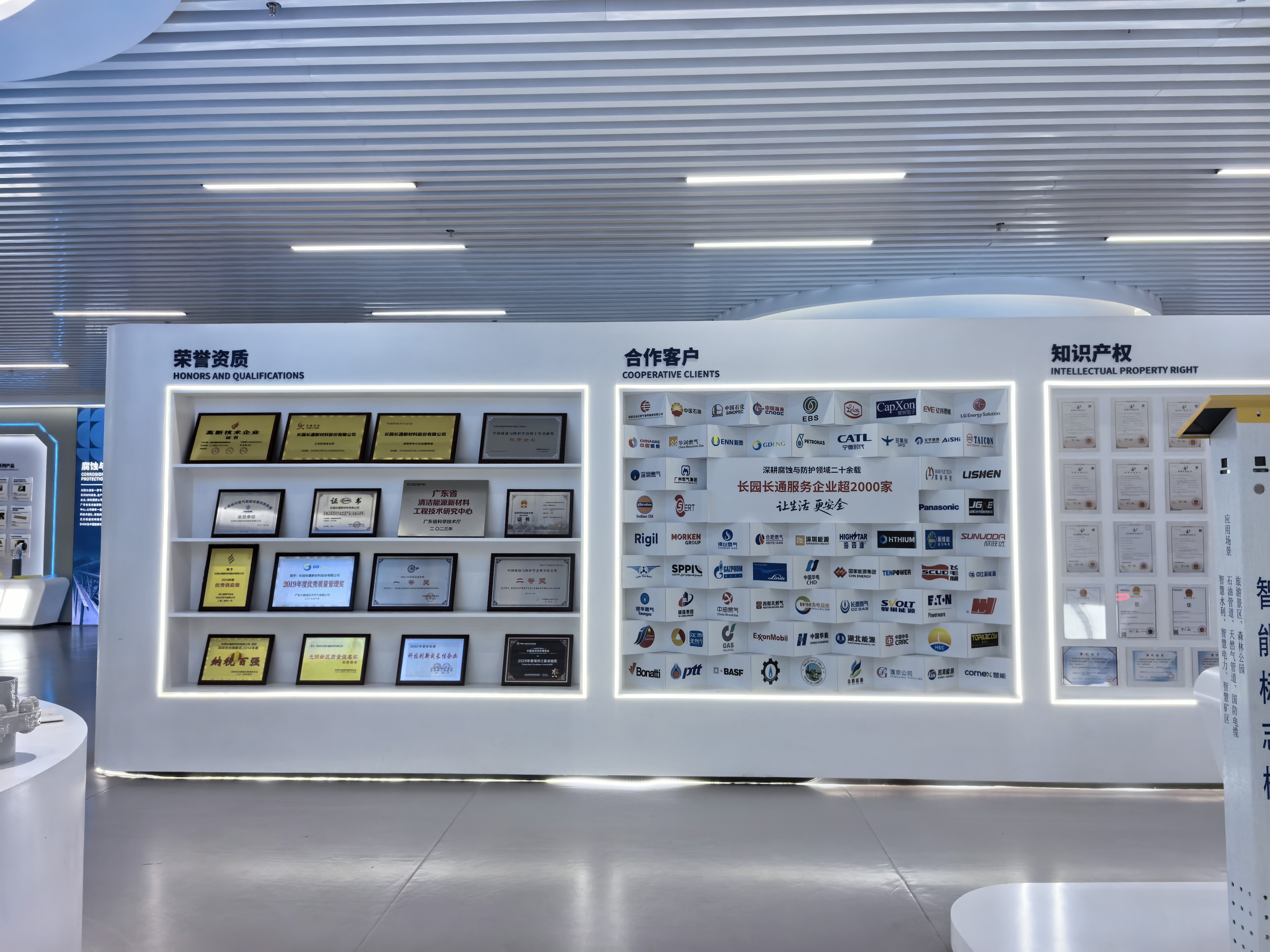
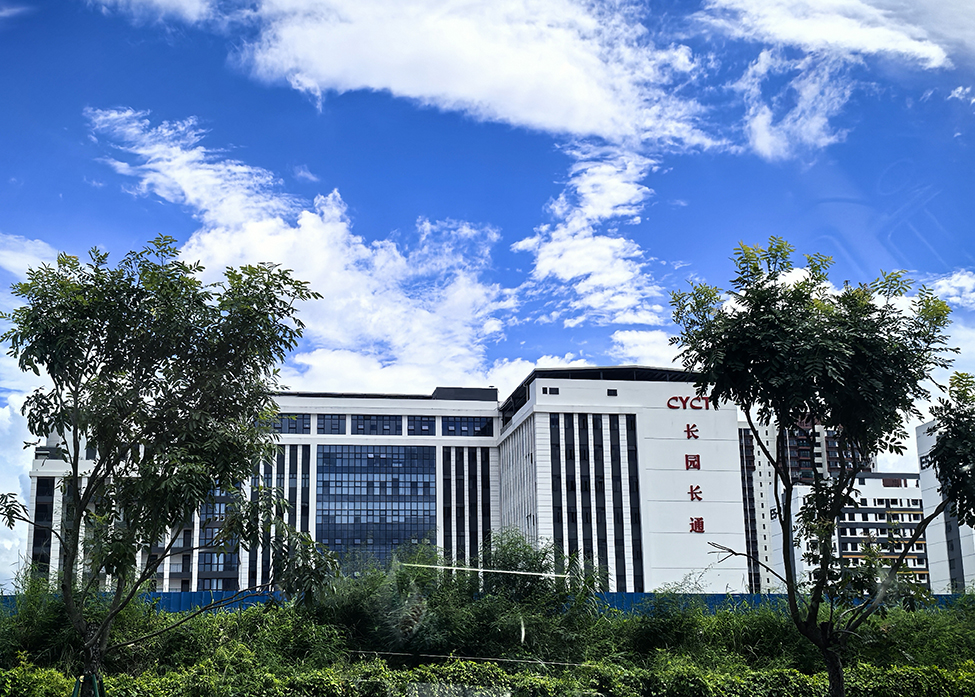
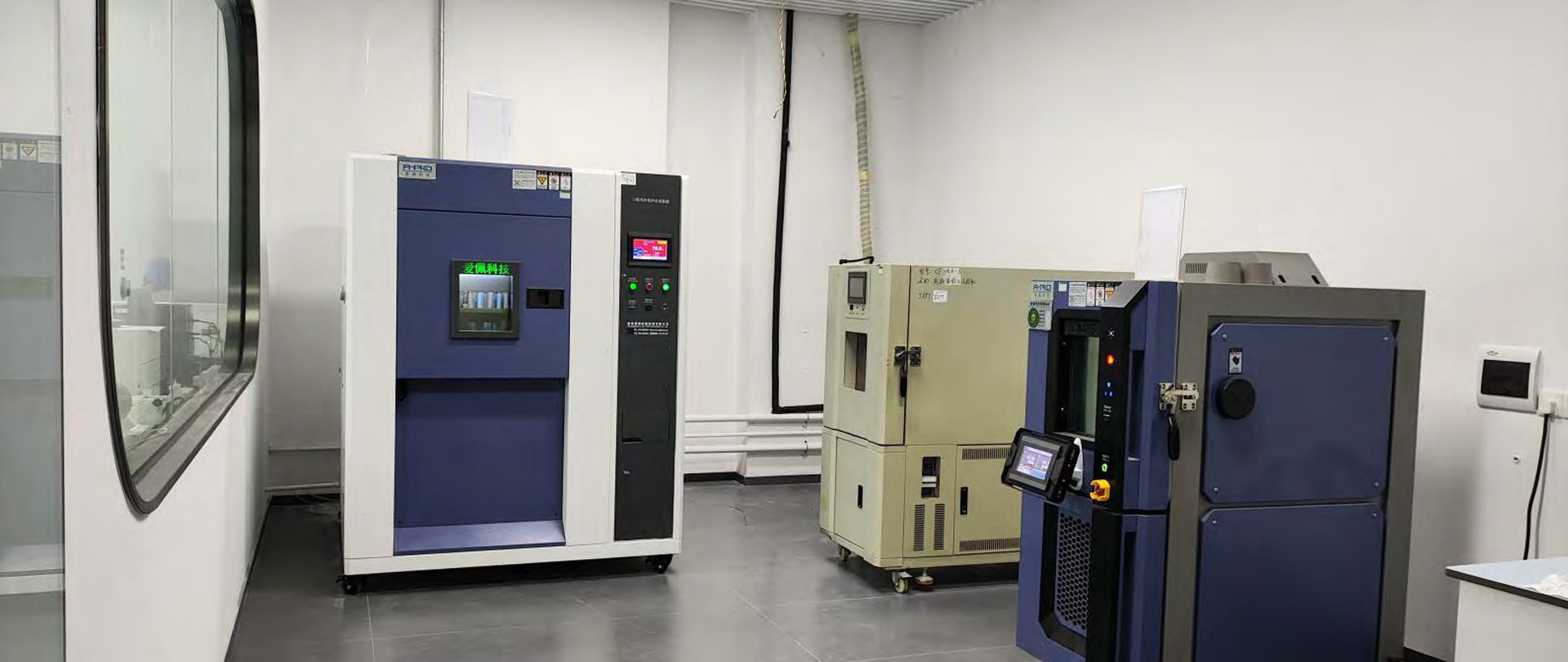
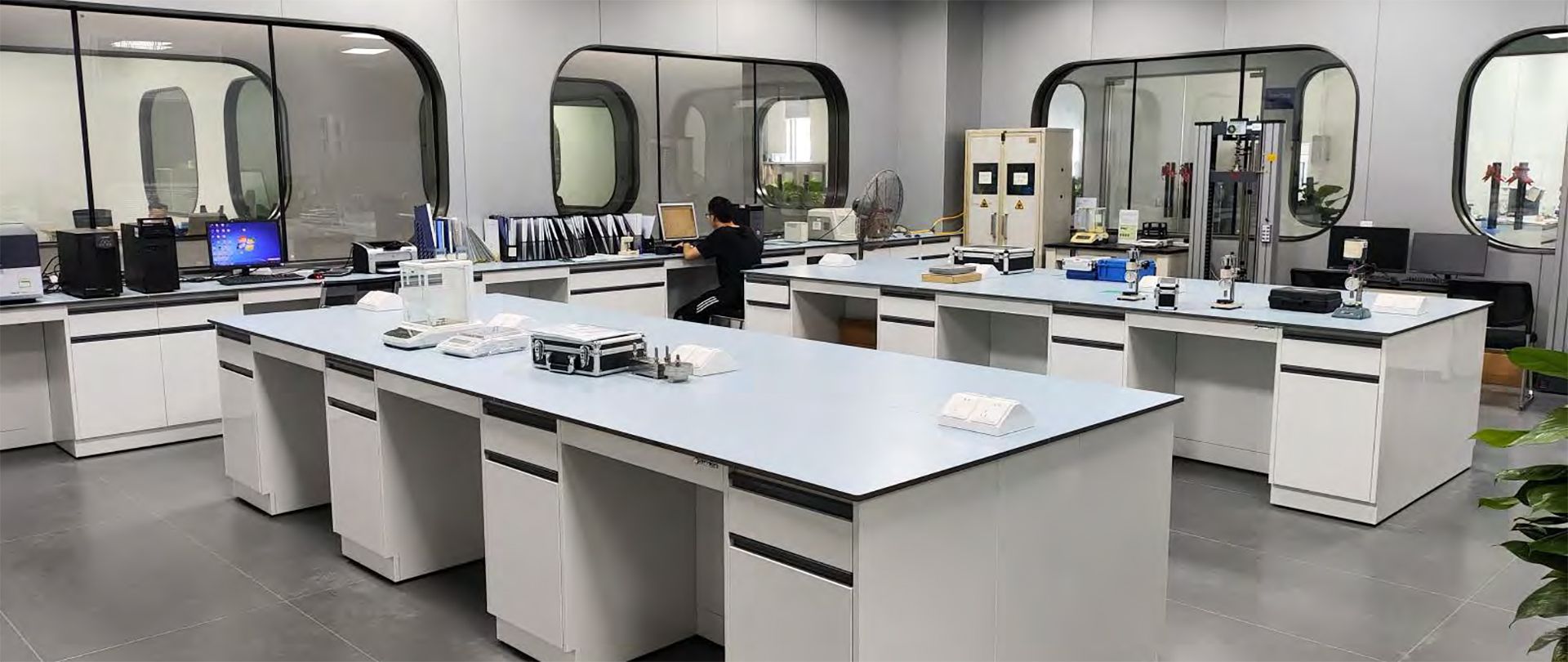
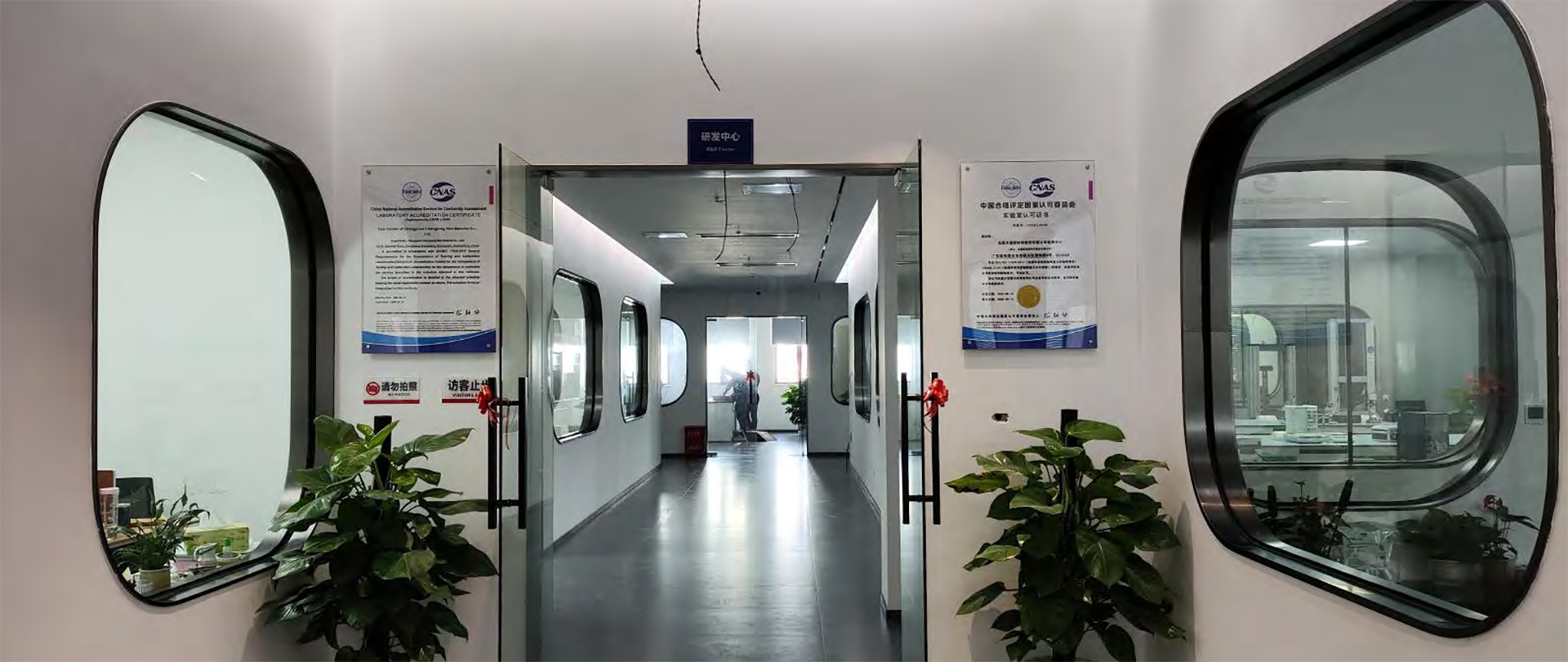
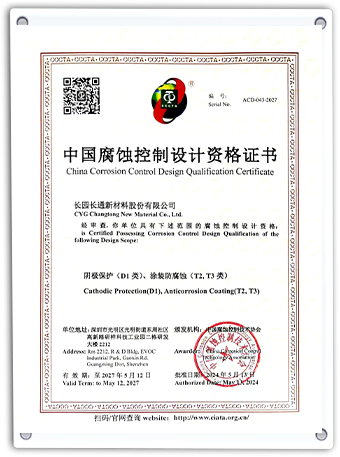
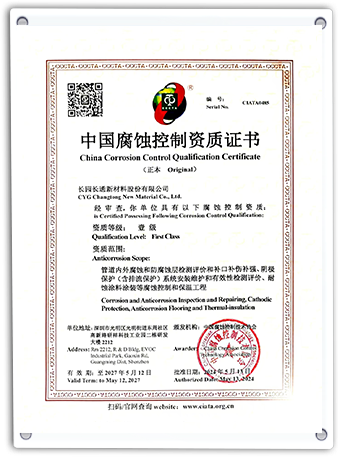
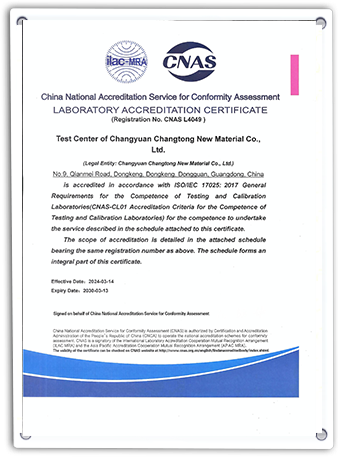
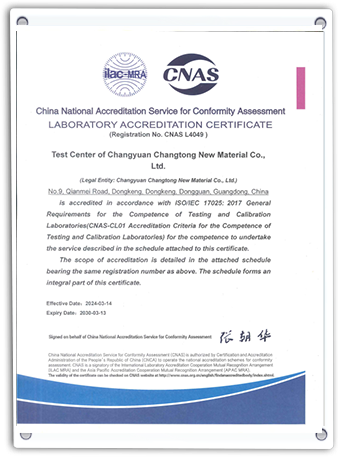
Corporate Style & Technical Capabilities: CYCT owns leading testing and R&D capabilities, a professional R&D team, and a national CNAS-accredited laboratory. Beyond traditional heat shrinkable materials, CYCT has successfully developed and introduced a number of specialty corrosion protection products. These include visco-elastic anticorrosion coatings, UV-curing photo-curing sleeves for HDD protection, and polyurea elastomeric coatings designed to withstand extreme atmospheric and chemical environments.
As pipeline networks traverse increasingly complex geological paths, standard "one-size-fits-all" coatings are no longer sufficient. This shift demands customized formulations, unique dimensional ratios, and variable adhesive thicknesses. China's advanced chemical manufacturing base, led by innovators like CYCT, offers unique advantages in production scale and agility for global distributors and engineering firms.
First, the concentration of upstream raw polymer suppliers and downstream compounding factories within China minimizes transit times and keeps material costs stable. Key materials like high-density polyethylene, specialty polypropylene resins, and functionalized hot-melt adhesives are formulated in-house. This degree of control allows manufacturers to adjust properties like melt flow index, cross-linking density, and thermal stability to match specific project demands, rather than relying on standard pre-compounded materials.
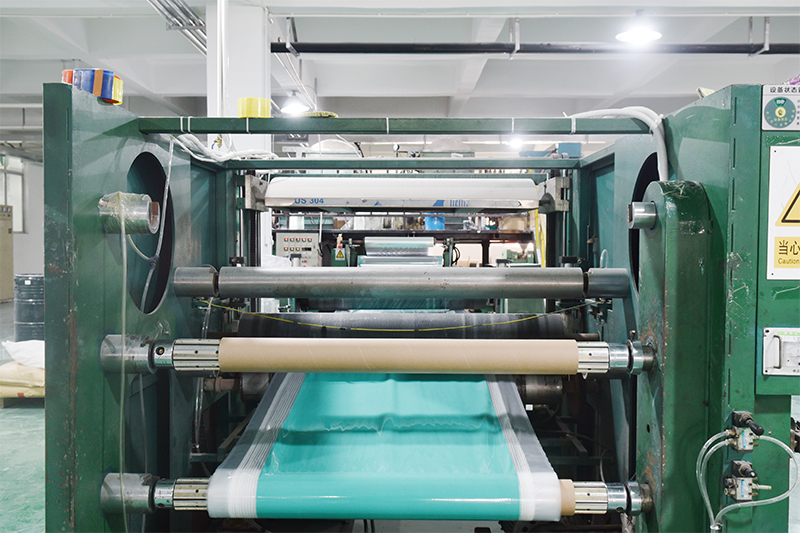
Second, advanced extrusion and electron-beam cross-linking accelerators are central to China's domestic capacity. High-energy electron accelerators irradiate thick polymer sheets uniformly, establishing consistent cross-linked networks throughout the material. This ensures reliable radial shrink ratios (up to 3:1) and consistent longitudinal shrinkage, minimizing installation errors on site.
Additionally, modern facilities like CYCT's utilize automated production lines that switch efficiently between runs of varying widths and thicknesses. Whether a client requires narrow 50mm wrap-around bands or wide 900mm sleeves for large-diameter pipelines, these lines can scale rapidly. This flexibility reduces lead times, helping projects avoid costly delays during field joint coating operations.
Aligning with International Standards for Infrastructure Protection and Long-Term Field Reliability
All field joint coatings (FJC) are manufactured to meet or exceed ISO 21809-3 specifications, governing the application of heat shrinkable sleeves on pipelines utilizing 3LPE, 3LPP, and FBE coatings.
As active corporate members of the Association for Materials Protection and Performance (AMPP, formerly NACE & SSPC), our design and quality testing protocols align with global anti-corrosion practices.
From environmental directives to regional standards like CE, Chinese GB, and Indian IOC approvals, our materials conform to rigorous quality and environmental benchmarks.
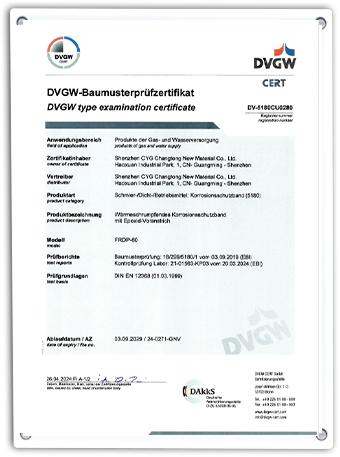
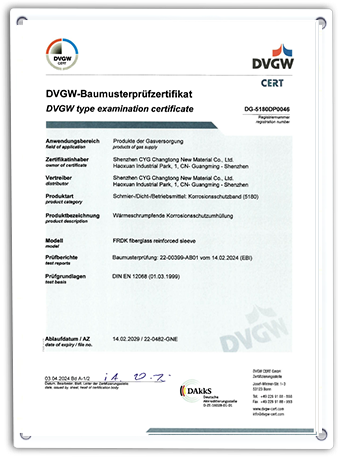
Global procurement teams prioritizing risk management look beyond base material costs. Long-term reliability is verified through certifications from recognized third-party agencies. This validation includes testing for key performance indicators: peel strength (to the steel substrate and plant-applied coating), shear resistance under design operating temperatures, and resistance to cathodic disbandment. CYCT's national CNAS-accredited laboratory continuously runs these tests under simulated conditions, ensuring production batches meet all mechanical and thermal criteria before leaving the factory.
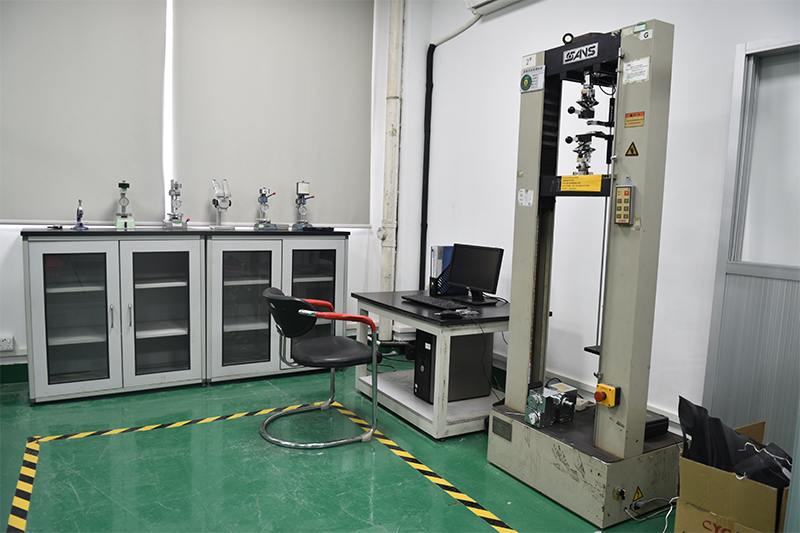
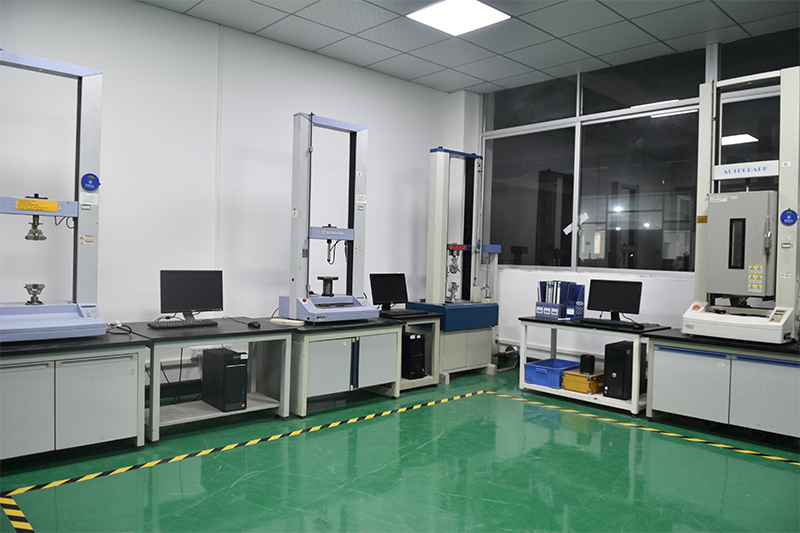
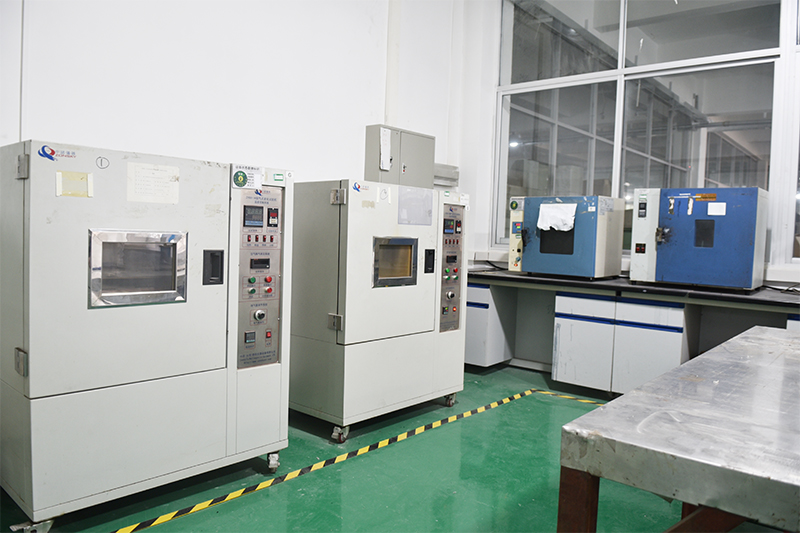
By cooperating with research groups like the CNPC Pipeline Science Research Institute, CYCT tests systems against environmental challenges like microbial degradation, thermal aging, soil settlement stress, and chemical exposure. These studies help engineers specify products matching the local environment—whether for buried municipal water mains or deep-water offshore pipelines.
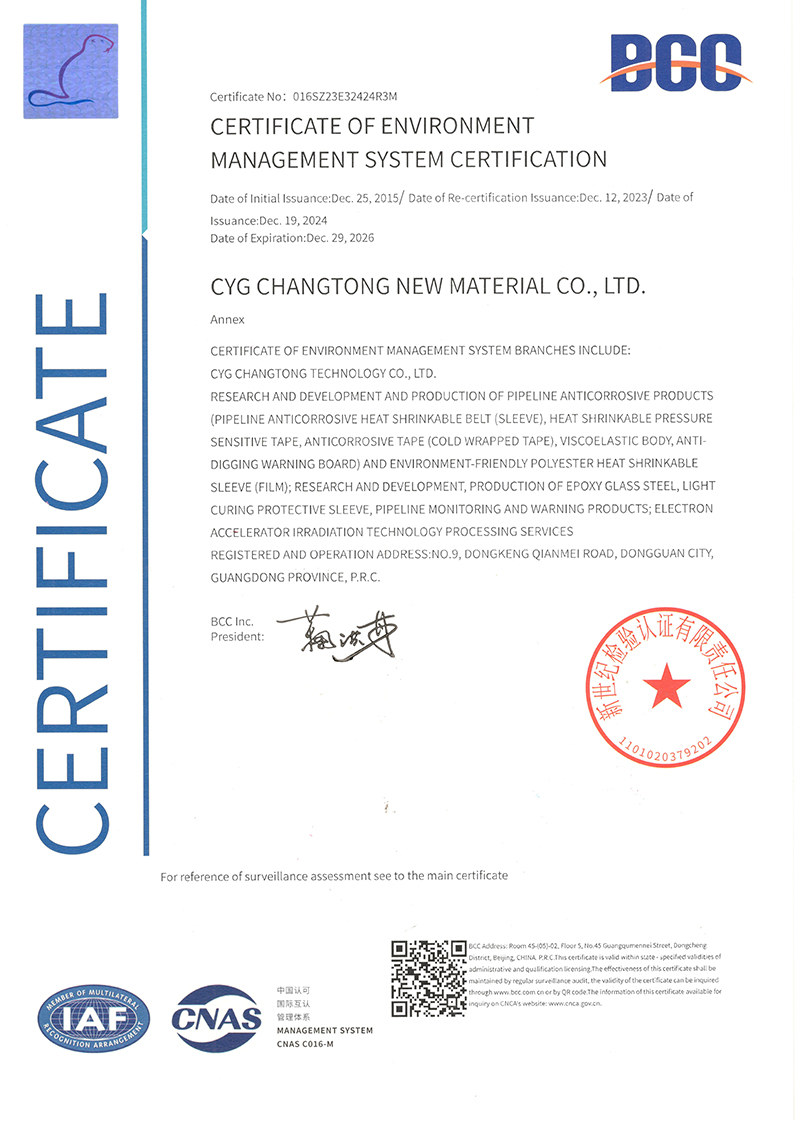
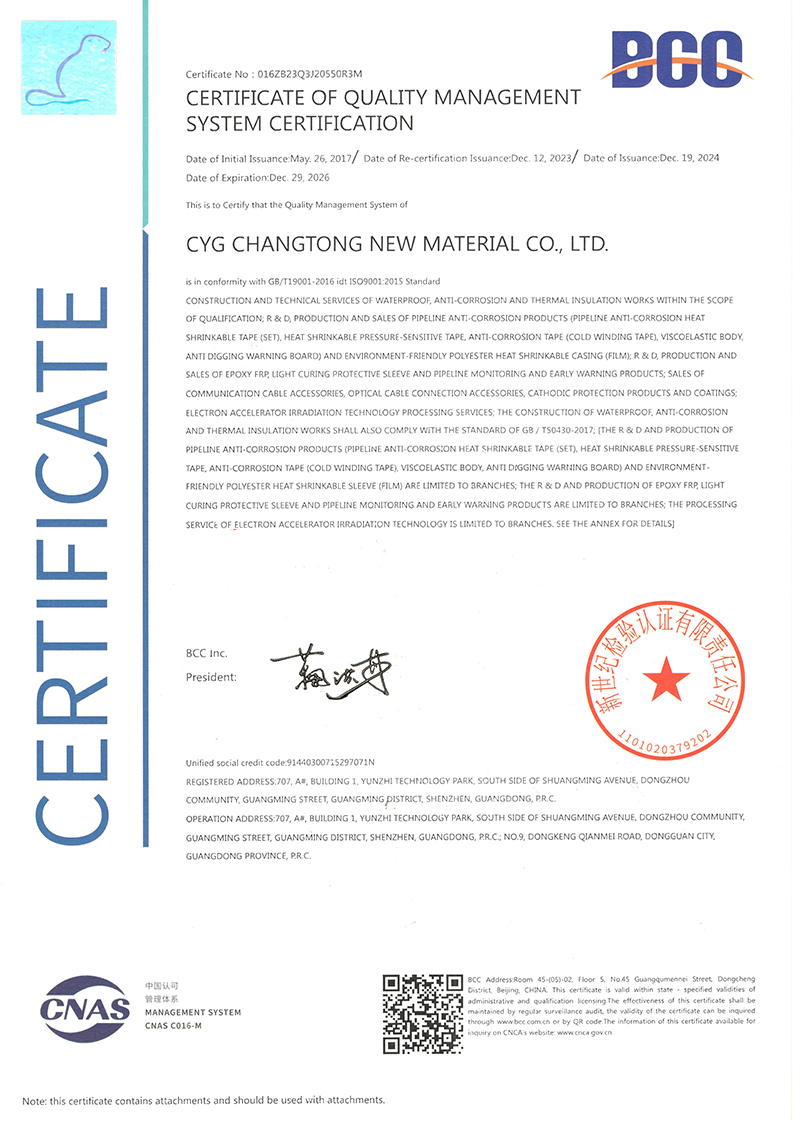
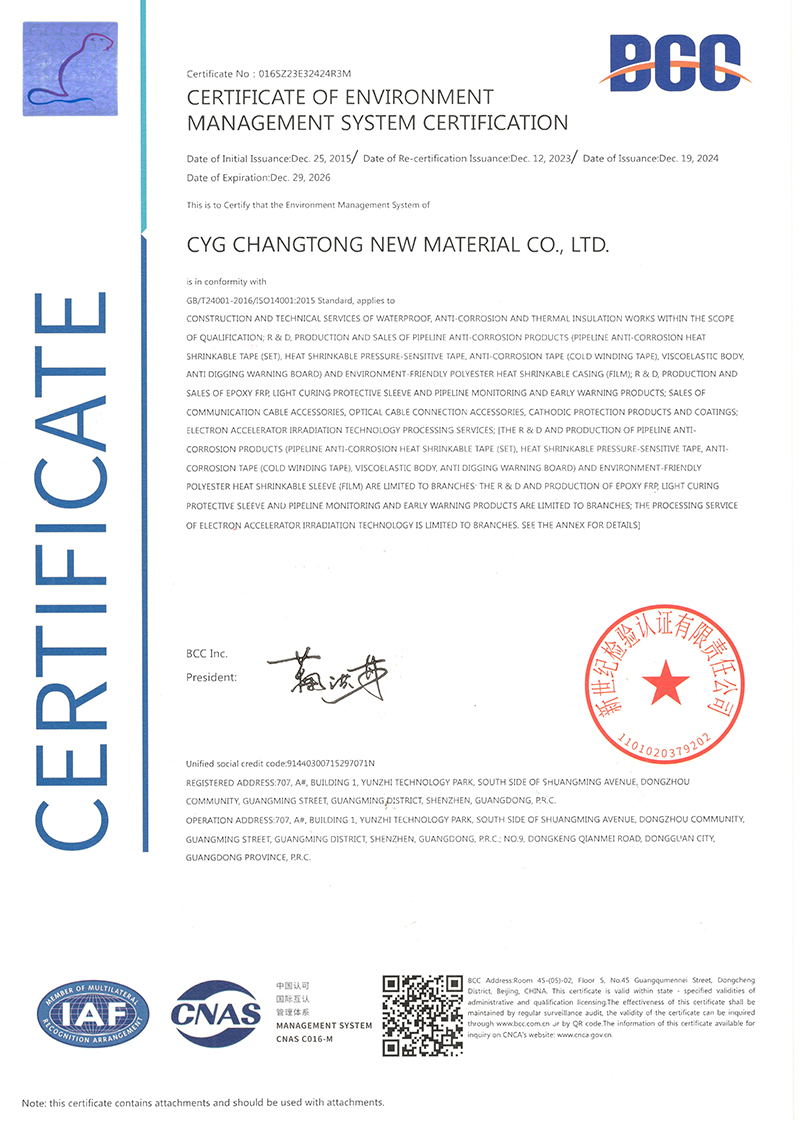
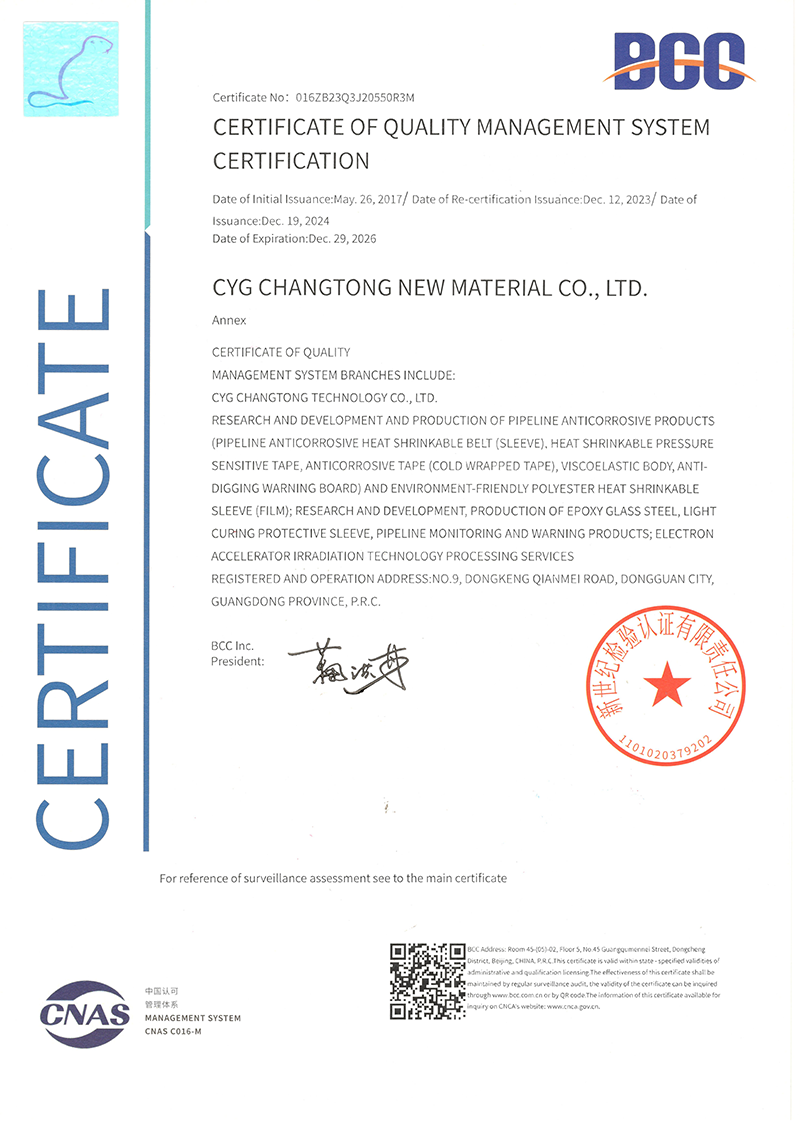
Our Quality Management System operates in compliance with ISO 9001, ISO 14001, and ISO 45001 standards. This framework ensures complete traceability from incoming polymer resins to the finished sleeves delivered to site.
Modern pipelines operate across diverse geographical and climatic zones, exposing coatings to varied soil and stress conditions. Custom engineering is required to address these regional challenges effectively:
Premium OEM Protective Accessories, Structural Reinforcements, and Copolymers for Field Joint Application
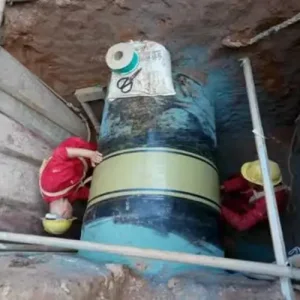
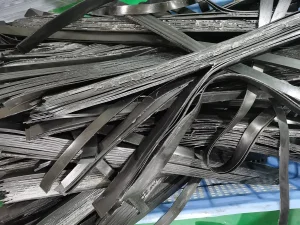
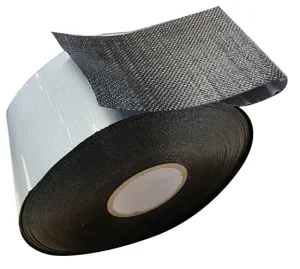
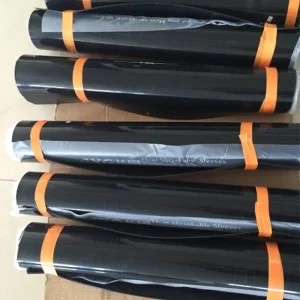
The pipeline anti-corrosion sector is moving toward materials that offer faster, safer installation and reduced environmental impact. The development of photo-curing GRP (Glass Reinforced Plastics) represents a key technology in this direction. Traditional systems rely on chemical-curing resins that present handling and storage challenges. In contrast, UV-curing sleeves use photo-initiators that cure rapidly under specific light spectrums. This technique provides immediate, high-strength protection for complex joints and bends, significantly shortening application times.
Additionally, modern environmental standards are phasing out primers and adhesives containing high VOC (Volatile Organic Compound) levels. This shift has driven the adoption of visco-elastic coatings and solvent-free hot-melt fillers. These clean-application products provide high-adhesion protection without producing hazardous fumes during heating. This approach reduces risks to field technicians and helps operators meet stringent environmental regulations.
Expert Guidance on Specification, Installation Parameters, and Compliance Verification
The optimal pre-heating temperature typically ranges from 60°C to 90°C (140°F to 194°F), depending on the specific grade of the hot-melt adhesive backing and the factory-applied coating (e.g., 3LPE). Pre-heating is critical to ensure proper bonding. If the steel pipe acts as a heat sink, it can cool the hot-melt adhesive before it wets the substrate, leading to poor adhesion, air voids, and potential failures during peel strength or cathodic disbandment testing.
Standard sleeves rely on the tensile strength of the cross-linked polyolefin back sheet, which can tear when pulled through rough borehole paths. Fiberglass reinforced sleeves integrate multi-directional glass fiber structures within the backing. This configuration significantly increases the material's mechanical strength, providing high resistance to gouging, impact, and shear forces. This reinforcement ensures the sleeve remains intact during pull-back operations.
CYCT's CNAS laboratory runs a structured testing protocol on every production batch. Key evaluation metrics include: differential scanning calorimetry (DSC) to confirm the gel content and cross-linking density of the backing; peel strength tests at room and design operating temperatures; and cathodic disbandment tests according to ISO 21809-3 standards. These tests verify that the material meets target specifications before shipment.
Generally, when stored in their original packaging, away from direct sunlight, moisture, and dust at temperatures below 35°C (95°F), these products have a shelf life of up to 3 years. Storing the materials at higher temperatures can lead to premature activation or degradation of the hot-melt adhesive, which can negatively affect bonding performance during installation.
PE-based repair materials are generally not recommended for 3LPP coatings due to differences in chemical compatibility and thermal limits. PP coatings typically operate at higher temperatures (up to 110°C–120°C) than PE systems. 3LPP repairs require polypropylene-specific repair patches and high-temperature co-polymer adhesives to ensure a reliable bond and match the thermal performance of the parent coating.
 CYCT
CYCT