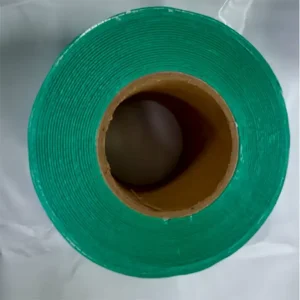
Select premium-grade radiation cross-linked heat shrink sleeves, viscoelastic coatings, and high-performance adhesives engineered for maximum anti-corrosion protection.
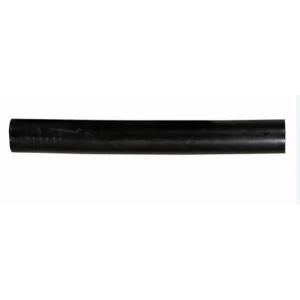
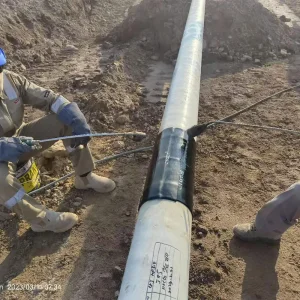
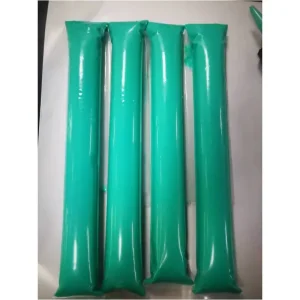
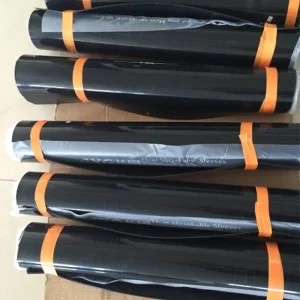
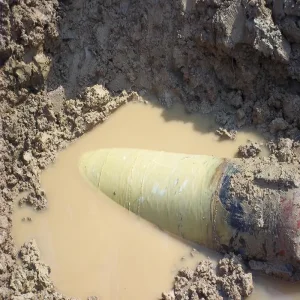
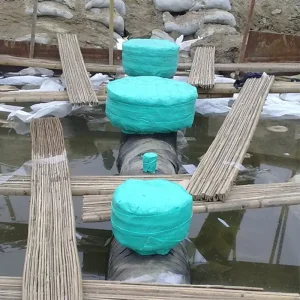
A technical exploration into high-performance radiation cross-linked heat shrink sleeves and viscoelastic materials in modern pipeline infrastructure.
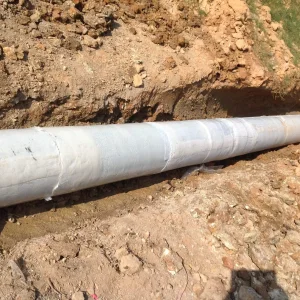
Radiation cross-linking is the foundational technology of high-performance polymer memory materials. High-energy electron beams strike raw polyethylene (PE) or polypropylene (PP) molecular chains, inducing chemical bonding between parallel polymer matrices. This changes the material structure from thermoplastic to thermosetting, imparting a "shape memory effect". Upon heating, the polymer shrinks tightly around pipeline joints, forming an impenetrable barrier against environmental corrosives.
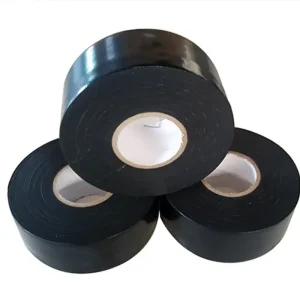
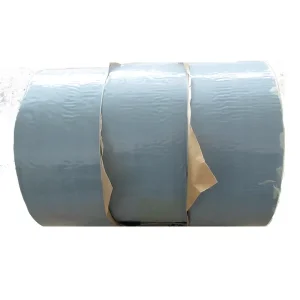
Viscoelastic materials represent the peak of cold-flow self-healing technology. Consisting of low-molecular-weight non-crystalline polyolefins, these coatings display unique liquid-like flow dynamics alongside solid-like elasticity. They continuously wet steel surfaces at a molecular level, filling micro-fissures and providing indefinite corrosion protection under various operating temperatures, ideal for irregular fittings, flanges, and valves.
For demanding Horizontal Directional Drilling (HDD) projects, pipeline coatings are subjected to high shear forces and friction. Incorporating Photo-Curing Glass Fiber Reinforced Plastics (GRP) and Fiber-reinforced Viscoelastic Tapes establishes robust mechanical armor. This prevents gouging, peeling, and impact damage during pull-back operations, ensuring the structural and physical integrity of the primary anti-corrosion barrier.
Technical Standard Compliance: Modern international pipeline infrastructure demands strict adherence to rigorous engineering protocols. CYCT materials are engineered to comply with ISO 21809-3, EN 12068 class C, and NACE/AMPP SP0169, delivering field-tested security under extreme soil stresses and high operating temperatures.
Why global energy players source their pipeline protection systems from CYCT's state-of-the-art facilities in China.
The global energy sector relies heavily on continuous material supply and high quality. Sourcing pipeline anti-corrosion materials from China, particularly from specialized state-level high-tech enterprises like CYCT, offers key competitive advantages:
From horizontal directional drilling (HDD) to deep offshore and sub-zero temperature networks.
Trenchless construction poses severe friction risks to pipeline coatings. To protect against gouging, CYCT recommends a multi-layer system featuring a viscoelastic base layer, followed by a mechanical protection wrap or a UV-curing GRP photo-curing sleeve. This combination resists impact, rock contact, and high shear stress during pull-back operations.
Crude oil transport often requires elevated temperatures to maintain viscosity. Standard heat shrink sleeves can degrade under high operating temperatures. CYCT developed the 85°C high-temperature PP heat shrink sleeve system and specialized PE repair patches, preserving adhesive cohesion and cathodic protection at these elevated operating limits.
Subterranean gas networks run through dense infrastructure, where stray currents can cause electrochemical corrosion. Our self-healing viscoelastic tapes and PE hot-melt sticks provide high electrical resistance and wrap around irregular shapes like valves, tees, and flanges, preventing moisture ingress and corrosion.
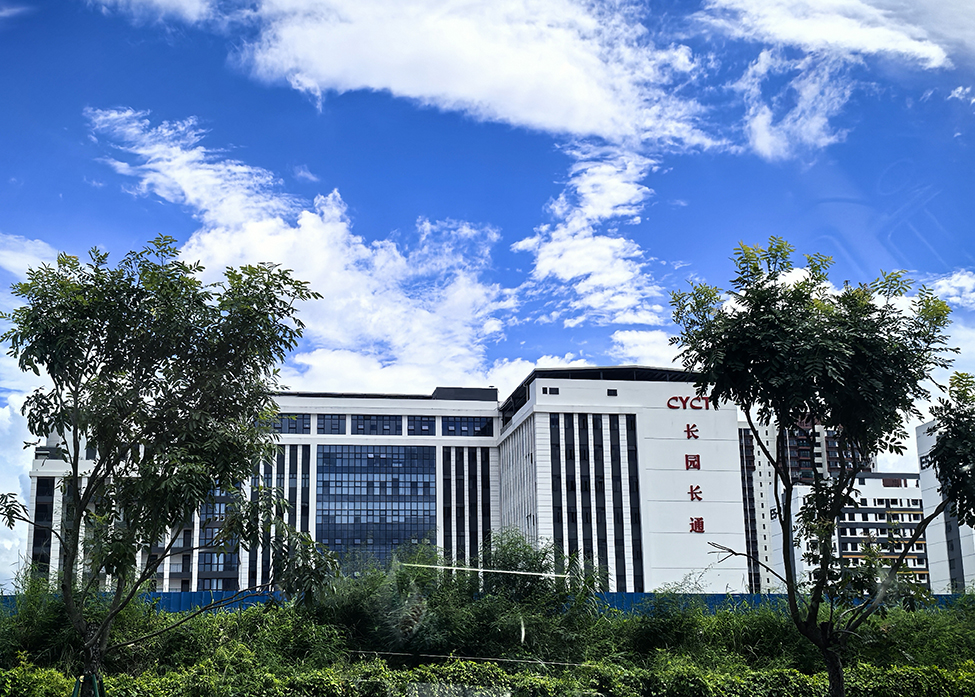
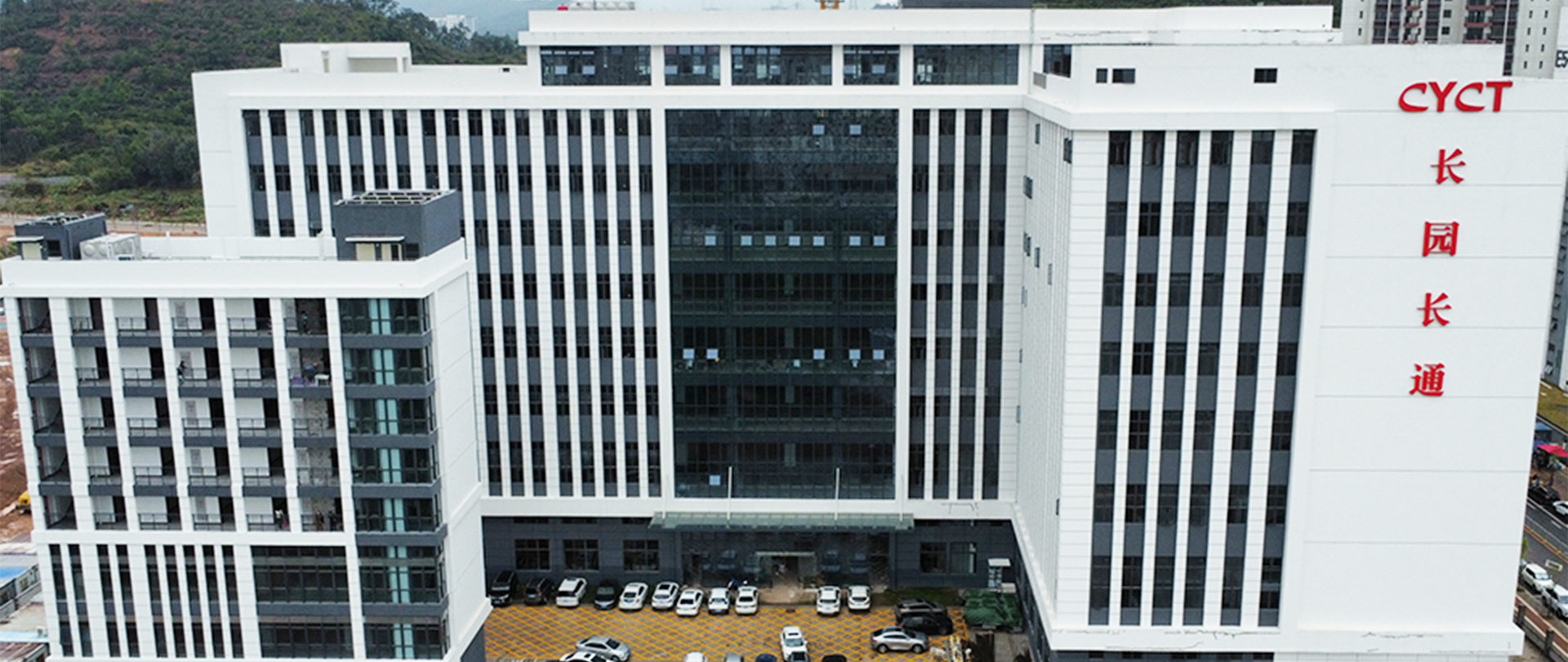
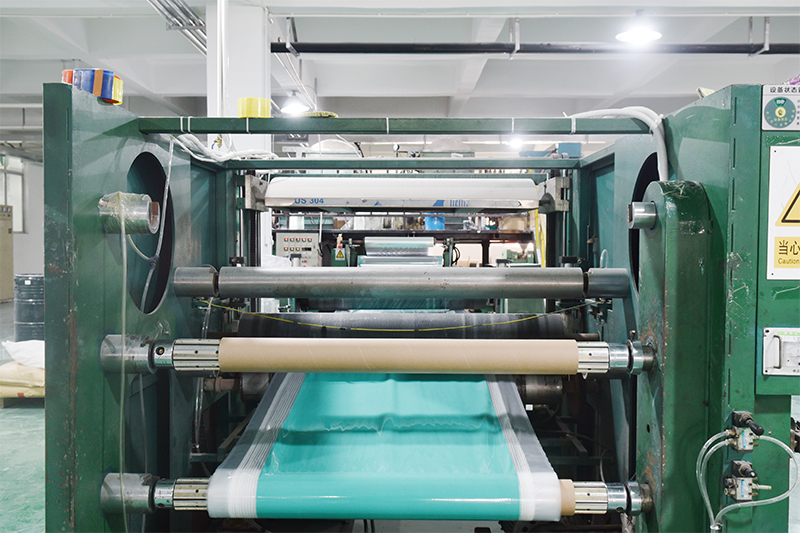
CYCT New Materials Company Limited (for short, CYCT) is a state-level high-tech enterprise integrating R&D, production, and sales of pipeline corrosion protection materials. We also provide buried pipeline detection services and pipeline coating field application services.
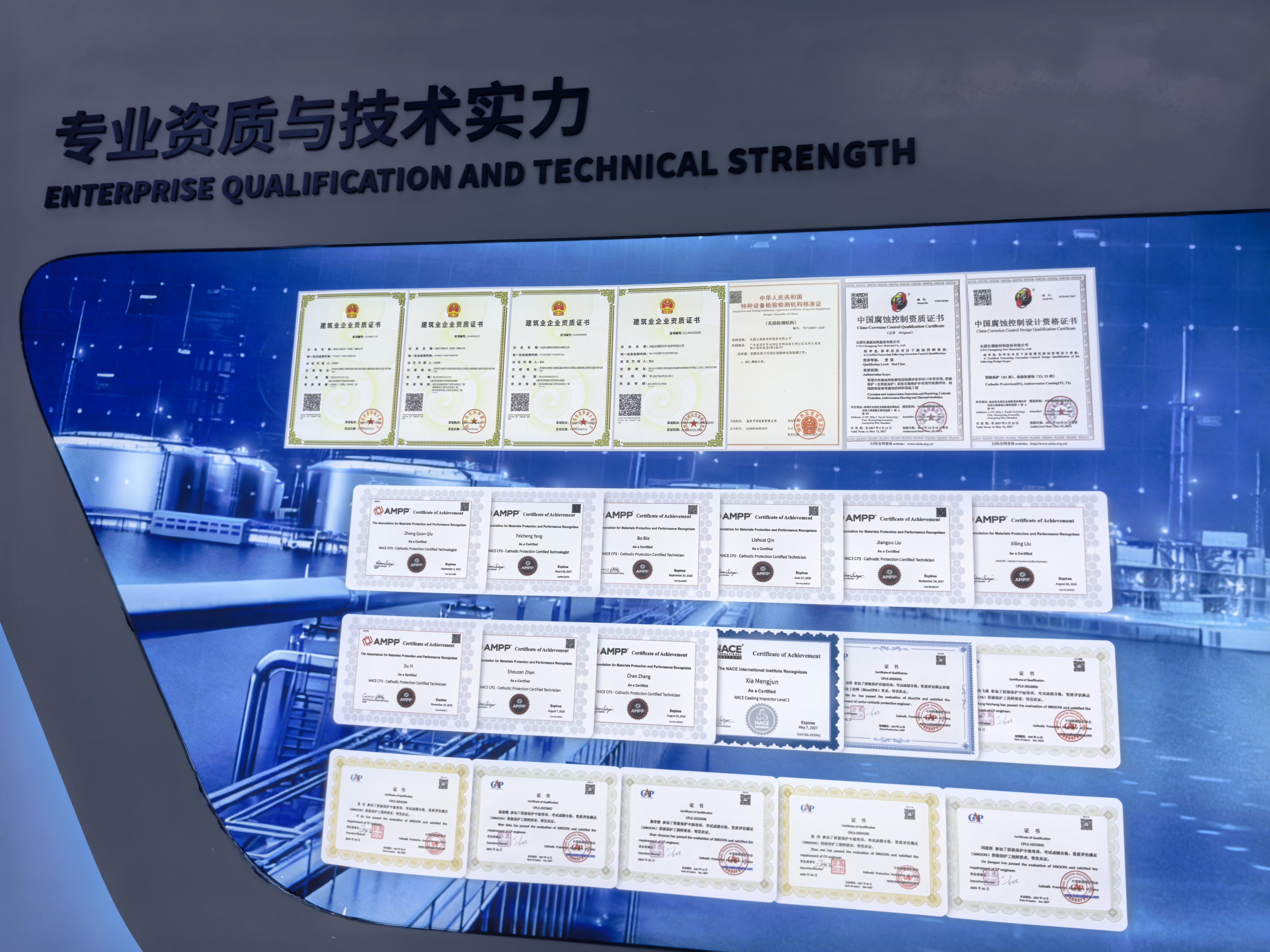
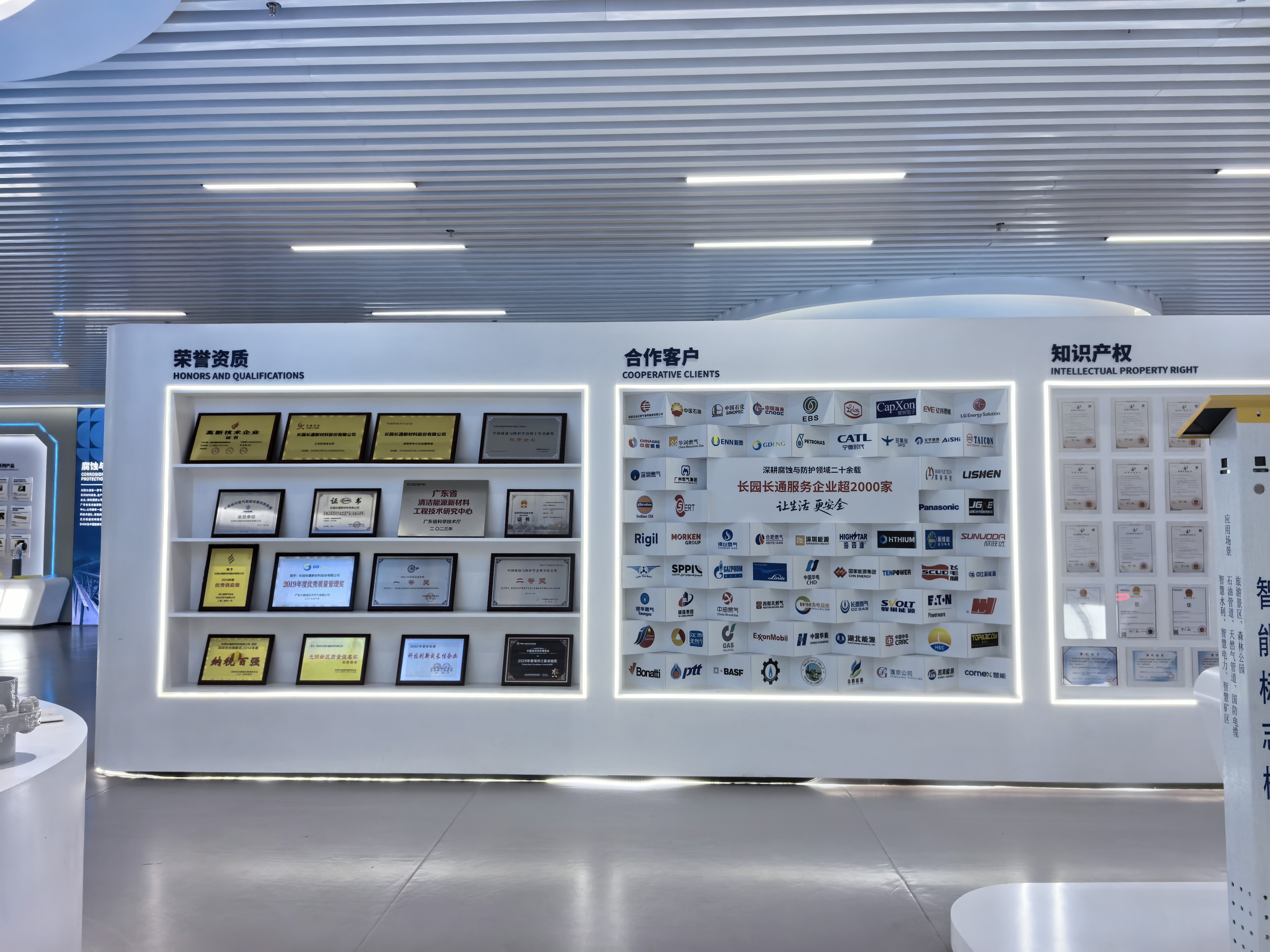
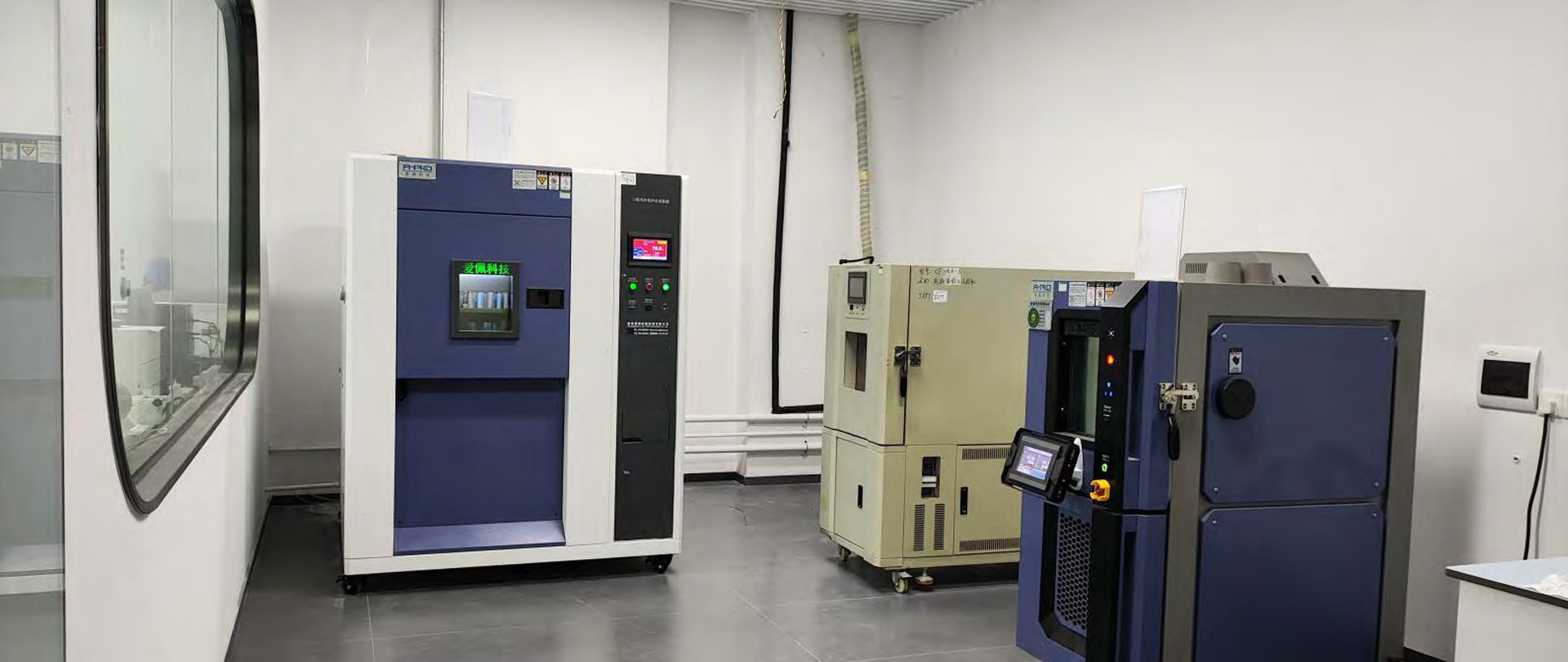
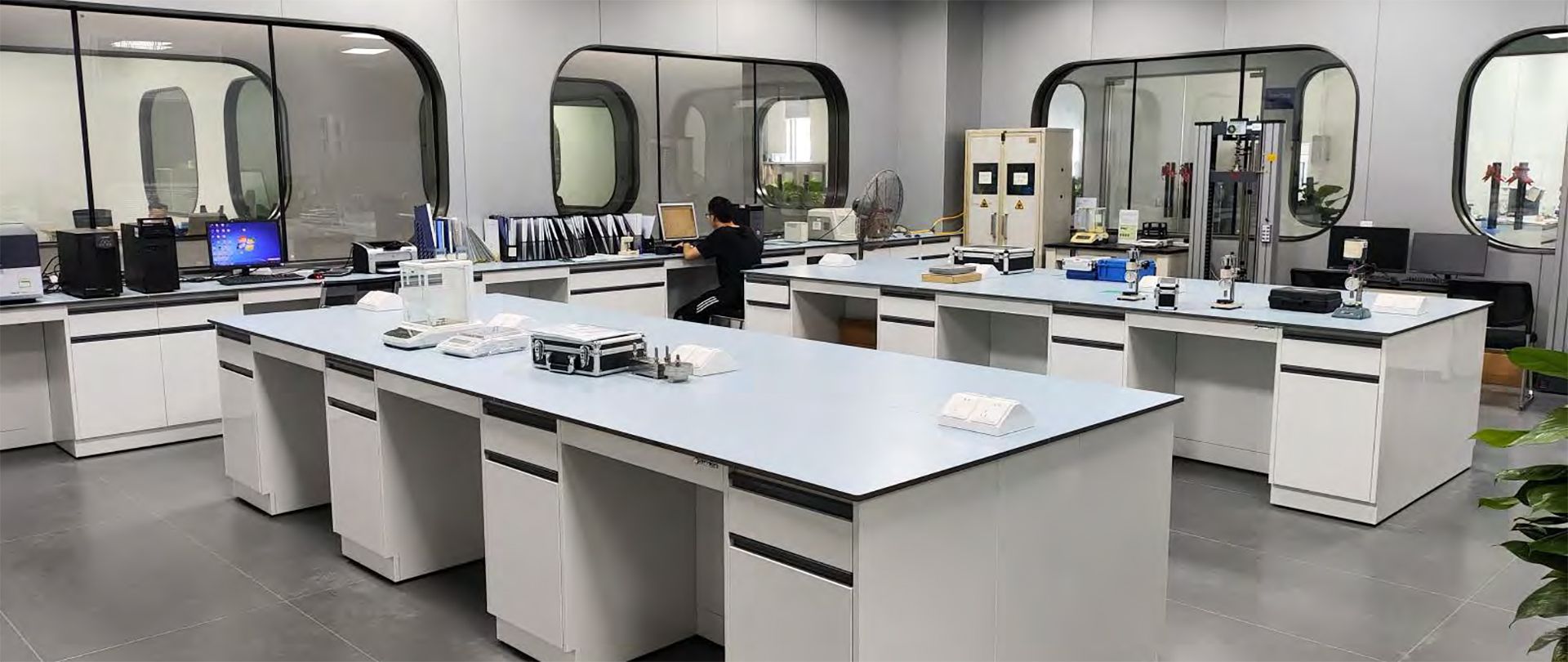
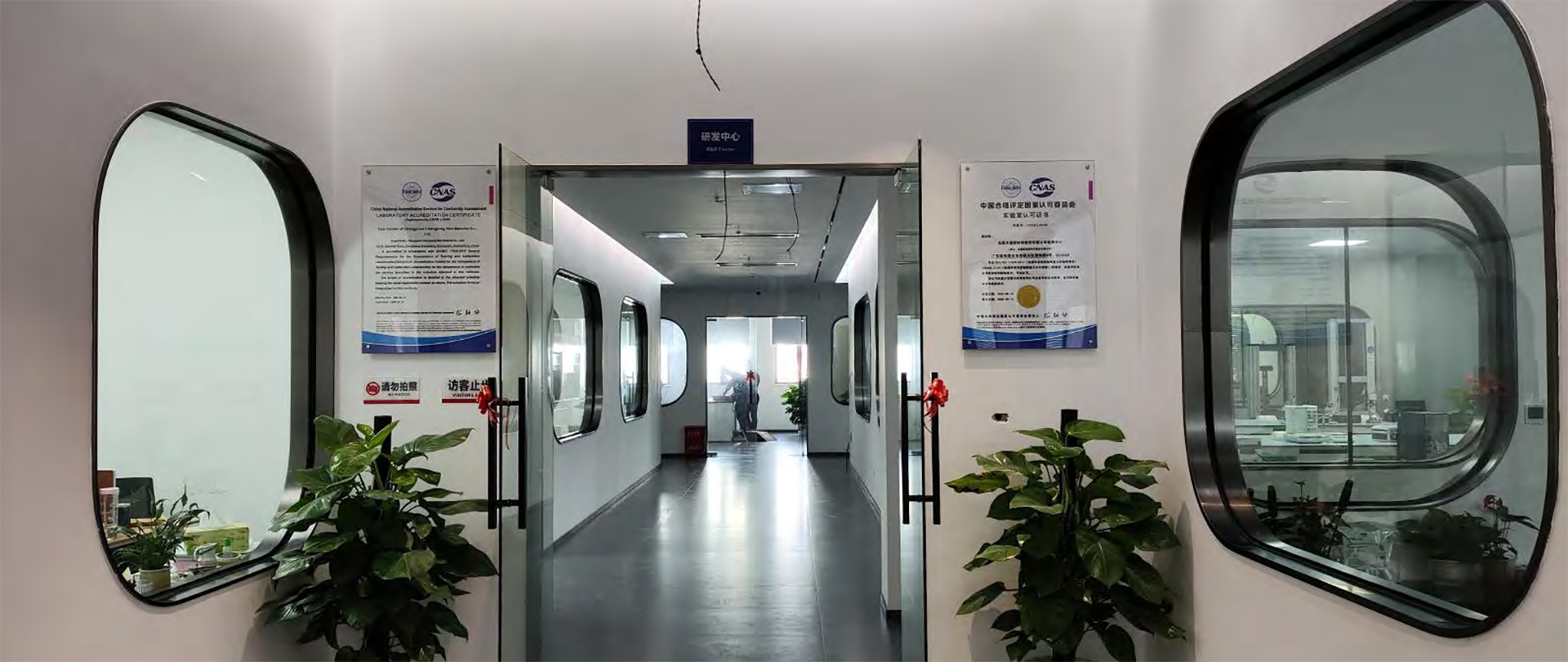
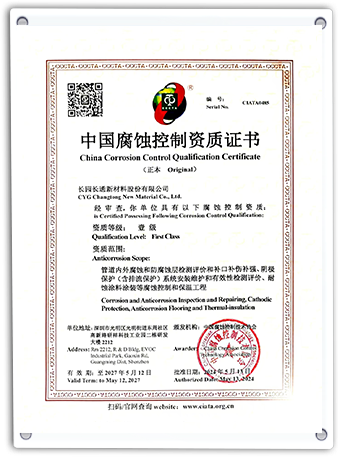
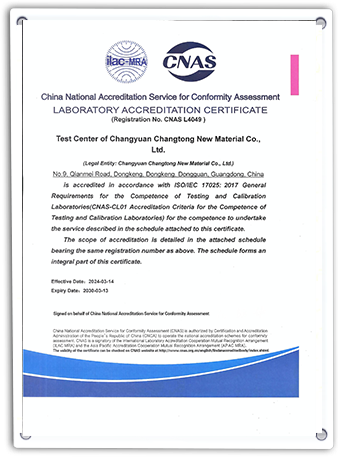
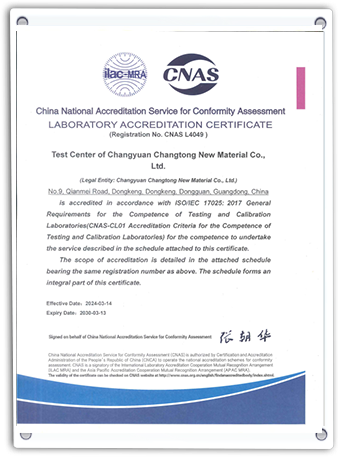
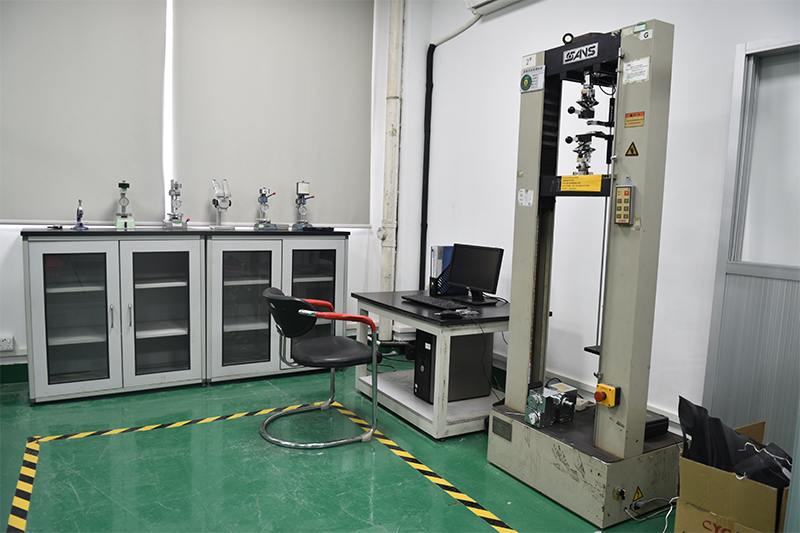
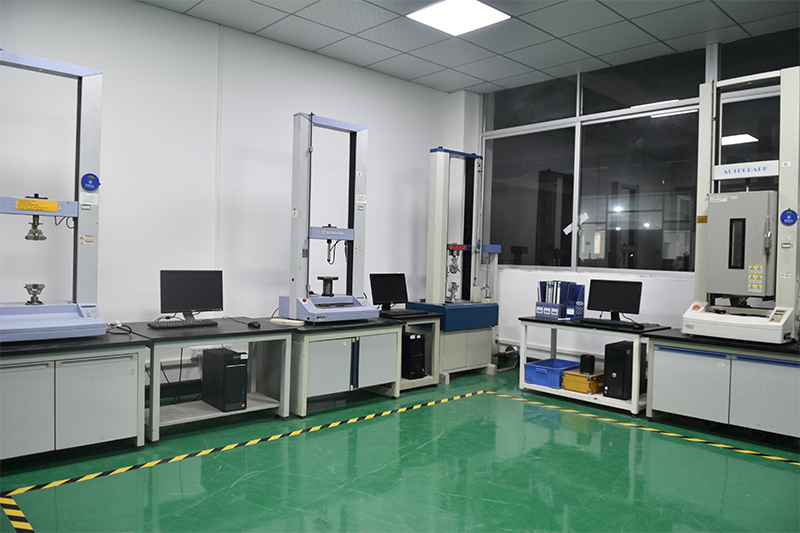
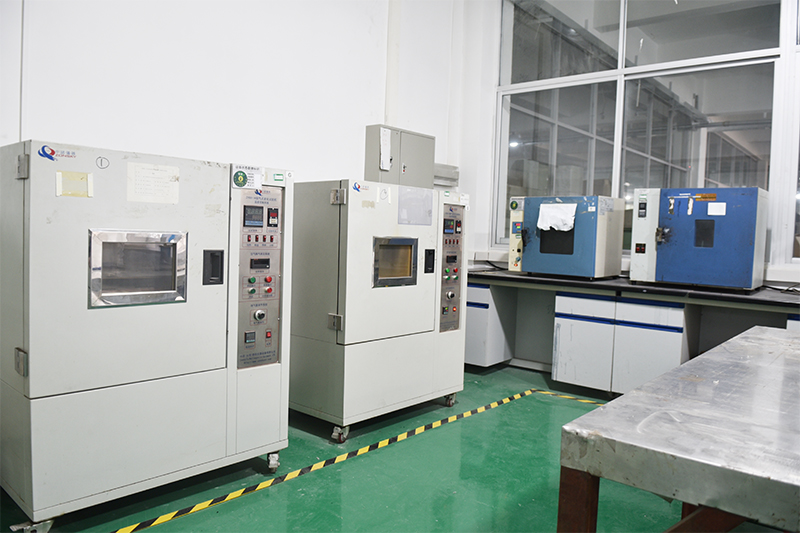
For decades, CYCT has focused on R&D, production, and sales of pipeline corrosion protection materials. With leading testing and R&D capabilities, a professional team, and a national CNAS-accredited laboratory, CYCT is a qualified supplier of field joint coatings for PetroChina, Sinopec, PipeChina, and various municipal and local pipeline projects.
In cooperation with research institutes like the CNPC Pipeline Science Research Institute, CYCT offers comprehensive technical services for operating pipelines, including buried pipeline detection, design schemes, cathodic protection, rehabilitation, and integrated solutions for pipeline safety.
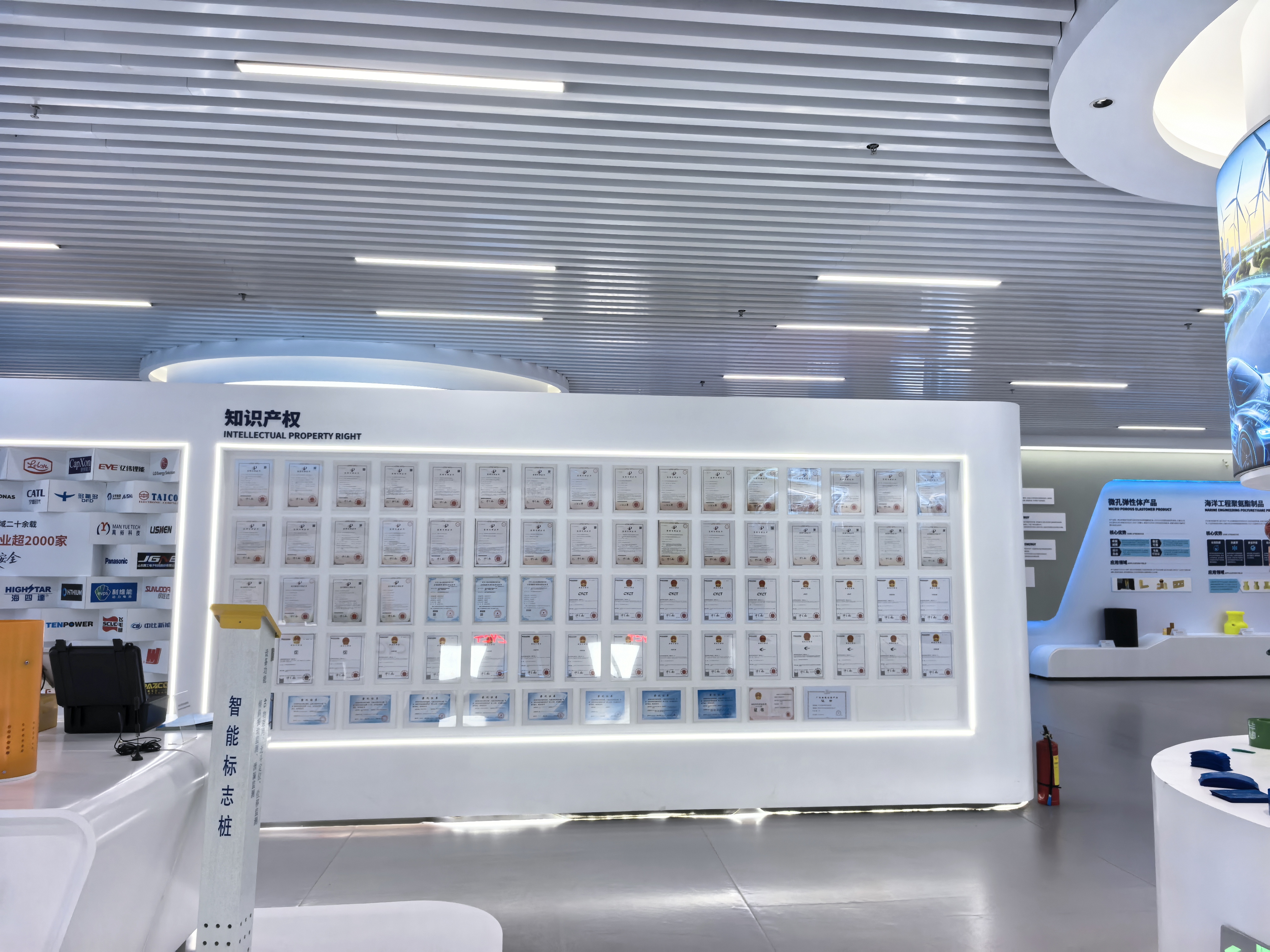
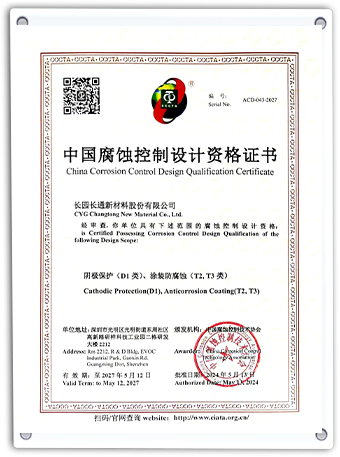
Distinguished Honors: Council Member of the Chinese Society for Corrosion and Protection (CSCP), certified pipeline detection and corrosion protection contractor, recognized brand in China pipeline anti-corrosion, and stable supplier of PetroChina, Sinopec, China Gas Group, and Indian Oil.
From diagnostics to protective remediation: how we serve in-service transmission systems.
Buried pipelines operate under dynamic underground environments where soil movement, groundwater changes, and temperature fluctuations challenge coating integrity. In partnership with CNPC Pipeline Science Research Institute, CYCT offers an integrated service package: pipeline direct assessment, cathodic protection optimization, coating defect diagnostics, and tailored field rehabilitation.
Our rehabilitation range features cold-applied viscoelastic tapes, PP hot-melt repair sticks, and UV-curing GRP jackets, allowing for field applications without long pipeline downtime.
Explore our field-applied repair patches, viscoelastic tapes, and heavy-duty polymer solutions.
Detailed answers to critical engineering, installation, and procurement questions.
Polyethylene (PE)-based heat shrinkable sleeves are standard options for oil, gas, and water pipelines with operating temperatures typically up to 60°C or 80°C. They offer flexibility and reliable adhesion on 3LPE factory coatings.
Polypropylene (PP)-based sleeves are engineered for higher temperature pipelines (up to 110°C or 120°C) and compatibility with 3LPP coatings. They provide higher mechanical strength and resistance to soil stress, though they require higher preheating temperatures during installation.
Viscoelastic coatings use non-crystalline, low-molecular-weight polyolefins that maintain permanent cold flow. This allows the material to behave like a highly viscous liquid, continuously wetting and adhering to the steel surface at a microscopic level. If minor mechanical damage occurs, the material naturally flows to seal the scratch, maintaining the protective barrier.
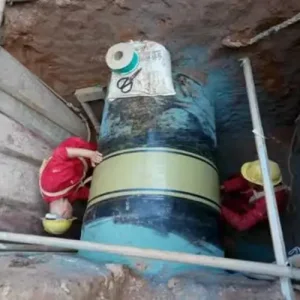
During HDD operations, pipelines are pulled through boreholes containing rocks and soil, subjecting the field joints to shear forces and impact. Photo-curing sleeves (UV-curing Glass Fiber Reinforced Plastics) wrap over the primary anti-corrosion layer and cure under sunlight or UV lamps to form a rigid, impact-resistant outer shell that protects the underlying coating.
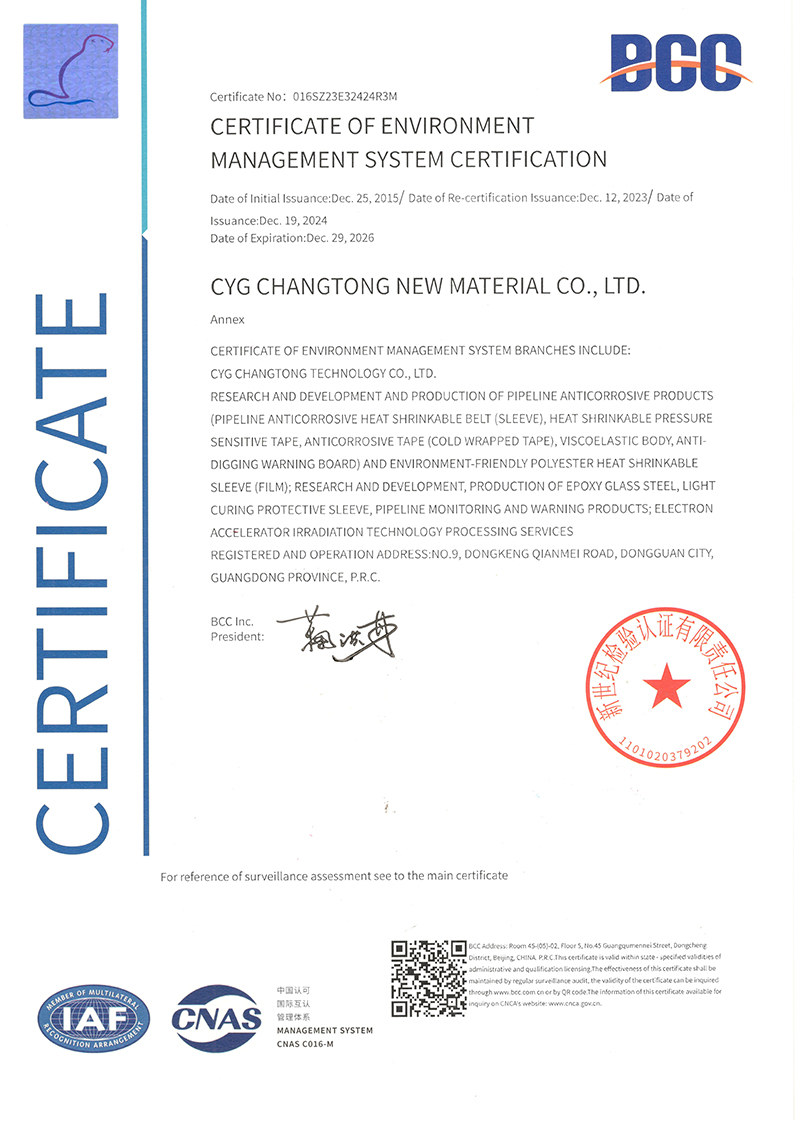
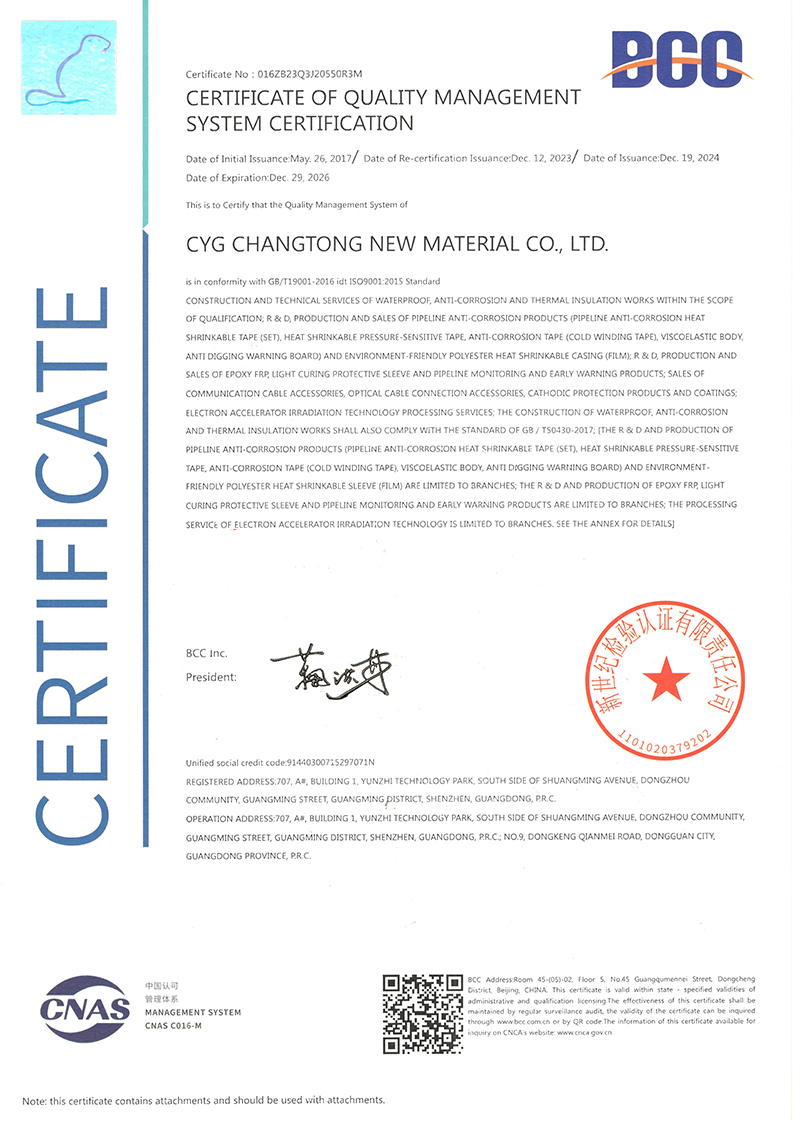
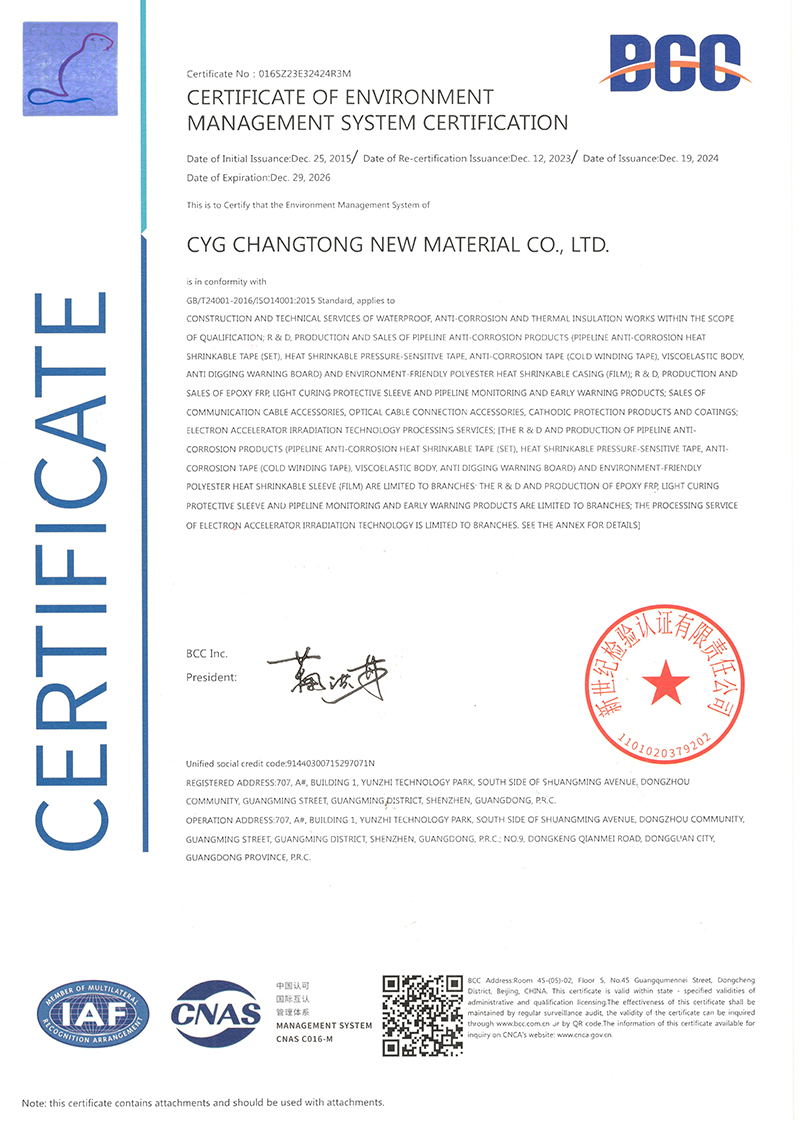
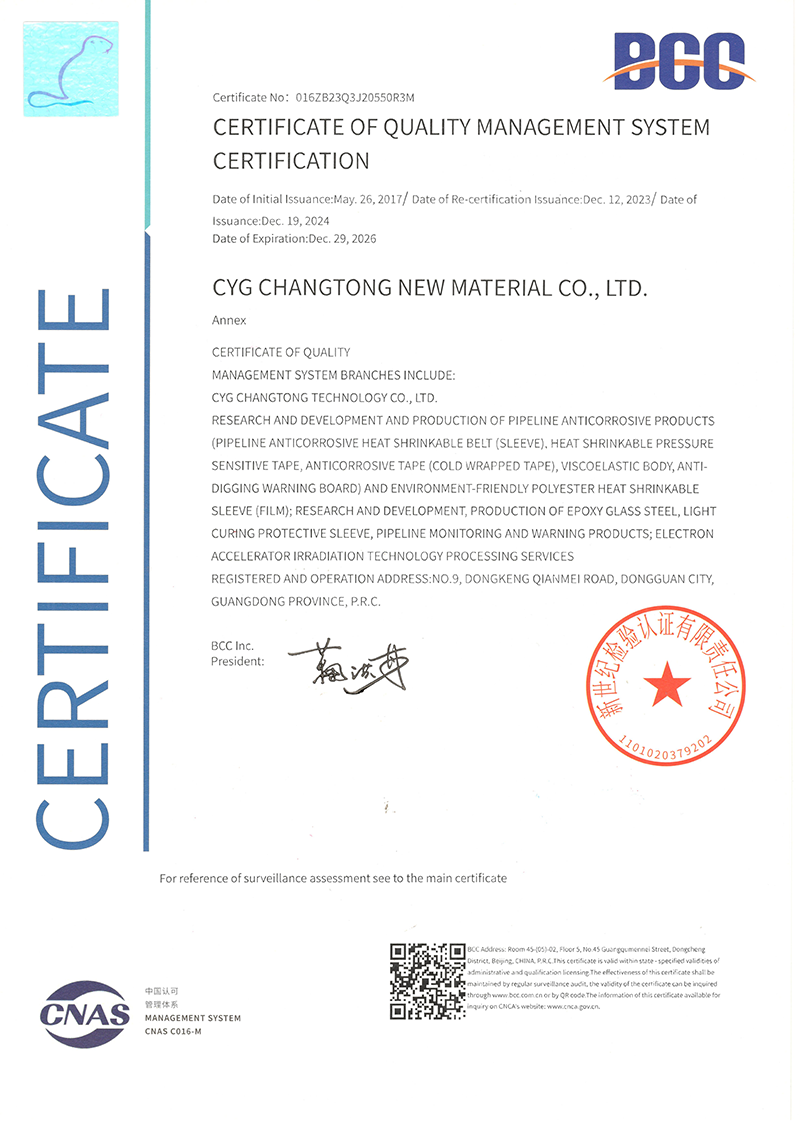
For international projects, materials should comply with standards such as ISO 21809-3, EN 12068 (specifically Class C for high mechanical requirements), and NACE/AMPP SP0169. Additionally, ISO 9001, ISO 14001, and ISO 45001 certifications ensure consistent quality management and environmental health standards during manufacturing.
Viscoelastic tape requires less surface preparation, typically needing only ISO 8501-1 St 2 or St 3 hand-tool cleaning. It does not require primers or preheating, making it suitable for field applications with limited access.
Heat shrink sleeves require ISO 8501-1 Sa 2.5 grit blasting, profile measurement, preheating of the steel pipe to a specified temperature, and the application of liquid epoxy primers to ensure strong adhesion.
Yes. As a direct manufacturer, CYCT supports OEM and ODM projects. We customize sleeve widths (from 100mm to 1000mm), backing thicknesses, and adhesive formulations to meet specific project specifications and soil stresses.
 CYCT
CYCT