OEM Girth Weld Protection Suppliers & Factories

High-Performance Pipeline Anti-Corrosion Solutions Engineered for Severe Environments & High-Yield Infrastructure Projects globally.

TECHNICAL INTELLIGENCE REPORT

1. The Critical Role of Girth Weld Protection in Global Pipelines

Modern transmission pipelines transporting oil, gas, water, and petrochemicals form the backbone of global energy security. In these distribution lines, hundreds of thousands of steel joints are welded together in the field, exposing vulnerable metallic surfaces known as girth welds. While the main pipeline sections are pre-coated in highly controlled mill conditions with advanced protective systems (such as Three-Layer Polyethylene (3LPE) or Three-Layer Polypropylene (3LPP)), the field-welded joints remain prime candidates for aggressive chemical and environmental attacks if not properly shielded.

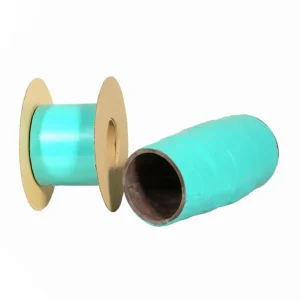
Corrosion at the girth weld area is a leading contributor to mechanical failures and catastrophic pipeline leaks. A reliable Girth Weld Protection system must deliver chemical inertness, high mechanical resistance to soil stresses, low water absorption, and excellent adhesion to both the bare steel substrate and the mill-applied parent coating. OEM suppliers and specialized factories offer engineered answers—such as heat-shrinkable sleeves, viscoelastic wraps, polymer hot-melts, and cold-applied tapes—tailored to meet the complex requirements of various topographies, pipeline operating temperatures, and subsea or buried conditions.

Substrate Adhesion

Formulating cross-linked hot-melt adhesives and mastic layers that fuse with steel substrates to eliminate under-film moisture accumulation and cathodic disbondment.

Soil-Stress Resistance

Engineered backing layers that resist shear forces, settlement shifts, dynamic soil movements, and aggressive pipe backfilling procedures during construction.

Long-Term ROI

Reducing life-cycle maintenance costs and pipeline downtime by avoiding cathodic protection shielding and preventing premature mechanical breakdown.

SUPPLY CHAIN DOMINANCE

2. The Strategic Advantages of China's Anti-Corrosion Supply Chain

Over the last three decades, China has evolved from a local manufacturing base to the epicenter of high-performance pipeline corrosion protection technology. Under pioneering research led by specialized corporations, Chinese factories have integrated vertical manufacturing pipelines. This enables the transition from raw polymer synthesis and radiation-induced cross-linking to final mastic formulations, all under one roof.

Mass Production Scalability: Boasting high-capacity extrusion lines and large-scale industrial e-beam accelerators, Chinese OEM suppliers can rapidly deliver bulk volumes of field joint coatings (FJC) for transnational pipeline networks stretching thousands of kilometers.

Cost-Efficiency & Logistics: By localizing the procurement of essential monomers, specialized masterbatches, and raw materials, Chinese production hubs optimize resource allocation. Proximity to global ports ensures rapid, secure container shipping with minimal lead times.

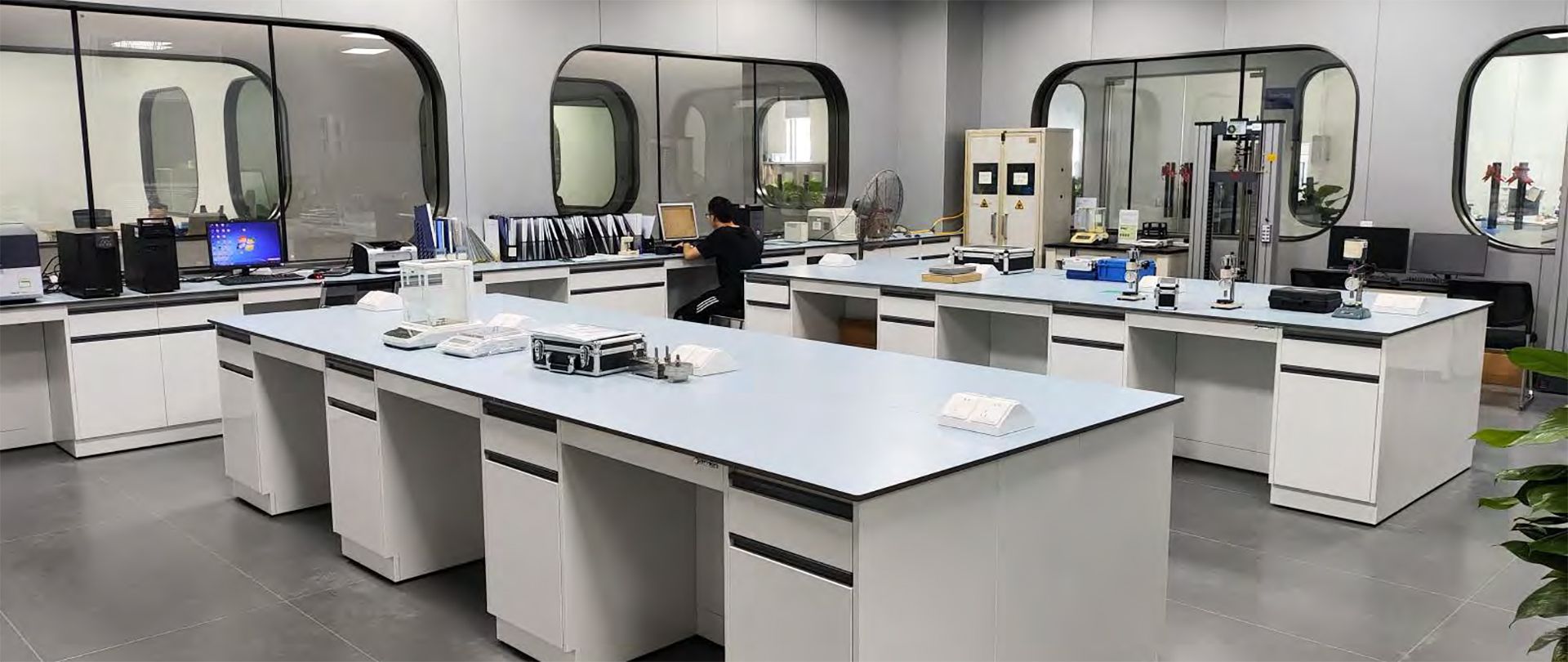
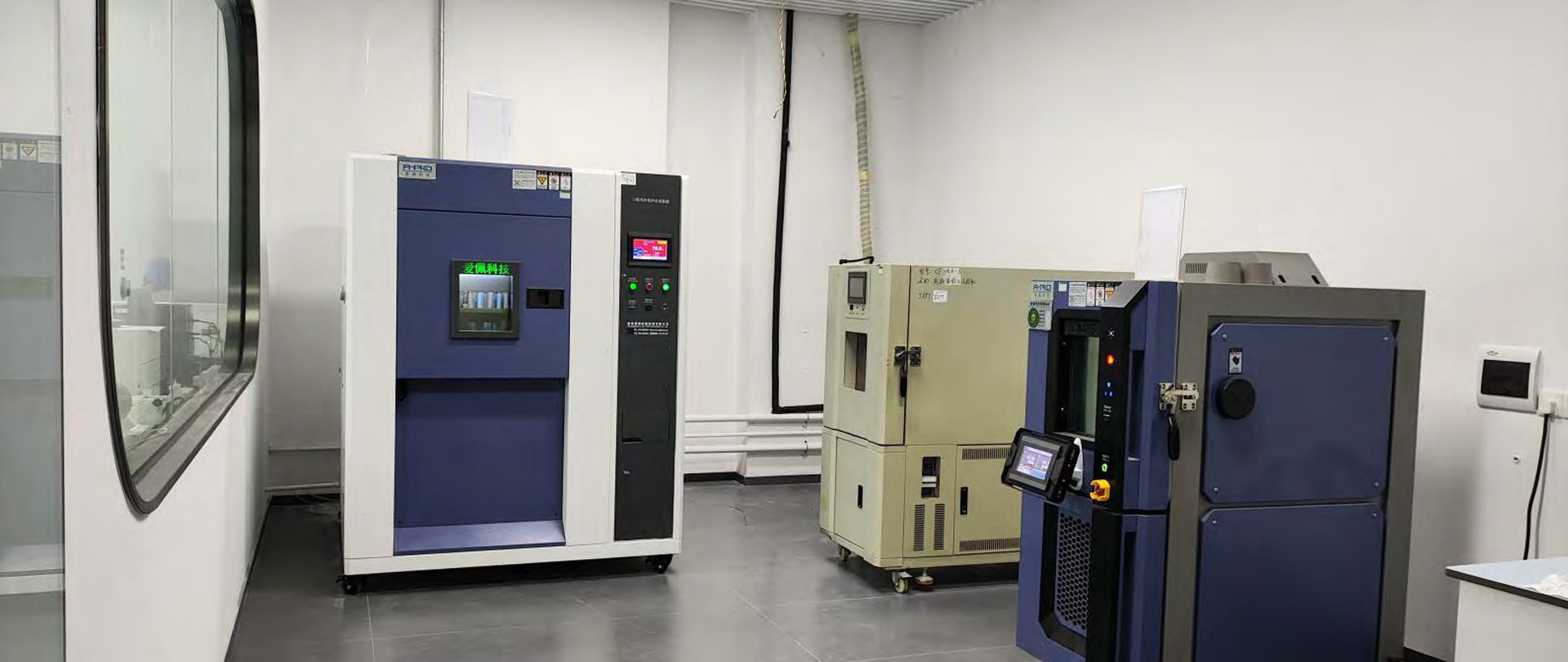
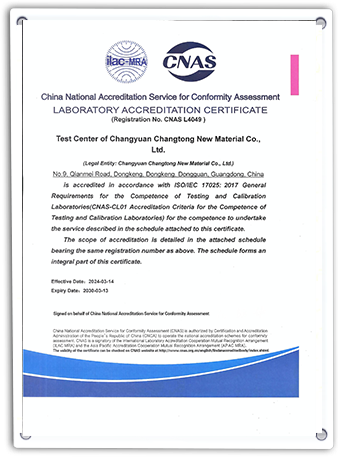
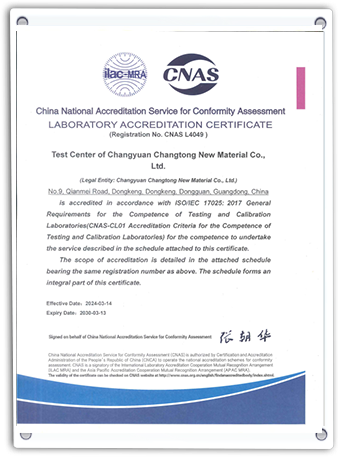
R&D and Laboratory Capabilities: Companies like CYCT New Materials boast state-of-the-art testing complexes, including national CNAS-accredited laboratories, validating structural shear resistance, thermal aging, and cathodic disbondment performance parameters to global standards.
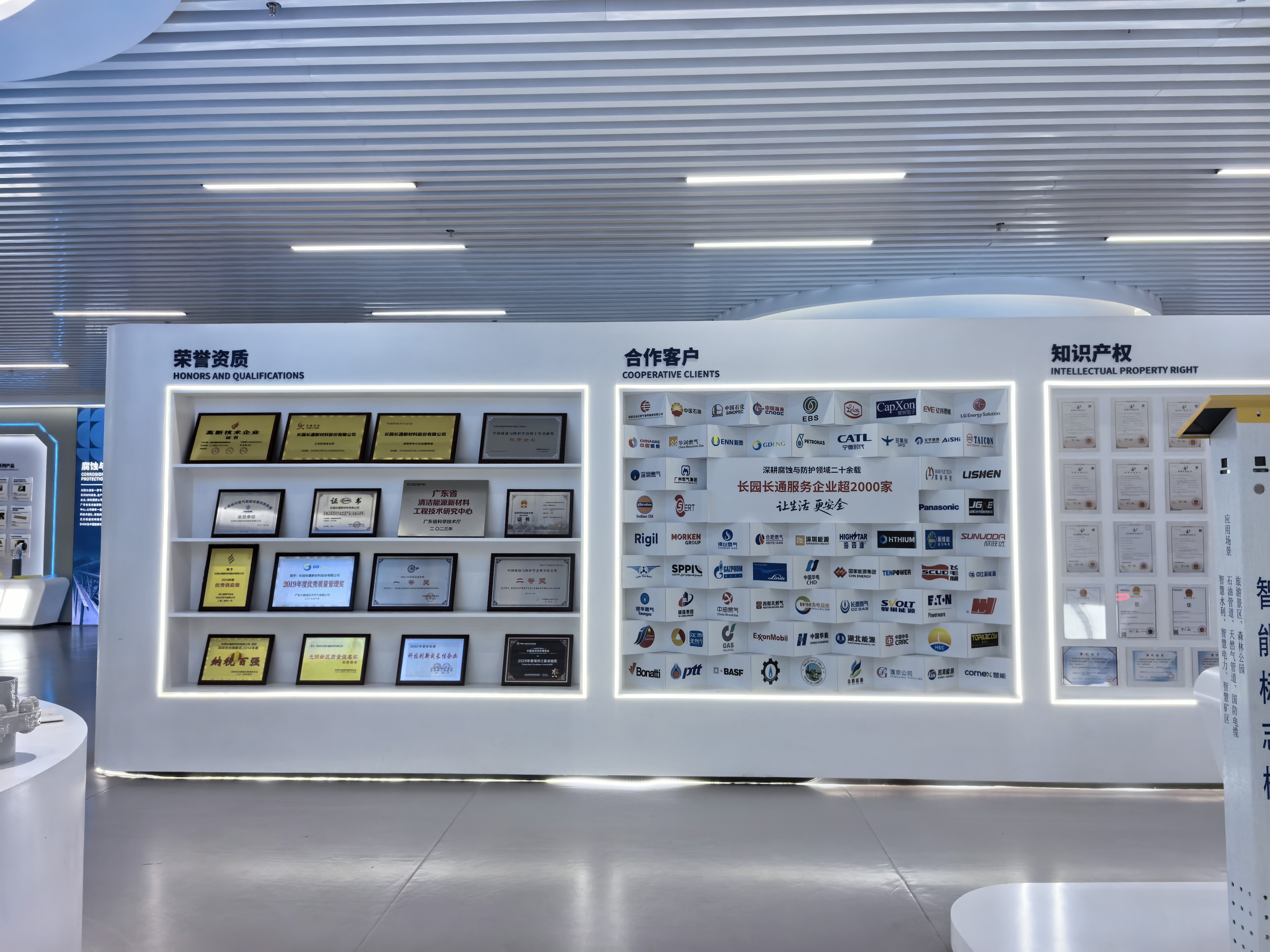
CYG Changtong Production Factory Floor

CYCT Global Manufacturing Performance Indicators

Validated operational milestones and manufacturing capacities supporting large-scale municipal, regional, and national oil and gas projects.

2000
Established (Over 2 Decades)
10+
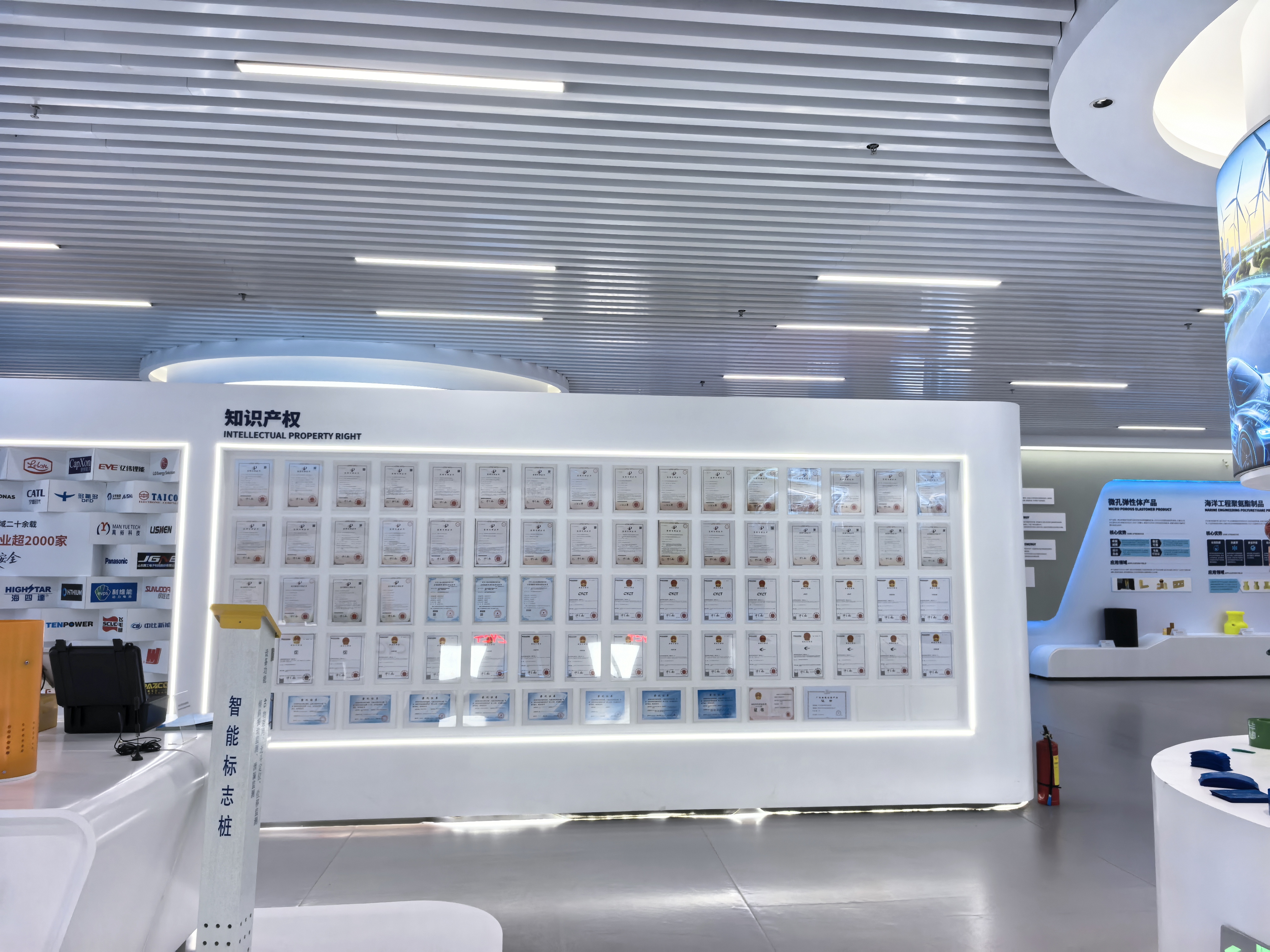
Proprietary Intellectual Patents
CNAS
Accredited National Laboratory
Tier 1
PetroChina & Sinopec Supplier
PROCUREMENT & ENGINEERING PLANNERS

3. Global Enterprise Procurement Demands & Project Scenarios

Global procurement teams in the infrastructure and energy sectors evaluate girth weld protection systems through a strict lens of multi-level compliance, field performance, and overall system longevity. Field Joint Coating (FJC) application conditions vary wildly, from freezing Arctic landscapes to scorching desert expanses, demanding solutions that match the specific localized parameters of the pipeline route.

Localized Environmental and Geotechnical Scenarios:

  • Desert & High-Temperature Environments: Pipeline designs in high-ambient regions (e.g., Middle East) operate at elevated internal temperatures. This requires high-performance polypropylene heat shrinkable sleeves (FRPD-PP) capable of maintaining structural integrity and resisting shear up to 110°C or higher.
  • Horizontal Directional Drilling (HDD) & Crossings: When pulling steel pipelines underneath rivers, highways, or mountain corridors, the girth weld coating faces immense abrasive friction. Heavy-duty fiberglass reinforced epoxy outer wraps, photo-curing sleeves, or specialized moisture-curing shields (like the GRF Moisture Curing Shield) protect primary anti-corrosion layers from scrape-offs.
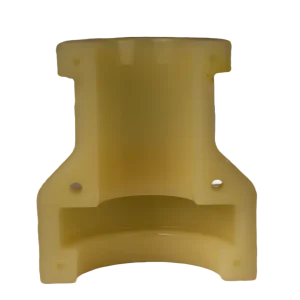
  • Offshore & Deepwater Subsea Laying: Marine environments demand high-performance bend restrictors, polyurethane spacers, and viscoelastic systems to cushion the physical stresses of pipeline tensioners and support rollers on pipelay vessels (S-lay / J-lay configurations).

Key Compliance Metrics Valued by Engineering Firms:

For international projects managed by entities such as Shell, Aramco, or local operators like Sinopec and PetroChina, coatings must adhere strictly to international standards, including ISO 21809-3 (Field joint coatings for buried or submerged pipelines), EN 12068, and NACE SP0169 / SP0274. Suppliers must provide certified documentation verifying peel strength, cathodic disbondment resistance, impact strength, indentation resistance, and thermal aging traits tested in accredited test units.

Corporate Profile: CYCT New Materials Co., Ltd.

Decades of engineering leadership in high-tech pipeline protection, safety assessment, and localized material formulation.
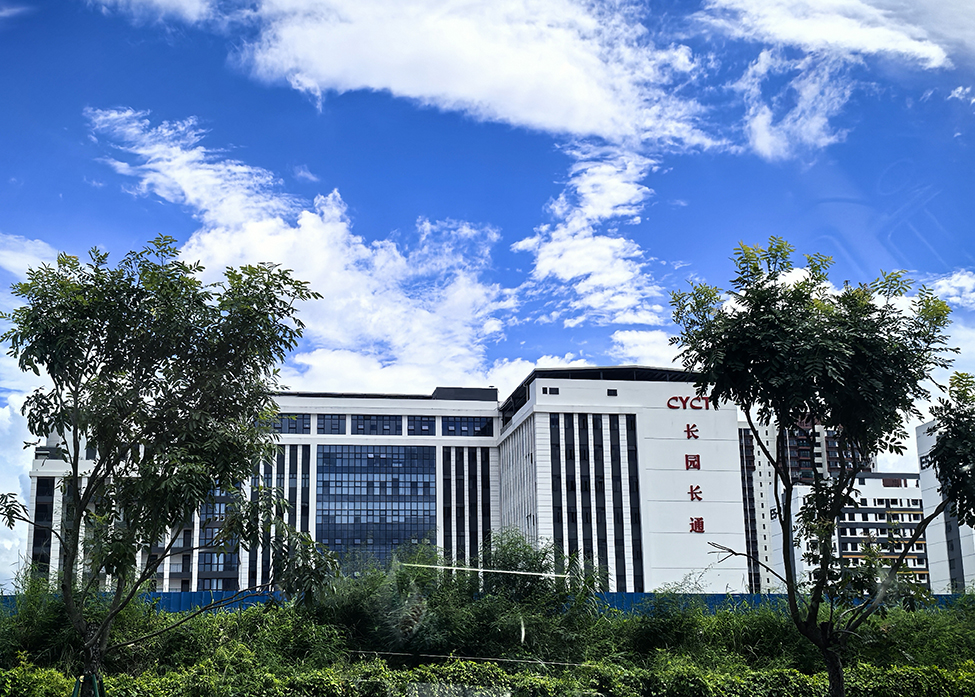
CYCT Research and Development Center

CYCT New Materials Company Limited (for short, CYCT) is a state-level high-tech enterprise integrating R&D, production, and sales of pipeline corrosion protection materials. The company also offers buried pipeline detection services and pipeline coating field application solutions. CYCT has dedicated itself to the development and delivery of advanced anti-corrosion materials for decades.

CYCT boasts leading testing and R&D capabilities, a professional research team, and a national CNAS-accredited laboratory. This high-standard infrastructure enables the company to continuously innovate and formulate specialized anti-corrosion materials. These include viscoelastic wraps, photo-curing sleeves for HDD protection, polyurea coatings, and traditional heat-shrinkable sleeves.

As a stable, long-term supplier of field joint coatings for PetroChina, Sinopec, PipeChina, and local gas distributors, CYCT commands a major domestic market share. It also actively serves international markets, including providing corrosion protection solutions to Indian Oil and various utility networks worldwide.
INDUSTRY HORIZONS

4. Future Development Trends in Pipeline Girth Weld Protection

As the energy transition takes shape, pipeline infrastructure is evolving to support new mediums like hydrogen-natural gas blends, high-pressure CO2 capture pipelines, and geothermal distribution networks. These shifts present new requirements for girth weld protection:

Key Trends Driving the Field Joint Coating Industry:

  • Smart Coatings with Built-in Sensing: Integrating fiber-optic sensors or conductive pigments into girth weld sleeves to enable real-time corrosion monitoring, strain detection, and localized moisture alerts.
  • Eco-Friendly & Solvents-Free Chemistry: Shifting away from heavy VOC primers to viscoelastic sealants and hot-melt sticks that require no primers. This minimizes environmental impact during field applications.
  • High-Temperature Resistant Formulations: Developing modified polyolefins and hybrid fluoropolymers capable of enduring continuous exposure to 120°C–150°C operating envelopes, critical for deep-well extraction and geothermal loops.
  • Automation in Field Applications: The adoption of automated induction heating coils and orbital sleeve shrinkage machinery to reduce human error, speed up field cycle times, and guarantee uniform adhesion.

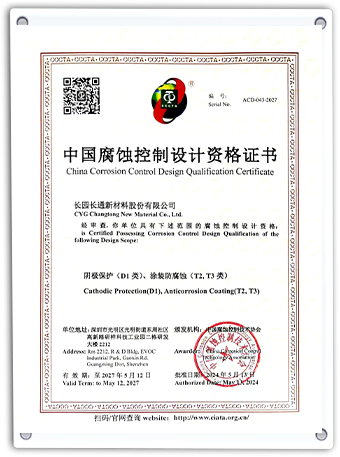
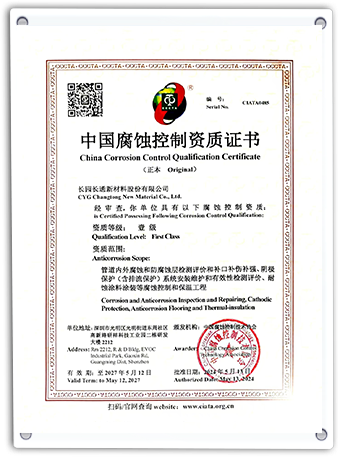
Certificates, Awards & Credentials

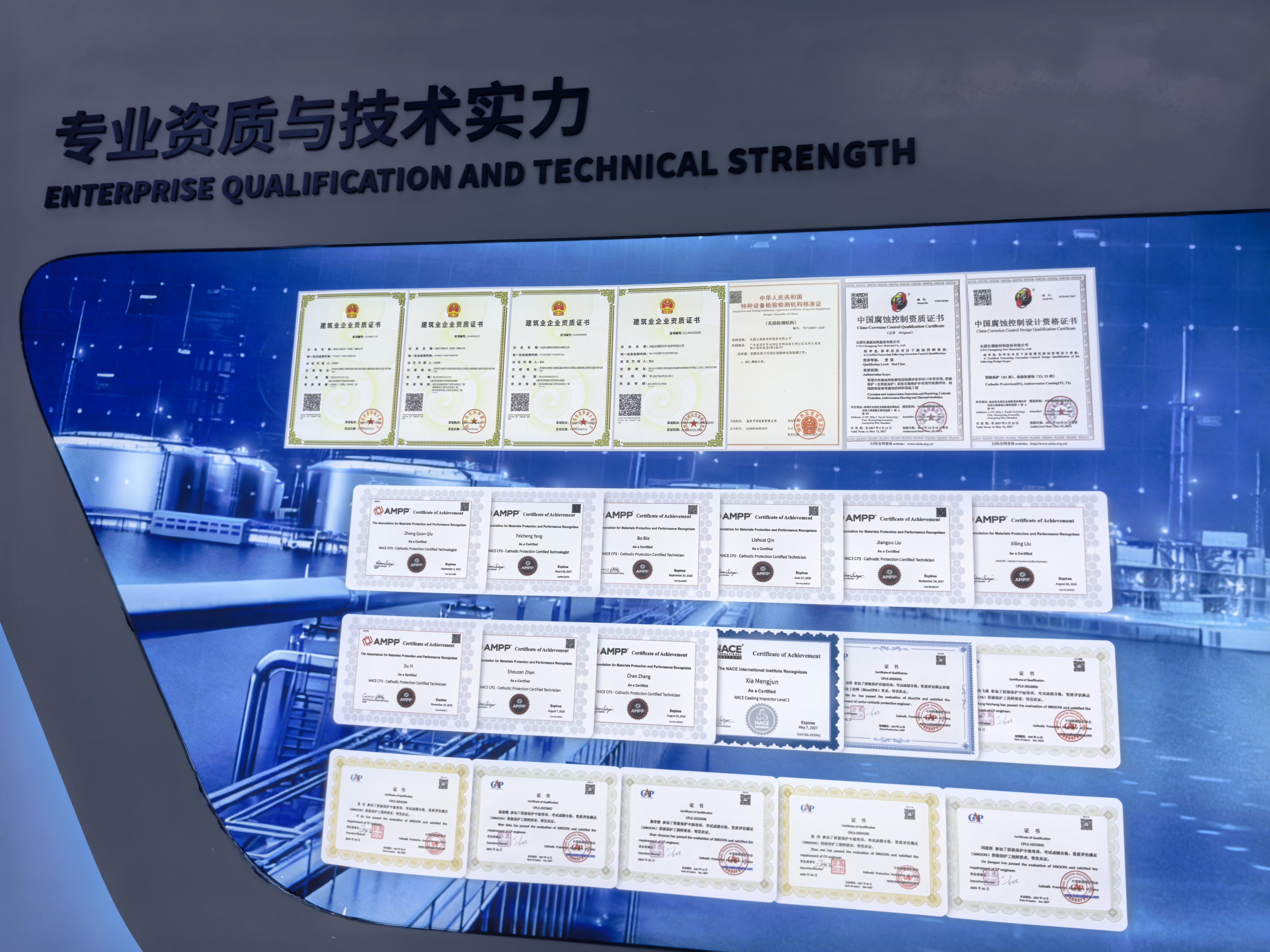
A council member of the Chinese Society for Corrosion and Protection (CSCP) and a qualified corporate member of CAPEC, backing every product with proven authority.
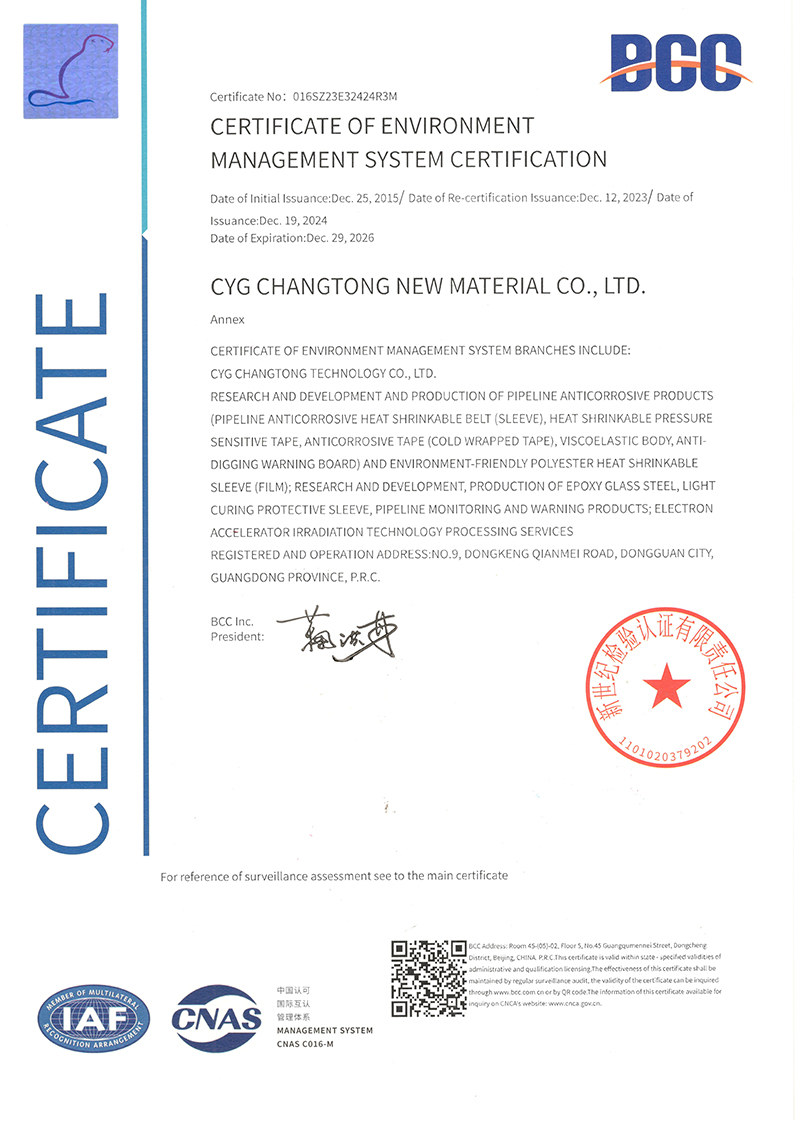
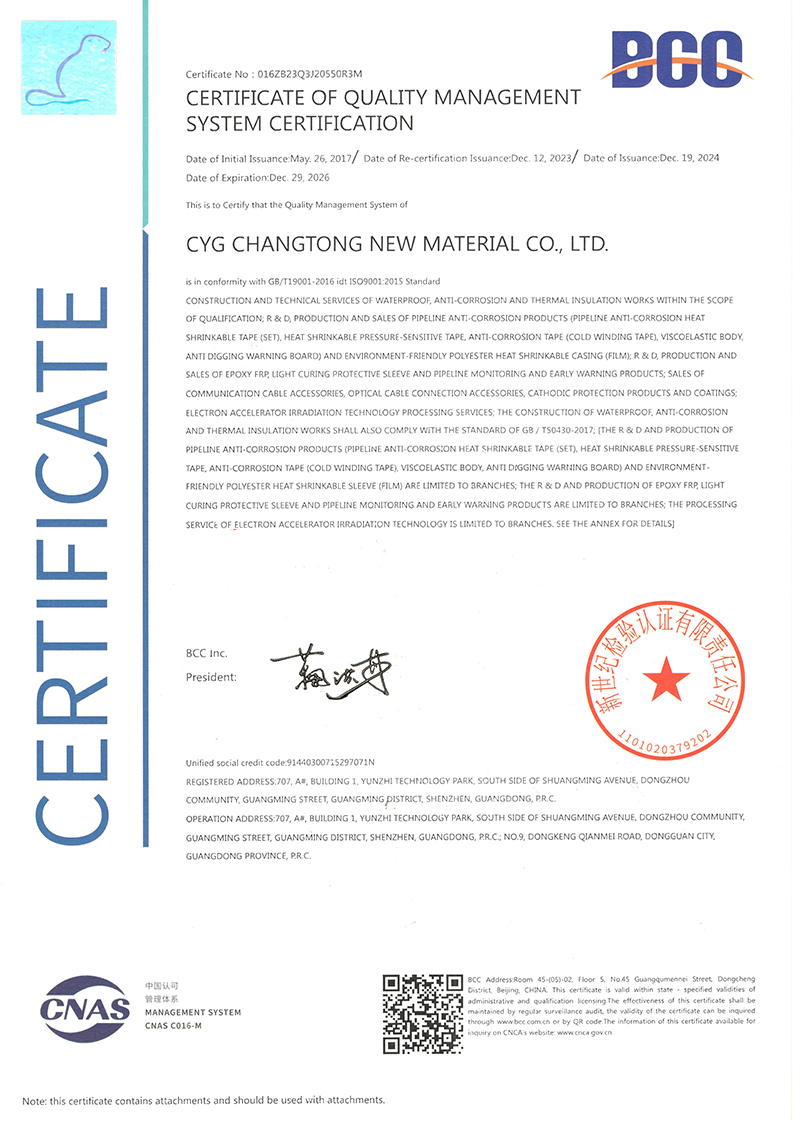
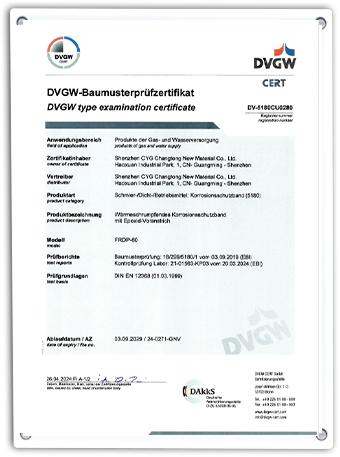
CYCT Corporate Certificate 1

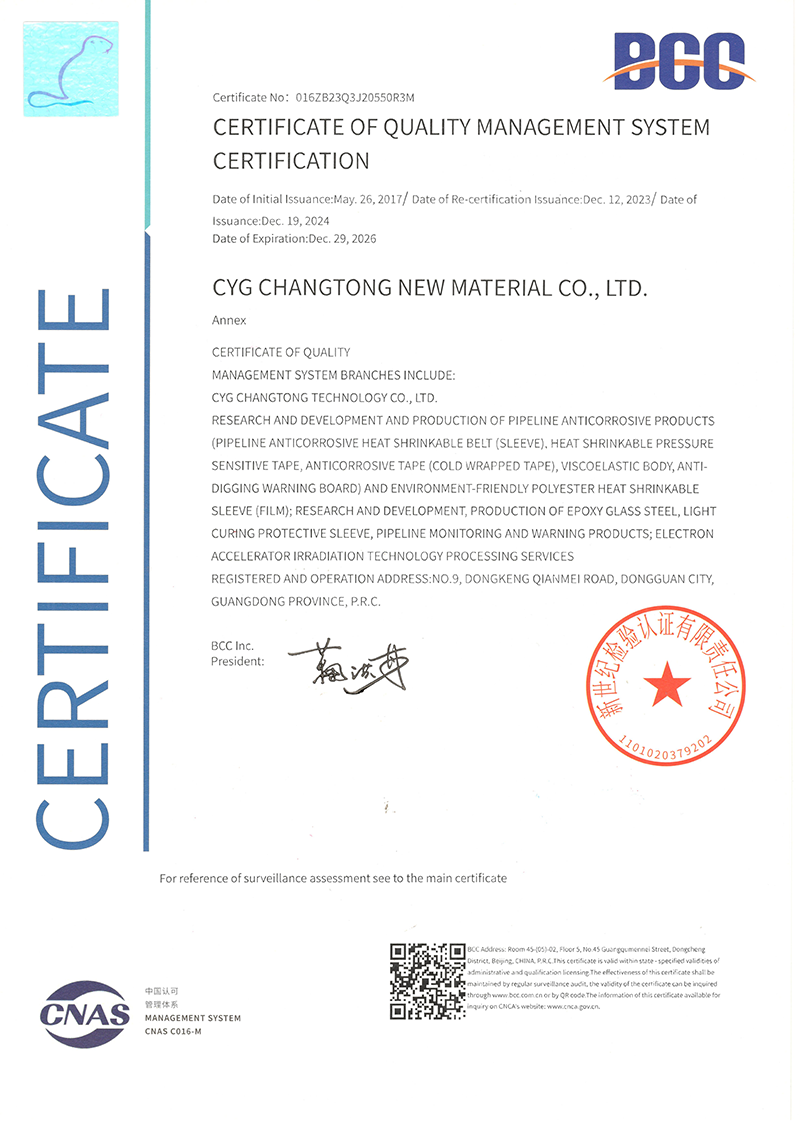
ISO Quality Management

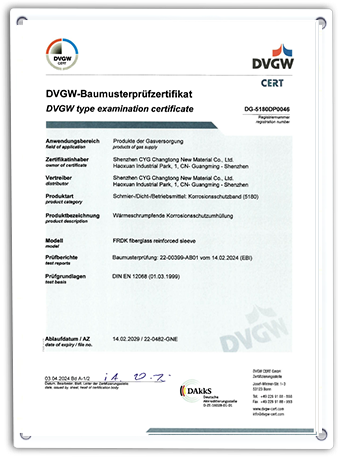
CYCT Corporate Certificate 2

Health & Safety Certification

CYCT Corporate Certificate 3

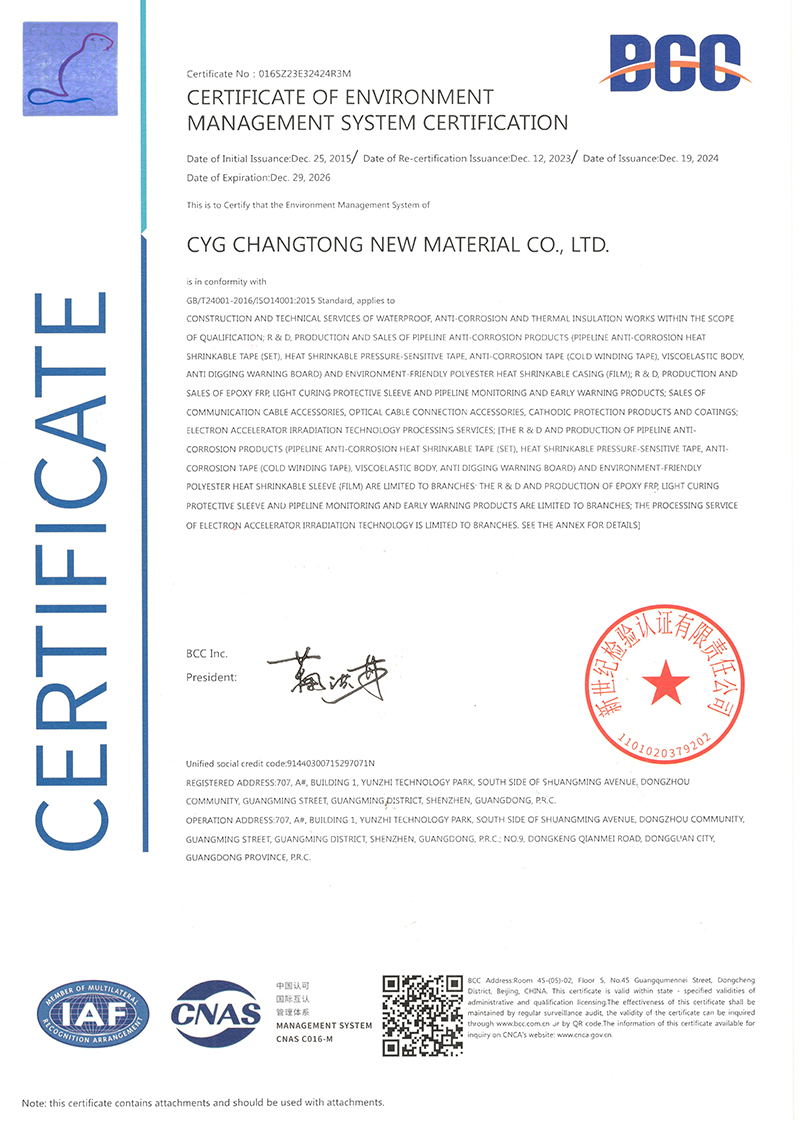
Environmental Compliance

CYCT Corporate Certificate 4

CSCP Member Registry

CYCT Corporate Certificate 5

State-Level High-Tech Award

CYCT Corporate Certificate 6

CAPEC Supplier Qualification

CYCT Corporate Certificate 7

Sinopec Certified Partner

CYCT Corporate Certificate 8

PetroChina Registered Vendor

CYCT Corporate Certificate 9

CNAS Laboratory Qualification

CYCT Corporate Certificate 10

Patent & Tech Excellence

Expert Q&A on Girth Weld Protection Systems

Answering key engineering, installation, and procurement questions to guide pipeline project specifications.

Q1: What are the primary differences between 3LPE/3LPP mill coatings and field girth weld protection?
Mill coatings are applied under automated, highly controlled factory conditions with heavy blast cleaning and high-temp curing. Field girth weld protection, on the other hand, is applied on-site along the pipeline route under varying weather and environmental conditions. As a result, Field Joint Coatings (FJCs) must be formulated to tolerate manual or semi-automated preparation (typically sandblasting to Sa 2.5 or wire brushing to St 3) and install quickly without compromising adhesion, shear resistance, or long-term anti-corrosion properties.
Q2: How does viscoelastic tape compare to heat shrinkable sleeves for pipeline joints?
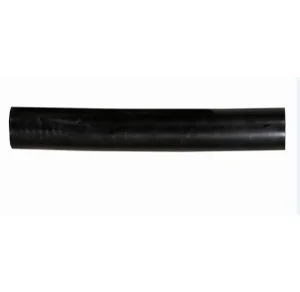
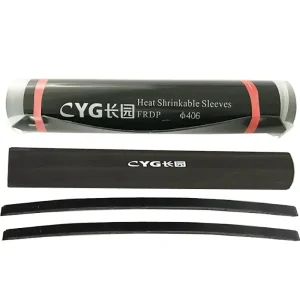
Vis viscoelastic tapes (such as VT95) consist of a cold-flow, self-healing polymer backing that never hardens. This formulation allows the tape to flow into substrate micro-fissures, offering excellent wetting and complete moisture exclusion without requiring a liquid primer. By contrast, heat shrinkable sleeves (like the FRDP series) feature a cross-linked polyolefin backing coated with a hot-melt adhesive that requires heat to shrink and cure. Heat shrinkable sleeves offer higher mechanical strength, impact resistance, and soil shear resistance, making them better suited for high-stress burial scenarios and higher pipeline operating temperatures.
Q3: Why is Cathodic Disbondment (CD) resistance vital for girth weld coatings?
Cathodic Protection (CP) systems apply electrical currents to protect pipelines from corrosion where coatings may fail. However, these currents can generate hydrogen gas bubbles at coating holiday sites, lifting the coating from the steel surface—a phenomenon known as cathodic disbondment (CD). High-quality girth weld coatings are formulated with specialized adhesive layers that resist this electro-chemical stress, keeping the coating bonded to the steel and preventing corrosion from spreading underneath the film.
Q4: How does a factory CNAS accreditation benefit international procurement buyers?
CNAS (China National Accreditation Service for Conformity Assessment) is a member of the International Laboratory Accreditation Cooperation (ILAC). A CNAS-accredited laboratory ensures that all quality control testing—including peel strength tests, thermal stability evaluations, and water absorption trials—is performed to strict ISO/IEC 17025 testing standards. This accreditation guarantees that the factory's test certificates are internationally recognized and reliable, giving global engineering firms confidence that the products will meet project criteria.
Q5: Which field joint coating is recommended for Horizontal Directional Drilling (HDD) crossings?
Pipelines installed via Horizontal Directional Drilling (HDD) encounter severe friction and abrasion as they are pulled through underground pathways. For these applications, we recommend a multi-layer system featuring a primary anti-corrosion layer (such as a heat shrinkable sleeve or viscoelastic wrap) topped with a mechanical protection shield. Products like the GRF Moisture Curing Shield or specialized photo-curing sleeves provide a hard, impact-resistant outer shell that protects the primary anti-corrosion barrier from damage during the pull-back process.