A technical examination of field-applied coatings and their role in preventing systemic pipeline corrosion failures.
Long-distance pipelines carrying oil, natural gas, refined products, and water are protected in factory environments using sophisticated multilayer systems like 3-Layer Polyethylene (3LPE) or 3-Layer Polypropylene (3LPP). However, the girth welds joining individual pipe segments must be completed in the field. These bare metal weld zones—the field joints—are highly vulnerable to electrochemical degradation, soil stresses, and mechanical damage if not encapsulated with identical engineering standards.
An effective Field Joint Coating (FJC) must act as an uninterrupted continuation of the factory line coating. Failure to establish a seamless barrier at these joint interfaces results in water ingress, accelerated local corrosion, and structural failure. The design and quality of these field joint systems directly affect the operational lifespan and safety margins of pipeline assets globally.
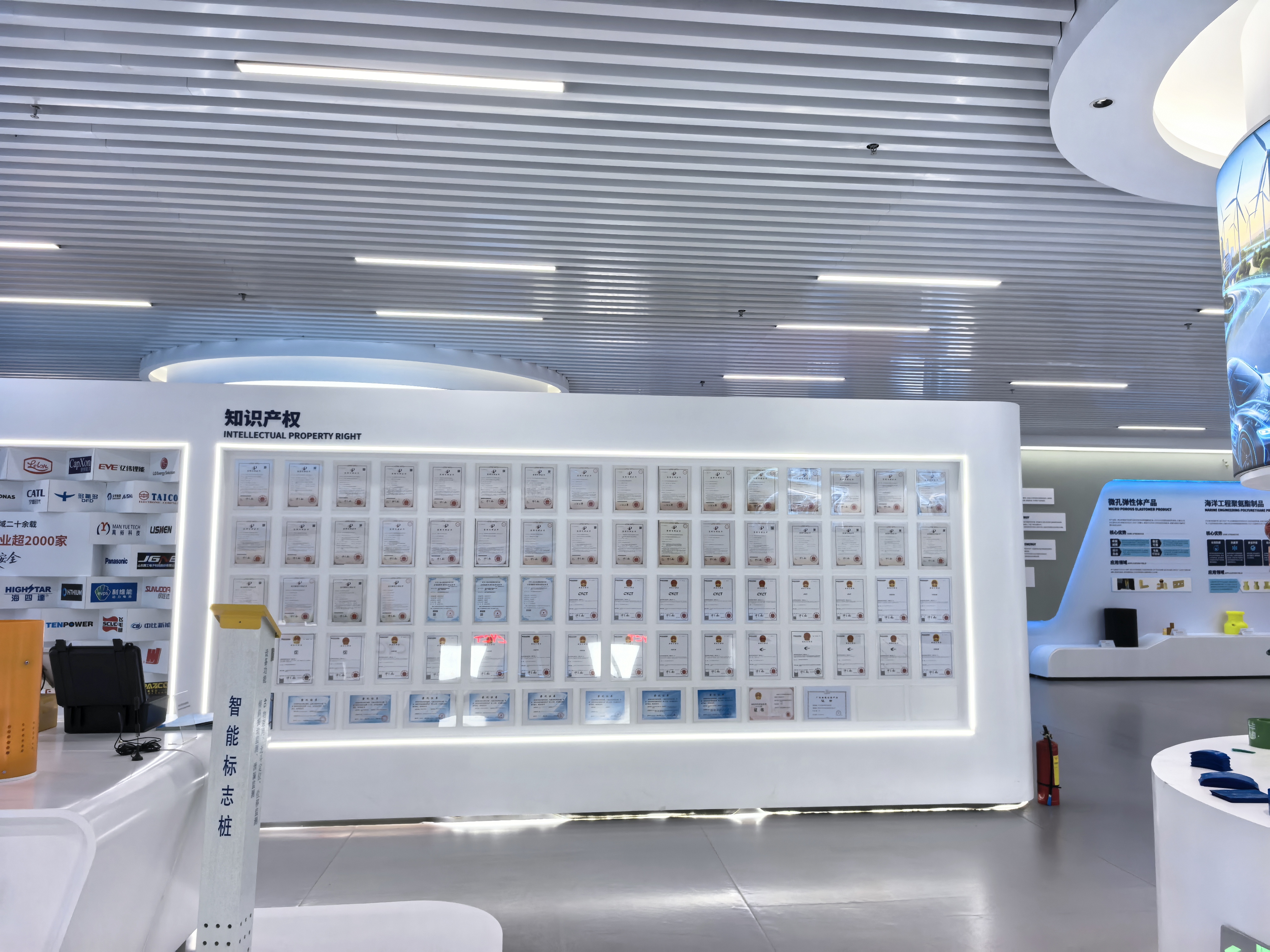
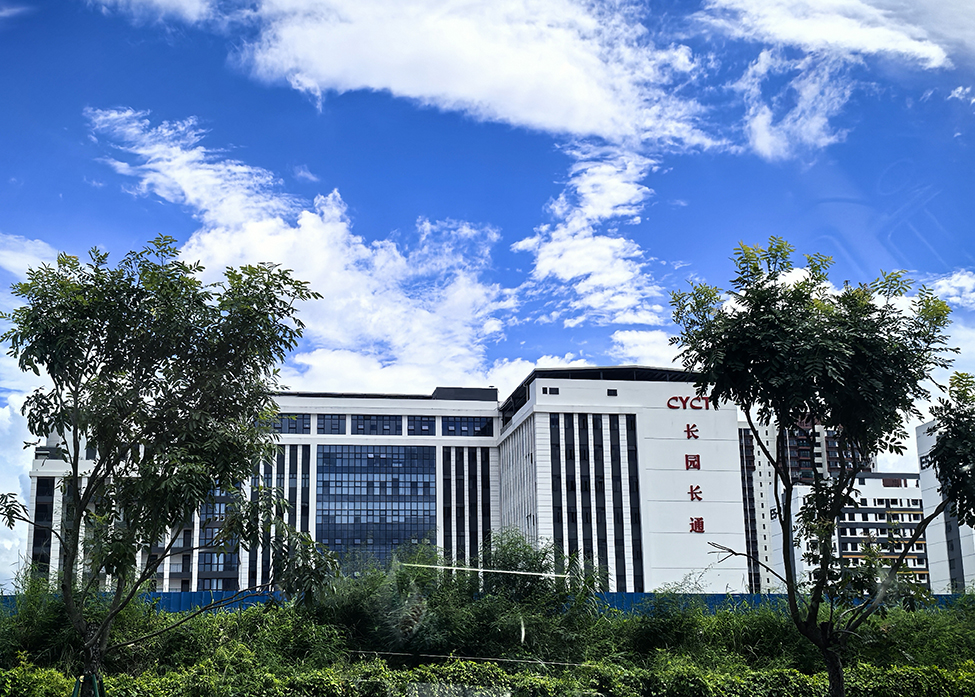
Founded in 2000, CYCT New Materials has grown into a leading state-level high-tech enterprise.
CYCT New Materials Company Limited (CYCT) is a specialized enterprise combining raw material synthesis, precision manufacturing, pipeline integrity testing, and localized field engineering. Over decades of focus, CYCT has developed an extensive portfolio of corrosion protection systems, servicing major petroleum pipeline networks, municipal gas grids, and complex offshore projects.
With an accredited national CNAS (China National Accreditation Service) laboratory, CYCT guarantees the quality of its polymeric products. Our in-house research facilities work in partnership with elite bodies such as the CNPC Pipeline Science Research Institute. This enables us to formulate and validate new polymer blends and adhesive compounds that withstand extreme installation environments.
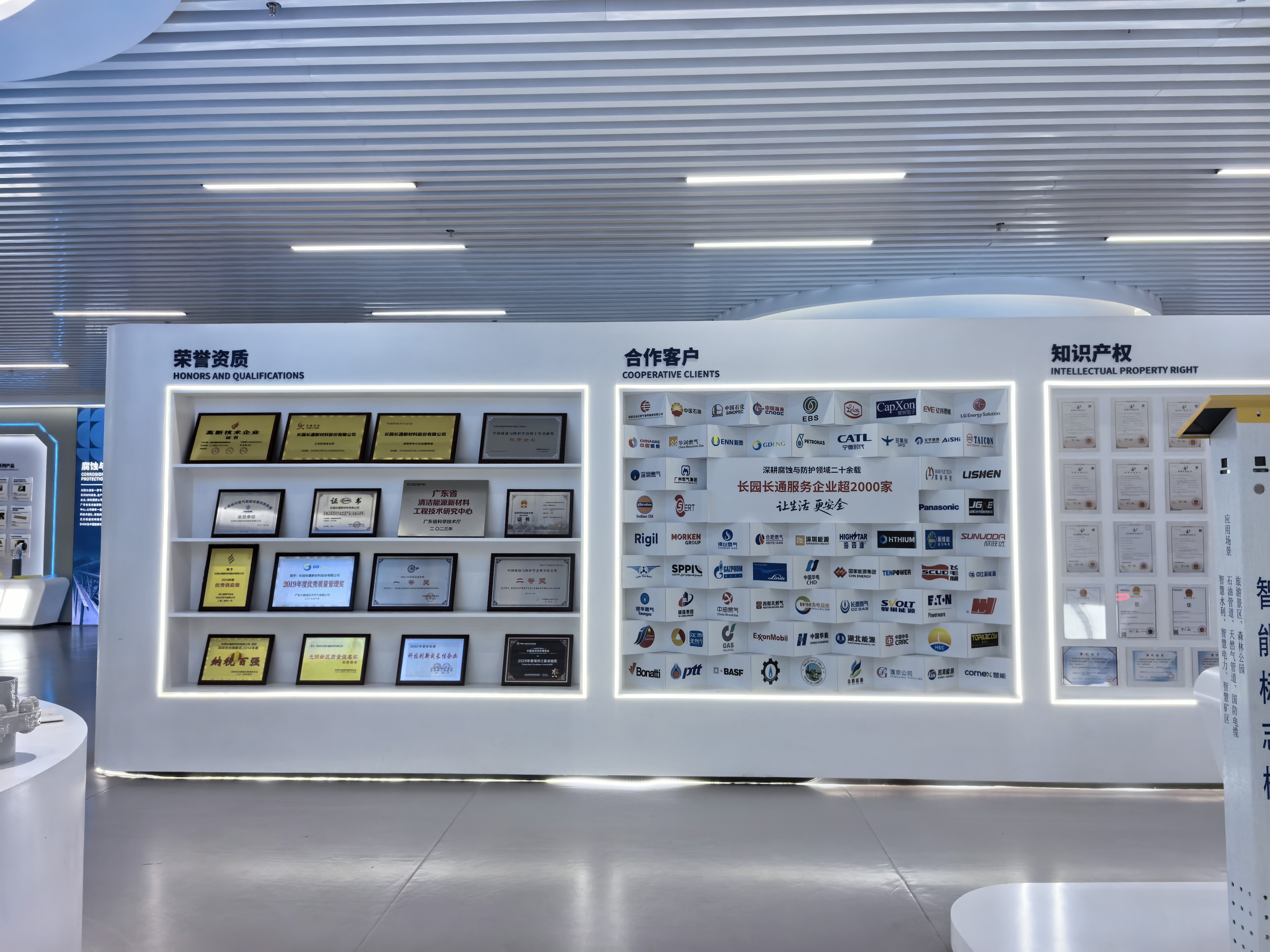
CYCT is a trusted, long-term supplier to major energy operators including PetroChina, Sinopec, PipeChina, and Indian Oil. Our involvement in international energy corridors has established our reputation as a stable and reliable manufacturer of premium field joint coatings.
Combining raw material vertical integration, advanced electron-beam radiation crosslinking, and scale efficiency.
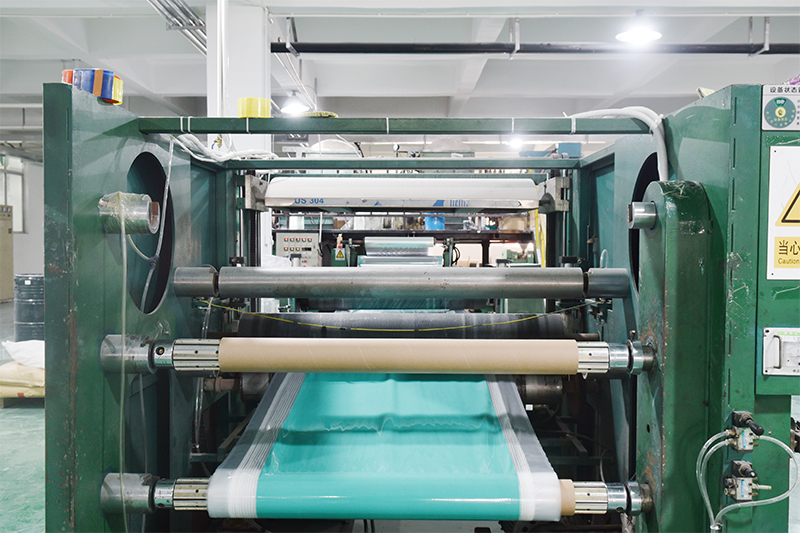
Our factories handle full formulation control, from base polyolefin resins to custom tackifiers and shear-resistant hot melt adhesives. This vertical control ensures consistent mechanical behavior across varying global operating temperatures.
Our advanced electron-beam radiation crosslinking lines modify the molecular structure of polyethylene outer backings. This optimizes the shape-memory effect and mechanical toughness needed for shrink sleeve installation.
Our integrated manufacturing footprint allows us to support major global pipeline projects. We ensure consistent material delivery schedules, batch-to-batch quality traceability, and competitive pricing structures.
A look at specialized field joint options tailored for distinct environments and installations.
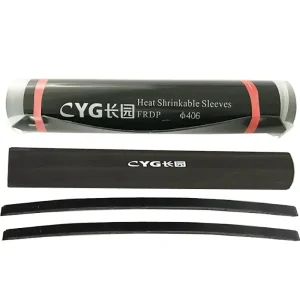
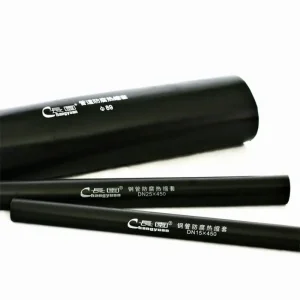
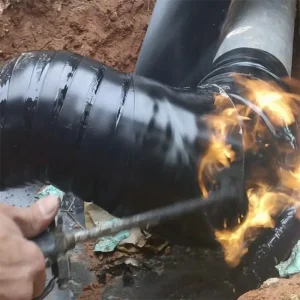
These systems feature a crosslinked polyolefin backing coated with a protective hot melt adhesive. Upon heating, the backing shrinks to encase the weld zone, forcing the molten adhesive into all surface anomalies. Designed for standard 3LPE/3LPP lines, HSS options (like our FRDP and FRDS series) offer excellent resistance to soil shear forces and cathodic disbondment.
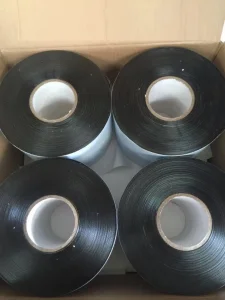
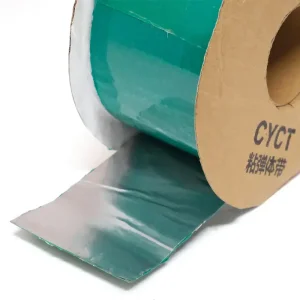
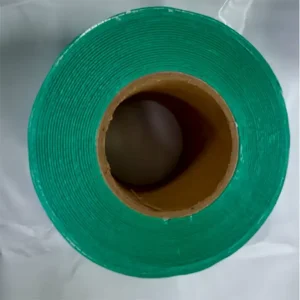
Viscoelastic systems, such as our VT95 and FVT95 series, use fluid polymers with permanent wetting properties. They flow into micro-cavities on the steel substrate, creating a tight physical barrier. Designed for ease of application, these systems require minimal surface preparation and self-heal from minor physical punctures.
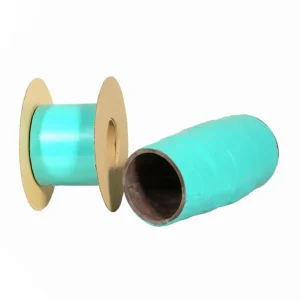
For Horizontal Directional Drilling applications, field joint coatings face intense abrasion. Combining high-build liquid epoxy primers with a fiber-reinforced polymer (FRP) outer layer shields the joints from abrasion and impacts during pullback operations through rock and soil.
Meeting performance criteria, material traceability, and quality standards for major global pipeline projects.
International pipeline projects require materials that comply with standards such as ISO 21809-3, EN 12068, and NACE/AMPP guidelines. Procurement teams look for partners that can provide extensive third-party testing documentation, covering:
CYCT provides verified batch data sheets (MTRs) and quality certificates for every shipment, helping operators satisfy QA/QC requirements during installation.
Field joint materials must withstand harsh transportation conditions and varying warehouse temperatures without degradation. CYCT uses custom, moisture-resistant packaging to prevent adhesive contamination and preserve shelf life during long-term storage.
Correct installation is vital for field joint performance. CYCT provides training programs, installation videos, and on-site guidance to help application crews achieve clean surface preparation, proper pre-heating, and defect-free application.
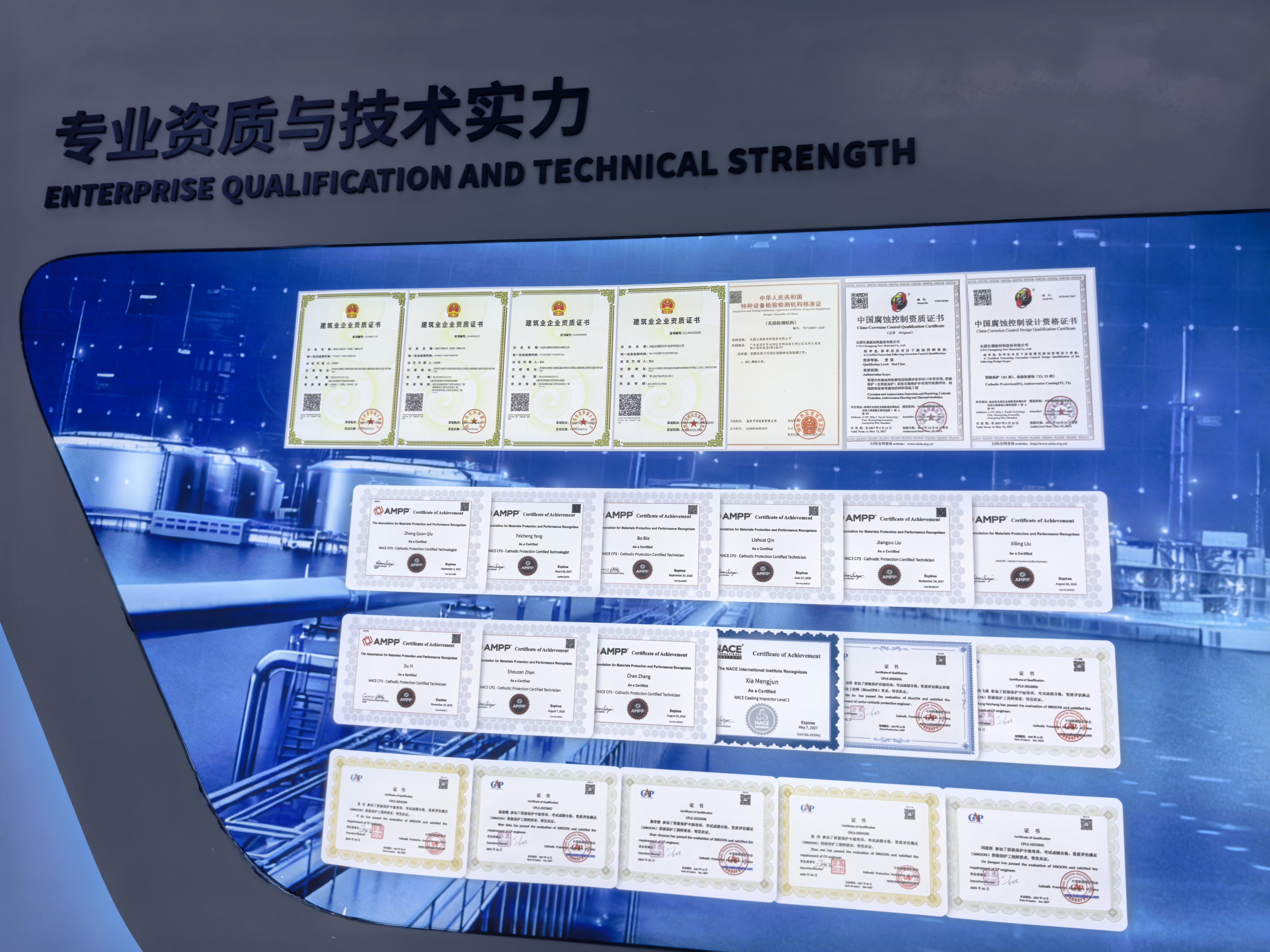
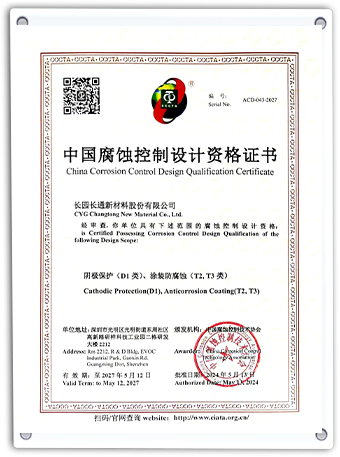
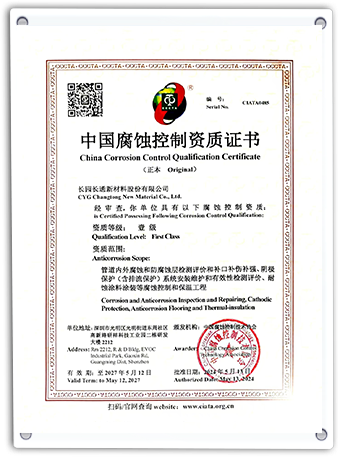
CYCT's technical qualifications and system certifications are recognized by key pipeline authorities.
CYCT is a Council Member of the Chinese Society for Corrosion and Protection (CSCP) and a Corporate Member of the China Association of Petroleum Engineering Construction (CAPEC). We maintain verified ISO 9001, ISO 14001, and ISO 45001 management systems, alongside our state-level high-tech certifications.
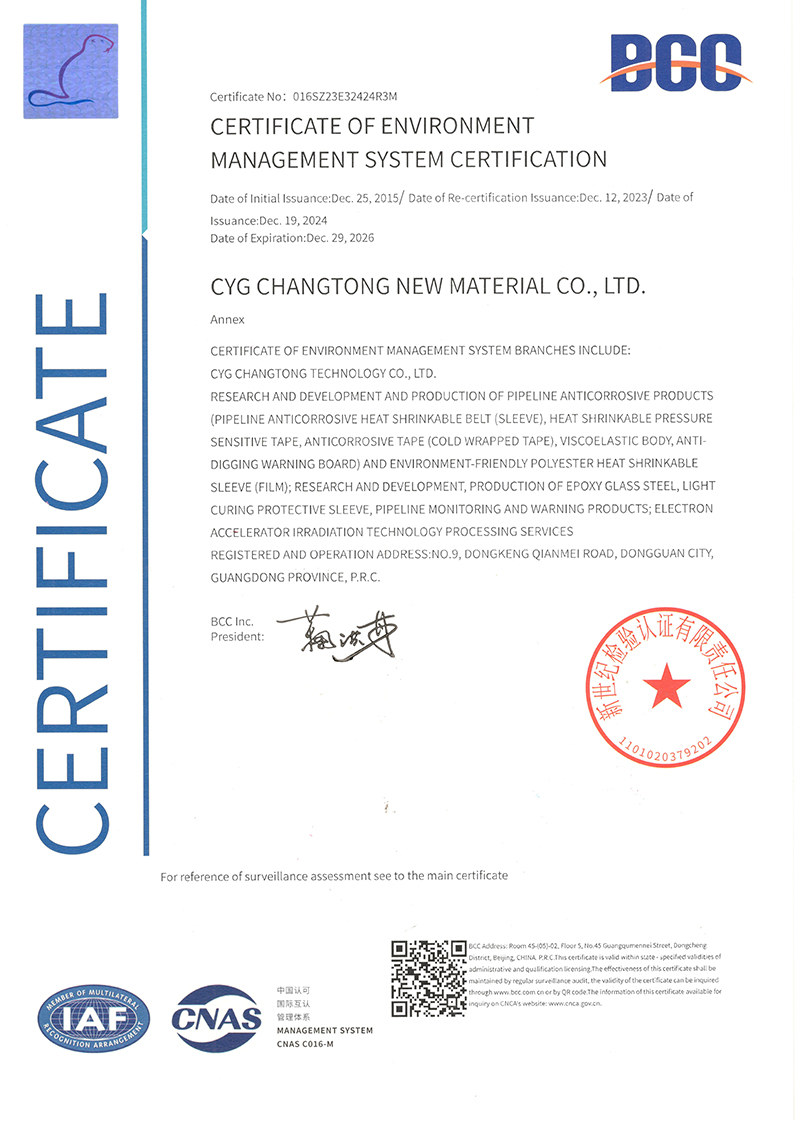
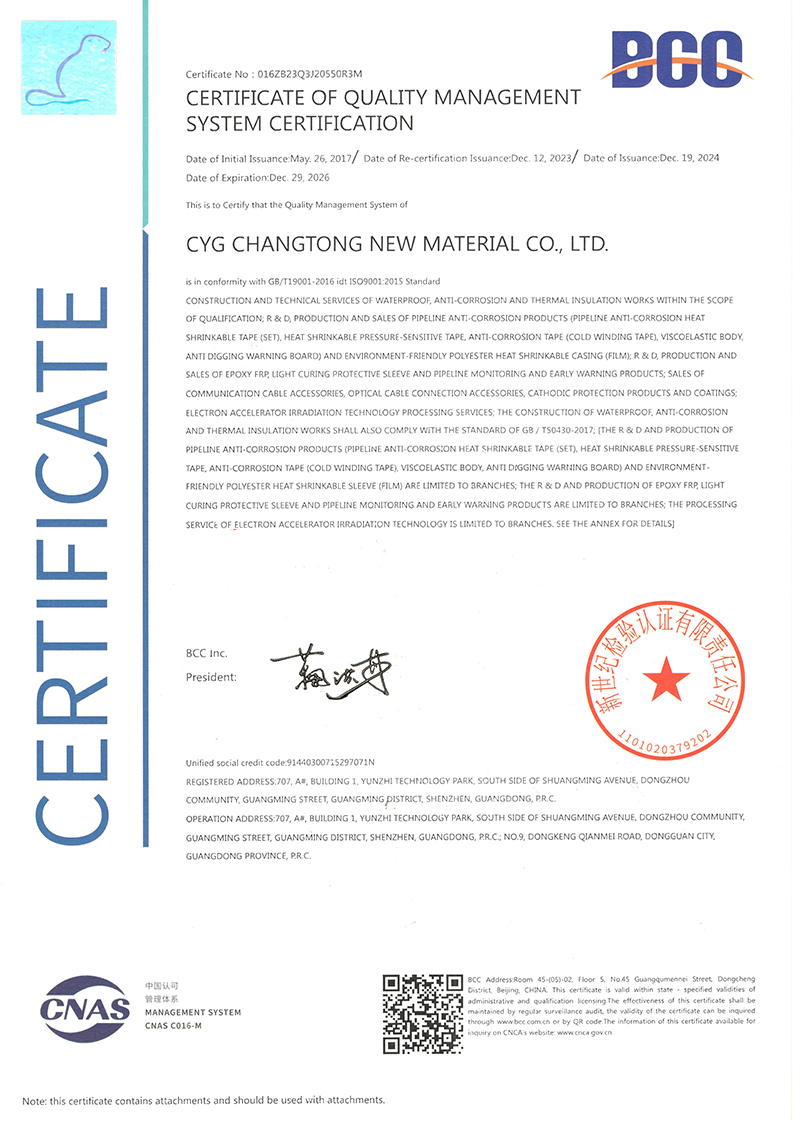
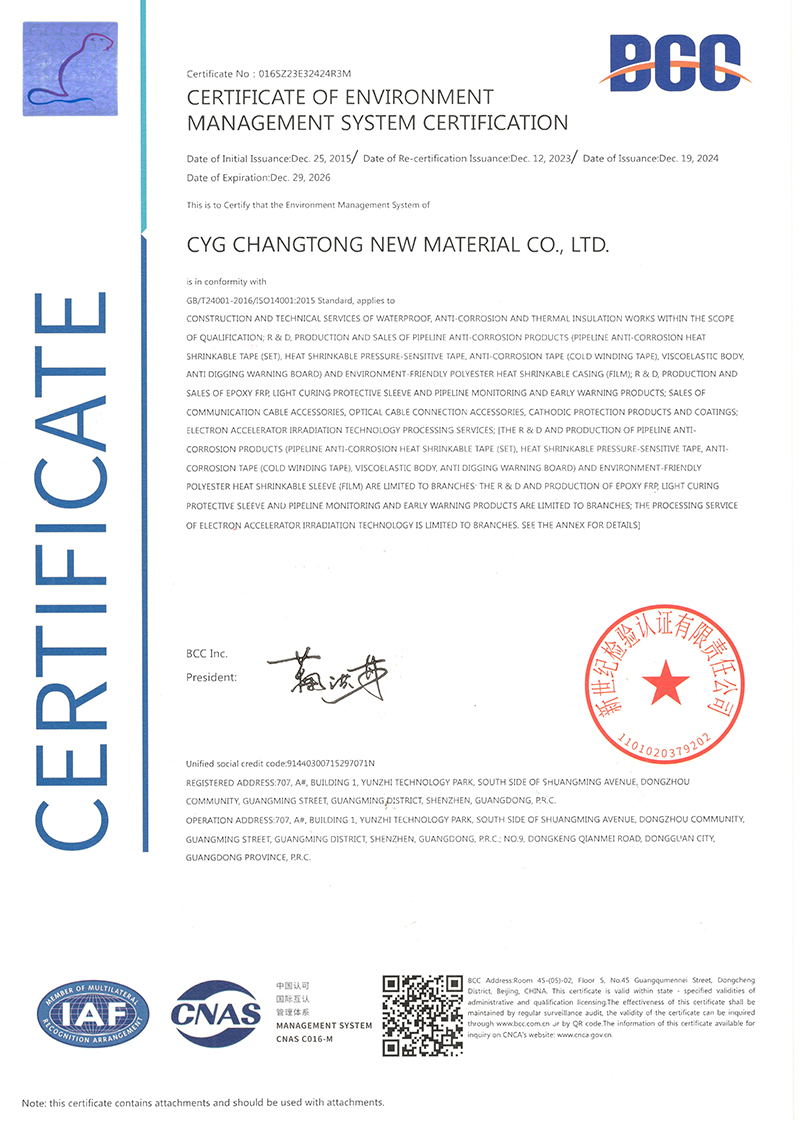
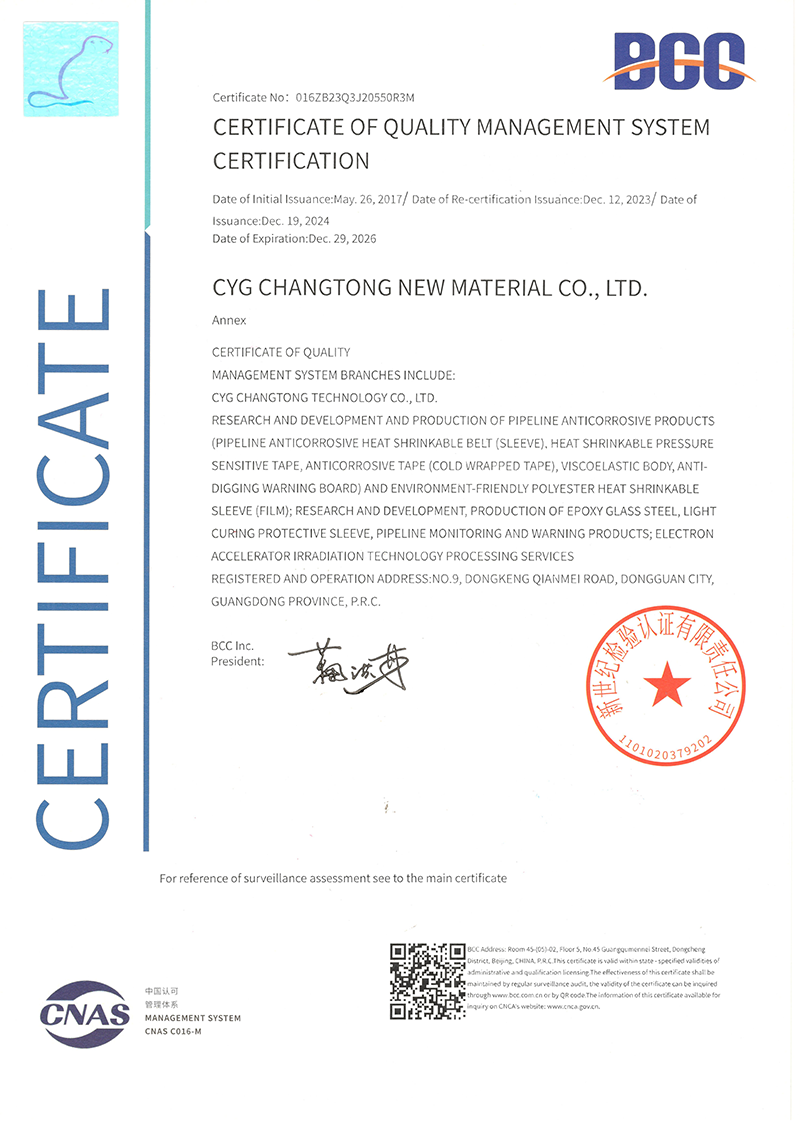
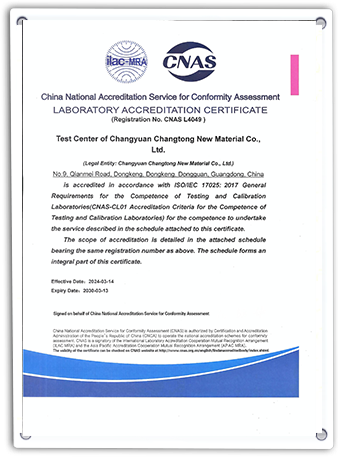
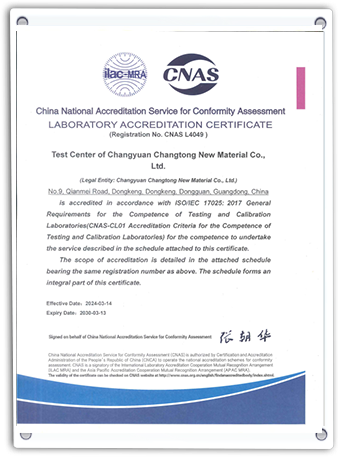
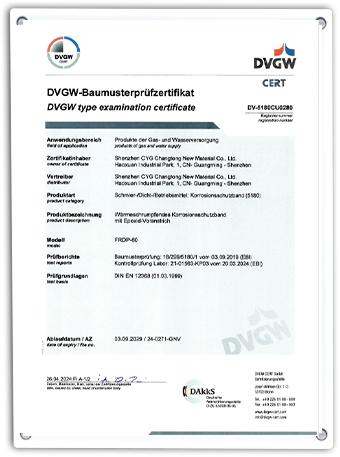
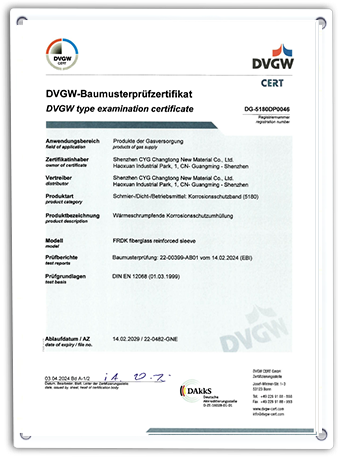
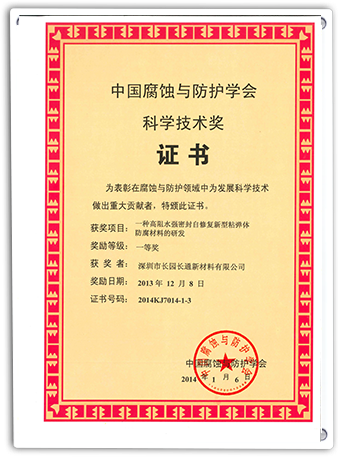
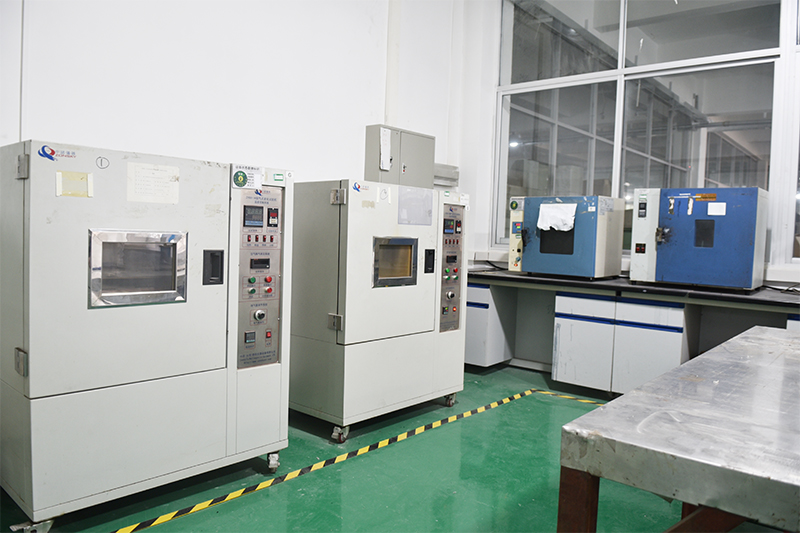
Using calibrated equipment to run precise material testing and verify performance standards.
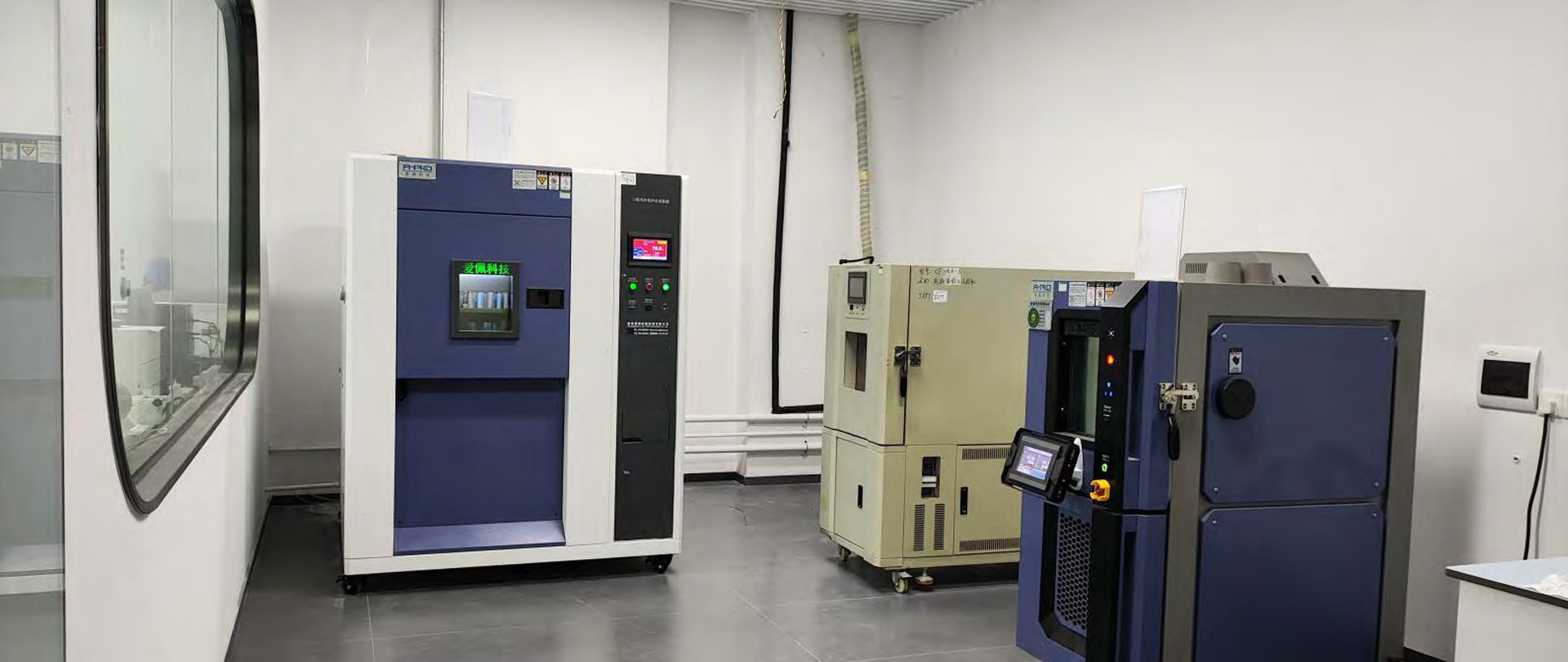
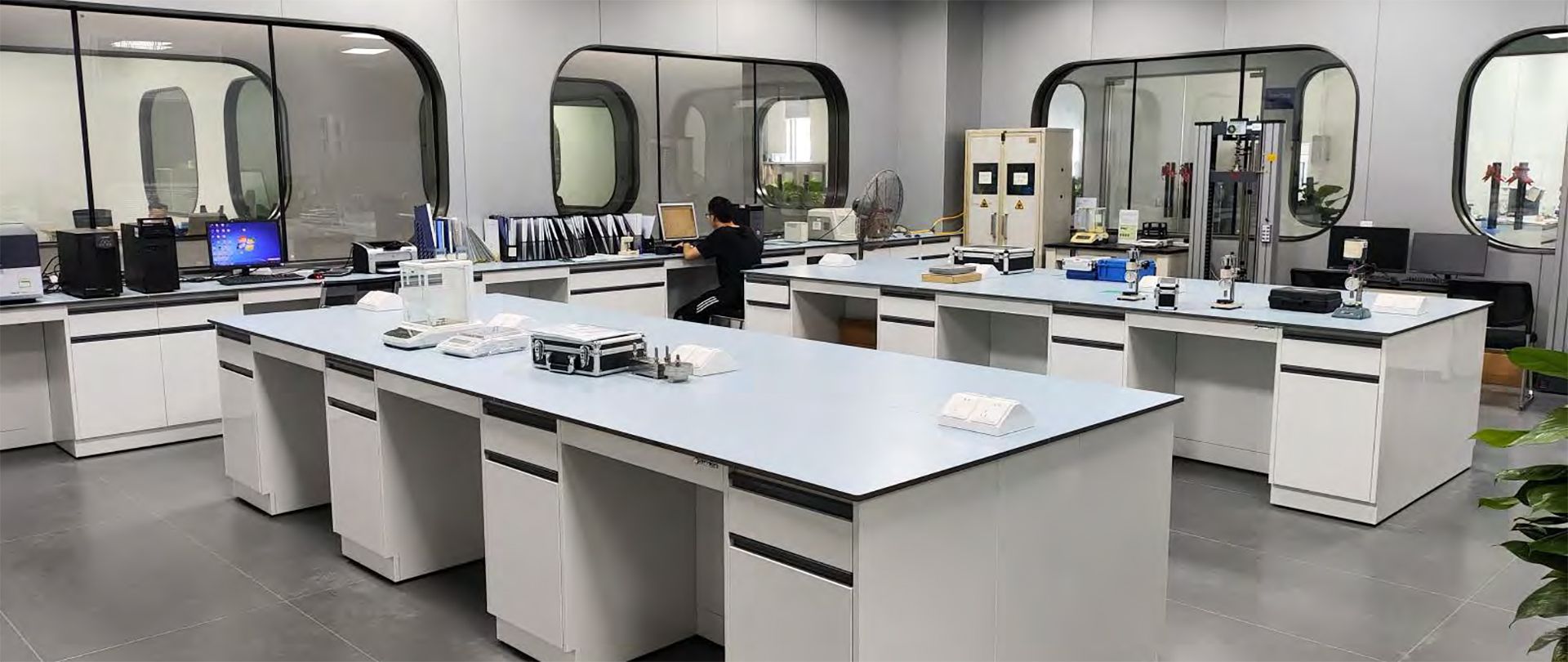
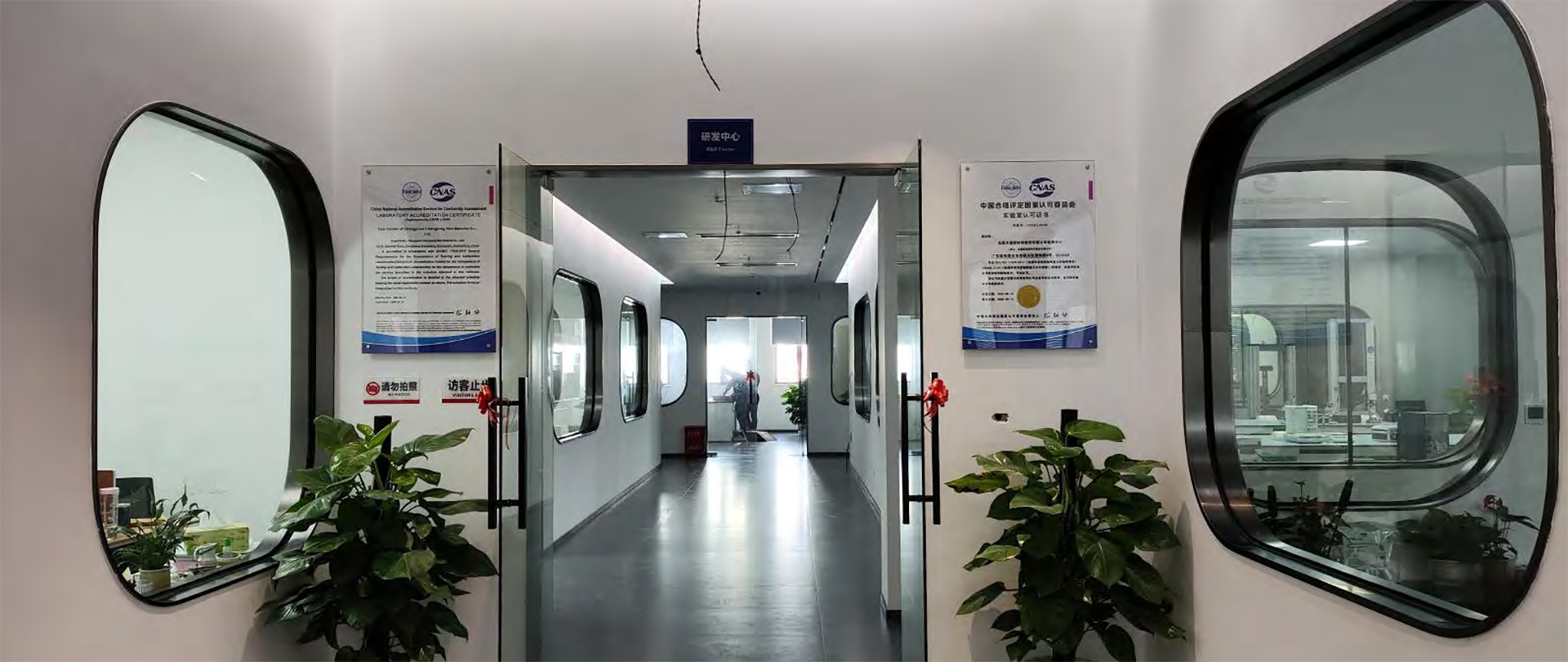

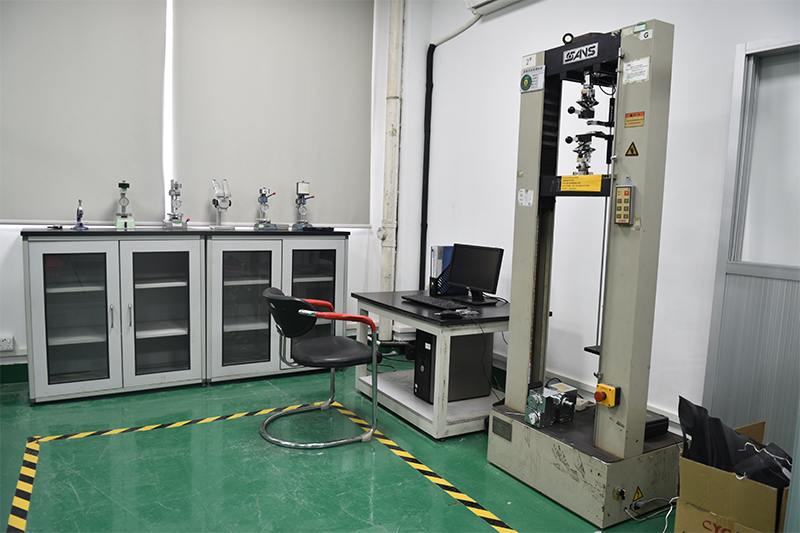
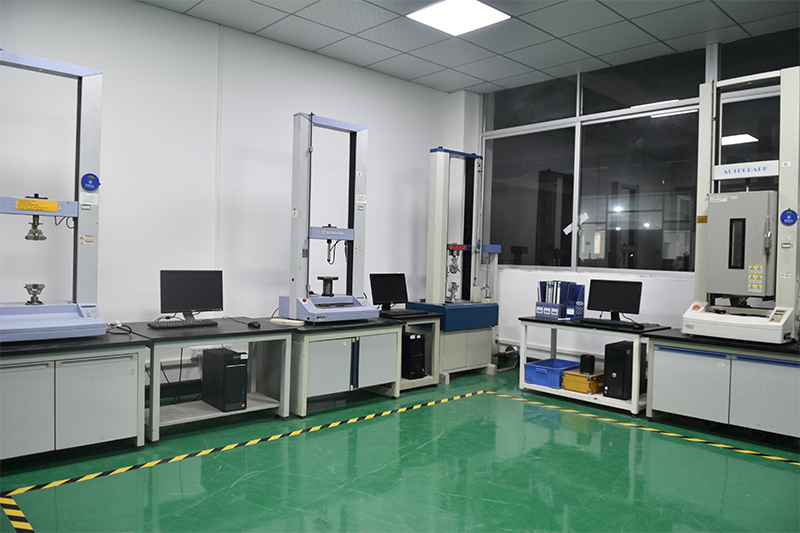
CYCT's in-house laboratory is accredited by the China National Accreditation Service (CNAS), allowing us to perform critical testing to international standards. This quality management setup ensures all raw materials and finished goods meet our rigorous performance standards.
Our quality control programs verify parameters like tensile strength, elongation at break, heat reversion, peel strength to steel, and shear strength. Testing is performed under simulated environmental conditions to evaluate how the coatings perform under the soil pressures and thermal cycling typical of operational pipelines.
By partnering with research groups like the CNPC Pipeline Science Research Institute, we continuously refine our polymer chemistry to address the demanding conditions of deep-water pipelines and high-temperature transport lines.
Emerging technologies and environmental requirements shaping the future of pipeline protection.
Modern extraction methods often require oil and gas to be transported at higher temperatures. Traditional coatings may soften under these conditions, reducing their shear resistance. As a result, industry standards are moving toward high-temperature field joint solutions (such as PP systems and modified hot melts) rated up to 110°C.
Cold-applied viscoelastic tapes are growing in popularity because they don't require open flames or complex preheating on-site. This simplifies installation, reduces safety risks in volatile environments, and minimizes the potential for application errors.
As Horizontal Directional Drilling (HDD) is increasingly used to cross rivers, highways, and environmentally sensitive areas, the demand for high-strength field joints has grown. Multi-component systems combining epoxy, viscoelastic layers, and fiber-reinforced outers protect the primary anti-corrosion barrier during long pullbacks.
A look inside CYCT's manufacturing operations and shipping logistics.
Technical answers to common questions about OEM Field Joint Systems and pipeline protection.
Heat Shrink Sleeves (HSS) use heat to contract a crosslinked backing and melt a semi-crystalline hot-melt adhesive, creating a strong mechanical bond. They offer high shear resistance and are well-suited for soil stresses, but require surface preheating. Viscoelastic Tapes remain fluid and self-heal, requiring minimal surface preparation. They provide excellent wetting properties but have lower shear resistance, meaning they often require an outer wrap for physical protection.
We formulate our adhesives with polar functional groups that form strong chemical bonds with the steel substrate. This, along with recommended epoxy primers, prevents moisture from undermining the interface. These properties are verified through CD testing in our CNAS laboratory at simulated operational temperatures.
Applying coatings to wet steel can lead to poor adhesion and early failure. The substrate should be dry and free of moisture. If damp conditions are unavoidable, viscoelastic systems or specialized primers can be used, provided the surface is dry at the moment of application.
Projects typically require compliance with ISO 21809-3 (which specifies field joint coatings for buried and submerged pipelines) or EN 12068. Material certificates, chemical compatibility data, and third-party testing reports from accredited laboratories (like our CNAS-certified lab) are standard requirements.
HDD pullbacks subject field joint coatings to high friction and impact forces. Traditional heat shrink sleeves can tear or peel under these conditions. To protect the joints, we recommend a composite system featuring a liquid epoxy base, a viscoelastic corrosion barrier, and an outer layer of fiberglass-reinforced polymer (FRP).
 CYCT
CYCT