Our top-tier selection of field joint protection systems, heat-shrinkable polymers, and viscoelastic tapes engineered to guarantee zero degradation on long-distance transmission line joints.
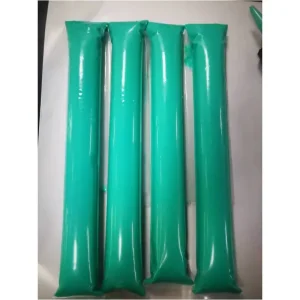
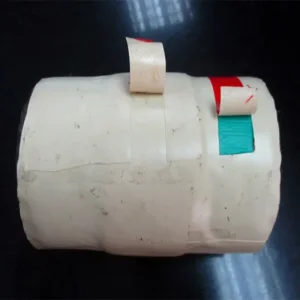
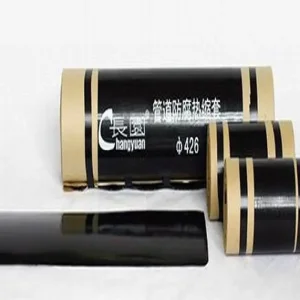
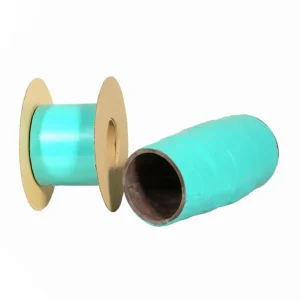
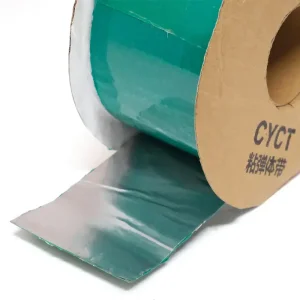
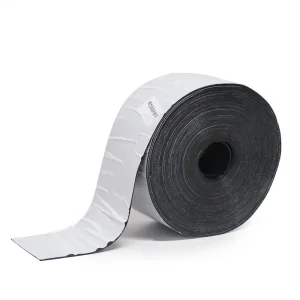
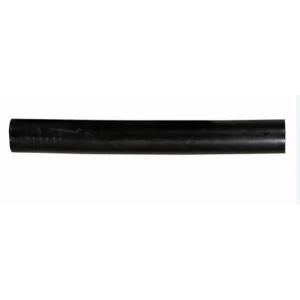
Modern cross-country pipelines transporting hydrocarbons, gas, hydrogen, and municipal water require robust outer sheaths to withstand corrosive soil, high moisture content, and shear stress. Factory-applied coatings such as 3-Layer Polyethylene (3LPE), 3-Layer Polypropylene (3LPP), and Fusion Bonded Epoxy (FBE) cover the main barrel of the steel pipe. However, during field welding, the pipe ends are left bare. These welded regions—known as Field Joints—are highly susceptible to corrosion if not sealed with high-performance protective materials.
As a leading OEM Field Joint Protection Material Manufacturer, we engineer systems that replicate the original factory coating's strength and continuity. Failure to install adequate field joint coatings (FJC) accounts for over 75% of localized corrosion failures on buried pipelines. Our production complies with the industry's most rigorous global testing standards including ISO 21809-3, EN 12068, and NACE RP0303.
Soils expand and contract with temperature fluctuations, generating dynamic shear forces. Our heavy-duty shrink sleeves and viscoelastic wraps prevent soil stress displacement.
Under active cathodic protection (CP), low-grade coatings can disbond from steel substrates. Our formulations resist electrochemical peeling and prevent CP shielding.
The interface between the factory-applied line coating and the FJC must be watertight. Our polymer designs incorporate high-grade adhesives to eliminate water migration pathways.
As the energy transition advances, global pipeline corridors are handling higher-temperature fluids and carrying complex gases like hydrogen blends. These changes dictate specific formulation improvements in protective wraps and sleeves:
Deep-well extractions and oil sand processing systems run at highly elevated processing temperatures. Traditional PE coatings can soften and fail at operating temperatures exceeding 80°C. OEM manufacturers must transition to cross-linked polypropylene (PP) heat shrink systems and high-density PE formulations. Our PP-based sleeves are specifically designed to retain mechanical durability and peel strength even under continuous exposure up to 110°C–120°C.
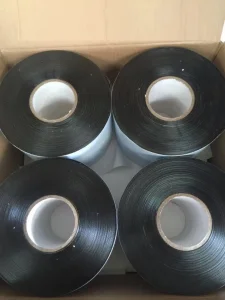
In harsh construction environments like Siberia or the Arctic, blast cleaning (Sa 2.5) is extremely difficult. The industry is moving heavily toward viscoelastic tapes (VT95) and putties. These materials flow continuously into micro-grooves of the steel substrate, providing structural self-healing capabilities if minor mechanical damage occurs. Because they require only mechanical wire brushing (St 2 or St 3 preparation), they significantly reduce contractor field labor costs.
Crossing rivers, highways, and urban grids requires HDD, exposing pipeline joints to extreme friction and scraping forces. Traditional heat-shrinkable sleeves can peel or tear off when pulled through rock formations. The adoption of fiberglass-reinforced heat-shrinkable sleeves and specialized photo-curing protective outer wraps provides a rock-shield equivalent skin that safely navigates directional boring paths without compromising structural integrity.
Founded in the year 2000, CYCT New Materials Company Limited (CYCT) is a state-level high-tech enterprise. Over the past two decades, we have unified advanced research and development, smart production lines, domestic sales, and global supply for pipeline corrosion protection. In addition to material fabrication, we provide complex buried pipeline detection, custom coating design schemes, and specialized field application services.
CYCT has built deep cooperative relationships with top research institutes, notably the CNPC (China National Petroleum Corporation) Pipeline Science Research Institute. This allows us to offer integrated solutions for cathodic protection, complex linepipe rehabilitation, and safety risk detection. Through our advanced testing capabilities, we evaluate the durability, resistance to thermal aging, and mechanical properties of our products to meet the specifications of major pipeline operators globally.
Today, CYCT is a qualified, stable long-term supplier of field joint coatings for PetroChina, Sinopec, PipeChina, China Gas Group, and Indian Oil Corporation, maintaining a commanding market share in major cross-border gas and oil pipeline projects. Our specialized product range includes our high-performance viscoelastic anticorrosion materials, special photo-curing sleeves for HDD protection, and advanced polyurea coating systems.
Global procurement directors require more than just a competitive price; they need supply chain predictability, consistency in polymer compounding, and raw material safety. At CYCT, our production lines utilize state-of-the-art automation and strict quality management, delivering a clear competitive edge:
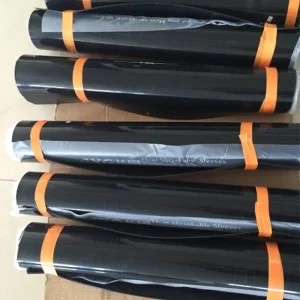
Our heat-shrinkable backing sheets are extruded with automated thickness control to ensure perfect uniformity. Radiation cross-linking is monitored digitally to guarantee precise control over the polymer's memory and shrink ratio.
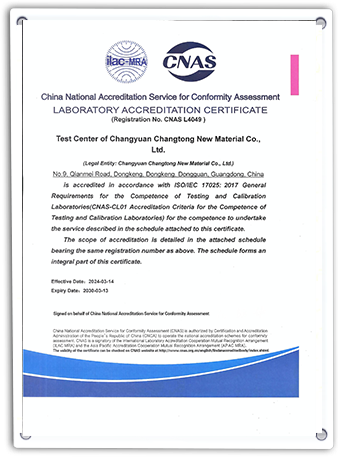
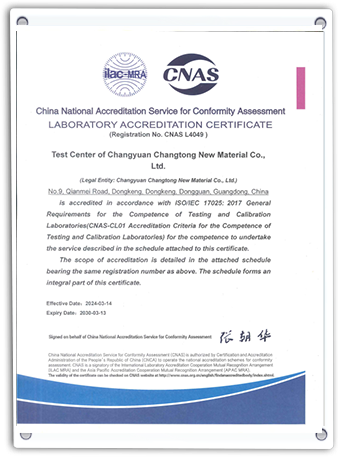
Every single batch of viscoelastic tape, PP shrink sleeve, and hot melt adhesive undergoes testing for shear resistance, peel strength, impact resistance, and water absorption inside our CNAS-certified laboratories.
We source raw components directly from globally recognized chemical brands, protecting our production runs from localized market shortages. Our strategic logistics network guarantees on-time container shipping directly to your project yard.
Selecting the correct OEM field joint protection material is heavily dependent on operational temperatures, environmental exposure, and site accessibility. This matrix details the key technical variables of our core systems:
| Material System Type | Surface Prep Level | Operating Temp. Range | Main Benefits & Applications | Standard Compliance |
|---|---|---|---|---|
| Viscoelastic System (VT95 Tape & Putty) | St 2 / St 3 (Mechanical brush) | -45°C to 95°C | Self-healing, zero curing time, ideal for complex shapes, tees, and flanges. | ISO 21809-3, EN 12068 Class C |
| FRDP Heat Shrink Sleeves (PE-based) | Sa 2.5 (Abrasive blast) | -40°C to 80°C | High mechanical strength, robust backing, excellent resistance to soil shear forces. | ISO 21809-3, EN 12068 Class B/C |
| FRPD-PP Sleeves (Polypropylene) | Sa 2.5 (Abrasive blast) | -20°C to 120°C | High-temperature pipelines, hot water discharge lines, oil-sand lines. | ISO 21809-3 Type 14/15 |
| Fiberglass Reinforced HDD Sleeves | Sa 2.5 + Primer | -40°C to 80°C | Heavy-duty scratch and pull resistance for horizontal directional drilling crossings. | NACE SP0169, ISO 21809-3 |
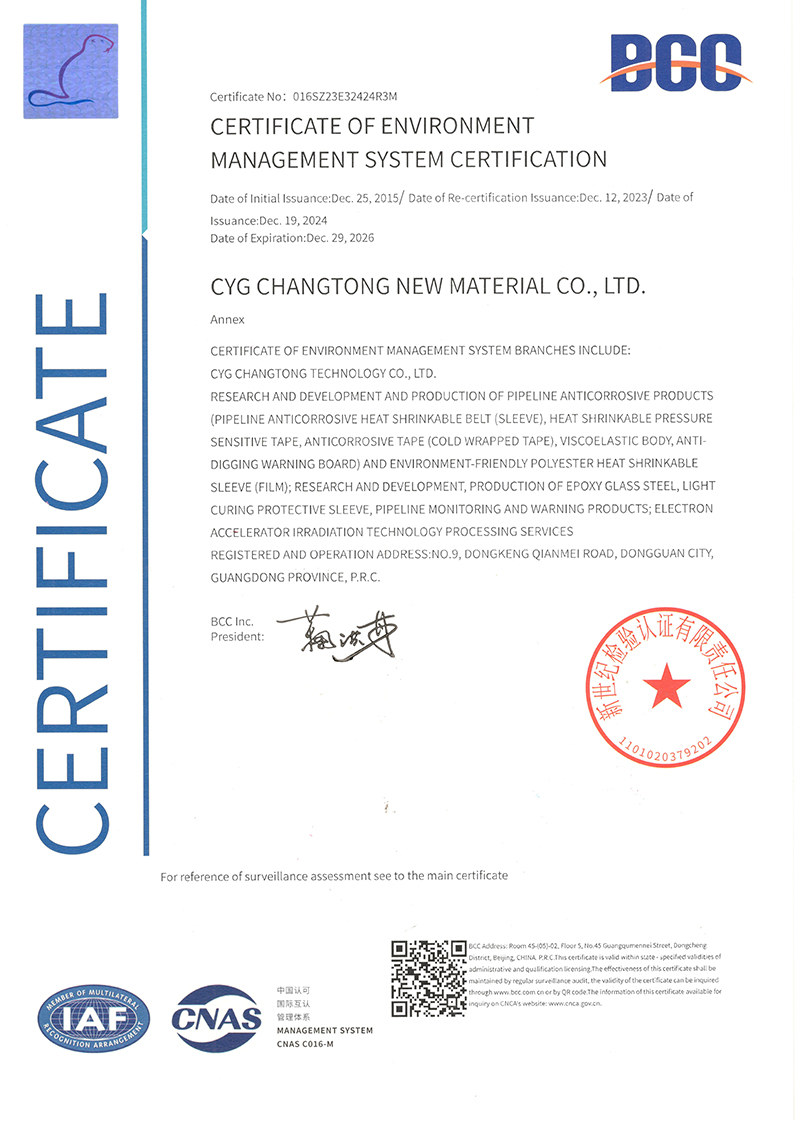
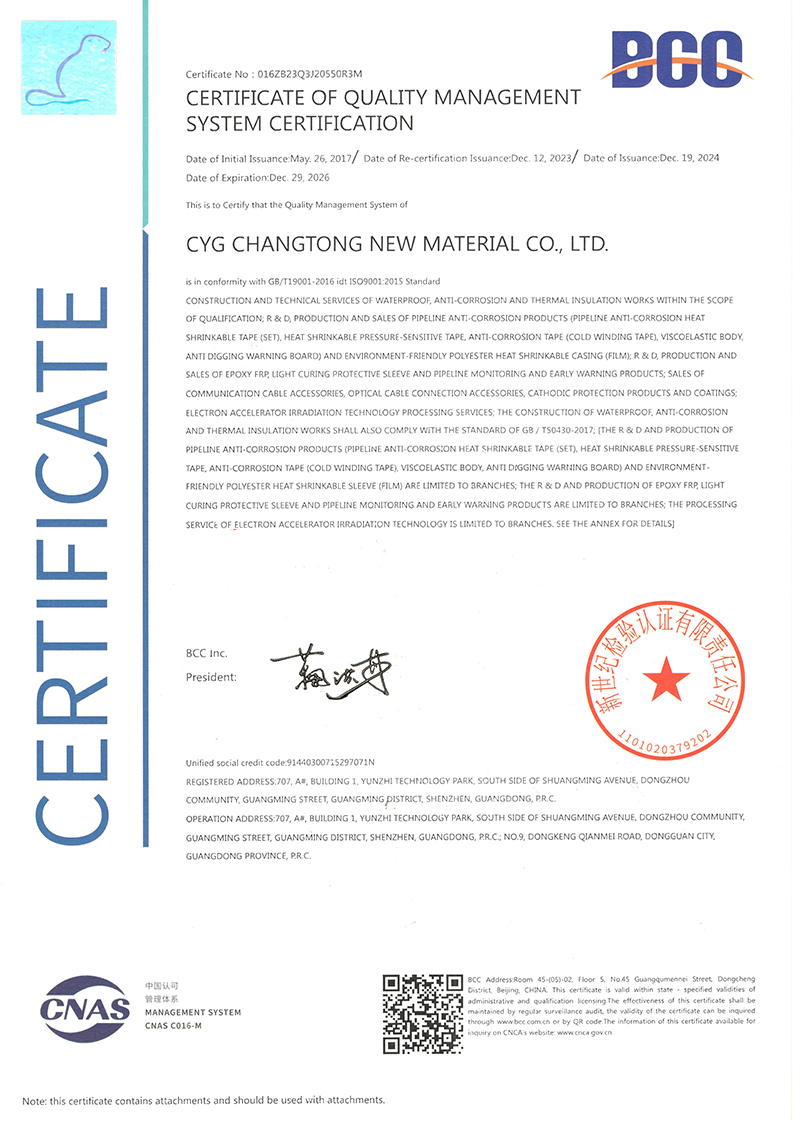
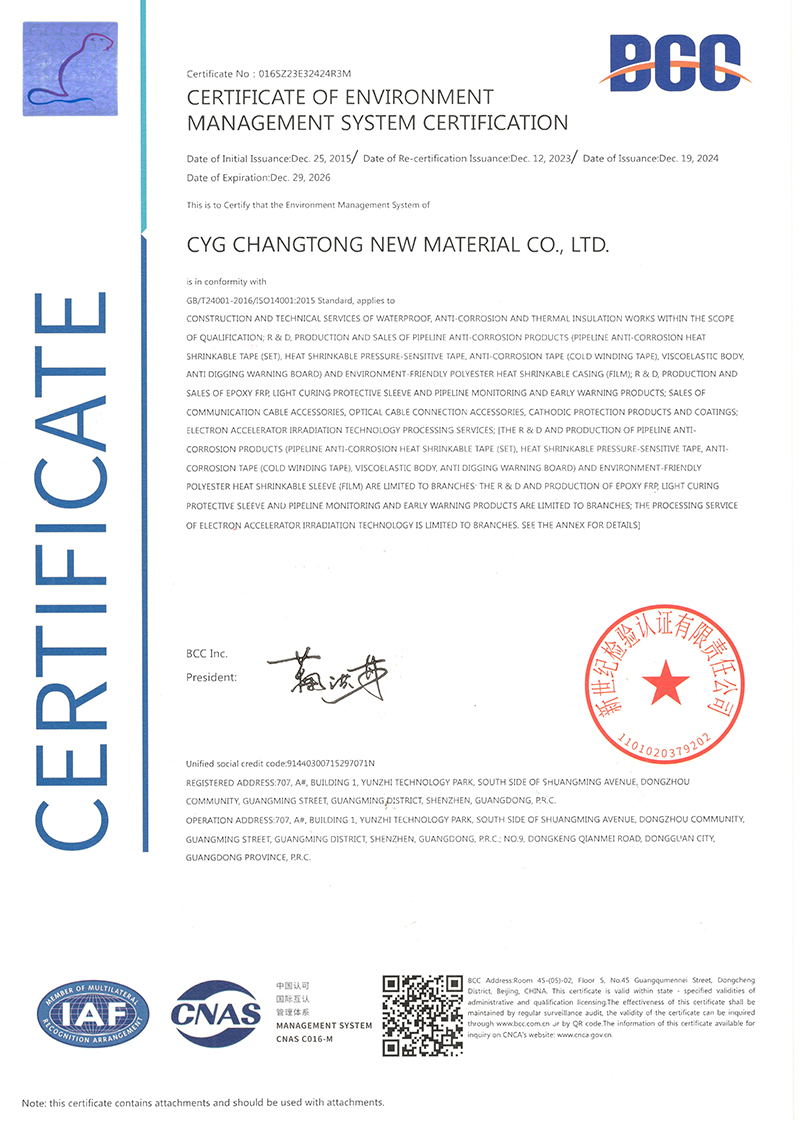
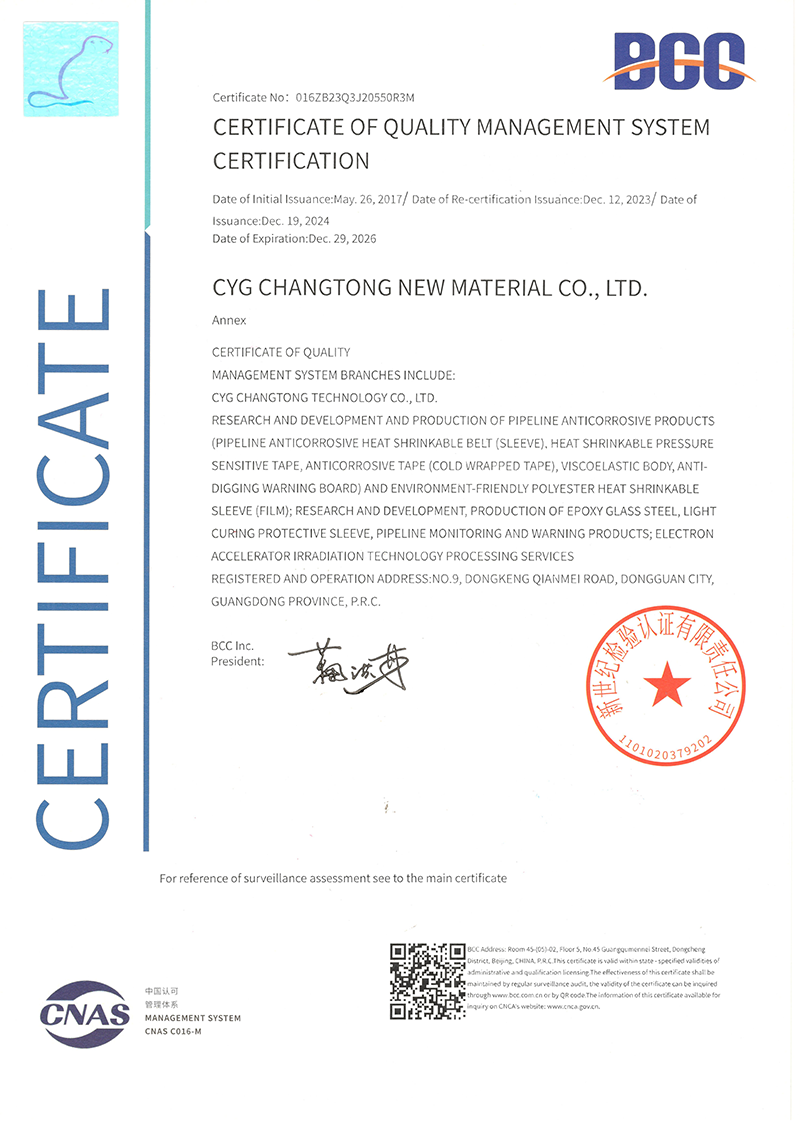
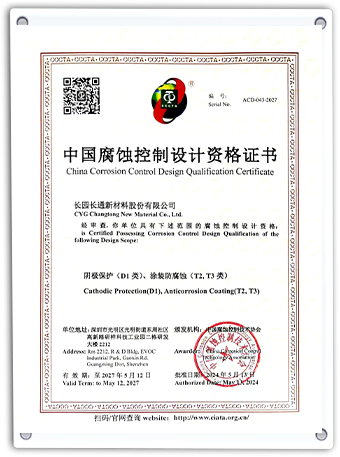
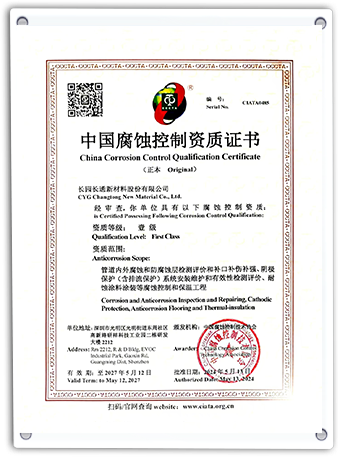
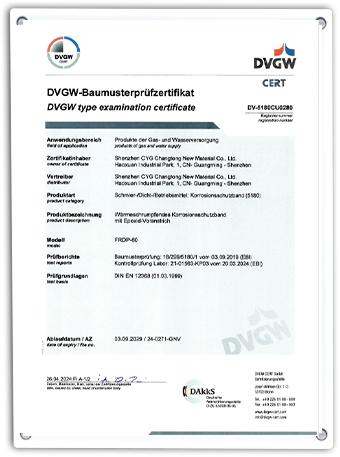
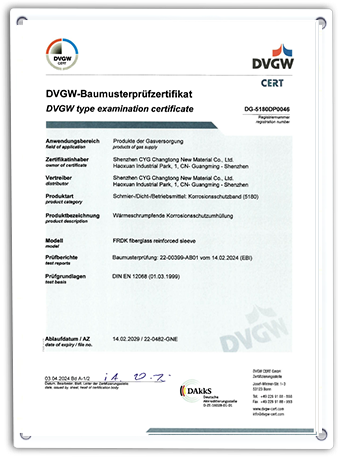
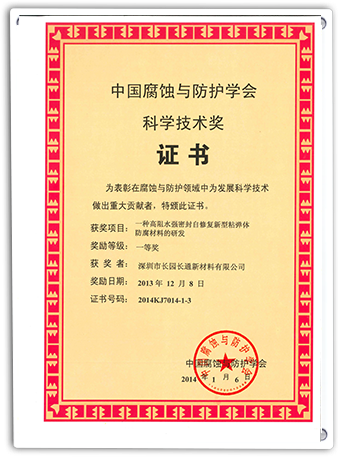
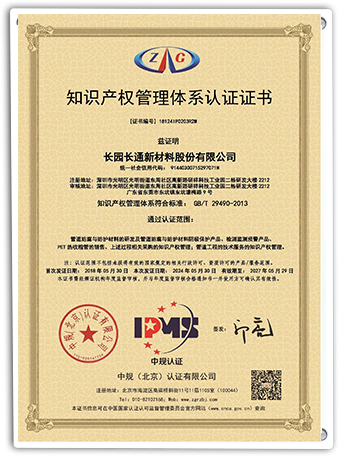
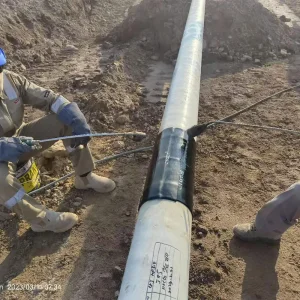
We pride ourselves on our transparency and verified manufacturing processes. Below is a detailed view of our actual corporate workflow, production yards, and state-recognized certificates, showcasing our dedication to quality assurance.
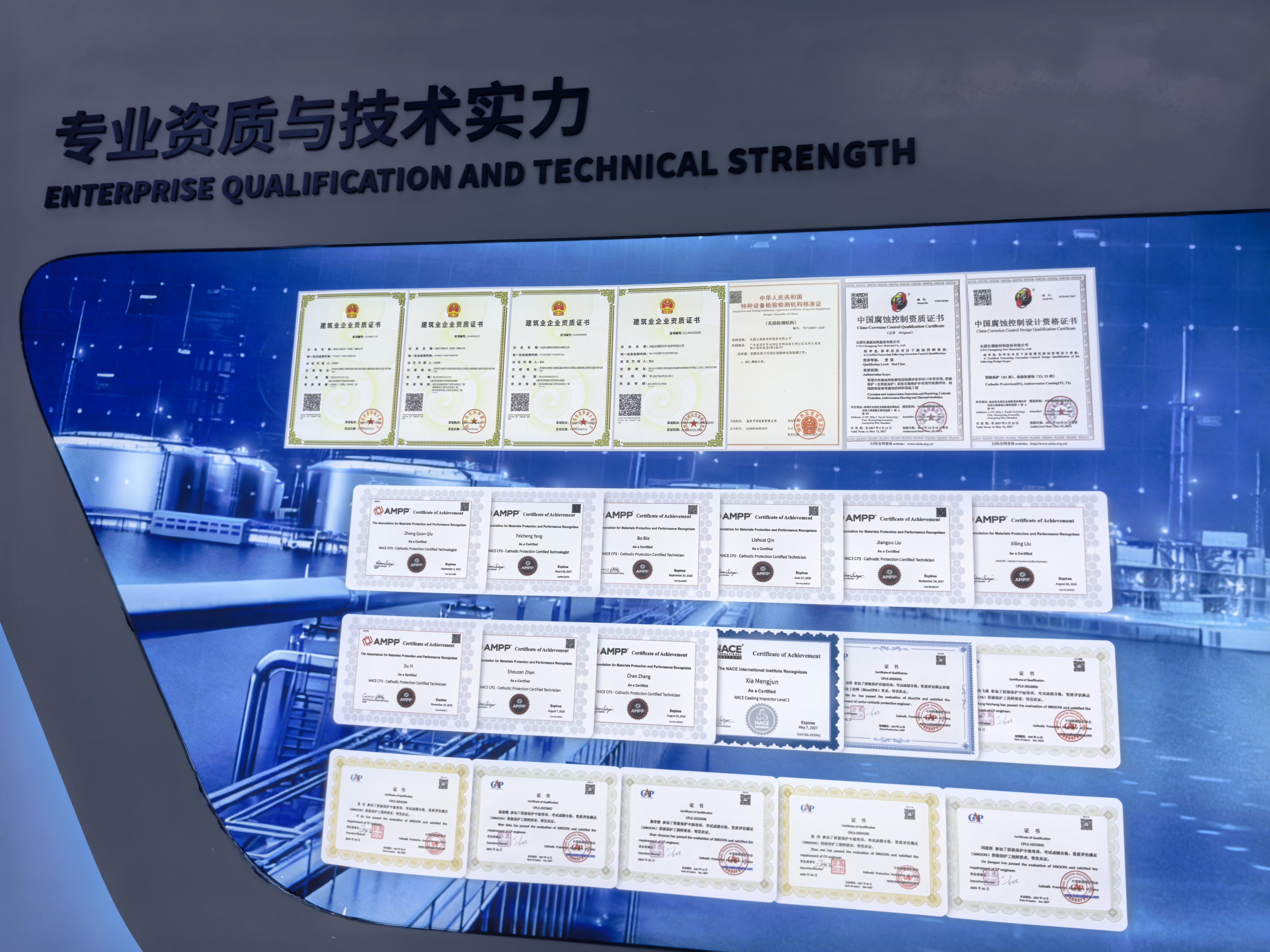
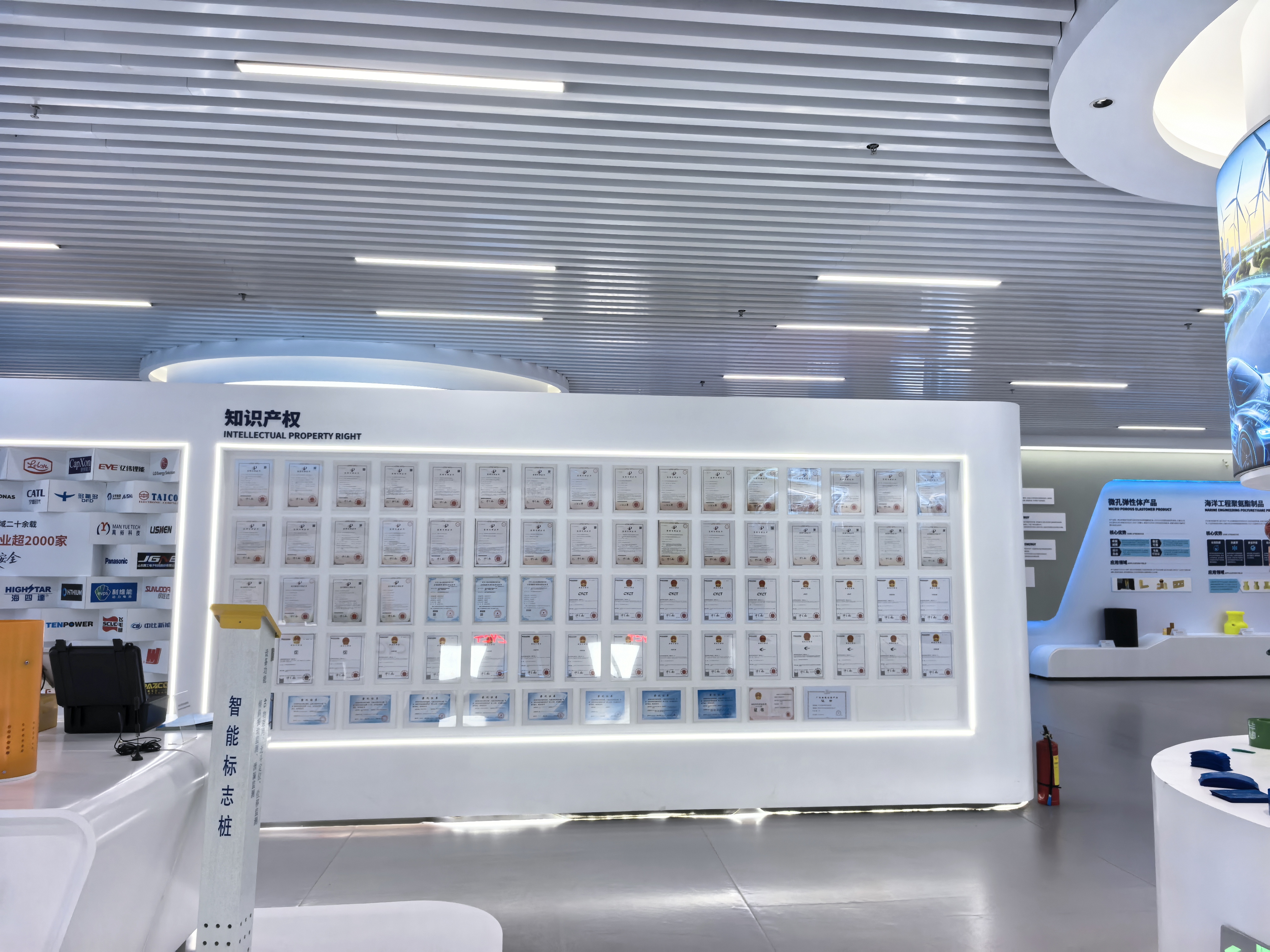
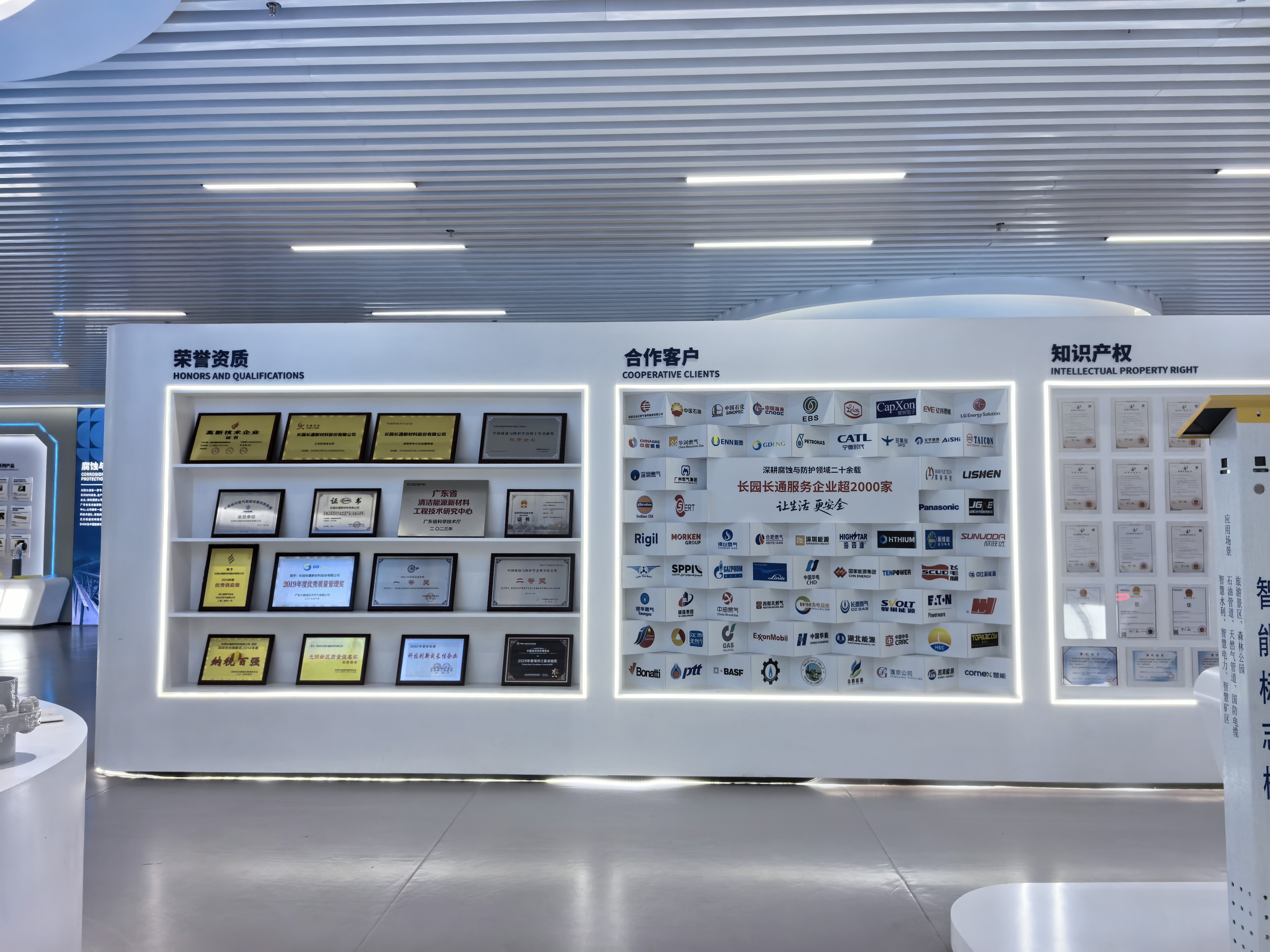
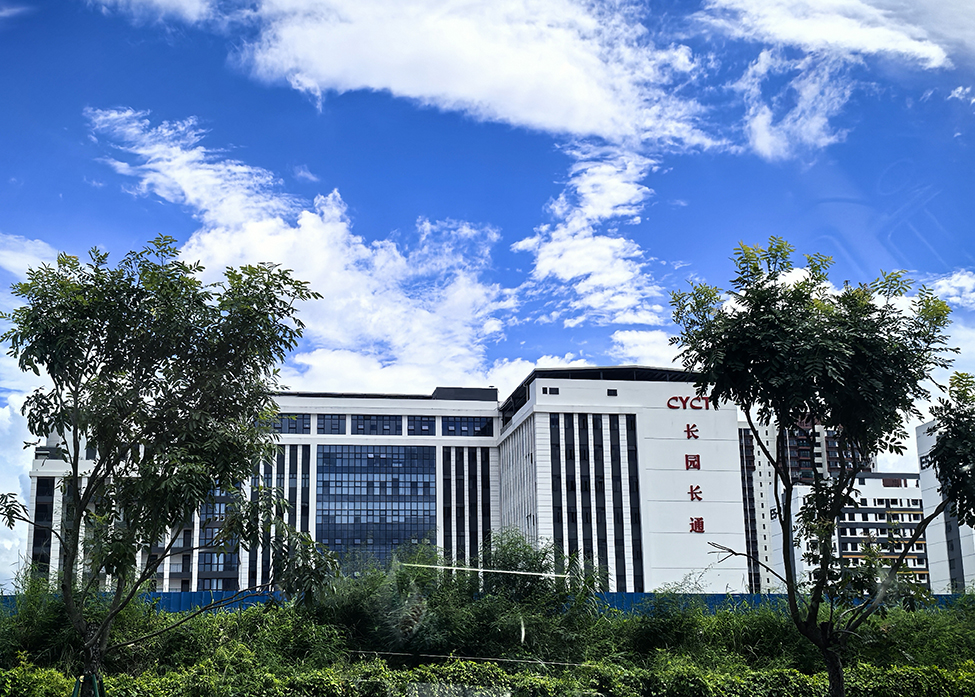
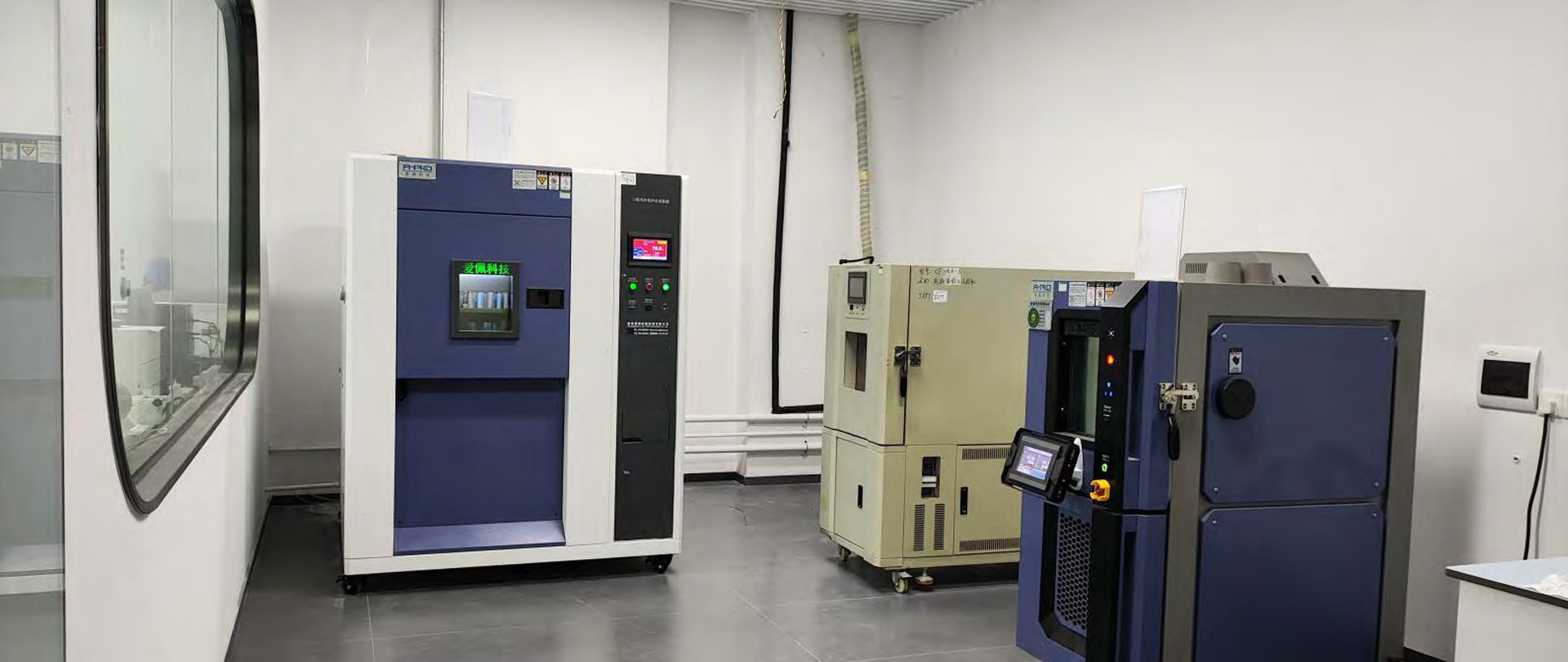
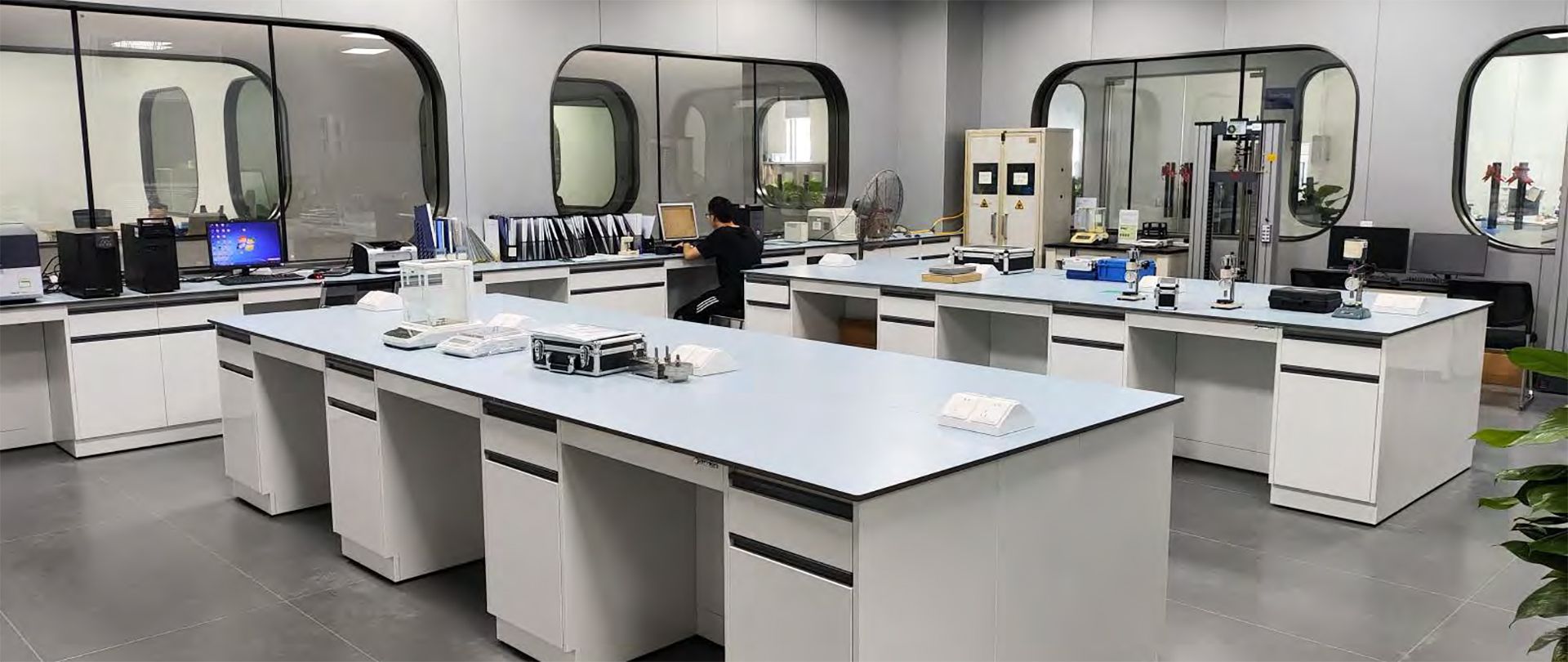
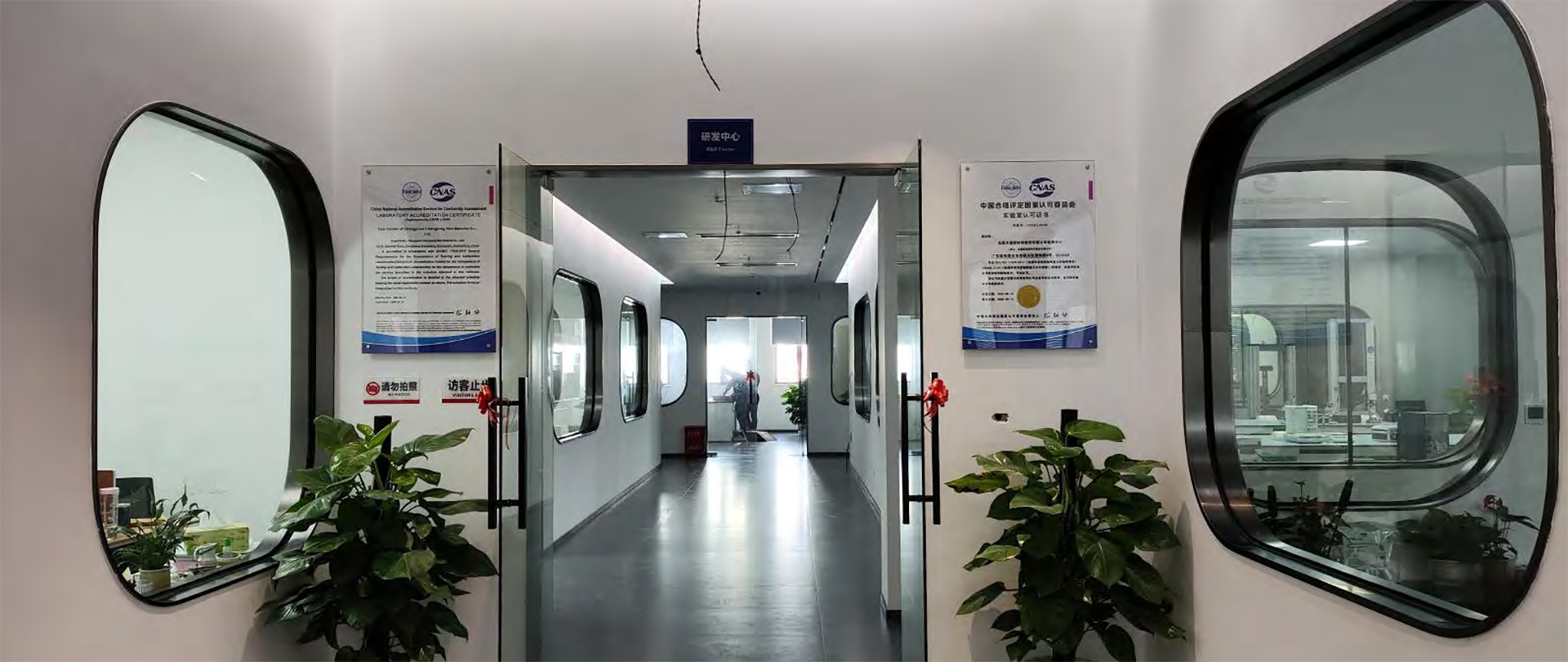
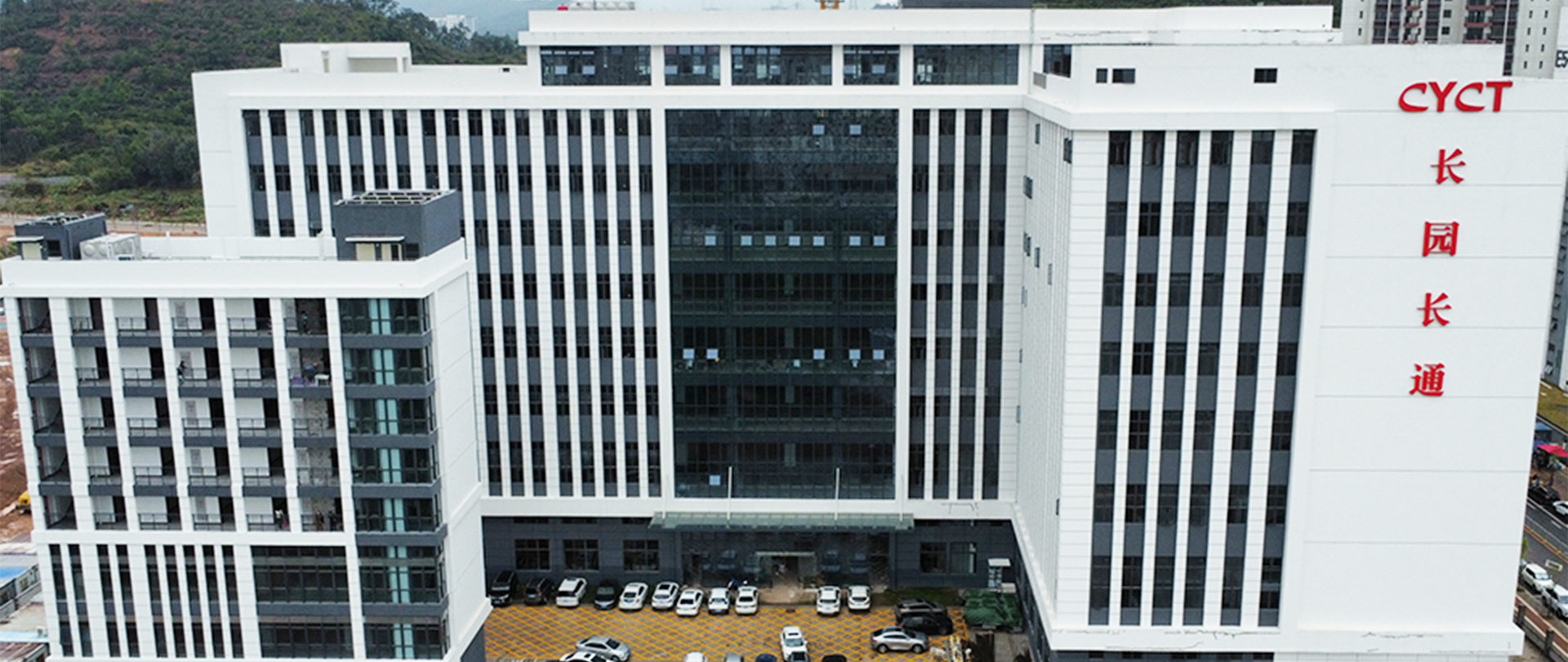
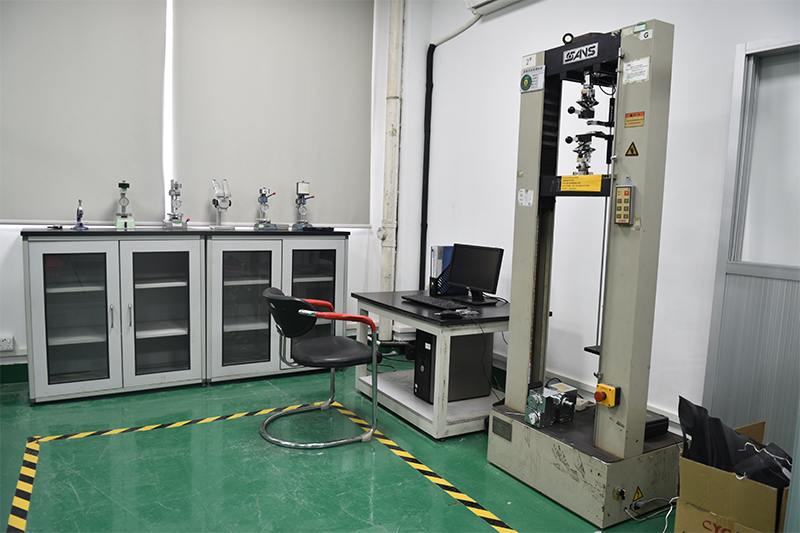
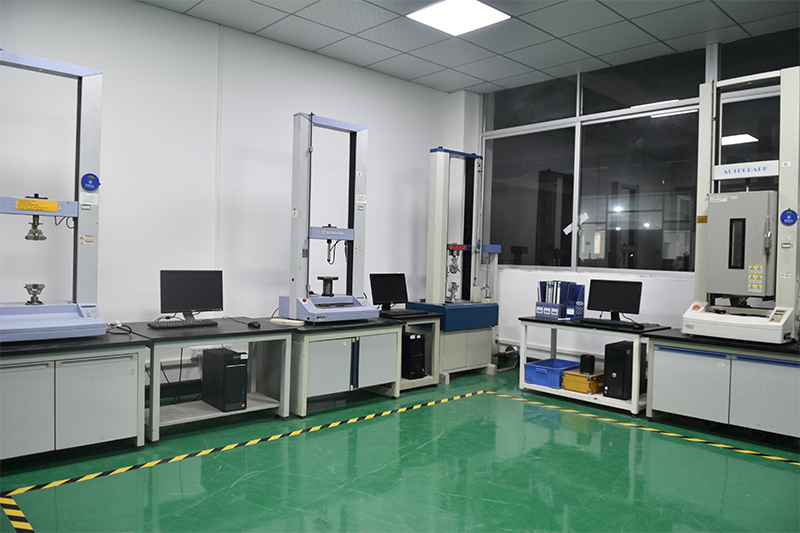
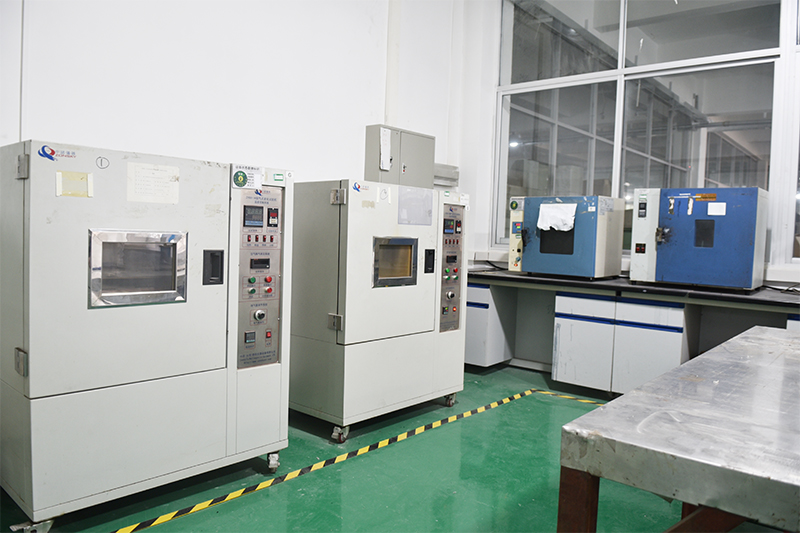
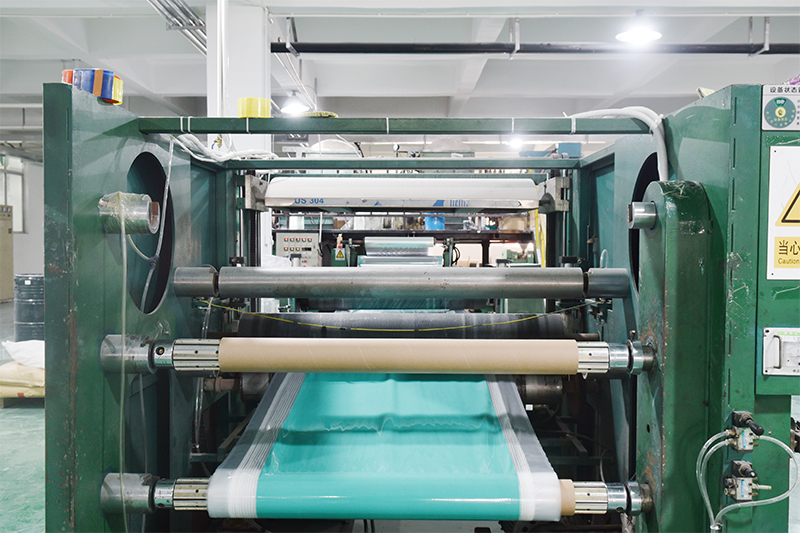
CYCT's honors and certifications speak to our adherence to international manufacturing principles. We are a Member of the Council in the Chinese Society for Corrosion and Protection (CSCP), hold state high-tech enterprise status, and maintain ISO 9001, ISO 14001, and ISO 45001 standard operations.
Browse our engineering FAQ, structured directly from the queries of international engineering, procurement, and construction (EPC) contractors.
Polyethylene (PE) sleeves are typically rated for maximum continuous operating temperatures of up to 60°C to 80°C. They exhibit higher flexibility at colder temperatures. Polypropylene (PP) heat shrinkable sleeves are designed for high-stress, high-temperature environments (up to 110°C–120°C). PP sleeves exhibit higher mechanical hardness and superior resistance to soil shear forces, but they require a higher preheating temperature during installation.
Cathodic protection shielding occurs when a disbonded coating prevents the electric protective currents of cathodic protection from reaching the metal substrate. Viscoelastic coatings and high-tack hot melt adhesives bypass this problem by utilizing high-affinity bonding polymers. These elements bond directly to the metal substrate, ensuring that even if physical tearing happens, water cannot ingress along the steel, eliminating active corrosion cells.
One of the primary benefits of viscoelastic tape (like our VT95 Viscoelastic Tape) is its low surface preparation requirements. Unlike heat shrinkable sleeves that require white metal abrasive blasting (Sa 2.5), viscoelastic coatings can be safely applied to surfaces prepared to St 2 or St 3 standards. This makes it an exceptional solution for repair works, in-service pipeline rehabilitations, and locations where abrasive blasting is not feasible.
The liquid epoxy primer is applied directly to the sandblasted bare steel substrate prior to shrinking the sleeve. It provides primary chemical adhesion to the steel, acting as a barrier against moisture and cathodic disbondment. The hot-melt adhesive of the heat-shrink sleeve then bonds to the epoxy primer while it is still wet or semi-cured, forming a structural 3-layer protective coating system identical to the main body line coating.
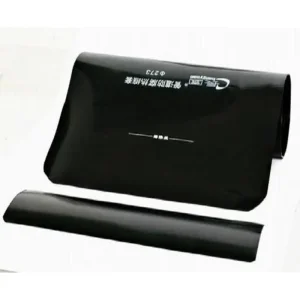
As a specialized manufacturer, we own advanced continuous rolling and cutting lines. We can customize the width (from 50mm to 1000mm) and thickness of the backing and adhesive layers based on the engineering requirements of the project. Furthermore, we supply customized rolls or pre-cut pieces complete with separate closure patches, tailored for specific pipe diameters to minimize on-site waste.
Explore our high-temperature heat shrink systems, PP field joint wrappers, bend restrictors, and specialty tapes tailored for oil, gas, and petrochemical sectors.
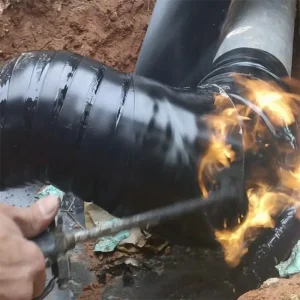
 CYCT
CYCT