Engineered to comply with ISO 21809, EN 12068, and AMPP international specifications.
An authoritative analysis on anti-corrosion science, field joint performance criteria, and industrial application engineering.
Field coatings applied over girth welds act as the final defense barrier. Our research-driven formulations minimize Cathodic Disbondment (CD) at elevated temperatures, ensuring continuous interface protection under negative cathodic voltages.
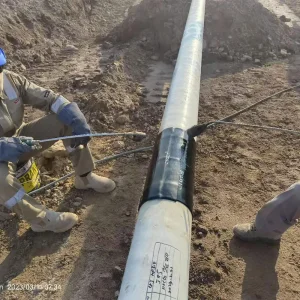
Our solutions replicate three-layer polyethylene (3LPE) and three-layer polypropylene (3LPP) structures in the field, eliminating vulnerable mechanical interfaces through specialized high-viscosity hot-melt copolymer adhesives.
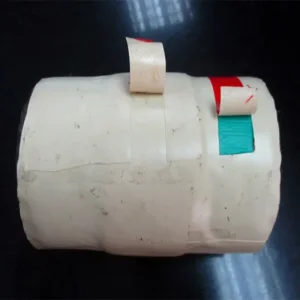
Shorter installation windows reduce operational downtime. Technologies such as Viscoelastic tapes require zero primers, while photo-curing sleeves utilize UV polymerization, accelerating trench-backfill cycles.
Analyzing macro-economic energy development and the demand for long-duration asset reliability.
The global energy transport infrastructure is undergoing a massive shift towards longer service lifetimes (often exceeding 50 years). Corrosion accounts for more than 60% of all pipeline failures worldwide. Consequently, Field Joint Coatings (FJC) are no longer viewed simply as accessory materials, but as safety-critical engineering components. From high-pressure natural gas pipelines in sub-zero Arctic zones to deep-water offshore pipelines subjected to extreme marine currents, field coatings are exposed to intense physical stresses, mechanical shear, and chemical corrosion agents.
According to industrial research datasets, global capital expenditure in pipeline corrosion mitigation is rising at an annual growth rate of over 5.8%. Major operators such as PetroChina, Sinopec, and PipeChina have adopted stringent operational guidelines requiring localized OEM manufacturers to supply verified multi-layer protective tapes and sleeves. In these large-scale deployments, the focus has shifted from initial material cost to long-term lifecycle integrity, driving the usage of high-performance viscoelastic polymers and photo-curing GRP matrices.
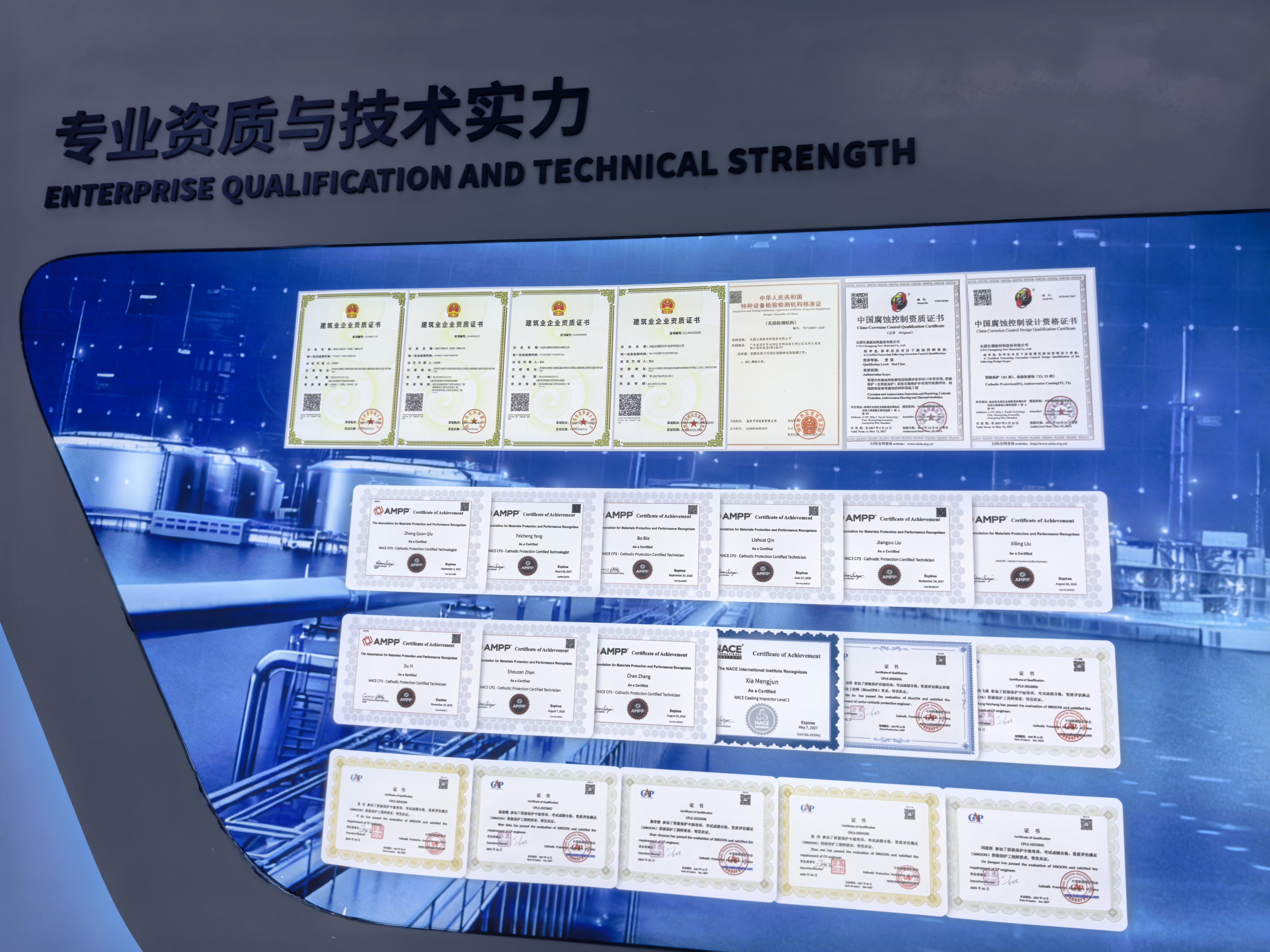
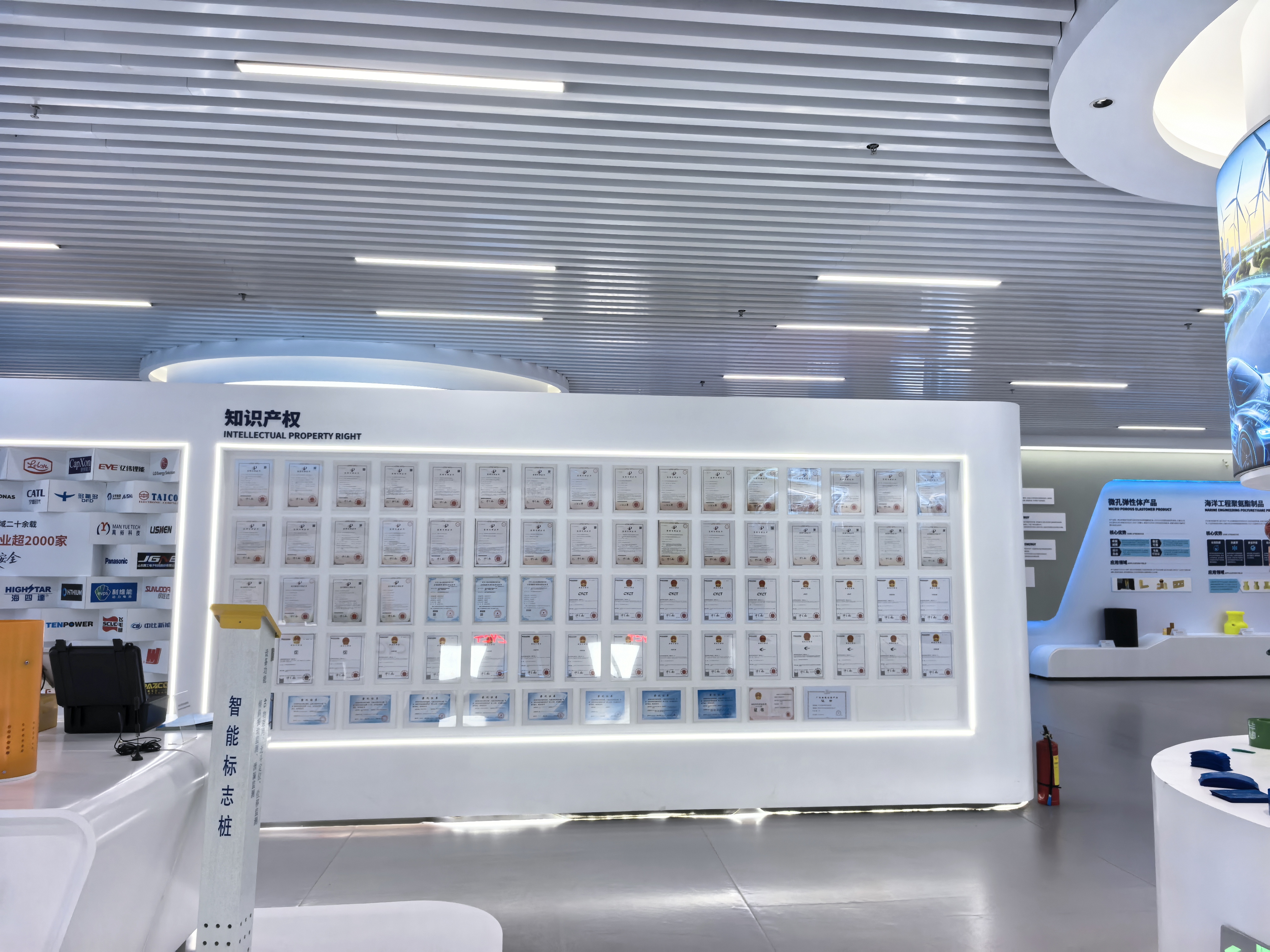
A State-Level High-Tech Enterprise dedicated to premium anti-corrosion materials development.
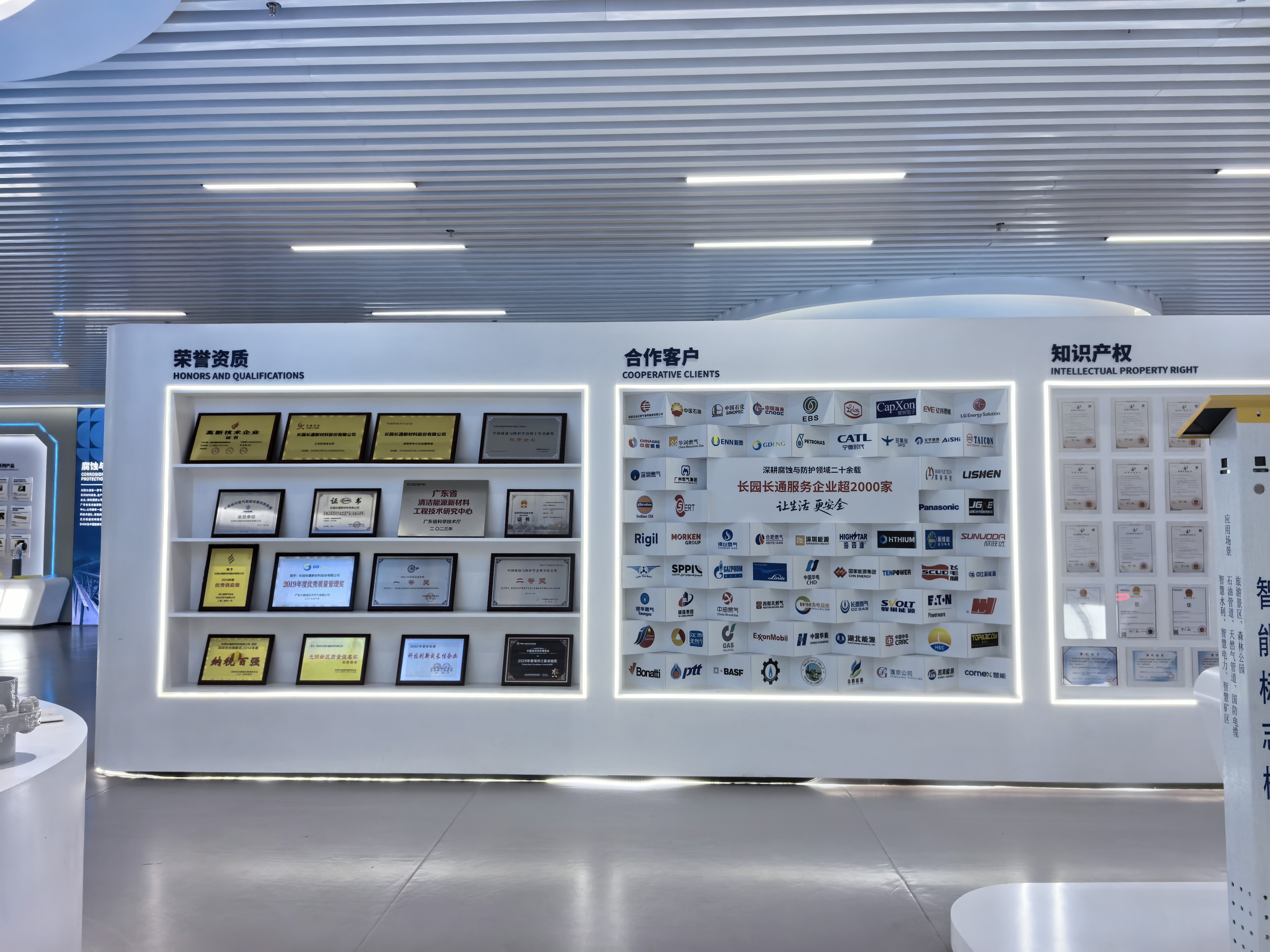
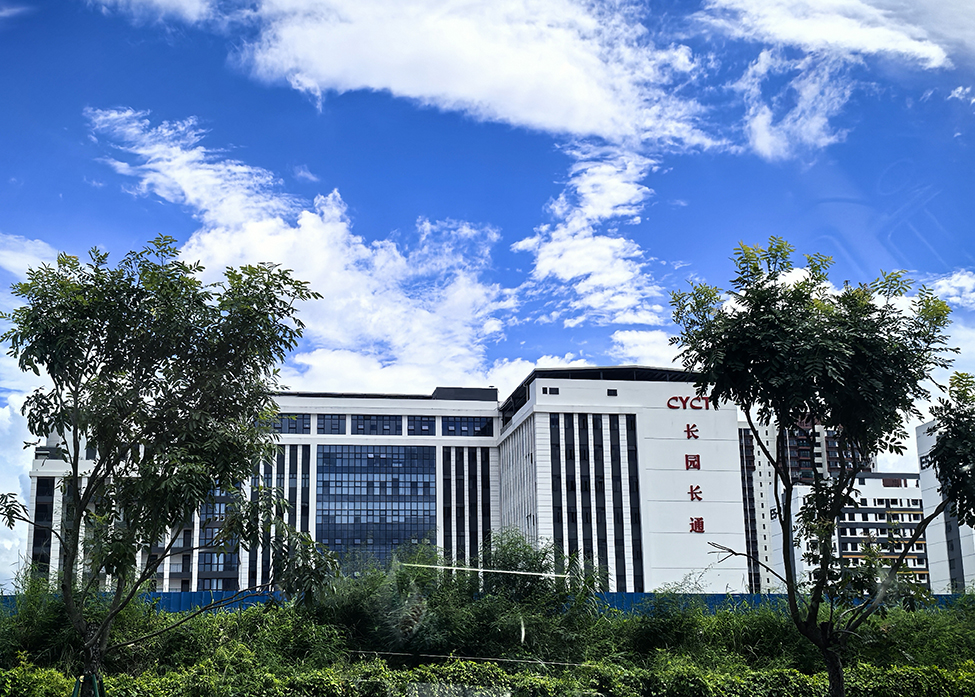
CYCT New Materials Company Limited is a leading Chinese research-led developer and manufacturer integrating R&D, mass production, and sales of pipeline corrosion protection products. Over several decades, we have established stable partnerships with energy organizations like PetroChina, Sinopec, PipeChina, and Indian Oil.
Operating directly under AMPP (Association for Materials Protection and Performance) and Chinese Society for Corrosion and Protection (CSCP) standards, we develop and manufacture custom viscoelastic materials, heat shrinkable sleeves, PP repair patches, and photo-curing GRP jackets designed for challenging geological deployments such as Horizontal Directional Drilling (HDD).
Technical comparison chart to assist pipeline designers and corrosion engineers in material selection.
| Material Class | Key Standard | Operating Temp Range | Primary Advantages | Typical Applications |
|---|---|---|---|---|
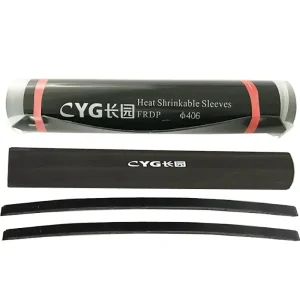
| Heat Shrinkable Sleeve (FRDP / PP) | EN 12068 Class C, ISO 21809-3 | -40°C to 110°C | High mechanical strength, excellent shear resistance | Transmission lines, girth weld field joint coating |
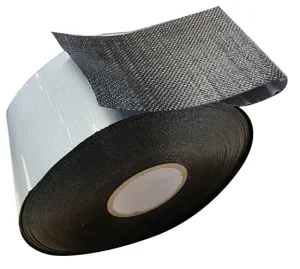
| Viscoelastic Coating (VT95) | ISO 21809-3 Type 13 | -40°C to 95°C | Cold-applied, self-healing properties, zero primer needed | Rehabilitation, valves, tees, complex structural fittings |
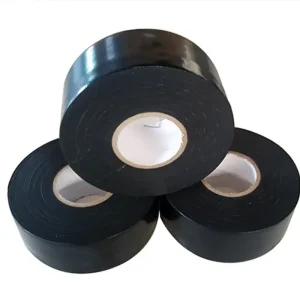
| Cold Applied PP Outer Tape | EN 12068 Class B | Up to 100°C | Consistent thickness control, rapid hand application | Long-distance pipeline repair, mechanical protection |
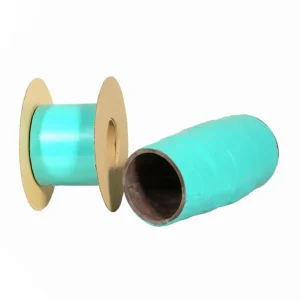
| Photo-Curing GRP Sleeve | ASTM D4060, ISO 21809 | -50°C to 120°C | Superior impact resistance, UV polymerization, extreme hardness | Trenchless HDD pipeline protection, rock shield protection |
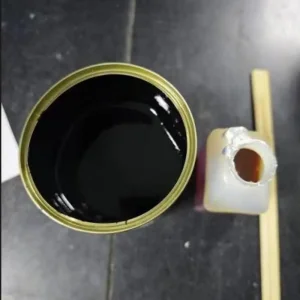
| Solvent-Free Epoxy Primer | ISO 21809-3 Type 1A/1B | Up to 150°C | Excellent steel adhesion, prevents cathodic disbondment | Base primer for multi-layer heat shrink systems |
Our collaborative projects with the CNPC Pipeline Science Research Institute have accelerated the optimization of these material structures. For instance, the combination of a solvent-free liquid epoxy primer base layer with a copolymer hot-melt adhesive interlayer and a radiation-crosslinked high-density polyolefin backing creates a dynamic 3-layer system that mimics the performance of mill-applied 3LPE coatings. This design maintains exceptional shear resistance under active cathodic protection systems, minimizing the risk of localized soil-stress disbondment in high-clay geological formations.
Proven engineering methods deployed globally across multiple environments.
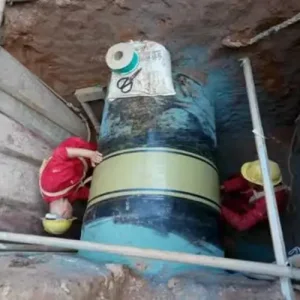
During Horizontal Directional Drilling (HDD), the pipeline coating is subjected to intense shear force and friction against surrounding bedrock. Standard PE coatings risk tearing and peeling. CYCT's specialized Photo-Curing GRP Protective Sleeve is applied directly over the primary anti-corrosion coating. Upon rapid curing via UV exposure, it forms an extremely hard protective shell that acts as a rock-shield barrier, maintaining under-bore coating integrity.
For aging infrastructure, replacing entire pipelines is economically unfeasible. In rehabilitation zones, the surface preparation typically cannot achieve the cleanliness required for traditional liquid coatings. Our Viscoelastic Tape VT95 provides a reliable solution. It requires minimal surface prep (St 2/St 3) and remains in a viscous paste state, filling micro-pits and preventing water ingress without the need for high-temperature preheating.
Hot compressor discharge stations raise downstream natural gas temperatures to 80°C - 100°C. Standard PE tapes often soften and experience shear failure under soil loading. CYCT's High-Temperature Polypropylene Heat Shrink Sleeve (3LPP system) utilizing advanced structural adhesives retains its shear resistance and elastic properties at design temperatures up to 110°C.
Technical clarifications on field coating selection, performance testing, and application guidelines.
Verified manufacturing excellence and structural material standards compliance.
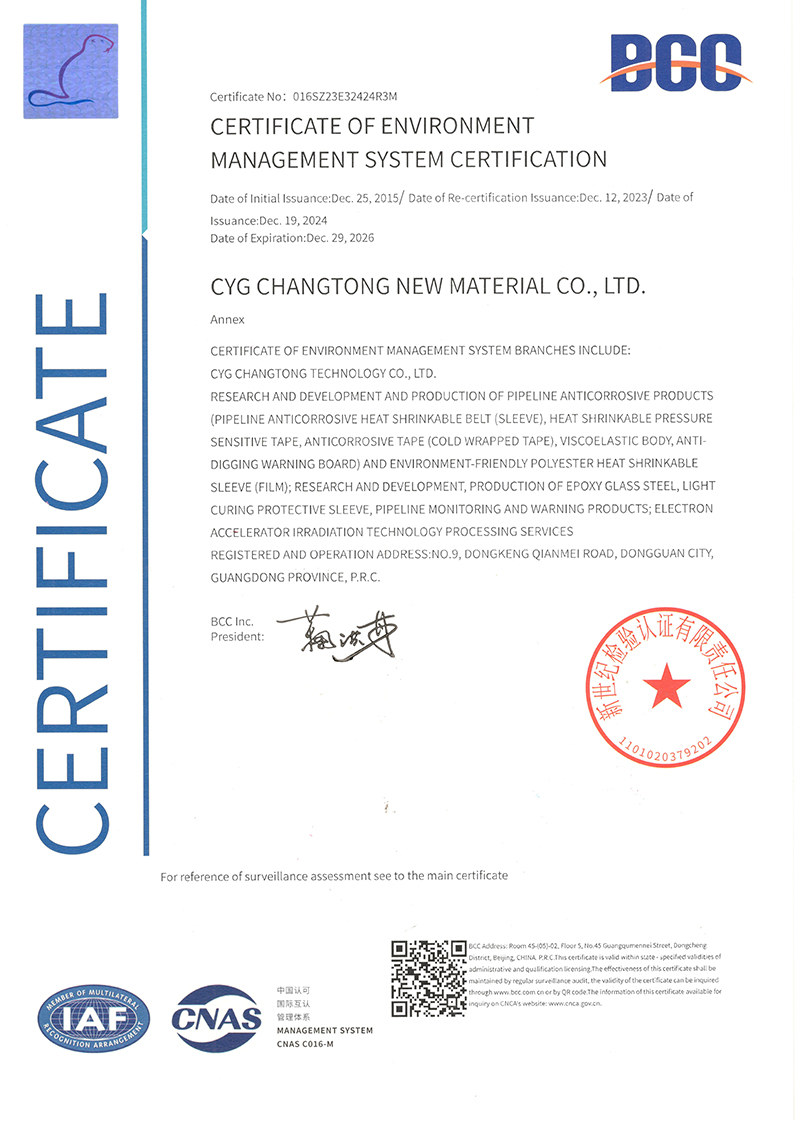
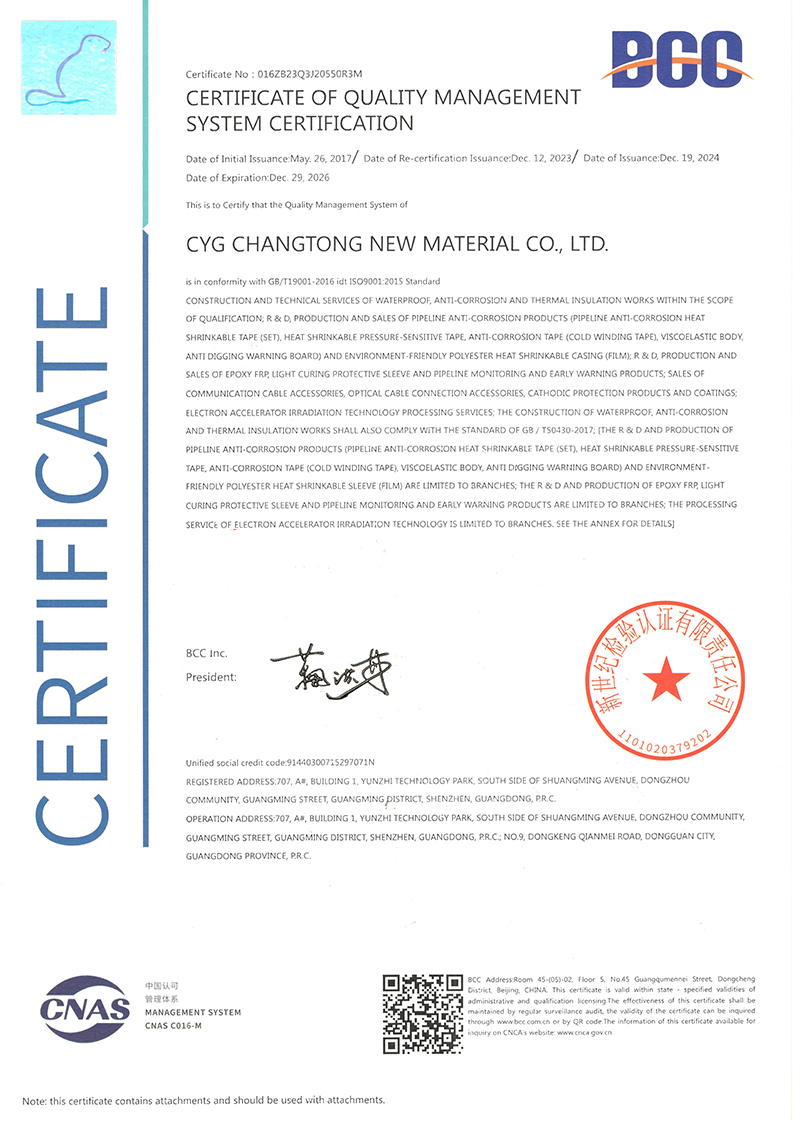
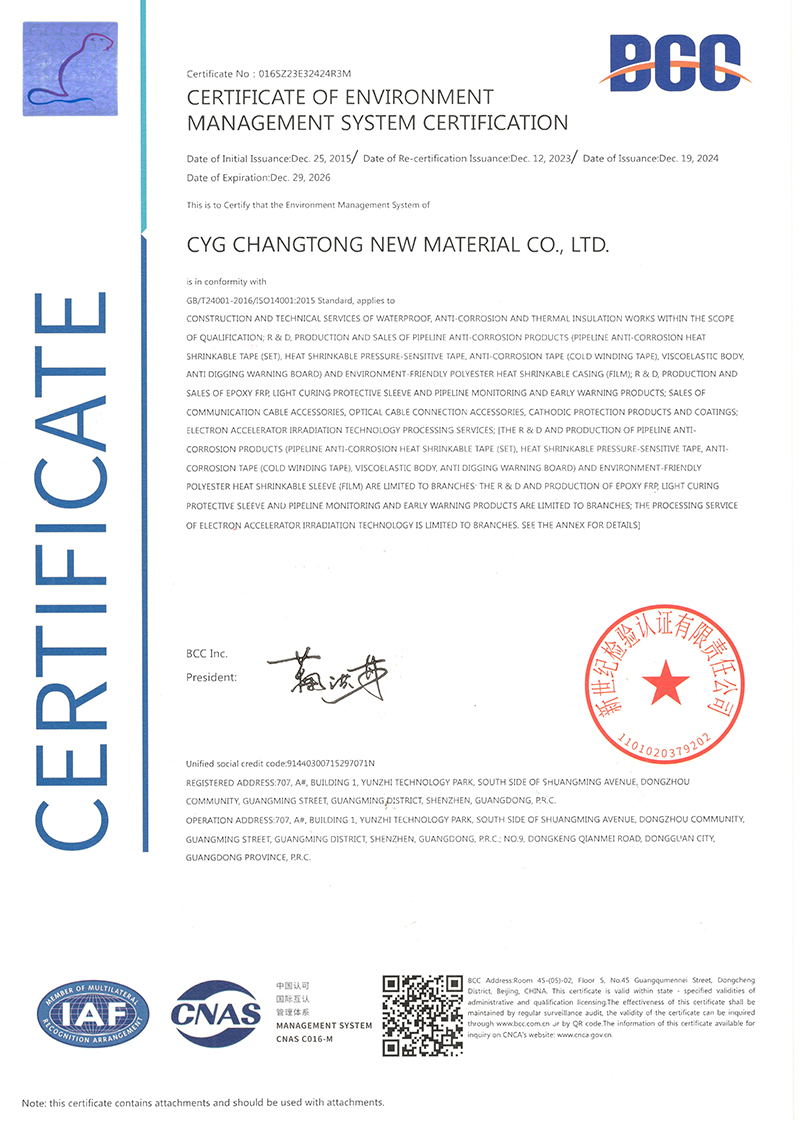
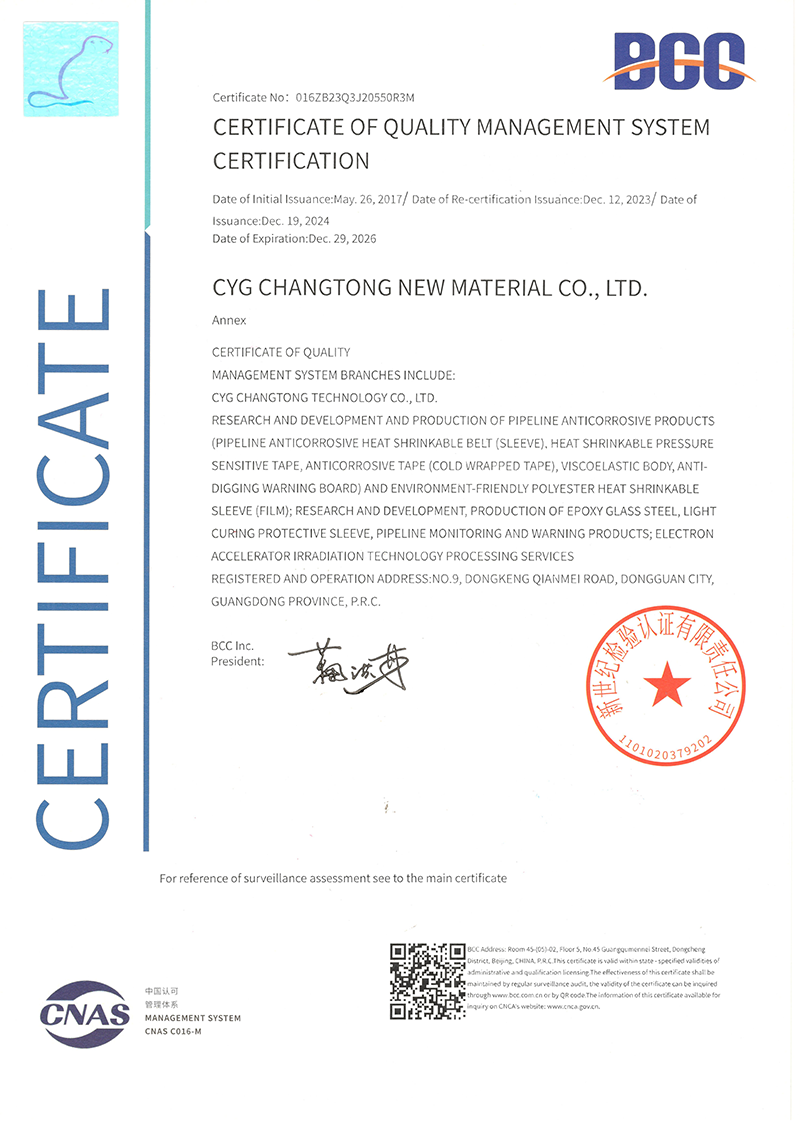
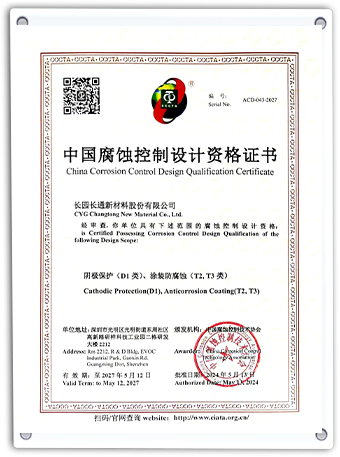
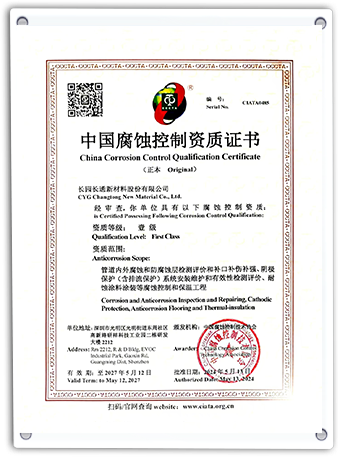
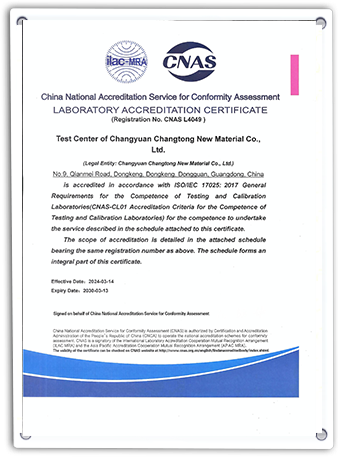
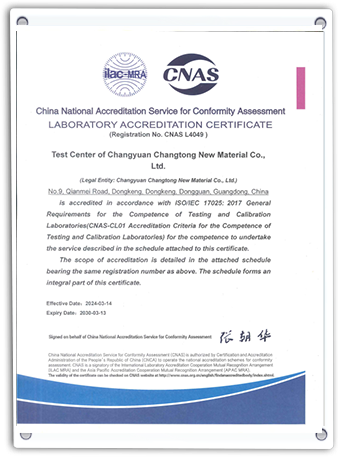
Factory-direct pipeline restoration, anti-corrosion wrap, and physical protection products.
 CYCT
CYCT