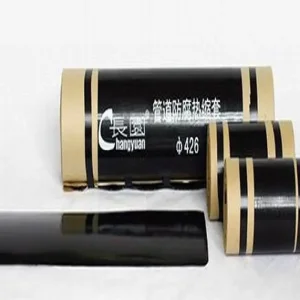
Explore our industrial-grade protective tapes, visco-elastic coatings, and high-strength heat shrinkable sleeves engineered for severe conditions.
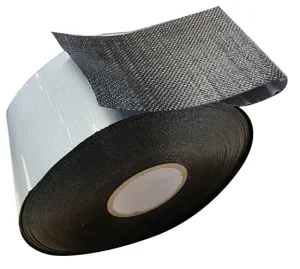
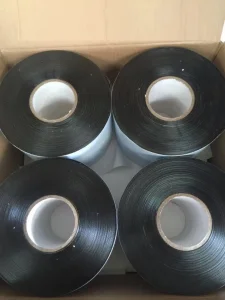
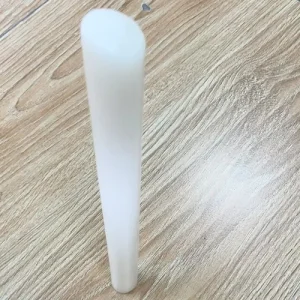
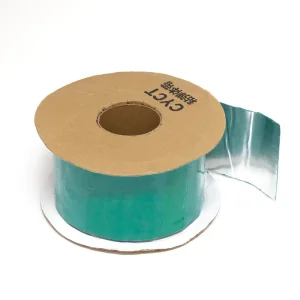
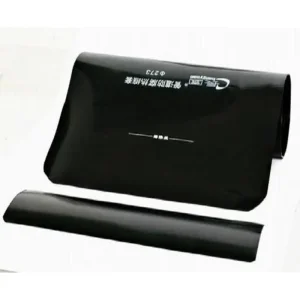
Dual Wall Heat Shrinkable sleeves and tubes represent the pinnacle of environmental sealing technology. Unlike standard single-wall tubing, dual-wall (or double-wall) systems are co-extruded with two distinct layers: an outer jacket of specially cross-linked polyolefin, and an inner layer of high-performance thermoplastic adhesive (typically ethyl-vinyl acetate, polyamide, or viscoelastic polymer alloys).
Upon the application of heat, the outer polyolefin sleeve shrinks to conform tightly to the substrate, while the inner adhesive melts and flows. This co-ordinated behavior fills voids, channels moisture away, and solidifies into a permanent, chemically resilient, and waterproof seal. In critical applications like pipeline field joint coating (FJC) or high-stakes electrical wiring, dual wall heat shrink serves as the ultimate barrier against galvanic corrosion, chemical attack, and mechanical abrasion.
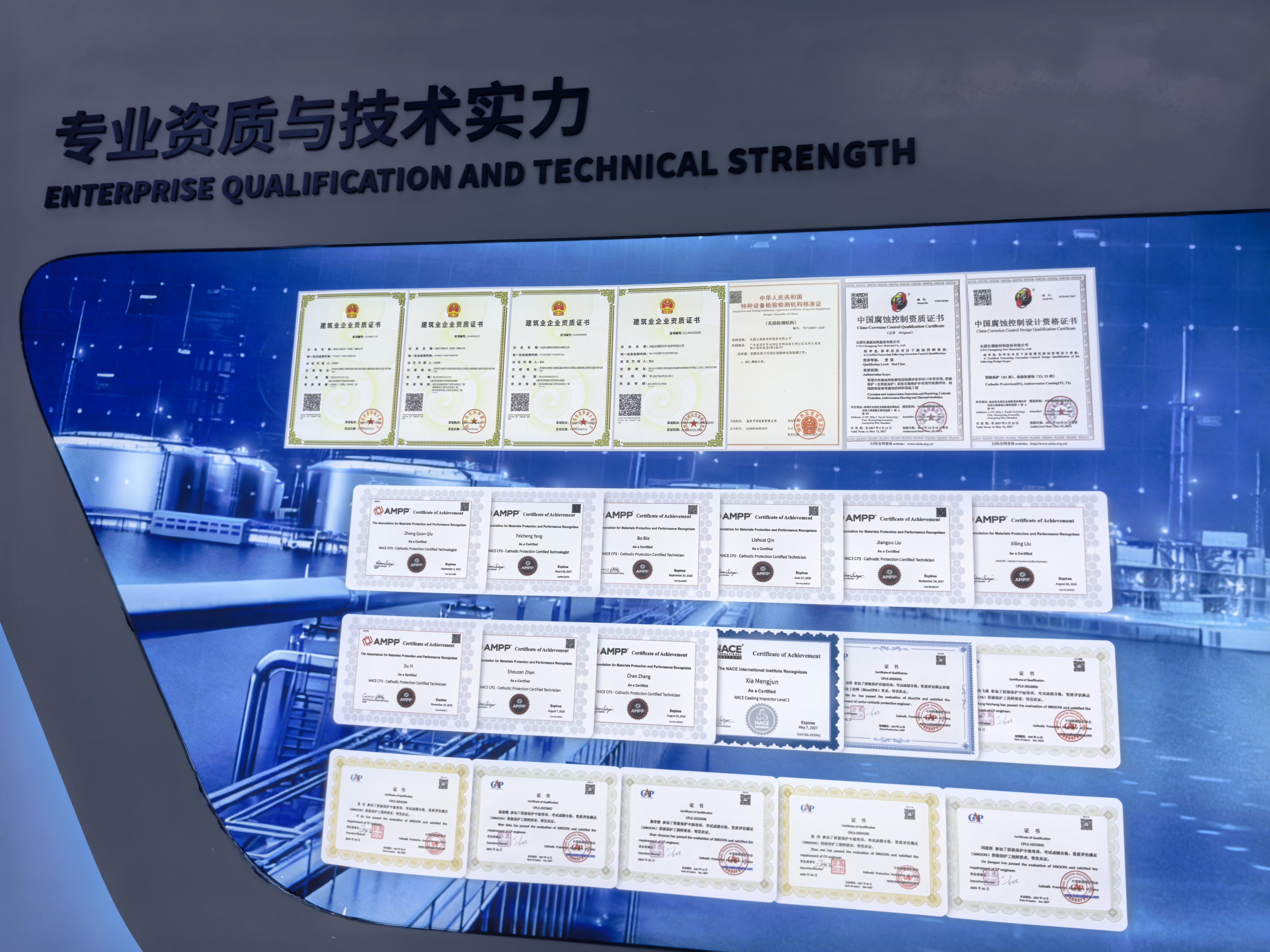
Selecting the appropriate inner-liner chemistry is key to surviving aggressive geological and mechanical conditions.
| Parameters & Material Layer | EVA Co-polymer Liner (Standard) | Polyamide Hot-Melt Liner (High-Temp) | Viscoelastic Polymer Liner (Advanced) |
|---|---|---|---|
| Continuous Operation Temperature | -45°C to +85°C | -55°C to +125°C | -45°C to +100°C |
| Dielectric Strength (IEC 60243) | ≥ 20 kV/mm | ≥ 22 kV/mm | ≥ 18 kV/mm |
| Peel Strength to Steel (ISO 21809-3) | > 80 N/cm at 23°C | > 120 N/cm at 23°C | Self-healing, cohesive failure |
| Water Absorption (ASTM D570) | < 0.1% | < 0.05% | Virtually zero (hydrophobic) |
| Primary Industrial Sectors | Utilities, Oil & Gas Pipelines | Automotive, Aerospace, Heavily Loaded Field Joints | HDD Pipeline, Active Cathodic Protection Systems |
Pioneering the next generation of corrosion barriers, material science, and intelligent insulation technologies.
We are transitioning towards high-energy electron-beam (E-beam) radiation cross-linking. This optimizes the polymeric memory, yielding uniform wall thickness, precise shrink ratios (3:1 and 4:1), and elevated environmental stress crack resistance (ESCR) under cyclic loads.
Global standards demand safety. Our roadmap guarantees 100% halogen-free, RoHS-compliant flame-retardant (HFFR) outer layers. By phasing out deca-BDE and heavy metal stabilizers, we offer environmentally safe solutions for sensitive industrial habitats.
The integration of smart micro-encapsulated thermochromic pigments ensures visual cues during installation. The sleeve shifts color once the exact activation temperature (typically 120°C - 150°C) is reached, eliminating cold spots and overheating risks.
Delivering critical protection where failure is not an option. Our solutions span infrastructure, utilities, and high-end automotive wiring.
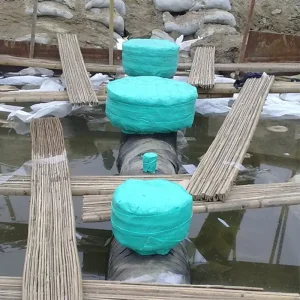
Underground transport networks suffer from mechanical stress, microbial action, and soil-stress forces. Dual-wall structures engineered by CYCT provide structural defense for 3LPE (Three-Layer Polyethylene) and 3LPP (Three-Layer Polypropylene) pipeline joint configurations.
The viscoelastic inner adhesive prevents cathodic disbondment and fills the surface profile of the steel pipe, forming a water-impermeable barrier that complies with international standards like ISO 21809-3 and EN 12068.
In modern vehicles and deep-sea vessels, wiring harnesses are exposed to constant engine heat, road salts, fuel spray, and prolonged underwater immersion. Standard single-wall tubing fails to prevent moisture wicking between multi-strand copper cables.
Dual-wall polyolefin tubing compresses the inner adhesive to flow between wire bundles, creating a pressure-resistant block. This prevents corrosion and preserves signal integrity in critical networks.
Combining state-of-the-art automation, accredited quality laboratories, and robust raw-material sourcing to deliver global reliability.
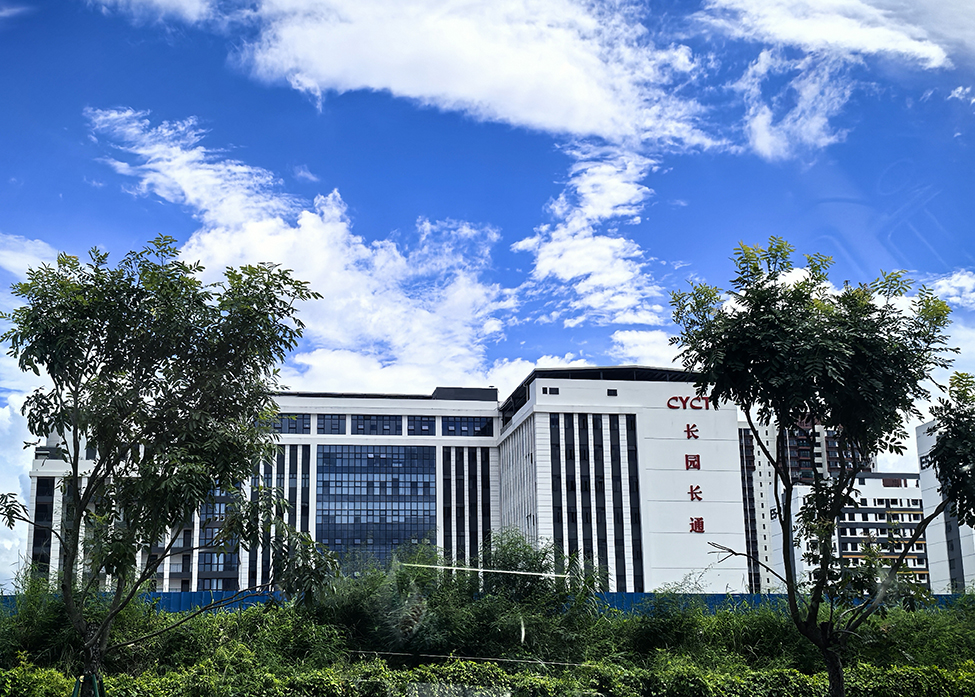
CYCT New Materials Company Limited (CYCT) is a state-level high-tech enterprise integrating the research and development, manufacturing, and distribution of pipeline corrosion protection systems with pipeline field application and buried pipeline detection services.
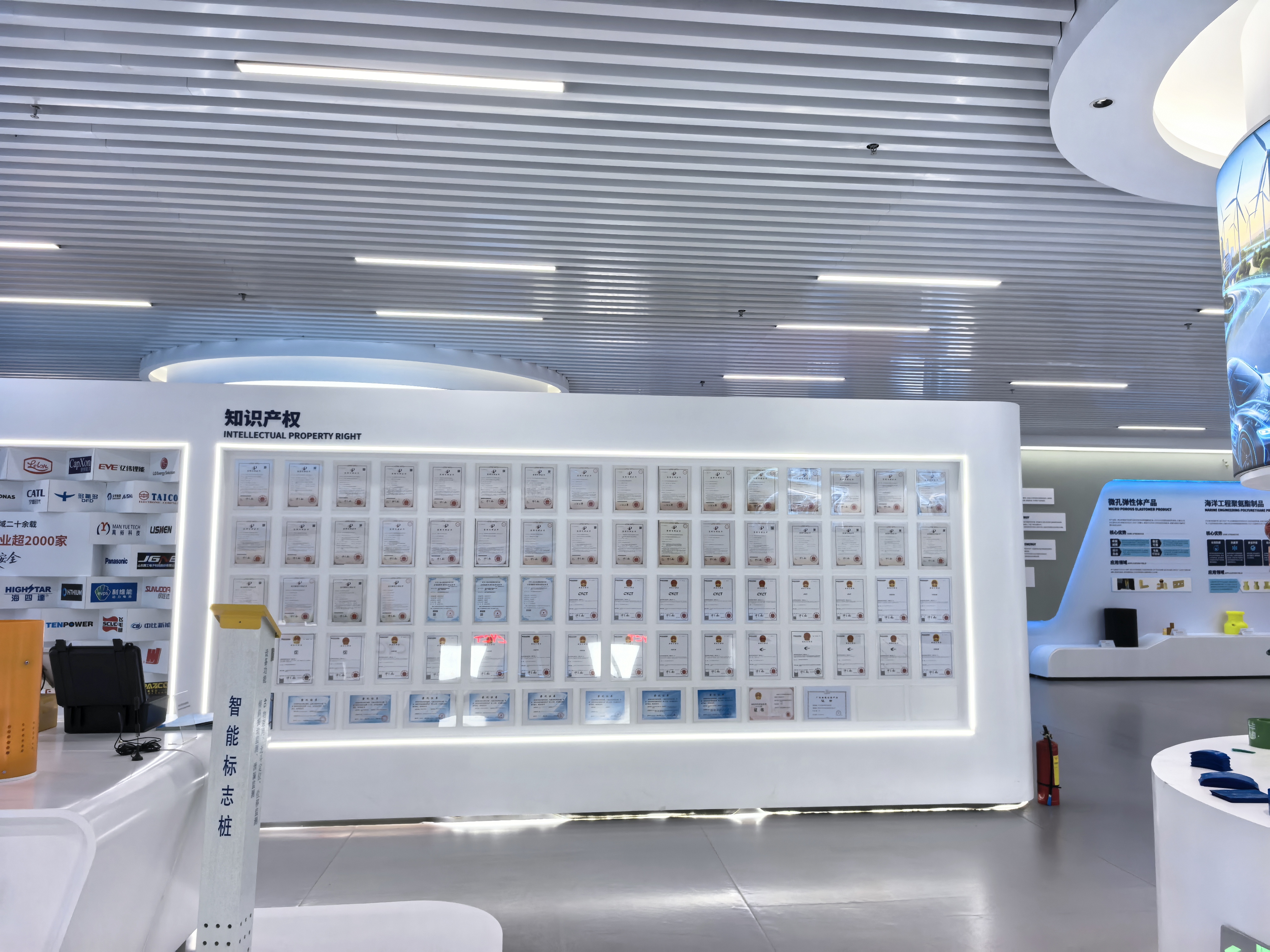
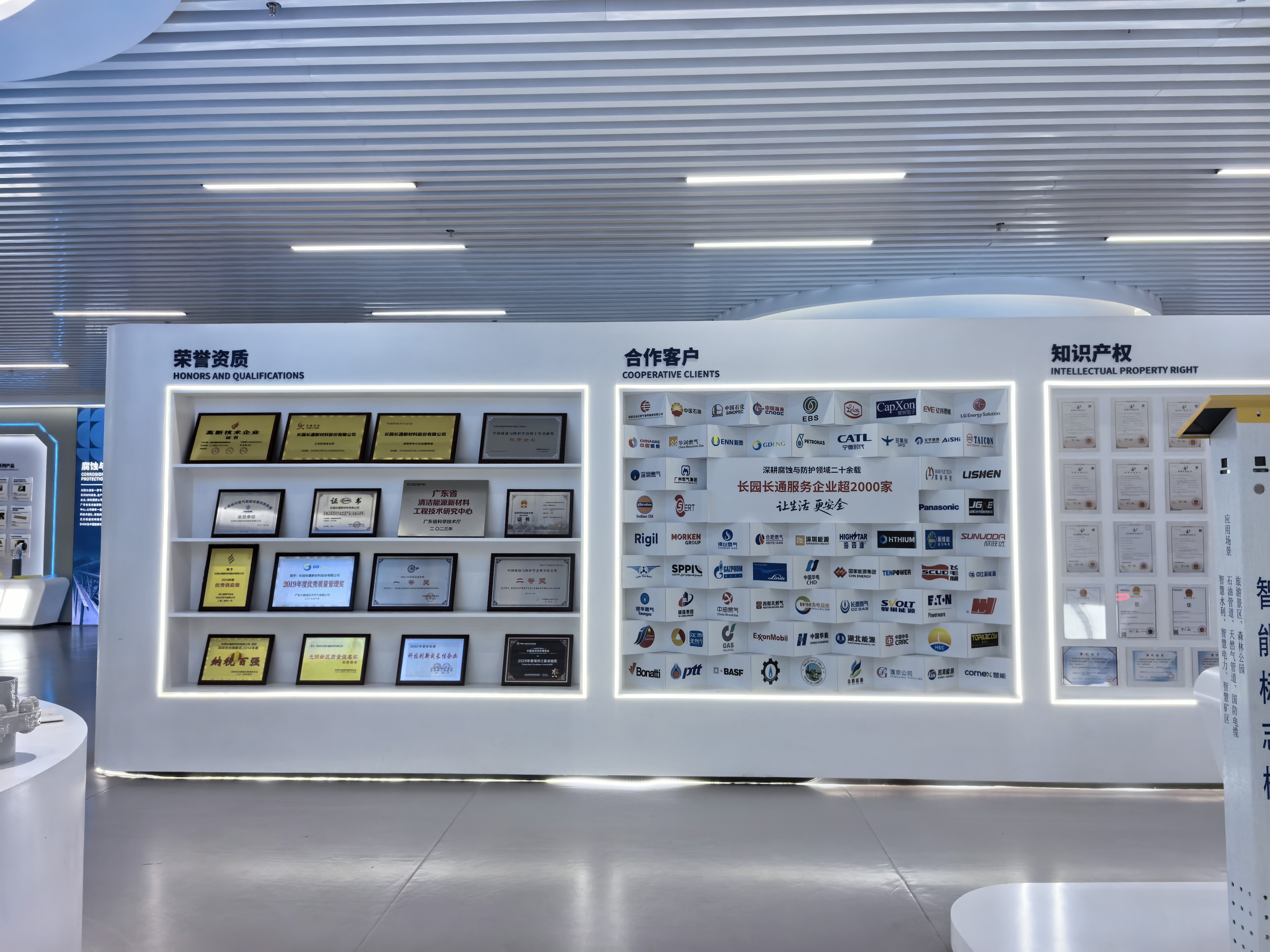
With a 24-year industrial history, CYCT operates advanced co-extrusion manufacturing lines, specialized electron beam cross-linking machinery, and adhesive formulation systems. As a trusted council member of the Chinese Society for Corrosion and Protection (CSCP), CYCT is a qualified supplier to market giants including PetroChina, Sinopec, PipeChina, Indian Oil, and China Gas Group.
Our state-of-the-art testing capabilities ensure that every batch of dual wall heat shrink meets specifications before leaving the factory.
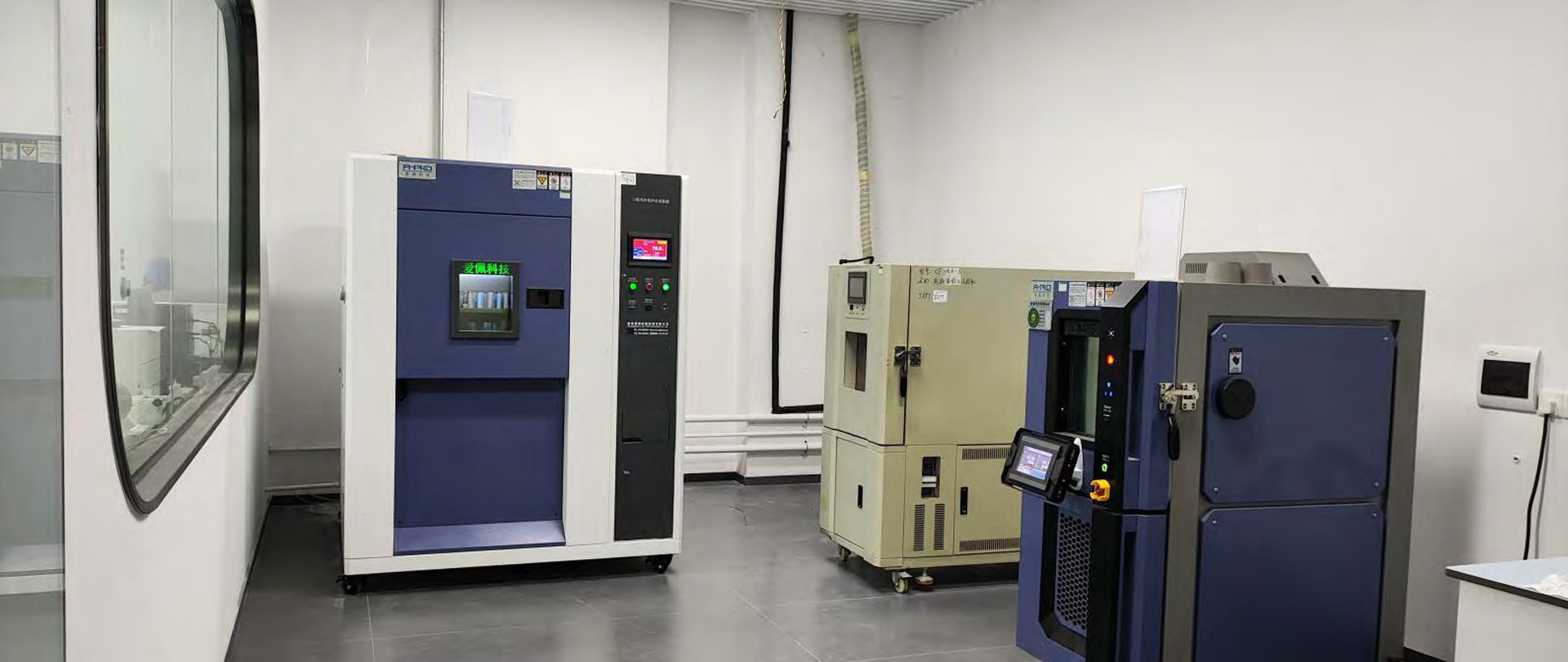
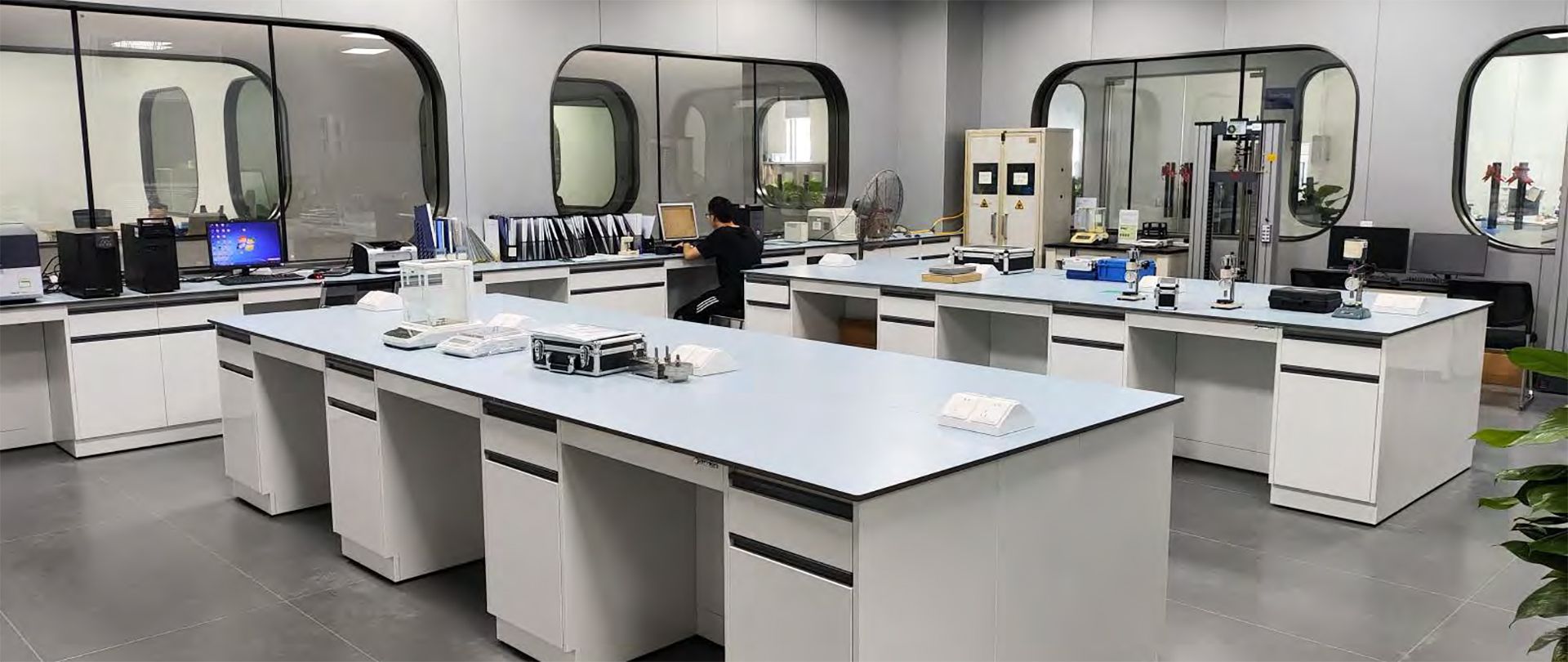
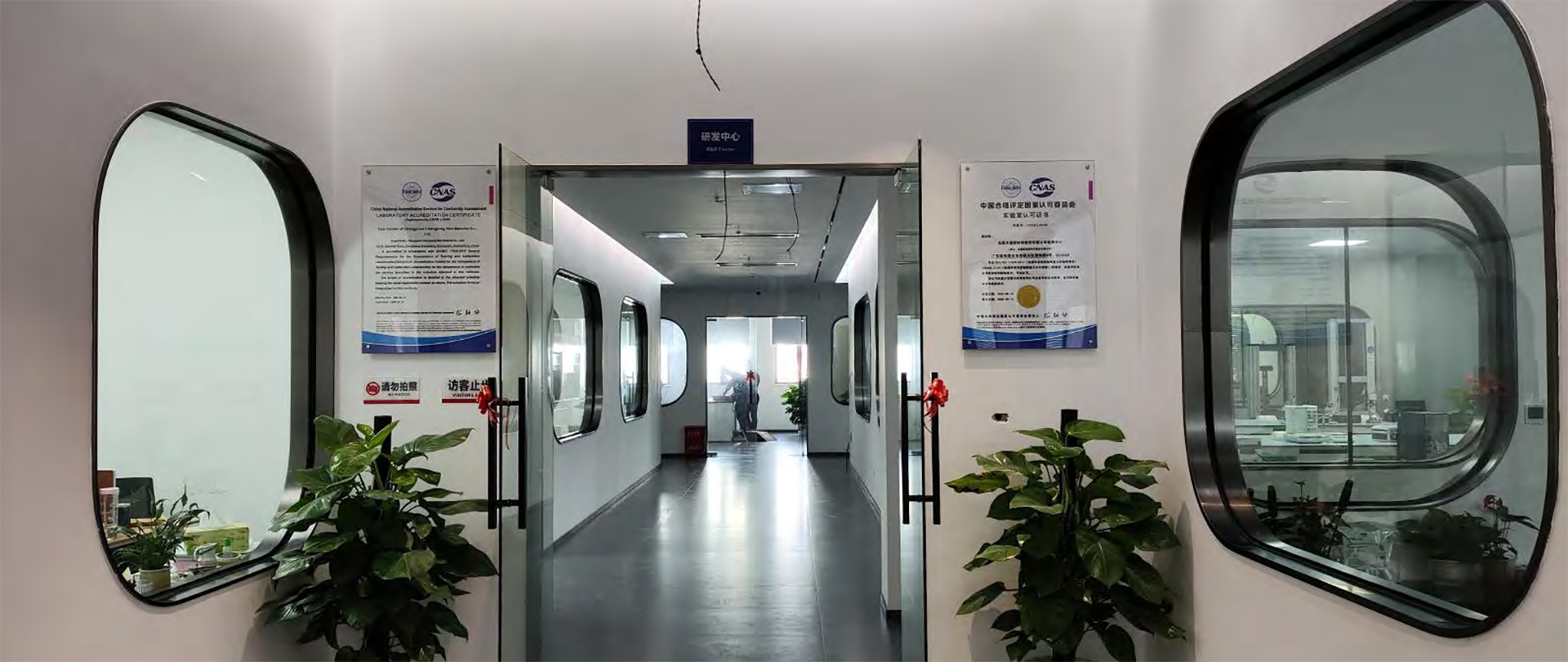

Ensuring cross-border compliance. Our products meet global standards for chemical safety, environmental engineering, and electrical insulation.
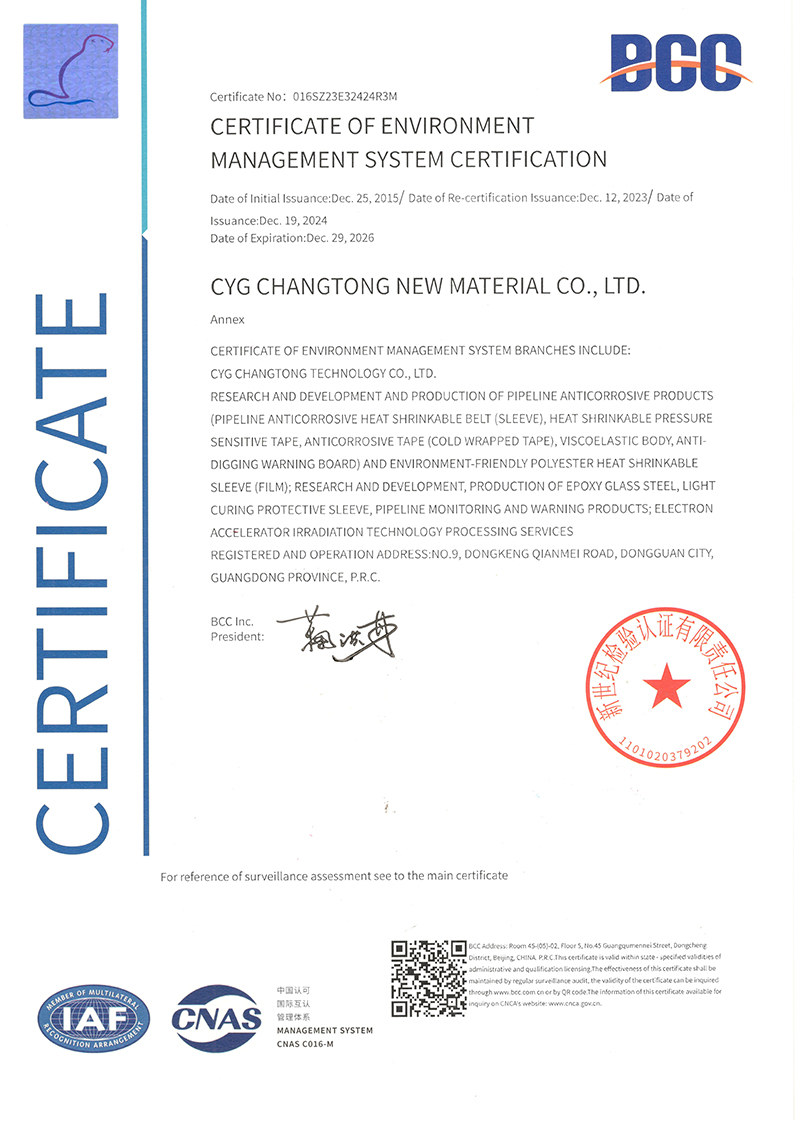
To support global supply chains, CYCT products undergo testing in accordance with ASTM, DIN, ISO, and EN specifications. Our QA protocols include:
Our state-of-the-art CNAS laboratory performs batch-testing on melt flow index, thermal oxidative aging, cathodic disbondment resistance, and low-temperature flexibility to ensure consistent performance on site.
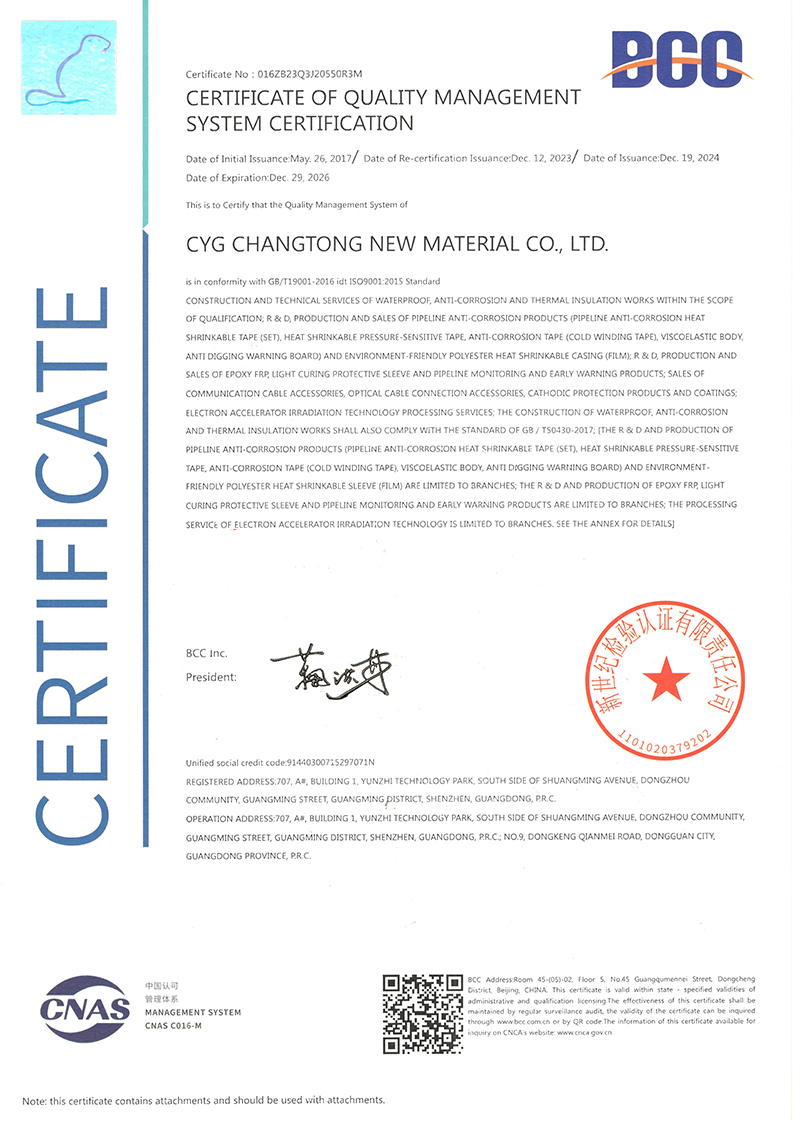
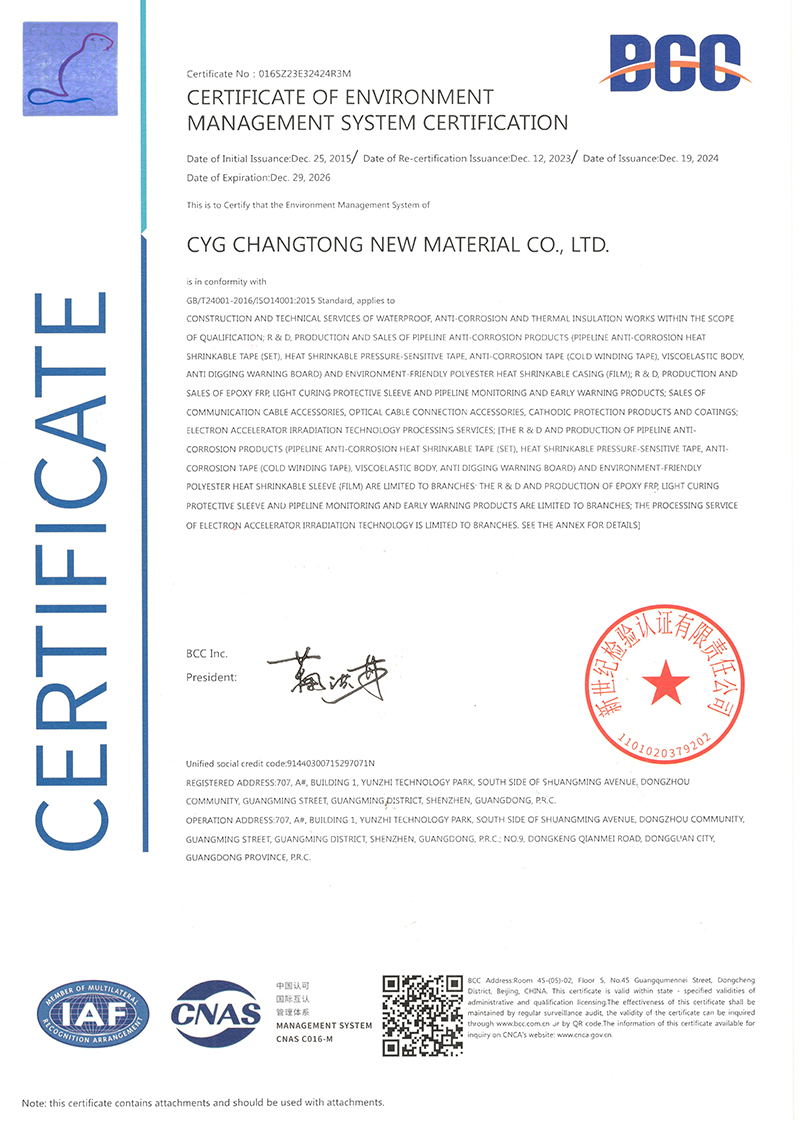
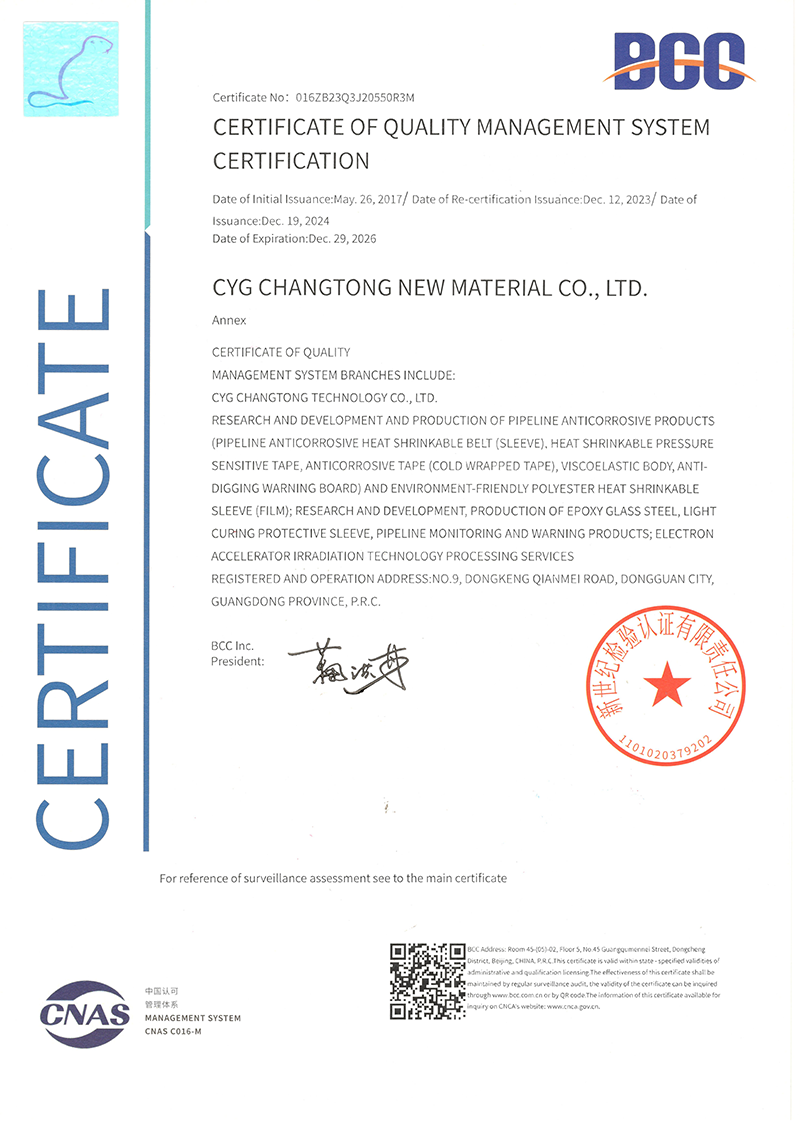
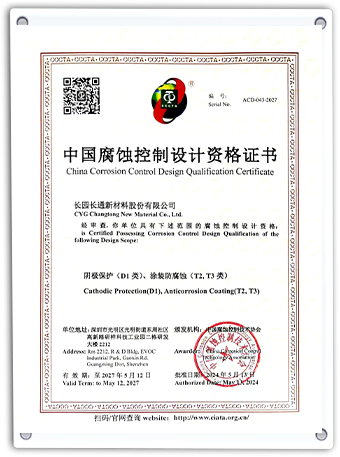
How global procurement directors and engineering offices evaluate dual-wall suppliers to manage TCO and logistics.
TCO extends beyond the initial purchase price. Selecting co-extrusion systems reduces scrap rates during installation, lowers manual labor overhead, and prevents pipeline repairs that could interrupt service.
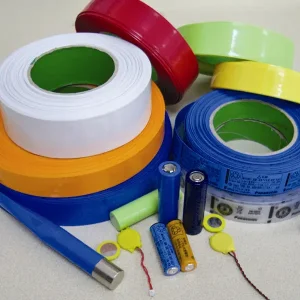
Global specifications require custom design. We provide engineering options for custom tube lengths, customized shrink ratios, specific color-coding (e.g., black, red, blue, clear), and tailored adhesive configurations.
Supply chain reliability is crucial. CYCT supports complex international shipping demands by securing raw material supplies, using high-durability packaging, and providing full customs documentation.
Answers to common technical, design, and manufacturing questions for procurement agents and engineering teams.
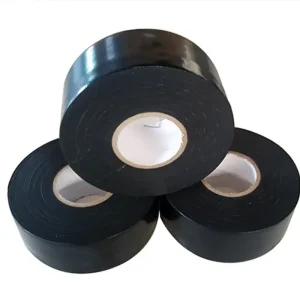
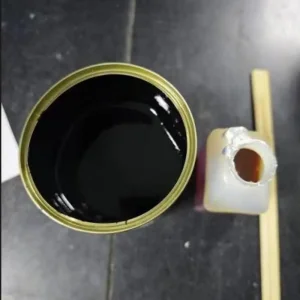
Complete your procurement requirements with our line of PVC corrosion tapes, viscoelastic fillers, primers, and heavy-duty shrink sleeves.
 CYCT
CYCT