Factory-Direct High-Performance Solutions Optimized for Advanced Field Application Requirements
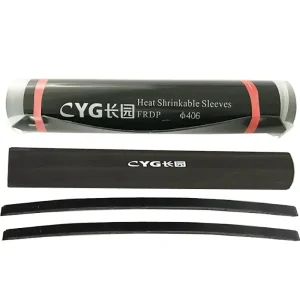
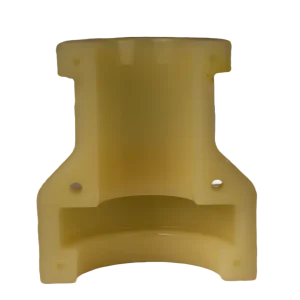
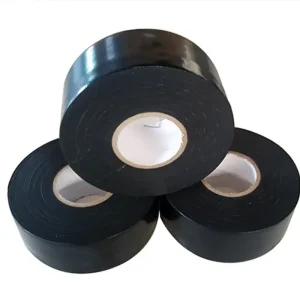
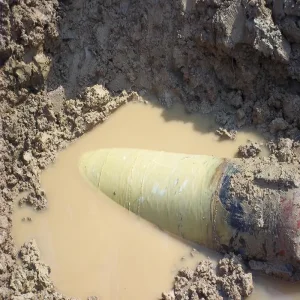
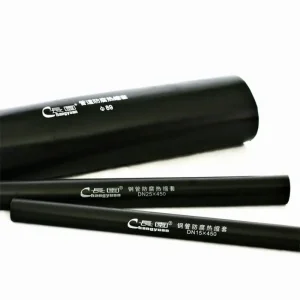
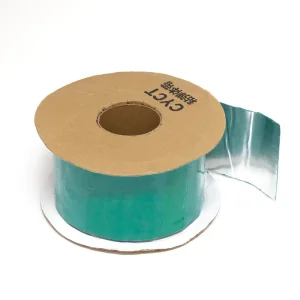
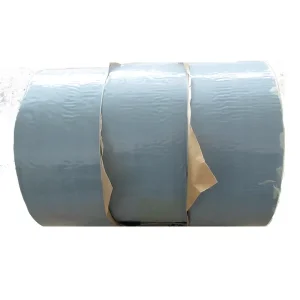
In modern pipeline engineering, the term welding wrap refers to a specialized family of external protective sleeves, tapes, and composite wraps applied directly to the field joints of steel pipelines after circumferential welding. Field joint coating (FJC) locations represent the most vulnerable interface on transmission mains. Because these areas cannot be coated under controlled mill conditions, they rely entirely on manual or semi-automated site application. A failure to execute proper joint protection risks catastrophic localized corrosion, accelerated by environmental stresses, soil shear, and cathodic disbondment.
The historical trajectory of joint wraps transitioned from primitive cold-applied bituminous tapes to highly engineered radiation cross-linked heat shrinkable sleeves (HSS), viscoelastic polyolefin systems, and heavy-duty fiber-reinforced epoxy wraps. Modern pipeline engineering requires welding wraps to perform multiple duties: providing a moisture-proof seal, resisting cathodic disbondment, absorbing physical indentation, and offering chemical stability across wide thermal gradients.
Today, leading standardizations such as ISO 21809-3 and EN 12068 dictate clear categories (Classes A through C) for these materials based on their mechanical strength and operating temperatures. From Class C viscoelastic tapes that offer self-healing properties to thick heavy-wall heat-shrinkable sleeves featuring aggressive co-polymer adhesives, selecting the correct chemical formulation is key to matching the parent line coating (e.g., 3LPE, 3LPP, or FBE).
Cathodic disbondment is the primary failure mode of field joint coatings under CP stress. A high-quality welding wrap must utilize structural copolymer adhesives that resist alkaline environments generated near cathodic protection hotspots. Without premium adhesion promoters, moisture will eventually track underneath the wrap, triggering under-film corrosion.
Global pipeline projects face extreme geological conditions. Mainline protection strategies must cover various scenarios, including:
A Pioneer in New Materials Development & Integrated Pipeline Corrosion Mitigation Solutions
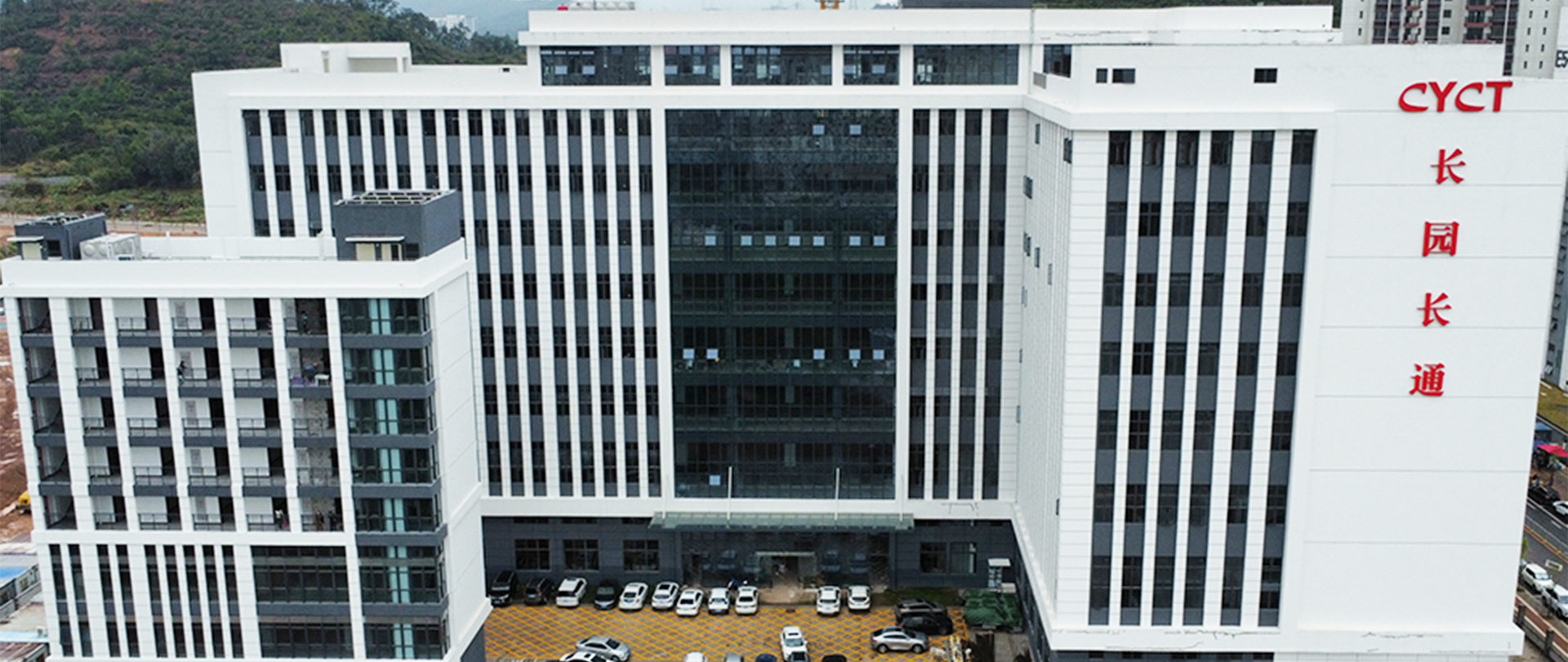
CYCT New Materials Company Limited (for short, CYCT) is a state-level high-tech enterprise integrating R&D, production, and sales of pipeline corrosion protection materials. Our capabilities extend to buried pipeline detection services and pipeline coating field application services. By controlling the entire lifecycle—from molecular formulation in our laboratories to final field execution on site—we offer a unified warranty path for international infrastructure developers.
CYCT has dedicated decades of engineering focus to the development of field-applied pipeline corrosion materials. Through long-term collaboration with leading domestic R&D institutes, such as the CNPC Pipeline Science Research Institute, CYCT is capable of providing in-service pipelines with varied technical services. This includes buried pipeline detection, custom design schemes, cathodic protection system designs, rehabilitation projects, and integrated solutions for the safety protection of critical pipeline networks.
Our market presence is anchored by our status as a stable supplier of field joint coatings for PetroChina, Sinopec, PipeChina, and various local gas distribution networks, holding a significant market share. Beyond standard PE wraps, CYCT has developed and introduced a number of specialty corrosion protection materials. These include visco-elastic anticorrosion materials, special photo-curing sleeves for HDD protection, and advanced polyurea coatings.
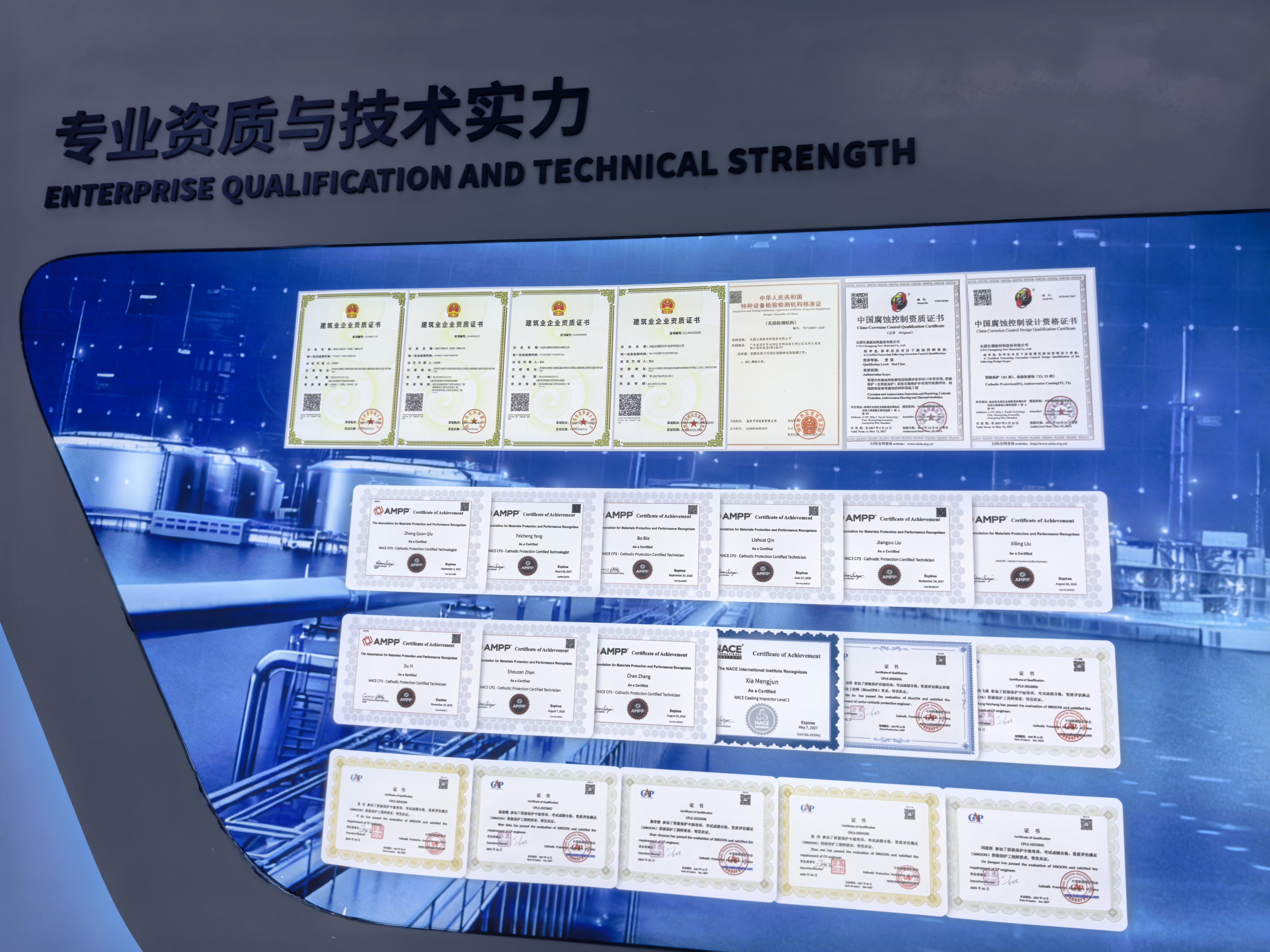
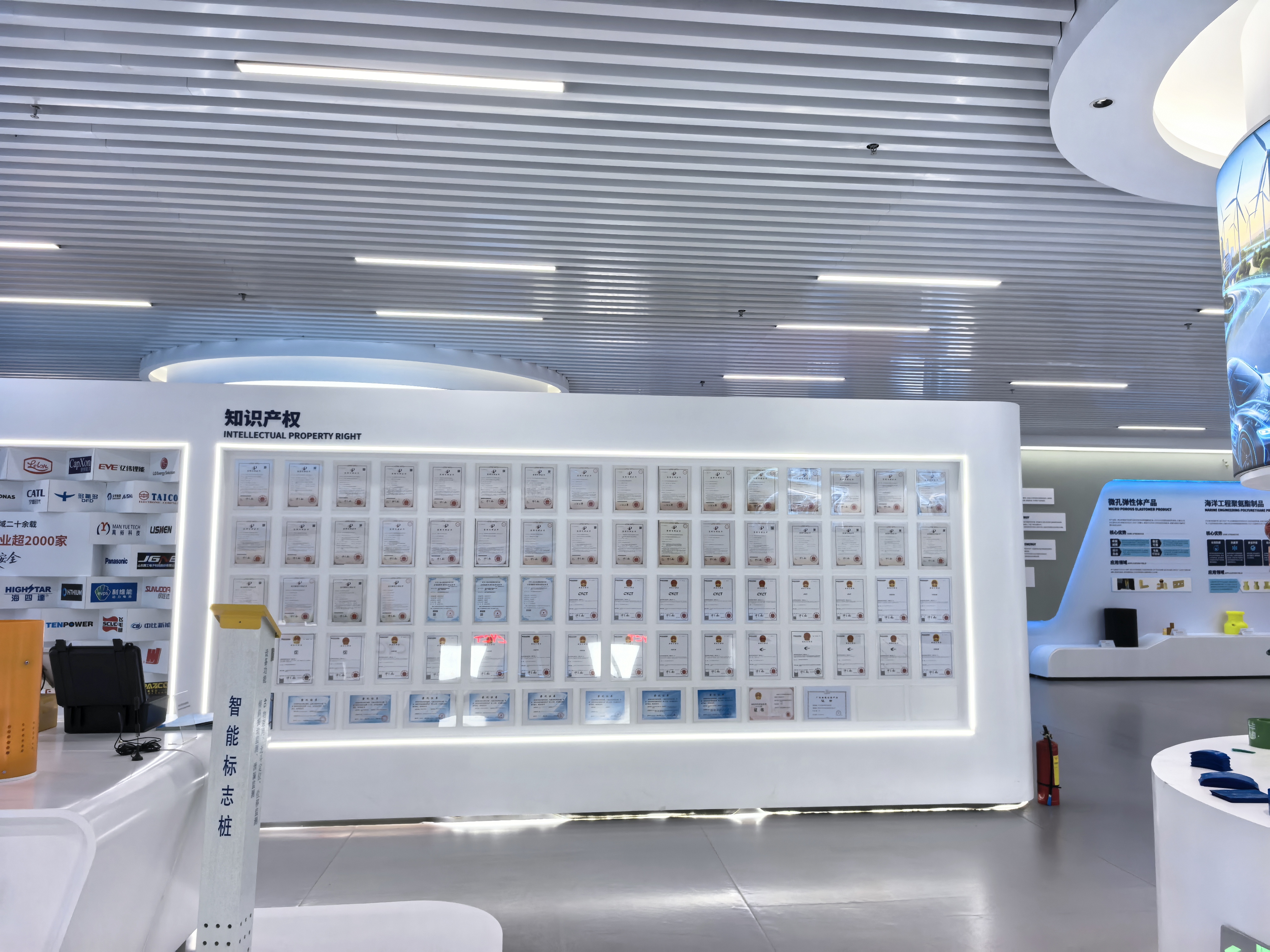
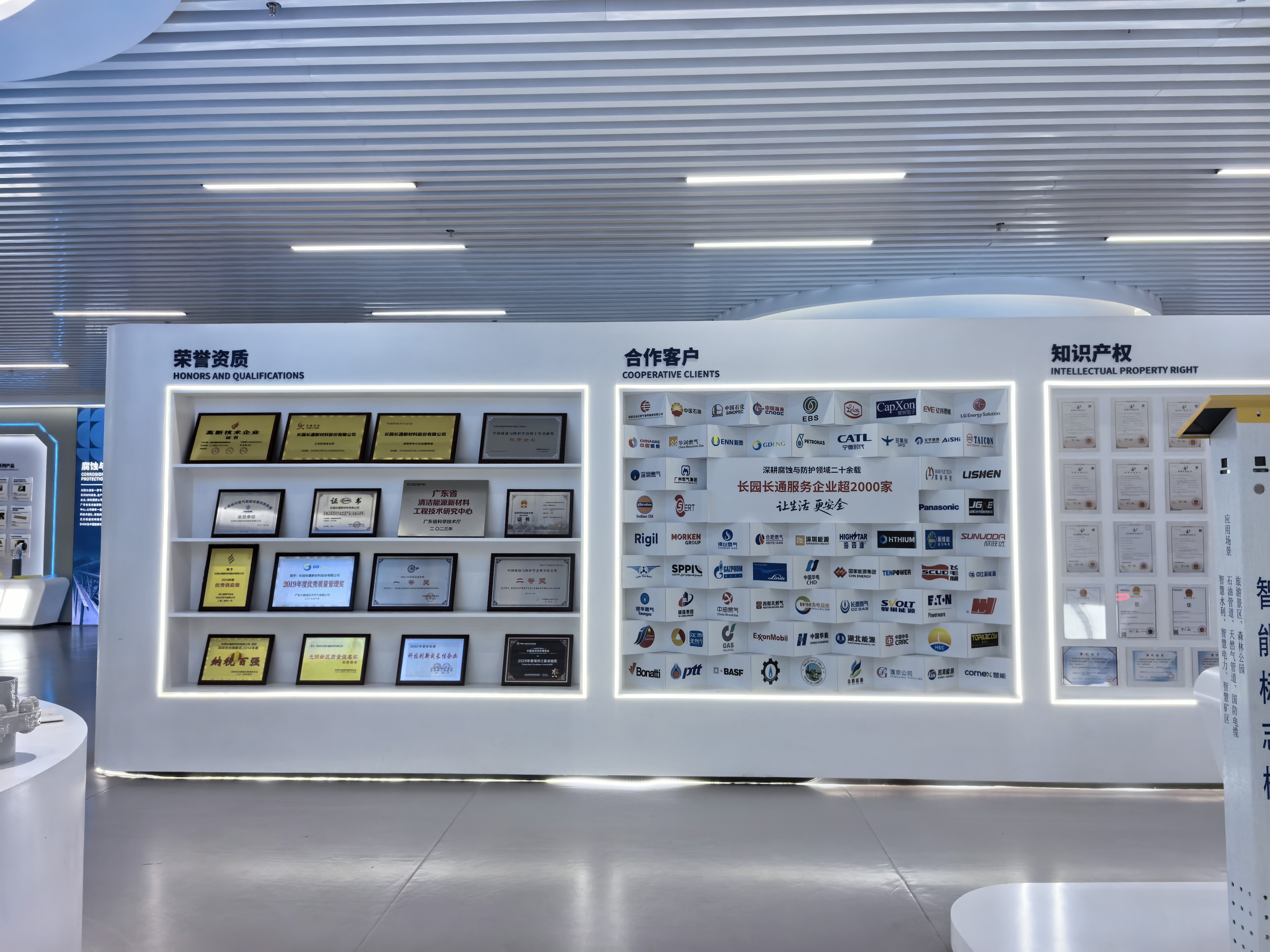
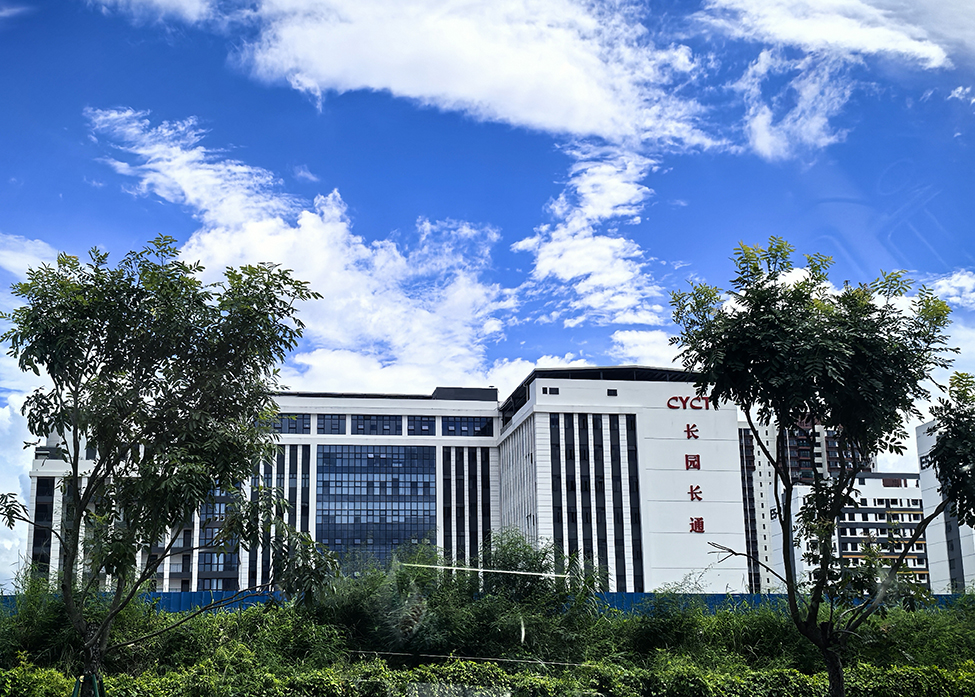
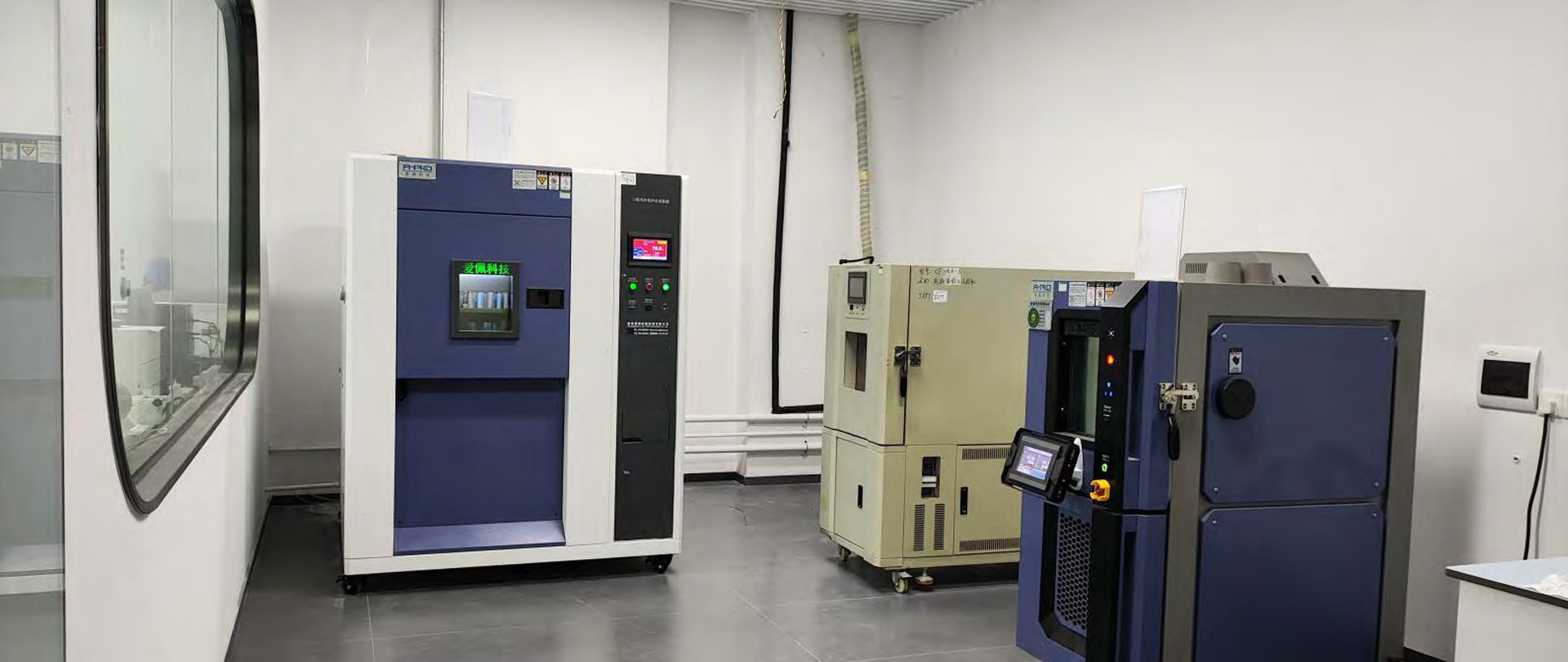
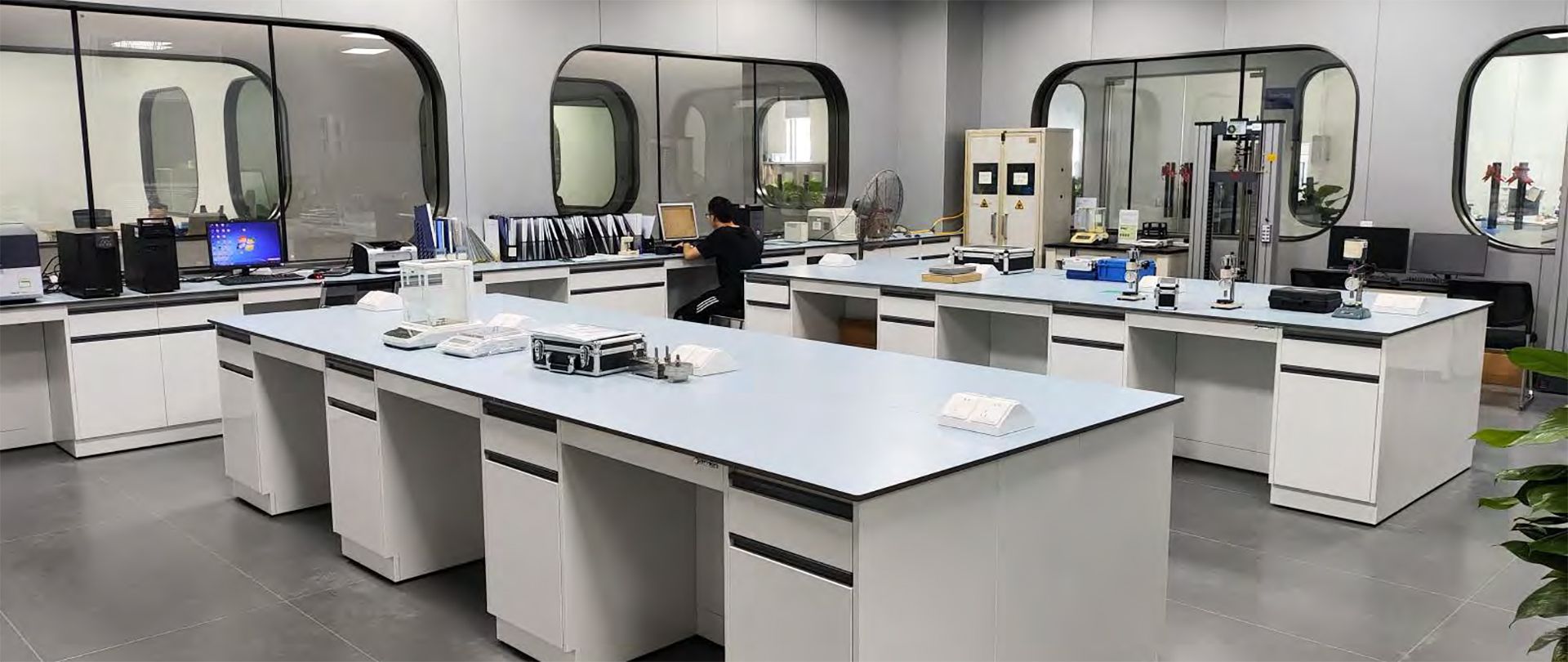
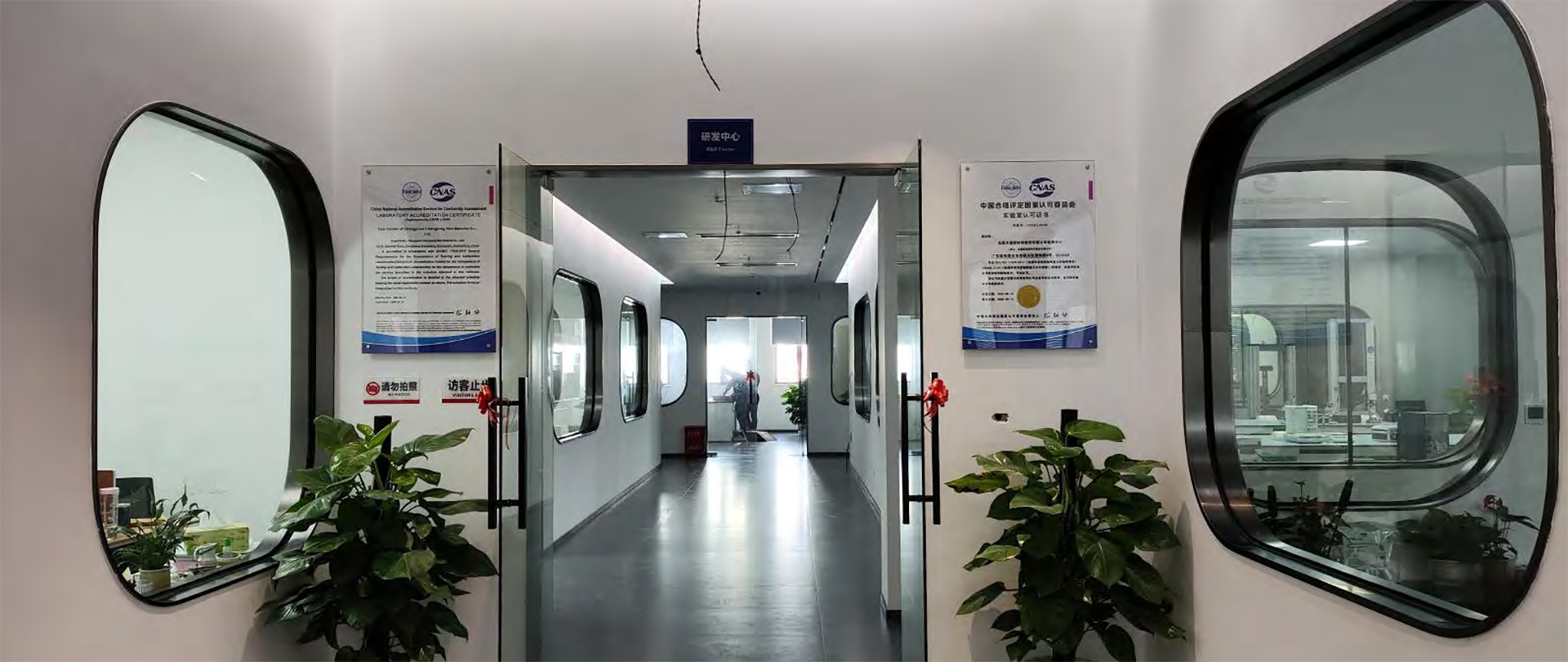
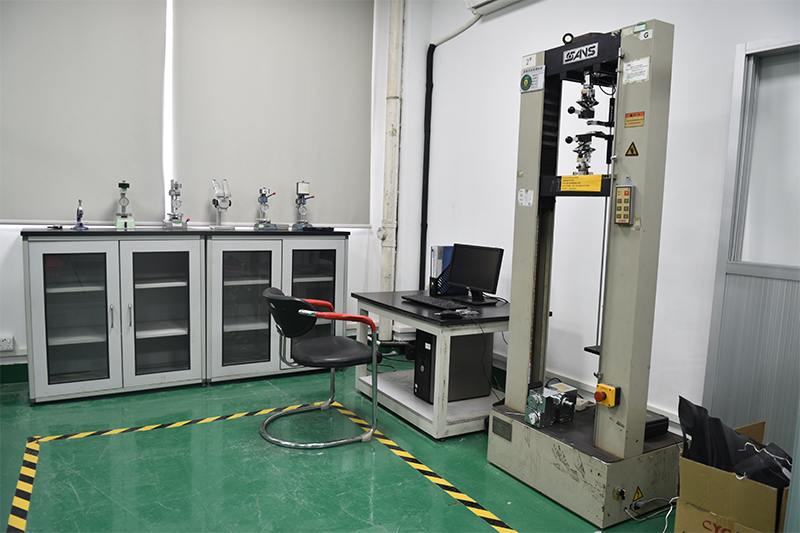
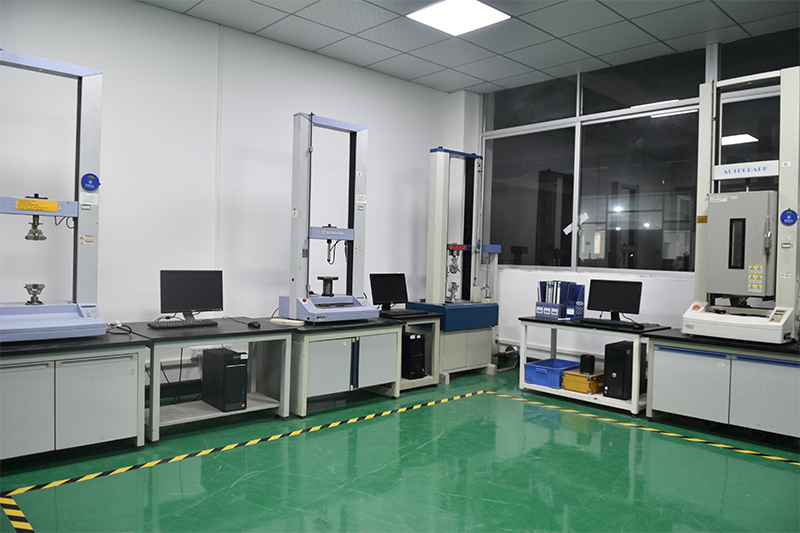
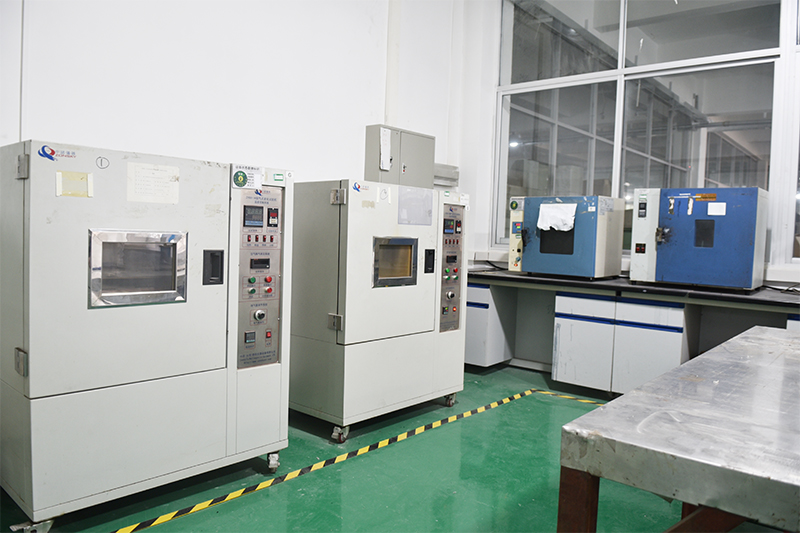
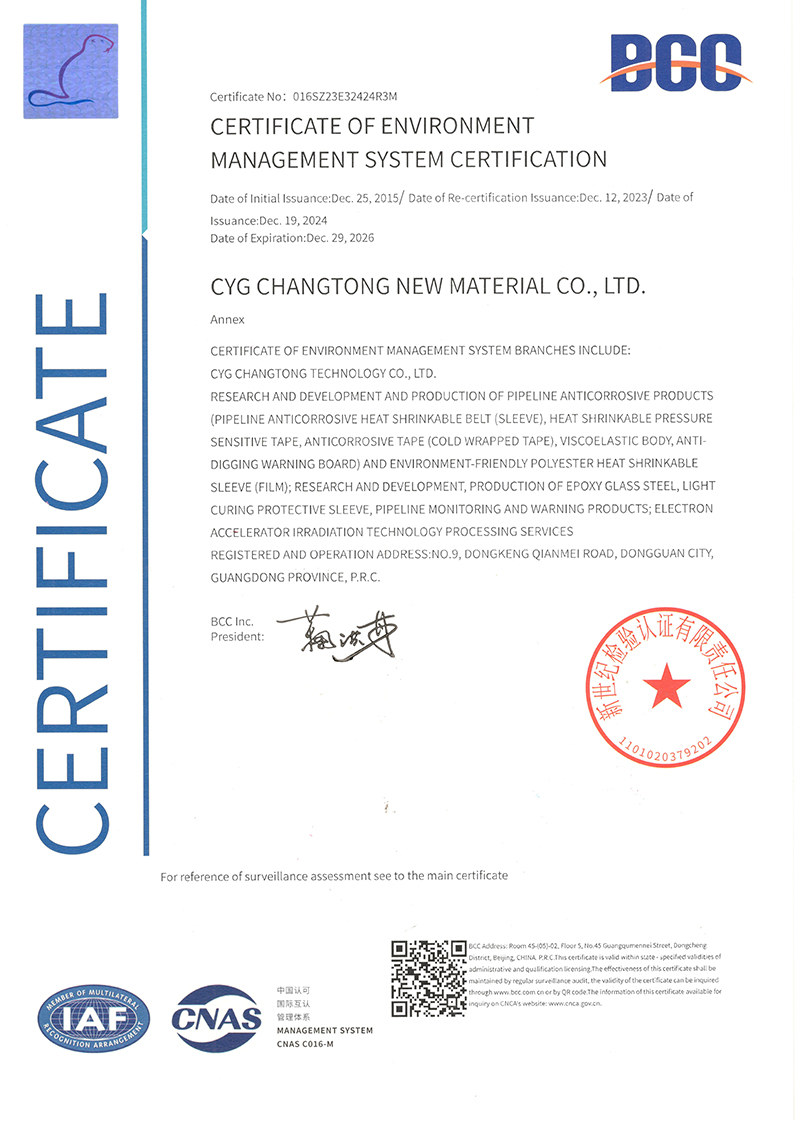
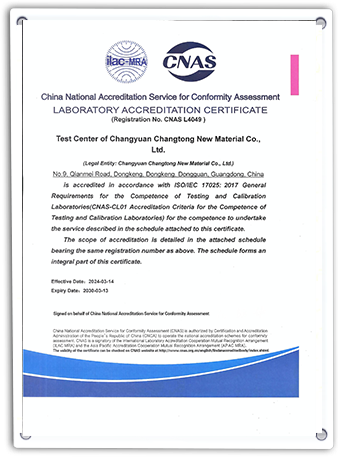
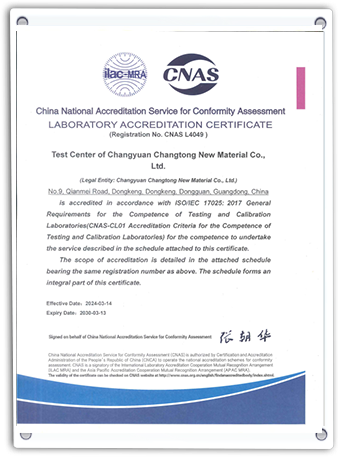
CYCT owns leading testing and R&D capabilities, a professional R&D team, and a national CNAS-accredited laboratory. This allows us to perform real-time verification of raw materials, ensuring polyolefin backings and copolymer adhesives meet international standards.
How Procurement Engineers Mitigate Technical Risks When Specifying Chinese Factories
Procuring pipeline wraps is not merely a transaction; it is a long-term risk management process. Global EPC contracts specify rigorous performance envelopes. When sourcing from China, procurement officers look for factories that can guarantee consistent material properties across large volumes. High-volume pipe laying operates on strict schedules; a delay in field joint application can stop an entire pipeline project, incurring significant daily costs.
Therefore, a trusted Chinese supplier must align with multiple criteria:
Factory-scale Production with Strict Quality Inspection Protocols
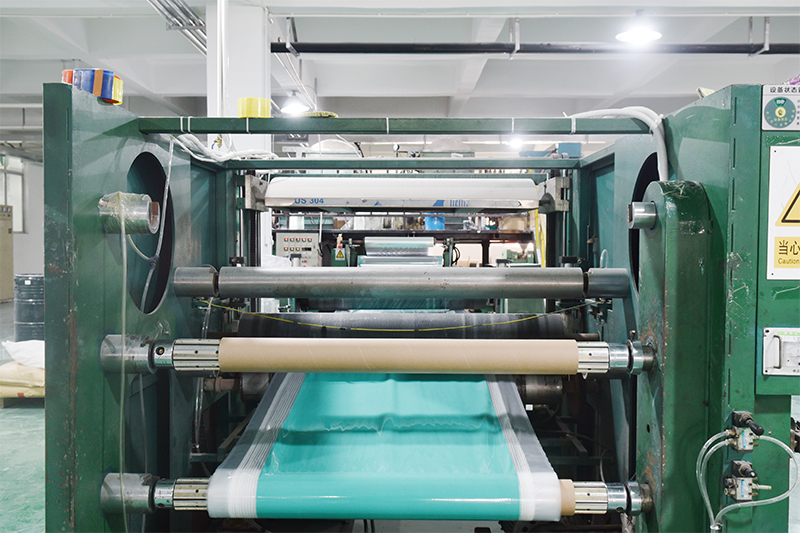
CYCT operates advanced co-extrusion and radiation cross-linking facilities. Our production runs use premium resins and high-grade compound masterbatches to produce backing films that shrink uniformly, avoiding thin spots during installation. Our adhesive compounding plant ensures hot melt stick compounds maintain structural stability at high operating temperatures, reducing the risk of dripping or peeling.
Demonstrated Compliance with National and International Regulatory Standards
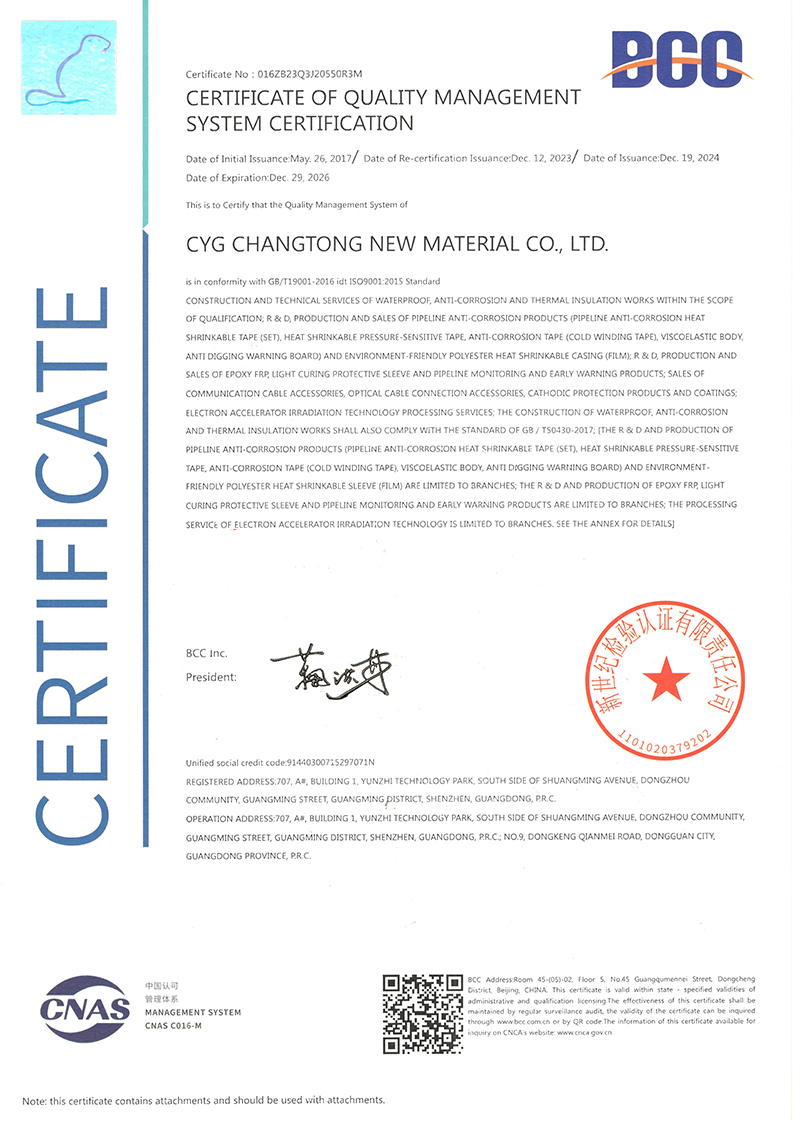
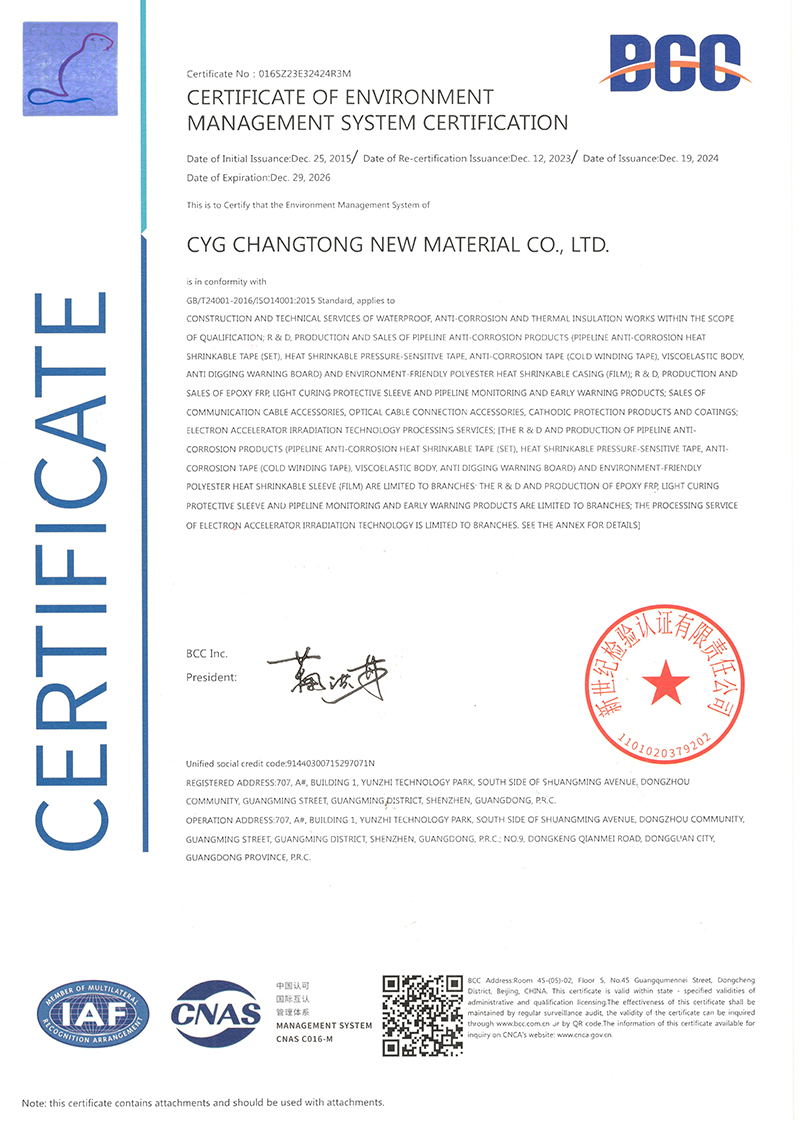
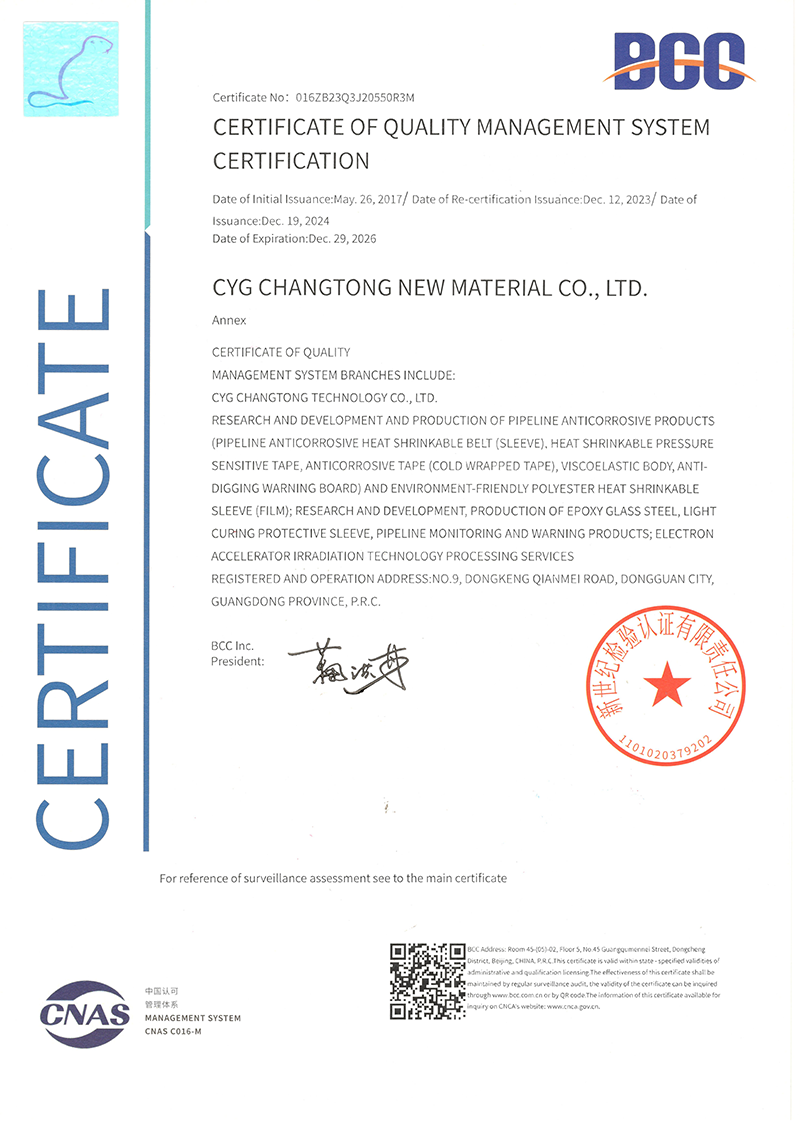
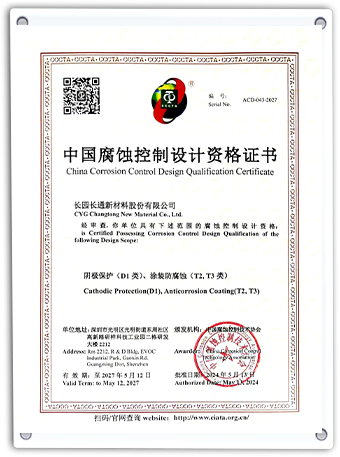
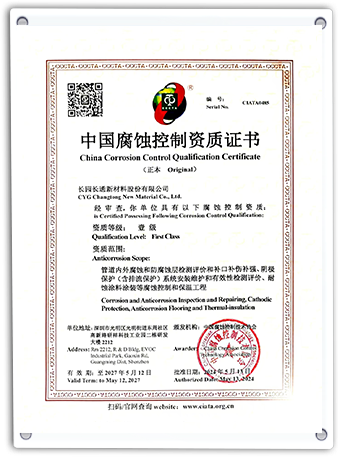
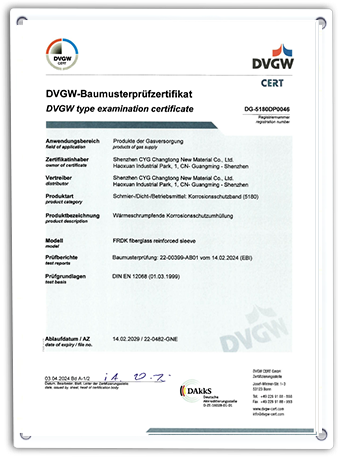
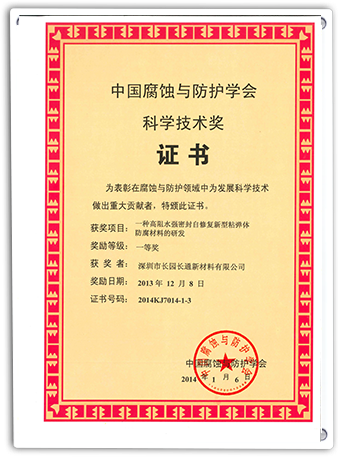
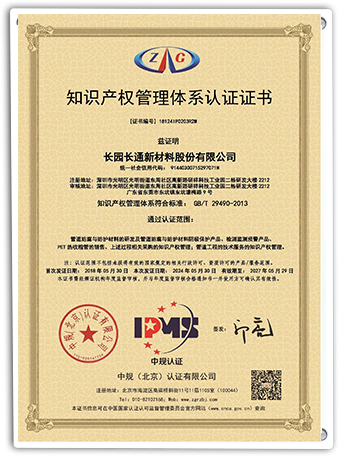
CYCT is a Member of the Council in the Chinese Society for Corrosion and Protection (CSCP), holds Qualification Certificates of Corrosion Protection Construction, Qualification Certificates of Pipeline Detection, is recognized as a Well-known Brand of Pipeline Corrosion Protection in China, and is a Corporate Member of the China Association of Petroleum Engineering Construction (CAPEC). As a State-Level High-Tech Enterprise with more than ten proprietary intellectual property rights, we are a stable supplier of PetroChina, Sinopec, China Gas Group, and Indian Oil.
Adapting Pipeline Protection Systems for Next-Generation Infrastructure Demands
Optimizing compound formulations for temperature compatibility up to 85°C. Transitioning backing sheet designs to high-density polymers with improved mechanical abrasion resistance.
Pioneering non-crystalline polyolefin viscoelastic tapes that display cold-flow properties. These systems automatically heal minor micro-punctures or indentations caused by soil settlements without requiring field repairs.
Adapting materials for hydrogen transmission pipelines. Researching composite wraps that reduce hydrogen permeation through steel welds while providing standard external corrosion protection.
Resolving Key Engineering and Procurement Questions for Pipeline Design Teams
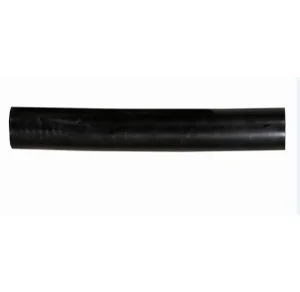
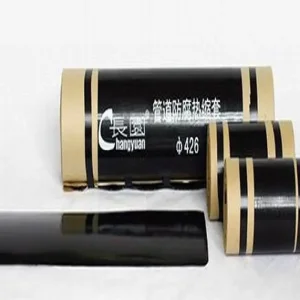
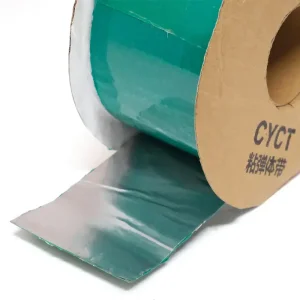
Heat Shrinkable Sleeves (HSS) require open flames or induction heaters to shrink the backing material and activate the hot-melt/copolymer adhesive layer. Once cured, they form a semi-rigid mechanical shield that provides high soil shear resistance. Viscoelastic wraps are cold-applied systems that utilize non-crystalline polyolefins. They do not require a primer or heat activation and flow into surface irregularities, providing self-healing behavior under constant contact pressure.
Our national CNAS accredited laboratory carries out batch testing for peel strength, lap shear strength, impact resistance, indentation resistance, and cathodic disbondment. These tests verify that each manufacturing lot conforms to project specification sheets before shipping.
During HDD pullback operations, the steel pipe section is subjected to friction against rock, gravel, and sand within the borehole. Standard joint sleeves can tear or shift. An Epoxy FRP (Fiberglass Reinforced Plastic) system acts as a protective shield over the primary corrosion coating, absorbing impact and preventing gouges from reaching the steel.
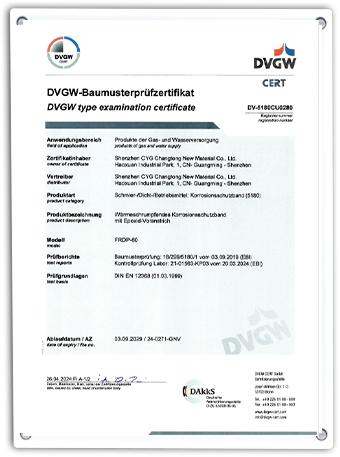
Our products are designed and tested to meet international standards including ISO 21809-3 (specifying requirements for field joint coatings), EN 12068, DIN 30672, and AWWA C214 (for tape coating systems).
Factory Direct Procurement Options for Global Infrastructure Projects
 CYCT
CYCT