Discover our leading range of thermo-shrinkable sleeves, tapes, primers, and adhesives designed to meet stringent international standards for pipeline integrity and moisture protection.
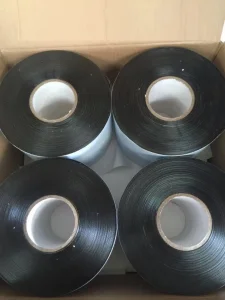
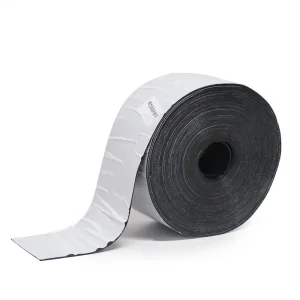
CYCT New Materials Company Limited (for short, CYCT) is a state-level high-tech enterprise integrating R&D, production, and sales of pipeline corrosion protection materials. Our scope extends to buried pipeline detection services and pipeline coating field application services, providing a comprehensive, vertical solution to complex pipeline integrity problems.
CYCT has dedicated decades of R&D and manufacturing capacity to the field of pipeline corrosion protection. As a council member of the Chinese Society for Corrosion and Protection (CSCP) and an active member of AMPP (Association for Materials Protection and Performance), we support complex international projects with high-quality waterproofing and protective wraps.
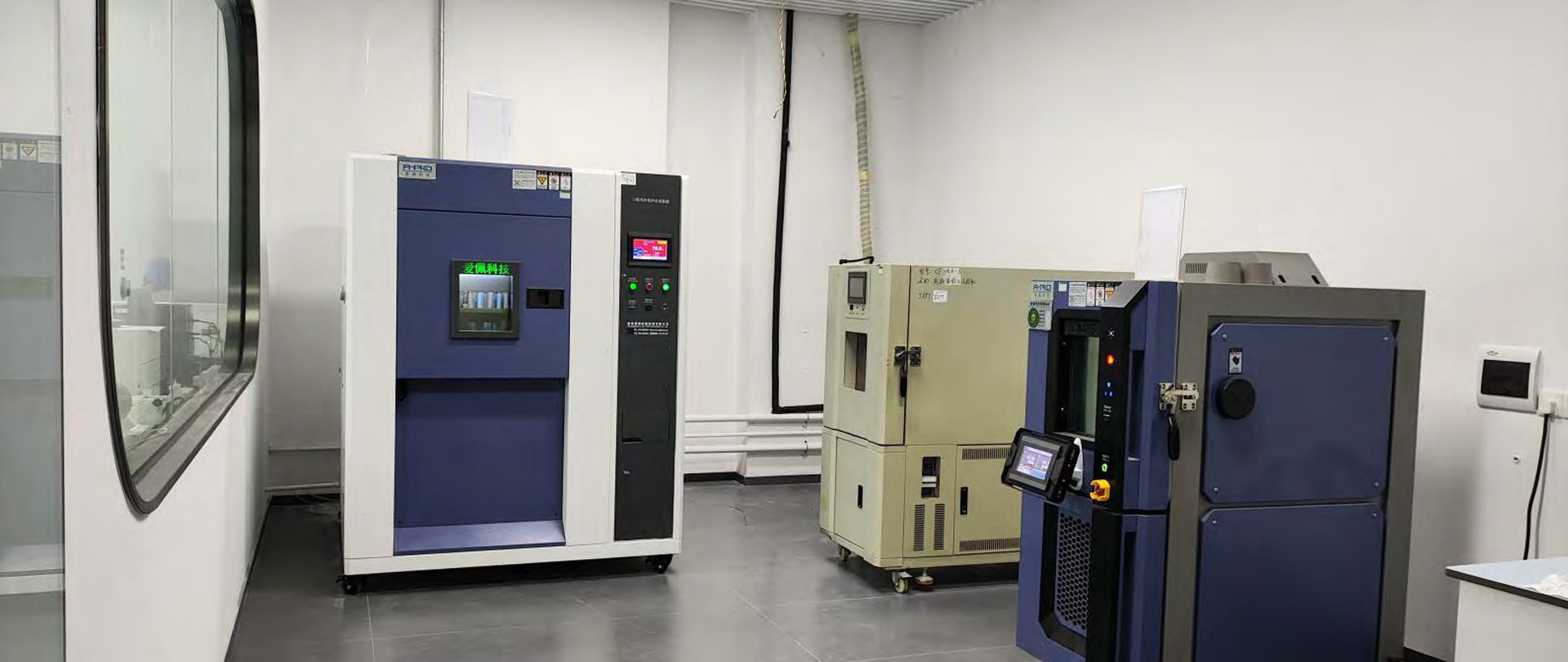
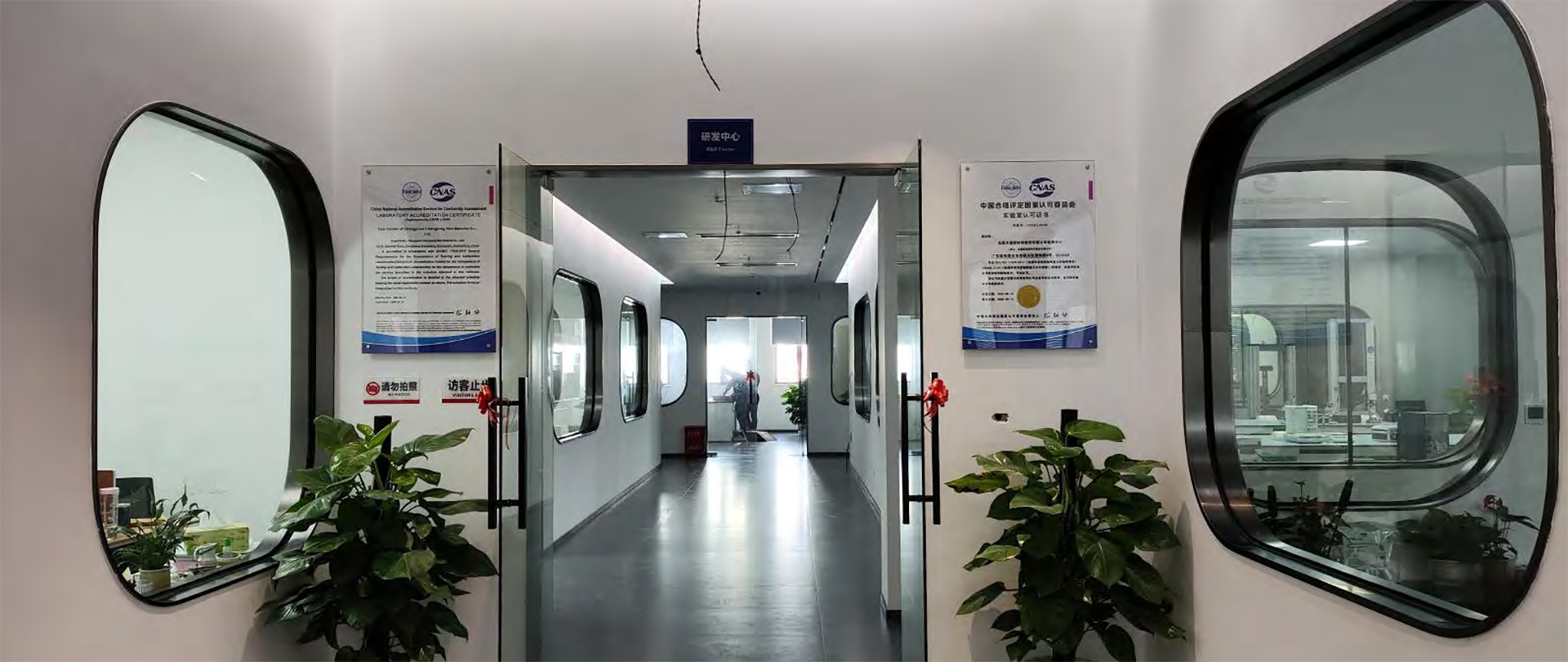
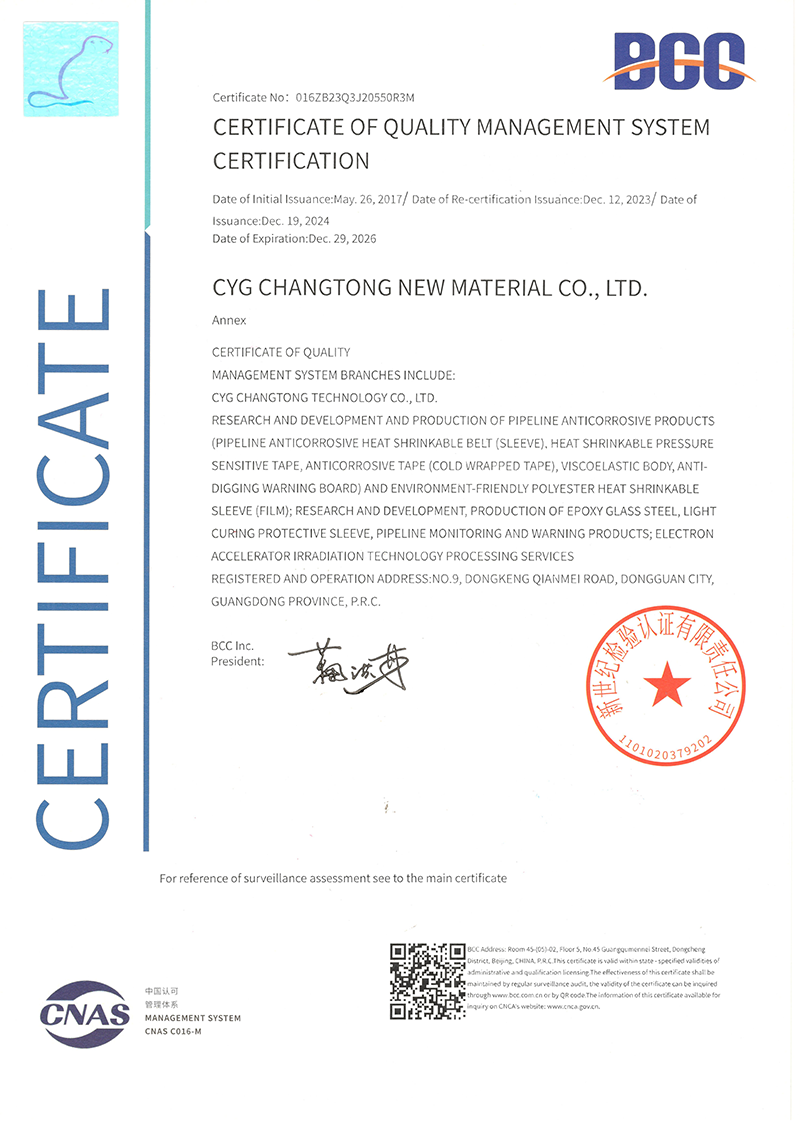
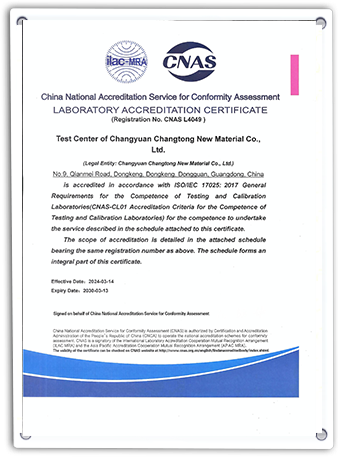
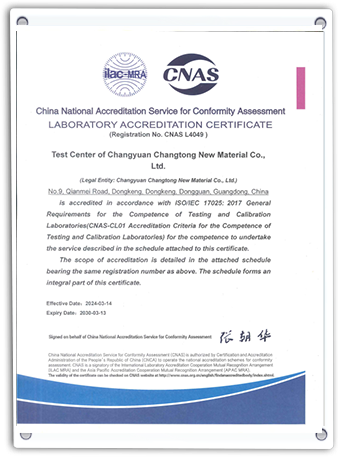
"CYCT owns leading testing and R&D capabilities, a professional R&D team, and a national CNAS-accredited laboratory."
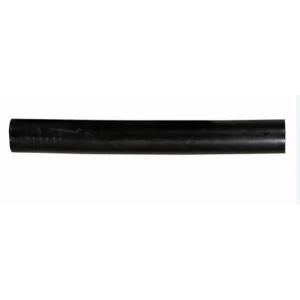
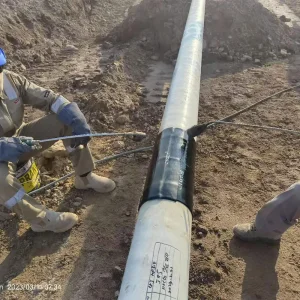
Waterproof shrink tubing, specifically designed for industrial pipelines and electric systems, represents a pinnacle of polymer engineering. At its core, the technology relies on irradiated cross-linked polyolefin backing paired with high-performance copolymer adhesives or visco-elastic formulations. This combination provides a strong barrier against moisture, soil dynamics, and chemical degradation.
Exposing polyolefin to an electron-beam radiation source creates intermolecular cross-links. This cross-linking enables "elastic memory," allowing the polymer to shrink when heated without melting, creating a tight physical barrier.
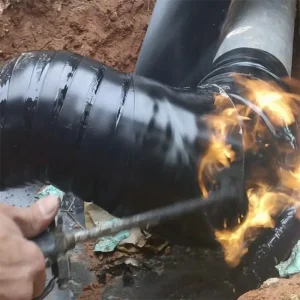
Applying a heat-activated mastic or copolymer hot-melt adhesive creates a strong seal against water. When the outer sleeve shrinks, the internal adhesive melts and flows into surface imperfections, ensuring a waterproof seal.
Used in pipeline field joint coating (FJC) systems, these sleeves prevent cathodic disbondment and water ingress, maintaining long-term pipeline integrity under high temperature and shear stress.
Today's procurement managers face challenges like strict environmental mandates, fluctuating material costs, and geopolitical supply risks. In sectors like oil, gas, and petrochemicals, selecting the right joint coating system is key to reducing long-term maintenance costs.
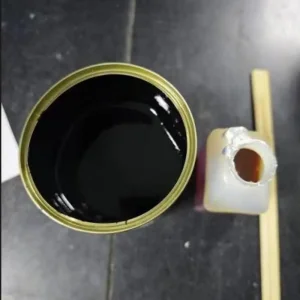
Standard adhesive tapes are often replaced with 3-layer systems (comprising solvent-free liquid epoxy primer, hot-melt adhesive, and PE/PP backing). This approach aligns with ISO 21809-3 standards, providing performance similar to factory-applied coatings. By sourcing from certified factories, procurement agents can ensure field installations match the lifespan of the pipeline.
Modern manufacturing in China has moved past basic production, adopting Industry 4.0 methods that integrate smart logistics, quality monitoring, and advanced polymer synthesis. Factories like CYCT use this setup to provide reliable, high-performance materials for international energy and utility projects.
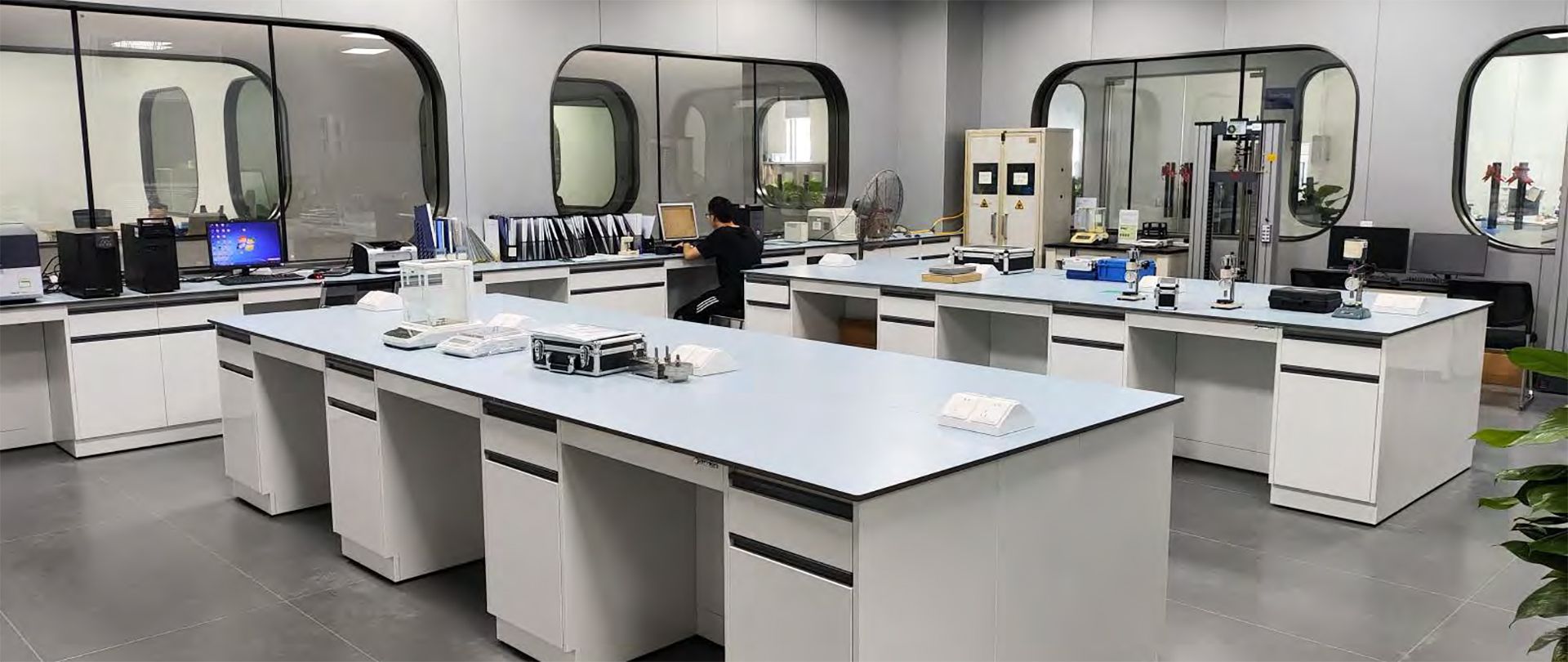
Our facility combines automated production lines with rigorous quality control, from raw resin selection to the final cross-linking process. This approach offers several operational advantages:
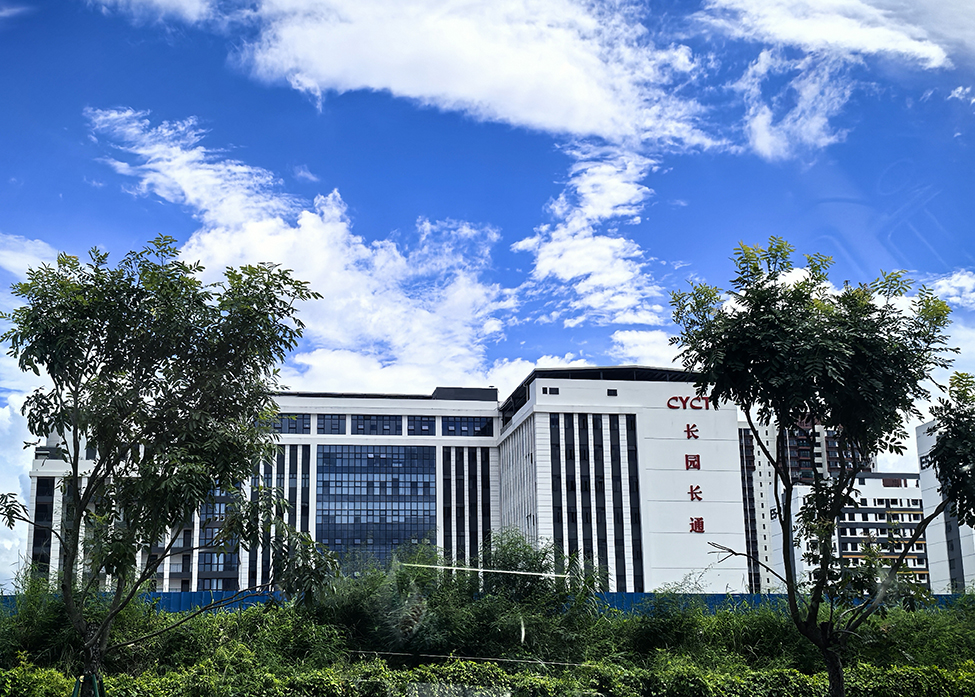
A look inside CYCT's production lines, advanced research facilities, and quality assurance divisions.


Moisture ingress is a primary cause of steel pipeline corrosion. To protect these assets, international standards specify the use of a 3-layer Polyethylene (3LPE) or 3-layer Polypropylene (3LPP) coating system for field joints. Our products are formulated to work as integrated components of these systems.
Damage to mill-applied coatings can happen during transport or installation. Our FRDX Hot Melt Filler and PE Cold-Applied Tapes provide compatible repair options. Using these high-viscosity filler sticks and patch plates restored the integrity of the original PE coating, preventing moisture entry and corrosion.
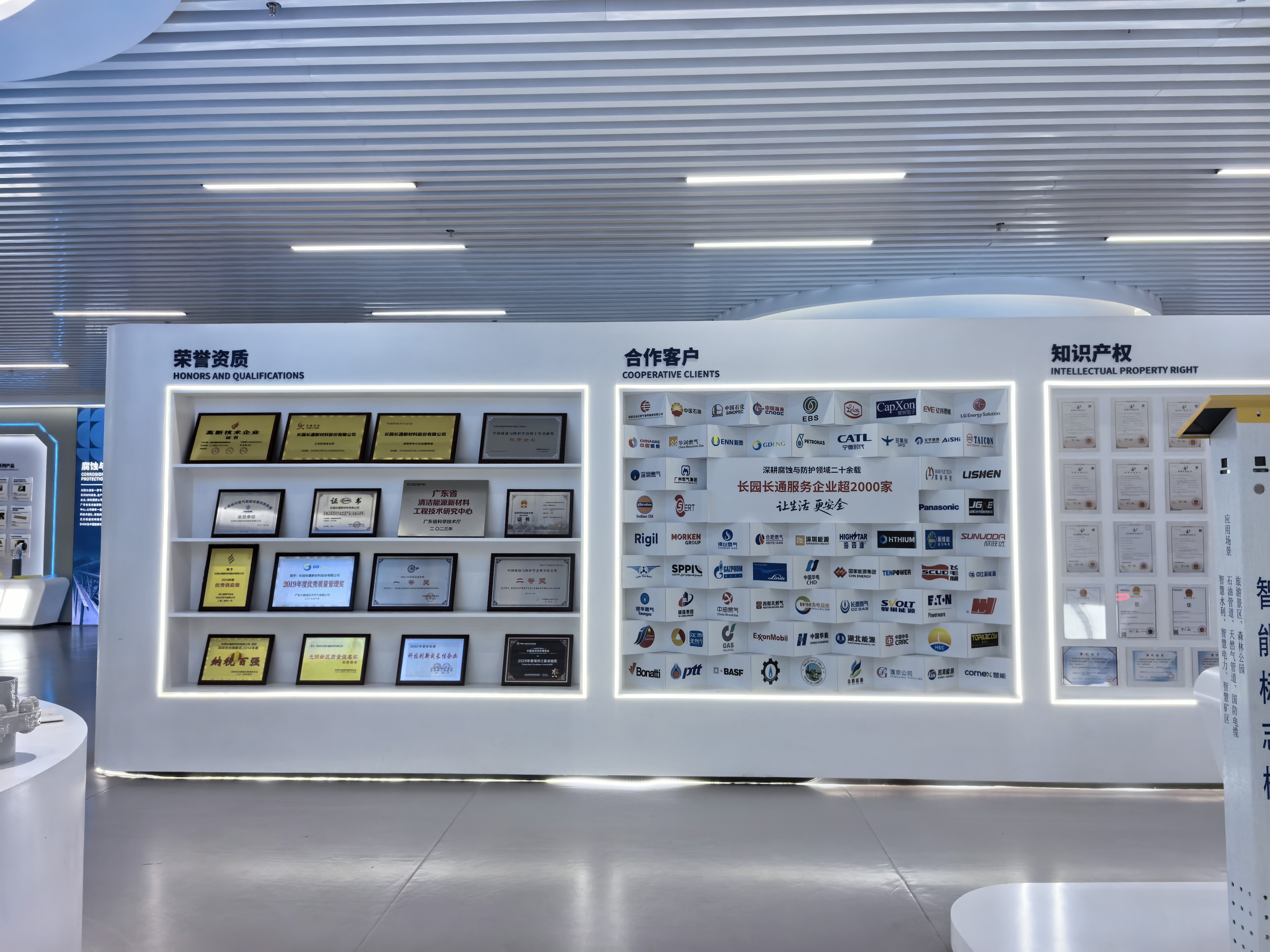
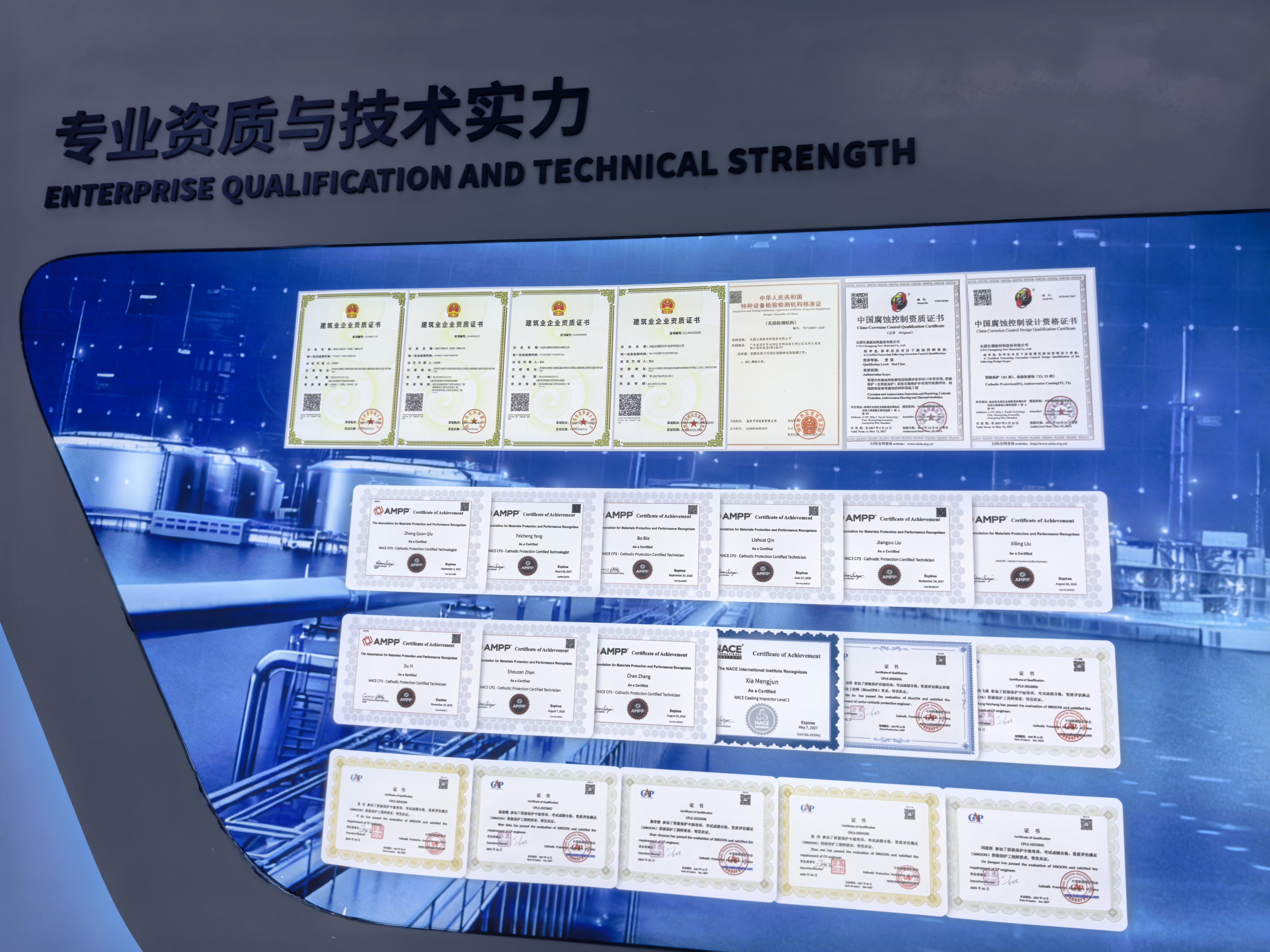
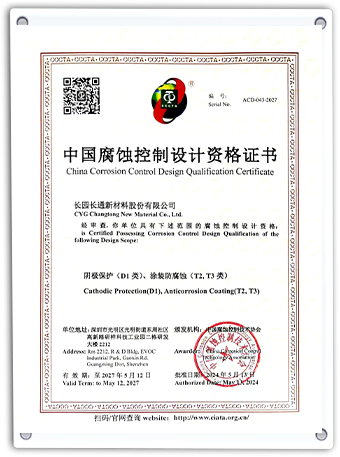
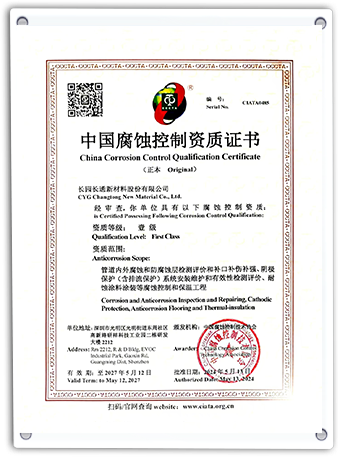
CYCT holds key certifications and honors, demonstrating our commitment to quality and technical standards.
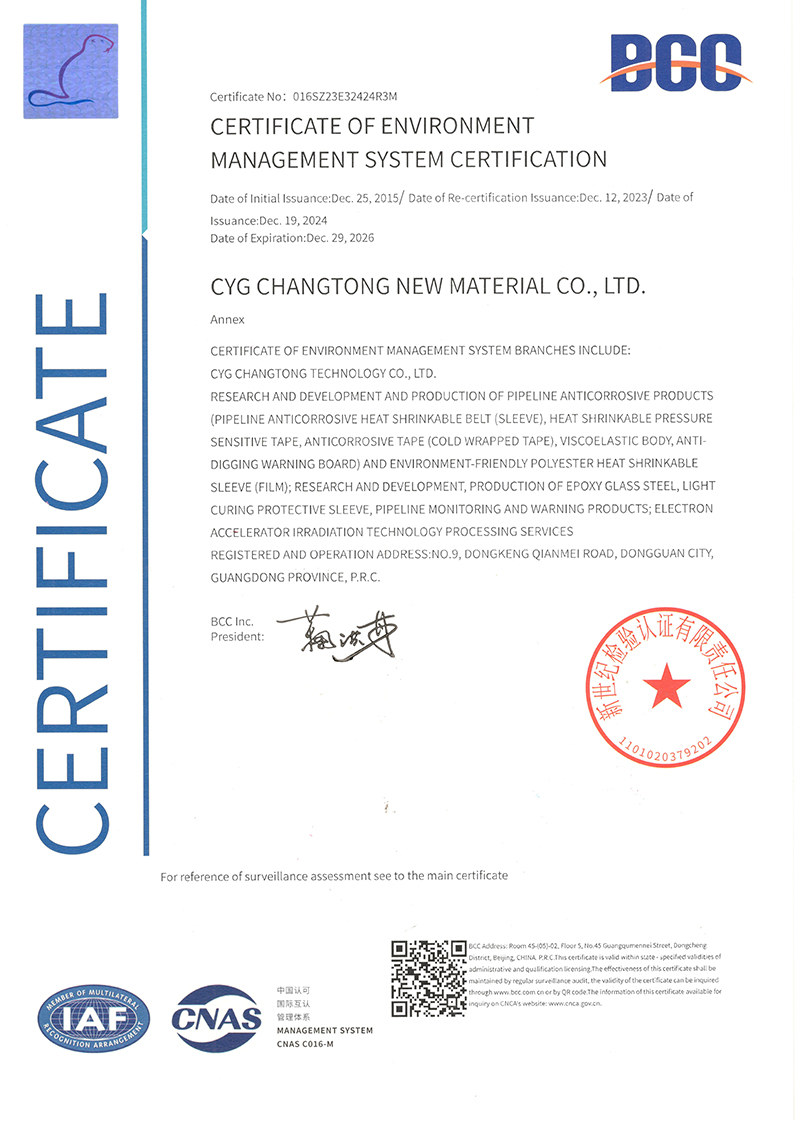
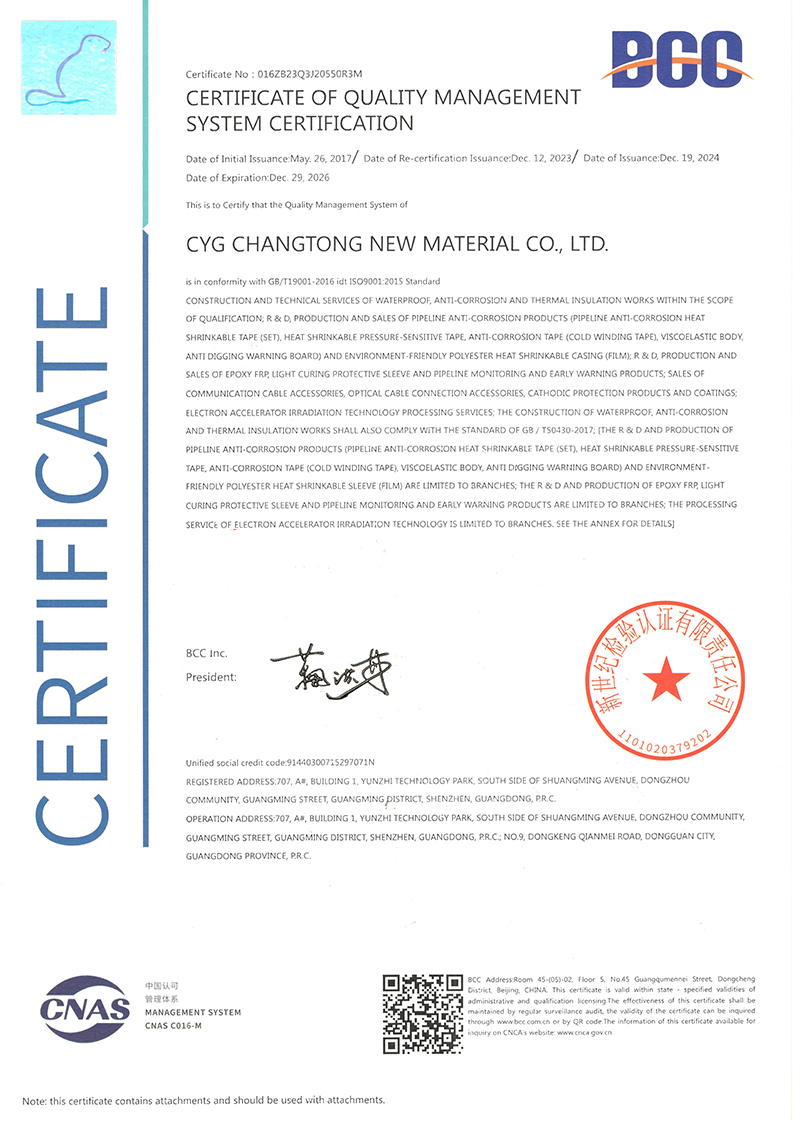
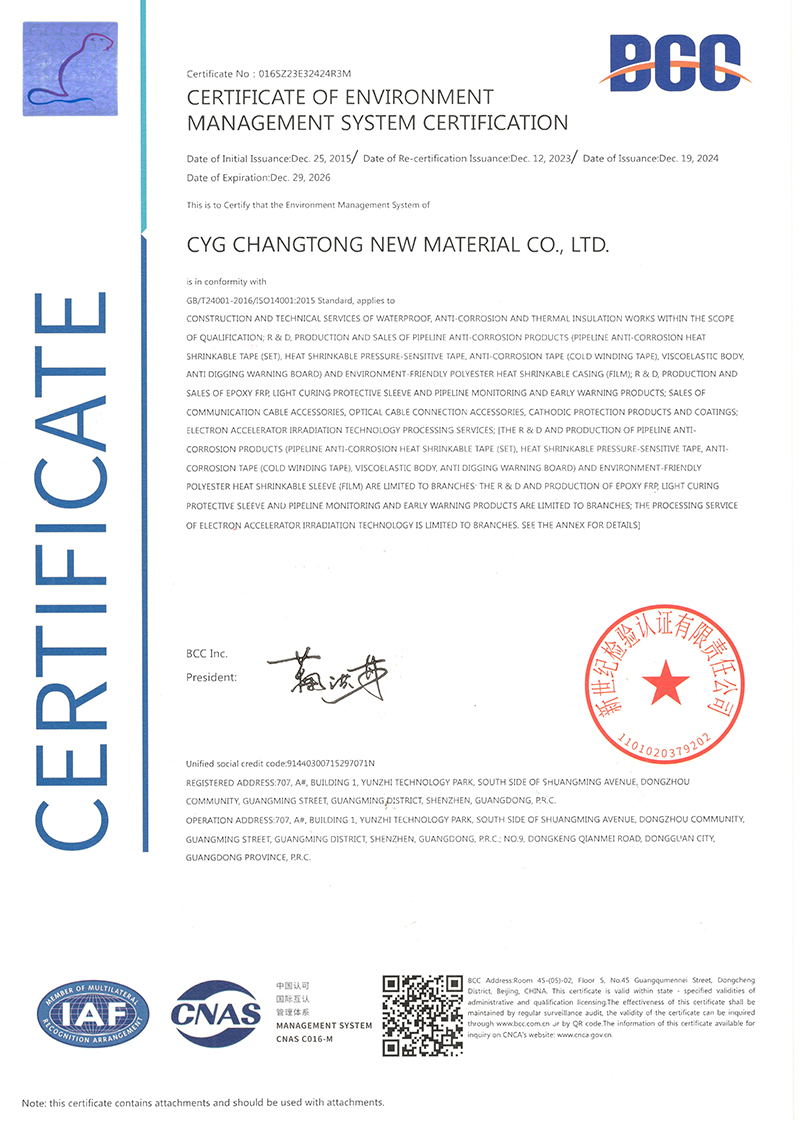
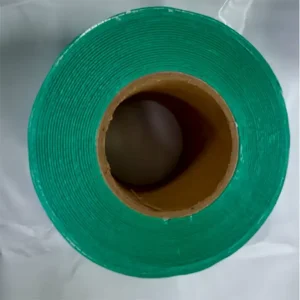
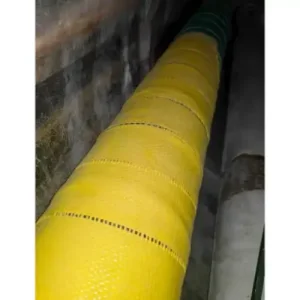
Browse our specialty tape formulations, viscoelastic systems, and heavy-duty protective options for complex industrial installations.
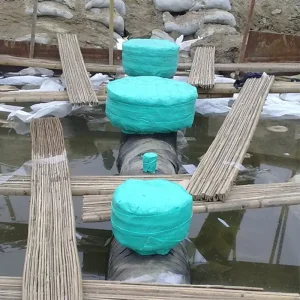
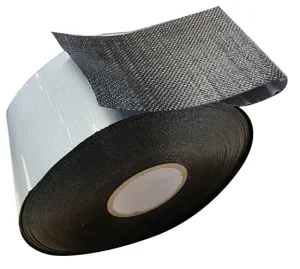
Corrosion protection demands vary by environment. Our R&D division tests and designs materials to perform reliably under challenging field conditions:
Offshore field joints and splash zones require protection against saltwater and mechanical waves. Our Moisture Curing Shield and viscoelastic tapes provide reliable barrier properties, preventing under-film water migration in coastal and marine settings.
Pulling pipelines under rivers or roads subjects the coating to high friction and shear forces. CYCT designs heavy-duty, photo-curing sleeves that cure in sunlight to form a hard outer shell, protecting the primary corrosion coating from mechanical damage.
In congested urban areas, underground pipelines are close to electrical grids, risking stray current corrosion. Using 3-layer PE heat shrinkable sleeves provides reliable electrical insulation, high dielectric strength, and long-term protection.
Expert technical answers regarding materials selection, international standards compliance, and correct application techniques.
The main differences are operating temperature and mechanical performance. Polyethylene (PE) sleeves are typically rated for service temperatures up to 60°C or 80°C and are widely used on standard pipelines. Polypropylene (PP) sleeves are harder, offer higher mechanical strength, and are rated for high-temperature service up to 110°C–120°C, making them suitable for deep offshore lines and high-temperature oil and gas transmission.
Epoxy primer bonds chemically with the blasted steel surface, providing protection against cathodic disbondment. The intermediate copolymer hot-melt adhesive then bonds to both the epoxy primer and the outer polyolefin sleeve. This integrated 3-layer system prevents water migration along the steel surface, even if the outer sleeve is physically damaged.
For minor defects like scratches or small gouges, use high-temperature hot-melt filler sticks or melt fillers (such as CYCT's FRDX Filler). For larger damaged areas, apply a repair patch plate over the filler. Ensure the surface is cleaned and preheated before application to achieve a proper thermal bond.
Our pipeline corrosion protection products are tested in our national CNAS-accredited laboratory to meet international industry standards, including ISO 21809-3, EN 12068, NACE SP0169, and NACE SP0394. These standards define key performance metrics like peel strength, shear resistance, impact resistance, and cathodic disbondment performance.
Viscoelastic materials do not require preheating or curing during installation. They are cold-applied and flow under pressure, wetting the steel surface to form a self-healing, waterproof barrier. This makes them suitable for irregularly shaped components like valves, flanges, and tees where installing standard heat shrink sleeves can be difficult.
 CYCT
CYCT