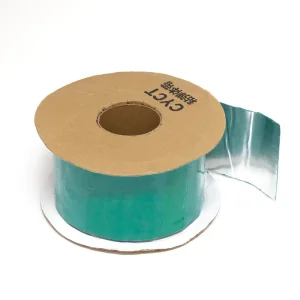
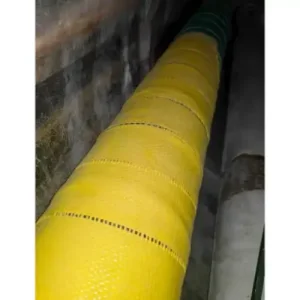
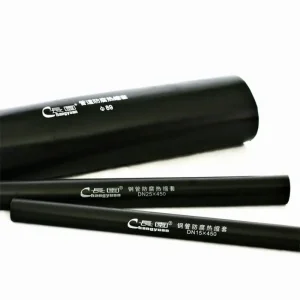
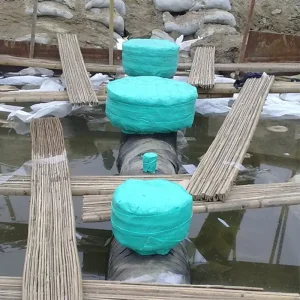
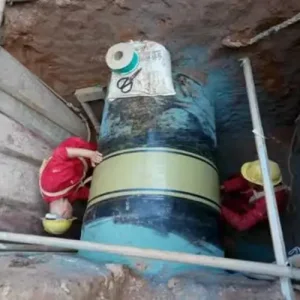
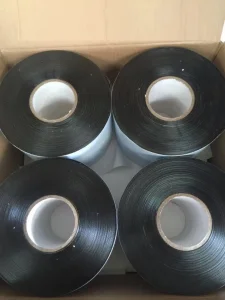
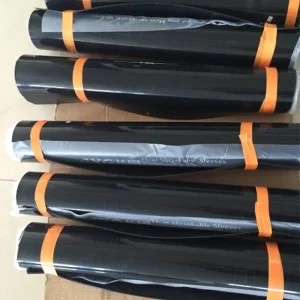
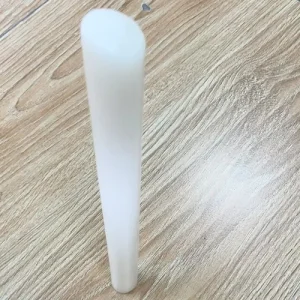
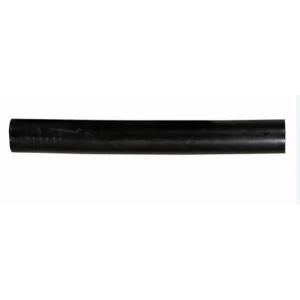
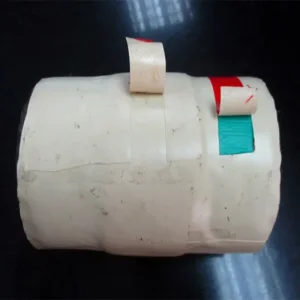
Engineered for long-term corrosion prevention, our heat-shrinkable sleeves, tapes, and field joint products guarantee strict compliance with industry specifications.
In modern energy infrastructure, the transportation of hydrocarbons, chemical media, water, and nascent green hydrogen relies heavily on steel pipeline networks. While manufacturing facilities can apply high-integrity 3-Layer Polyethylene (3LPE) or 3-Layer Polypropylene (3LPP) coatings under controlled plant settings, the pipeline girth weld (field joint) remains the single most critical vulnerability during field construction.
Sleeves act as a continuous mechanical shield resisting soil stresses, backfilling abrasions, and structural shifts caused by temperature fluctuations.
By establishing a flawless dielectric barrier, three-layer sleeves prevent moisture ingress, neutralizing cathodic disbondment cells and safeguarding the steel substrate.
Seamlessly fusing with plant-applied 3LPE/3LPP coatings, ensuring pipeline integrity remains homogenous from source to destination.
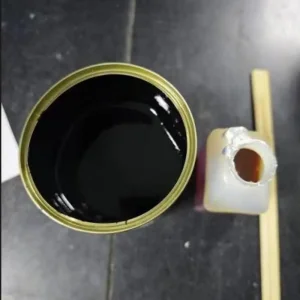
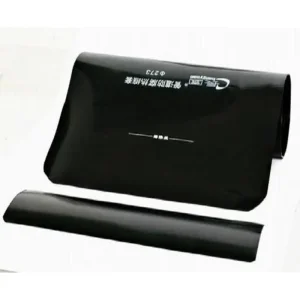
Our engineered 3-layer heat-shrinkable sleeves provide a field-applied solution that matches the mechanical and chemical properties of the parent line coating. This holistic system comprises a liquid epoxy primer (for chemical adhesion and cathodic protection compatibility), a copolymer hot-melt adhesive (for interlayer bonding), and a radiation cross-linked high-density polyethylene backing (for ultimate physical defense).
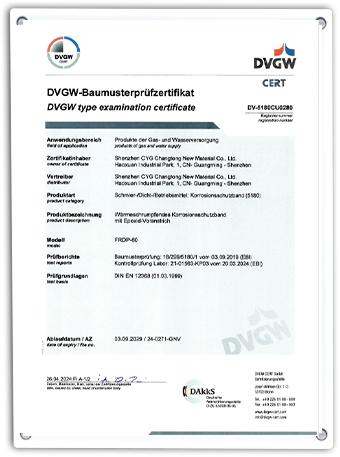
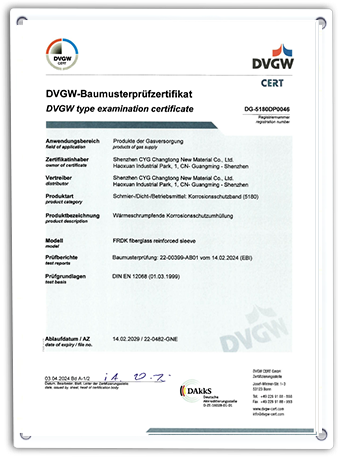
The international pipeline sector is witnessing structural expansions driven by geopolitical energy realignments, the exploitation of deepwater reserves, and the cross-border transport of refined products. To support these environments, manufacturers must guarantee absolute conformity to international standards, including ISO 21809-3, EN 12068, and CAN/CSA Z245.20/21.
Globally, operators face escalating installation stresses in extreme terrains—from the ultra-low temperatures of Arctic zones to the high-temperature conditions of desert pipelines carrying heavy crude. For these diverse settings, selecting the correct heat-shrink sleeve architecture is essential. Standard adhesive backing is no longer sufficient; instead, projects require optimized viscoelastic layers and high-performance polyolefins designed to resist shear forces and environmental cracking.
CYCT New Materials Company Limited (for short, CYCT) is a state-level high-tech enterprise integrating R&D, production and sales of pipeline corrosion protection materials as well as buried pipeline detection service and pipeline coating field application service into one. CYCT has devoted itself to the R&D, production, and sales of pipeline corrosion protection materials for decades.
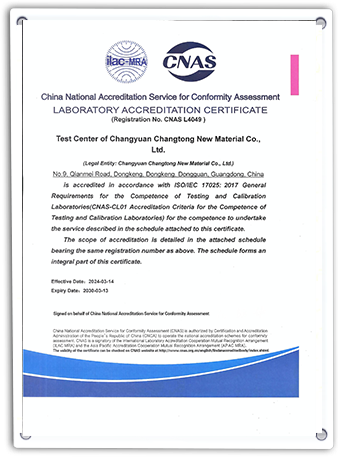
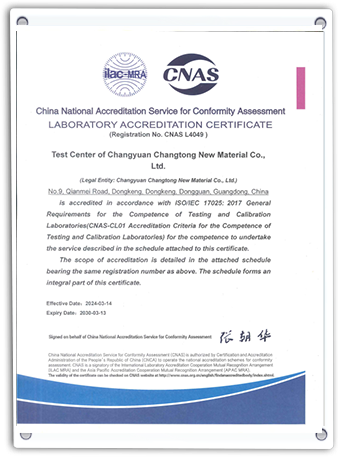
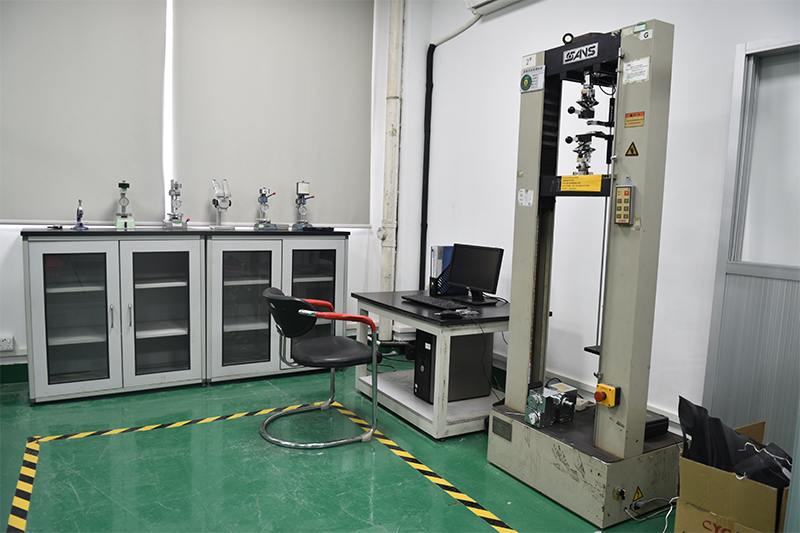
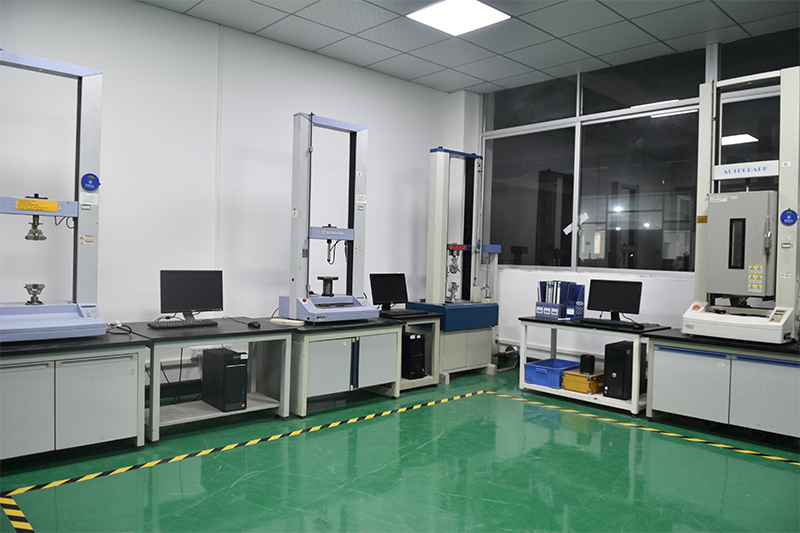
CYCT owns leading testing and R&D capabilities, a professional R&D team, and a national CNAS-accredited laboratory. CYCT has become a stable supplier of field joint coating for years to major industry players including PetroChina, Sinopec, PipeChina, local pipeline networks, and international buyers such as the Indian Oil Corporation, commanding a leading market share.
In addition, CYCT has developed and introduced a number of specialty corrosion protection materials, such as visco-elastic anticorrosion materials, special photo-curing sleeves for HDD protection, polyurea coatings, and high-performance pipeline repair systems.
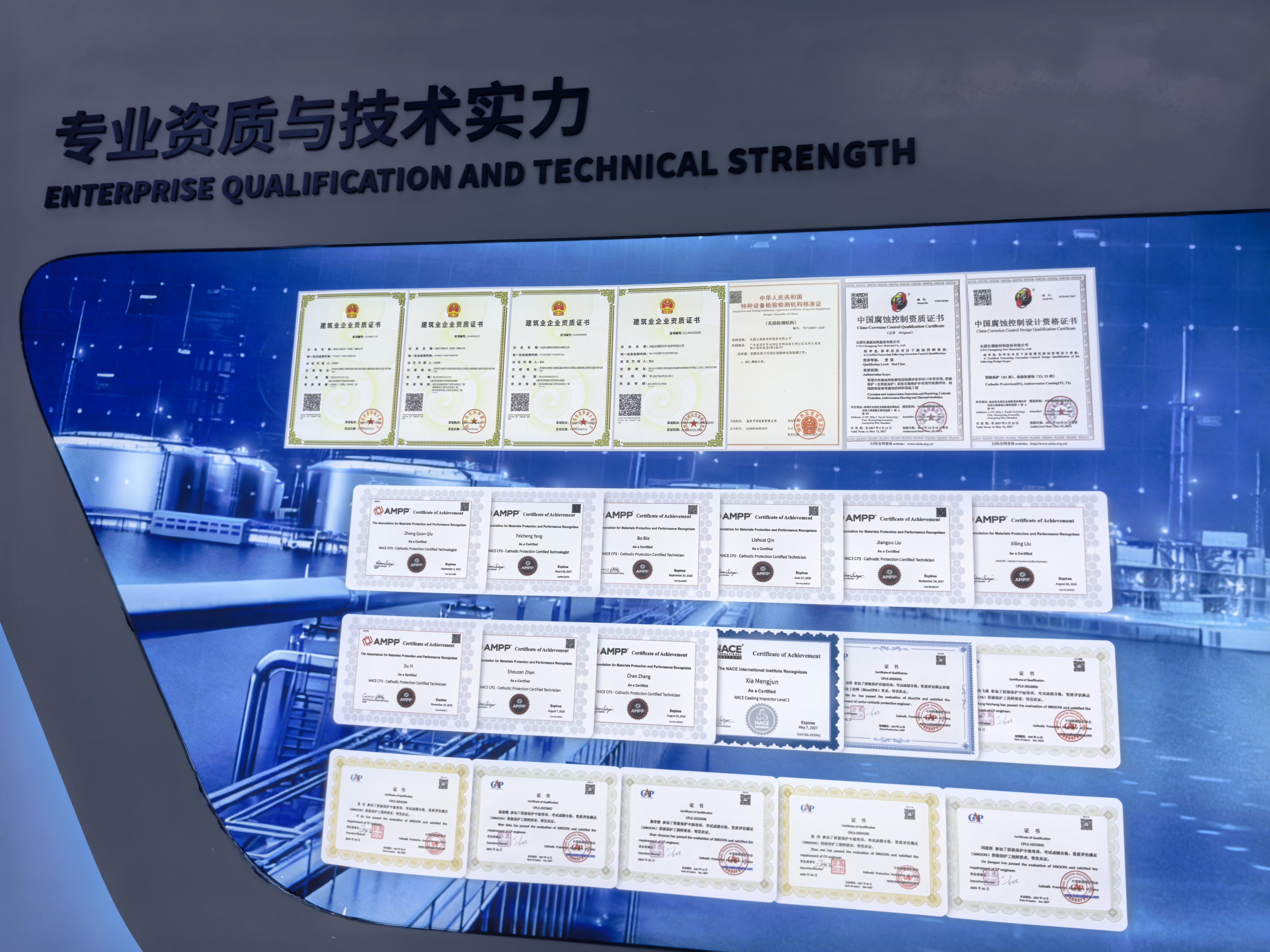
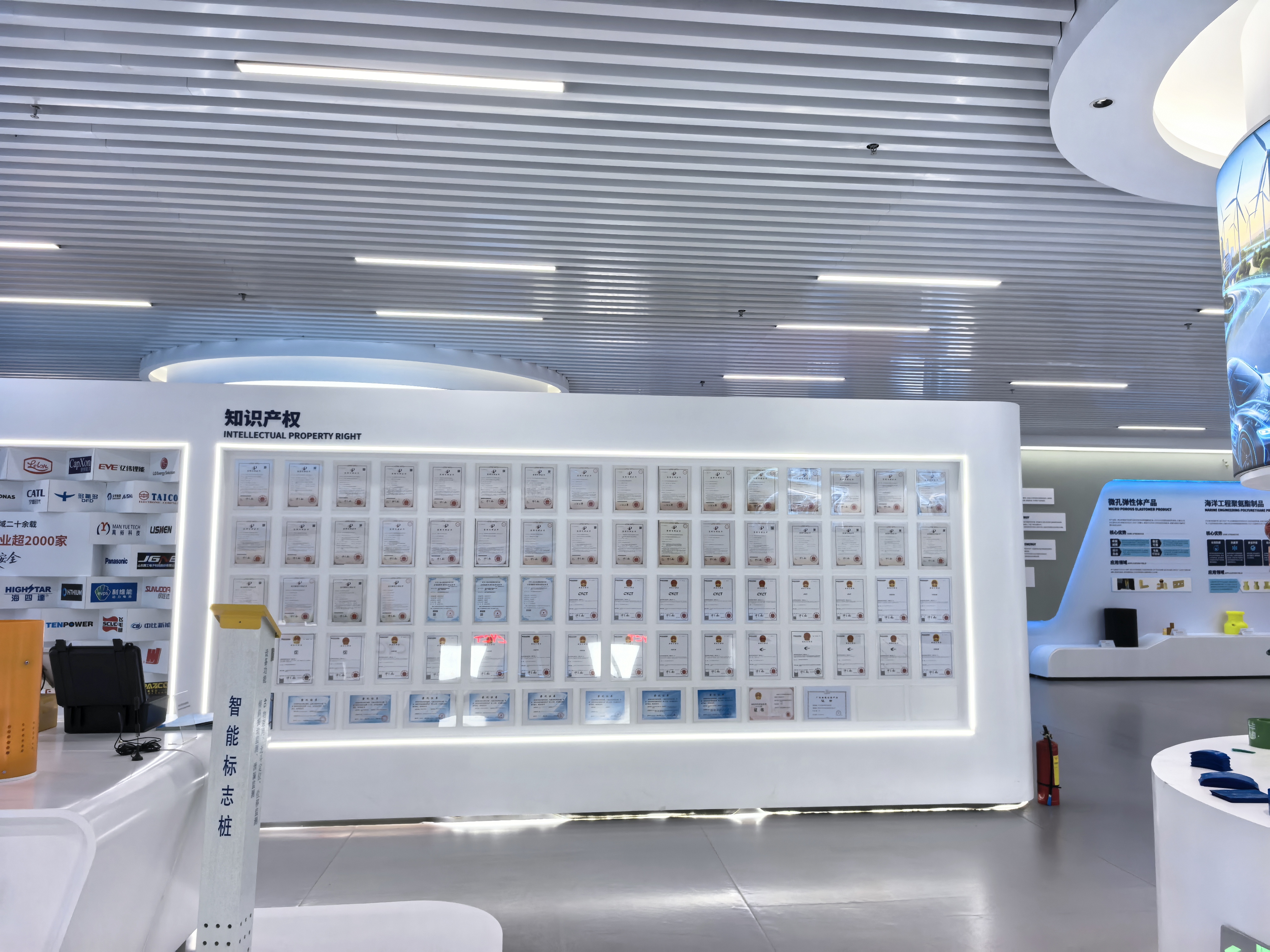
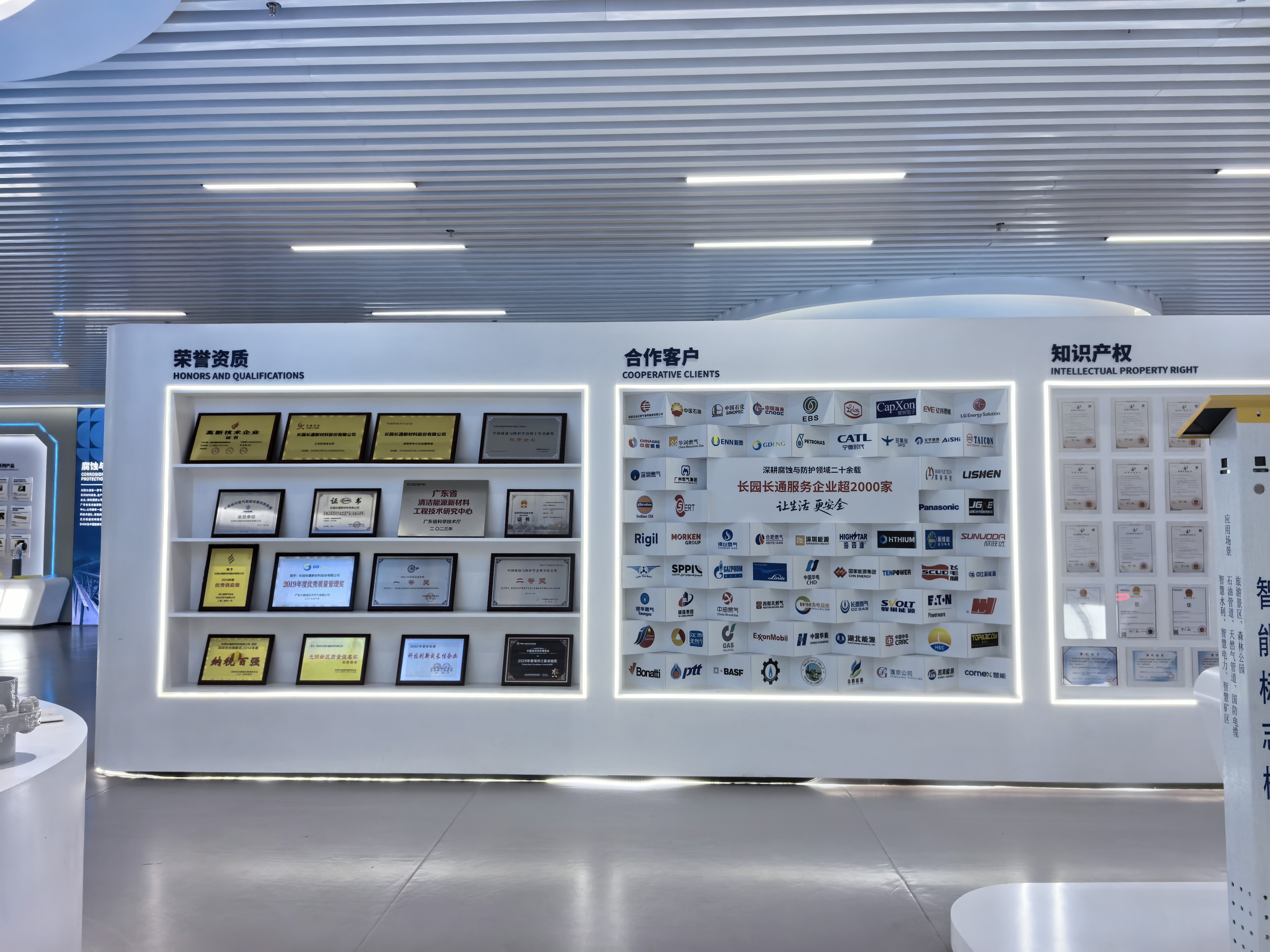
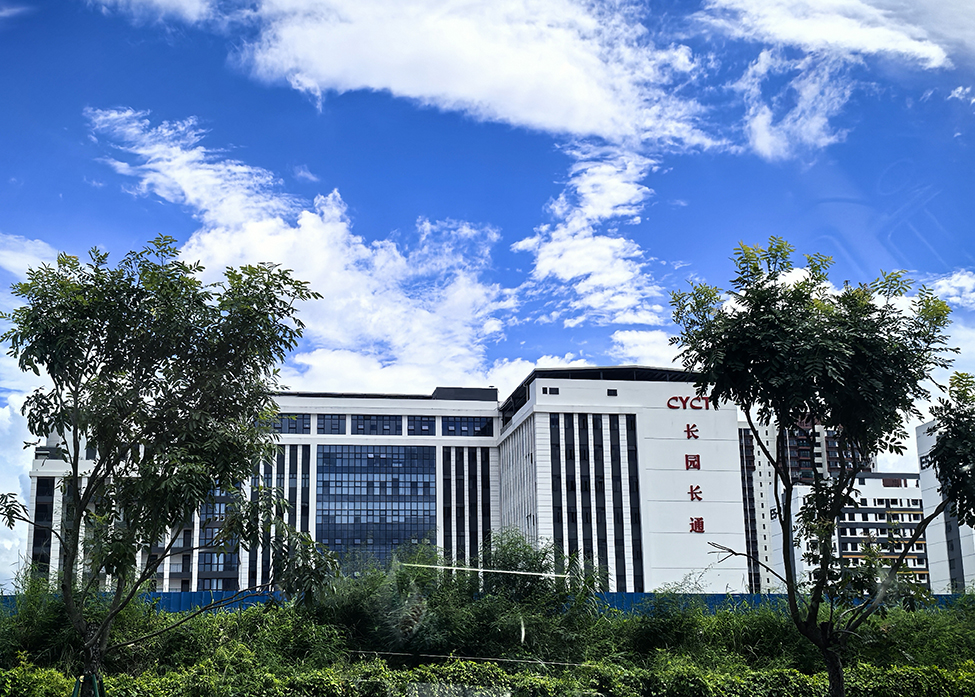
Through strategic cooperation with leading R&D institutes such as the CNPC Pipeline Science Research Institute, CYCT is capable of providing in-service pipelines with varied technical services. This includes buried pipeline detection, custom coating design schemes, cathodic protection engineering, pipeline rehabilitation projects, and integrated security solutions.
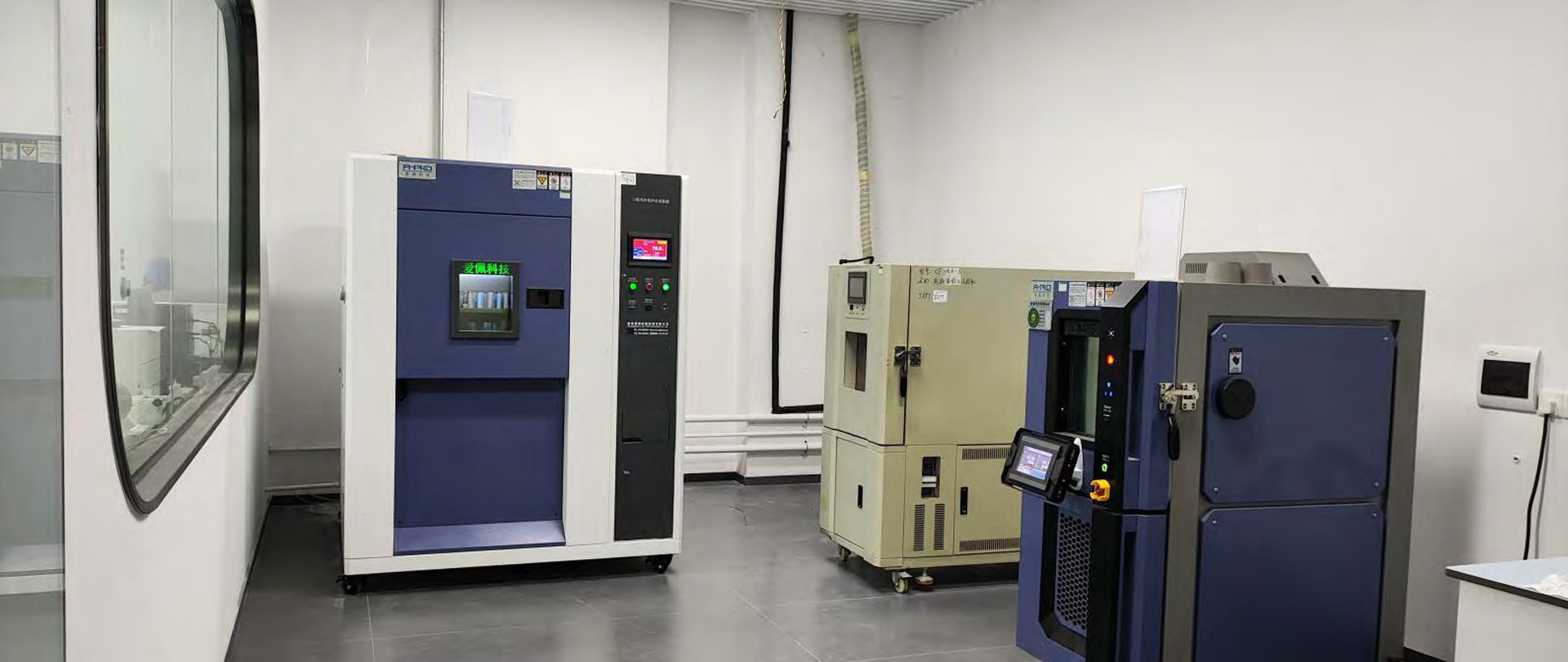
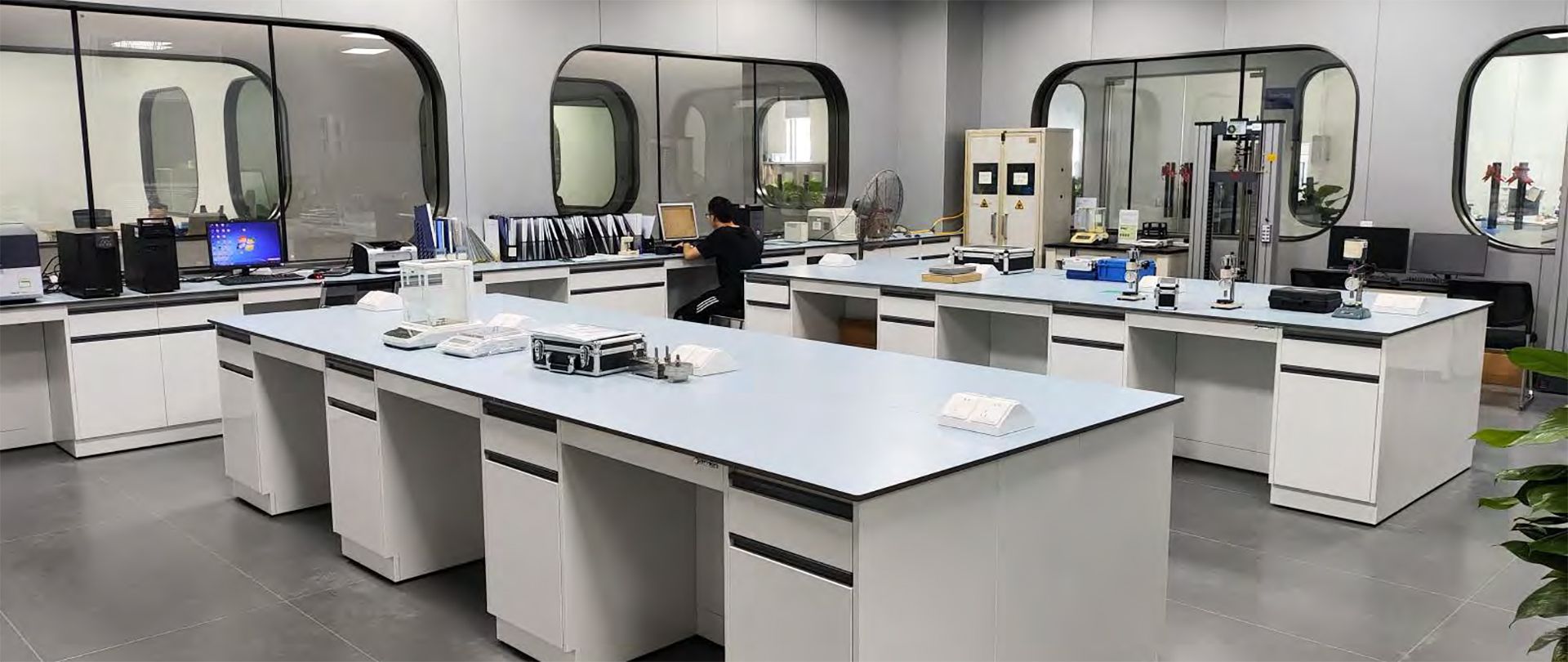
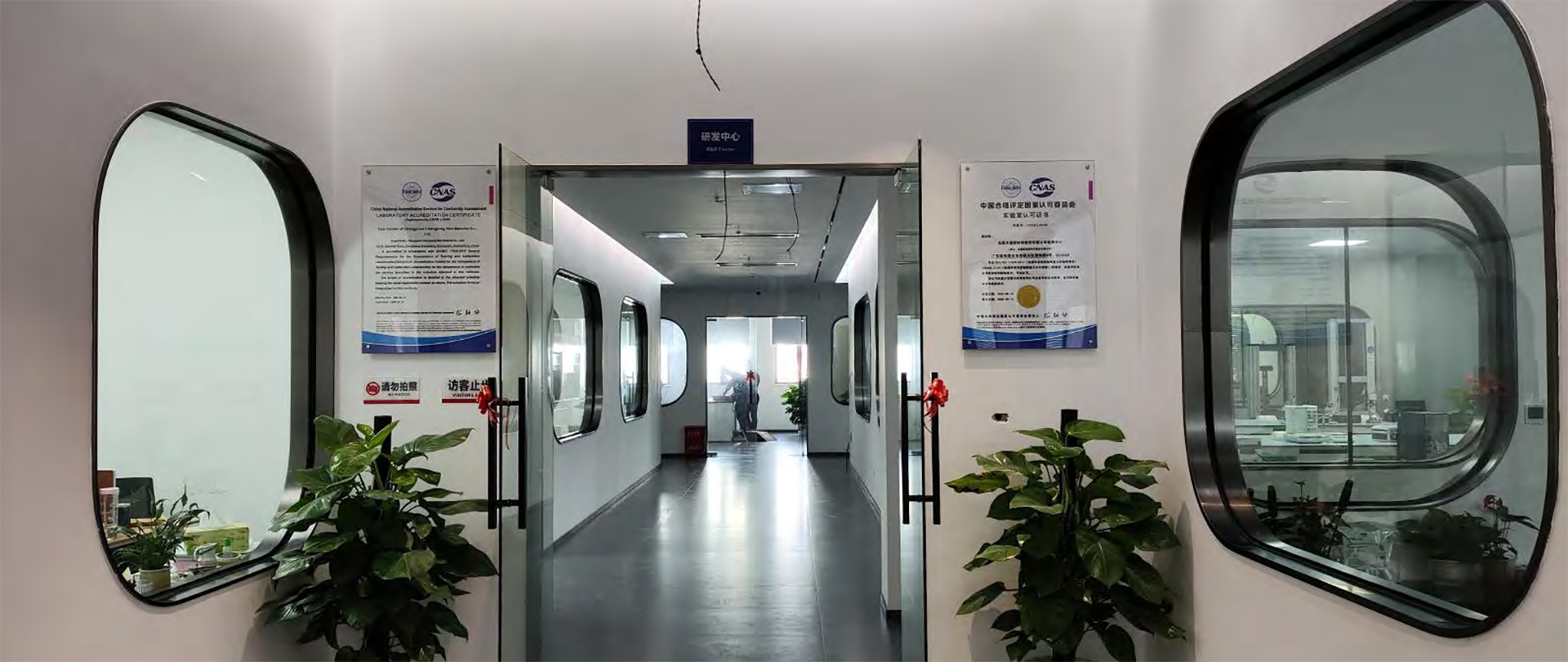
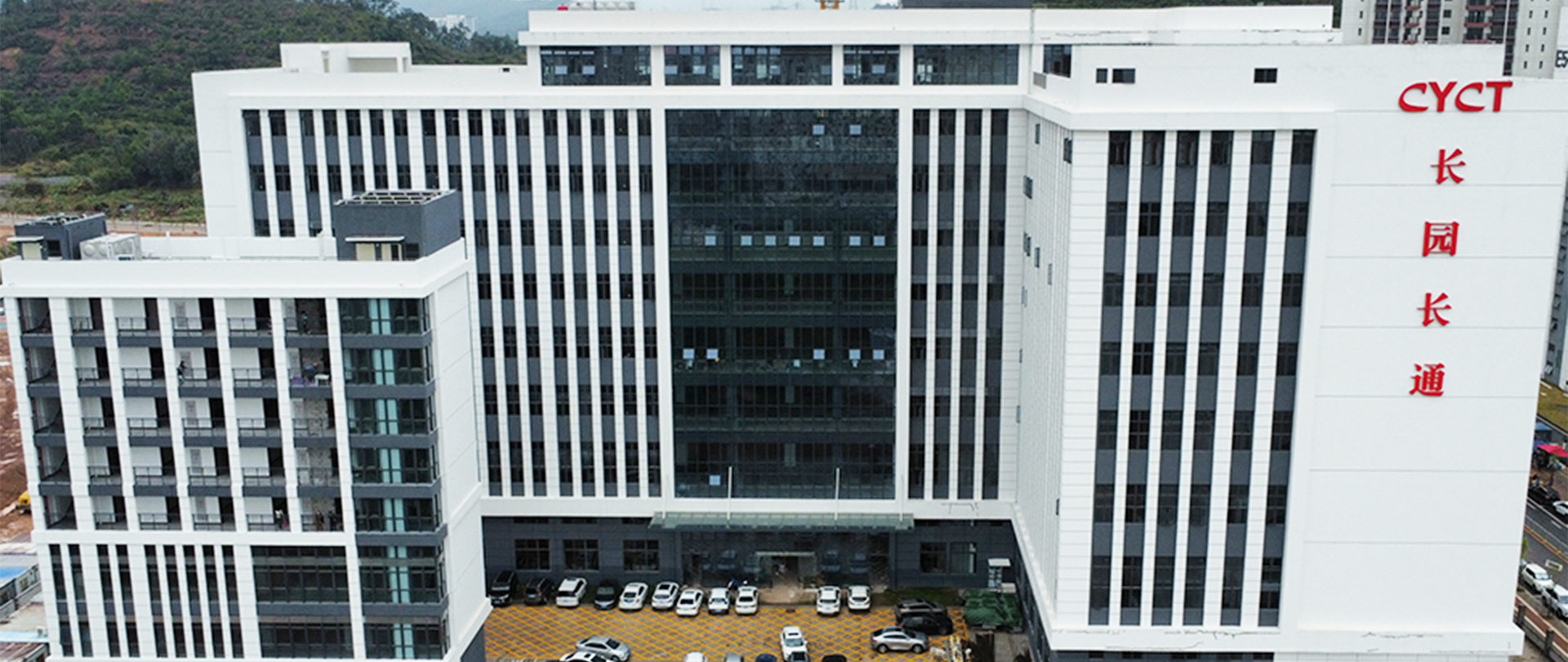
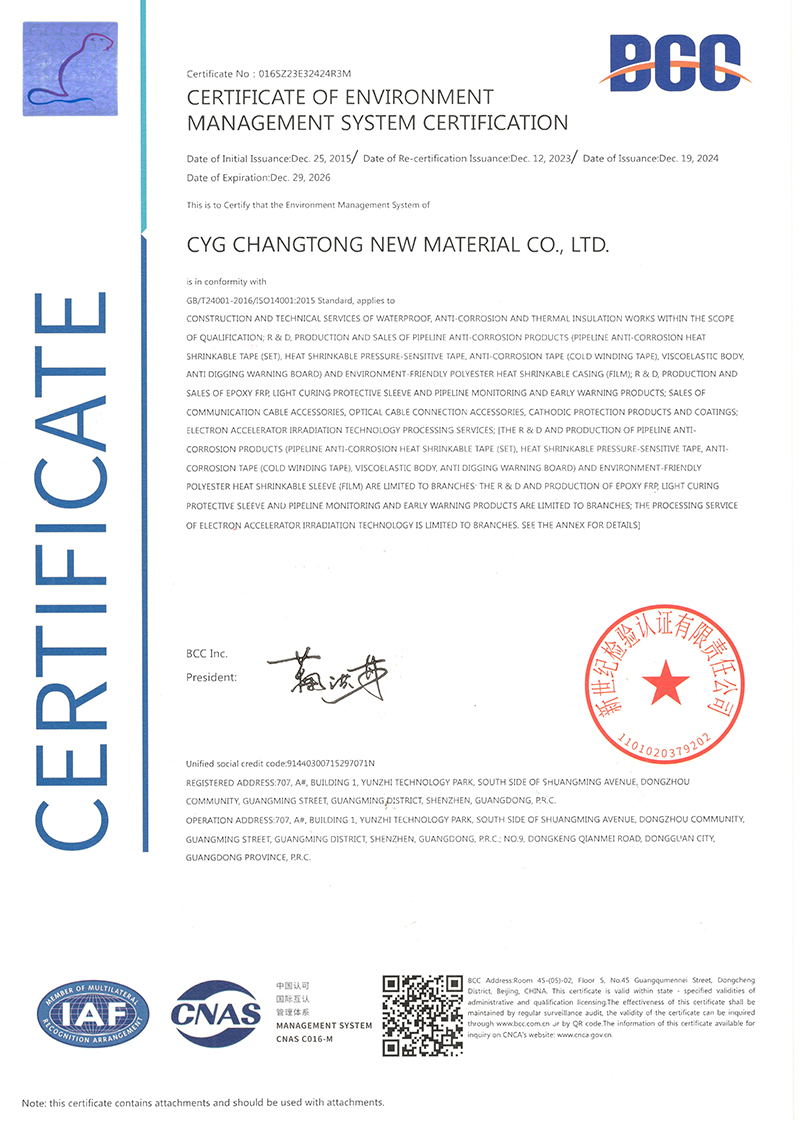
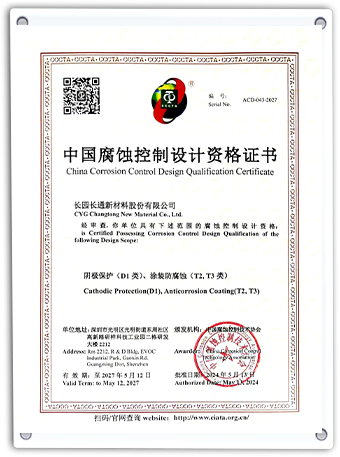
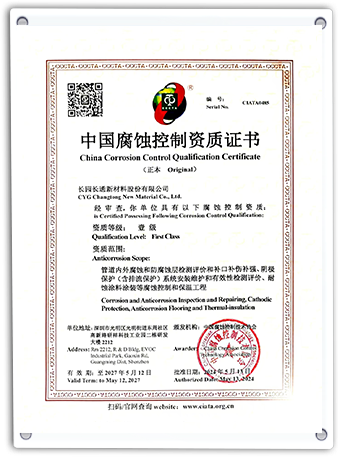
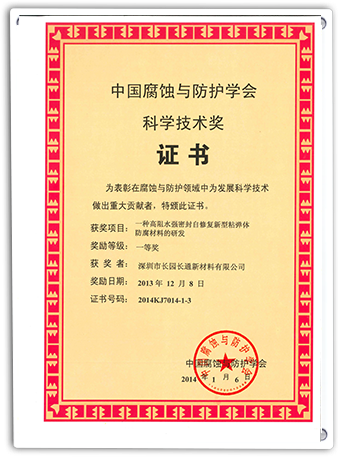
CYCT operates at the forefront of corrosion science. We are a Member of the Council in the Chinese Society for Corrosion and Protection (CSCP), hold Qualification Certificates for Corrosion Protection Construction and Pipeline Detection, and are recognized as a Well-known Brand of Pipeline Corrosion Protection in China. Additionally, we are a Corporate Member of the China Association of Petroleum Engineering Construction (CAPEC).
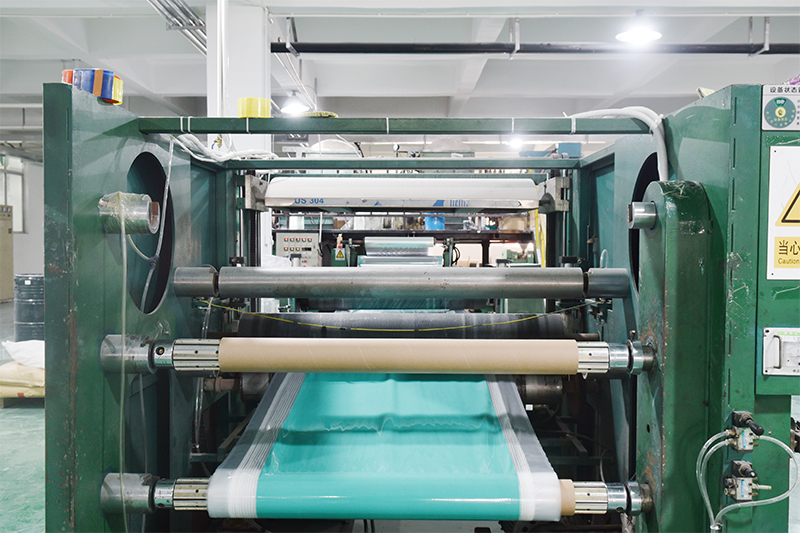
The superiority of the 3-Layer system over single or two-layer tapes lies in its combined resistance to mechanical, chemical, and electrical stresses. Here is an overview of the technical performance of each layer:
Applied directly to the blasted steel substrate (typically cleaned to Sa 2.5 standard with an anchor profile of 50-75µm). The epoxy primer forms strong covalent bonds with the steel surface, preventing under-film corrosion. It is compatible with Cathodic Protection (CP) systems, minimizing the risk of cathodic disbondment.
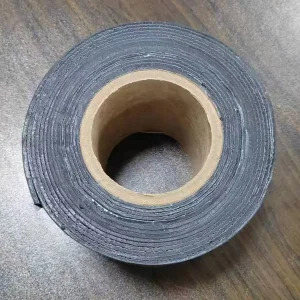
A formulation of functionalized copolymer hot-melt adhesive that chemically bonds with the curing epoxy primer below and fuses with the PE backing above. This layer provides shear resistance, absorbing soil movement and thermal stress when the pipeline expands or contracts during operation.
Made from radiation cross-linked high-density polyethylene (HDPE). The cross-linking process creates a "shape memory" effect, prompting the sleeve to shrink when heated. This outer backing provides mechanical resistance against impact, abrasion, UV radiation, and environmental stress cracking.
Modern pipelines traverse challenging geographical environments. Our technical solutions are engineered to meet specific localized demands:
During trenchless installations, pipelines are pulled through boreholes containing abrasive rock, gravel, and clay. Standard coatings risk tearing under these conditions. Our solution pairs a 3-layer sleeve with a Glass Fiber Reinforced Plastic (GFRP) Reinforcement outer wrap, shielding the corrosion coat during pull-back.
Offshore marine construction requires rapid cycle times and resistance to high hydrostatic pressures. Our moisture-curing shields and bend restrictors prevent pipeline degradation under sea states, dynamic currents, and saline conditions.
High-temperature service lines (up to 85°C-110°C) cause typical adhesives to degrade. For these applications, we utilize viscoelastic coatings and specialized FRPD-PP heat-shrinkable sleeves, providing stable adhesion and creep resistance.
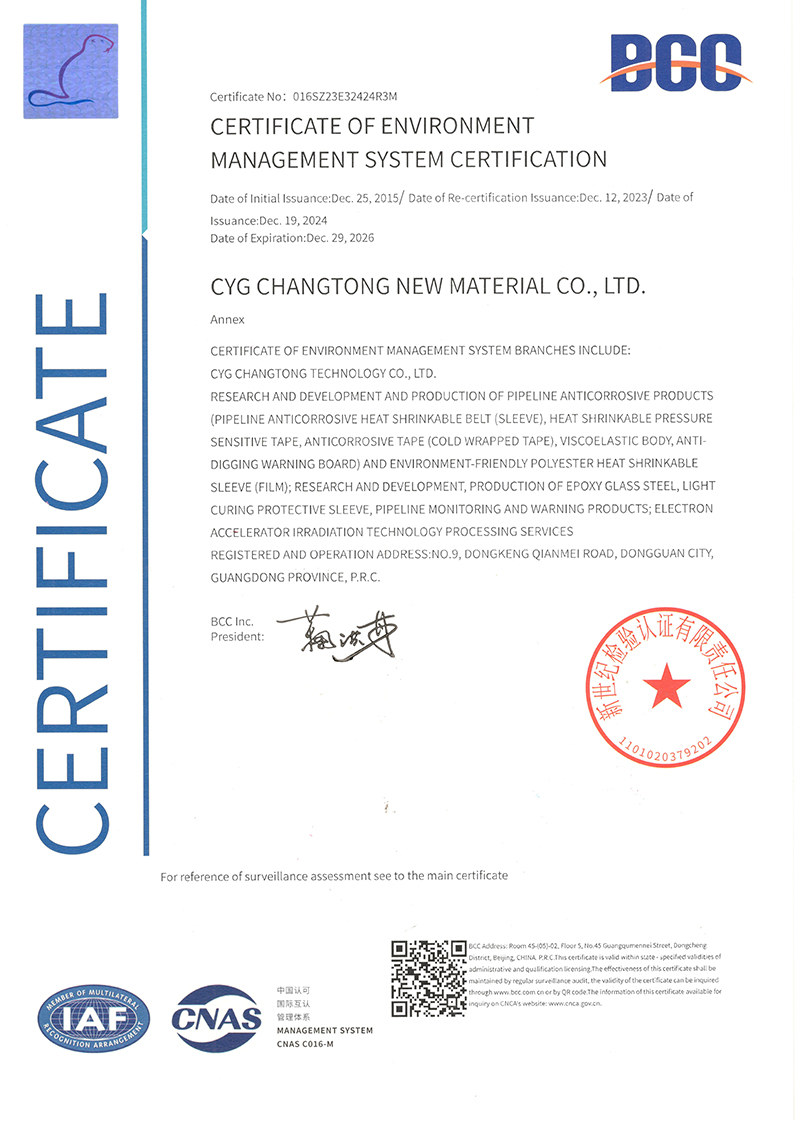
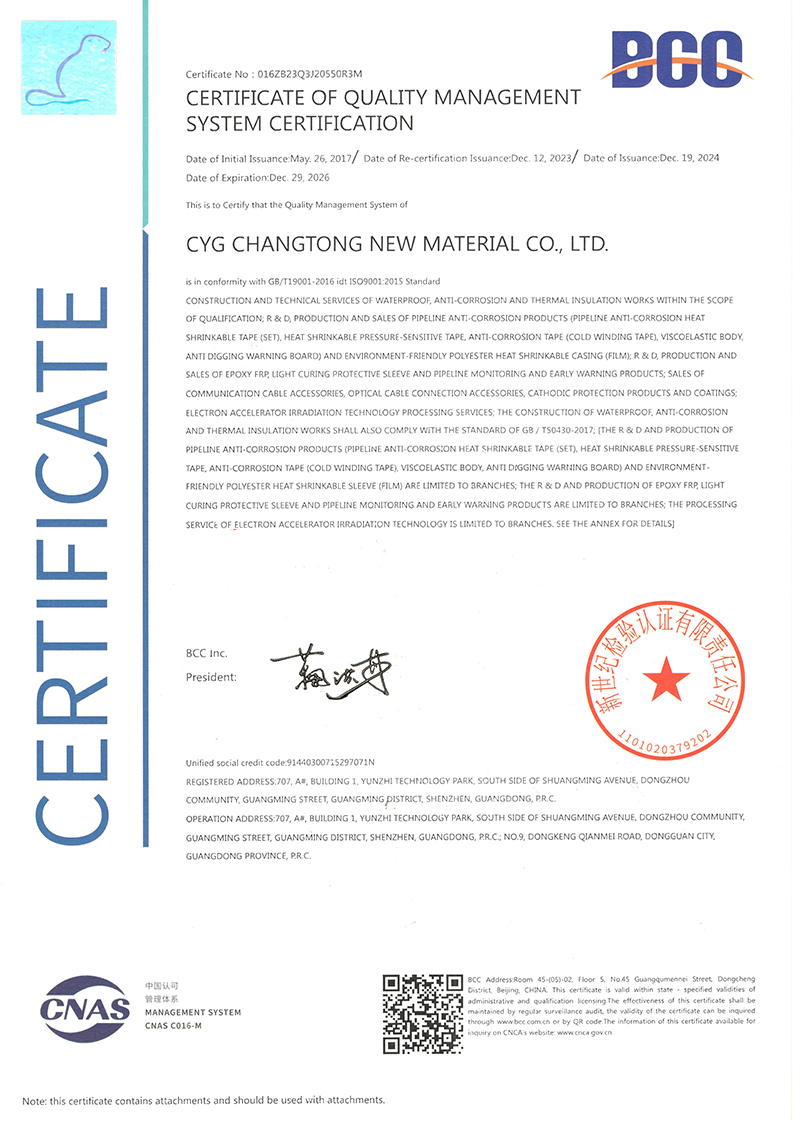
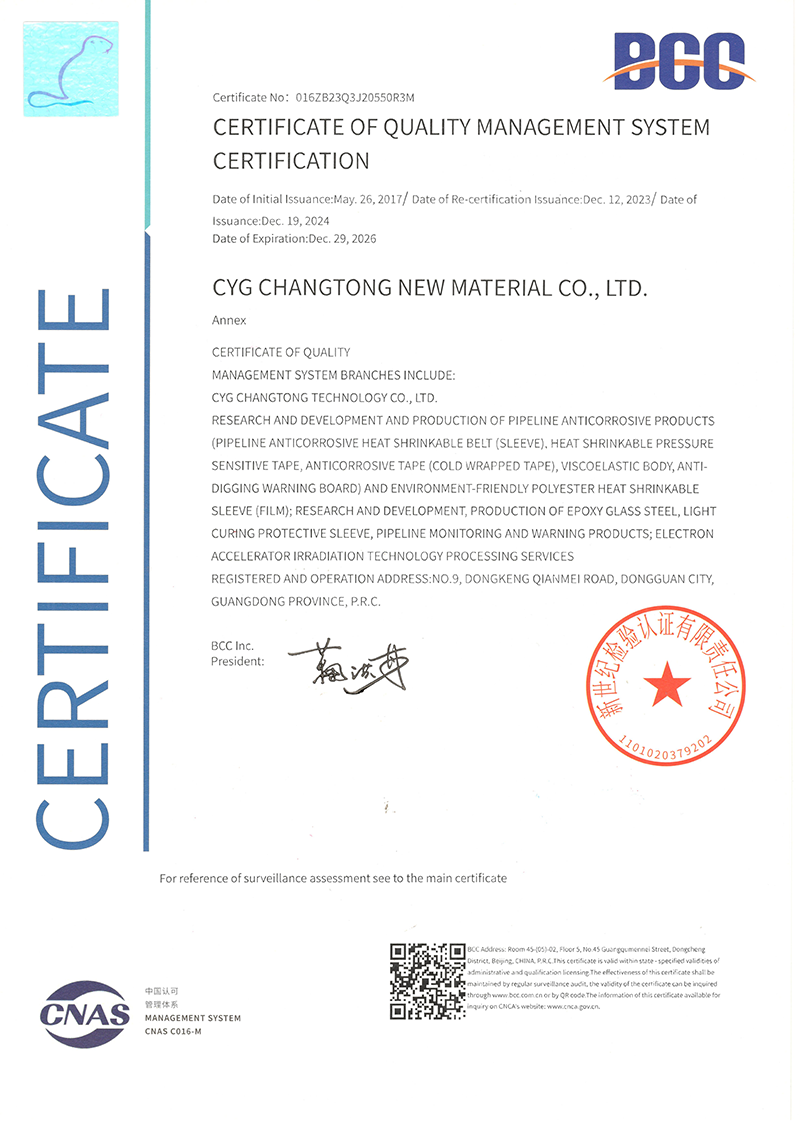
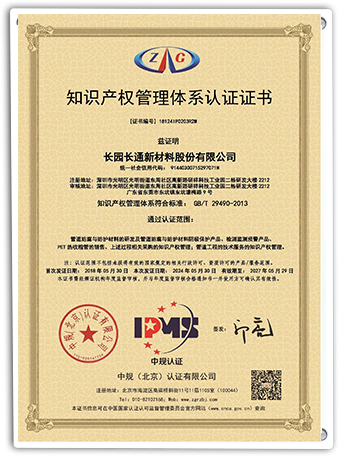
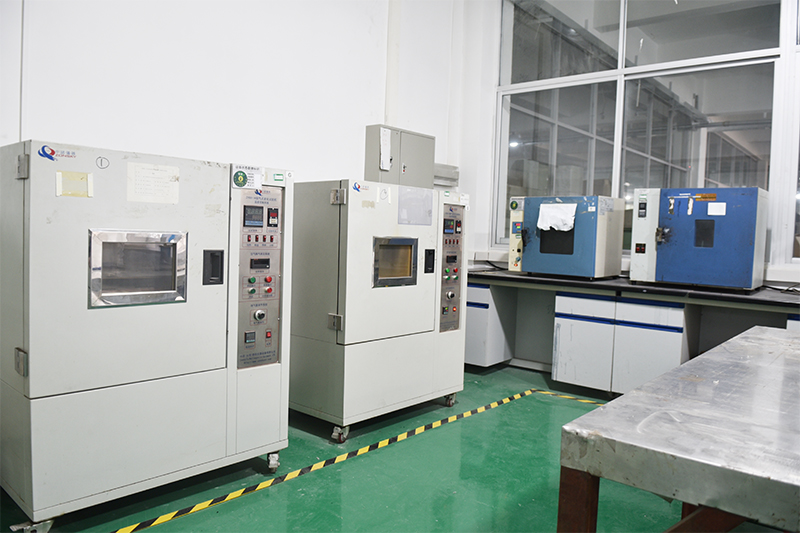
CYCT's production plant is backed by an ISO-certified quality management system, ensuring traceibility from raw monomers to the finished product.
Every batch of heat-shrinkable sleeves undergoes testing in our CNAS laboratory. Key quality metrics include:
Our international logistics network ensures timely delivery to global pipeline corridors. We offer:
As the energy sector moves toward decarbonization and digitized monitoring, pipeline protection materials are evolving. CYCT is investing in next-generation R&D projects:
Researching sleeves embedded with thin-film sensor arrays. These sensors monitor localized moisture ingress, strain shifts, and cathodic protection efficiency in real time, transmitting data directly to operators.
Developing plant-derived adhesives and carbon-neutral outer backings to reduce the environmental footprint of field operations without sacrificing mechanical performance.
Developing micro-capsule polymers that rupture under localized mechanical stress, releasing healing agents that reseal scratches or pinholes autonomously.
Technical insights regarding the selection, application, and compliance of our three-layer heat-shrinkable sleeves.
Explore our full line of anti-corrosion materials, repair products, and structural protection systems designed for modern oil, gas, and water pipelines.
 CYCT
CYCT