Explore our engineering-grade heat shrinkable sleeves, viscoelastic tapes, and localized pipeline rehabilitation accessories manufactured to withstand the harshest structural and climatic stresses.
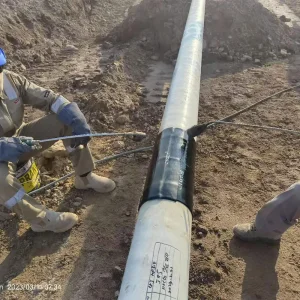
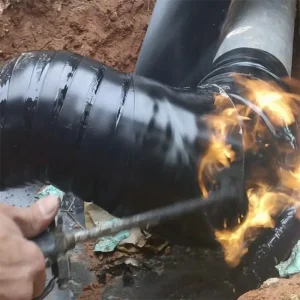
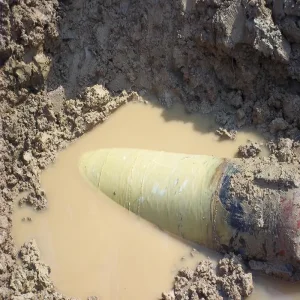
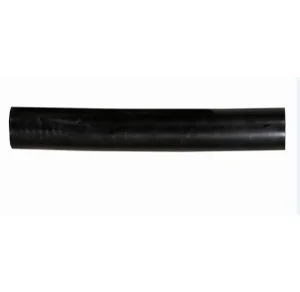
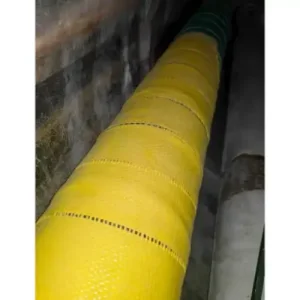
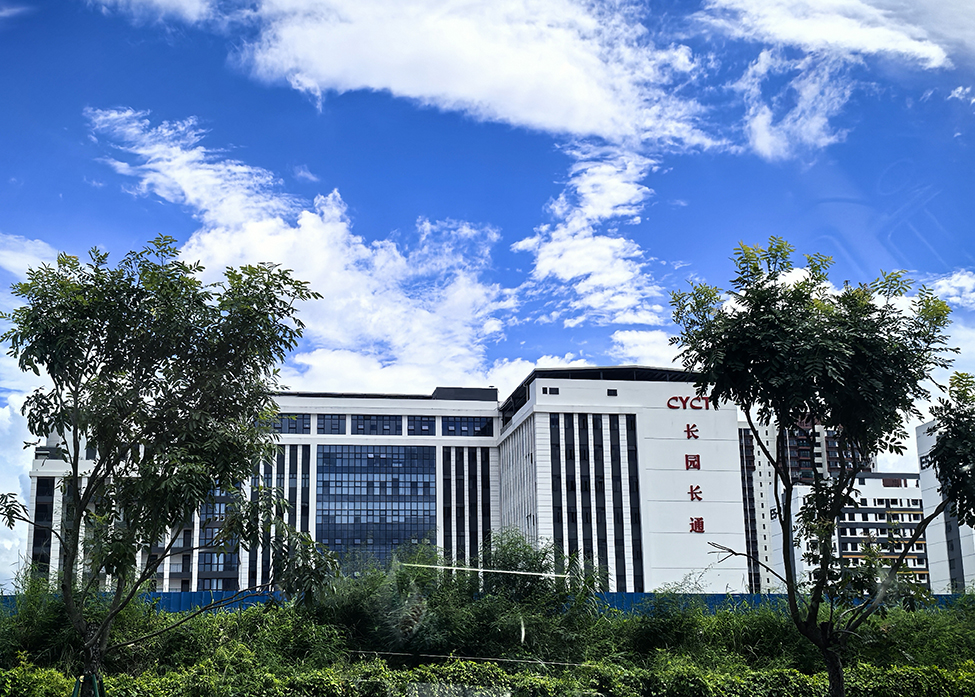
CYCT New Materials Company Limited (for short, CYCT) is a state-level high-tech enterprise integrating R&D, production, and sales of pipeline corrosion protection materials, as well as buried pipeline detection services and pipeline coating field application services into a singular comprehensive framework. CYCT has devoted itself to the R&D, production, and sales of pipeline corrosion protection materials for decades.
With strategic alignment alongside top academic and pipeline safety research institutes, CYCT has advanced the field of radiation-crosslinked polyolefin heat shrinkable materials, introducing high-performance joint systems to secure critical networks under the most challenging geomorphic and environmental conditions.
National-level laboratory verification for chemical and structural stability.
Aligned with Global Association for Materials Protection and Performance.
Unveiling the structural parameters, economic drivers, and supply chain consolidations that empower Chinese manufacturers to define global pipeline safety benchmarks.
Chinese factories leverage high-power industrial electron accelerators to achieve precise cross-linking density in high-density polyethylene (HDPE). This creates optimal crystalline memory, ensuring consistent longitudinal shrink ratios (>25%) and exceptional mechanical recovery forces during field installations.
The core battleground for thermal sleeves is the hot-melt copolymer adhesive layer. CYCT and top China factories develop proprietary shear-resistant visco-elastic and thermoplastic copolymer sealants. These adhesives flow under heat to fill joint irregularities, preventing water ingress even when subjected to soil stress and pipeline operating temperatures up to 80°C (FRDP series) or polypropylene joints up to 100°C (FRPD-PP).
From base chemical polymerization to sheet extrusion, electron cross-linking, adhesive coating, and final slitting—all processes are contained within state-level industrial parks. This integration mitigates international shipping overheads, guarantees compound consistency, and yields significant cost efficiencies for global pipeline projects.
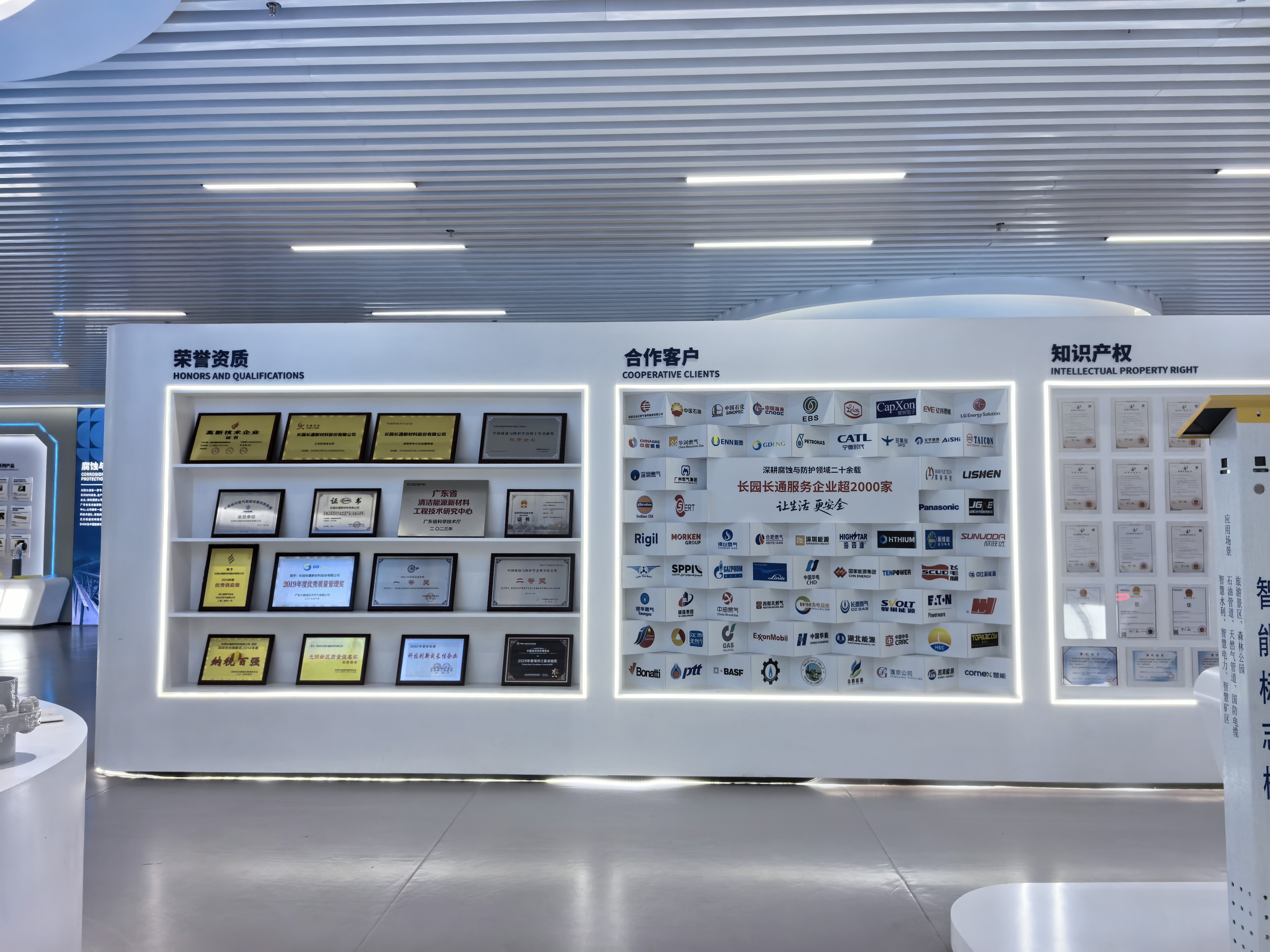
CYCT operates as a premier supplier of field joint coatings to energy giants including PetroChina, Sinopec, PipeChina, and Indian Oil. Our manufacturing pipeline integrates real-time ultrasonic thickness gauges and laser width sensors to enforce zero-defect margins.
Tailored protective envelopes developed to shield multi-billion dollar distribution infrastructure from localized shear, mechanical abrasion, and chemical aggression.
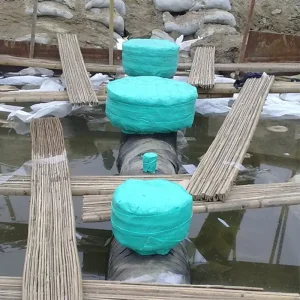
Deploying the CYG Changtong GRF Moisture Curing Shield. Offshore environments subject pipeline joints to constant wave action, high UV exposure, and mechanical impacts. Our GRF moisture curing system creates a rock-hard composite barrier that cures underwater, offering outstanding corrosion defense in coastal and subsea environments.
Utilizing high-performance Epoxy FRP Shield Systems. When pipelines are pulled through underground drill paths, rock scraping can shear standard 3LPE/3LPP coatings. Our Epoxy FRP (Fiberglass Reinforced Plastic) protective layer serves as a sacrificial shield, sustaining severe impact and drag forces without exposing the core pipe steel.
Integrating FRPD-PP Polypropylene Heat Shrinkable Sleeves. Modern deep-well transmission lines operate at higher heat thresholds. Standard PE sleeves soften at elevated temperatures, whereas our PP-based solutions are engineered to withstand continuous operating temperatures up to 100°C without mechanical degradation.
Understand the physical differences to optimize your design specifications based on operating temperature, installation parameters, and soil profile stress.
| Performance Characteristic | PE Heat Shrink Sleeves (FRDP 80℃) | PP Heat Shrink Sleeves (FRPD-PP) | Viscoelastic Tapes (VT95 / FVT95) |
|---|---|---|---|
| Base Material Composition | Radiation Cross-linked Polyethylene | Cross-linked Polypropylene Copolymer | Non-crystalline Viscoelastic Polymer |
| Max Operating Temp | 80°C | 100°C | 95°C |
| Peel Strength (to Steel) | ≥ 80 N/cm (under hot melt flow) | ≥ 100 N/cm | Self-healing cohesion, zero separation force |
| Cathodic Disbondment | ≤ 10 mm (at 80°C, 28 days) | ≤ 5 mm (at 95°C, 28 days) | 0 mm (Excellent adhesion, self-heals) |
| Ideal Application Zone | Field Joint Coatings (FJC) - Oil/Gas | 3LPP Parent Coated Linepipes | Valves, Flanges, Tees, and Bare Steel Repair |
| Preheat Temperature Required | 60°C - 70°C | 180°C - 200°C (Requires Induction) | None (Room temp cold-applied) |
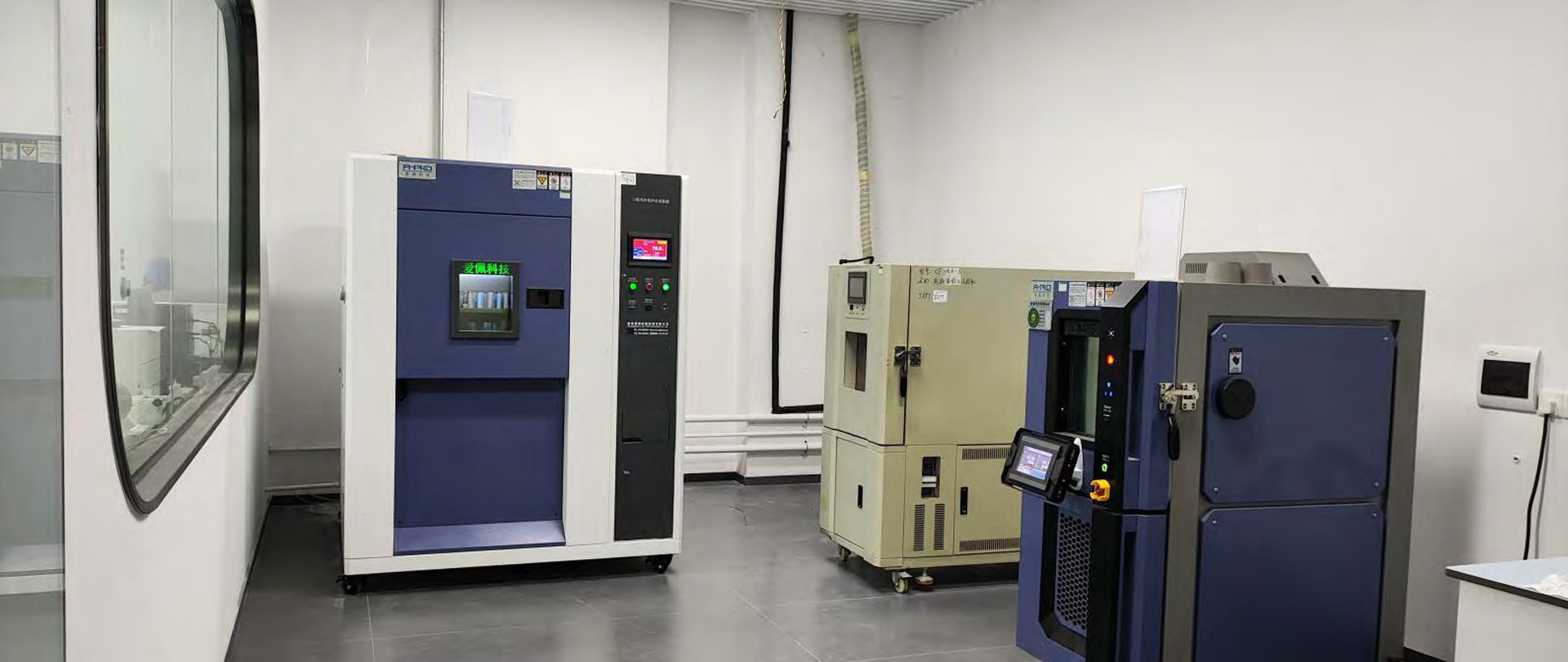
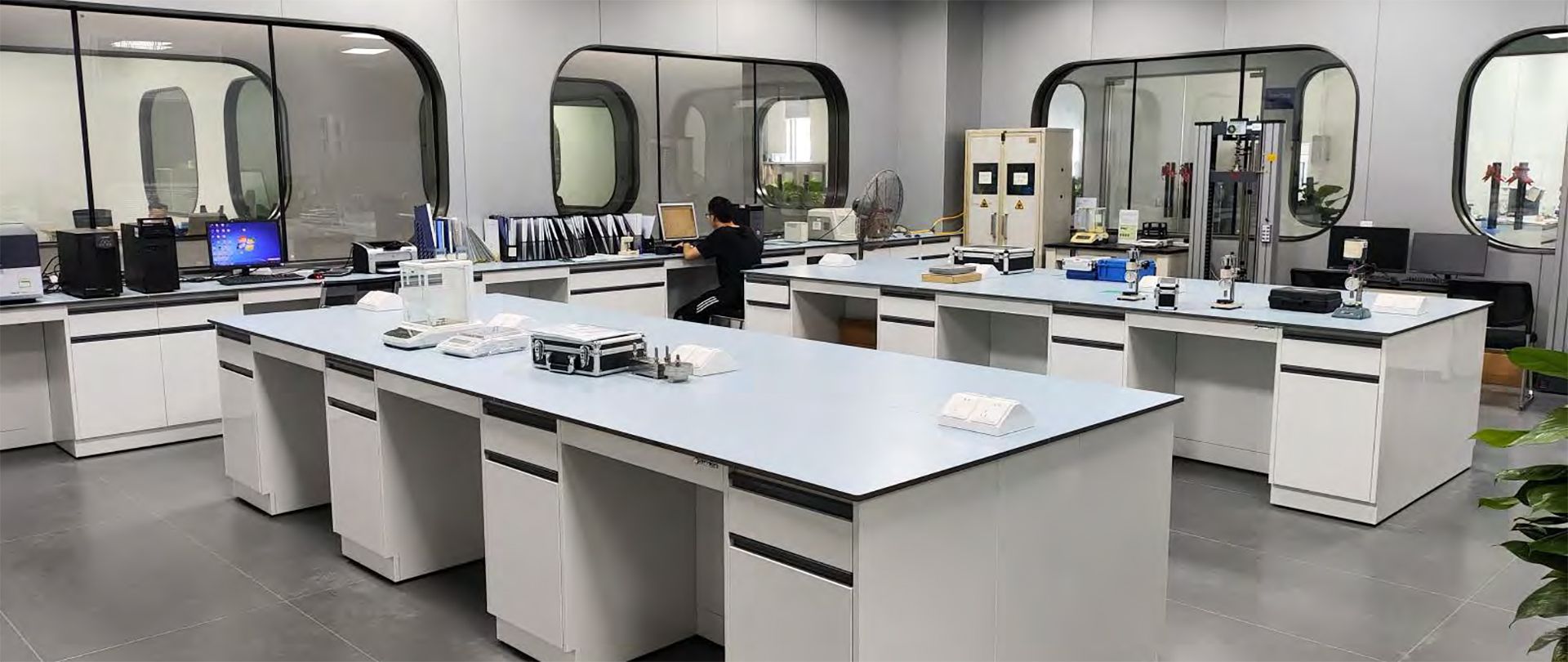
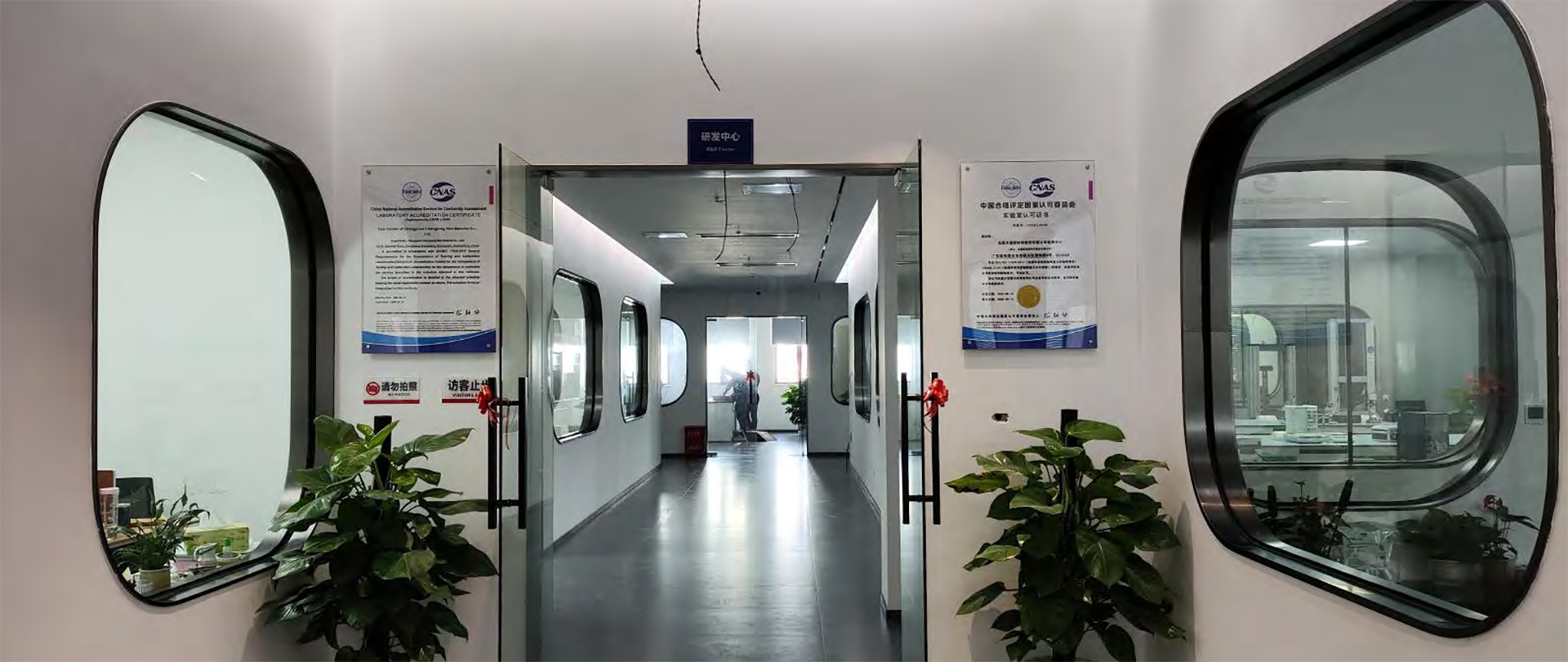
Global procurement teams face the critical challenge of verifying consistency across production batches. CYCT addresses this by maintaining an in-house national CNAS-accredited testing laboratory. Every batch of thermal shrink sleeves undergoes standard-compliant testing before dispatch.
Our testing suite verifies material thickness (backing and adhesive layers separately), tensile strength, elongation at break, impact resistance, thermal aging index, and cathodic disbondment limits under simulated sub-soil conditions. This rigorous testing helps ensure that materials arrive at the site in accordance with international requirements, including ISO 21809-3 and EN 12068.
"As active council members of the Chinese Society for Corrosion and Protection (CSCP), we don't just supply products; we provide complete engineering design schemes, buried pipeline health scans, and expert rehabilitation project integration."
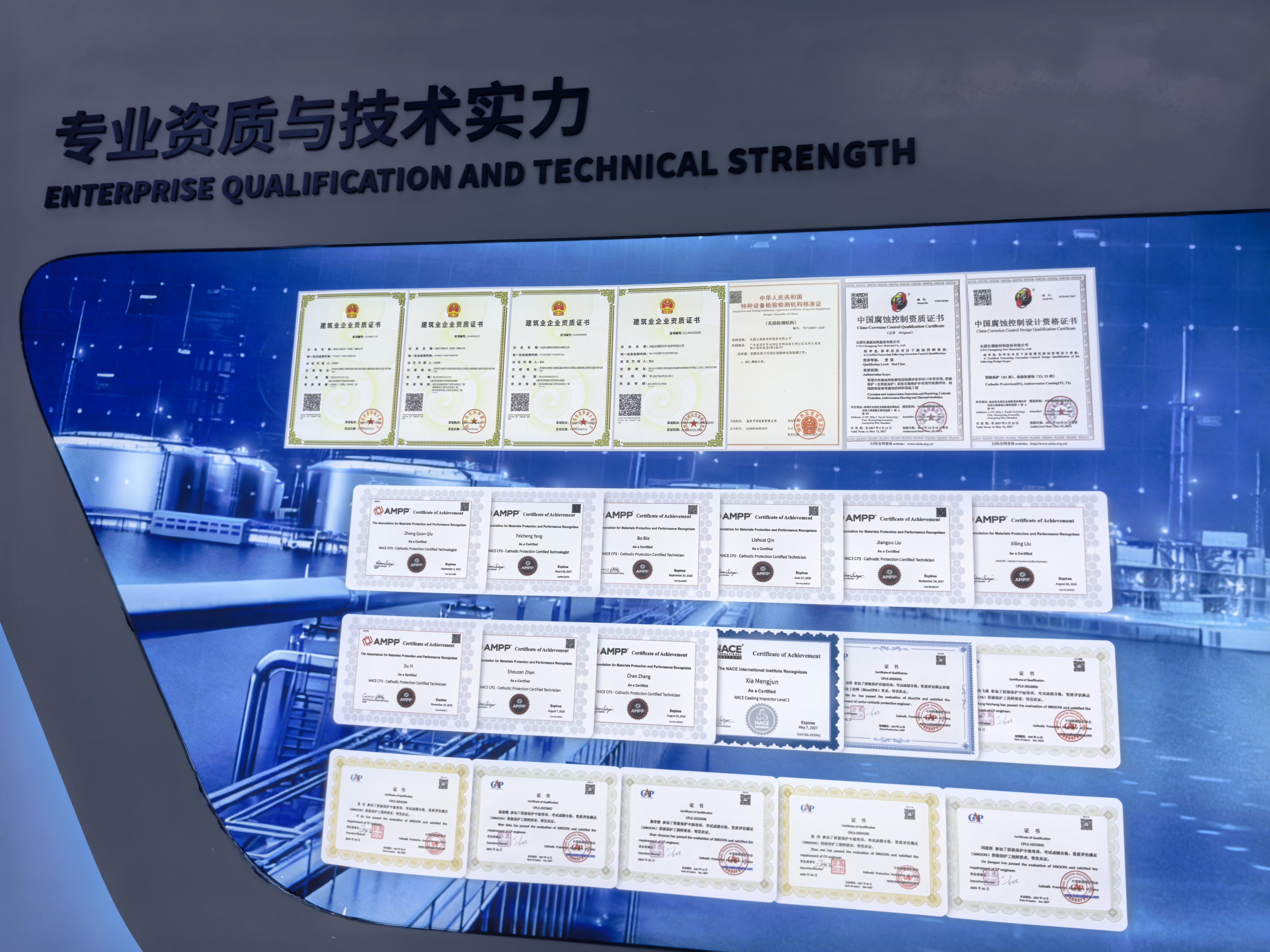
State-level High-Tech Enterprise status backed by official certifications, ensuring compliance with global pipeline standards.
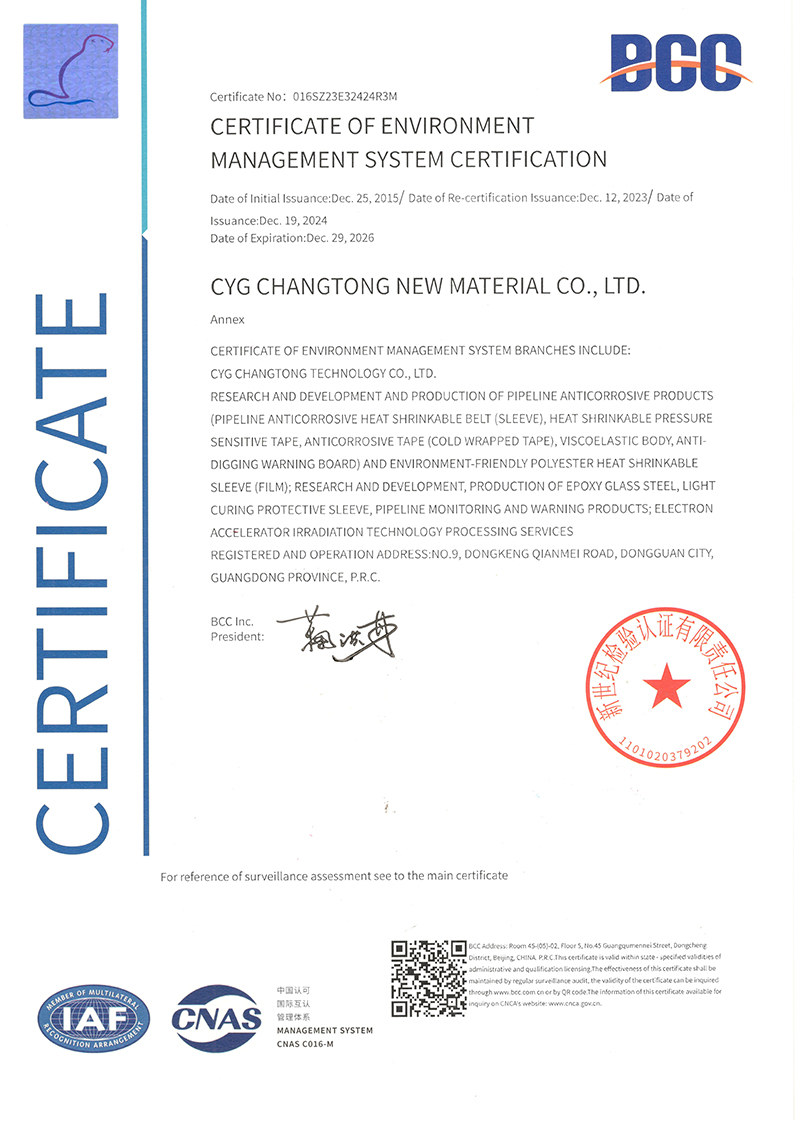
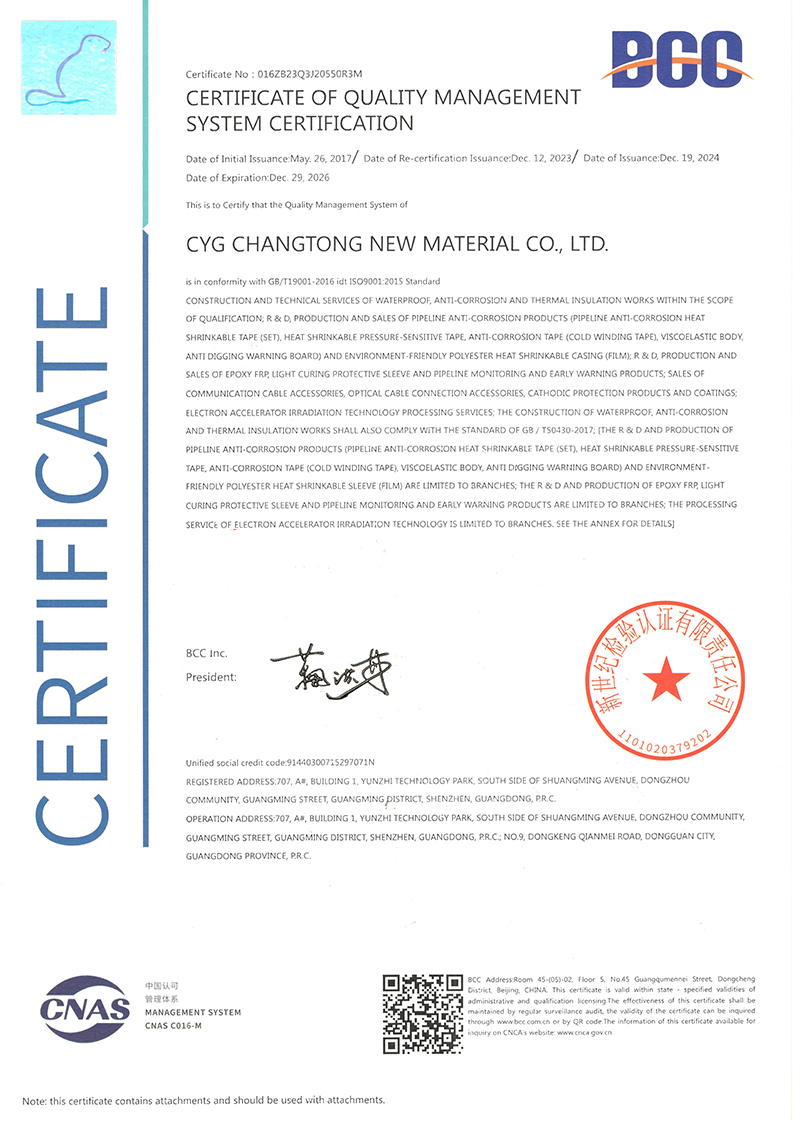
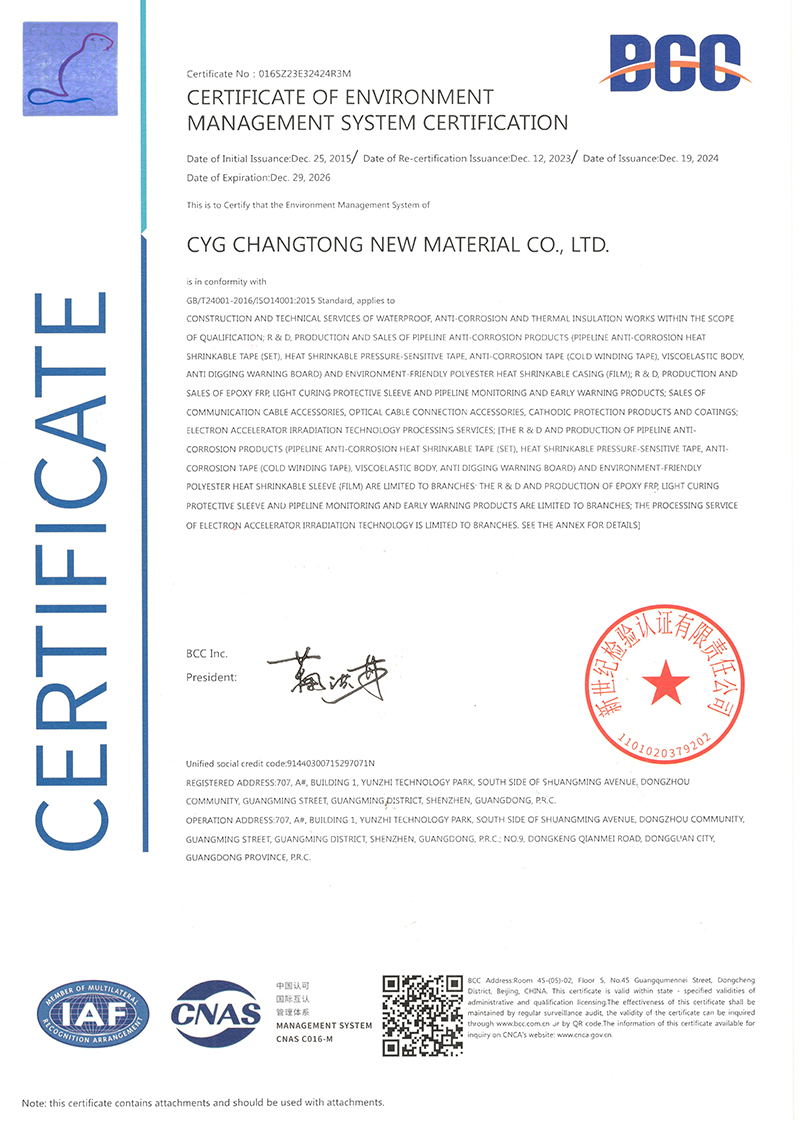
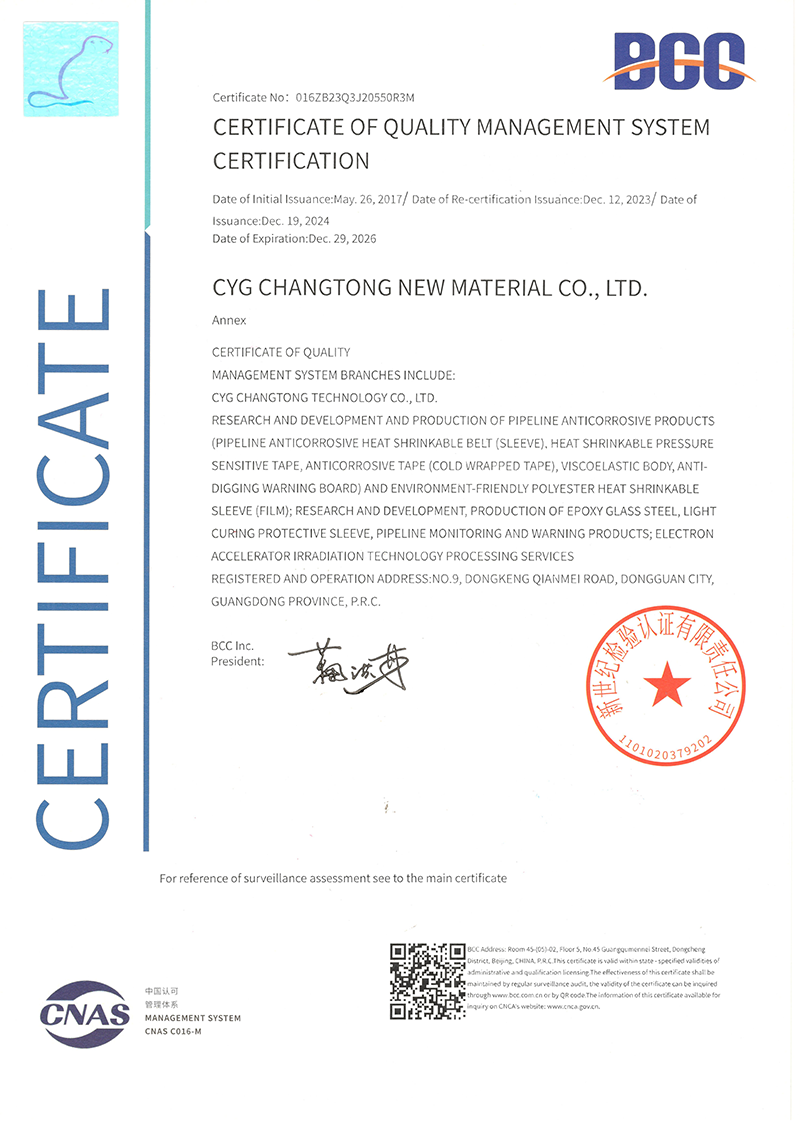
Additional Accreditations: Member of China Association of Petroleum Engineering Construction (CAPEC) | Stable Supplier of PetroChina, Sinopec, China Gas Group & Indian Oil.
A technical guide for EPC contractors and procurement managers evaluating Chinese manufacturers.
Confirm the backing is made from virgin polyolefins. Recycled compounds lower costs but compromise long-term thermal memory and lead to stress cracking under cyclic pressure fluctuations.
Demand 100-hour shear resistance test reports under simulated maximum pipeline operating temperatures. Low-tier adhesives may experience slippage when subjected to soil movement.
Verify manufacturer credentials against current standards. Reputable factories provide batch-specific Material Test Reports (MTR) tracing polymer grade, roll dimensions, and curing agents.
In-depth answers addressing design, installation challenges, and materials performance queries from pipeline engineers.
2-layer (2LPE) heat shrink sleeves consist of a radiation cross-linked PE backing coated with a thick layer of mastic adhesive. These are typically applied directly to pre-cleaned bare steel surfaces and parent coatings without primers. 3-layer (3LPE) systems incorporate an additional solvent-free liquid epoxy primer applied to the bare steel before placing the hot-melt adhesive-backed sleeve. The epoxy layer creates a strong chemical bond with the steel, significantly enhancing resistance to cathodic disbondment and water migration at elevated operational temperatures.
Preheating the steel joint (usually to 60°C - 70°C for PE systems and up to 200°C for PP systems) is essential to ensure the hot-melt copolymer adhesive flows and wets the steel surface properly. If the steel is cold, the adhesive will quench prematurely, leading to poor bonding and potential moisture traps, which can cause corrosion or cathodic disbondment.
Viscoelastic tapes (such as VT95 and FVT95) are cold-applied, non-crystalline polymer systems with low-flow characteristics. They do not require preheating or curing and have self-healing properties that can seal minor puncture damages. Heat shrink sleeves, by contrast, offer higher mechanical strength and soil stress resistance, making them well-suited for mainline transmission joints, whereas viscoelastic systems are often used for complex geometries like valves, tees, and flanges.
Reputable manufacturers comply with major international specifications, including EN 12068, ISO 21809-3, and NACE/AMPP SP0169. Tests regularly performed in our CNAS-accredited facility check peel strength to steel and parent coatings, elongation at break, impact resistance, indentation resistance, and cathodic disbondment limits.
During pull-back operations in trenchless HDD installations, the pipe coating is exposed to severe friction and abrasion from soil and rock. The Epoxy FRP (Fiberglass Reinforced Plastic) system forms a hard outer shell over the primary anti-corrosion coating. This layer absorbs mechanical forces and resists gouging, protecting the underlying joint and coating from damage.
In general, PP sleeves (such as FRPD-PP) are designed for use with parent polypropylene (3LPP) coatings. Applying PP sleeves over PE coatings is not typically recommended due to the high installation preheat temperatures (often exceeding 180°C) required for PP, which can deform or damage a standard polyethylene parent coating. For PE parent coatings, PE-based shrink sleeves (like the FRDP series) are the industry standard.
CNAS (China National Accreditation Service) accreditation indicates that the laboratory operates in compliance with international standards for competence, testing, and calibration. This testing verifies that all exported heat shrinkable sleeves match the technical data sheets (TDS) and project specifications before dispatch, reducing the risk of material rejection at the project site.
The GRF moisture curing shield is a fiberglass wrap impregnated with a polyurethane resin that cures in the presence of water or atmospheric moisture. It is applied to wet marine splash zones, risers, and subsea joint systems. Once cured, it forms a robust mechanical barrier resistant to seawater corrosion, biological growth, and wave action.
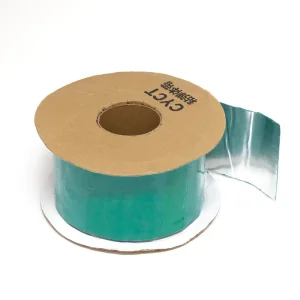
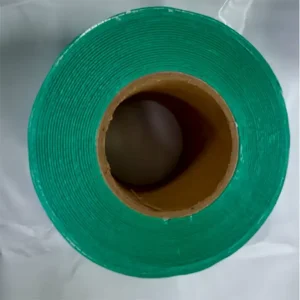
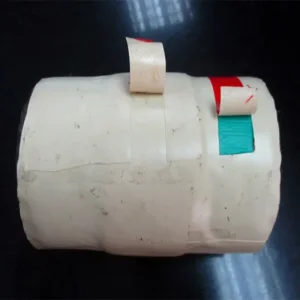
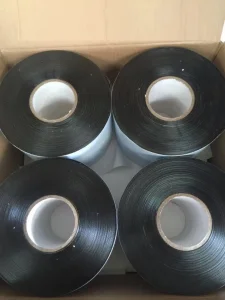
Complete your procurement requirement with our specialized selection of viscoelastic coatings, cold-applied PE tapes, and heat-shrinkable polypropylene accessories.
 CYCT
CYCT