Engineered to mitigate harsh corrosive stresses across global oil, gas, and water transmission pipelines.
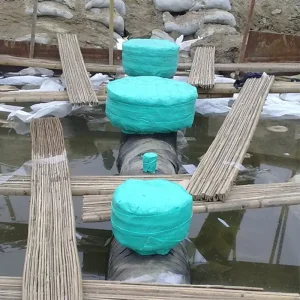
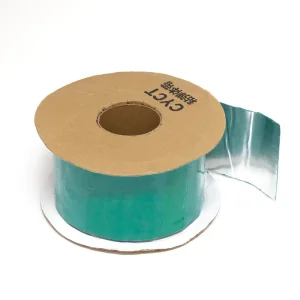
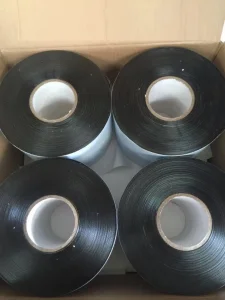
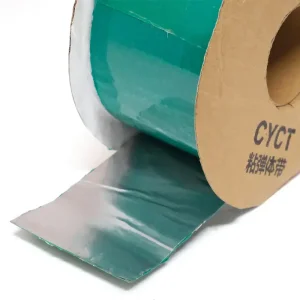
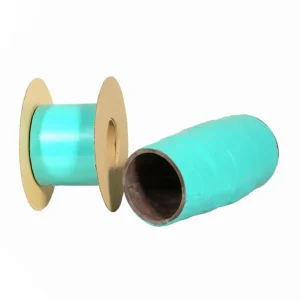
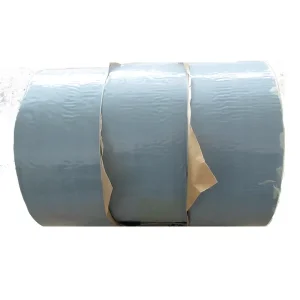
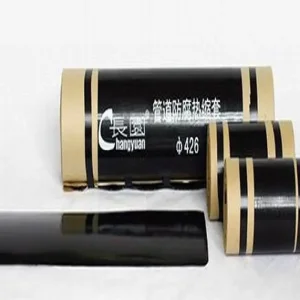
Strategic analyses of structural coatings, adhesive layers, and environmental stresses impacting transmission pipelines.
Industrial pipe networks are exposed to heavy degradation through soil chemistry, microbiological attacks, and moisture infiltration. Global corrosion costs exceed trillion-dollar scales, driving rigorous engineering demands for high-strength field joint coatings (FJC) and wrap tapes.
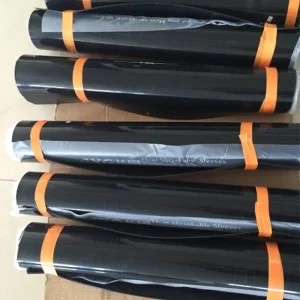
Advanced heavy-duty Polyolefin (PE/PP) shrink sleeves and viscoelastic systems provide superior alternatives to traditional liquid coatings. These multi-layered architectures offer high impact strength, chemical resistance, and ease of installation in field joint operations.
Major operators require strict compliance with international standards such as ISO 21809-3, EN 12068, and AMPP/NACE guidelines. High-performance wrap systems must pass rigorous peel-strength, cathodic disbondment, and hot-water immersion tests prior to installation approval.
In modern industrial pipeline engineering, the preservation of asset integrity relies heavily on protective barriers. Shrink wrap tape (heat-shrinkable polymeric sleeves) and cold-applied tape systems represent the primary mechanisms utilized to protect field joint welds, bends, and distribution lines. As global supply networks expand across environments, from sub-zero Arctic zones to arid desert regions, materials must adapt to dynamic soil stresses and fluctuating thermal conditions.
Understanding the chemistry behind these systems is essential. Heat-shrinkable sleeves feature radiation-crosslinked polyolefin backings combined with shear-resistant, hot-melt adhesives. During thermal application, the backing's molecular memory shrinks the sleeve, while the hot-melt adhesive flows into surface irregularities, creating a hermetic seal against oxygen and moisture. Viscoelastic systems, by contrast, offer continuous cold flow, allowing self-healing properties that recover from mechanical stresses.
Understanding the mechanical properties and environmental suitability of different pipeline tape technologies.
| Technology Class | Primary Backing Material | Operating Temp. Range | Key Strengths | Optimal Application Scenario |
|---|---|---|---|---|
| Heat-Shrinkable Sleeves | Crosslinked Polyethylene / PP | -40°C to +120°C | High mechanical resistance, high soil stress tolerance | HDD crossings, onshore transmission lines, field joint coatings |
| Viscoelastic Tape Systems | Polyolefin / Viscoelastic Compound | -35°C to +95°C | Self-healing, zero curing time, minimal surface prep required | Flanges, valves, complex piping layouts, pipeline repairs |
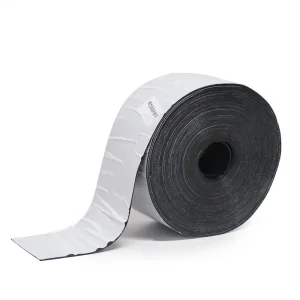
| Cold PE Outer/Inner Tapes | Stabilized Polyethylene (PE) | -10°C to +80°C | Excellent electrical insulation, highly cost-effective | Long-distance oil, gas, and water distribution lines |
| Polypropylene Fiber Bitumen Tapes | PP Woven Fiber + Bitumen | -20°C to +70°C | High tensile strength, good impact mitigation | Urban pipeline networks, distribution line rehabilitation |
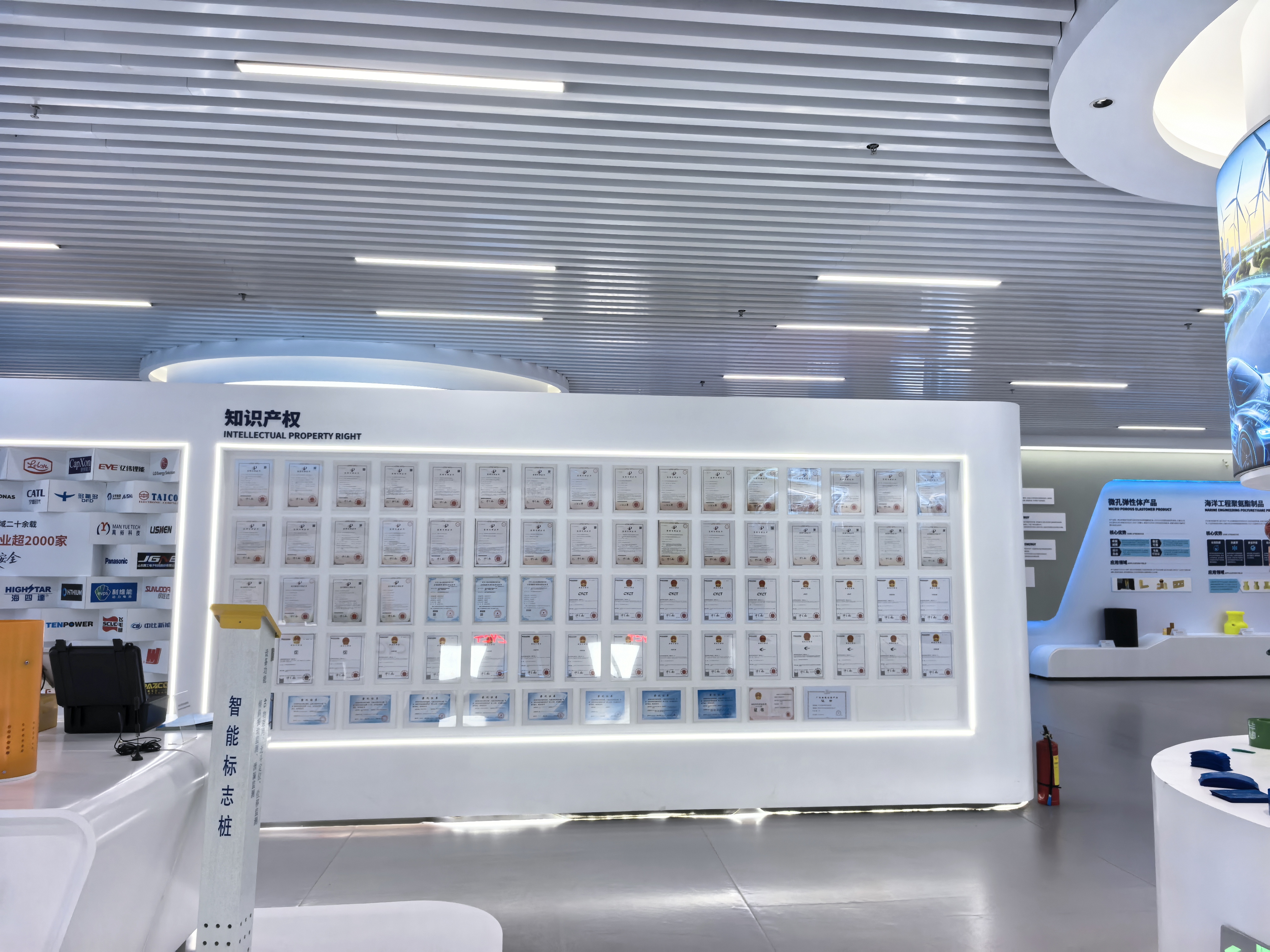
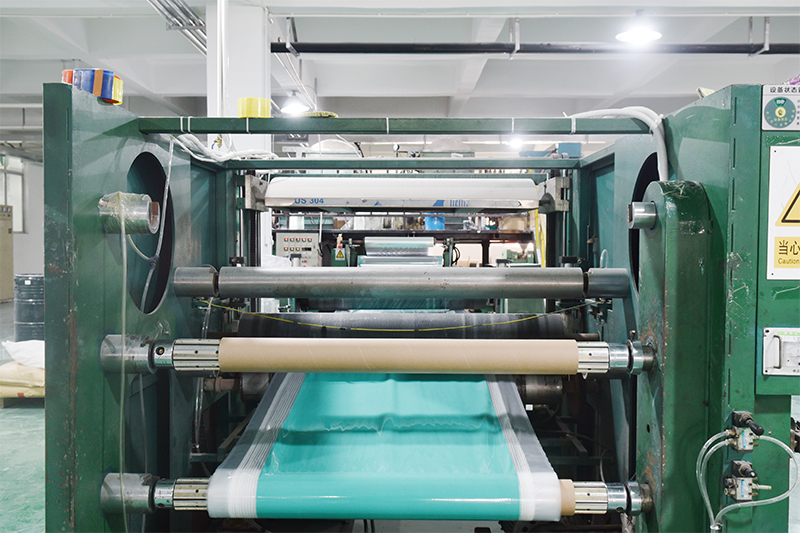
Founded in 2000, CYCT New Materials Company Limited is a state-level high-tech enterprise integrating R&D, production, and sales of pipeline corrosion protection materials. Over decades of growth, we have expanded our capacity to offer buried pipeline detection services and field coating application engineering, presenting a unified solution suite to our global clientele.
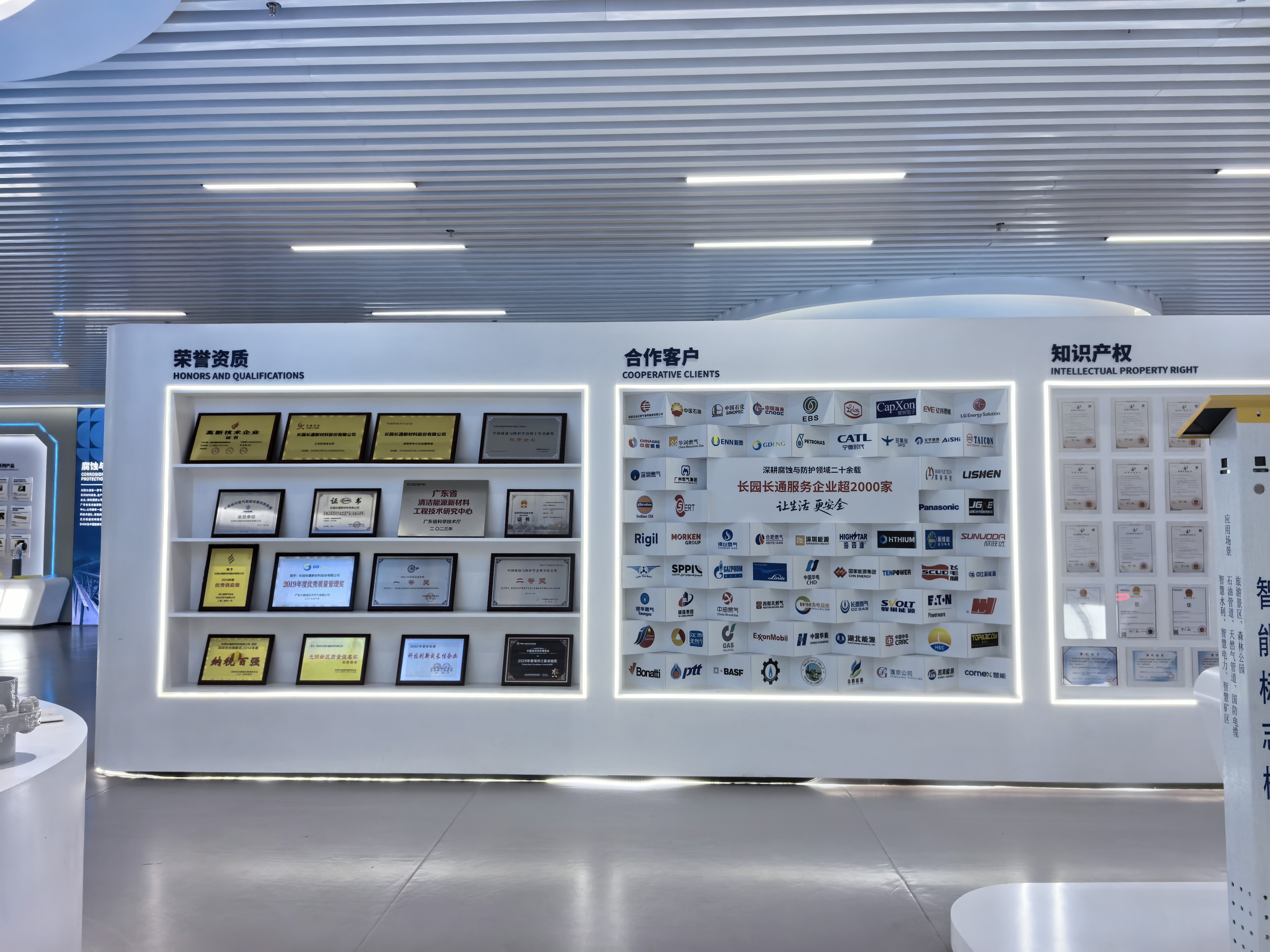
Our competitive advantage centers on a robust supply chain, automated extrusion lines, and strict quality control. By cooperating with institutes like the CNPC Pipeline Science Research Institute, CYCT ensures that all raw material compositions, adhesive weights, and backing thicknesses meet strict international specifications. This focus on reliability makes CYCT a stable supplier to major energy entities, including PetroChina, Sinopec, PipeChina, Indian Oil, and China Gas Group.
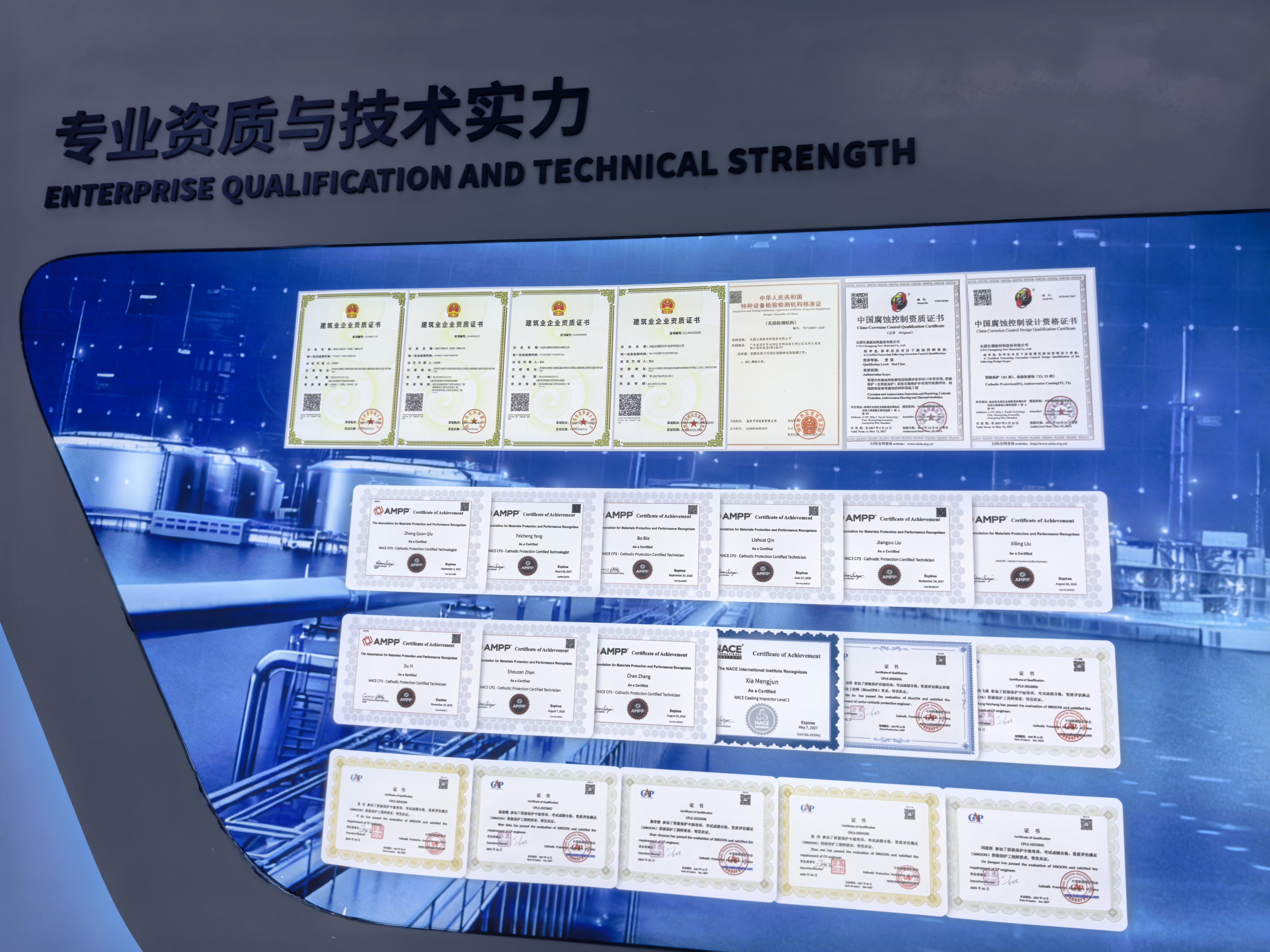
Equipped with a national CNAS-accredited laboratory, CYCT continuously tests products for peel strength, lap shear, thermal aging, and cathodic disbondment, helping maintain high performance across international logistics networks.
Year of Establishment
National Accredited Laboratory
Proprietary Patents & Technologies
Member of Council & Materials Standards
Engineered configurations designed for specific soil conditions, structural stresses, and mechanical demands.
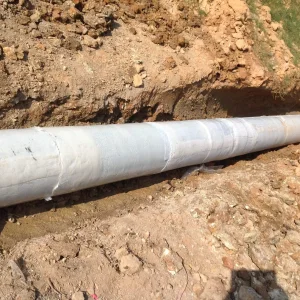
For main transmission pipelines, our 3LPE/3LPP-compatible heat-shrinkable sleeves and PE outer wrap tapes provide robust mechanical barriers, preventing corrosion from soil settlement and temperature cycles up to 120°C.
Trenchless pull-back operations subject coatings to high shear forces. Our fiberglass-reinforced heat-shrinkable sleeves are engineered to resist gouging and abrasion when crossing rocky terrains and rivers.
Providing cost-effective corrosion prevention for underground potable and wastewater mains. Our non-toxic VE putty and cold-applied PE tapes prevent external moisture ingress while complying with local hygiene regulations.
In addition to onshore pipelines, offshore splash zones require specialized coatings. High humidity and high salinity accelerate degradation. CYCT's specialized photo-curing protective sleeves and GRP sheets offer rapid-curing, UV-resistant shields that defend structural pilings and riser pipes against wave actions and salt spray.
In dry industrial zones, pipeline rehabilitation projects often require field application without shutdown. Cold-applied PE inner/outer tape systems allow rapid hand-wrapped or machine-wrapped application over cleaned substrates, minimizing operational downtime.
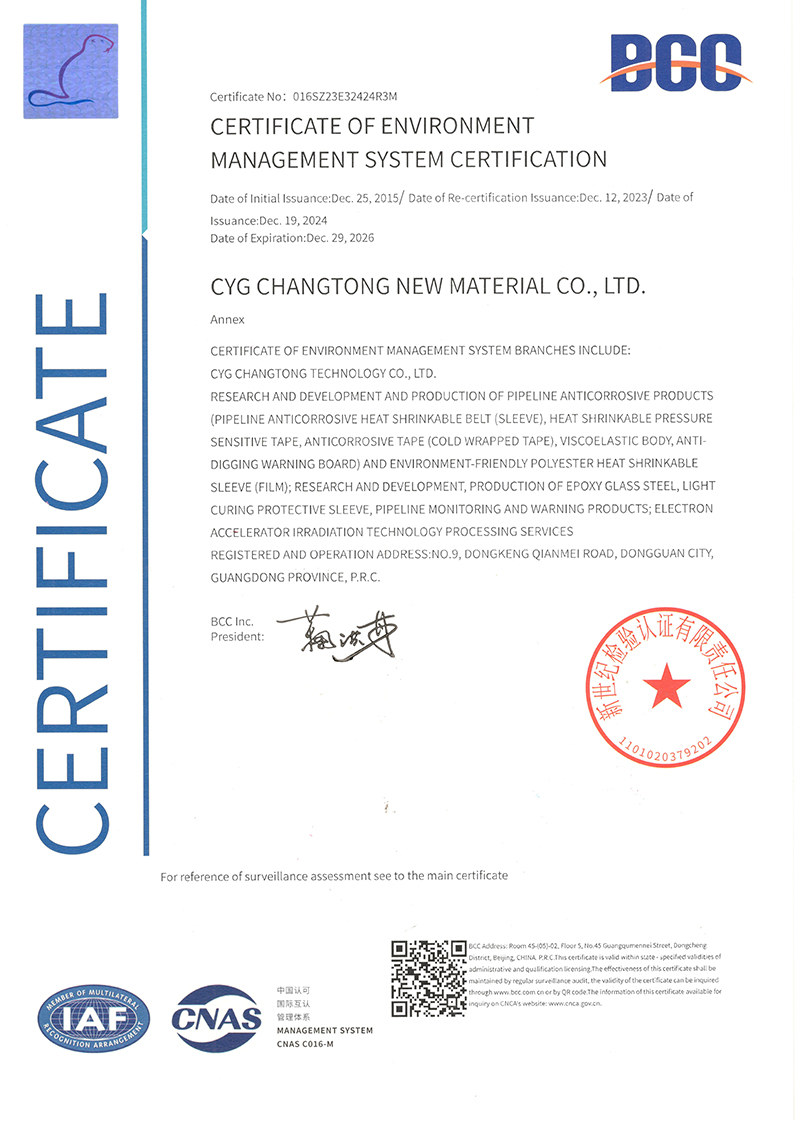
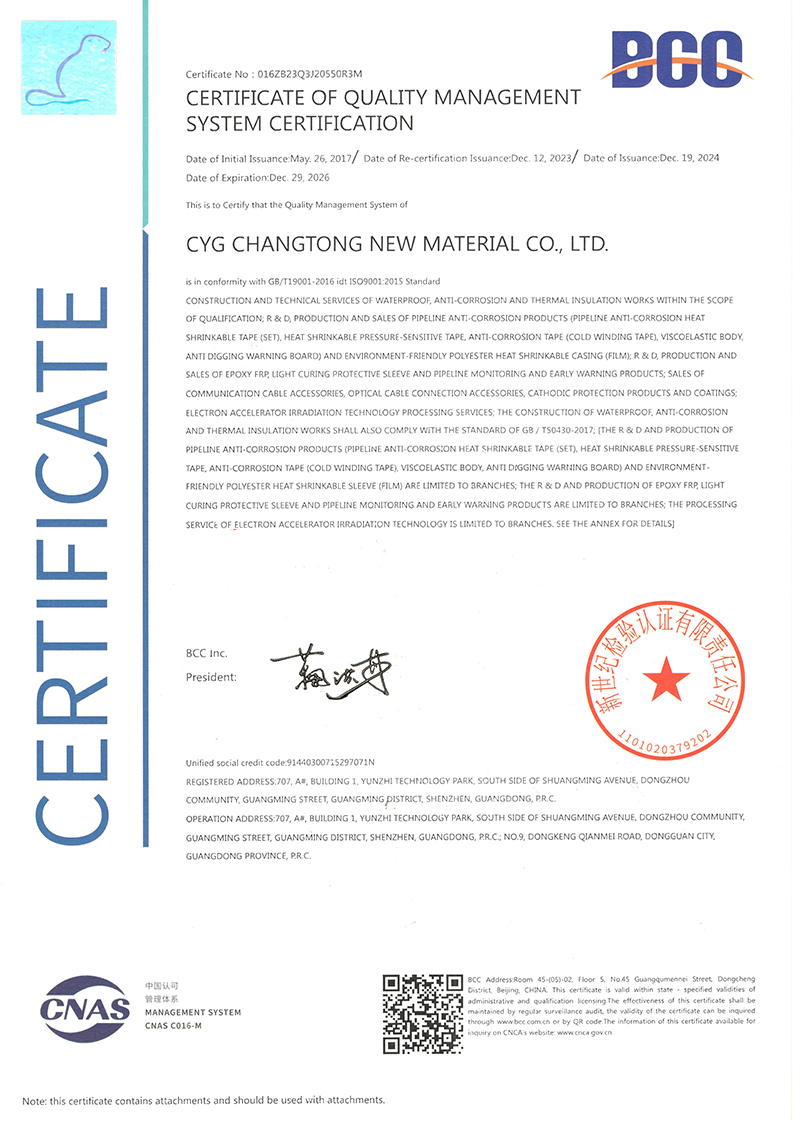
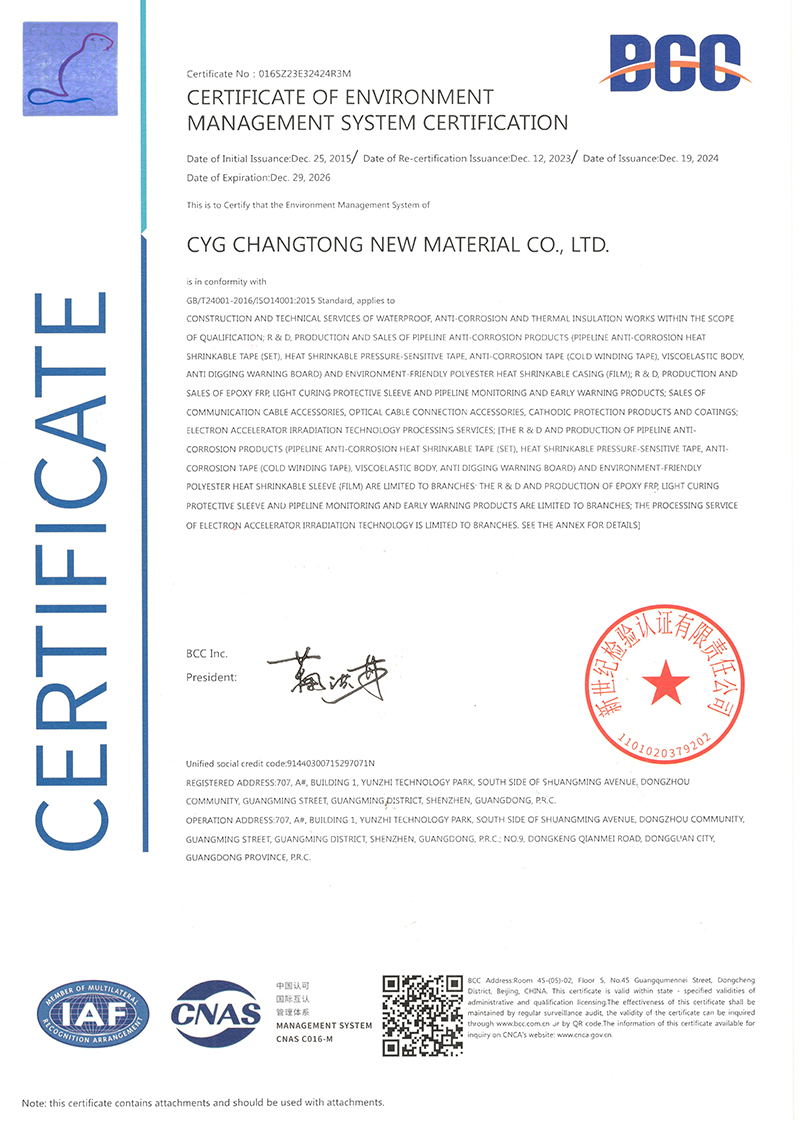
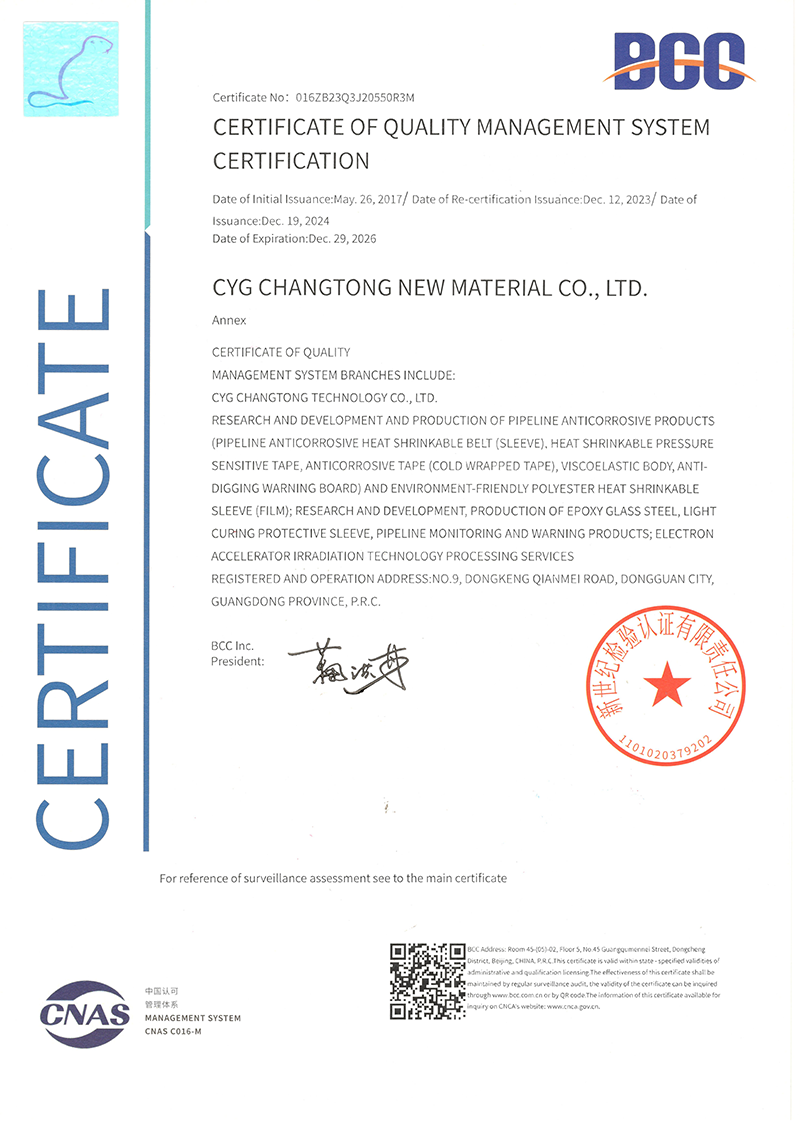
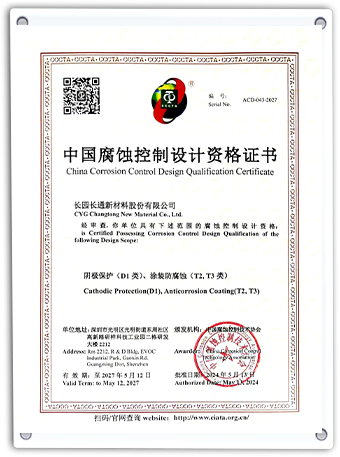
CYCT operates under strict international certifications, validating our production quality and material safety.
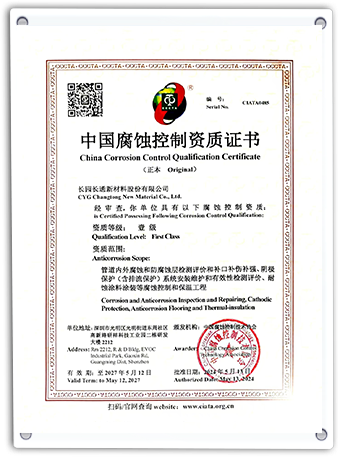
Key information regarding product specifications, application processes, and testing standards for pipeline engineers.
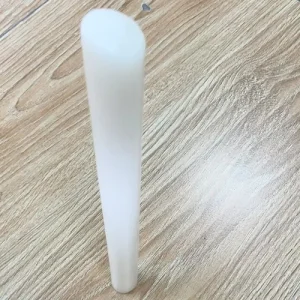
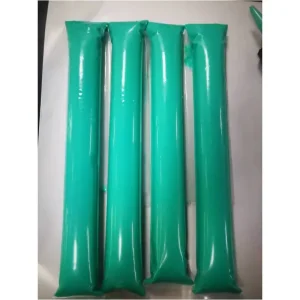
Explore our specialized range of anti-corrosive wraps, repair patches, and structural sleeves.
 CYCT
CYCT