Engineered to mitigate harsh subsoil and subsea environmental factors. Explore our first-tier configurations.
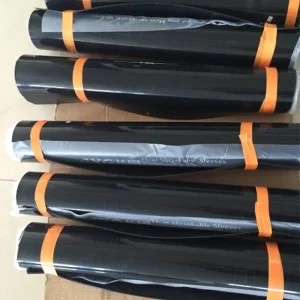
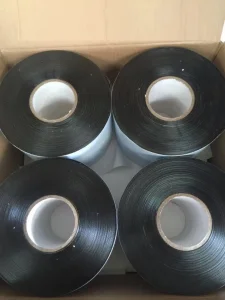
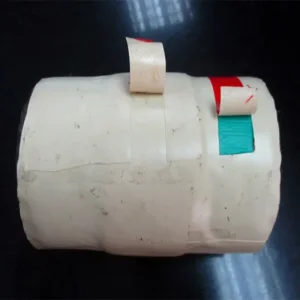
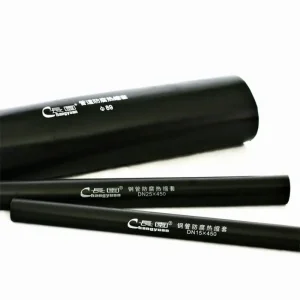
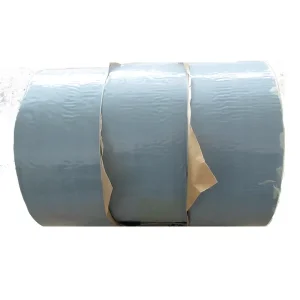
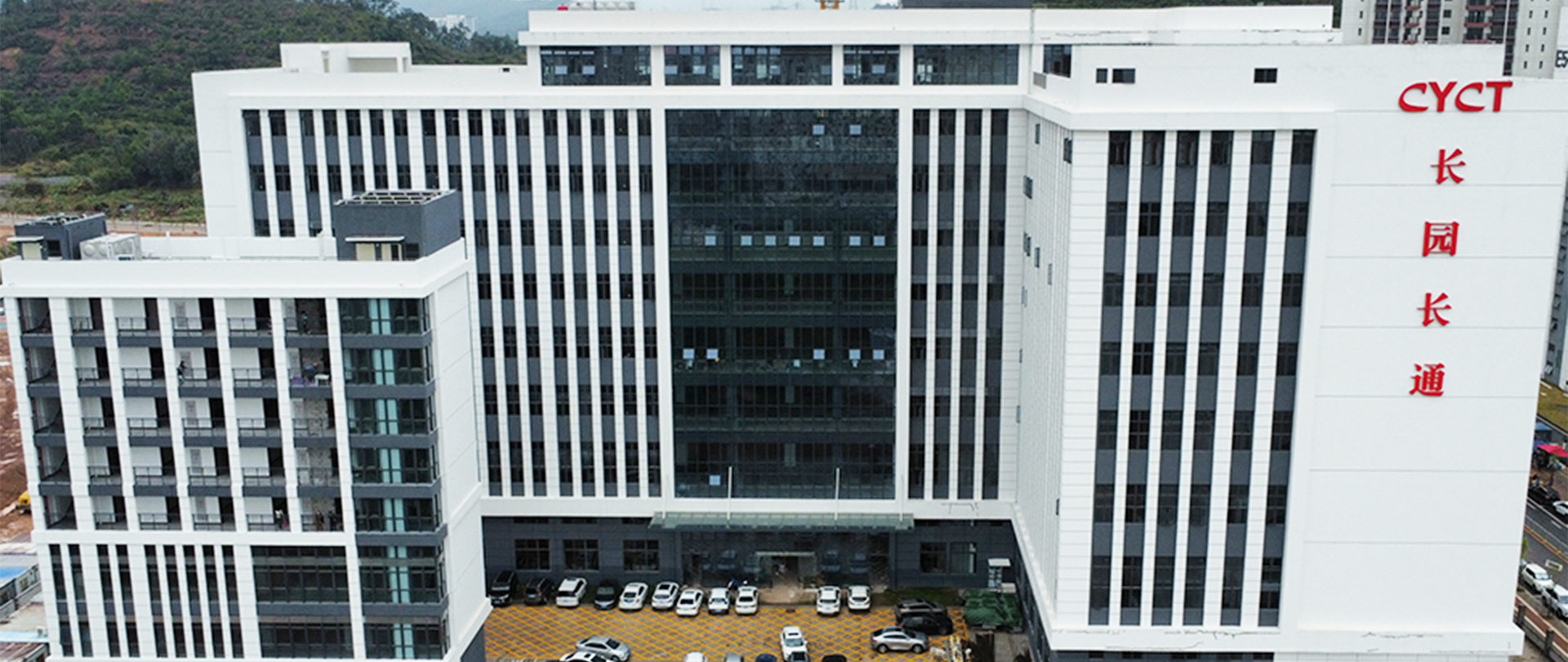
CYCT New Materials Company Limited (for short, CYCT) is a state-level high-tech enterprise integrating R&D, production and sales of pipeline corrosion protection materials as well as buried pipeline detection service and pipeline coating field application service.
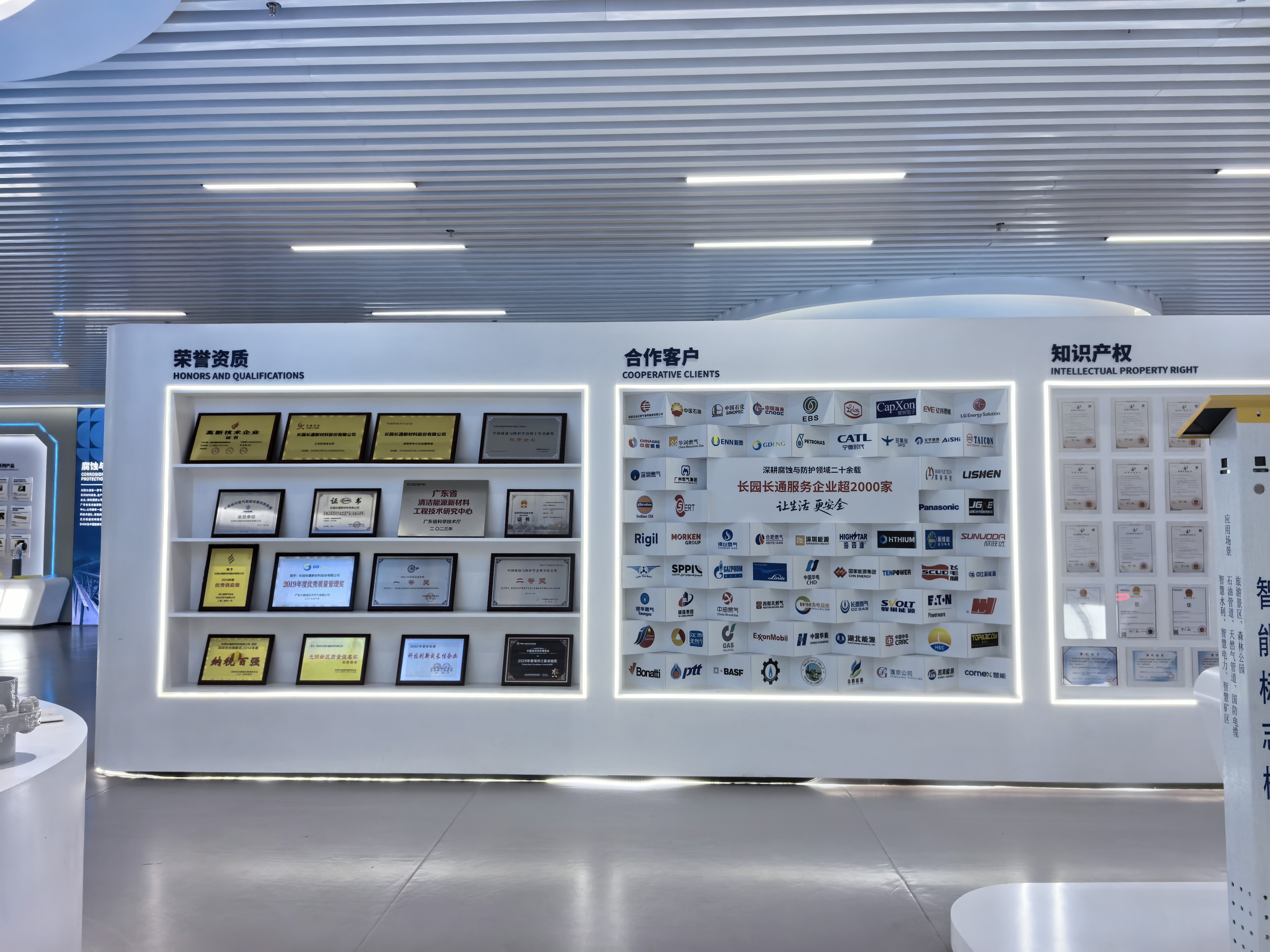
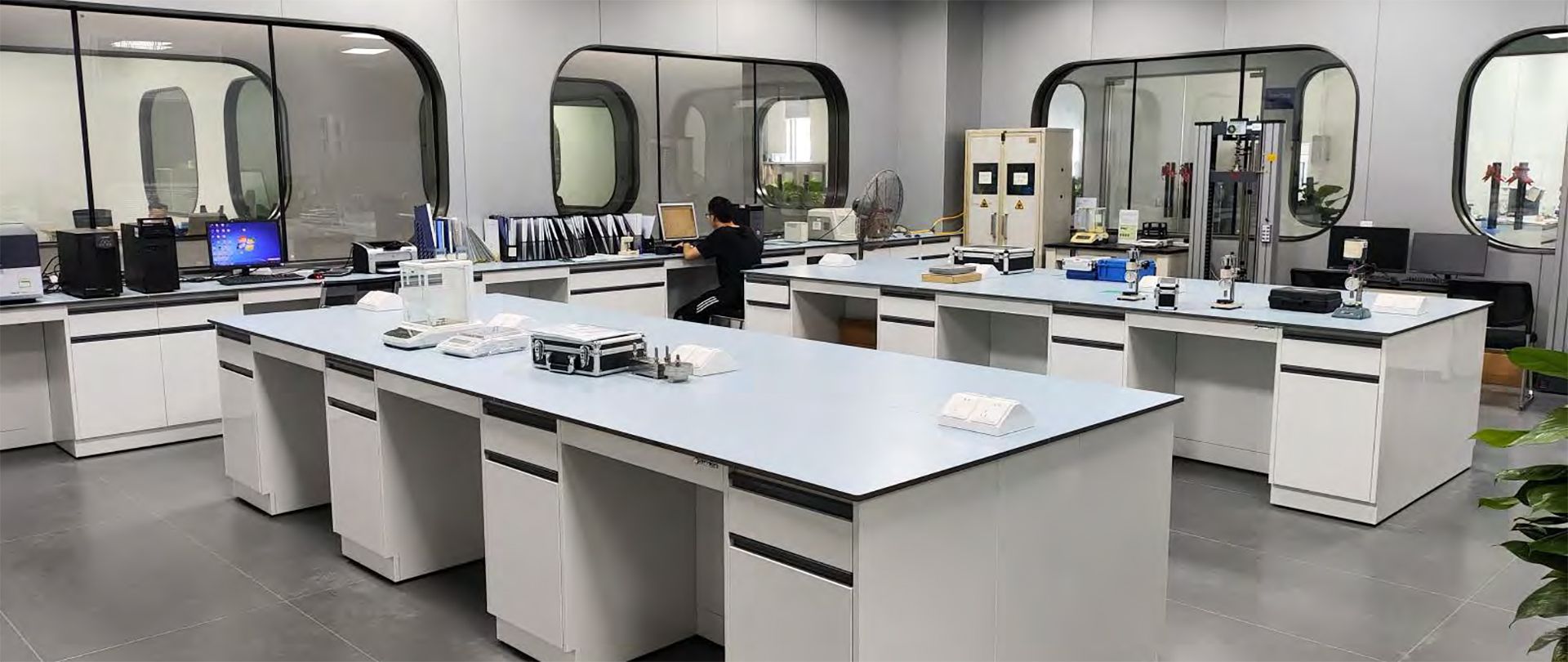
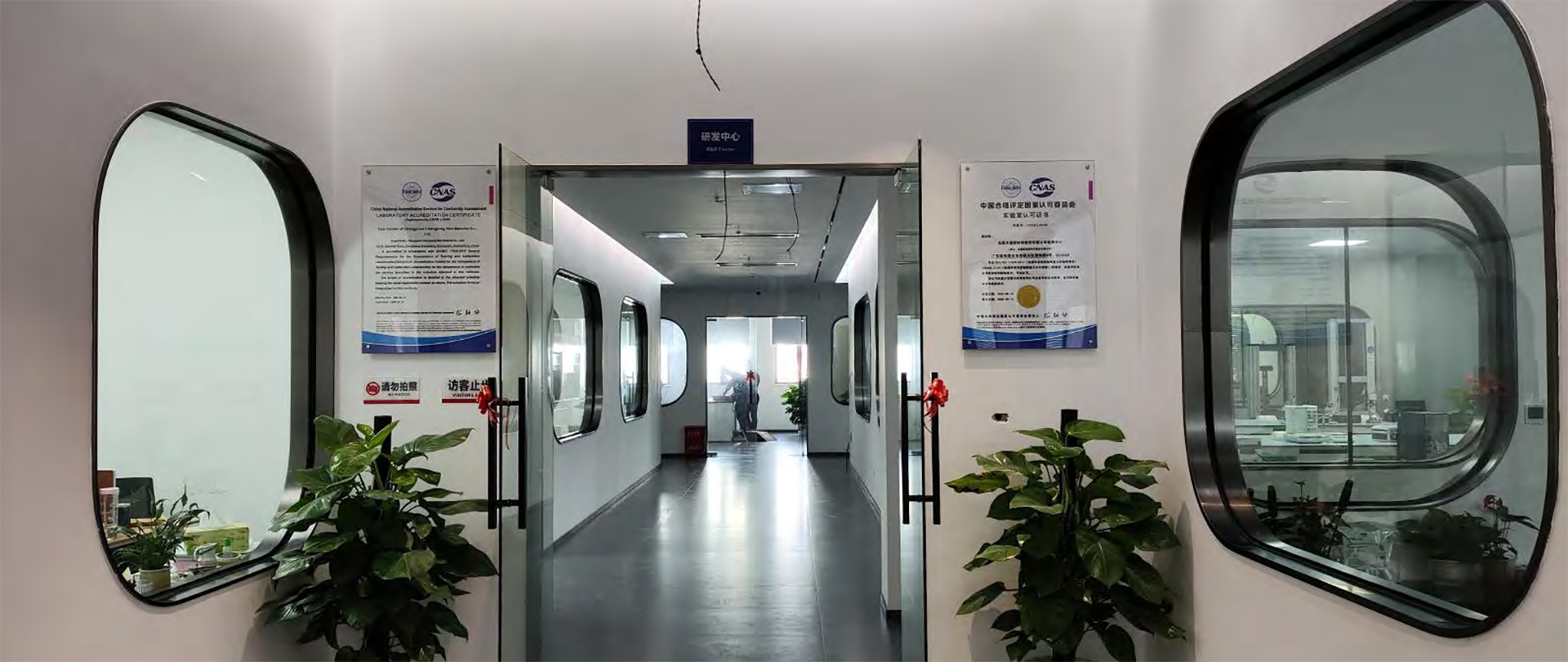
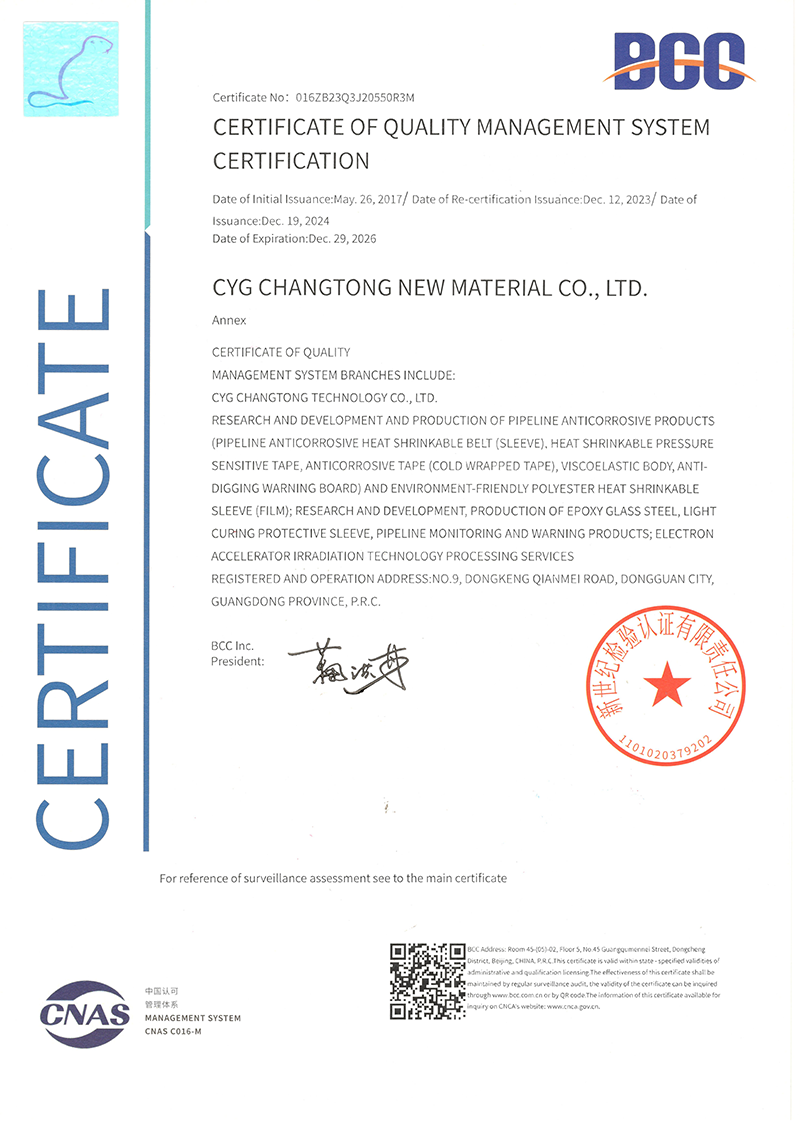
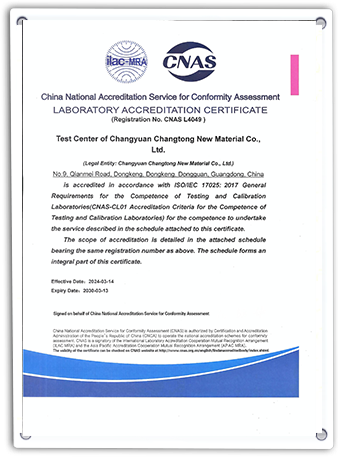
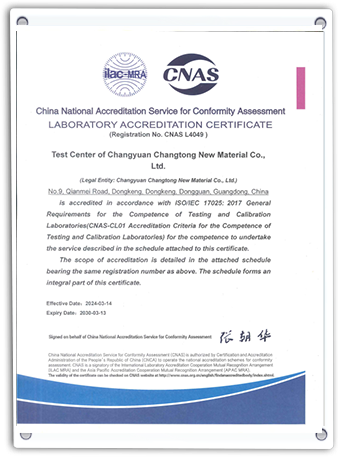
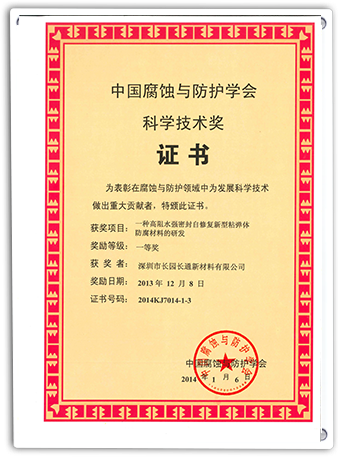
CYCT has dedicated decades to the refinement of pipeline anti-corrosion materials, evolving into a stable primary supplier of field joint coatings for PetroChina, Sinopec, PipeChina, and various municipal/local pipelines. By establishing a council membership in the Chinese Society for Corrosion and Protection (CSCP) and securing a national CNAS-accredited laboratory, CYCT delivers high market-share solutions across mainland China and global energy sectors including Indian Oil.
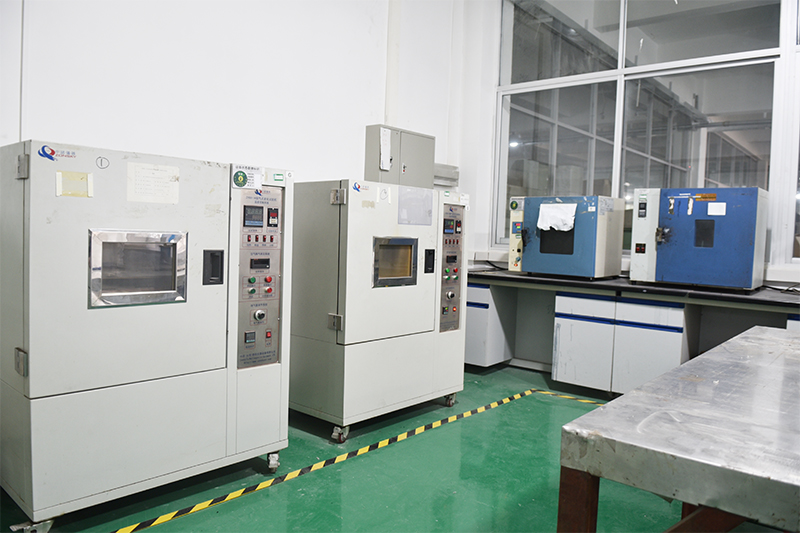
CYCT maintains a dedicated R&D hub in alliance with top-tier research institutes like the CNPC Pipeline Science Research Institute, validating our technical systems against complex environmental mechanics.
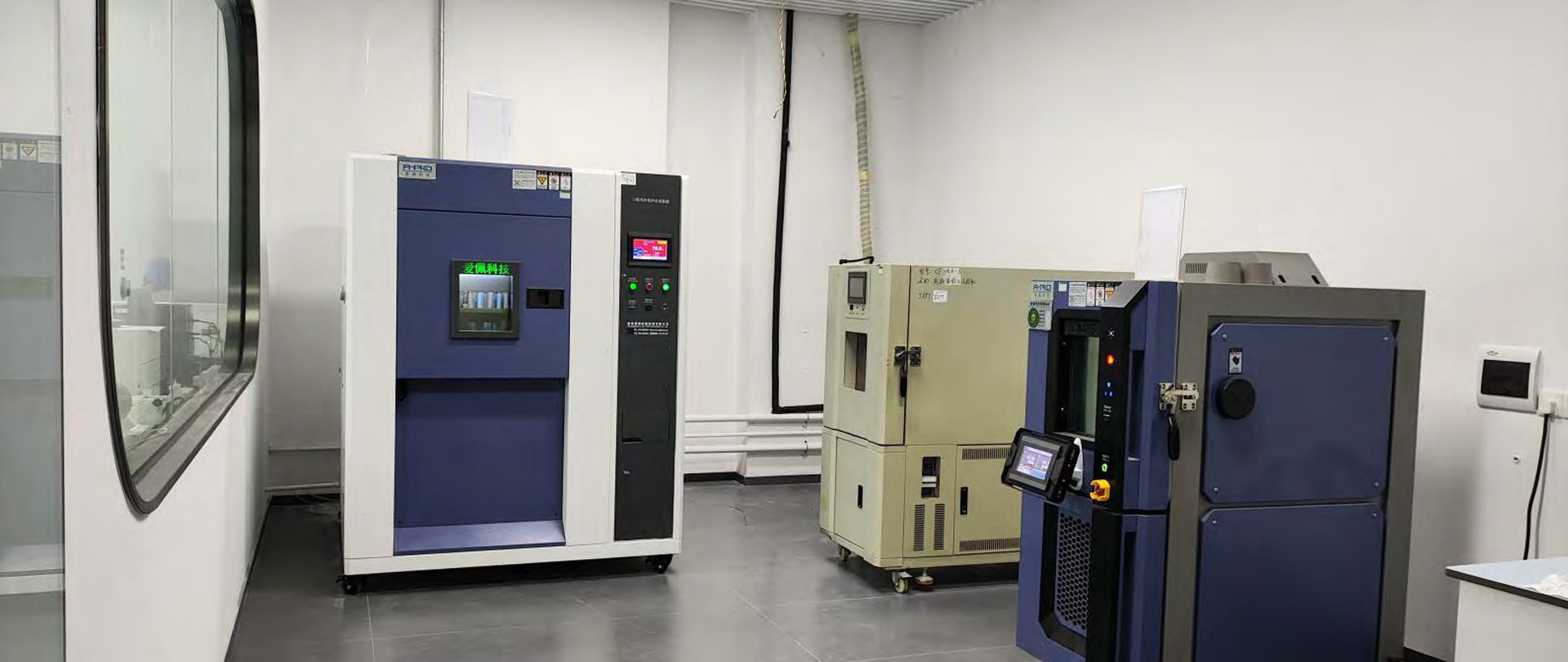
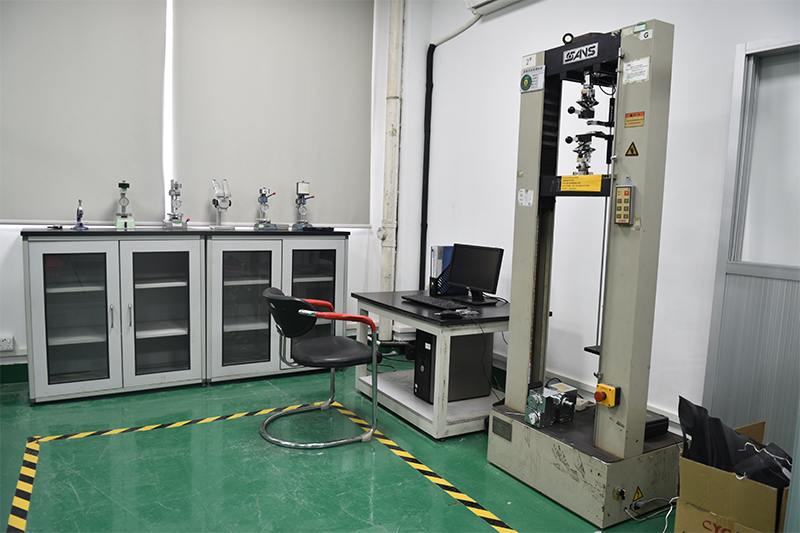
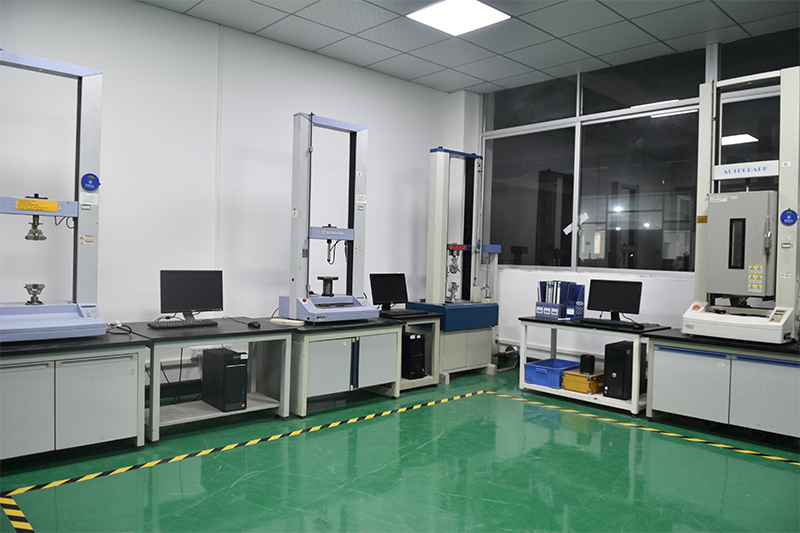
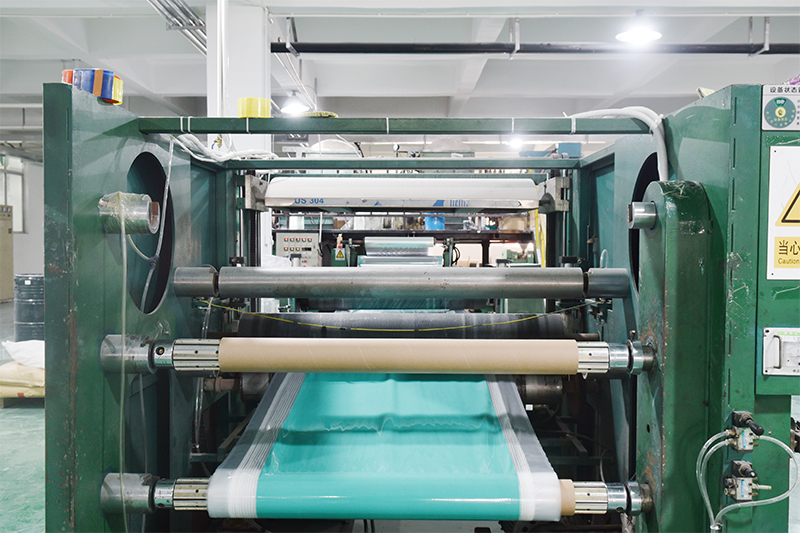
Our state-of-the-art testing systems support active monitoring and formulation design, from viscoelastic polymers to high-shrinkage cross-linked sleeves.
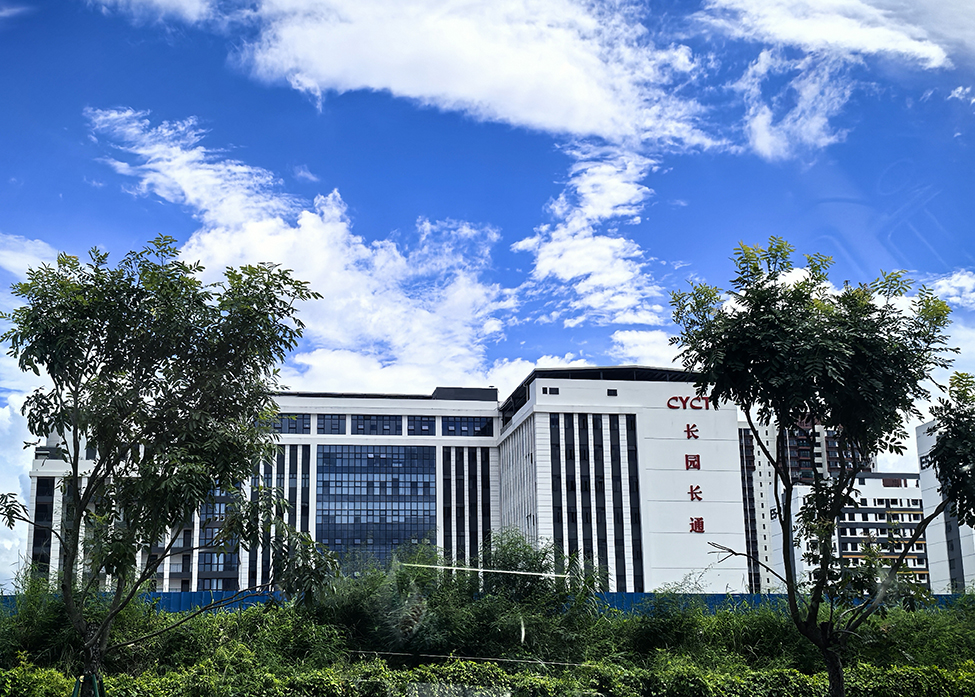
A comprehensive study on crosslinked polymers, viscoelastic systems, and supply-chain efficiency in pipelines.
Analyzing subsea, municipal, and oil/gas pipelines requiring high mechanical strength and thermal integrity.
Highlighting radiation cross-linking efficiency, scale-driven cost savings, and rapid prototype customization.
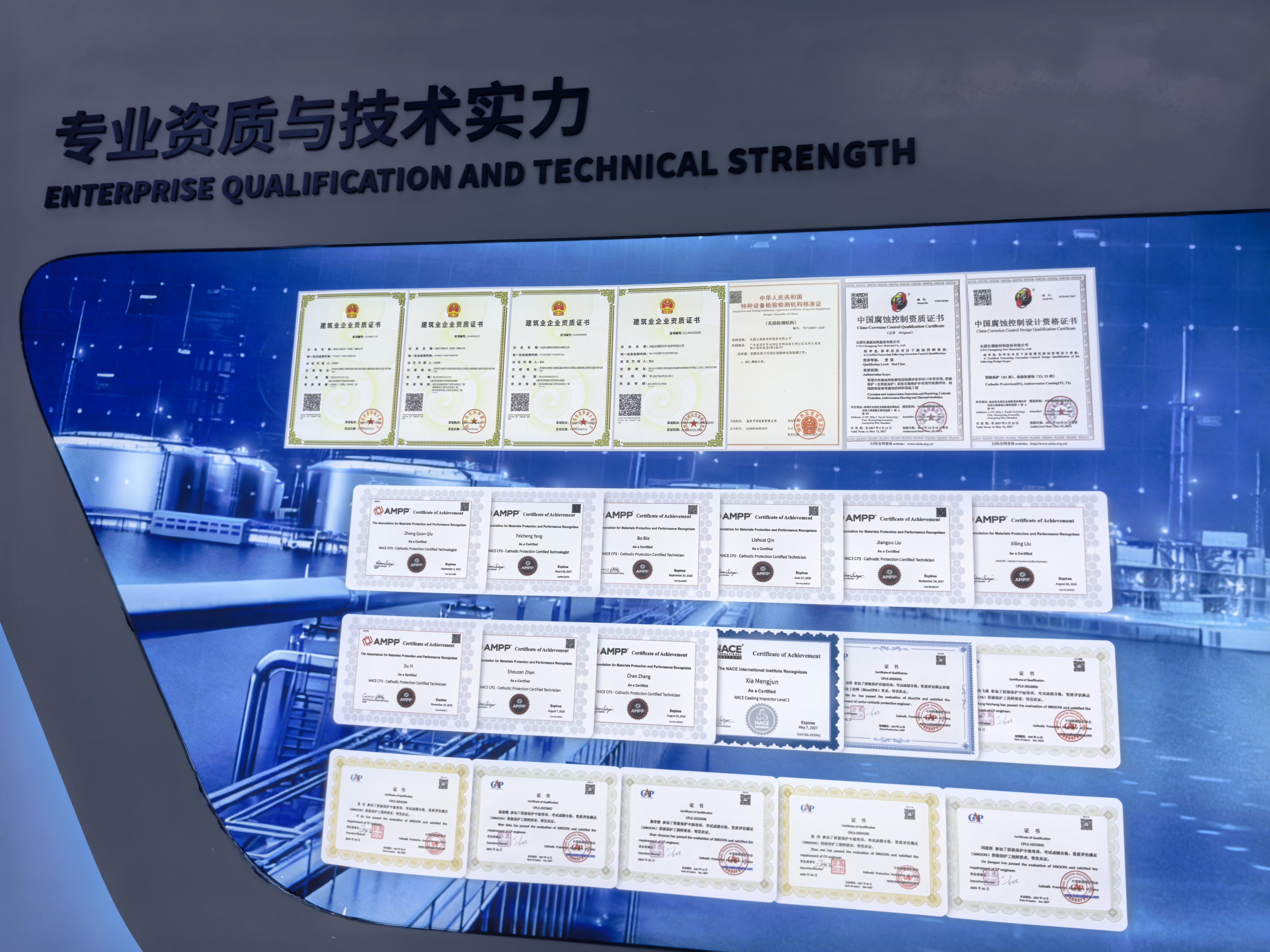
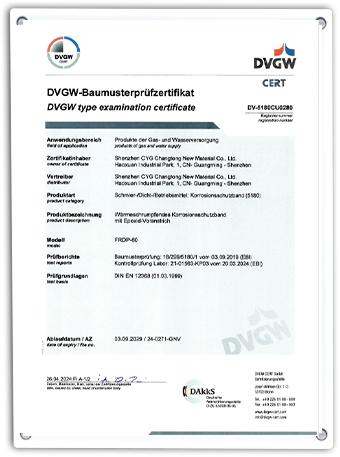
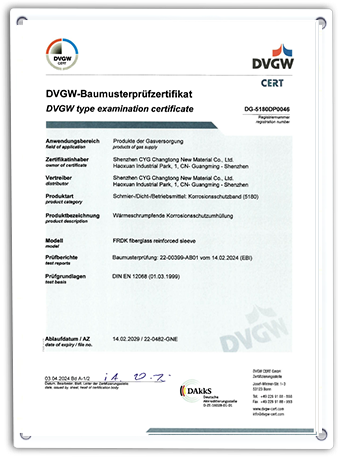
Verifiable data through CNAS, AMPP certifications, and decades of field joint coatings supply history.
The global pipeline infrastructure operates as the vascular system of the modern industrial world. Transporting hydrocarbons, chemicals, potable water, and gaseous mediums over thousands of miles requires materials that can withstand severe mechanical stresses, chemical degradation, and fluctuating temperatures. In this context, field joint coatings (FJC) are the critical link. While the factory-applied pipeline coating (typically 3-layer polyethylene, 3-layer polypropylene, or fusion-bonded epoxy) provides exceptional long-term stability, the girth weld areas completed during construction are inherently vulnerable. Sealing heat shrinkable sleeves, manufactured through advanced radiation crosslinked backing layers combined with high-shear hot-melt adhesives, are the industry-standard solution to secure these joints.
Currently, the global sealing heat shrink market is characterized by a push toward higher operating temperatures (exceeding 80°C up to 120°C for polypropylene structures) and superior resistance to cathodic disbondment. Offshore deep-water projects, high-temperature gas transmission pipelines, and Horizontal Directional Drilling (HDD) municipal works demand sealing materials that do not slip, degrade, or delaminate under shear forces. Organizations worldwide are shifting focus from simple anti-corrosion barriers to multi-functional protective systems that act simultaneously as mechanical buffers, water blockers, and chemical shields.
At the heart of heat shrinkable technology lies the chemistry of semi-crystalline polymers, primarily Polyethylene (PE) and Polypropylene (PP). During production, these polymers are extruded into sheets or tubes. In their natural state, they melt and flow easily when heated. However, when subjected to high-energy electron beam radiation, their molecular structure changes. The linear polymer chains form covalent bonds, forming a three-dimensional cross-linked network. This molecular modification introduces the "elastic memory effect."
When the cross-linked polyolefin is heated to its crystalline melting point, it does not melt into a liquid; instead, it behaves like a tough elastomer. It can then be mechanically stretched and cooled in the expanded shape. When re-heated at the construction site, the polymer "remembers" its original unexpanded state, contracting tightly around the pipeline joint. Combined with a co-extruded or pre-applied hot-melt adhesive that flows into surface micro-irregularities, the system forms a continuous, moisture-impermeable seal.
Sourcing from top-tier Chinese manufacturers, such as CYCT, offers critical advantages to international engineering contractors (EPCs). The Chinese supply chain for specialty polymers has matured, enabling vertical integration that encompasses raw material compound blending, high-capacity electron-beam radiation crosslinking, adhesive formulation, and structural testing within a single ecosystem.
This level of integration results in shorter production lead times, precise control over the cross-linking density (which dictates the shrinkage ratio and mechanical recovery force), and cost efficiencies that cannot be matched by fragmented manufacturing networks. Additionally, access to local raw materials and state-of-the-art testing systems allows manufacturers to adapt formulations quickly to meet project-specific requirements, such as low-preheat installation parameters or extreme sub-zero environment installations.
Field conditions dictate the coating system. A single formulation cannot satisfy all engineering demands. Modern projects utilize distinct technological subsets:
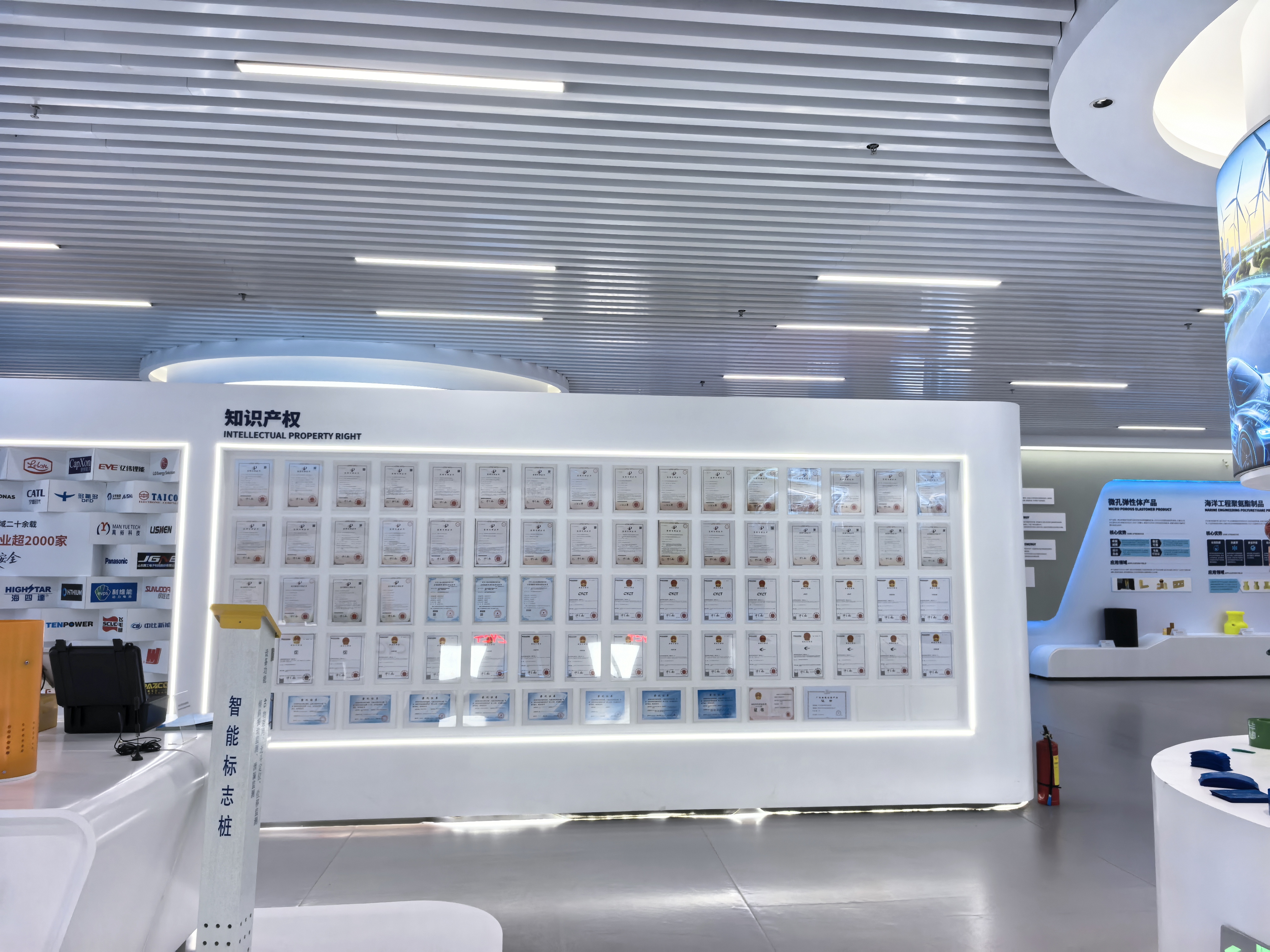
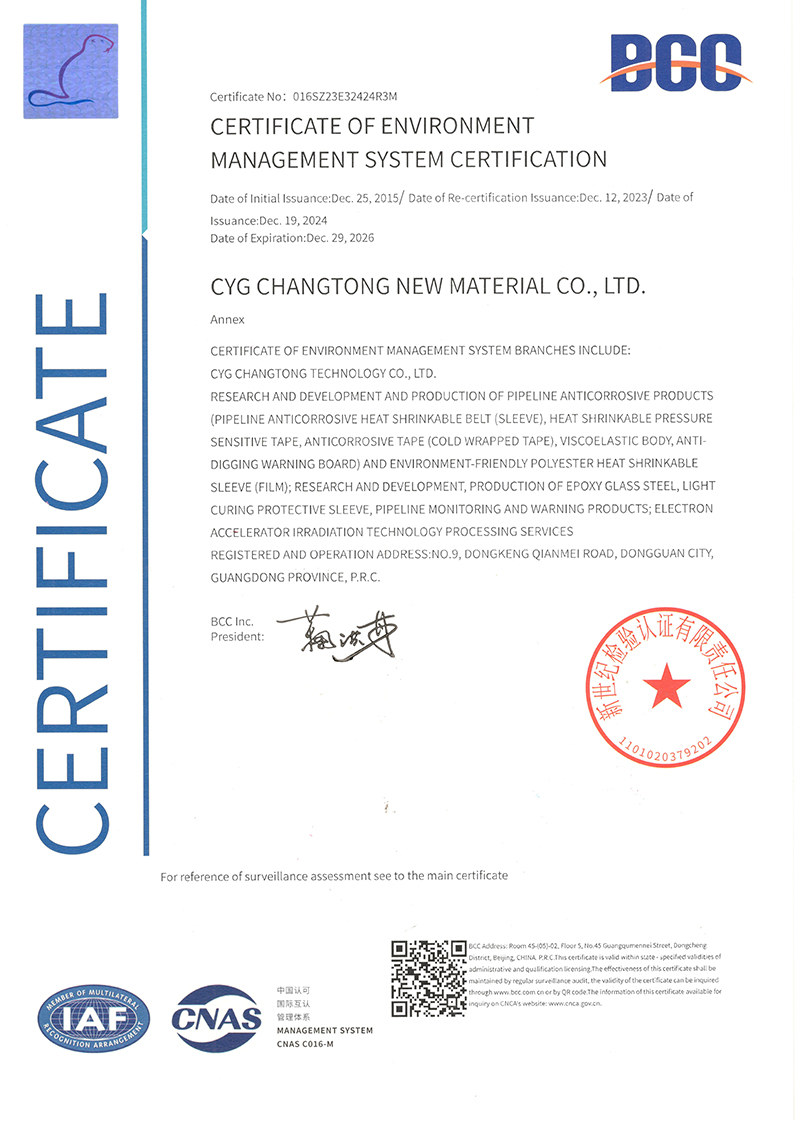
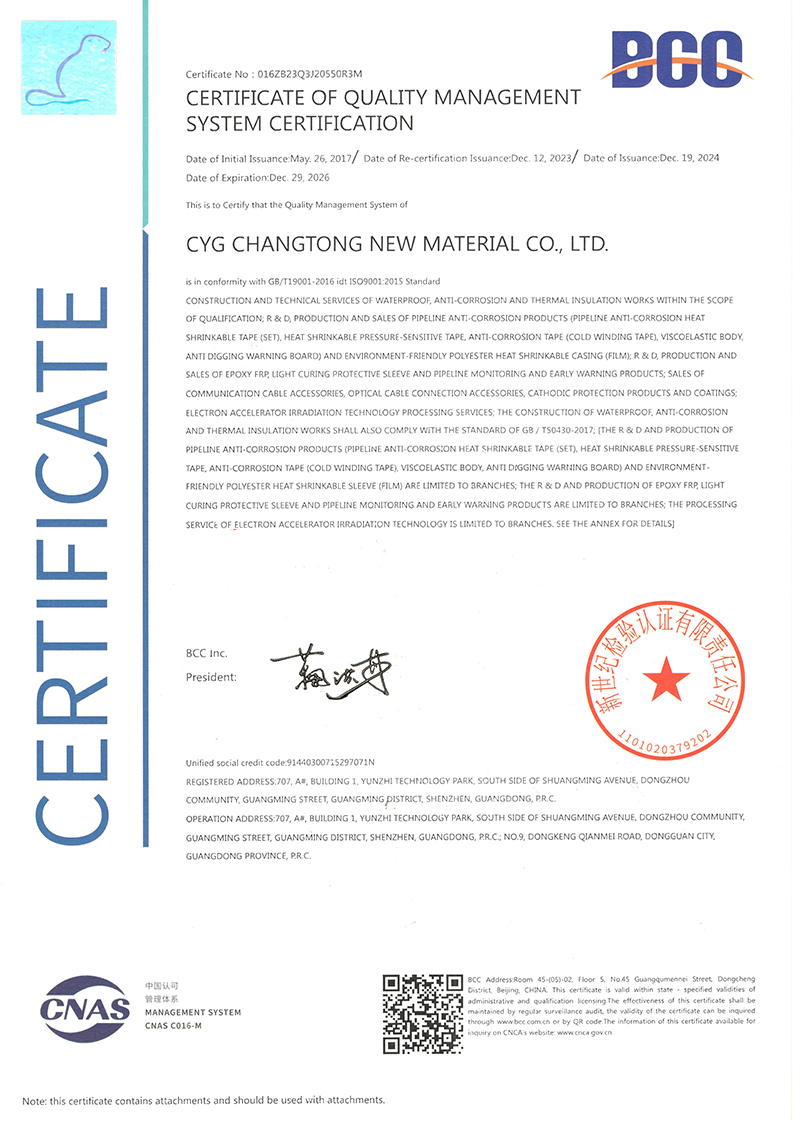
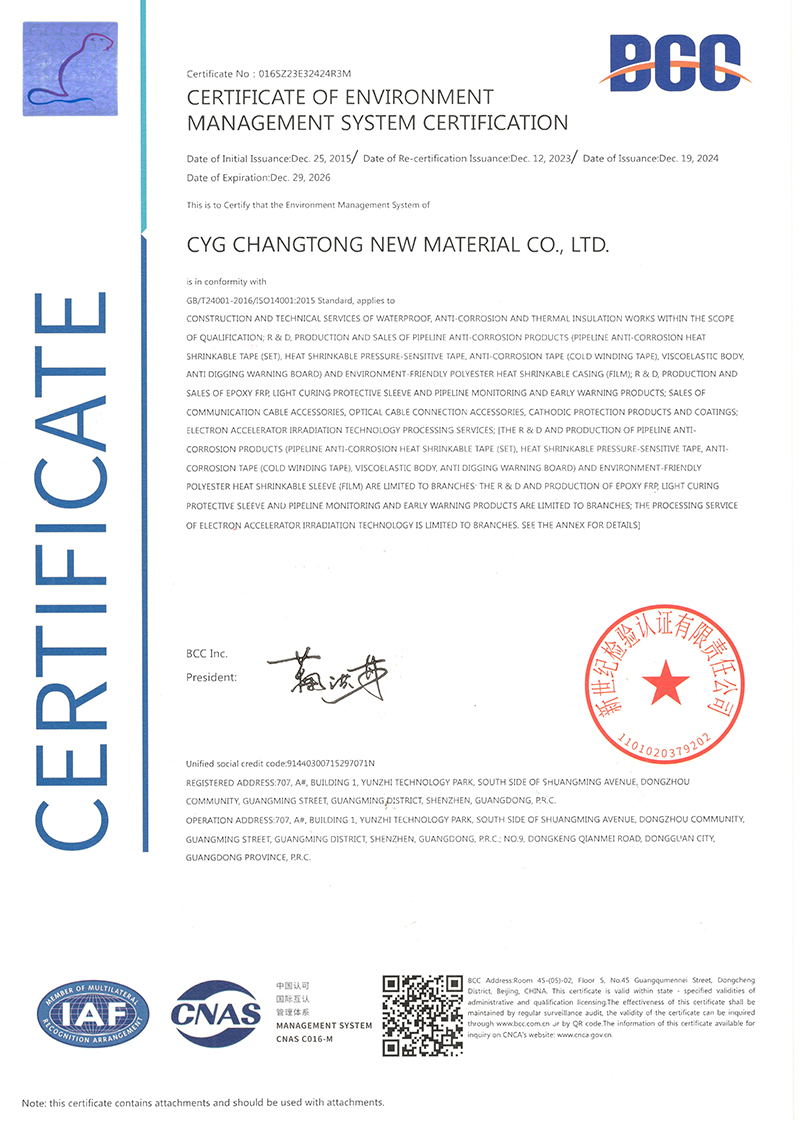
For two decades, CYCT has served as an authority in pipeline corrosion mitigation. By operating a national CNAS-accredited laboratory, CYCT ensures that all raw materials and finished products are tested in accordance with international standards, including ISO 21809-3, EN 12068, and ASTM. This rigorous approach is supported by more than 10 proprietary intellectual property patents covering high-temperature hot-melt adhesives, viscoelastic formulations, and radiation cross-linking procedures. As a council member of the Chinese Society for Corrosion and Protection (CSCP), CYCT works directly with state institutes (e.g., CNPC Pipeline Science Research Institute) to establish standards and test next-generation coatings.
When auditing a sealing heat shrink manufacturer, procurement teams must verify key performance metrics to ensure long-term integrity:
| Testing Metric | Testing Standard | Critical Threshold | Engineering Significance |
|---|---|---|---|
| Peel Strength | ISO 21809-3 | > 100 N/cm (at 23°C) | Resists shear forces caused by soil settlement. |
| Cathodic Disbondment | ASTM G8 / ISO 21809-3 | < 15 mm radius (at max temp) | Ensures cathodic protection currents do not detach the coating. |
| Tensile Strength | ASTM D638 | > 17 MPa | Ensures the backing layer does not split during shrink-recovery. |
| Impact Resistance | EN 12068 | > 15 J (Class C) | Resists impacts from backfill stones during installation. |
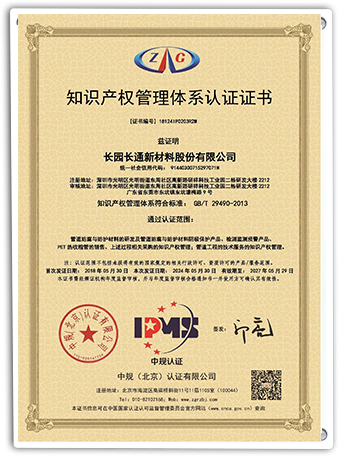
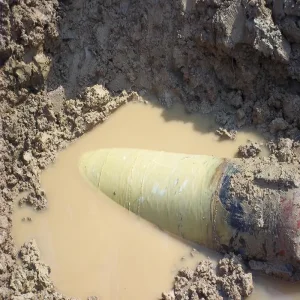
A glimpse into our production infrastructure, certifications, and active project locations.
In cooperation with top-tier institutes, CYCT provides pipeline detection, cathodic protection, rehabilitation design, and comprehensive integrated solutions.
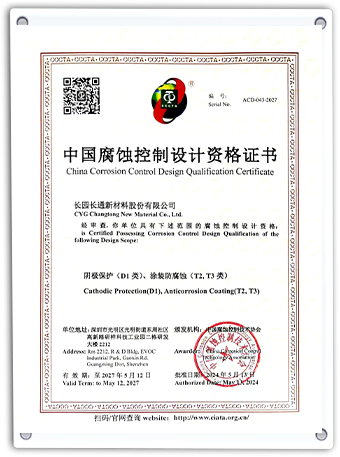
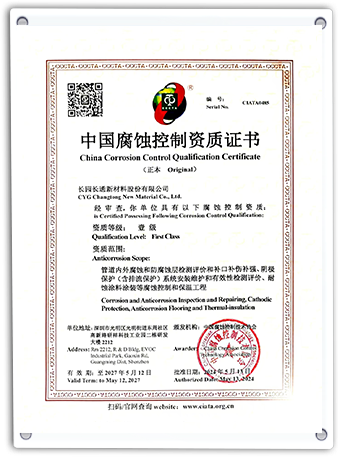
Innovative small and medium-sized enterprise, High-tech enterprise, Outstanding Enterprise Award, Clean Energy Research Center partner, AMPP member.
Detailed insights from our chief engineers to help you choose the correct system configuration for your application.
Explore our targeted repair patches, viscoelastic compounds, and mastic sealing tapes.
 CYCT
CYCT