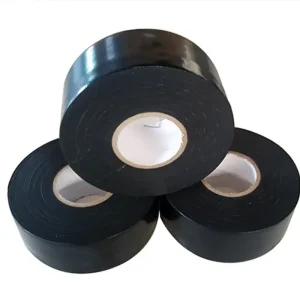
Pipeline transportation infrastructures represent the circulatory systems of modern industrial societies, transferring millions of barrels of crude oil, gas hydrocarbons, chemicals, and potable water daily. The long-term physical integrity of these metallic conduits is continuously threatened by environmental stressors, electrochemical reactions, and localized soil stresses. Historically, simple bitumen-based coatings were standard practice; however, molecular degradation and cathodic disbondment quickly restricted their lifecycle.
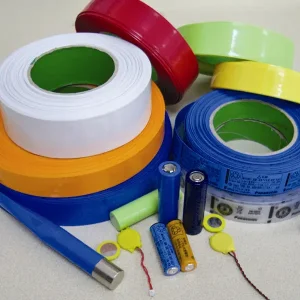
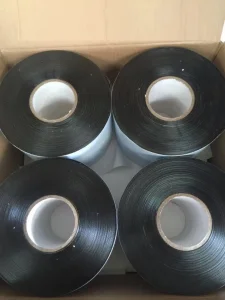
Today, the global sealing tape industry utilizes advanced macromolecular polymers. Materials such as Viscoelastic Tapes, Polyethylene (PE) Cold-Applied Tapes, Polypropylene (PP) Outer Shields, and Heat Shrinkable Field Joint Sleeves (FJS) are engineered to create impermeable oxygen and moisture barriers. This prevents the electrochemical cell propagation that drives corrosion.
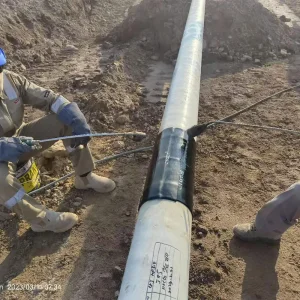
While line pipes are coated under controlled mill conditions (typically with 3-Layer Polyethylene or 3-Layer Polypropylene coatings), the field joints—welded on-site during installation—remain vulnerable.
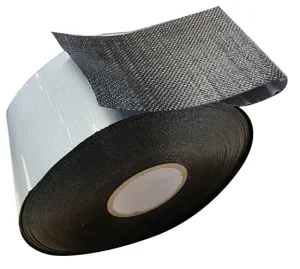
This vulnerability requires the use of site-applied field joint systems. A high-performance mastic tape, PP heat-shrink sleeve, or viscoelastic wrap system ensures structural continuity across the entire pipeline structure. Modern systems must withstand high operating temperatures, handle directional drilling stresses, and resist cathodic disbondment to prevent premature pipeline failures.
Procurement engineers in the energy, offshore petroleum, and municipal piping sectors operate under strict safety margins. When sourcing corrosion protection tapes from China, buyers analyze complex parameter sheets. Material choice depends heavily on matching thermal ratings, soil shear properties, and chemical exposures.
| System Type | Primary Material Base | Max Temp Range | Standards Compliance | Ideal Application Environment |
|---|---|---|---|---|
| Viscoelastic Self-Healing Tape | Amorphous Apolar Polyisobutene | Up to 80°C | ISO 21809-3, DIN 30672 | Irregular valves, flange sealing, urban gas pipelines |
| PP Heat Shrink Sleeves | Radiation cross-linked PP + Hot Melt Adhesives | Up to 110°C / 120°C | EN 12068 Class C, ISO 21809-3 | High-temperature gas transmission, 3LPP line matching |
| Cold Applied PE Polymeric Tapes | Polyethylene backing + Butyl rubber adhesive | Up to 85°C | ASTM D1000, ASTM G8, AWWA C214 | Cross-country water and oil trunk lines, cold-applied FJC |
| 2LPE Mastic Tape System | Butyl rubber based mastic compound + PE backing | Up to 60°C | DIN 30672 Class B, EN 12068 | Medium-to-low temperature pipeline joints, field rehabilitation |
Meeting regulatory frameworks such as AMPP (Association for Materials Protection and Performance), ISO 21809-3, and DIN 30672 is critical. These standards guarantee the protection systems can survive decades of underground stress, moisture ingress, and stray electrical currents without losing adhesion or experiencing structural breakdown.
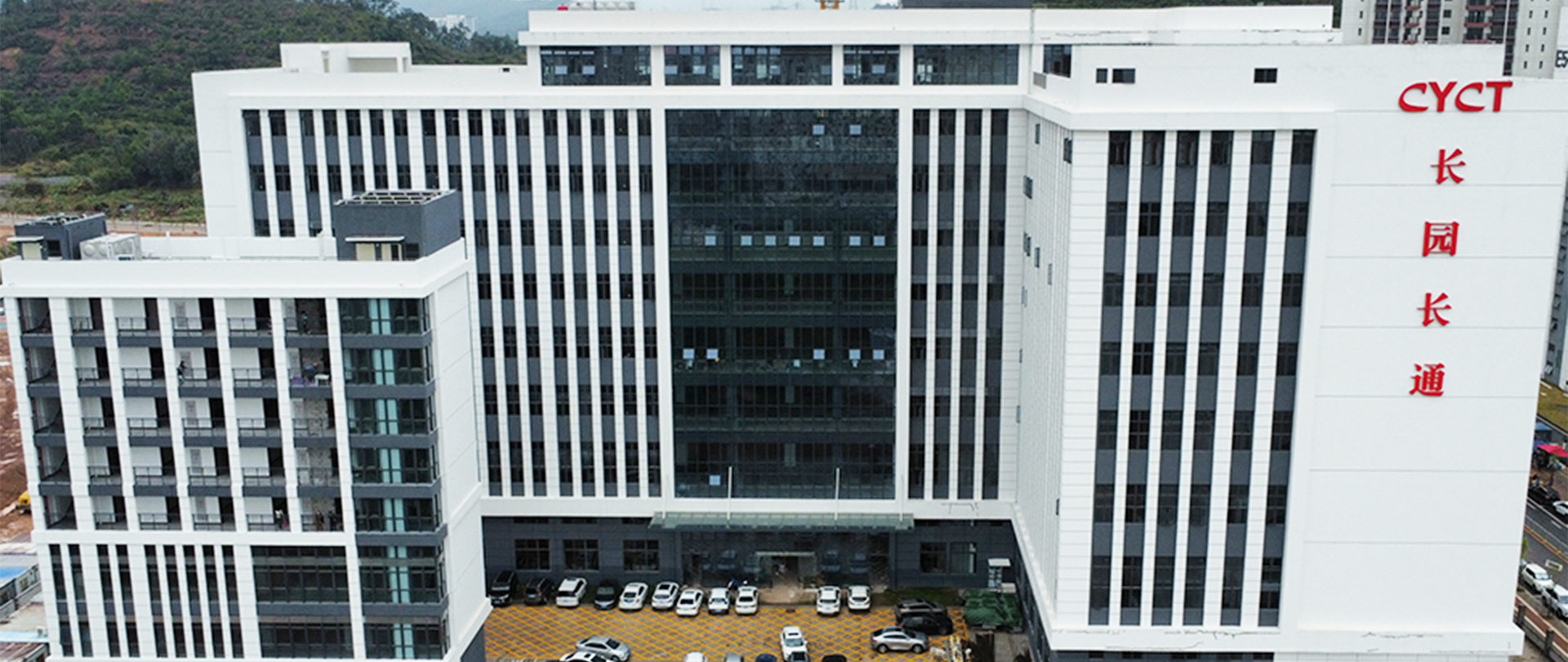
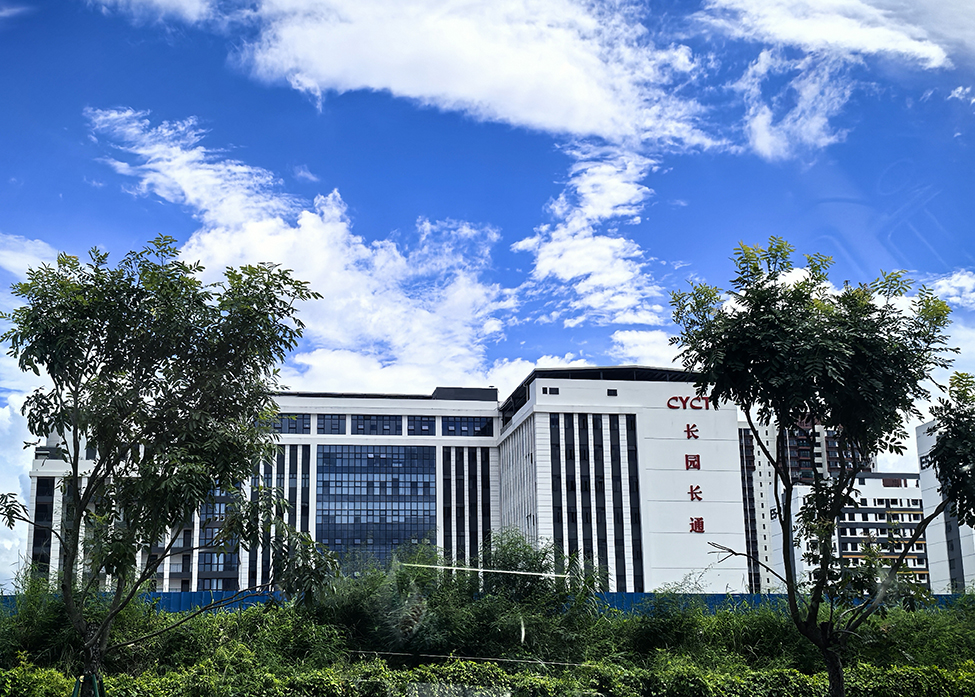
Established at the turn of the millennium, CYCT New Materials Company Limited (CYCT) has grown into a state-level high-tech enterprise. The company integrates the R&D, production, and sales of pipeline corrosion protection materials, as well as buried pipeline detection and coating field application services, into a unified technical solution.
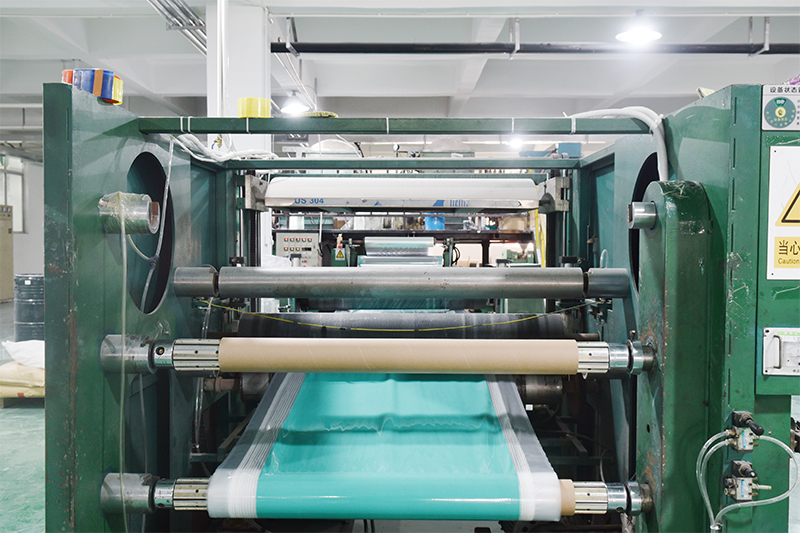
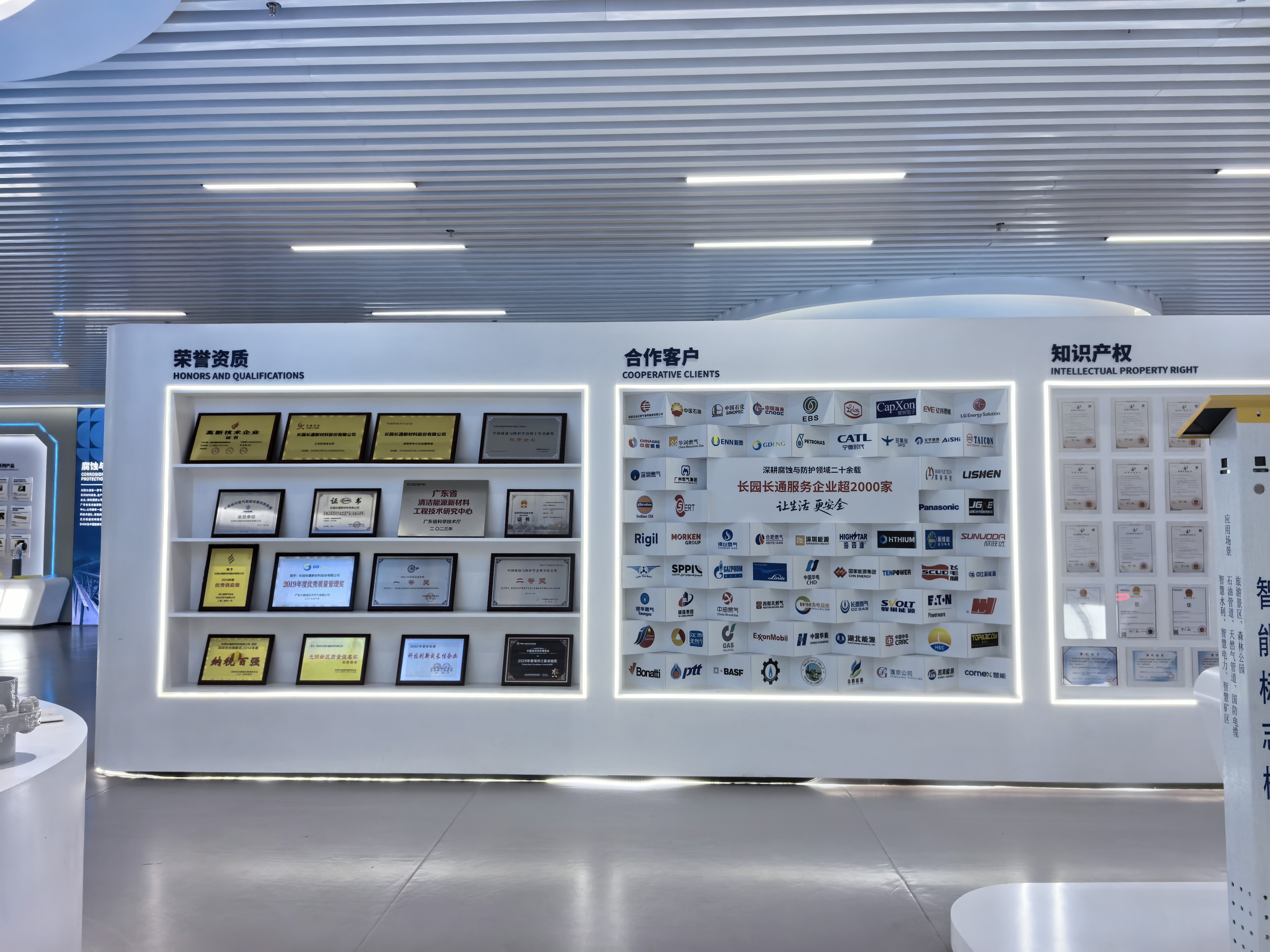
For decades, CYCT has developed high-performance coatings, securing its position as a primary supplier to major entities like PetroChina, Sinopec, PipeChina, China Gas Group, and Indian Oil. The company's operations utilize smart manufacturing platforms that track batch uniformity, ensuring each roll of tape or heat shrinkable sleeve meets project specifications.
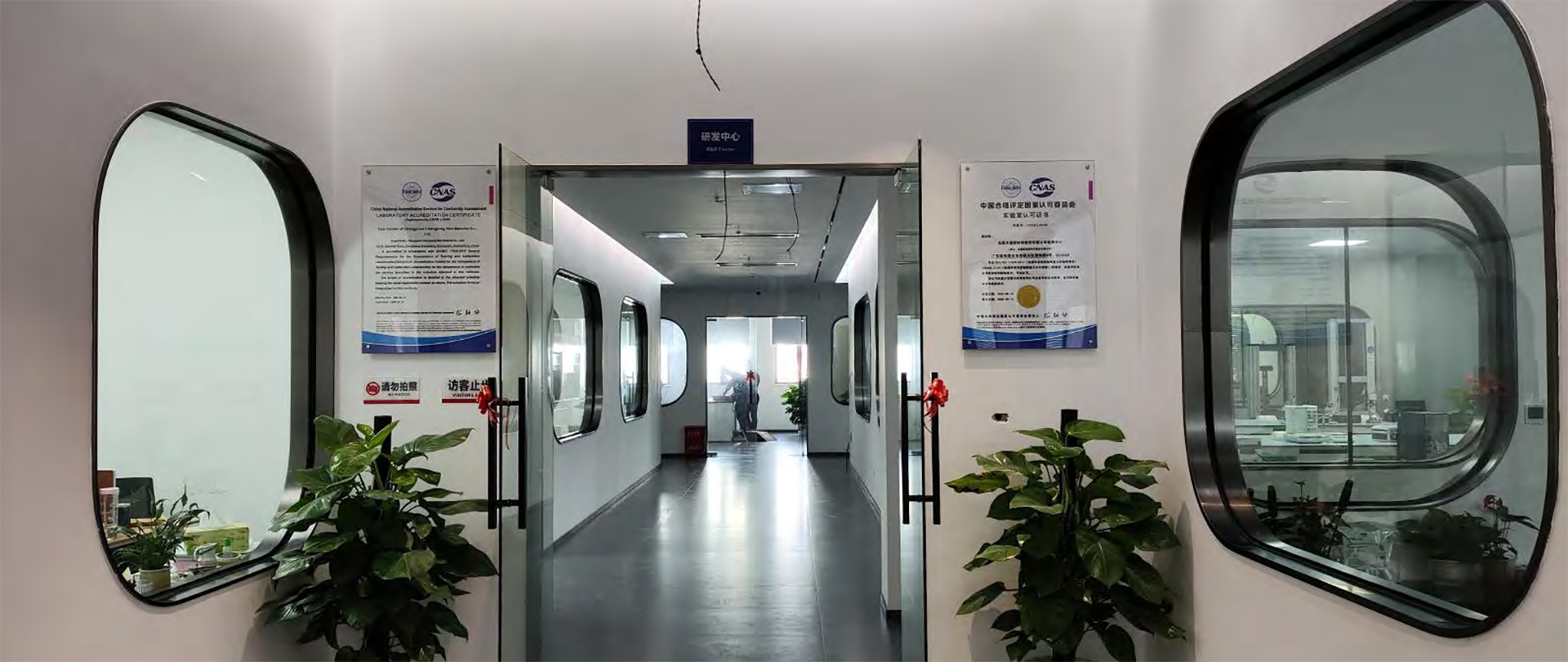
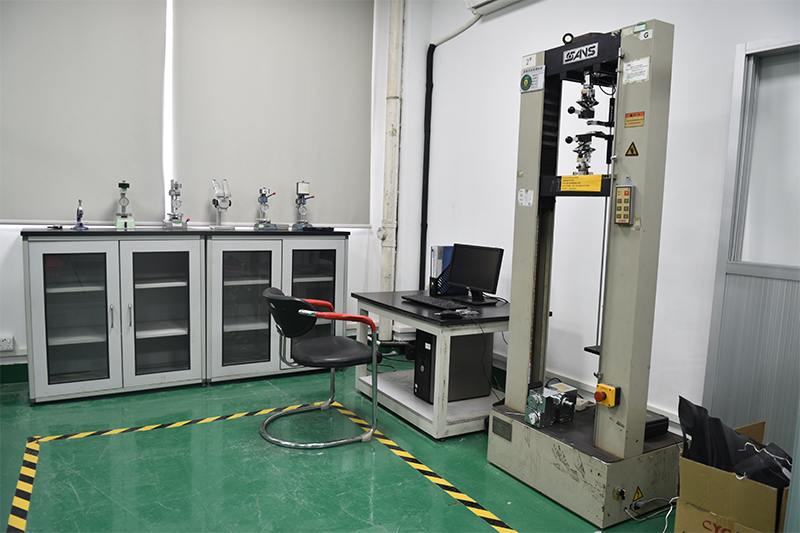
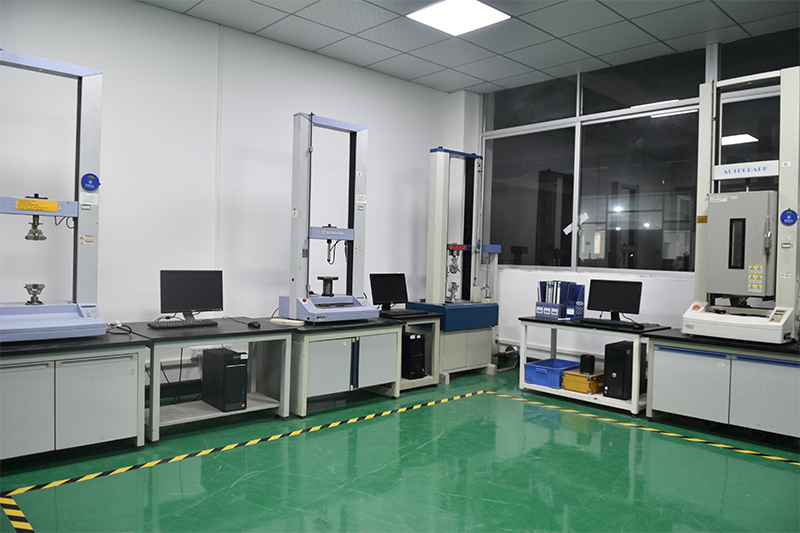
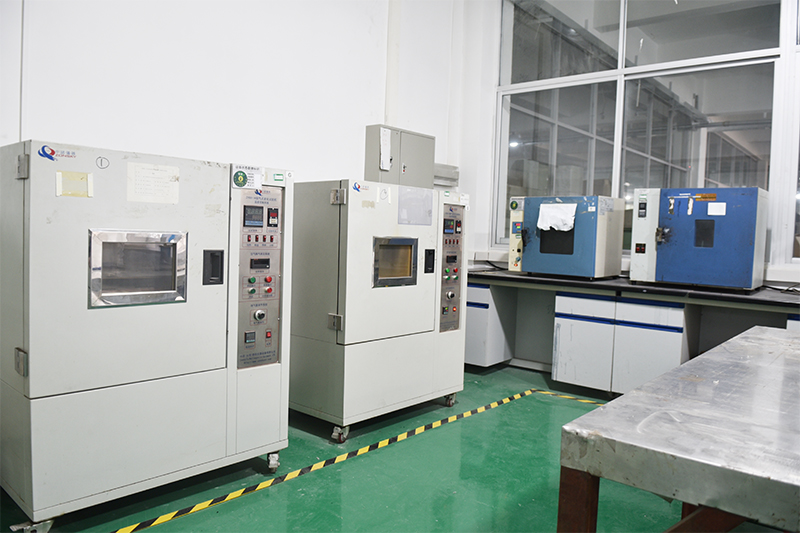
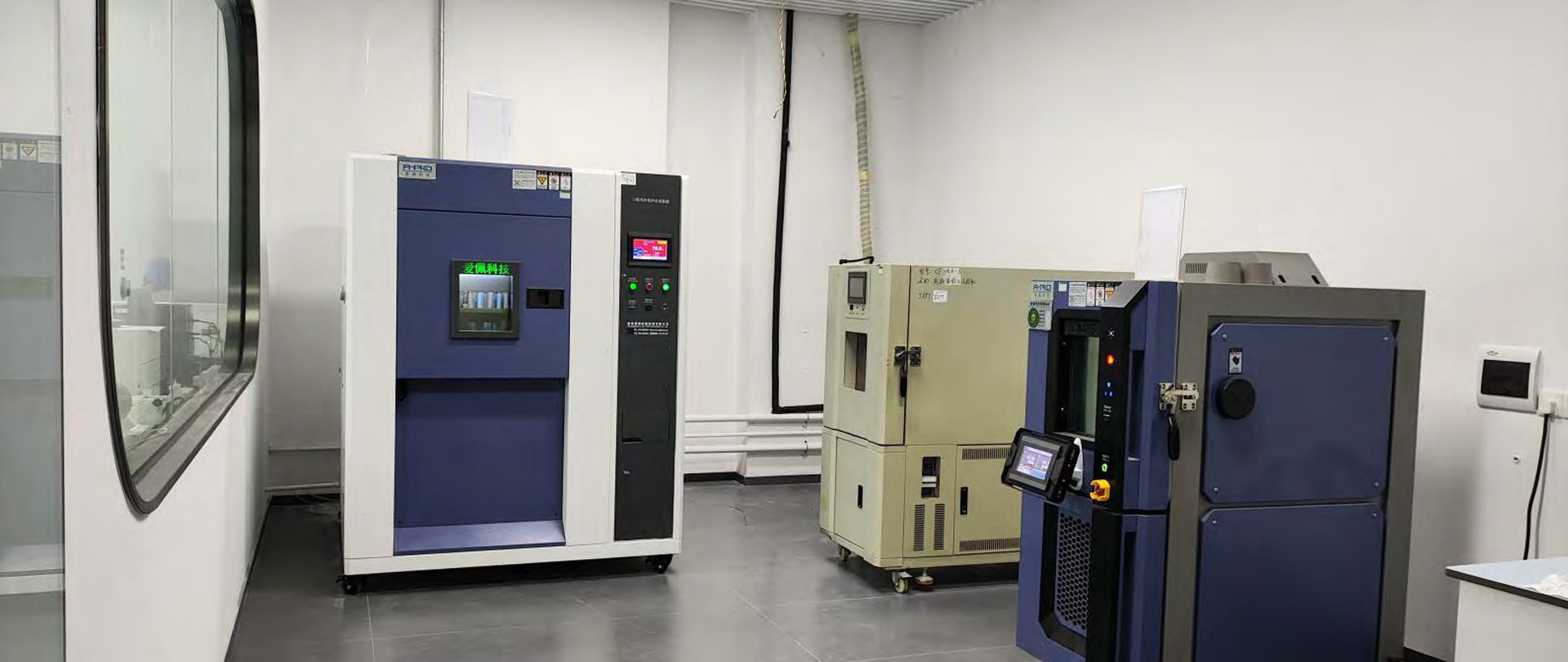
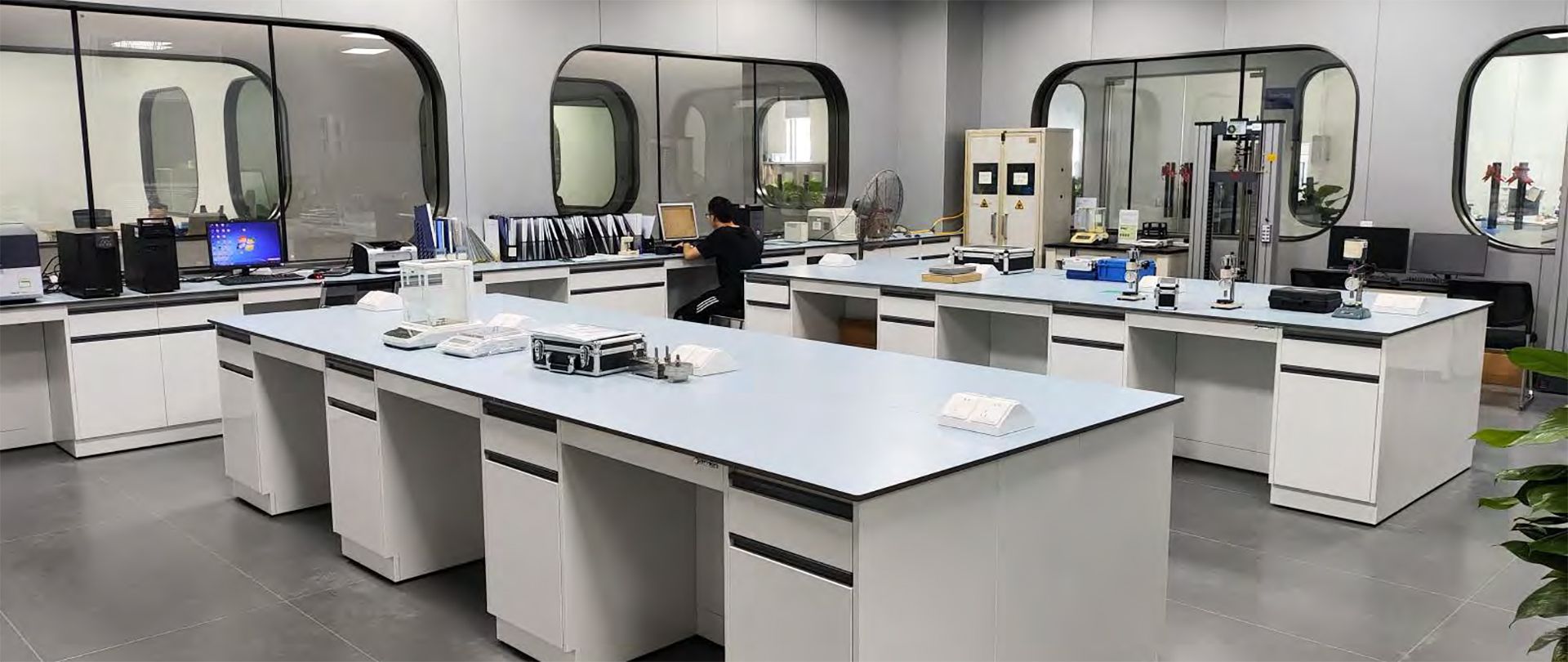
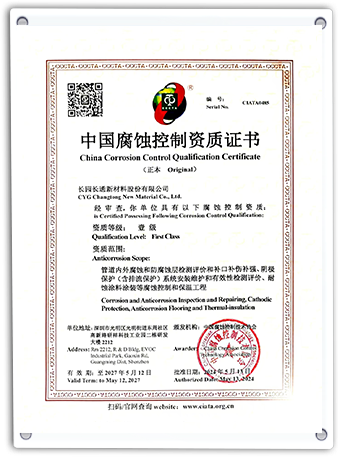
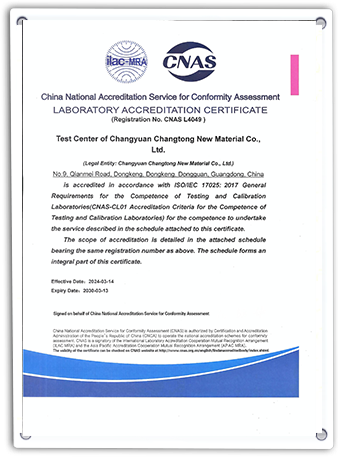
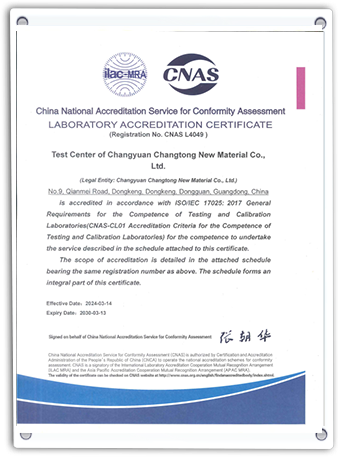
CYCT maintains a national CNAS-accredited laboratory and has established close research partnerships with institutions like the CNPC Pipeline Science Research Institute. This connection helps translate material innovations from research projects directly to field-ready applications.
When laying utility networks beneath waterways, railways, or urban infrastructure, horizontal directional drilling (HDD) is commonly used. During pull-back operations, the pipeline coating faces extreme friction, soil abrasion, and shear forces.
Standard cold-wrapped tapes can tear under these conditions. CYCT addresses this with specialized **photo-curing fiberglass reinforced outer sleeves (GRF moisture curing shield)**. These form a hard structural layer over the corrosion-prevention wrap, preventing mechanical damage during pipeline installation.
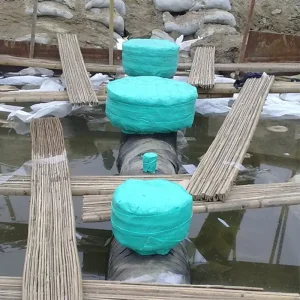
Marine environments expose steel to high salinity, tidal changes, waves, and oxygenation. Protecting risers, subsea pipeline field joints, and offshore structural jackets requires durable sealing materials.
Moisture-curing polymer shields and heavy-duty viscoelastic wrapping tapes provide effective protection under these marine conditions. By maintaining flexibility and resisting cathodic disbondment, they prevent seawater from reaching the metal substrate, extending the service life of offshore oil and gas assets.
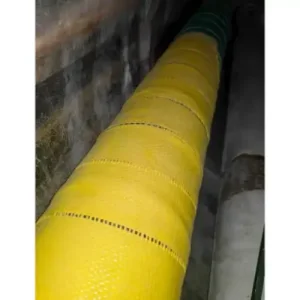
Unlike straight line pipes, valves, flanges, T-joints, and elbows feature complex geometries. Rigid heat-shrinkable sleeves or pre-formed pipe wraps cannot conform to these shapes, which can lead to air pockets and moisture traps.
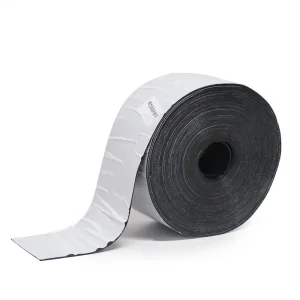
**Viscoelastic pastes (VE Putty)** and highly conforming viscoelastic tapes flow into surface irregularities, providing complete coverage. This self-healing material self-seals minor cuts or punctures, maintaining continuous contact with the metal profile.
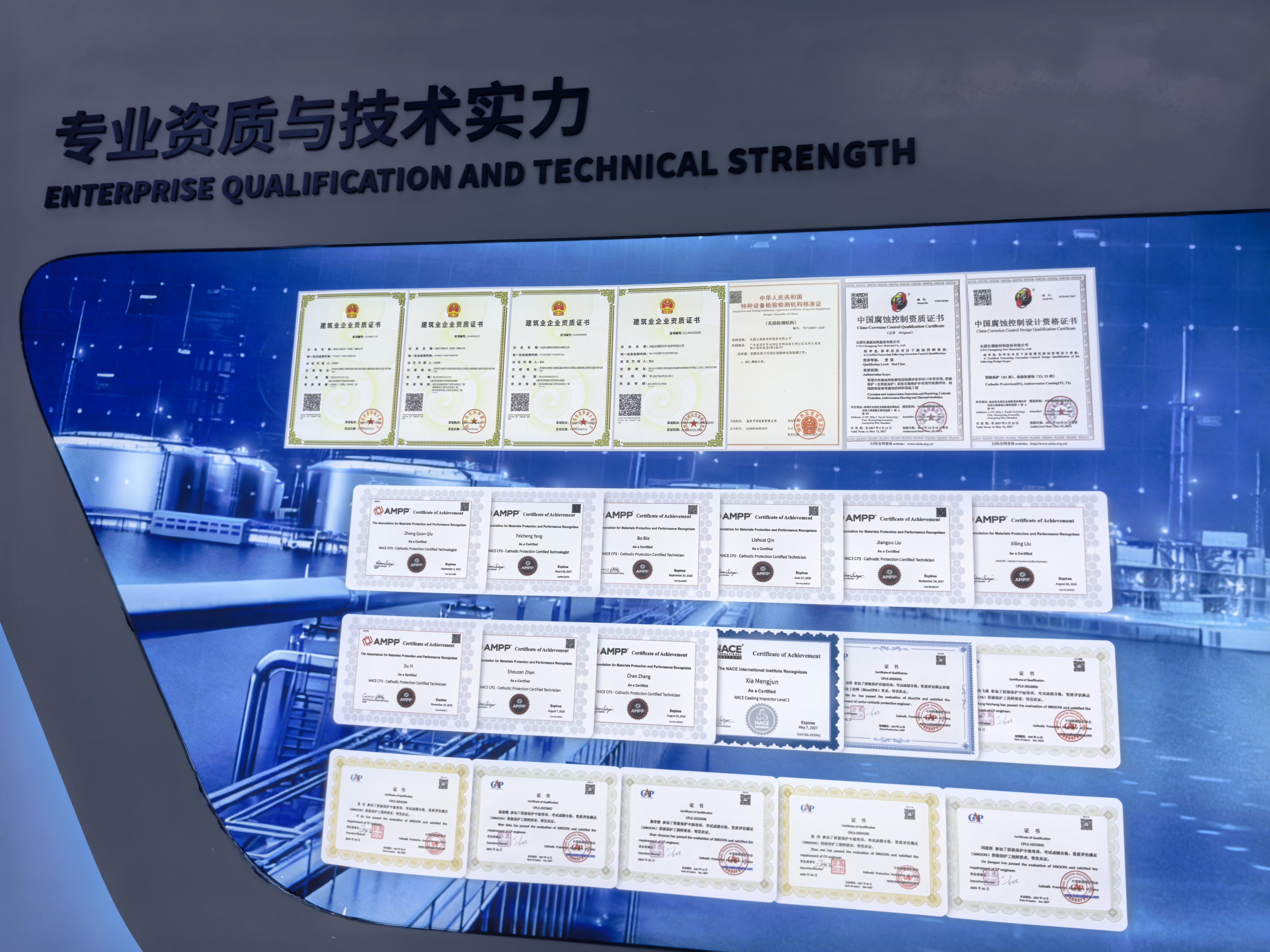
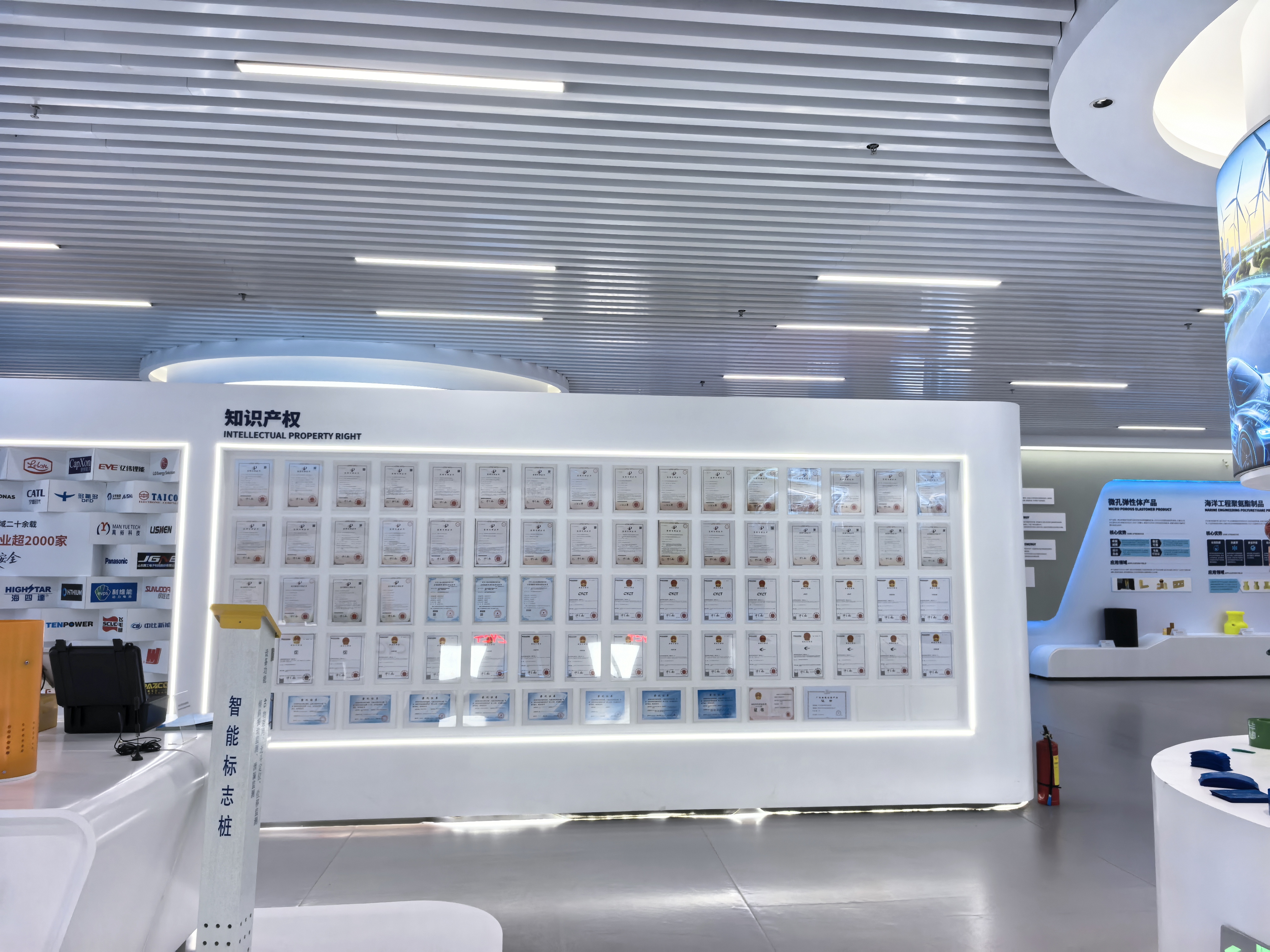
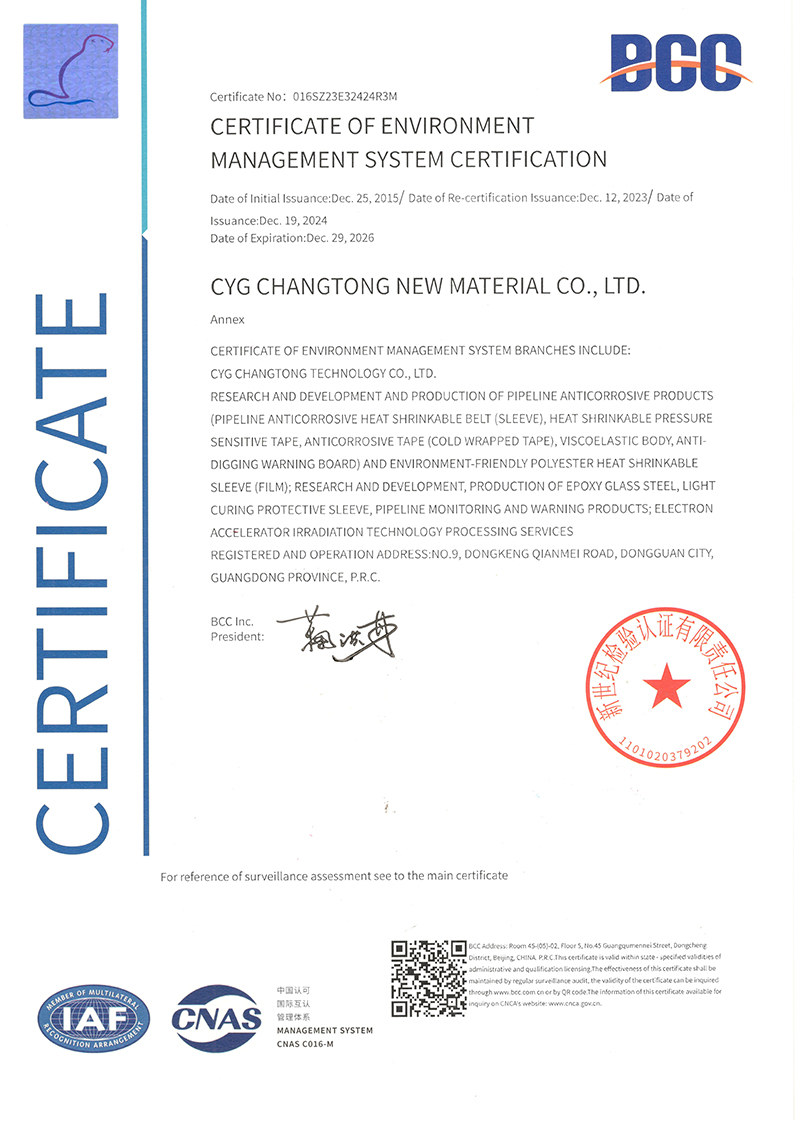
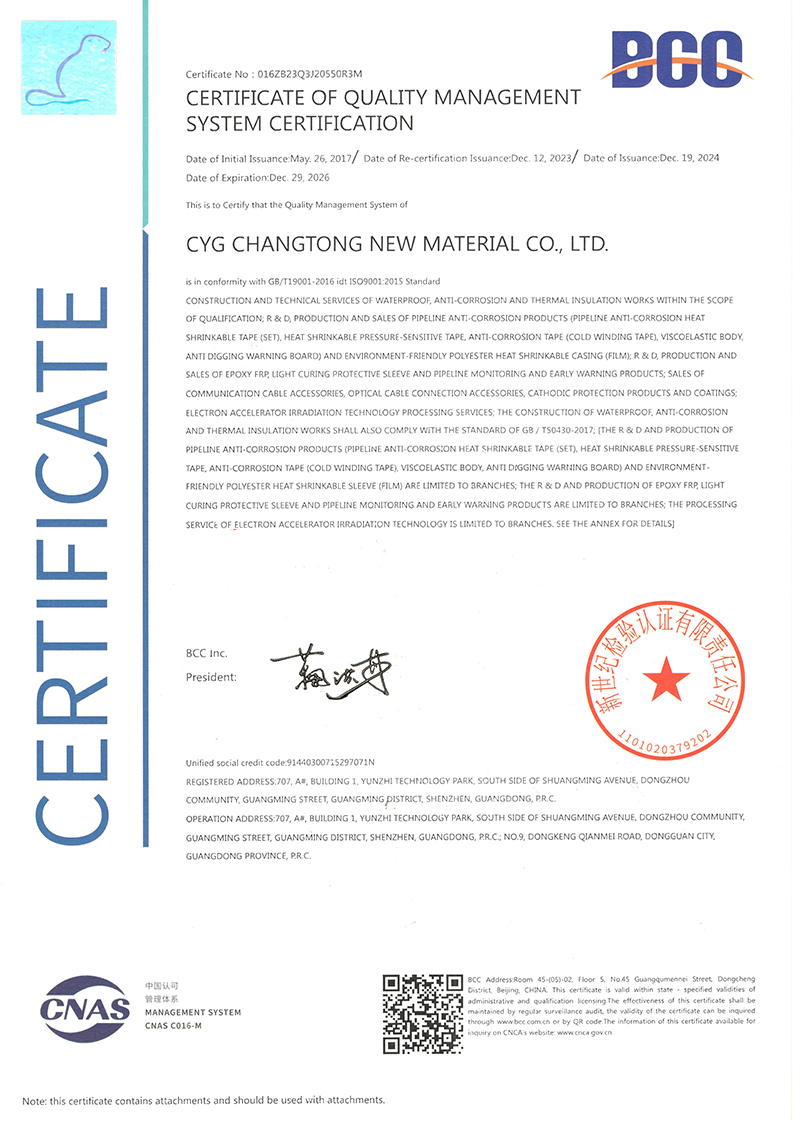
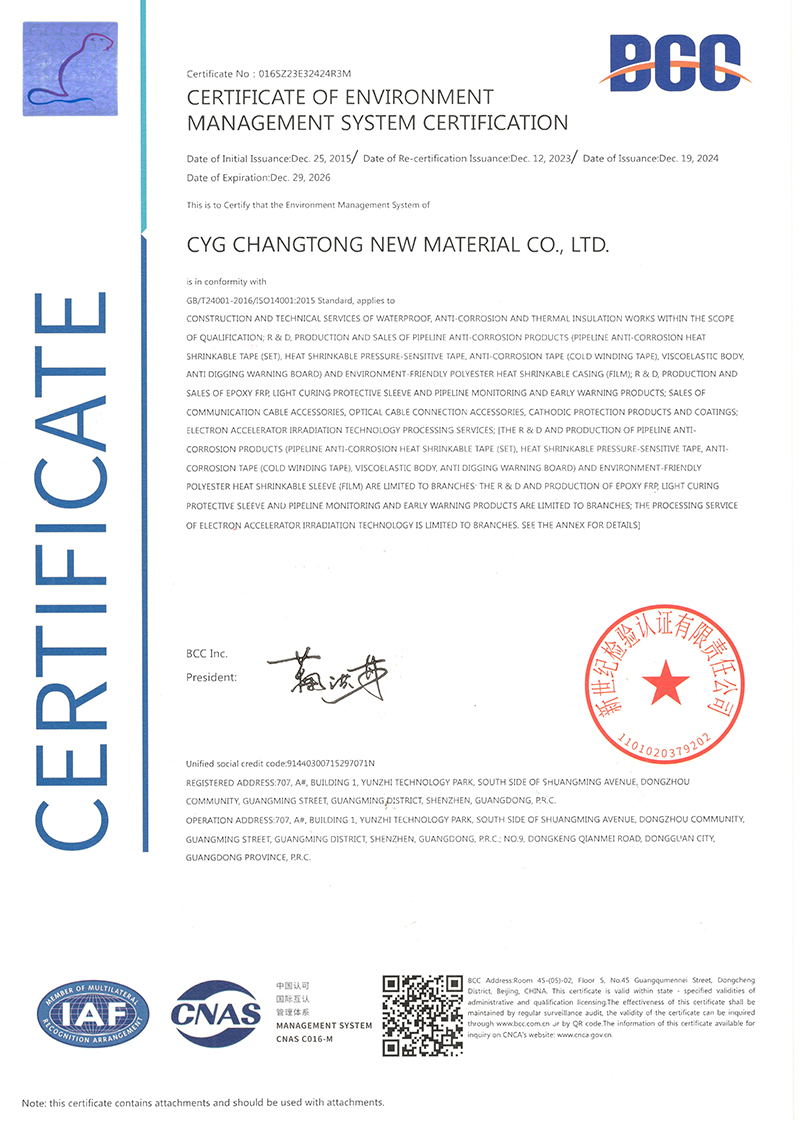
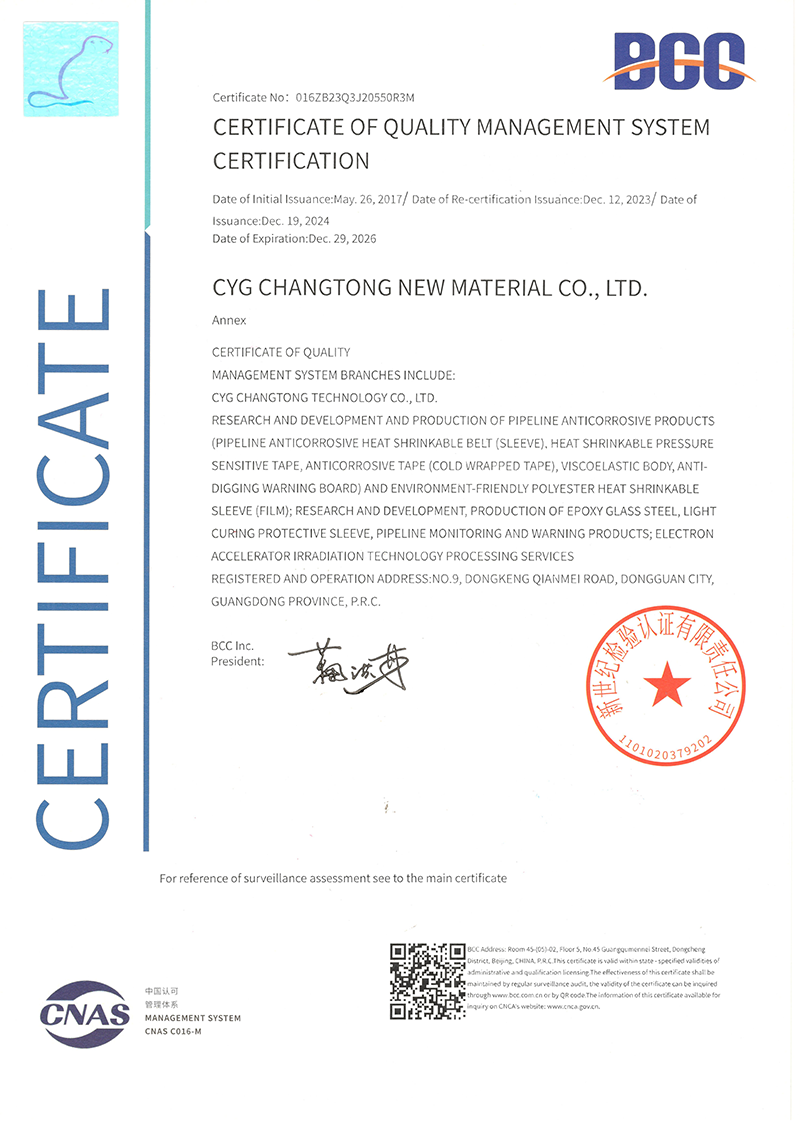
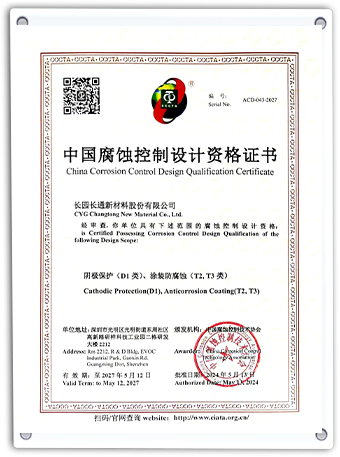
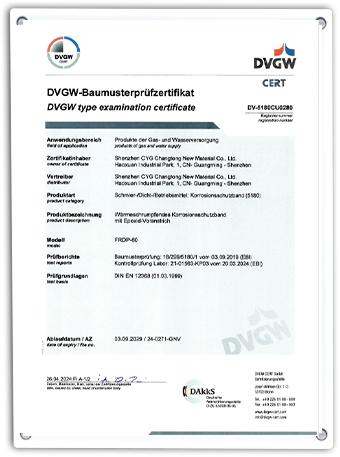
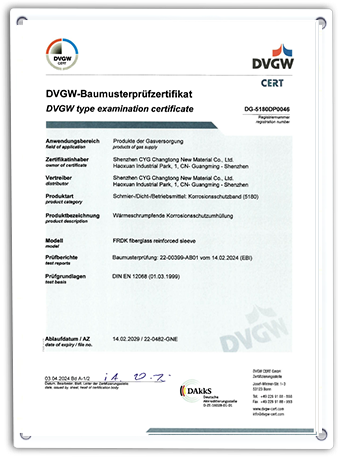
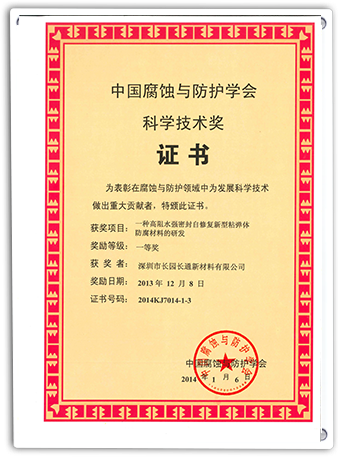
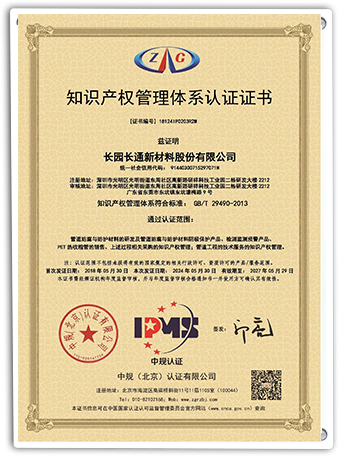
CYCT is an active Council Member of the Chinese Society for Corrosion and Protection (CSCP) and a Corporate Member of the China Association of Petroleum Engineering Construction (CAPEC). We maintain extensive quality certifications to support global oil, gas, and utility projects.
 CYCT
CYCT