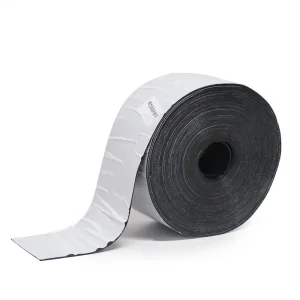
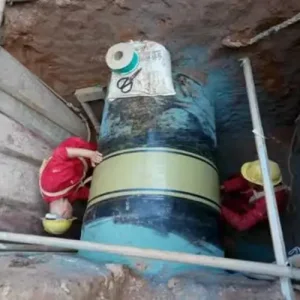
Explore our high-performance field joint coatings, cold-applied tapes, and specialized repair systems engineered for extreme environments.
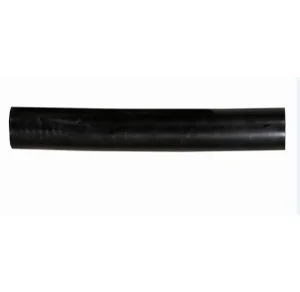
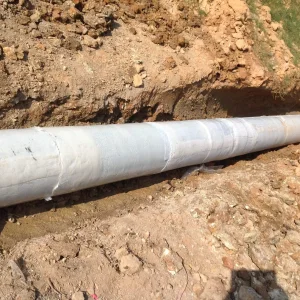
The global energy transport infrastructure is undergoing a significant paradigm shift. As pipeline systems push deeper into challenging geographical terrain and operate at higher temperatures, traditional polyethylene (PE) coatings are hitting their physical limits. Polypropylene (PP) Shrink Wrap Sleeves have emerged as the industry gold standard for field joint coating (FJC) protection in high-stress, high-temperature, and offshore environments.
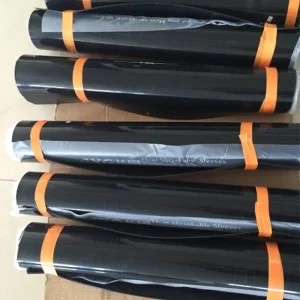
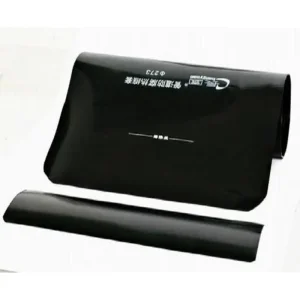
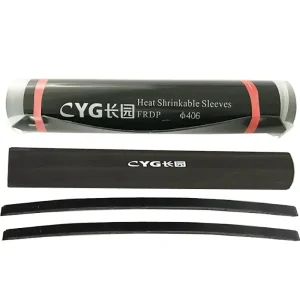
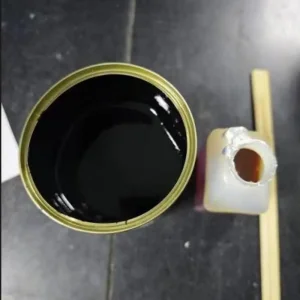
Unlike standard PE coatings, PP exhibits superior mechanical toughness, exceptional soil stress resistance, and higher glass transition temperatures. This allows it to withstand operating temperatures up to 110°C (and in customized configurations, up to 125°C). The fundamental evolution of PP shrink wrap sleeves lies in their advanced multi-layer systems. Modern projects utilize a 3-Layer Polypropylene (3LPP) coating system, consisting of a liquid epoxy primer layer, a PP-based copolymer adhesive layer, and a radiation crosslinked PP backing. This structure ensures a seamless, monolithic bond with the parent 3LPP mill-applied coating, reducing the risk of cathodic disbondment and moisture permeation to nearly zero.
Expert Insight: "The integrity of a pipeline is only as good as its weakest joint. With field joints accounting for the vast majority of in-service pipeline failures, the adoption of high-shear PP shrink sleeves is no longer optional for high-temperature pipelines—it is a critical asset preservation strategy."
The demand for PP heat shrinkable sleeves is driven by two major industrial trends: deepwater offshore exploration and high-temperature heavy crude transmission. Deepwater environments demand pipeline coatings that can survive high hydrostatic pressure and the physical stresses of S-lay or J-lay installation vessels. PP shrink wrap sleeves, with their outstanding impact and indentation resistance, provide the necessary mechanical protection during these aggressive deployment procedures. Furthermore, thermal insulation coatings like syntactic polyurethane or PP foam rely on heavy-duty PP outer wraps to prevent water ingress, maintaining pipeline temperatures and ensuring uninterrupted flow assurance.
Designed to operate effectively in extreme temperature ranges from 60°C to 110°C, outperforming traditional polyethylene solutions in demanding environments.
Resists shear forces caused by soil expansion, contraction, and pipeline movement, ensuring long-term barrier performance.
Strong chemical bonding with steel and mill coatings prevents moisture under-creep, effectively eliminating corrosion cells.
For multinational EPC (Engineering, Procurement, and Construction) companies and global oil & gas operators, procurement decisions regarding anti-corrosion materials are governed by risk mitigation. A single pipeline failure can cost millions of dollars in environmental cleanup, downtime, and repair costs. Consequently, global enterprise buyers maintain rigid standards for PP shrink sleeves, requiring complete alignment with international benchmarks such as ISO 21809-3, EN 12068, and NACE SP0169.
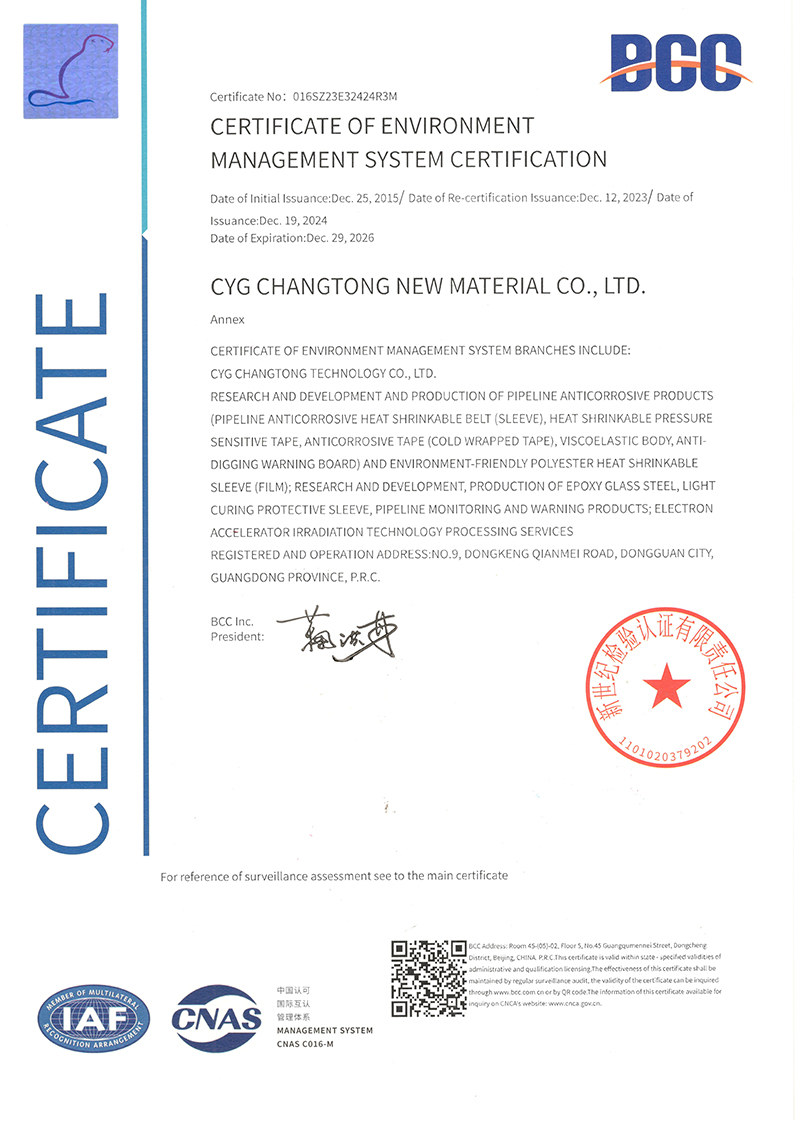
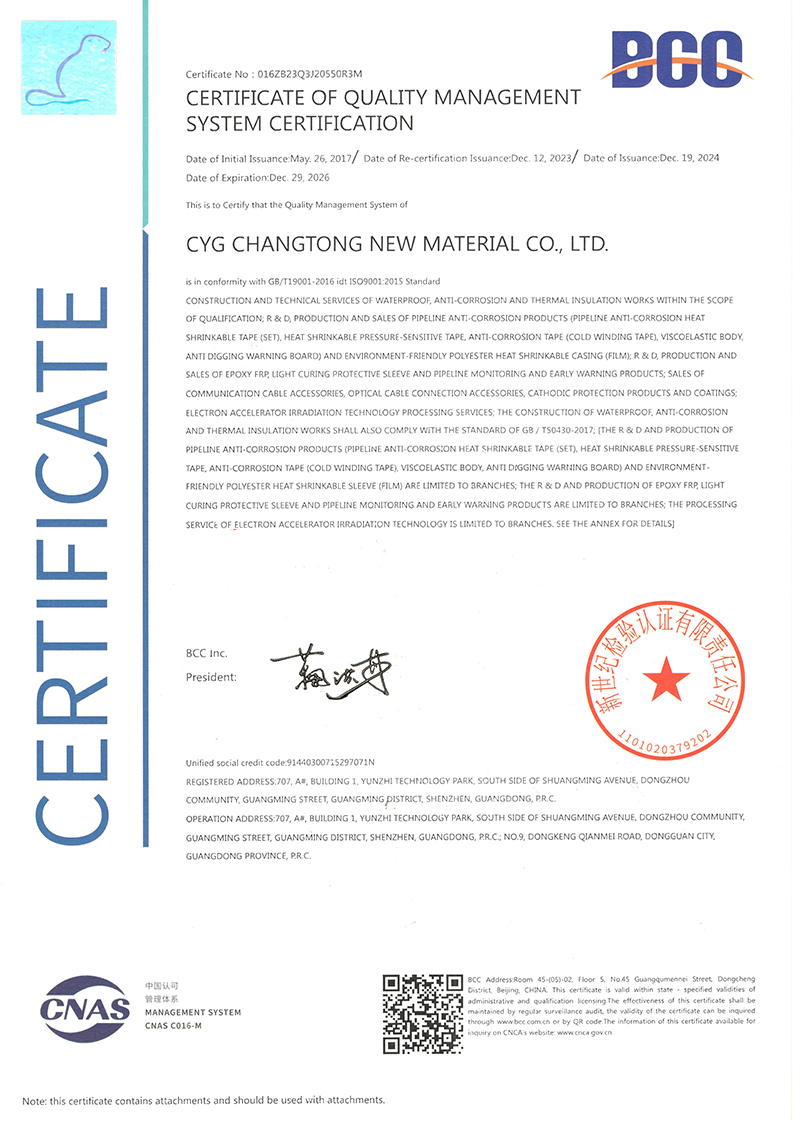
Procurement departments look beyond the unit price. They evaluate supplier reliability through a multi-dimensional matrix: long-term aging test reports, raw material traceability, manufacturing capacity, and technical field support. Leading energy firms like PetroChina, Sinopec, and Indian Oil require factory audits to verify quality management systems. This has shifted the competitive landscape toward manufacturers who operate state-of-the-art testing facilities and maintain third-party product approvals.
China's manufacturing sector has transitioned from a high-volume hub to a high-precision, smart manufacturing ecosystem. China Factory 4.0 represents the convergence of automated process control, advanced polymer chemistry, and vertical supply chain integration. In the production of PP heat shrinkable sleeves, this integration guarantees consistency across production batches.
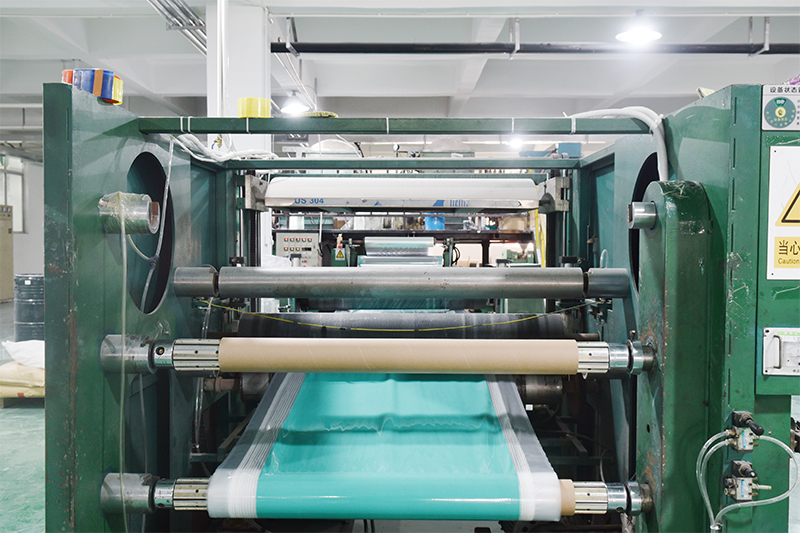
The manufacturing process of high-performance PP shrink sleeves requires precise control during the extrusion, radiation crosslinking, and expansion phases. Advanced Chinese factories utilize automated extrusion lines equipped with inline thickness monitoring gauges to ensure the backing layer is uniform. The radiation crosslinking process—which establishes the polymer's thermal memory and elastic recovery force—is monitored by computerized electron accelerators. This level of process control ensures that every sleeve shipped exhibits optimal shrink ratio, tensile strength, and impact resistance.
Furthermore, China's complete chemical supply chain allows factories to source premium raw materials locally, insulating global buyers from supply disruptions. Combined with logistics hubs near major ports like Shenzhen, Shanghai, and Tianjin, Chinese factories provide unmatched delivery speed and cost efficiency for large-scale infrastructure projects.
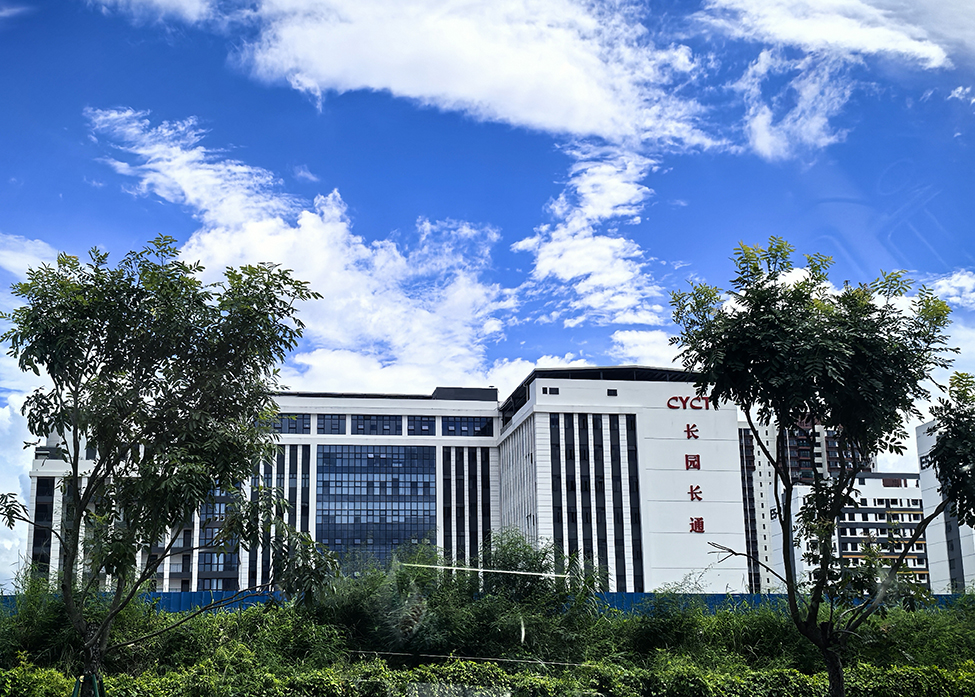
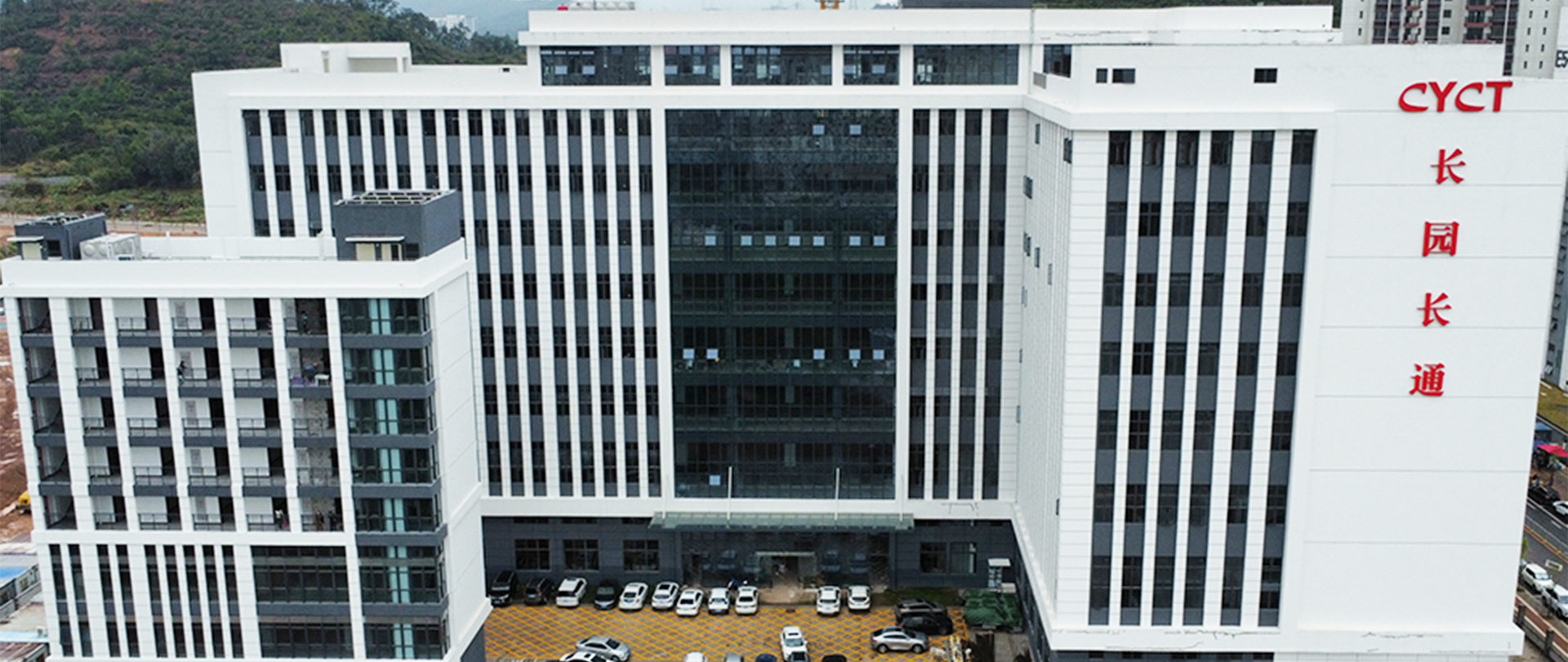
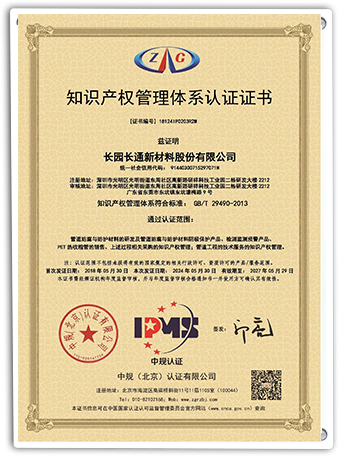
CYCT New Materials Company Limited (for short, CYCT) is a state-level high-tech enterprise integrating R&D, production, and sales of pipeline corrosion protection materials, buried pipeline detection services, and pipeline coating field application services into one.
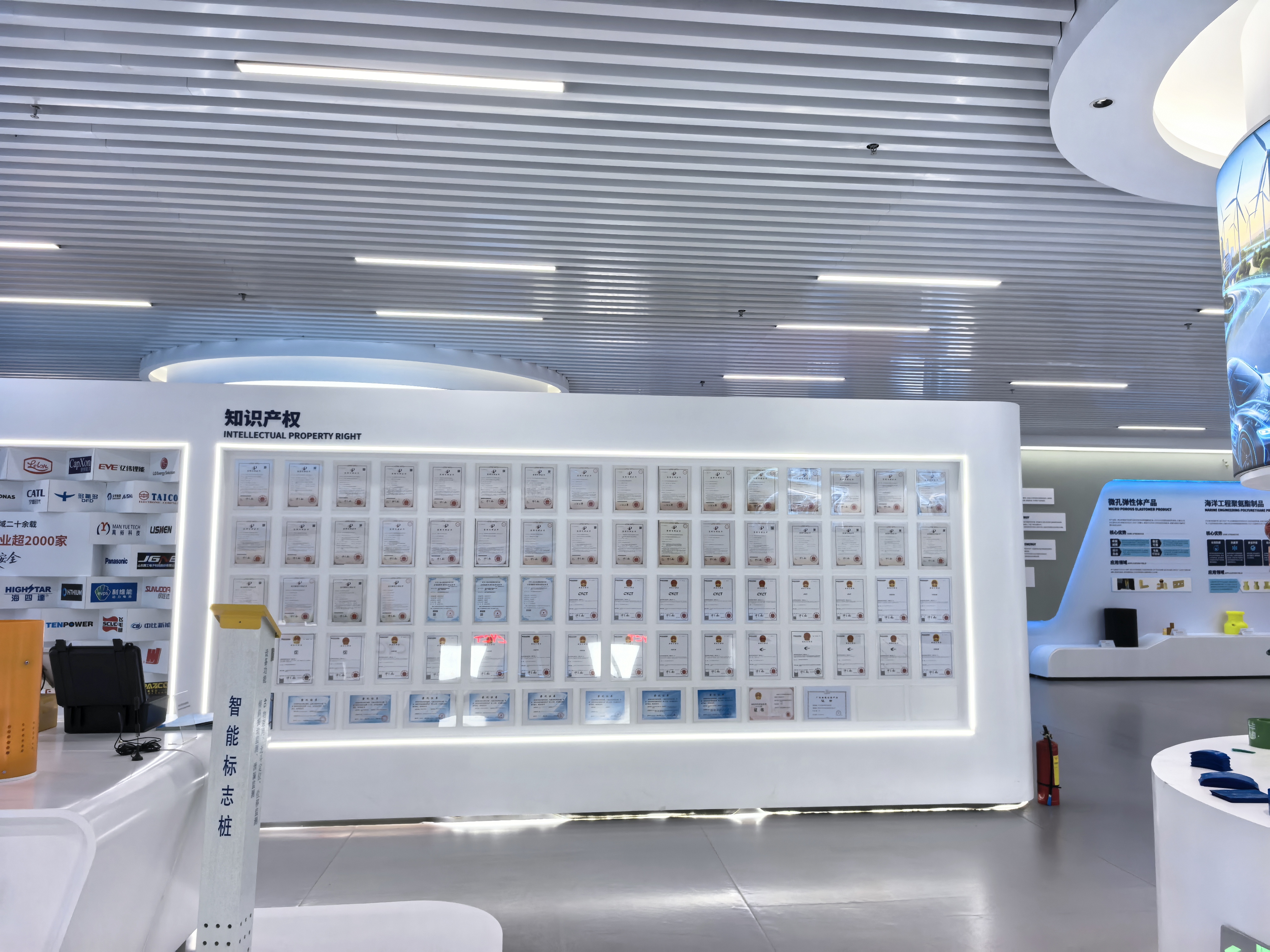
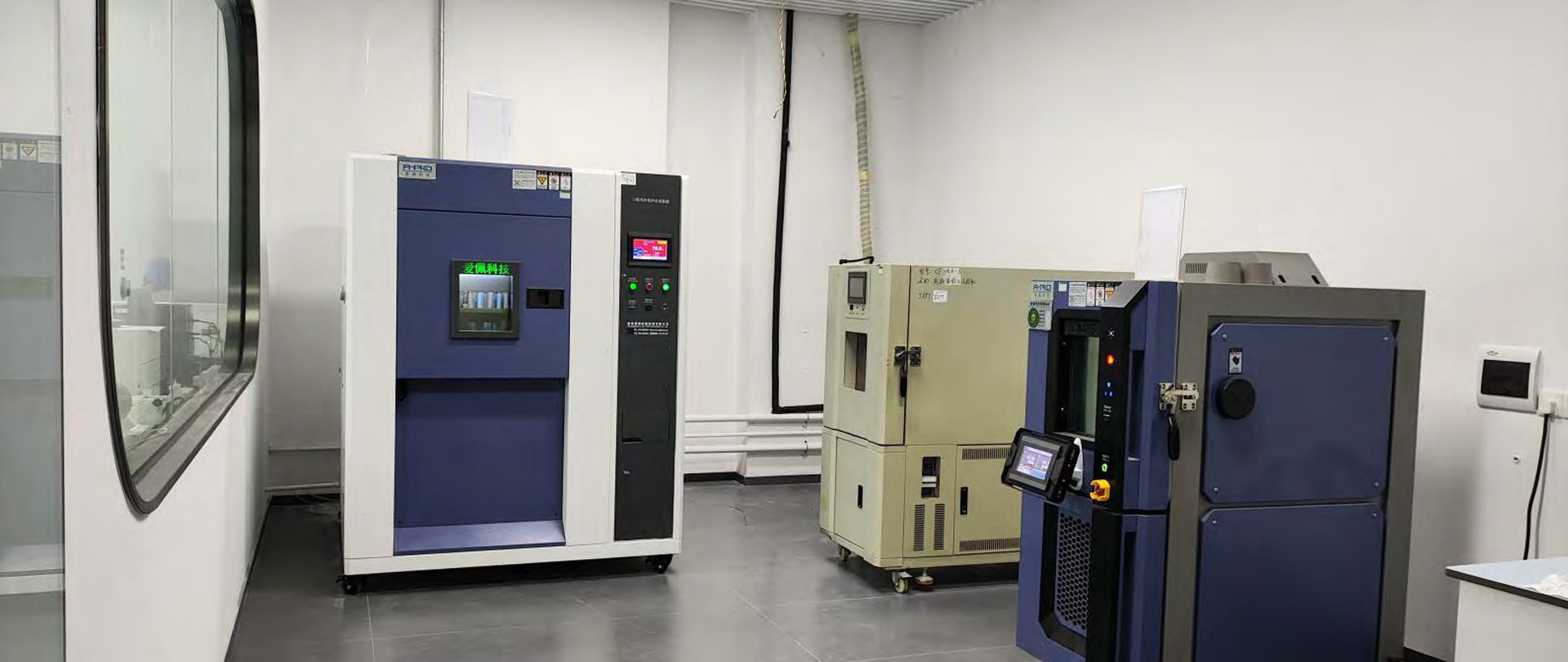
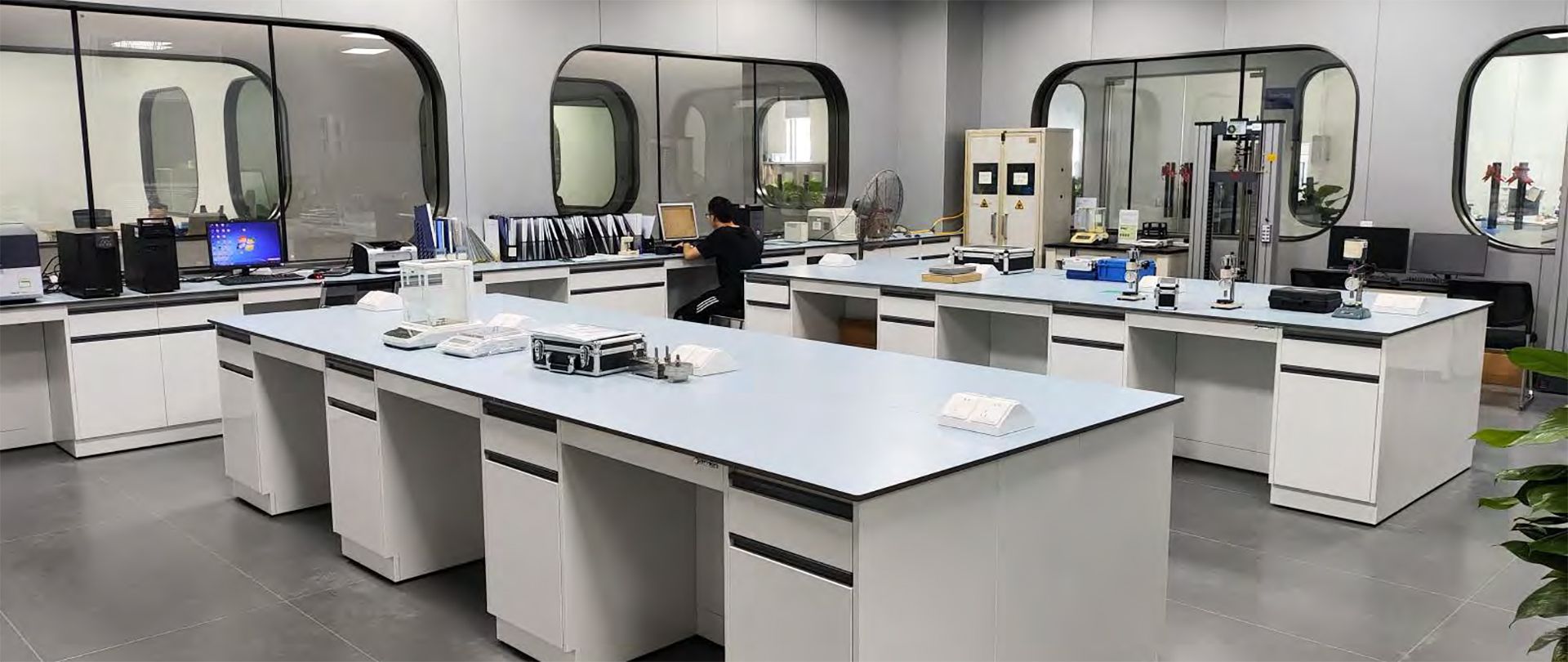
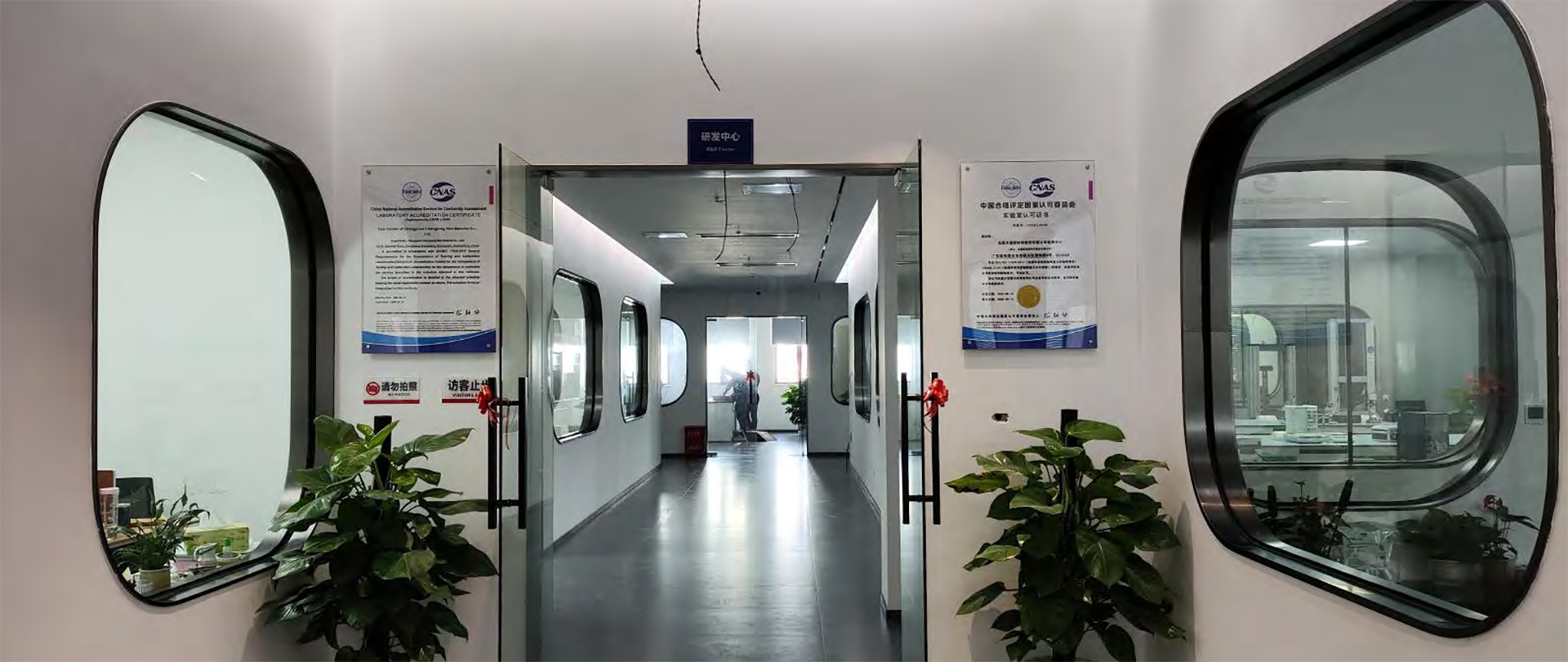
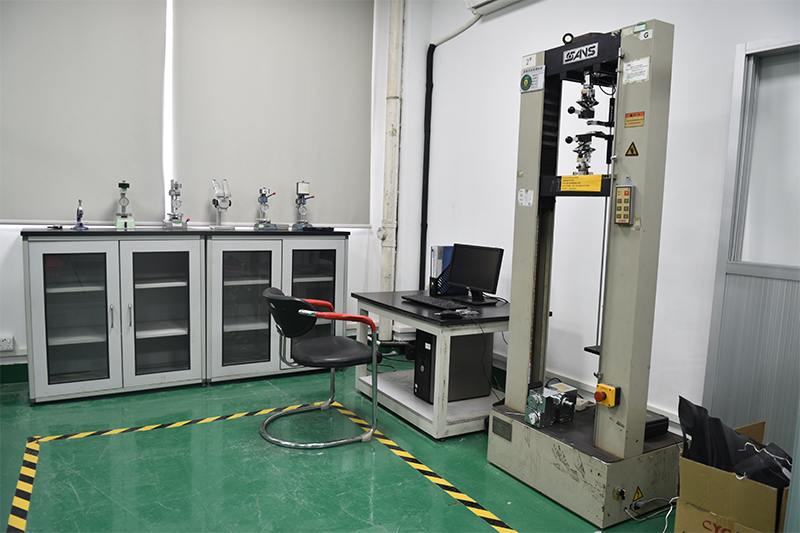
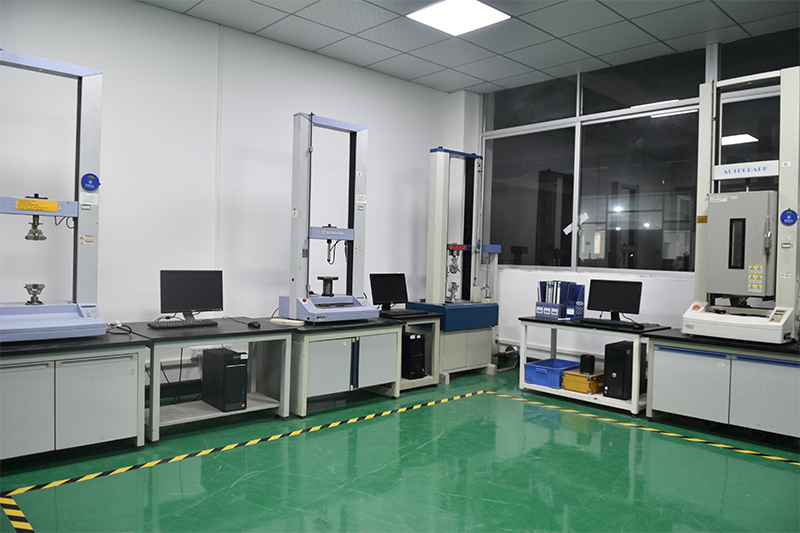
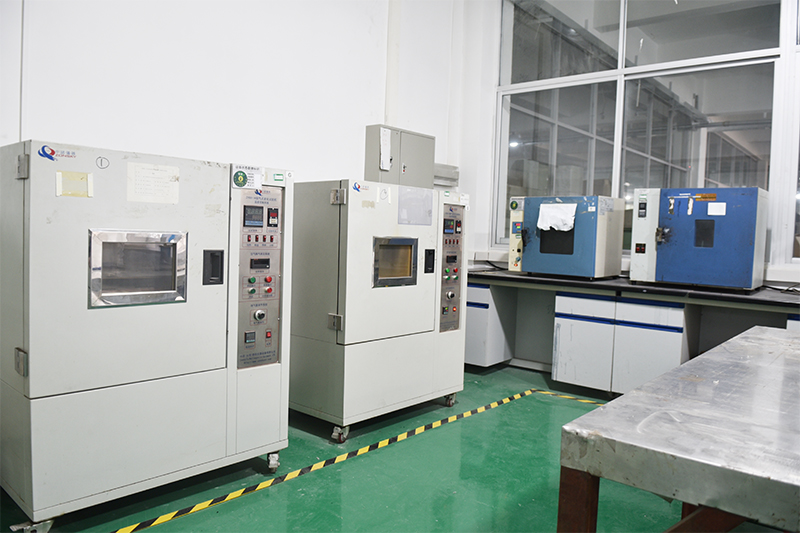
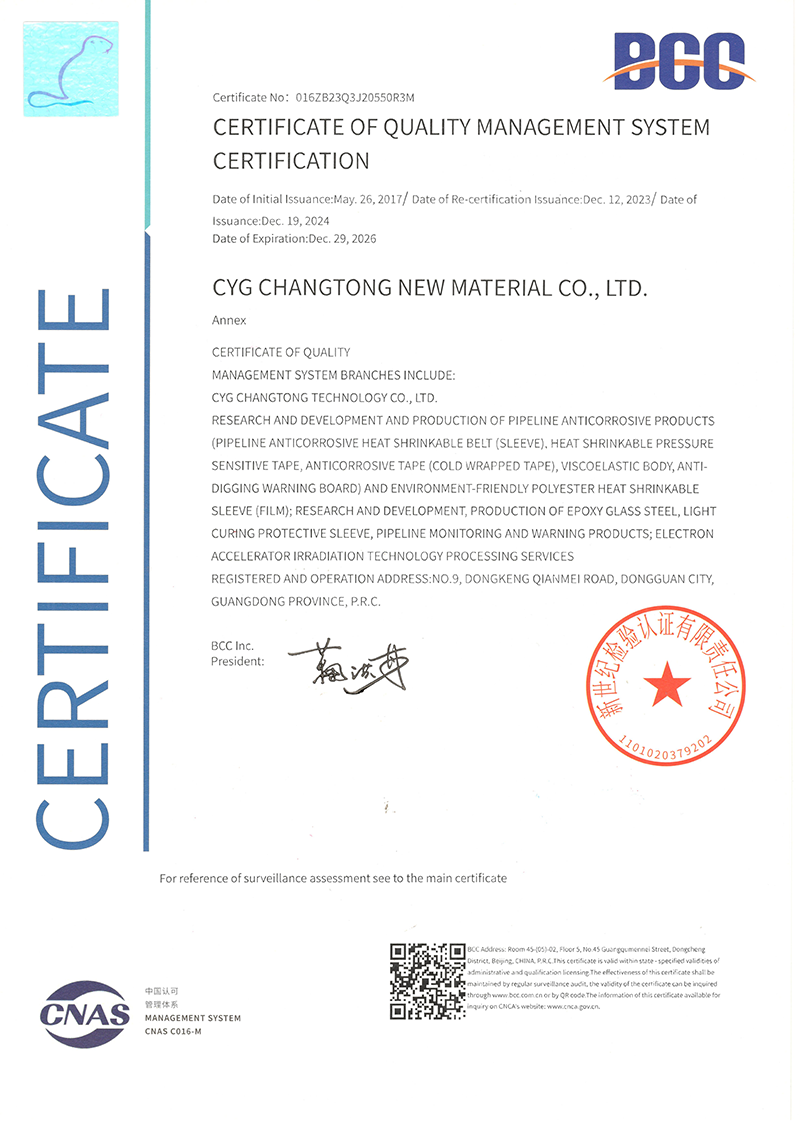
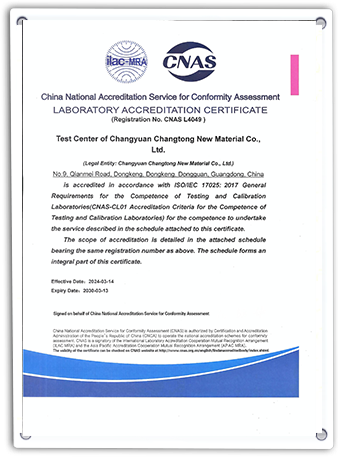
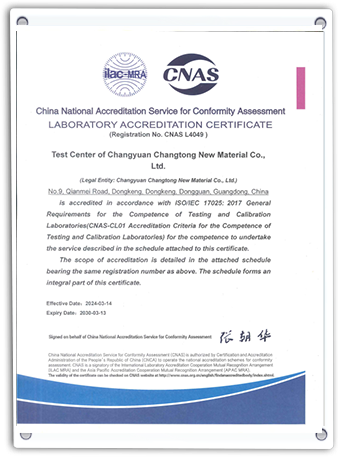
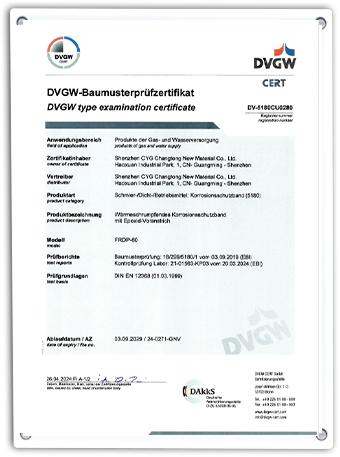
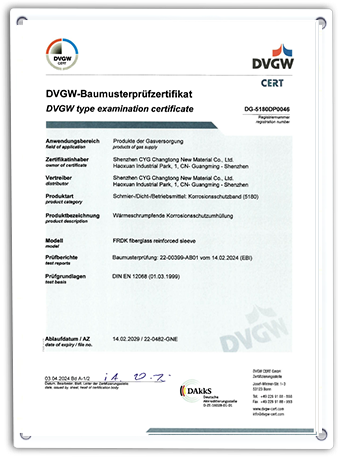
CYCT has dedicated decades to the R&D, production, and sales of pipeline corrosion protection materials. With leading testing and R&D capabilities, a professional R&D team, and a national CNAS-accredited laboratory, CYCT ensures every product meets international standards for quality and reliability.
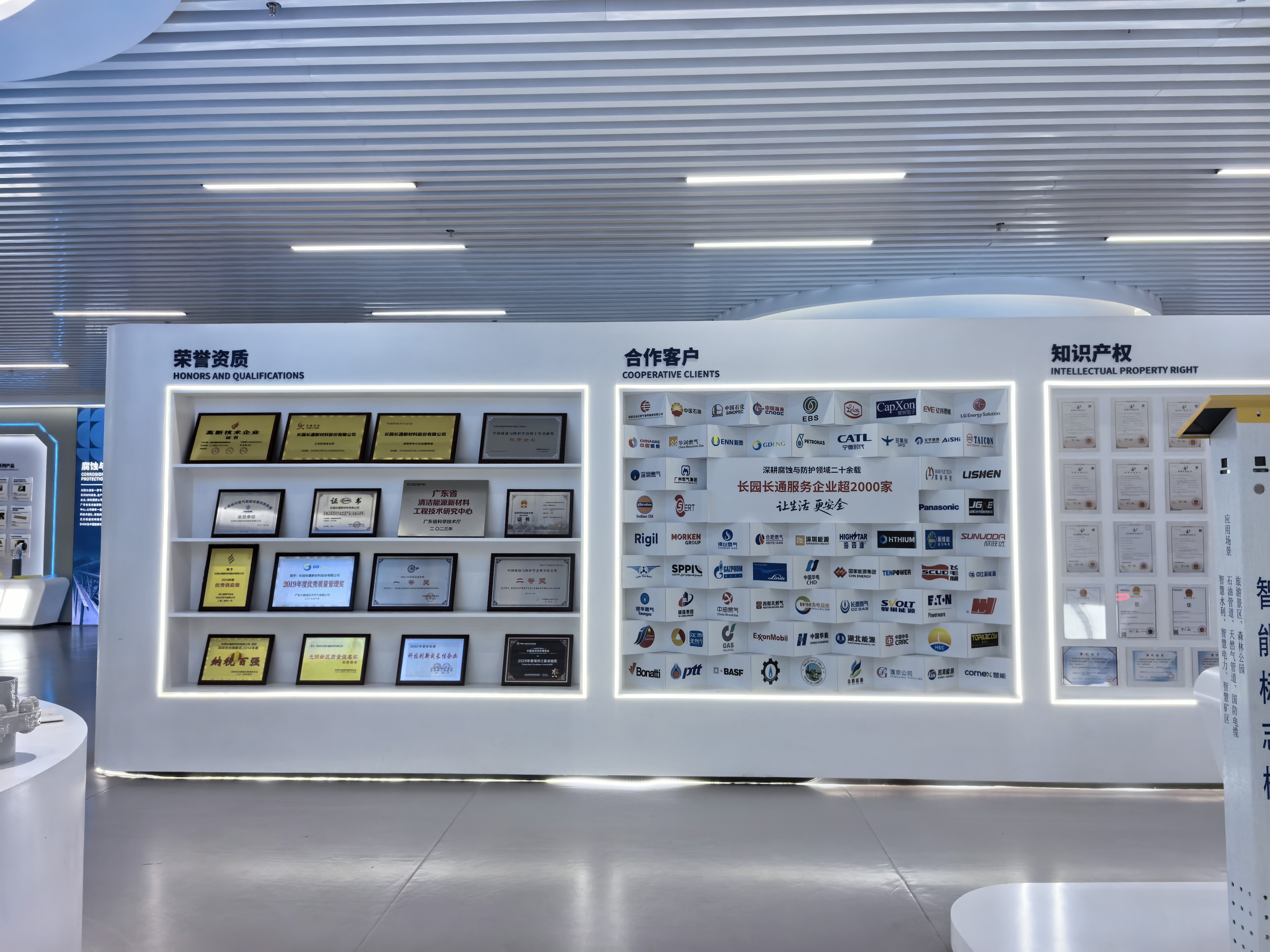
CYCT has become a stable supplier of field joint coatings for PetroChina, Sinopec, PipeChina, and local pipeline networks, commanding a high market share. We have successfully developed and introduced specialty corrosion protection materials, including visco-elastic anticorrosion materials, special photo-curing sleeves for HDD protection, and polyurea coatings.
Through close cooperation with leading research institutes, such as the CNPC Pipeline Science Research Institute, CYCT is capable of providing in-service pipelines with varied technical services, including buried pipeline detection, design schemes, cathodic protection, rehabilitation projects, and integrated pipeline safety solutions.
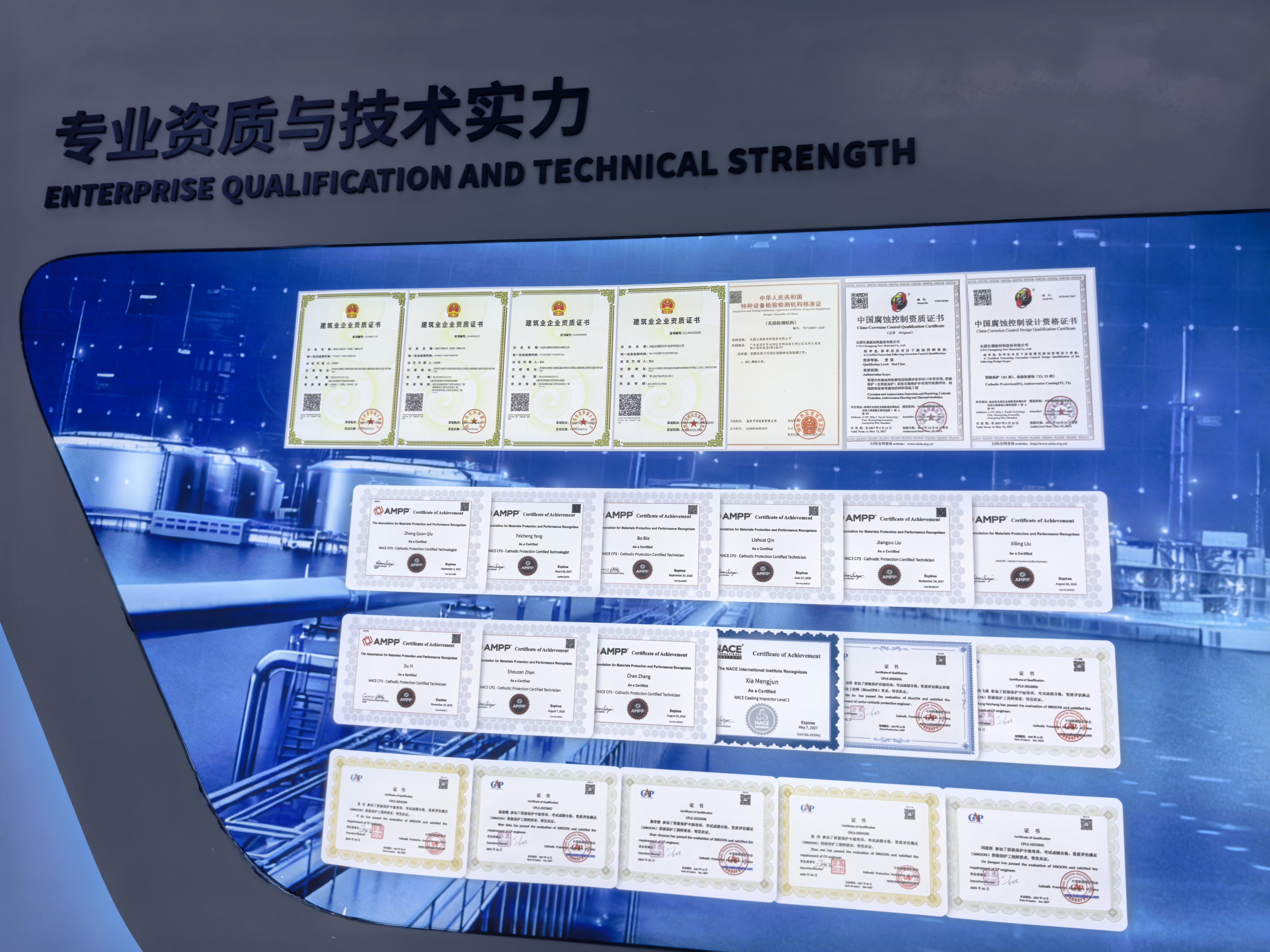
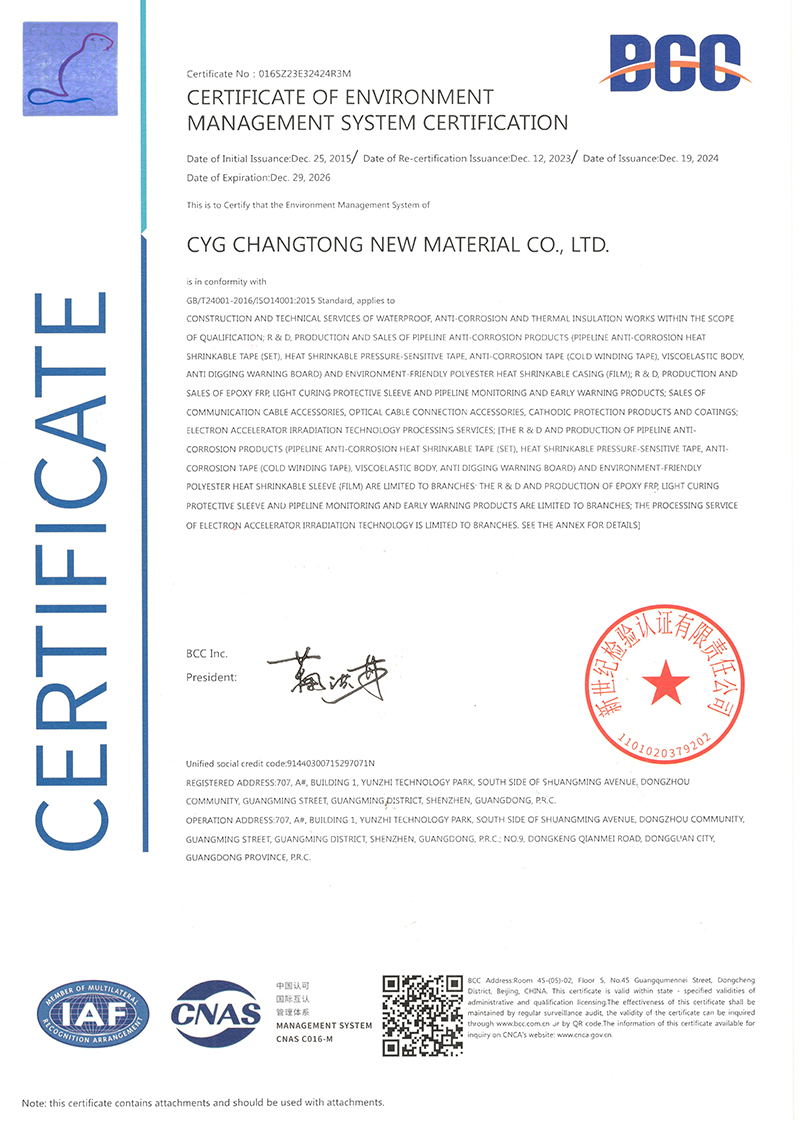
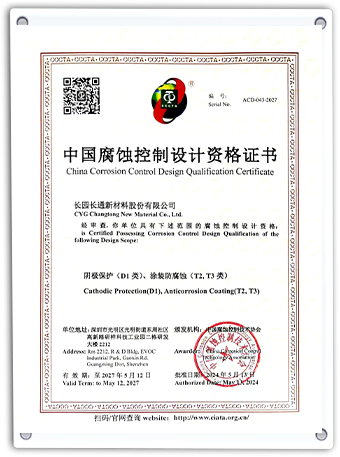
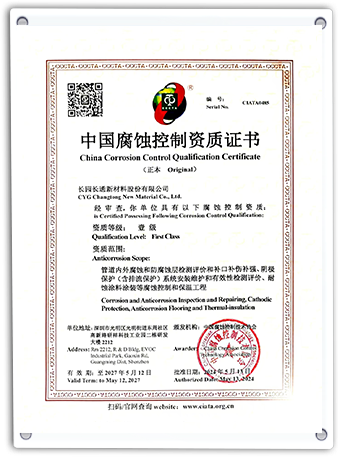
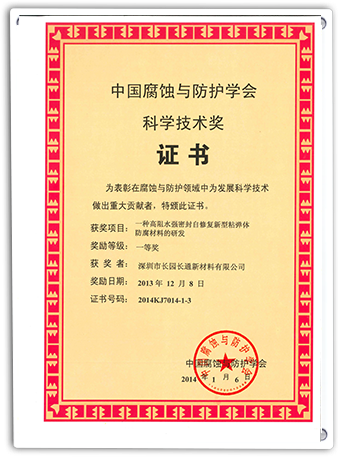
Our status as a Council Member of the Chinese Society for Corrosion and Protection (CSCP) and our holding of Qualification Certificates for Corrosion Protection Construction and Pipeline Detection underscore our position in the industry.
Pipeline installation is highly localized. Different geological environments and installation techniques demand tailored corrosion protection solutions. In localized application design, field joint coatings must match the performance of the main pipeline coating under specific geographic and climatic challenges.
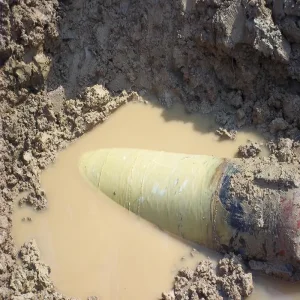
When pipelines cross rivers, highways, or urban infrastructure via HDD, the coating faces intense shear and abrasion forces against rocky soils. Traditional shrink sleeves can tear or peel under these conditions. CYCT addresses this with specialized GRP (Glass Reinforced Plastic) protective sleeves, Epoxy FRP systems, and UV-curing photo-sensitive protective outer wraps. These systems provide a sacrificial mechanical barrier over the PP shrink sleeve, ensuring the integrity of the underlying anti-corrosion layer during long pull-backs.
In desert regions, pipelines can experience surface temperatures exceeding 70°C, combined with high soil salinity. PP heat shrinkable sleeves are preferred in these conditions over PE due to their resistance to environmental stress cracking and high thermal stability. Conversely, in Arctic or permafrost environments, installations require adhesives that remain flexible at sub-zero temperatures. CYCT's specialized PP systems incorporate hot melt adhesives engineered for low-temperature application, preventing embrittlement and maintaining adhesion under thermal cycling.
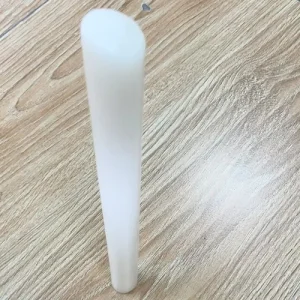
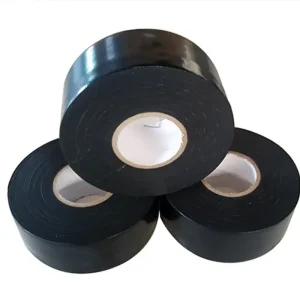
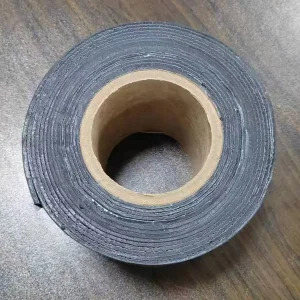
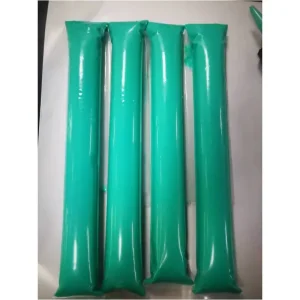
Maintaining existing pipeline networks requires efficient repair solutions. For localized damage to mill-applied PE or PP coatings, field operators utilize PP Hot Melt Sticks and mastic tapes. These repair sticks melt directly into the damage zone, bonding with the original coating and the steel substrate to restore the anti-corrosion barrier. When combined with a localized heat source, these systems allow maintenance crews to complete field repairs quickly, minimizing pipeline downtime.
Get professional, authoritative answers to common technical queries regarding PP shrink sleeves, application standards, and anti-corrosion performance.
Explore our complete range of anti-corrosion tapes, joint coatings, and rehabilitation products trusted by leading global energy enterprises.
 CYCT
CYCT