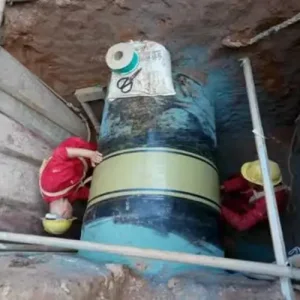
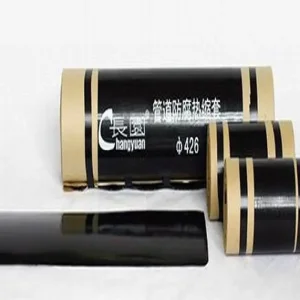
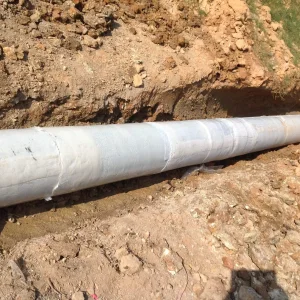
Across the global energy, water, and infrastructure transmission sectors, steel pipelines are the primary arteries for fluid transportation. Maintaining their long-term structural integrity against corrosive environments is critical. Factory-applied coatings, such as 3-Layer Polyethylene (3LPE) and 3-Layer Polypropylene (3LPP), provide excellent protection for the pipe body. However, the field-welded joints, known as Field Joint Coatings (FJC), remain vulnerable spots.
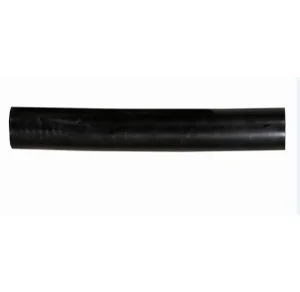
This is where Polypropylene (PP) Heat Shrinkable Sleeves play a key role. Designed to withstand demanding high-temperature environments, deep-water pressures, and harsh soil stresses, PP heat shrinkable sleeves provide high shear strength and corrosion resistance for high-temperature pipelines (up to 110°C to 120°C). This whitepaper provides a comprehensive overview of PP Heat Shrinkable Sleeve technologies, analyzing material specifications, local application scenarios, and the manufacturing advantages that position Chinese factories as trusted global suppliers.
The global demand for energy transmission infrastructure has driven pipelines into deeper waters, hotter geologies, and more challenging terrains. In these settings, traditional 3-Layer Polyethylene (3LPE) systems can fall short due to their thermal limitations, which typically top out at 80°C. For modern oil and gas pipelines operating under high pressures and temperatures, 3-Layer Polypropylene (3LPP) has become a preferred coating specification.
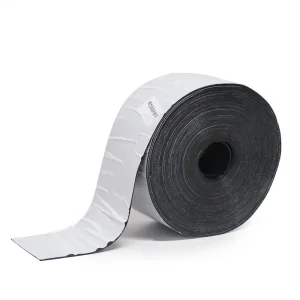
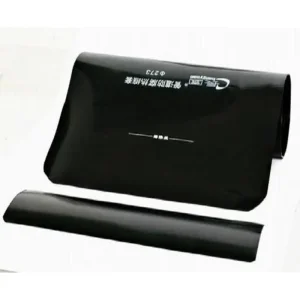
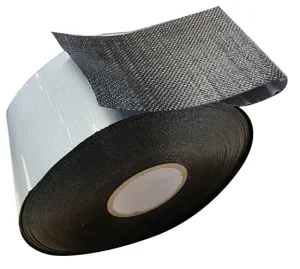
Consequently, pipeline engineers require field joint protection that matches the high-temperature capacity of the main 3LPP line. PP Heat Shrinkable Sleeves address this need. Engineered with a radiation cross-linked polypropylene backing and coated with a high-temperature hot-melt adhesive, these sleeves form an integrated barrier around welded pipe joints. According to international market assessments, the demand for PP heat shrinkable sleeves is expanding rapidly across the Middle East, Central Asia, South America, and offshore fields in the North Sea and Gulf of Mexico.
Major international oil companies (IOCs) and national oil companies (NOCs) now specify high-performance polypropylene joint coatings for all pipelines operating above 90°C. These sleeves must withstand thermal stress and provide resistance against cathodic disbondment and soil movement. As a result, suppliers of PP heat shrinkable sleeves are transitioning from simple product manufacturers to technical partners capable of providing engineered solutions tailored to specific project geologies and operating parameters.
| Parameters | PE Heat Shrinkable Sleeves | PP Heat Shrinkable Sleeves |
|---|---|---|
| Operating Temperature | -20°C to 80°C | -20°C to 110°C / 120°C |
| Shear Resistance | Moderate | Excellent (Highly Crystalline) |
| Soil Stress Resistance | Good | Superior (High Stiffness) |
| Primary Application | Standard oil/gas pipelines | High-temp trunklines & HDD |
The performance of a PP Heat Shrinkable Sleeve depends on the synergistic interaction of its multi-layer structure, which is designed to bond with the factory coating and the bare steel joint.
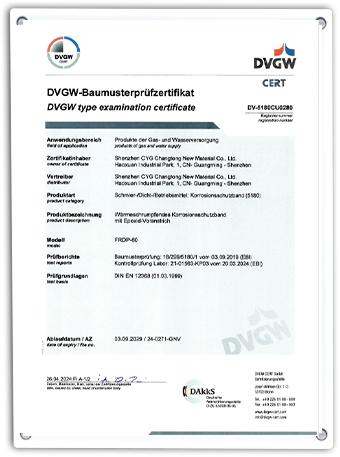
This system complies with global standards, including ISO 21809-3 Type 14B/14C, EN 12068 Class C80/C110, and DIN 30672. Its high shear resistance prevents coating damage from soil movements in buried lines.
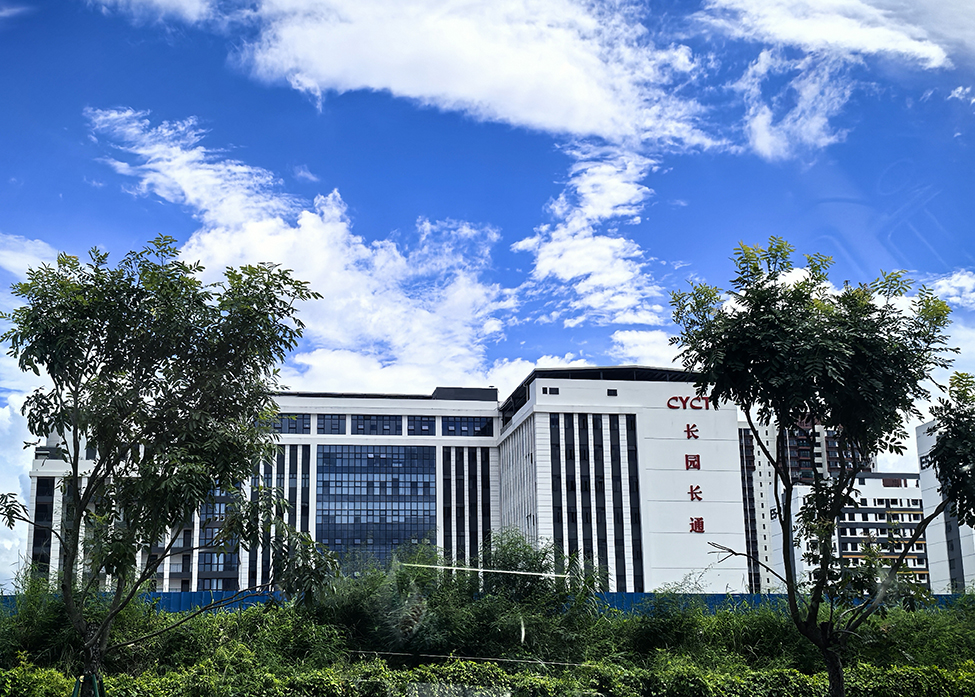
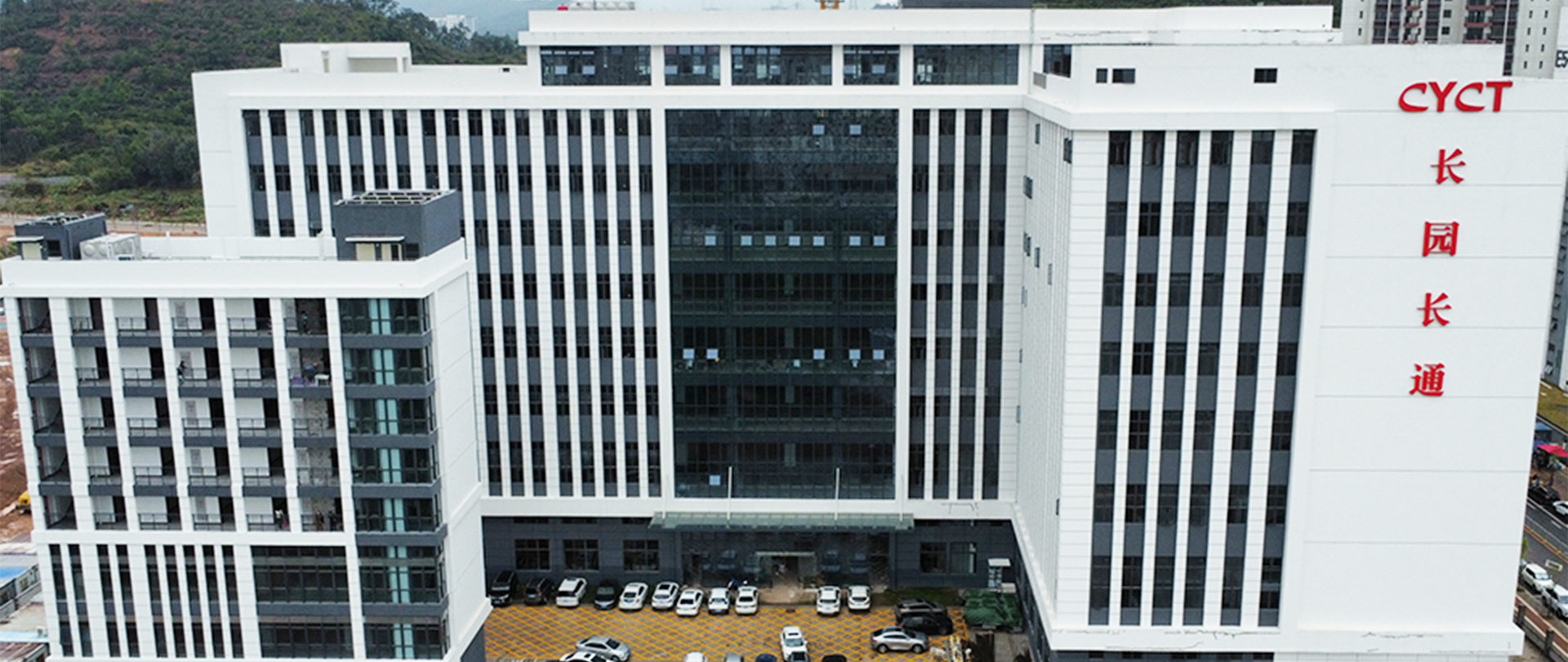
China's industrial manufacturing ecosystem has evolved to offer high production capacity, strict quality control, and advanced material research. At the forefront of this sector is CYCT New Materials Company Limited (CYCT).
Founded in 2000, CYCT is a state-level high-tech enterprise specializing in the R&D, manufacturing, and distribution of pipeline corrosion protection materials. Our capabilities extend beyond manufacturing to include buried pipeline inspection services and field coating application support. Over decades of development, CYCT has built a vertically integrated production model—from custom polymer compounding to electron-beam radiation cross-linking and precision adhesive co-extrusion.
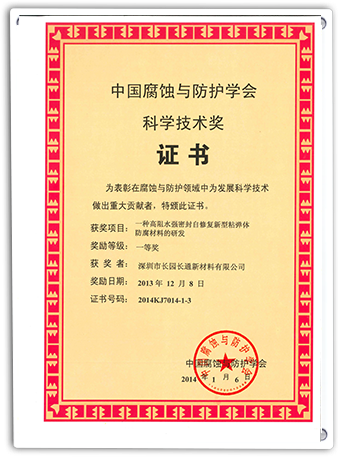
As an active member of the Council in the Chinese Society for Corrosion and Protection (CSCP) and the China Association of Petroleum Engineering Construction (CAPEC), CYCT maintains close research partnerships with institutions like the CNPC Pipeline Science Research Institute. This research focus enables us to manufacture sleeves that meet the strict requirements of international EPC pipeline projects.
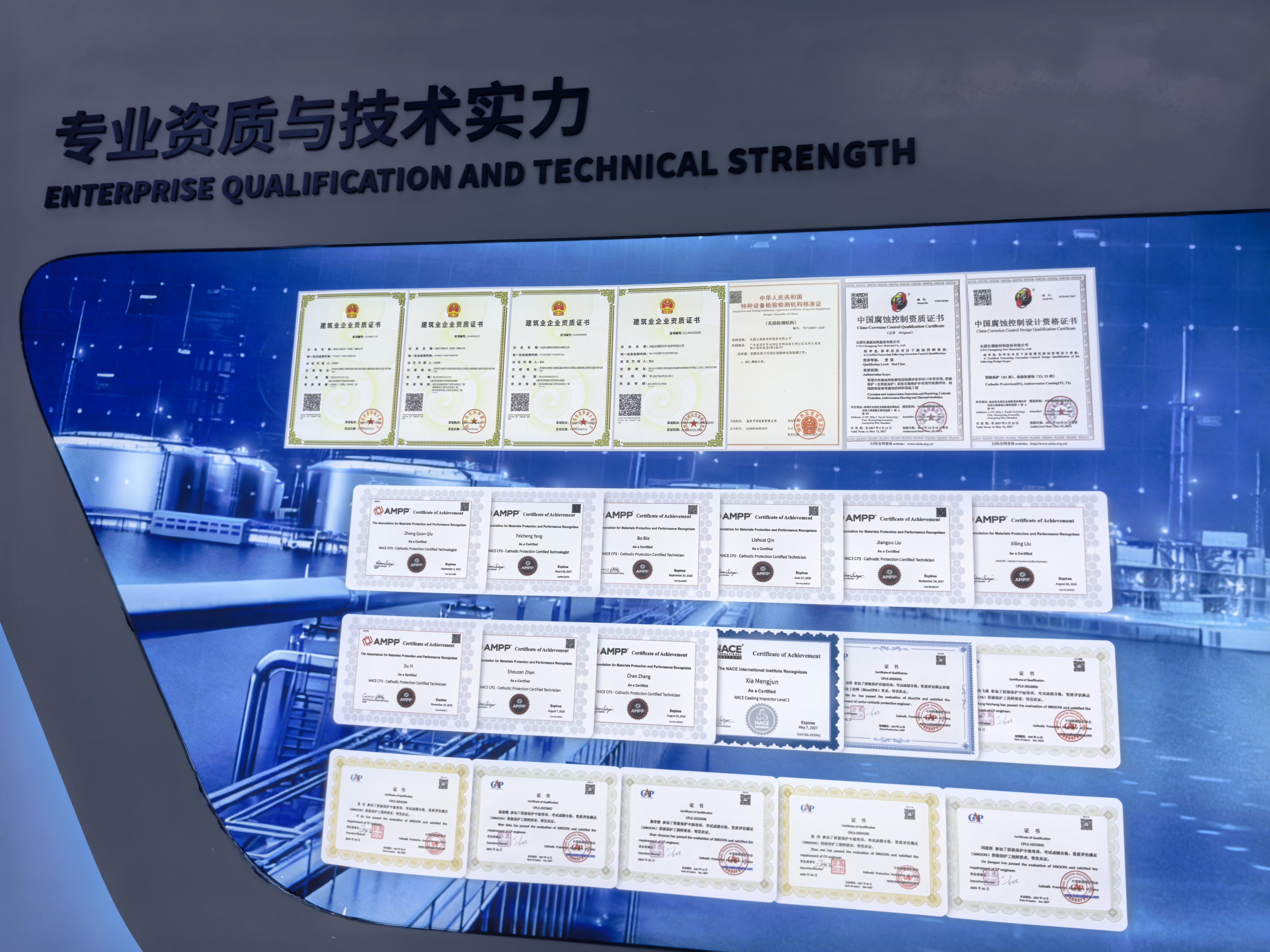
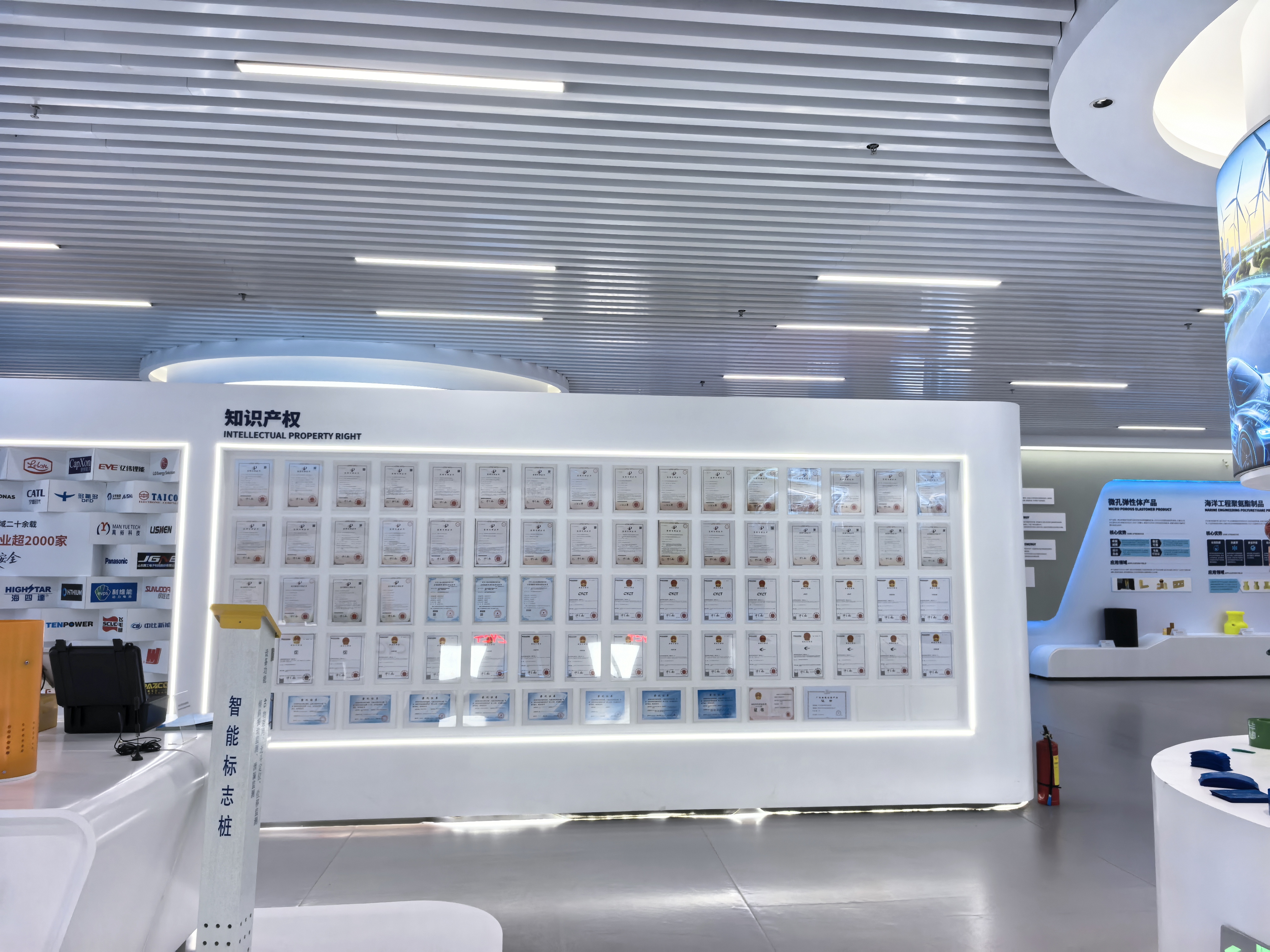
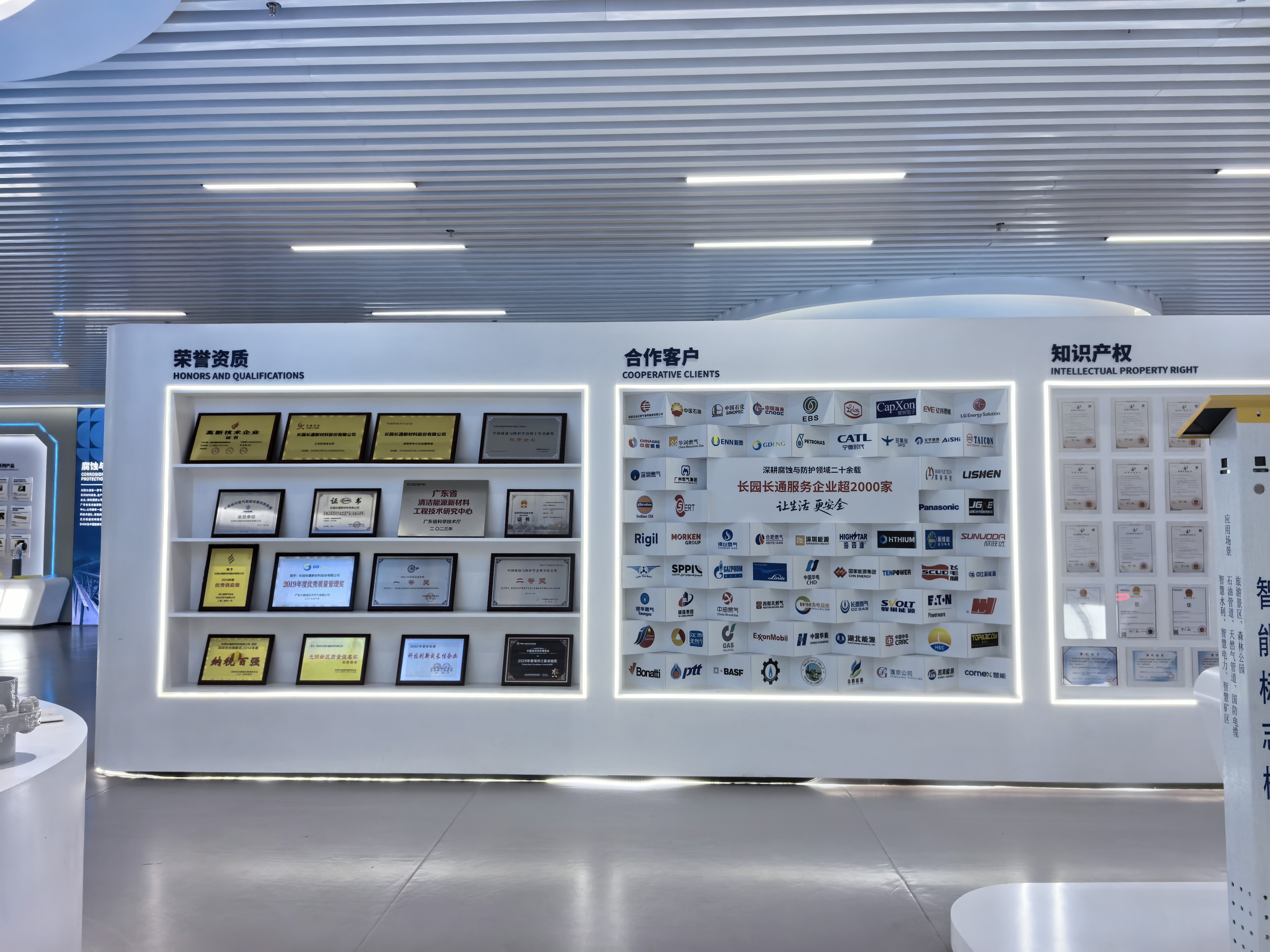
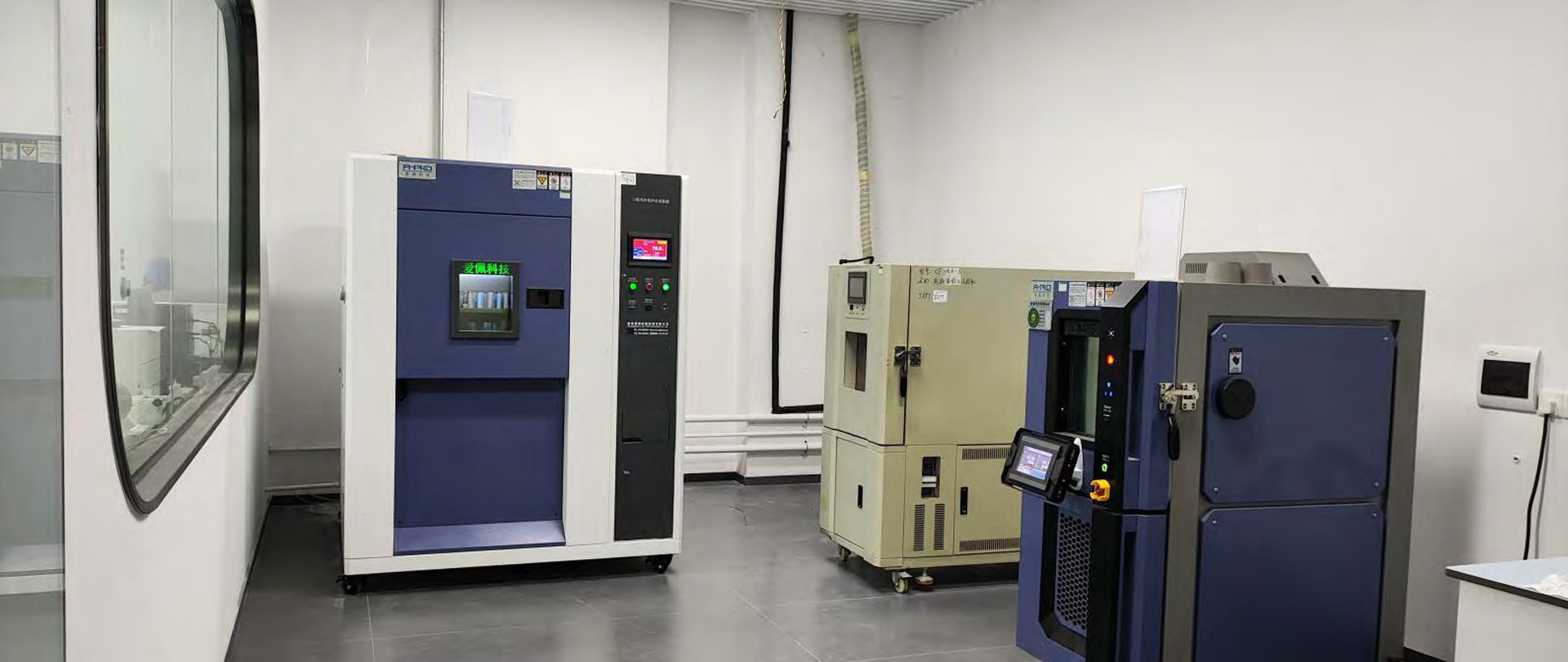
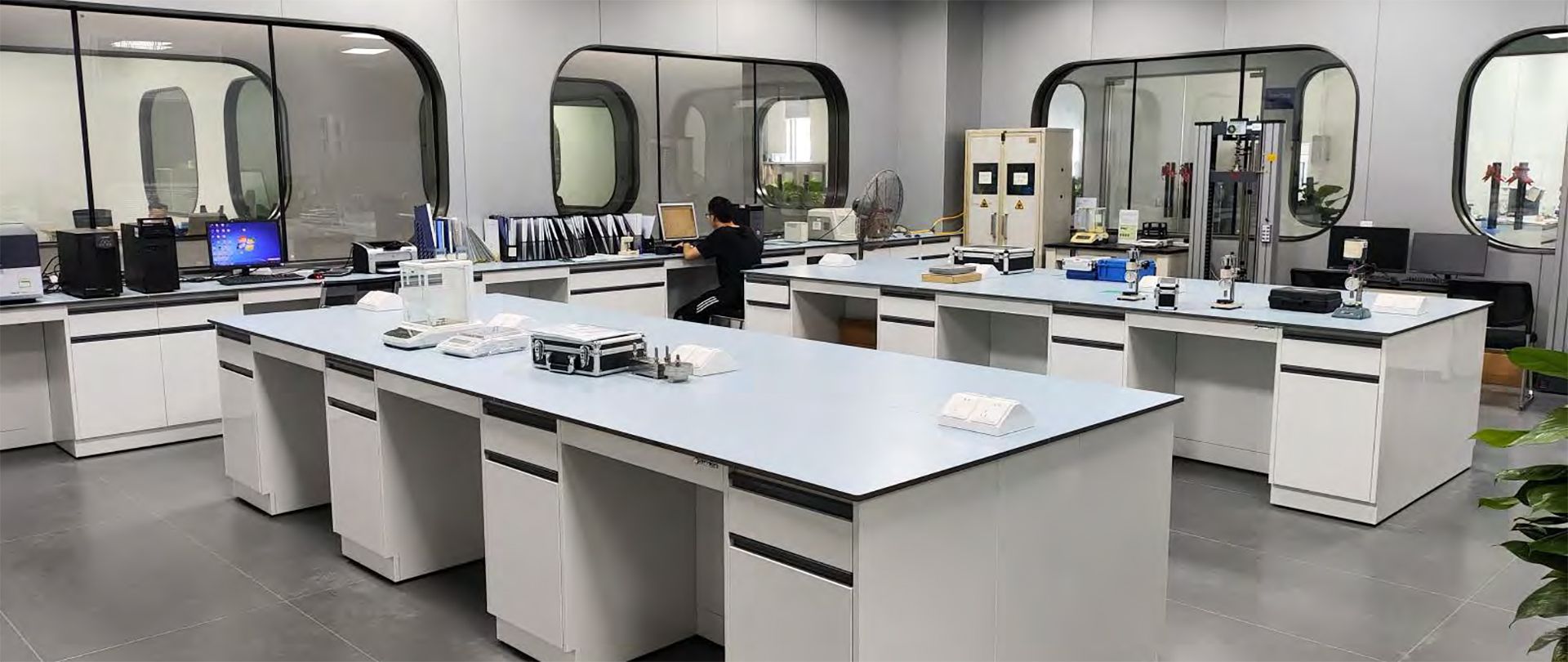
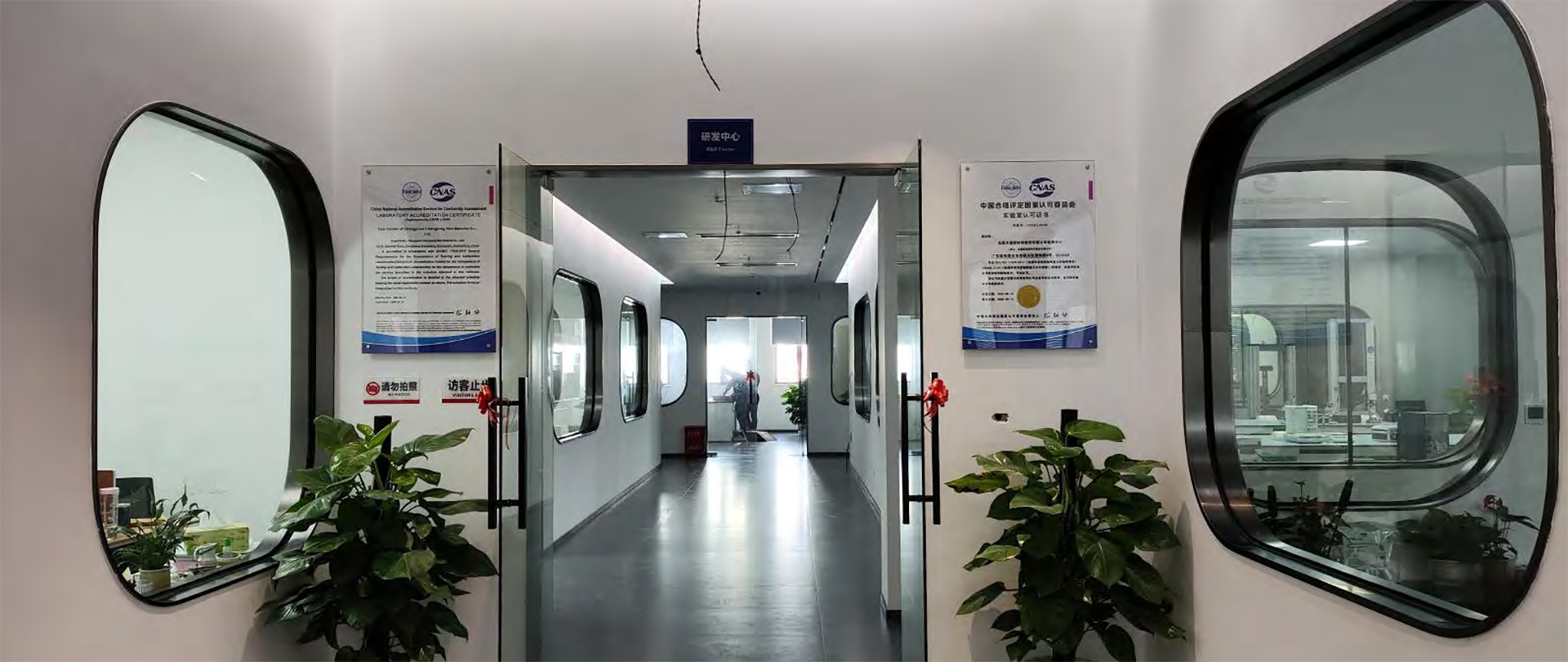
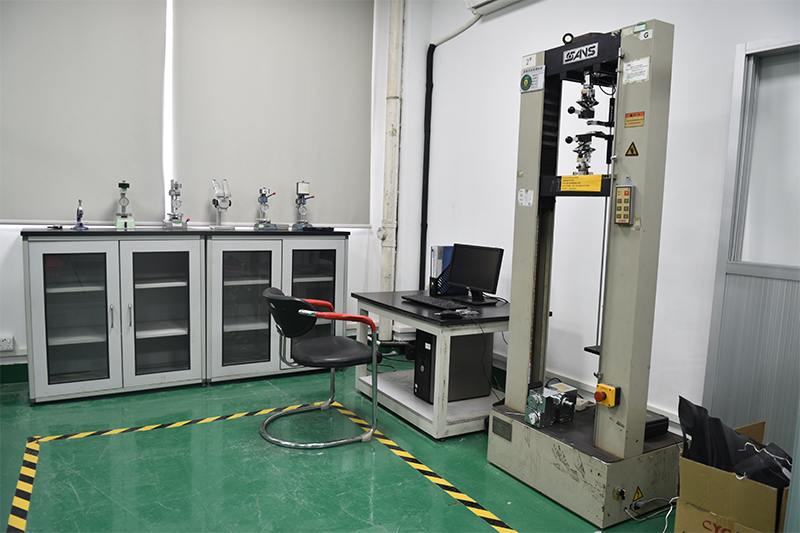
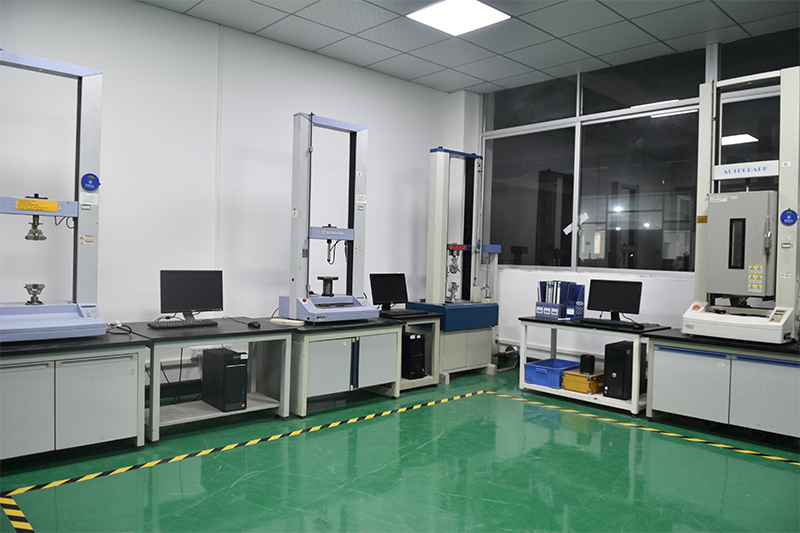
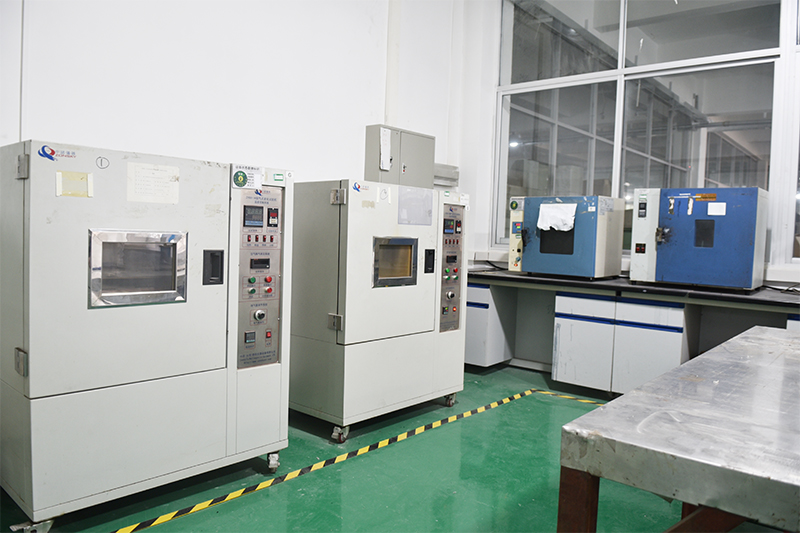
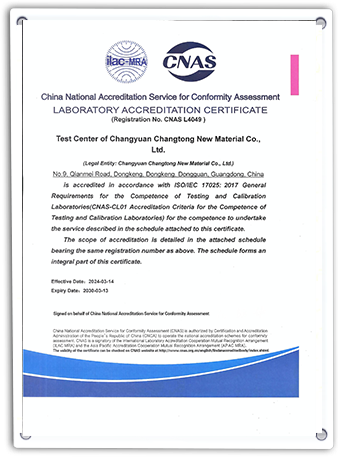
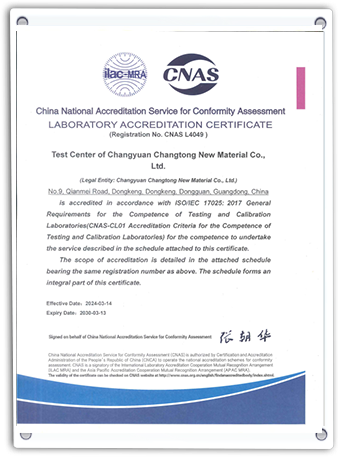
National CNAS-Accredited Testing & Quality Control: CYCT operates an in-house laboratory accredited by the China National Accreditation Service for Conformity Assessment (CNAS). Here, we test raw polymer resin batches and finished sleeves for chemical stability, peel strength, shear resistance, and cathodic disbondment. Our strict quality control processes ensure that each shipment meets international engineering standards.
CYCT is a qualified supplier to major oil and gas operators, including PetroChina, Sinopec, PipeChina, China Gas Group, and Indian Oil. Our manufacturing scale allows us to produce high volumes with short lead times, providing dependable logistics support for major pipeline projects worldwide.
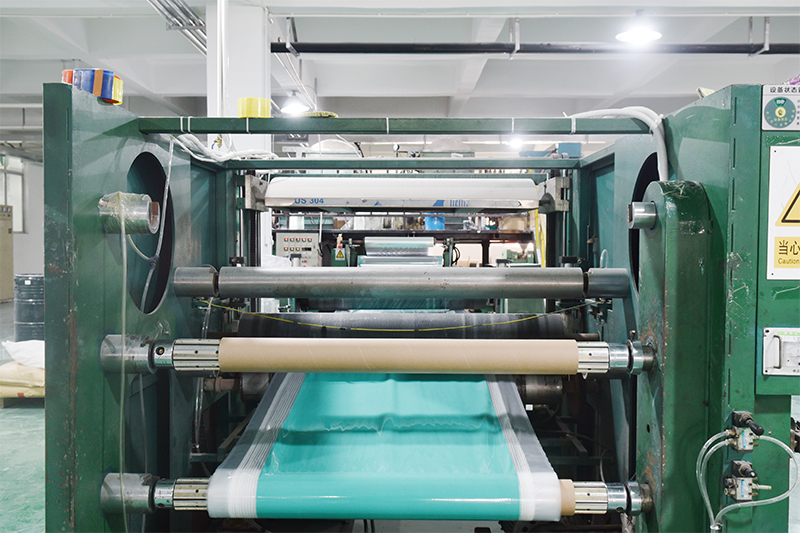
Selecting the appropriate field joint coating depends on the specific project geography, installation methods, and operating temperatures.
High-temperature crude oil and heavy gas lines require continuous heat to prevent wax deposition and maintain flow rates. Standard polyethylene coatings can soften under these conditions. CYCT PP heat shrinkable sleeves provide stable mechanical support and resist sliding at continuous operational temperatures of up to 110°C.
Horizontal Directional Drilling (HDD) exposes pipeline coatings to high shear forces and friction from soil and rocks. To protect the primary corrosion barrier from damage, CYCT offers specialized Heat Shrinkable Fiberglass Reinforced Sleeves (FGRS) and Photo-Curing GRP Protective Sheets to serve as durable outer wraps.
Offshore pipeline construction (such as S-lay and J-lay configurations) requires field joint coatings with low water absorption and resistance to hydrostatic pressure. CYCT PP sleeves provide long-term barrier performance against marine corrosion, protecting subsea joints.
The pipeline transport industry is shifting toward higher operational parameters and increased environmental requirements. Key technological trends shaping the field joint coating market include:
When auditing manufacturers and procuring pipeline field joint sleeves, EPC procurement managers should evaluate the following key parameters:
Ensure the manufacturer provides Mill Test Certificates (MTC) tracking polymer resin grades, chemical additives, and batch formulations from raw material to finished sleeve.
Confirm the supplier's test data (such as peel strength, shear resistance, and cathodic disbondment radius at maximum operating temperatures) is verified by an accredited laboratory (e.g., CNAS).
Verify compliance with standard specifications (including ISO 21809-3, EN 12068 Class C, and DIN 30672) through third-party factory inspections.
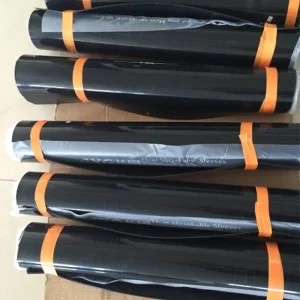
Verify that products are securely packaged to prevent UV degradation or premature activation of the shrink memory during transportation and field storage.
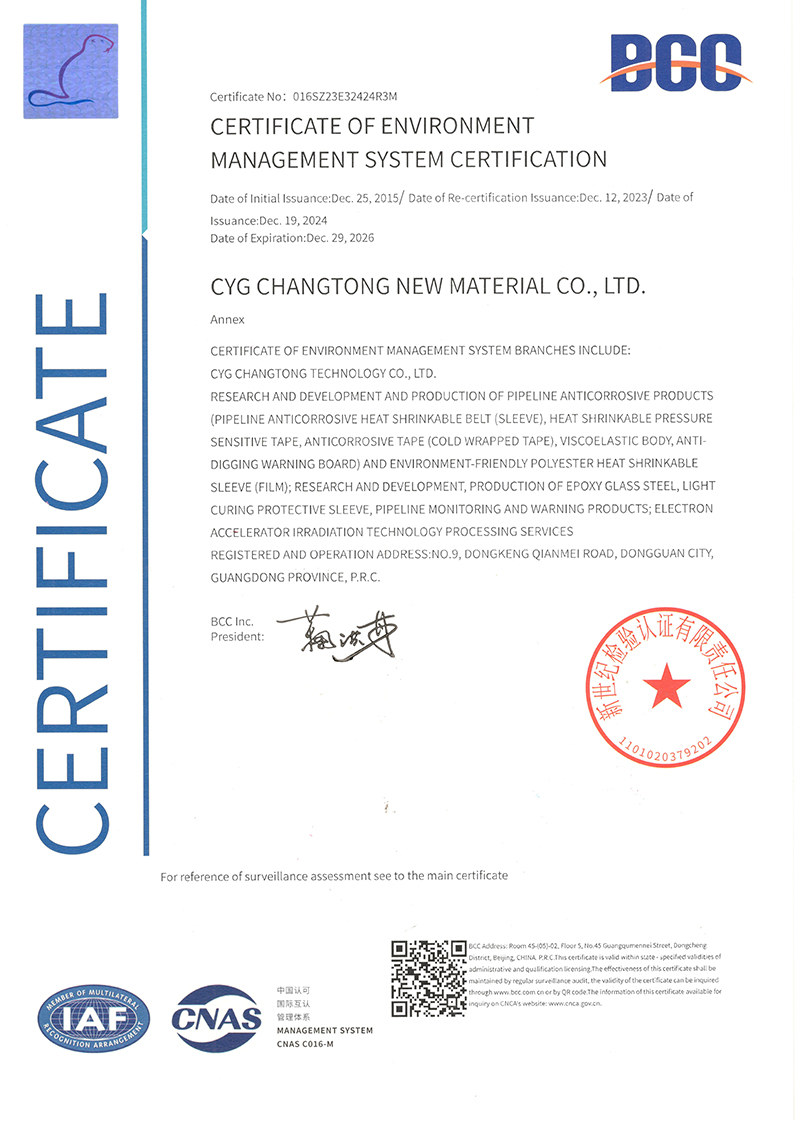
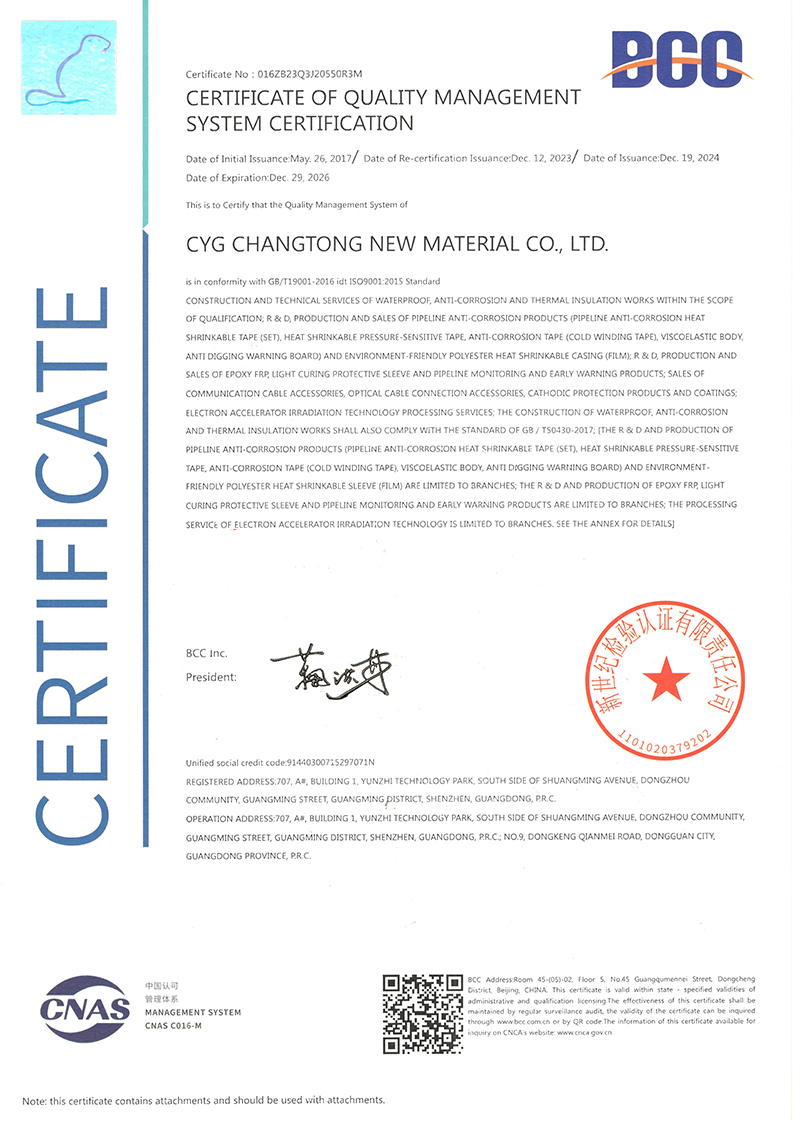
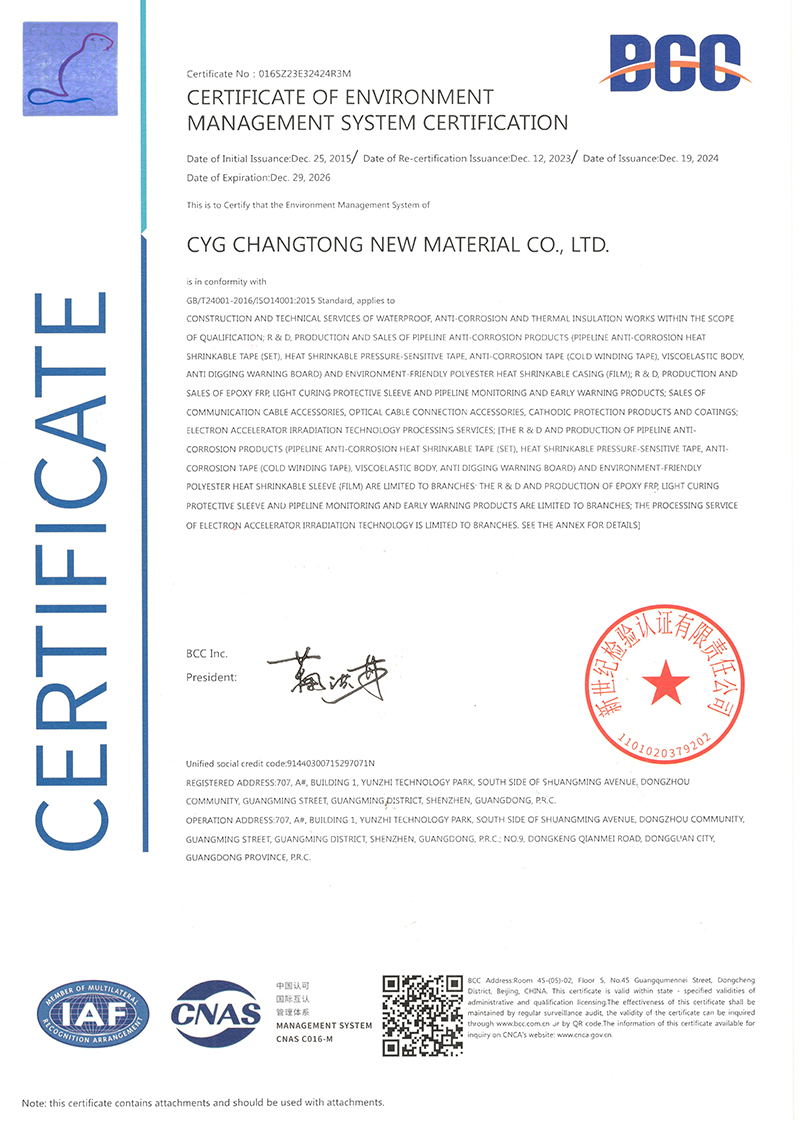
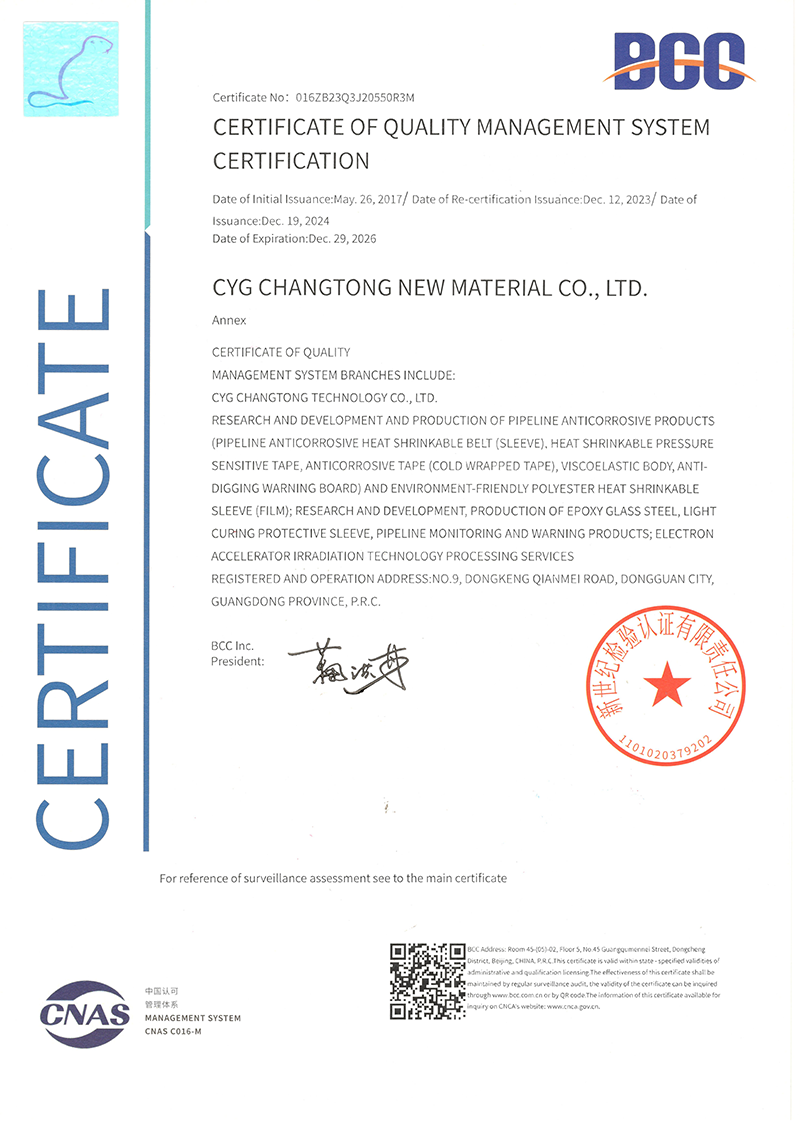
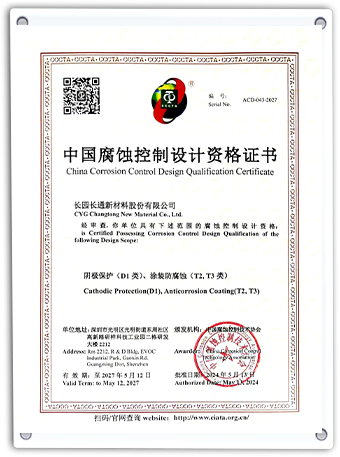
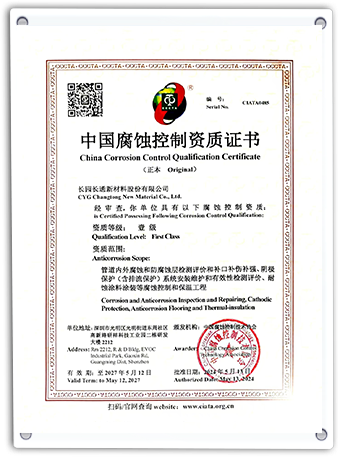
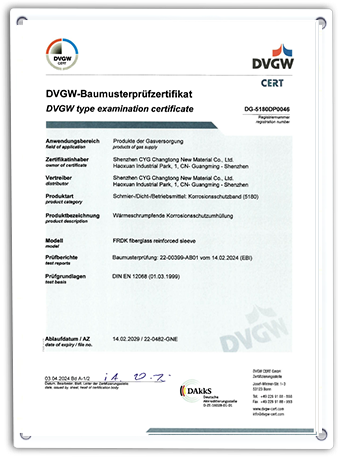
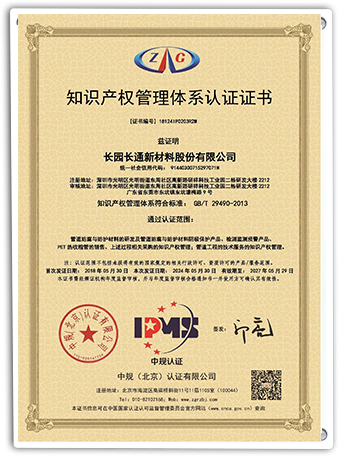
Our commitment to quality is backed by international certifications, industry association memberships, and third-party laboratory credentials.
 CYCT
CYCT