High-performance anti-corrosion system components designed for demanding mechanical requirements
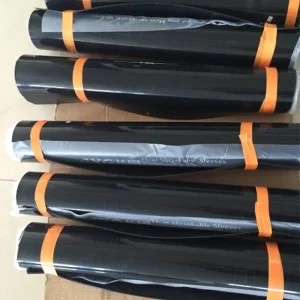
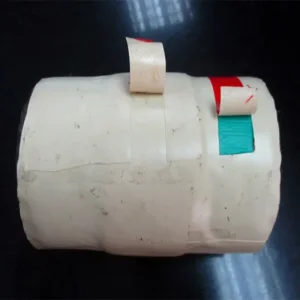
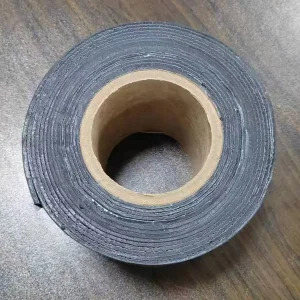
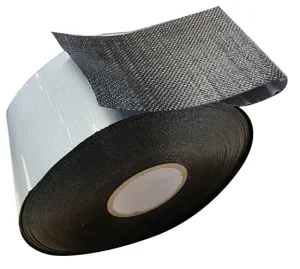
In the modern industrial landscape, pipelines represent the arterial network driving global energy distribution, water transport, and chemical processing. Because these buried or submarine pipelines face unrelenting physical, chemical, and electrochemical stressors, mitigating corrosion is critical to avoiding catastrophic environmental incidents and maintaining economic efficiency. This is where high-integrity polyolefin tapes, viscoelastic coating systems, and heat shrinkable sleeves (HSS) play an indispensable role.
Historically, pipeline corrosion mitigation was heavily dependent on field-applied liquid epoxies or coal tar systems. While effective under controlled conditions, these options often failed when subjected to the high-shear soils, thermal expansion, and rugged mechanical installations characteristic of modern pipeline engineering. Today's global industry standard relies on multilayered polyolefin systems (such as 3LPE and 3LPP) to shield pipelines from degradation. However, field joints (FJC), tees, valves, and repair zones remain the most vulnerable segments of any pipeline network. Without equivalent corrosion defense at these critical transitions, the integrity of the entire infrastructure is compromised.
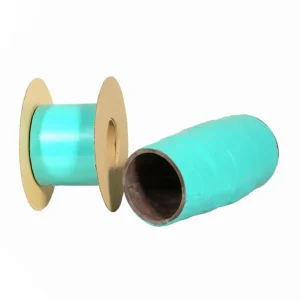
Polyolefin tapes, produced using state-of-the-art polymer co-extrusion technology, combine high-density polyethylene (HDPE) or polypropylene (PP) backings with advanced elastomeric adhesives (such as butyl rubber or viscoelastic mastic). These materials provide an impervious barrier to oxygen and water ingress, maintain high electrical resistivity to ensure optimal cathodic protection (CP) compatibility, and deliver excellent mechanical resistance against soil stress and impact.
Viscoelastic technology provides unique cold-flow, self-healing qualities, allowing the material to flow into micro-cavities and completely wet the substrate, ensuring long-term adhesion.
Advanced polypropylene (PP) outer backings withstand elevated operating temperatures up to 120°C, typical of modern gas pipelines and hot water utility conduits.
High shear and peel strength backings offer protection against soil settling, thermal cycling, and aggressive horizontal directional drilling (HDD) applications.
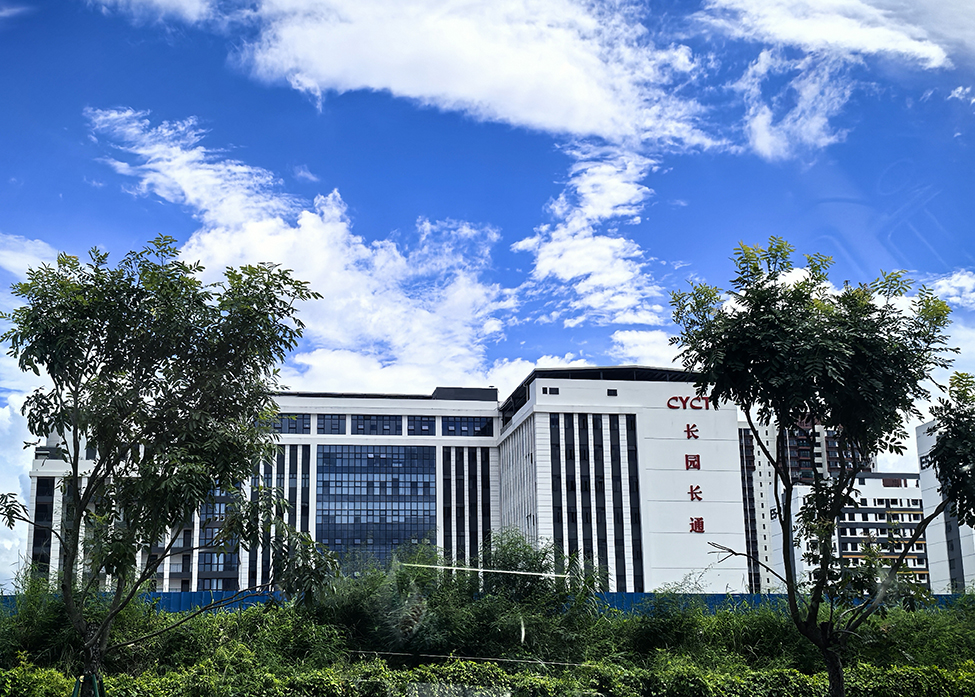
Founded in the year 2000, CYCT New Materials Company Limited (CYCT) has grown to become a premier state-level high-tech enterprise. We are a trusted partner in China and globally, integrating advanced R&D, sophisticated manufacturing, buried pipeline detection services, and custom pipeline coating field applications into one comprehensive industrial platform.
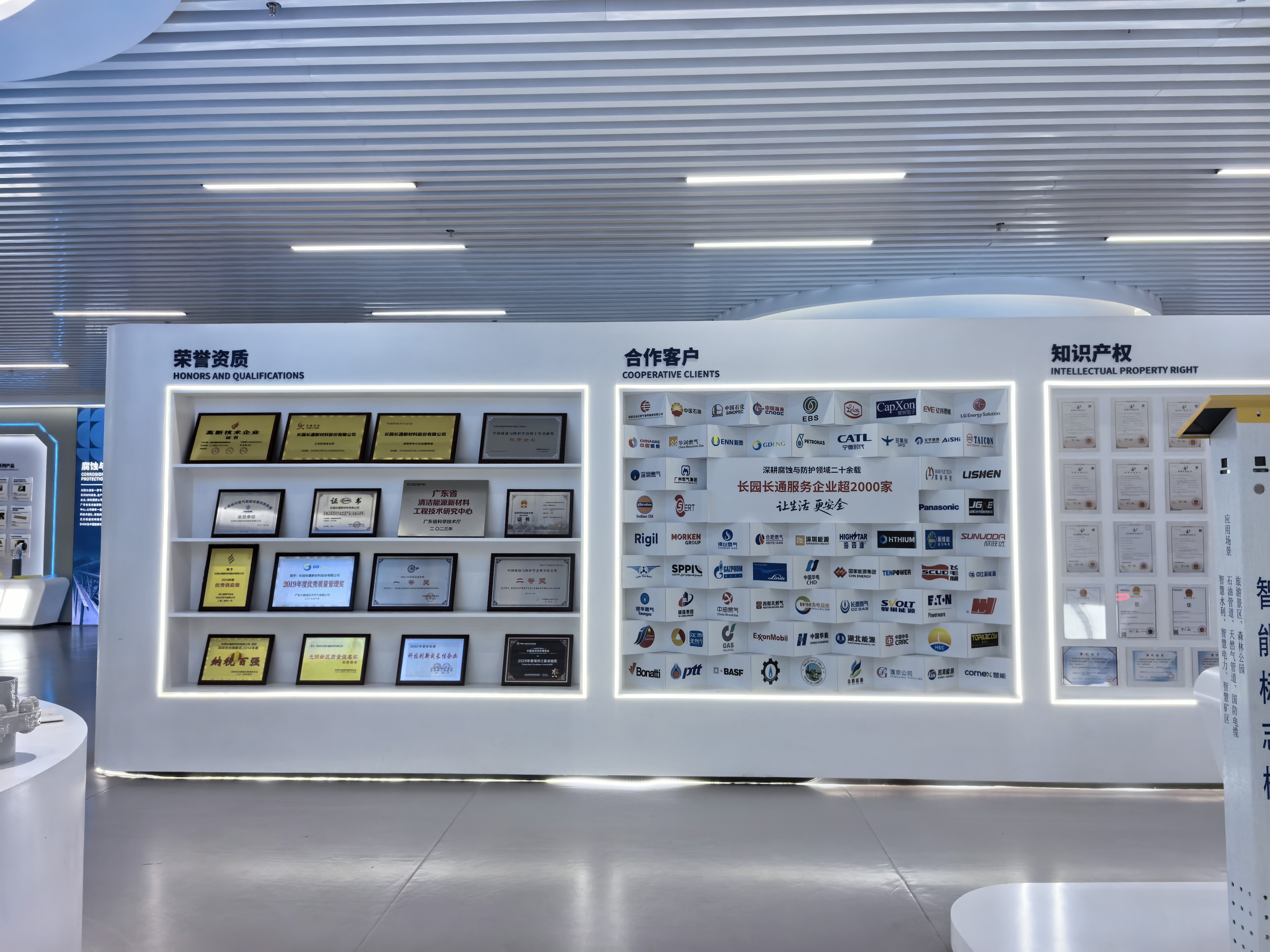
For decades, CYCT has focused on pipeline corrosion protection materials. We have earned a substantial market share and become a stable, long-term supplier of field joint coatings for China’s most critical infrastructure operators, including PetroChina, Sinopec, PipeChina, and various local gas groups, as well as international operations such as Indian Oil. By maintaining a close partnership with premier engineering institutes like the CNPC Pipeline Science Research Institute, CYCT delivers integrated pipeline protection systems designed for maximum longevity.
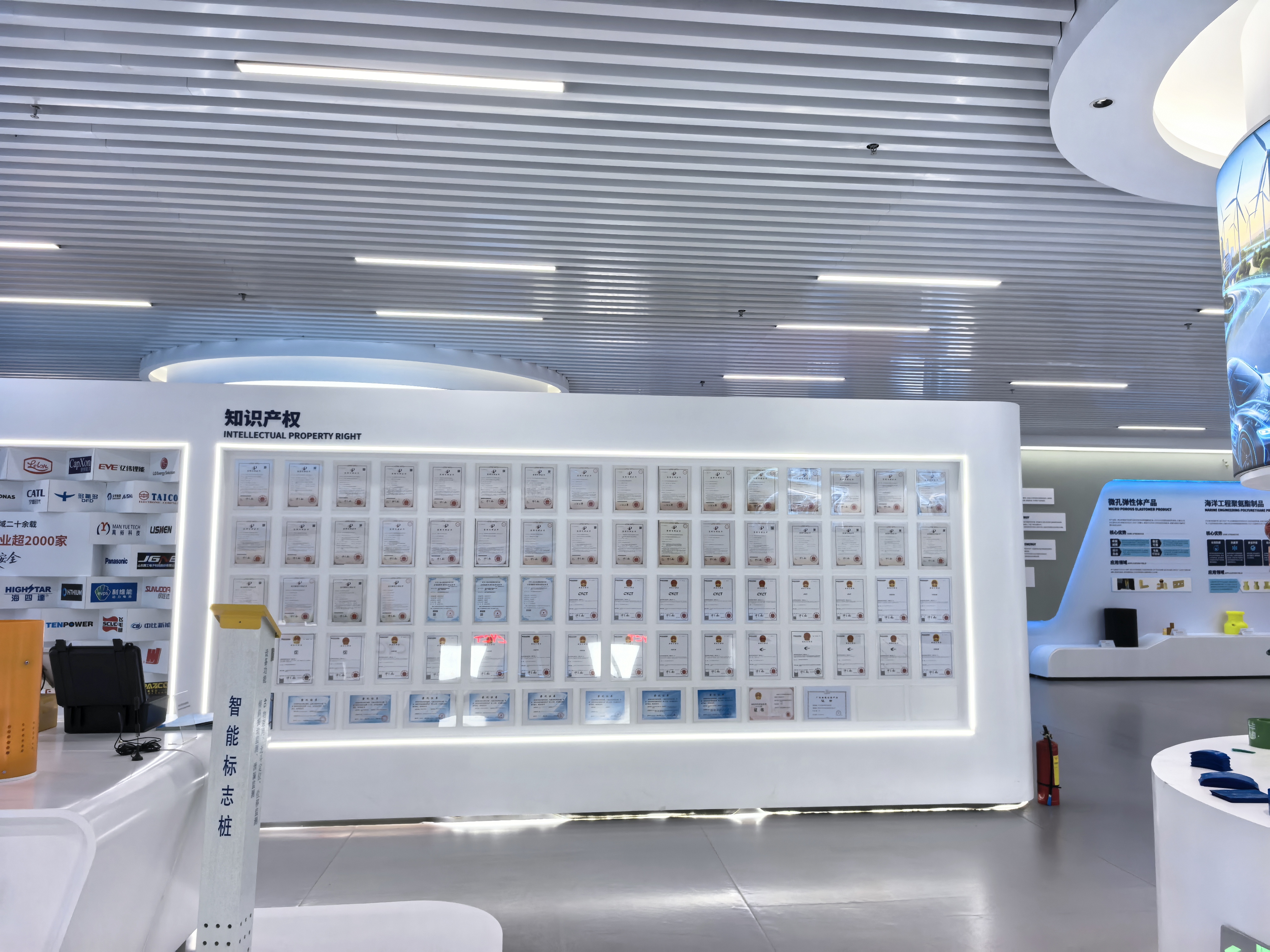
Our capabilities are anchored by a national CNAS-accredited laboratory and a highly professional R&D team equipped with advanced materials testing systems. We have expanded our product lines to include specialized viscoelastic anti-corrosion materials, photo-curing sleeves for trenchless HDD protection, solvent-free epoxy primers, and polyurea coatings. We also offer consulting services, cathodic protection design, and rehabilitation project execution.
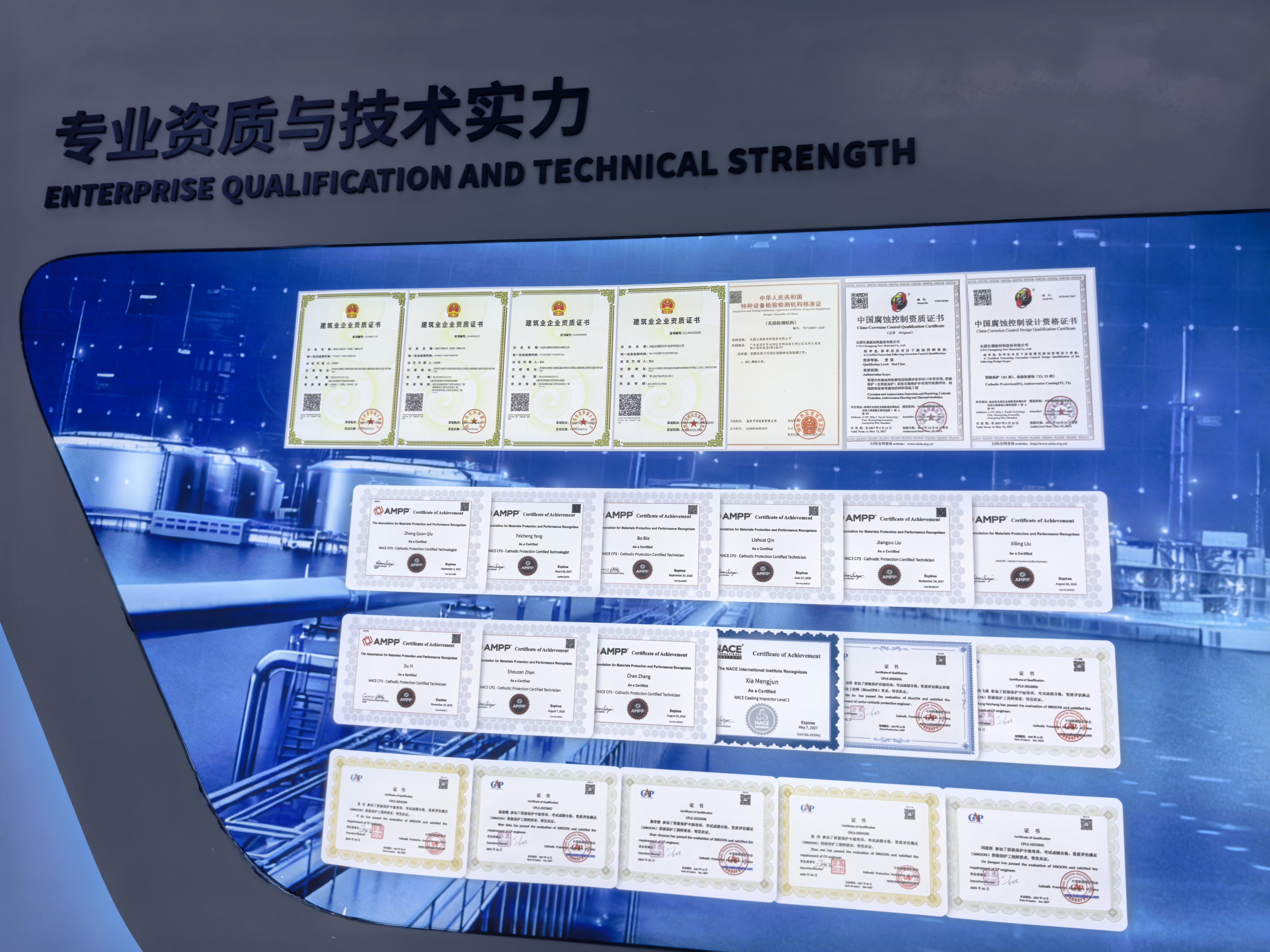
Member of Chinese Society for Corrosion and Protection (CSCP) and China Association of Petroleum Engineering Construction (CAPEC)
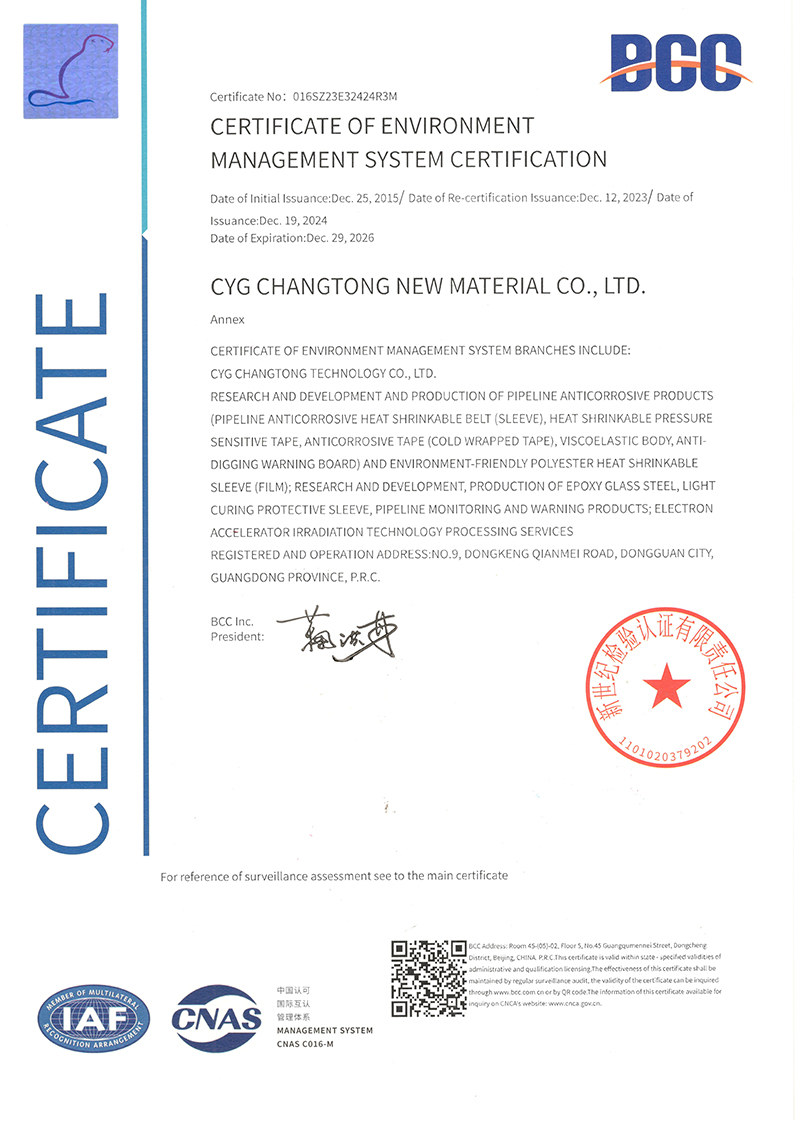
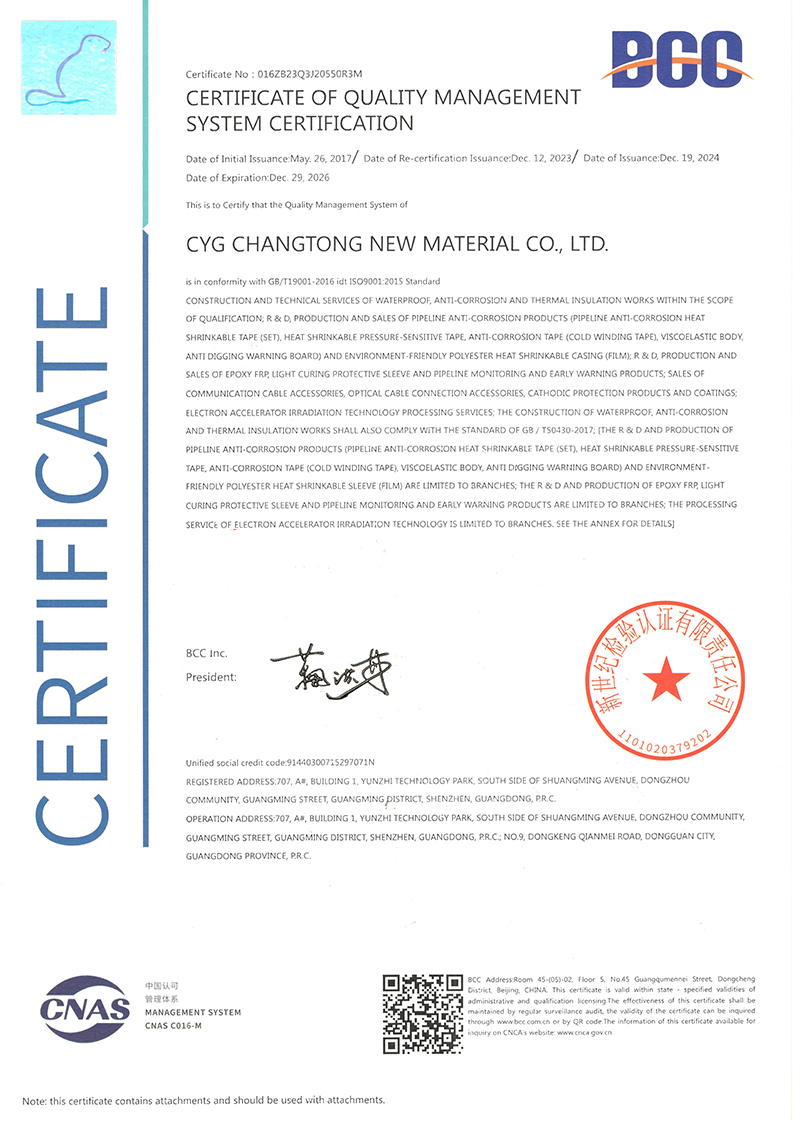
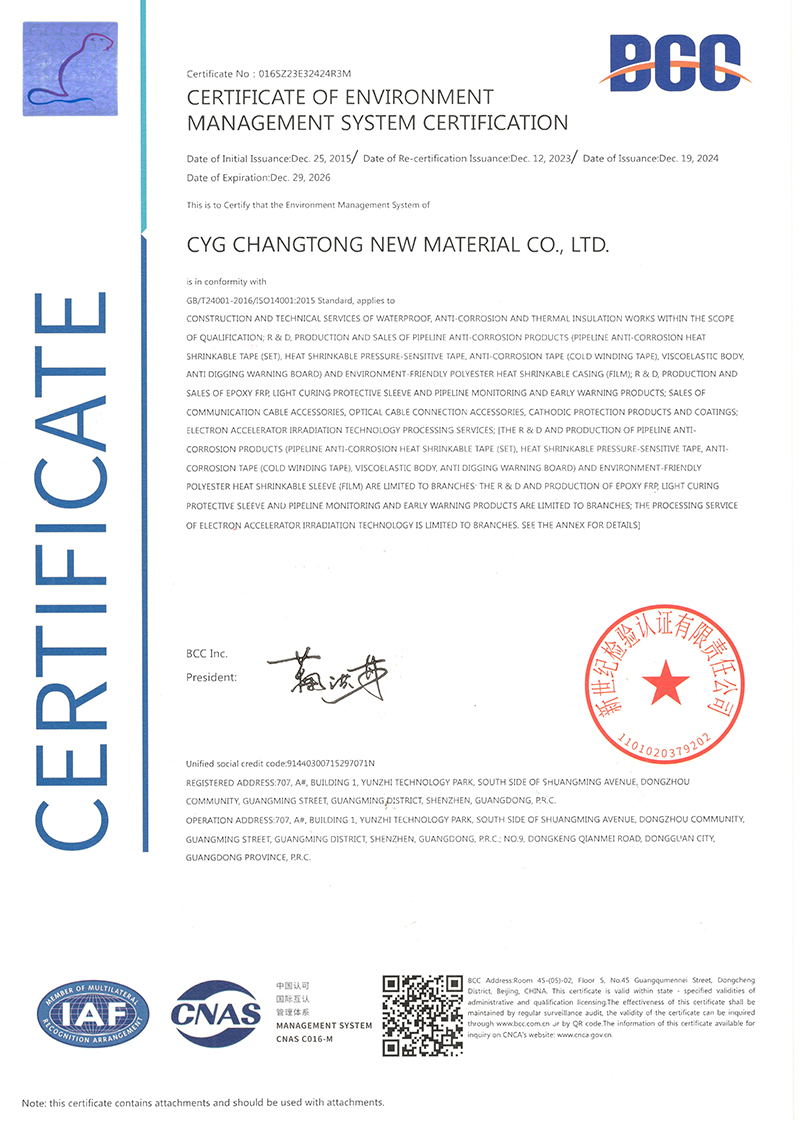
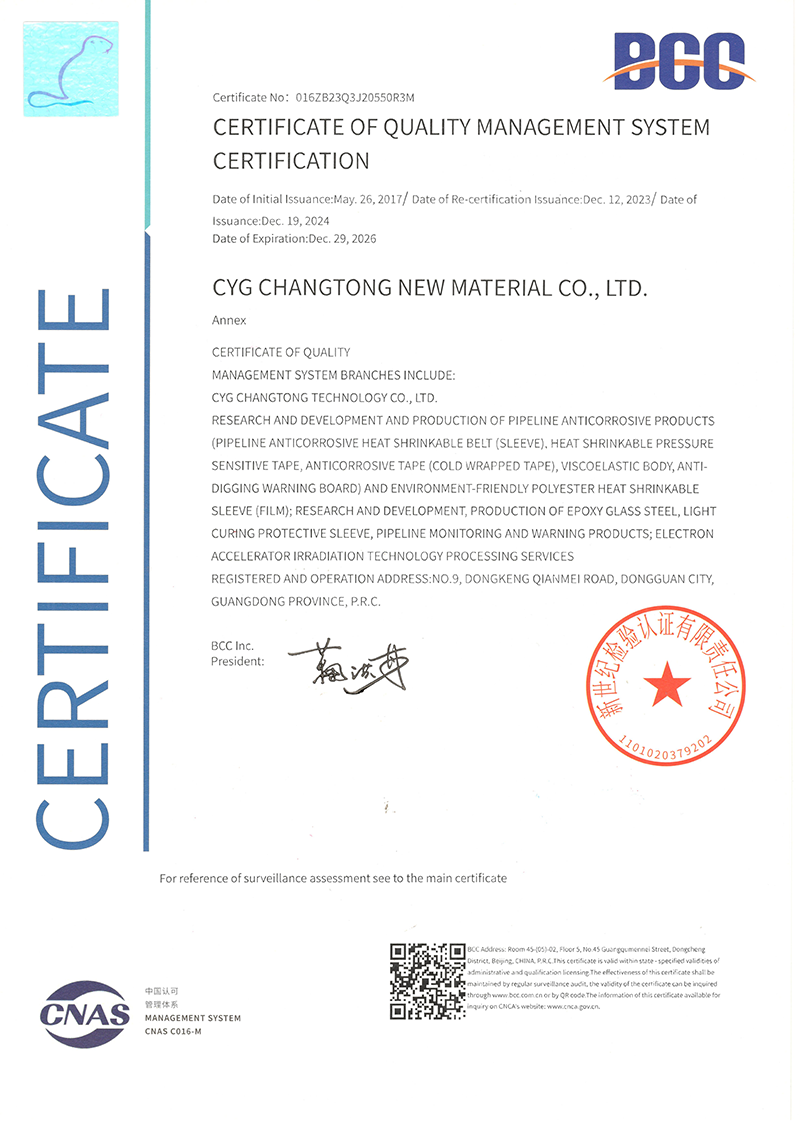
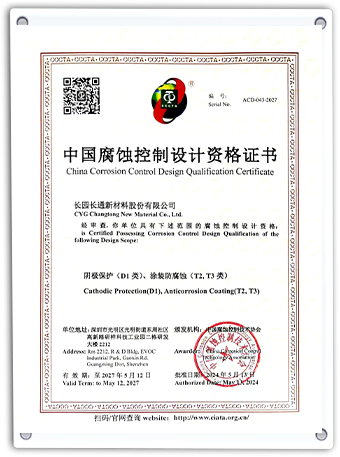
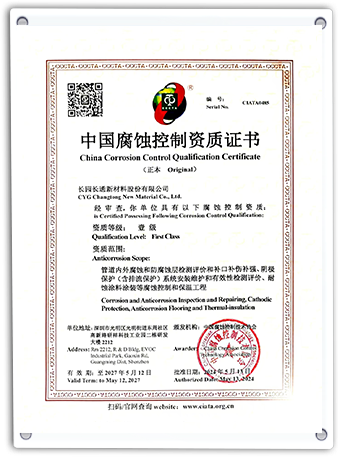
A Recognized Standard of Engineering Credibility: CYCT holds the Qualification Certificate of Corrosion Protection Construction and the Qualification Certificate of Pipeline Detection. As a recognized brand in pipeline corrosion protection, CYCT works closely with the international AMPP (NACE) network to ensure our polyolefin and viscoelastic tape solutions meet international quality standards.
Designing an effective pipeline corrosion prevention strategy requires a clear understanding of your environment. Whether using cold-applied polymeric tapes, heat-shrinkable materials, or advanced viscoelastic compounds, selecting the right material is essential to long-term performance. Below is a comparative look at the options designed by CYCT's engineering teams:
| Technology Class | Common Materials | Operating Temp Range | Primary Standards | Main Advantage |
|---|---|---|---|---|
| Cold-Applied Polyolefin Tapes | Polyethylene (PE) Backing + Butyl Adhesive | -30°C to +80°C | ASTM G8, ISO 21809-3 | Simple installation, economical protection, strong soil shear resistance. |
| Viscoelastic Tapes & Putties | Polyisobutylene (PIB) Compound (VT95) | -45°C to +95°C | ISO 21809-3 Type 1B | Excellent self-healing, zero cathodic disbondment, minimal surface prep required. |
| Heat-Shrinkable Sleeves | Cross-linked Polyolefin + Hot Melt Adhesive | -40°C to +120°C | EN 12068 Class C, ISO 21809-3 | Exceptional mechanical strength, ideal for high-temperature field joints. |
| Fiberglass Sleeves for HDD | Glass Fiber Reinforced Resin Matrix | -50°C to +120°C | API RP 5L9, custom mill-spec | Highly abrasion resistant, protects primary coatings during directional drilling. |
Our VT95 viscoelastic tape operates on a simple principle: liquid-like surface contact with solid-like mechanical stability. Because this material is non-crystalline and non-crosslinked, it exhibits viscous flow that allows it to wet the surface of steel substrates at a microscopic level. It occupies all surface roughness profiles (SSPC-SP 2/3 or Sa 2.5) and completely prevents the penetration of water and oxygen.
Additionally, viscoelastic coatings do not cure. They remain flexible throughout their service life, accommodating expansion, contraction, and structural movement without cracking or delaminating. This technology is highly effective for valve protection, irregular fittings, and complex flange connections.
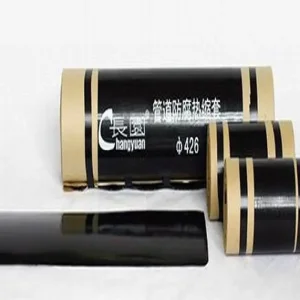
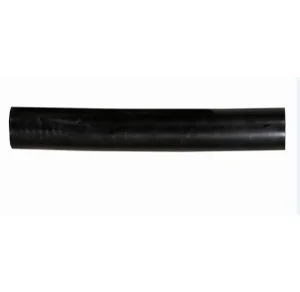
For pipelines operating at elevated temperatures or installed in high-stress soil environments, CYCT offers heat-shrinkable polypropylene sleeves (FRPD-PP) and polyethylene sleeves. These sleeves are constructed using a radiation cross-linked backing, which is coated on the inside with a protective hot melt adhesive layer.
During installation, heat causes the backing to shrink and the adhesive layer to melt, flowing into all surface imperfections. This forms a tough, durable outer layer that provides excellent mechanical resistance to soil stresses and thermal cycles.
Corrosion mitigation challenges vary widely depending on the environment. CYCT offers customized configurations designed to perform in specific industrial scenarios:
Horizontal Directional Drilling (HDD) subjects pipeline coatings to intense shear forces as they pass through soil and rock. Our fiberglass-reinforced sleeves protect the underlayer from damage, preventing future corrosion issues.
Oil pipelines, hot utility steam lines, and desert installations require specialized coatings. CYCT’s high-temperature polypropylene outer tapes and PP repair patches maintain adhesion and mechanical properties up to 120°C.
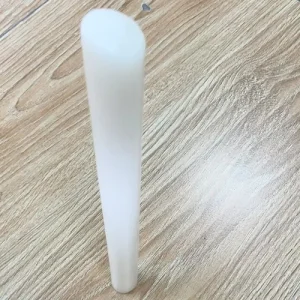
For existing pipelines that show coating degradation, CYCT provides repair patches, FRDX hot melt sticks, and field-applied viscoelastic tapes. These materials allow operators to complete repairs with minimal surface preparation.
Technical insights on application, performance, and international standards
Viscoelastic materials, such as our VT95 tape, are non-crystalline polymers. They exhibit liquid-like surface tension that allows them to flow into all surface irregularities on the steel substrate. This creates a zero-void interface, eliminating the risks of peeling and water migration common with standard butyl rubber adhesives on complex surfaces like valves and flanges.
For 3LPP (3-Layer Polypropylene) pipelines, we supply FRPD-PP heat-shrinkable sleeves designed to withstand higher operating temperatures. The installation involves preheating the steel joint, applying a high-temperature liquid epoxy primer, and wrapping the joint with our PP sleeve. When heated, this system bonds directly with the factory-applied 3LPP coating, creating a continuous protective layer.
For standard polyolefin and heat-shrinkable systems, we recommend abrasive blasting to Sa 2.5 or mechanical cleaning to St 3. For our viscoelastic tape, the surface preparation requirement is less stringent: manual wire brushing to St 2 or SSPC-SP 2 is sufficient. This makes viscoelastic systems an excellent option for field repairs where blasting equipment is difficult to deploy.
Yes. In trenchless HDD applications, the pipeline experiences high friction, abrasion, and shear forces. CYCT’s high-performance heat-shrinkable fiberglass-reinforced sleeves are specifically designed for these installations. The outer glass fiber composite layer acts as a sacrificial barrier, protecting the primary anti-corrosion coating from damage as the pipe is pulled through the borehole.
Our polyolefin tapes and viscoelastic coatings are designed to be compatible with cathodic protection. They feature high dielectric strength to resist electrical breakdown and excellent resistance to cathodic disbondment. This ensures that even if minor mechanical damage occurs, the surrounding coating remains firmly bonded, allowing the CP current to protect the exposed steel without causing further delamination.
Verified pipeline joint coatings, repair patches, and specialized primers for modern engineering projects
 CYCT
CYCT