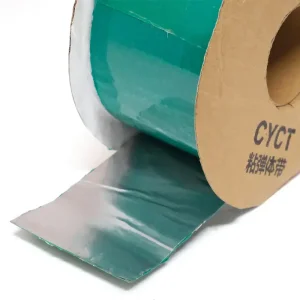
Explore our leading field joint coatings, heat shrinkable sleeves, and anti-corrosive outer tapes engineered to meet AMPP, ISO, and EN global pipeline criteria.
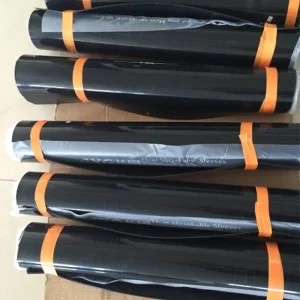
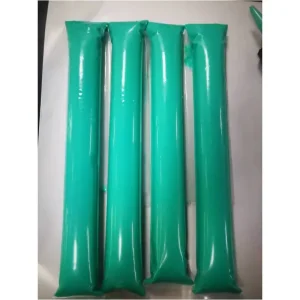
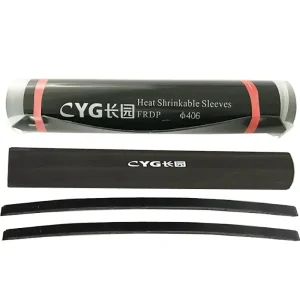
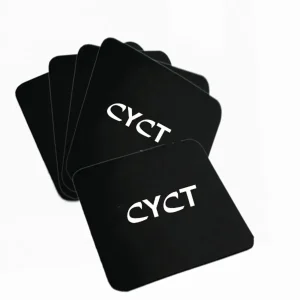
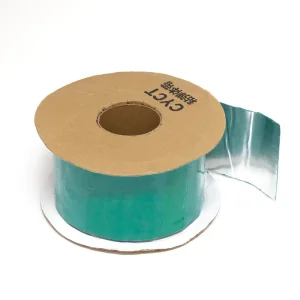
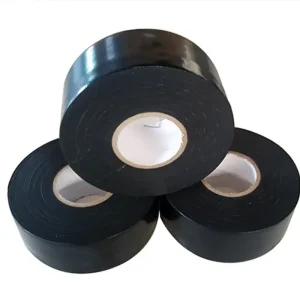
Whitepaper Depth: Analyzing the technological transition from traditional field protection to high-integrity polymeric systems.
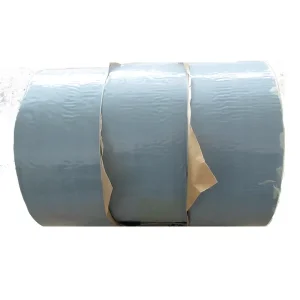
Polymeric Outer Tape is a primary mechanical and corrosion-protection system utilized extensively in large-diameter oil, gas, and water distribution networks. In standard multi-layer anti-corrosion configurations, the polymeric outer wrap functions as the outer armor. It shields the internal primer, viscoelastic sealant, or inner butyl-rubber tape layer from structural impact, soil stress forces, UV degradation, and environmental moisture ingress.
Over the past two decades, pipeline engineering has progressively transitioned from traditional bituminous or asphalt-based wraps to specialized cold-applied polymeric tapes. This transformation is driven by the need for longer asset lifespans (typically exceeding 30-50 years) and the emergence of severe soil dynamics, high operating temperatures, and trenchless installation methods such as Horizontal Directional Drilling (HDD).
Crucial Material Trend: The modernization of cold-applied polymeric outer wraps emphasizes co-extruded polyethylene (PE) or polypropylene (PP) backing membranes coupled with high-shear elastomeric adhesives. This formulation delivers extreme resistance to mechanical indentation and cathodic disbondment under varied subterranean conditions.
Additionally, modern global environmental policies dictate a shift away from high-solvent liquid primers toward solvent-free epoxy systems and non-toxic viscoelastic materials. These material developments ensure that the system maintains chemical bonding efficiency while complying with demanding health and safety regulations at the job site.
A breakdown of the multi-layered science behind polymeric outer wraps and their resistance profiles.
Formulated with high-density polyolefins, the backing film delivers massive resistance to rock impacts, construction backfilling, and continuous soil stress during seasonal moisture changes.
Integrated with specialty cross-linked butyl rubber or elastomeric adhesives, the tape forms a cohesive bond that prevents creeping, slipping, or wrinkling under physical strain.
When used with high-integrity primers, these polymeric tapes prevent the ingress of corrosive ions, shielding the steel pipe even if minor mechanical damage occurs during handling.
Custom solutions addressing thermal expansion, mechanical stresses, and trenchless engineering.
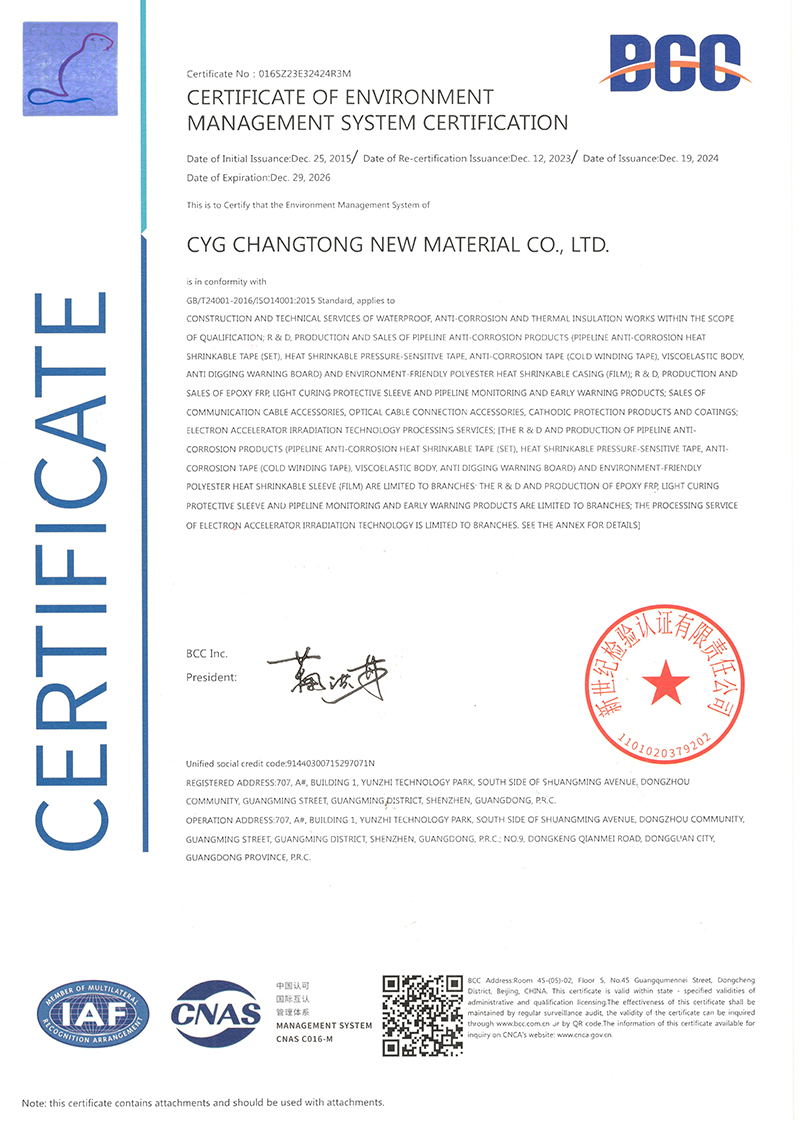
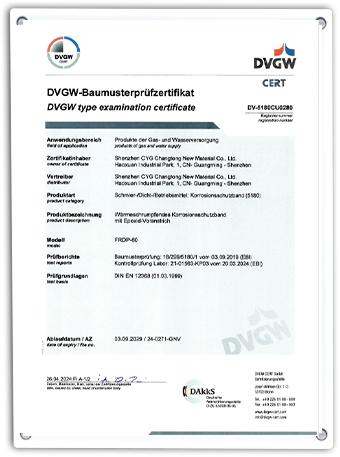
For B2B procurement managers, sourcing anti-corrosion outer wraps requires navigating dynamic engineering certifications. Project specifications often mandate compliance with internationally recognized standards such as ISO 21809-3 (Field Joint Coatings), EN 12068 (Stress Class C-50/C-80), and AMPP (formerly NACE) SP0169/SP0274. Ensuring a reliable source with ISO 9001 certified QA processes reduces pipeline failure risks and installation delays.
Moreover, the cost of field joint rehabilitation far exceeds the initial material costs. Procurement officers look for high-performance polymeric tape systems that can be applied with manual wrap machines or hand tools, ensuring application consistency even under challenging field conditions.
A State-Level High-Tech Enterprise specializing in R&D, manufacturing, and technical support for pipeline corrosion protection.
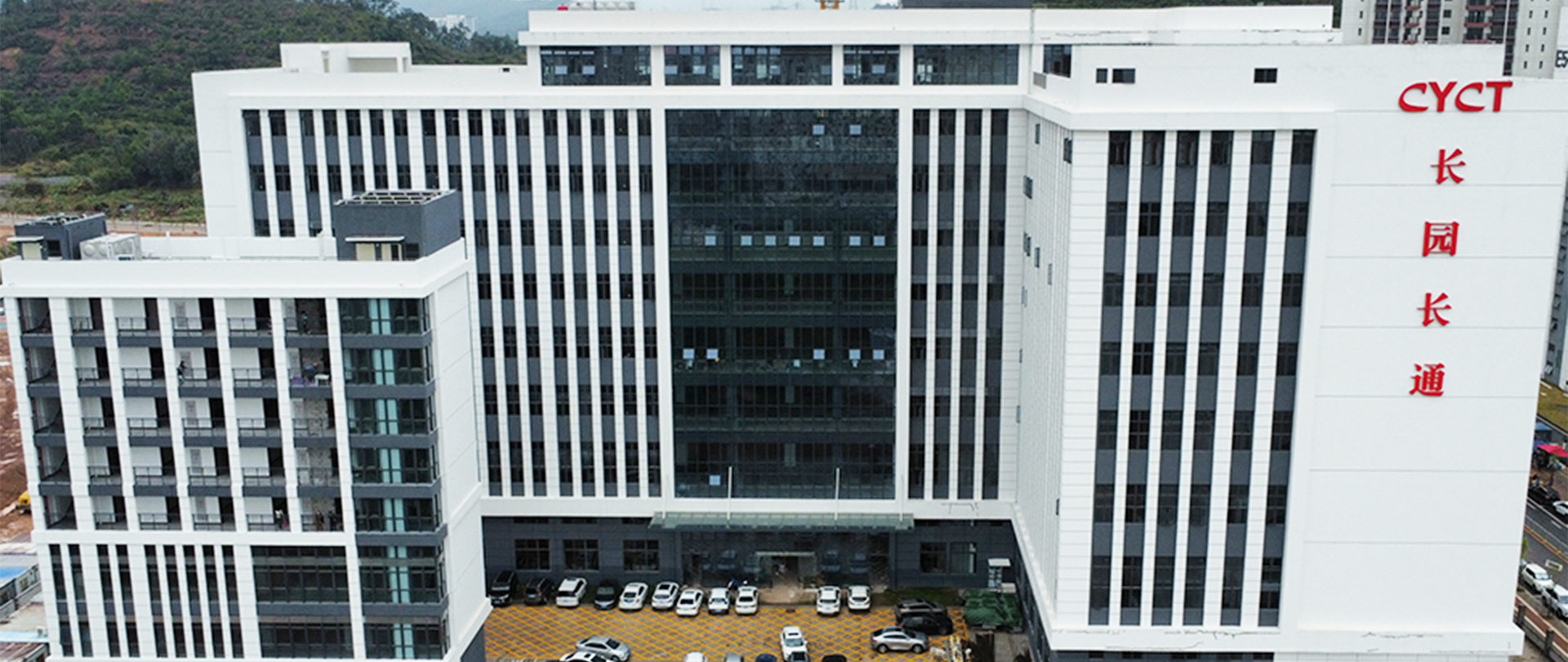
CYCT New Materials Company Limited (for short, CYCT) is a state-level high-tech enterprise integrating R&D, production and sales of pipeline corrosion protection materials as well as buried pipeline detection service and pipeline coating filed application service into one. CYCT devotes itself to R&D, production and sales of pipeline corrosion protection materials for decades.
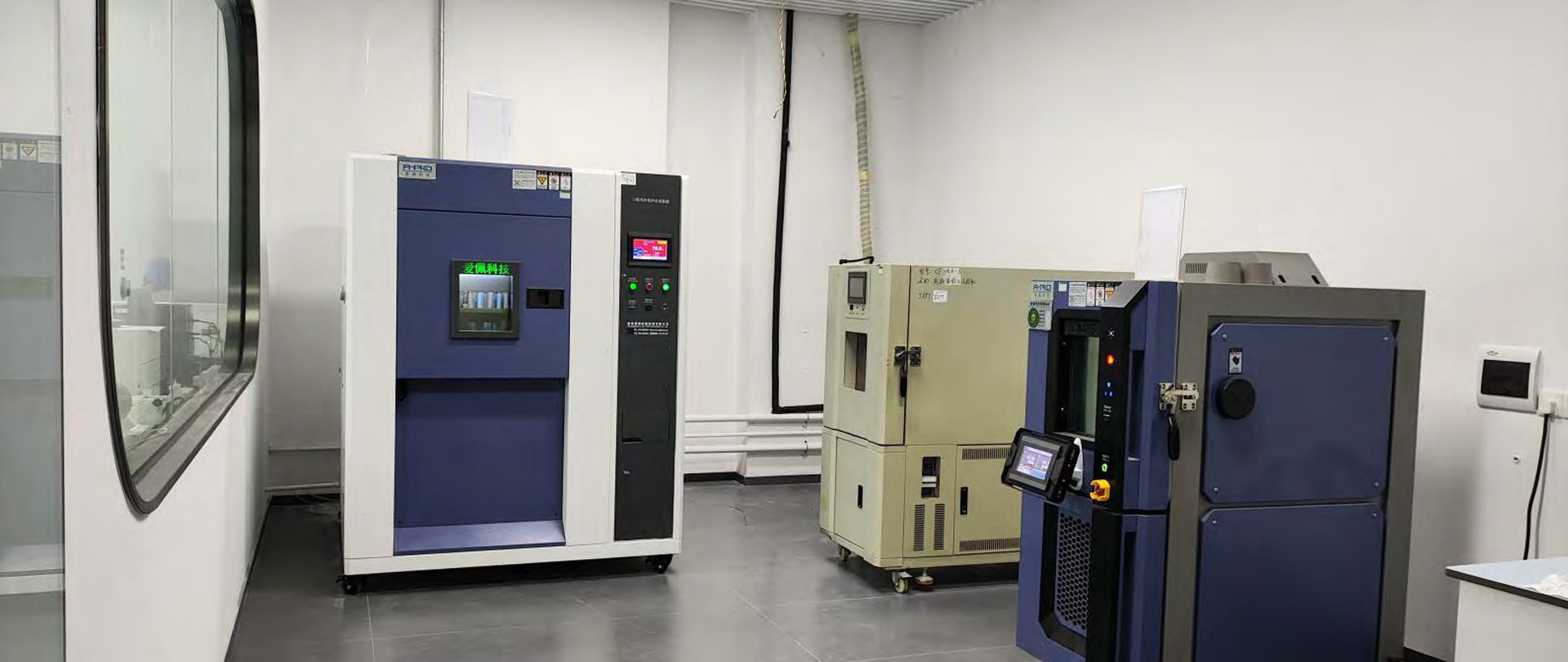
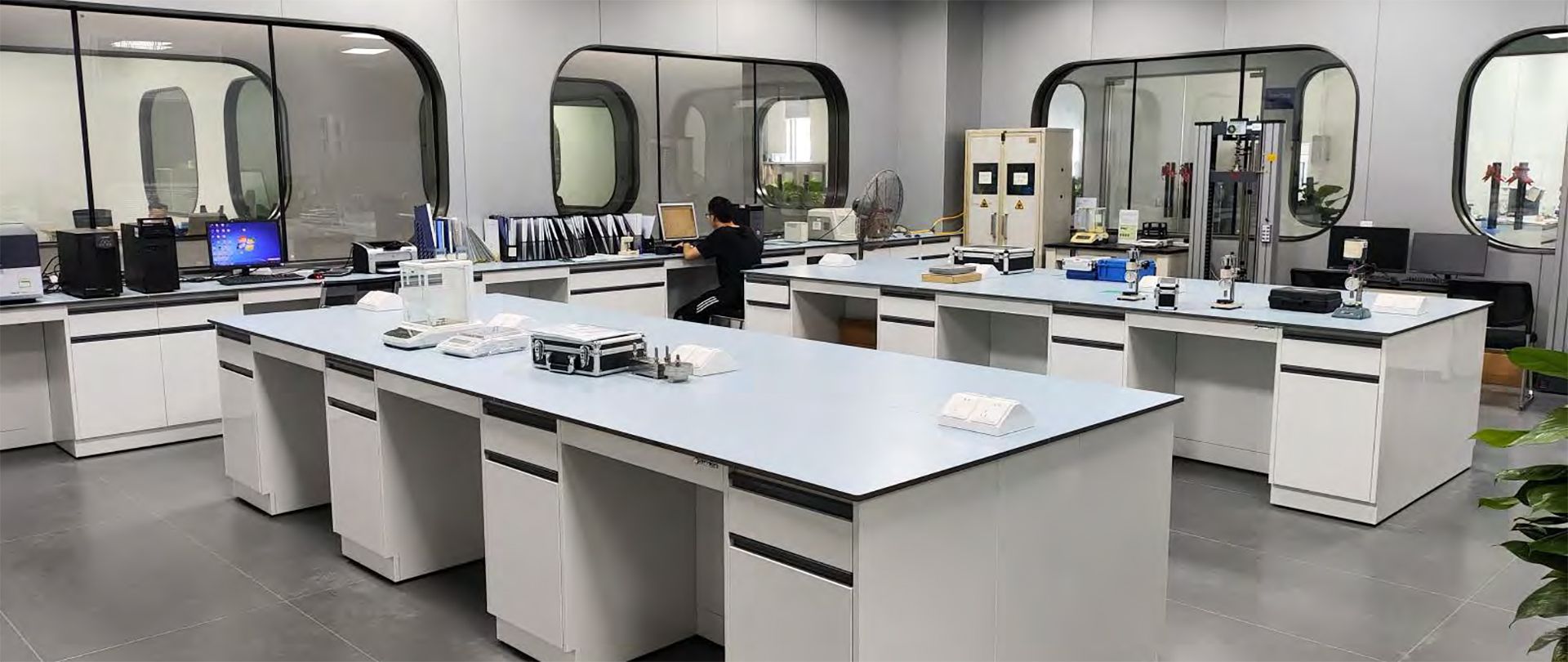
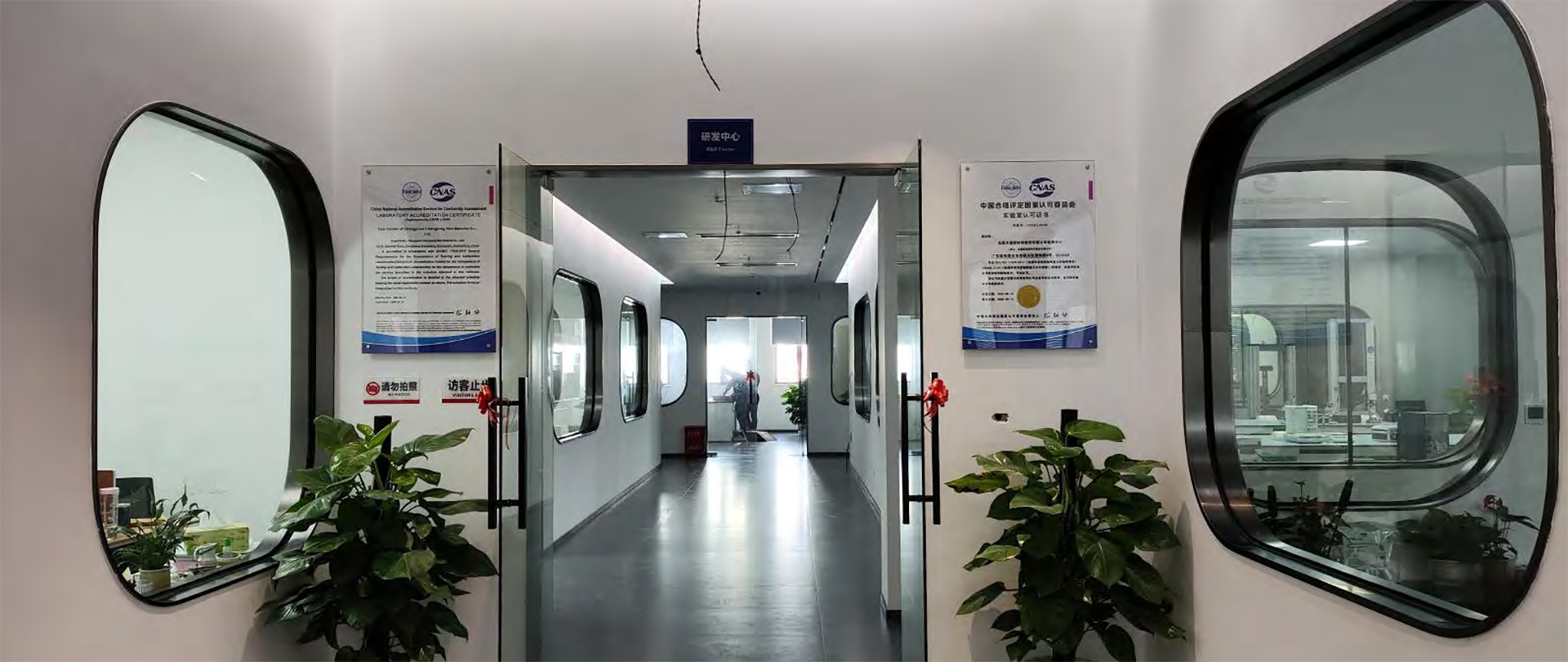
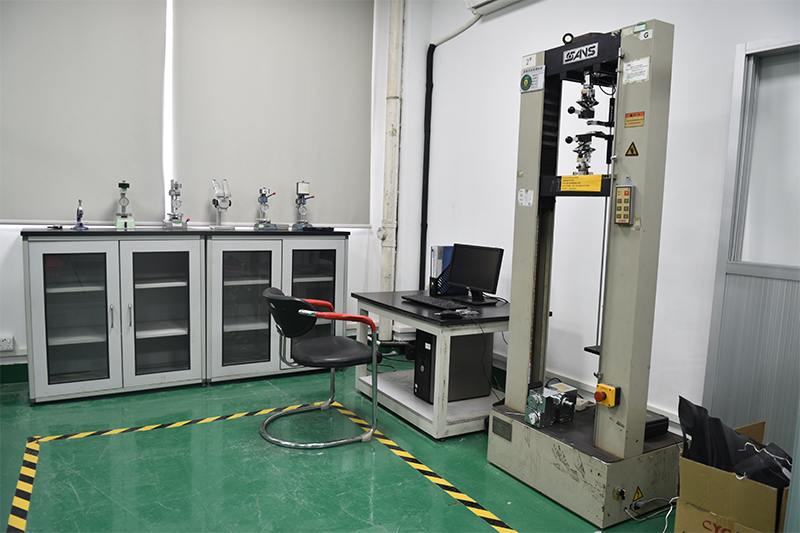
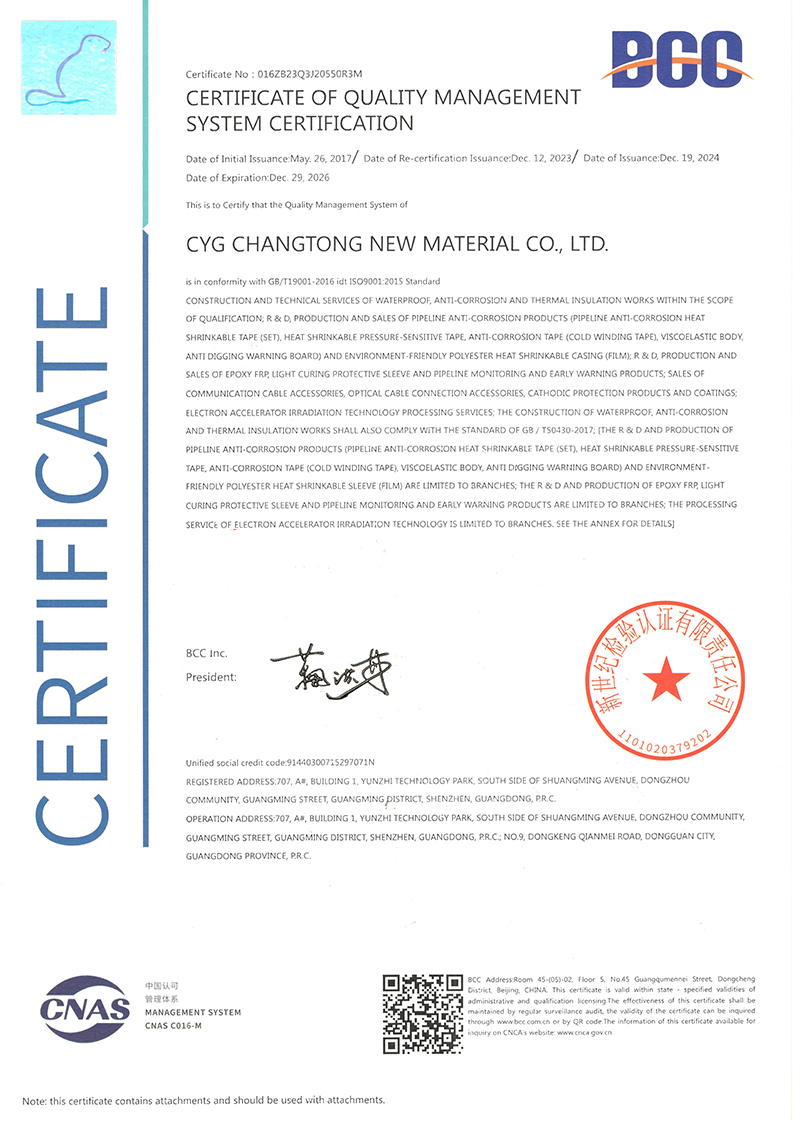
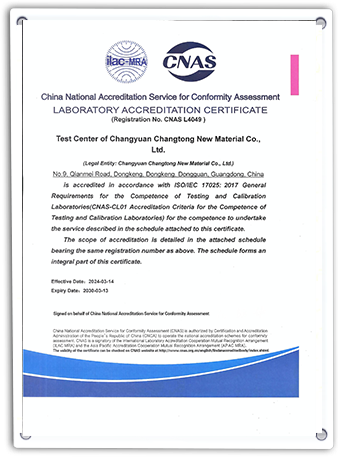
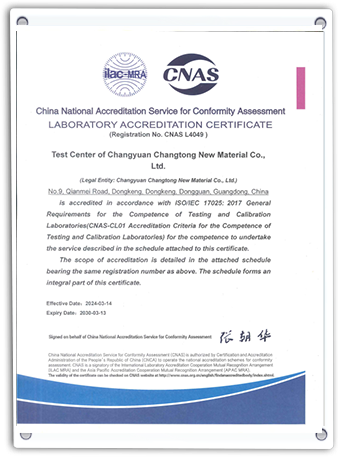
CYCT owns leading testing and R&D capabilities, a professional R&D team, and a national CNAS-accredited laboratory. By maintaining close partnerships with academic institutes like the CNPC Pipeline Science Research Institute, we provide comprehensive, lifecycle protection for major transit pipelines worldwide.
Approved Global Supplier Status:
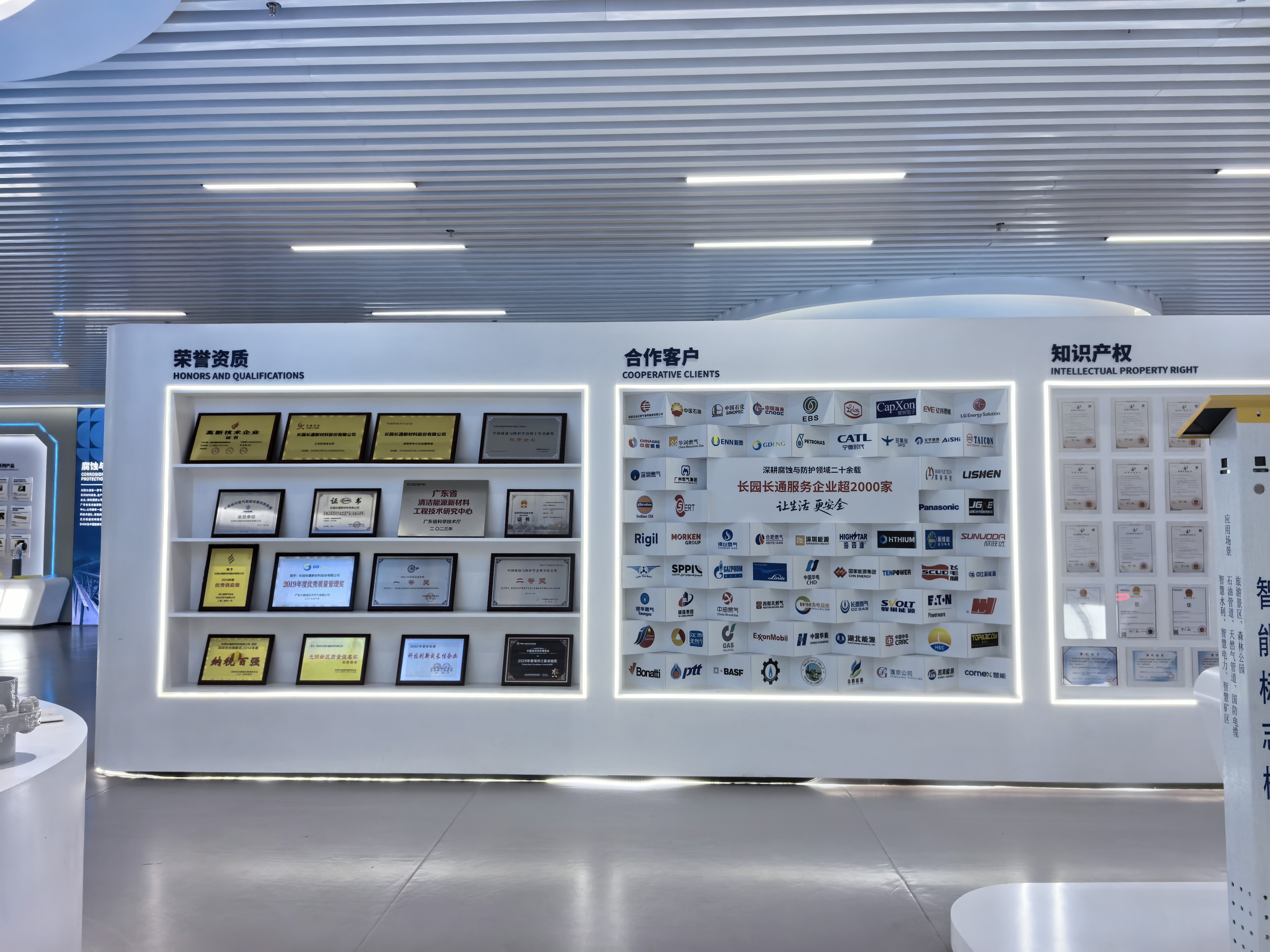
CYCT has established itself as a stable supplier of field joint coatings for PetroChina, Sinopec, PipeChina, China Gas Group, and Indian Oil Corporation, commanding a leading market share in critical energy infrastructure.
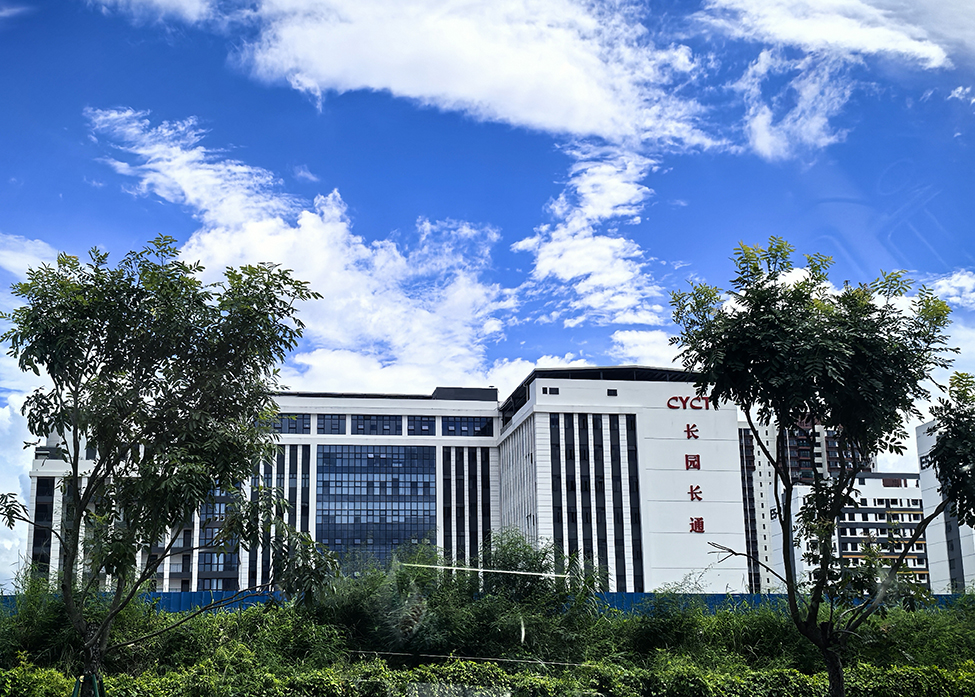
Our dedicated manufacturing base, testing procedures, and logistical infrastructure ensure global delivery compliance.
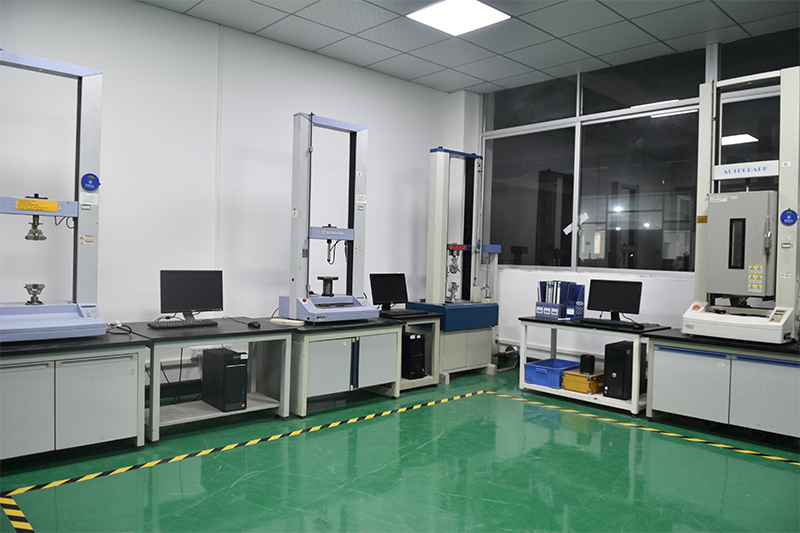
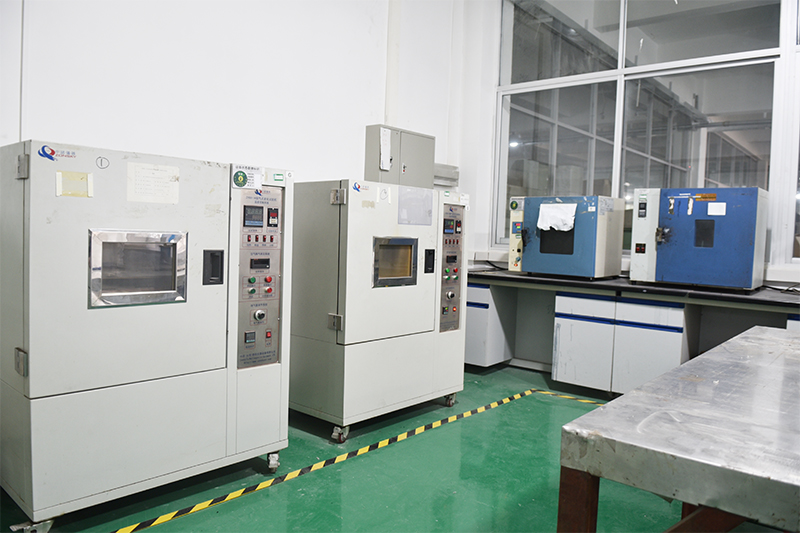
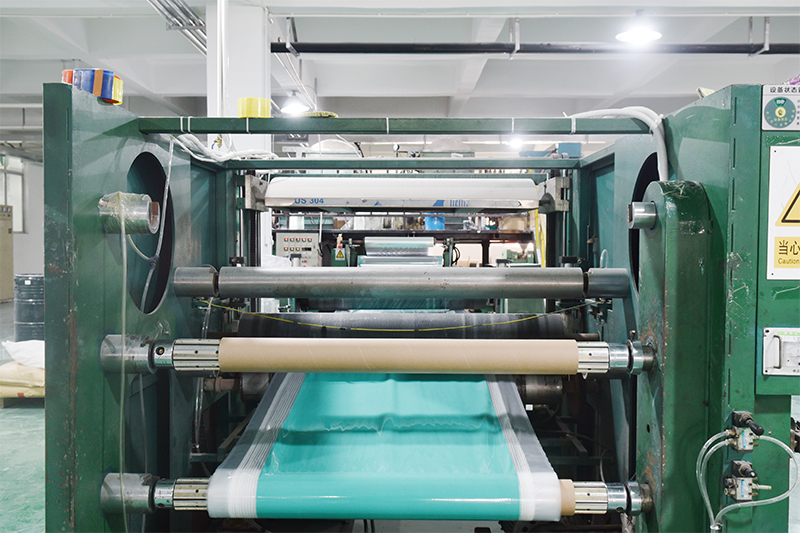
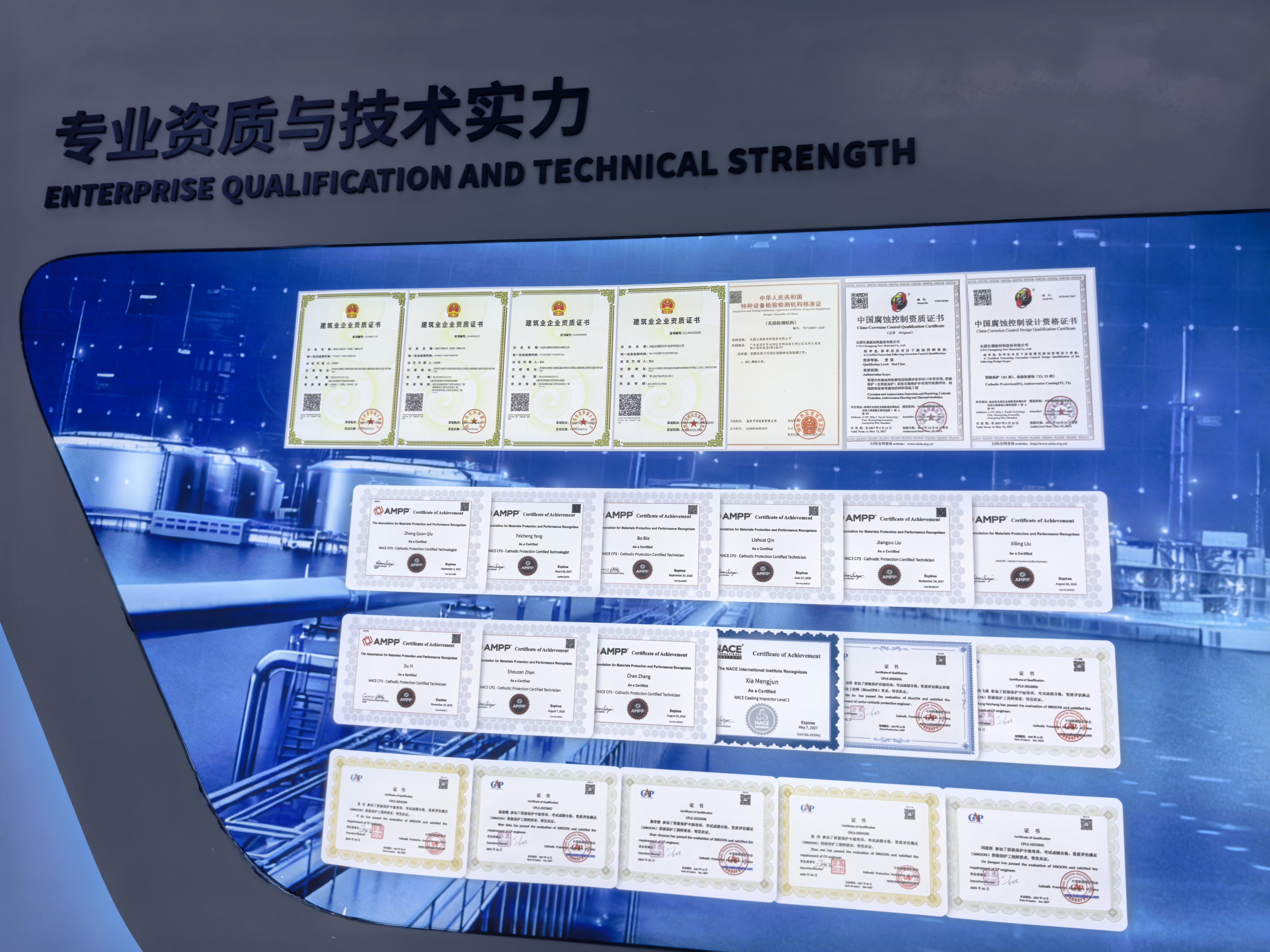
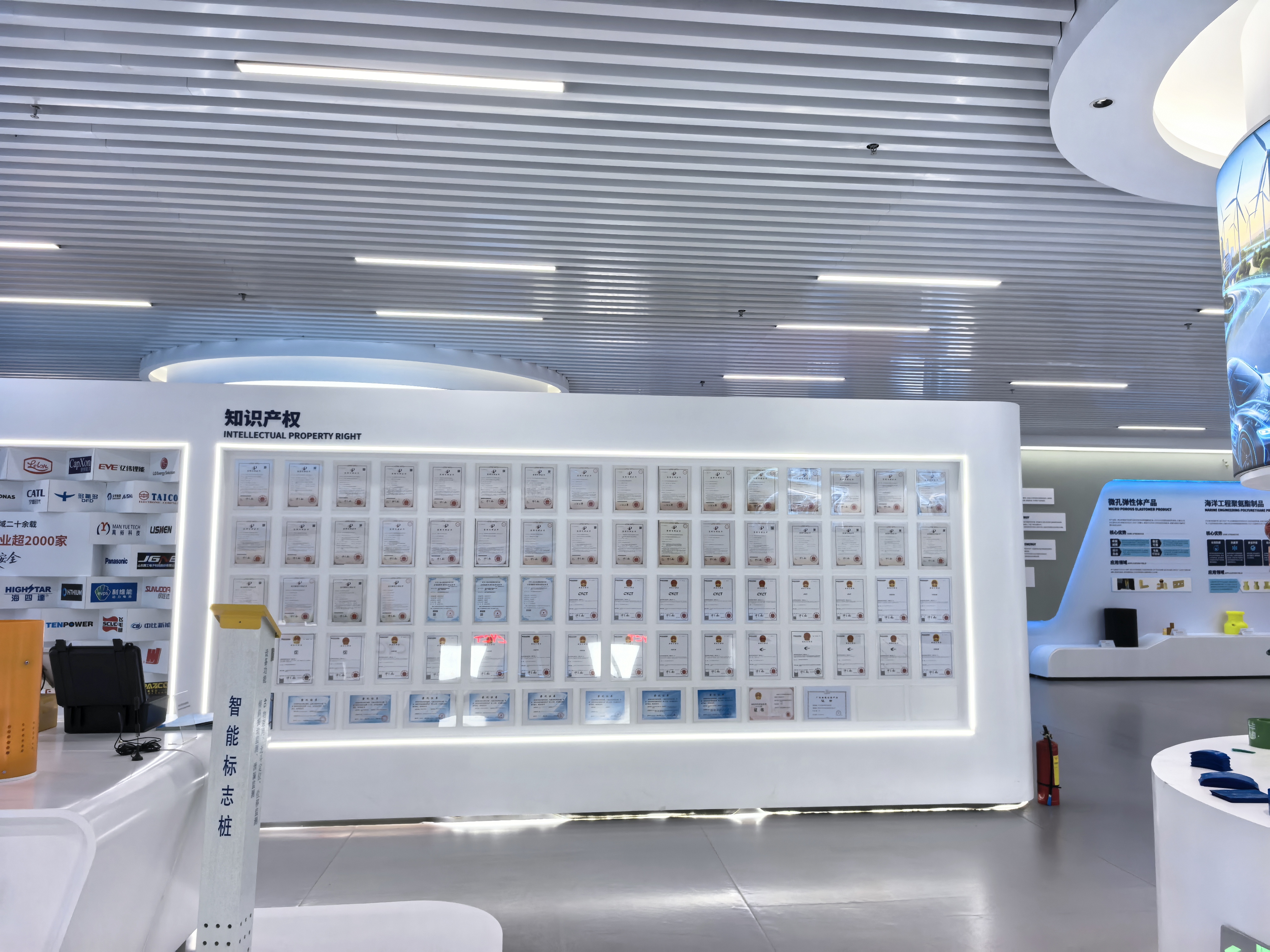
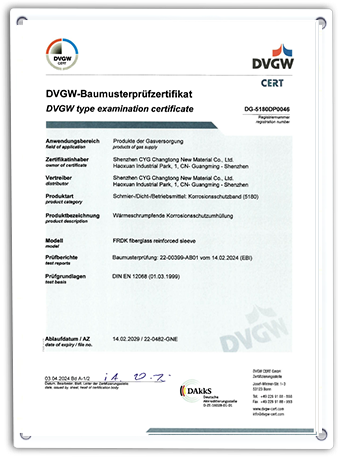
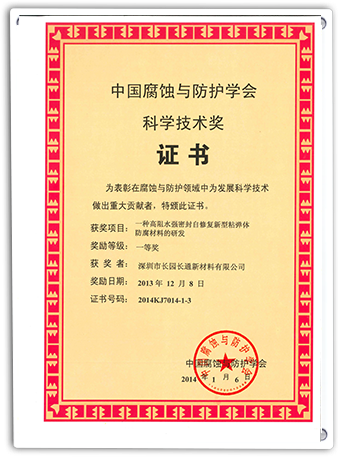
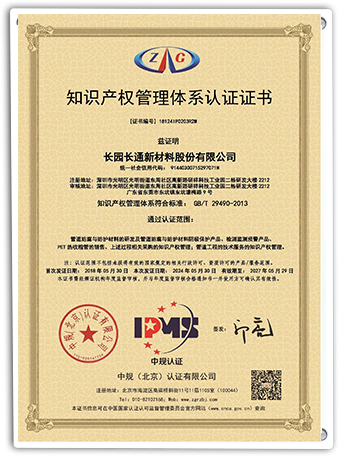
A compilation of international approvals, memberships, and factory certifications reflecting CYCT's dedication to reliability.
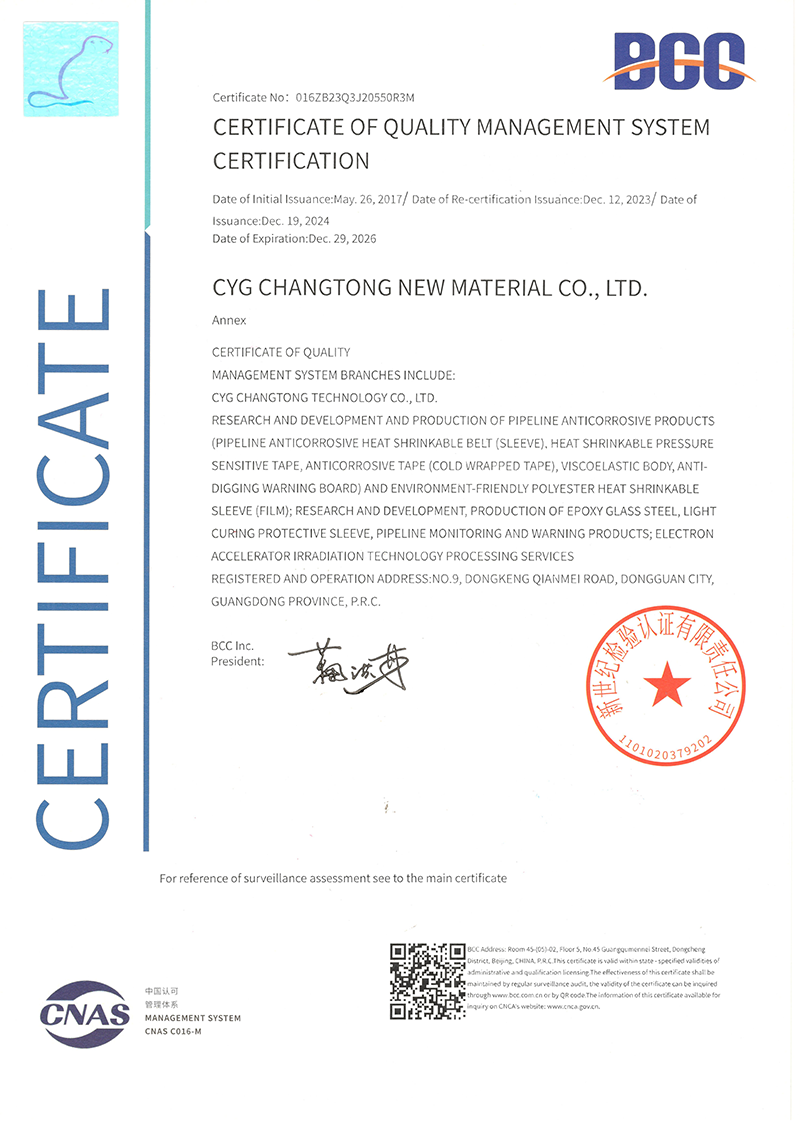
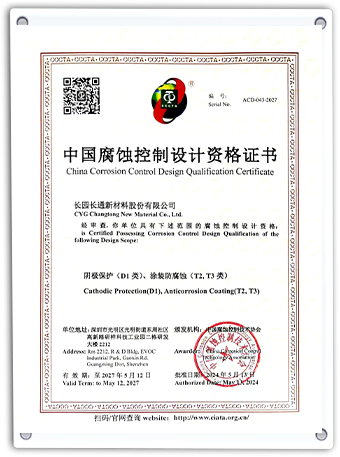
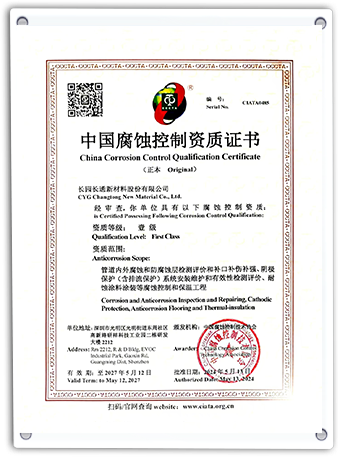
CYCT is a proud Member of the Council in the Chinese Society for Corrosion and Protection (CSCP). We hold official Qualification Certificates of Corrosion Protection Construction, Pipeline Detection, and are recognized as a Well-known Brand of Pipeline Corrosion Protection in China. Additionally, CYCT is a Corporate Member of the China Association of Petroleum Engineering Construction (CAPEC), a State-Level High-Tech Enterprise with more than ten proprietary intellectual property rights, and acts as an approved supplier for PetroChina, Sinopec, China Gas Group, and Indian Oil.
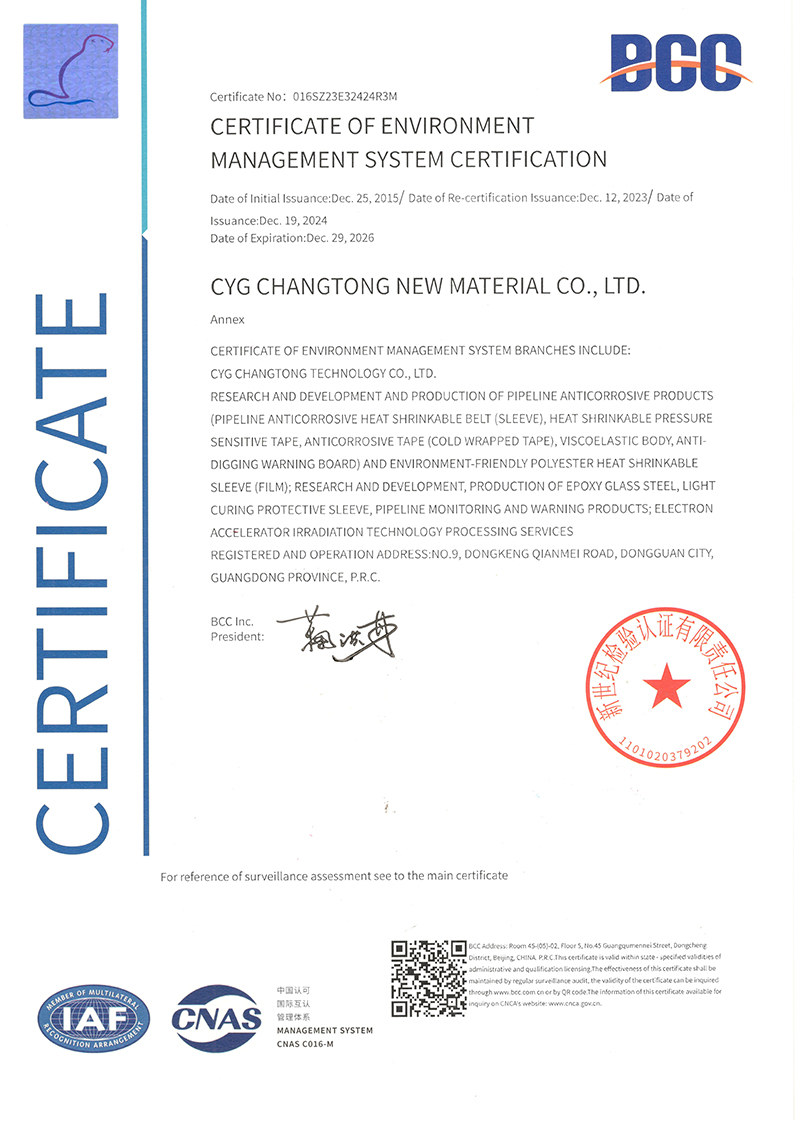
A strategic overview of upcoming advances in polymeric backing and adhesive technologies.
Next-generation polymeric wraps are incorporating conductive carbon-nanotube lines. This allows for real-time monitoring of local soil pressures and backing shear displacement, warning operators of pipeline movement before coating failures happen.
Aligned with carbon-reduction goals, developments in manufacturing utilize post-consumer recycled polyolefins (PCR) in the outer backing film. This reduces the carbon footprint by 35% while maintaining the necessary tensile strength and impact resistance.
With deep oil extraction operating at higher thermal loads, outer wraps must withstand continuous operating temperatures up to 100°C. New co-polymer polypropylene formulations provide stability without softening over decades of operation.
Technical guidance addressing frequent pipeline project engineering and material selection questions.
The Polymeric Outer Tape acts as a mechanical barrier. While the inner coating layer (such as viscoelastic sealant or butyl-rubber inner tape) provides corrosion protection, the outer wrap shields the system from soil stress, physical indentation from rocky backfill, water ingress, and ultraviolet (UV) degradation during outdoor storage.
Polyethylene (PE) tape is flexible, easy to apply in cold climates, and provides high moisture resistance, making it suitable for operating temperatures up to 60°C. Polypropylene (PP) tape has higher hardness, superior shear resistance under heavy soil loads, and is ideal for high-temperature pipelines operating between 80°C and 100°C.
The primer acts as an adhesion promoter. It fills the micro-roughness of the sandblasted steel surface (typically grade Sa 2.5) and creates a chemical bond between the steel and the adhesive layer of the tape. This interface is crucial for preventing cathodic disbondment and under-film corrosion.
Yes, cold-applied polymeric tapes are widely used for rehabilitation. Because they do not require open flames or complex heating machinery, they can be safely applied to operational lines using manual wrapping machines or hand-wrapping techniques, keeping downtime to a minimum.
Clay soils expand and contract with changing moisture levels. This movement exerts shear forces on the pipeline coating, which can cause wrinkling or tearing. High-tensile polymeric outer tapes resist these shear forces, keeping the underlying anti-corrosion barrier intact.
Explore our structural repair, specialized sealants, heat shrinkable materials, and polymer solutions.
 CYCT
CYCT