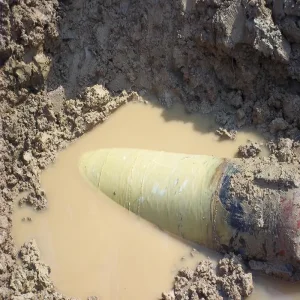
Explore our engineering-grade pipeline protection sleeves, coatings, and custom industrial solutions manufactured to meet and exceed global standards.
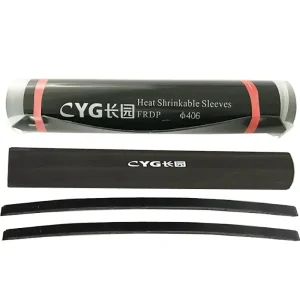
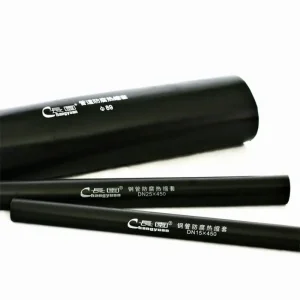
Pipeline networks serve as the primary transport mechanism for essential global resources, including oil, natural gas, municipal water supply, and hazardous chemical compounds. These systems represent astronomical capital expenditures and are expected to perform continuously under high pressures and aggressive environmental conditions for lifecycles extending past half a century.
According to the Association for Materials Protection and Performance (AMPP), the annual cost of corrosion to the global economy exceeds $2.5 trillion USD, roughly 3.4% of global GDP. For oil and gas transmission pipelines, corrosion accounts for over 60% of all structural integrity failures and environmental leakage incidents. The transition of active corrosion from superficial pitting to structural perforation represents a severe risk profile: catastrophic failures, irreversible environmental devastation, multi-million dollar regulatory fines, and operational shutdowns.
This operational reality has forced pipeline asset owners to transition from retrospective maintenance models to proactive, highly engineered multi-layer protection systems. Modern designs do not merely cover steel; they establish engineered barriers capable of resisting cathodic disbondment, shear stress, temperature variation, soil loading, and chemical attack.

From passive barriers to intelligent composite structures, the pipeline defense sector is undergoing a profound paradigm shift driven by advanced polymer chemistry.
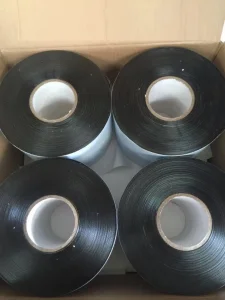
Non-crystalline, liquid-like polymer compounds provide immediate cold-applied surface wetting and self-healing behaviors. They flow into micro-cavities under soil pressure, remaining stable without curing, cracking, or degrading from -30°C to 80°C.
Fiberglass reinforced plastic (GRP) sheets cured via UV light act as an impenetrable mechanical shield over primary anti-corrosion coatings. Ideal for trenchless construction (Horizontal Directional Drilling - HDD), they prevent scratch abrasion and rock impact damage.
As the global energy mix shifts toward green hydrogen, next-generation coatings must adapt to resist gas permeation. Manufacturers are formulating specialized epoxy and polyurea matrix systems to prevent hydrogen embrittlement at the steel interface.
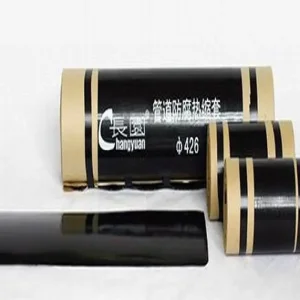
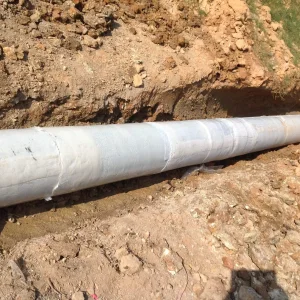
While pipeline segments are coated in controlled factory environments (using systems like 3LPE or FBE), field joint welds remain the most vulnerable areas in pipeline construction. The performance of field joint coatings (such as Heat Shrinkable Sleeves and Viscoelastic Coatings) determines the overall integrity of the entire network. If a field joint fails, the entire pipeline's cathodic protection system is compromised, exposing the steel to accelerated localized pitting.

For global engineering, procurement, and construction (EPC) contractors, asset owners, and public utility companies, selecting an anti-corrosion manufacturer is a high-risk operational decision. Sourcing decisions are no longer based purely on the upfront unit cost of material; they are governed by Total Cost of Ownership (TCO), installation speed, and risk mitigation profiles.
Global procurement officers emphasize several core requirements when vetting production partners:
The integration of industrial automation and advanced chemical manufacturing has transformed China's pipe corrosion prevention sector. China's Industry 4.0 factories leverage massive integrated domestic chemical supply chains, digital automated extrusion systems, and real-time quality control arrays to deliver high-performance, cost-effective products at a scale unmatched anywhere else in the world.
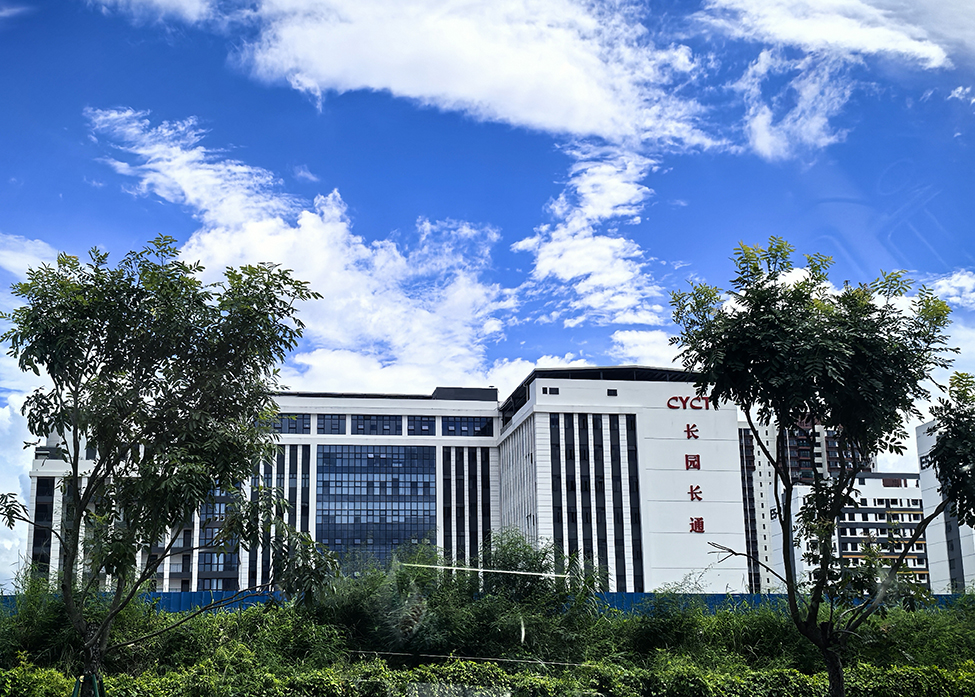
At CYCT New Materials Company Limited, this operational standard is realized through custom manufacturing infrastructure. Rather than relying on third-party raw material compounding, CYCT directly controls the formulation and compounding of specialized hot-melt adhesives, backing polymers, and viscoelastic matrixes. This internal integration achieves two essential outcomes: precise control over the chemical kinetics of the protective systems, and dynamic production scheduling that reduces lead times for major pipeline projects.
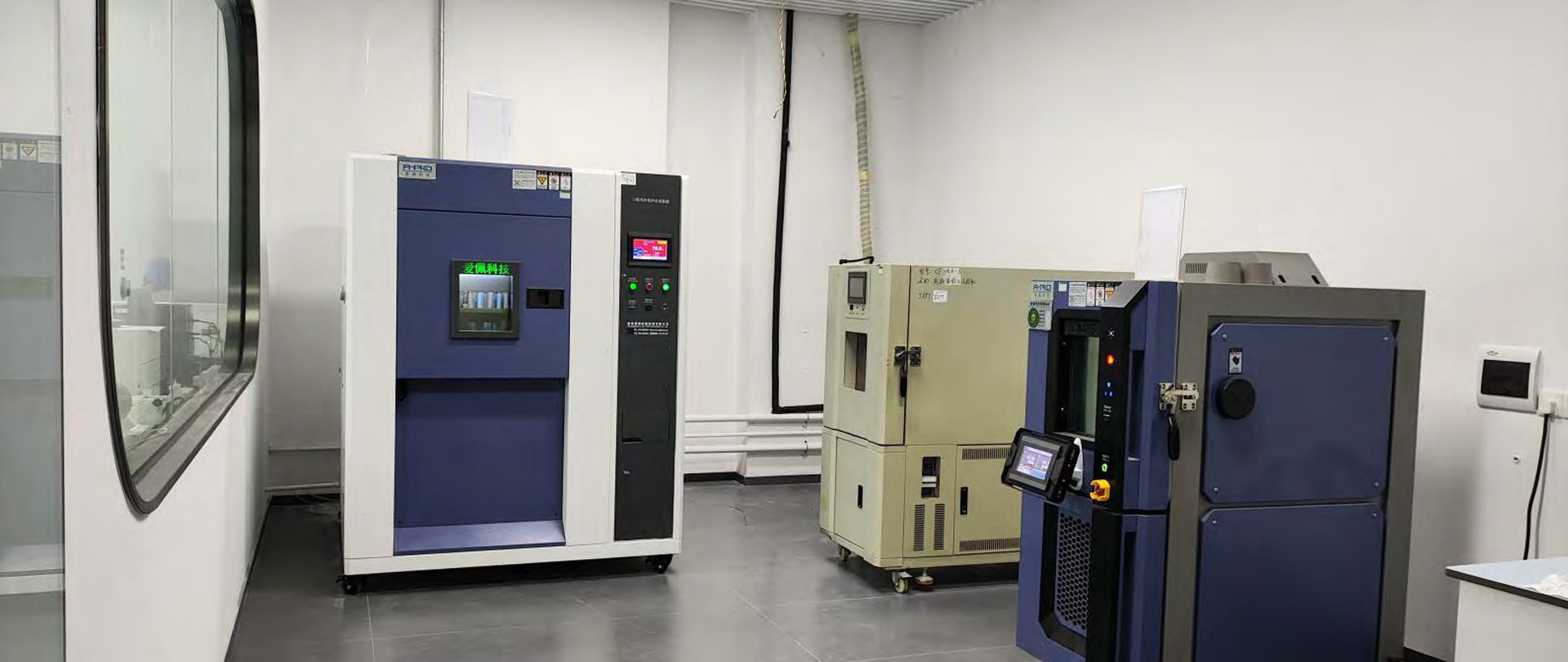
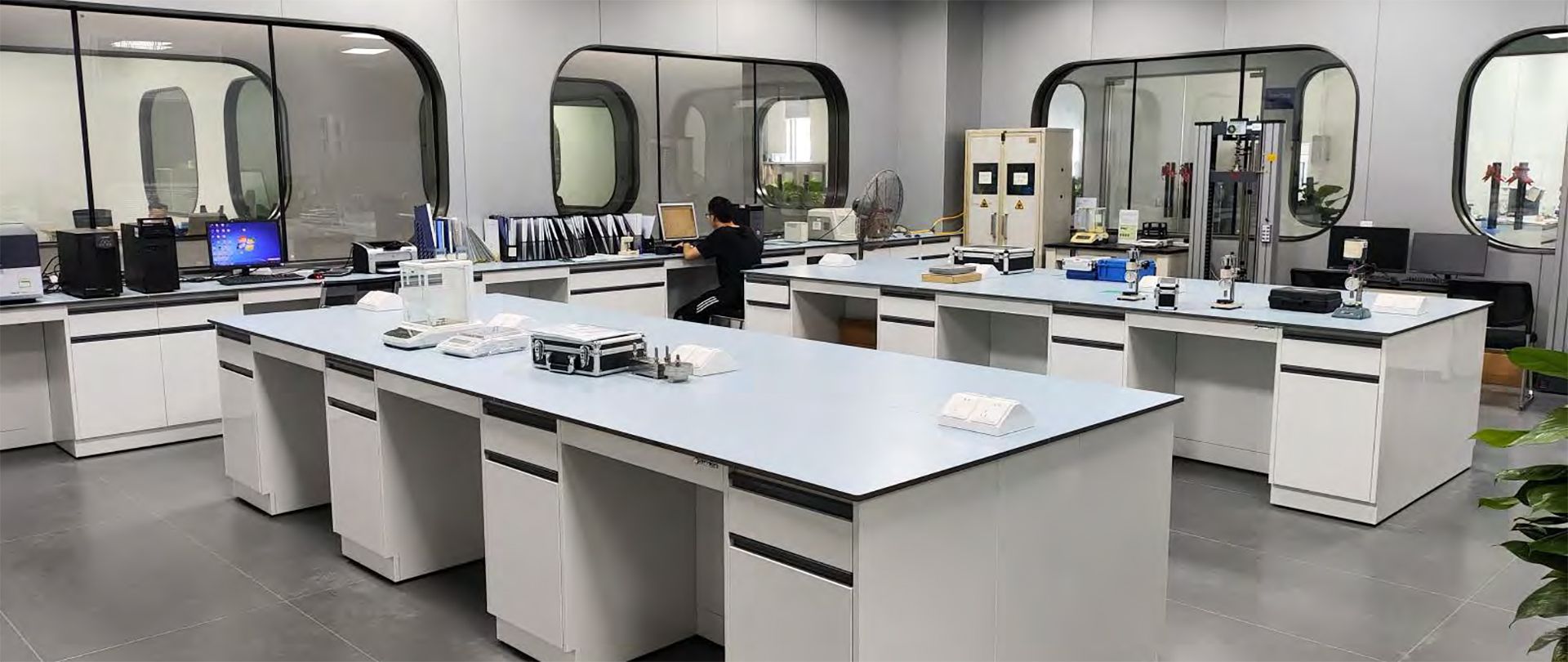
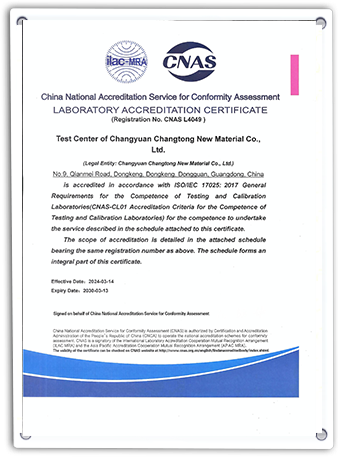
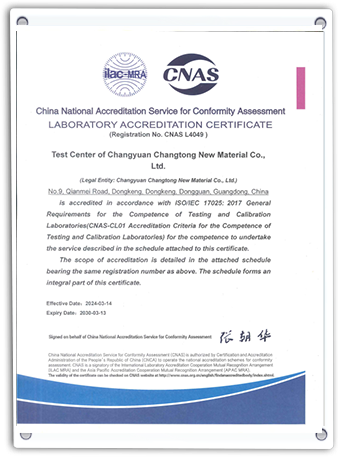
By maintaining a national CNAS-accredited laboratory, CYCT performs continuous testing on all production batches. From automated extrusion of heat shrinkable backing to high-precision coating of visco-elastic tape, every step is monitored to guarantee resistance to shear stress, thermal cycles, and mechanical impact. This level of quality verification makes CYCT a trusted supplier of field joint coatings to energy giants including PetroChina, Sinopec, PipeChina, China Gas Group, and Indian Oil.

Different installation environments present distinct stress vectors. Our systems are engineered to address specific environmental challenges.
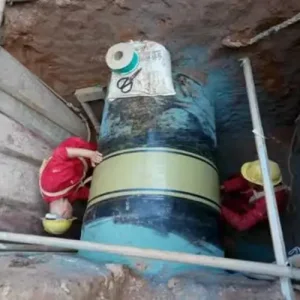
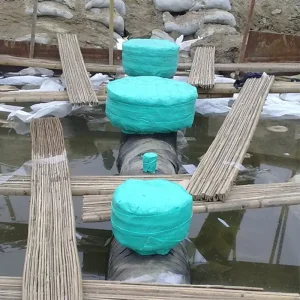
During trenchless pipeline installation, structural steel is pulled through long, rough boreholes, exposing standard coatings to heavy shear stress, gouging, and rock impact. Our photo-curing GRP protective sleeves and fiberglass reinforced heat shrinkable sleeves create an ultra-hard outer layer that shields the primary anti-corrosion coating from abrasive damage.
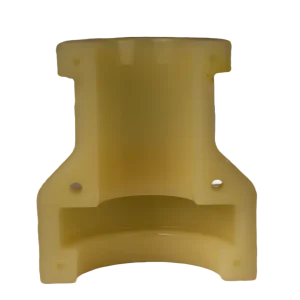
Subsea pipelines must withstand constant water pressure, salt spray, and extreme bending forces in the splash zone. Our polyurethane bend restrictors prevent pipeline overbending and mechanical fatigue, while our viscoelastic coating systems provide hydrophobic barrier protection that resists cathodic disbondment.
Crude oil transmission often requires high operating temperatures to maintain flow viscosity, stressing standard field joint coatings. Our specialized FRDP 60C Heat Shrinkable Sleeves and high-performance crosslinked polymer systems are engineered to withstand continuous operating temperatures without adhesive creep or degradation.
A leading, state-level high-tech enterprise integrating R&D, production, sales, pipeline detection services, and field coating application.
CYCT New Materials Company Limited (for short, CYCT) is a state-level high-tech enterprise integrating R&D, production and sales of pipeline corrosion protection materials as well as buried pipeline detection service and pipeline coating field application service into one. CYCT has devoted itself to the research, development, and manufacture of high-reliability pipeline corrosion protection materials for decades.
By maintaining close technical cooperation with top-tier research institutes, such as the CNPC Pipeline Science Research Institute, CYCT delivers integrated solutions for in-service pipeline management. This includes buried pipeline detection, structural design schemes, cathodic protection engineering, pipeline rehabilitation projects, and complete safety protection systems.
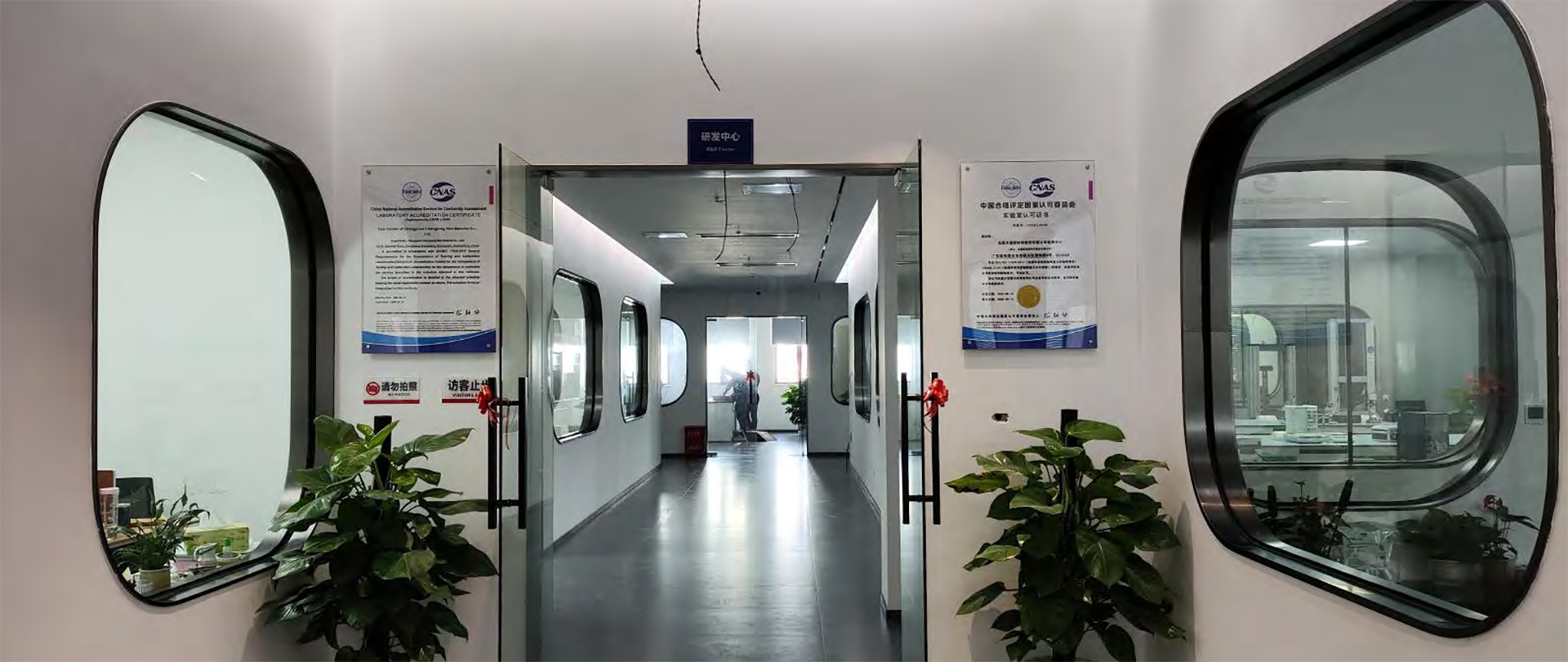
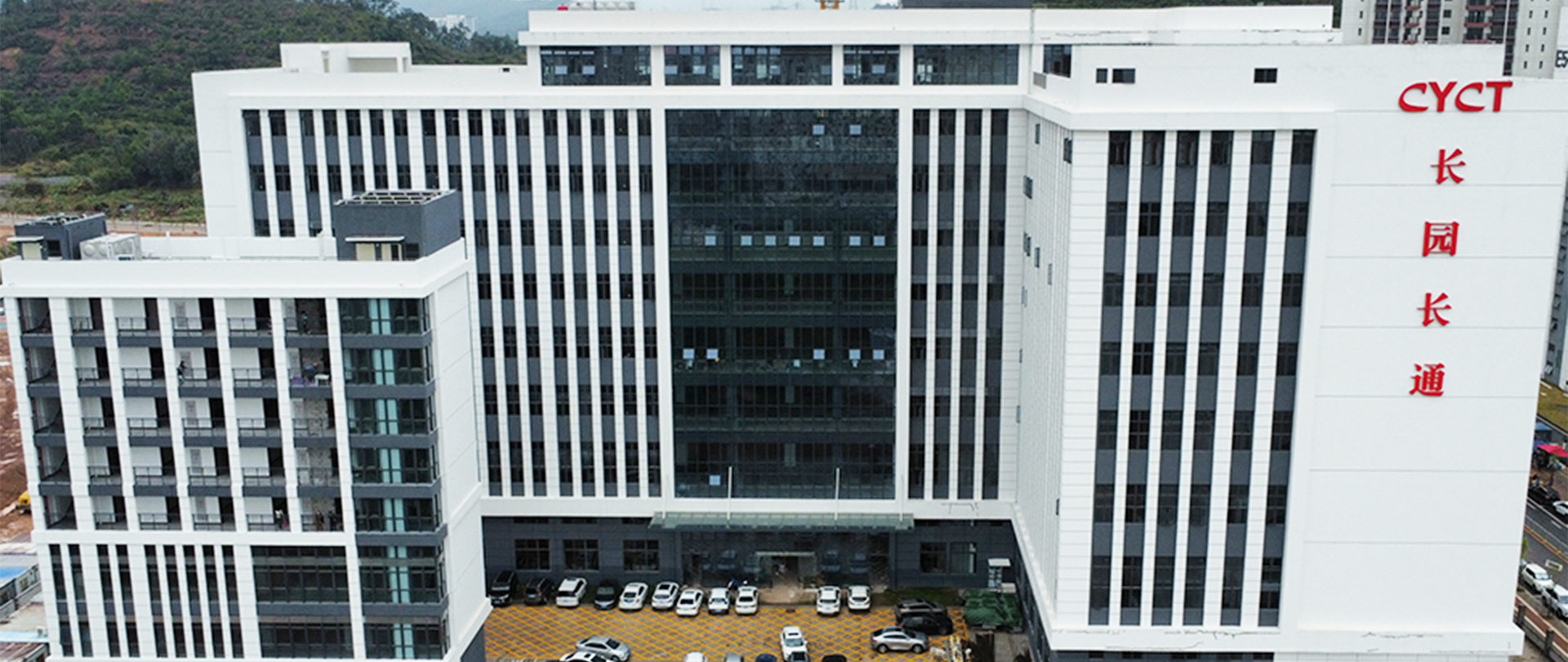
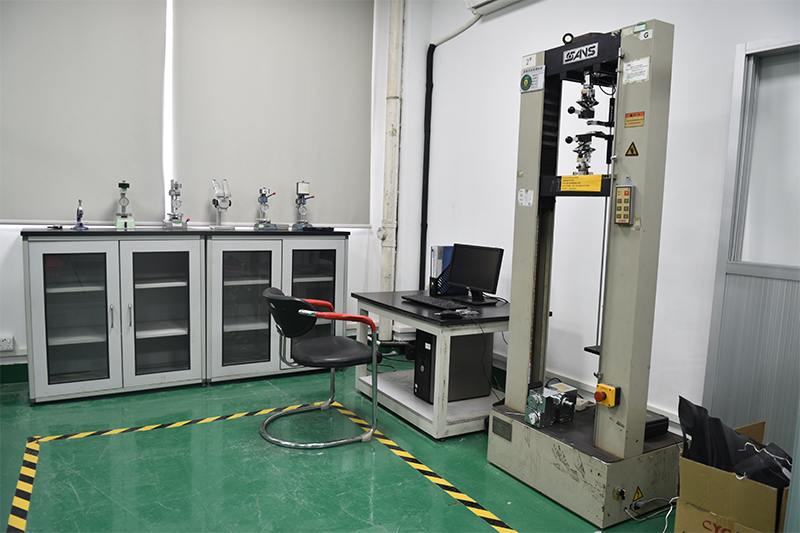
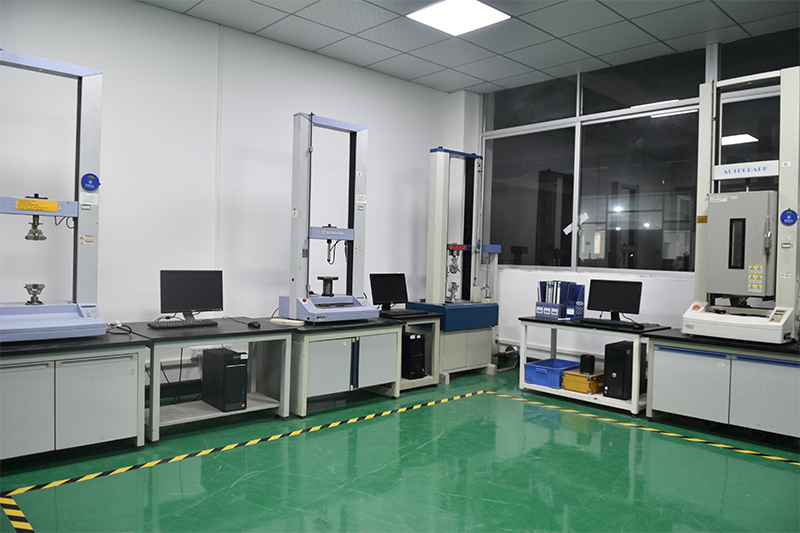
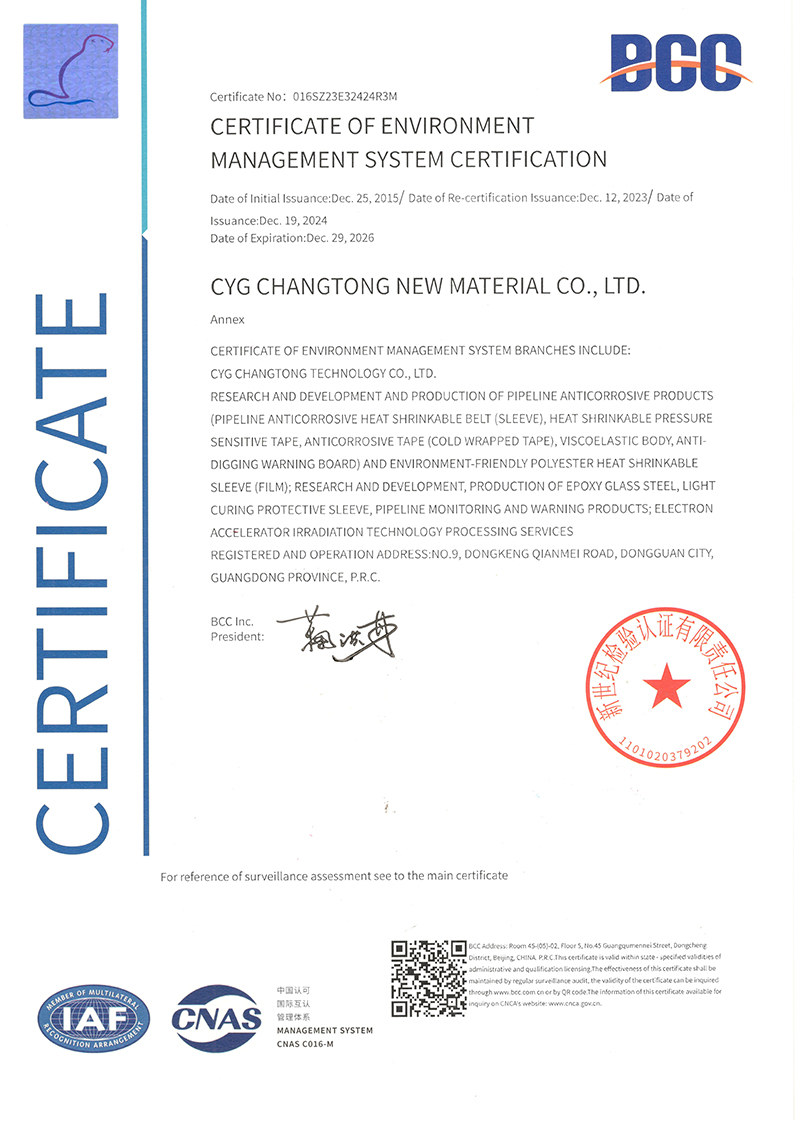
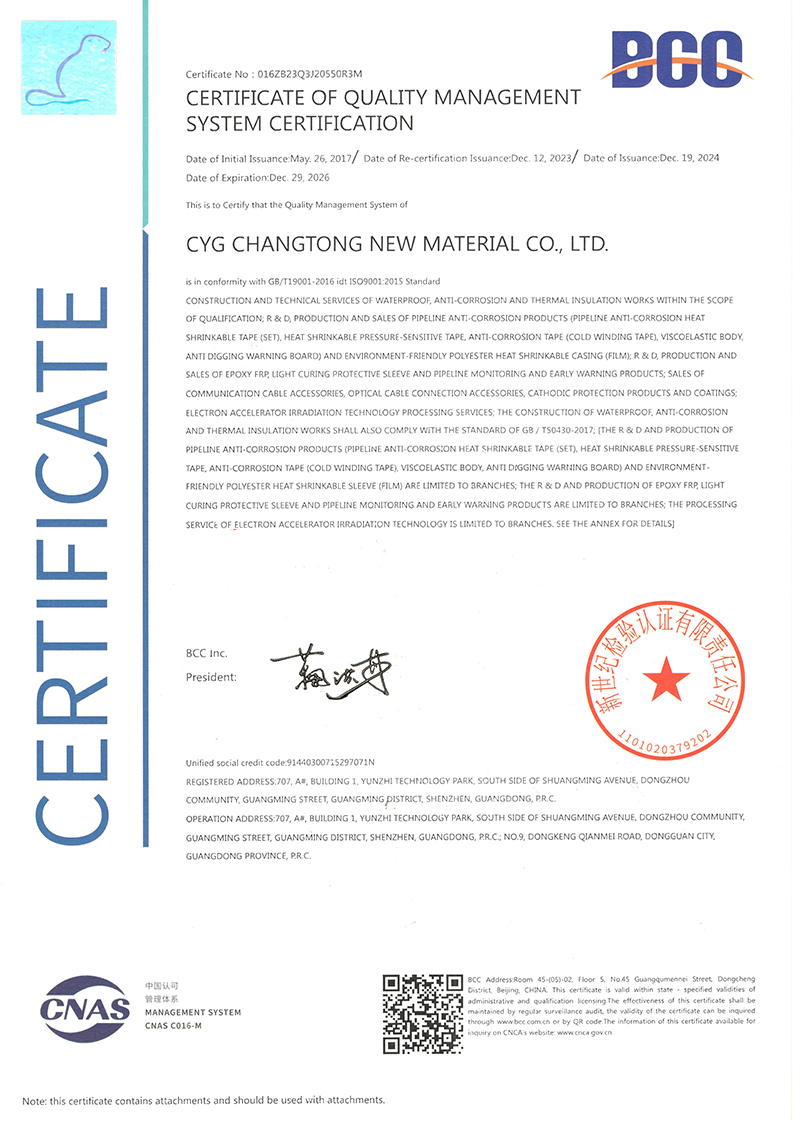
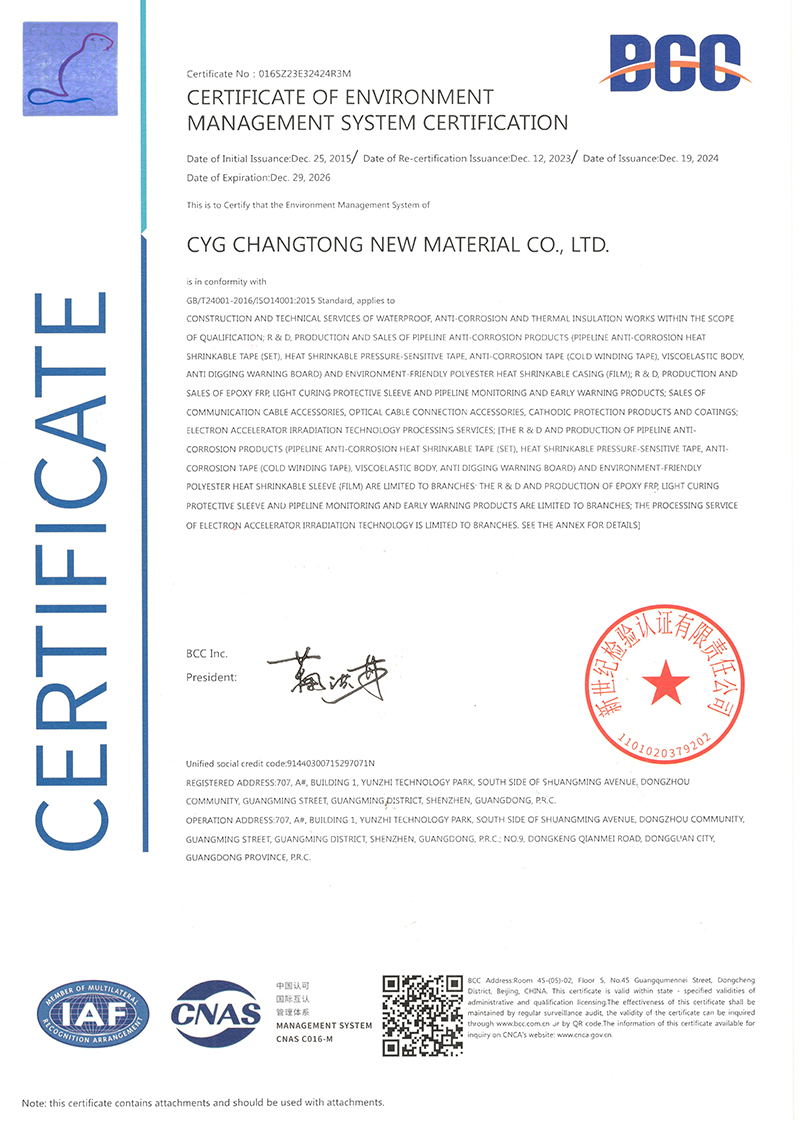
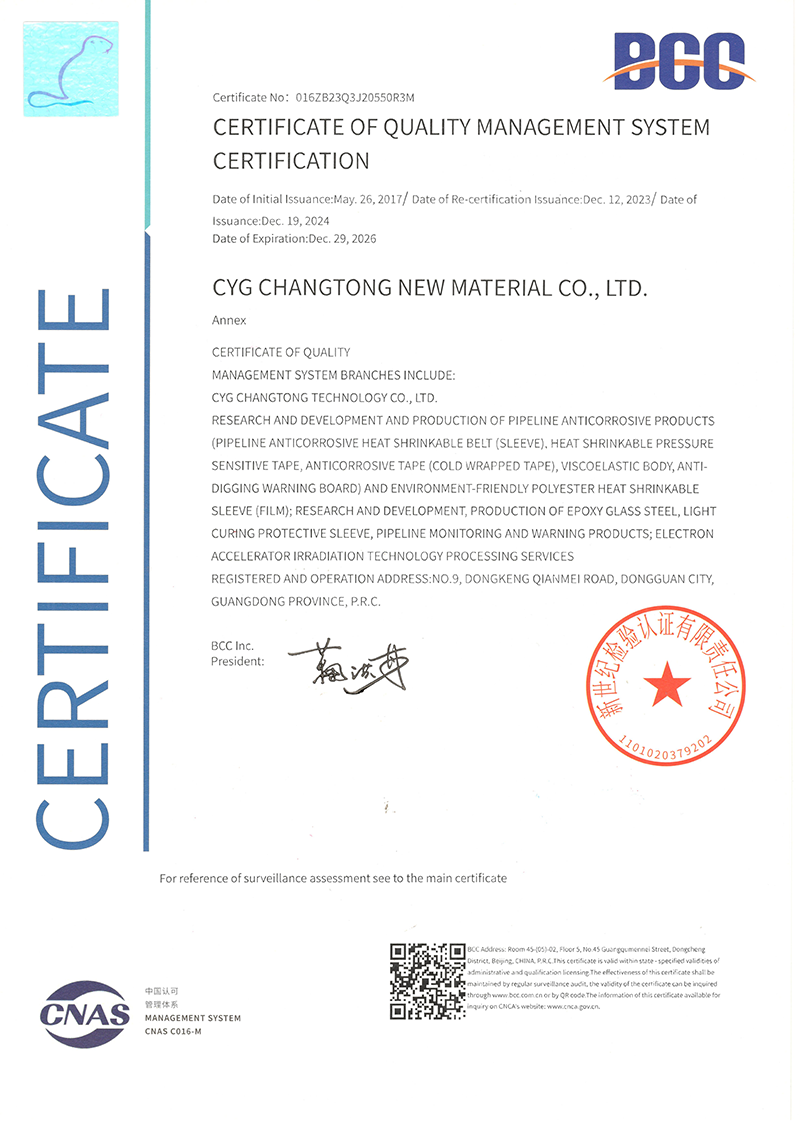
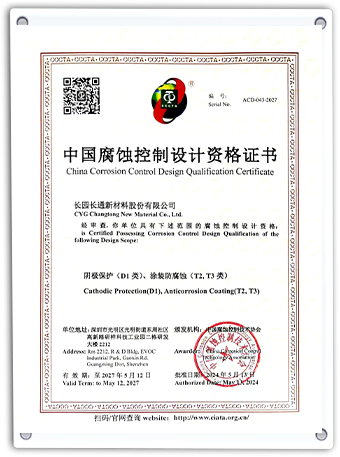
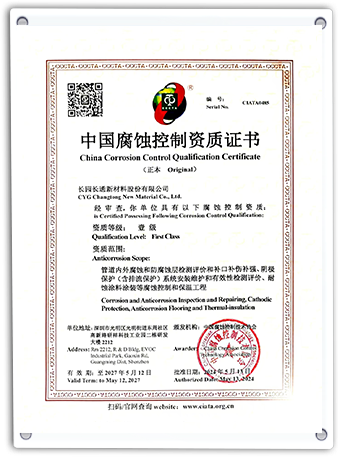
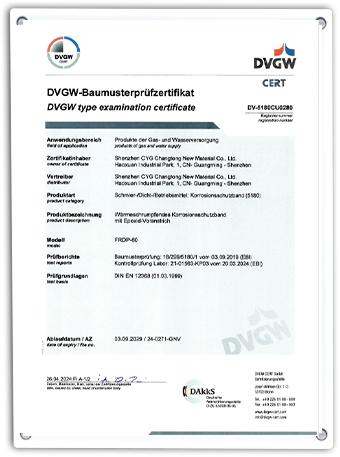
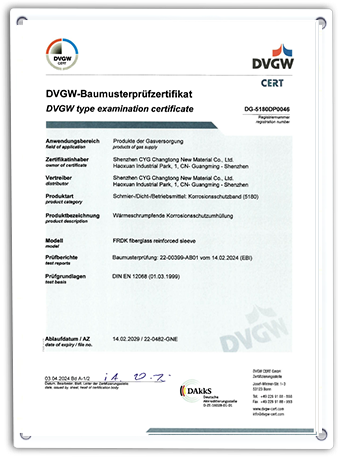
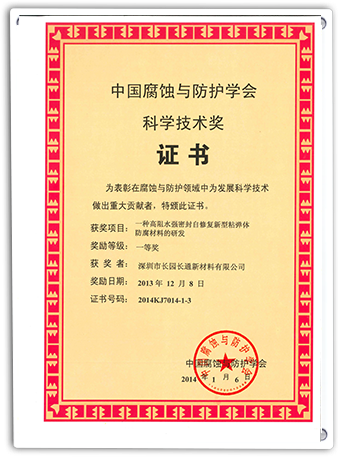
Our commitment to quality, durability, and technological innovation is validated by international standards, key industry associations, and national certifications.
CYCT is a proud Member of the Council in the Chinese Society for Corrosion and Protection (CSCP), holds the Qualification Certificate of Corrosion Protection Construction, the Qualification Certificate of Pipeline Detection, and is a corporate member of the China Association of Petroleum Engineering Construction (CAPEC). We are recognized as a State-Level High-Tech Enterprise with more than ten proprietary intellectual property rights, and are certified as an innovative small and medium-sized enterprise, clean energy research center participant, and active contributor to the Association for Materials Protection and Performance (AMPP).
Find authoritative answers to common engineering, installation, and procurement questions regarding our pipeline corrosion prevention products.
Explore our selection of specialized materials designed to seal, insulate, and protect pipeline structures from critical failures.
 CYCT
CYCT