Explore our elite range of factory-direct field joint protection solutions and high-temperature heat shrinkable tubular sleeves.
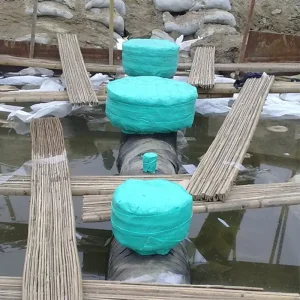
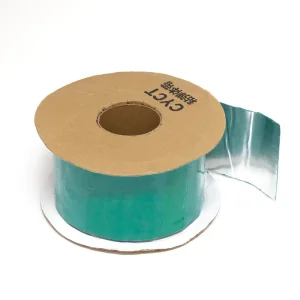
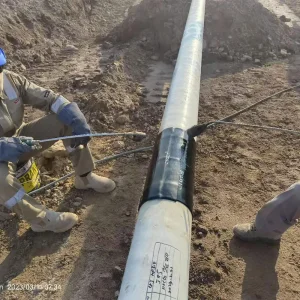
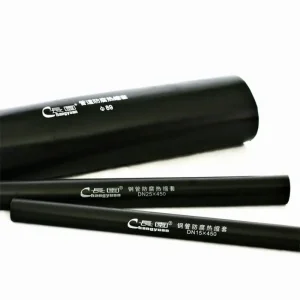
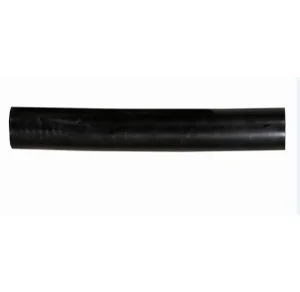
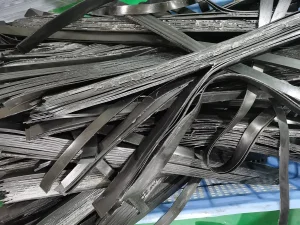
Within modern industrial pipeline infrastructures, ensuring reliable corrosion protection and insulation is paramount. Heat shrinkable tubes, field joint sleeves, and repair systems stand at the vanguard of this engineering frontier. Primarily manufactured using radiation-crosslinked polyolefins (such as PE or PP) or advanced polyester (PET) formulations, these materials offer outstanding mechanical protection and environmental sealing.
The manufacturing process relies on polymer modification. By subjecting high-grade Polyethylene (PE) or Polypropylene (PP) to precise electron-beam radiation, carbon-carbon molecular cross-linking is established. This process alters the polymer from a thermoplastic structure to a thermoset elastomer possessing "elastic memory." When heated beyond its crystalline melting point during application, the material shrinks radially, applying continuous compressive pressure to the substrate. Coupled with high-performance hot-melt co-polymer adhesives or viscoelastic mastics, this forms an impenetrable barrier against moisture, oxygen, and corrosive chemicals.
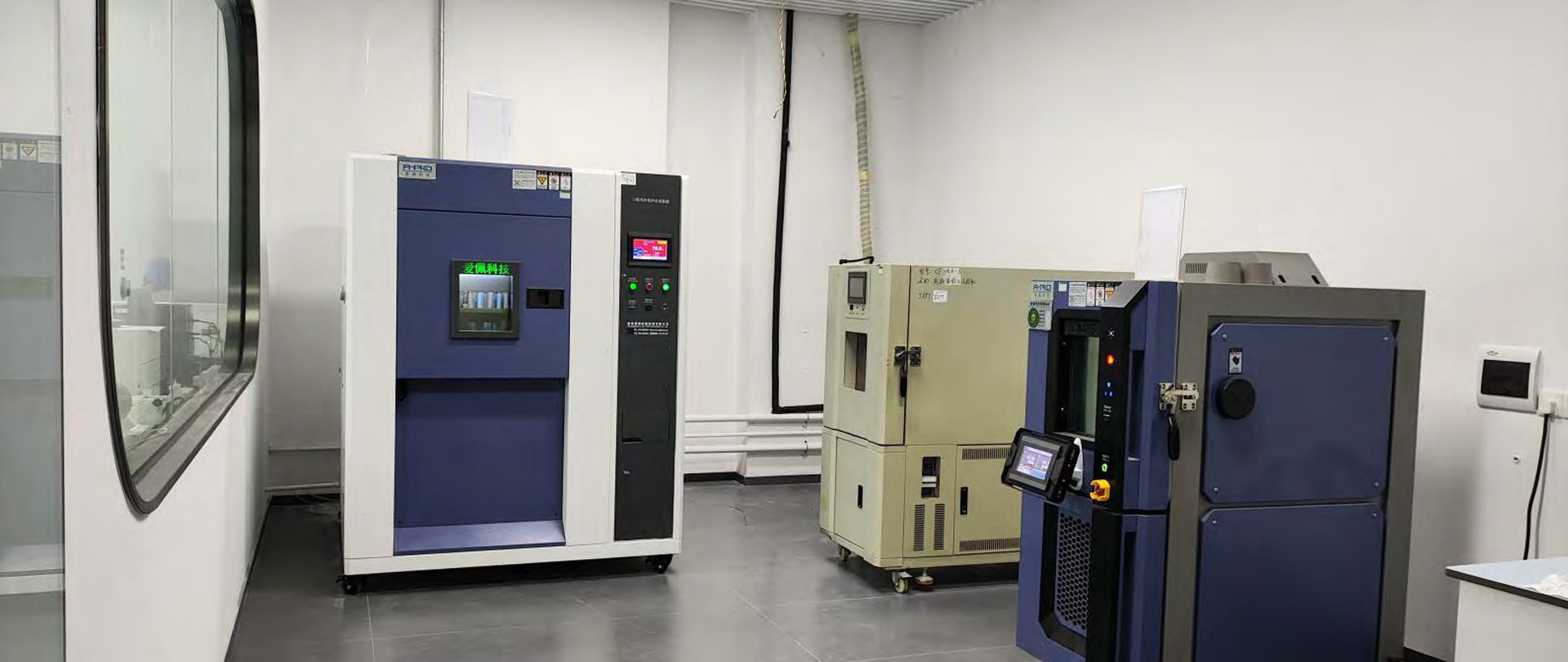
Chinese factories, particularly industry leaders like CYCT, have elevated manufacturing protocols by incorporating state-of-the-art co-extrusion technology, raw material modification, and CNAS-approved verification laboratories. This vertical integration allows for customized shrink ratios, optimized adhesive shear resistance, and excellent cathodic disbondment mitigation, conforming strictly to ISO 21809-3 and EN 12068 standards.
A pioneering authority in pipeline corrosion protection, established in 2000.
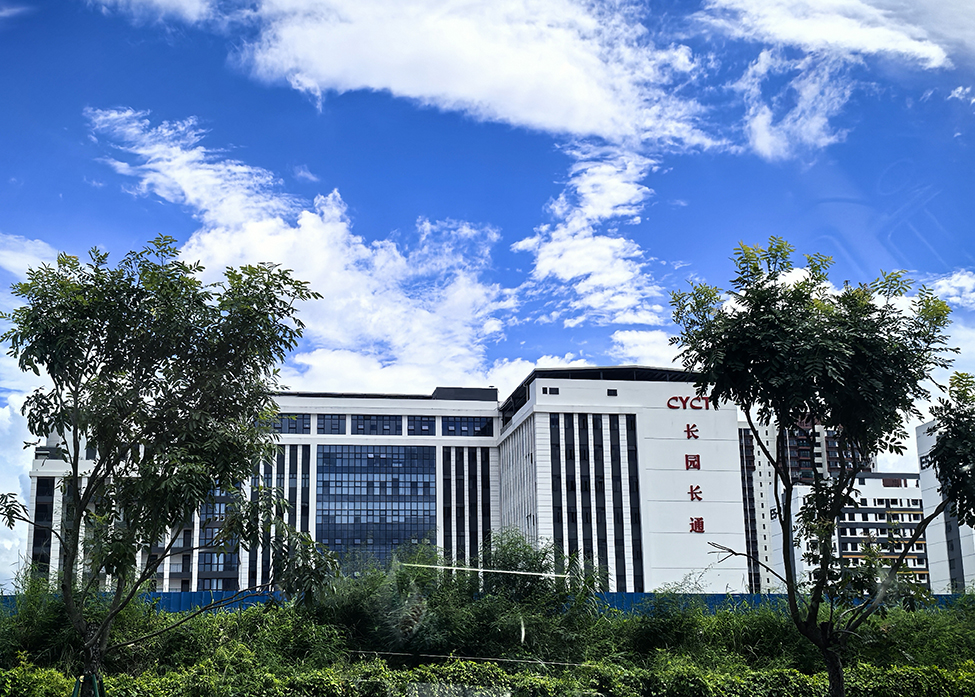
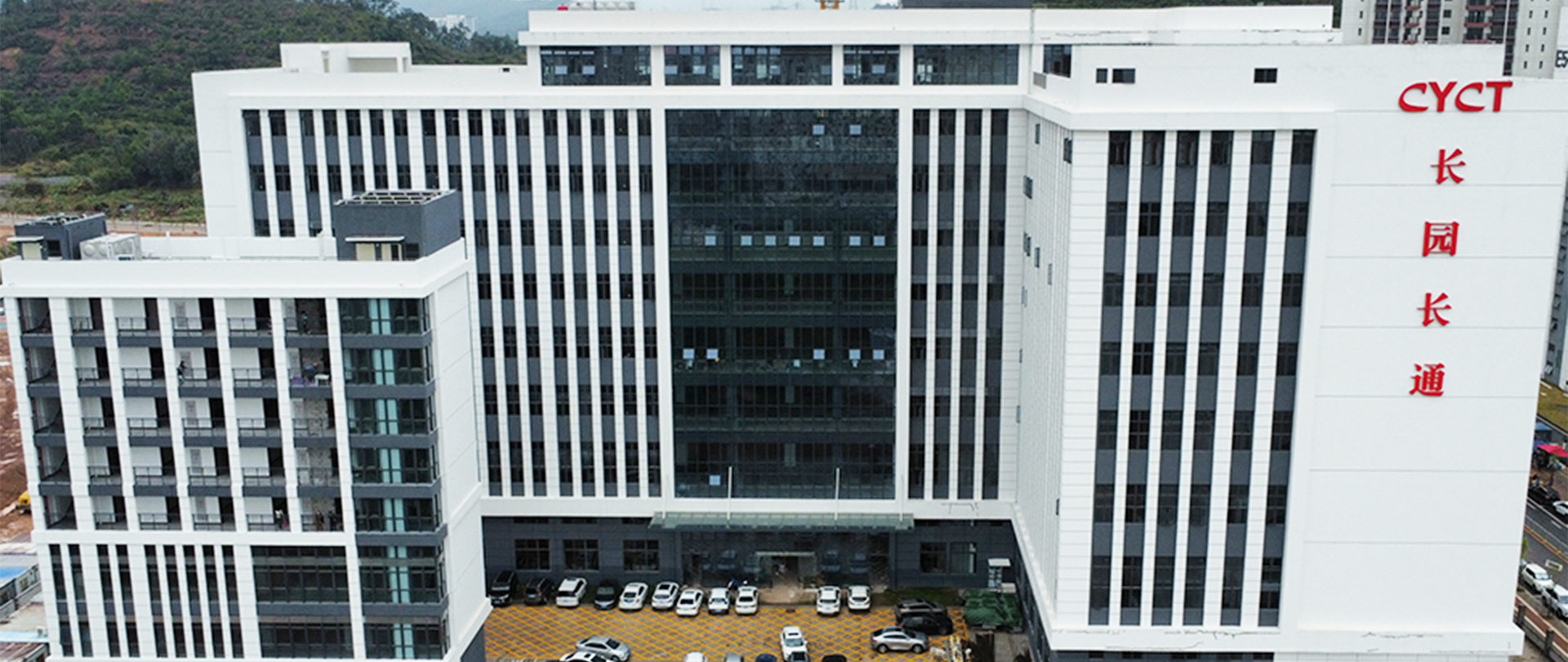
CYCT New Materials Company Limited (for short, CYCT) is a state-level high-tech enterprise integrating R&D, production and sales of pipeline corrosion protection materials as well as buried pipeline detection service and pipeline coating field application service into one. CYCT devotes itself to R&D, production and sales of pipeline corrosion protection materials for decades.
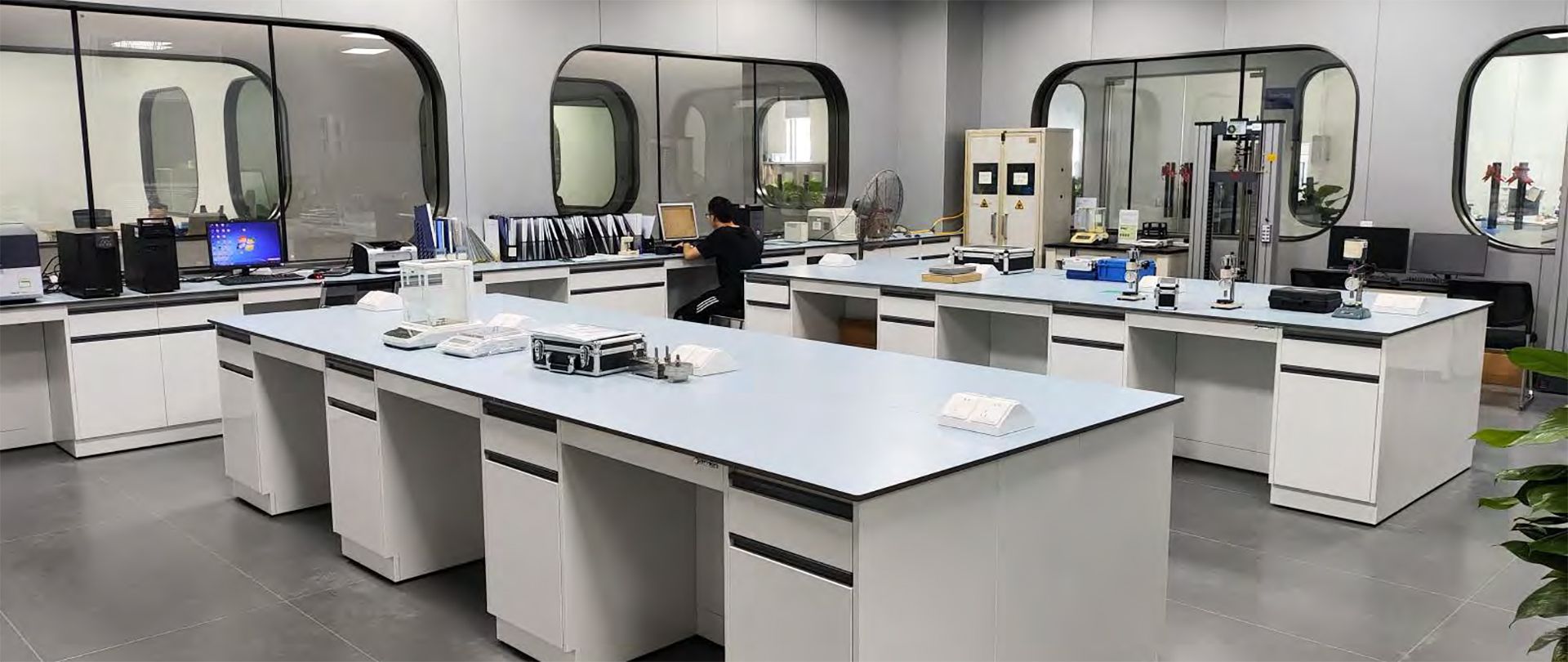
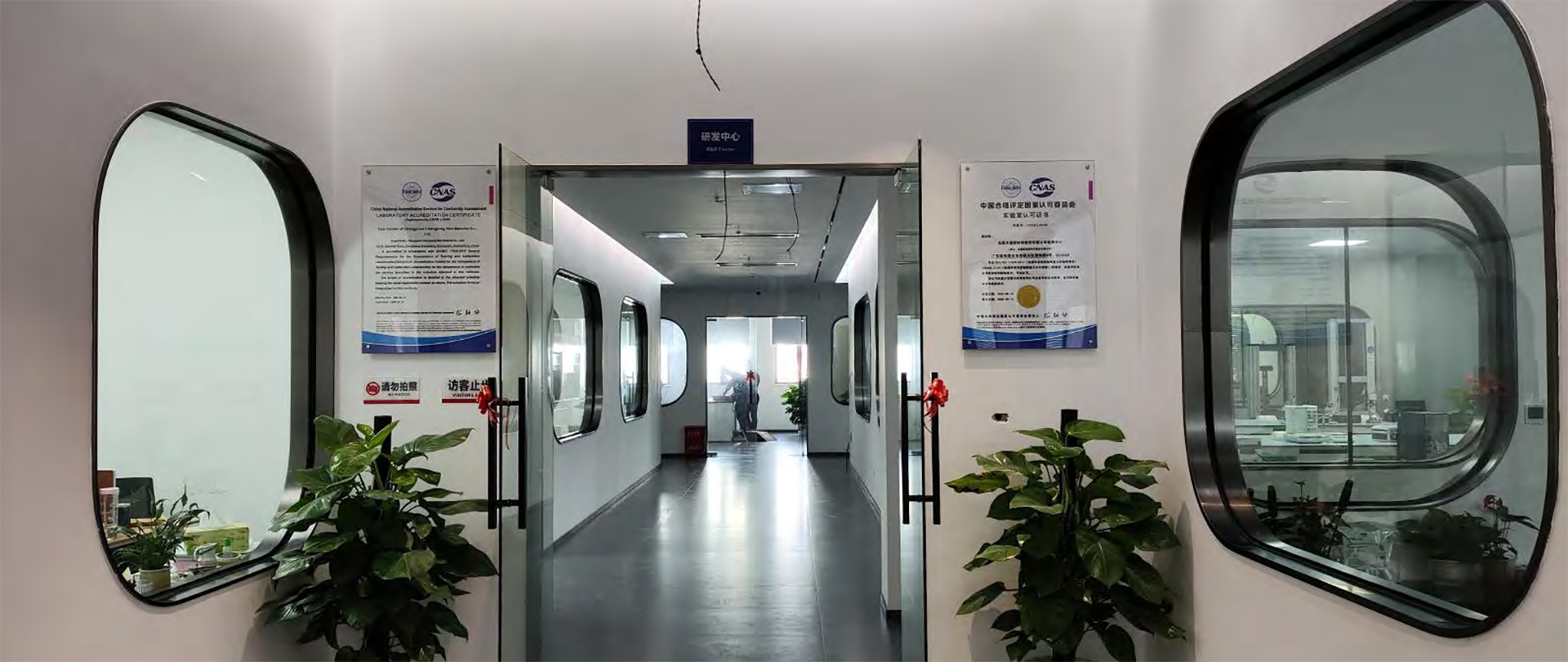
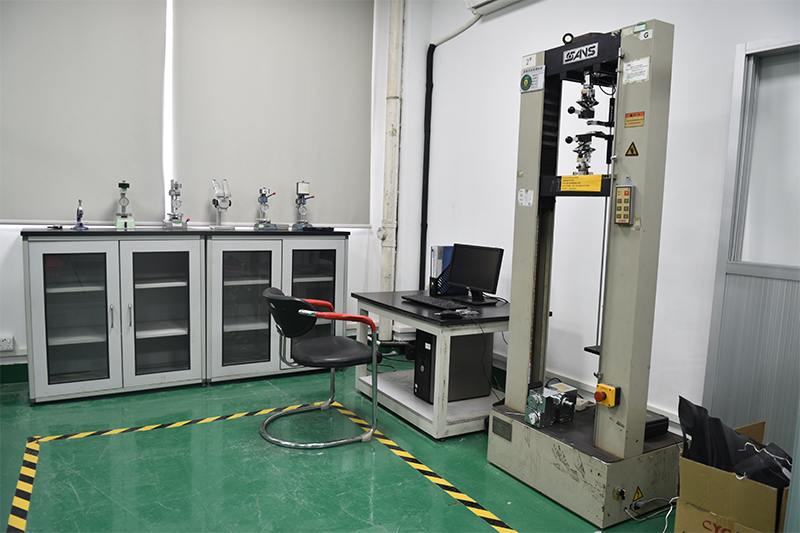
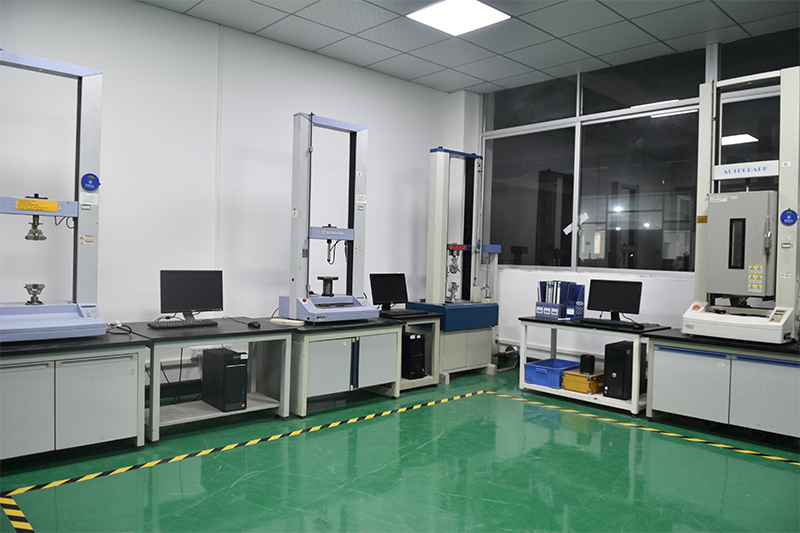
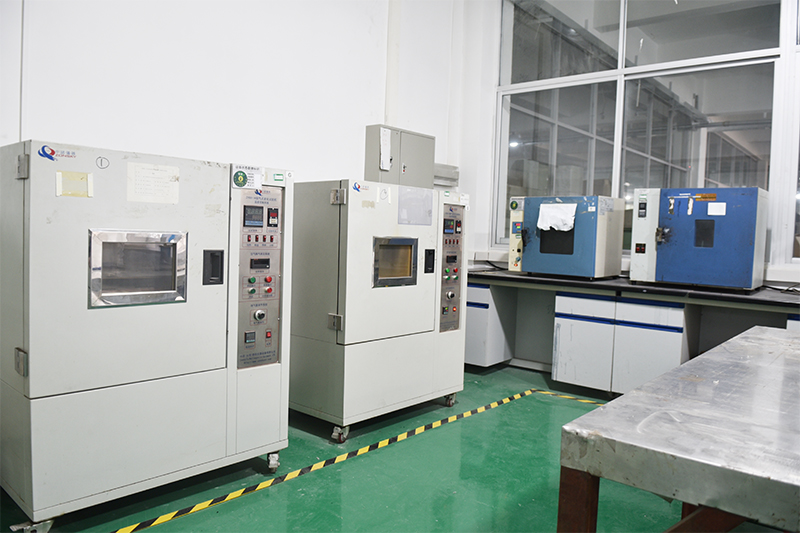
CYCT owns leading testing and R&D capabilities, a professional R&D team, and a national CNAS-accredited laboratory. This setup ensures that every batch of heat shrinkable sleeves, viscoelastic tapes, and repair patches meets standard tolerances and undergoes thorough thermal aging and chemical resistance validation.
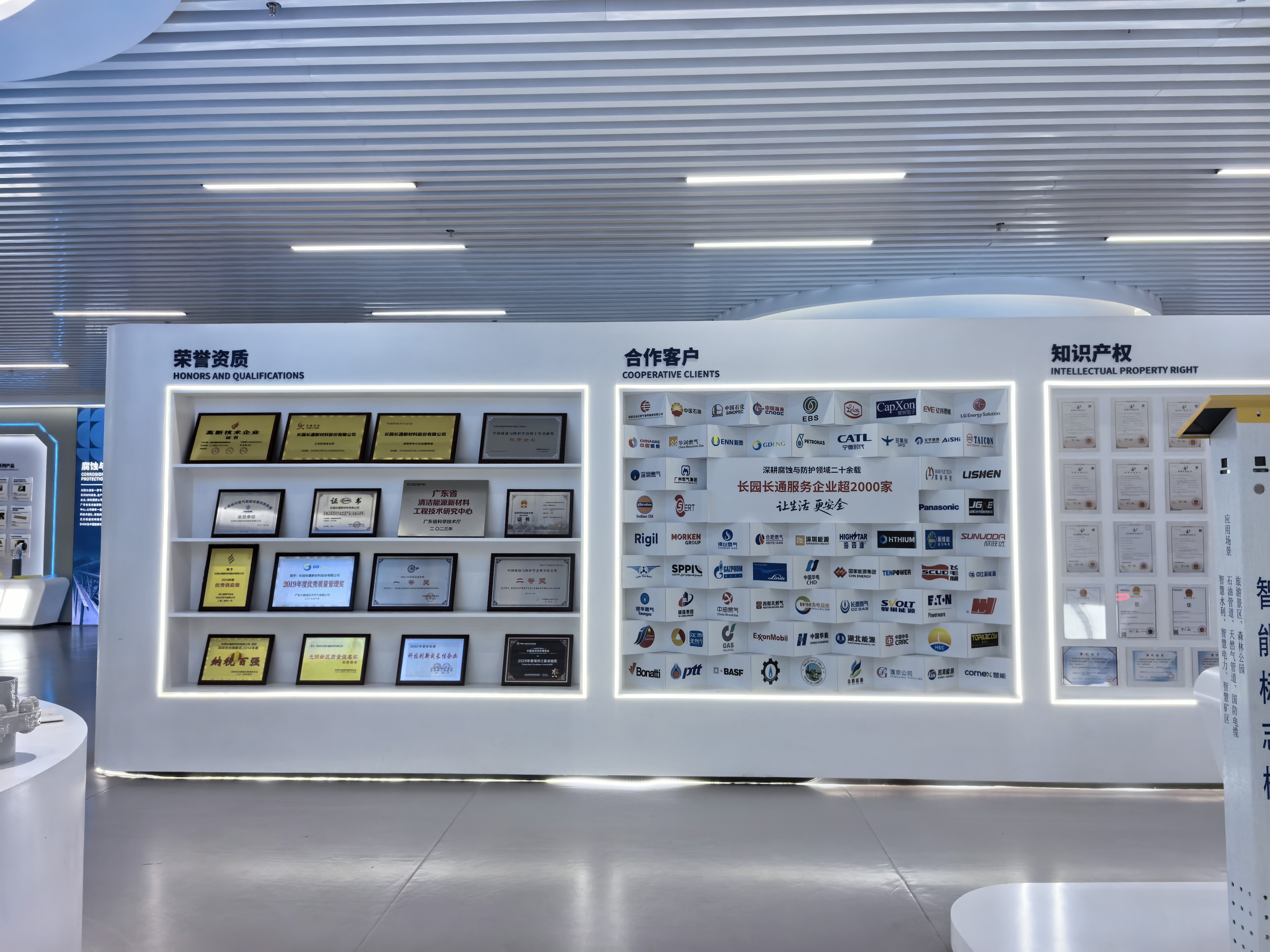
Over the years, CYCT has become a stable supplier of field joint coatings for PetroChina, Sinopec, PipeChina, China Gas Group, and Indian Oil, holding a dominant market share. Furthermore, CYCT has successfully developed and introduced a number of specialty corrosion protection materials such as visco-elastic anticorrosion materials, special photo-curing sleeves for HDD protection, and polyurea coatings.
Why global EPC pipeline contractors and procurement managers select Chinese partners for advanced protective sleeves.
Access to direct petrochemical supply chains allows us to engineer specialized polyolefin and polyester backings along with custom hot-melt adhesives for high-temperature and harsh geographical conditions.
Our facility operates state-of-the-art electron beam accelerators that modify molecular structure with extreme uniformity, ensuring high shrink force, chemical inertia, and superior mechanical resistance.
Our capacity meets large-scale international requirements, providing standardized shipping timelines, specialized protective packaging, and direct technical field joint support.
Tailored pipeline rehabilitation and joint protection systems optimized for demanding environmental conditions.
Through robust collaboration with top-tier R&D institutes such as the CNPC Pipeline Science Research Institute, CYCT provides pipeline operations with tailored technical support, including buried pipeline detection, custom design schemes, cathodic protection, rehabilitation projects, and integrated security solutions. Below are the key engineering solutions we deliver:
| Application Scenario | Common Pipeline Threat | Recommended Coating Solution | Key Performance Attribute |
|---|---|---|---|
| Oil & Gas Transmission | Cathodic Disbondment & High Shear Soil Stress | Wraparound Heat Shrink Sleeve with Epoxy Primer | Conforms to ISO 21809-3 Class C, high shear resistance |
| HDD (Directional Drilling) | Severe Abrasive Wear & High Pull-back Forces | Special Photo-Curing Sleeve or FRY Tubular Sleeve | Extreme mechanical hardness, slip-plane integrity |
| Water & Gas Distribution Valves | Irregular Geometries & Low Pre-heat Access | Viscoelastic Coating & Custom Putty Sealants | Self-healing, zero curing time, conforms to complex shapes |
| 3LPE Coating Damages | Localized Corrosion & Impact Damage during transit | FRDX PE Repair Patch & High-Temp Hot Melt Filler | Seamless fusion with mill-applied PE coating layers |
Crucial procurement questions answered by our leading materials scientists and engineering team.
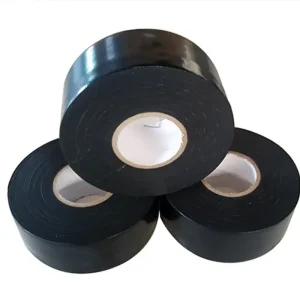
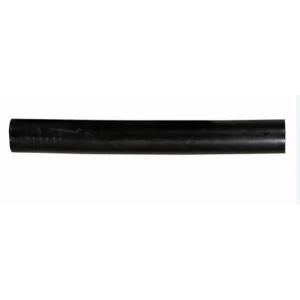
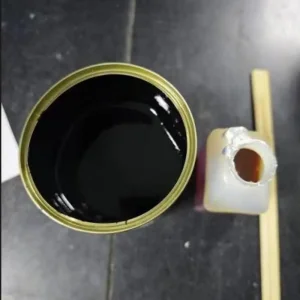
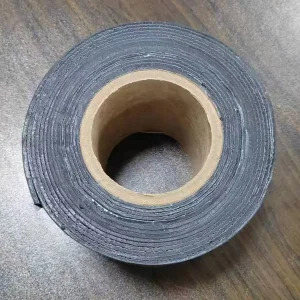
Explore our line of hot-melt repair sticks, solvent-free primers, and high-integrity pipeline mastic tapes.
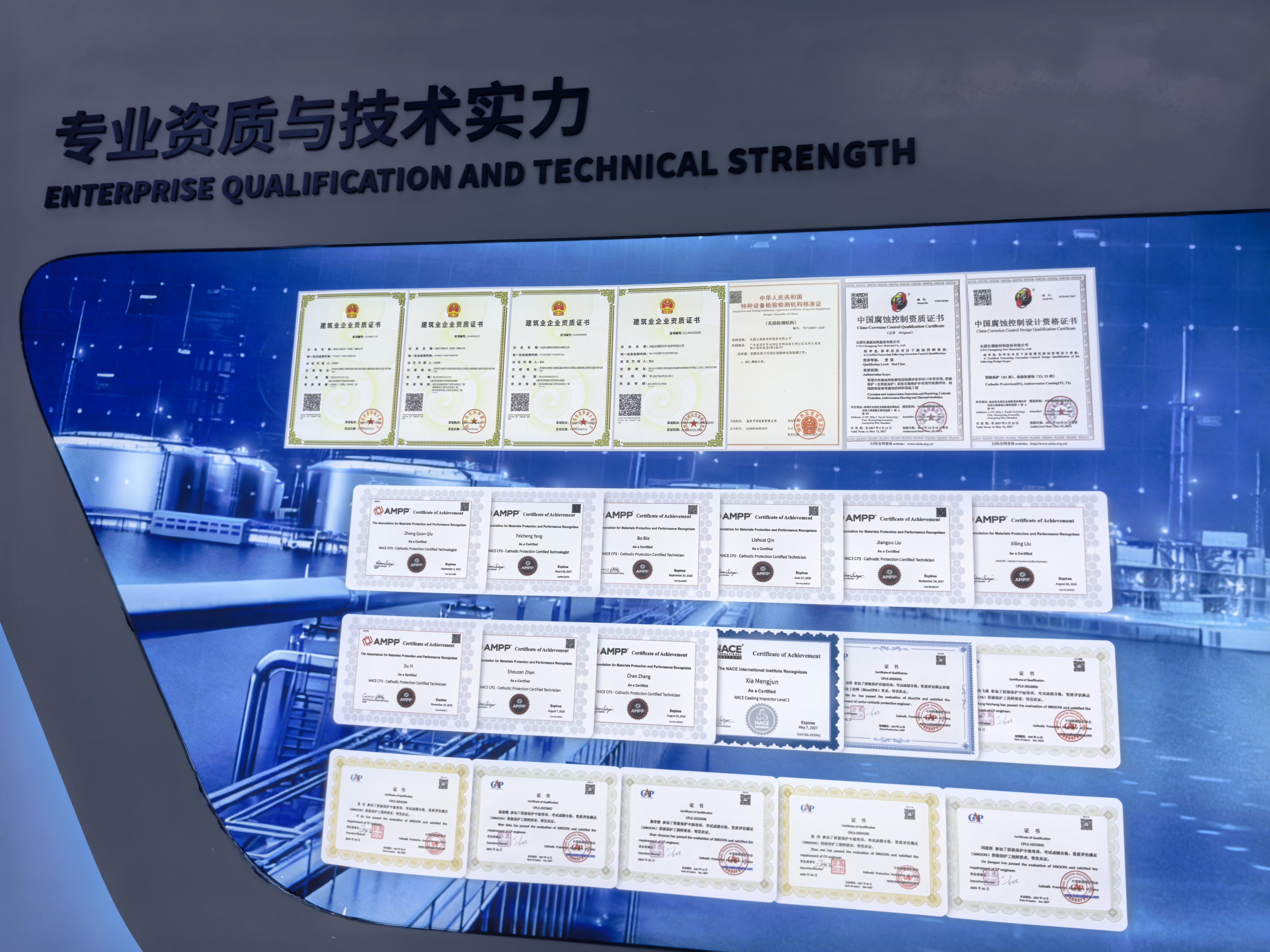
Member of Council in Chinese Society for Corrosion and Protection (CSCP), high-tech validation, and corporate qualifications.
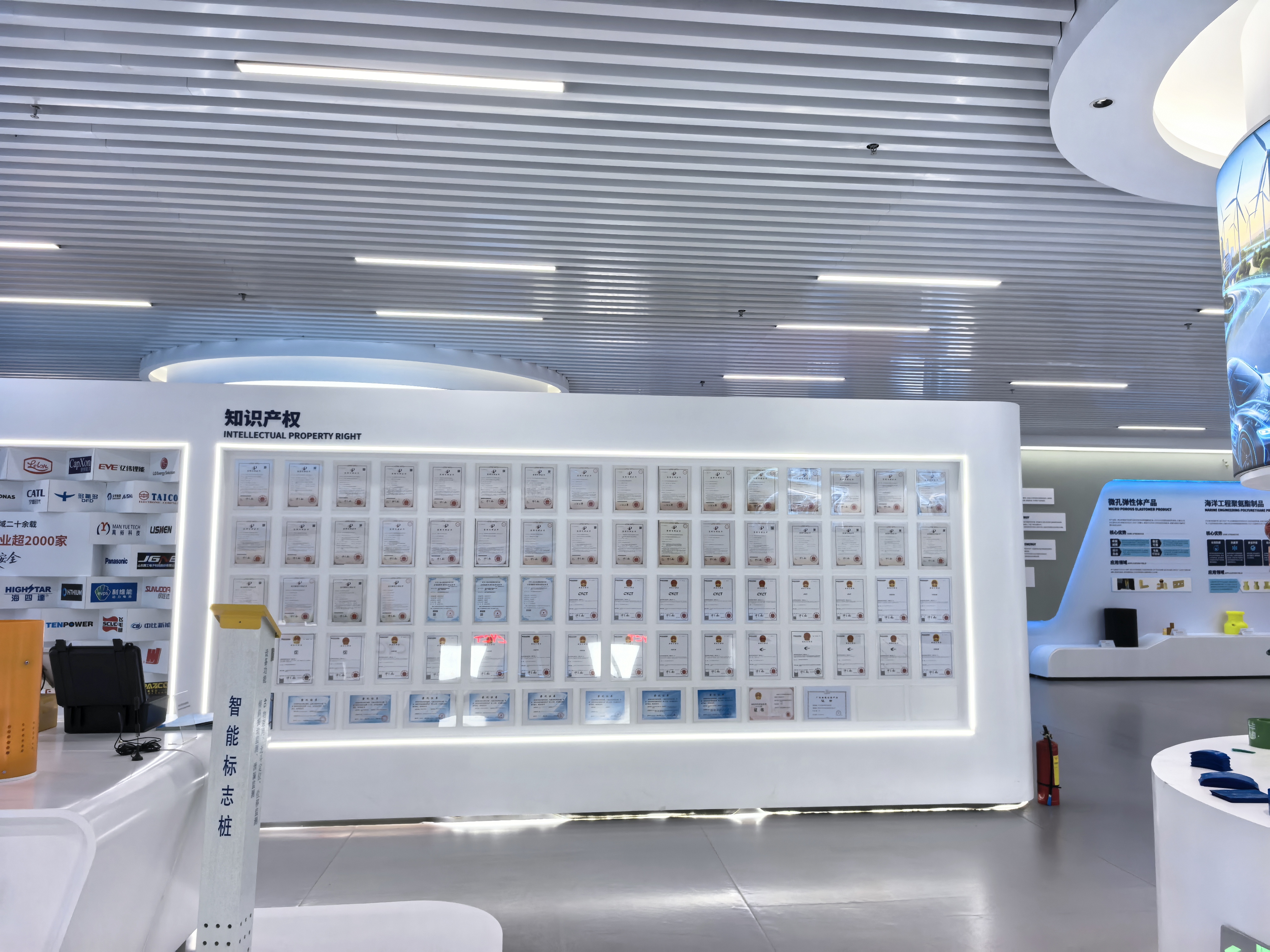
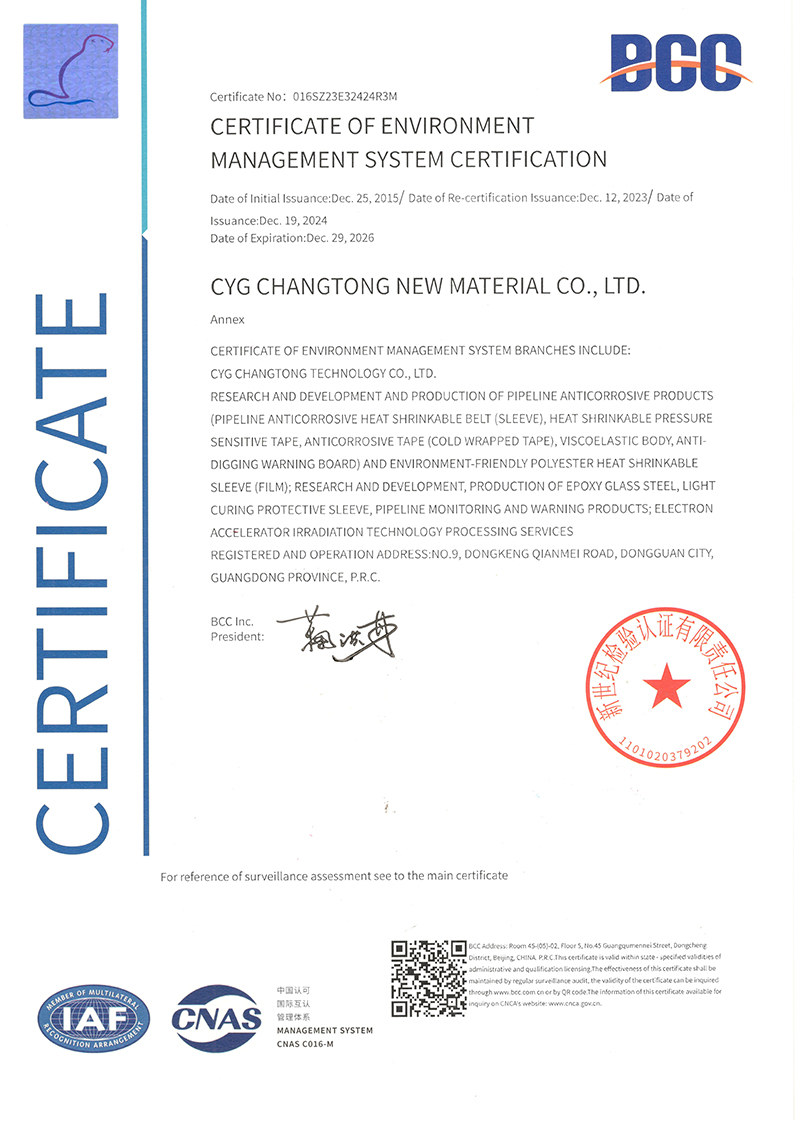
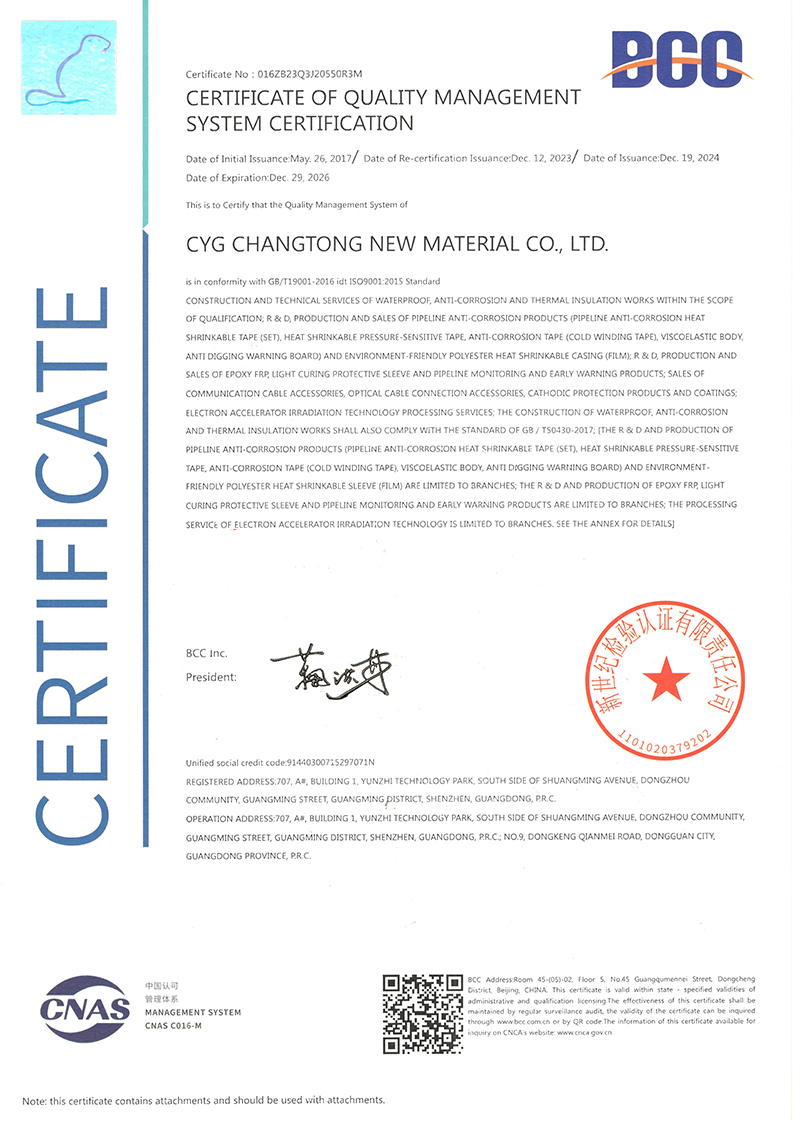
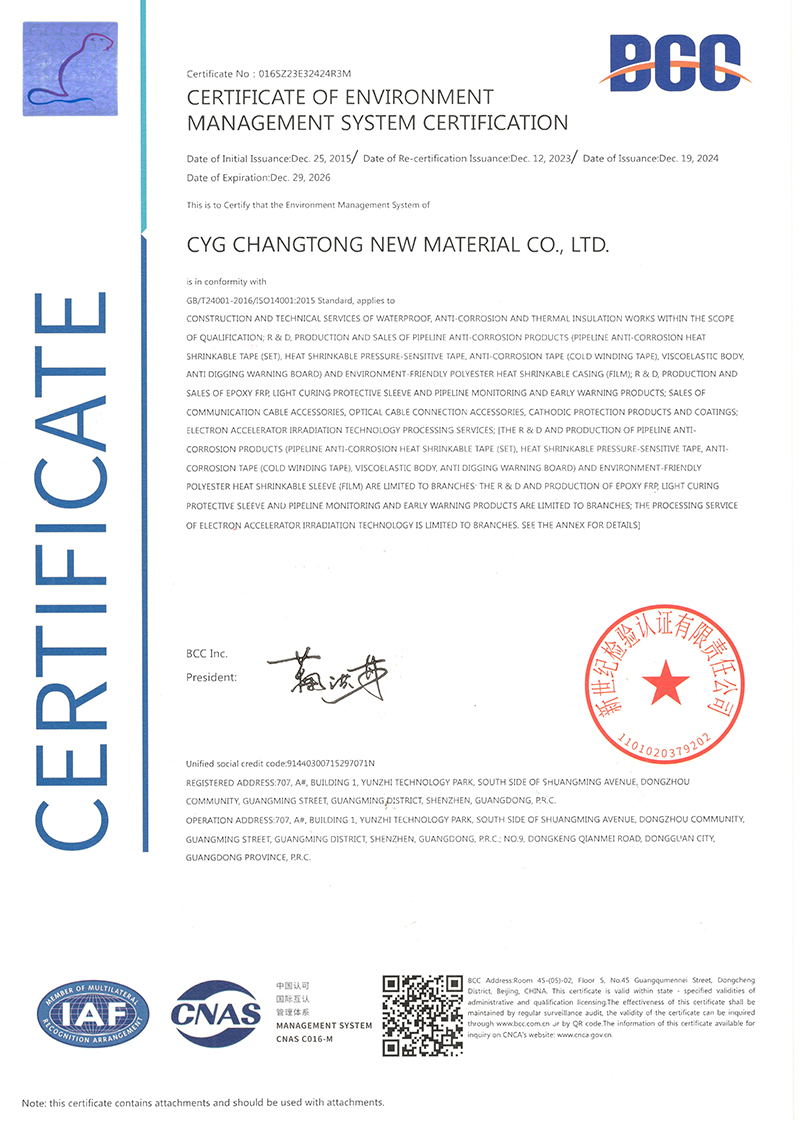
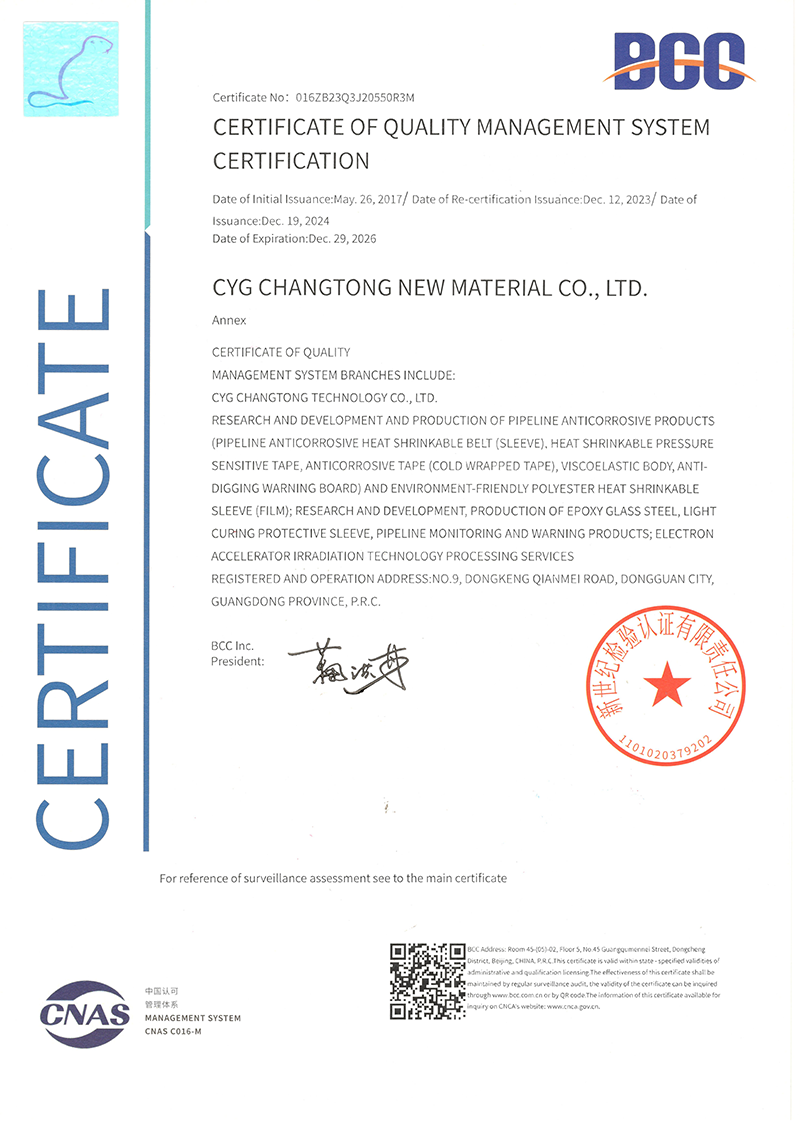
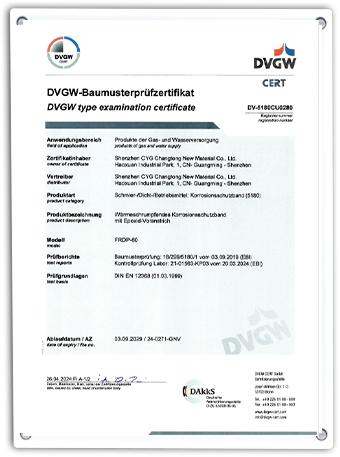
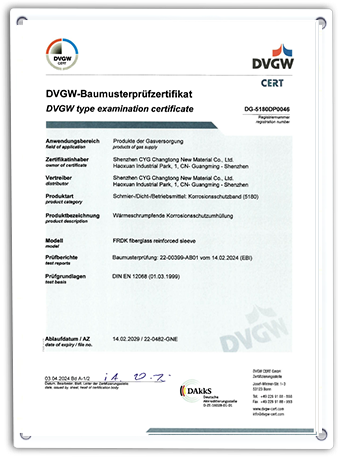
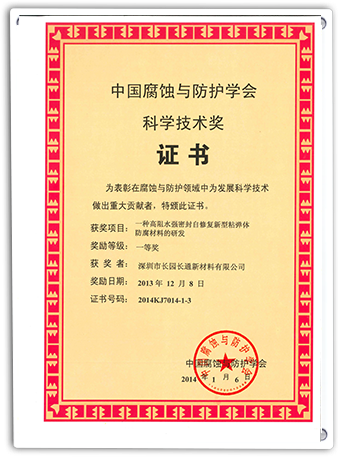
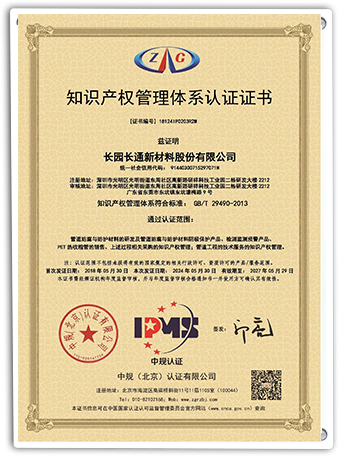
CYCT has established itself as an industry leader. We hold a Qualification Certificate of Corrosion Protection Construction, Qualification Certificate of Pipeline Detection, and are recognized as a Well-known Brand of Pipeline Corrosion Protection in China. As a corporate member of the China Association of Petroleum Engineering Construction (CAPEC) and a State-Level High-Tech Enterprise, we maintain over 10 proprietary intellectual property rights.
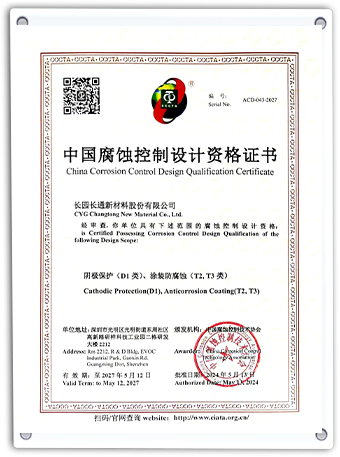
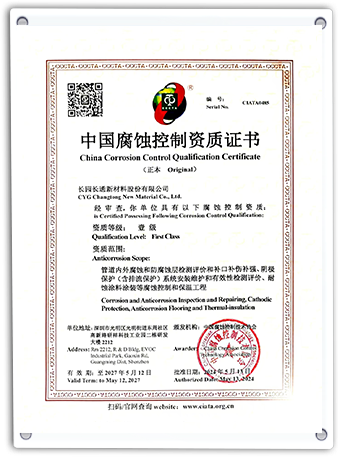
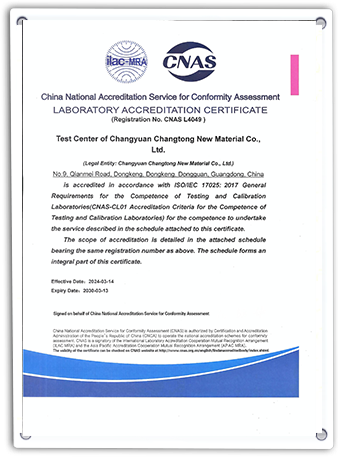
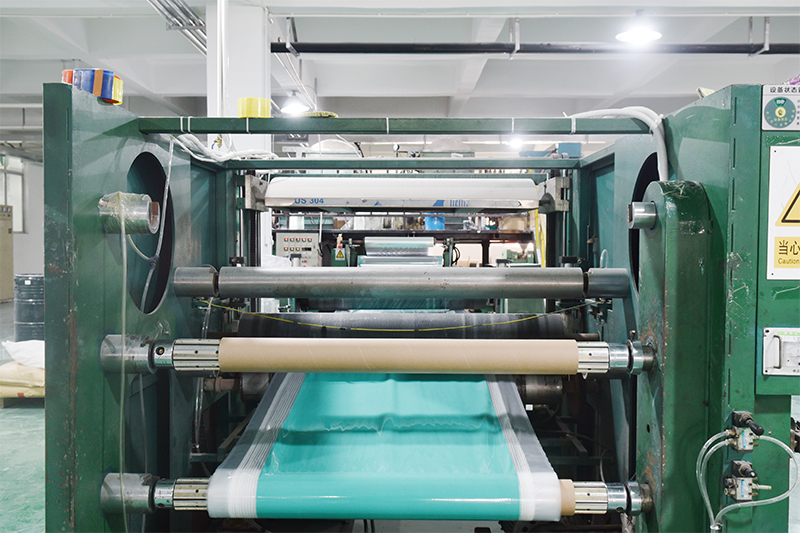
A glimpse inside our specialized manufacturing facilities, laboratories, and field testing sites.
 CYCT
CYCT