Engineered pipeline rehabilitation, joint coating systems, and sealing repair technologies.
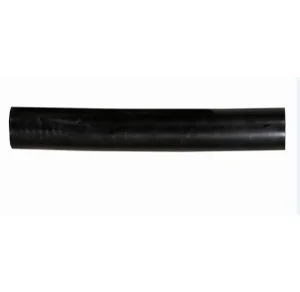
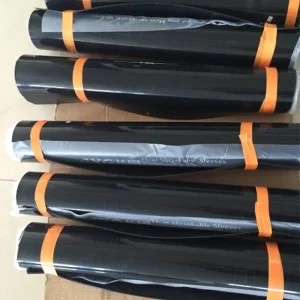
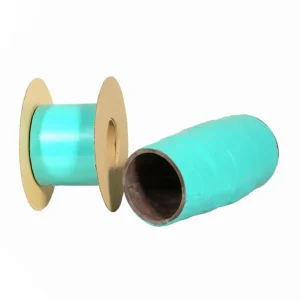
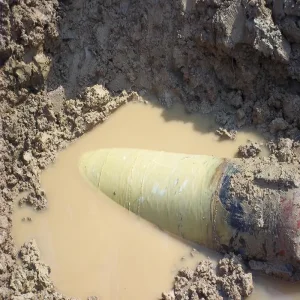
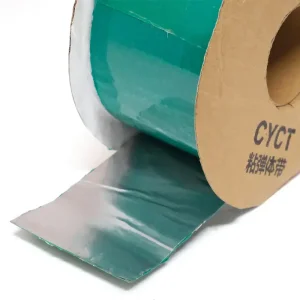
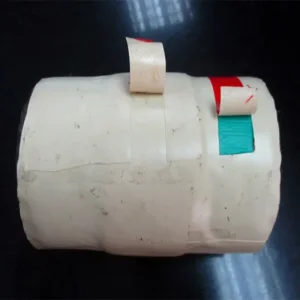
In modern pipeline infrastructure projects, field joints represent the most vulnerable points in transmission systems conveying oil, natural gas, water, and industrial petrochemical slurries. While factory-applied coatings such as Three-Layer Polyethylene (3LPE) or Three-Layer Polypropylene (3LPP) provide robust, continuous protection along the pipe body, field joint coatings must be applied on-site, under varying, often hostile, environmental conditions. Standard heat shrinkable sleeves require substantial substrate preheating (typically between 60°C and 90°C) to ensure adequate bonding of the viscoelastic mastic or hot-melt adhesive. However, in regions marked by sub-zero temperatures, permafrost, or severe seasonal winters—such as Siberia, Northern Canada, Northern China, and parts of Northern Europe—achieving and maintaining high preheat temperatures on heavy-walled steel linepipes is energetically inefficient, operationally challenging, and hazardous to the integrity of the adjacent mainline coating.
To address this critical technological bottleneck, specialized low temperature heat shrink sleeves (LTHSS) have emerged as the industry-standard engineered solution. These advanced systems are systematically designed to wrap, seal, and protect field joints with significantly reduced preheating requirements (often down to ambient temperatures or minimal preheat thresholds of 45°C) without sacrificing long-term shear strength, cathodic disbondment resistance, or mechanical toughness.
The global demand for oil and gas logistics networks continues to expand into ecologically challenging and climatically severe environments. High-latitude explorations, sub-sea landfalls, cold-desert distributions, and alpine cross-country pipeline paths demand field joint coatings that can withstand extreme mechanical stresses, thermal cycling, and continuous chemical exposure under frozen or shifting soil conditions. Standard mastic adhesives become glassy and brittle when subjected to sub-zero temperatures, which rapidly initiates micro-fracturing, disbondment under cathodic protection (CP) currents, and subsequent localized crevice corrosion.
Furthermore, pipeline installation contractors face strict project schedules. In cold environments, the time required to heat a thick steel pipe using induction coils or propane torches increases exponentially. This delay increases diesel fuel consumption, raises the project's carbon footprint, and compromises safety. Consequently, asset owners and EPC (Engineering, Procurement, and Construction) companies are mandating the use of low-temperature compatible heat shrink sleeves. These systems utilize advanced polymer compounding to lower the activation temperature of the adhesive phase while maintaining excellent mechanical resistance at higher operating limits once installed.
A high-performance low temperature heat shrink sleeve is comprised of a dual or triple-layer composite system: an outer radiation cross-linked, high-density polyethylene (HDPE) backing and an inner layer of specially formulated protective hot-melt or viscoelastic co-polymer adhesive. The outer backing possesses an elastic "memory" that is locked into the polymer matrix during the irradiation cross-linking process. When heat is applied, this backing shrinks, exerting a continuous radial compaction force over the joint area.
The innovation lies within the adhesive layer. Standard adhesives exhibit high viscosity and reduced wetting capability under cold temperatures, failing to flow into the steel's micro-roughness profile created by blast cleaning (Sa 2.5). In contrast, LTHSS formulations integrate modified copolymer resins with low glass transition temperatures (Tg). This allows the adhesive to flow, wet, and chemically bond with the steel substrate and adjacent factory PE coatings at significantly lower energy inputs. This chemical structure prevents moisture ingress, minimizes cathodic disbondment, and ensures the joint maintains physical elasticity down to -40°C.
As a global hub for chemical engineering and industrial material manufacturing, China has established a highly integrated supply chain for pipeline protection solutions. Companies like CYCT New Materials Company Limited represent the pinnacle of this capability. Operating out of advanced manufacturing plants, Chinese producers leverage locally sourced, high-grade polymers, high-energy electron-beam accelerators for cross-linking, and automated compounding extrusion lines to deliver premium quality cost-effectively.
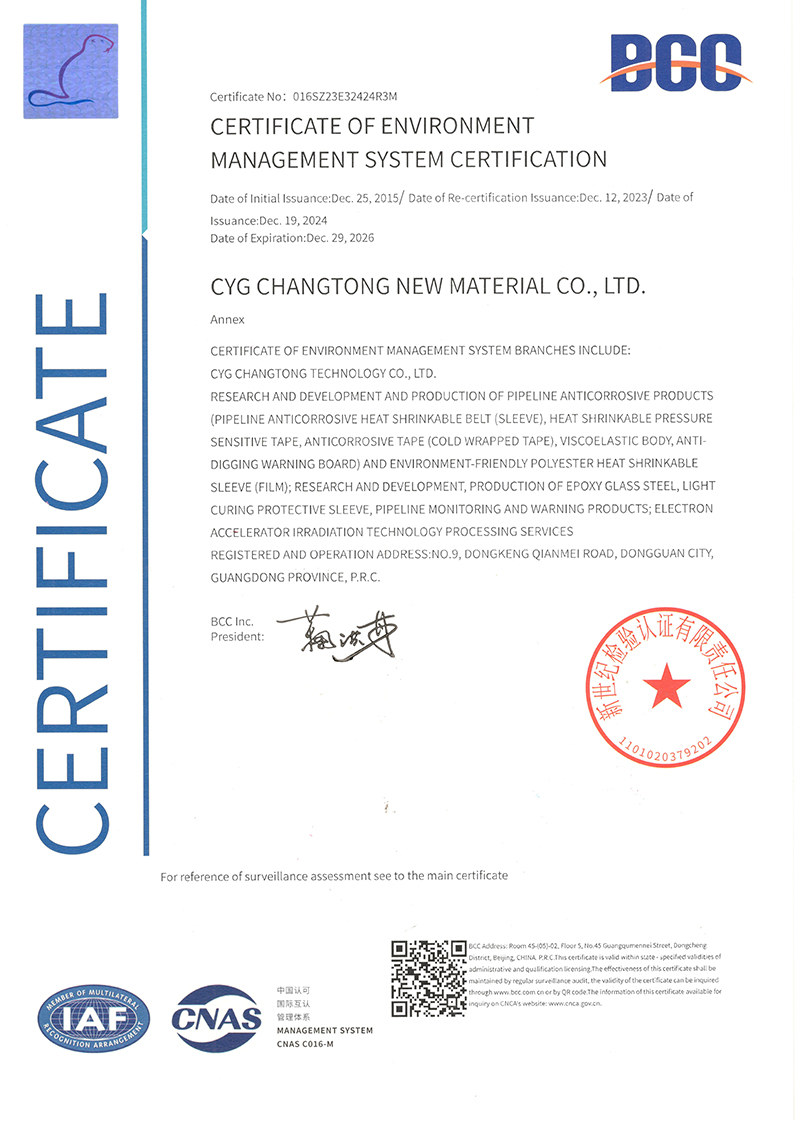
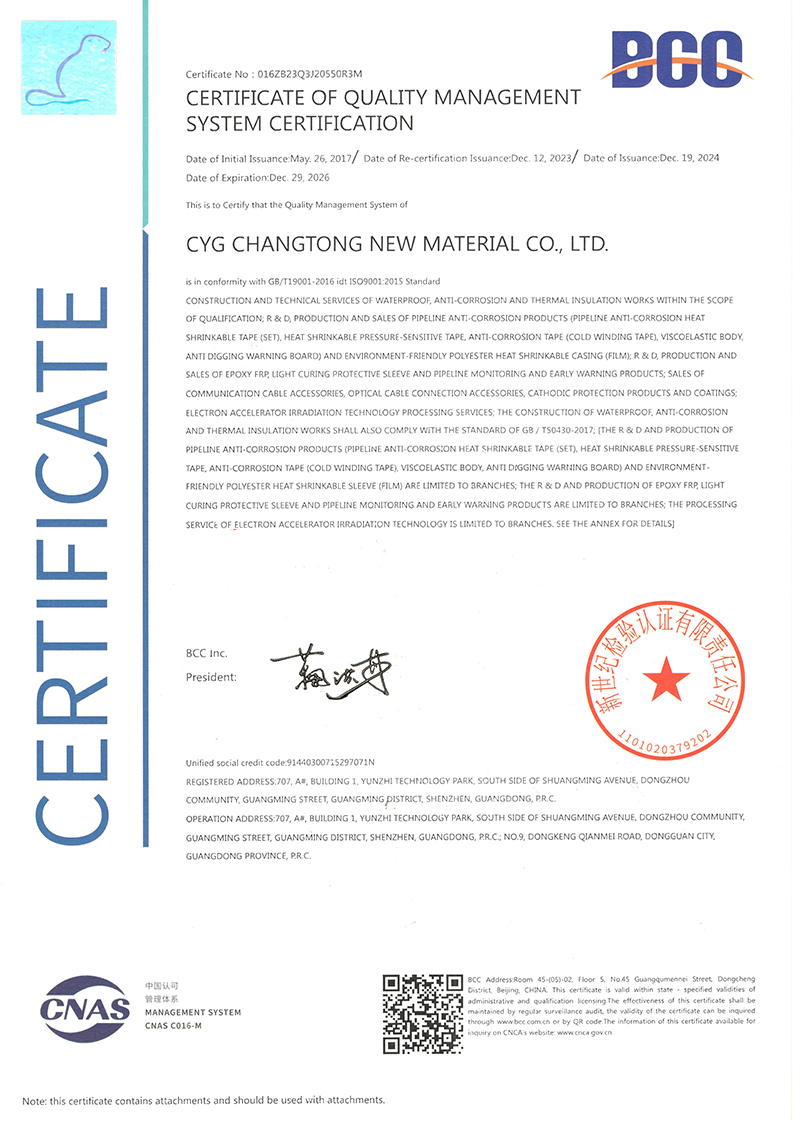
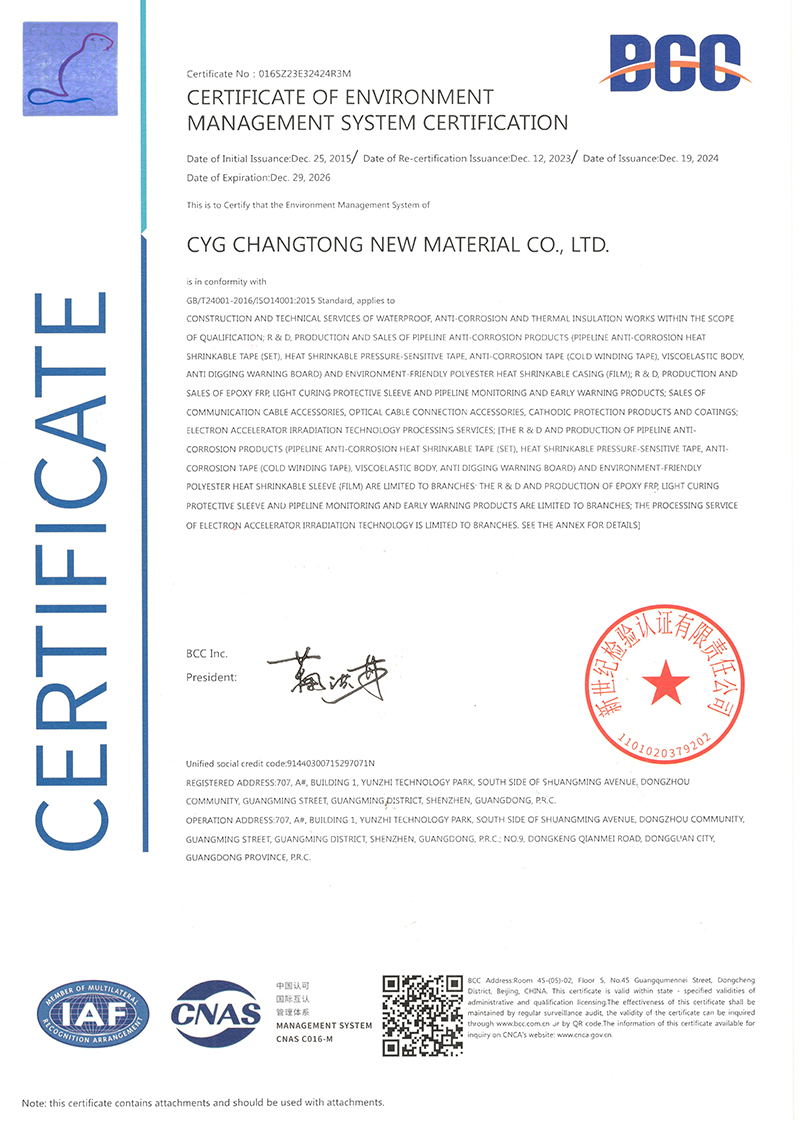
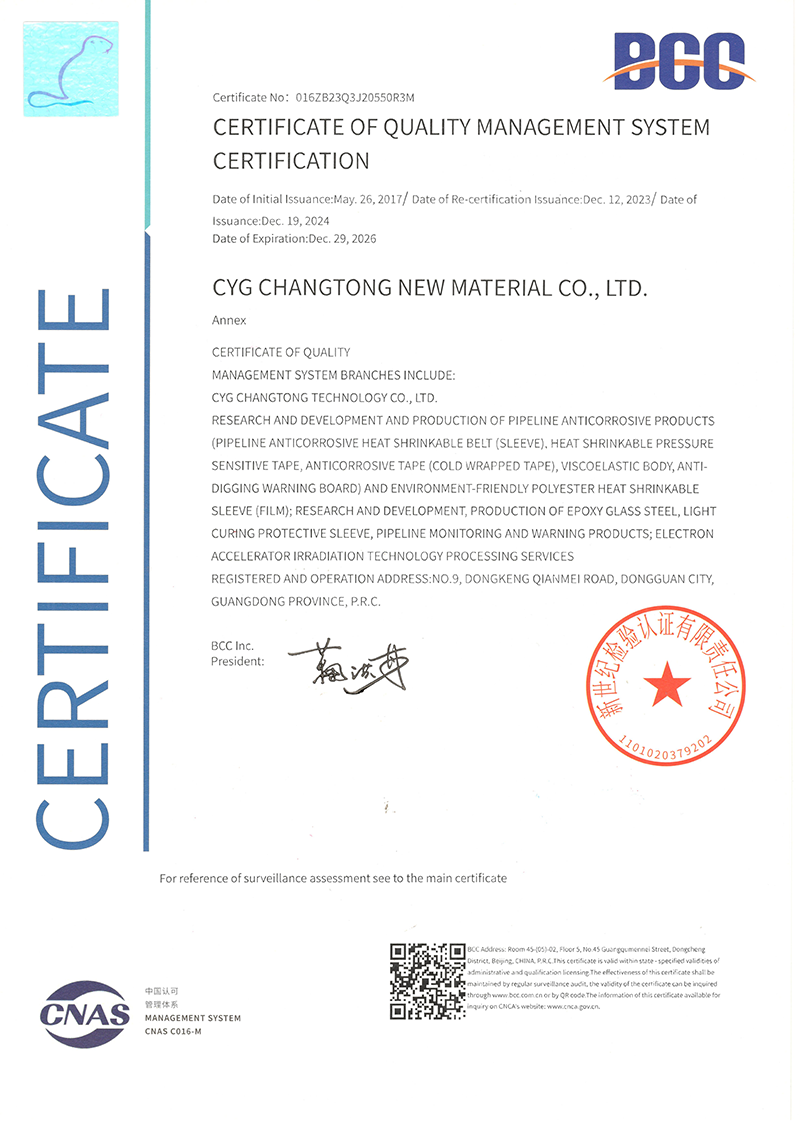
The efficiency of a top-tier Chinese factory is characterized by strict vertical integration. From raw monomer processing to the final packaging of custom-width wraparound sleeves, every stage is monitored under computerized Quality Management Systems conforming to ISO 9001, ISO 14001, and ISO 45001. This ensures that LTHSS batches maintain strict dimensional stability, consistent adhesive thickness, and reliable peel strength properties, satisfying the technical demands of operators like CNPC, Sinopec, PipeChina, and international enterprises including Indian Oil.
| Property | Standard Sleeve (Typical) | Low-Temp Sleeve (CYCT Spec) | Testing Protocol |
|---|---|---|---|
| Required Preheat Temp. | 60°C – 90°C | 40°C – 50°C (Min. 35°C) | EN 12068 / ISO 21809-3 |
| Glass Transition (Tg) | -10°C to -15°C | -45°C to -50°C | ASTM D3418 (DSC) |
| Peel Strength (to Steel) | > 80 N/cm at 23°C | > 120 N/cm at 23°C | ASTM D1000 / EN 12068 |
| Cathodic Disbondment | < 15 mm (at 60°C, 28d) | < 8 mm (at 23°C/60°C, 28d) | ASTM G42 / ISO 21809-3 |
| Impact Resistance | > 15 J | > 20 J (tested at -20°C) | ASTM G14 / EN 12068 |
The pipeline coatings sector is currently undergoing a structural transition focused on safety, environment, and installation speed. Key developmental trends include:
A Leading State-Level High-Tech Enterprise Founded in 2000
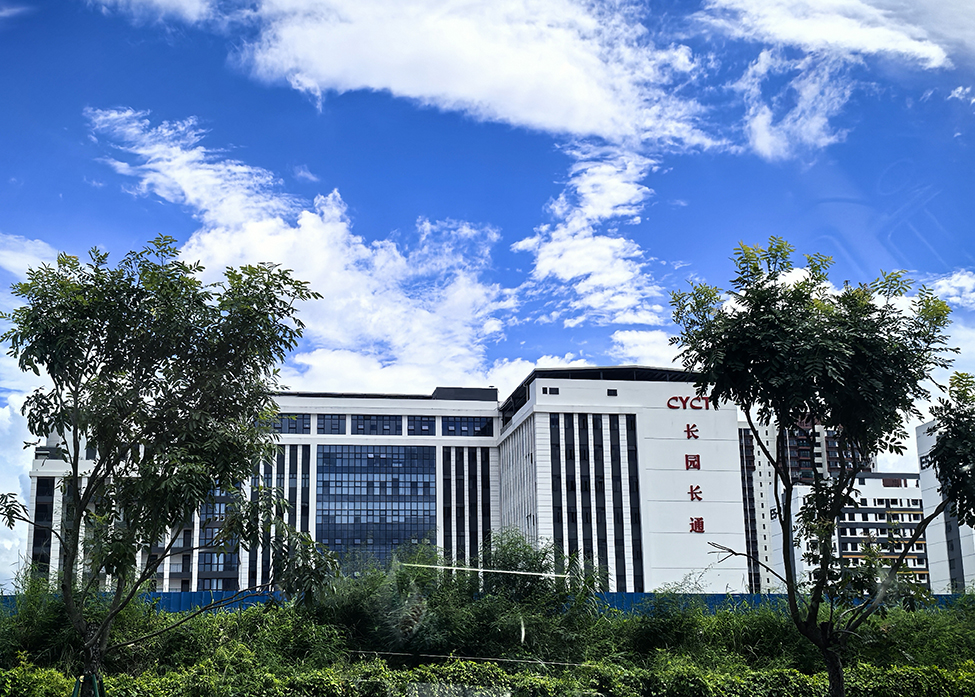
CYCT New Materials Company Limited (for short, CYCT) is a state-level high-tech enterprise integrating R&D, production, and sales of pipeline corrosion protection materials as well as buried pipeline detection services and pipeline coating field application services into one. For decades, CYCT has dedicated itself to R&D, production, and sales of high-performance pipeline corrosion protection materials.
By cooperating closely with leading research institutes such as the CNPC Pipeline Science Research Institute, CYCT is capable of providing in-service pipelines with varied technical services including buried pipeline detection, design scheme creation, cathodic protection, rehabilitation project execution, and an integrated solution for the safety protection of pipelines.
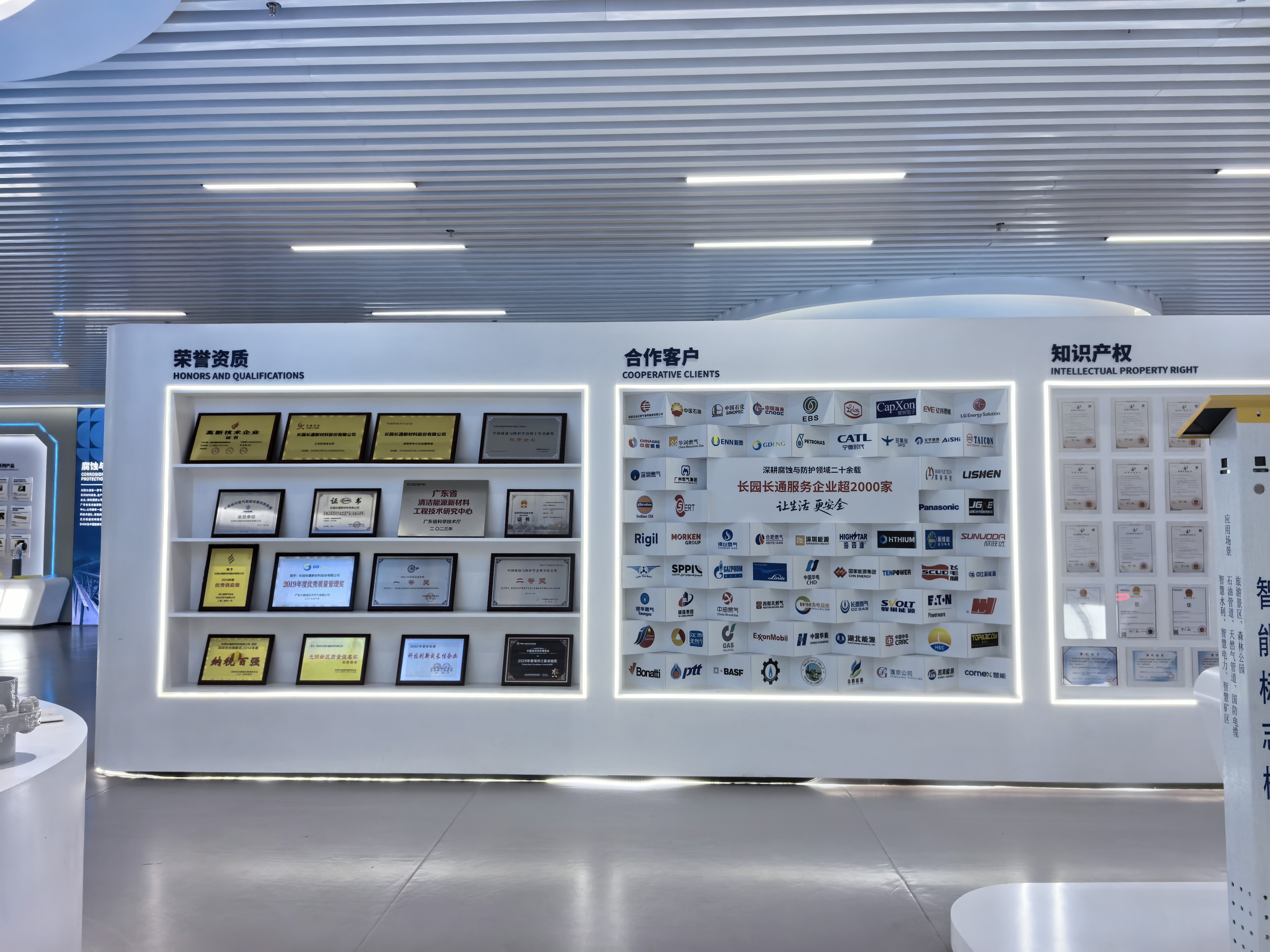
CYCT has become a stable supplier of field joint coatings for years in PetroChina, Sinopec, PipeChina, and local pipeline networks, maintaining a dominant market share. Furthermore, CYCT has successfully developed and introduced a number of specialty corrosion protection materials such as visco-elastic anticorrosion materials, special photo-curing sleeves for HDD protection, and polyurea coatings.

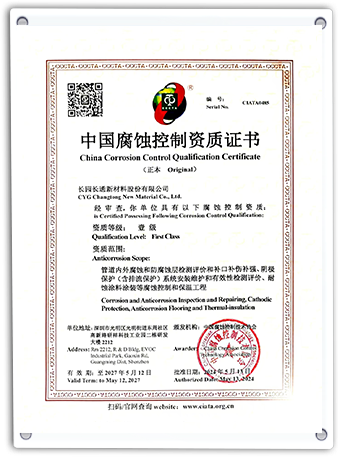
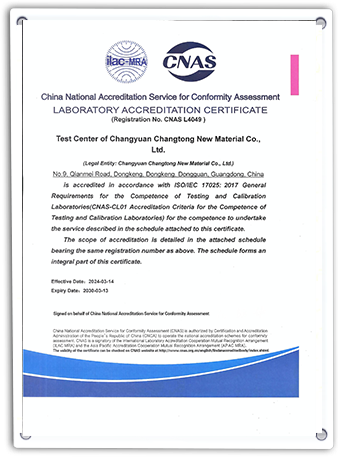
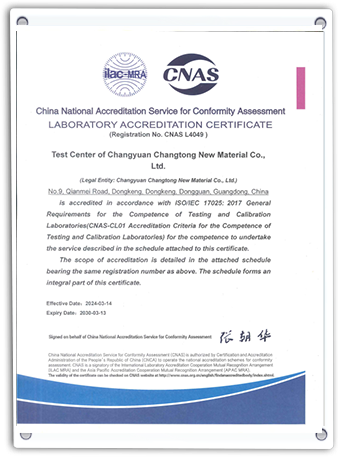
CYCT owns leading testing and R&D capabilities, a professional R&D team, and a national CNAS-accredited laboratory.
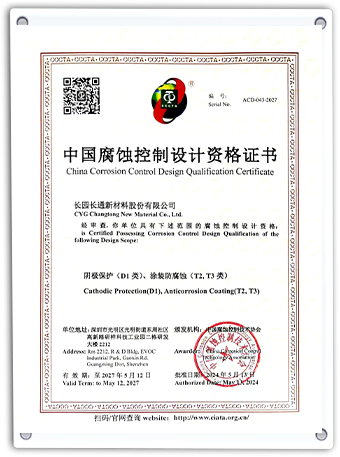
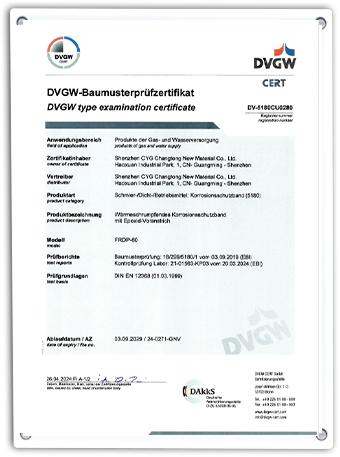
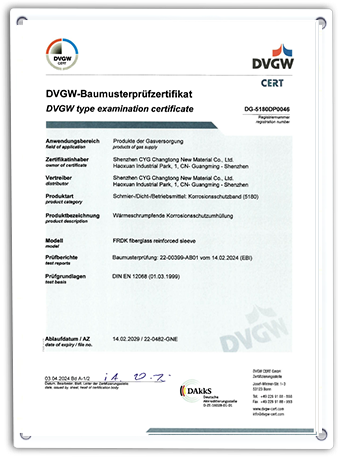
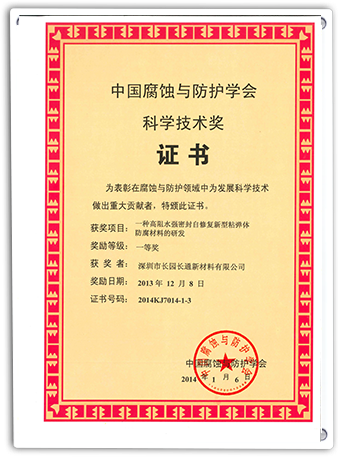
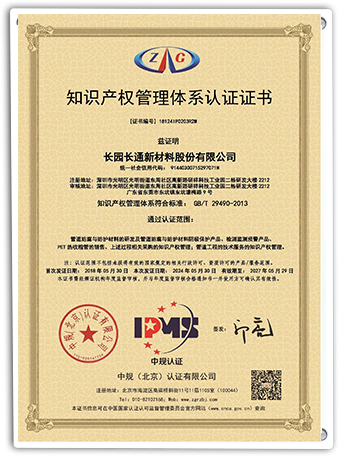
Qualified and Certified under Demanding International Standards
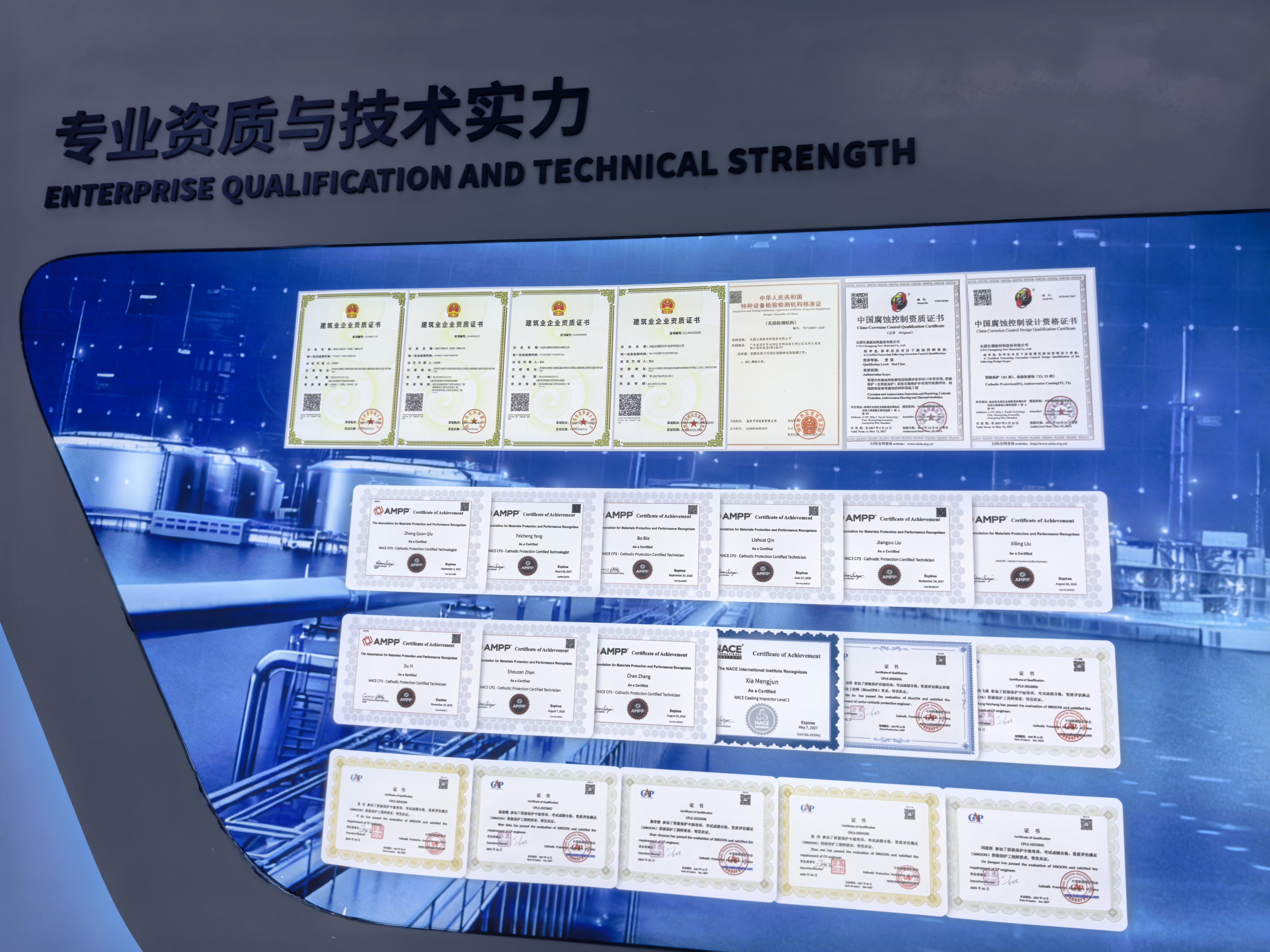
Member of Council in Chinese Society for Corrosion and Protection (CSCP), Qualification Certificate of Corrosion Protection Construction, Qualification Certificate of Pipeline Detection, Well-known Brand of Pipeline Corrosion Protection in China.
Corporate Member of China Association of Petroleum Engineering Construction (CAPEC), State-Level High-Tech Enterprise with more than ten proprietary intellectual property rights, Supplier to PetroChina, Sinopec, China Gas, and Indian Oil.
National CNAS-accredited Laboratory, long-term technical collaborator with CNPC Pipeline Science Research Institute, leading development in visco-elastic and polymer chemistry.
Expert insights on selecting, installing, and specifying low temperature heat shrinkable solutions.
Explore our complete catalog of high-performance tapes, coatings, and repair sleeves.
 CYCT
CYCT