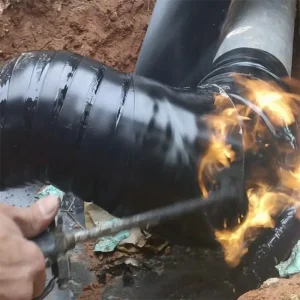
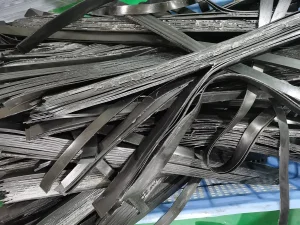
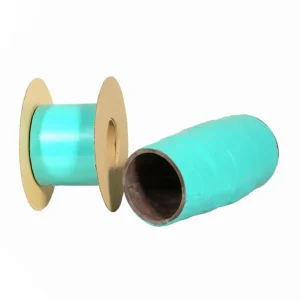
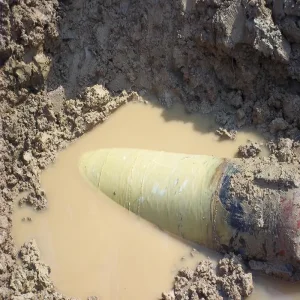
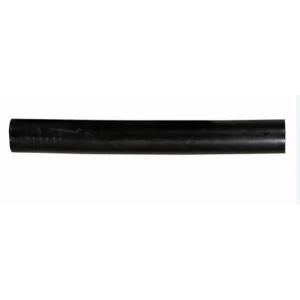
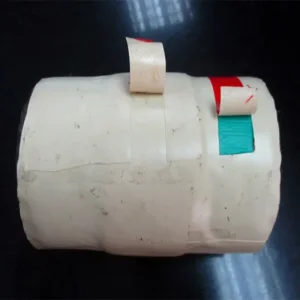
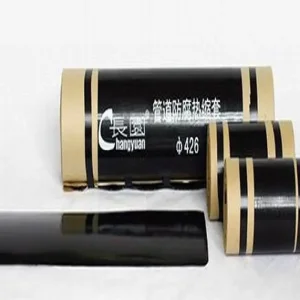
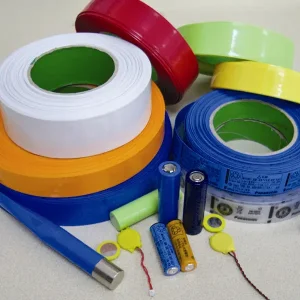
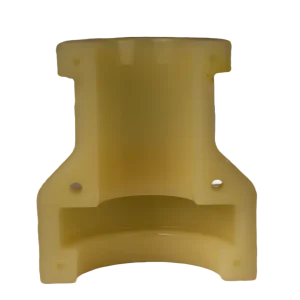
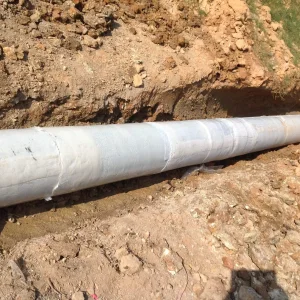
Explore our primary selection of pipeline integrity products, featuring specialized field joint coatings, viscoelastic sealants, and high-temperature repair solutions.
Liquid epoxy systems have established themselves as a cornerstone of modern protective engineering. Particularly in pipeline integrity management, these thermosetting polymers act as the primary defense mechanism against structural decay, moisture ingress, and chemical contamination. In buried, subsea, and atmospheric environments, steel assets undergo continuous electrochemical degradation. High-build liquid epoxy coatings offer robust chemical cross-linking, resulting in a dense polymer matrix with exceptional adhesion, electrical resistance, and mechanical toughness.
Historically, anti-corrosion methods relied on generic asphalt enamels or basic coal tar coatings. The advent of modern organic chemistry paved the way for epoxy resins—specifically Bisphenol-A and Bisphenol-F based systems cured with amine, polyamide, or phenalkamine hardeners. These formulations provide tailored curing kinetics, allowing pipeline engineers to apply field joint coatings (FJC) under varied climatic conditions. As the energy sector pivots toward high-pressure, high-temperature transmission lines, the demand for liquid epoxies engineered for elevated operational temperatures (up to 120°C and beyond) has grown exponentially.
Globally, infrastructure owners are facing the dual challenge of extending the service life of aging assets while building new pipelines in extreme terrains. Whether crossing rocky formations via Horizontal Directional Drilling (HDD) or operating in deep offshore basins, pipeline systems rely on multi-layer protection. Liquid epoxy is frequently used as the primary primer layer in 3-Layer Polyethylene (3LPE) and 3-Layer Polypropylene (3LPP) systems, providing the chemical adhesion necessary to resist cathodic disbondment.
China's rise as a dominant supplier of liquid epoxy and pipeline protective systems is driven by a highly integrated supply chain, rapid industrial scale, and advanced research facilities. Domestic manufacturers are no longer merely low-cost production centers; they are leading innovators in material science, offering custom formulations that rival or exceed traditional Western benchmarks.
The structural advantages of sourcing from top-tier Chinese manufacturers like CYCT New Materials Company Limited include:
Immediate access to upstream raw petrochemicals reduces processing timelines and limits logistics vulnerability, ensuring stable, year-round production outputs.
By partnering with national academies, like the CNPC Pipeline Science Research Institute, Chinese manufacturers quickly transition pilot-stage chemical polymers into commercial formulations.
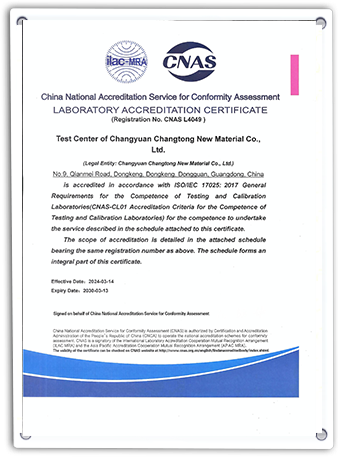
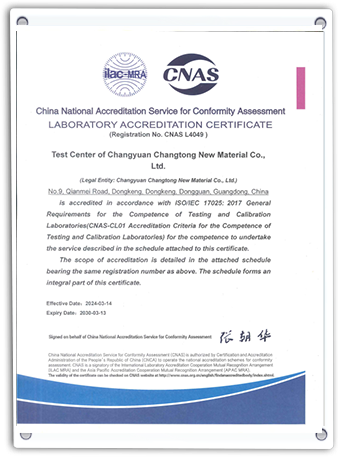
State-of-the-art CNAS-accredited laboratories guarantee that every batch of liquid epoxy or heat shrinkable material complies with global standards (ASTM, ISO, and EN).
CYCT New Materials Company Limited (abbreviated as CYCT) was founded in 2000. Over the past quarter-century, CYCT has evolved into a state-level high-tech enterprise, specializing in the research, development, production, and sale of high-performance pipeline corrosion protection materials. The company also offers buried pipeline detection services and field joint application coating services.
CYCT is a stable, long-term supplier of field joint coatings for major energy corporations, including PetroChina, Sinopec, PipeChina, local utility gas grids, and international operators like Indian Oil. CYCT maintains a significant domestic market share by pairing premium products with tailored technical services.
The company's core innovations include high-performance visco-elastic anticorrosion materials, protective photo-curing sleeves for Horizontal Directional Drilling (HDD) applications, heavy-duty polyurea coatings, and specialized hot melt adhesive systems. By partnering with leading research institutes—such as the CNPC Pipeline Science Research Institute—CYCT supports operators throughout the pipeline lifecycle, offering services from early-stage design and cathodic protection to pipeline rehabilitation and integrity monitoring.
CYCT houses a national CNAS-accredited laboratory, equipped to run comprehensive performance testing, including cathodic disbondment, hot-water immersion, lap shear strength, and indentation resistance. This focus on R&D allows CYCT to adapt its chemical formulations to meet the demands of challenging environments.
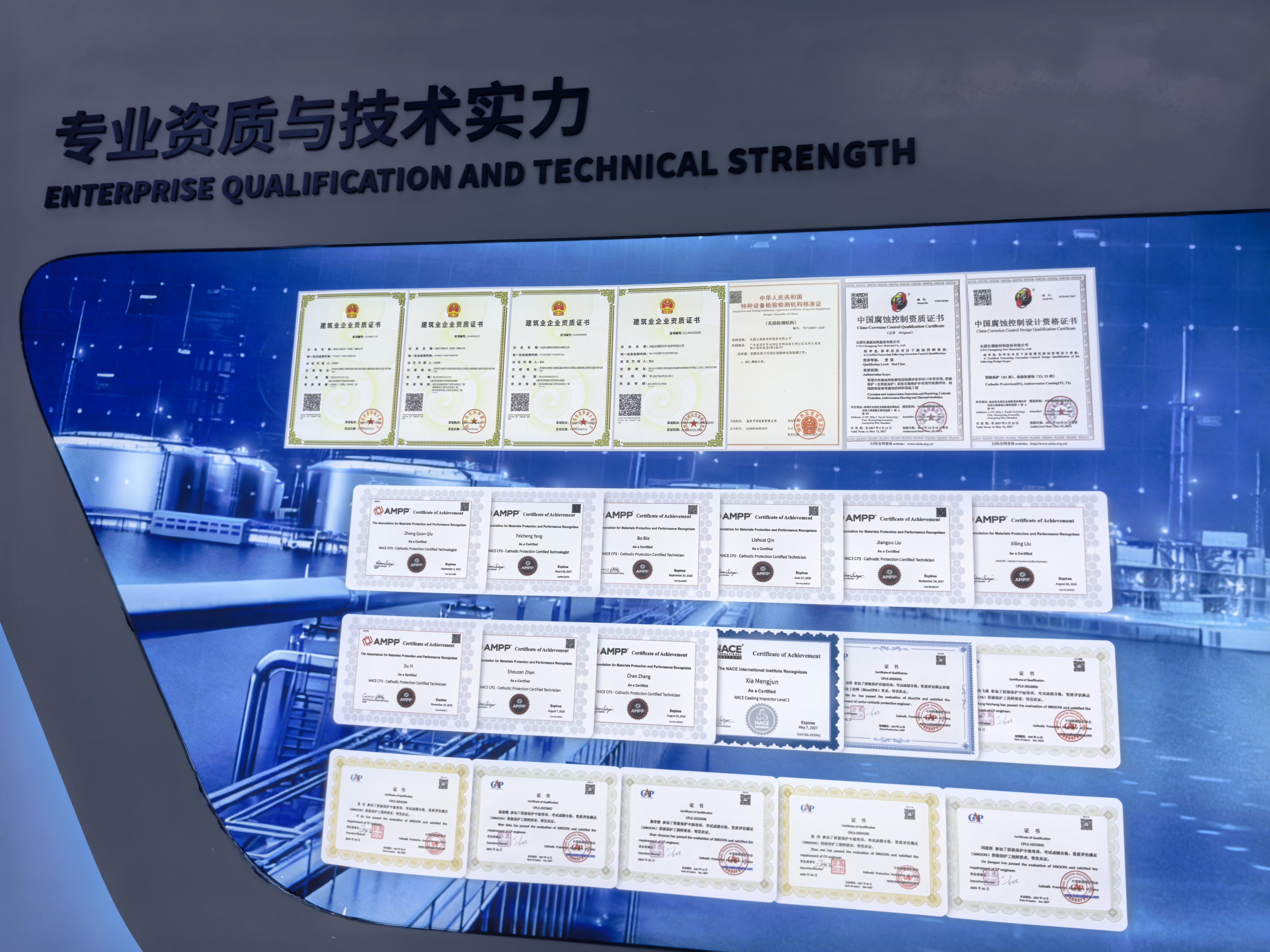
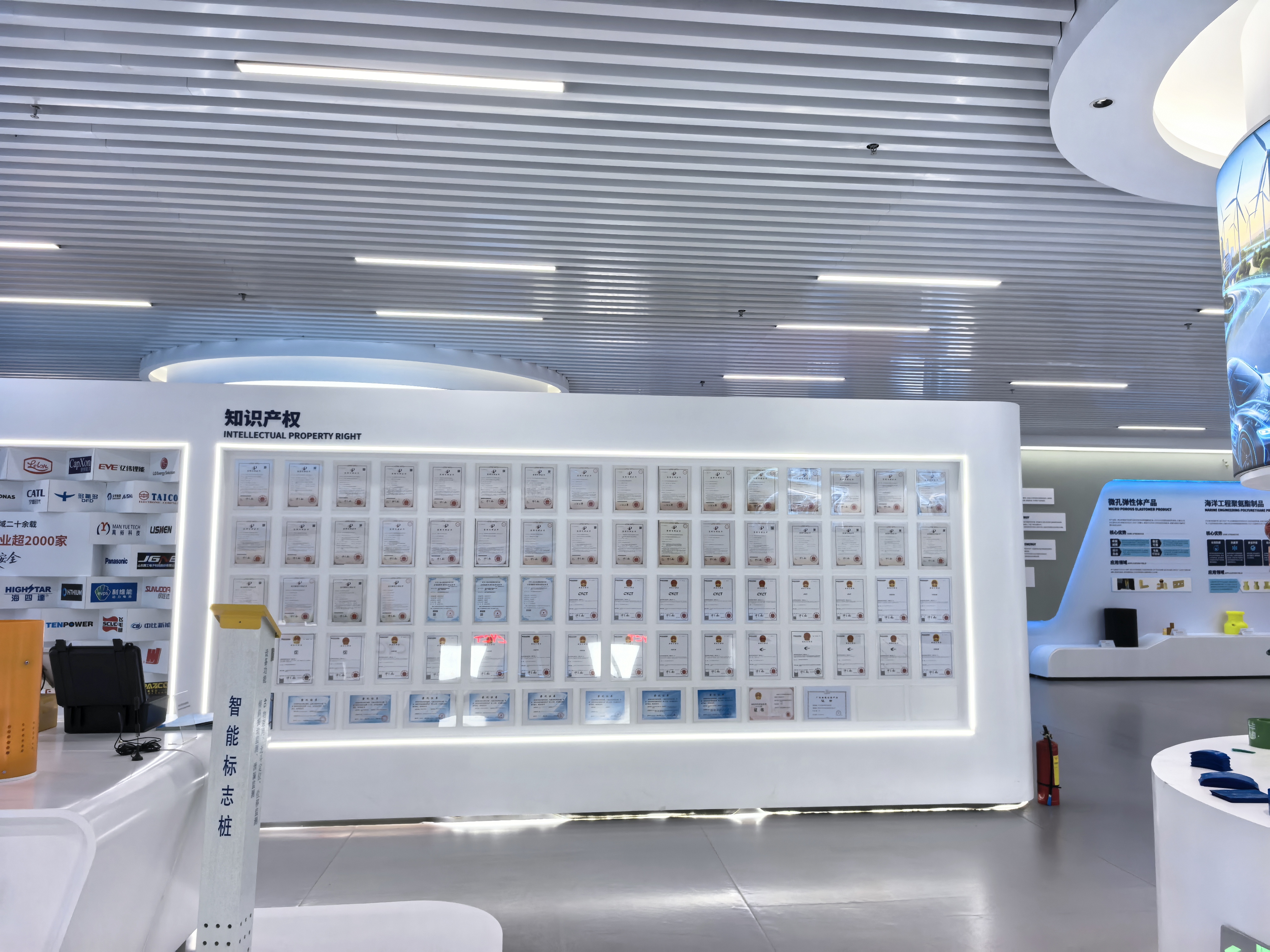
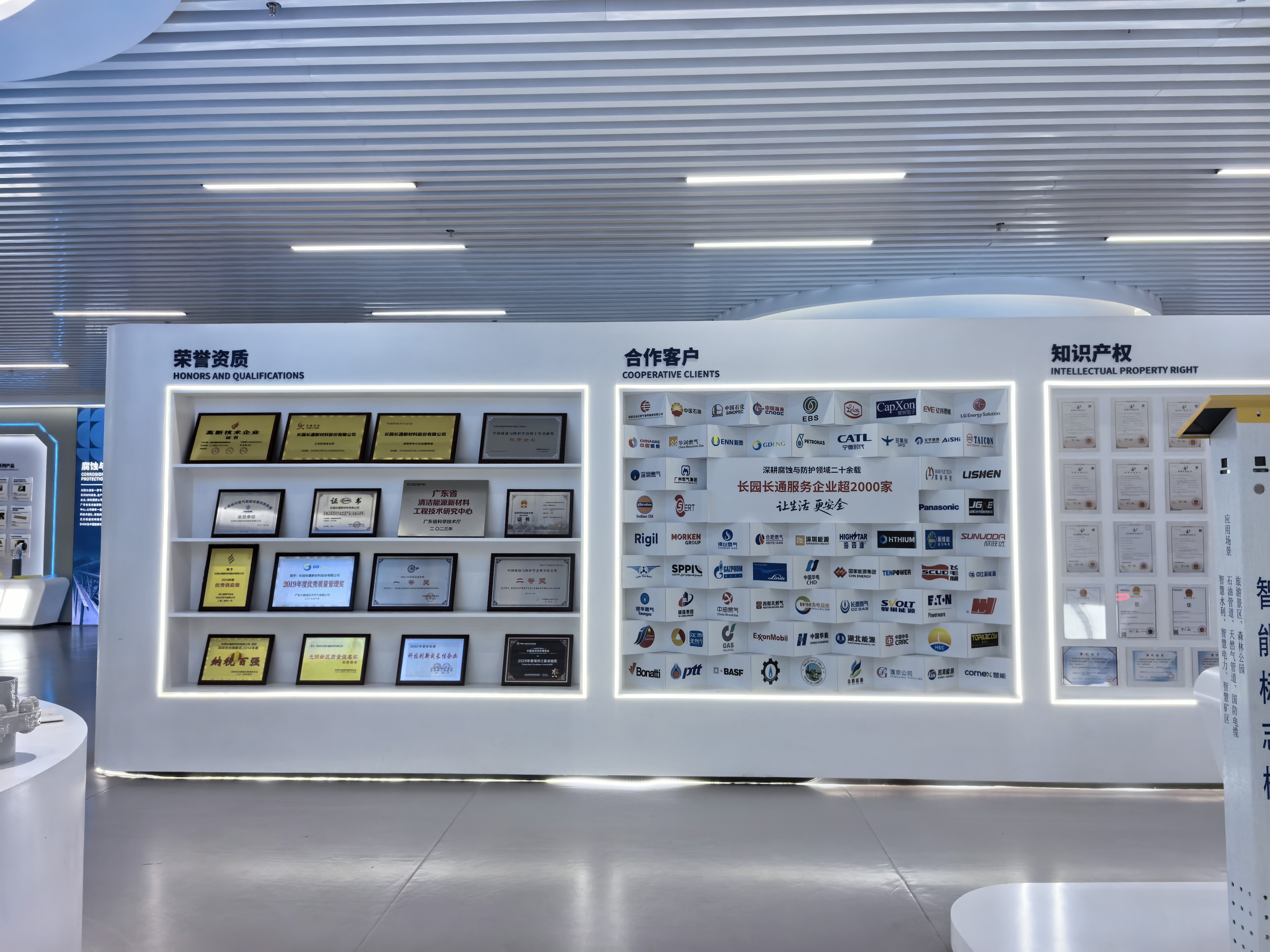
CYCT's corporate philosophy centers on technological advancement, structural reliability, and sustainable environmental practices. The company holds active memberships in the Council of the Chinese Society for Corrosion and Protection (CSCP), the China Association of Petroleum Engineering Construction (CAPEC), and AMPP (Association for Materials Protection and Performance).
Liquid epoxies are formulated to solve specific challenges encountered during construction and rehabilitation. These applications depend on chemical design, substrate adhesion, and curing characteristics.
When steel pipe segments are welded in the field, the factory-applied coating (e.g., 3LPE) is cut back at the ends. Liquid epoxy serves as the critical base layer on the bare steel of the joint area. The fast-curing epoxy chemical matrix bonds with the steel substrate, creating a layer that resists cathodic disbondment and water migration.
Installing pipelines under rivers, highways, or urban areas using HDD subjects the exterior coating to severe shear stress and abrasion. Standard coatings can scrape off against rocks and hard soils. Wrapping the joint in a liquid-epoxy-impregnated Glass Reinforced Polymer (GRP) sheet or photo-curing sleeve adds a hard sacrificial outer layer, protecting the underlying anticorrosion coating during pullback.
CYCT's technical team running cathodic disbondment testing under controlled laboratory conditions.
During pipeline rehabilitation, in-service lines are excavated, cleaned, and recoated without stopping flow. Liquid epoxy formulations are well-suited for this work because they can be applied via brush, roller, or plural-component spray systems. High-build epoxies can be applied in a single coat to build the necessary dry film thickness (DFT), minimizing excavation downtime.
Valves, tees, bends, and flanges cannot be easily wrapped with heat-shrink sleeves or tapes due to their complex shapes. High-build liquid epoxy coatings conform easily to these irregular geometries. When applied at the correct thickness, they provide seamless anti-corrosion protection that links with the adjacent pipe coating.
Procurement teams and pipeline engineers evaluate liquid epoxies based on key technical parameters to ensure project success:
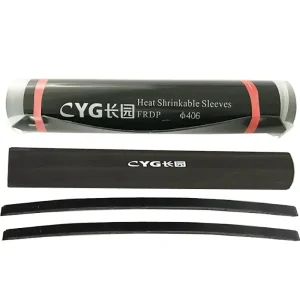
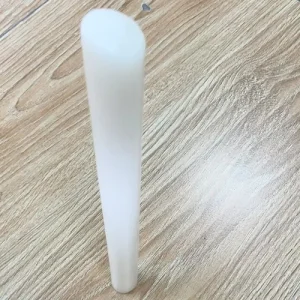
Explore our secondary line of protective sleeves, specialty repair sticks, and heavy-duty polymers designed for challenging installations.
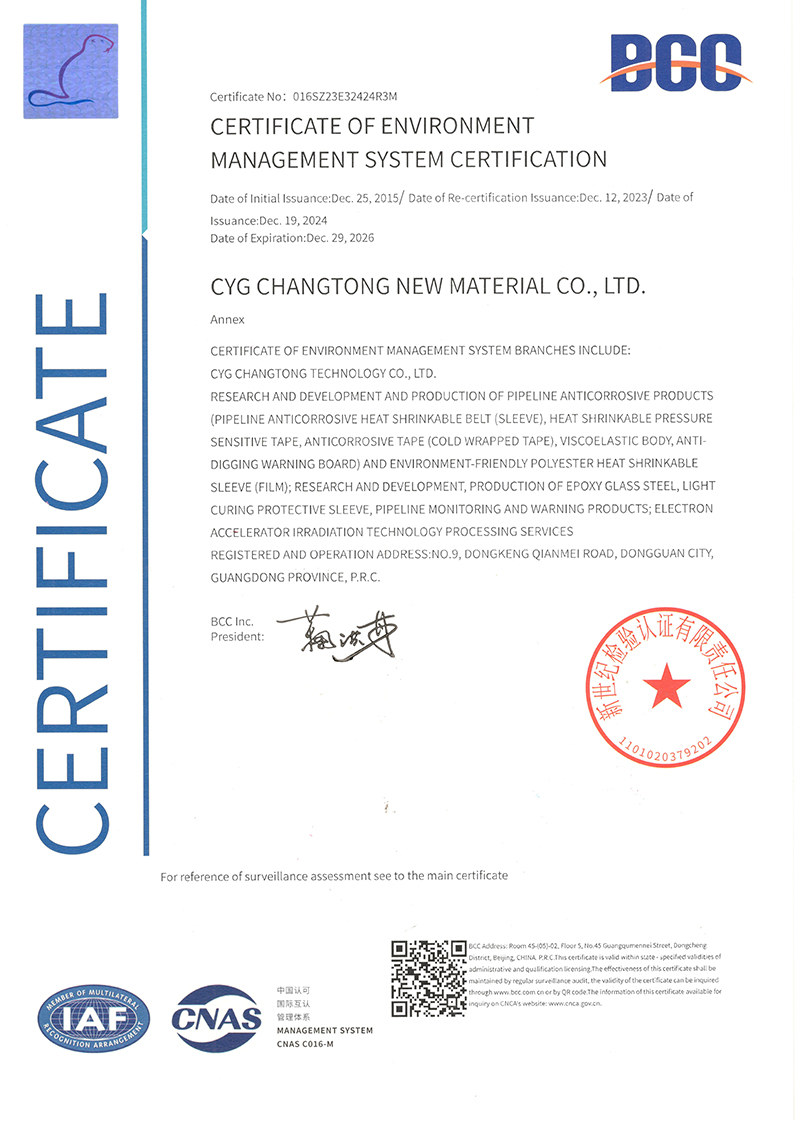
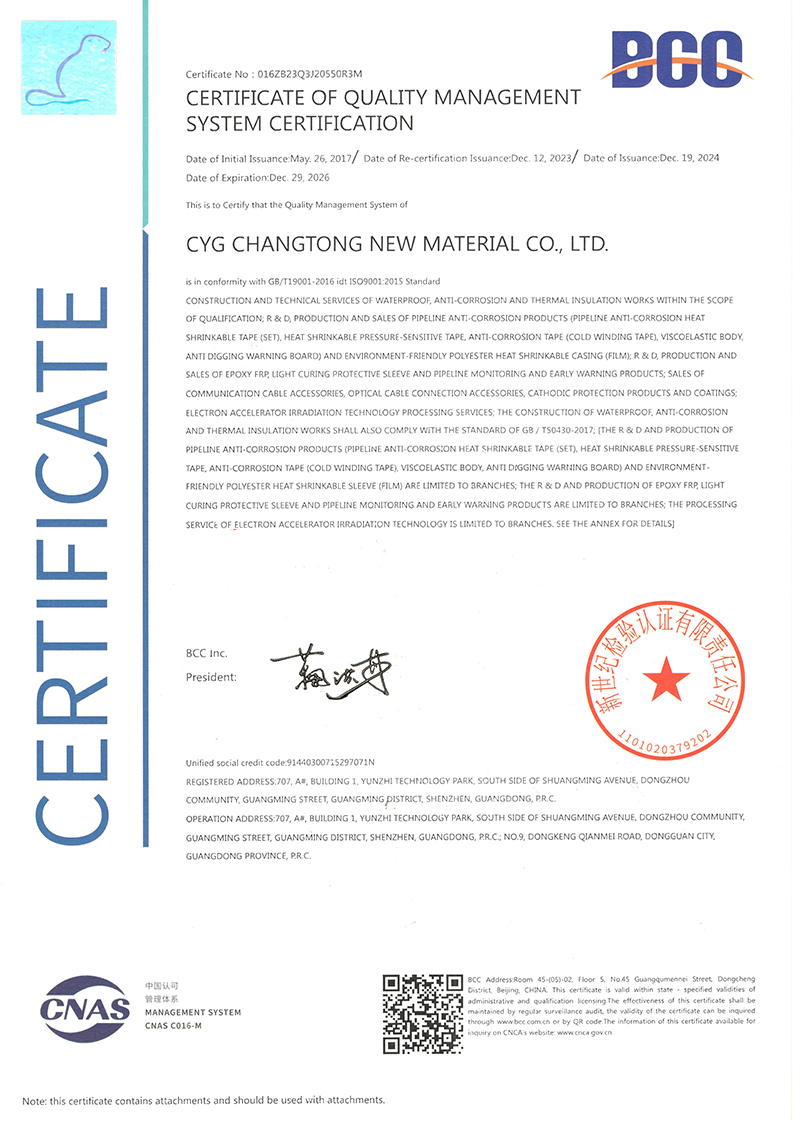
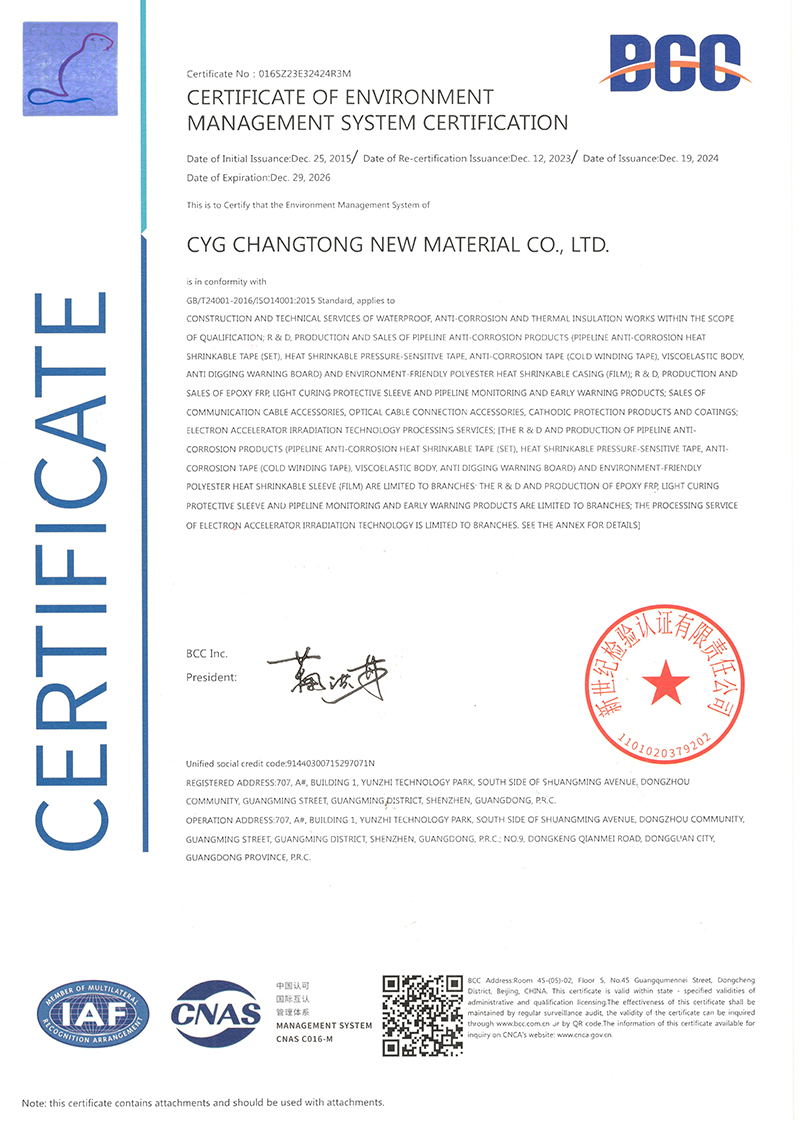
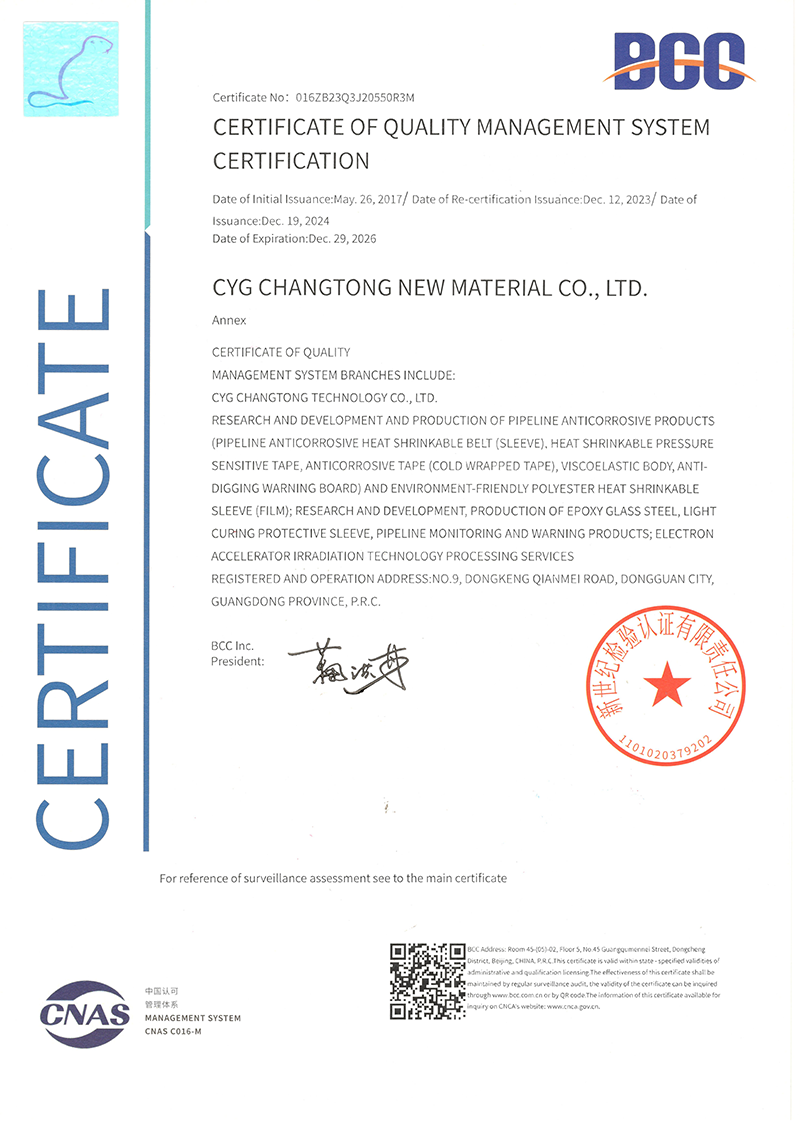
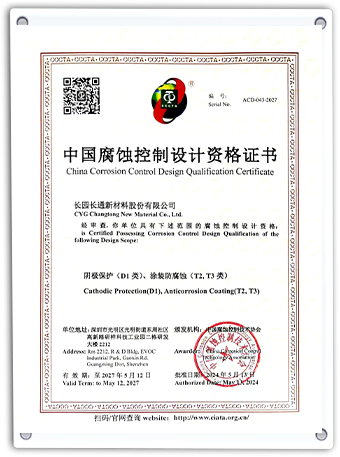
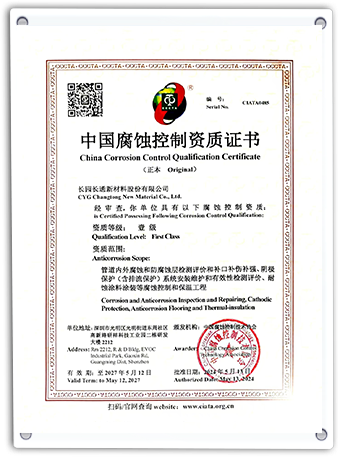
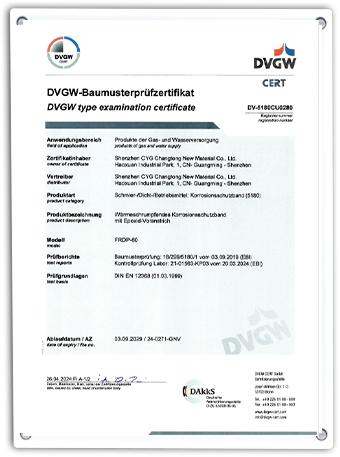
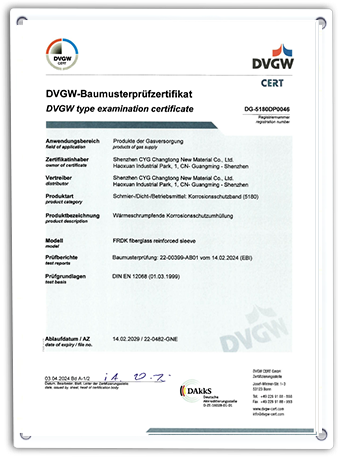
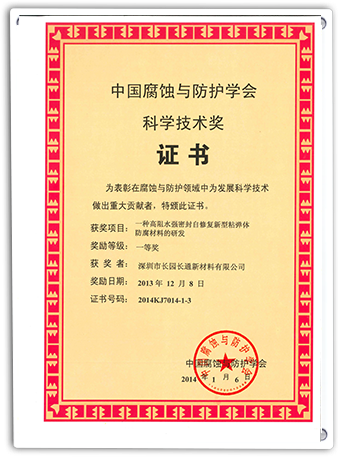
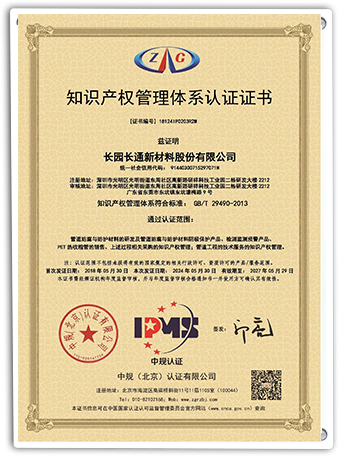
CYCT operates under international standards for manufacturing, environmental safety, and structural engineering. Our certifications verify our commitment to quality across our operations.
 CYCT
CYCT