Leading-edge anti-corrosion, heat-shrinkable, and composite reinforcement systems direct from our advanced manufacturing facility.
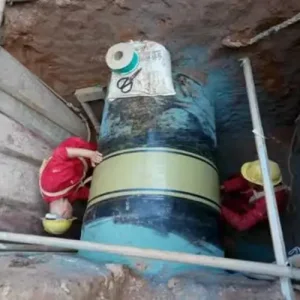
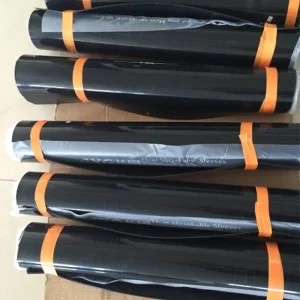
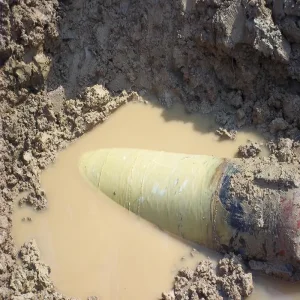
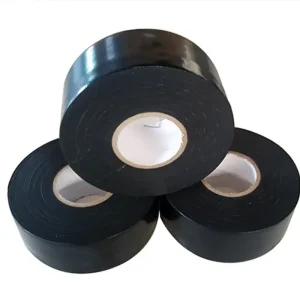
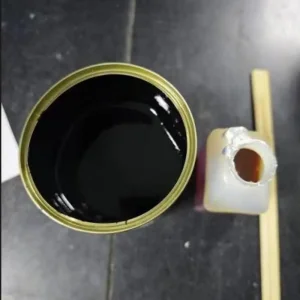
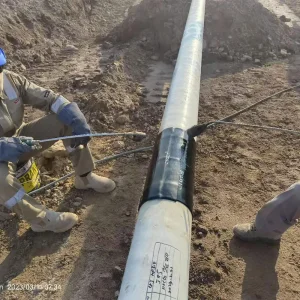
In modern high-pressure oil, natural gas, chemical, water transport, and hydrogen pipelines, the primary trunk lines are routinely protected by high-standard factory coatings. These standard coatings include three-layer polyethylene (3LPE), three-layer polypropylene (3LPP), or fusion-bonded epoxy (FBE). However, field girth welds (pipeline joints)—made during project assembly on-site—cannot be pre-coated at the mill. This leaves field joints as the most vulnerable zones to electrochemical corrosion, mechanical stress, cathodic disbondment, and biological degradation.
Global procurement metrics show that while field joints comprise less than 2% of a pipeline network's total surface area, field joint coating failures represent over 75% of historical pipeline corrosion incidents. This disproportionate failure rate makes field joint coatings (FJC) a critical focus area for Engineering, Procurement, and Construction (EPC) consortiums, asset owners, and pipeline safety regulators worldwide.
Minimum operating threshold required for Class-1 transmission pipelines in critical industrial environments.
Coating longevity designed to match the continuous lifecycle of modern oil and gas infrastructures.
Fully certified testing capabilities for shear strength, peel strength, thermal aging, and CD tests.
For decades, European and North American manufacturers held a near-monopoly on high-performance pipeline corrosion protection materials. Today, however, tier-1 Chinese manufacturers have reached technological parity by investing in advanced polymer chemistry, state-of-the-art extrusion machinery, and quality control systems certified by organizations like AMPP (Association for Materials Protection and Performance, formerly NACE) and CNAS.
Modern field joint coatings rely on complex polymer science to protect metal substrates from aggressive environmental conditions. Understanding this chemistry is vital when sourcing materials from a China Joint Coating Factory. Below is a detailed breakdown of the main coating materials and their target applications:
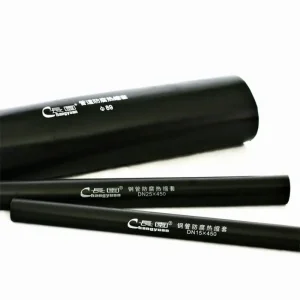
The choice between Polyethylene (PE) and Polypropylene (PP) Heat Shrinkable Sleeves (HSS) depends on the pipeline's operational temperature and mechanical load. PE-based systems (such as the 3LPE configuration) are typically rated for service temperatures up to 60°C or 80°C. In contrast, PP-based systems (like the 3LPP configuration) can handle high-temperature operations ranging from 110°C to 140°C.
The polymer design of a PP shrink sleeve relies on a radiation cross-linked polypropylene backing coated with a high-shear, high-temperature-resistant hot melt adhesive. When paired with a liquid epoxy primer, these sleeves create a 3-layer protective coating that exhibits exceptional resistance to soil stress and moisture penetration.
Horizontal Directional Drilling (HDD) is a common trenchless construction method used for crossing rivers, highways, and environmentally sensitive areas. During the HDD pull-back process, the pipeline experiences extreme friction and abrasion against rocks and soil. To prevent damage to the primary anti-corrosion coating, operators apply specialized sacrificial outer wraps, such as Epoxy FRP (Fiberglass Reinforced Plastic).
FRP coatings are applied on top of the primary field joint coating to provide high mechanical strength, impact resistance, and structural integrity. This prevents rocks or debris from scraping off the underlying corrosion protection layer.
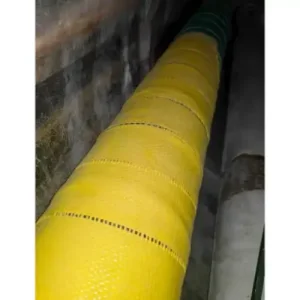
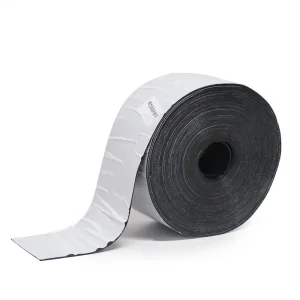
Visco-elastic anti-corrosion systems represent a unique class of protective materials. These non-crystalline, low-viscosity polymers remain cold-flowing throughout their service life. This property allows the coating to flow into and seal surface micro-irregularities, self-healing minor scratches or punctures. In offshore applications, moisture-curing composite shields are used to provide durable protection against marine splash zones and tidal cycles.
CYCT New Materials Company Limited (CYCT) is a state-level high-tech enterprise integrating R&D, manufacturing, and sales of pipeline corrosion protection materials. We also provide buried pipeline detection services and specialized field coating application support.
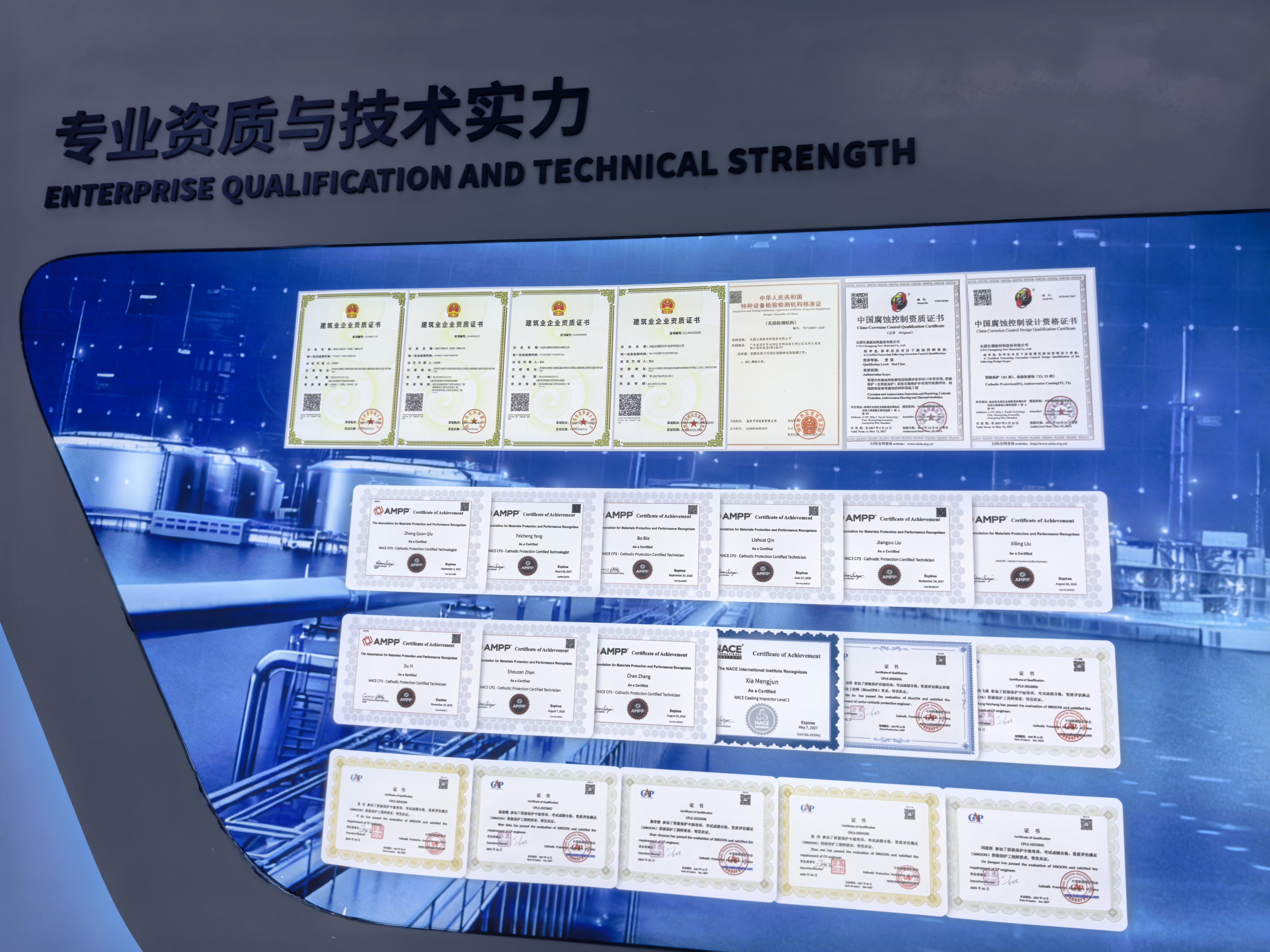
Over the decades, CYCT has developed an industry-leading R&D program. Our facilities feature a professional R&D team and a national CNAS-accredited laboratory (ISO/IEC 17025). This laboratory allows us to perform comprehensive testing on raw materials, adhesive formulations, and finished coating systems to ensure compliance with global engineering specifications.
Our consistent performance has earned us status as a trusted supplier for major energy companies, including PetroChina, Sinopec, PipeChina, China Gas Group, and Indian Oil. In addition to standard pipeline coatings, CYCT has successfully developed specialty materials such as visco-elastic wraps, photo-curing sleeves for HDD protection, and polyurea coatings.
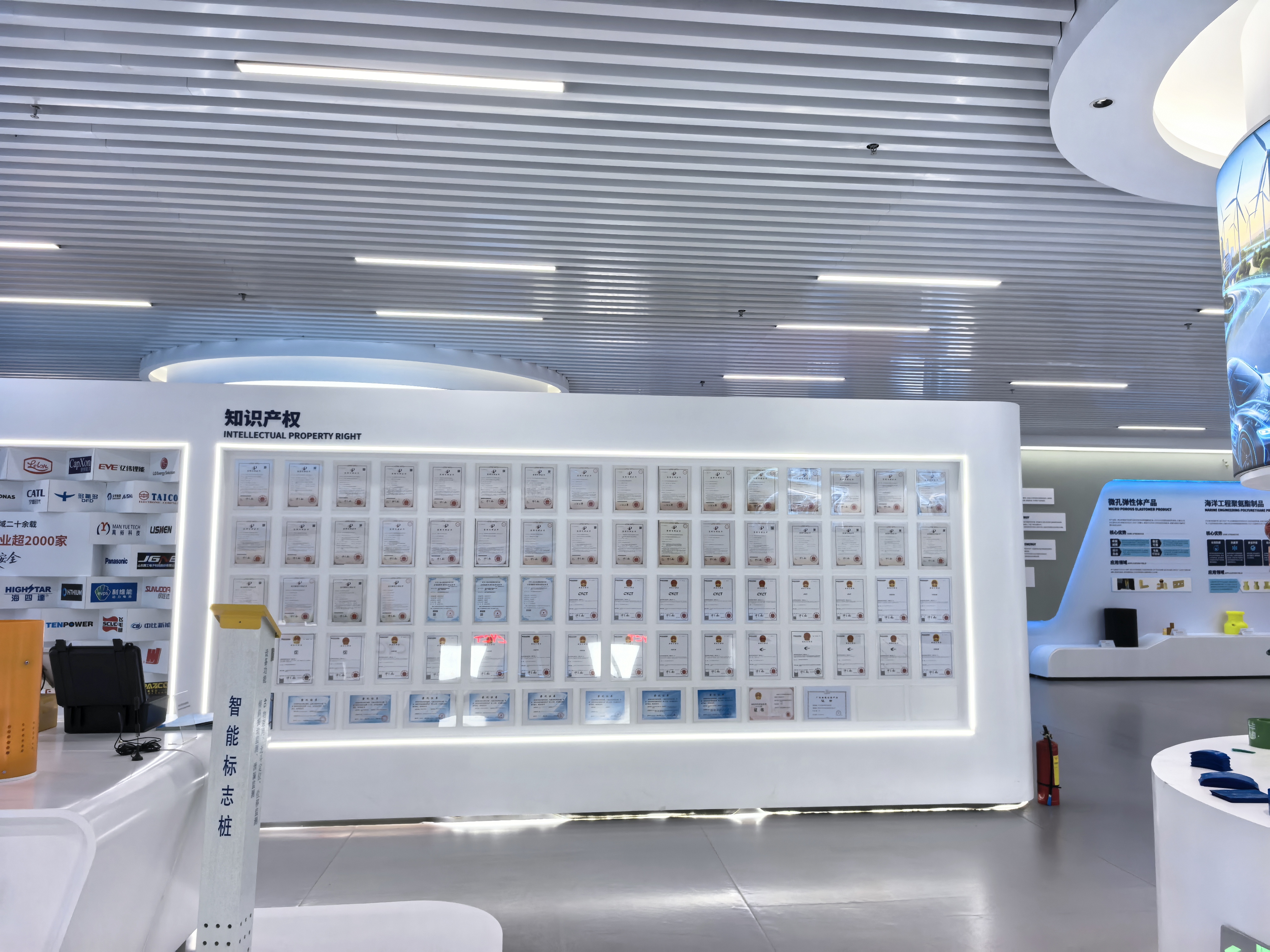
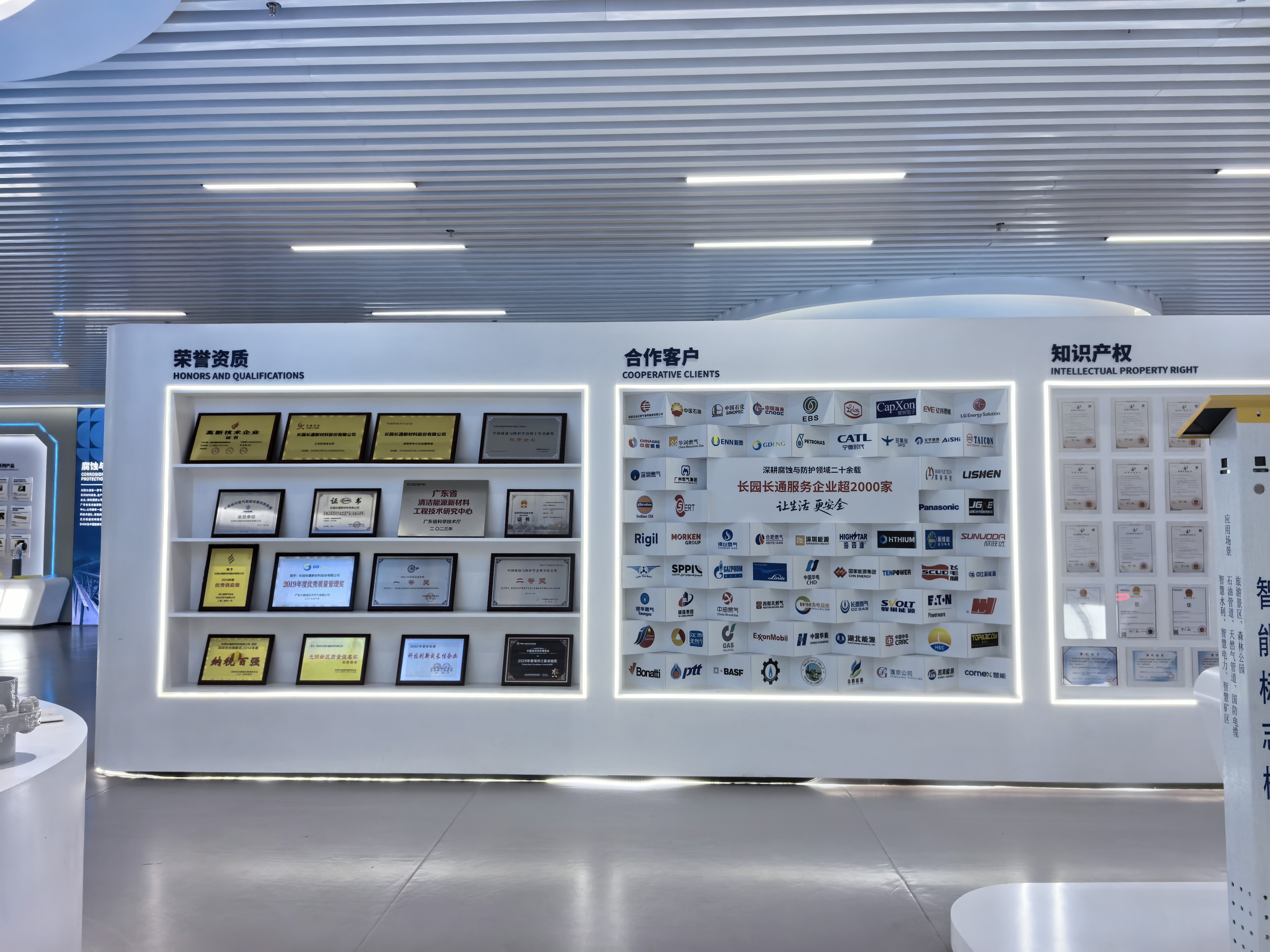
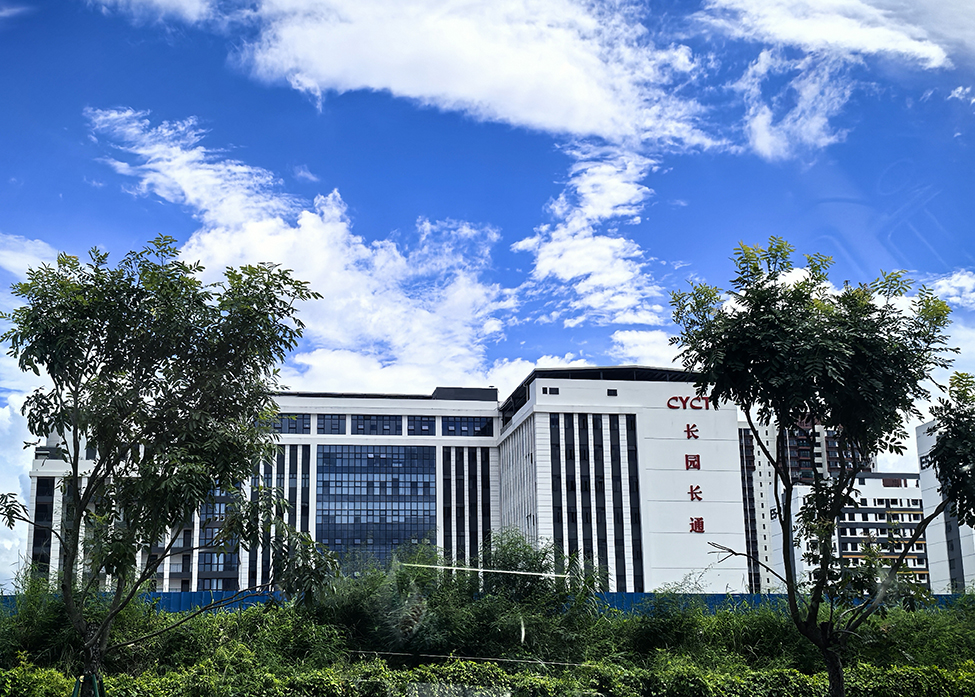
To keep pace with changing field joint coating requirements, CYCT collaborates closely with leading research institutes, including the CNPC Pipeline Science Research Institute. This partnership allows us to design, test, and optimize integrated solutions for buried pipelines—from cathodic protection design to rehabilitation project management.
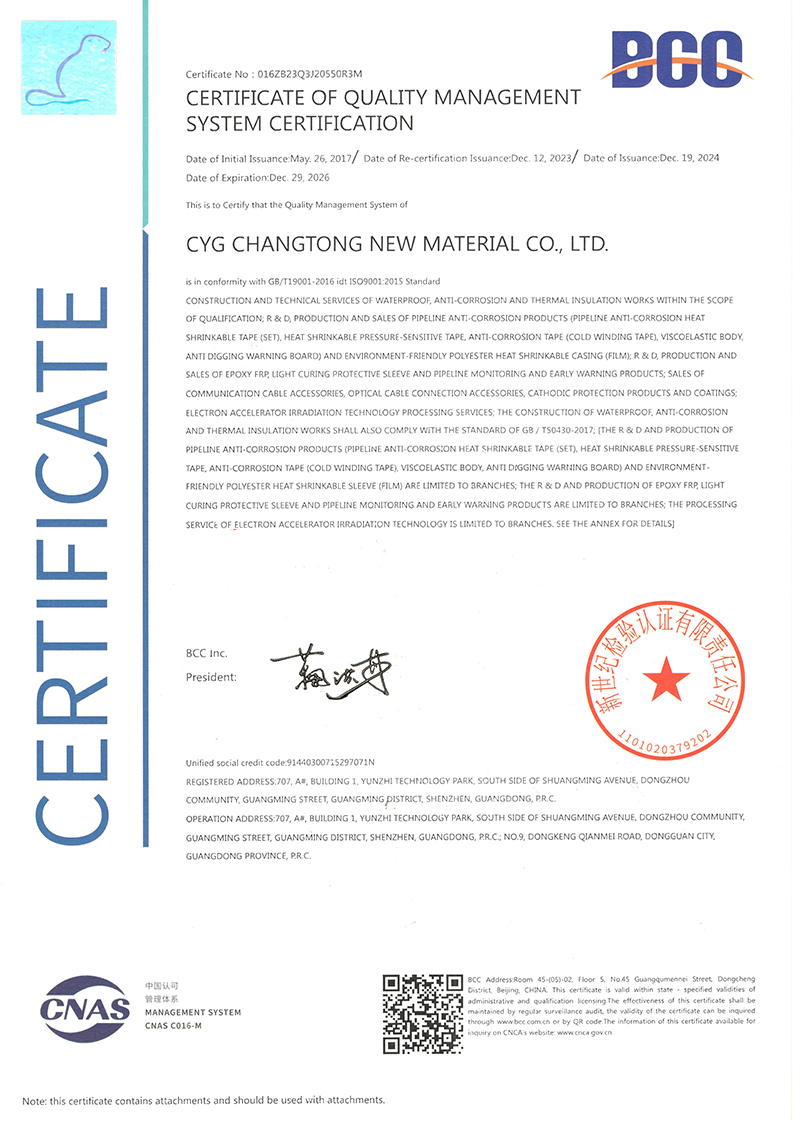
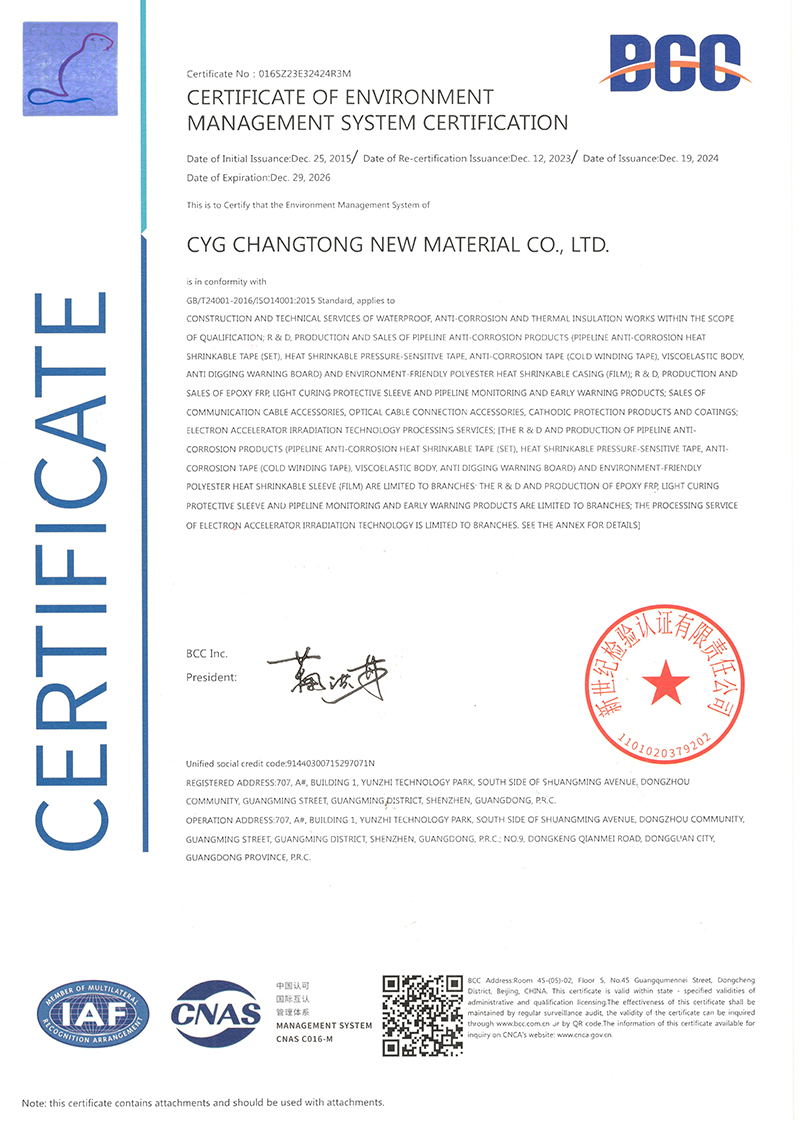
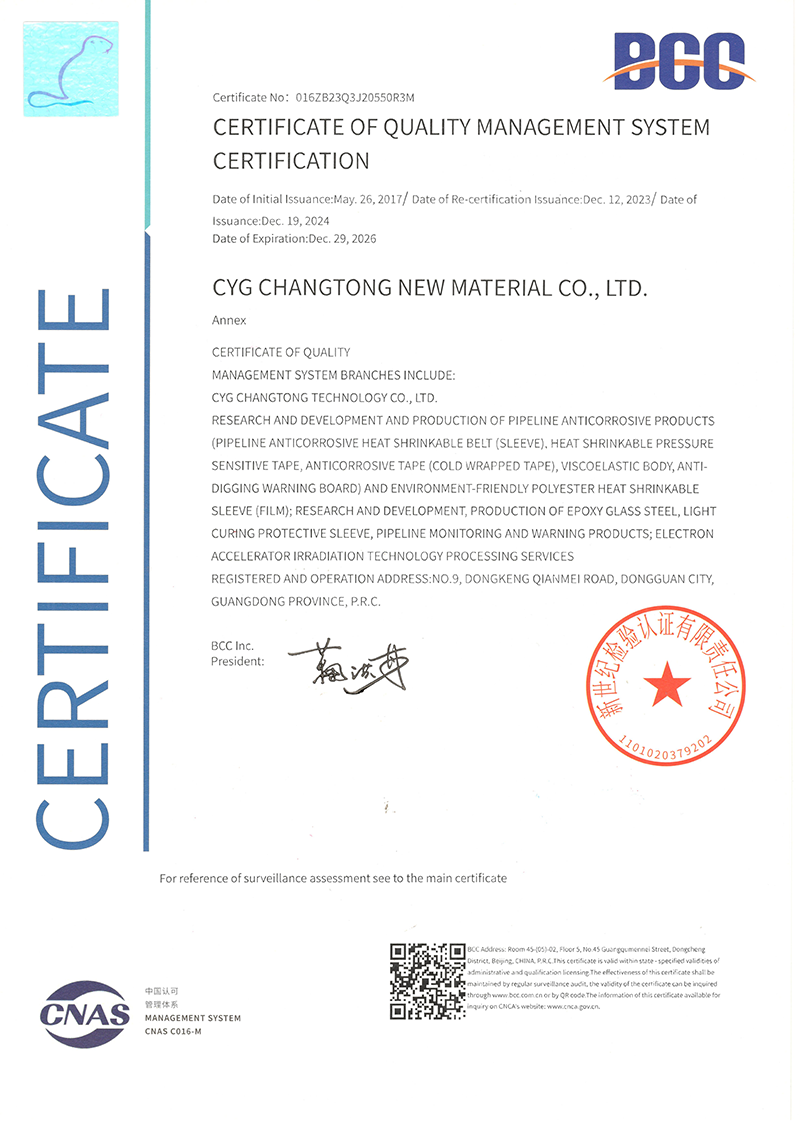
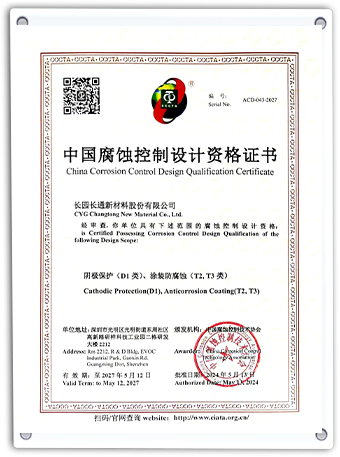
Our commitment to quality is backed by certifications and active memberships in key industry organizations. These credentials ensure that our materials and methods meet international pipeline engineering standards:
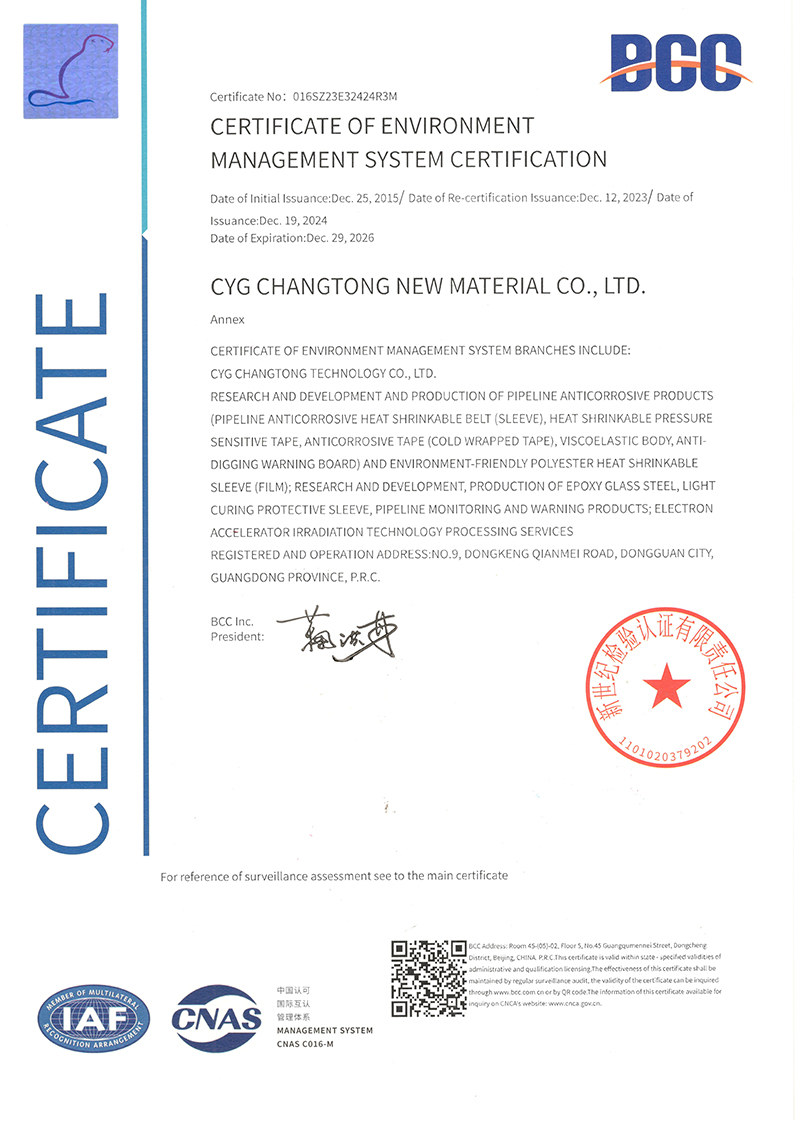
As the global energy sector transitions toward cleaner fuels, the pipeline industry is adapting to new challenges. These challenges include transporting blended hydrogen, supercritical carbon dioxide (for CCUS projects), and highly corrosive heavy crudes. These applications impose strict requirements on pipeline field joint coatings:
CYCT is actively testing new polyurea coatings and UV-curable glass-reinforced polymers to meet these demands, preparing for the next generation of global pipeline infrastructure projects.
International pipeline projects operate under strict regulatory and engineering codes. A high-quality field joint coating manufacturer must supply materials that comply with international standards. CYCT's product lines are tested and certified to meet the following industry codes:
Additionally, pipeline construction schedules are highly time-sensitive. Any delay in material delivery can halt construction, costing contractors thousands of dollars per day. CYCT provides comprehensive logistics support, heat-controlled container shipping for reactive liquid primers, and on-site technical supervisors to assist with crew training and application verification.
Answers to common engineering and sourcing questions regarding pipeline joint coating systems.
Explore additional products from our line, including PE tapes, repair systems, and thermal sleeves designed for industrial applications.
 CYCT
CYCT